 ساختمان مسکونی شمارهی یازده، اثر فرهاد باقرزاده چهارجوئی، فرزاد باقرزاده چهارجوئی
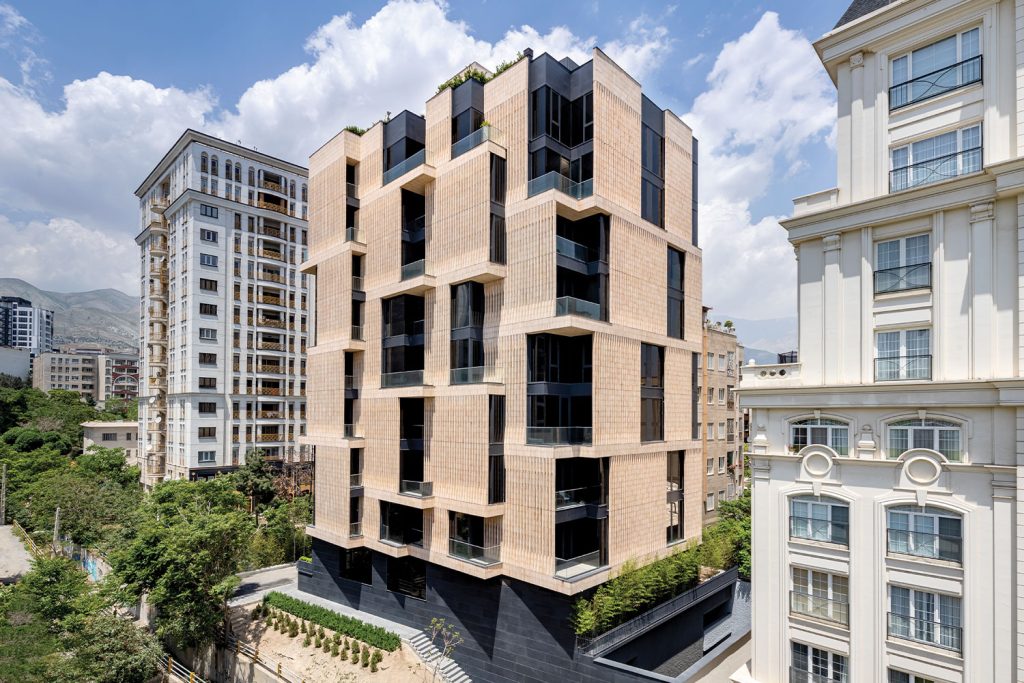 لومن، اثر علیرضا تغابنی
 مجتمع تجاری، تفریحی، فرهنگی سپهر گلدسته، اثر امین ترکان
هفتمین کتاب سال معماری معاصر ایران، 1403
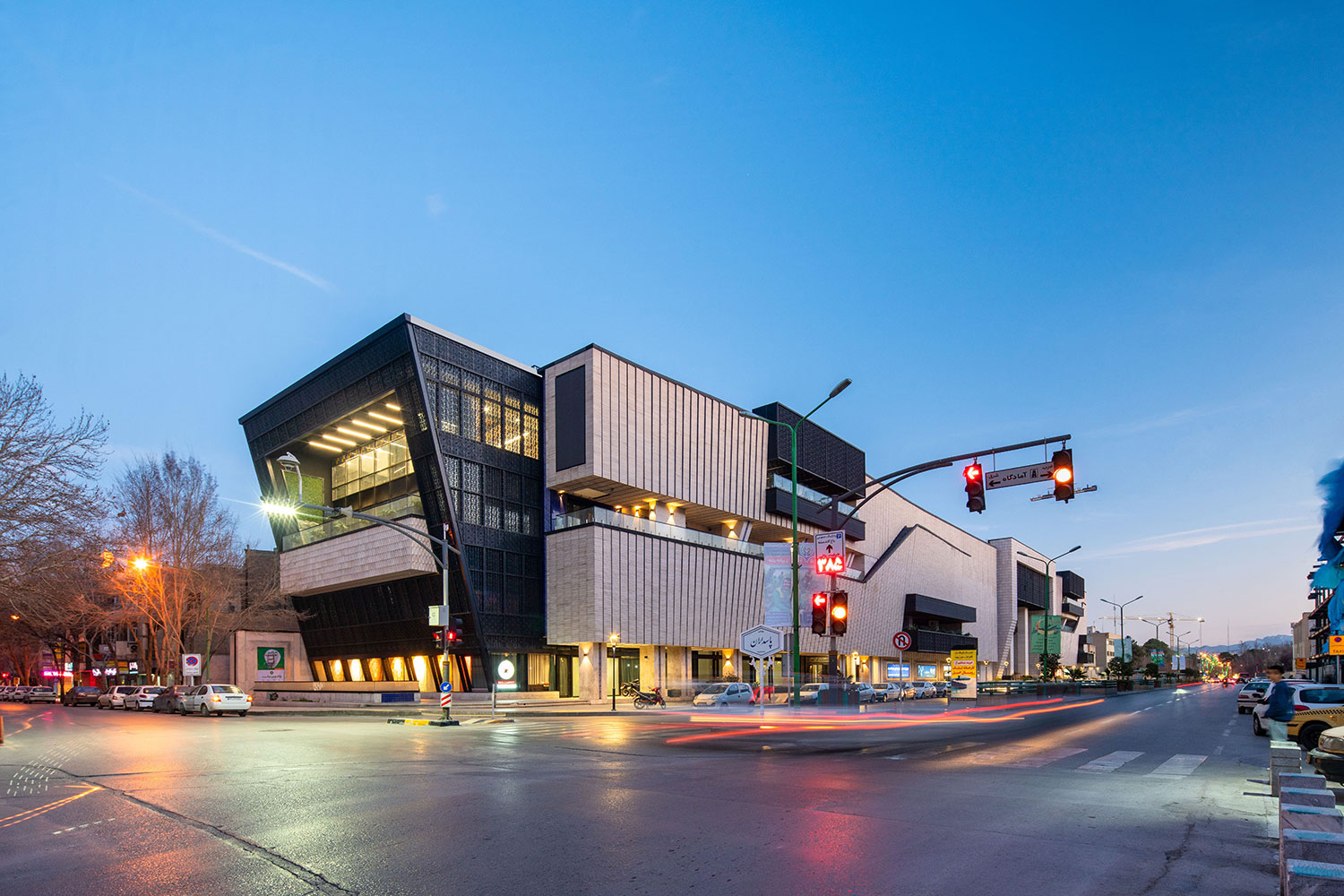
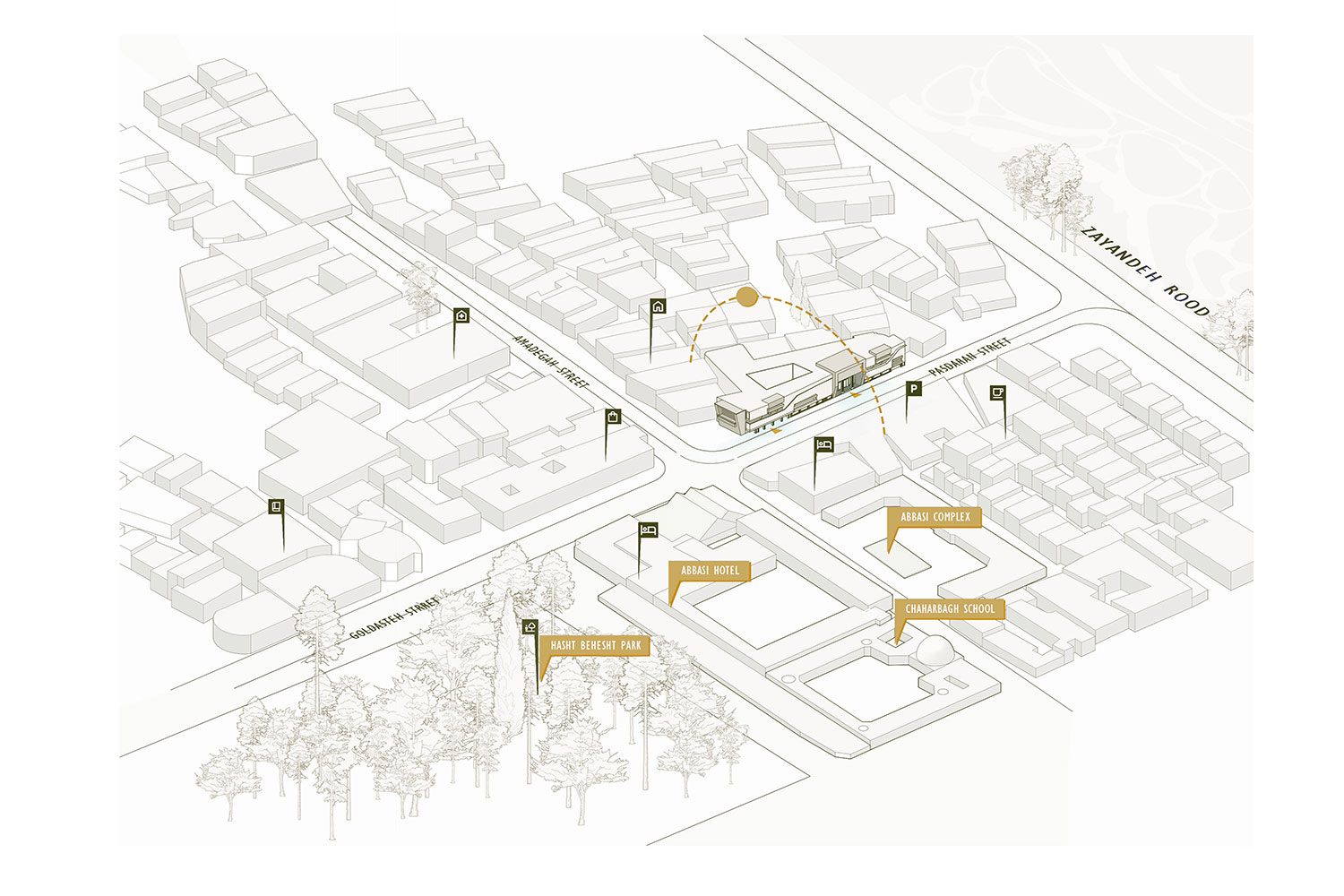
ایجاد یک مجموعهی تجاری در قلب بافت تاریخی-فرهنگیِ شهر اصفهان و مجاورت آن با چندین بنای فرهنگی و تاریخی همچون هتل عباسی، مدرسهی امام صادق، عمارت هشت بهشت، چهارباغ و سی و سه پل، ضمن ضرورت احترام به این بستر، چالشهای عدیدهای را پیش روی تمام دستاندرکاران طرح (طراح و کارفرما) قرار میدهد. به همین منظور در نهایت طرح کلی بنا برای حفظ احترام و پایبندی به بافت تاریخی و استخوانبندی شهر و اجرای ایدههای جدید، ما را به سمت ایجاد یک بنای درونگرا کشاند که علاوه بر احترام به مکانهای تاریخی میدانی، حضور خود را با غیاب مطرح کند.
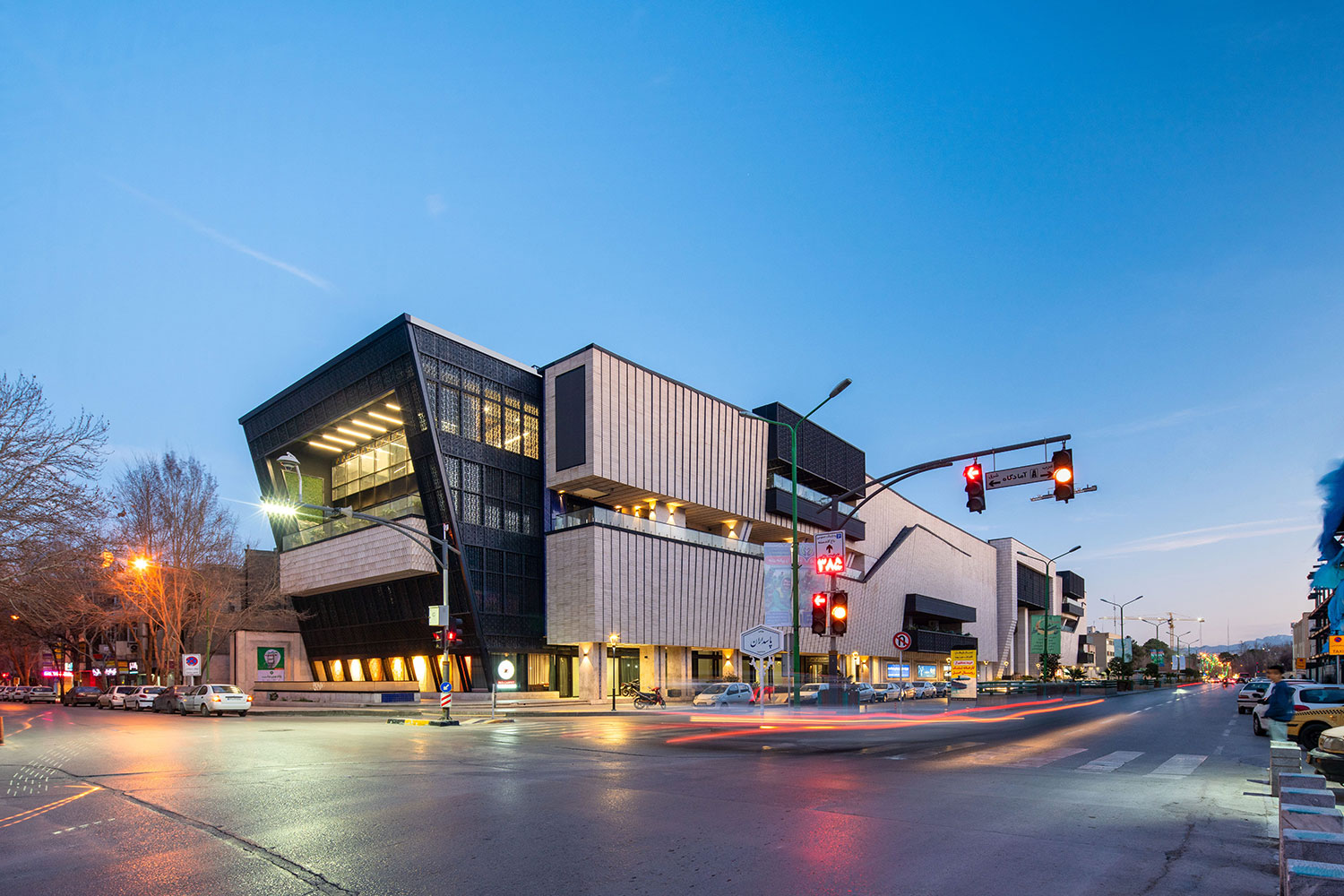
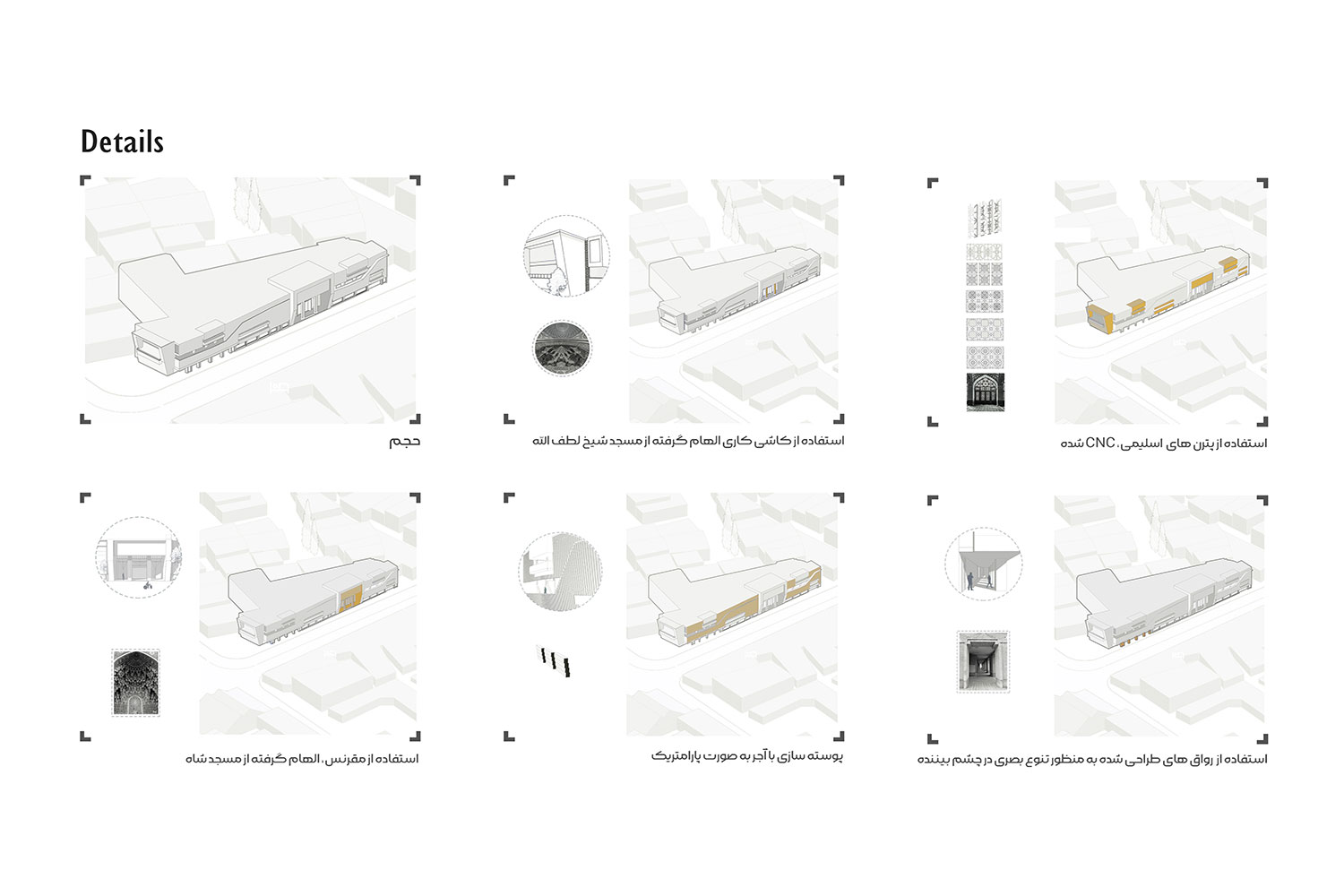
در جهت دوری از هندسهای آشفته و همخوانی با بستر، پوستهسازی با آجر به صورت پارامتریک به عنوان متریال غالب برای ایجاد فرمی سیال در پوستهی حجم استفاده شده است؛ به گونهای که با جهت دادن به آجر، از یک طرف آجر لعابدار دیده میشود و از طرف دیگر به صورت پارامتریک است که همین امر سبب پویایی نما نیز میشود.
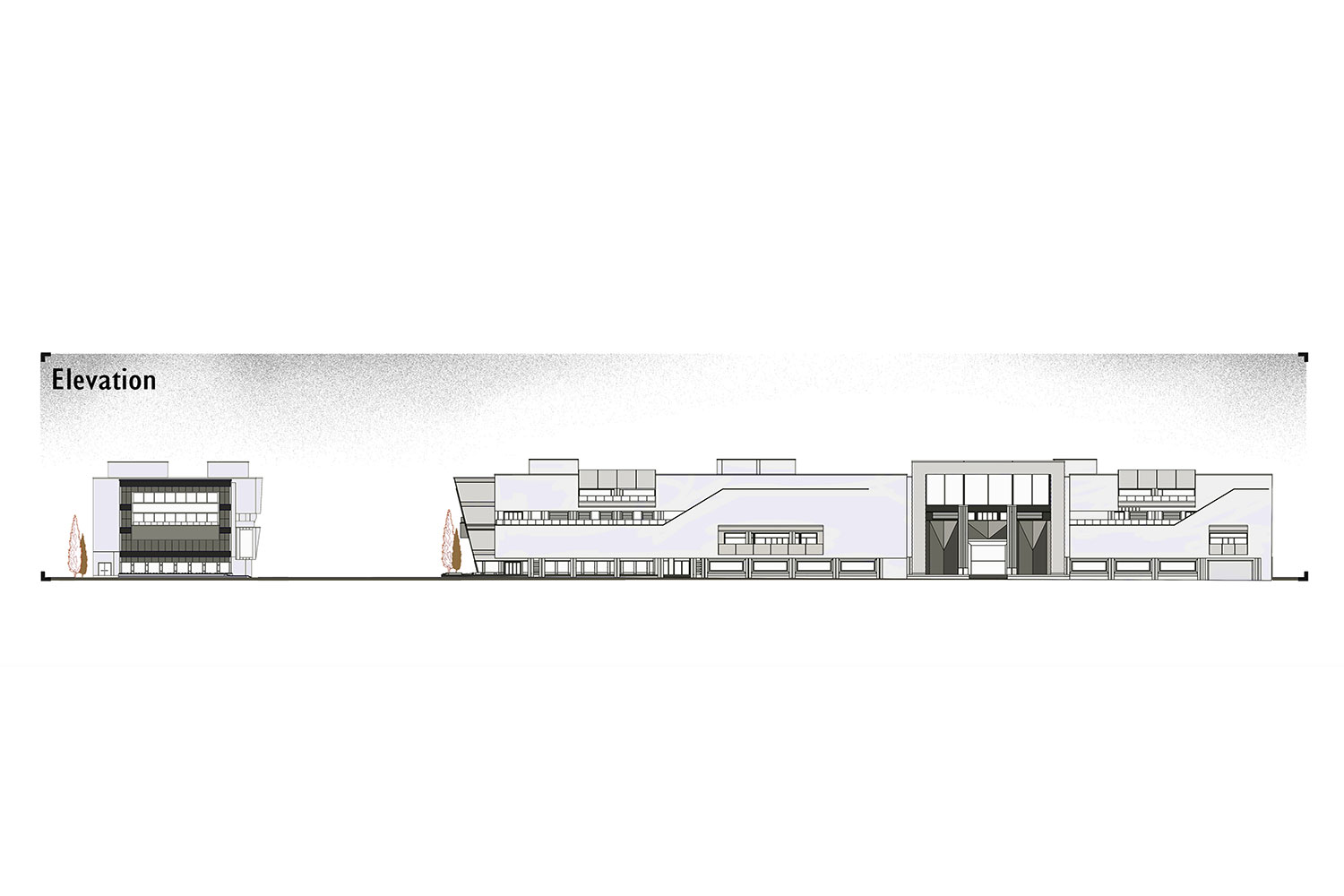
همجواری سایت با بناهای تاریخی فرصتی مغتنم را برای الهام از آنها در طراحی نما پیشروی ما قرار داد. عقب نشستن ضلع پایینی بنا و ایجاد سطح مورب در حجم در تبعیت از فرم هتل عباسی، ایجاد ریتم در نما شبیه آنچه در میدان نقش جهان نمایان است و شکستهایی که یادآور بازار قیصریهی اصفهان است، همه و همه علاوه بر زیبایی، هنر و معماری اصیل ایرانی را نیز به رخ میکشد.
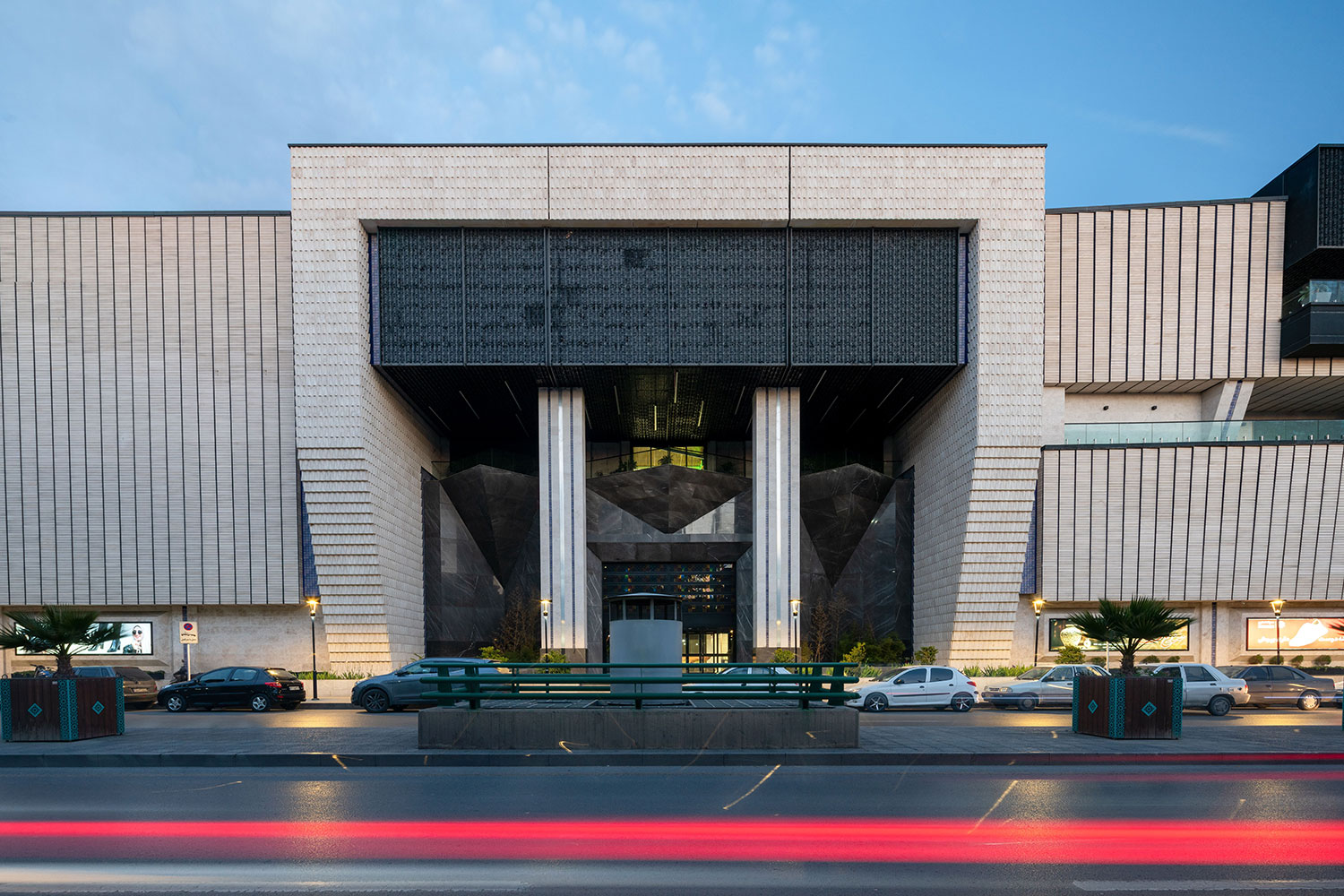
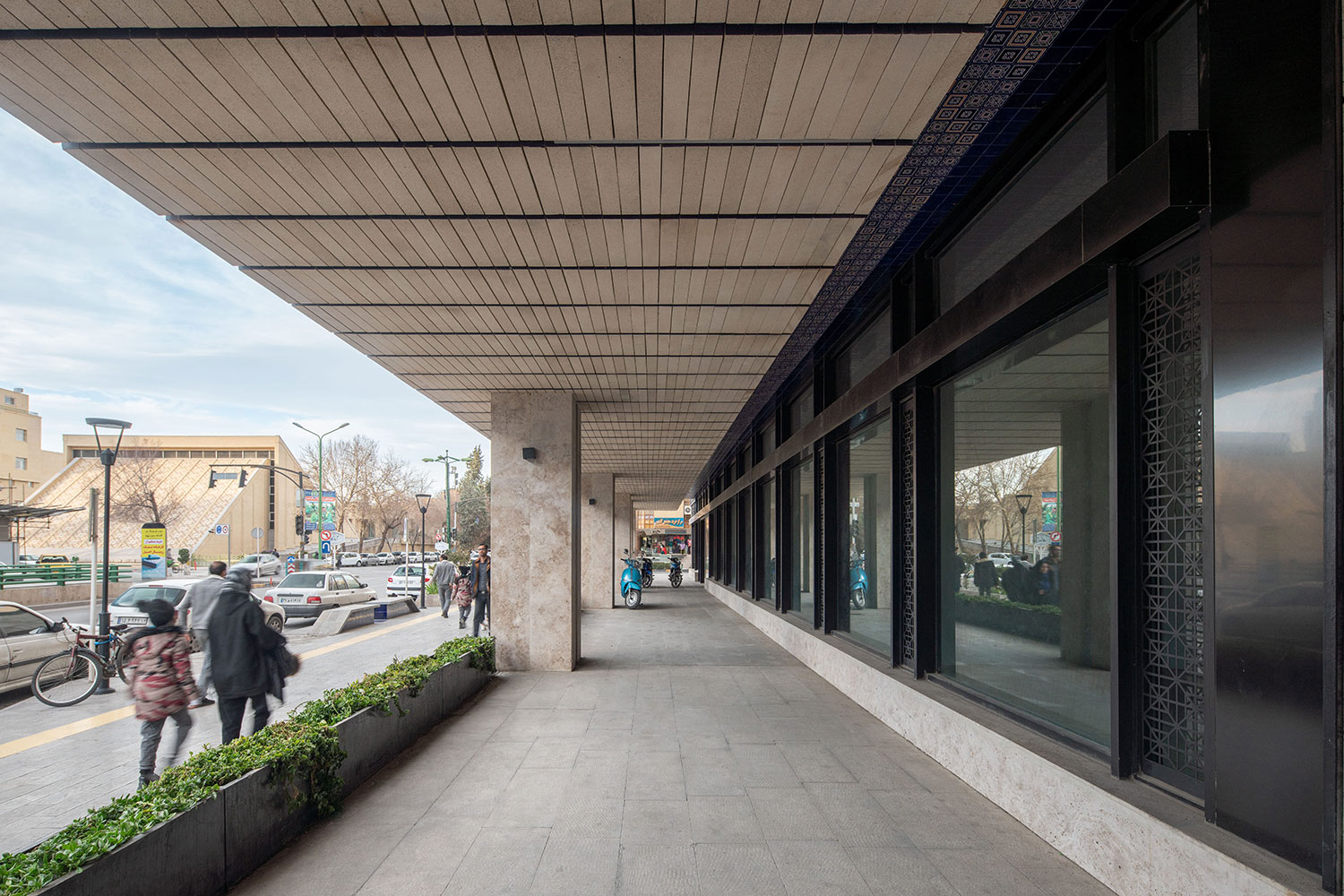
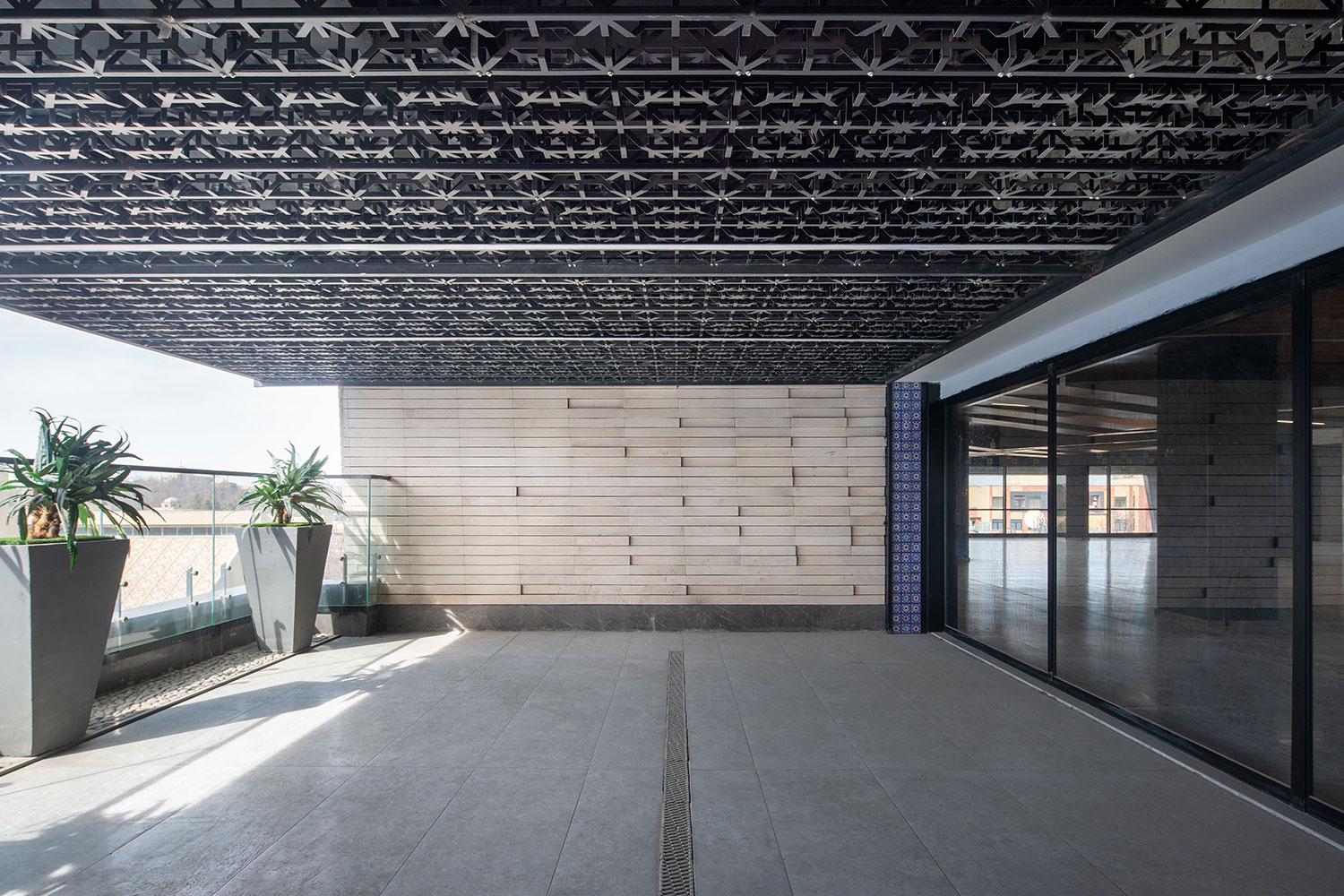
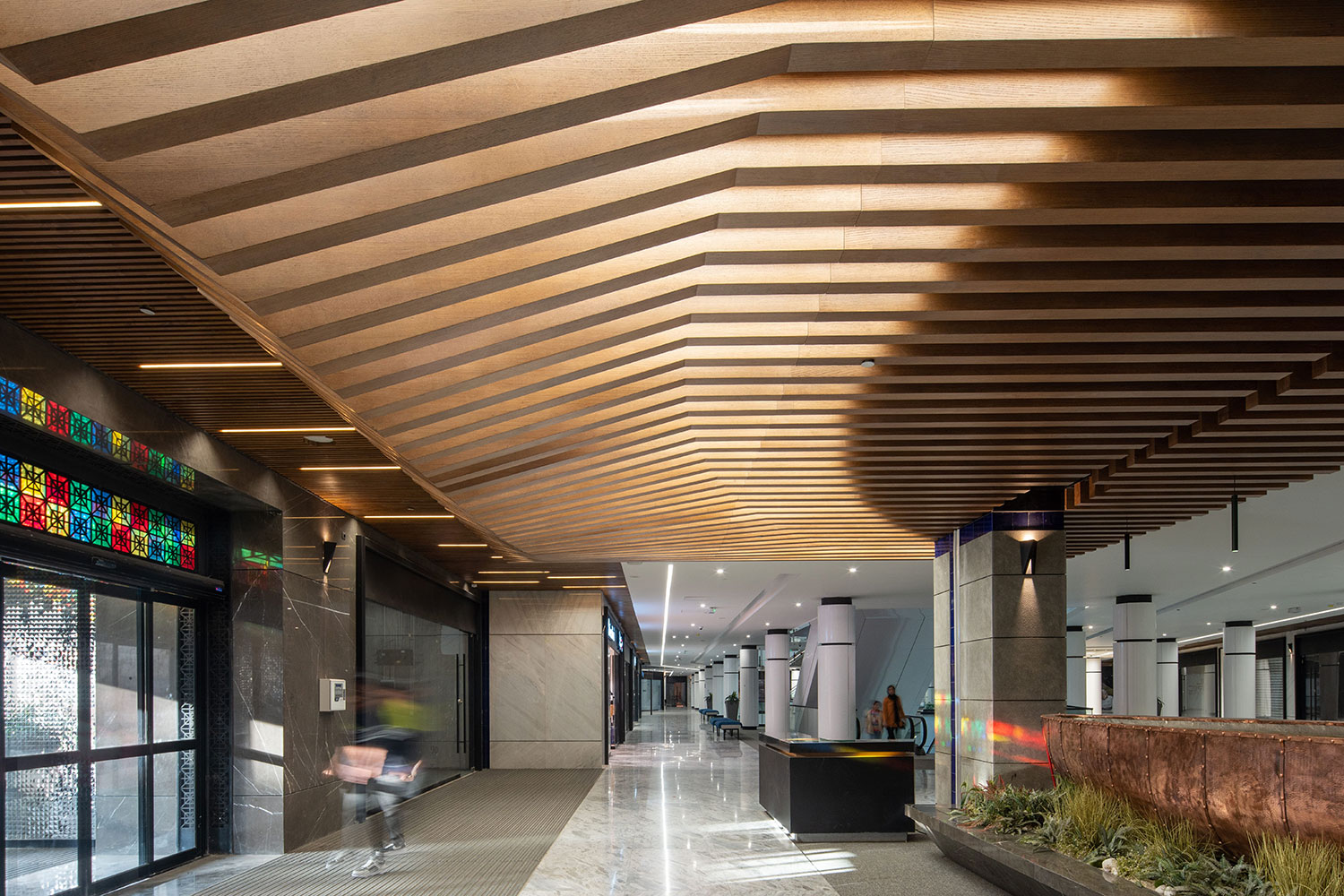
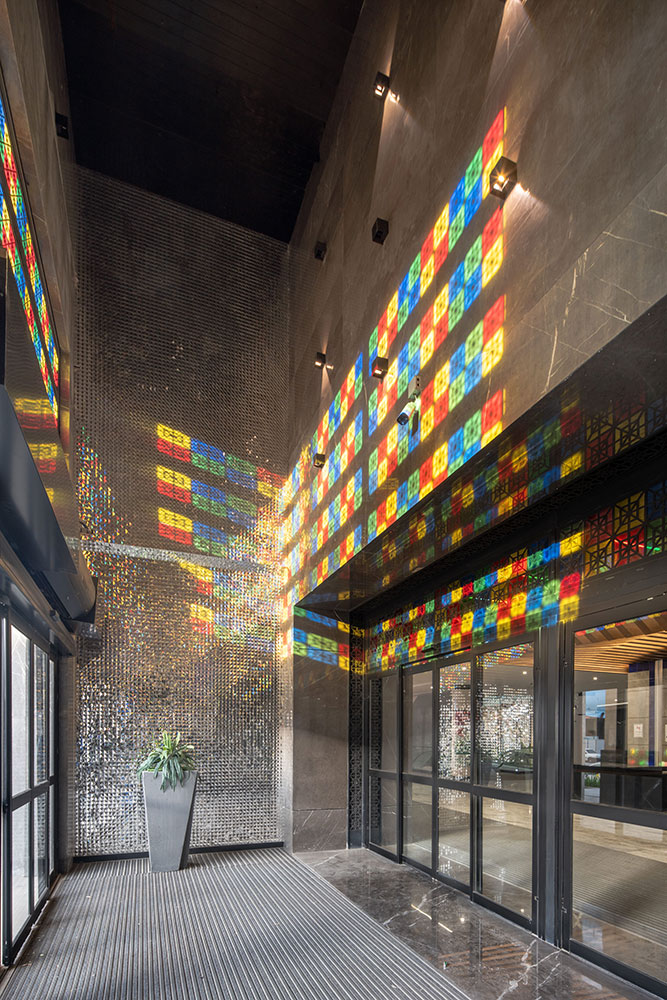
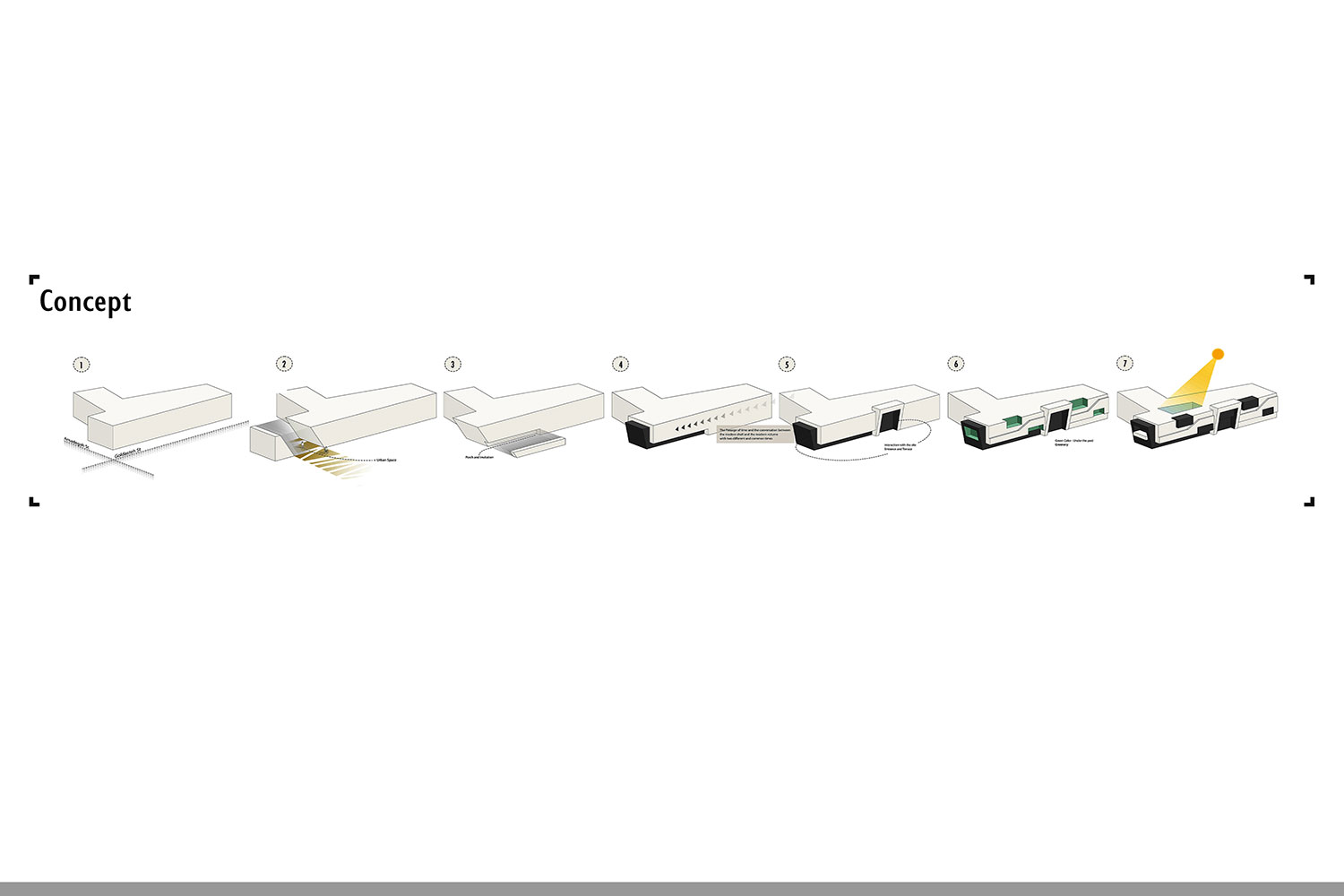
کیفیت تزریق شده در بنا لزوما از بردارها و قوانین درون معماری تبعیت نمیکند بلکه یک ویژگی ناشی از ادراکات حسی است. برای مثال در طراحی نمای مجموعه از هنرهایی نظیر آجرکاری، کاشیکاری، گچکاری و در مقابل شیشهها از پترنهای هندسی و شیشههای رنگی استفاده شده است. گوشهها و حاشیهها در نما نیز نمایانگر هنرهایی چون گرهسازی، کادربندی، مقرنس و کاشیکاری است. ایجاد فرورفتگی در قسمت ورودی از سمت خیابان آمادگاه، علاوه بر کشاندن مبلمان شهری به داخل فضا مجتمع، حس دعوتکنندگی را نیز به رهگذران القا میکند. ورودی بنا دری است با تزیینات ویژه متناسب با هویت ساختمان که نشان میدهد این در، آستانهی ورود به فضای مجزا از فضای عمومی بیرون ساختمان است.
طراحی بدنهی مدرن و ایجاد یک برجستگی در قسمت بالای نما به صورت حجم و استفاده از پترنهای اسلیمی cnc شده، نمود مطلوبی از تعامل سنت و مدرنیته در نماست.
رواق در بناهای تاریخی به صورت فضای سرپوشیدهی نیمهباز و راهرو مانند است که برای ایجاد ارتباط بین فضاها کاربرد دارد و بیشتر در اطراف حیاطها یا اطراف یک فضای ساخته شدهی درونگرا ایجاد میشود. به همین علت رواقهای طراحی شده در نمای ساختمان به منظور تنوع بصری در چشم بیننده و حفظ کیفیت فضایی رواقهای سنتی، با زاویهی 45 درجه به سقف محدود شده است.
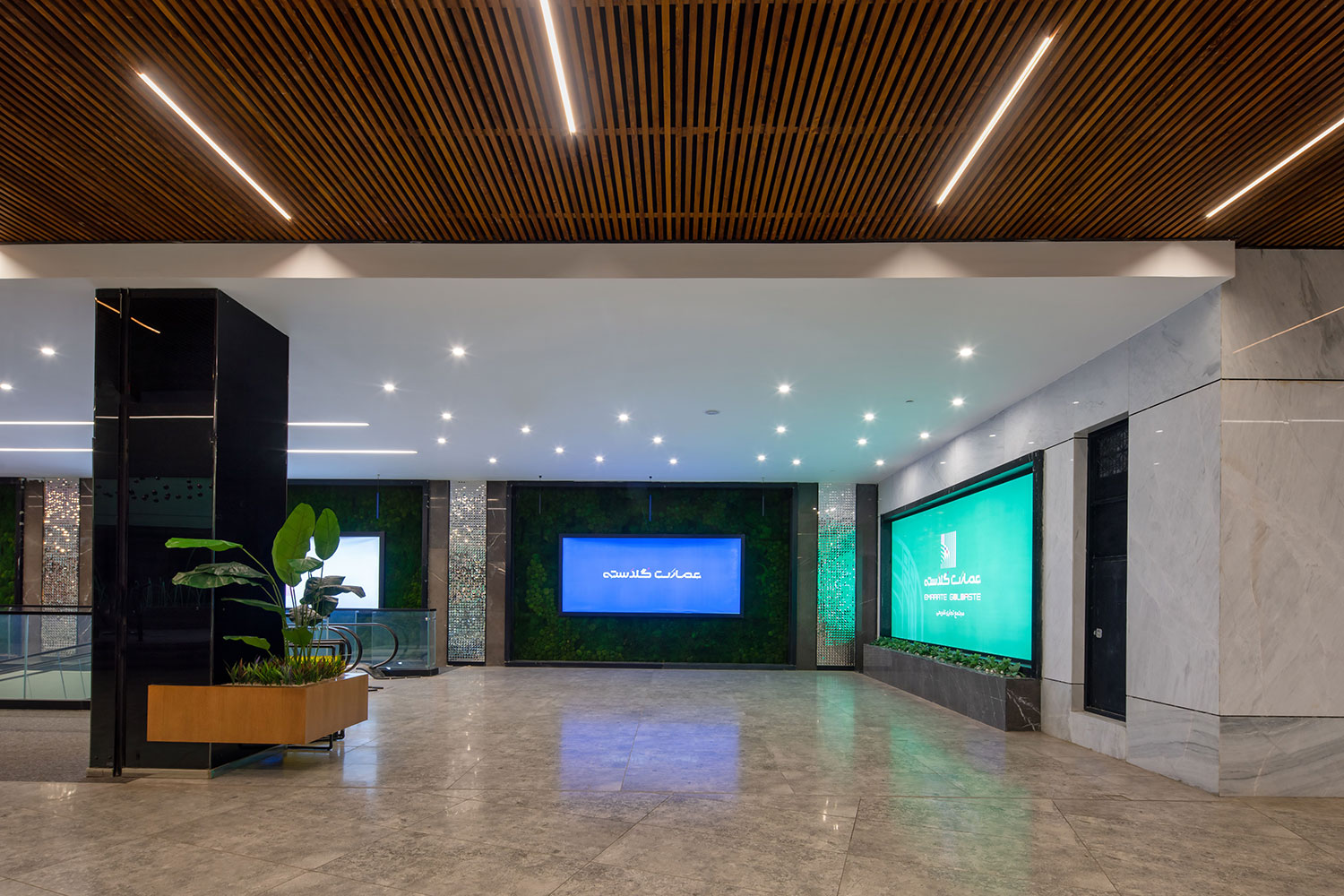
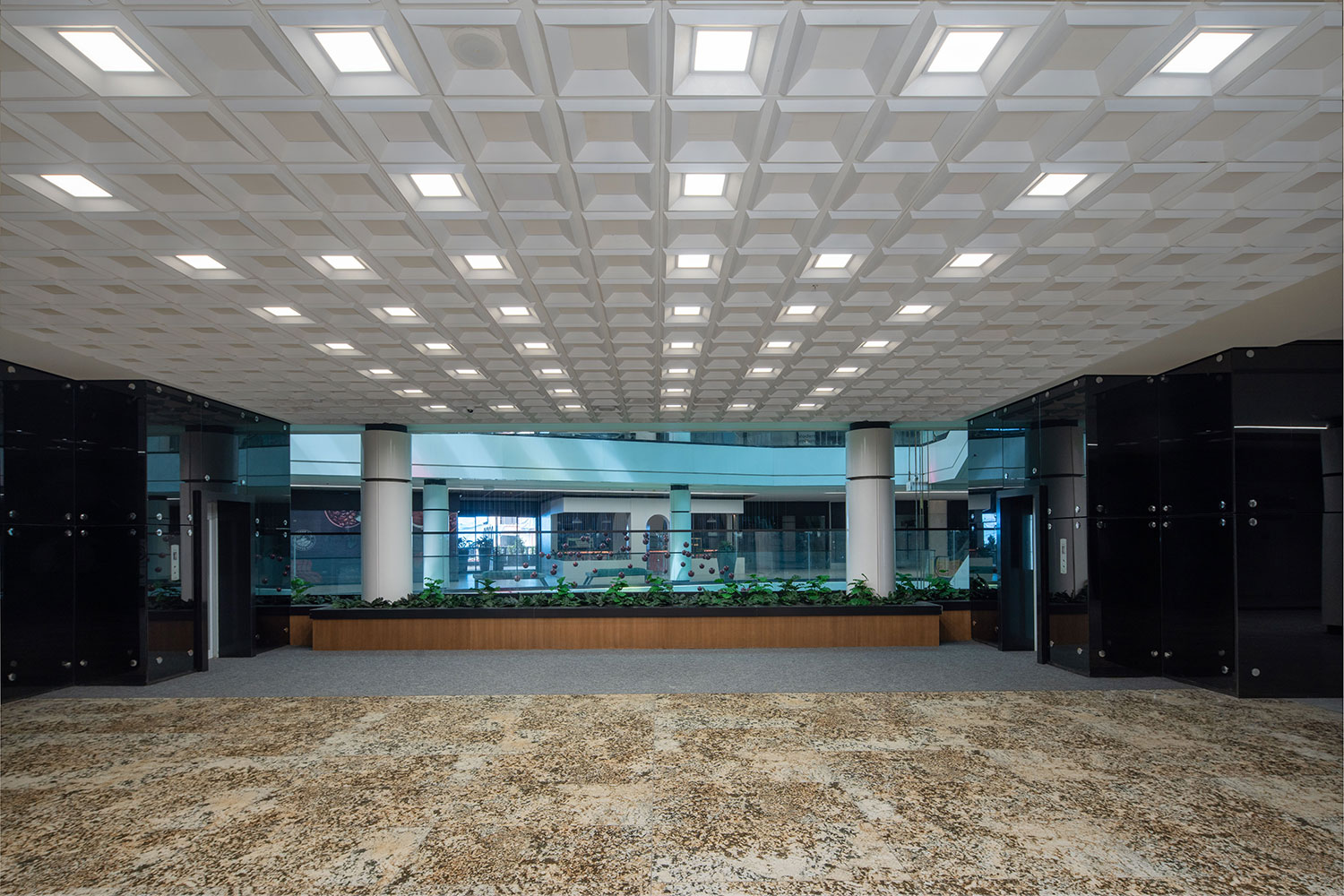
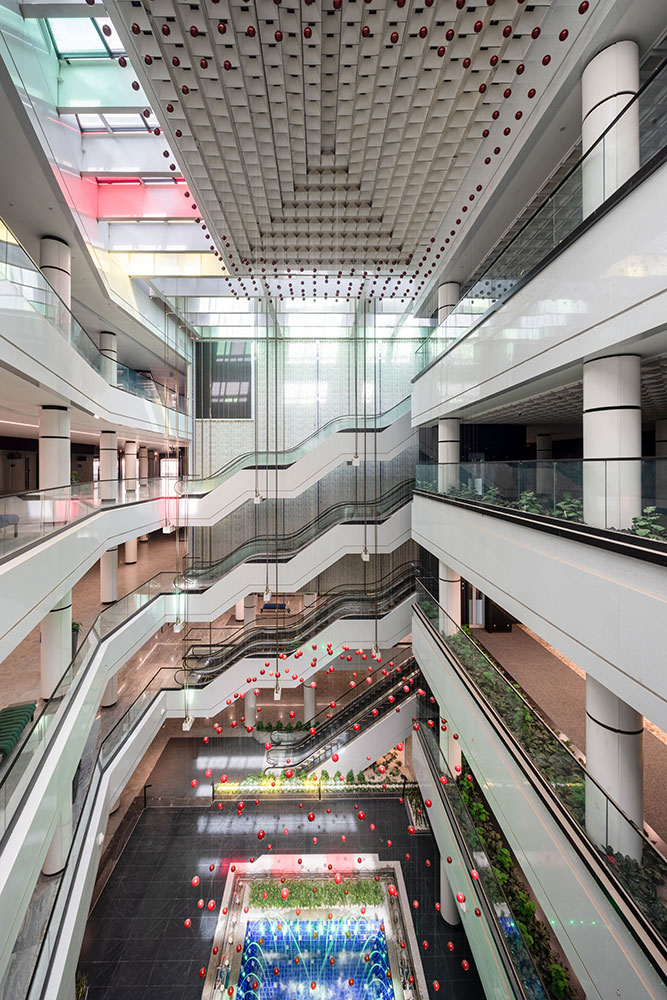
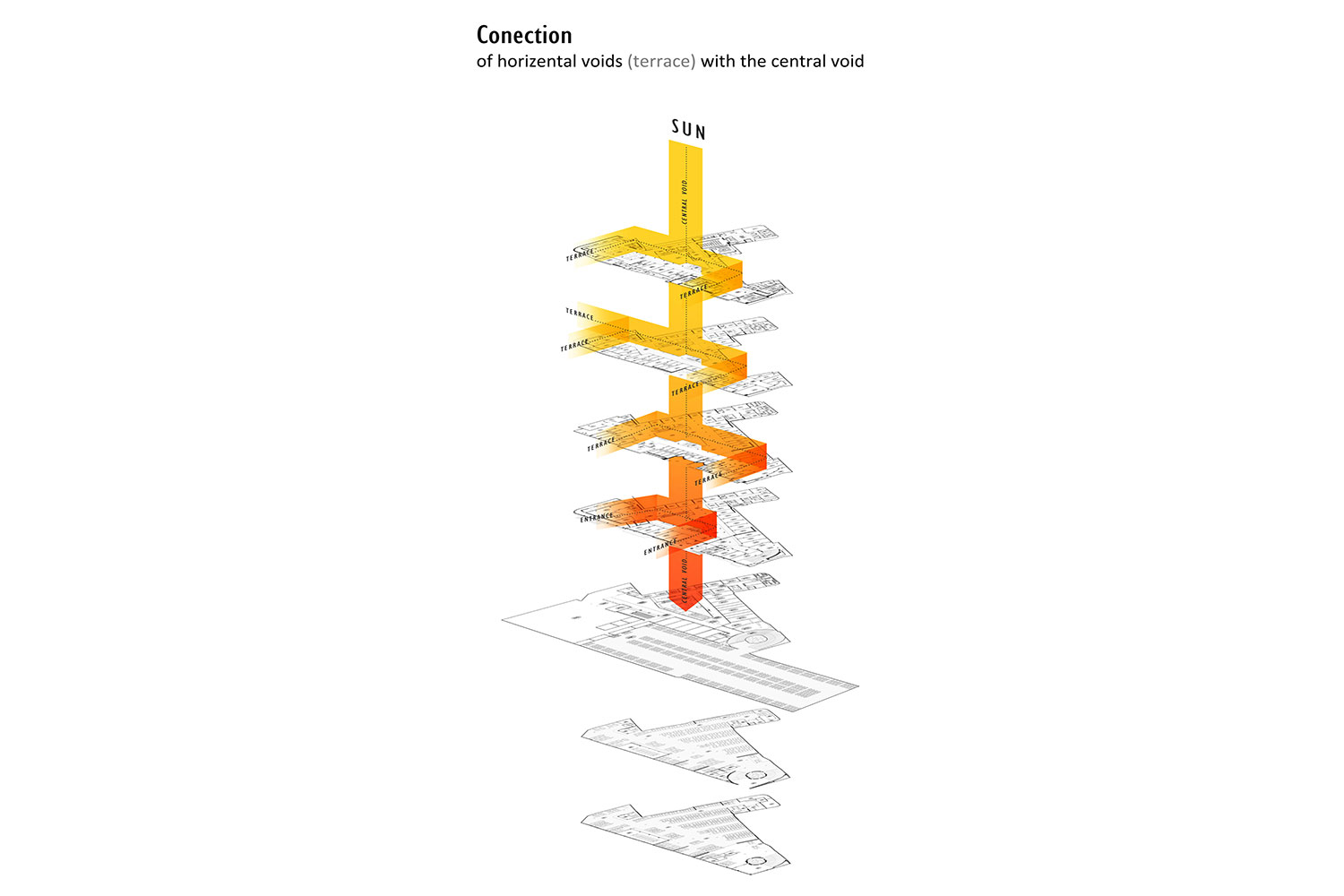
در عین سیالیت و آرام بودن نما و حجم بیرونی، در داخل، کاربریها پر از پویایی، حرکت و جنب و جوشند. با ایجاد وید مرکزی، حرکت خورشید به یک کیفیت نوری پویا در درون پروژه تبدیل شد که در ساعات مختلف روز همانند بیرون پروژه تاثیرهای متغیری در کیفیت بصری فضاهای داخلی میگذارد. در تقابل با فضای مدرن شهری که زمان فشرده، کوتاه و تندتر است اما از بیرون این حجم بزرگ یکپارچهی بنا شده از آجر، گویی در خودش آرام گرفته و به جهان اطراف خودش و چشمانداز طبیعی پیوند میخورد.
در نهایت در طراحی پروژه تلاش شده تا بنا ارتباط خود را با شهروندان حفظ کند. حتی افرادی که برای مراجعه به پزشک به خیابان شلوغ آمادگاه آمدهاند، میتوانند خستگیهایشان را لابهلای کاشیهای فیروزه رنگ نما جا بگذارند و در فضای مجموعه برای دقایقی از نگرانیهایشان رها شوند.
هفتمین کتاب سال معماری معاصر ایران، 1403
_______________________________________
نام پروژه: مجتمع تجاری، تفریحی، فرهنگی سپهر گلدسته
عملکرد: مجتمع تجاری، تفریحی، فرهنگی
مهندسین مشاور: مهندسین مشاور نهصد
معمار: امین ترکان
همکاران طراحی: عالیه نادری، نیلوفر بیگی، مریم شعبانی
طراحی و معماری داخلی: مهرسا فروغی، عالیه نادری، نیلوفر بیگی، مریم شعبانی
رندر و ترسیم: محمدامین استرآبادی، مسعود هادیان، علی گرجیان، مریم اعرابی، پروین هاوش، سحر تعمیمزاده، منصوره آهی
ارائه: فائزه جعفری، عارفه حمزهای، فاطمه صدیقی
نورپردازی: مهندسین مشاور نهصد
مهندس تاسیسات: آقای ابطحی
نوع تاسیسات: سیستم تهویه هوا VRF
مهندس سازه: مهندسین مشاور نهصد
نوع سازه: اسکلت بتنی
کارفرما: معاونت فنی و مهندسی محترم شرکت سرمایهگذاری عمران و توسعه اوج سپهر اصفهان
مجری: معاونت فنی و مهندسی محترم شرکت سرمایهگذاری عمران و توسعه اوج سپهر اصفهان
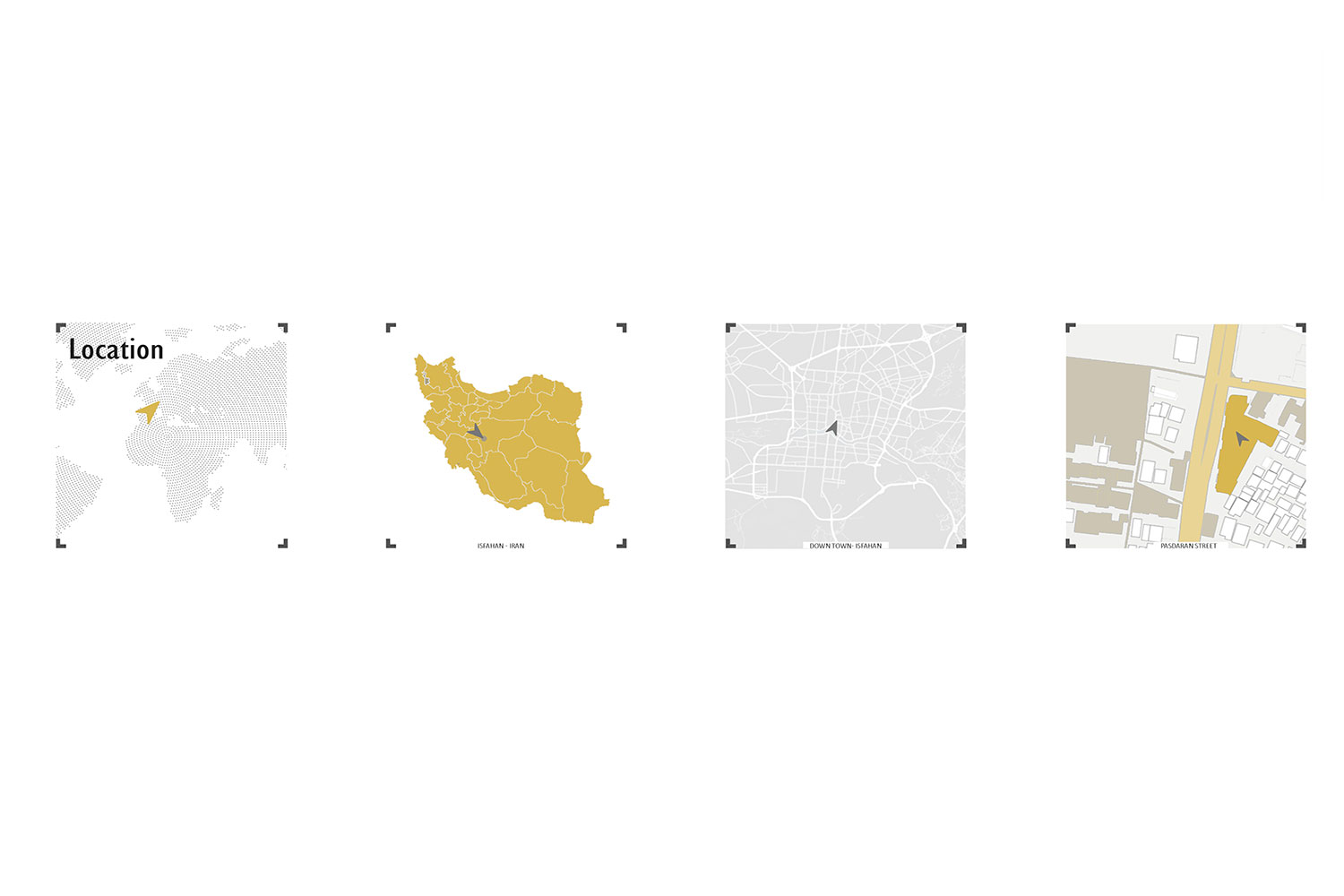
آدرس پروژه: اصفهان خیابان گلدسته
مساحت زمین: 6352 متر مربع
زیربنا: 42000 متر مربع
تاریخ شروع – پایان ساخت: 1401-1388
عکاس پروژه: دیداستدیو.
وبسایت: www.amintorkan.com
ایمیل: amintorkan@yahoo.com
اینستاگرام: 900co
commercial-recreational complex, the culture of Sepehr Goldaste, Amin Torkan
Project Name: commercial-recreational complex, the culture of Sepehr Goldaste
Function: commercial-recreational-cultural
Office: 900 consulting Engineers
Lead Architect: Amin Torkan
Design Team: Alieh Naderi, Niloufar Beigi, Maryam Shaabani
Interior Design: Alieh naderi Niloufar Beigi, Mehrsa Foroughi Maryam shaabani
Render/draw: Mohammad Amin Astarabadi, Masoud Hadian, Ali Gorjian, Maryam Arabi, Parvin Havash, Sahar Tamimzade, Mansoreh Ahi
Presentation: Faeze Jafari, Arefe Hamzei, Fateme Sedighi
Lighting: 900 consulting Engineers
Mechanical Installations Engineer: Mr. Abtahi
Mechanical Structure: VRF
Structural Engineer: 900 consulting Engineers
Structure: concerte structure
Client: Investment in construction and development of Oj Sepehr Pars
Executive Engineer: Investment in construction and development of Oj Sepehr Pars
Location: Isfahan, Bagh-e Goldaste Street
Total Land Area: 6352 m2
Area of Construction: 42000 m2
Date: 2009-2022
Photographer: deedstudio.
Website: www.amintorkan.com
Email: amintorkan@yahoo.com
Instagram: 900co
The Sepehr Goldaste complex is located in the heart of the historical and cultural fabric of Isfahan, near famous historical sites such as the Abbas Hotel, the Imam Sadiq School, the Hasht Behesht Palace, Chahar Bagh Street, and the Si-o-Se Pol Bridge. This project was designed with the aim of creating an introverted building that utilizes modern technology while respecting the rich Iranian architecture.
Respect for the Historical Context
Building a commercial complex in an area with so much history and culture requires special respect for the historical context. One of the main challenges was to strike a balance between modernity and tradition, so that the historical identity of the area is not compromised while also meeting the modern and economic needs of the project.
Attention to the Project’s Economics
In designing this complex, in addition to beauty and harmony with the environment, it was necessary to consider the project’s economics and investment objectives. This required the use of up-to-date technologies and quality materials that could also control costs.
Every architectural building has two external and internal aspects.
Exterior Appearance
The exterior facade of the Sepehr Goldaste complex is designed using parametric bricks. These bricks are oriented in a way that they appear glazed on one side and parametric on the other. This design creates dynamism and beauty in the facade.
Inspiration from Historical Buildings
The facade design is inspired by historical buildings in Isfahan. For example:
– Recession of the lower side of the building: This feature is designed in imitation of the form of the Abbas Hotel.
– Creating rhythm in the facade: Similar to what is seen in Naqsh-e Jahan Square.
– Breaks in the facade: Reminiscent of the Isfahan Qeysarie Bazaar.
Use of Traditional Arts
The facade of the complex utilizes traditional Iranian arts such as brick masonry, tile work, plasterwork, and geometric patterns. The corners and edges of the facade also feature traditional arts like knot-making, framing, muqarnas, and tile work. The use of plants and a water feature in the building’s facade and entrance, in addition to their aesthetics, create a calming atmosphere.
Entrance and Inviting Nature
Entrance Design
The building’s entrance is designed with special decorations, indicating the threshold of a space separate from the public outdoor area. The design of the modern facade body and the protrusion at the top of the facade in the form of a volume, as well as the use of CNC-carved arabesque patterns, demonstrate the interaction of tradition and modernity.
Interior Spaces and Porticos
Portico Design
The porticos designed on the building’s facade are limited to a 45-degree angle to the ceiling, in order to provide visual diversity and preserve the spatial quality of traditional porticos. This design helps maintain harmony with Iranian architectural traditions.
Interior Spaces
The interior space of the complex is full of dynamism and movement. The central void creates a dynamic lighting quality inside the project. At different times of the day, the movement of the sun has varying effects on the visual quality of the interior spaces. In addition to natural light, this central void also enhances the sense of an open and inviting spatial quality.
Sense of Life and Calmness Through Light and Color
The use of reflected colored lights, moving spheres, and other decorative elements instills a sense of liveliness in the visitors. These elements make the space appear vibrant and lively.
Combination of Tradition and Modernity
At the same time, the silence and simplicity of the space slow down and extend the concept of time, in contrast to the fast-paced modern urban space. From the outside, this large, unified volume built with brick somehow displays a sense of calmness and a natural connection with the surrounding environment.
Relationship with Citizens and Preservation of Cultural Connection
In the design of the project, efforts have been made to maintain the building’s connection with the citizens, including those who come to the Amadegah Street for medical visits.
مدارک فنی
مطالب مرتبط