 معمــــاری معاصـــر ( امروز )، 2. رشنالیسم اروپـایــی (خردگرایی اروپایی)، نوشتهی جیمز استیل، ترجمهی، لادن مصطفی زاده
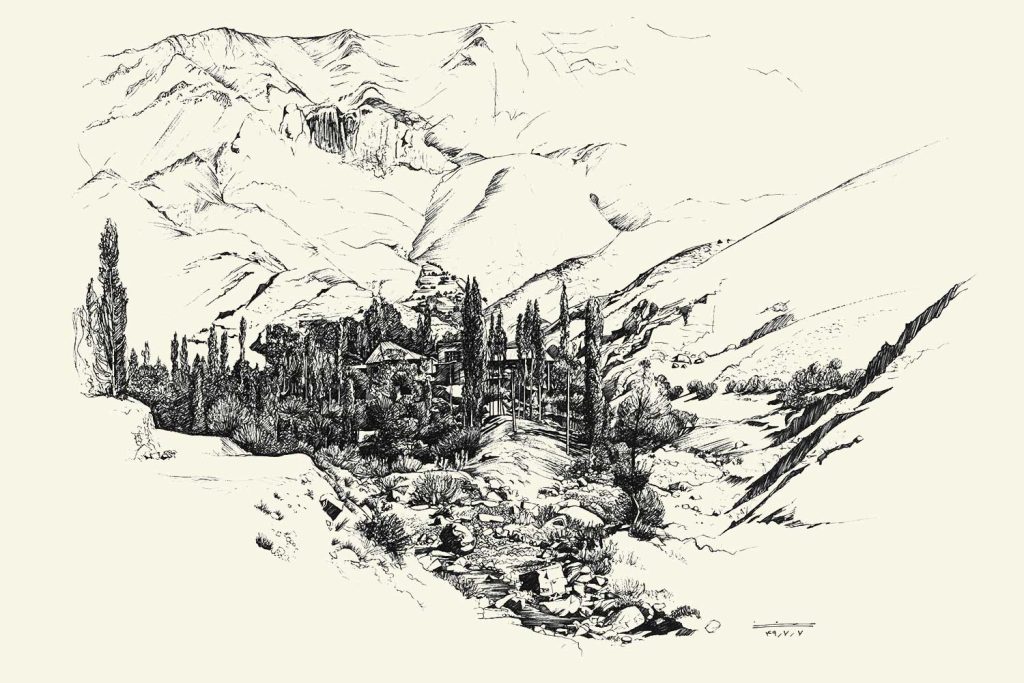 کروکیهای مناظر طبیعی ایران هوشنگ سیحون
اولین مرکز اسماعیلی در ایالات متحده، با طراحی دفتر معماری «فرشید موسوی»، در شهر هیوستون افتتاح شد.
The first Ismaili Center in the United States, designed by Farshid Moussavi Architecture, has opened in Houston.
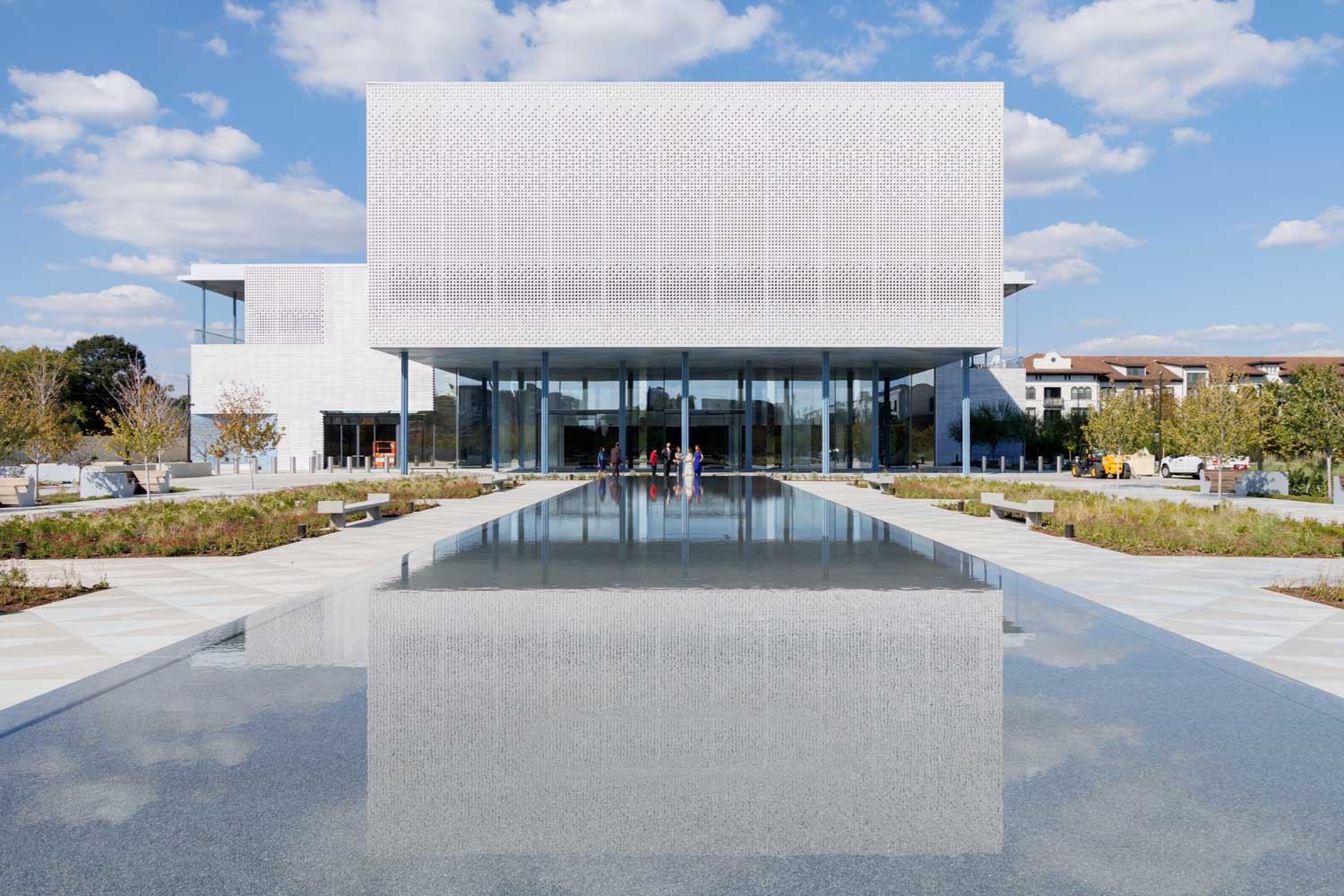
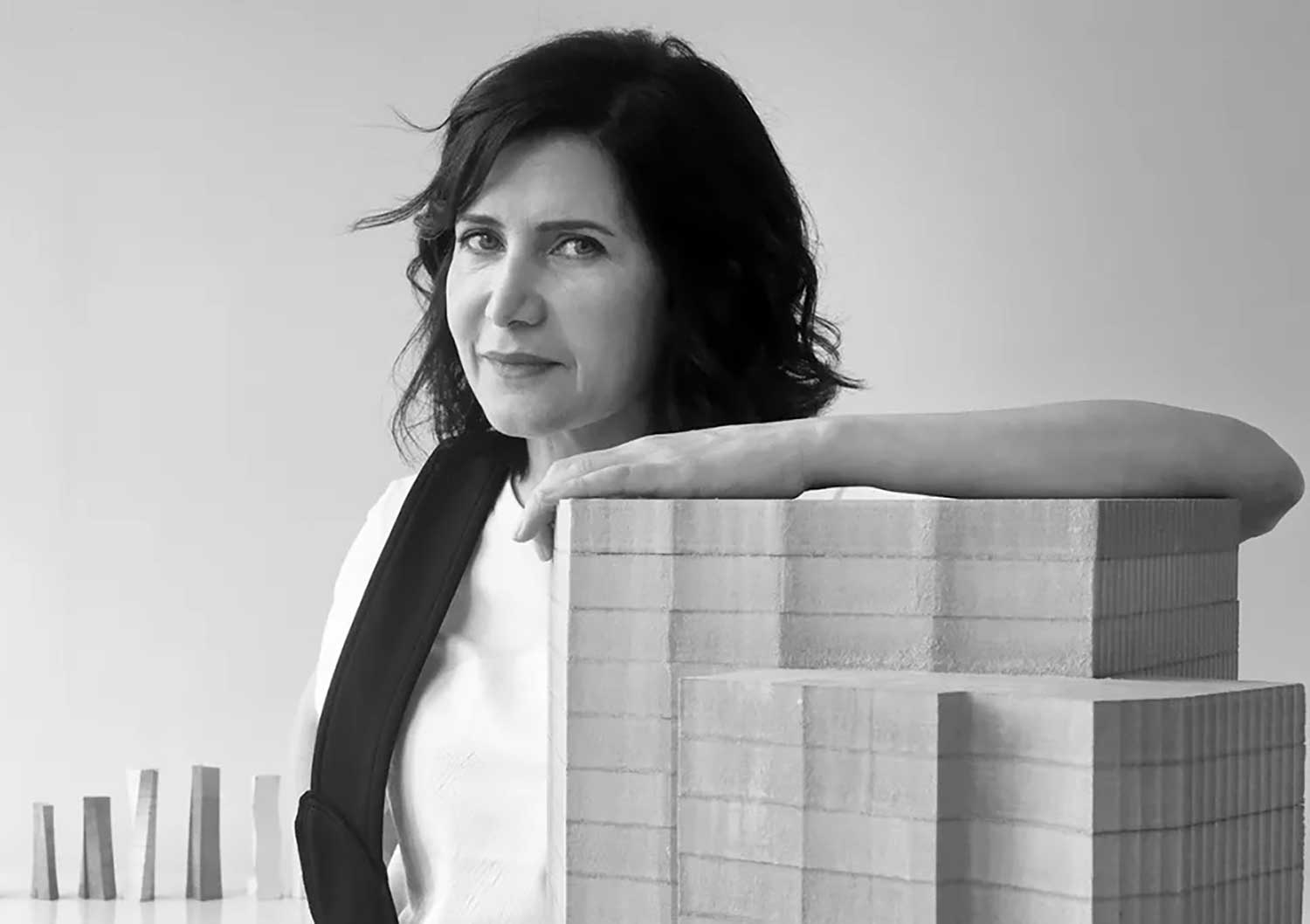
افتتاح اولین مرکز اسماعیلی در ایالات متحده با طراحی دفتر معماری «فرشید موسوی»
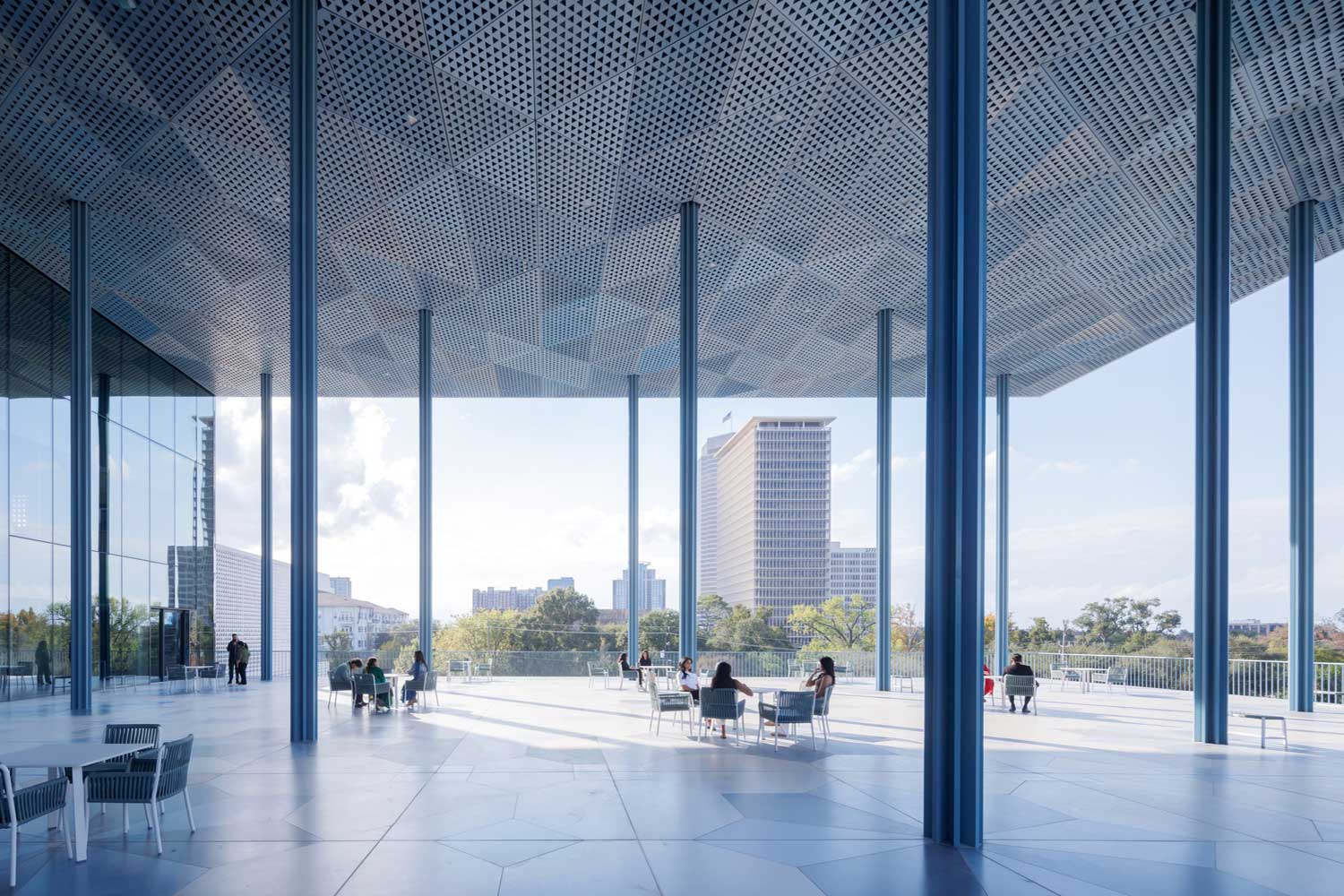
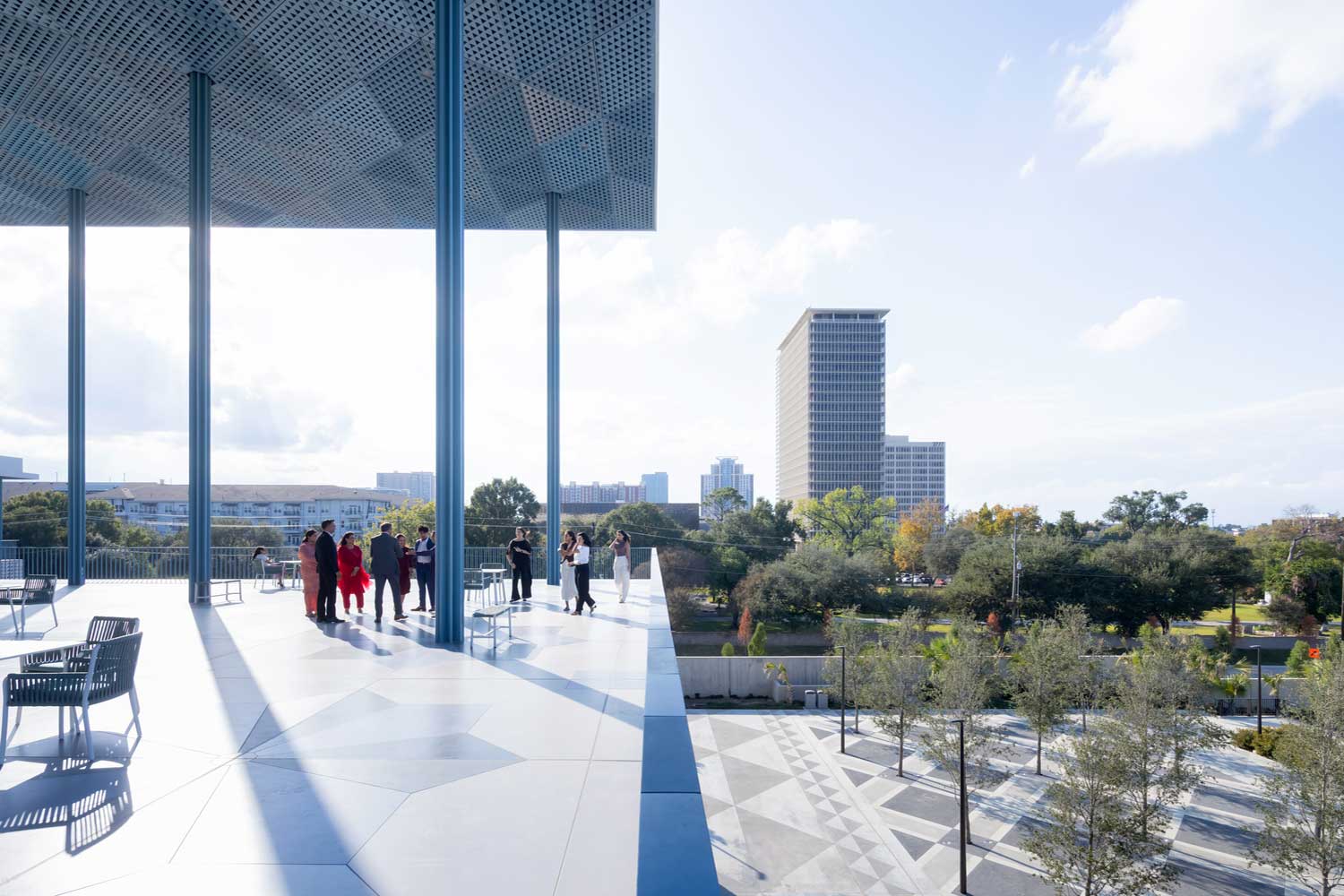
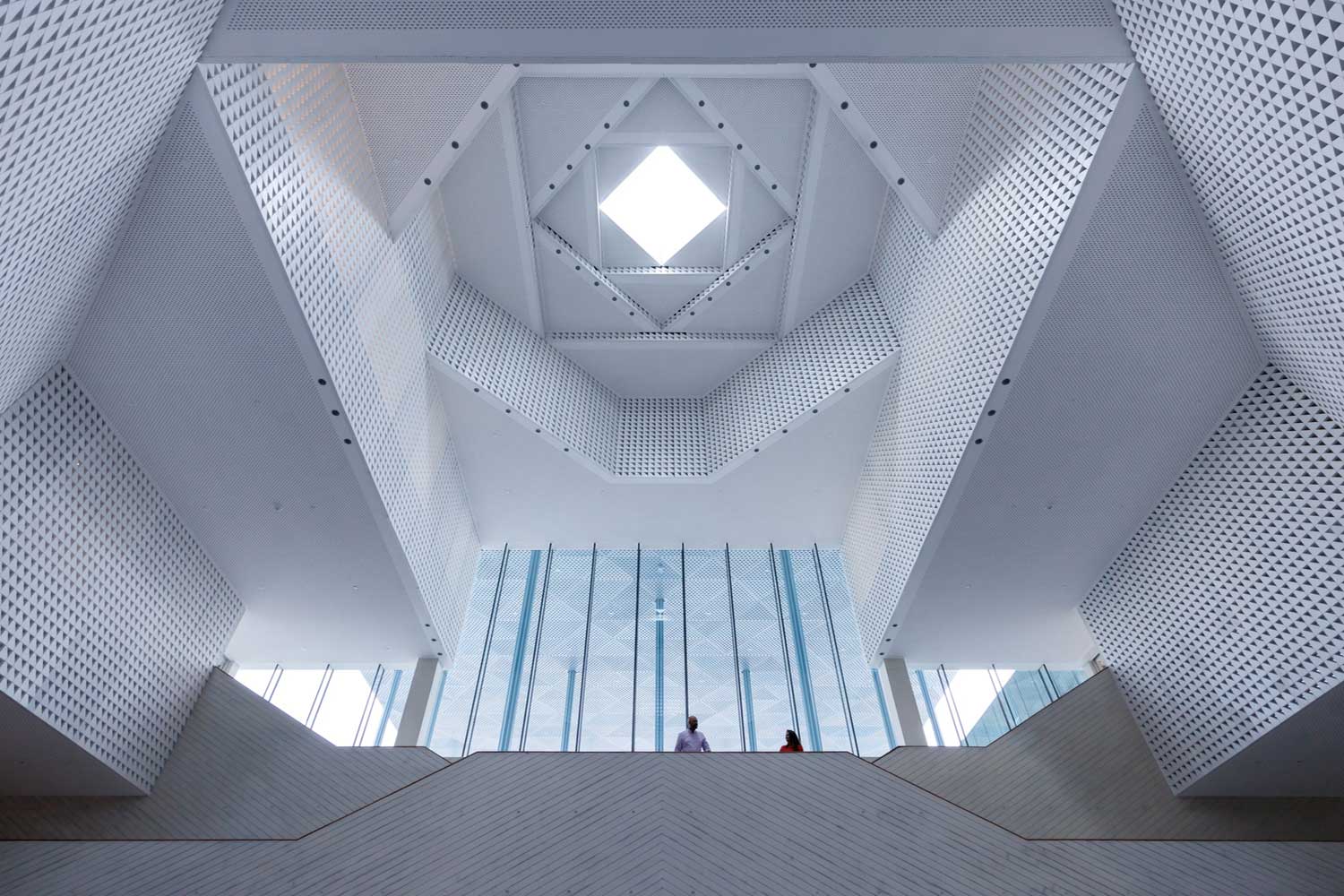
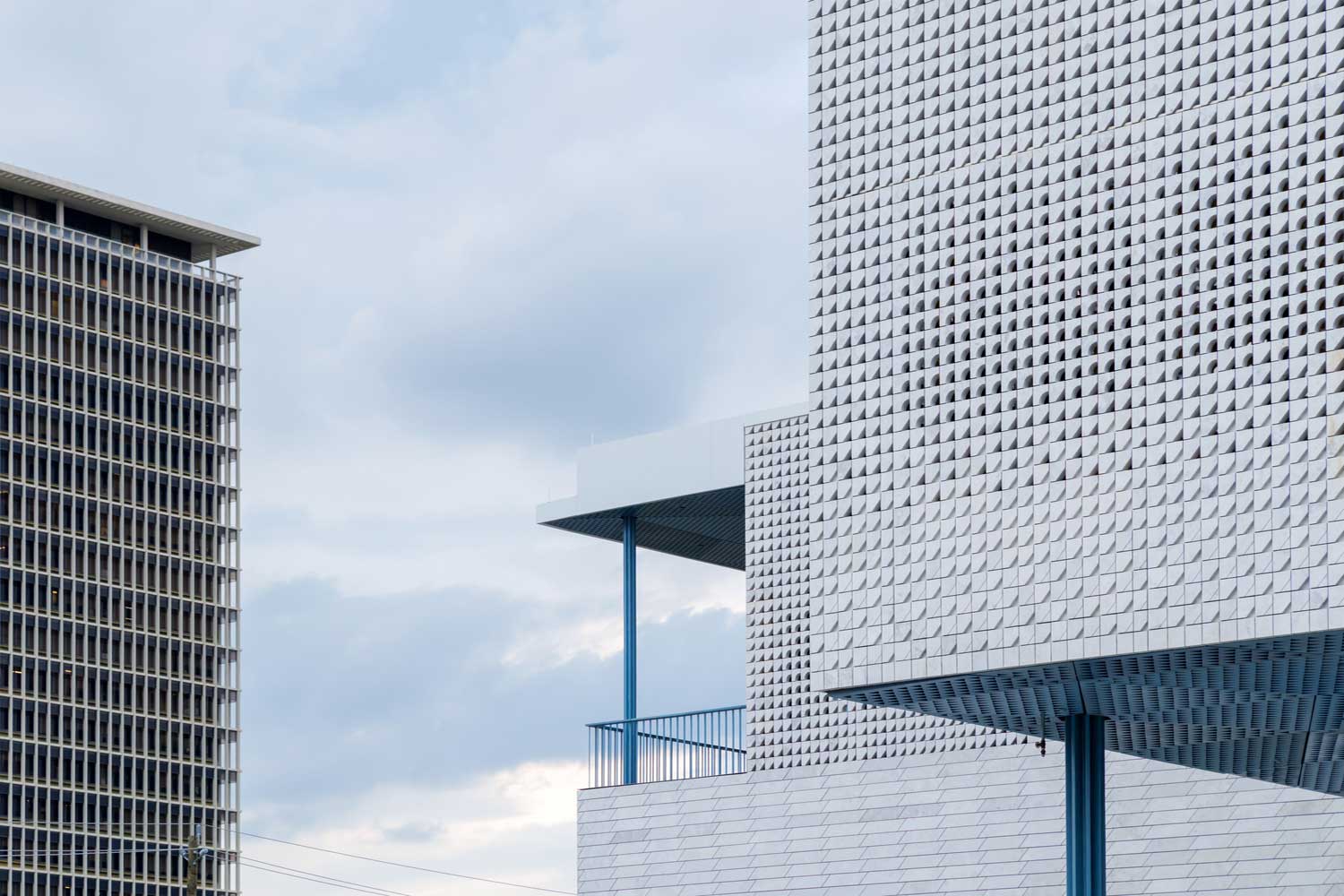
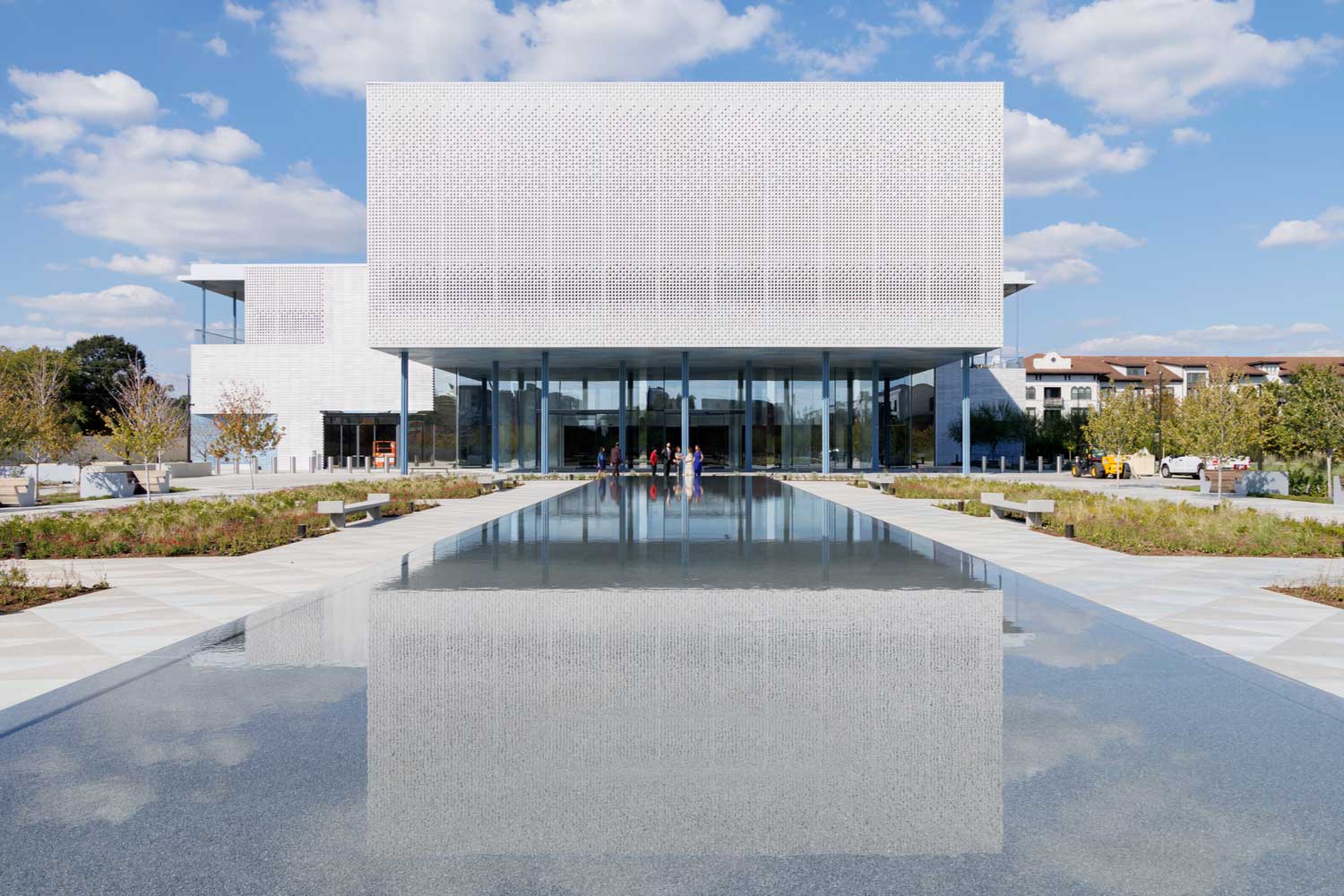
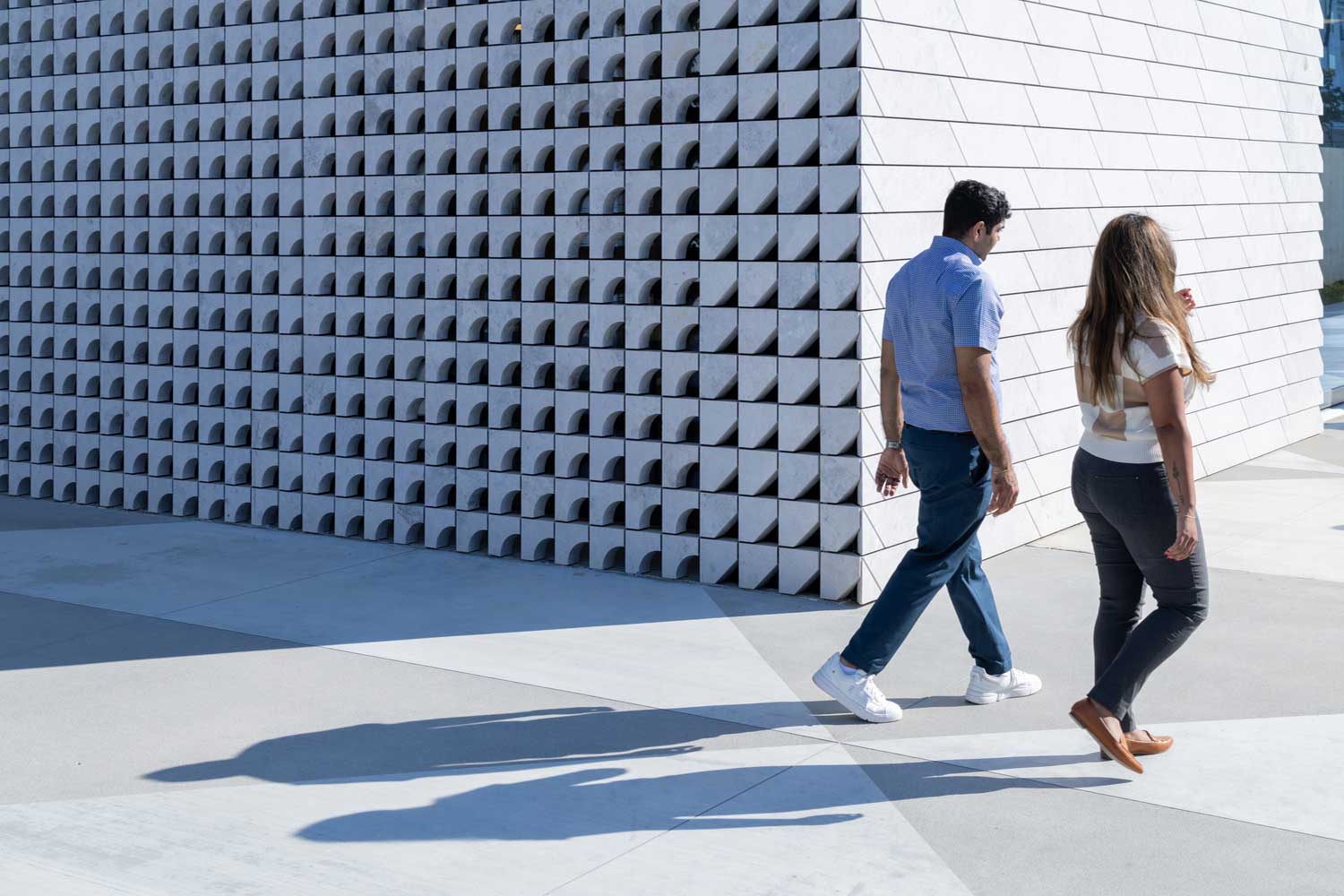
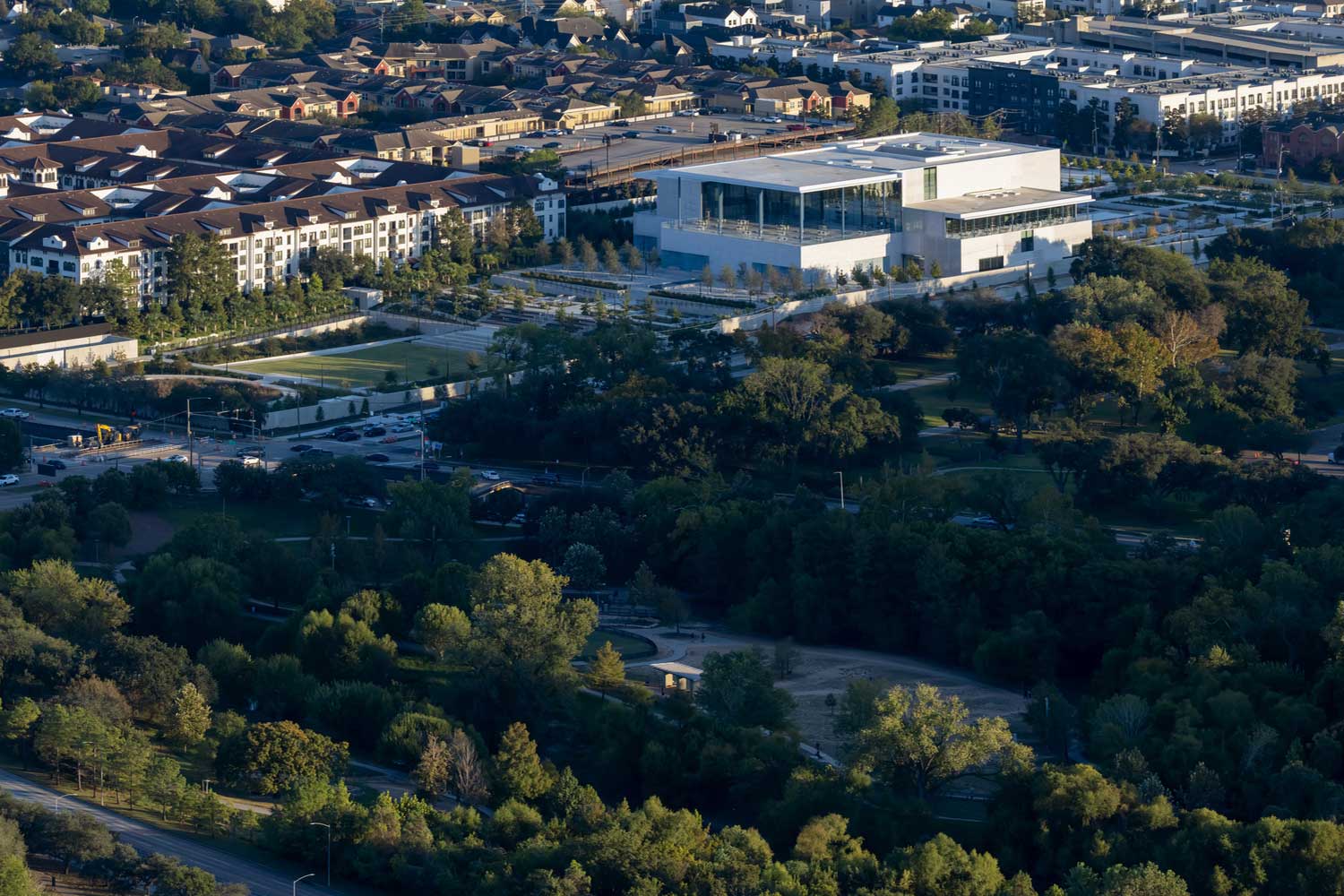
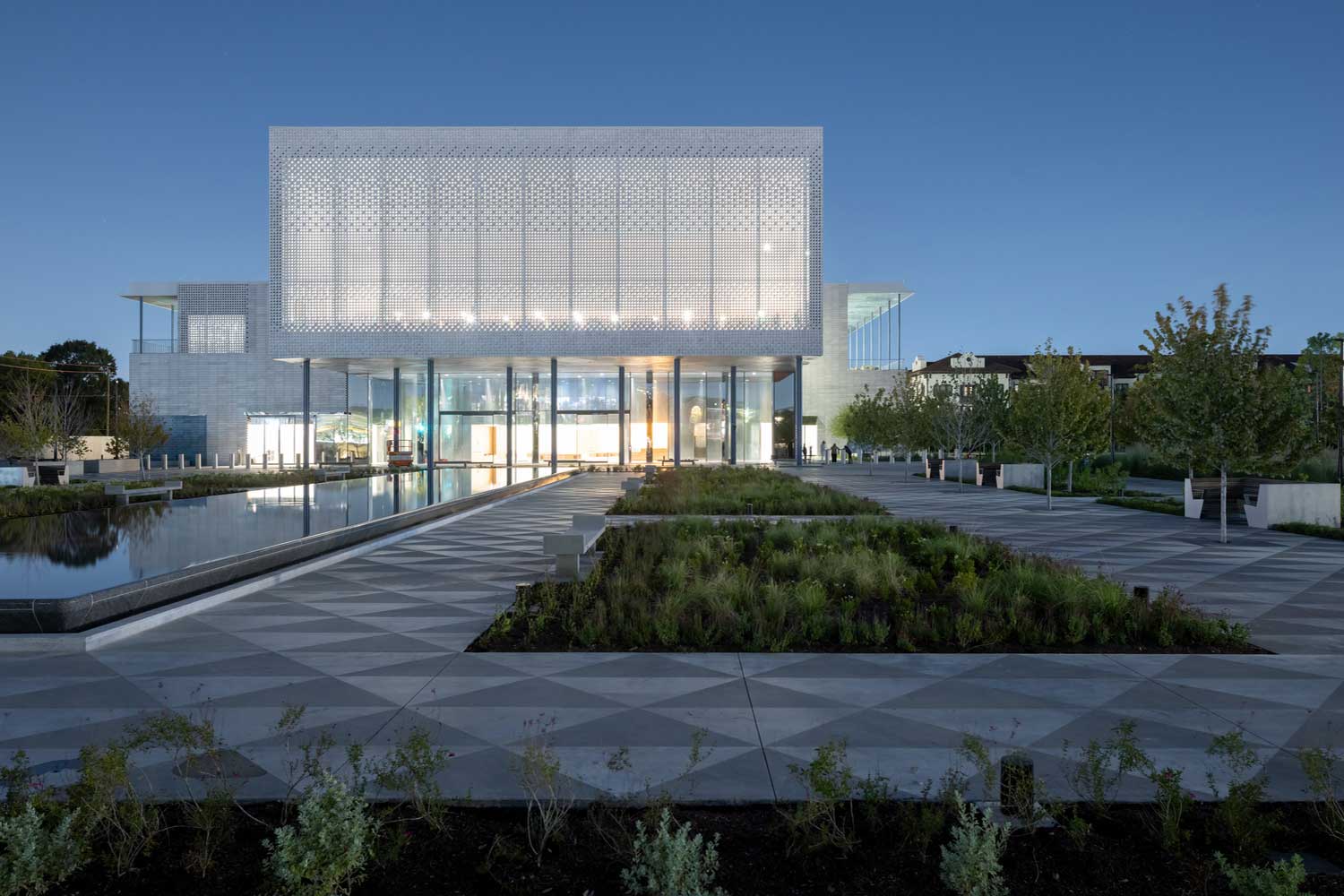
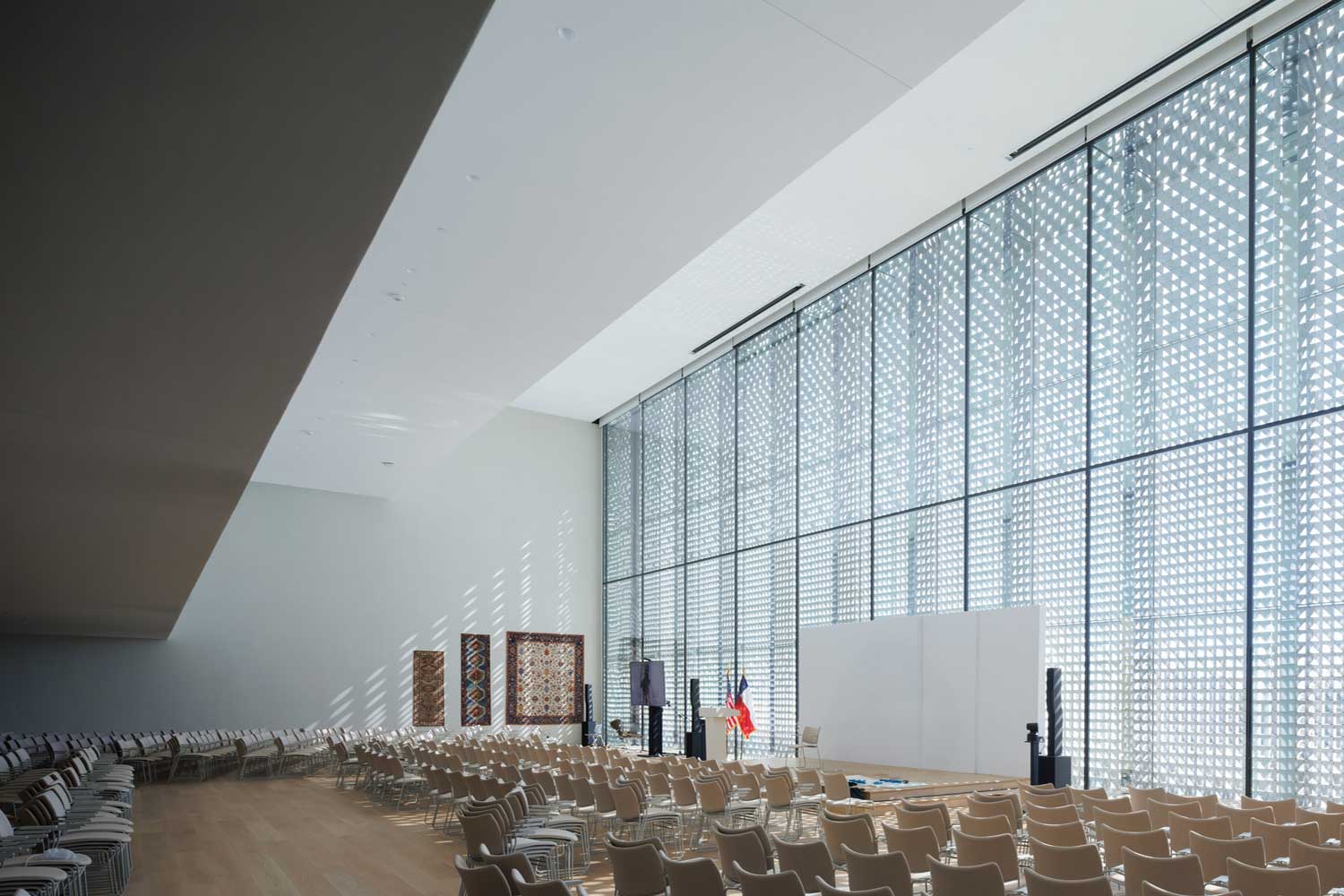
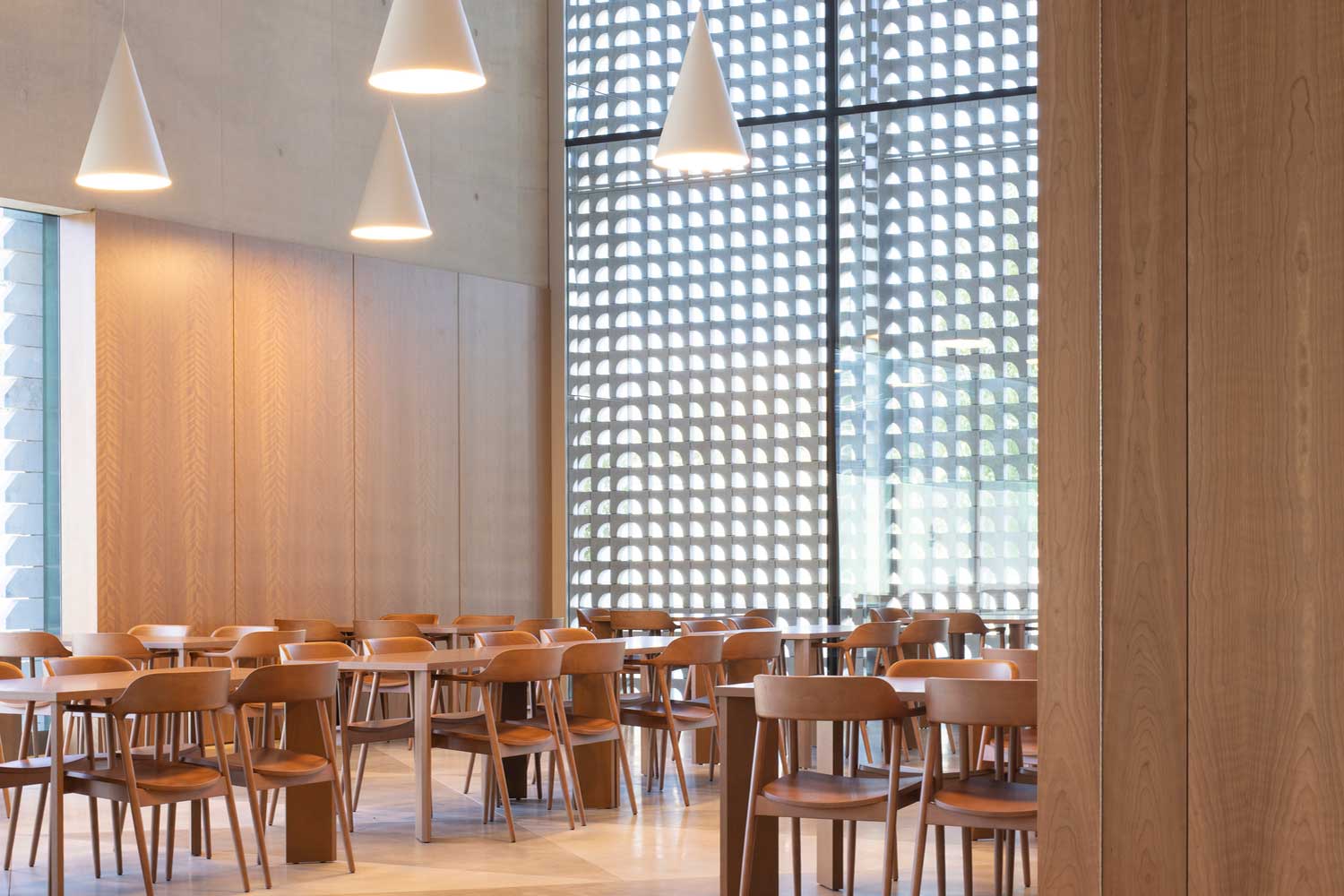
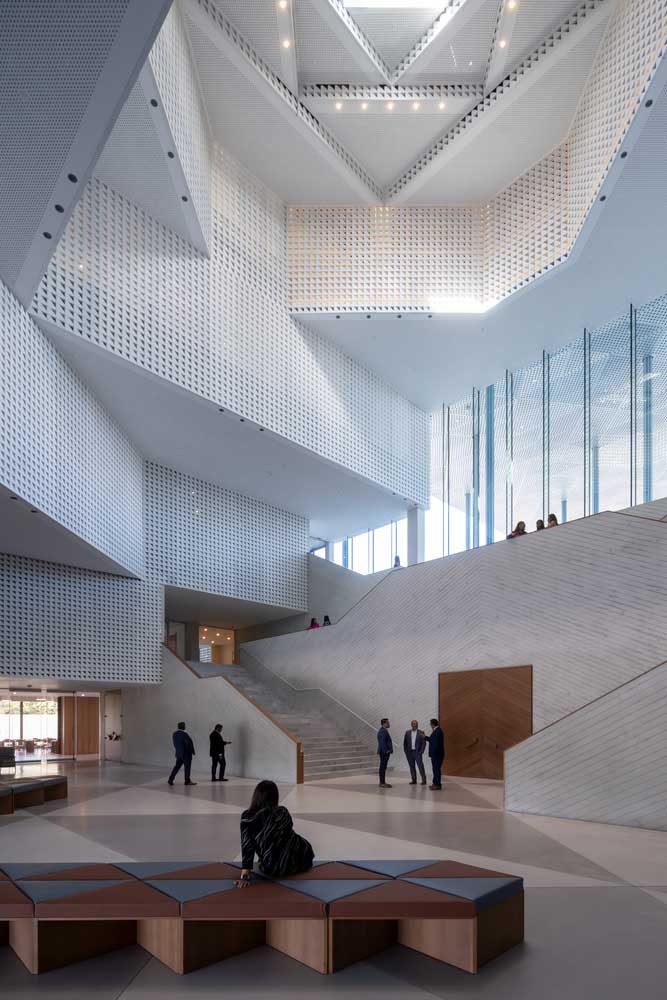
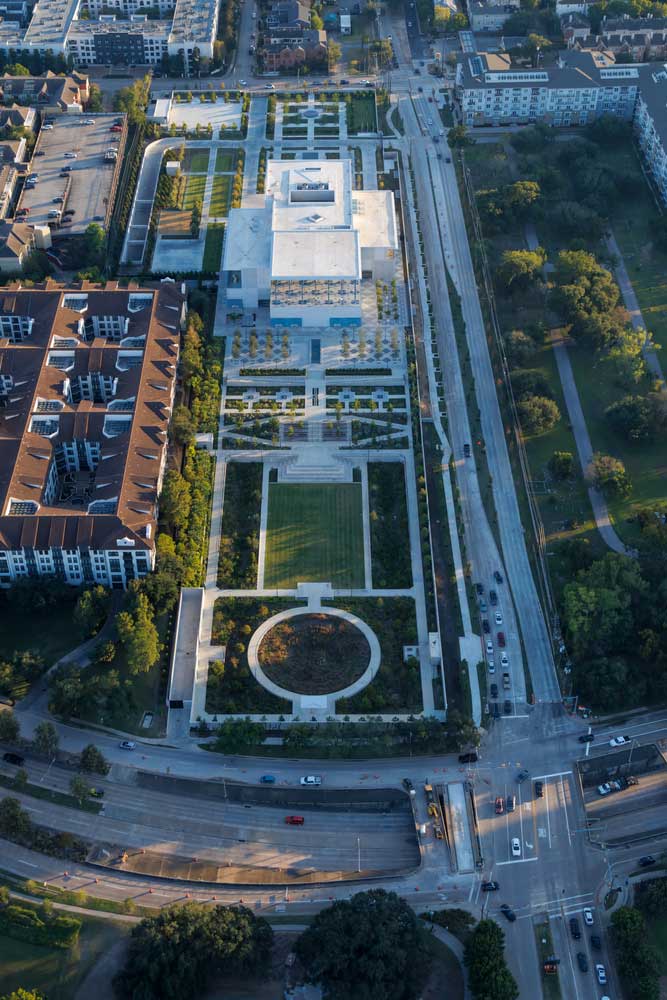
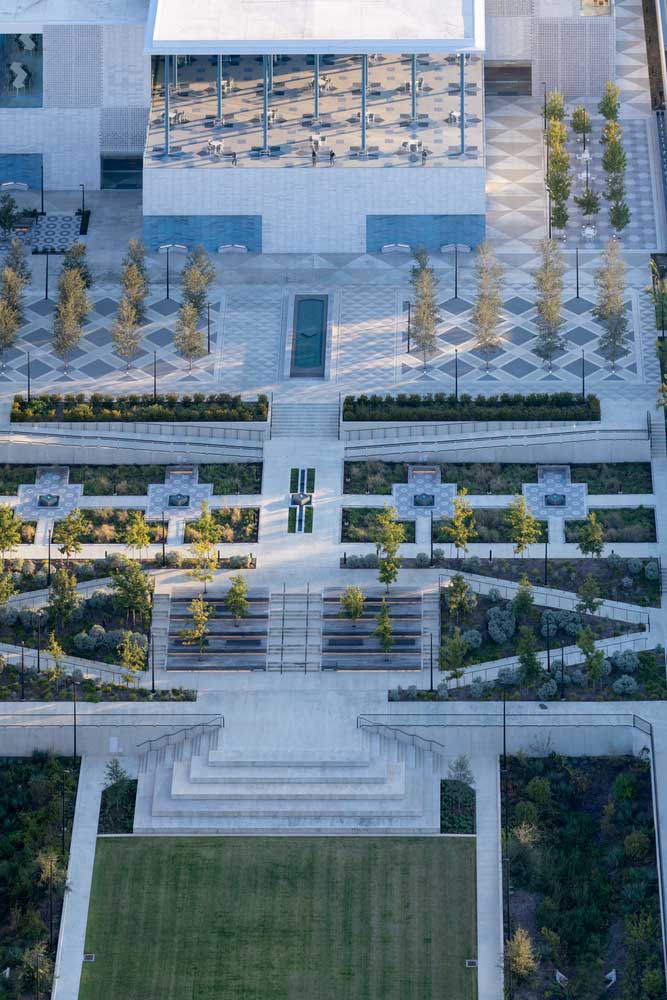
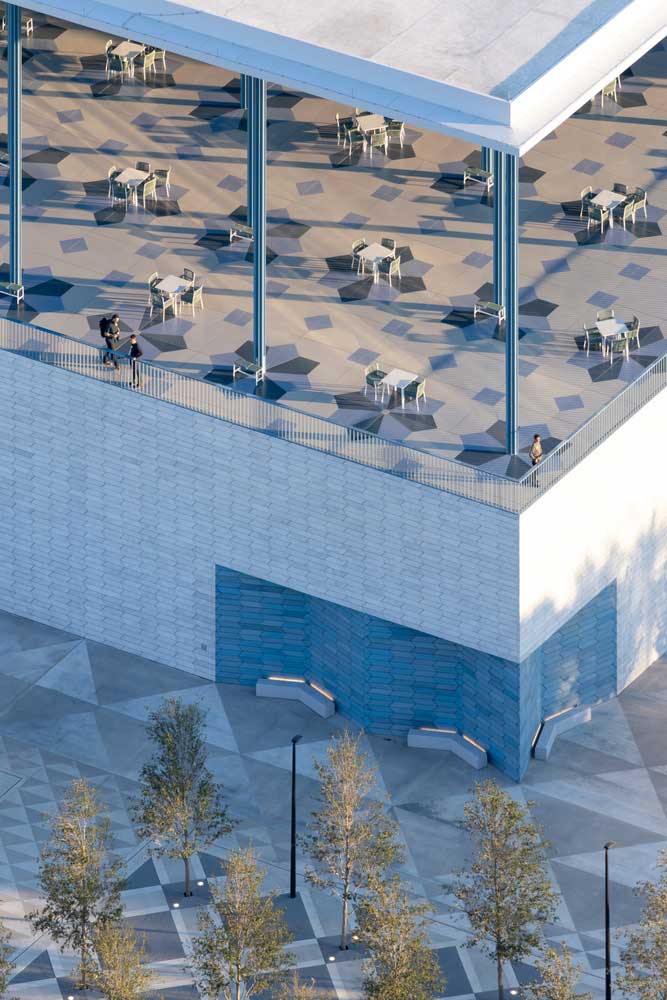
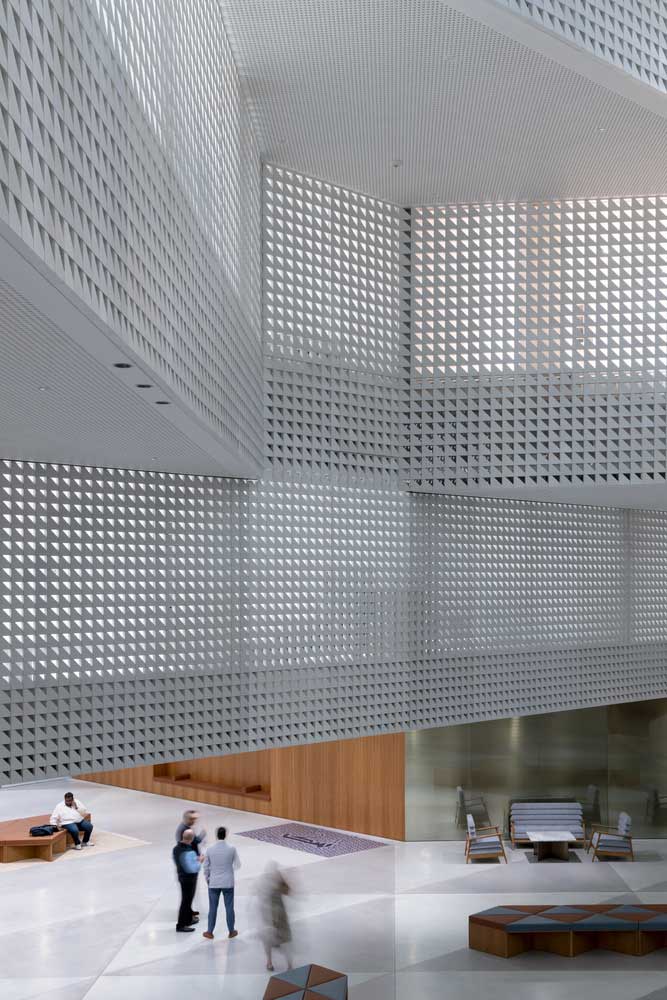
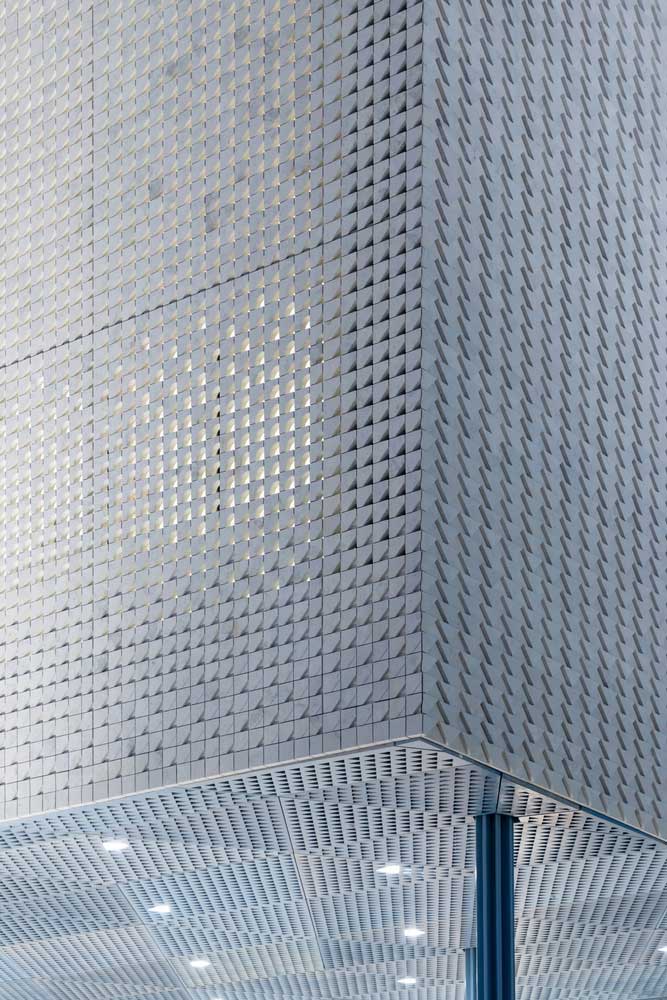
مرکز اسماعیلی هیوستون، نخستین نمونه از نوع خود در ایالات متحده، در تاریخ ۶ نوامبر ۲۰۲۵ با حضور شهردار «جان ویتمایر» افتتاح شد. این مرکز به طراحی دفتر معماری «فرشید موسوی»، در زمینی به وسعت ۱۱ هکتار و مشرف به پارک بوفالو بایو شکل گرفته است و بهعنوان نشانهای تازه در چشمانداز معماری و فرهنگی شهر هیوستون جای میگیرد. در محل تلاقی خیابانهای «اَلن پارکوی» و «مانتروز بولوار»، این مرکز بر اساس چشماندازی بنا شده است که نخستینبار در سال ۲۰۰۶ از سوی آقاخان چهارم مطرح شد و سپس تحت نظارت جانشین ایشان توسعه یافت. مرکز اسماعیلی هیوستون در ادامهی سنت جهانی شش مرکز اسماعیلی دیگر در شهرهای لندن، ونکوور، لیسبون، دبی، دوشنبه و تورنتو، در پی آن است که سنت دیرینهی گفتوگوی میانفرهنگی و مشارکت مدنی را تداوم بخشد. طراحی این مجموعه، فضاهایی برای نیایش، گردهمایی و تأمل را در بر میگیرد و همزمان در خدمت جامعهی اسماعیلی و عموم مردم است. ساختمان اصلی مرکز، با زیربنایی حدود ۱۵۰ هزار فوت مربع در پنج طبقه، در میان باغها، حیاطها و گذرگاههای سایهدار گستردهای جای گرفته است و بهعنوان محیطی برای تفکر و پیوند، بازتابدهندهی روحیهی اسماعیلی در ایجاد تعادل میان انسان، مکان و طبیعت بهشمار میرود. این پروژه با همکاری شرکتهای «AKT II»، «DLR Group» و «McCarthy Building Companies» توسعه یافت و از همان آغاز، در چارچوب فرایندی چندرشتهای که معماری، منظر و مهندسی را در هم میآمیخت، شکل گرفت. در درون این مرکز، فضاهایی برای نمایشگاهها، اجراهای هنری، سخنرانیها و برنامههای آموزشی پیشبینی شده است؛ همچنین نمازخانهی «جماعتخانه» و فضاهای گردهمایی عمومی، بُعد اجتماعی و فرهنگی بنا را تکمیل میکنند. طرح فرشید موسوی برداشت و بازآفرینیای معاصر از مفاهیم معماری در سراسر جهان اسلام است. در این طراحی، ساختار، هندسه و نور سه عنصر بنیادین بهشمار میروند؛ ایوانها و صفحات سنگی مشبک، نوری فیلترشده و لطیف را به فضا میآورند و در عین حال حریم و خلوت را حفظ میکنند. بهجای بازتولید سبکهای تاریخی، معماری بنا وحدت و نظم را از خلال صناعتی مدرن بیان میکند. مصالحی چون سنگ، فولاد، چوب و شیشه با هدف دوام، شفافیت و دقت انتخاب شدهاند؛ دقتی که جایگزین تزئینات صرف شده است. باغها الهامگرفته از سنتهای باغسازی اسلامی و طبیعت بومی هیوستوناند؛ سلسلهای از چمنزارهای پلکانی، حوضها که بهسوی رودخانهی «بوفالو بایو» فرود میآیند. پالت گیاهی از گونههای بیابانی تا پوششهای ساحلی در تغییر است؛ حرکتی تدریجی که نشانهای از سازگاری و تداوم در میان اقلیمها و زیستجهانهای گوناگون به شمار میآید.
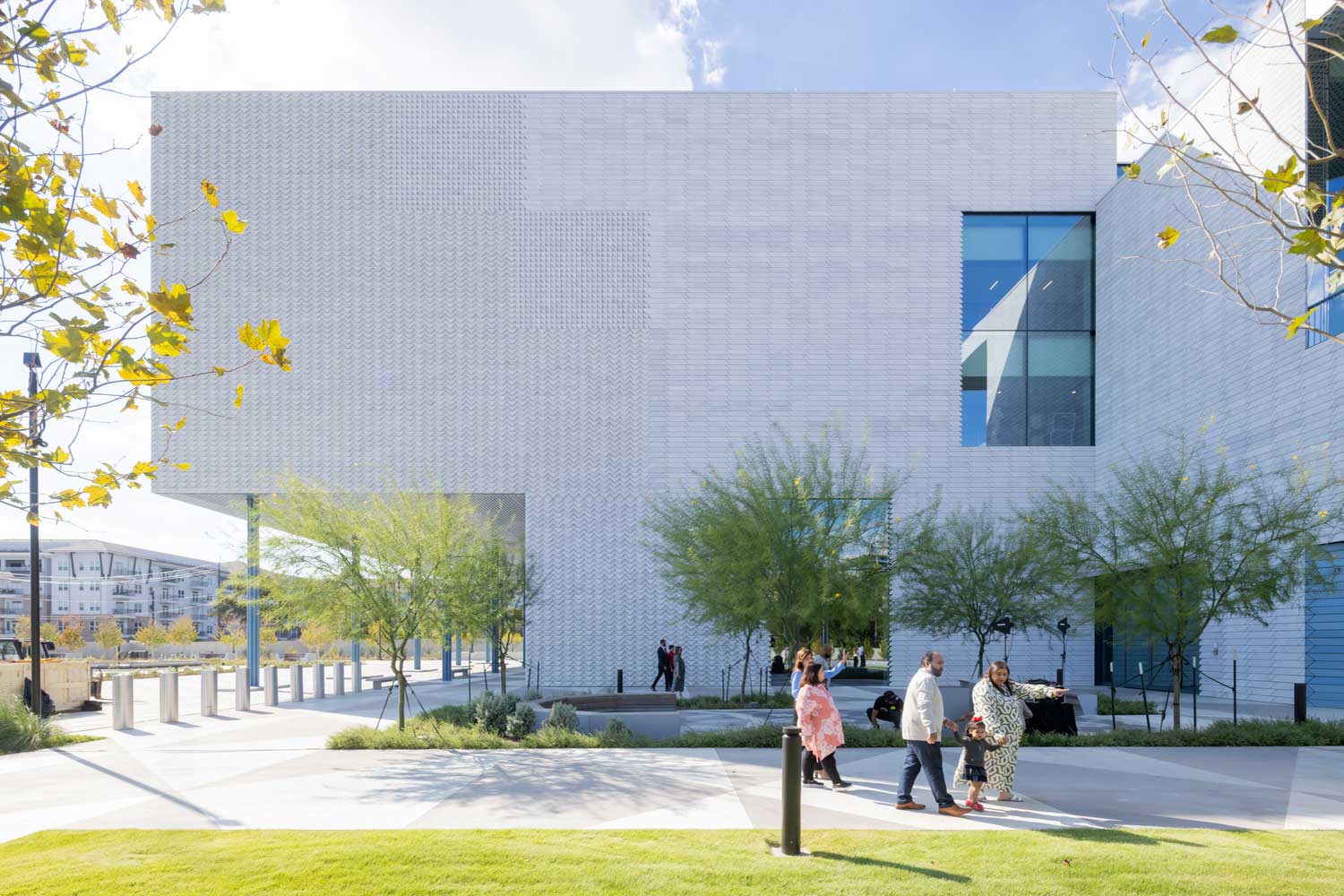
The Ismaili Center Houston, the first of its kind in the United States, was inaugurated on November 6, 2025, in the presence of Mayor John Whitmire. Designed by Farshid Moussavi Architecture, the center is located on an 11-acre site overlooking Buffalo Bayou Park, standing as a new landmark within Houston’s architectural and cultural landscape. Situated at the intersection of Allen Parkway and Montrose Boulevard, the project stems from a vision first articulated in 2006 by His Highness the Aga Khan and later developed under the guidance of his successor. Continuing the global legacy of six other Ismaili Centers in London, Vancouver, Lisbon, Dubai, Dushanbe, and Toronto, the Houston Center seeks to uphold the enduring tradition of intercultural dialogue and civic engagement. The design encompasses spaces for prayer, gathering, and contemplation, serving both the Ismaili community and the public. The main building, spanning approximately 150,000 square feet across five levels, is set within expansive gardens, courtyards, and shaded walkways, forming an environment of reflection and connection that embodies the Ismaili spirit of balance between people, place, and nature. Developed in collaboration with AKT II, DLR Group, and McCarthy Building Companies, the project evolved through a multidisciplinary process intertwining architecture, landscape, and engineering. Within the center, facilities are provided for exhibitions, performances, lectures, and educational programs. The Jamatkhana prayer hall and public gathering areas complete the building’s social and cultural dimension. Farshid Moussavi’s design reinterprets architectural ideas from across the Islamic world through a contemporary lens. Structure, geometry, and light form the three fundamental elements of the composition. Verandas and perforated stone screens bring in soft, filtered light while maintaining privacy and serenity. Rather than replicating historical styles, the architecture expresses unity and order through modern craftsmanship. Materials such as stone, steel, wood, and glass were chosen for durability, clarity, and precision—values that replace mere ornamentation. The gardens draw inspiration from Islamic landscape traditions and Houston’s natural environment, forming a sequence of terraced lawns, reflecting pools, and shaded pathways descending toward the Buffalo Bayou. The planting palette transitions from desert species to coastal vegetation, symbolizing adaptation and continuity across diverse climates and ecosystems.
مطالب مرتبط