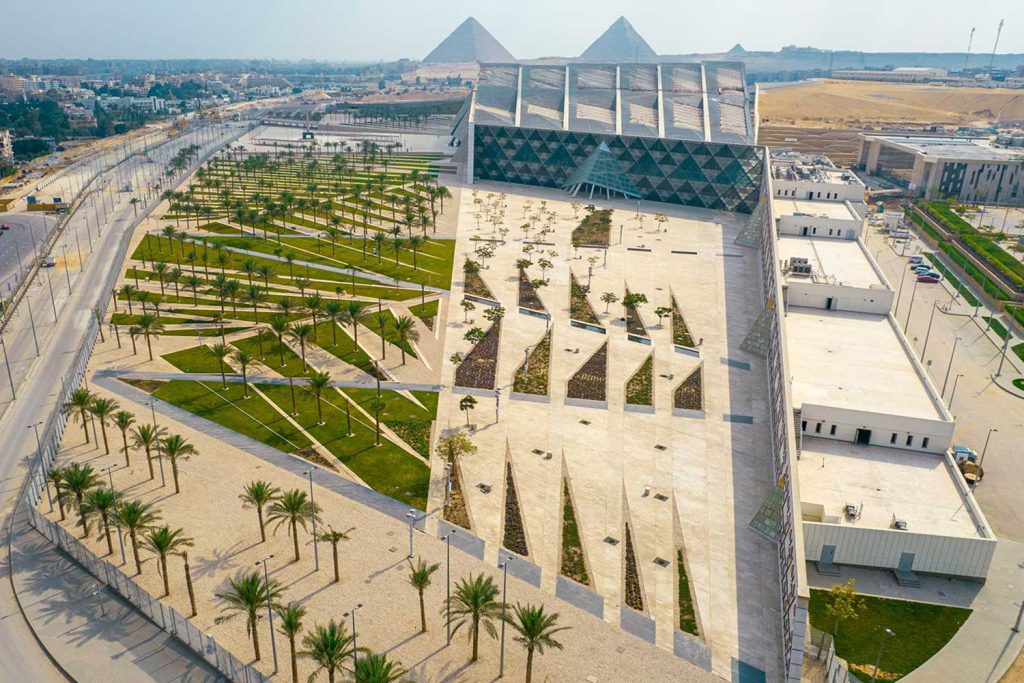
 افتتاح موزهی بزرگ مصر؛ نمایش کامل آرامگاه توتعنخآمون برای نخستین بار
 موزه غسل تعمید حضرت عیسی در اردن: رونمایی از هفت طرح نهایی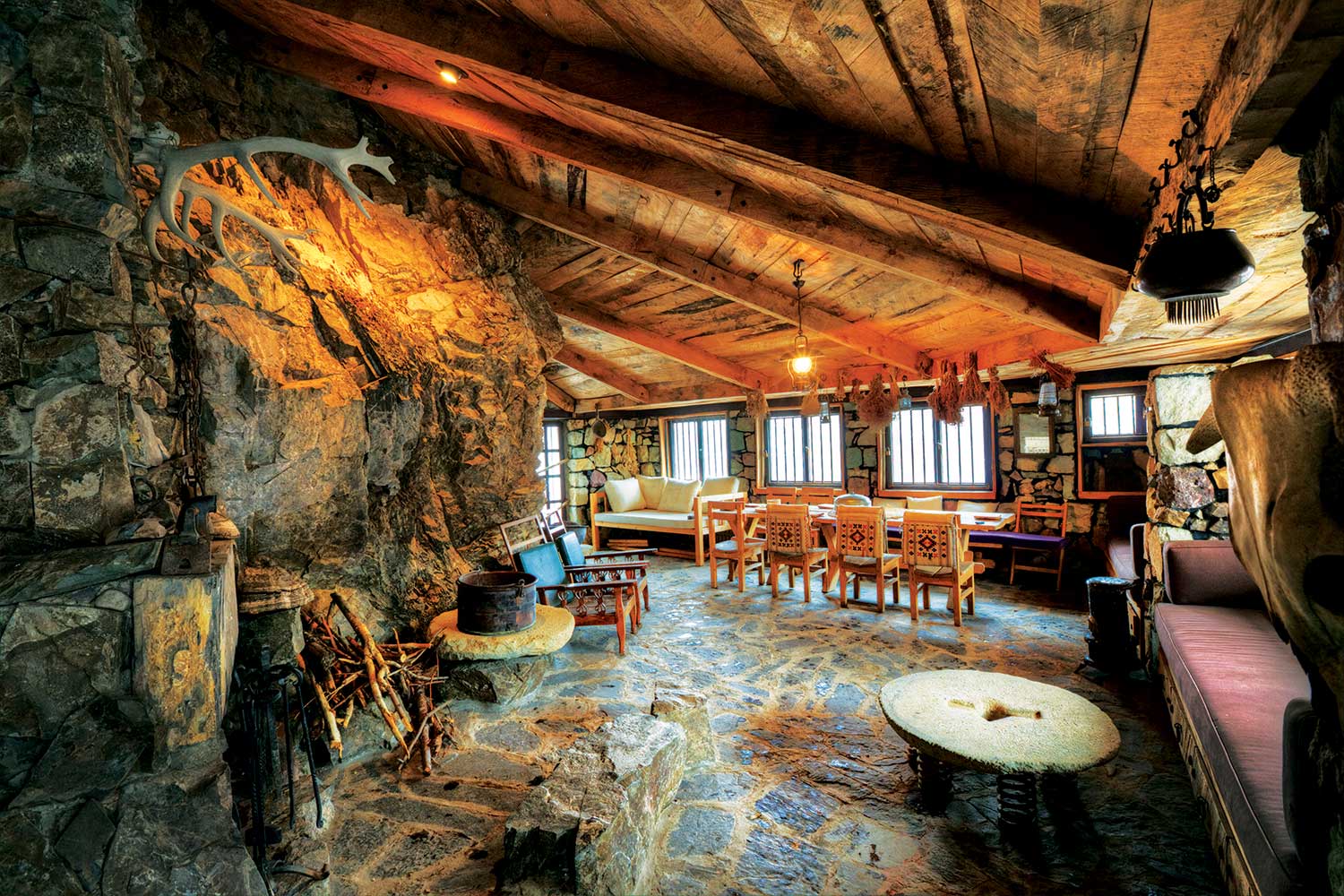
خانهی ییلاقی هوشنگ سیحون
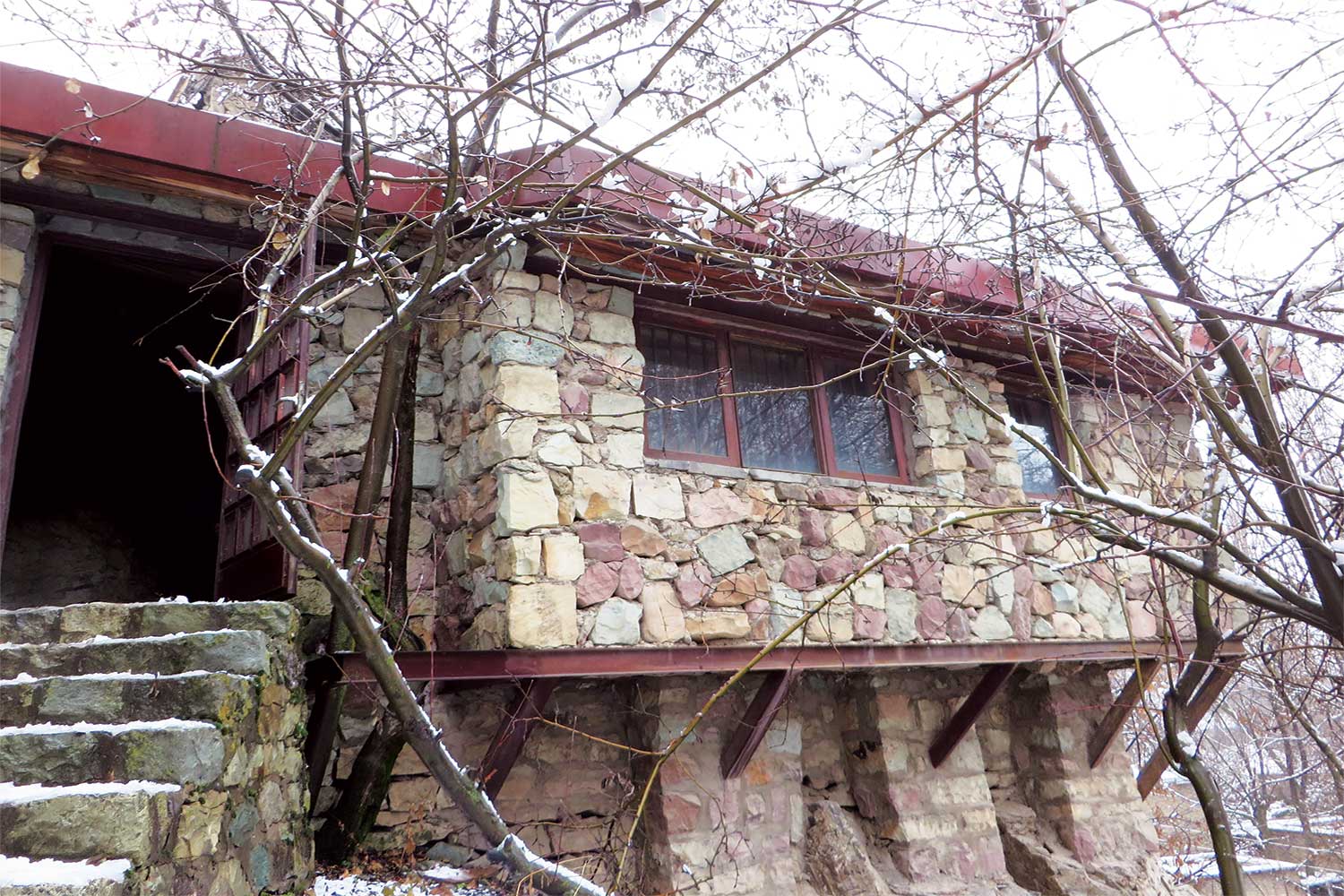
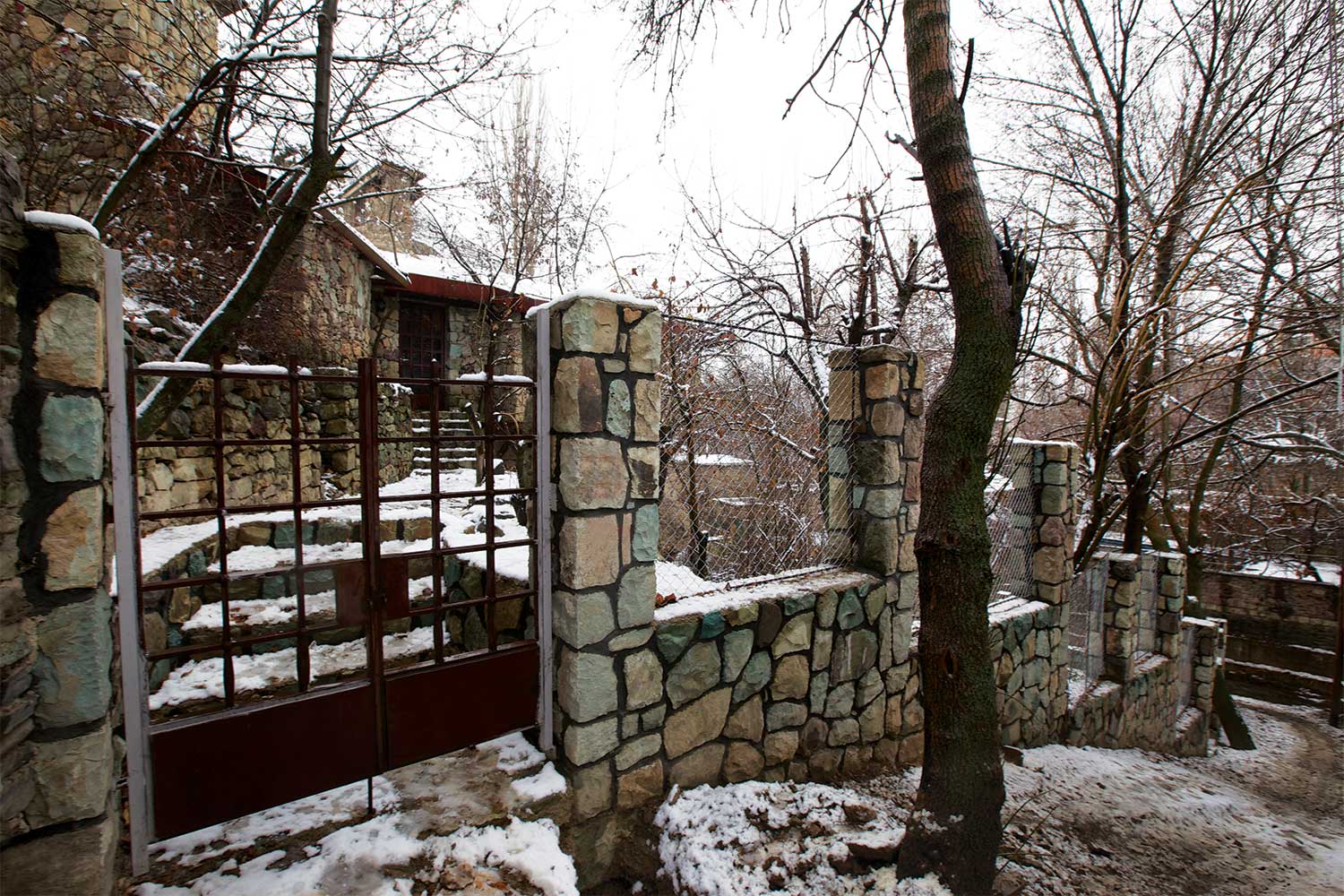
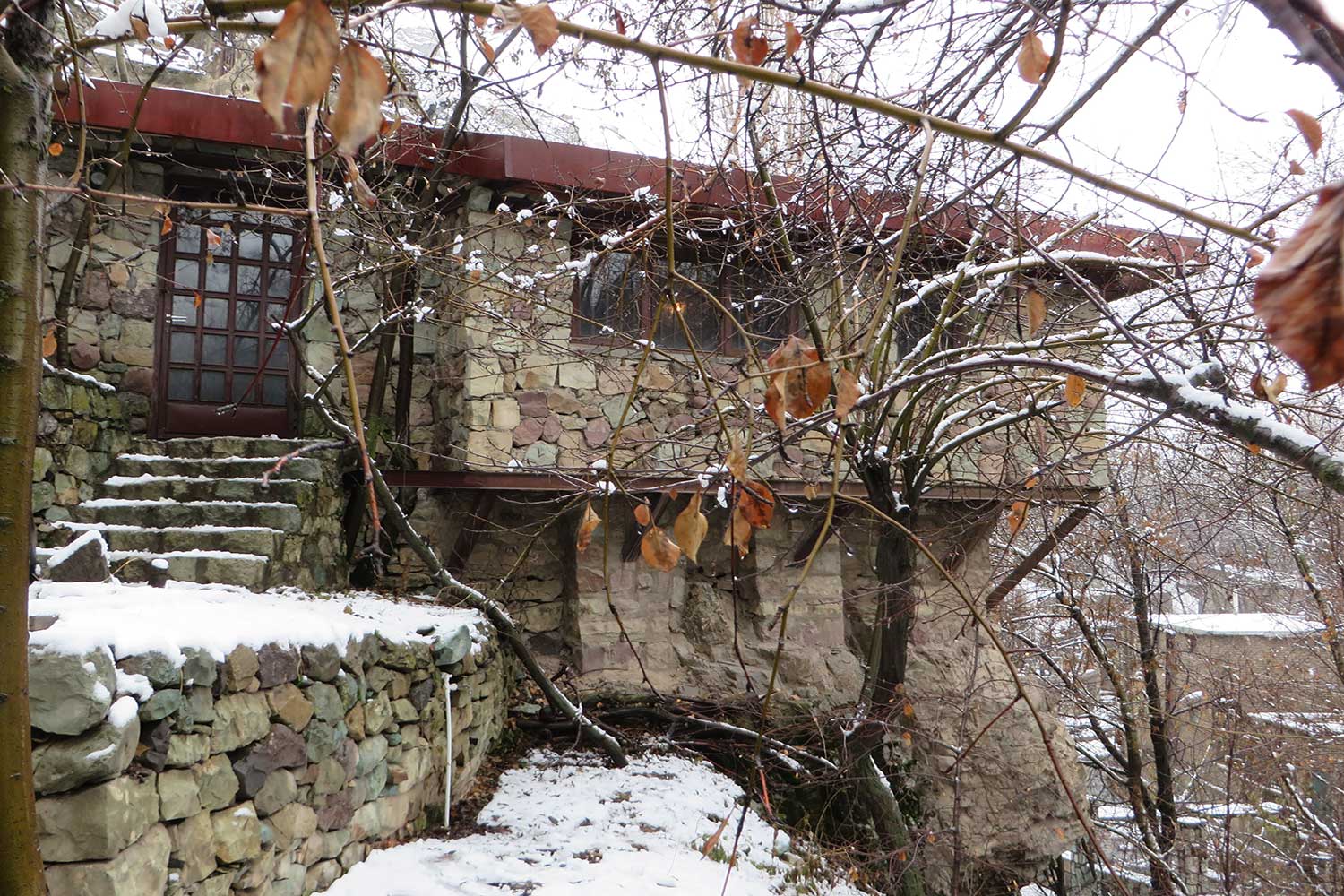
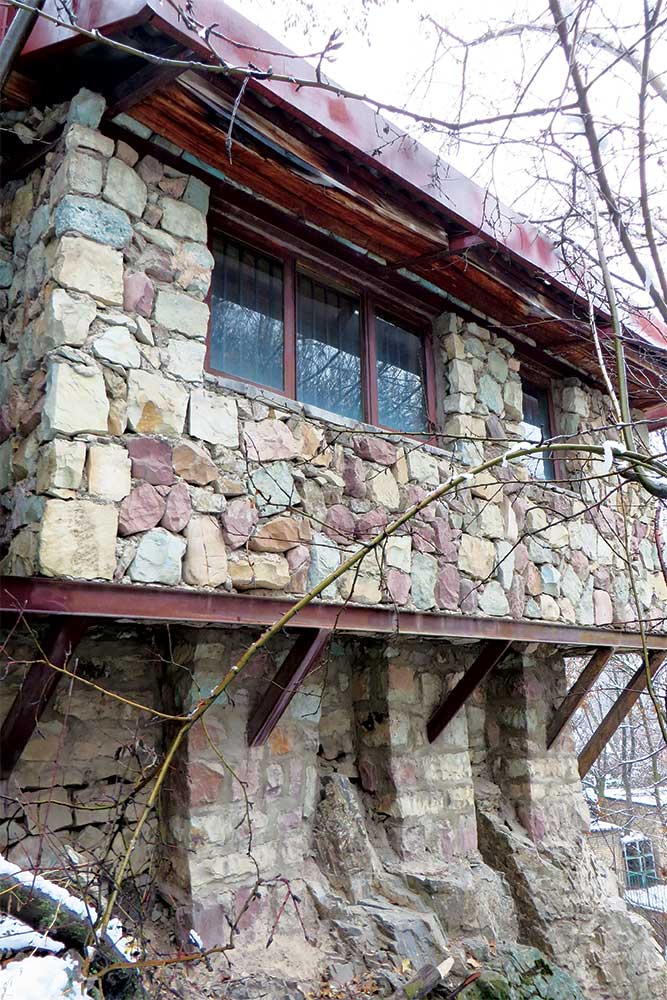
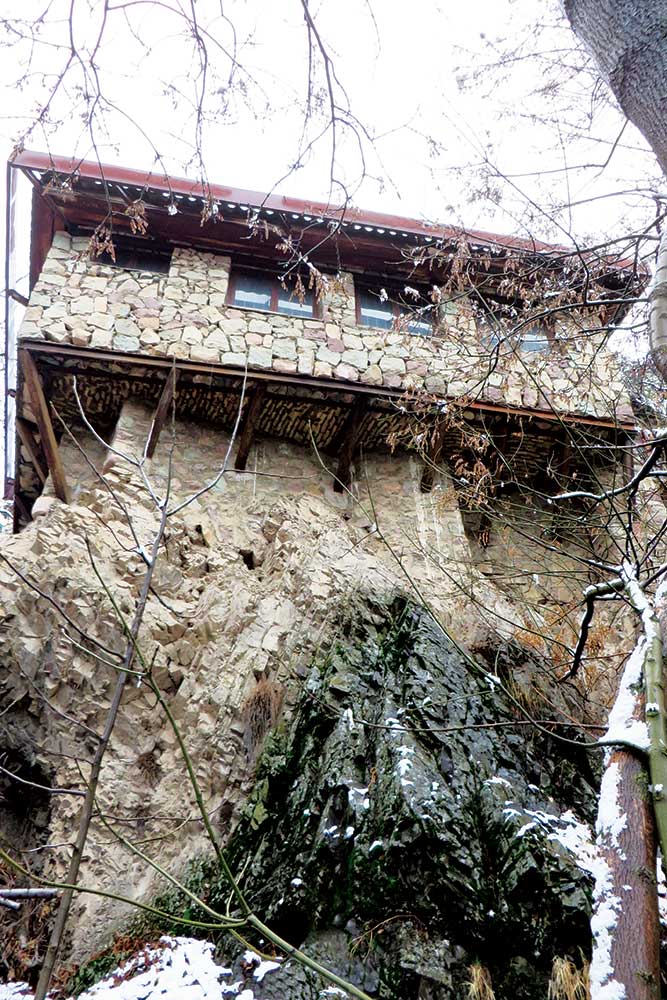
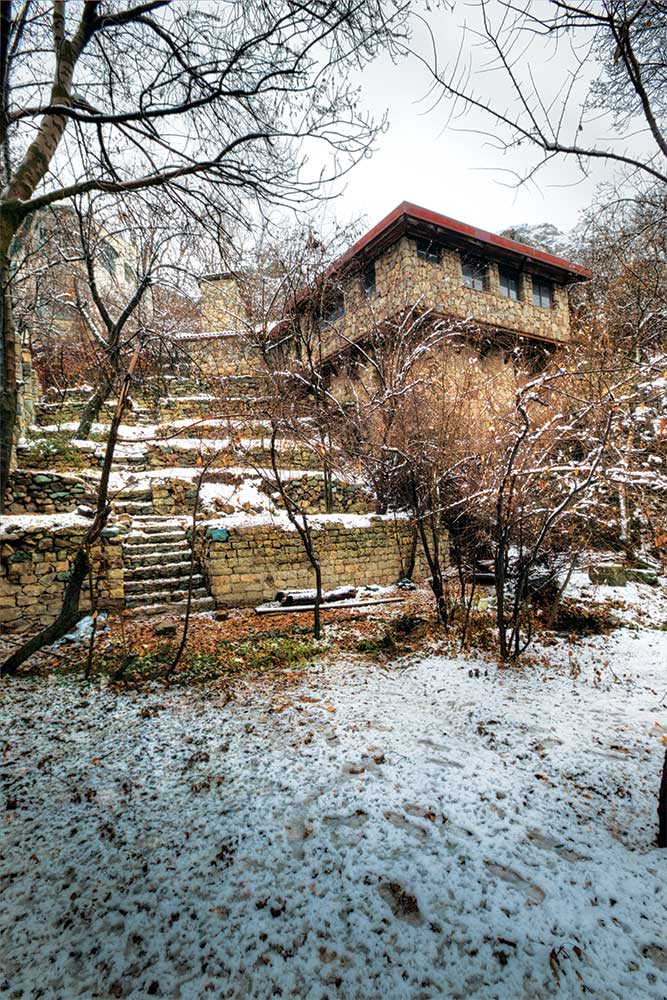
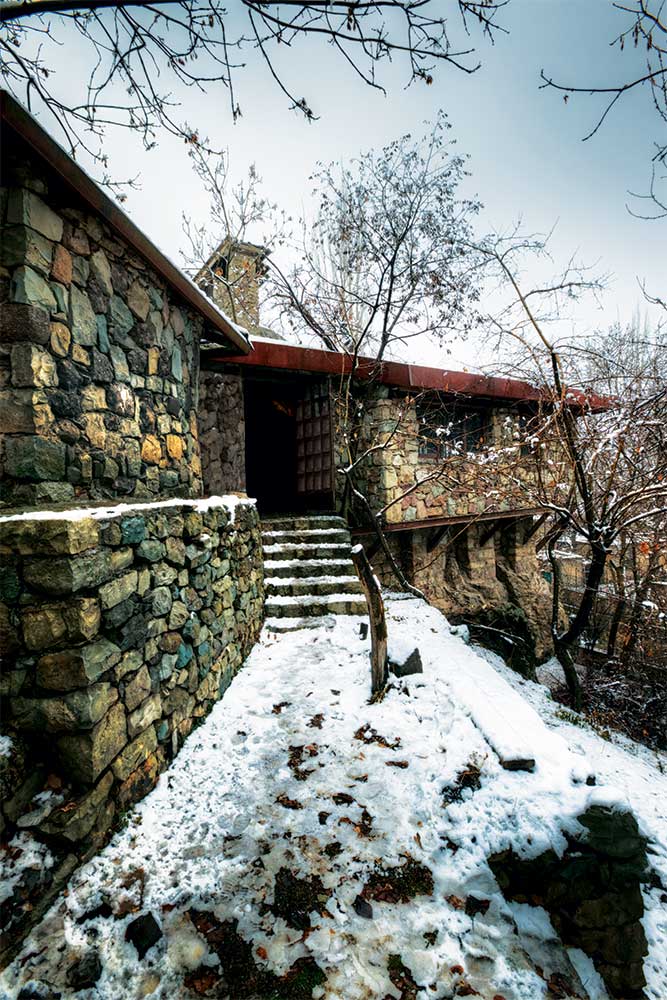
روستای کلوگان از توابع رودبار قصران در فاصلهی زمانی ۲۰ دقیقهای از تهران و نرسیده به اوشان و فشم در حاشیهی جاده لشکرک قرار دارد که به دلیل قرارگیری این روستا در حاشیهی جادهی اصلی و نبود مسیر ماشینرو در طول روستا، آرامش و سکوتی نسبی بر آن حکم فرما است. این خانهی ییلاقی با متراژ تقریبی 76 مترمربع در اراضی فشم در نزدیکی تهران، ترکیبی بسیار زیبا از معماری و طبیعت دارد، در سینهی کوه جای گرفته و با تحمیل کمترین تغییرات در بطن طبیعت ساخته شده است. غالب مصالح مورد استفاده در این بنا، سنگ، چوب و فولاد هستند و تیرهای سازه بر روی ستونهای حجیم سنگی قرار گرفتهاند. سیحون دربارهی اتفاقاتی که خرید این زمین و ساختن خانه را باعث شد، میگوید:
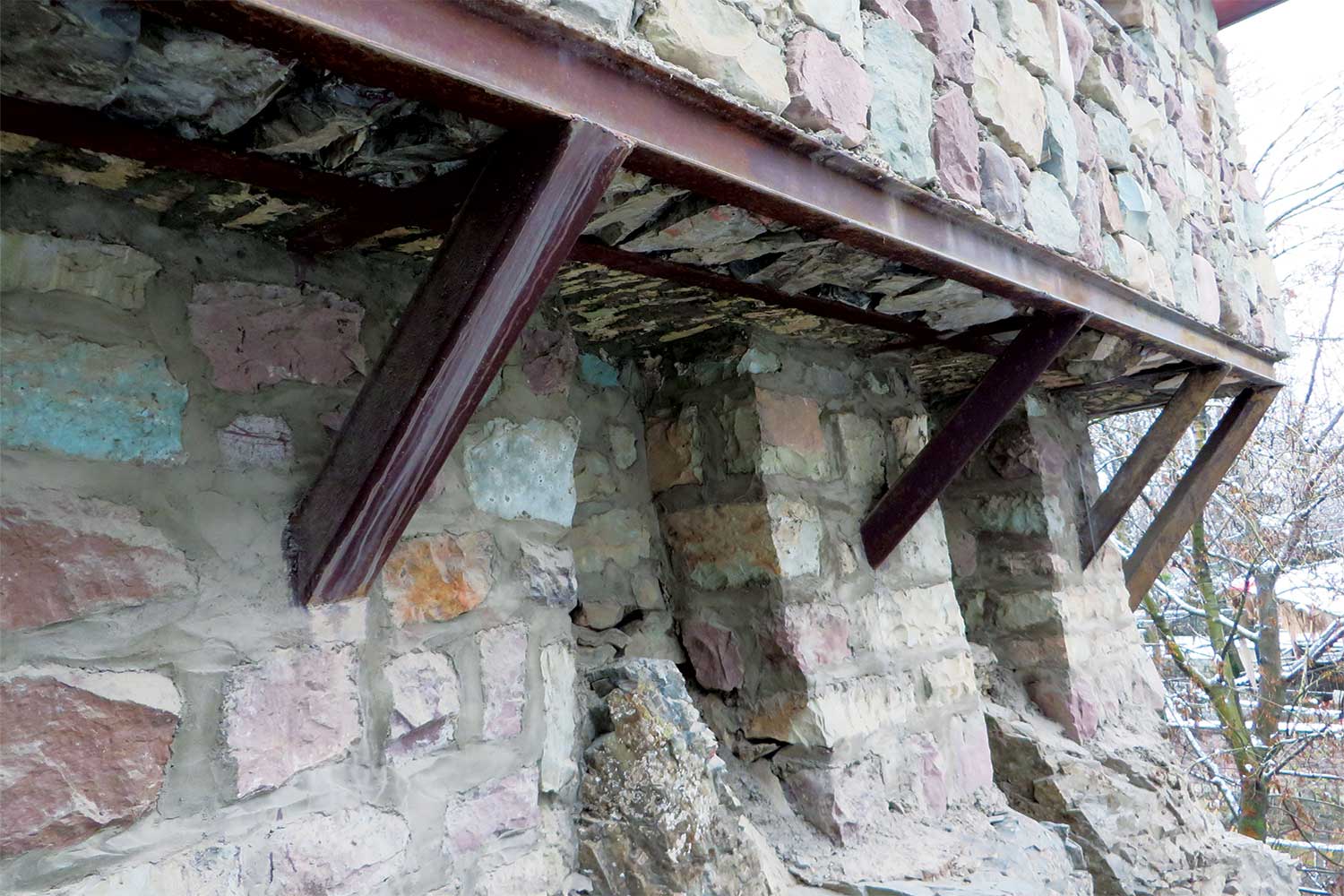
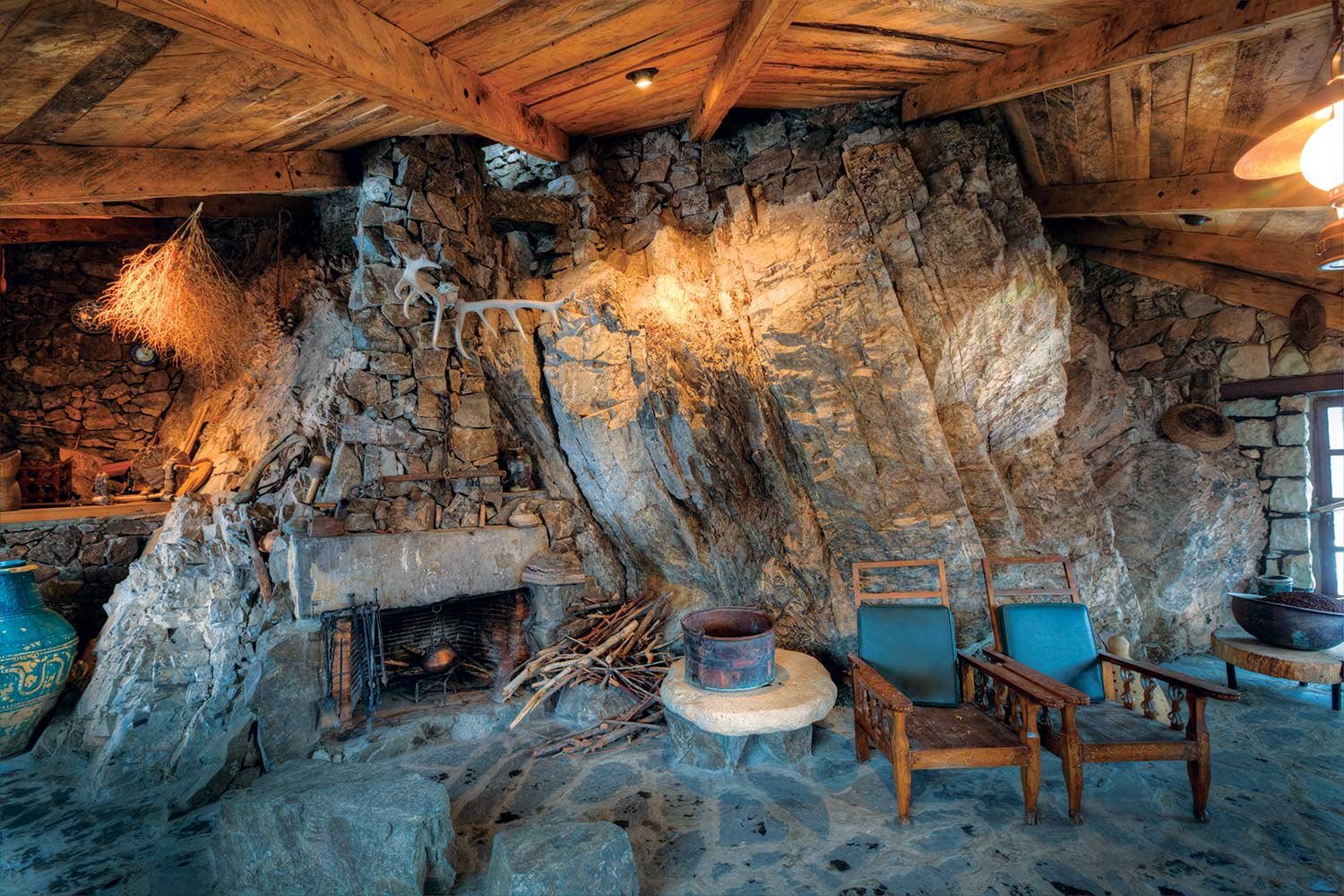
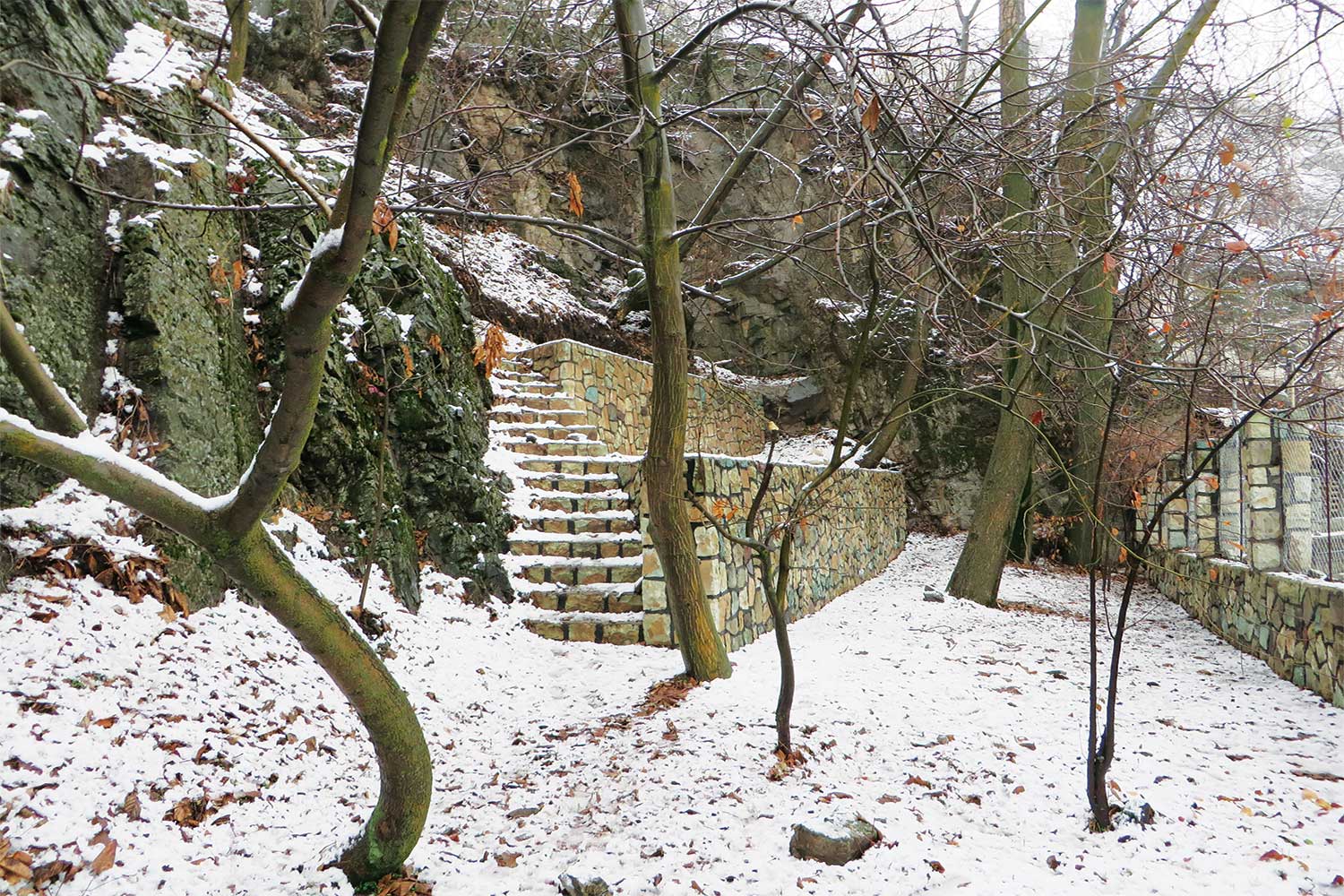
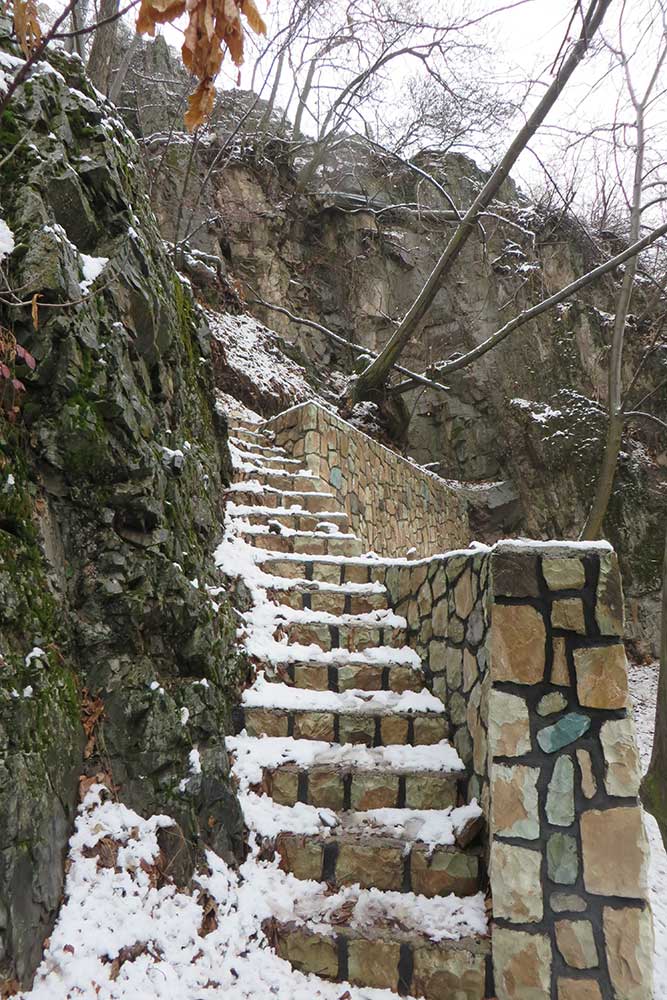
داستان این خانه از این قرار است که من دوستی ارمنی داشتم که مرد خوبی بود و نقاشی هم میکرد. اغلب من و او با هم برای کشیدن طرح و نقاشی به مناطق مختلف میرفتیم و برای این کار من یک اتومبیل هوم-کاروان (Home Caravan) هم خریده بودم. دوست ارمنی من صاحب ملکی بود در روستای کلوگان، واقع در مسیر جادهای که از جنوب به شمال تهران میرفت و از لشکرک به طرف اوشان و فشم راه داشت. در آنجا دو پل آهنی بود که یکی بر روی رودخانهای بنا شده بود و دیگری به جادهای جیپرو راه داشت و به روستا میرسید. او پیوسته مرا تشویق به خرید باغی در این روستا میکرد و من که رغبت چندانی نداشتم، بالاخره پذیرفتم که این باغ را بخرم. باغ مذکور در سراشیبی تندی به سوی رودخانه قرار داشت که از آنجا تا رودخانه، پلههای وسیع سنگچین درست کرده و خاک ریخته و درخت کاشته بودند؛ در واقع باغی بود در سراشیبی. من متوجه شدم که میتوان در آنجا ساختمانی ساخت و از همان پلهها هم برای ساخت آن بهره بردم. پس زیر کوه را در فاصلههای معینی سوراخ کردم و از کف زمین تیرآهن مقاوم عبور دادم، مقاومسازی روی پلهها را هم لحاظ کردم و بر این اساس خانهی ویلایی کوچکی ساختم. ابتکاری که در ساخت این خانه صورت گرفت این بود که یک برِ سالن و آشپزخانه آن را خودِ بدنهی کوه تشکیل میداد.
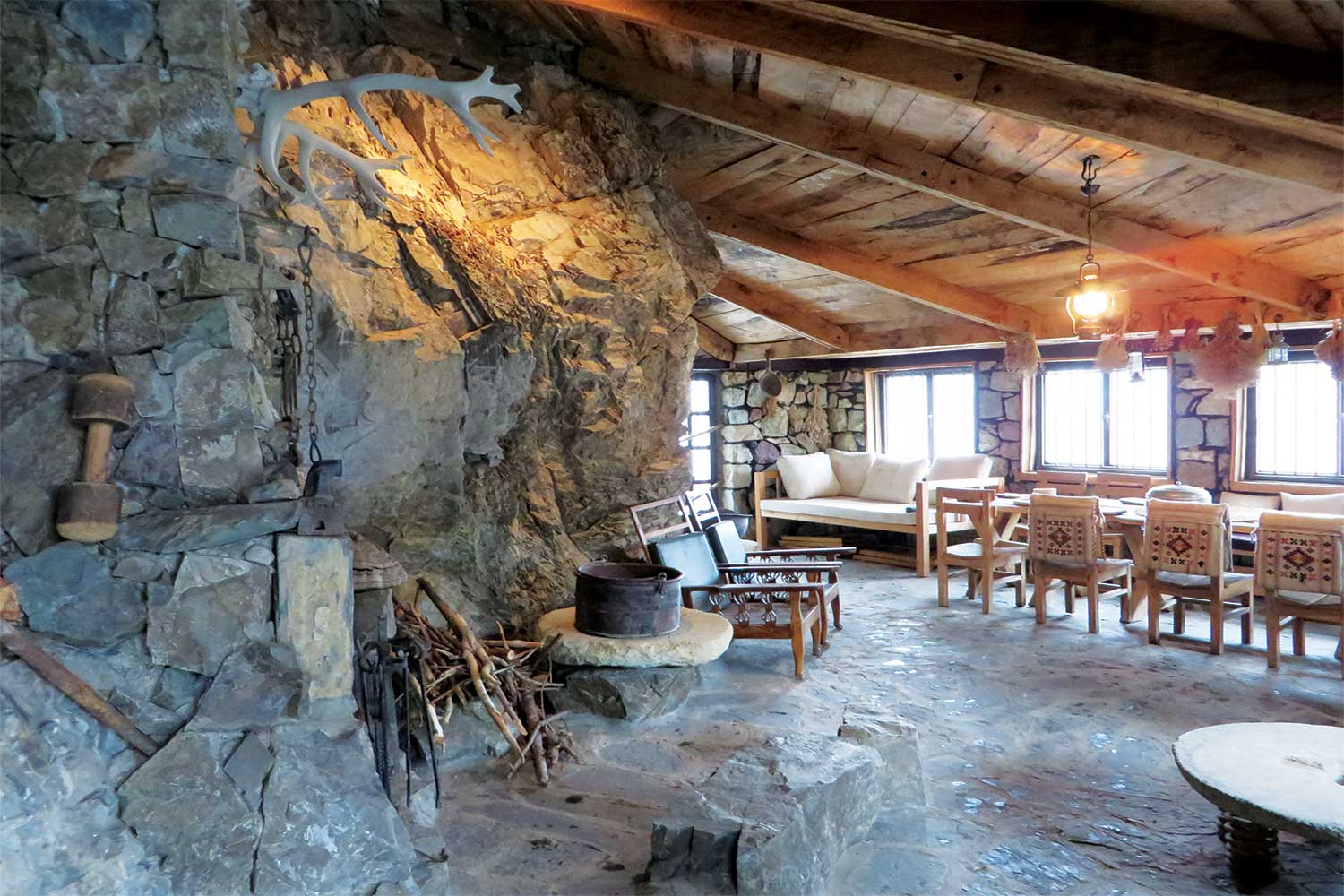
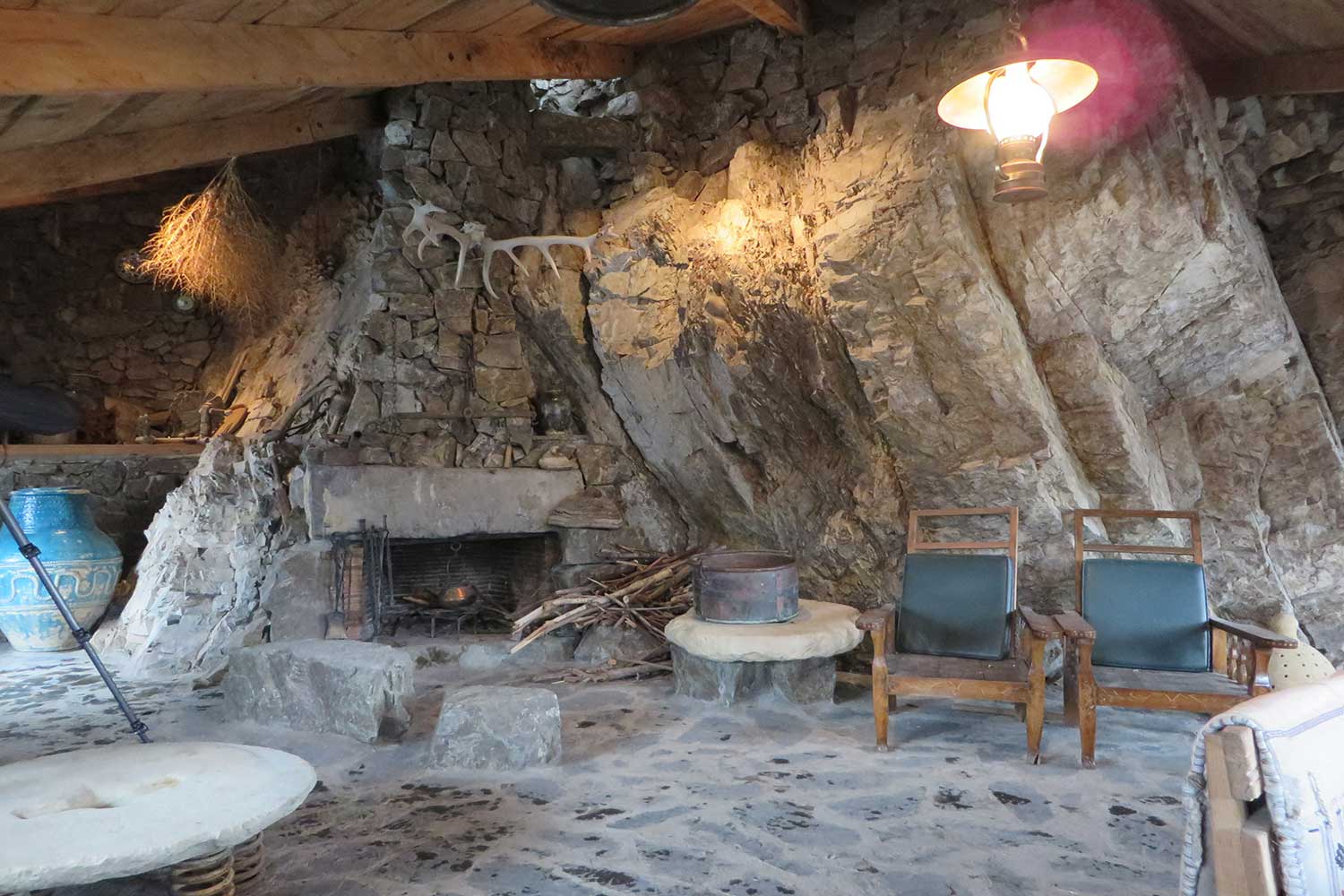
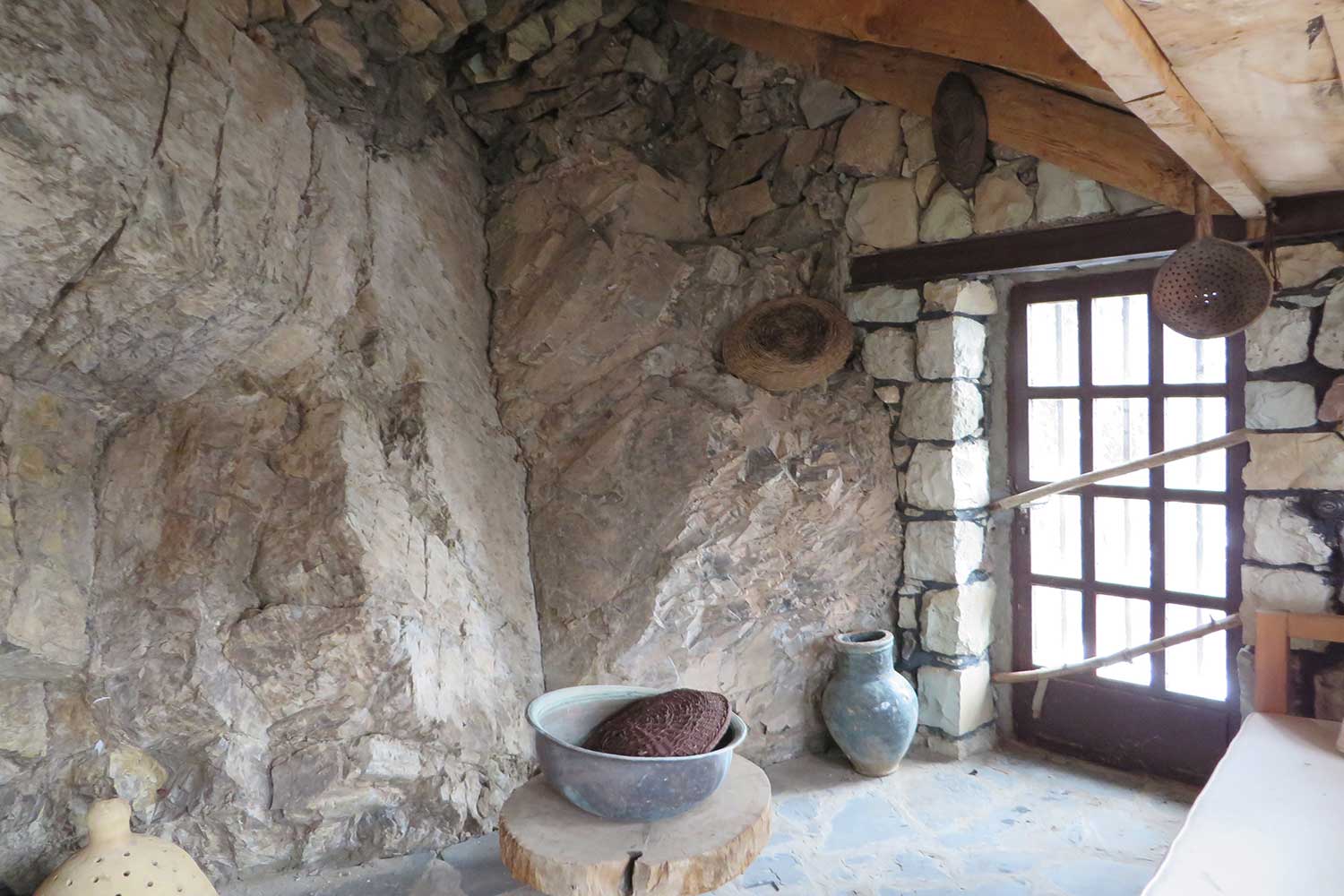
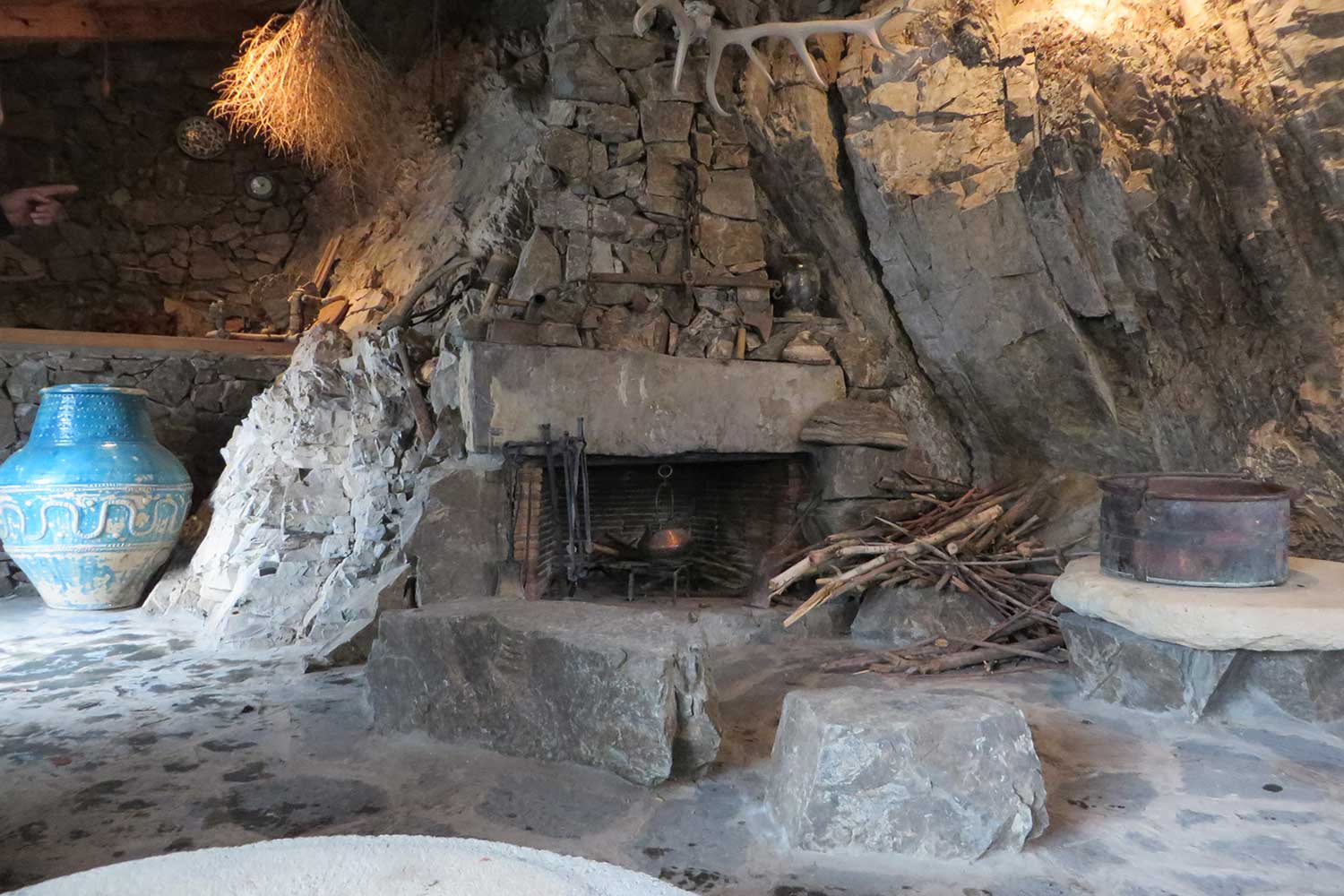
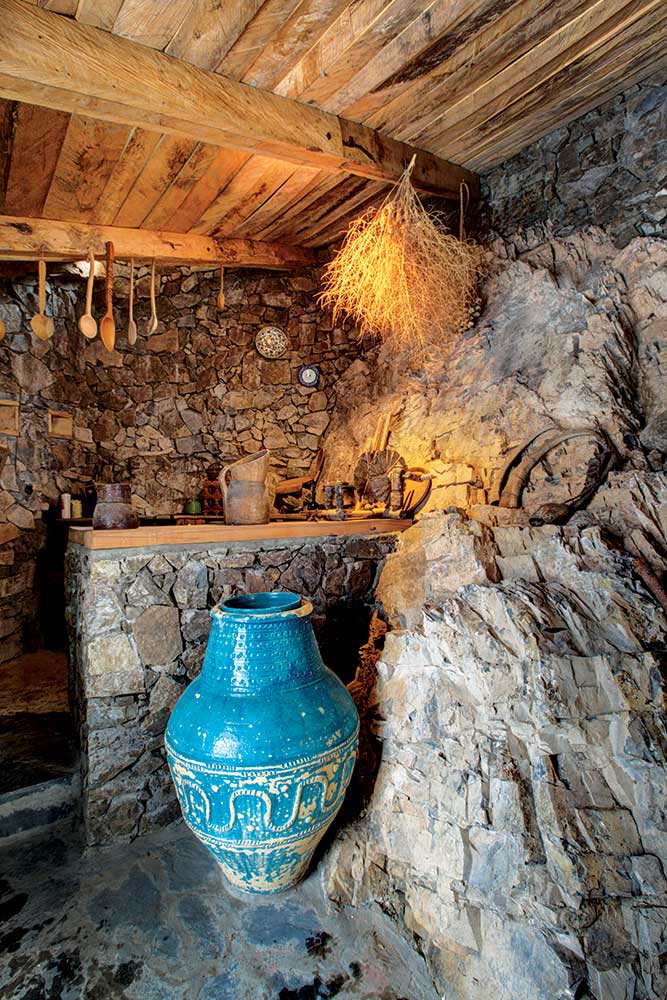
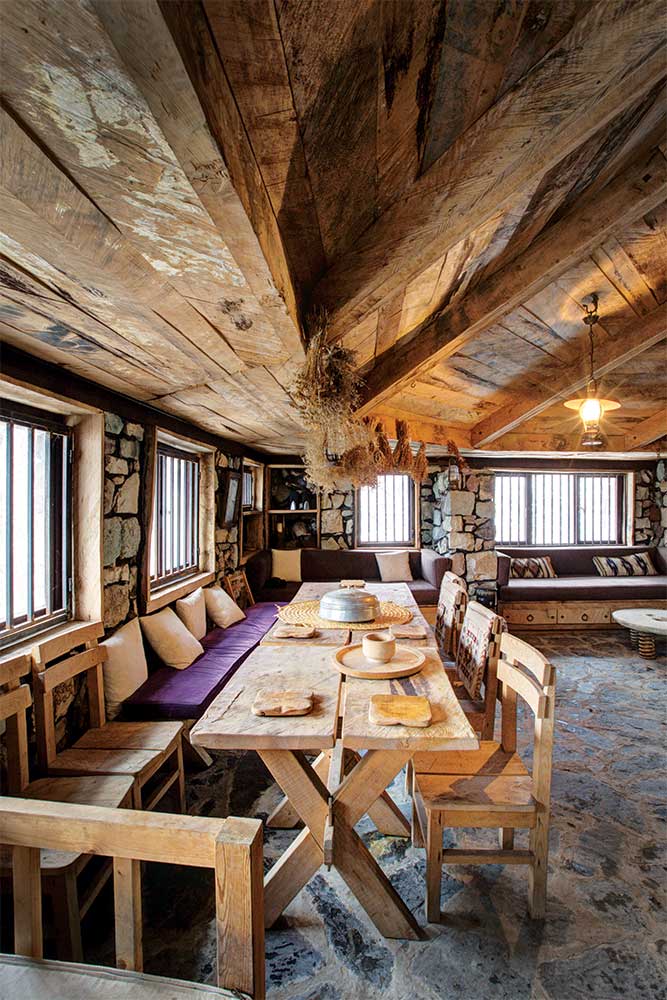
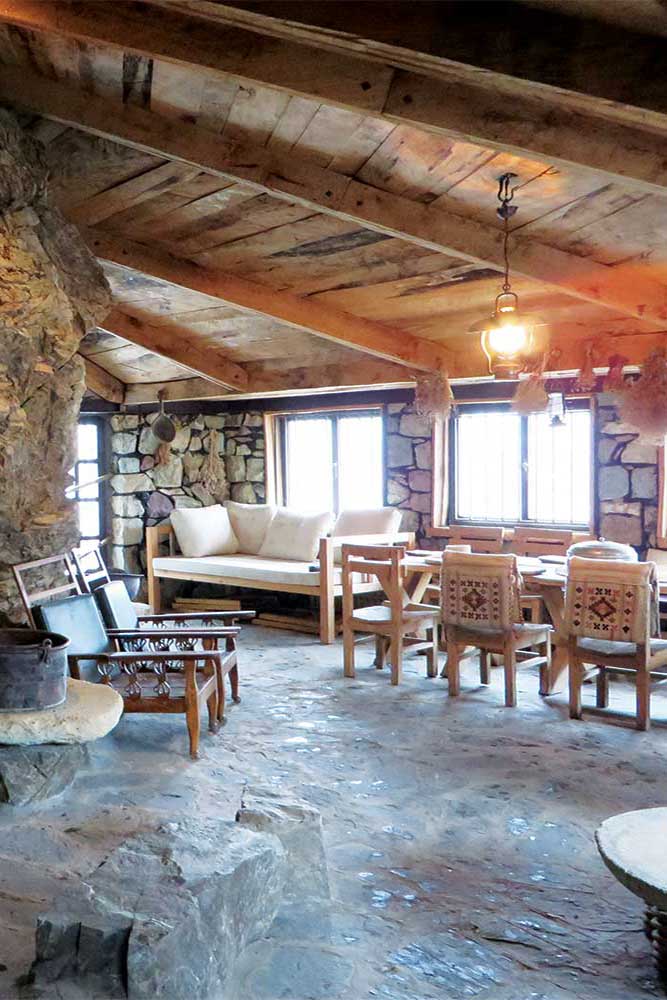
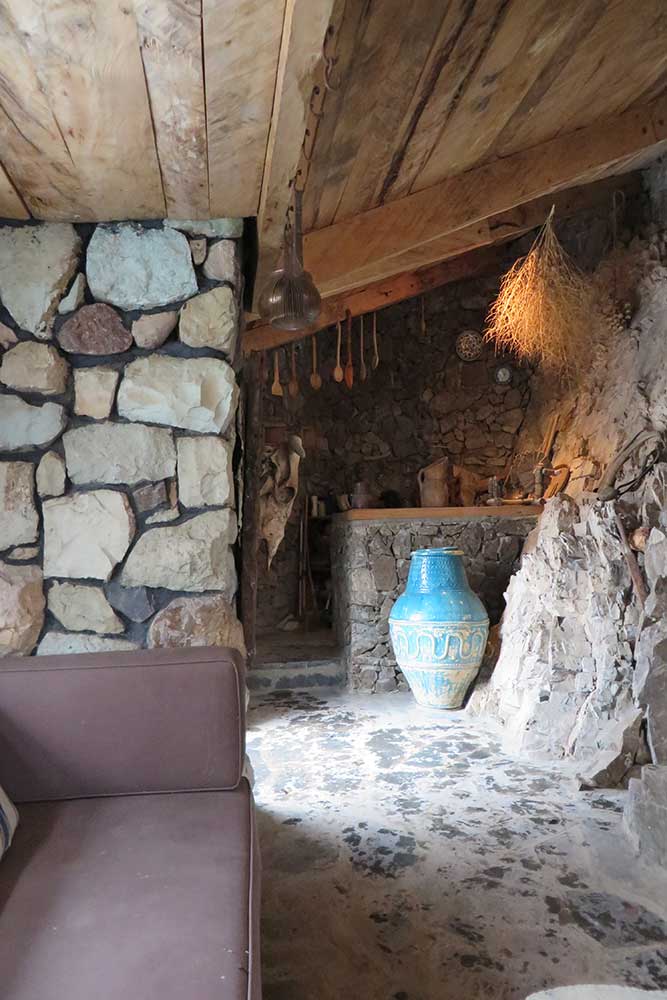
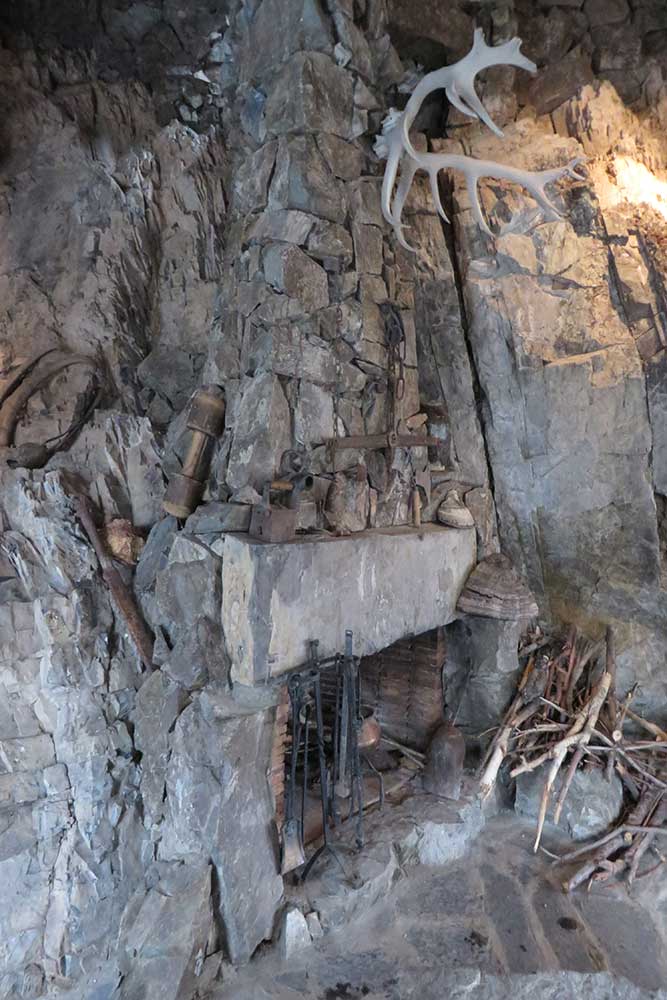
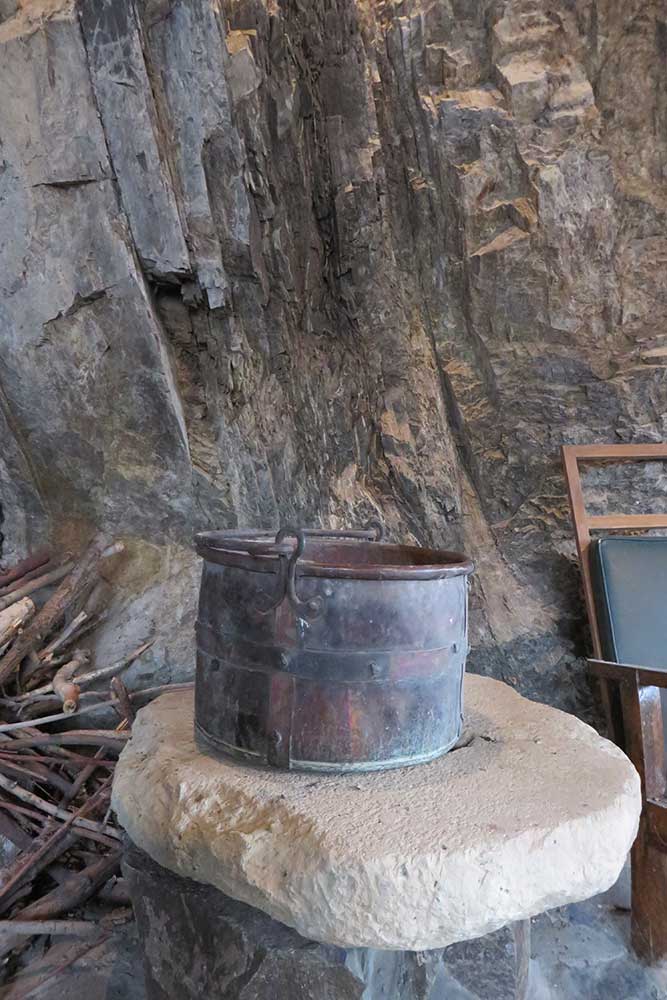
برخورد ارگانیک و همزیستی با طبیعت در این سازه به چشم میخورد. ساختمان درهماهنگی خاصی با کوه استقرار یافته که بخش عمدهی این هماهنگی در فضای نشیمن به وجود آمده است. بخشی از جدارهی فضای نشیمن با سنگهای کوه تلفیق شده و کاملا ارگانیک و طبیعتگرا طراحی شده است. ایدهی طرح خانه و نحوهی برخورد آن با طبیعت، شباهت خاصی به کار معماران ارگانیک و به خصوص کارهای فرانک لوید رایت دارد. سیحون، چنان که خود بازگو کرد، در پی تعریفهای دوست خود، زمینی به وسعت 2000 مترمربع را از آقای دکتر پریور خریداری و کلبهی ییلاقی خود را به دست سه استاد به نامهای علی سعیدا، حاج قربانعلی عالی، محمدعلی عالی (داییمیرزا) و سه شاگردشان به نامهای حاج عزیزاللّه دادی، حاج اسماعیل عالی و حاج مندلی سعیدا با حداقل امکانات آن زمان از جمله جابهجایی مصالح از جادهی اصلی (ایستگاه) به وسیلهی حیوانات بارکش ساخت. سیحون همواره از میزان علاقهی خود به این بنا یاد میکرد. نداشتن نقشهای از پیش تعیینشده و تصمیم به طراحی و ساخت در محل با مشارکت استادان و شاگردان از دیگر خصوصیات سازهای این بنا است.
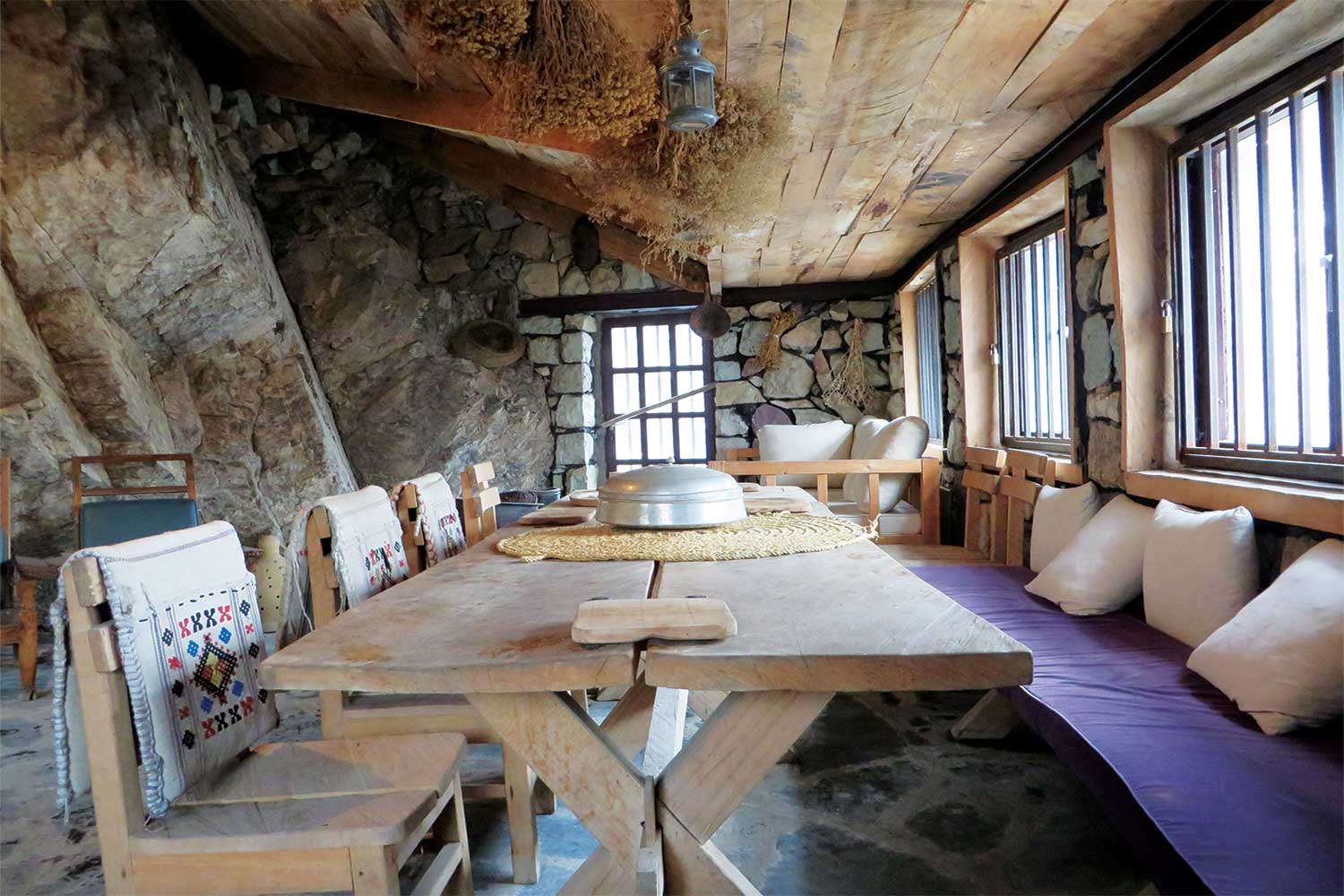
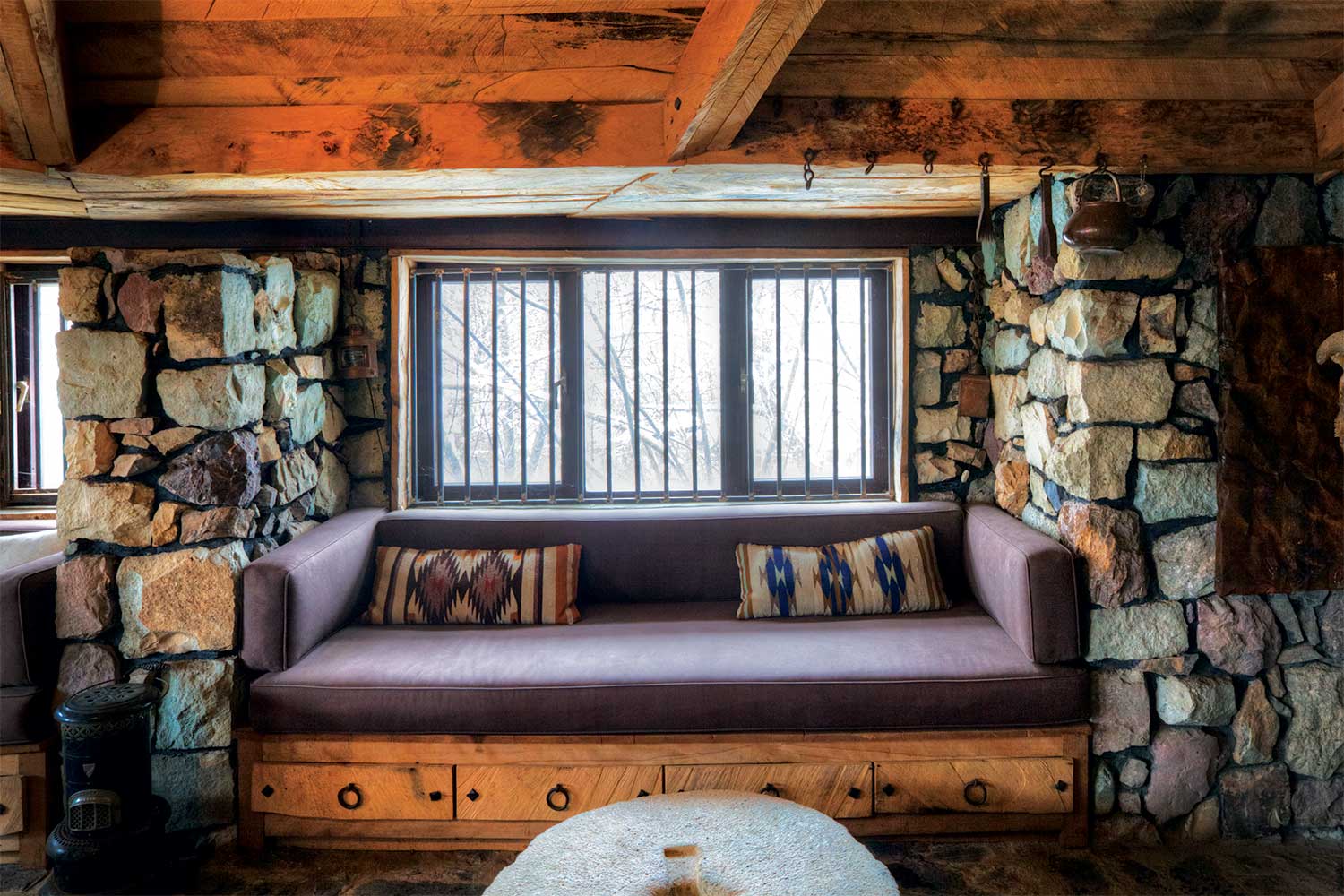
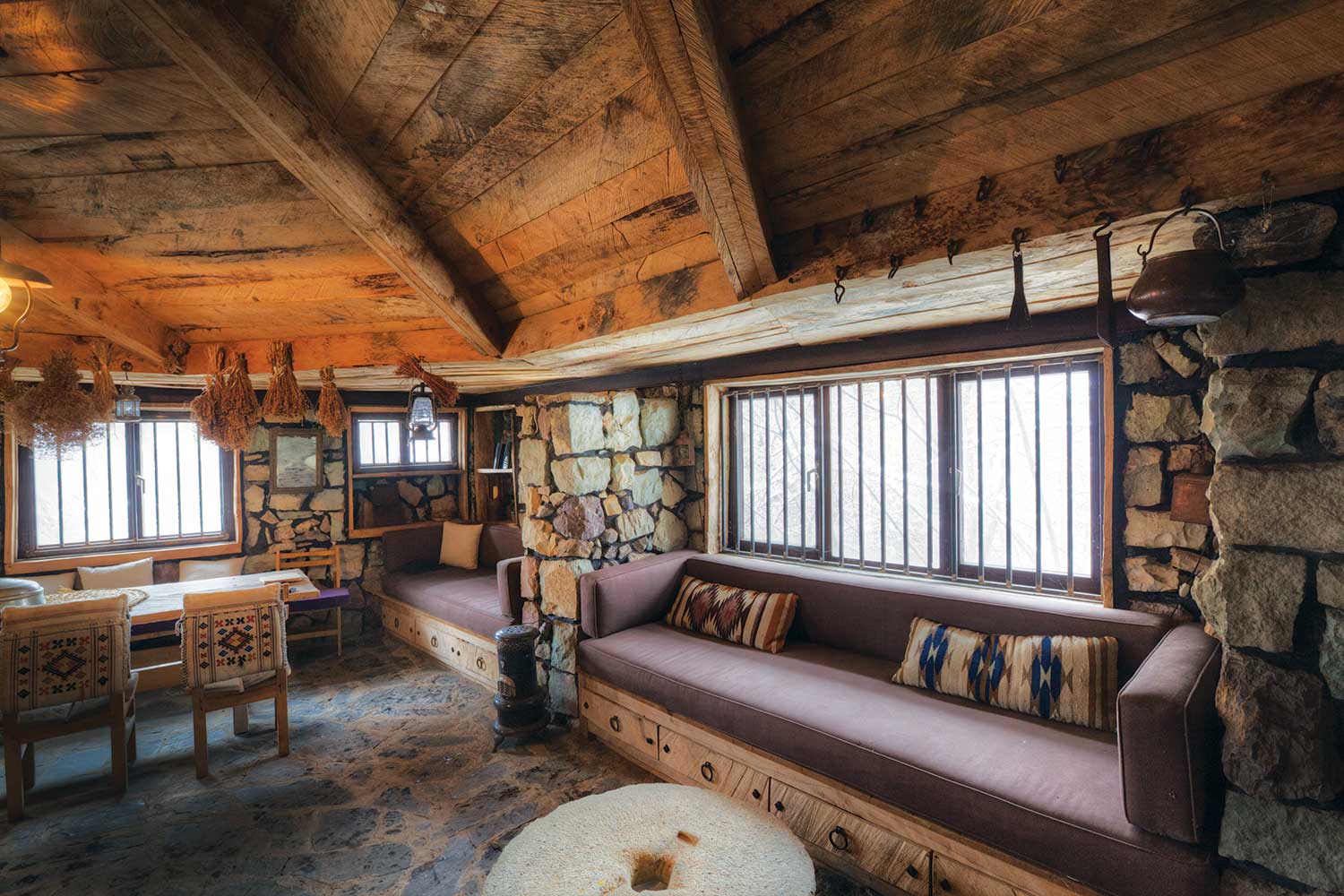
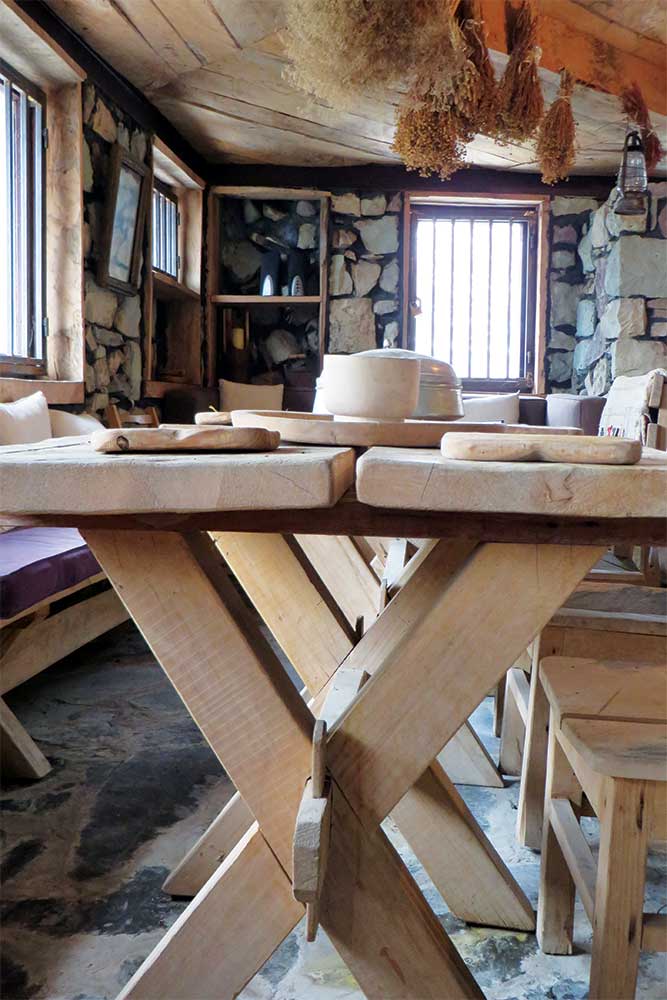
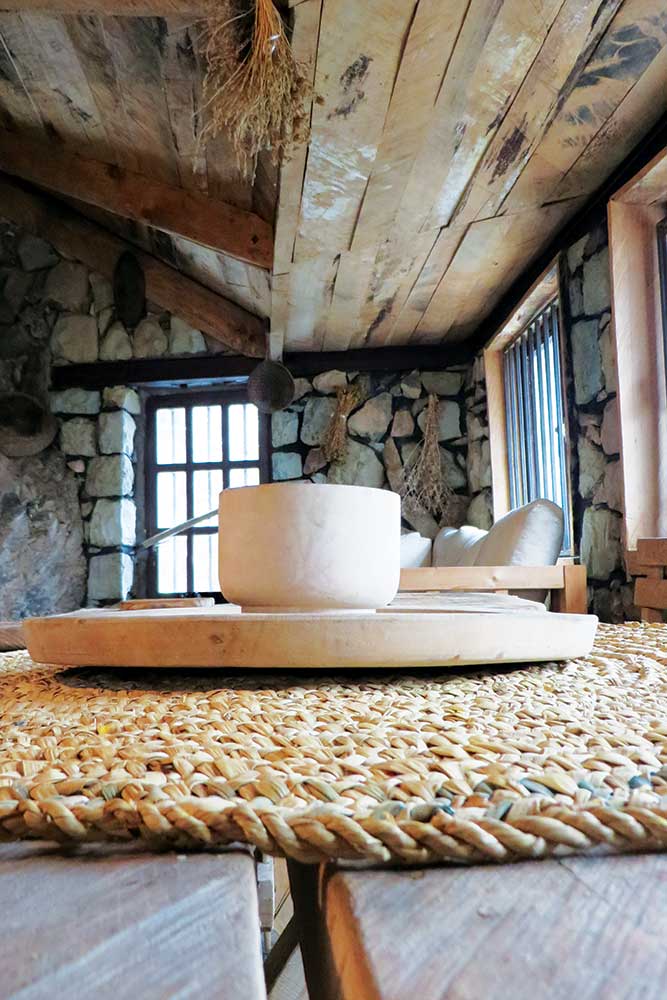
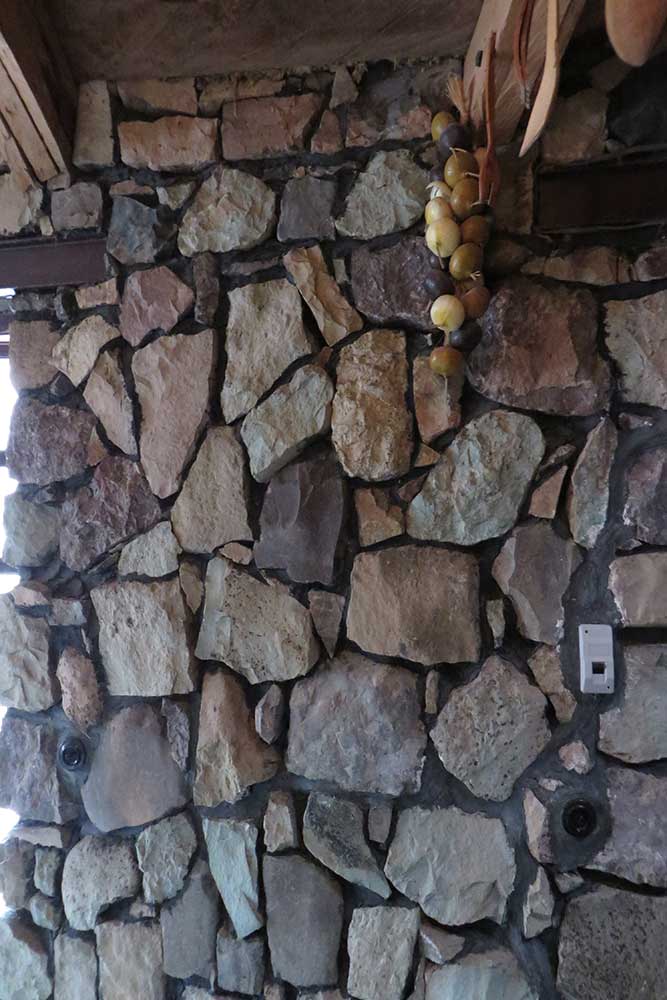
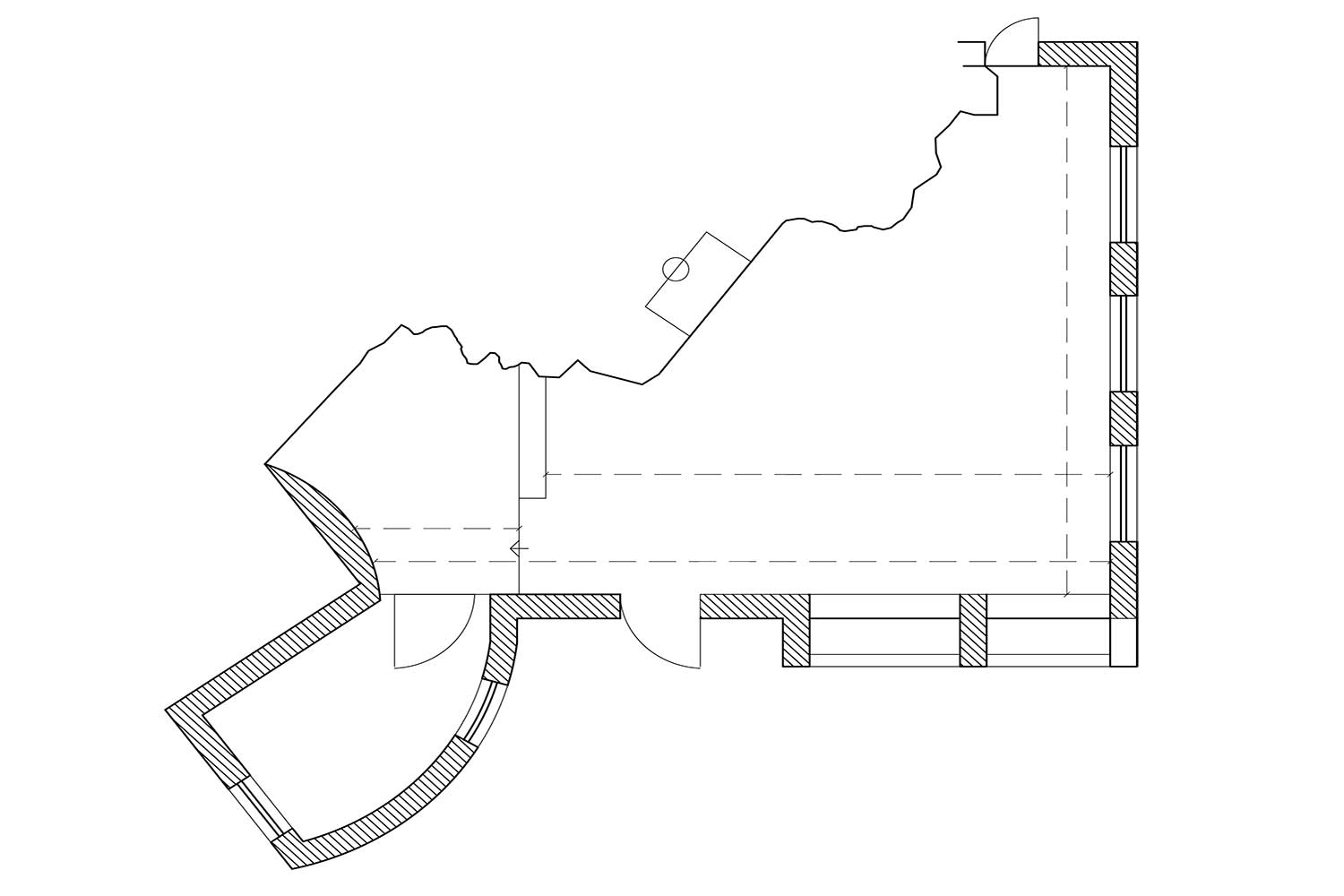
قرارگیری این زمین در شیبی تند که از یک طرف به بدنهی کوه ورجین و از طرف دیگر به رودخانهی عمامه منتهی میشود، باعث شد که با عبور تیرآهن مقاوم و کنسولکردن آن از دیوارهی کوه بتوان زمینی مسطح را برای حداقل فضای مورد نیاز داخل (سالن) فراهم آید. در واقع یک طرف سالن و آشپزخانه، همان دیوارهی کوه است و دیوارهای سازهای دیگر جهت اجرای سقف شیبدار توسط استادکاران اجرا و مقاومسازی شدند. بنای ساختهشده نمونهی بارزی از استفادهی مصالح بومی در ساخت مسکنهای جدید در مناطق روستایی است. استفاده از سنگ روستا در معماری داخلی و بیرونی بنا و آشکارنبودن سیمان برای اتصالات سنگها مسالهای بود که سیحون همواره بر استادان و شاگردان تاکید میکرد که البته عدم رعایت آن توسط استادان، به تخریب چندبارهی دیوارهای چیدهشده انجامید. علاوه بر ایجاد کالبد معماری و استفاده از مصالح بومی روستا (سنگ) در ساختار معماری، برای تزئینات و معماری داخلی آن نظیر ساخت میزها، تختها، صندلیها و الوارهای چوبی نگهدارندهی سقف، از چوبهای خشکشدهی درختانی همچون کبوتر و گردو و با همت استاد فرجاللّه دادی (نجار روستای کلوگان) و به طراحی هوشنگ سیحون در محل ساختمان ساخته شد. احداث راه اختصاصی از جادهی اصلی به روستا و توزیع برق برای روستاییان از دیگر اقداماتی است که در زمان سیحون انجام گرفت.
The village of Kologan, a part of Rudbar Qasran, is located just 20 minutes away from Tehran, near the towns of Oshaan and Fasham, along the Lashkarek road. Due to its location on the side of the main road and the absence of a car-accessible path throughout the village, it maintains a peaceful and quiet atmosphere. This summer house, with an approximate area of 76 square meters in the Fasham region near Tehran, is a beautiful blend of architecture and nature. It is nestled into the side of a mountain and built with minimal alterations to the natural landscape. The main materials used in the construction are stone, wood, and steel, with the beams resting on massive stone columns. Seyhoun shares the story behind buying the land and building the house:
“The story of this house begins with a dear Armenian friend of mine, who was a good man and also a painter. Often, he and I would travel to various areas to sketch and paint, for which I had purchased a home caravan. My Armenian friend owned a property in Kologan village, located along the road that ran from the south to the north of Tehran, passing through Lashkarek on the way to Oshaan and Fasham. There were two iron bridges in the area, one over a river and another connecting to a jeep track leading to the village. He constantly encouraged me to buy a garden in this village, and although I wasn’t very interested, I eventually agreed to buy it. The garden was located on a steep slope leading down to the river, where they had created wide stone-paved steps, filled the area with soil, and planted trees; it was essentially a garden on a slope. I realized that it would be possible to build a structure there and used the steps for construction. So, I made certain perforations into the base of the mountain at specific intervals, passing reinforced I-beams through the ground, and reinforced the steps as well. Based on this, I built a small villa. The innovative aspect of this house is that one side of the living room and kitchen is formed by the mountain itself.”
The organic interaction and coexistence with nature are apparent in this structure. The building is harmoniously placed within the mountain, with a significant portion of this harmony created in the living space. One side of the living room’s wall is integrated with the mountain’s stones, making the design completely organic and nature-centric. The idea and approach of the house towards nature bear a strong resemblance to organic architects, especially the works of Frank Lloyd Wright. As Seyhoun himself recounts, encouraged by his friend’s suggestions, he bought a 2000-square-meter piece of land from Dr. Parvor and had his summer cottage built by three masters named Ali Saeeda, Hajj Ghorban-Ali Ali, and Mohammad-Ali Ali (Dai-Mirza), along with their three apprentices Hajj Azizollah Dadi, Hajj Ismail Ali, and Hajj Mandali Saeeda, using the minimal available resources, including transporting materials from the main road (station) with pack animals. Seyhoun always spoke fondly of his affection for this building. The lack of a pre-made plan and the decision to design and construct it on-site with the participation of masters and apprentices were other defining characteristics of this structure.
The land’s position on a steep slope, ending on one side at the base of Mount Vergin and on the other side descending to the Imama River, led to the creation of a flat space for the essential interior (living room) by passing a reinforced I-beam through the mountainside and cantilevering it. One side of the living room and kitchen forms the mountain wall itself, and the other structural walls were built by the craftsmen to support the sloped roof. The resulting building is an exemplary use of local materials for new housing in rural areas. The use of the village’s local stone in both the interior and exterior architecture, and the absence of visible cement for joining the stones, was something Seyhoun always emphasized to his masters and apprentices. However, the failure to adhere to this resulted in the repeated destruction of the stone walls. In addition to the architectural structure and the use of local materials in the building’s composition (stone), the internal decorations and furniture, such as tables, beds, chairs, and wooden beams supporting the roof, were made from dried wood of trees such as pigeon wood and walnut. These were crafted by master Farajollah Dadi (the carpenter of Kologan village) and designed by Seyhoun on-site. Another achievement during Seyhoun’s time was the construction of a dedicated road from the main highway to the village and the distribution of electricity to the villagers.
مدارک فنی
مرجع عکسها: کتاب هوشنگ سیحون (معمار، هنرمند، نقاش)
تالیف: شهریار خانیزاد
مطالب مرتبط