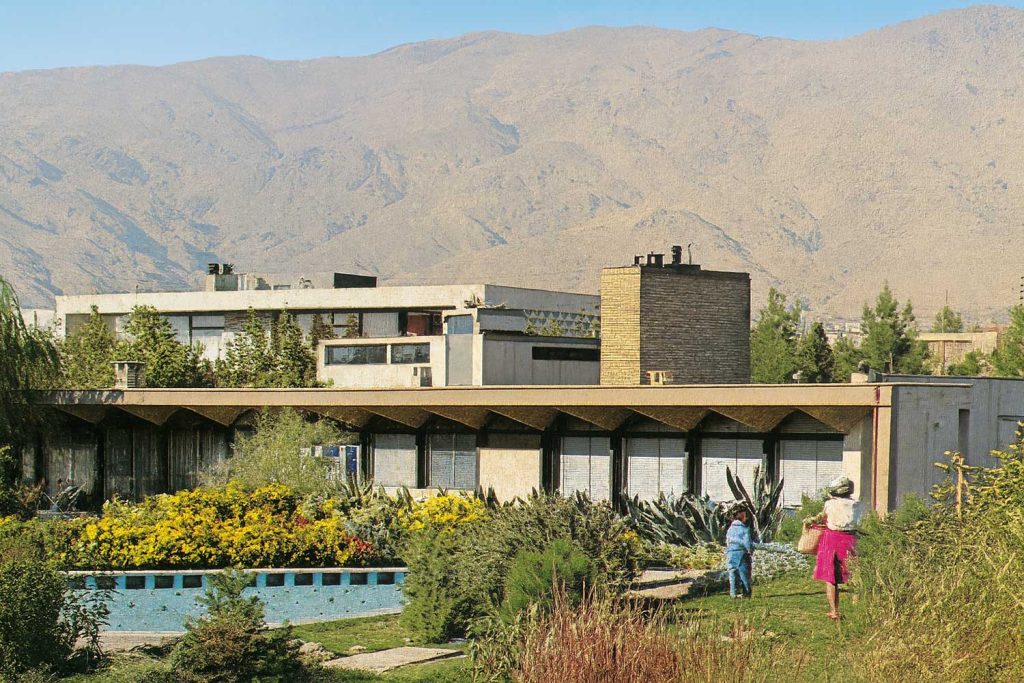
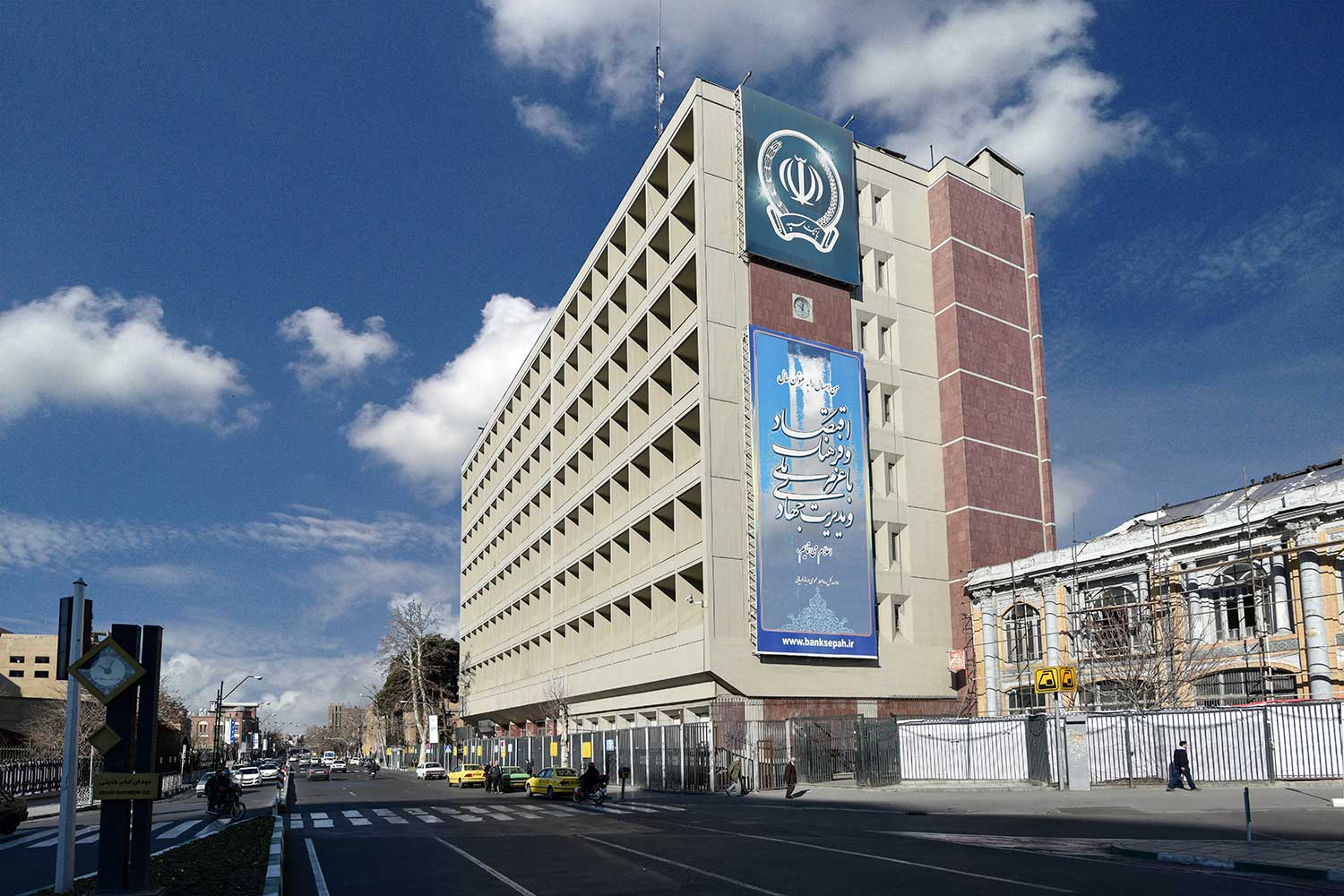
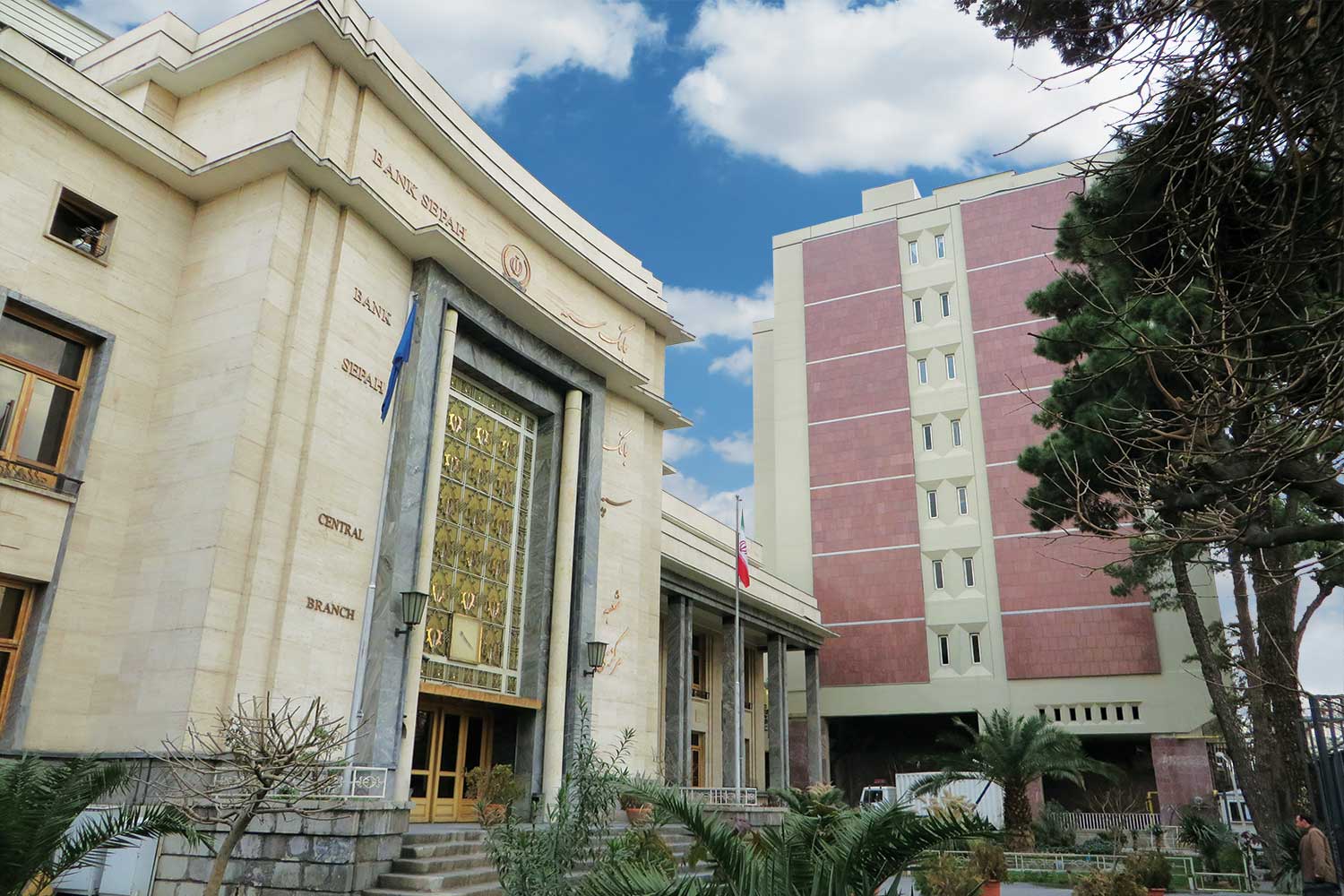
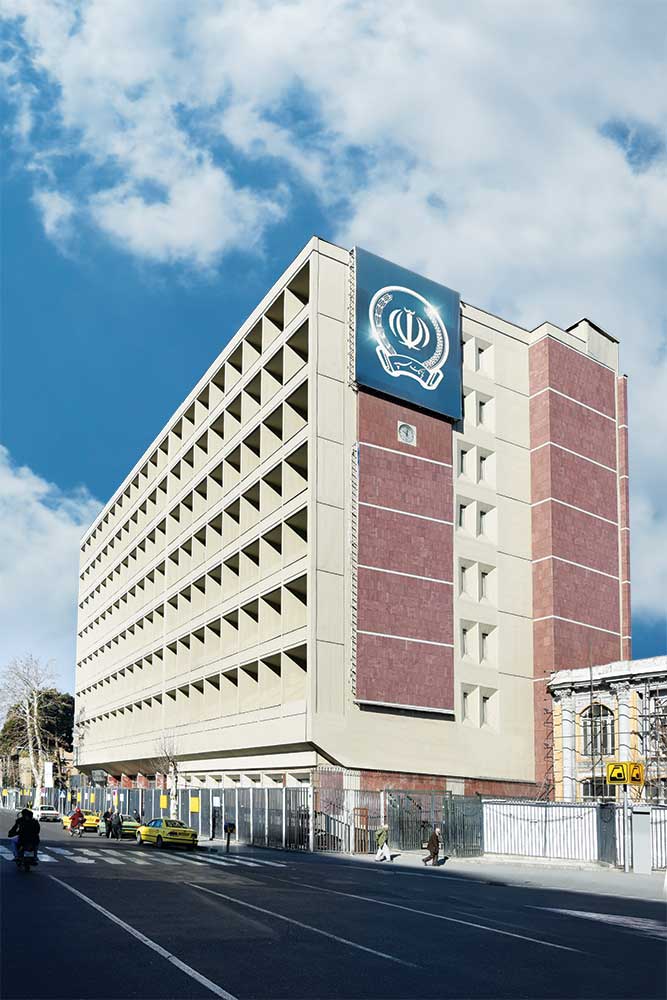
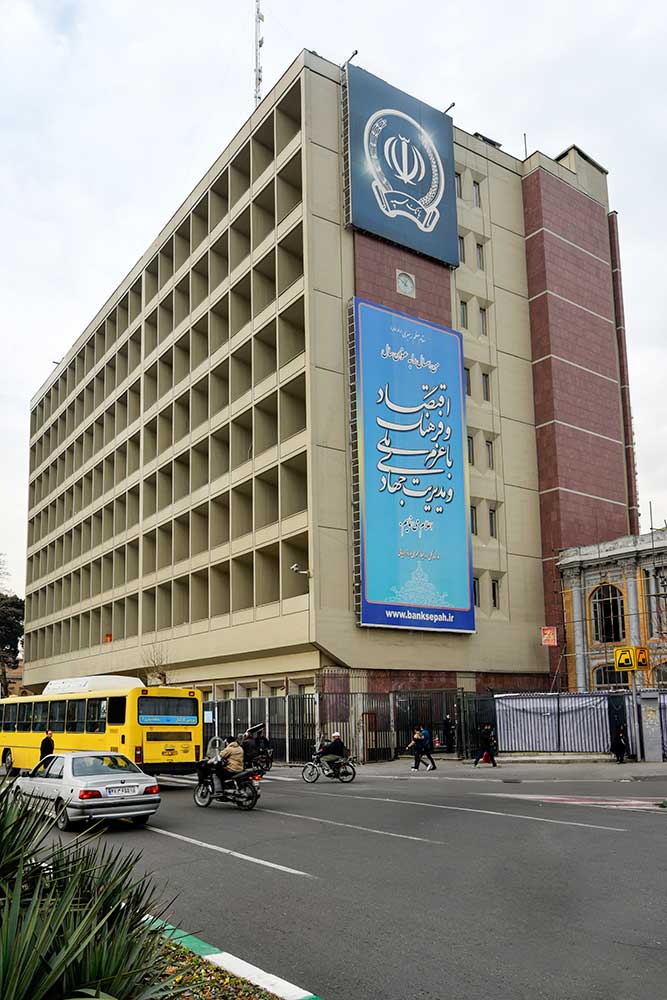
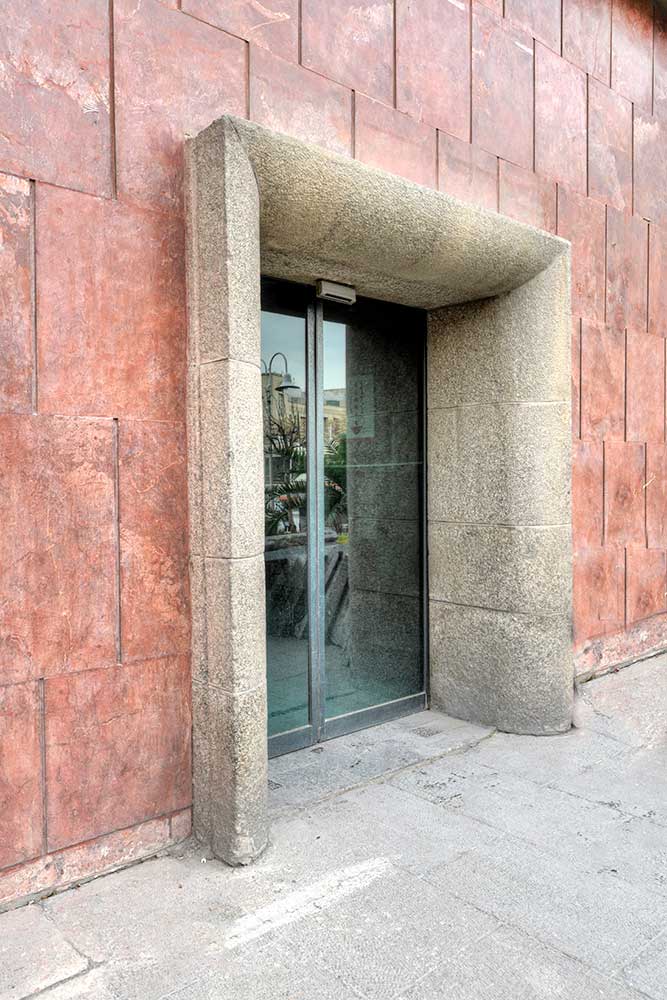
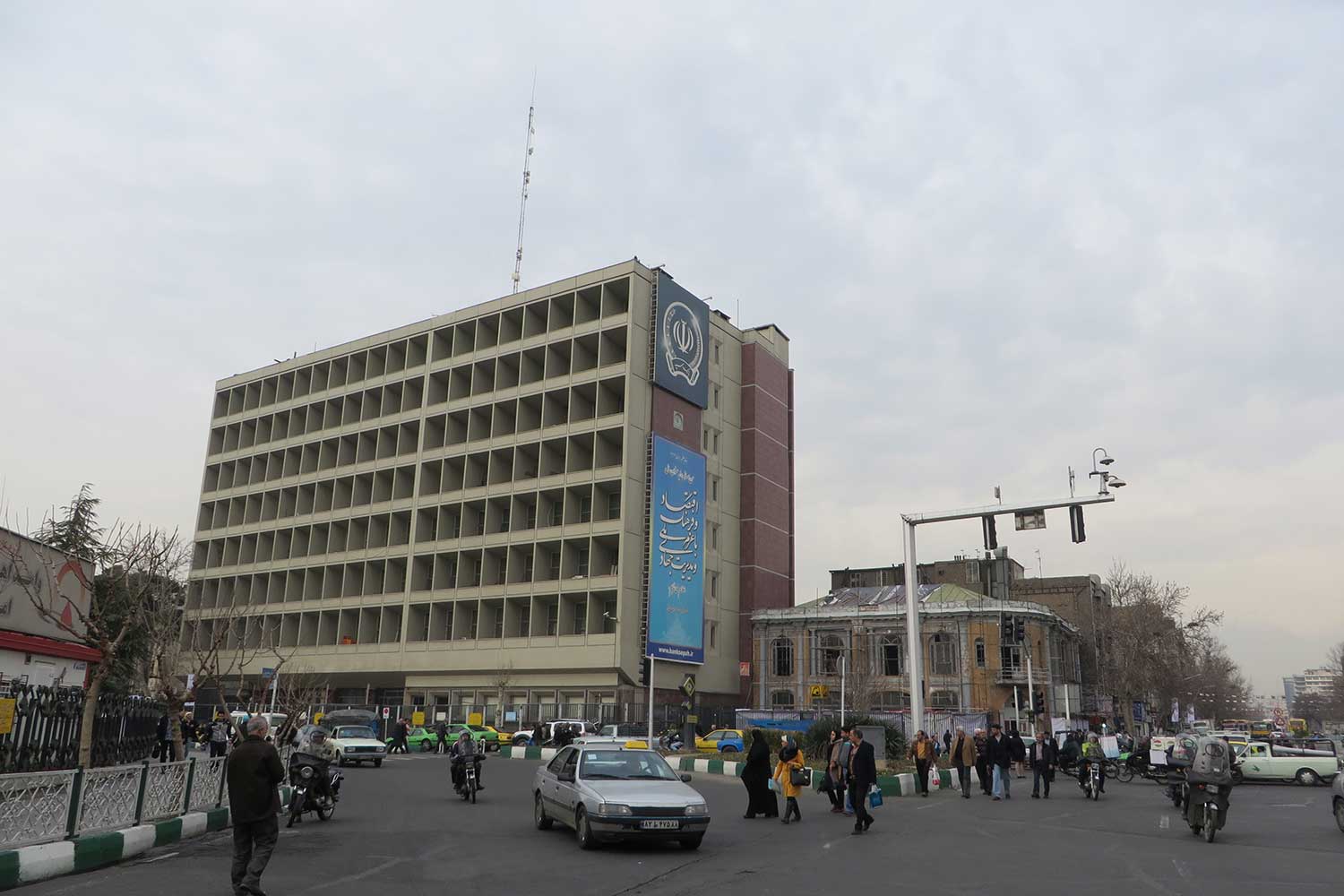
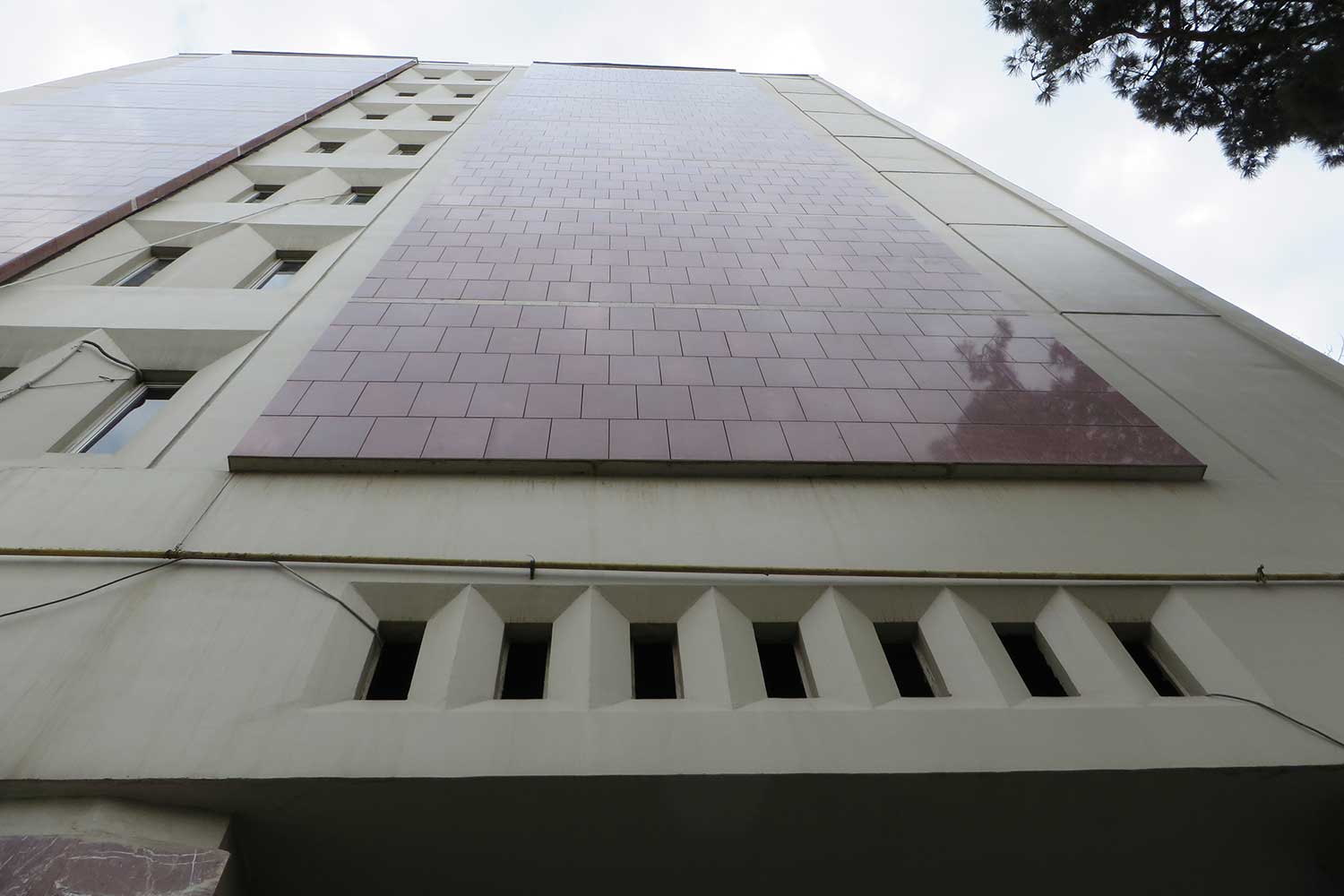
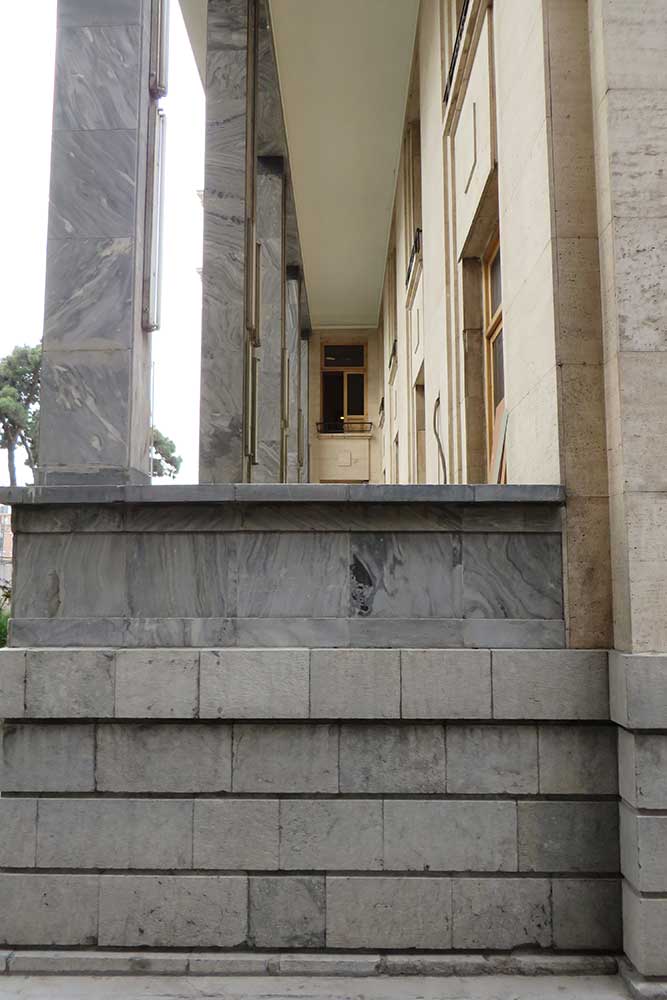
ساختمان شعبه ی مرکزی بانک سپه اثر هوشنگ سیحون
میدان امام خمینی (توپخانه ی سابق)، تهران، 1341
Sepah Bank Central Branch Building, designed by Hooshang Seyhoun
Imam Khomeini Square, Tehran, 1962
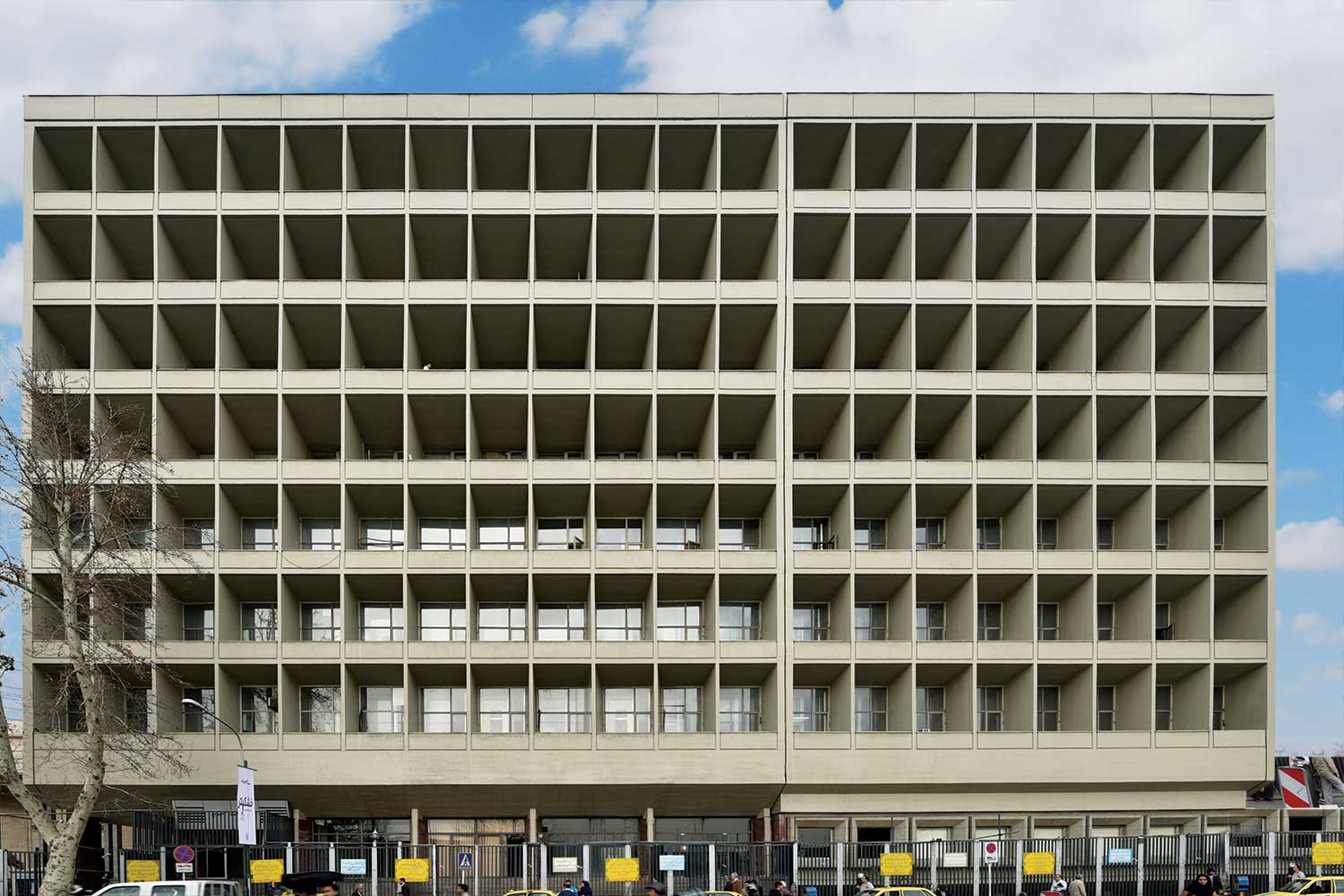
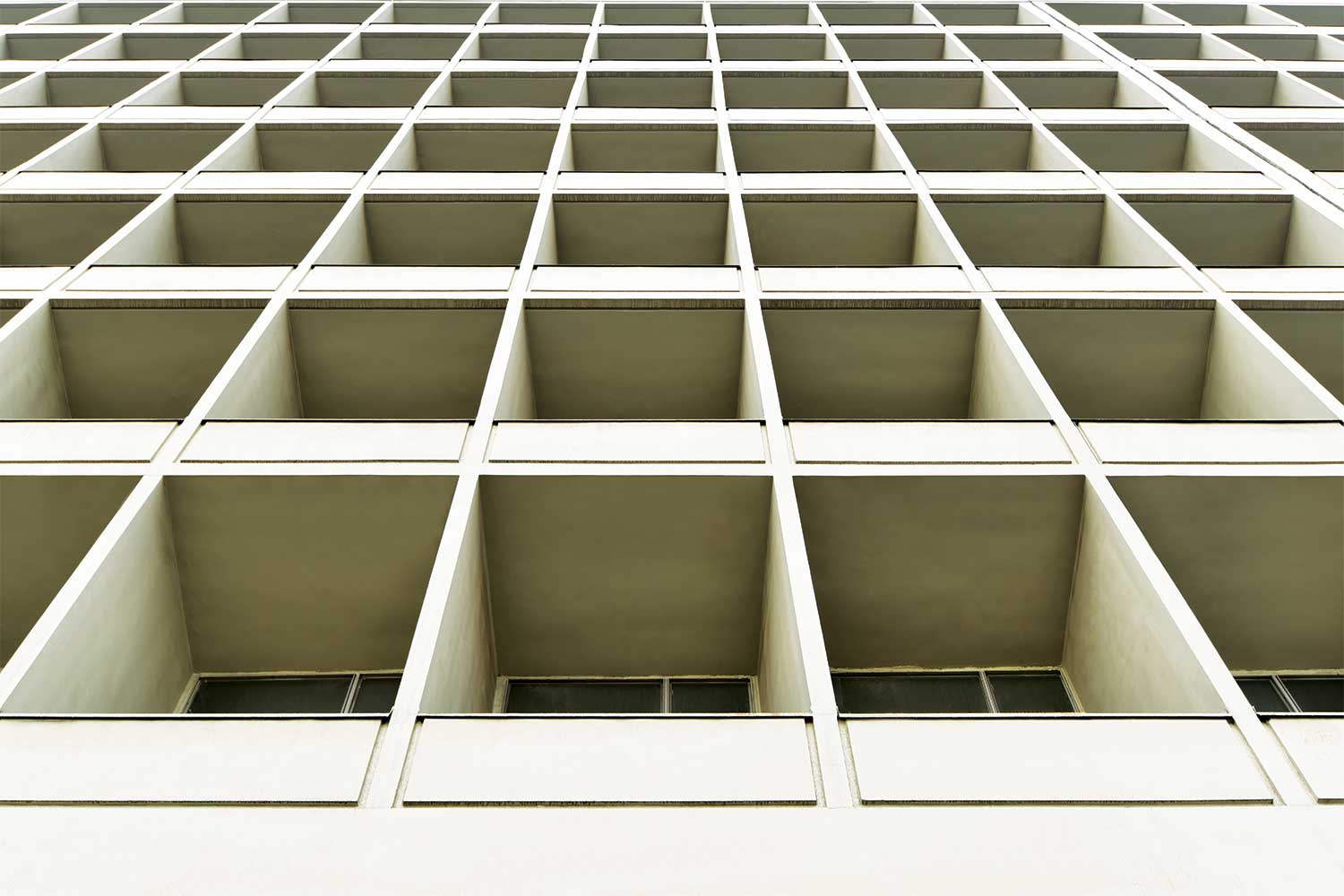
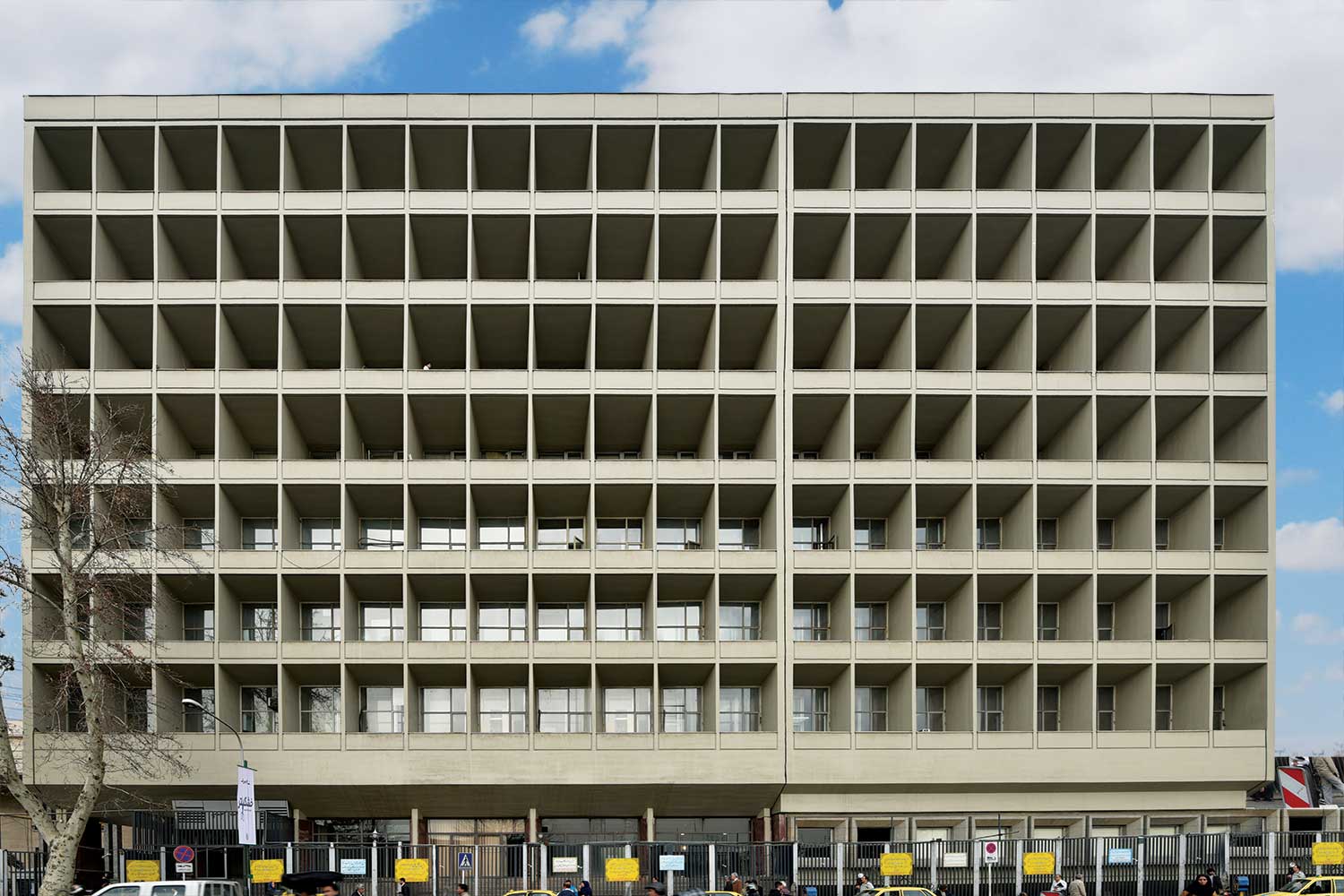
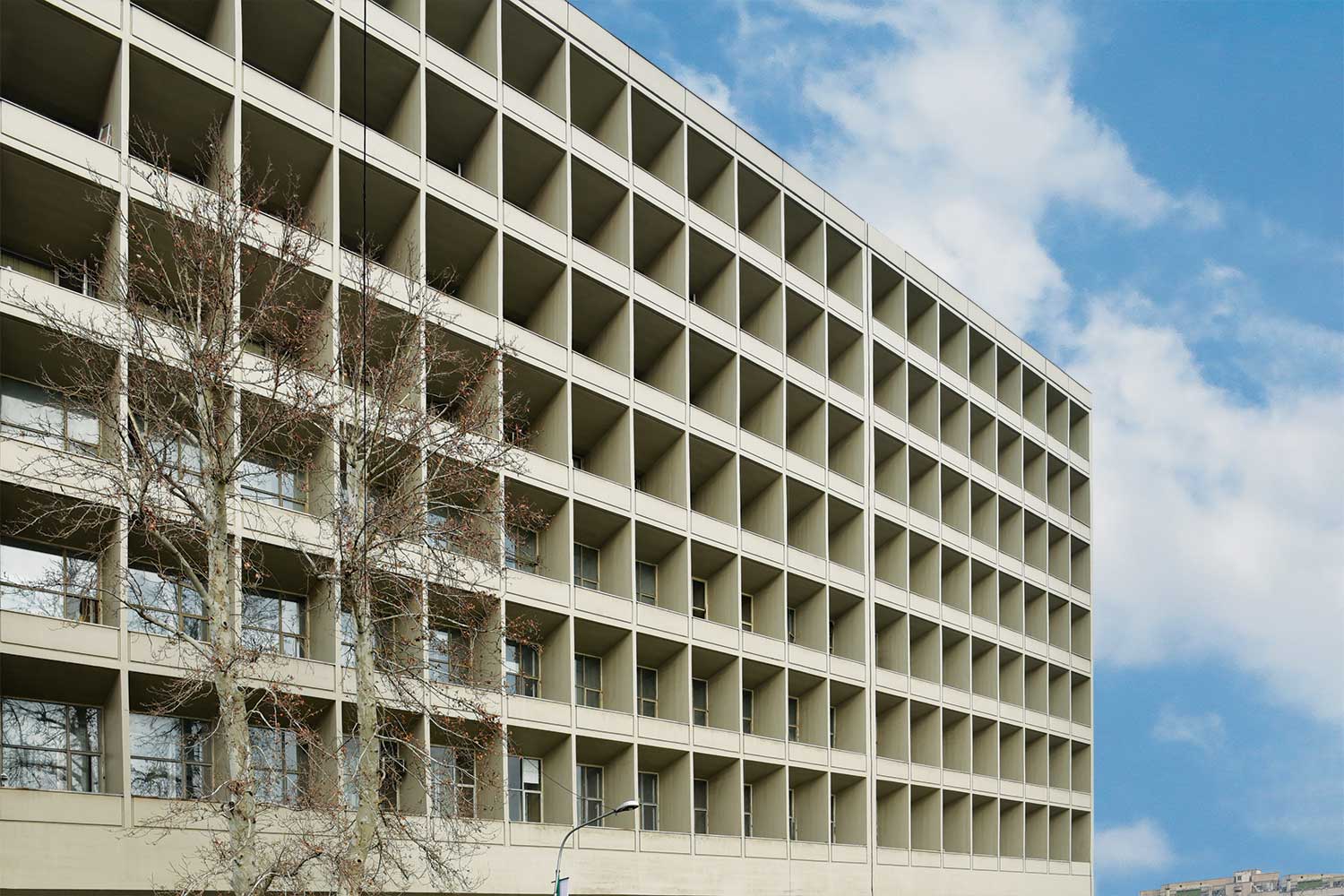
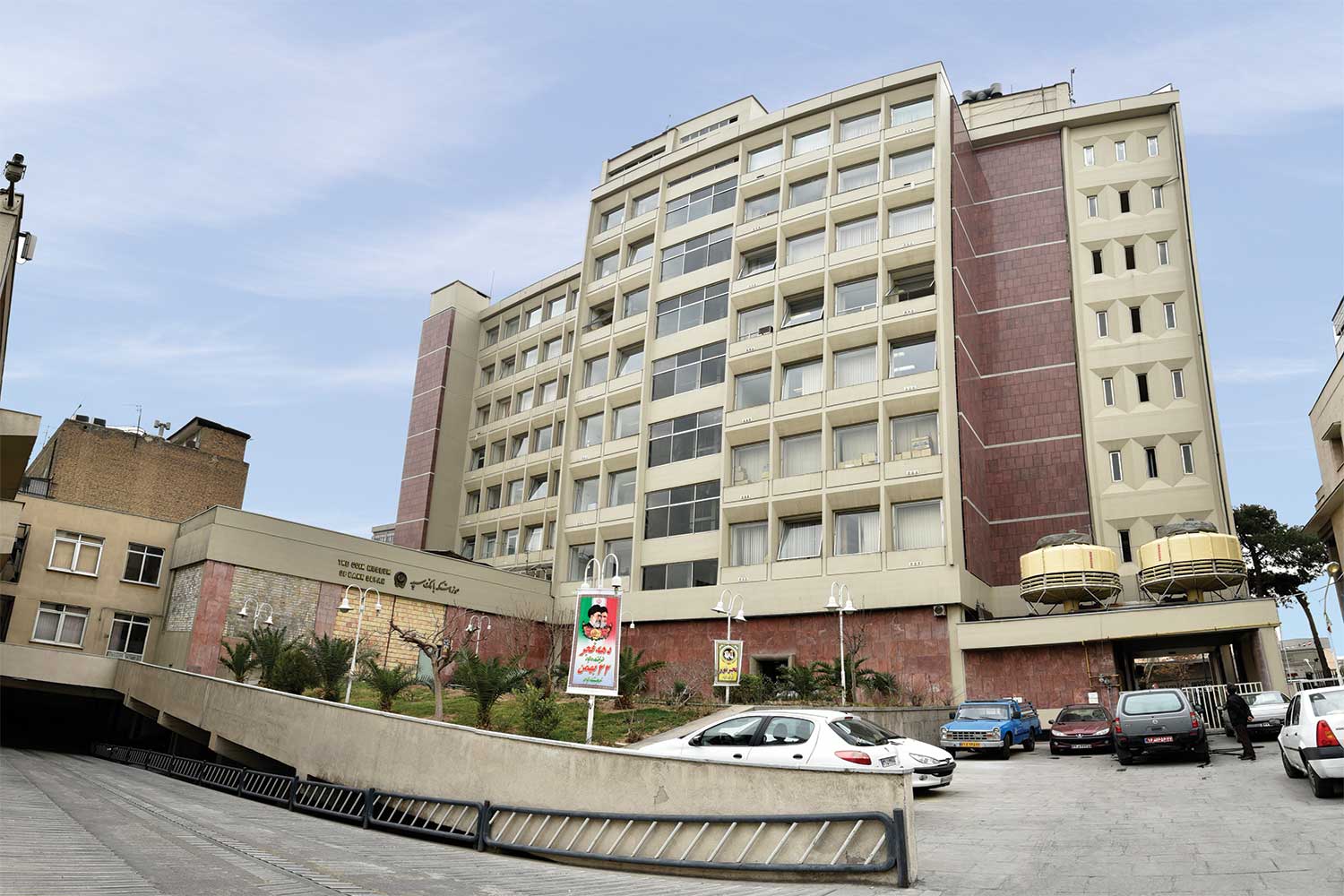
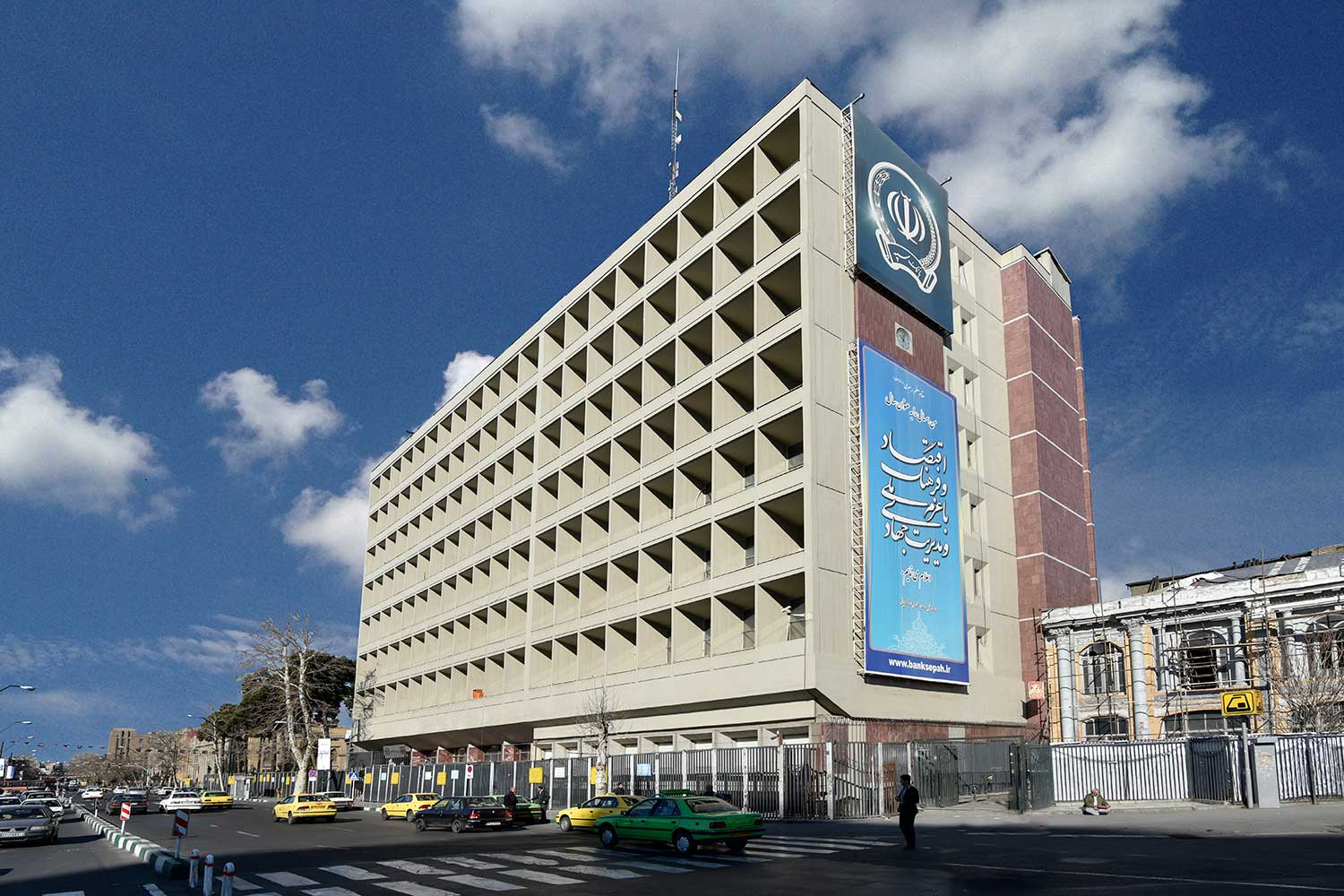
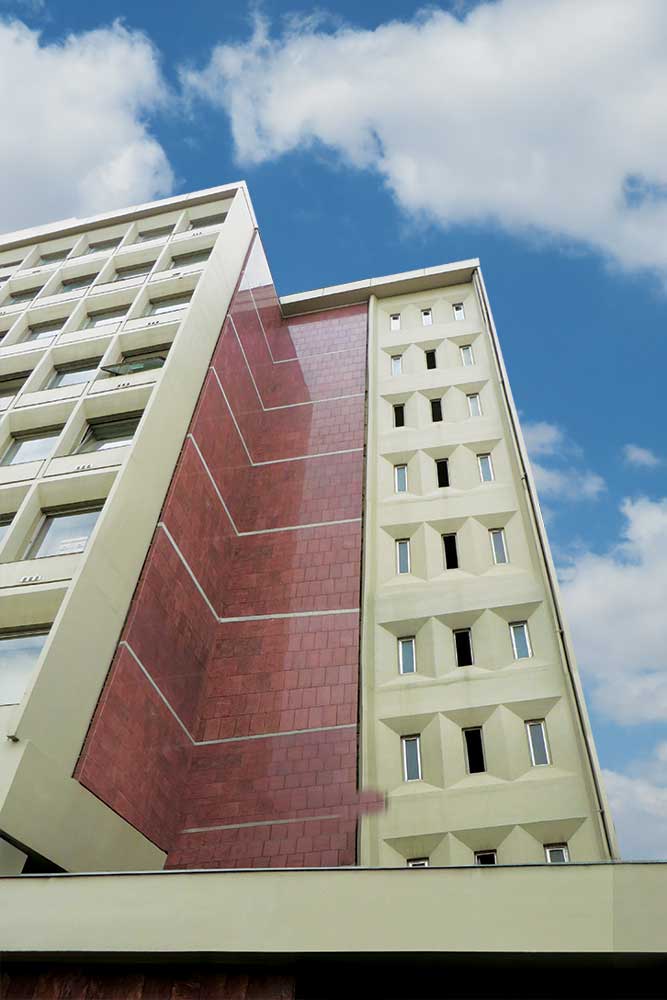
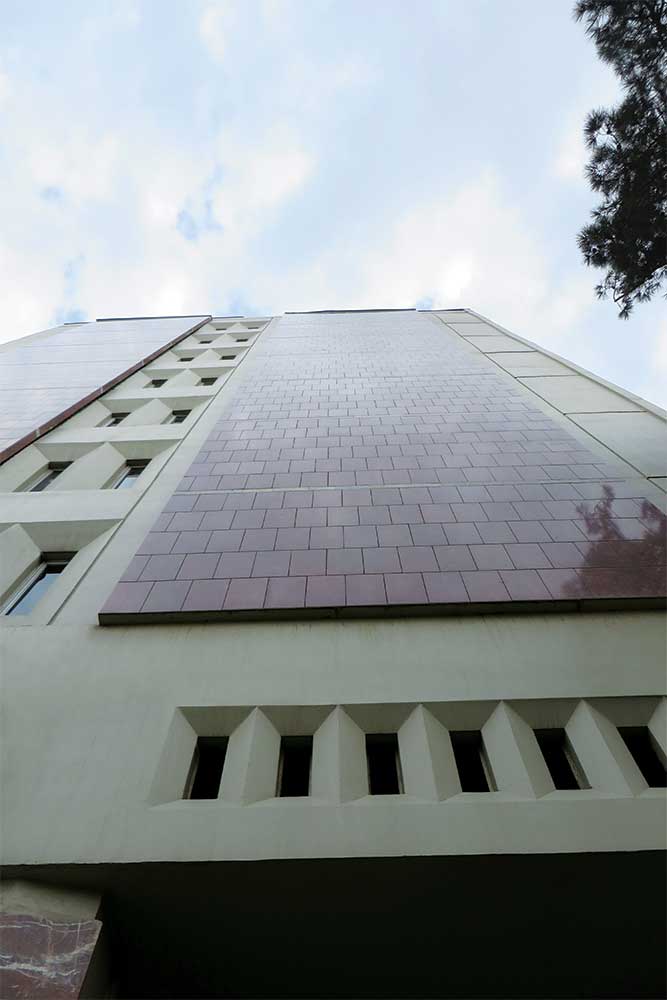
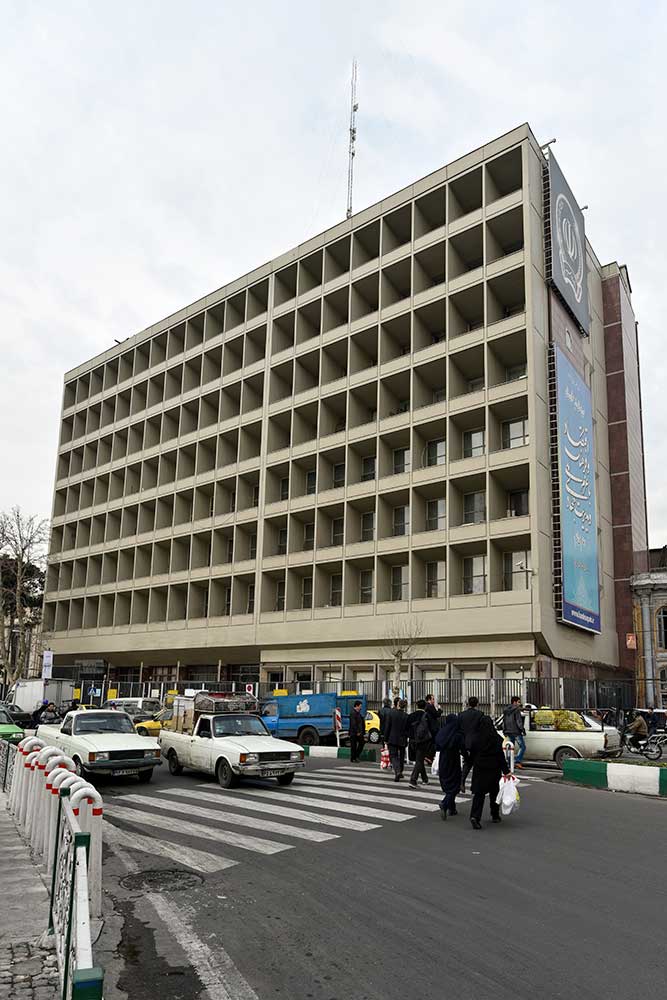
در معماری ایرانی نقش ایوان از قدیمالایام این بوده که در تابستان جلوی نور خورشید را گرفته و در زمستان راه ورود آن به داخل بنا را فراهم کند، زیرا معمولا نور آفتاب در تابستان به صورت عمودی و در زمستان به صورت مایل میتابد، سیحون از این تجربهی قدیمیها برای بانک سپه ایده گرفت. پروژهی بانک سپه در چند طبقه شامل دفاتر و تشکیلات اداری است، منهای طبقه ی پایین که گیشهها و پیشخوان مراجعان را در بر دارد. تمام اتاقهای طبقات فوقانی با یک مقیاس طراحی شده و هرکدامشان یک ایوان دارند؛ هم دیوارهای شرقی-غربی جلوی تابش شدید آفتاب را میگیرند و هم طاقنماها.
این طرح با گرفتاریهای متعددی برای سیحون همراه بود. در آن زمان ارتشبد یزدانپناه، قدرتمندترین فرد ارتش بعد از شاه بود و از زمانی که رضاخان کودتا کرد، با دستگاه حکومتی بسیار صمیمی بود و در زمان سلطنت وی، پیشرفت بسیار خوبی کرد. او یک روز که سیحون در سایت پروژه حاضر نبود، به محل کارگاه بانک سپه رفت، طرف مقابل خیابان ایستاد، به ساختمان نگاه کرد و به آقای ملکزاده، سرپرست کارگاه که از شرکت آرمه بود، گفت: «این مزغلها را خراب کنید.»
مزغل در فرهنگ ارتشی قدیم به سوراخهایی اطلاق میشد که درون دیوارهای بیرونی قلعههای نظامی تعبیه میشدند و سربازان از طریق آنها به مهاجمان تیراندازی میکردند. ارتشبد خطاب به سرپرست کارگاه اینطور ادامه داد: «امروز چهارشنبه است. من چهارشنبهی بعد که میآم، این مزغلها نباید اینجا باشند.» حرف او حرف آخر بود. البته مزغل قلعهها چیزی در حدود 70 سانتیمتر در 70-80 سانتیمتر بود ولی ایوانهایی که در این طرح به مزغل تشبیه شده بودند، هرکدام به اندازهی یک اتاق بودند. از طرف دیگر اینها با بتن مسلح ساخته شده بودند و با خرابشدن آنها تمام ساختمان فرو میریخت. همان روز پیمانکار به دفتر سیحون زنگ زد و هشدار داد که اگر جلوی این قضیه را نگیریم کل ساختمان از بین میرود. سیحون اینطور ادامه میدهد: «من هرچه فکر کردم دیدم حرف او برگشتی ندارد و گرفتاری بزرگی درست شده است. البته رییس بانک سپه، سپهبد آقاولی بود اما ارتشبد یزدانپناه هم عضو هیئتمدیرهی بانک بود. چارهای نداشتم جز اینکه تقاضای ملاقات با فرح پهلوی را بکنم و تاکید کردم که قرار این ملاقات را تا قبل از چهارشنبه بدهند. رفتم و ماجرا را گفتم. او خیلی مایل بود که ساختمانهای جدید، پیشرفت را نشان بدهند و من هم از بتن لخت در طراحی این بنا استفاده کرده بودم. فرح پهلوی، هم متعجب شد و هم خندید و گفت: «برو خیالت جمع باشد، من ترتیب کار را میدهم.» همینطور هم شد و چهارشنبهی بعد یزدانپناه نیامد و ما هم کار را طبق برنامه پیش بردیم.»
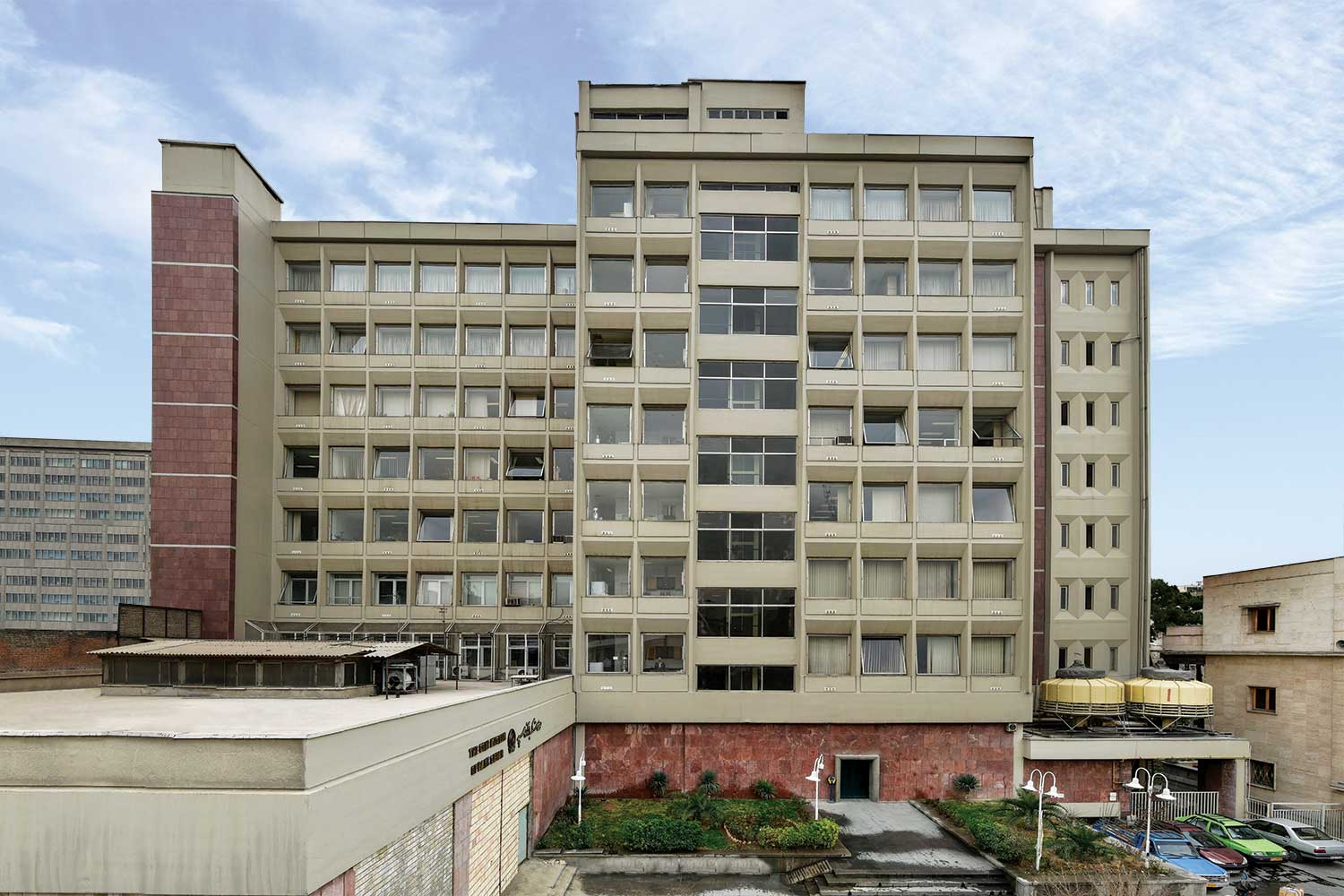
In Iranian architecture, the role of the iwan (porch) has traditionally been to block the sunlight in summer and allow it to enter the building during winter, since the sun’s rays are typically vertical in summer and slanted in winter. Hooshang Seyhoun drew inspiration from this age-old experience in designing the Bank Sepah building. The project consists of several floors containing offices and administrative departments, except for the ground floor, which houses the teller counters and public service area. All the upper-floor rooms were designed on the same scale, each with its own iwan; the east–west walls and the series of arches both serve to protect the interiors from the harsh sunlight. This design, however, brought Seyhoun a series of challenges. At the time, General Yazdanpanah, the most powerful figure in the army after the Shah—who had been closely connected with the regime since Reza Khan’s coup and had risen swiftly during his reign—visited the construction site one day when Seyhoun was absent. Standing across the street from the Bank Sepah site, he looked at the building and told Mr. Malekzadeh, the site supervisor from the Arme Company: “Tear down these mazghals.”
In the old military lexicon, mazghal referred to the narrow slits in fortress walls through which soldiers shot arrows or bullets at attackers. Addressing the supervisor, the general continued: “Today is Wednesday. By next Wednesday, these mazghals must be gone.”
His word was final. Of course, the mazghals in fortresses were about 70 by 70–80 centimeters, whereas the iwans in Seyhoun’s design—mistakenly likened to mazghals—were each the size of a room. Moreover, they were made of reinforced concrete, and demolishing them would have caused the entire structure to collapse. That same day, the contractor called Seyhoun’s office and warned that if the matter was not stopped, the whole building would be destroyed.
Seyhoun later recalled: “I thought it over and realized there was no way to overturn his order—it was a serious predicament. The head of Bank Sepah was General Agh-Avali, but Yazdanpanah was also a member of the bank’s board of directors. I had no choice but to request an audience with Farah Pahlavi, and I insisted that it be arranged before Wednesday. I went and explained the whole situation. She was very eager for the new buildings to reflect modern progress, and I had used exposed concrete in this design. Farah Pahlavi was both surprised and amused. She said, ‘Don’t worry, I’ll take care of it.’ And indeed, the following Wednesday Yazdanpanah didn’t show up, and we continued the work as planned.”
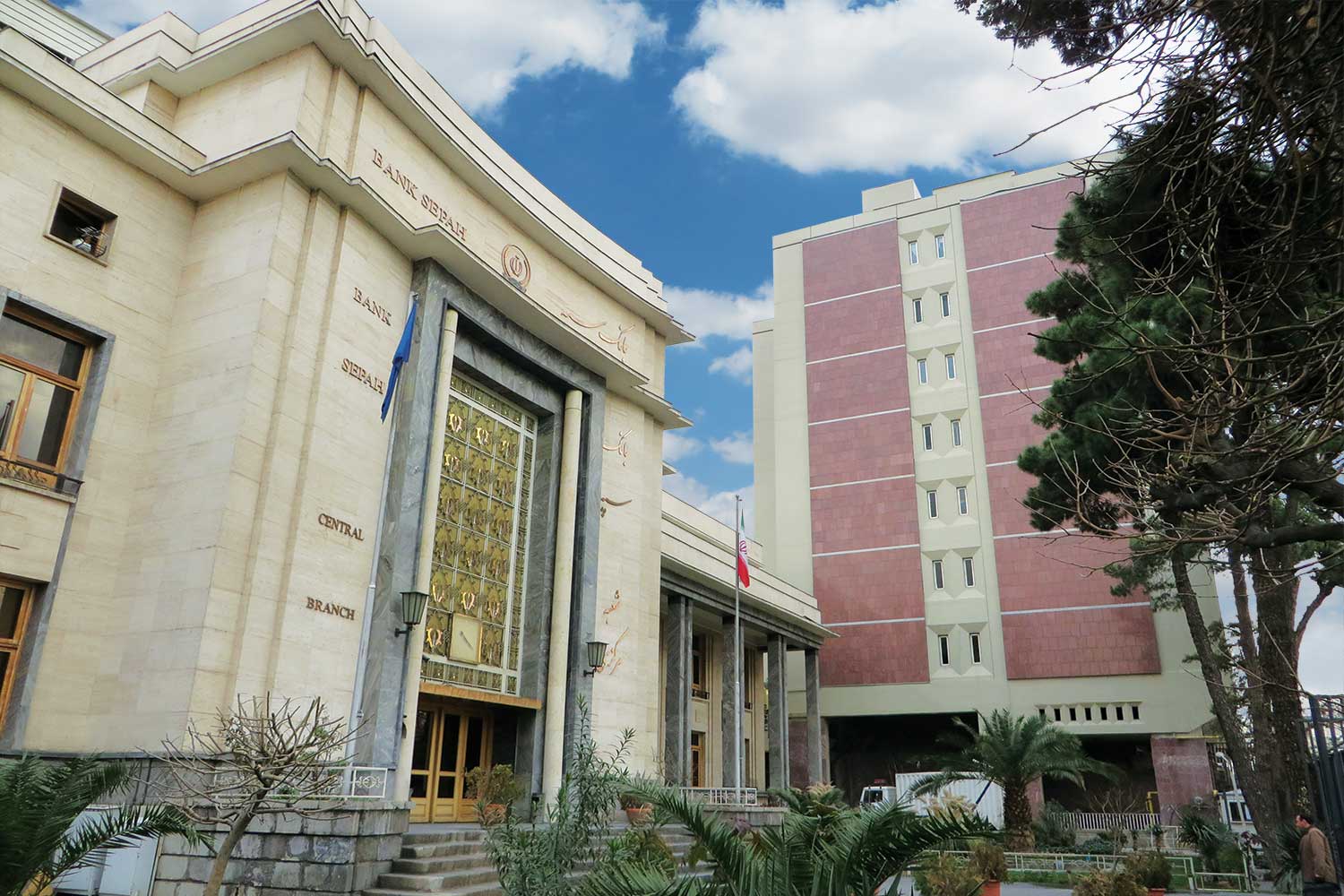
شعبه ی مرکزی بانک سپه به طراحی هوشنگ سیحون (سمت راست تصویر)، در کنار شعبه ی دیگر بانک سپه به طراحی وارطان هوانسیان (سمت چپ تصویر).
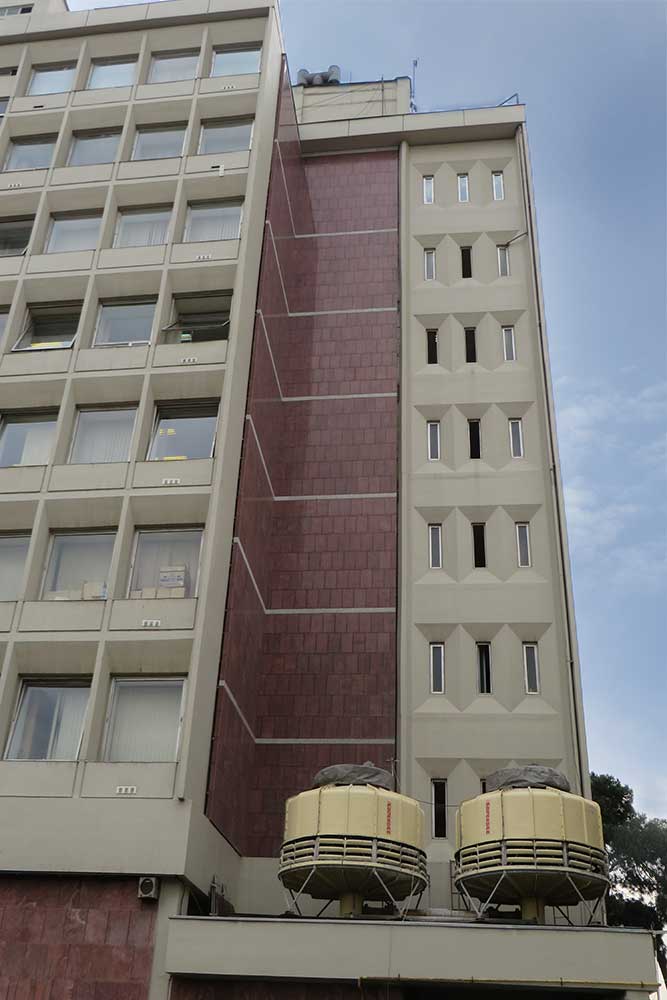
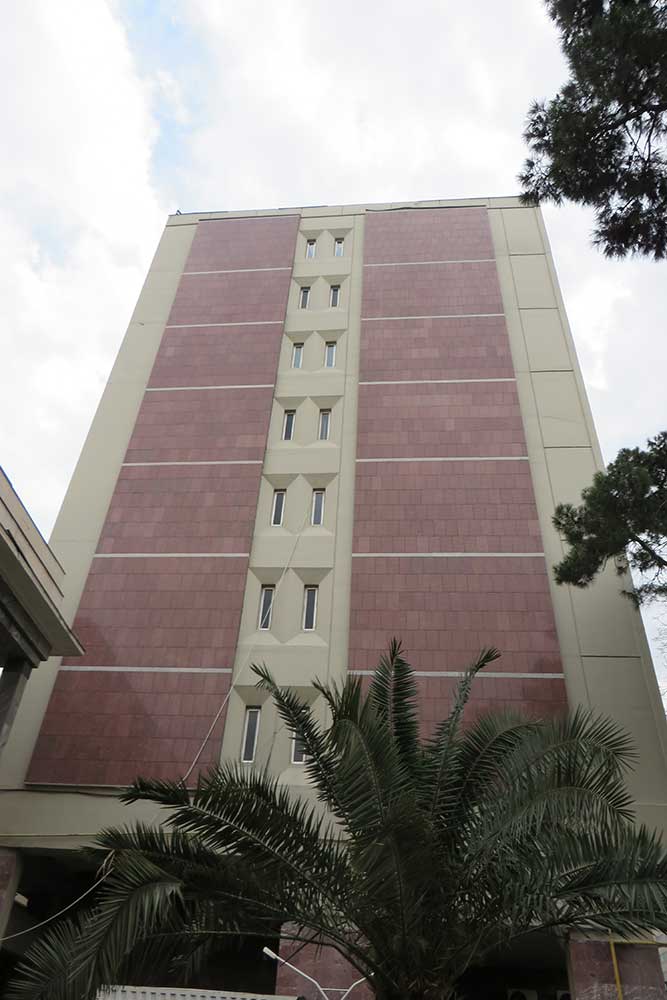
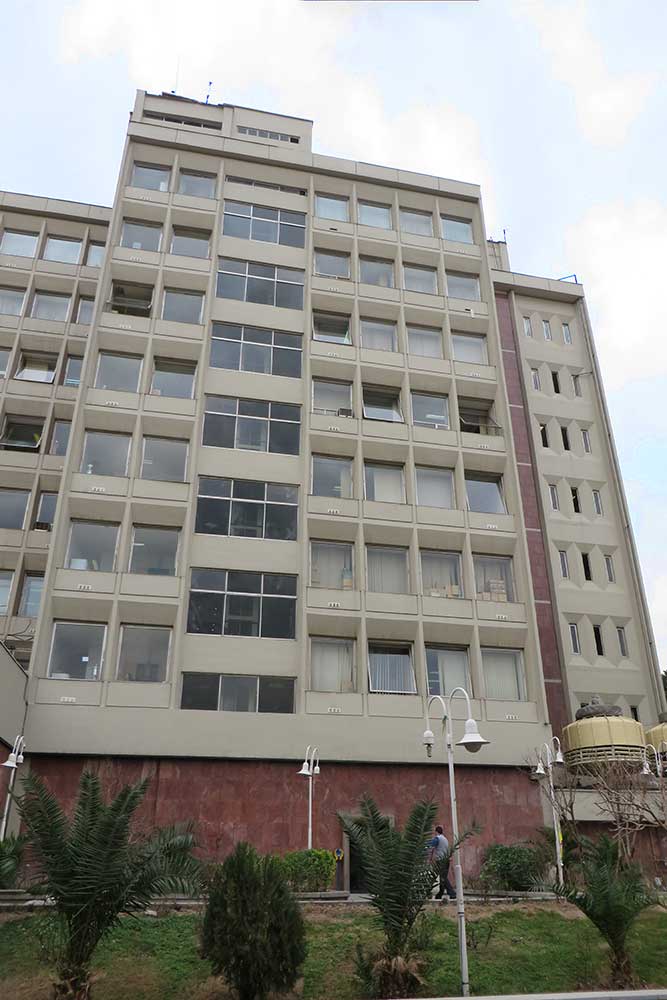
عکاس: حسین برازنده، شهریار خانیزاد
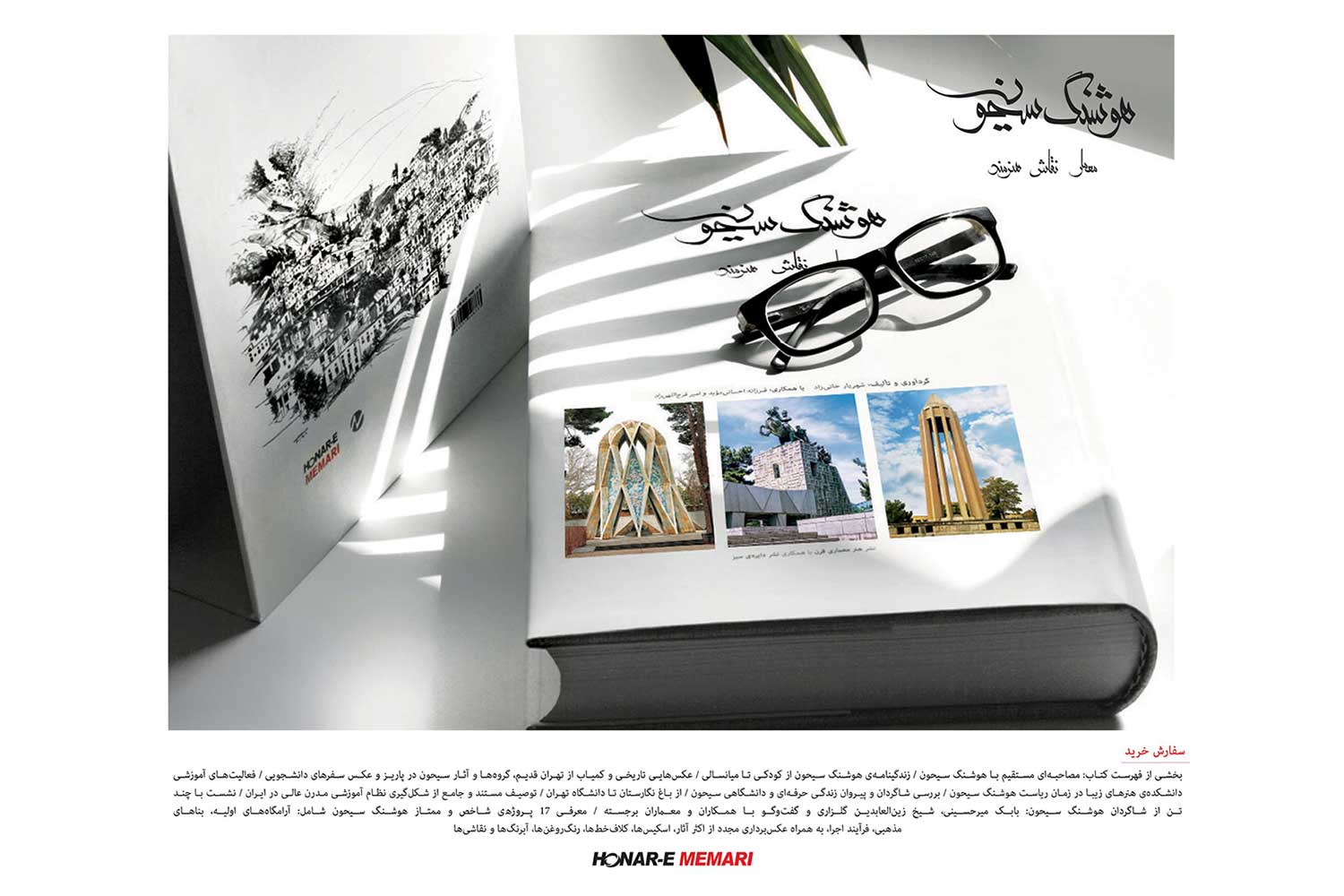
مرجع عکسها: کتاب هوشنگ سیحون (معمار، هنرمند، نقاش)
تالیف: شهریار خانیزاد
محتوای شما به اینجا می رود
مطالب مرتبط