 آرتور آپهم پوپ، اهمیت و خصلت هنر ایرانی
 معماری دوران تحول محسن فروغی و خانهی پلاک ۱۰۹ خیابان کاخ، خانهی محمد مصدق (از طراحی تا تخریب خانهای که نظارهگر تاریخ بود) نویسنده: گلنار تاجدار
سرای مهرگان اثر ابوالفضل مساحی
چهارمین شب معماران، فینالیست و راه یافته به مرحلهی دفاع از آثار چهارمین جایزهی مرمت و احیا، 1403
Mehrgan / Abolfazl Massahi
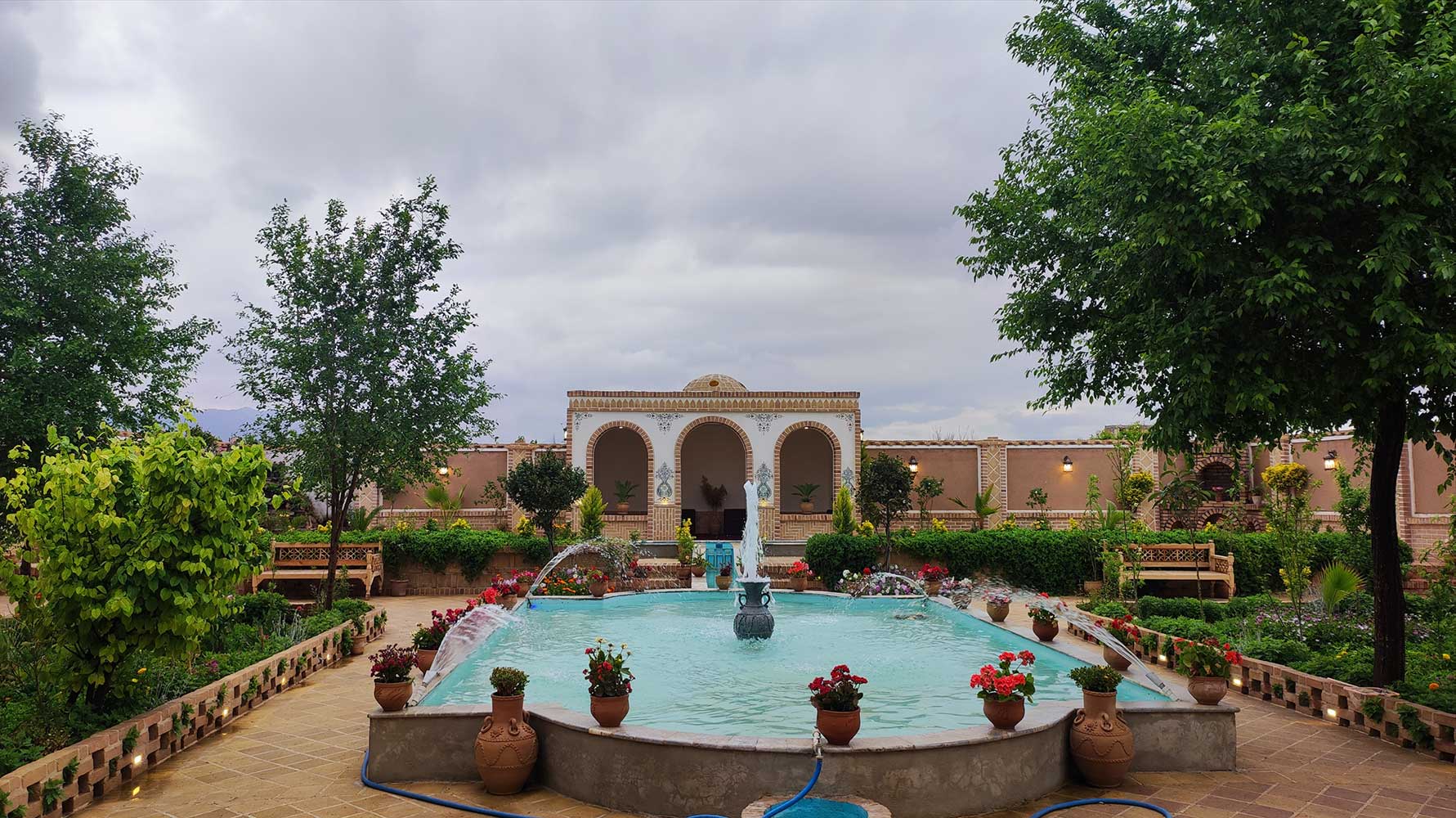
سرای مهرگان
مرمت بافت تاریخی در ایران همواره یادآور معماری سنتی و طراحی بی نظیر مطابق نیازهای ساکنین آن دوره بوده است. با نگاهی دقیق در میابیم که شهر سازی آن زمان نیازهای اعتقادی اقتصادی و اجتماعی را مورد توجه قرار داده است و با توجه به هر یک از نیازها به بهترین شکل ممکن عناصر و فضاهای ضروری و لازم شهری در کنار یکدیگر شکل میگرفتند. توجه به ساخت و سازهای بی رویه و بدون توجه به بافت باعث به وجود آمدن ویژگی های منفی چون آشفتگی سیما و منظر و عدم دسترسی مناسب،کمبود تاسیسات و تجهیرات شهری، آشفتگی در ساختار اجتماعی و شهری و فرسودگی کالبدی سازه ای و غیره… شده است. تمامی معضلات و مشکلات به وجود امده دلیلی بر زوال خاطرات جمعی ساکنان بومی این بافتها شده است به گونه ای که کالبد آن از بین رفته و وجود کاربری های جدید و ناسازگار باعث از بین رفتن معنای حقیقی بافت شده است. از مهمترین چالش امروزی این بافت ها تخلیه جمعیت بومی ساکنان و جایگزین شدن آن با ساکنین نا آشنا با بافت و عدم توجه به ان شده است. مرمت به عنوان یکی از راهکارهای تدبیری در مواجهه با فرسودگی بافت ها تاریخی است که لزوم توجه به ابعاد اجتماعی در ان بسیار حائذ اهمیت می باشد. عدم توجه به بعد اجتماعی در فرایند مرمت به خصوص سرمایه های اجتماعی نزول کیفیت زندگی و محیط شهری را در پی داشته که کاهش حس مطلوبیت ناامنی فقر و …را برای این محله به دنبال داشته است.
باتوجه به به نتایج مطالعات طرح بهسازی و نوسازی بافت فرسوده شهر کاشان به بررسی و شناسایی مناطق اشاره شده در طرح پرداخته و از بین موارد با در نظر گیری الویت هایی همچون:
1- ساختار فضایی بافت تاریخی
2- کمبودهای خدماتی و زیر ساختی
3- محرک ها پتانسیل های توسعه
بناهای موجود در بافت کم برخوردار منطقه راوند مورد ارزیابی و بنای سرای مهرگان با دارا بودن بیشترین موارد از لحاظ ارزش تاریخی و امکان تاثیر گذار بودن آن بر بافت پیرامون و همچنین احیای میراث فرهنگی منطقه (آب انبار ،بازار کهنه) به منظور انجام اقدامات مرمتی مورد انتخاب قرار گرفت.
تاریخچه:
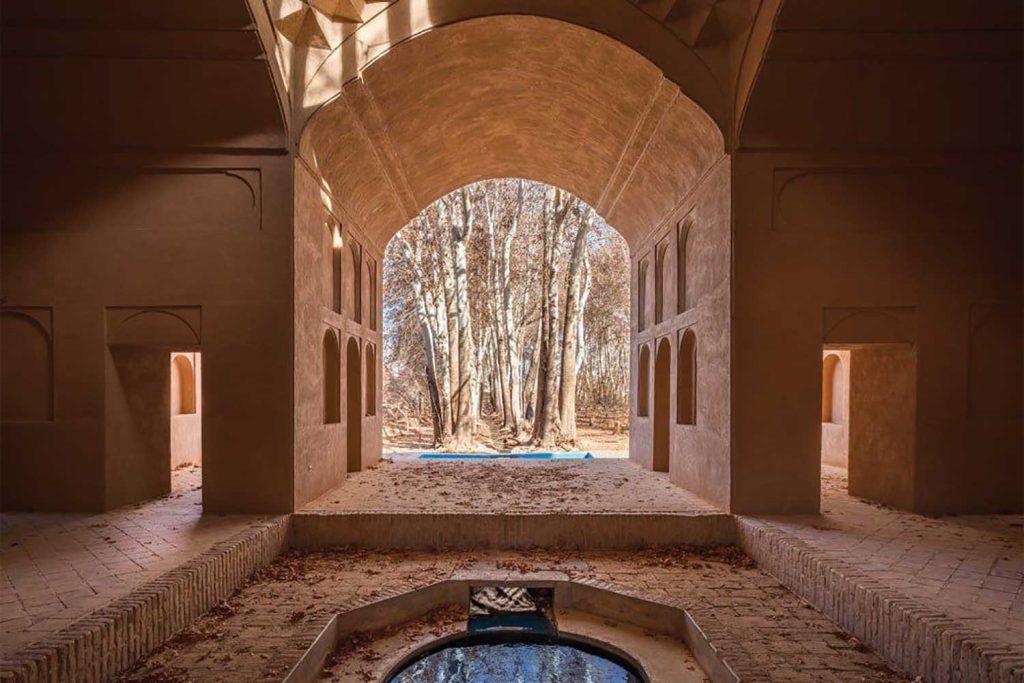
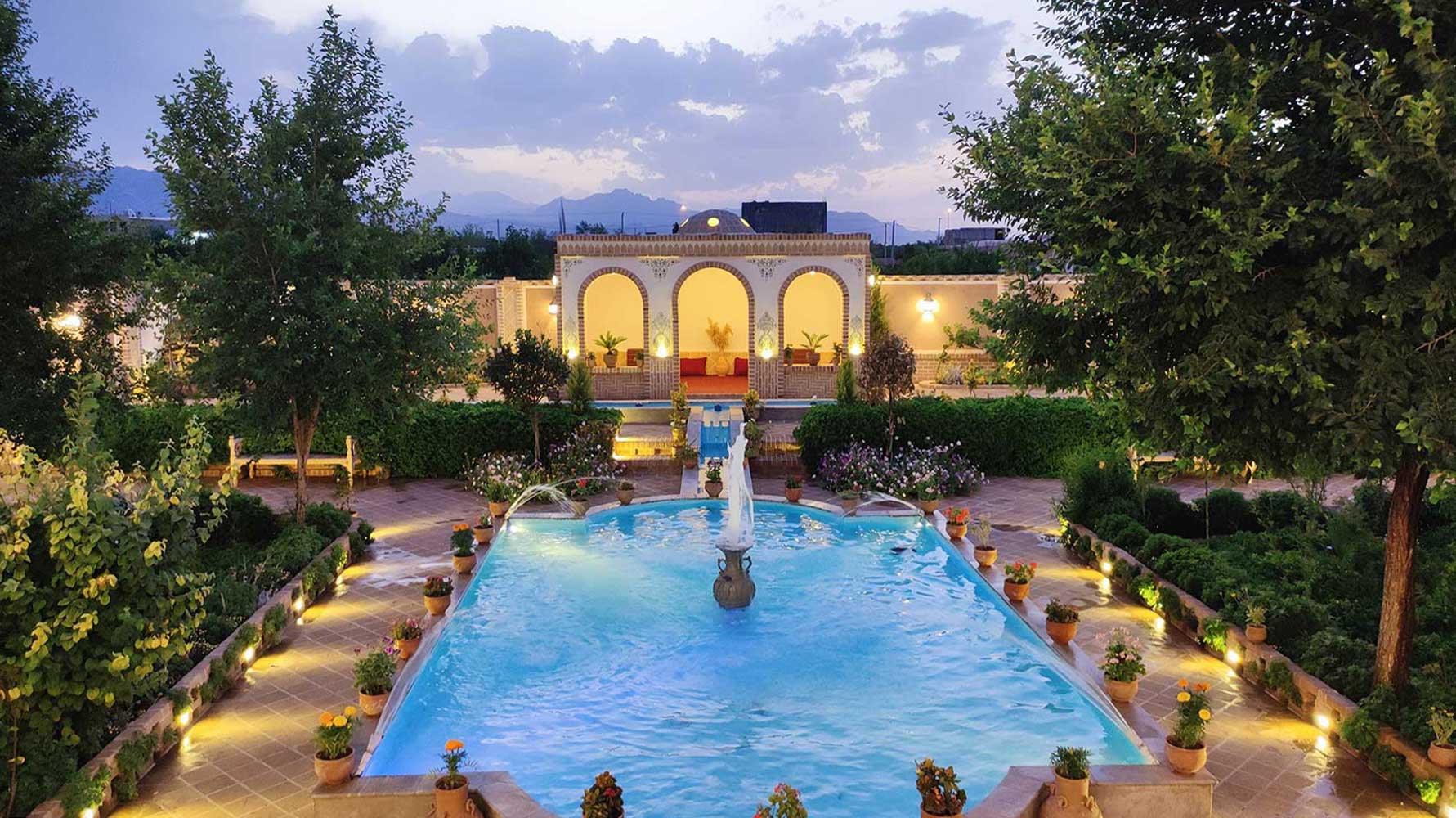
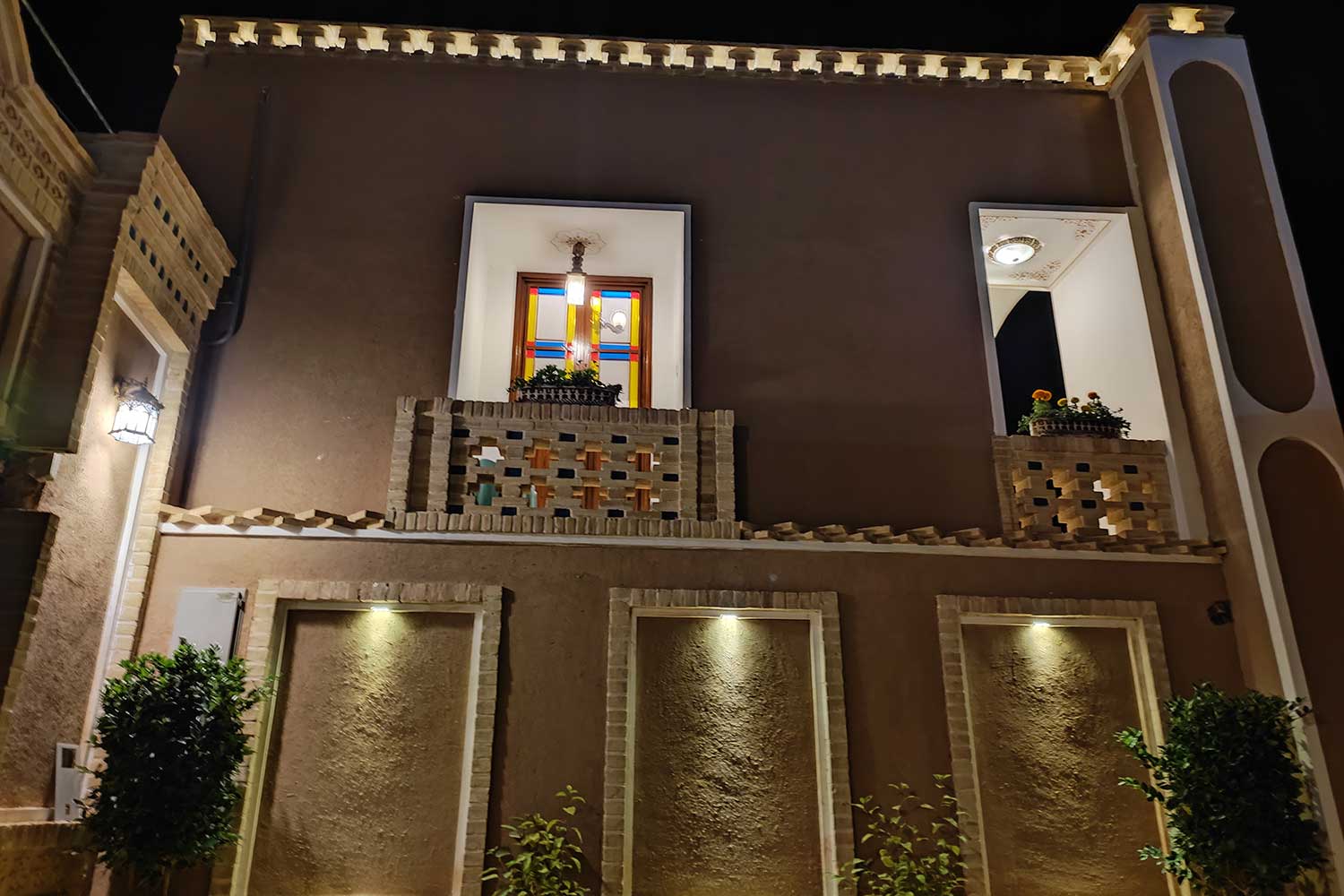
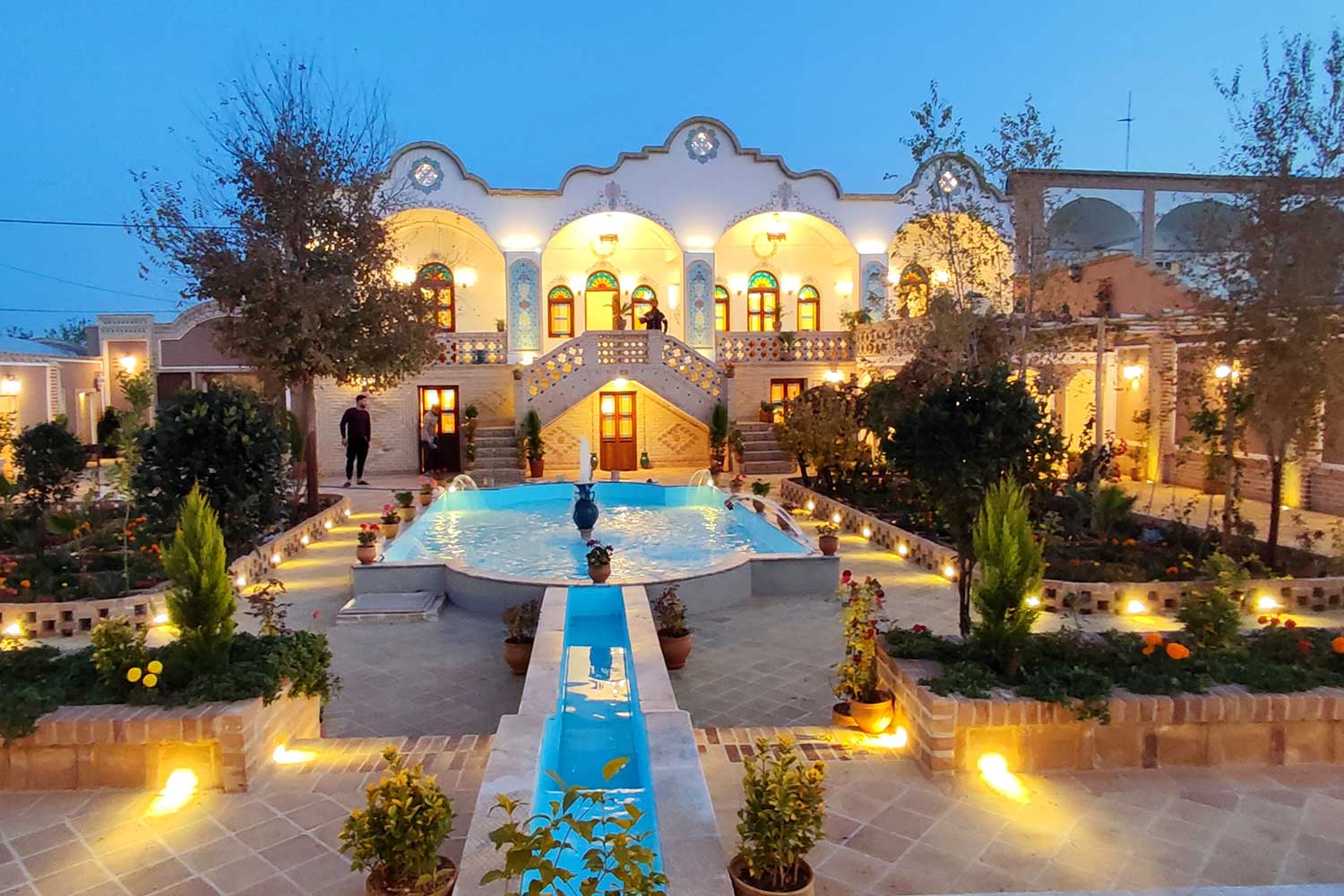
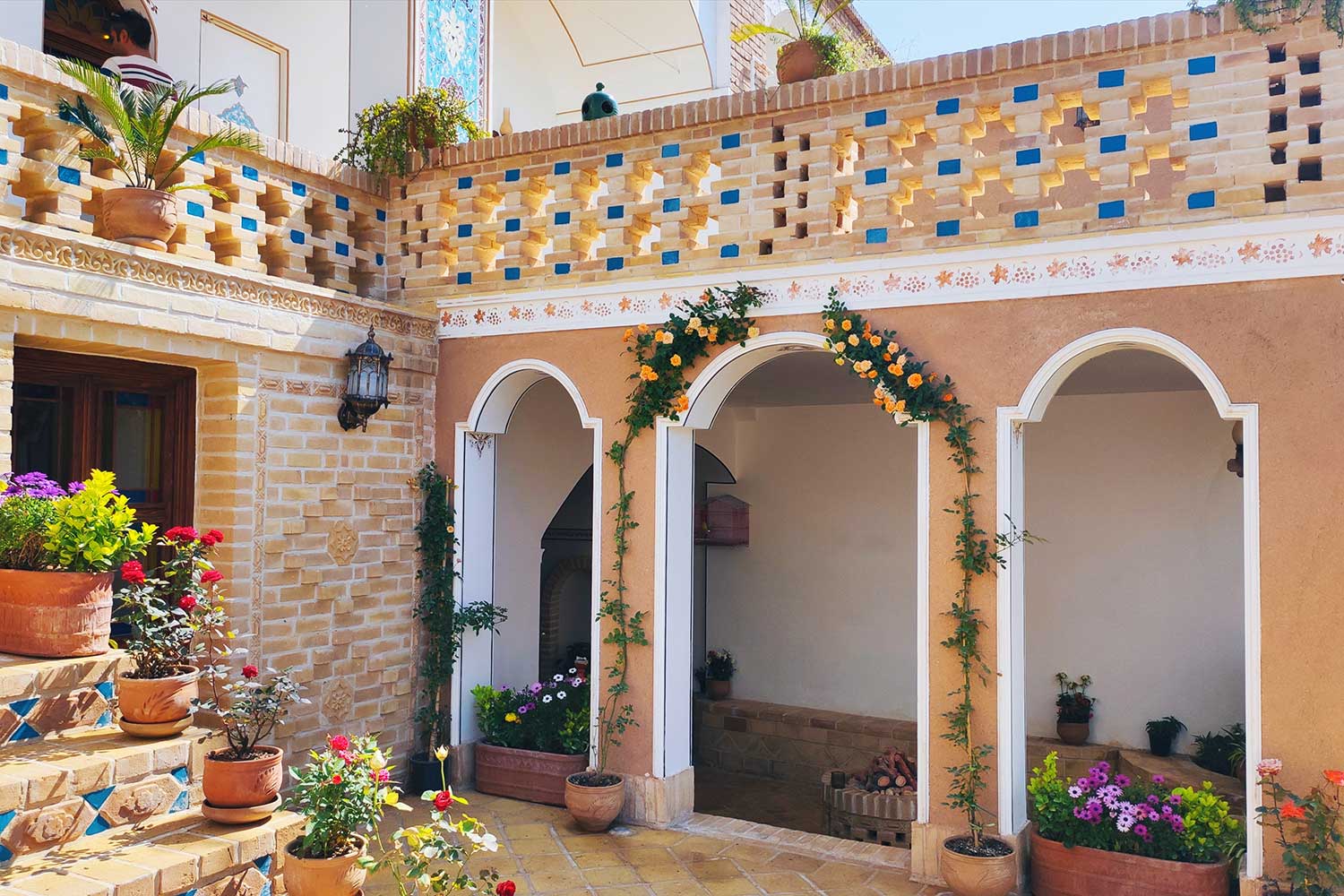
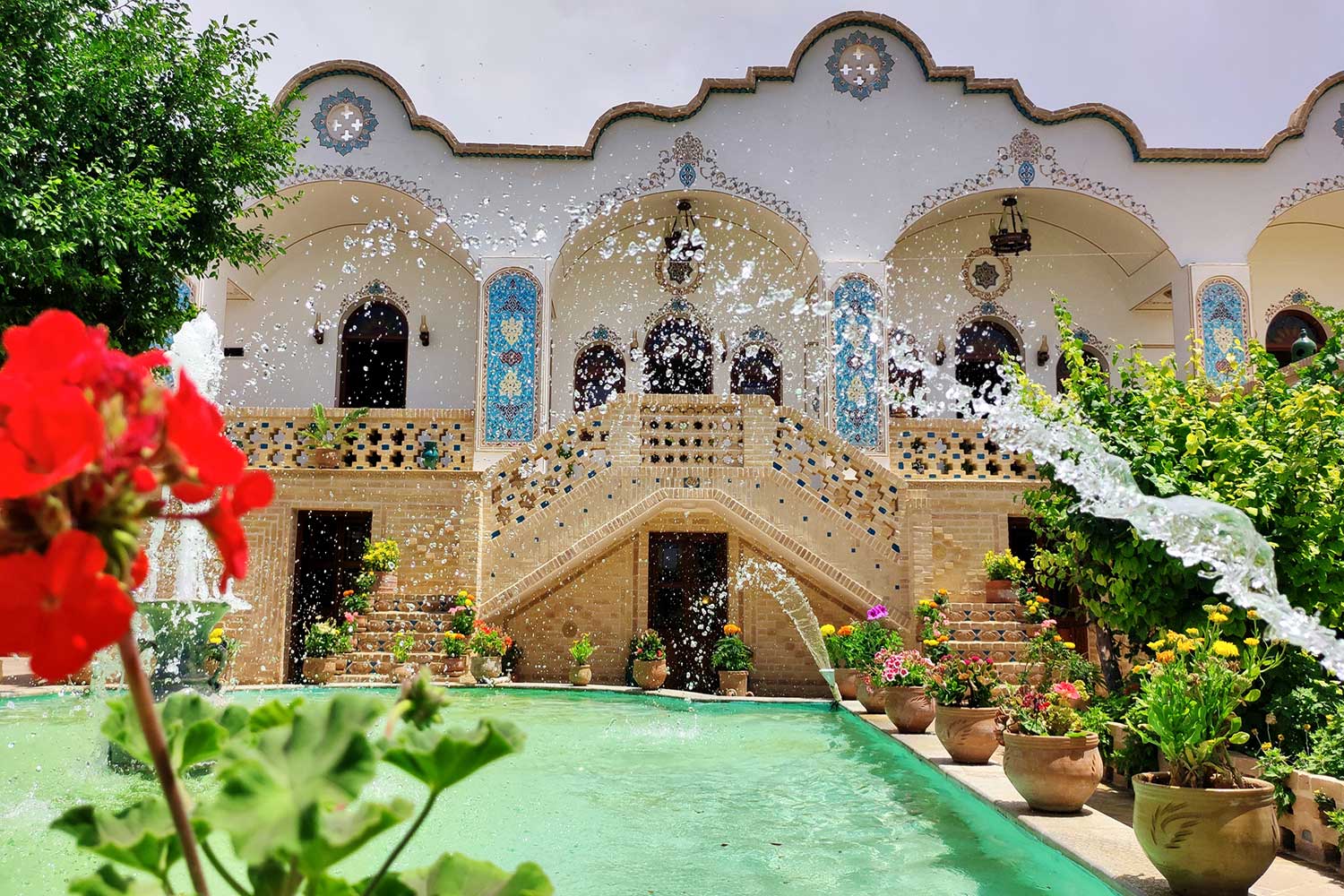
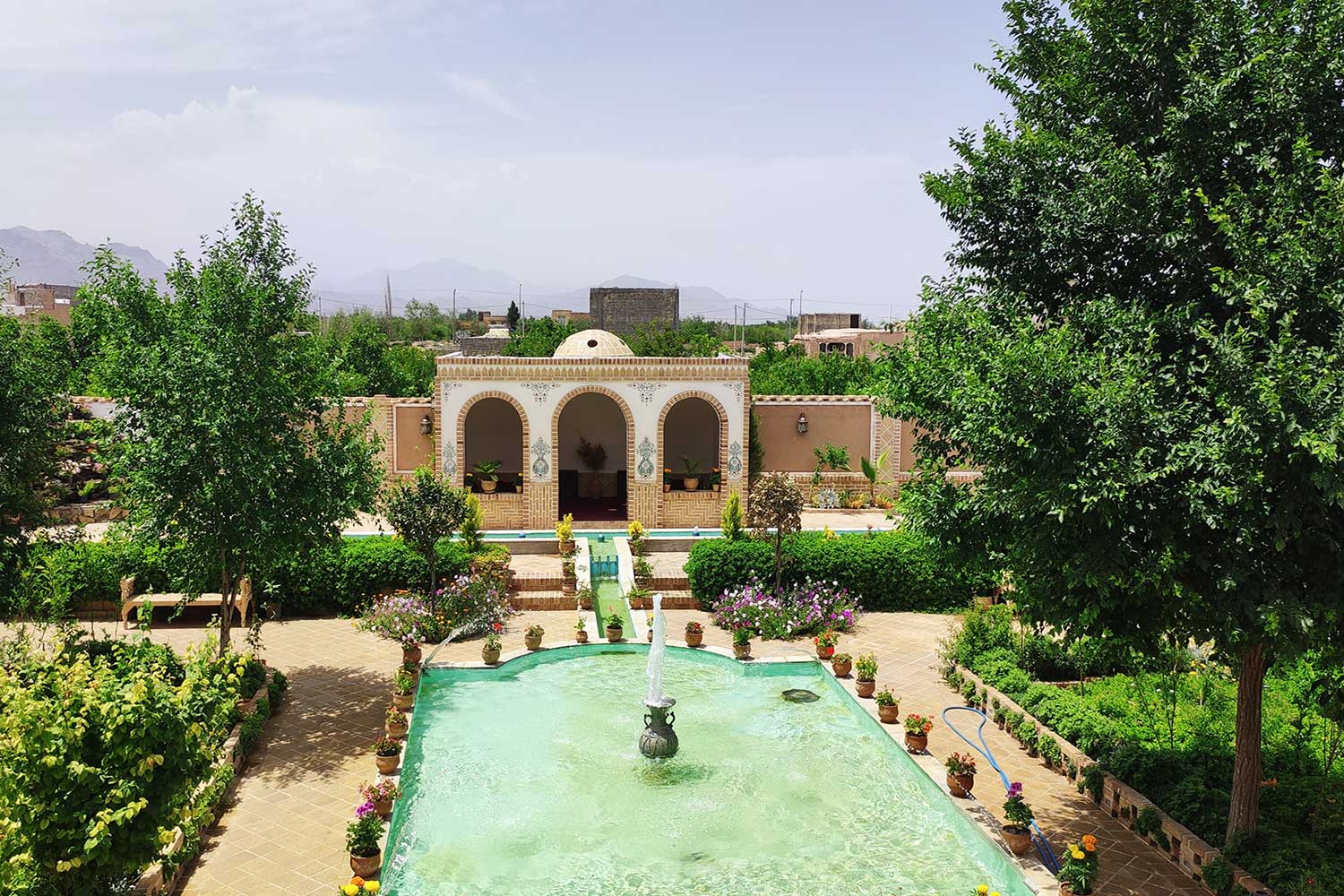
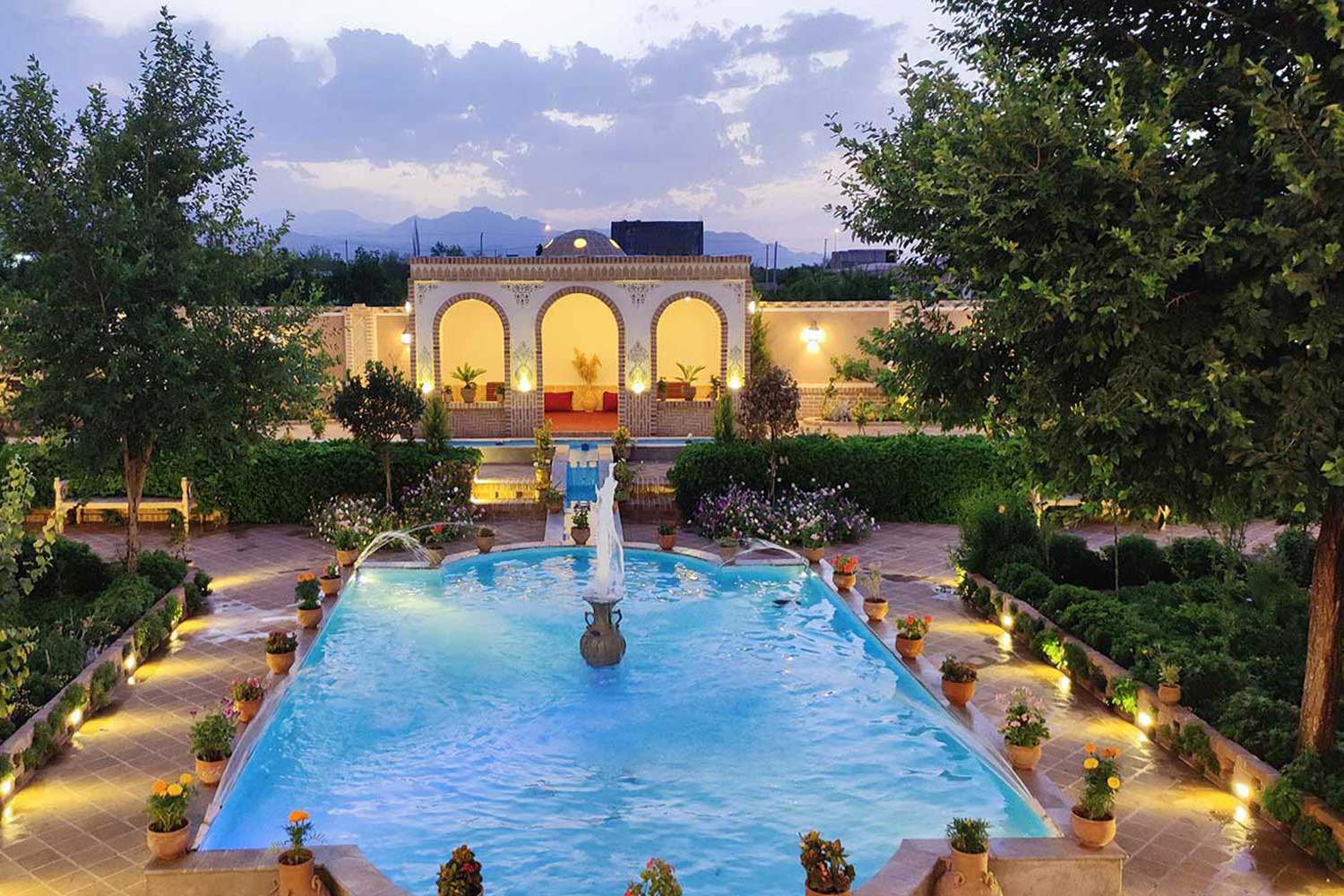
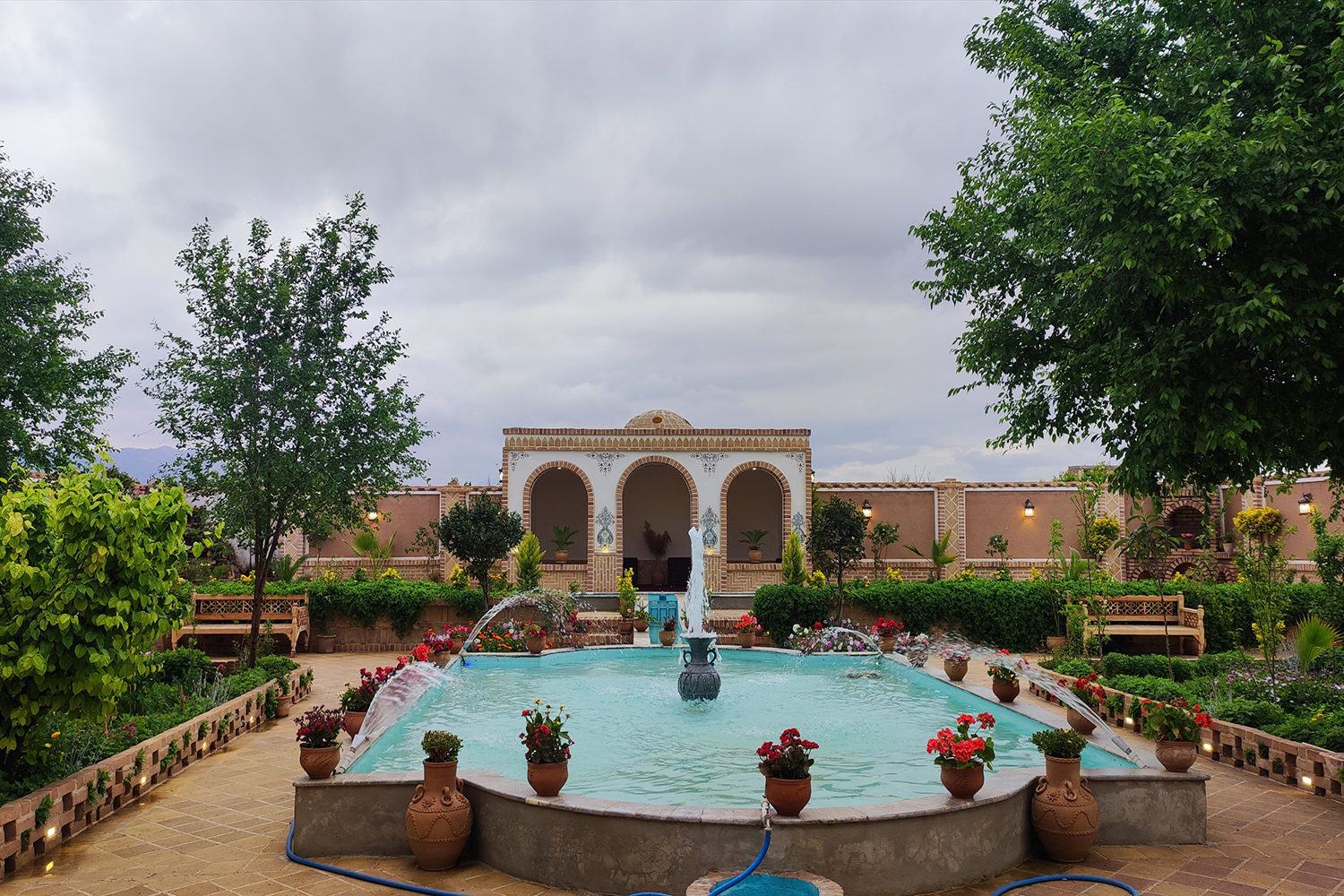
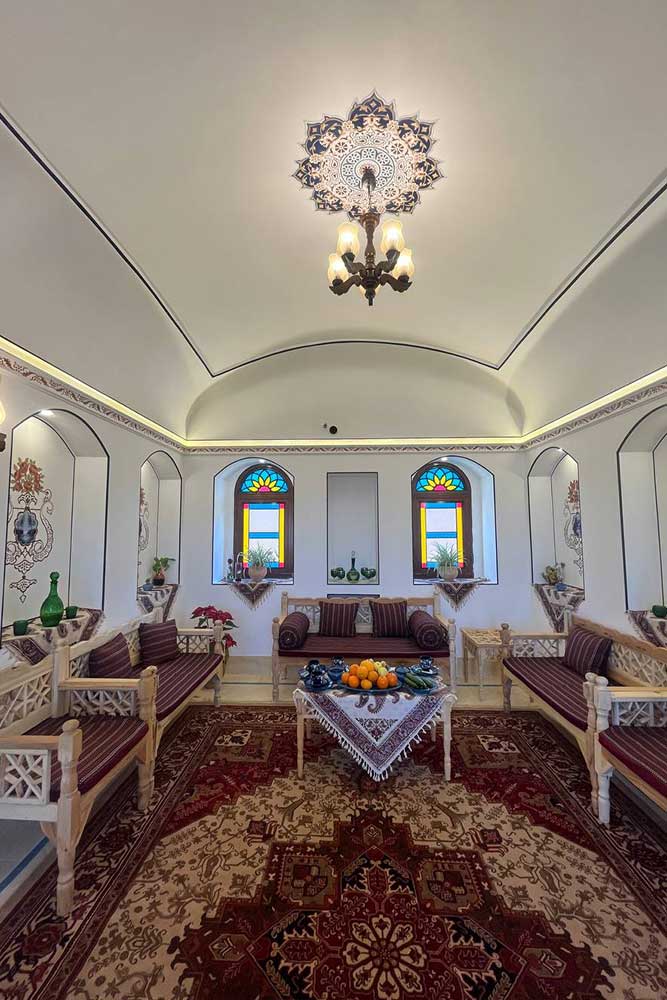
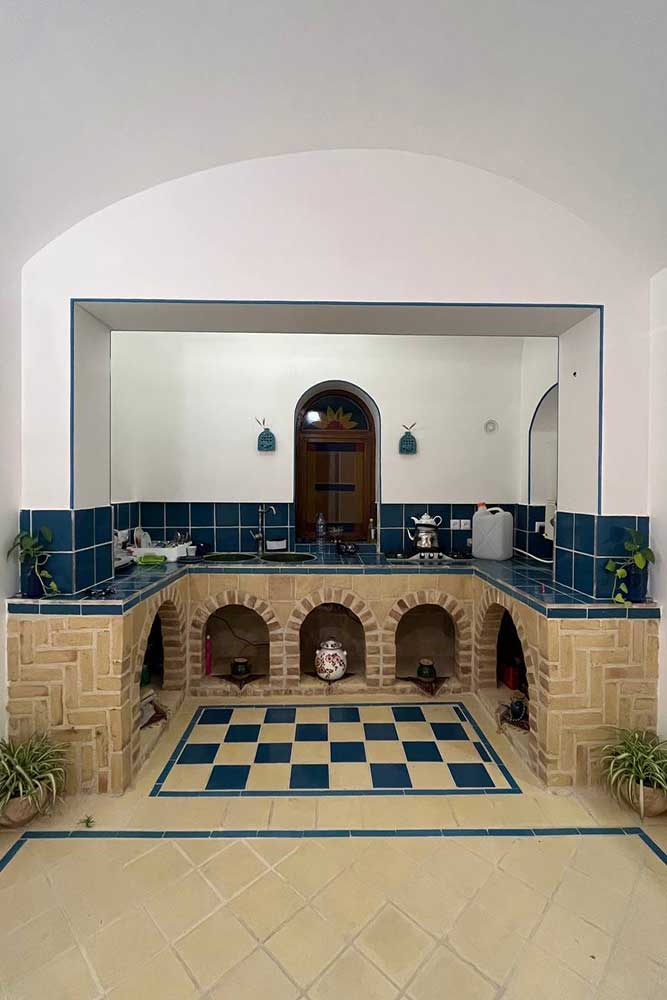
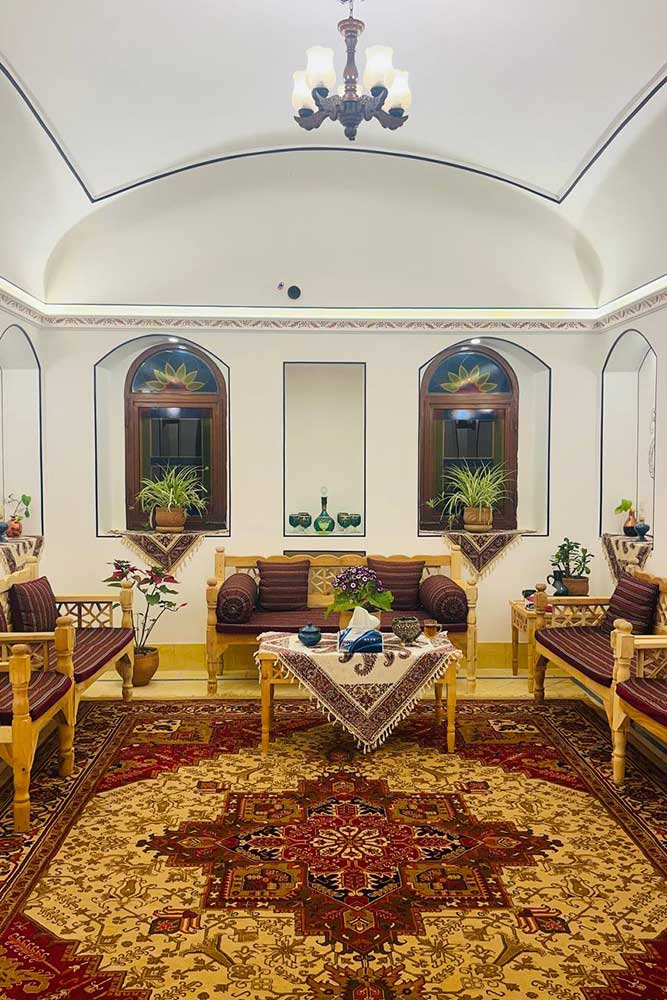
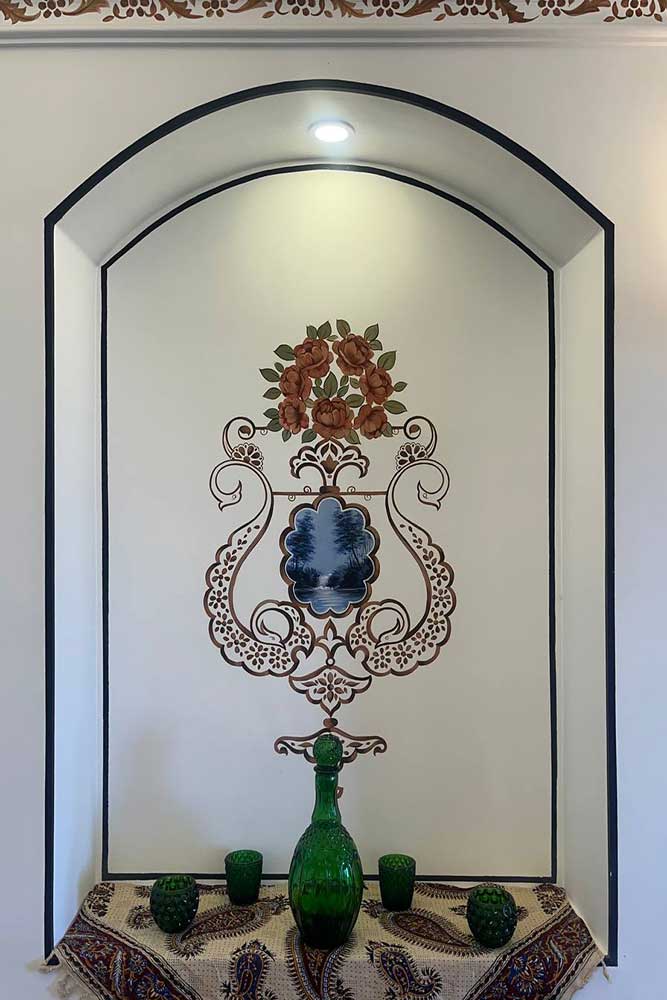
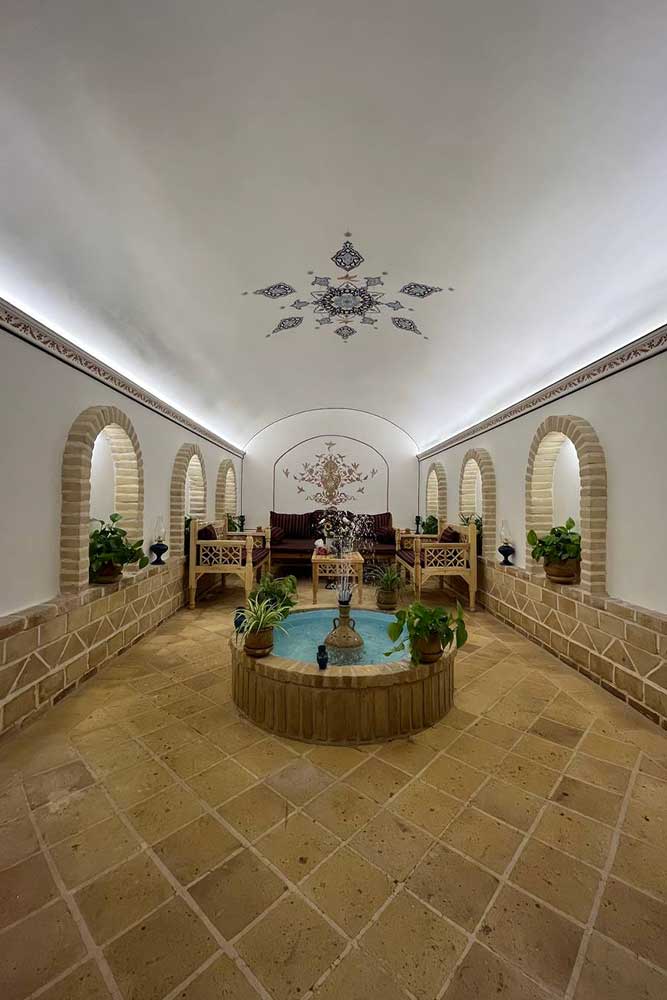
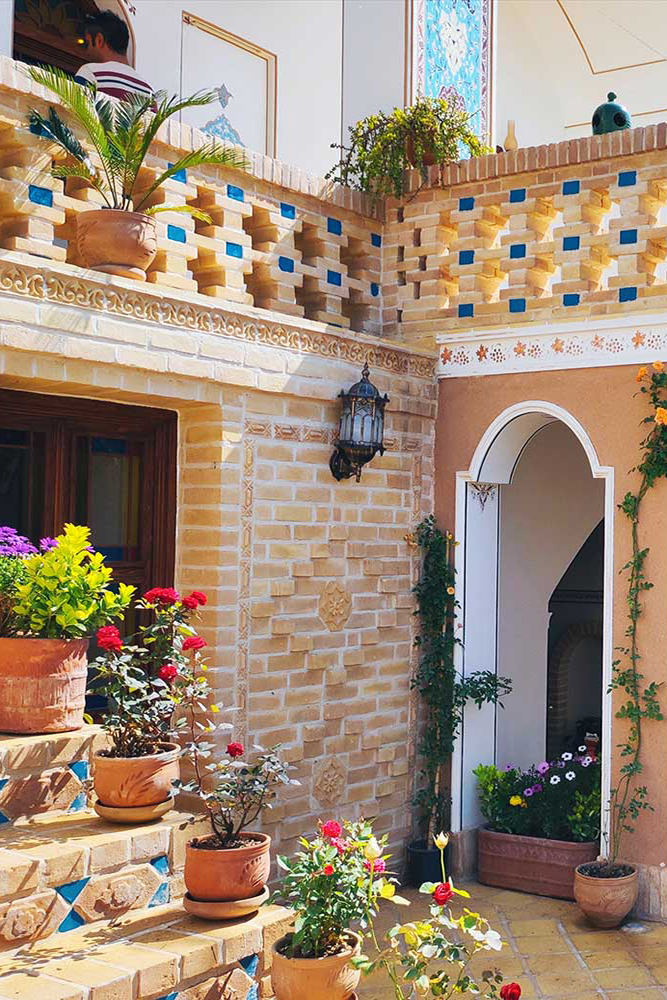
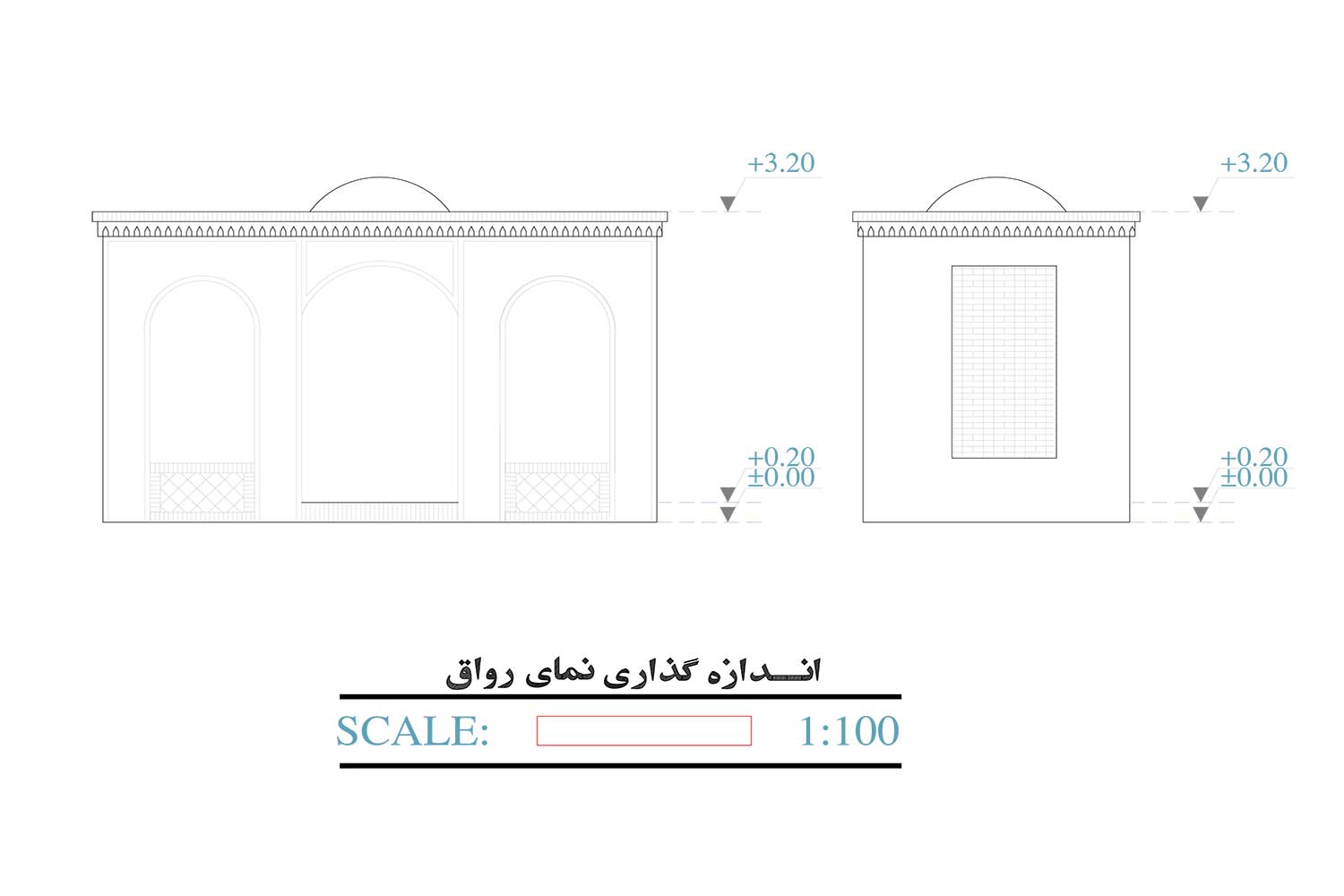
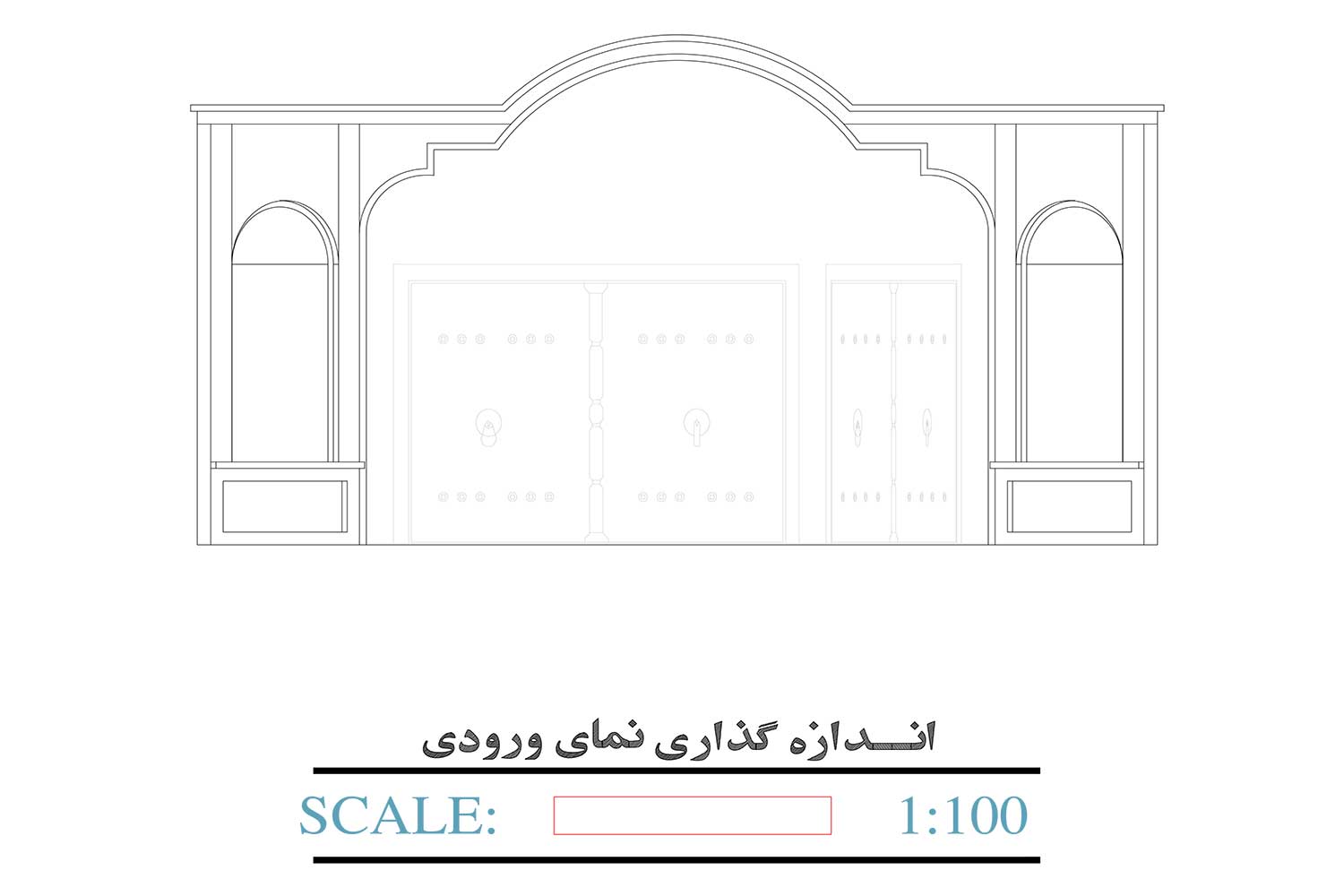
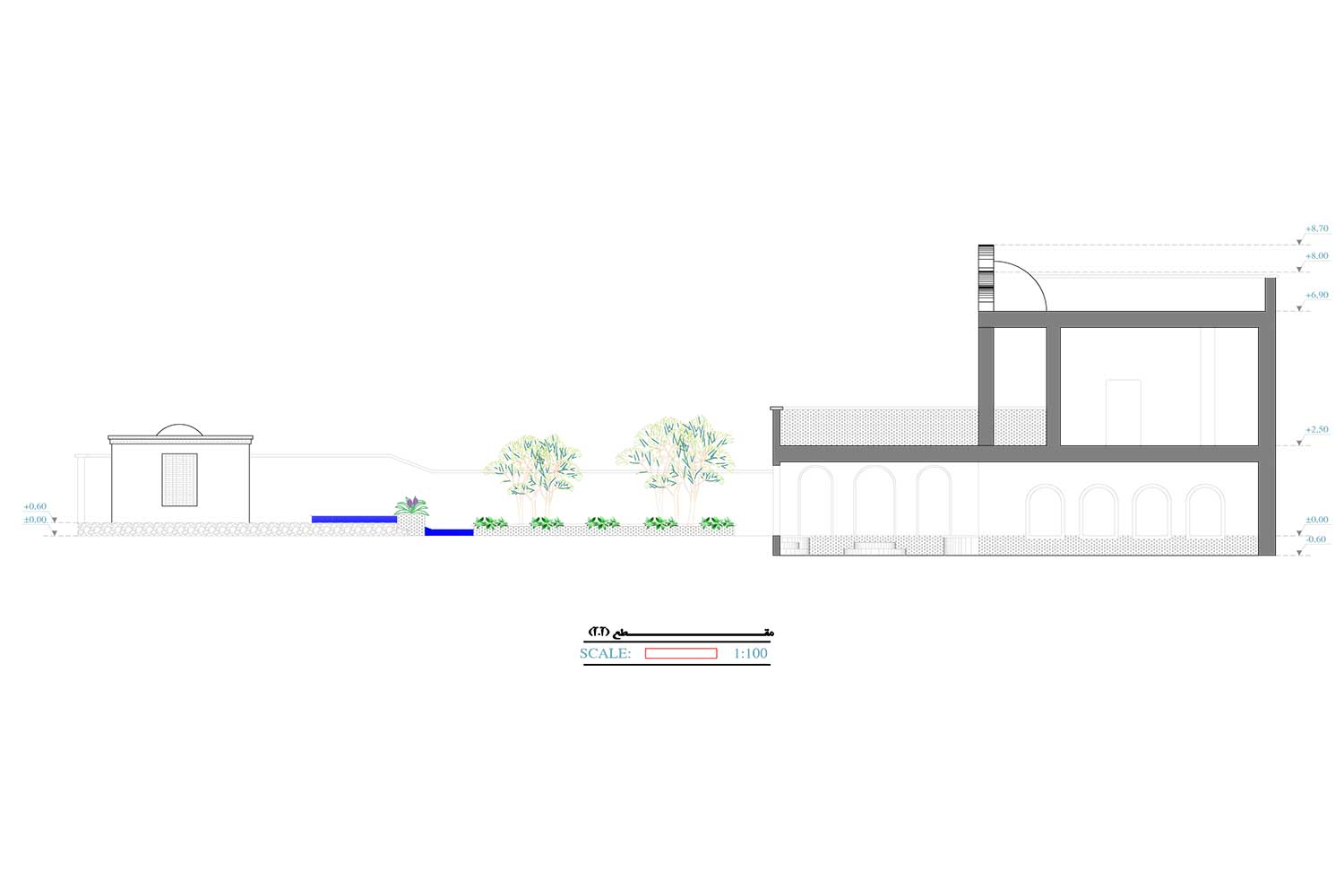
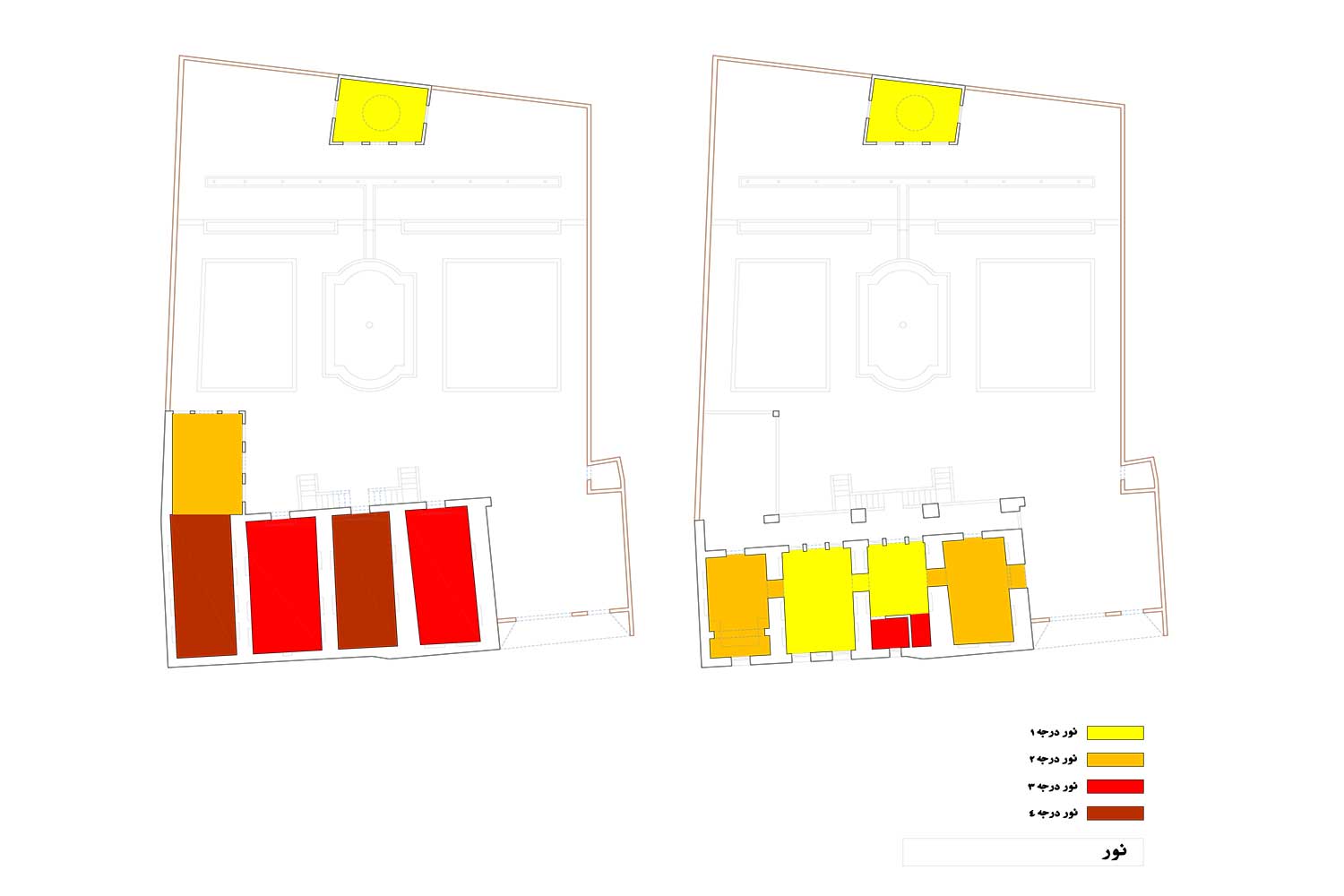
سرای مهرگان در سال ۱۲۹۵ واقع در ۱۳ کیلومتری شهر کاشان، ناحیه راوند به همت رضا سلیمانی احداث و معمار این بنا استاد احمد توکلی از استاد کاران بنام آن دوره منطقه بوده است . در سال ۱۳۲۰ توسط فرزند مرحوم رضا سلیمانی (عباس سلیمانی) به بنا الحاقاتی همچون تاج اضافه گردید. مرمت این بنا در سال ۱۴۰۰ پس از انجام مطالعات و استفاده از ظرفیت معماران منطقه با هدف امکان بقا،دوام و نقش آفرینی آن در آینده و با اولویت قرار دادن حرمت گذاری به اصل اثر تا سال ۱۴۰۲ انجام پذیرفت.
چهارمین جایزهی ملی مرمت و احیا، 1403
_______________________________________
نام پروژه: سرای مهرگان
معمار اصلی: ابوالفضل مساحی
ناظر پروژه: محمد عزیزی
کارفرما و مجری: علی صانعی طاهری
سه بعدی سازی: علی امینی نیک
آدرس پروژه: کاشان-ناحیه راوند-بلوار حرم-کوچه پاچنار
سال طراحی و مرمت: 1400-1402
ایمیل: massahitahery@gmail.com
اینستاگرام: abolfazl_massahi
Project name: mehrgan
Project designer: abolfazl massahi
Supervisor: mohammad azizi
Client and Executor: ali sanei tahery
Rendering: ali amini nik
Location: kashan, ravand district, haram blvd., pachenar alley.
Executing the project: 2021-2023
E-mail: massahitahery@gmail.com
Instagram: abolfazl_massahi
Restoration of the historical fabrics in Iran has always been a reminder of traditional architecture and its remarkable design, which catered to the needs of the inhabitants of that era. A closer look at this issue reveals that urban planning during that period considered religious, economic, and social needs and each essential urban element and space was formed in the best possible way according to those needs. The unregulated construction without regard for the historic districts has led to negative features such as visual and scenic disorder, inadequate accessibility, a lack of urban facilities and infrastructure, social and urban structural disorder, physical deterioration of buildings, and so on. All these issues have contributed to the erosion of the collective memories of the local residents, as the physical structure has deteriorated, and the introduction of new, incompatible uses has erased the true meaning of the historic fabric. One of the most significant challenges facing these areas today is the displacement of the native population, which is replaced by residents unfamiliar with the fabric and neglecting it. Restoration is one of the thoughtful solutions to address the decay of historical fabrics, where attention to social dimensions is of great importance. Ignoring the social aspect of the restoration process, especially regarding social capital, has led to a decline in the quality of life and urban environment, bringing about undesirable consequences such as insecurity, poverty, and a diminished sense of well-being in these neighbourhoods.
Section Two
Based on the results of the renovation and revitalization project of the deteriorated fabric of Kashan city, an evaluation was carried out to identify the areas mentioned in the plan. From the identified areas, and considering priorities such as:
- The spatial structure of the historical fabric,
- Service and infrastructure deficiencies,
- Development potential and stimulants,
The buildings located in the underprivileged Raavand area were assessed, and the Mehrgan Caravanserai was selected for restoration due to its significant historical value and its potential to influence the surrounding fabric, as well as its role in reviving the cultural heritage of the region (such as the water reservoir and the old bazaar). The buildings located in the underprivileged Raavand area were assessed, and the Mehrgan Caravanserai was selected for restoration due to its significant historical value, its potential to influence the surrounding urban fabric, and its role in reviving the cultural heritage of the region, such as the water reservoir and the old bazaar. The Mehrgan Caravanserai, built in 1916, is located 13 kilometers from the city of Kashan in the Raavand area. It was constructed through the efforts of Reza Soleimani, with Master Ahmad Tavakkoli, a renowned craftsman of the region at the time, serving as the building’s architect. In 1941, Abbas Soleimani, the son of the late Reza Soleimani, added extensions to the building, such as the building crown. The restoration of this building began in 2021 after studies and utilizing the expertise of local architects. The restoration, aimed at ensuring the building’s survival, durability, and future role, was carried out with a focus on respecting the original structure and was completed by 2023.
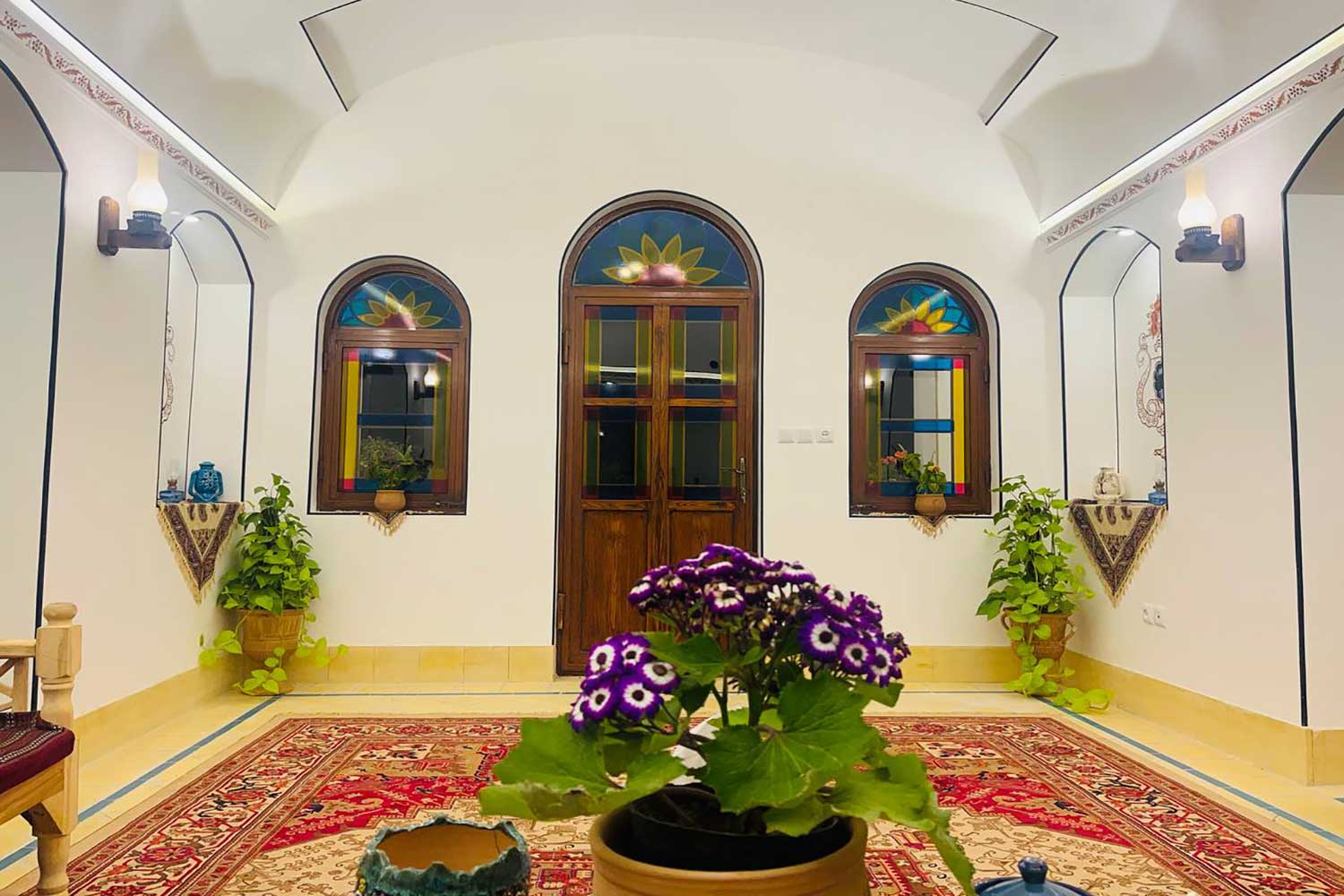
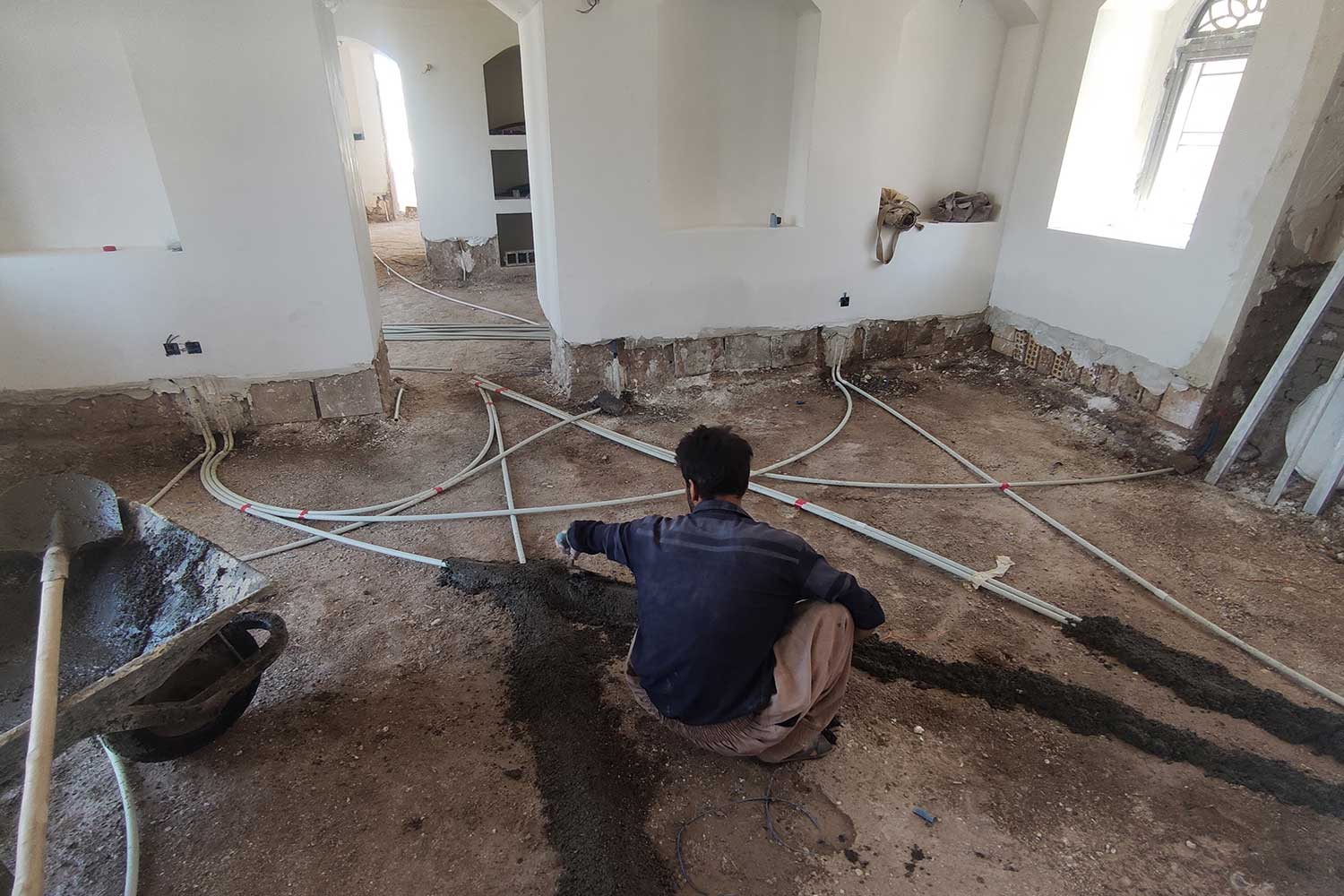
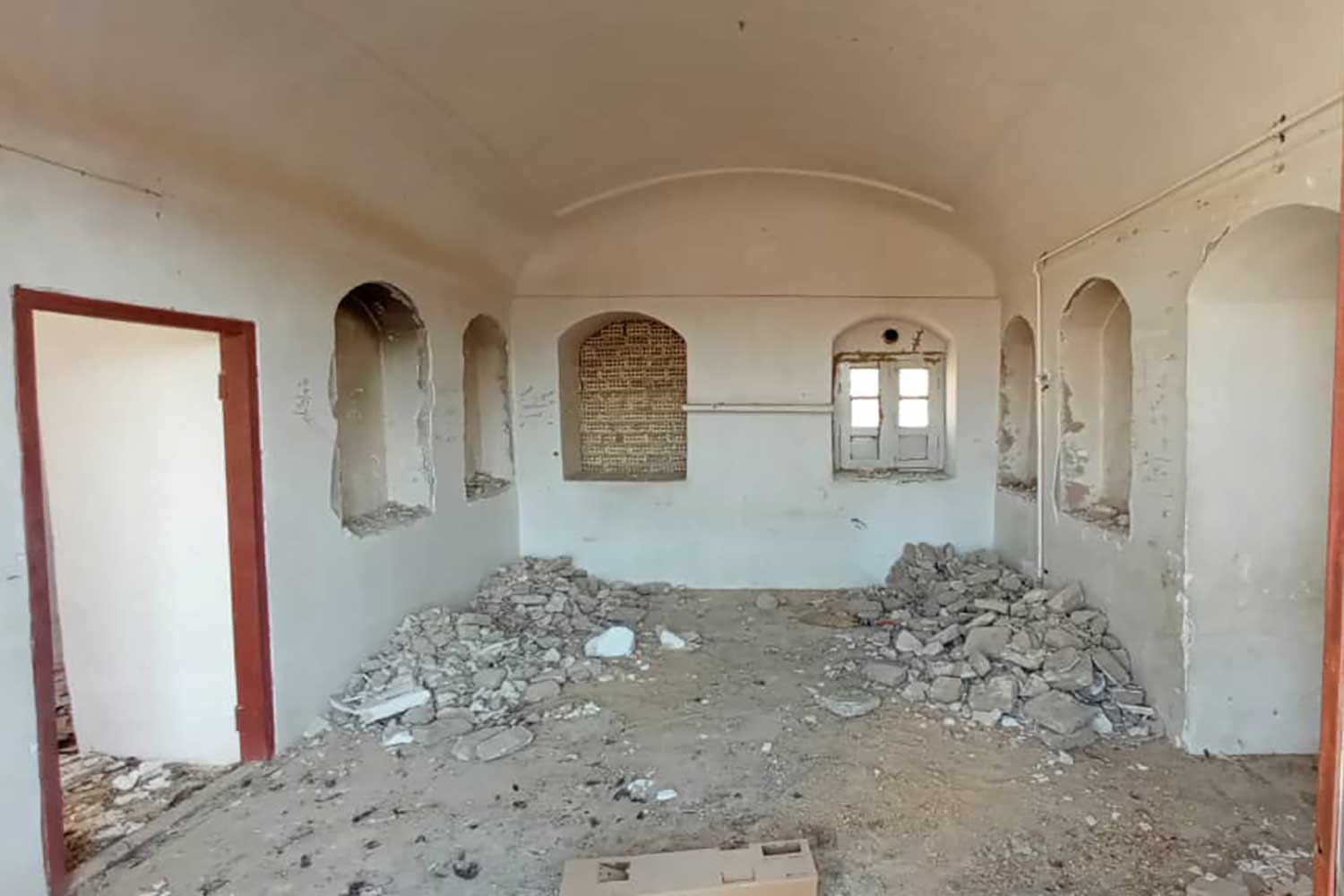
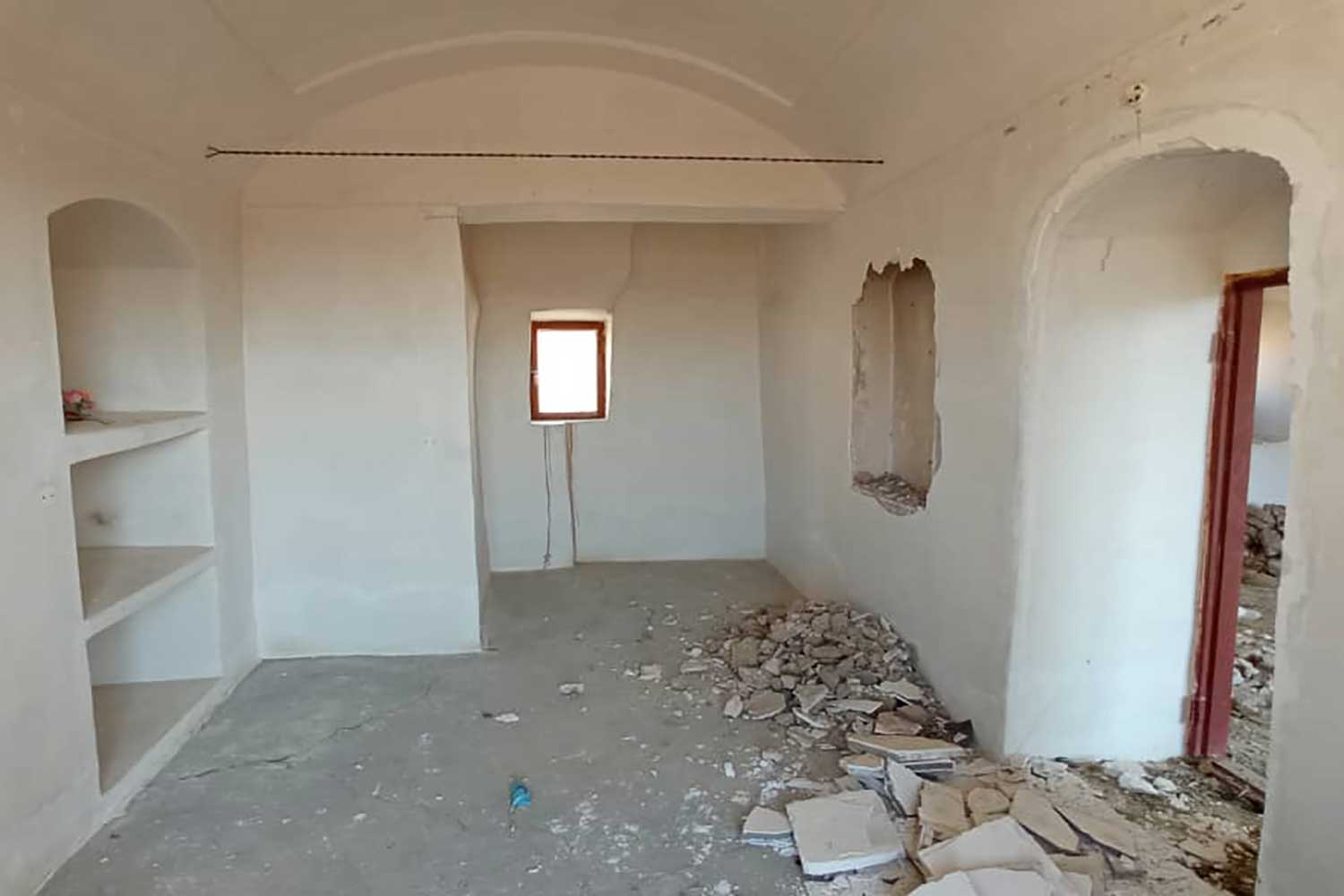
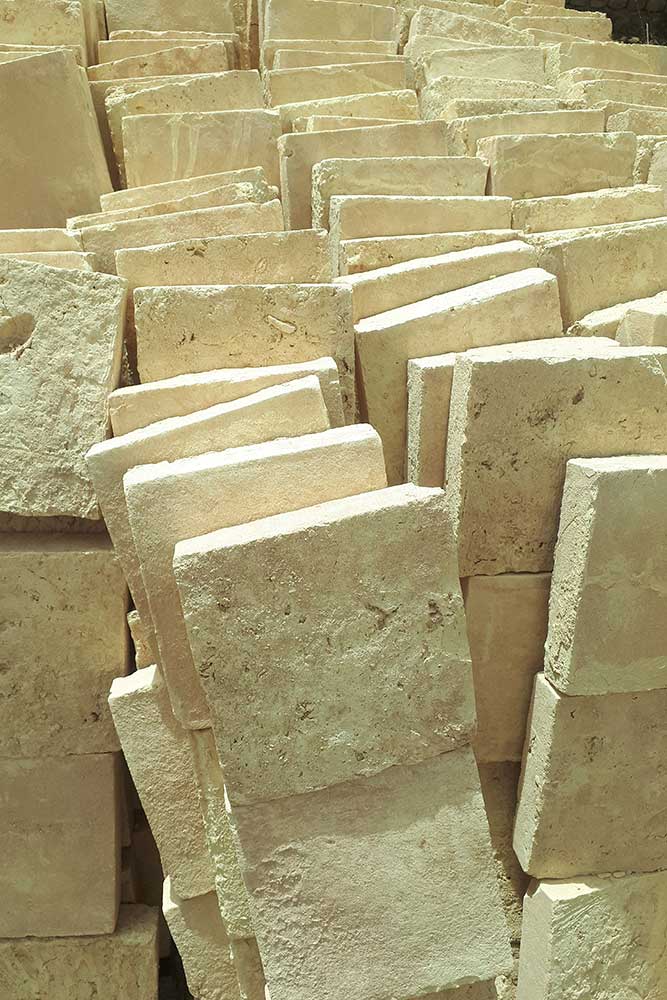
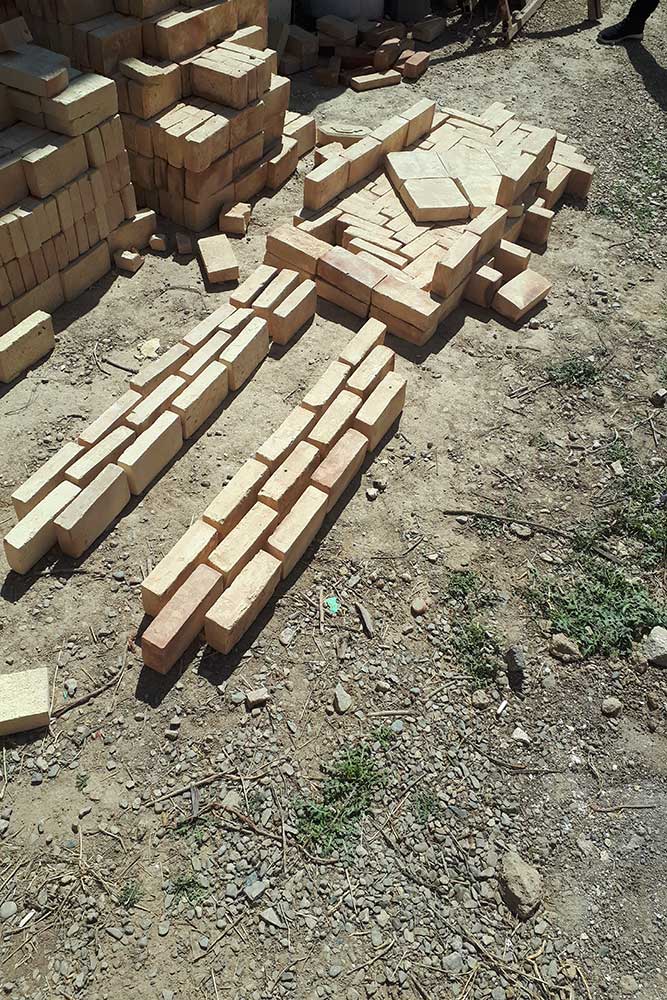
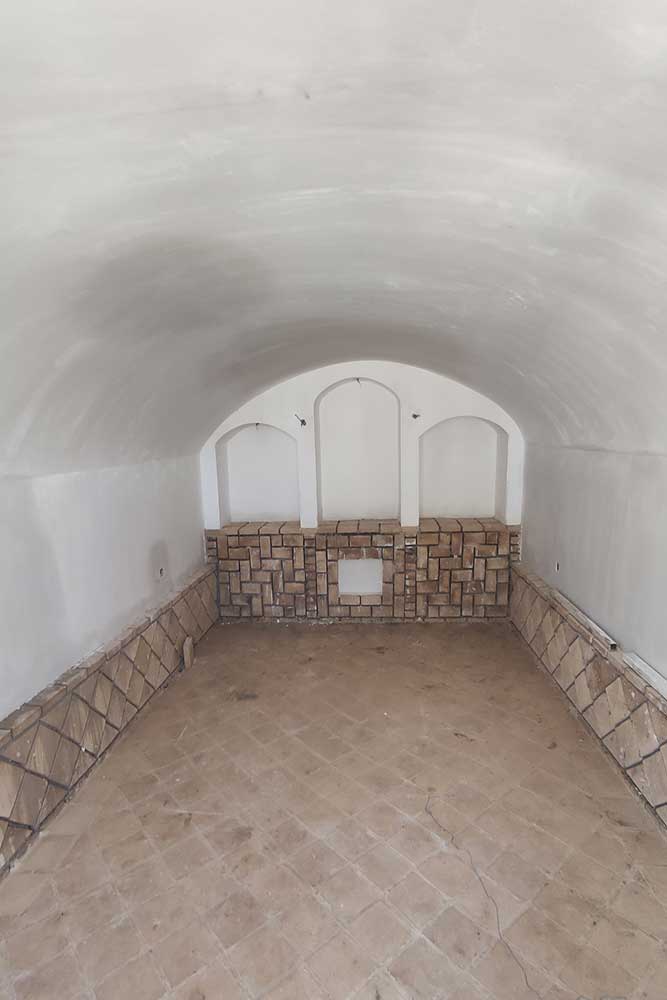
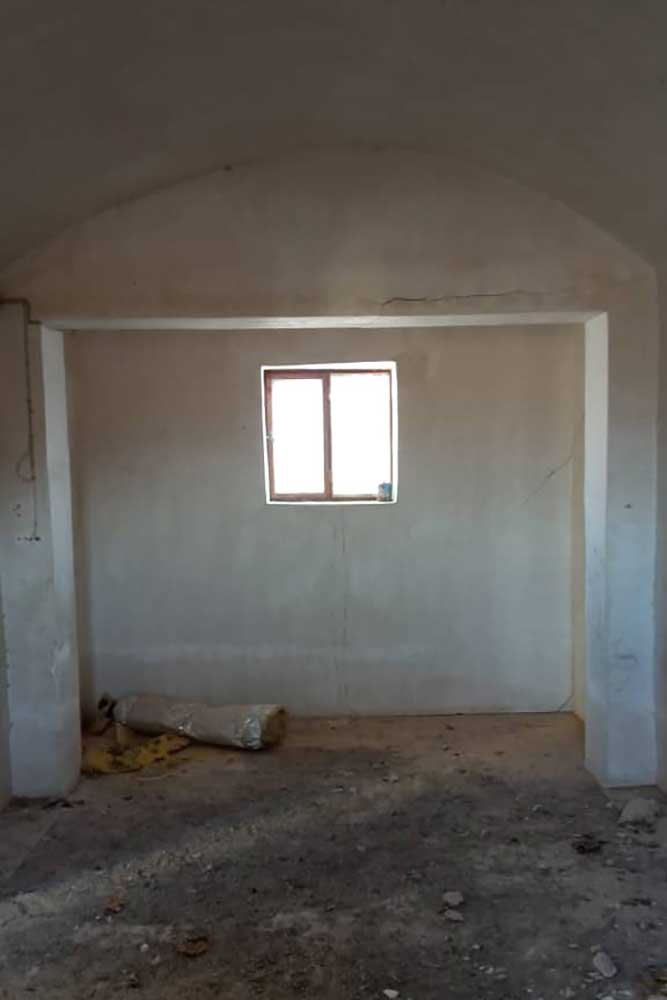
قبل و حین مرمت
مدارک فنی
مطالب مرتبط