 کاژه لانژ اثر سروش روغنیان و الهه موسوی، فینالیست و راه یافته به مرحلهی دفاع از آثار دوازدهمین طراحی داخلی ایران بخش ویلایی، 1403
 دفتر مرکزی گروه صنعتی بستانچی اثر سروش روغنیان و الهه موسوی، فینالیست و راه یافته به مرحلهی دفاع از آثار دوازدهمین طراحی داخلی ایران بخش عمومی، 1403
کارخانه نوآوری گفتگو، مهدی قزل ایاغ ،امین خاکسار
چهارمین شب معماران، فینالیست و راه یافته به دوازدهمین جایزهی طراحی داخلی، 1403، بخش عمومی
Dialogue Innovation Factory / Mehdi Ghezel Ayagh, Amin Khaksar
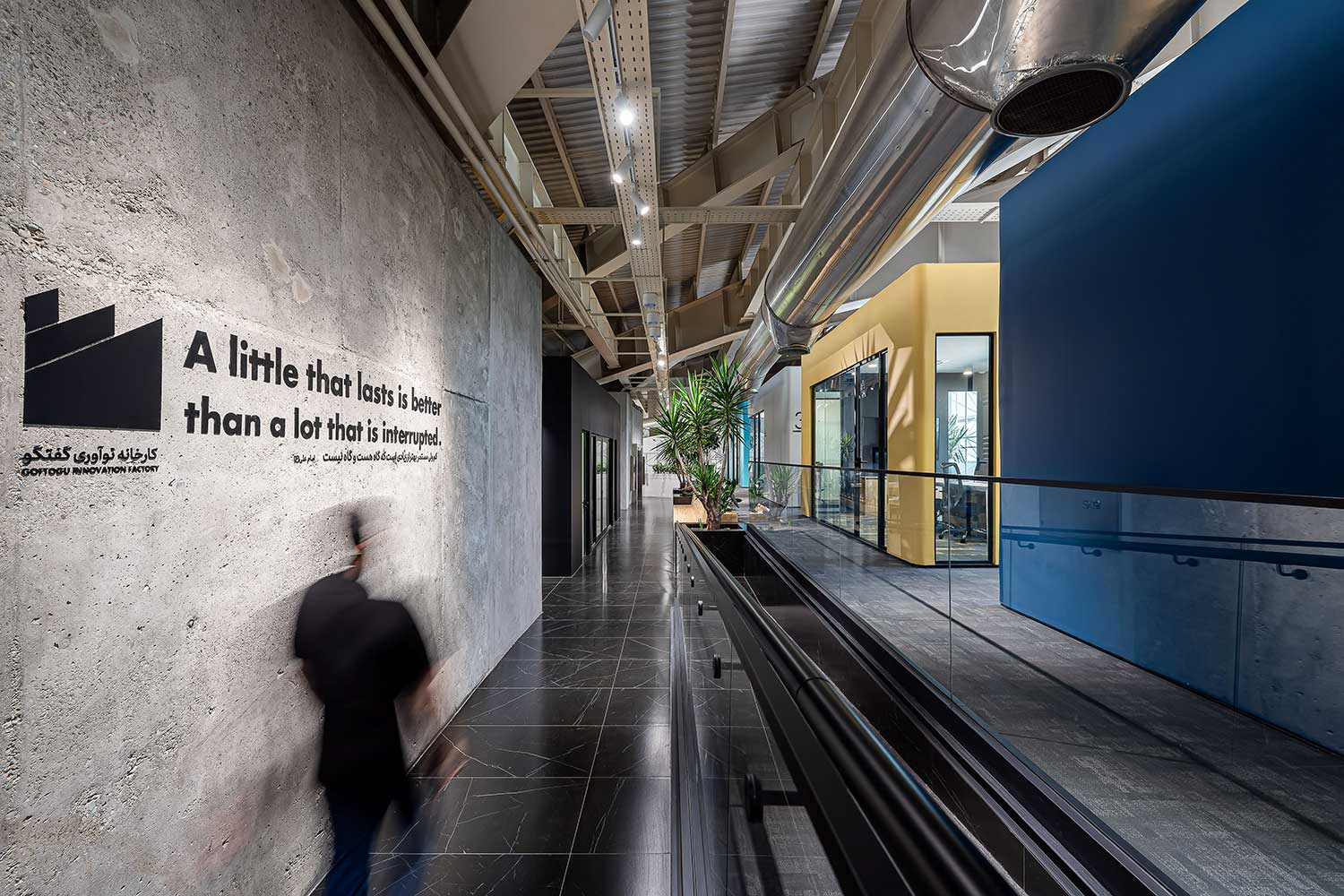
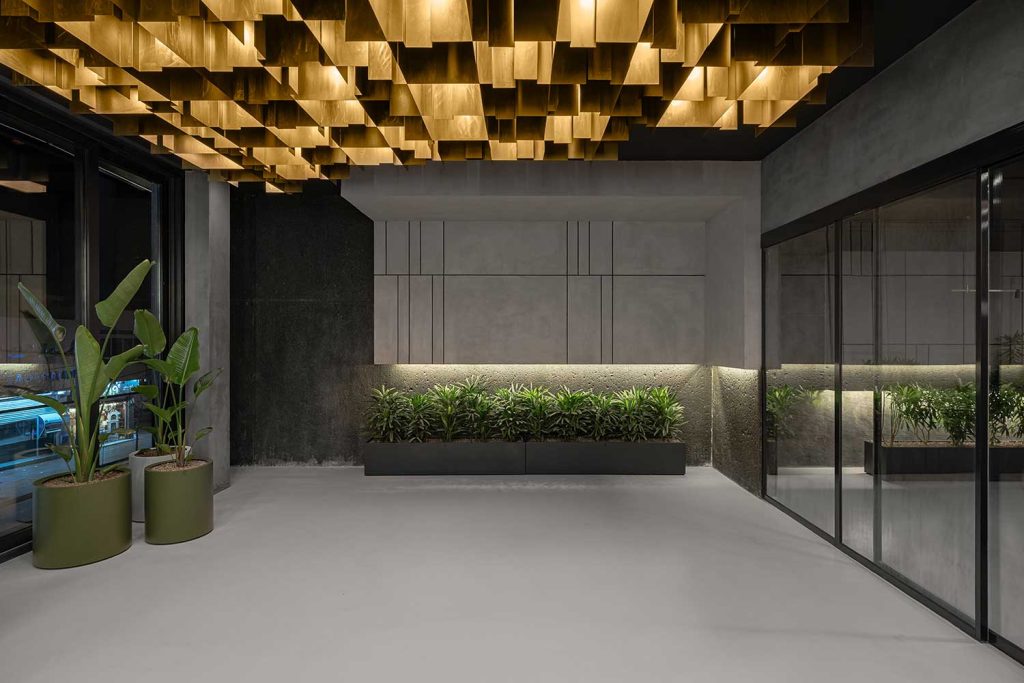
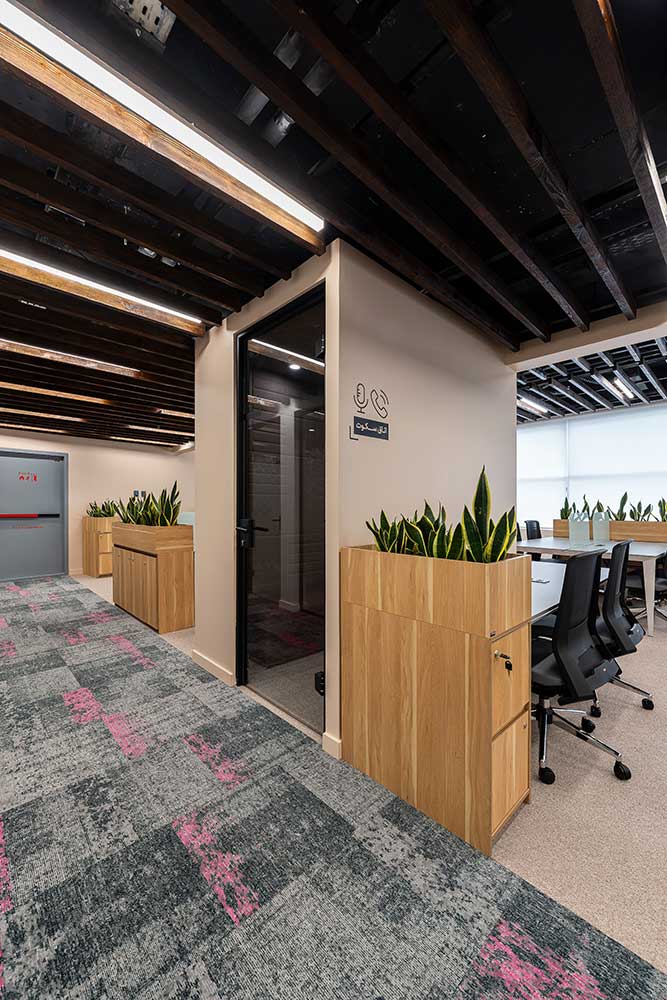
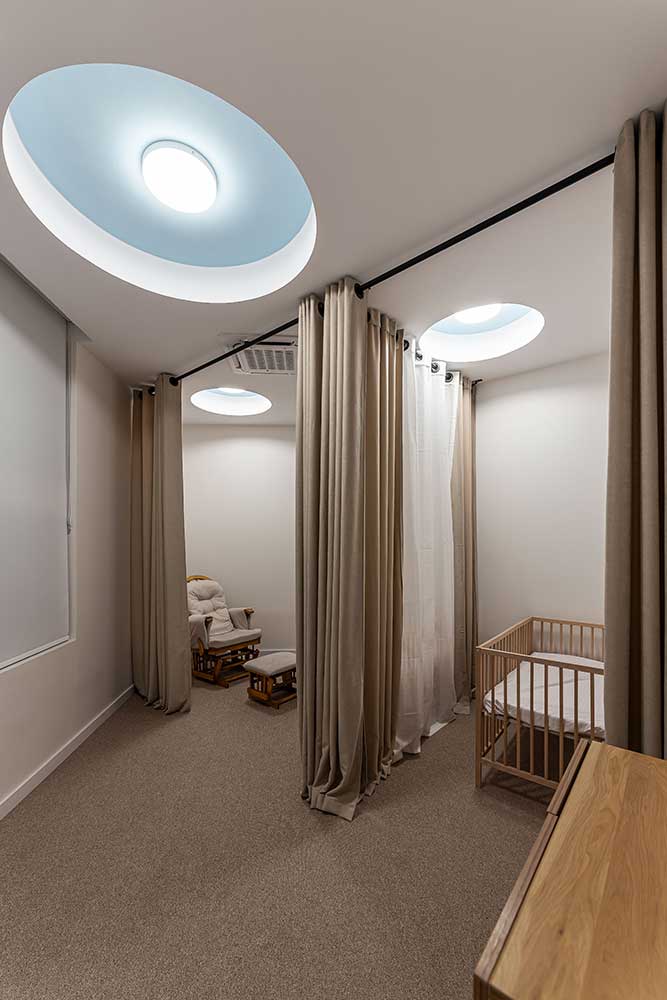
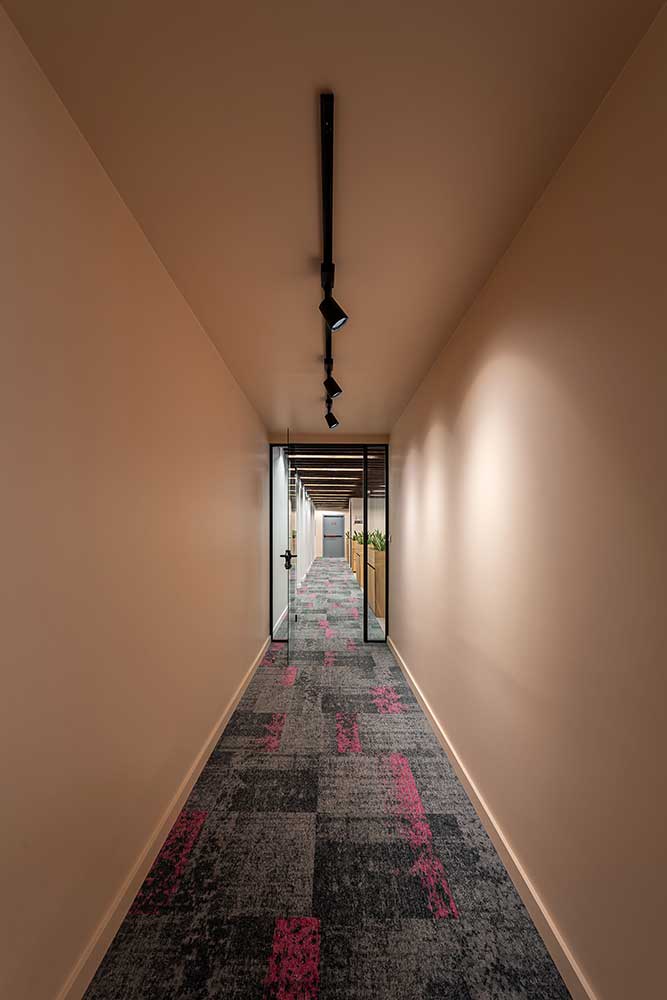
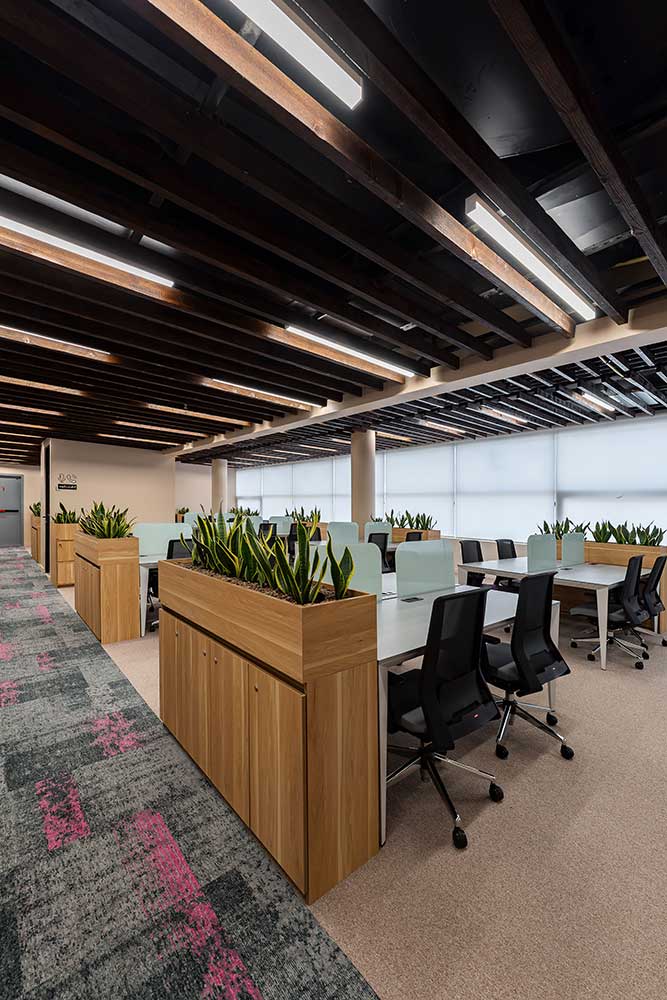
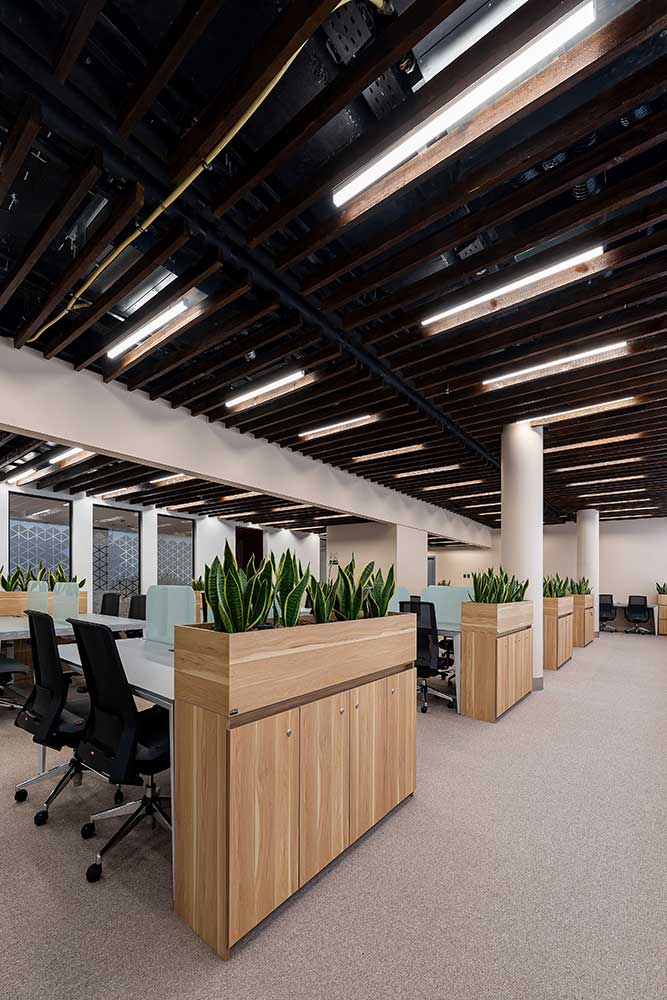
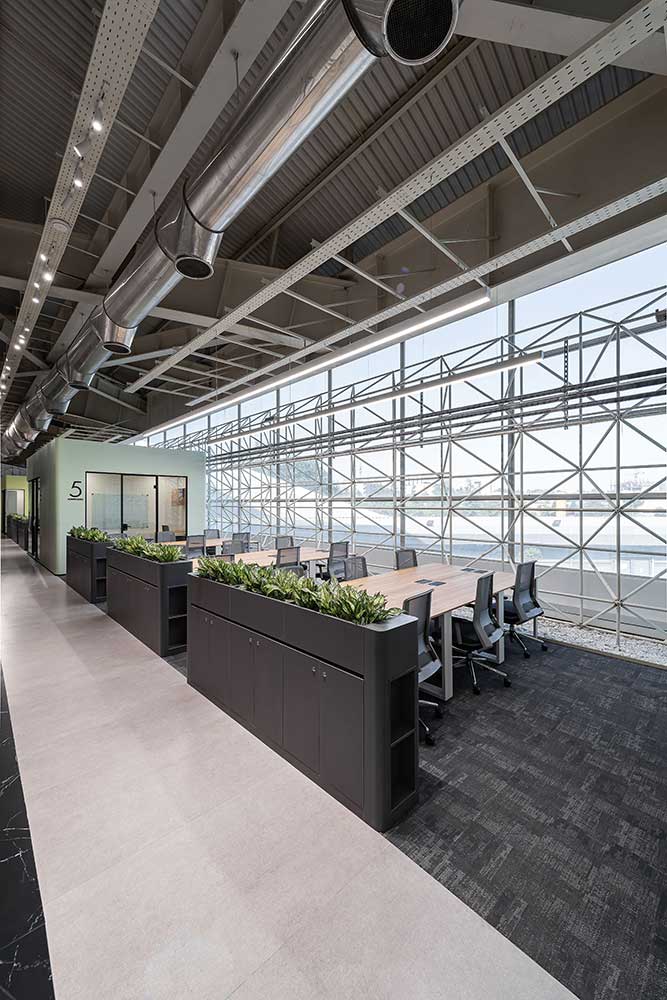
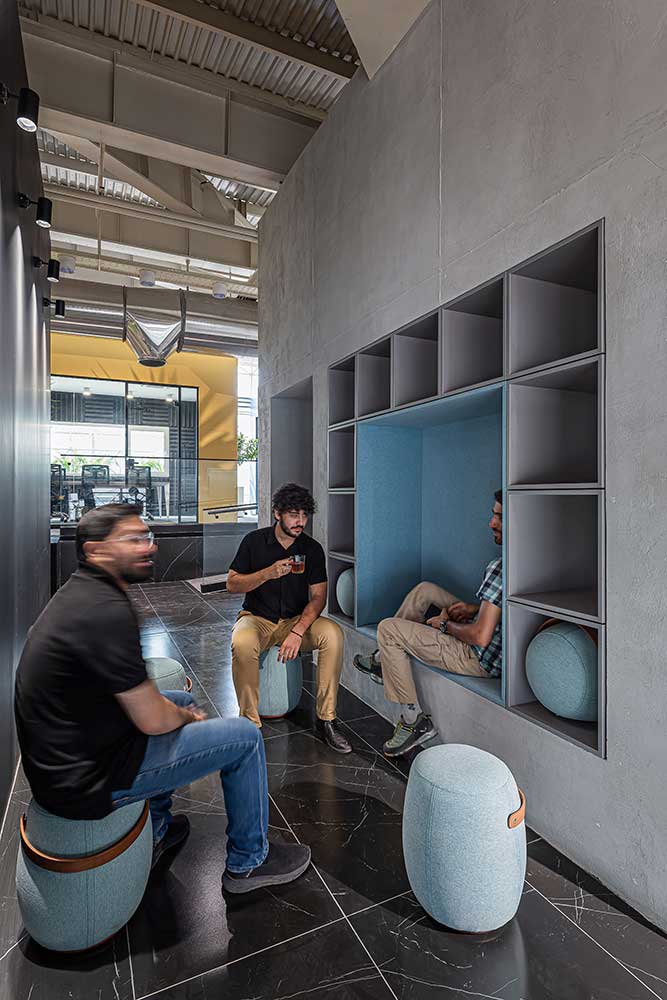
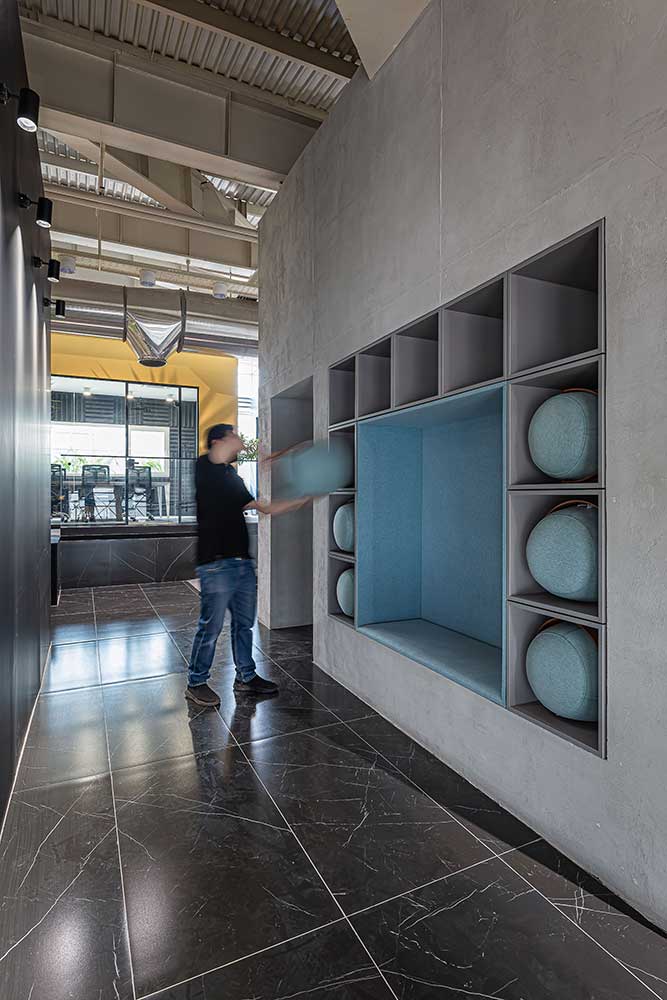
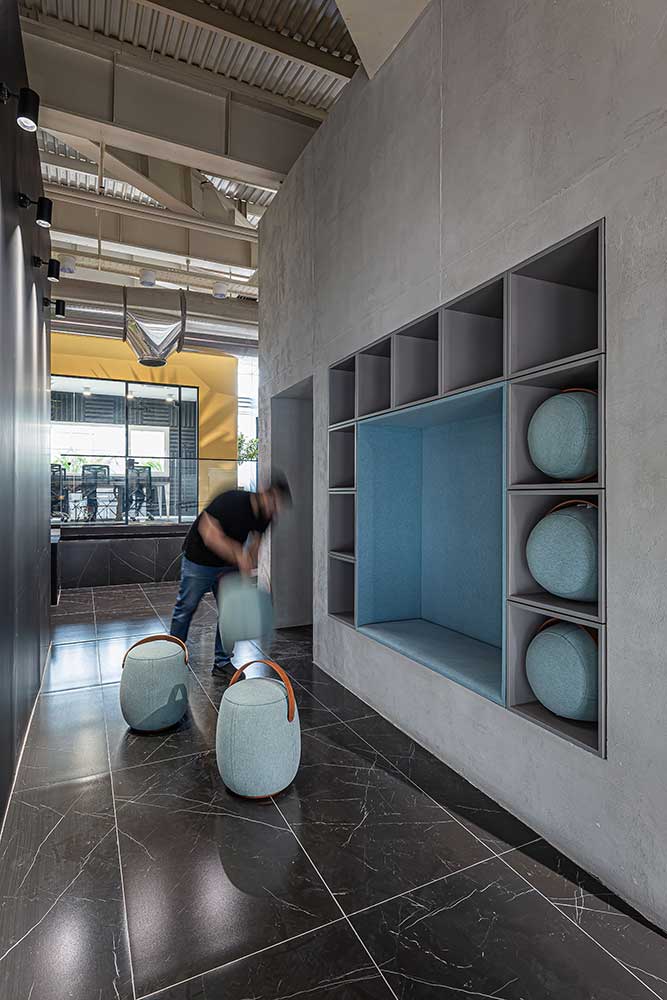
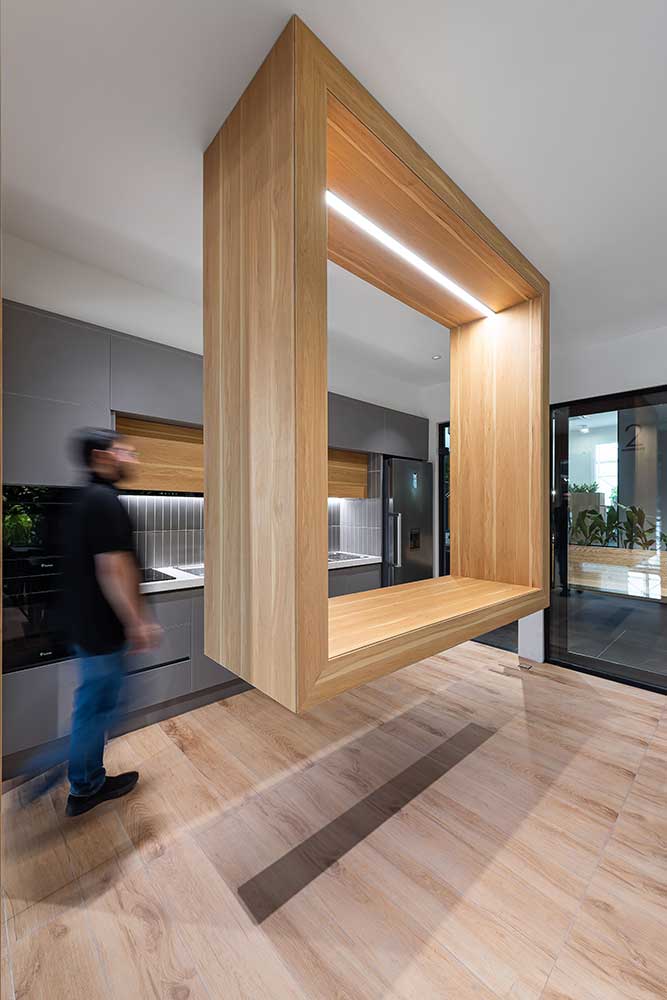
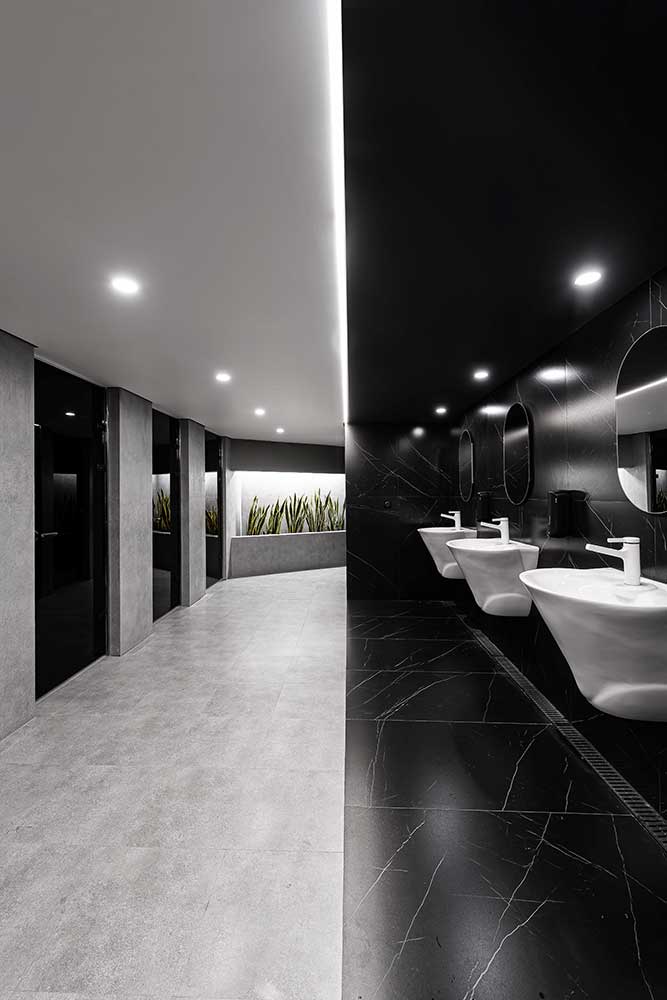
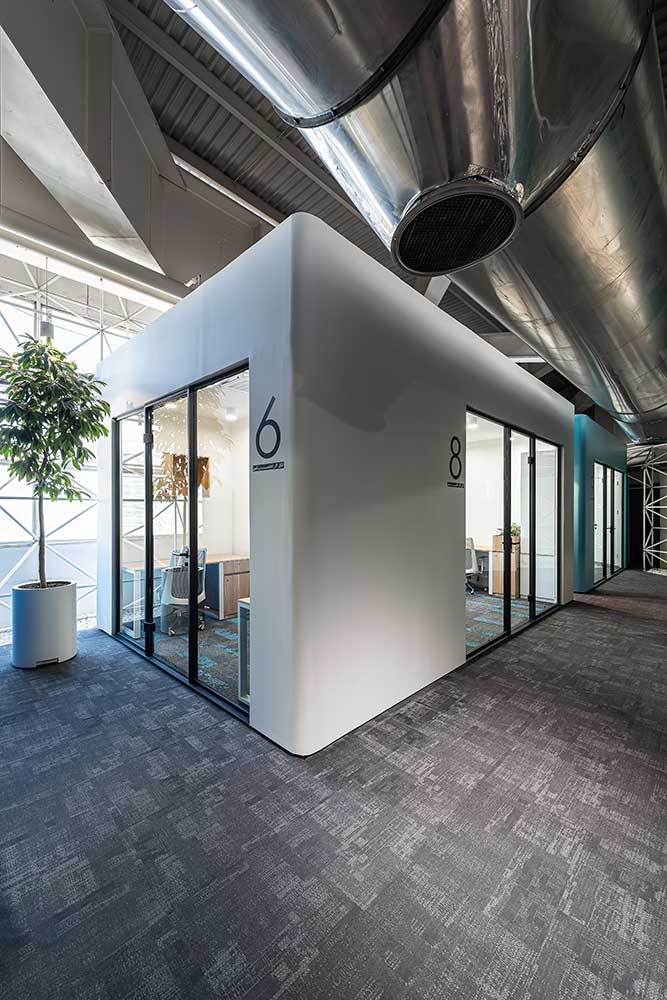
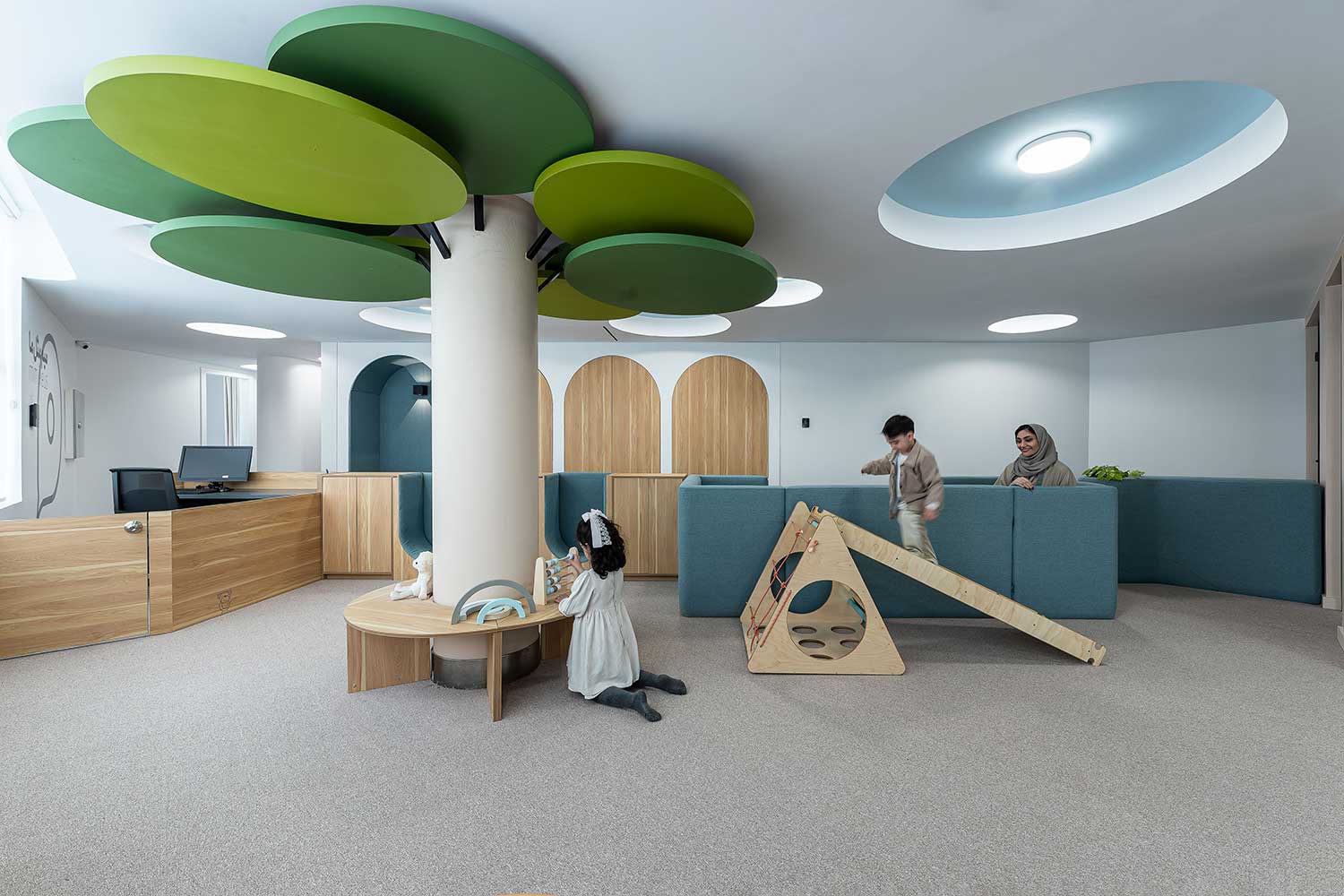
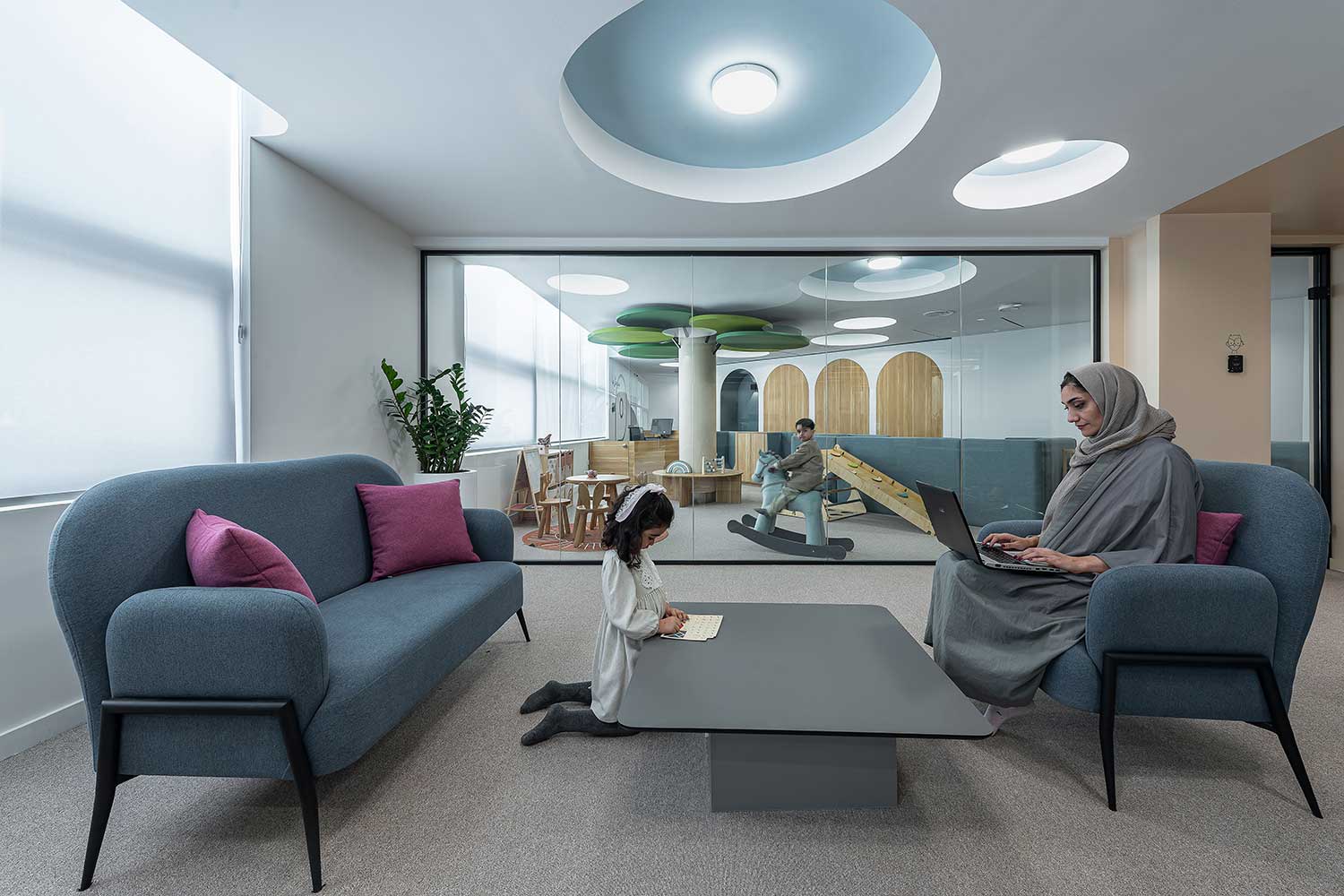
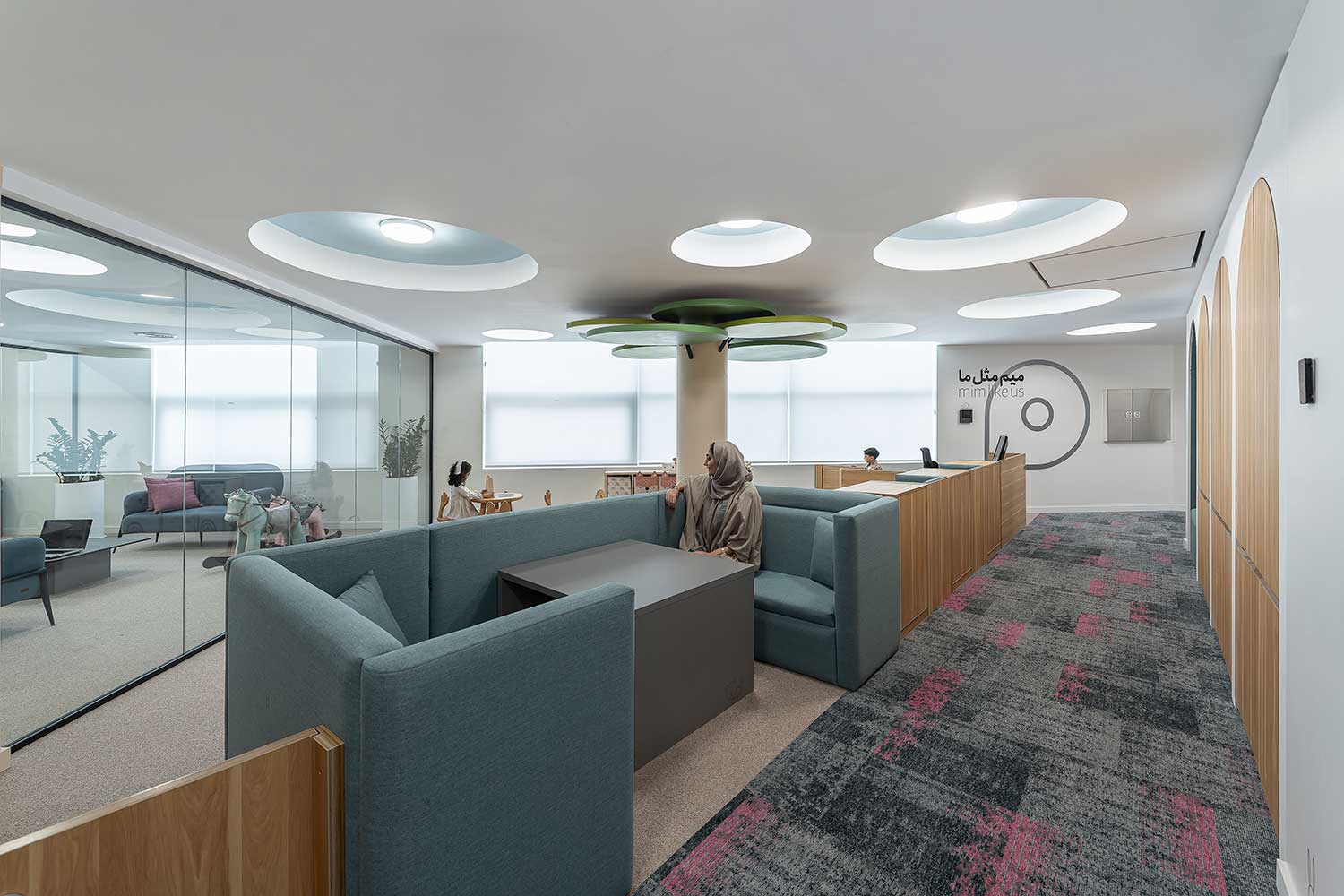
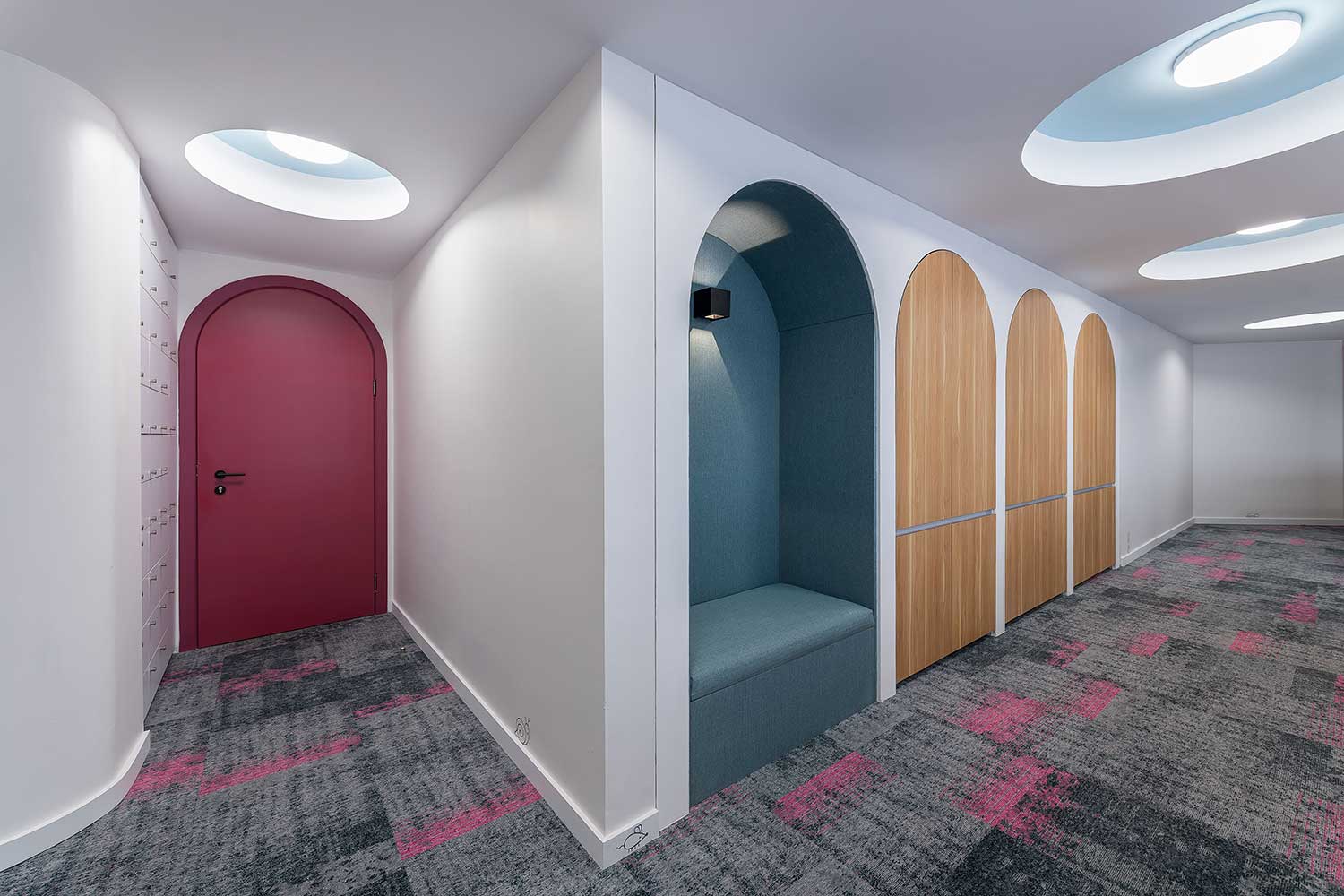
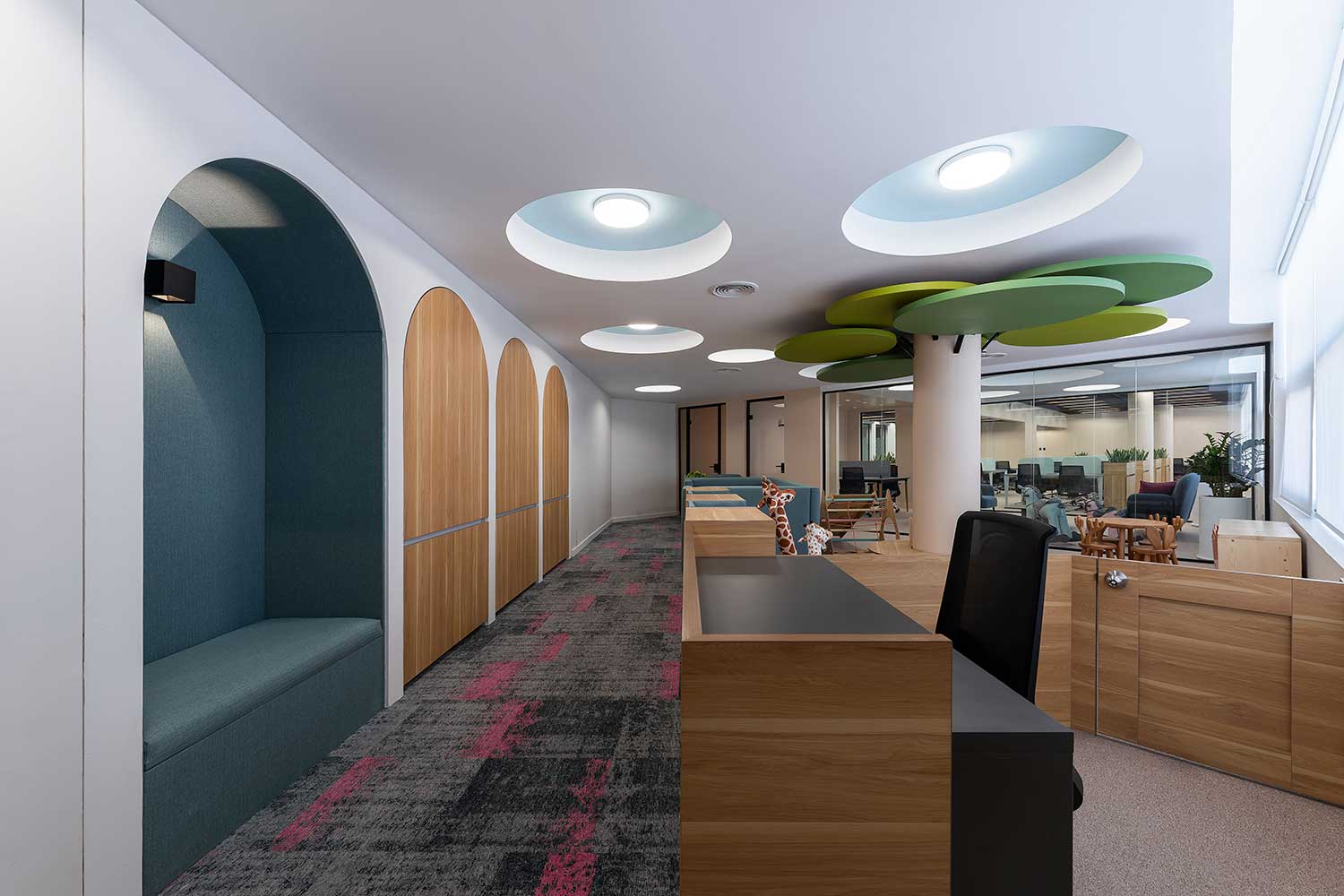
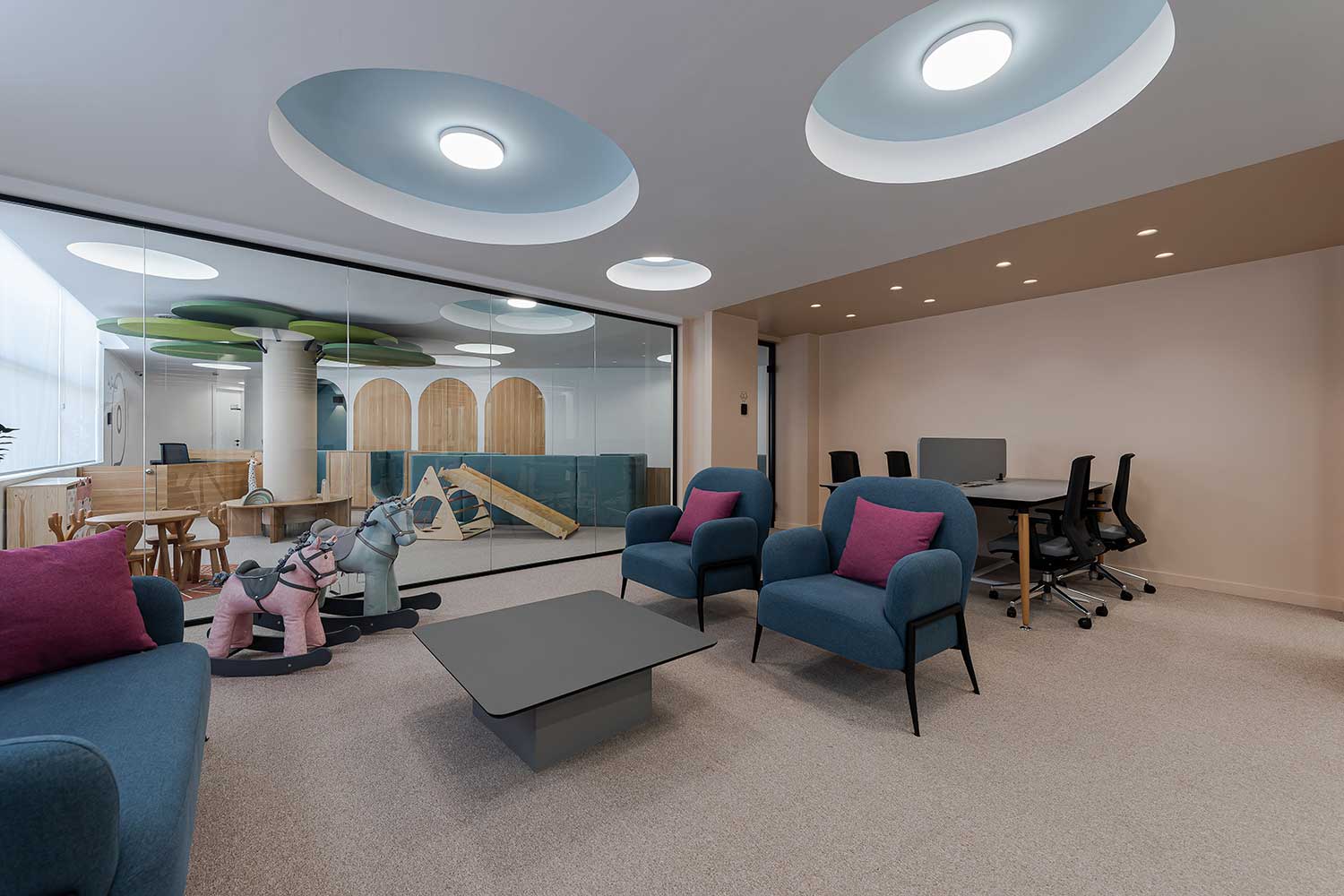
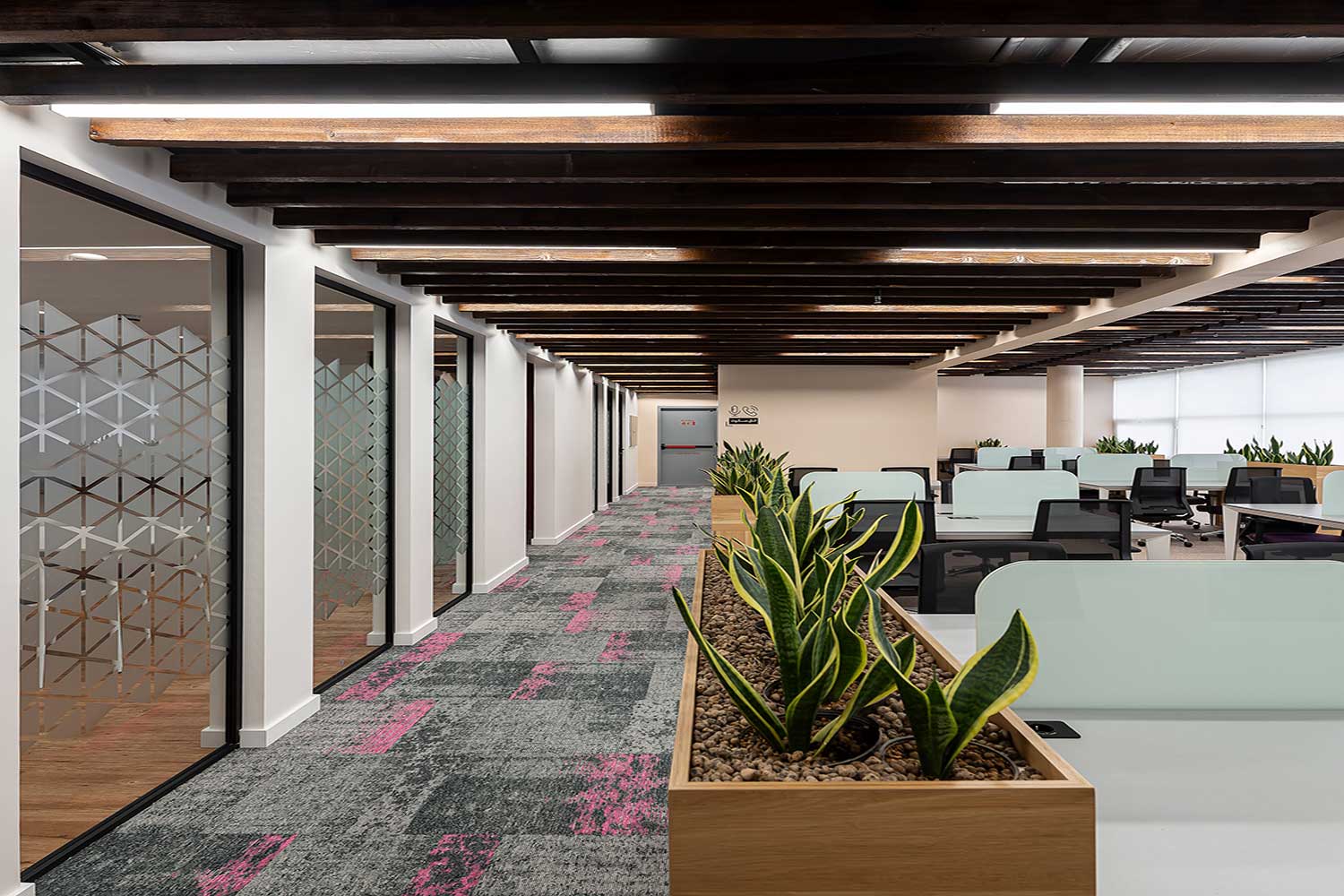
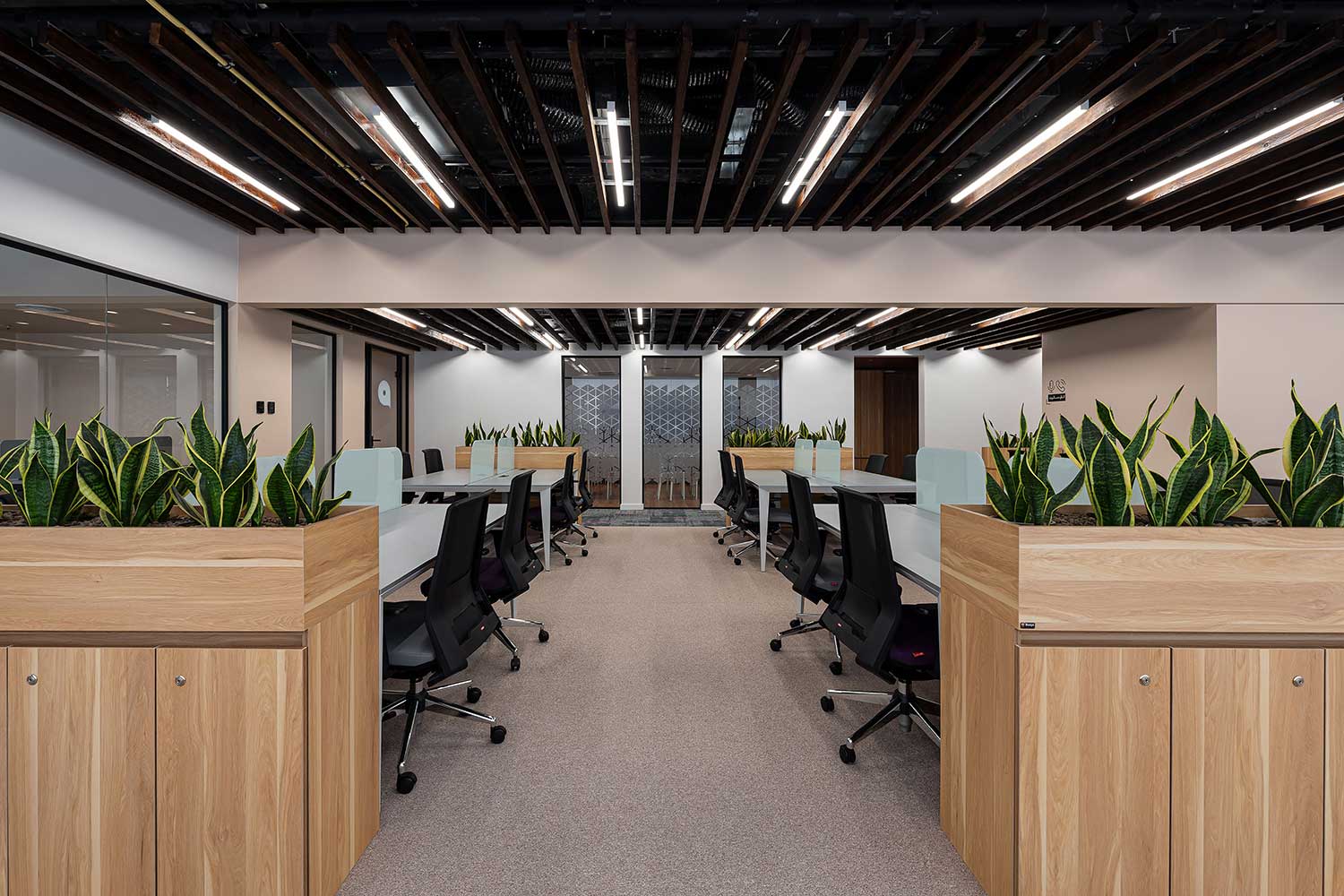
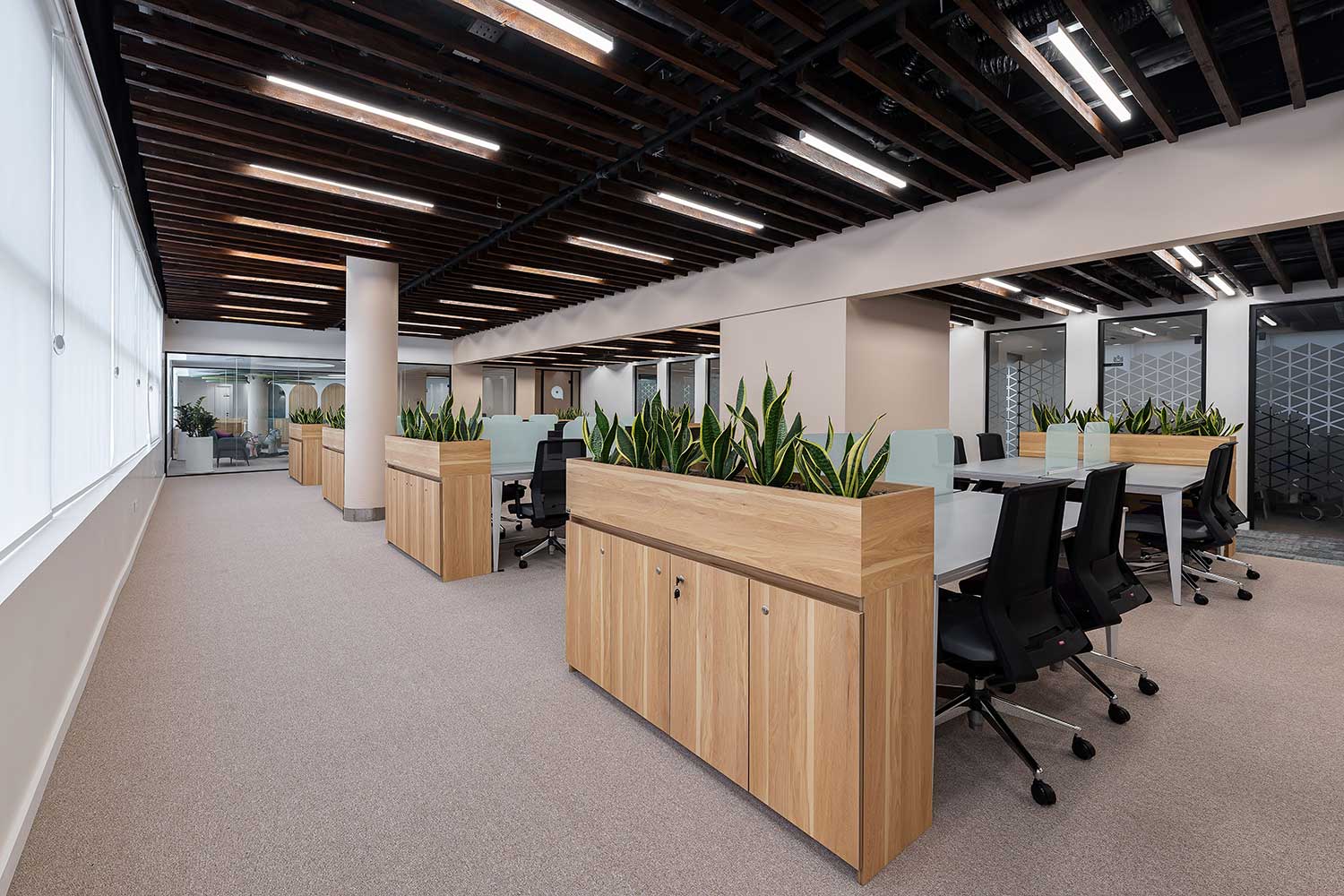
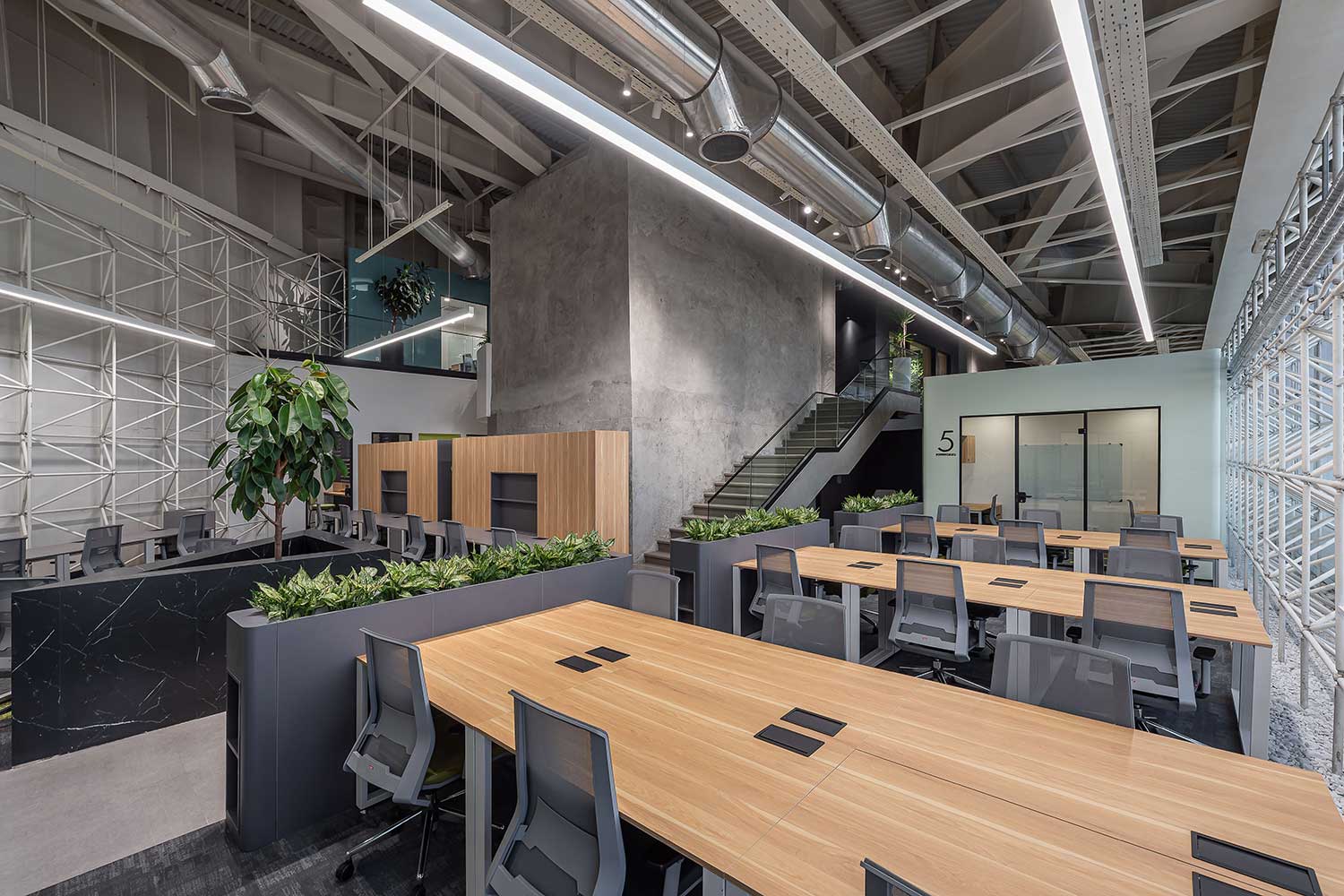
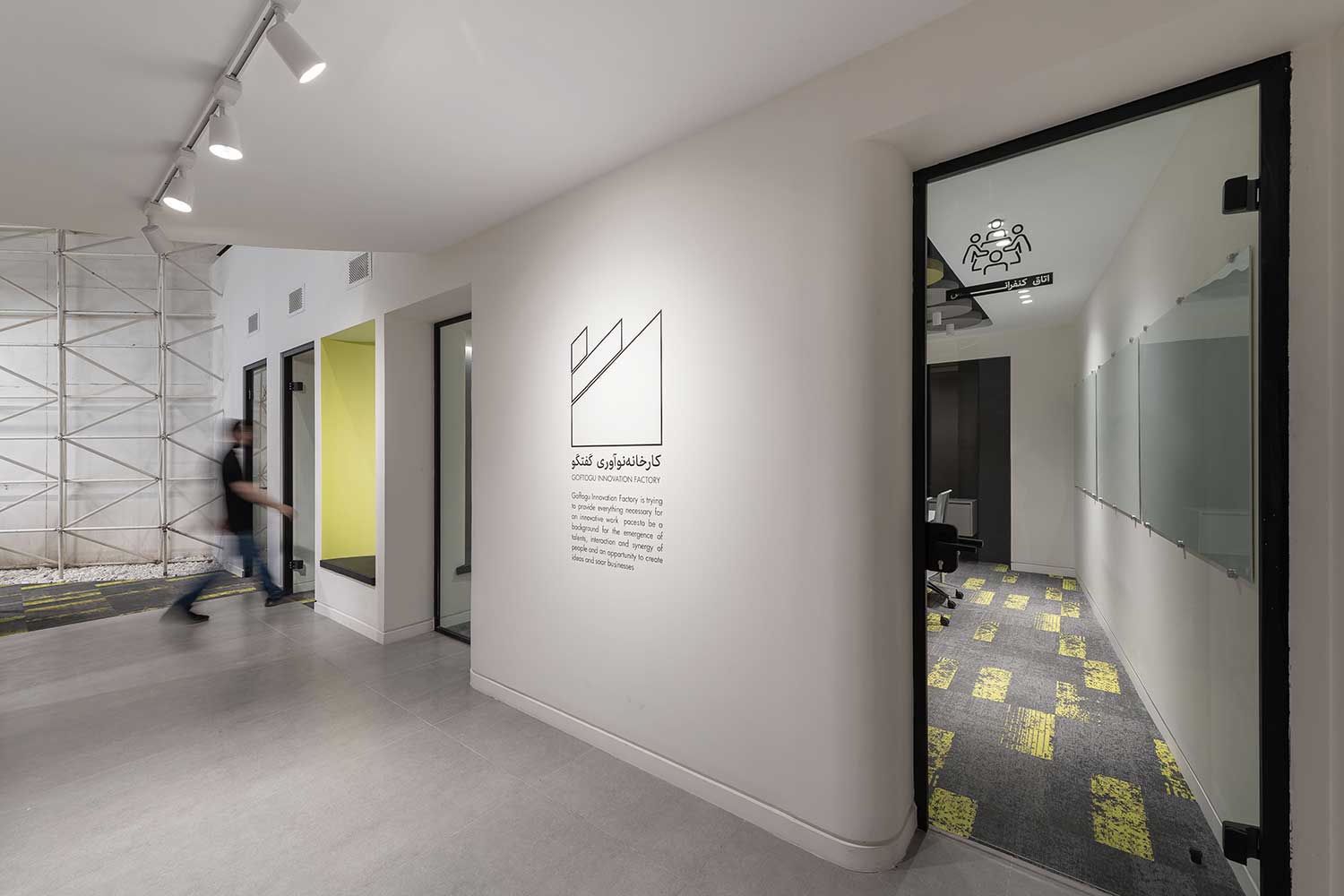
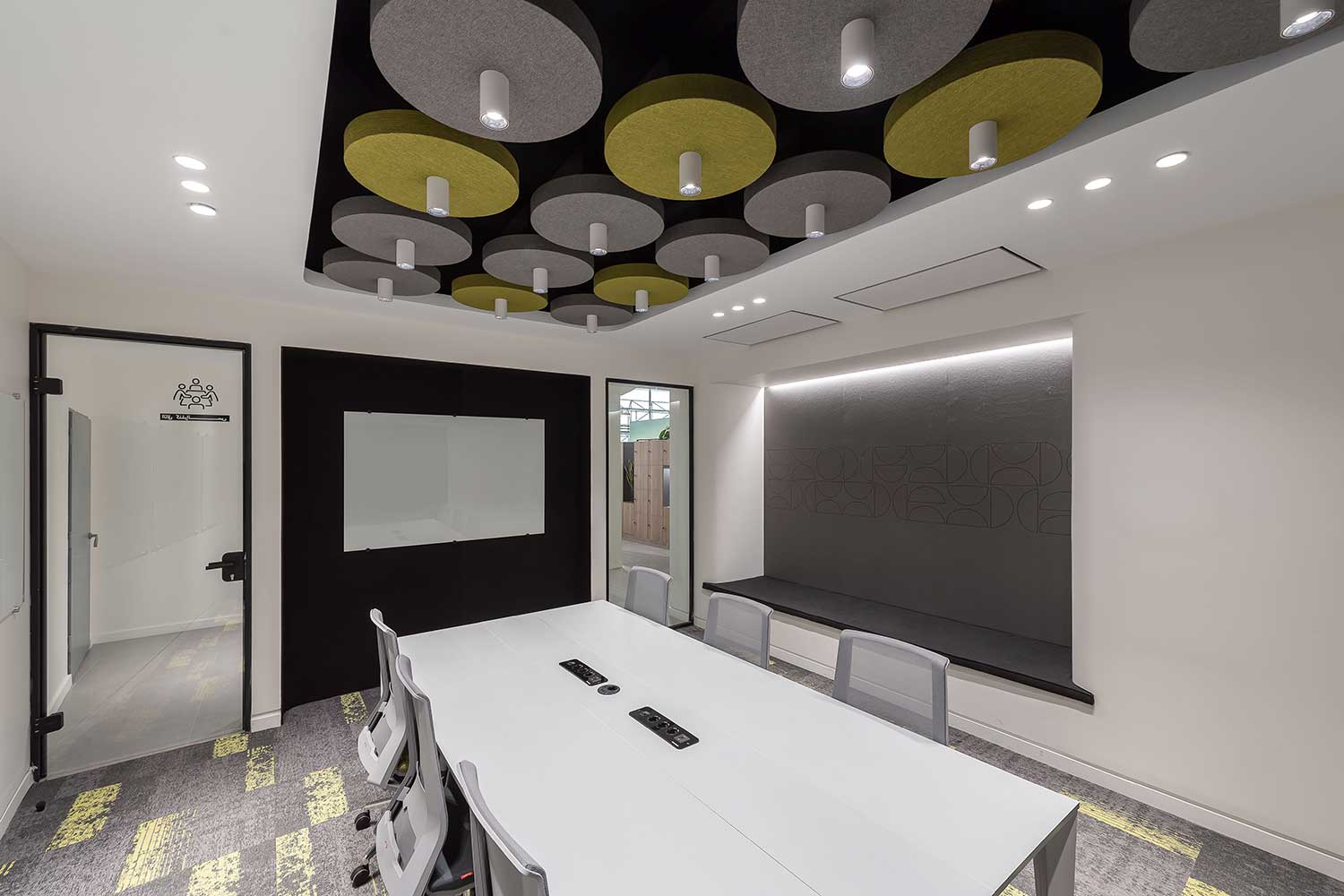
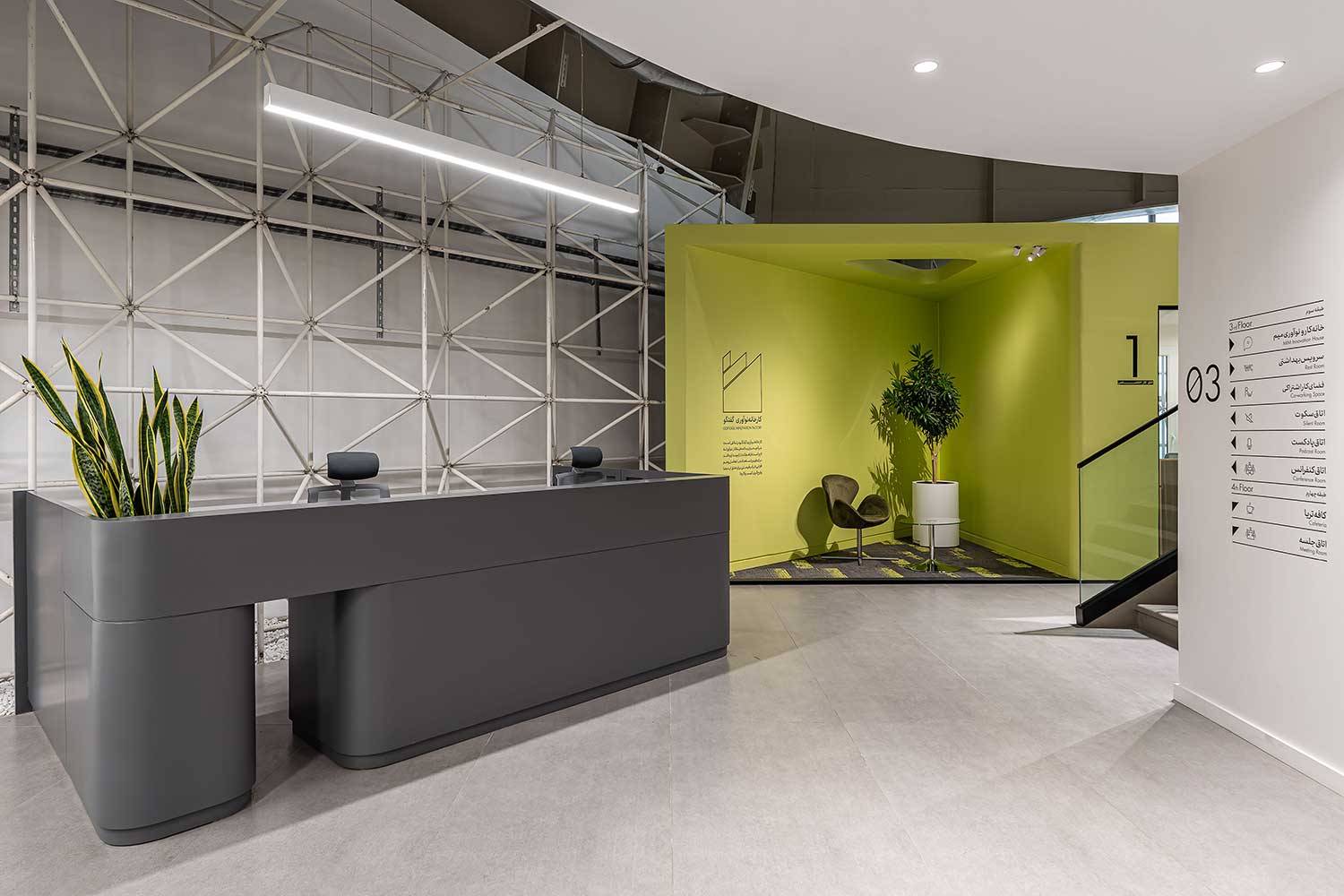
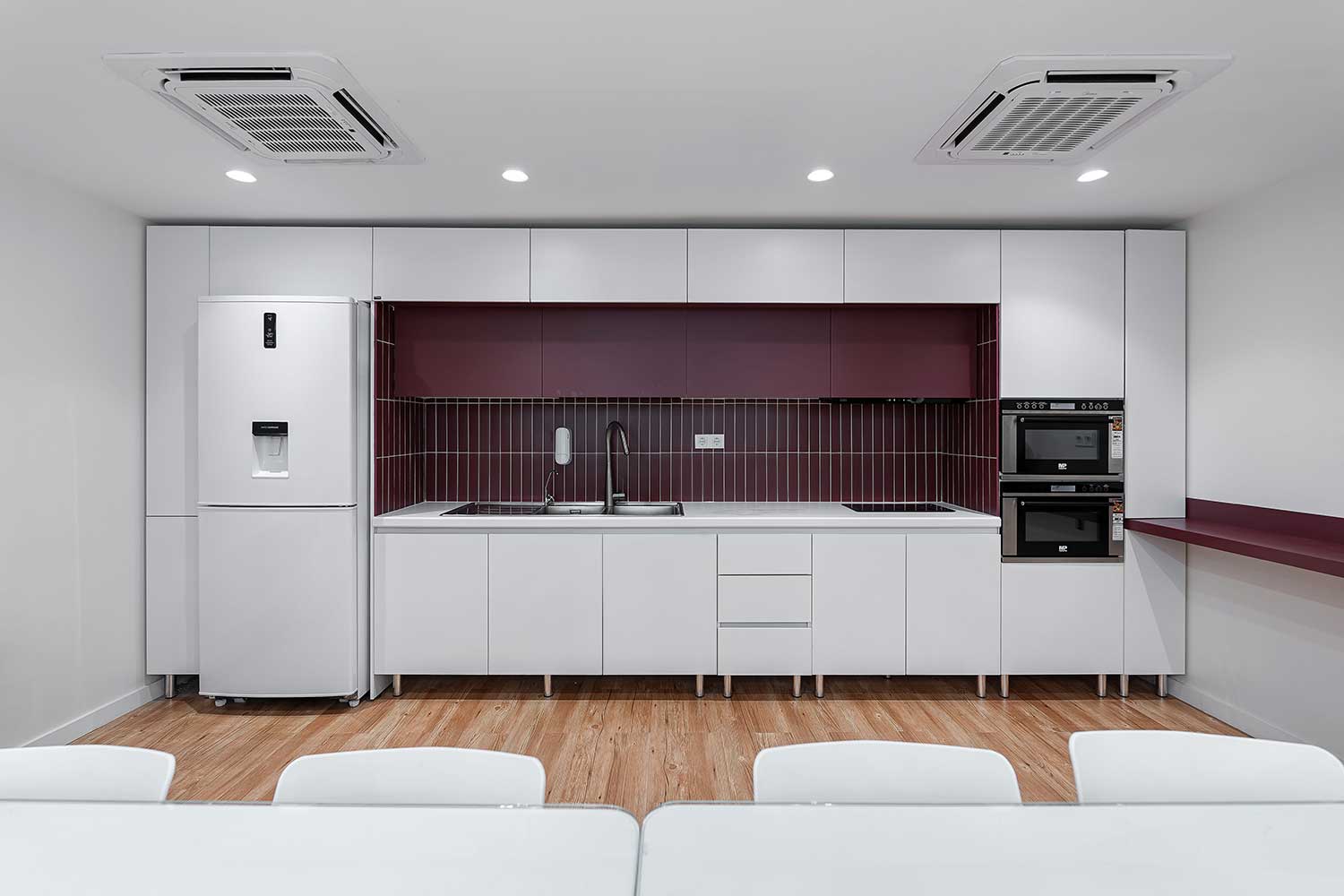
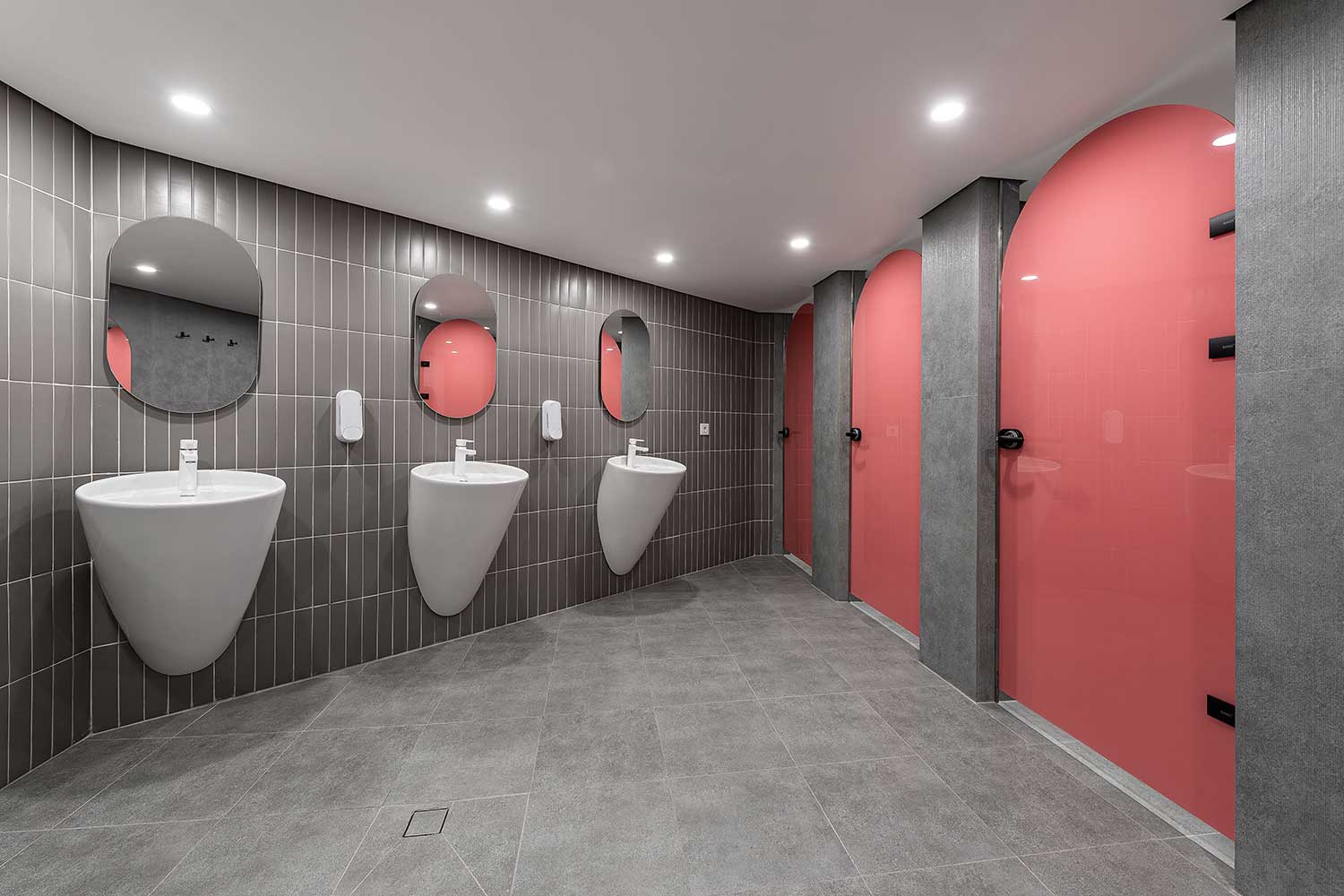
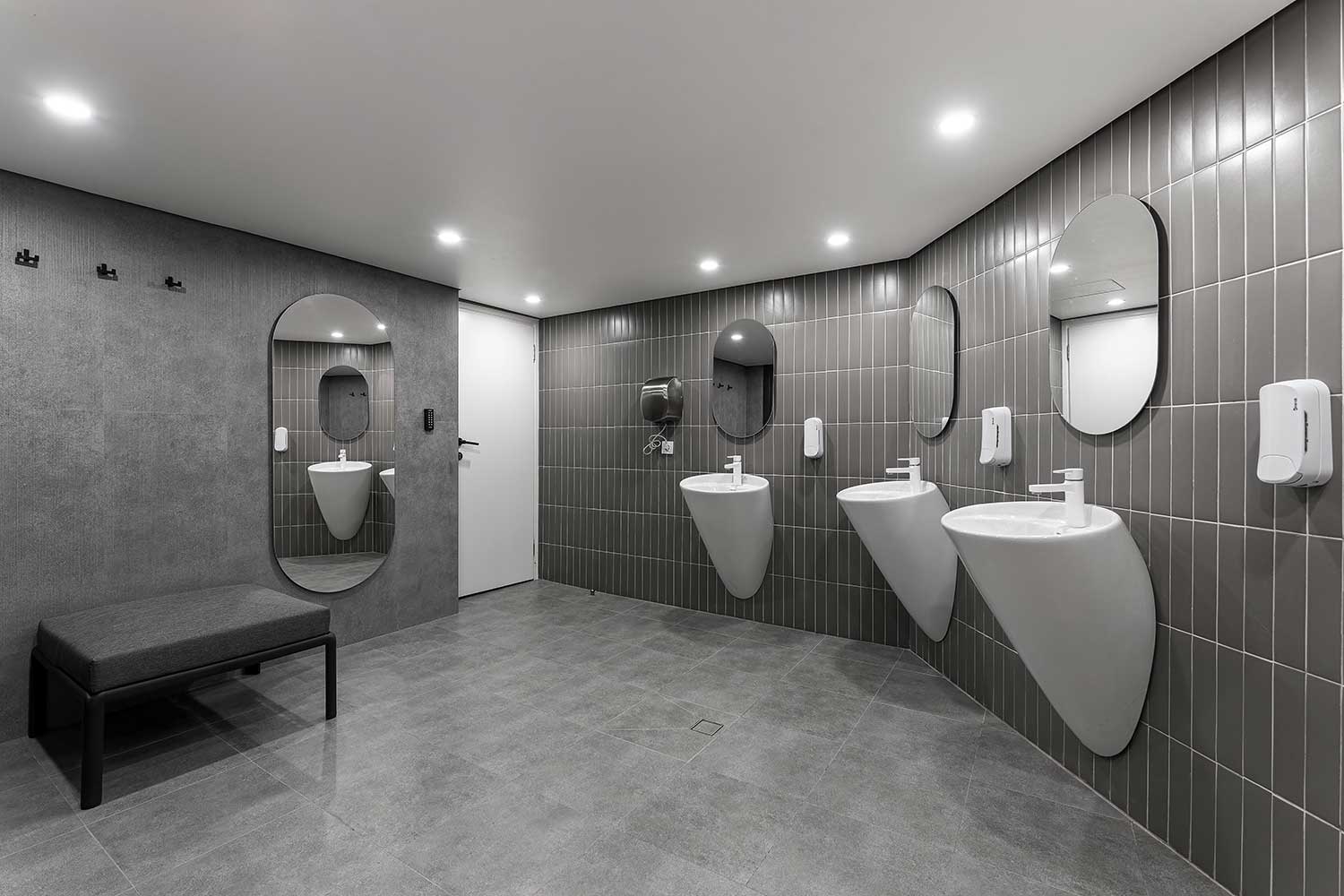
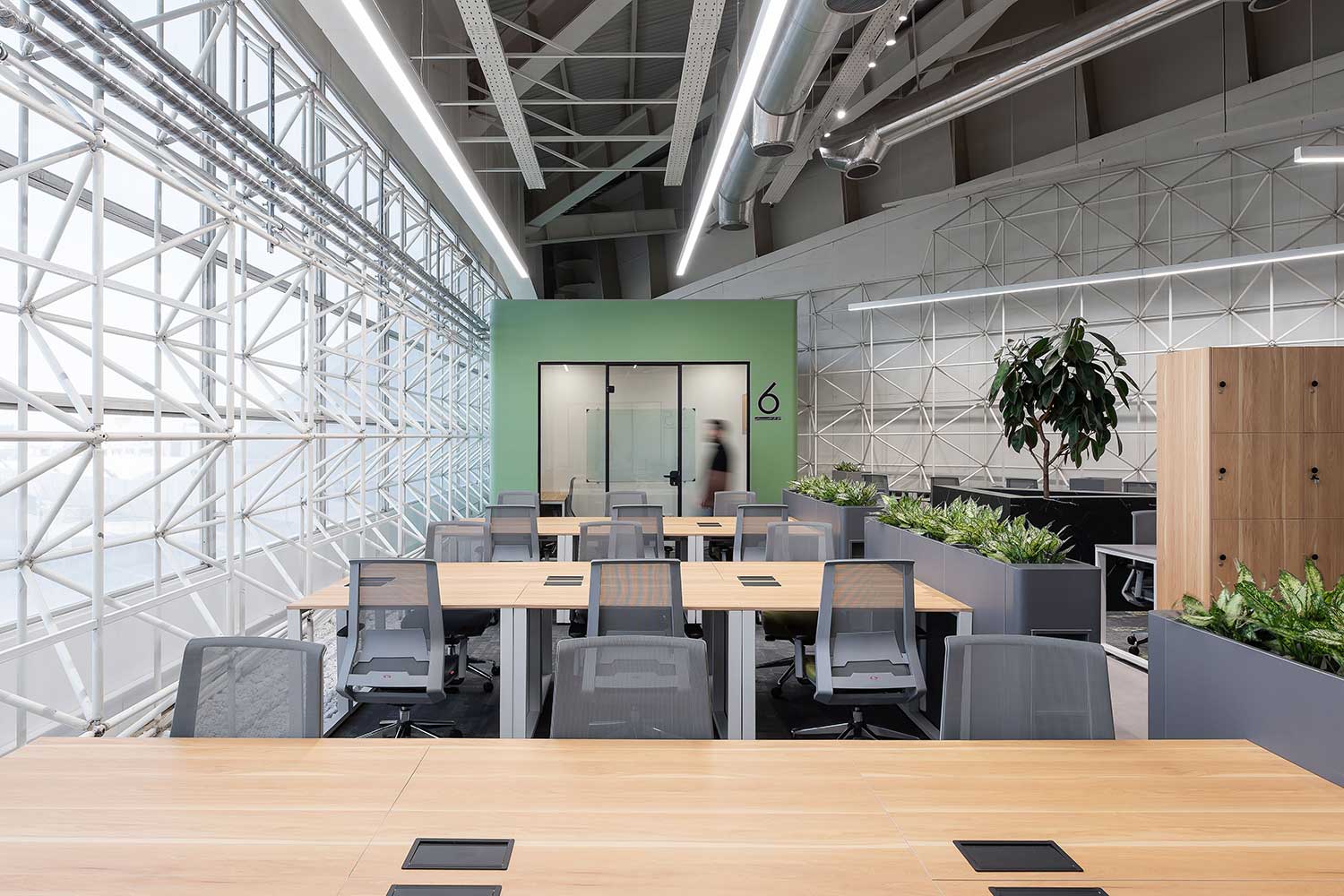
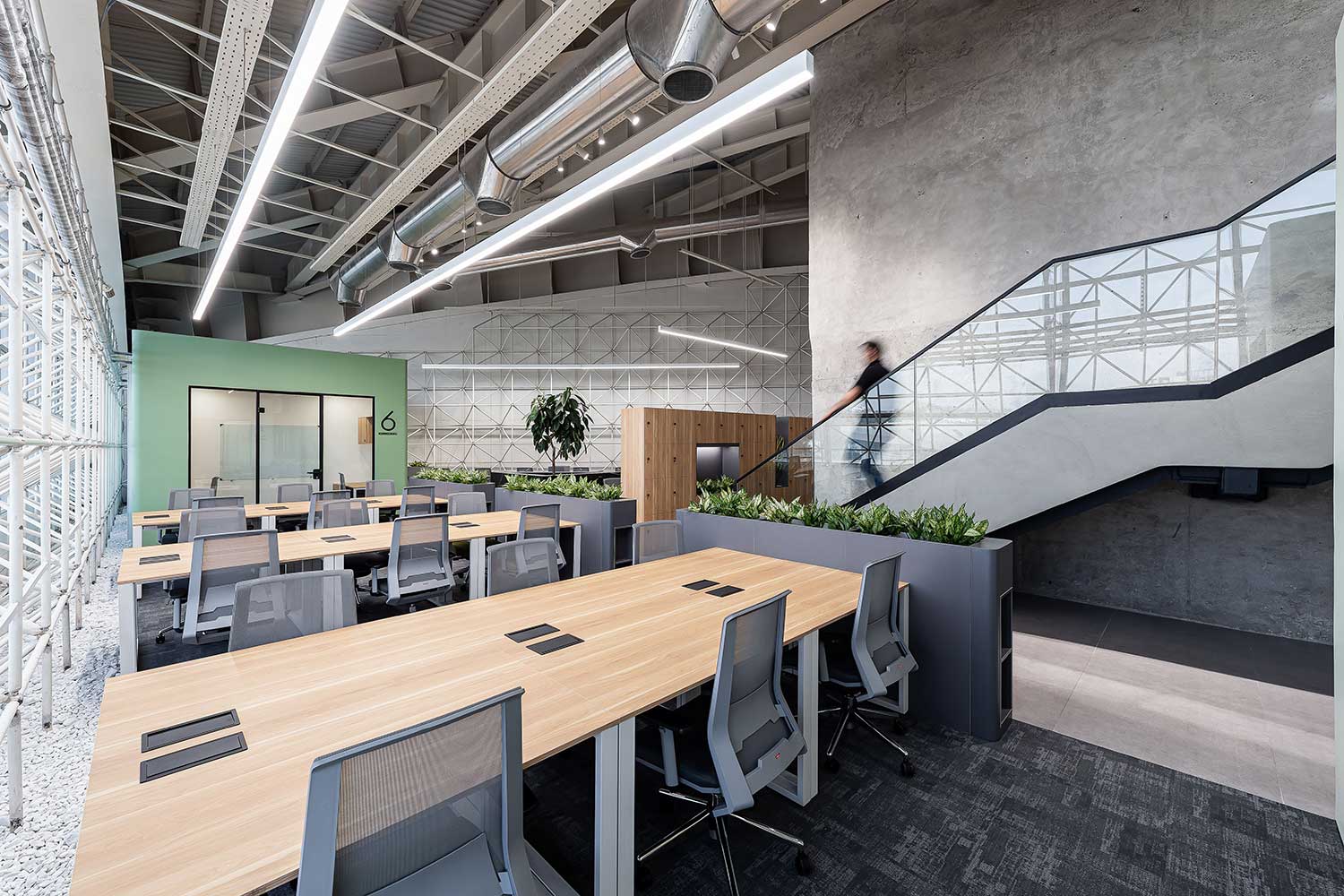
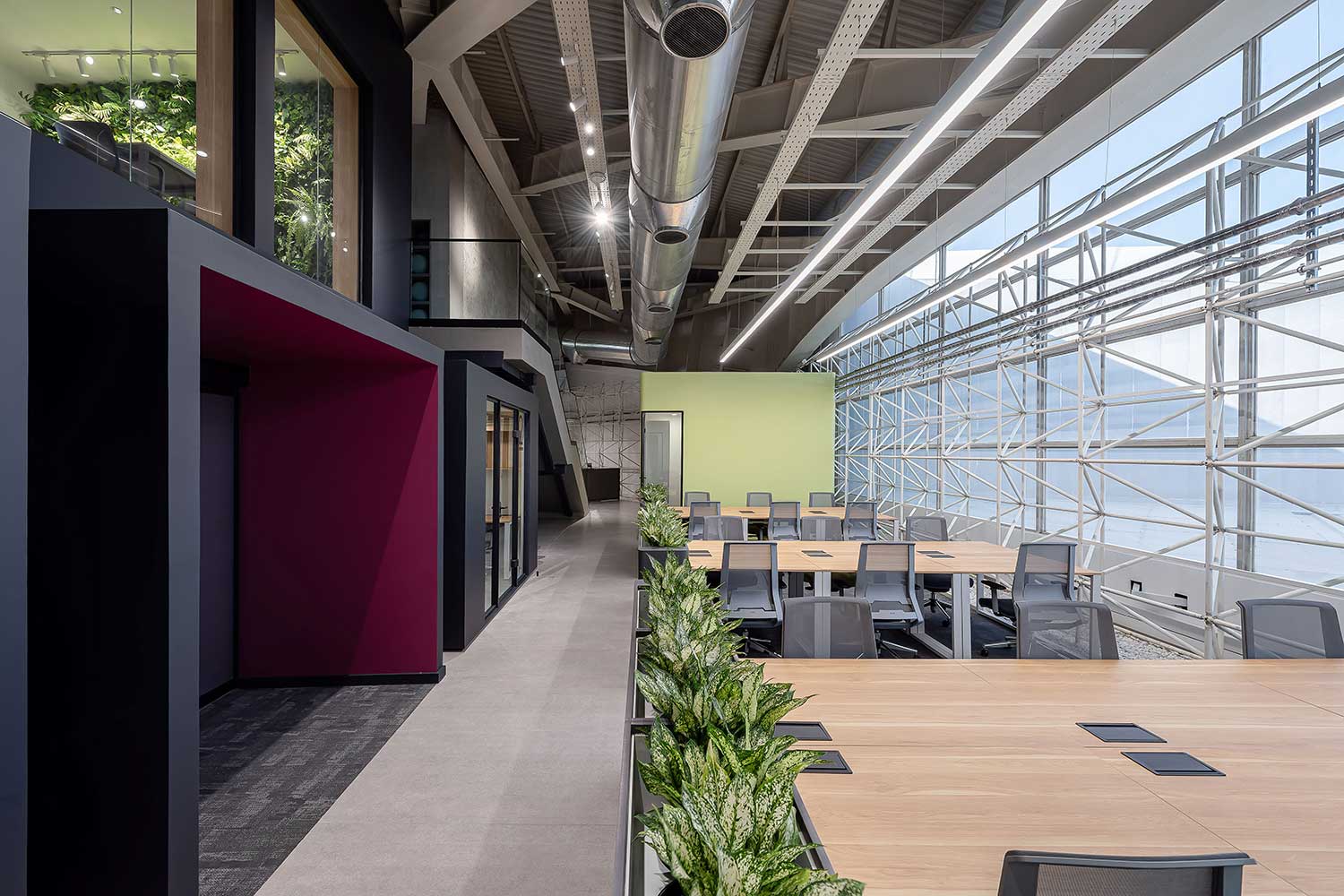
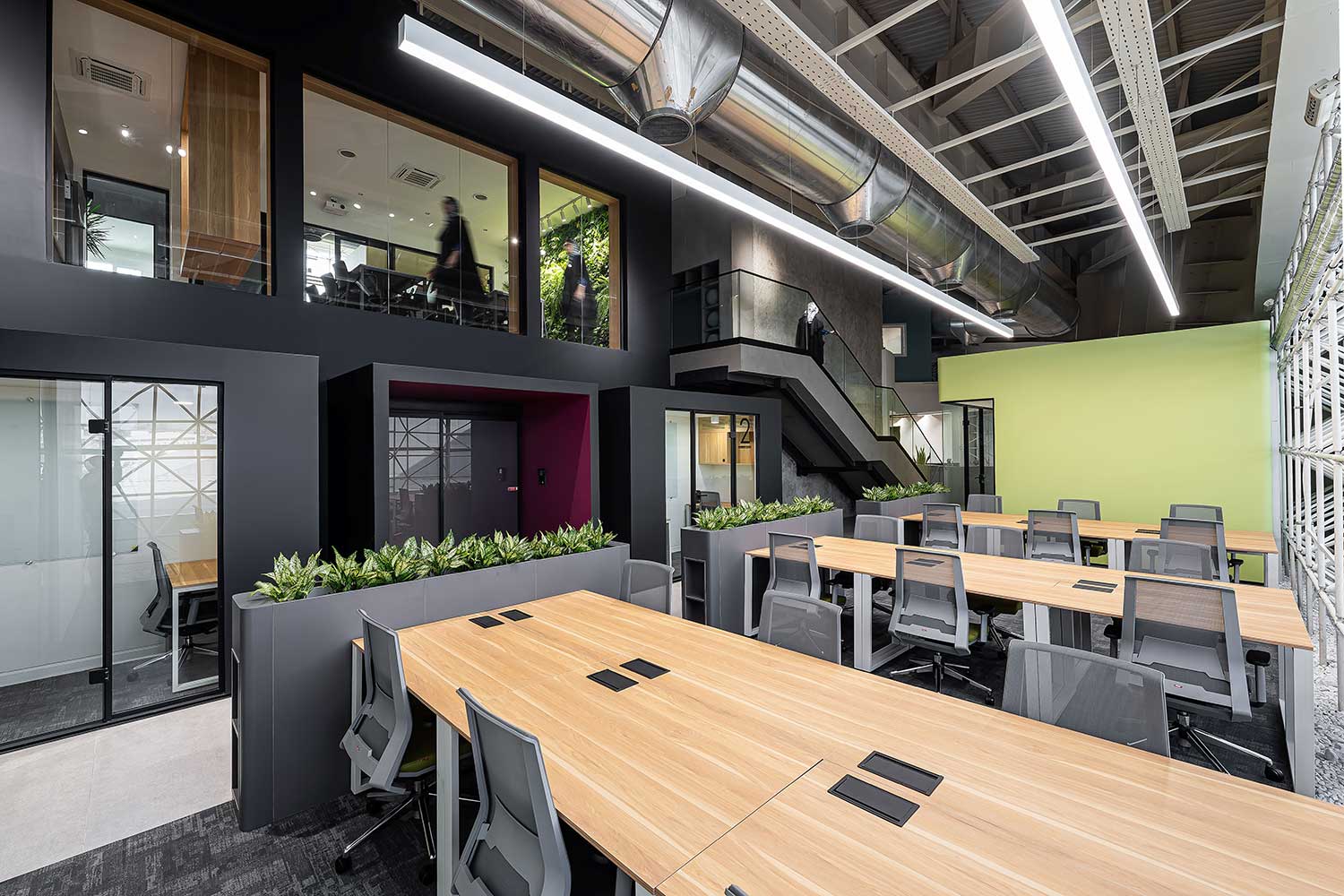
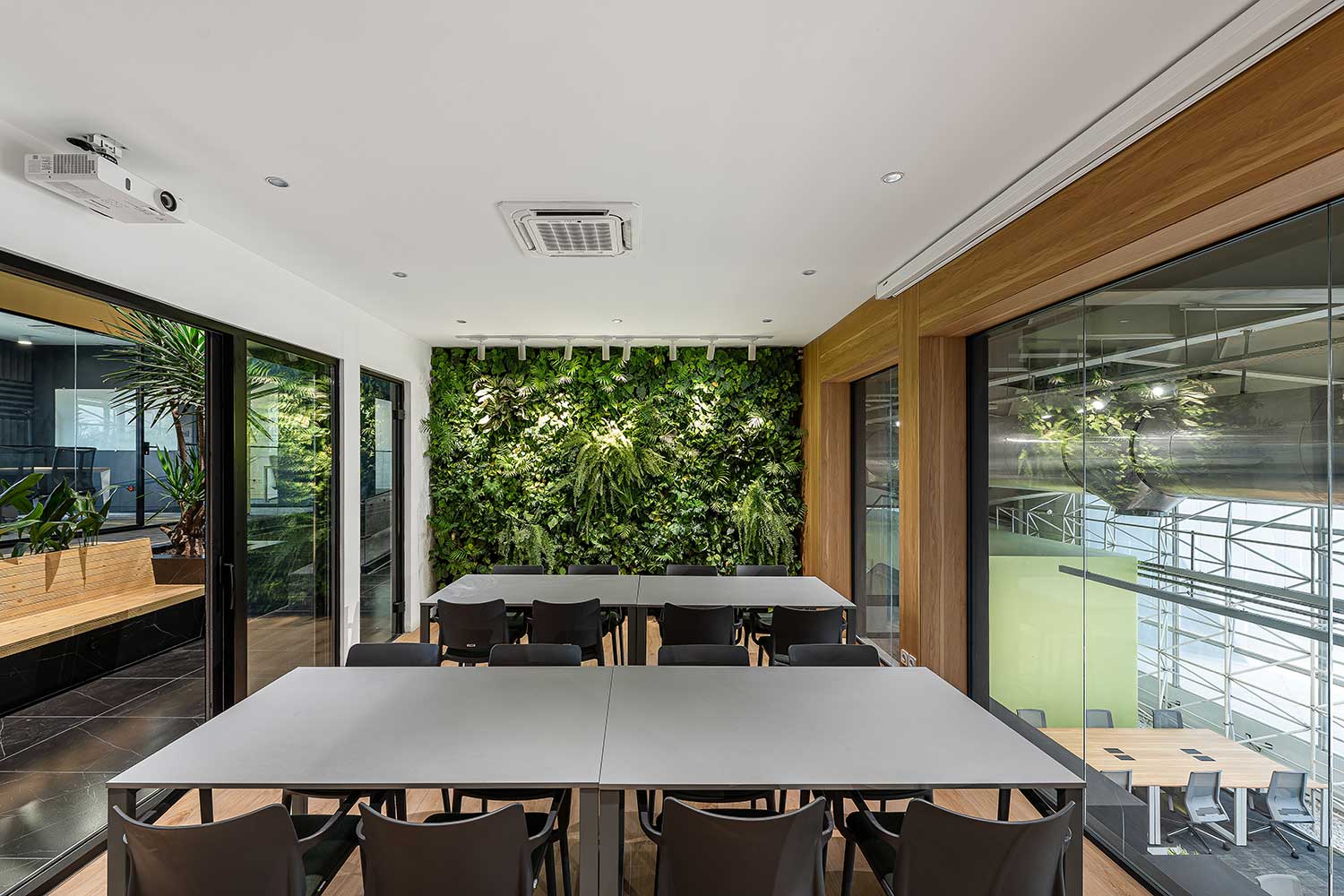
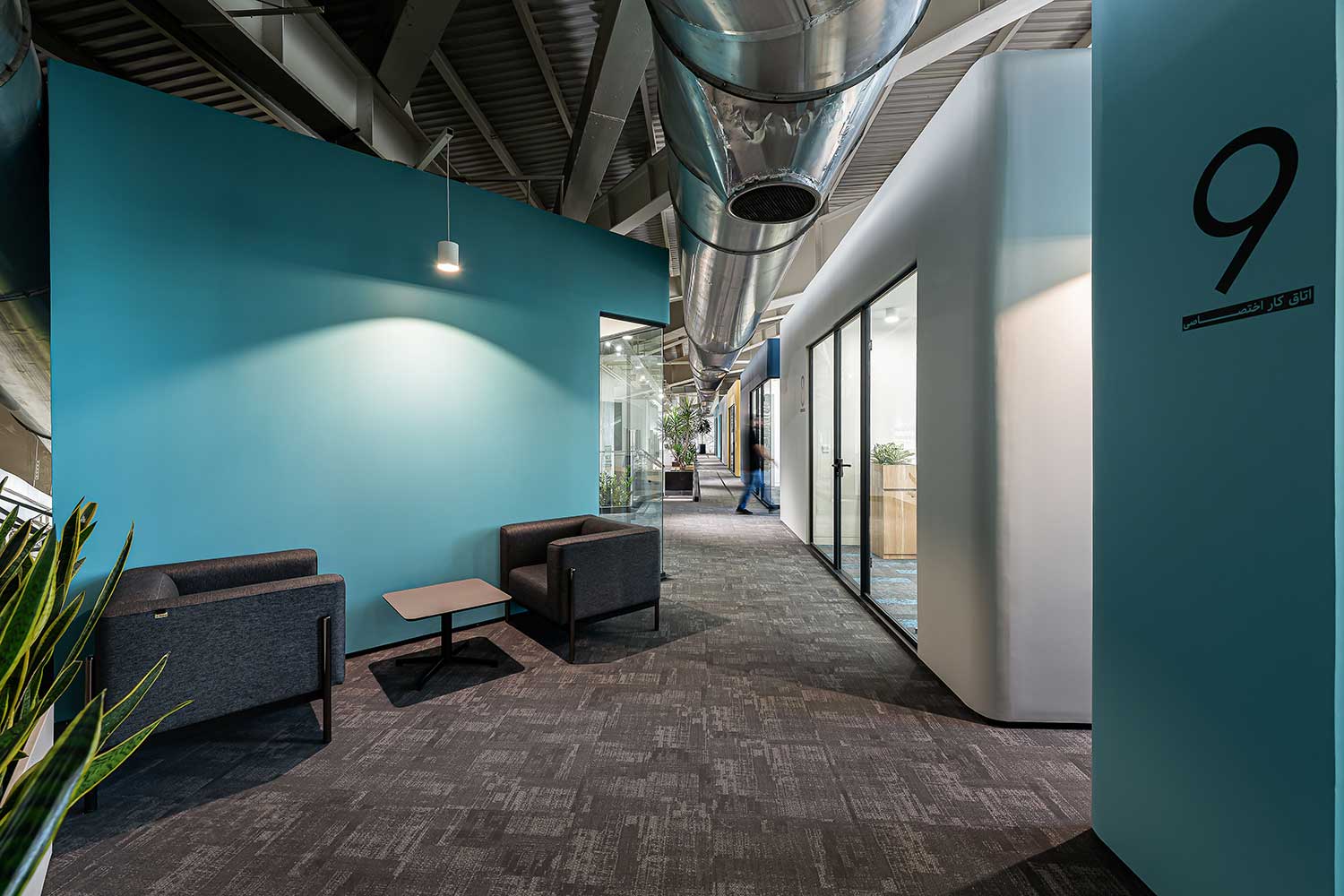
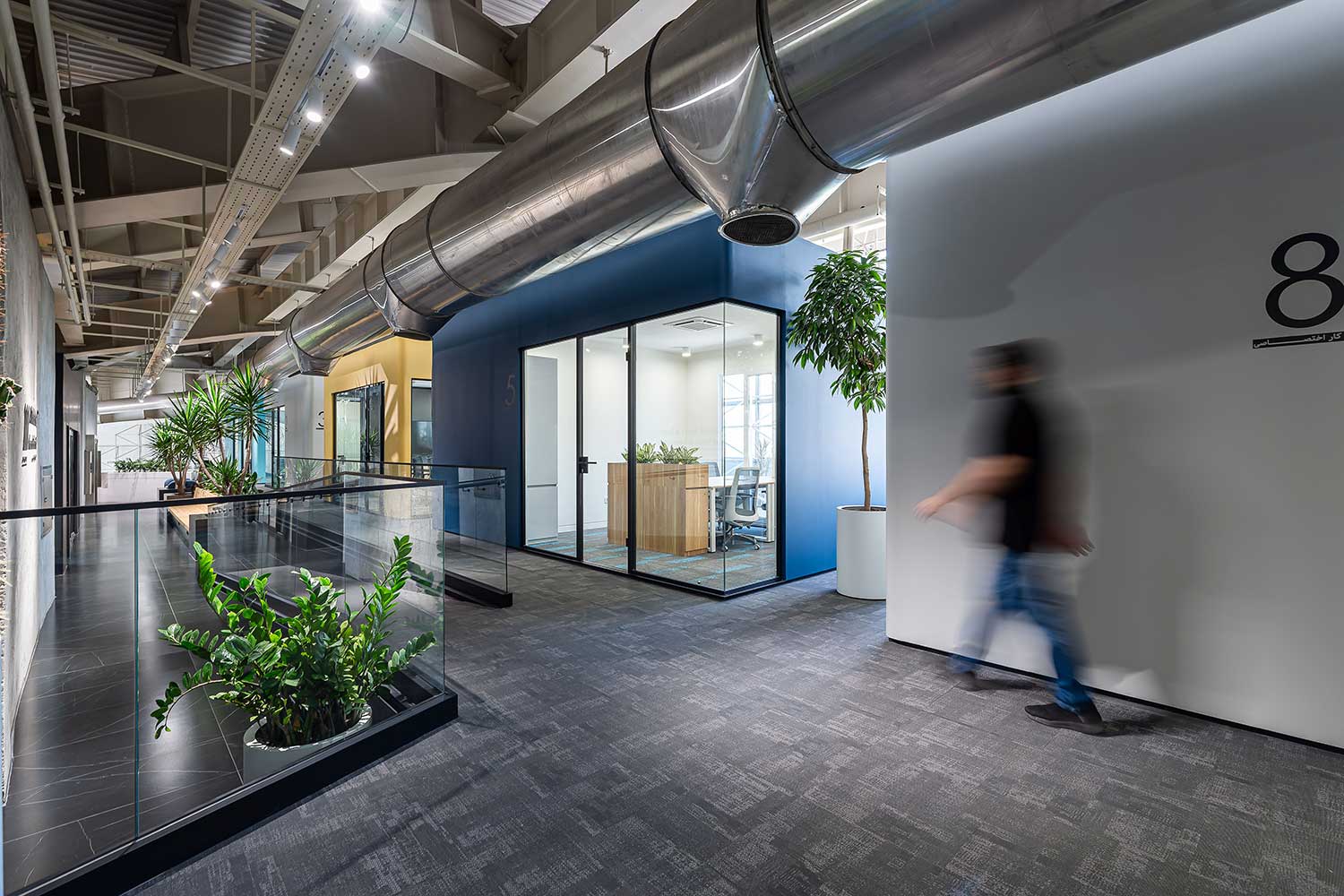
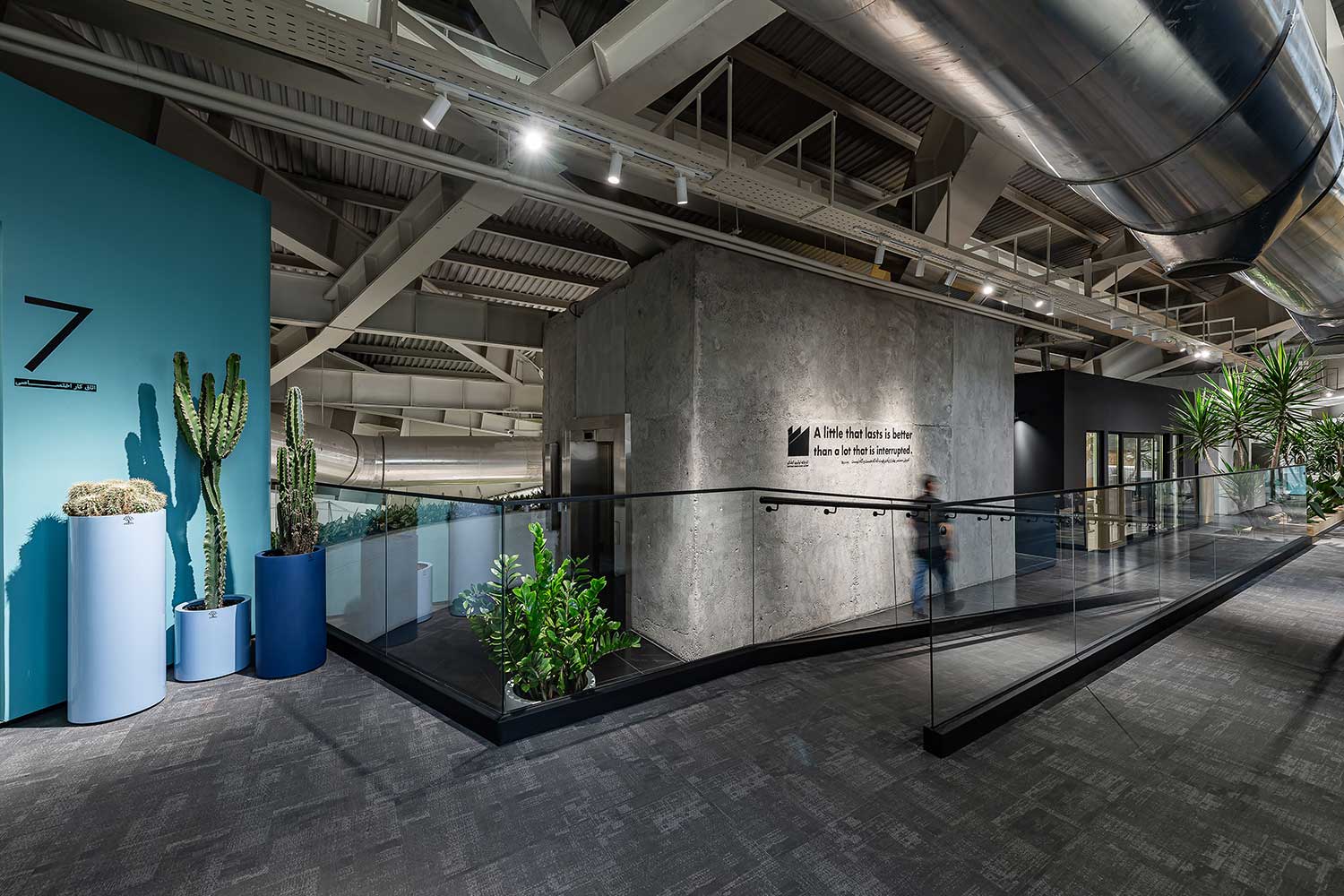
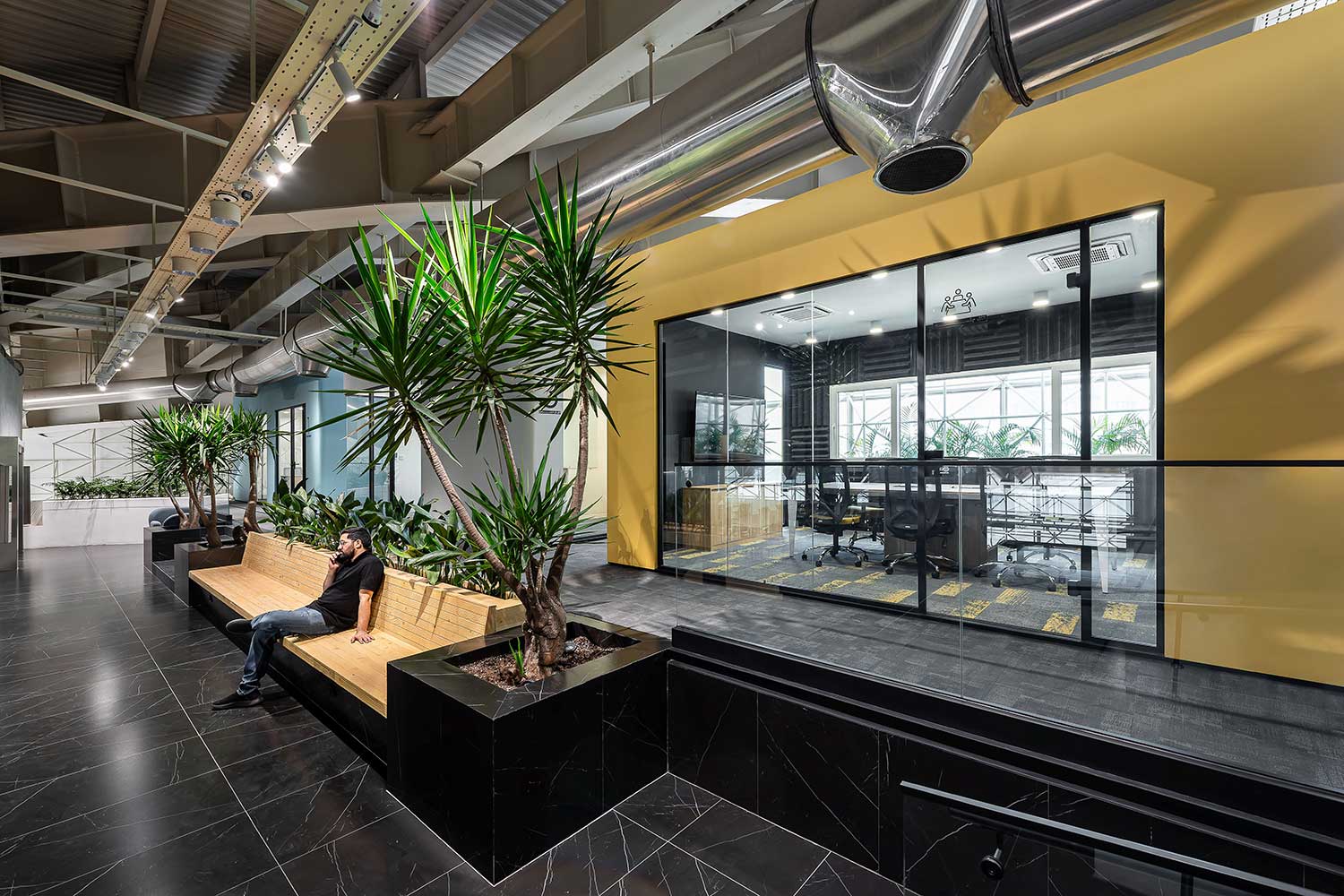
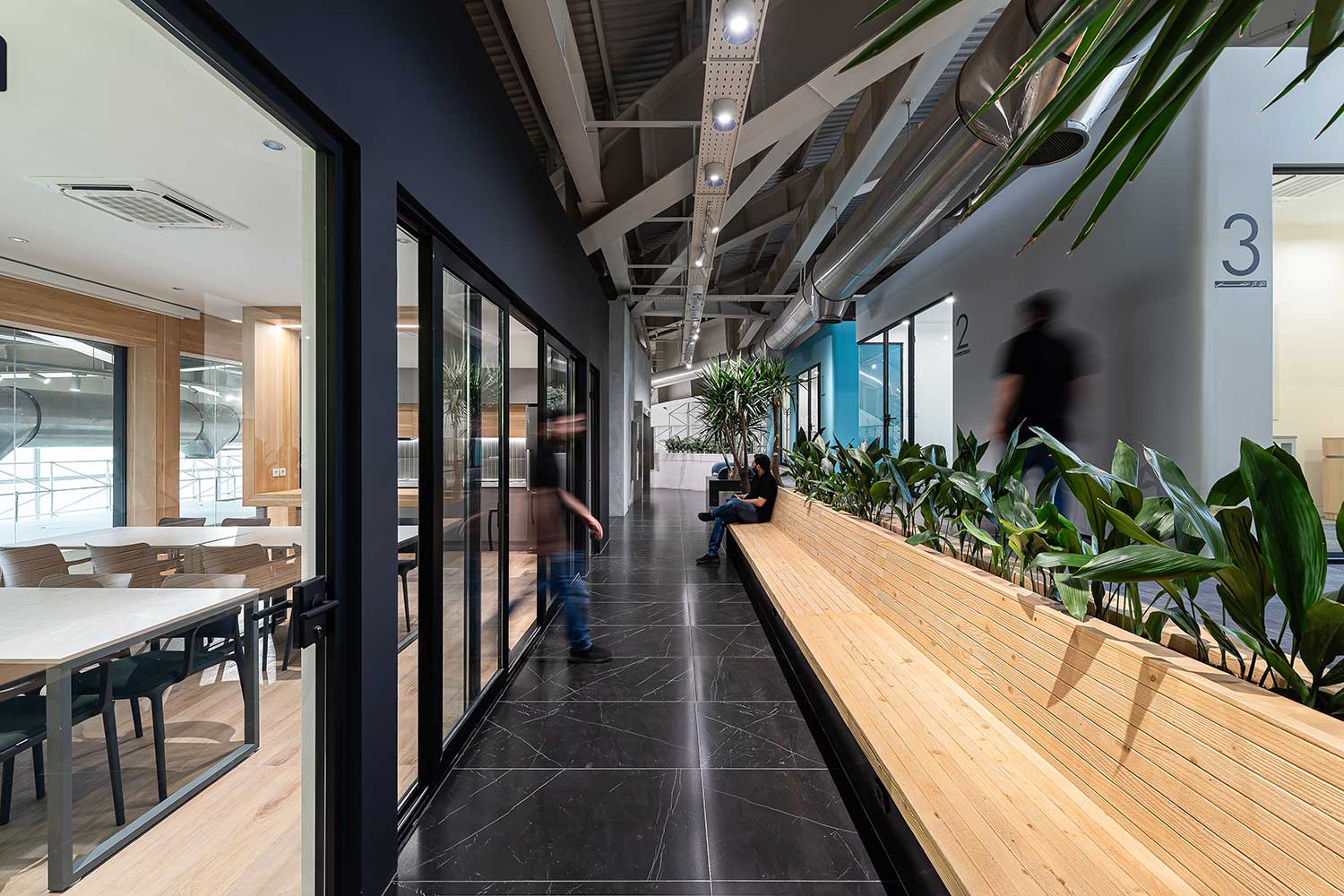
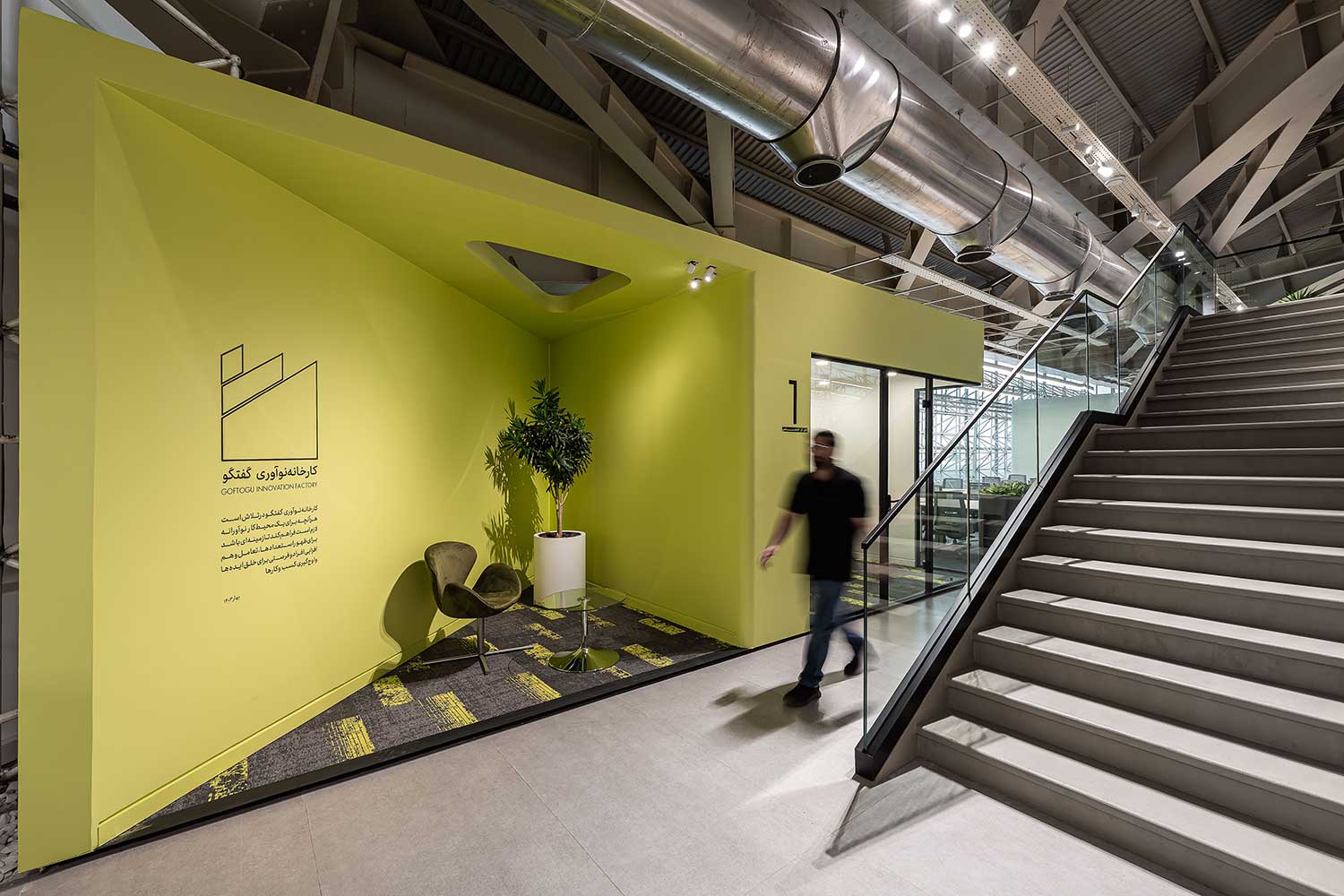
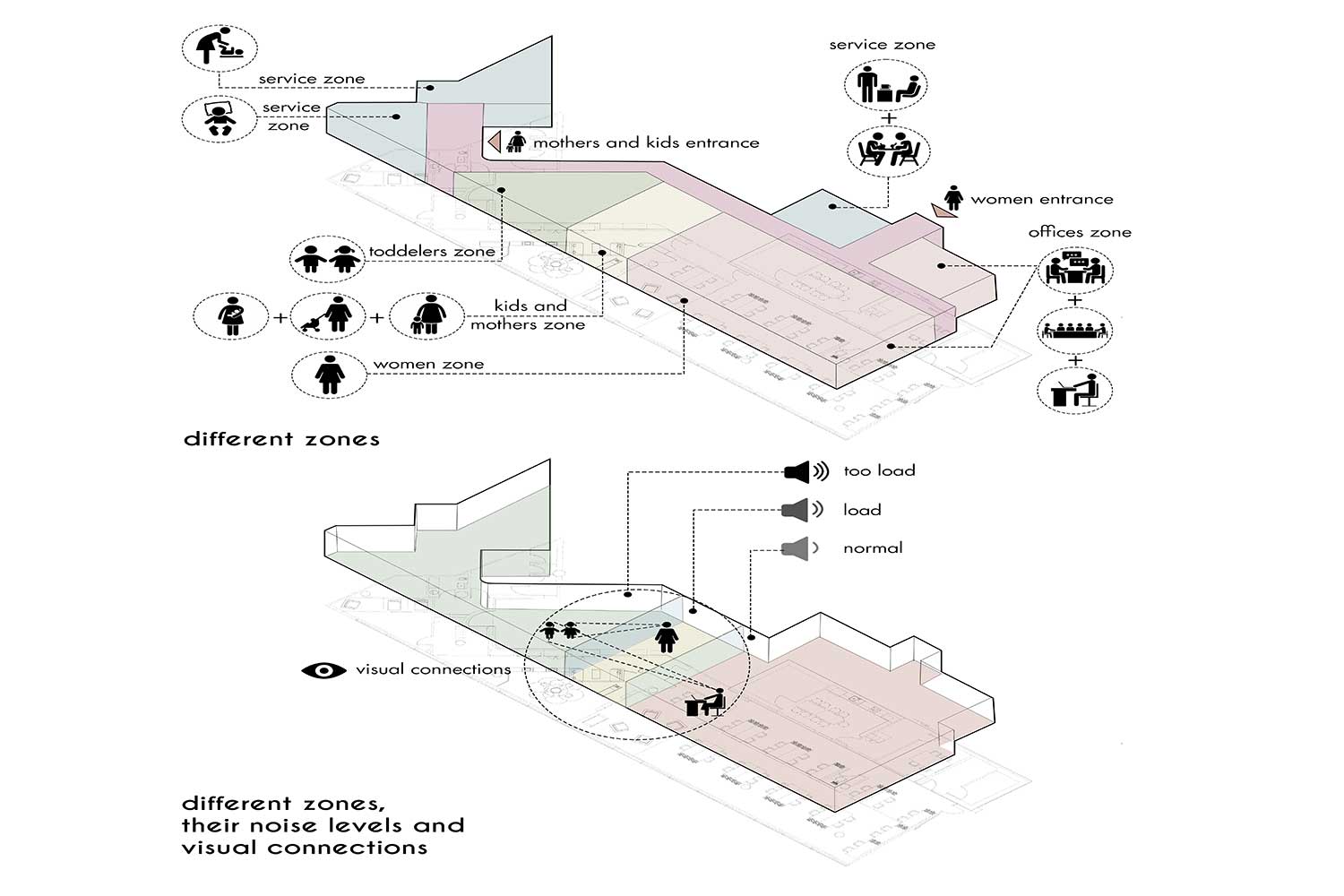
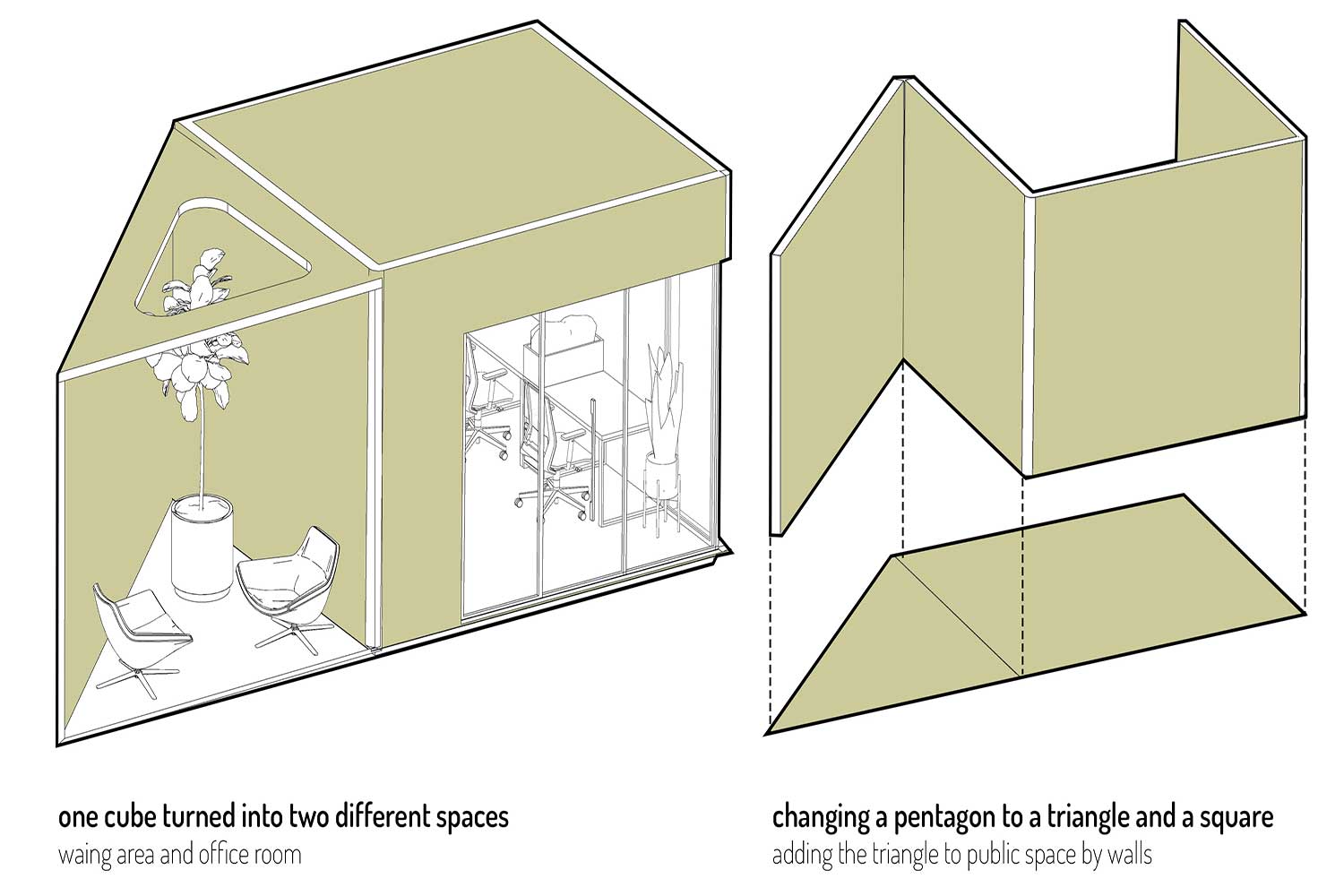
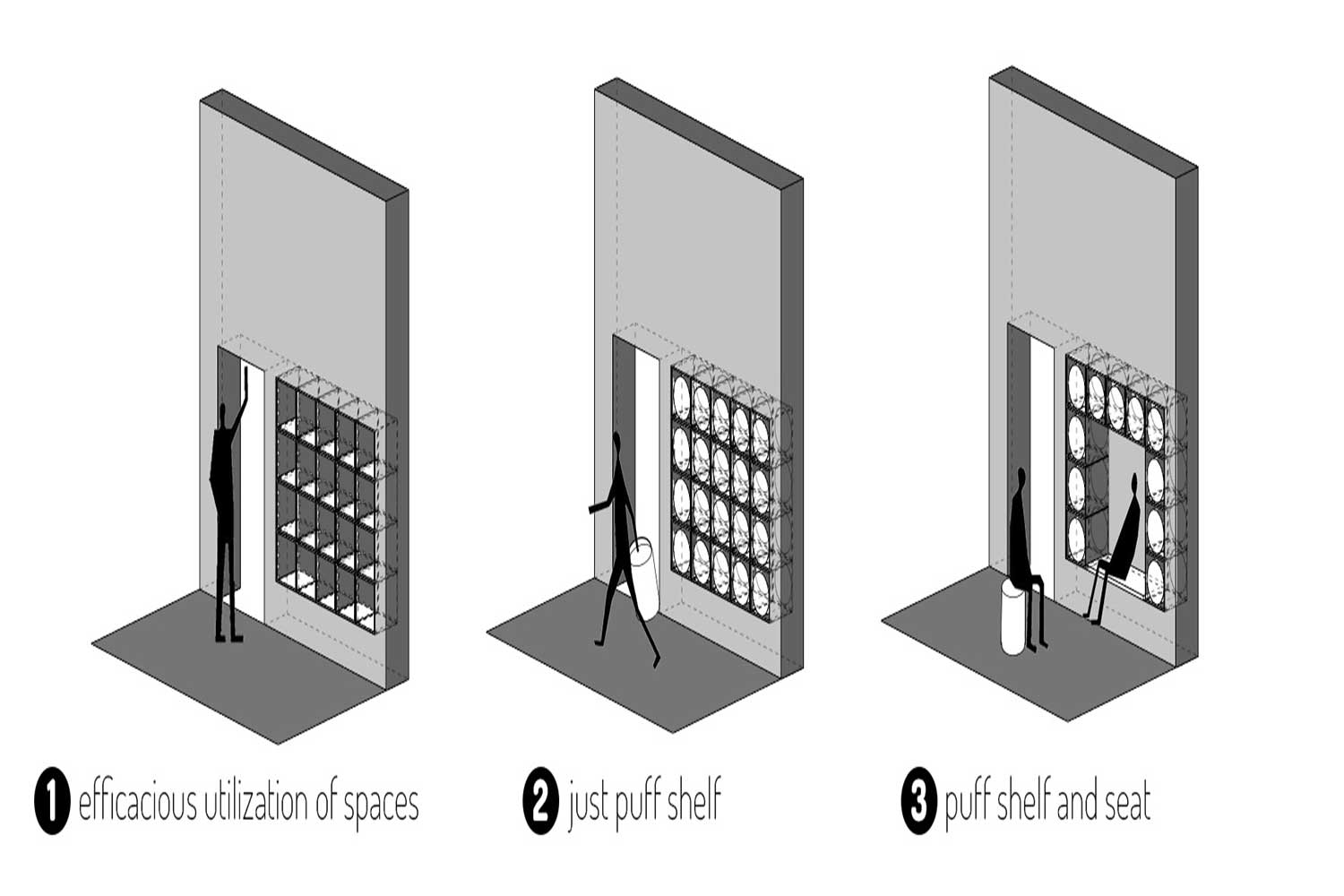
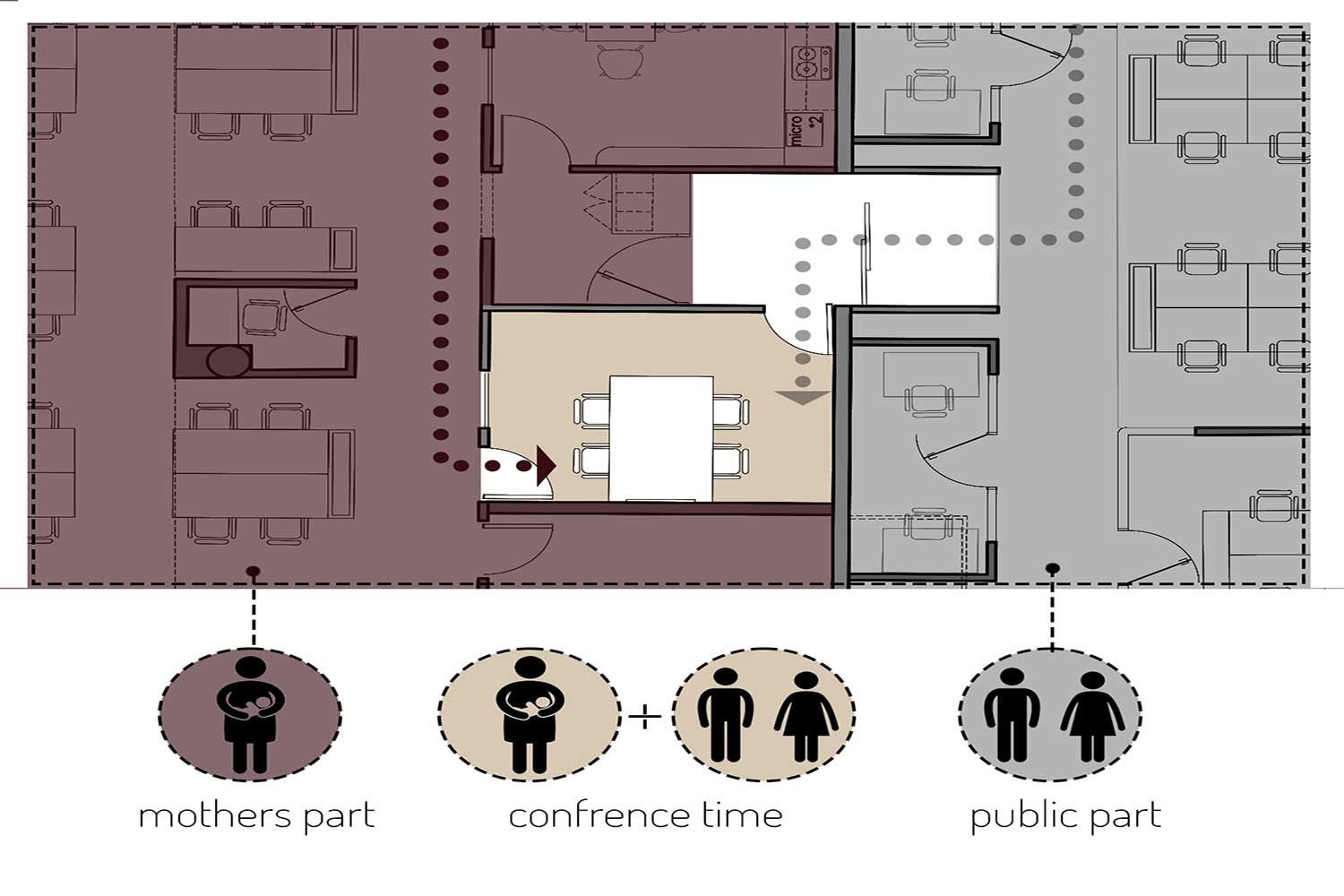
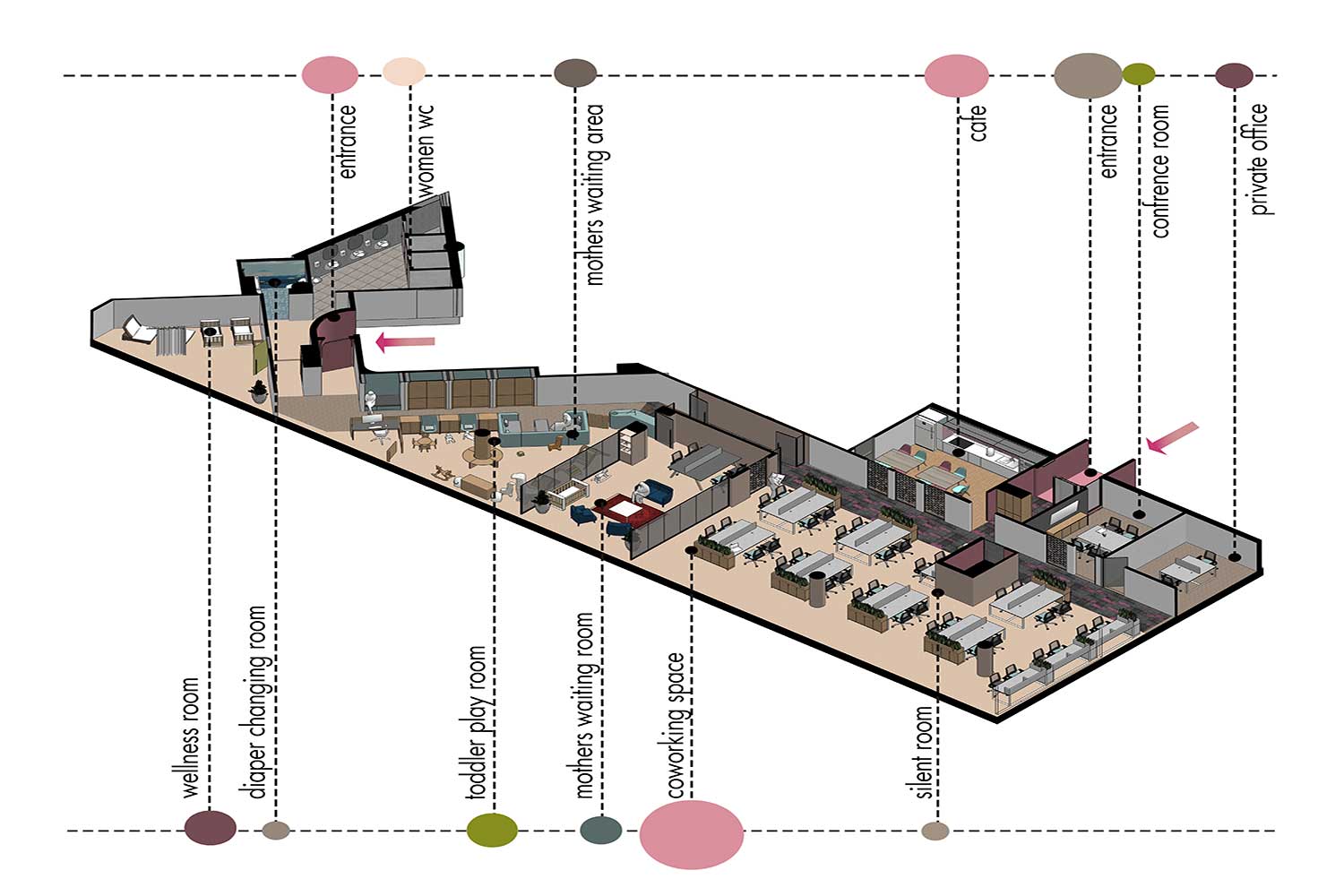
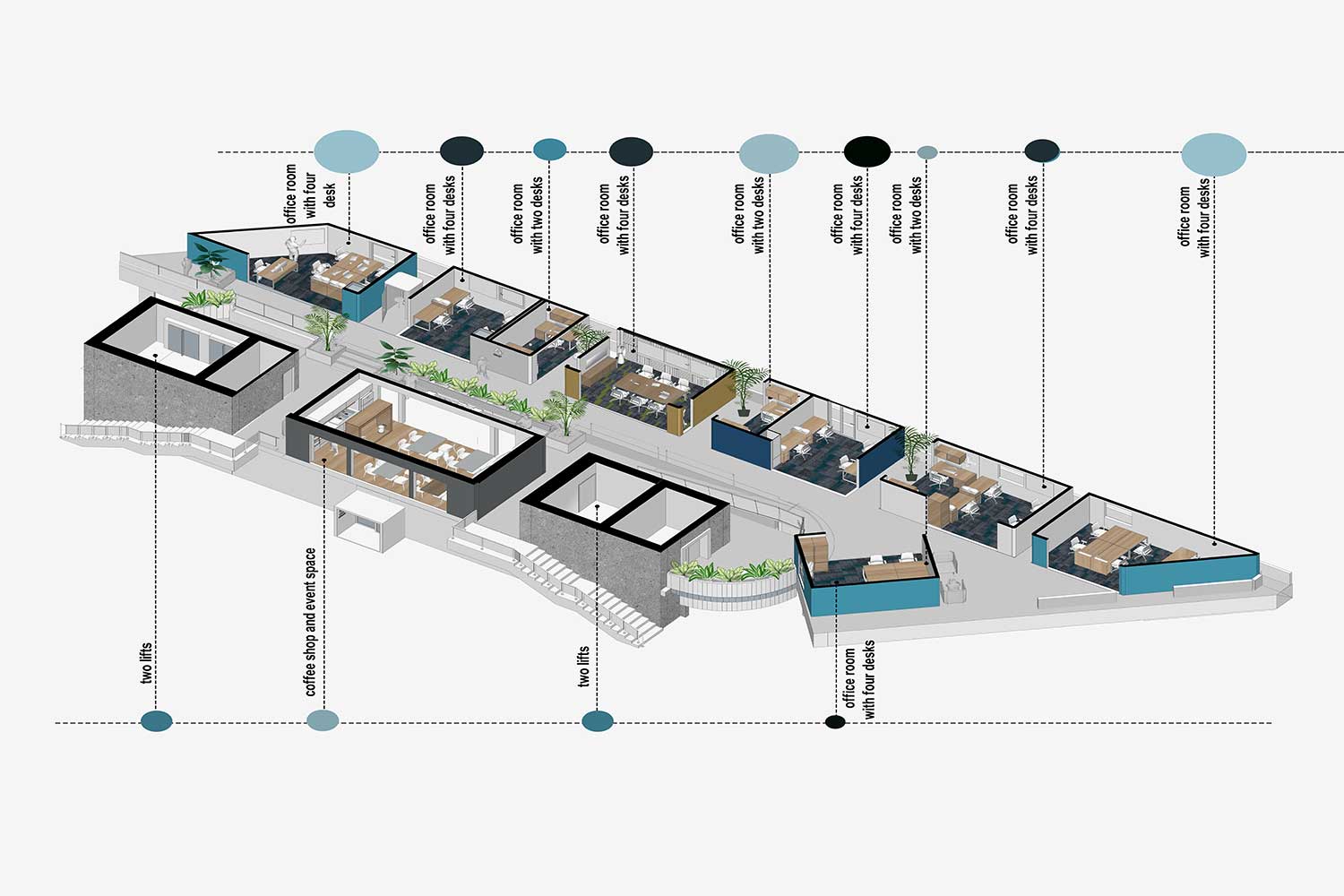
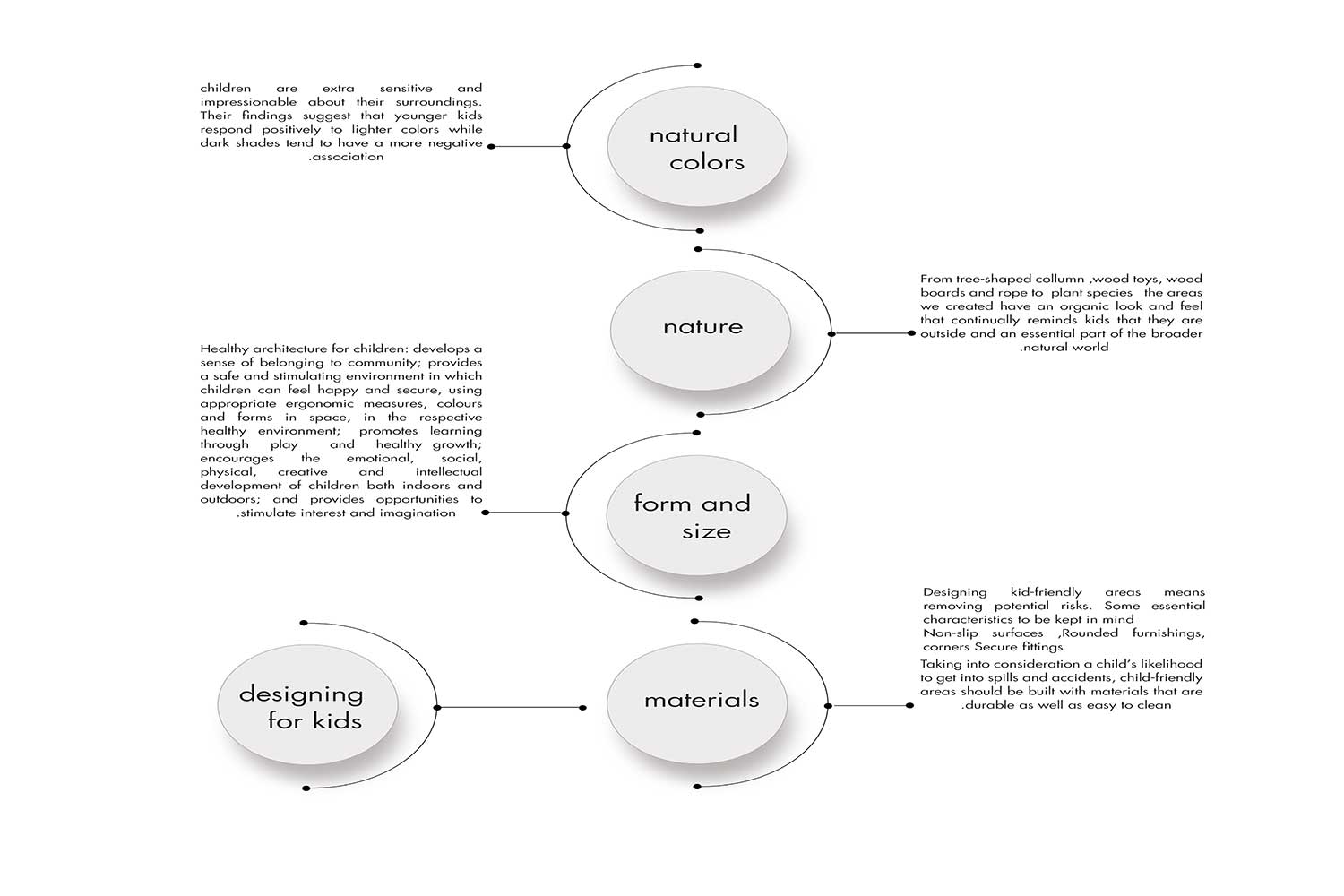
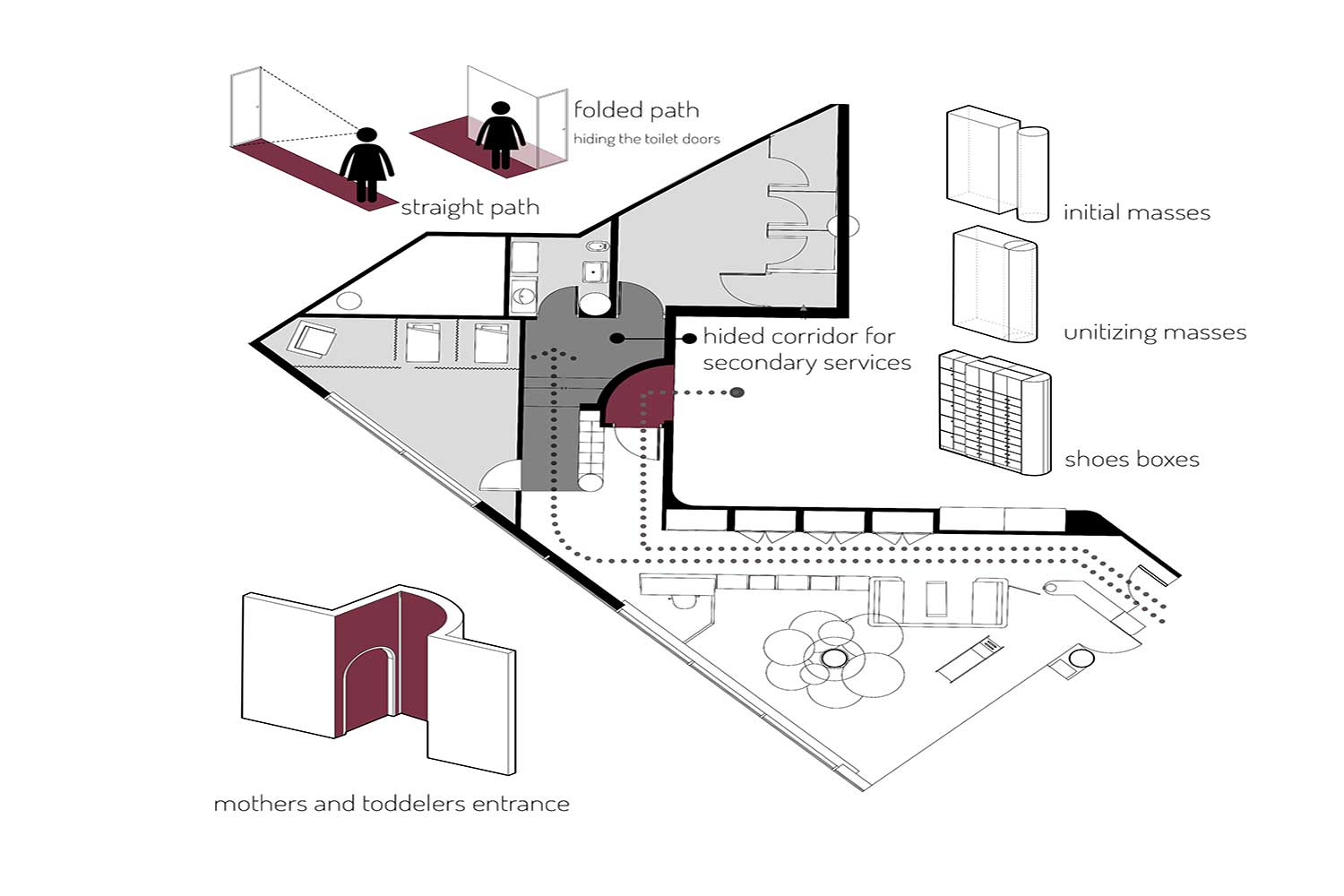
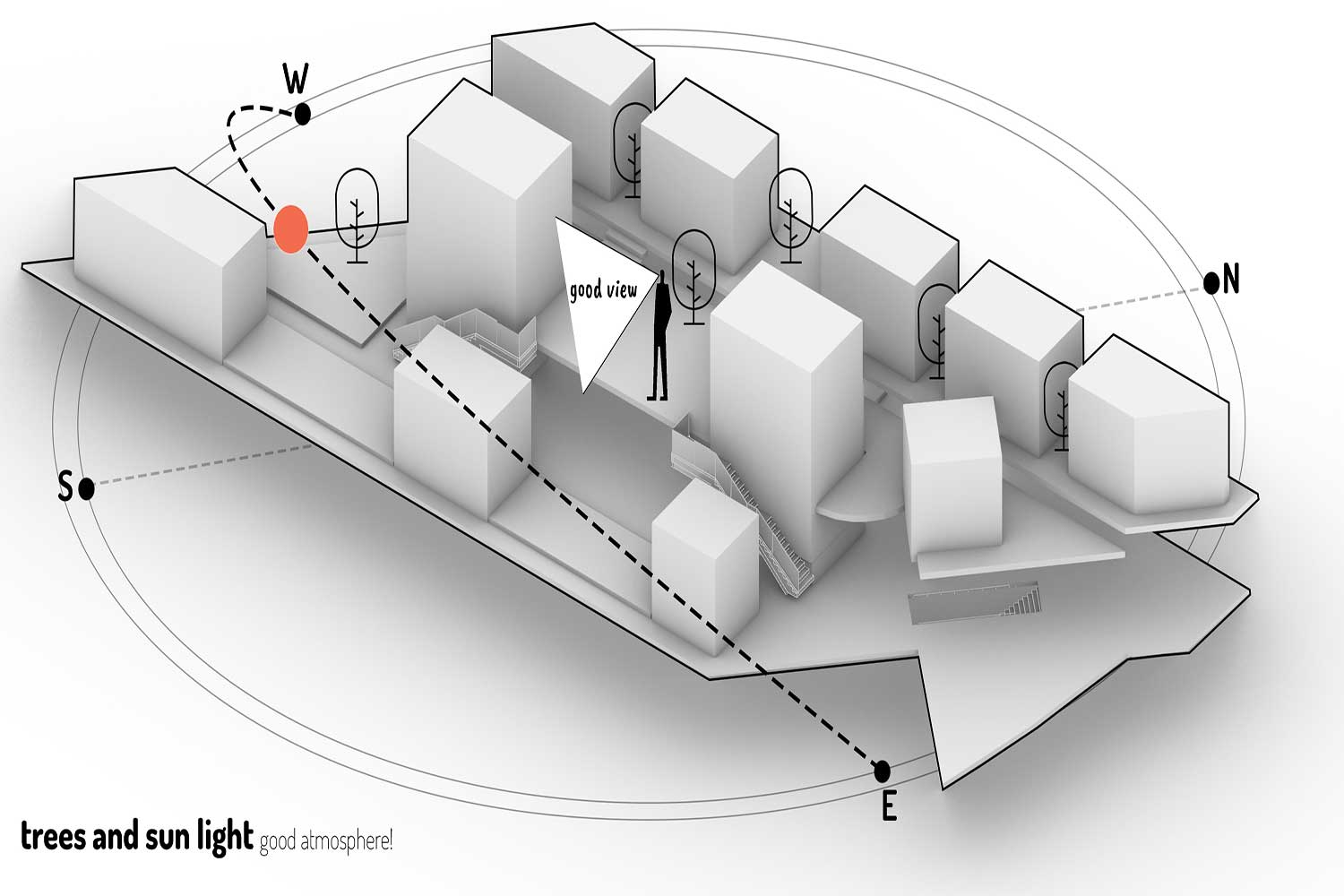
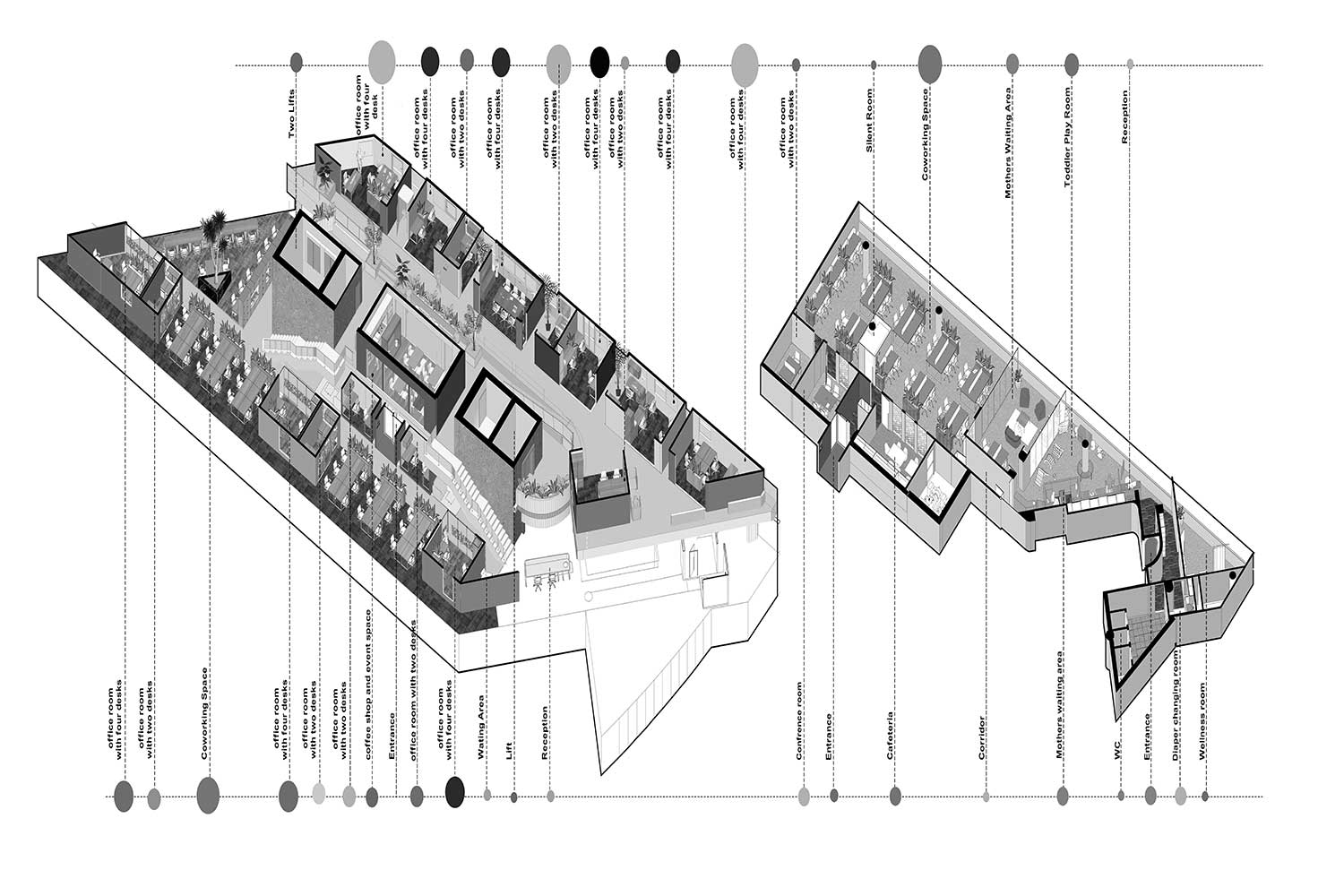
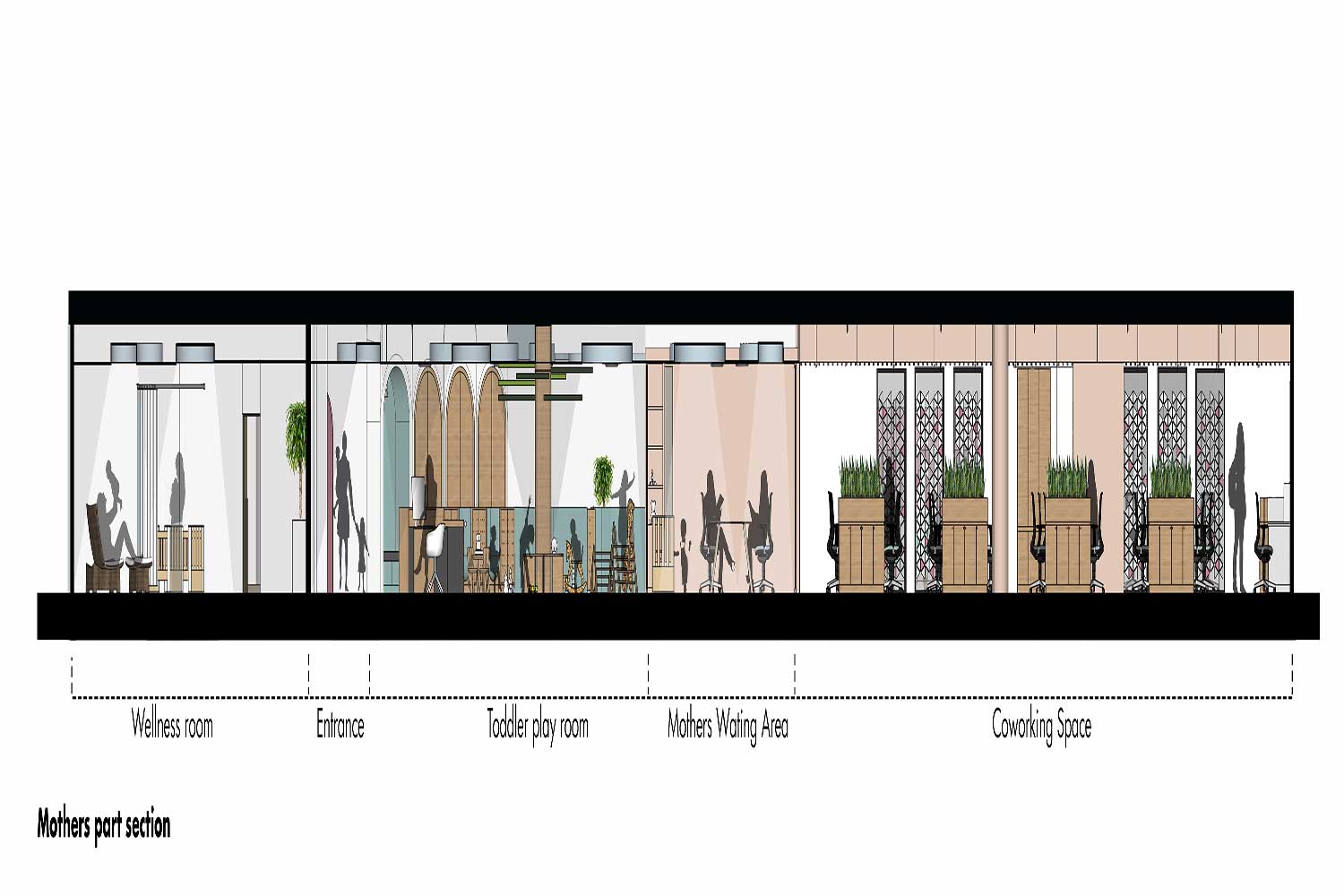
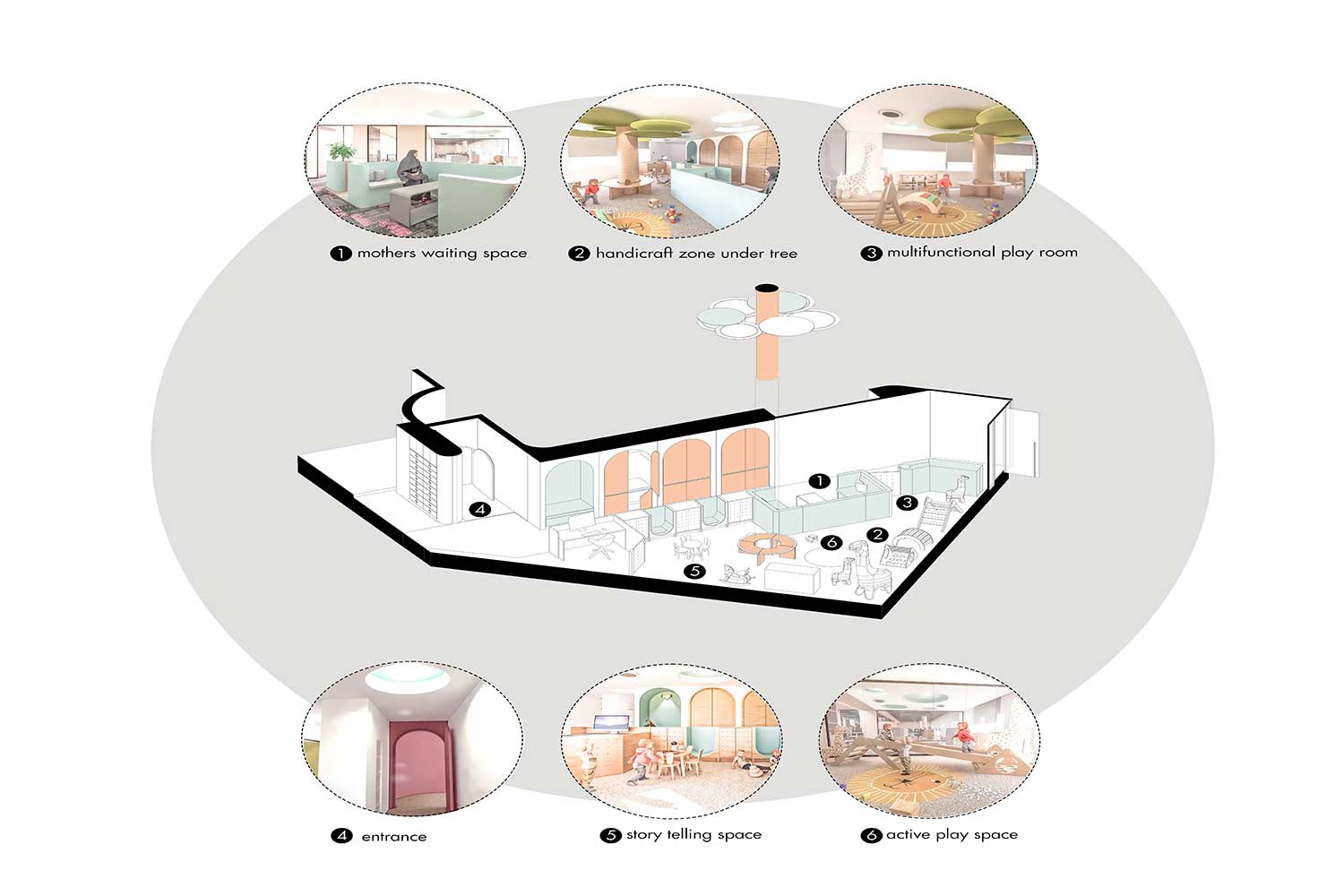
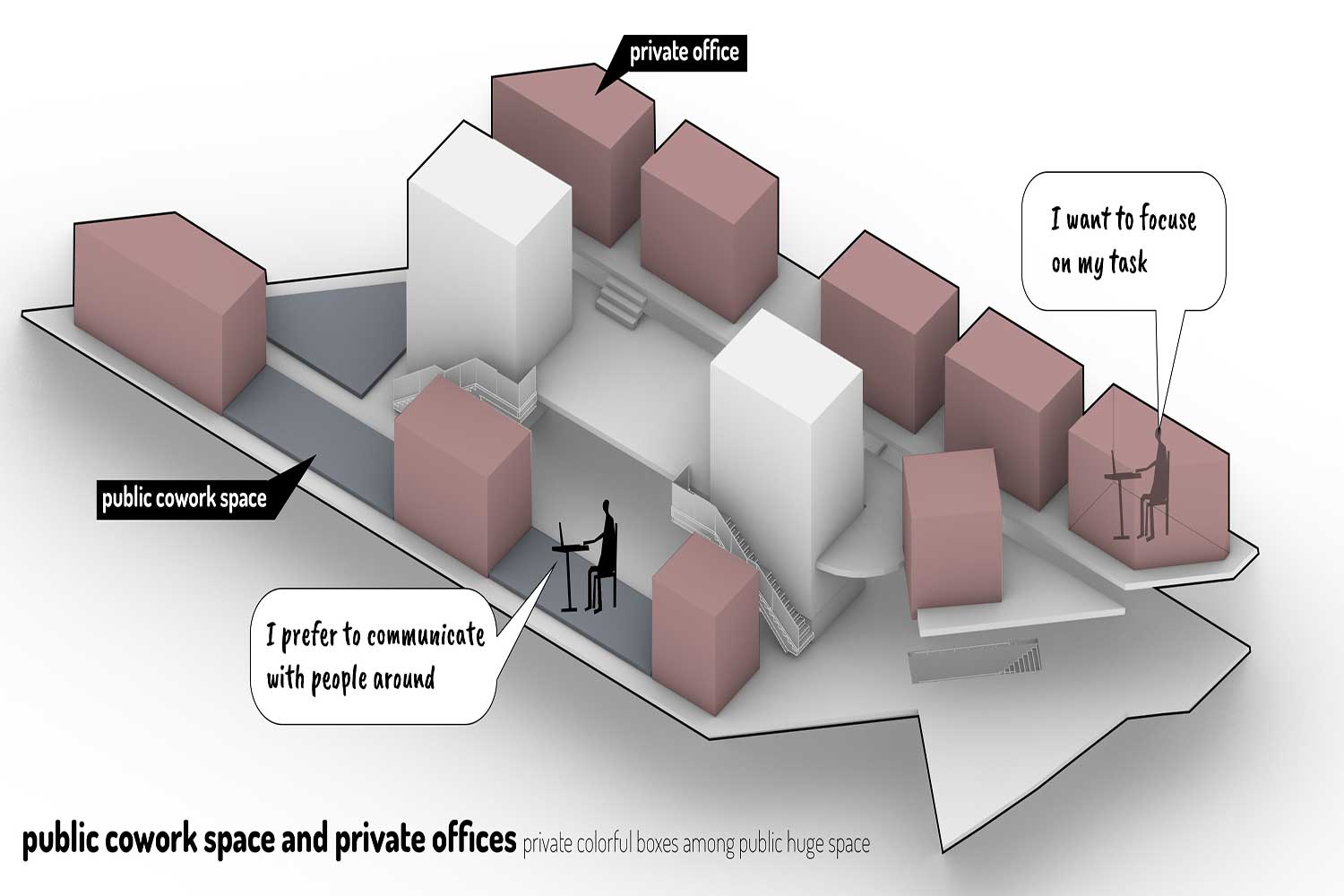
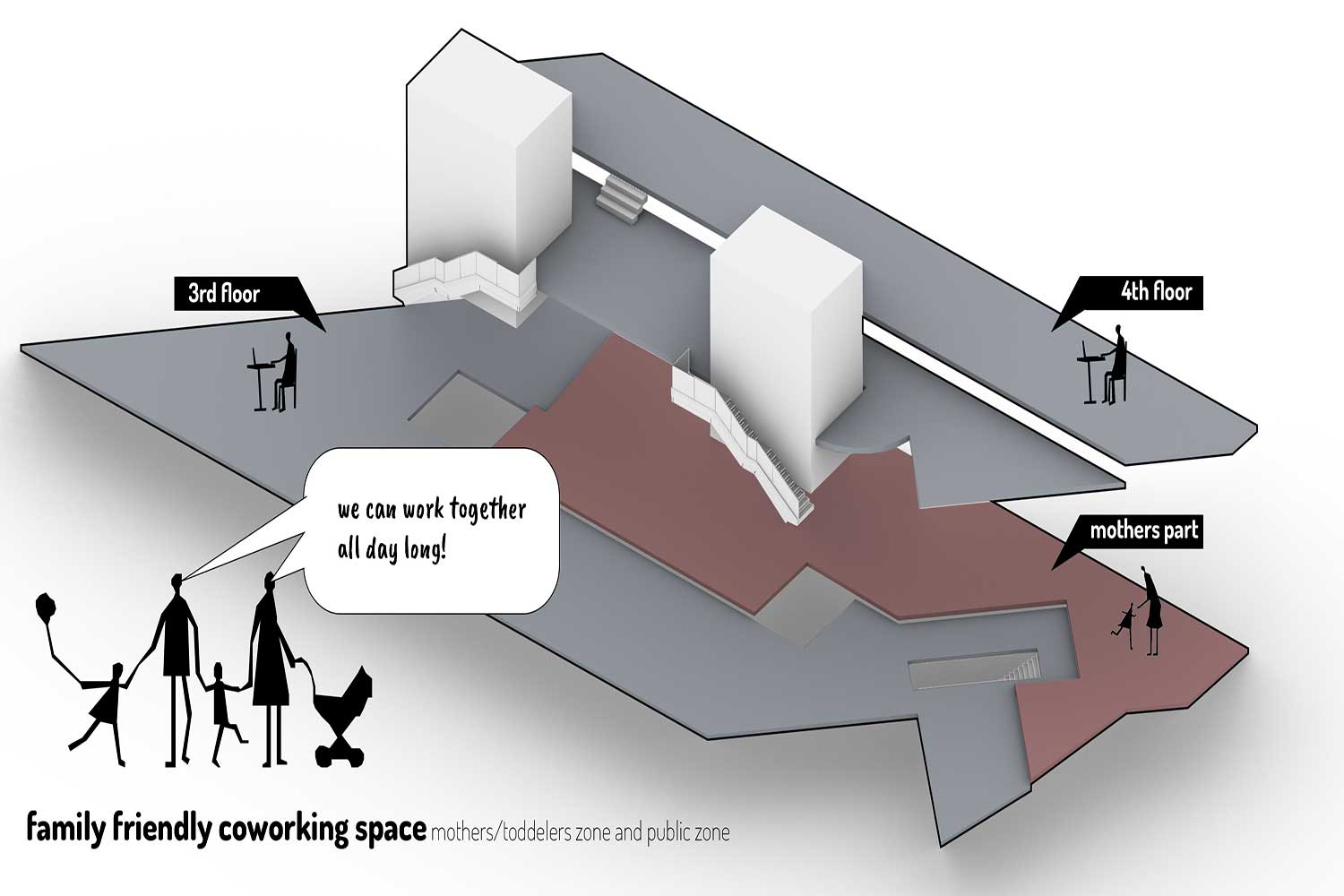
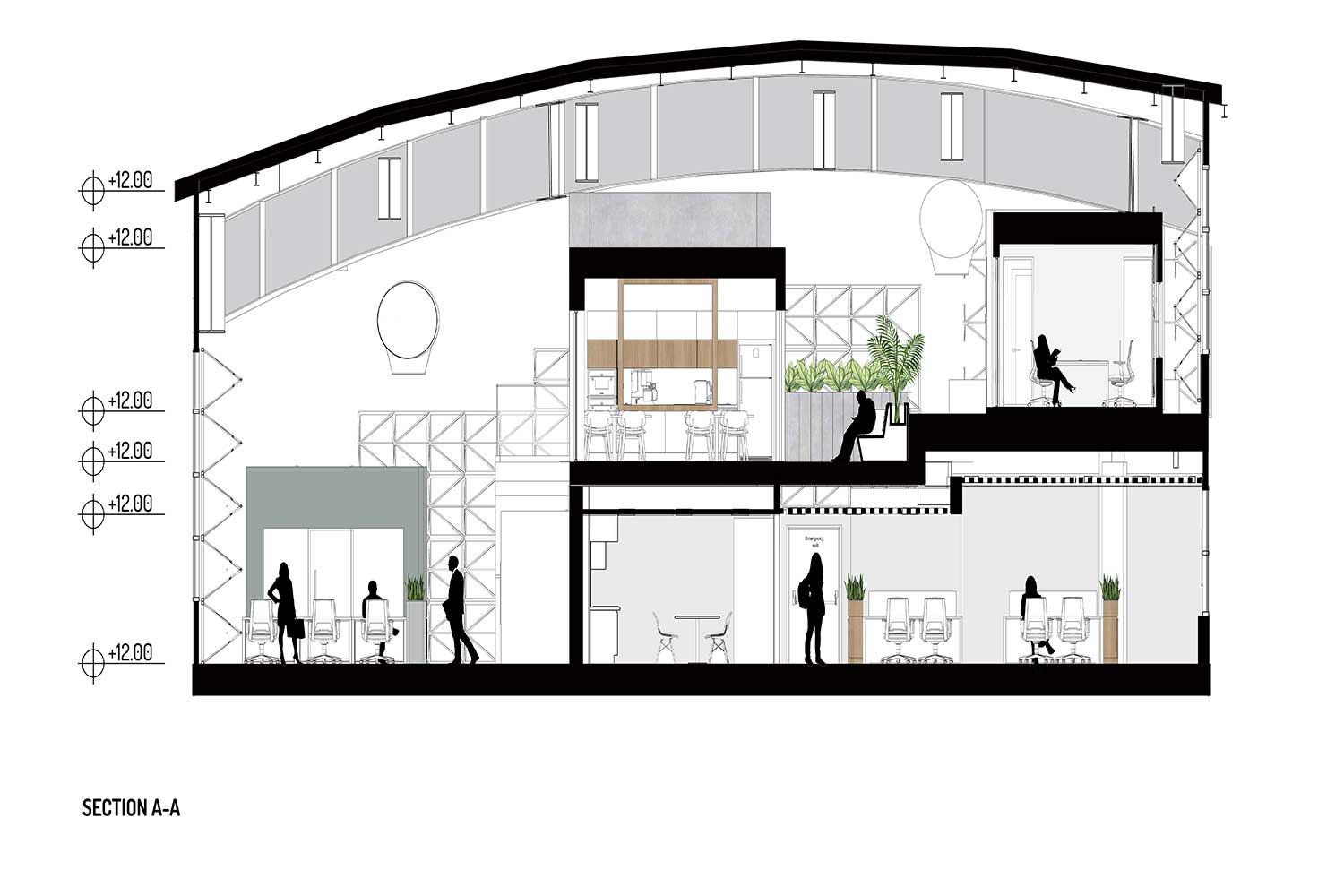
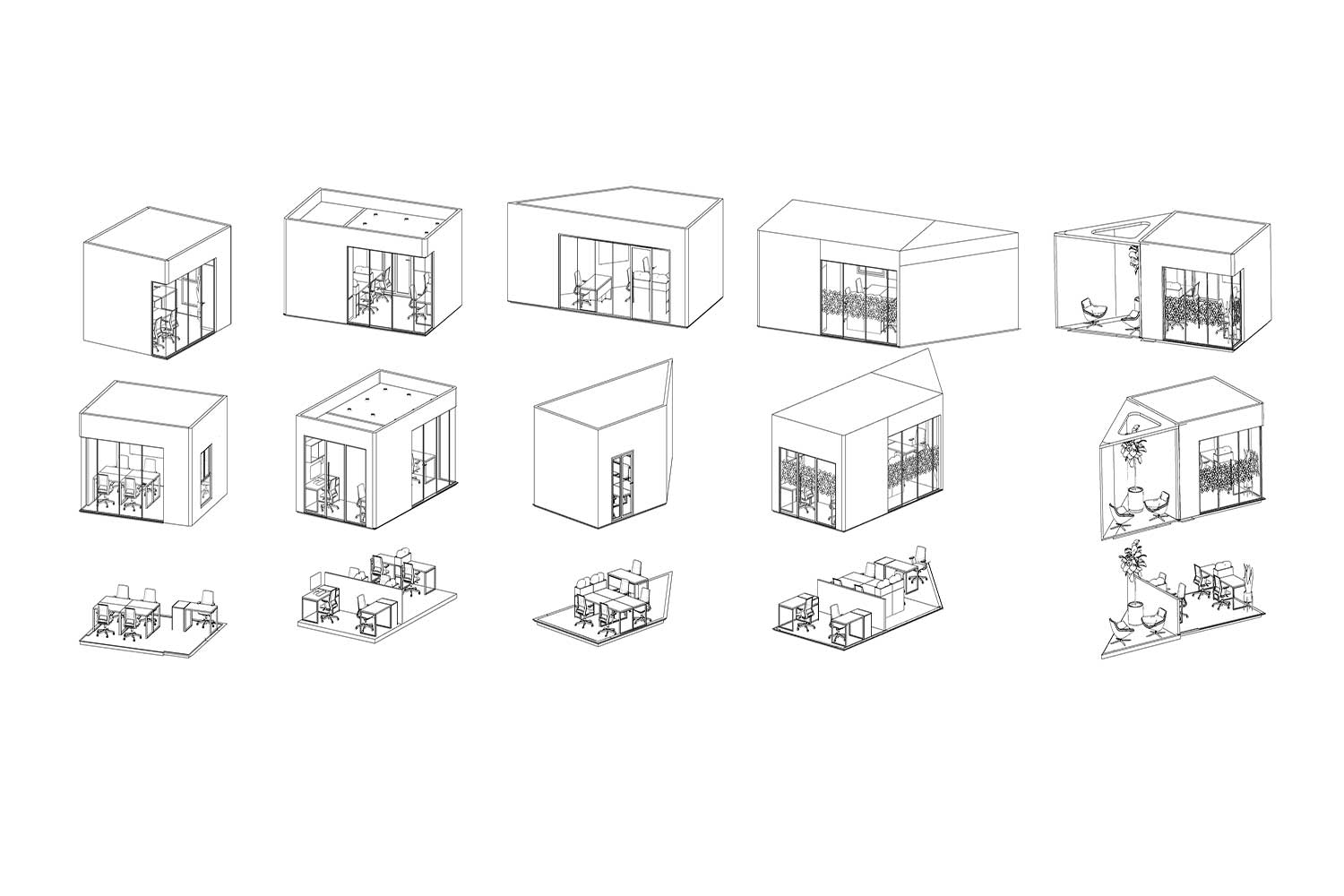
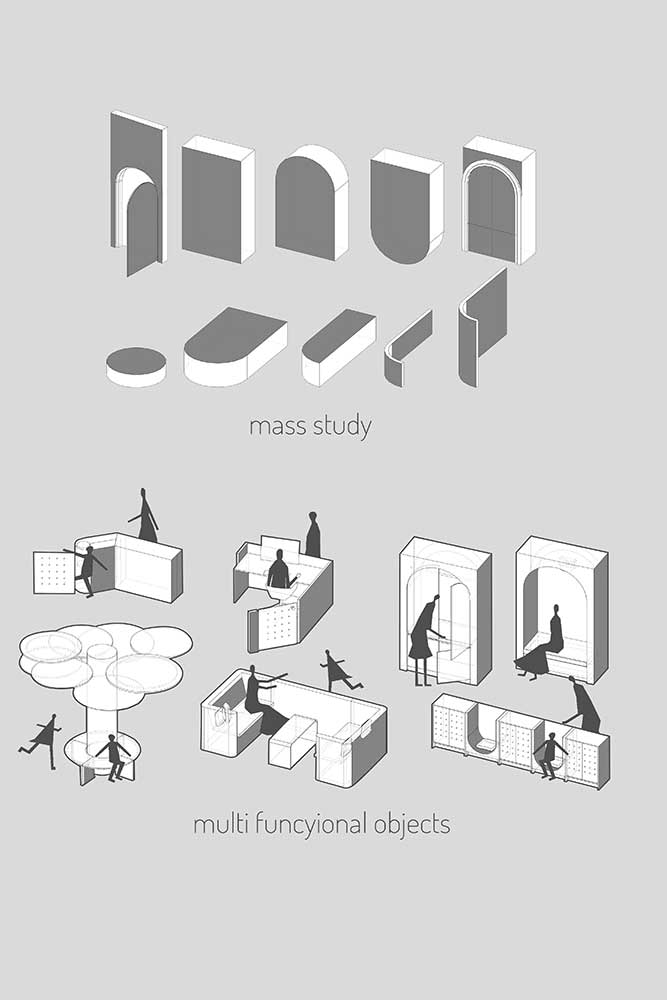
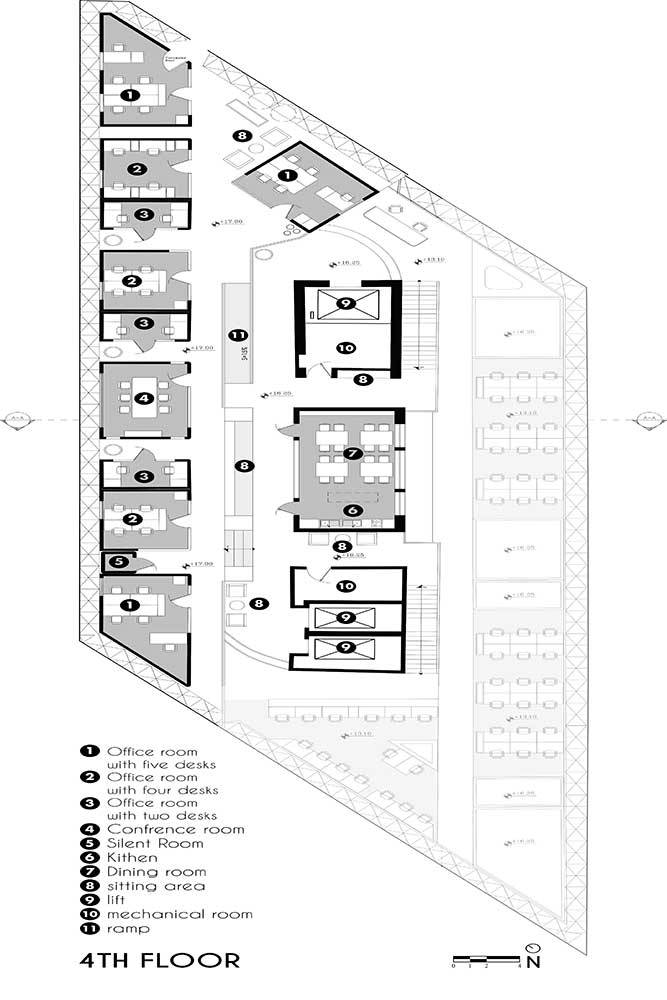
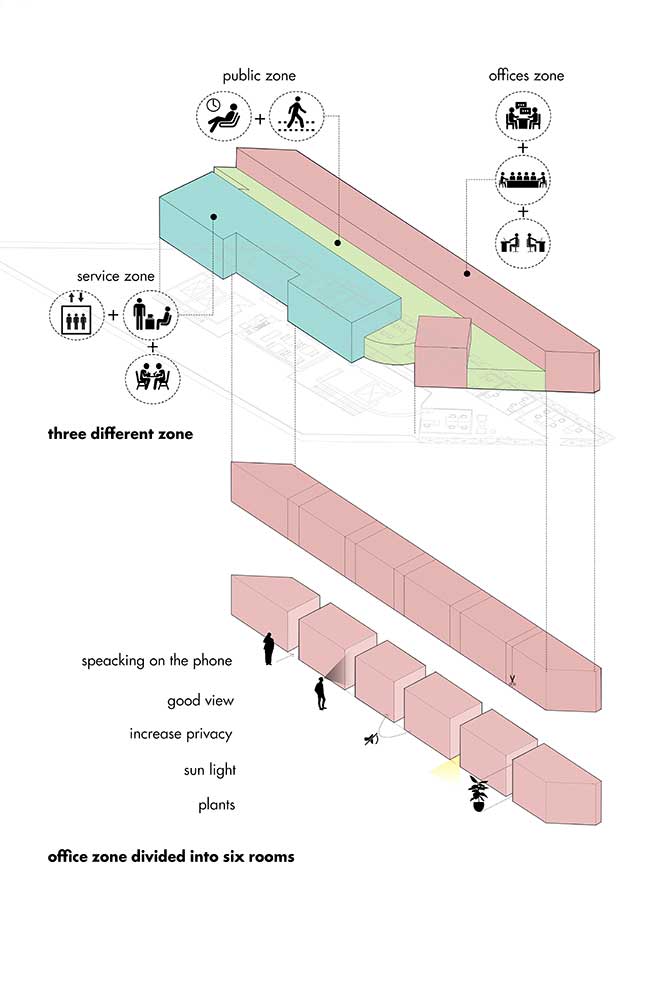
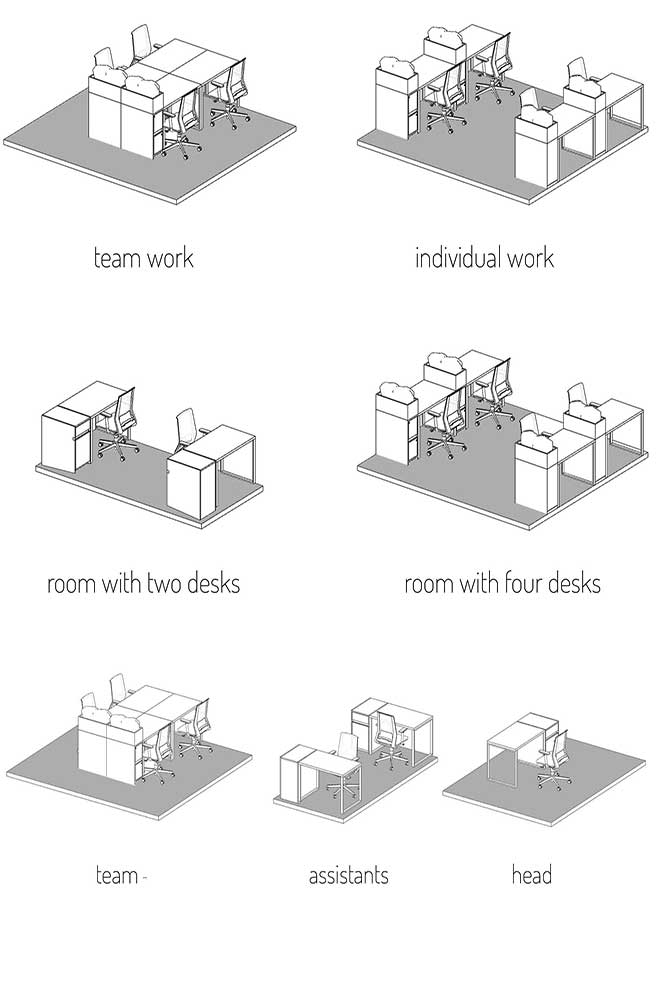
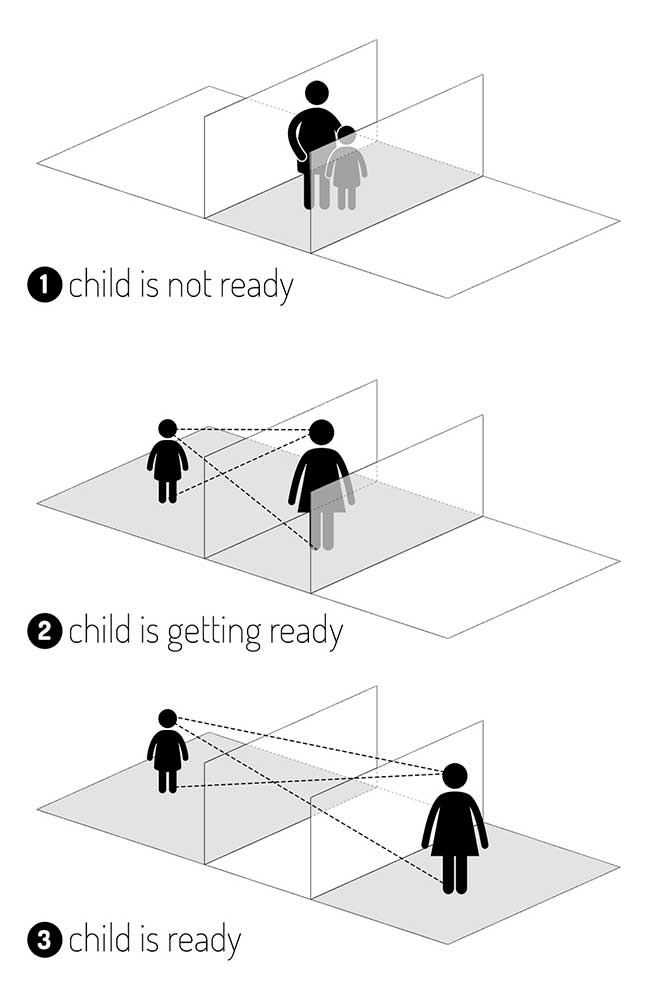
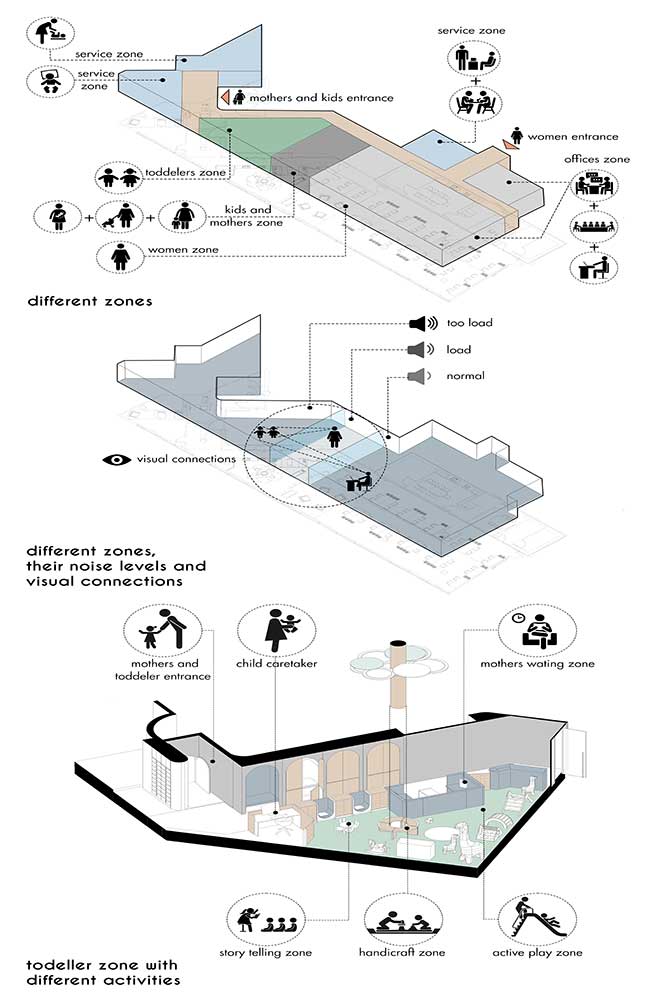
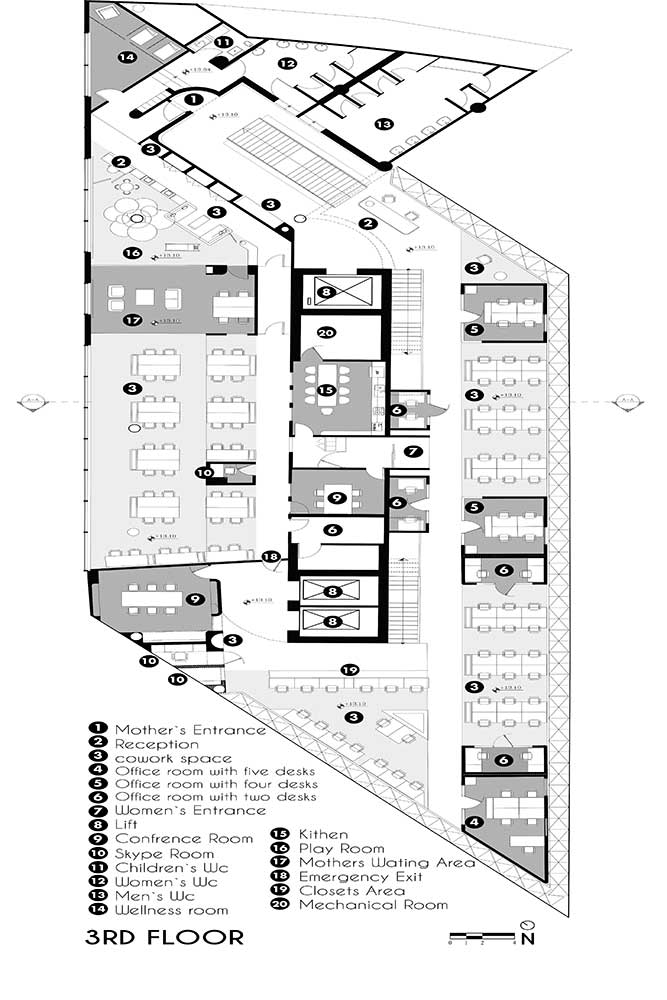
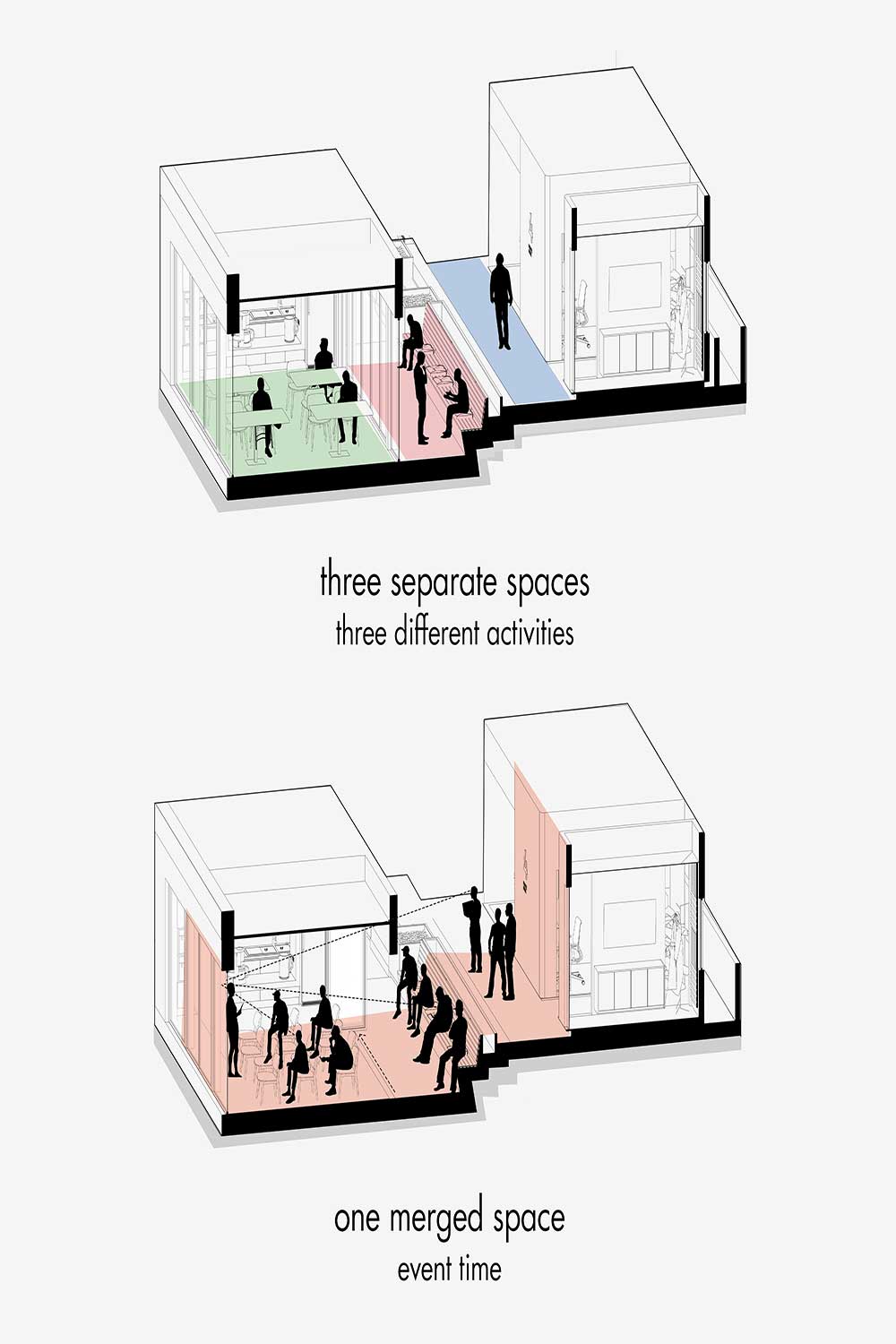
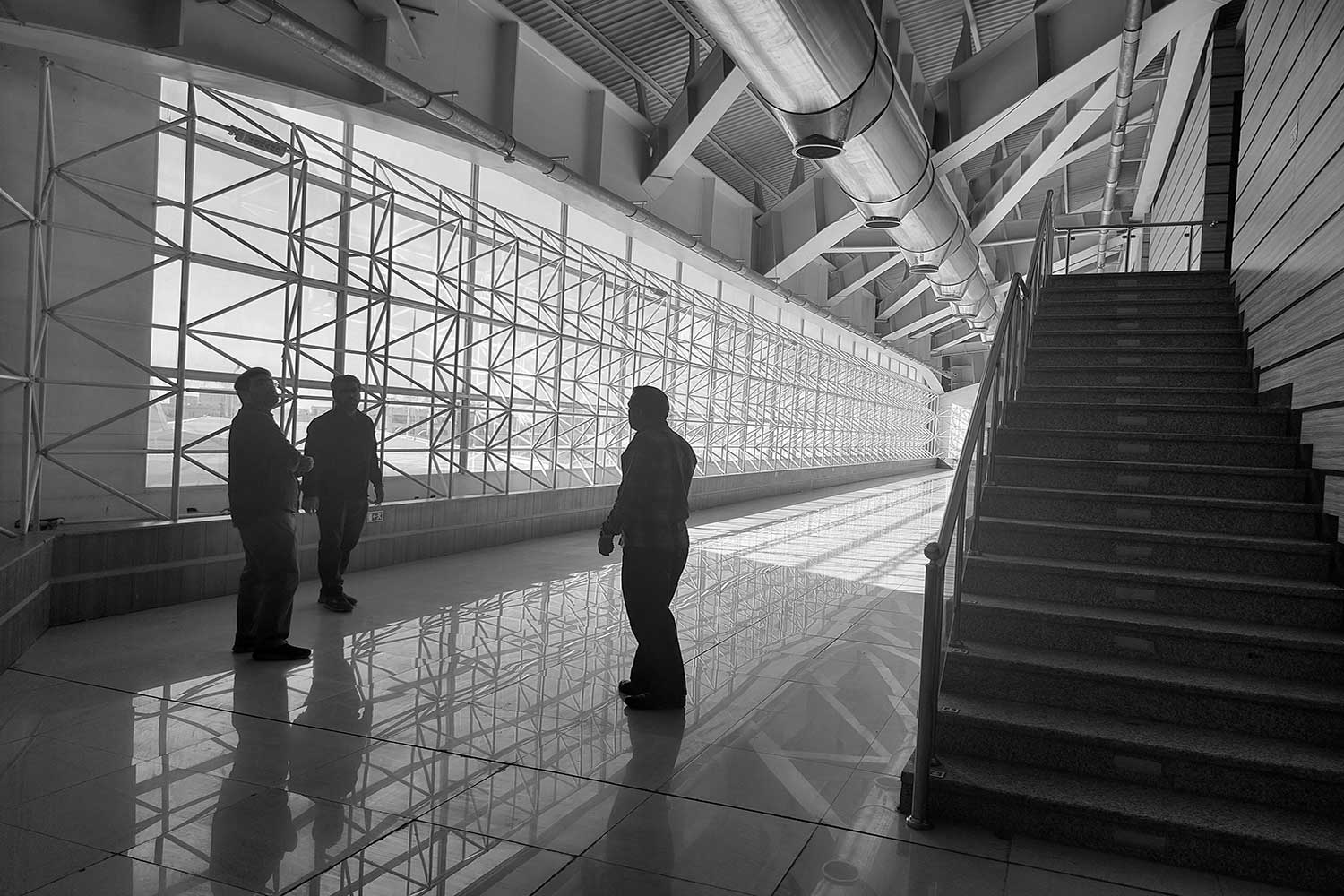
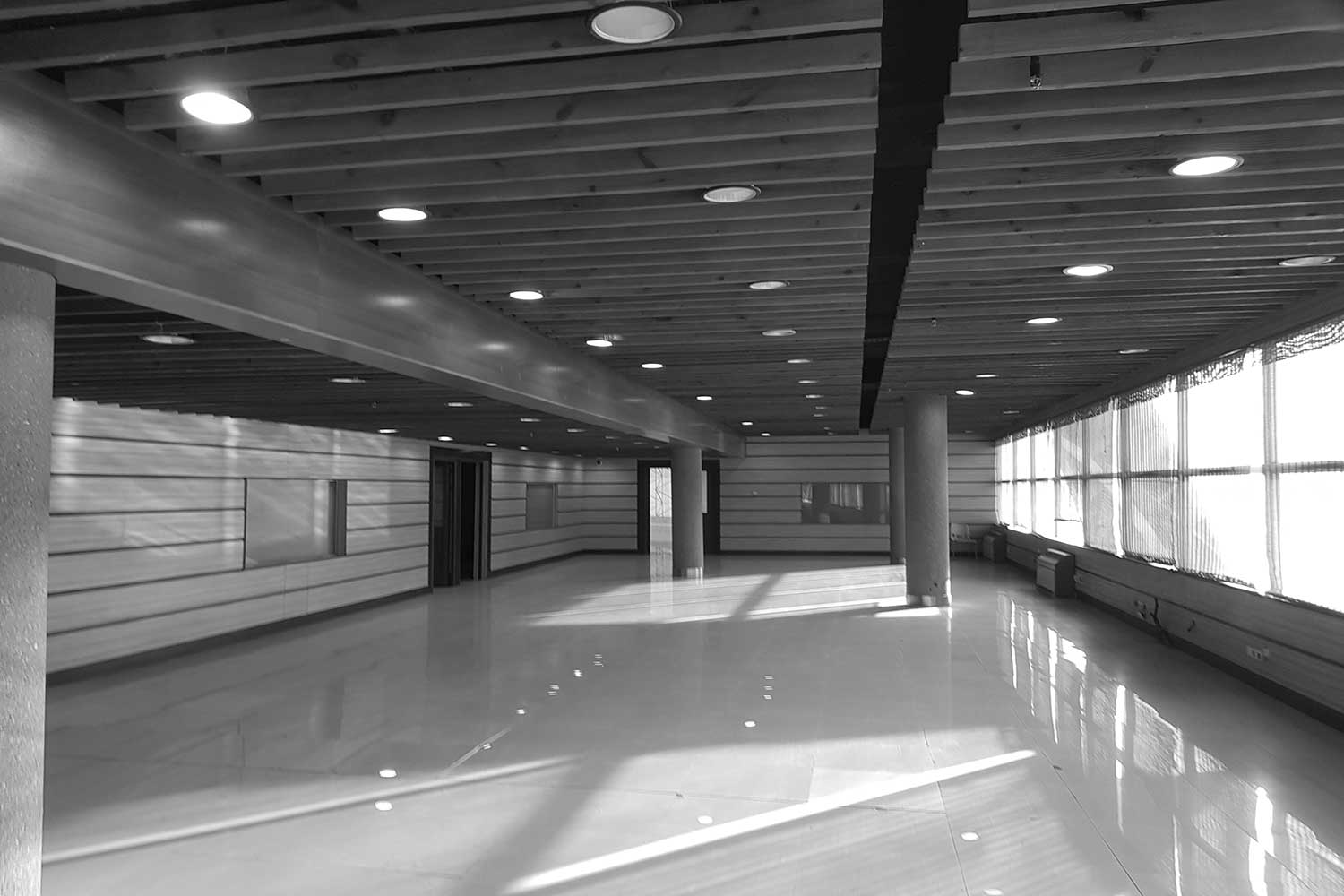
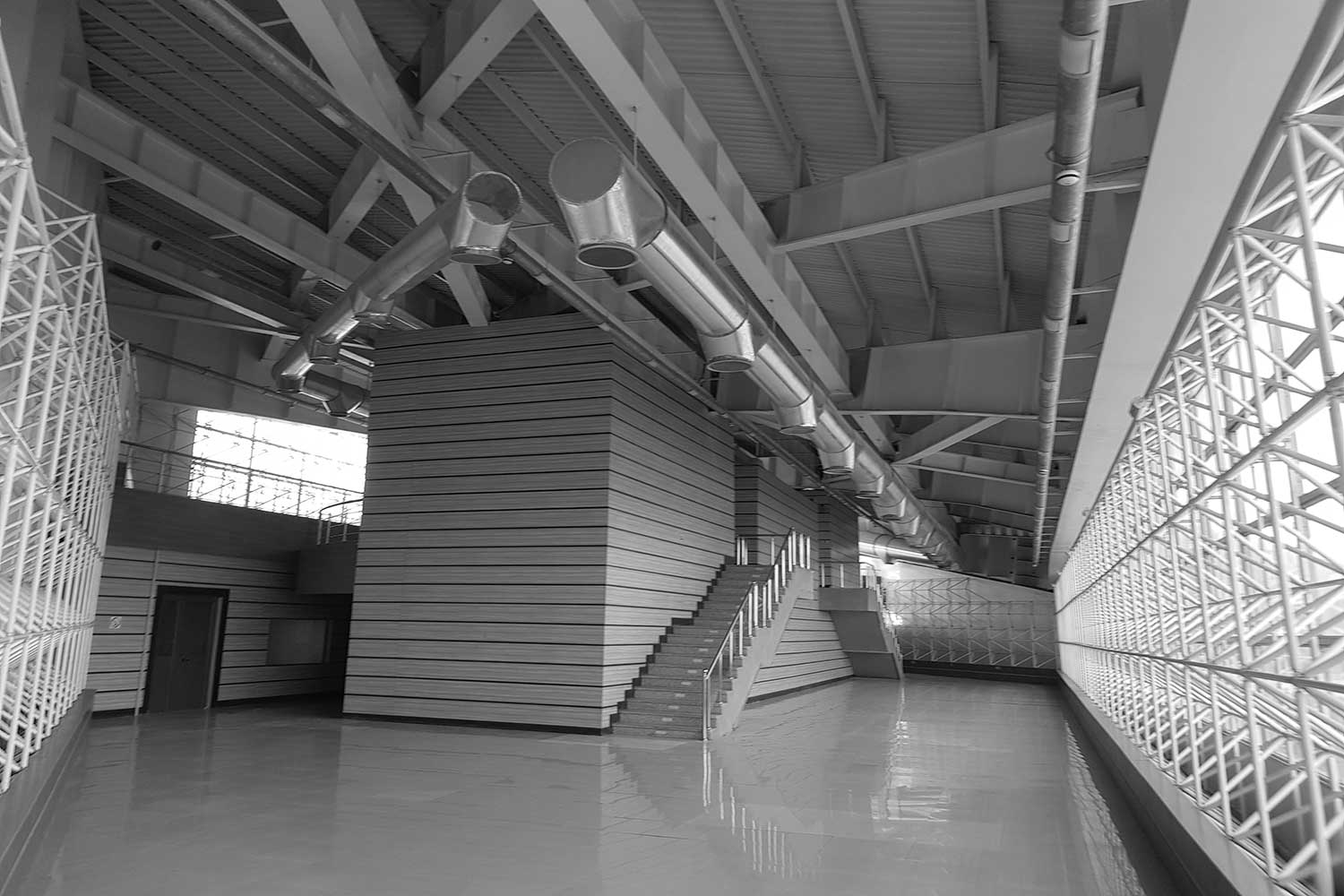
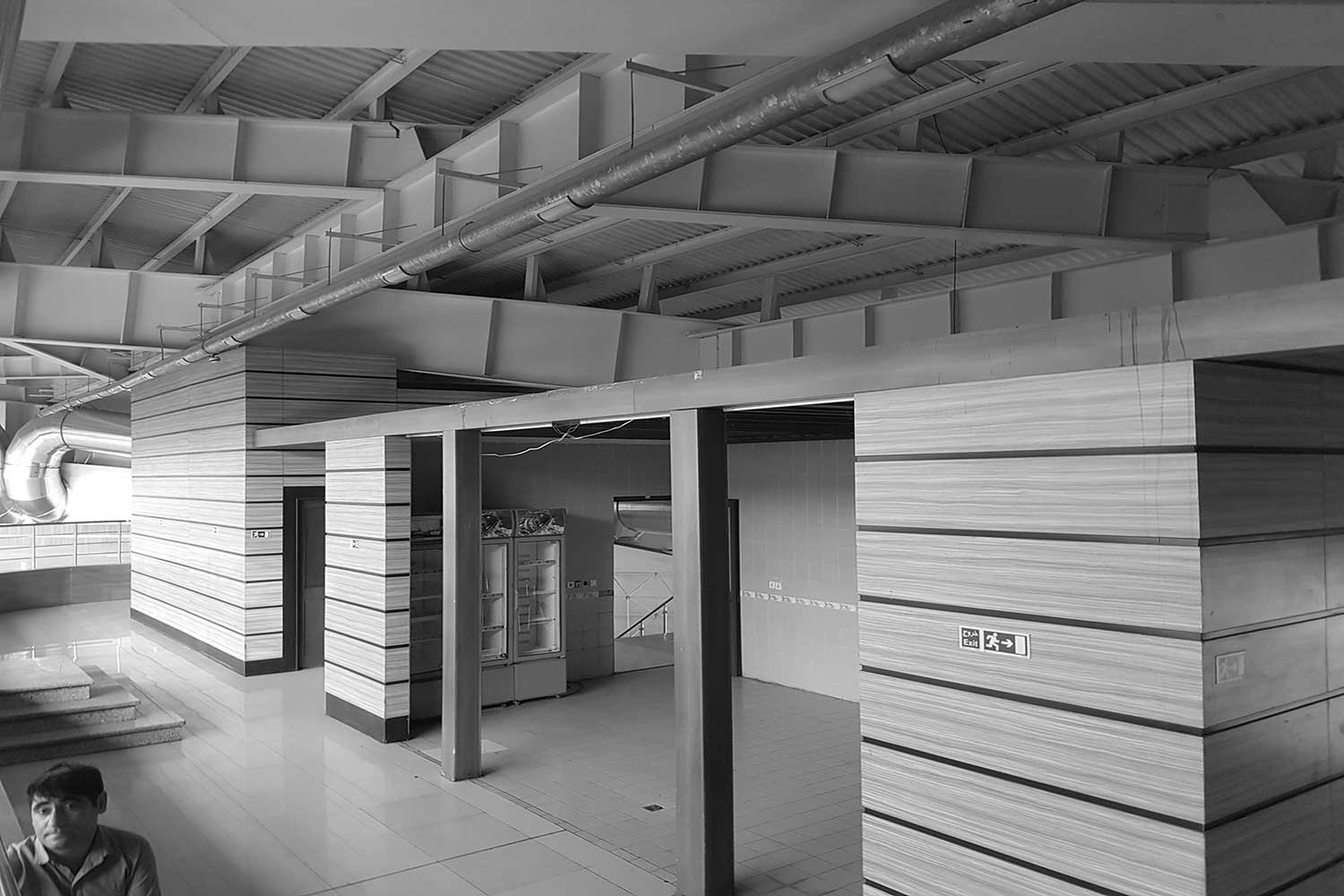
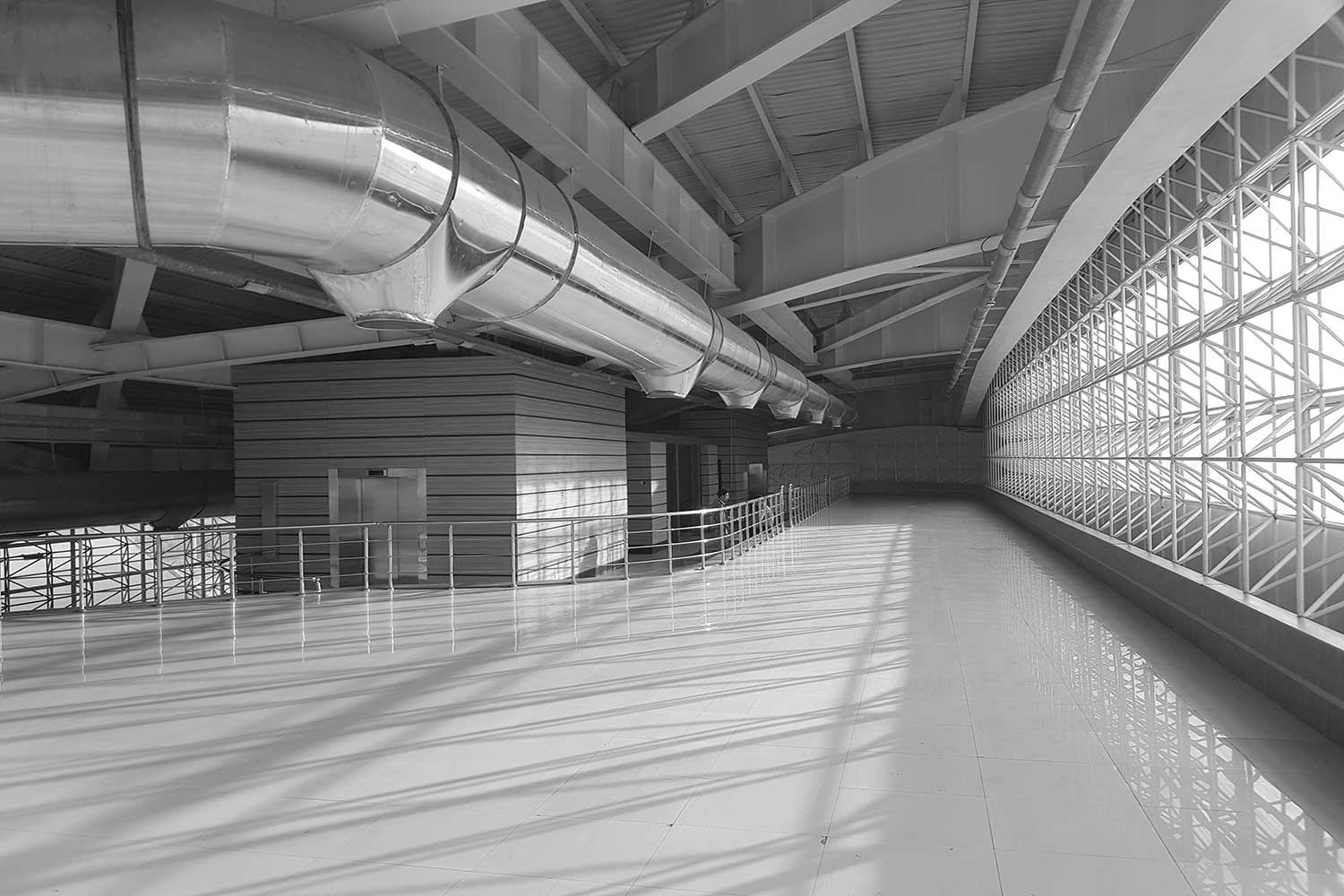
در دهه اخیر با افزایش سرعت تبادل اطلاعات، رشد روزافزون صنایع دیجیتال و نقش فضای مجازی، شاهد تحولی در عرصه کار و کارآفرینی هستیم. این دگرگونی زمینه کارآفرینی را به عرصه رقابتی در سراسر جهان تبدیل کرده که در آن ایدهپردازی، خلاقیت و کار گروهی عوامل تعیینکننده هستند. این تحولات خود را در بازتعریف فضای کار با واژگان جدید نشان داده است، واژگانی همچون: فضای کار اشتراکی – مراکز نوآوری – شتابدهنده ها در ایران، با توجه به مخاطب جوان و عموما نخبه، اقبال به اینگونه فضاها قابل توجه بوده است. نکته مهم در ایجاد فضاهای کار اشتراکی، بازآفرینی فضاهای مرده شهری ست به طوری که بیشتر این فضاها در باز تعریف ایستگاه های مترو و اتوبوس، کارخانه ها و سوله های متروکه و نمایشگاه های کم بازده بوجود می آیند. طراحی کارخانه نوآوری گفتگو با پژوهش آغاز شد. پژوهشی حاصل از مصاحبه با ده مرکز نوآوری فعال داخلی، گروه های مختلف استارت آپی که کاربر اینگونه فضاها هستند و بررسی دیگر نمونه های موفق خارجی. نتایج بدست آمده نشان می داد در ایران این فضاها اکثرا بصورت علمی نیازسنجی نشده و با نارضایتی در حل عملکرد ها و تعریف فضاها مواجه هستند. برخی نتایج حاصل از پژوهش به شرح زیر است: لزوم ایجاد فضای خصوصی و عمومی با نسبت 70 به 30 – لزوم رعایت سلسله مراتب دسترسی به فضاها – وجود شفافیت کنترل شده در عناصر فضایی – انعطاف عناصر در تعریف فضا – وجود فضای دوست دار کودک – ایجاد حس فضایی پویا، خلاقانه و ساختارشکن – استفاده از کیفیت های فضایی موثر بر بازده کاری همچون نور طبیعی، سقف بلند و سبزینگی طبیعی – استفاده از رنگ ها و متریال های آرامش بخش در کنار رنگ ها ی پر انرژی – وجود فضاهای هم افزایی – ایجاد اتاق های کارتیمی که از لحاظ تاسیسات و آکوستیک ایزوله هستند ولی ارتباط بصری با کل فضا دارند – وجود فضاهای ایزوله تک نفره و دونفره جهت جلسات مجازی و… مرکز نمایشگاهی بوستان گفتگو به عنوان سایت پروژه، دارای پتانسیل های زیادی از قبیل دسترسی، همسایگی پارک و وجود زیرساخت های تاسیساتی و … بود. این ساختمان دارای 5 طبقه و فرمی پیچیده و بزرگ مقیاس بود که می بایست طبق برنامه ای بلند مدت به بزرگترین مرکز کار اشتراکی ایران تبدیل می شد. در این میان به پیشنهاد طراح، طبقه سوم و چهارم می توانست یک شروع آزمایشی خوب برای این مجموعه باشد. یکی از دغدغه های کسب و کارهای جدید، تعارض زیست استارت آپی با زیستن در کنار خانواده است. علی الخصوص خانواده های دارای فرزند. در پژوهش های انجام شده به این مهم دست یافتیم که بیشتر فارغ التحصیلان نخبه (مخصوصا بانوان) پس از ازدواج و فرزندآوری به کلی از گردونه ی رقابت و فعالیت های استارت آپی خارج می شوند. در نمونه های خارجی پاسخی برای این مشکل یافتیم که ایجاد فضای کار دوست دار کودک بود، با توسعه ی این مفهوم به فضای کار دوست دار خانواده رسیدیم و برنامه ی فیزیکی جامعی در این راستا تهیه کردیم. با توجه به مفاهیم بالا محل طراحی مورد نظر به دو بخش عمومی و دوست دار خانواده در تعامل با یکدیگر تقسیم شد. در قسمت عمومی ترکیبی از فضاهای خصوصی و اشتراکی با بهره گیری از تمامی آنچه در پژوهش به آن اشاره شد رسیدیم و در قسمت دوست دار خانواده تلاش کردیم تا به تضاد حضور کودک در کنار فضای کار، پاسخ قابل قبولی بدهیم.
نام پروژه: کارخانه نوآوری گفتگو
عملکرد: فضای کار اشتراکی بازسازی
شرکت مهندسین مشاور: دفتر طراحی اینست inset office
معماران اصلی: مهدی قزل ایاغ ،امین خاکسار
همکاران طراحی: فاطمه فضلی خانی، علی اکبرشاهی
طراحی و معماری داخلی: مهدی قزل ایاغ ،امین خاکسار
مجری: محمدرضا رحیم زاده
آدرس پروژه: ایران، تهران، گیشا
مساحت زمین: 1500 متر مربع
کارفرما: کارخانه نوآوری گفتگو
تاریخ شروع/تاریخ پایان ساخت: پاییز 1402 _ تابستان 1403
عکاس پروژه: hamzehlouei studio
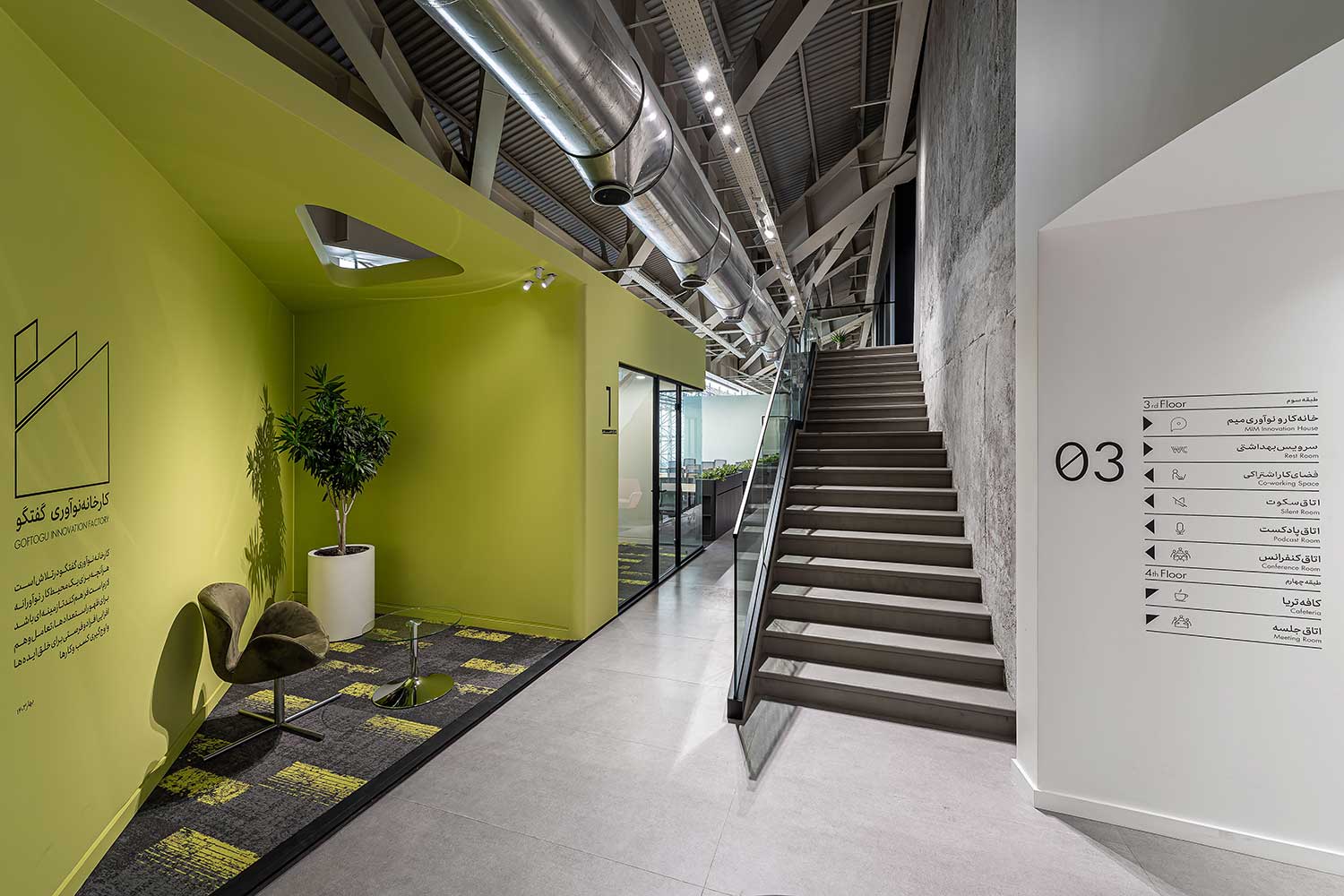
In the last decade, with the increase in the speed of information exchange, the growing growth of digital industries and the role of virtual space, we are witnessing a transformation in the field of work and entrepreneurship. This transformation has turned the field of entrepreneurship into a competitive field across the globe, in which ideation, creativity and teamwork are the determining factors. These developments have shown themselves in redefining the working space with new vocabulary, words such as: – Shared workspace – Innovation centers – Accelerators In Iran, due to the young and generally elite audience, the popularity of such spaces has been significant. The remarkable point in creating shared work spaces is the re-creation of urban dead spaces, so that most of these spaces arise in the redefinition of subway and bus stations, abandoned factories and sheds, and low-efficiency exhibitions. The design of Goftofu innovation factory started with research. Research from interviews with ten domestic active innovation centers, various start-up groups that are users of such spaces, and a review of other successful foreign examples. The obtained results showed that in Iran these spaces have not been scientifically assessed and they face dissatisfaction in solving the functions and defining the spaces. Some results of the research are as follows: – The need to create private and public space with a ratio of 70 to 30 – The need to observe the hierarchy of access to spaces – Presence of controlled transparency in spatial elements – The flexibility of elements in defining space – The existence of a child-friendly atmosphere – Creating a sense of dynamic, creative and deconstructive space – Using spatial qualities that affect work efficiency, such as natural light, high ceilings, and natural greenery – Using relaxing colors and materials alongside energetic colors – Existence of synergistic spaces – Creating team work rooms that are isolated in terms of facilities and acoustics, but have a visual connection with the entire space – The existence of single and double isolated spaces for virtual meetings As a project site, Bostan Goftogu exhibition center had many potentials such as access, neighborhood of the park and the existence of infrastructure facilities, etc. This building had 5 floors and a complex and large-scale form, which was supposed to become the largest co-working center in Iran according to a long-term plan. In the meantime, according to the designer’s suggestion, the third and fourth floor could be a good test start for this collection. One of the concerns of new businesses is the conflict between startup life and living with the family. Especially families with children. In the conducted research, we found that most of the elite graduates (especially women) completely leave the competition and start-up activities after getting married and having children. In foreign examples, we found an answer to this problem, which was the creation of a child-friendly work environment. By developing this concept, we reached a family-friendly work environment and prepared a comprehensive physical plan in this direction. According to the above concepts, the intended design site was divided into two public and family-friendly parts interacting with each other. In the public part, we achieved a combination of private and shared spaces by using all that was mentioned in the research, and in the family-friendly part, we tried to give an acceptable answer to the conflict of the child’s presence next to the work area
Project Name: Goftogu Innovation Factory
Function: shared office Office Company: Inset Office
Lead Architects: Mehdi Ghezel Ayagh, Amin Khaksar
Design Team: Fatemeh Fazlikhani, Ali Akbar Shahi,
Interio Design : Mehdi Ghezel Ayagh, Amin Khaksar
Client : Goftogu Innovation Factory
Constructor: Mohammadreza Rahimzadeh
Location: Gisha Tehran Iran
Total Land Area1500
Date: 2023 Photographer: hamzehlouei studio
Website_ Email: insetoffice@gmail.com.
Insta: insetoffice
مدارک فنی
مطالب مرتبط