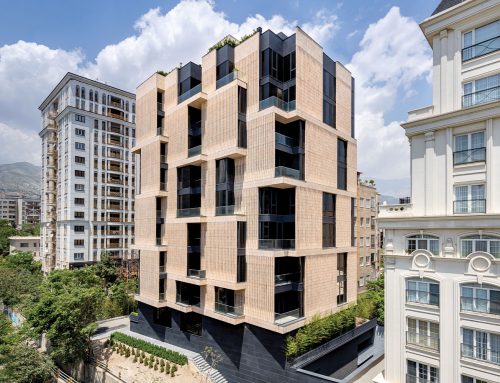
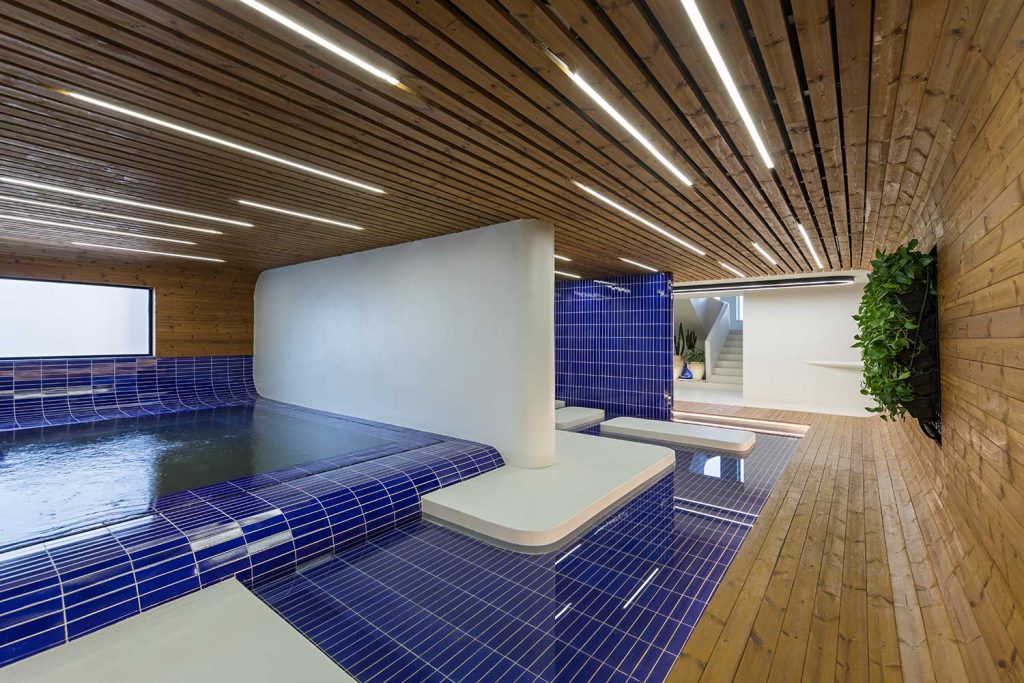
 آپارتمان خط آبی اثر محمد امینی، فینالیست و راه یافته به مرحلهی دفاع از آثار دوازدهمین طراحی داخلی ایران بخش آپارتمانی، 1403
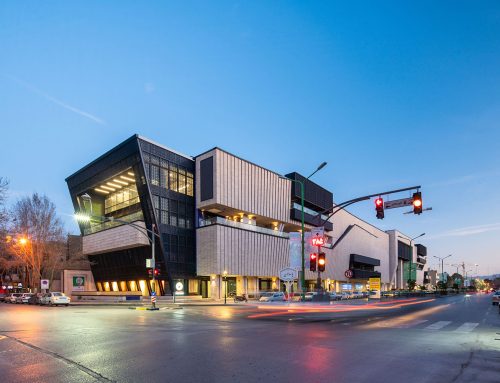
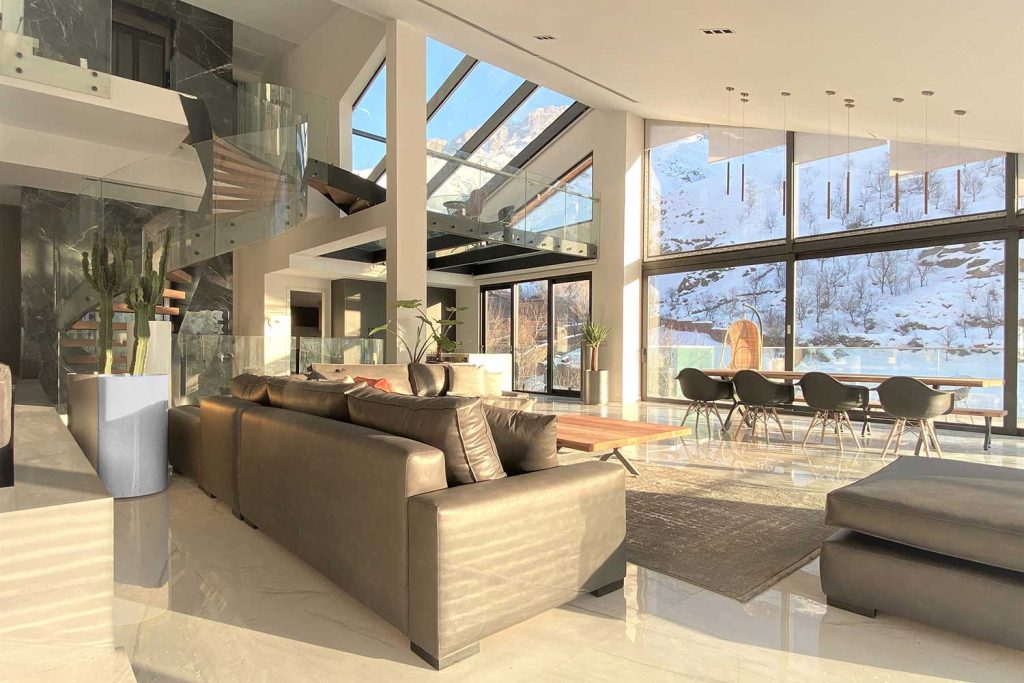 ویلا نور و شفافیت اثر علیرضا خداداد، مهدی آشوری، فینالیست و راه یافته به مرحلهی دفاع از آثار دوازدهمین طراحی داخلی ایران بخش ویلایی، 1403
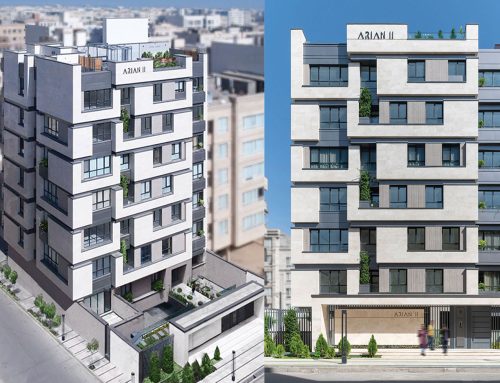
آپارتمان بختیار اثر همایون نجایی، روناک کرماجی
چهارمین شب معماران، فینالیست و راه یافته به مرحلهی دفاع از آثار هشتمین ساختمان سال ایران بخش آپارتمانی، 1403
Baktiar Apartment / Homayoun Najaei, Ronak Kormaji
آپارتمان بختیار
“برای یک زندگی معمولی”
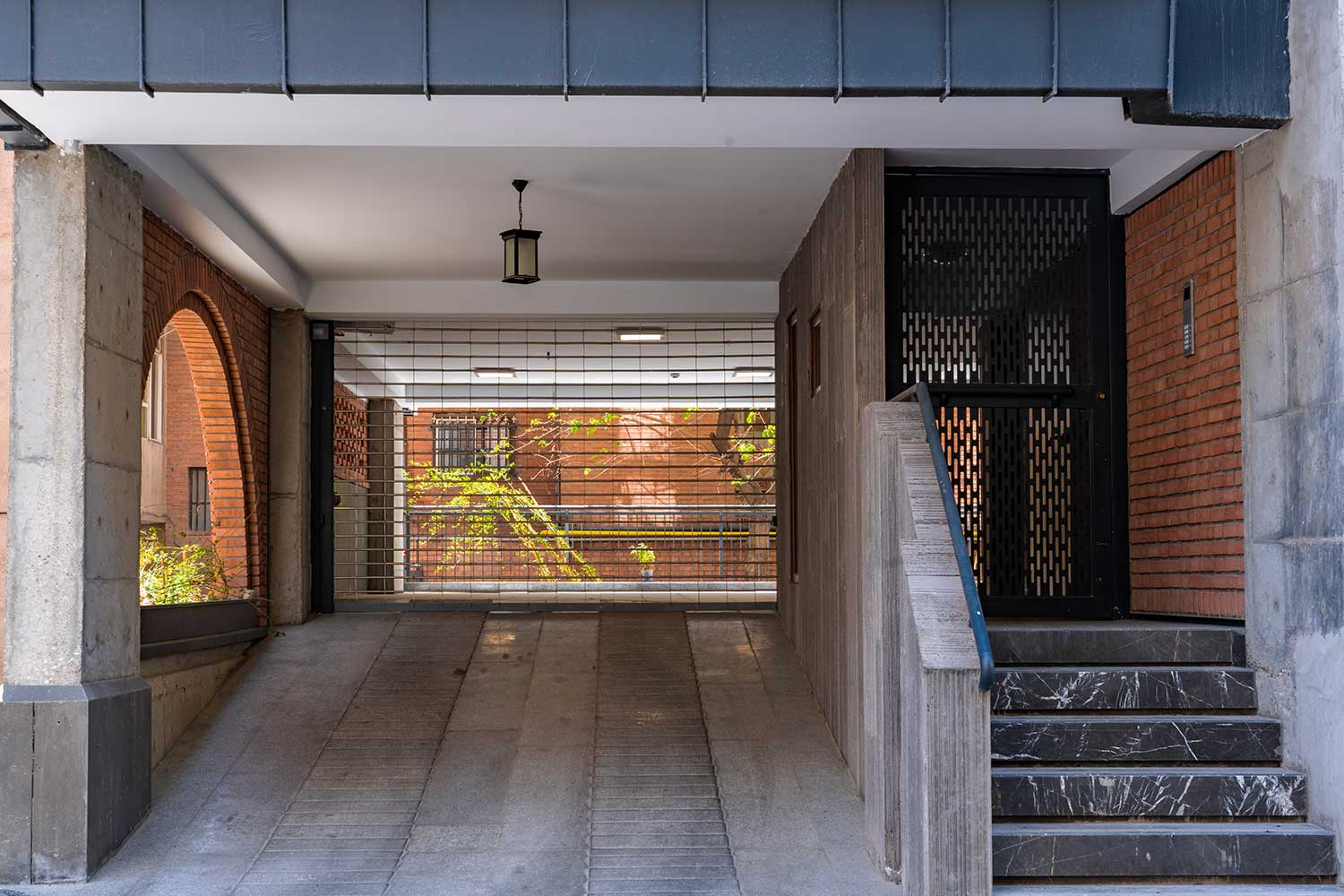
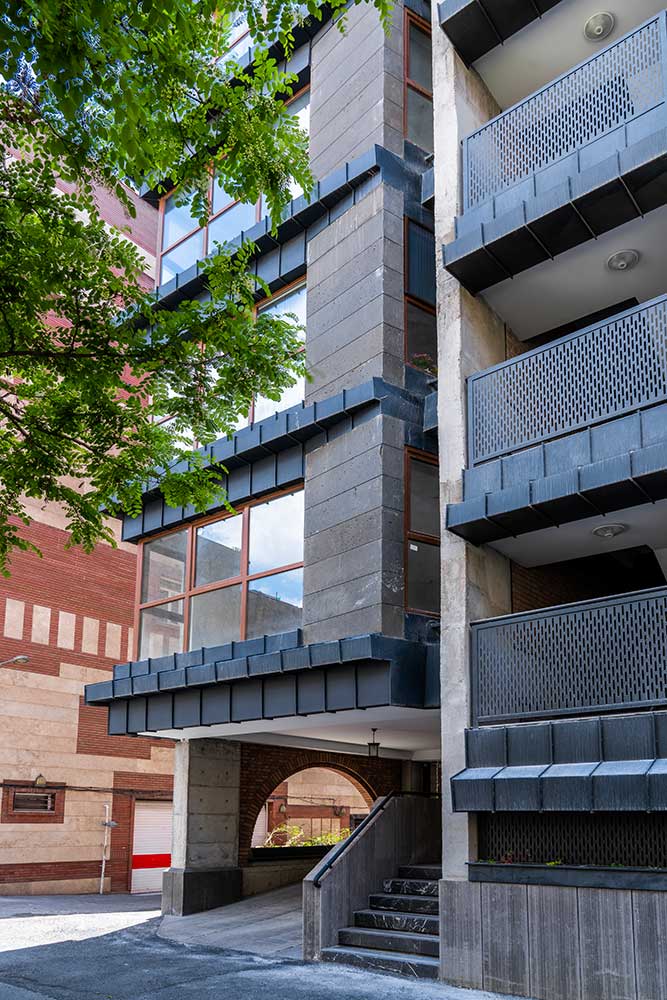
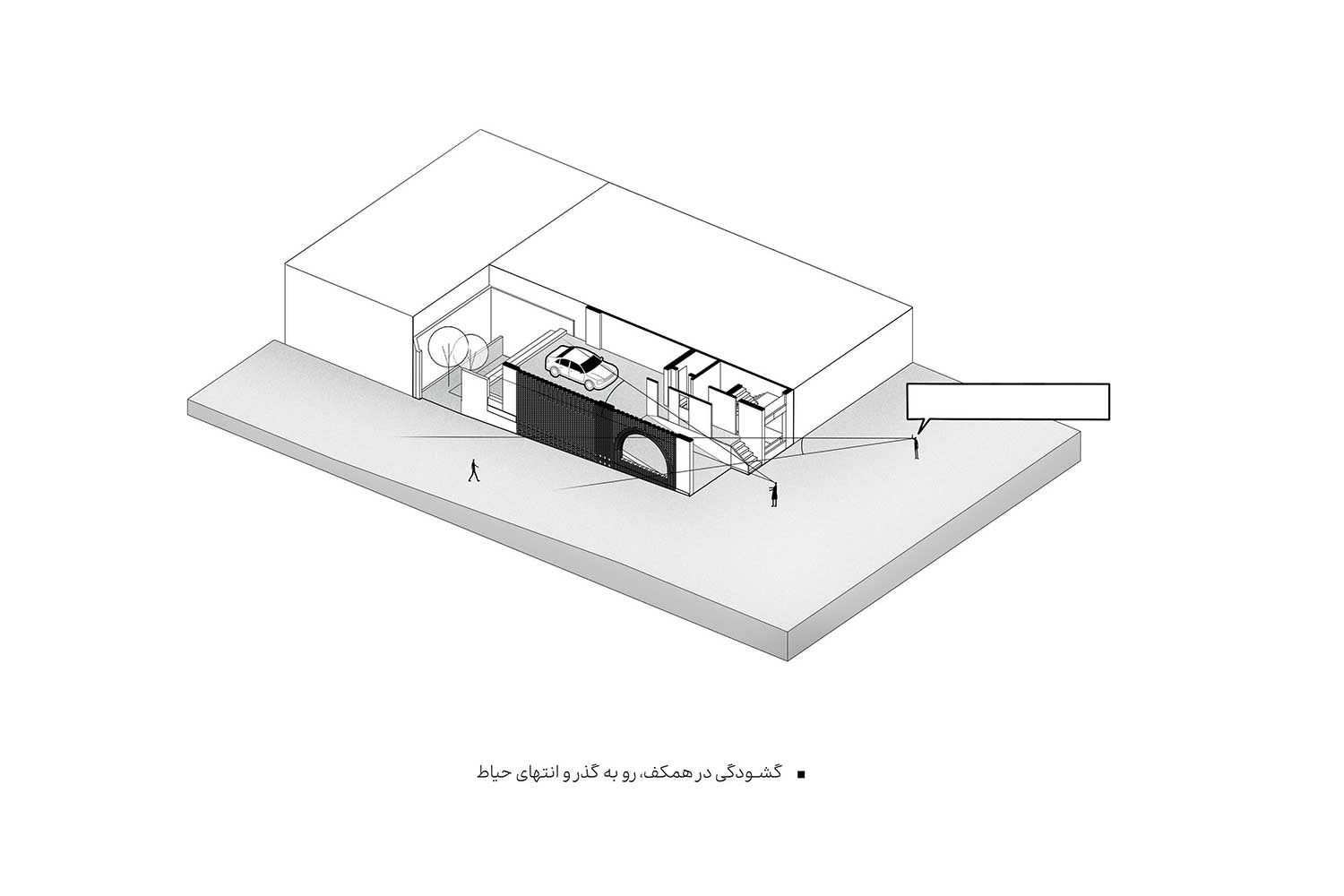
در محلهیِ بهار، در میانه بهجتآباد و نظامآباد، خانهای فرسوده وجود داشت که چند دهه از زمان ساخت آن میگذشت. این خانه که در نبش گذری به نسبت باریک و بنبستی باریکتر از گذر قرار داشت، نقطهای کور بود که در سالهای اخیر اهلِ محل شاهد برخی ناهنجاریهای اجتماعی و رفتارهای نازیبا در آن بودند. پس ازتصمیم مالک به تخریب و نوسازی، از مهمترین نگرانیها بروزِ همان مشکلات در بن بست بود. مالک راهکار را در تحدید، بستن و پوشاندن میدید و ما در گشودن، شفافیت و تعامل. اعتماد مالک سببِ شفاف شدنِ حجم همکف(کسر از فضای پُر) در تماس با خیابان و کوچه بود.
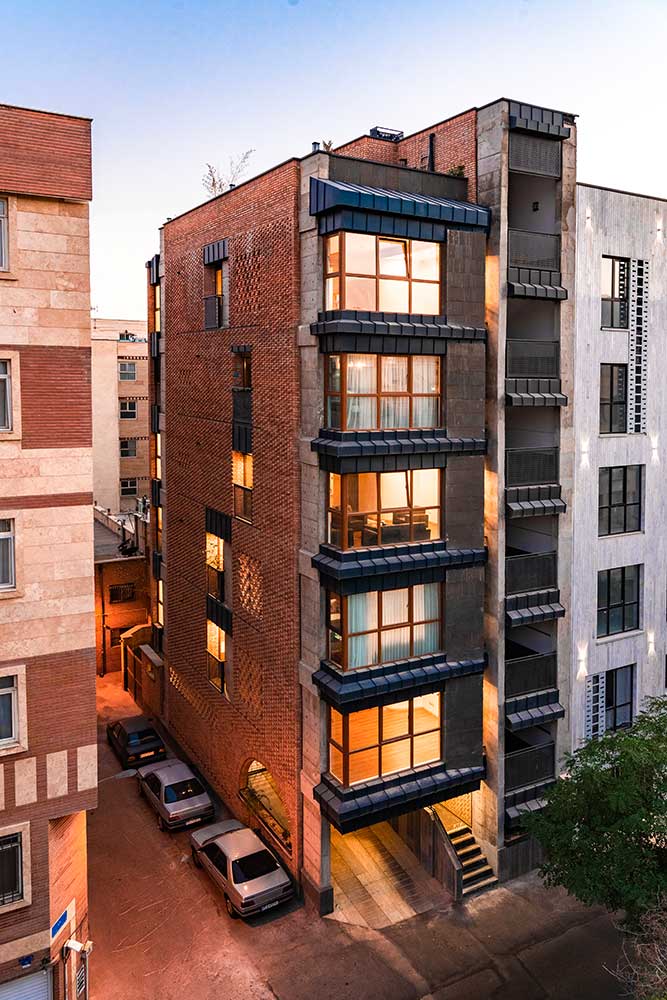
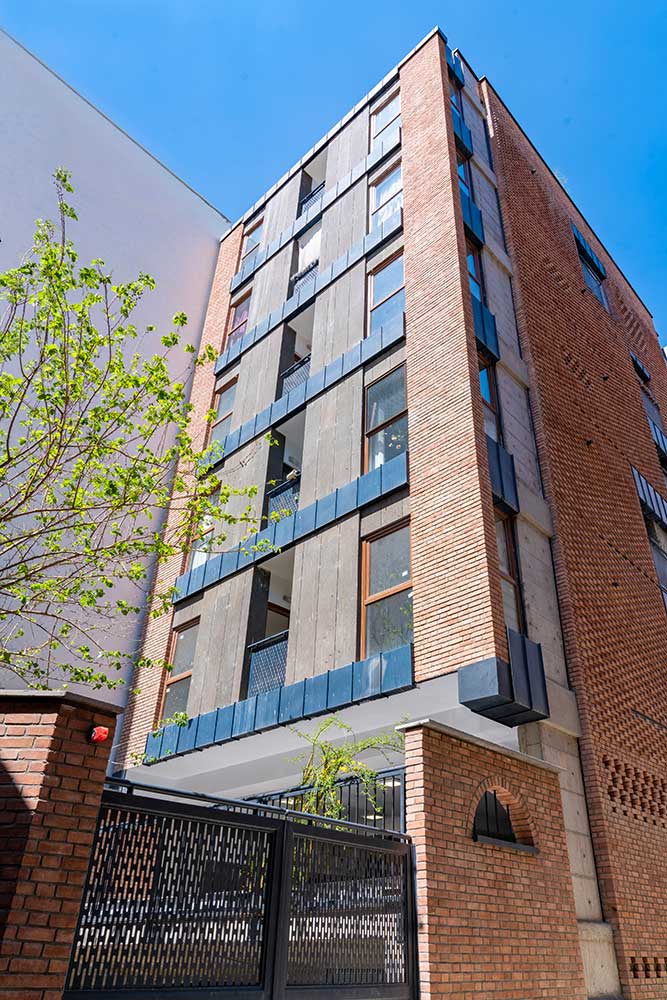
ساختار و بافتارِ خانه و کوچه، آجر و گاه بتن بود با فرمهایی ساده که از دههیِ 50-40 بر جای مانده بود و ما کوشش کردیم که آن را بهمثابهیِ یک خاطرهیِ جمعی رعایت کنیم اما با طرحی نو. این شد که بار دیگر بر شفافیت توافق کردیم و بودجهیِ محدودِ پروژه را به جایِ پوشاندنِ(نماسازیِ کاذب) سفتکاریِ نازیبا، در نمایان کردنِ خودِ آجر و بتن هزینه کردیم.
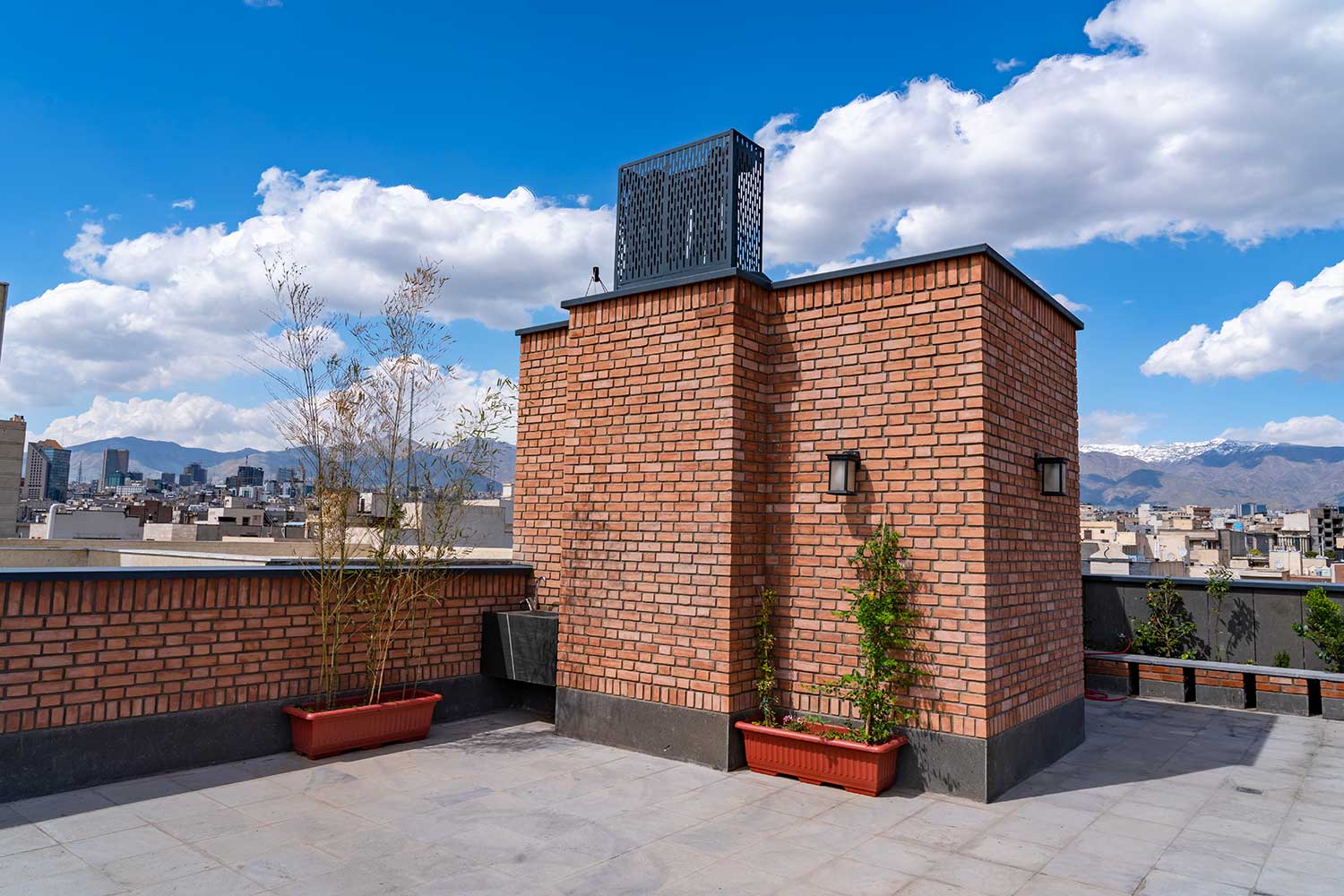
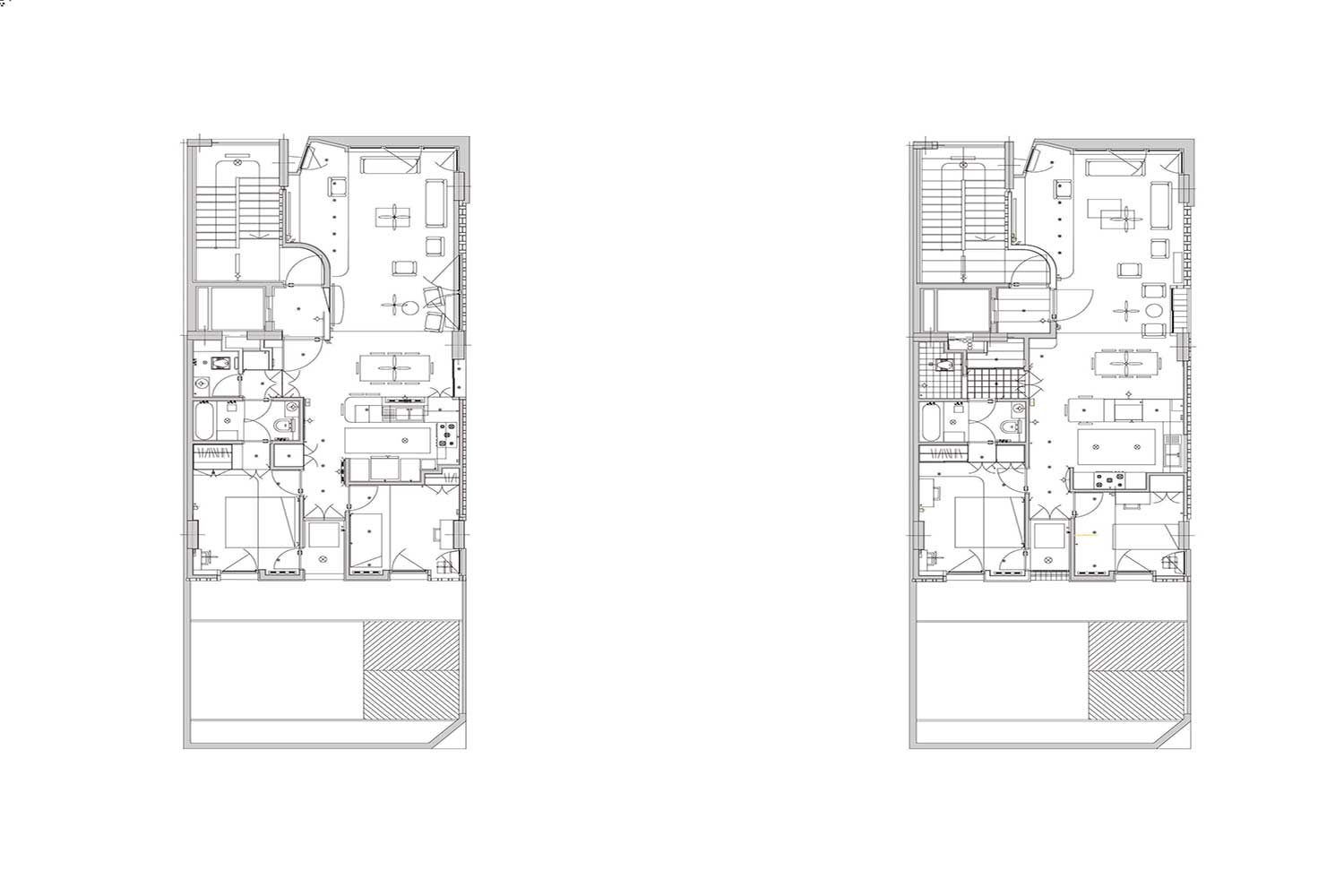
برای ما عرصهیِ عمومی و حریمِ خصوصی مهم است. از کوچه تا دربِ خانه، کم کم فضا خصوصیتر شده و اما پیوندِ خود را با بیرون حفظ میکند. خانه کوچک و فشرده است اما اتاقها به میانجیِ یک تراس، جدا و صدابند شده. نامش تراسِ کارگر است. محلِ رختهاست که دیده نشود، کولر را در خود جا داده تا از متراژ کانالهای عمودی استفاده شده و فضای بام نیز دلپذیر شود، زیرِ آن گنجه است و از درون، پنجرهای برای روشناییِ راهرو دارد.
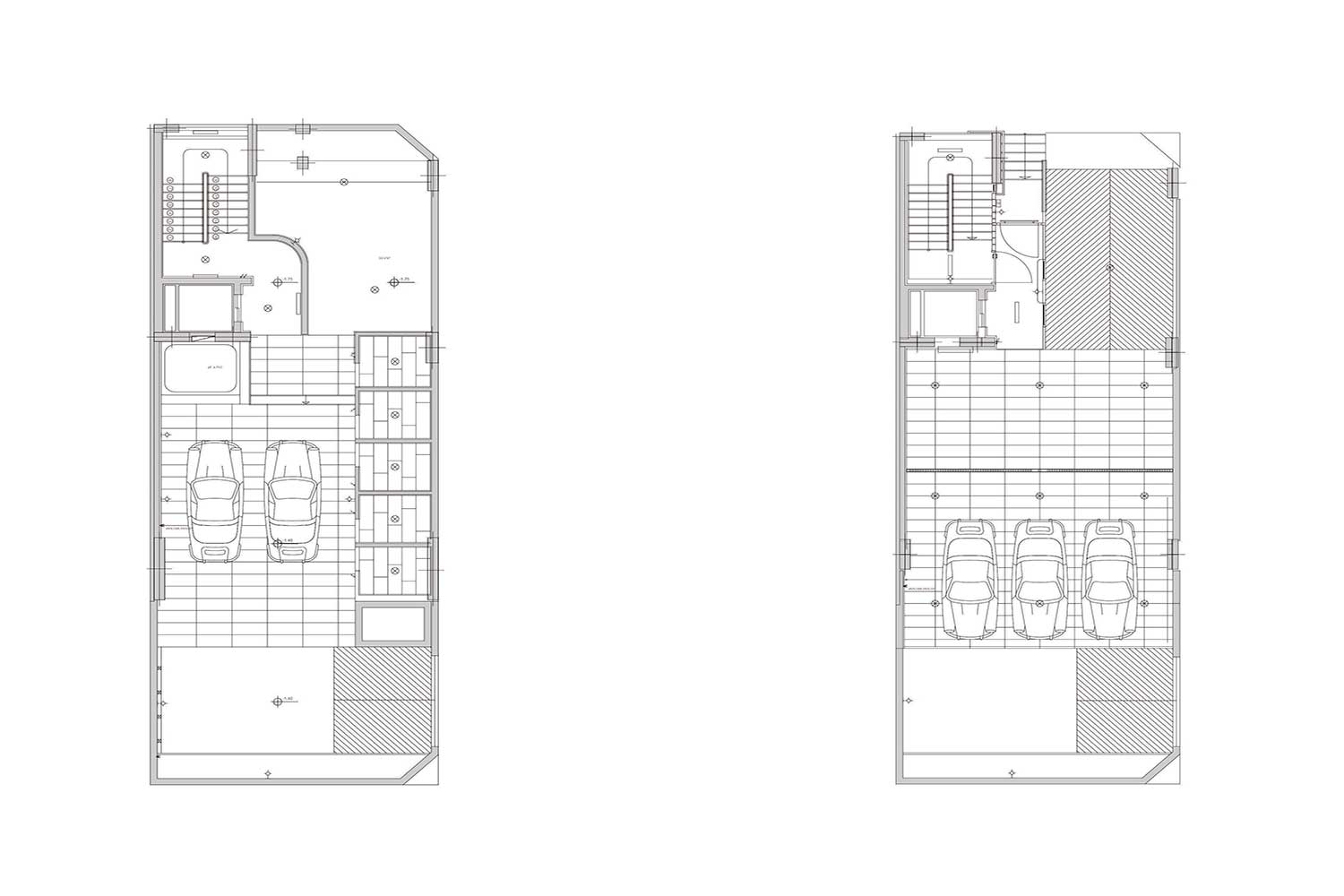
در واقع کاربر از کوچه تا اتاق خواب منزل، چندین فضا را تجربه میکند. ابتدا از شارع عمومیِ شهر وارد فضای نیمهعمومی ورودی میشود؛ سپس فضای مشرف به حیاط که فضاییست نیمهخصوصی برای کاربرانِ خانه و به واسطهی دستگاهپله و آسانسور در یک فضای بینابینی، هر کاربر به خصوصیترین فضای زندگیاش میرسد.
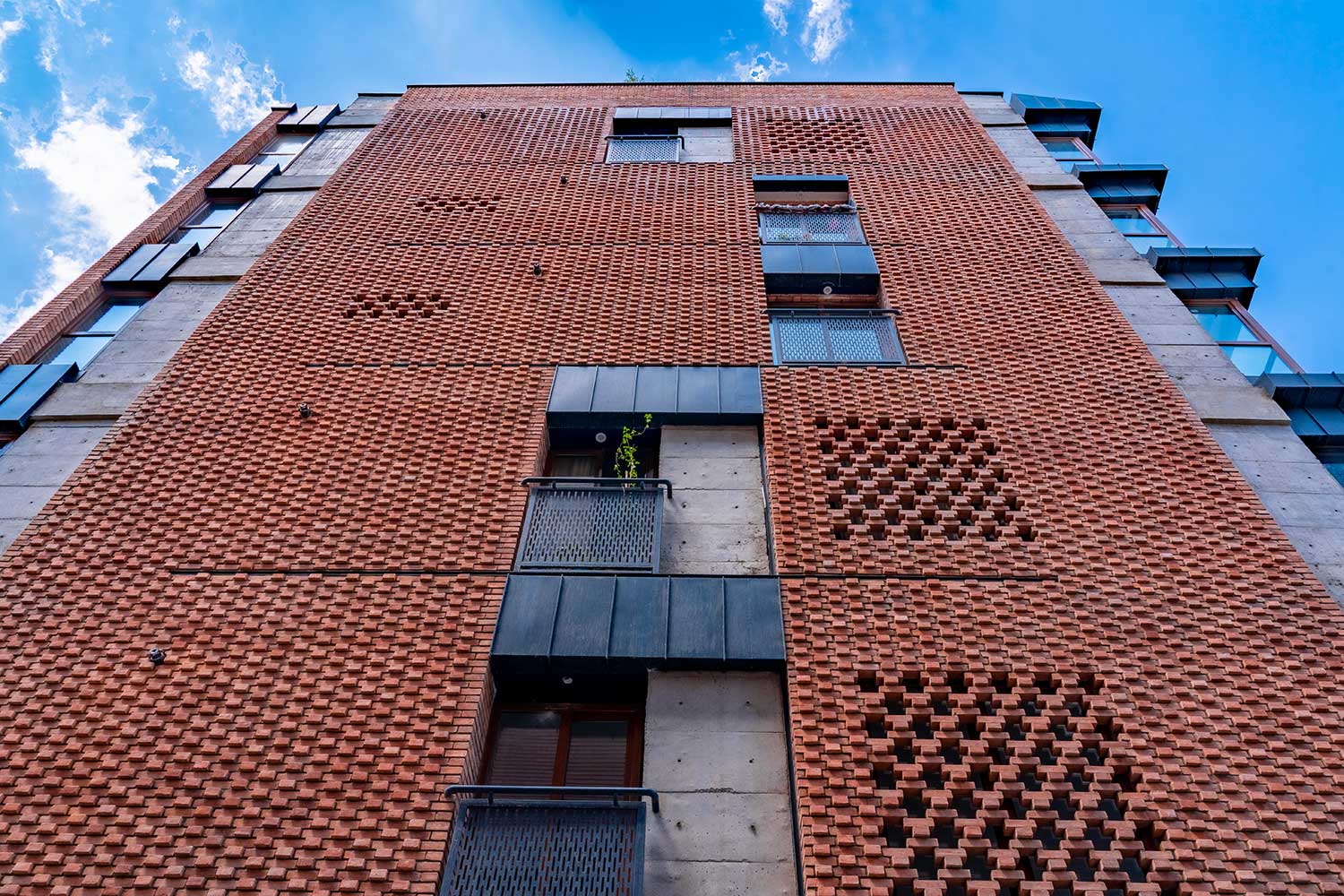
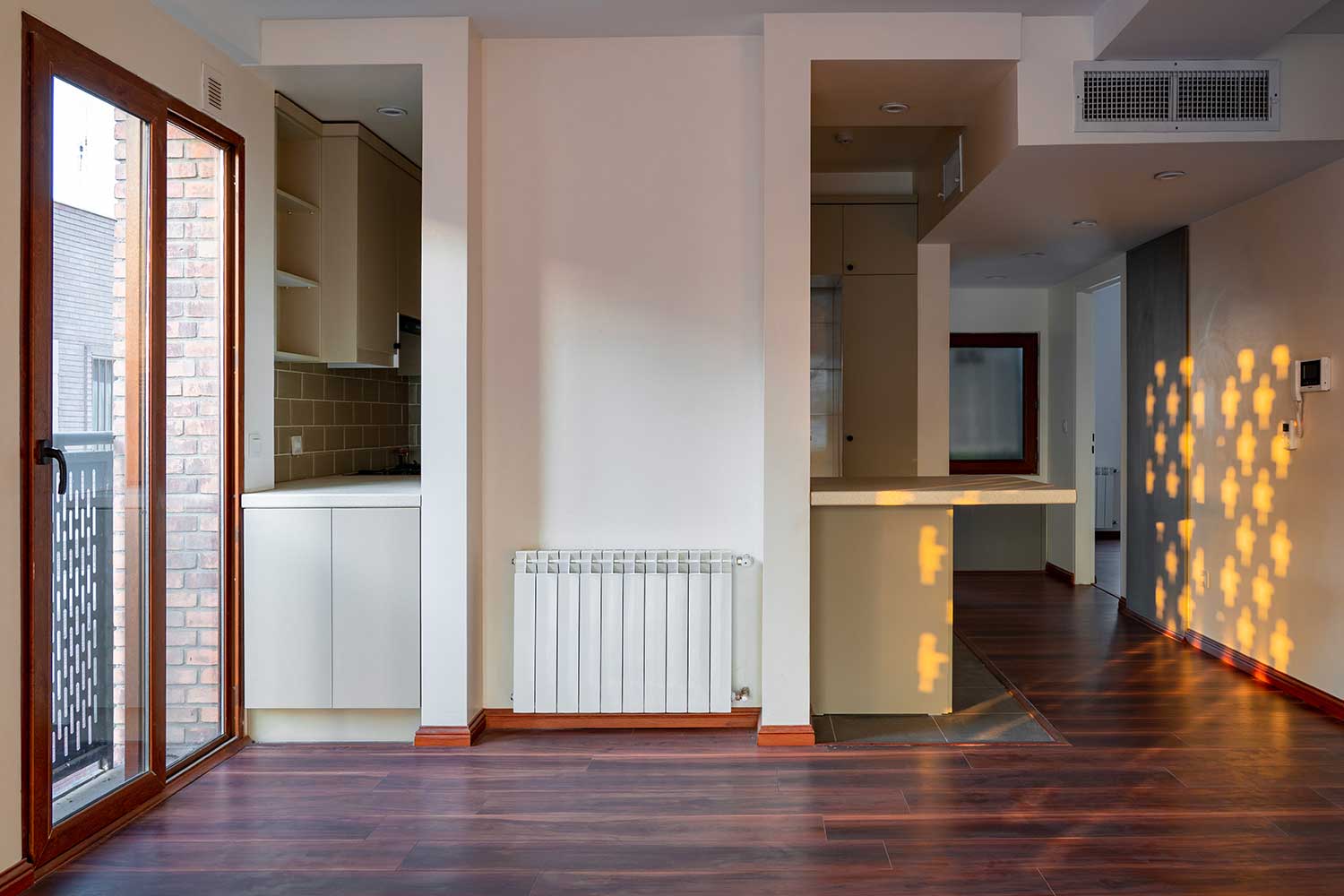
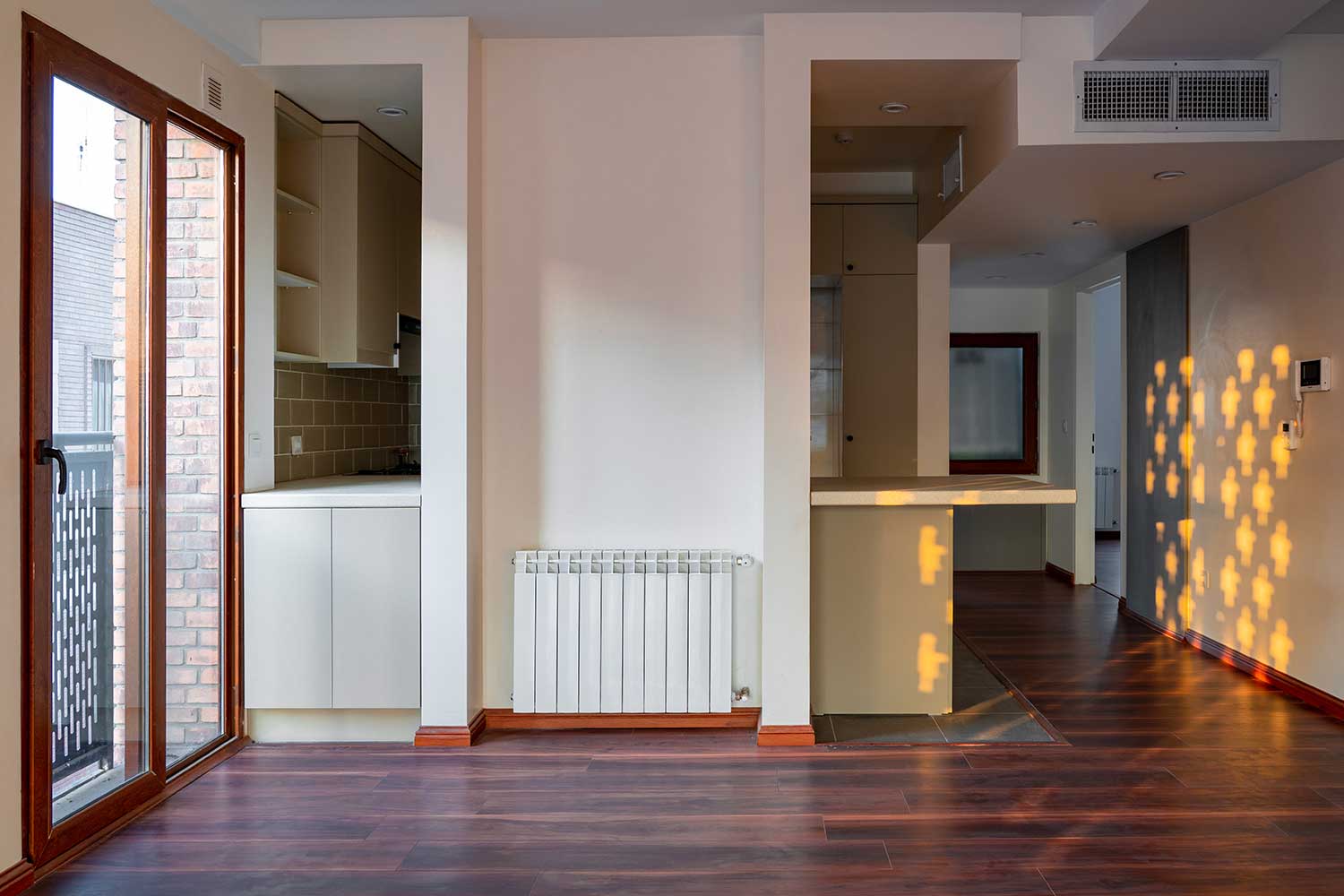
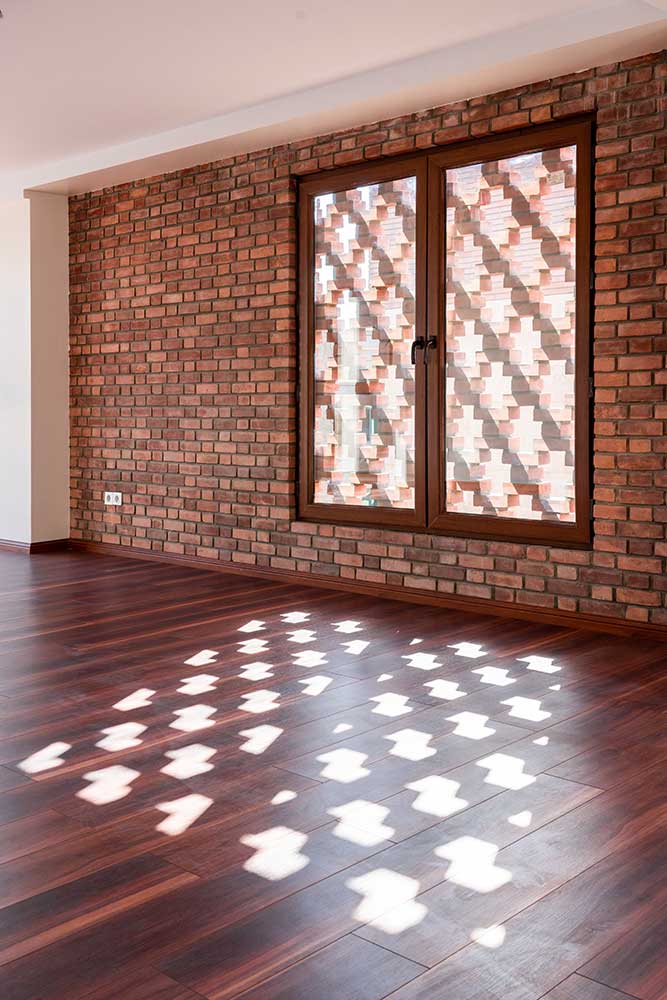
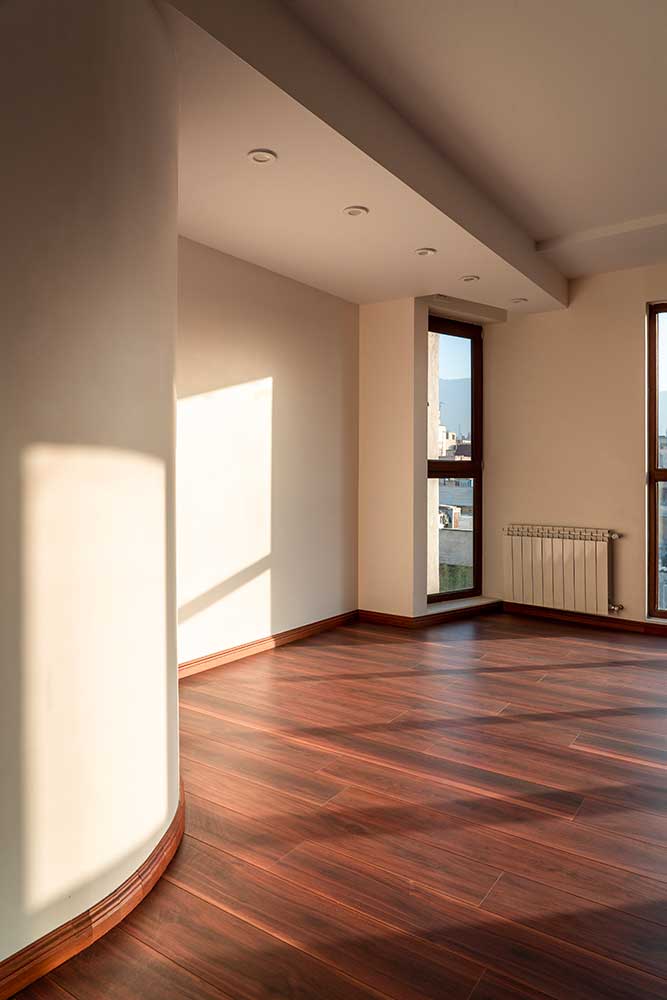
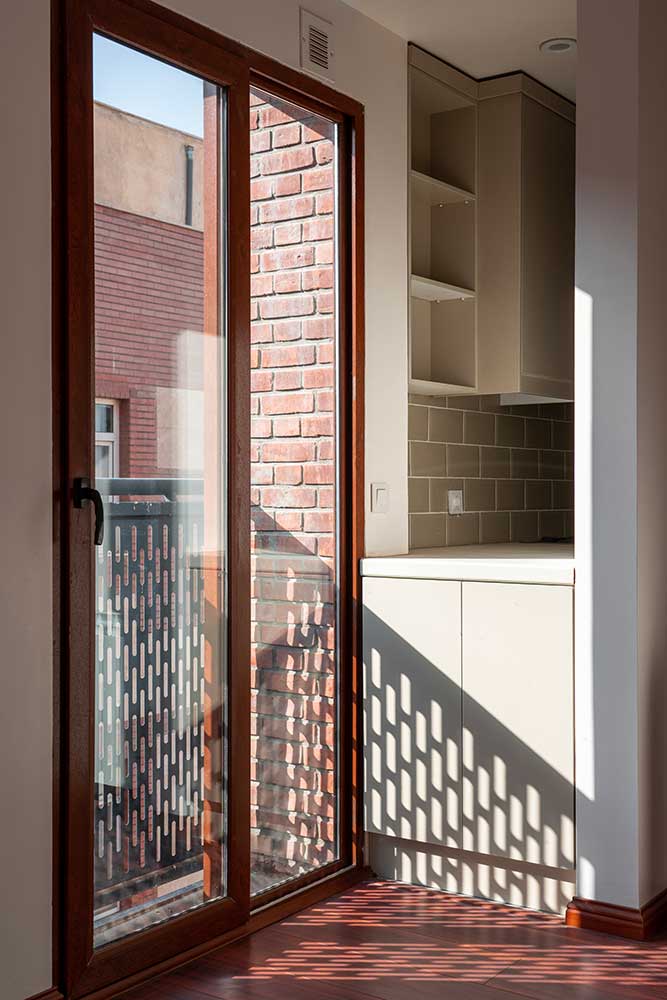
دیوار آجری با درکِ ویژگیهایِ آجر ساخته شده، از روی زمین بالا میرود، با پس و پیش شدنِ آجرها بر روی خود سایه میاندازد. با فخرومدین روشنایی را به درون آورده و همزمان محرمیتِ همسایه و خود را پاس میدارد. بر سر کنجِ گذر، با یک گشایش دید را تا انتهایِ بنبست کشانده و فضا را امنتر میکند. این دیوار در درونِ خانه نیز آجر است و گرم. دست آخر سعی شد تا فضایِ اینجا عاری از هرگونه اغراق برای یک آپارتمان مسکونی در محلهای متوسط از شهر تهران، آنی داشته باشد و بماند به یادگار.
چهارمین شب معماران ایران، 1403
_______________________________________
نام پروژه: بختیار
عملکرد: مسکونی
دفتر طراحی: پایاب
معماران: همایون نجایی، روناک کرماجی
مجری: شاهین فرخی
مهندس تاسیسات: مهندسین مشاور پایاب
مهندس سازه: مهندسین مشاور پایاب
نوع سازه: بتنی
آدرس پروژه: تهران، میدان هفت تیر
مساحت زمین: 177 متر مربع
زیربنا: 910 متر مربع
کارفرما: شاهرخ فرخی
تاریخ شروع -پایان ساخت: 1402-1400
عکاس پروژه: سلما پورامین.
اینستاگرام: payab_office
Project Name: Bakhtiar
Function: residential
Office: Payab
Lead Architects: Homayoun Najaei, Ronak Kormaji
Client: Shahrokh Farrokhi
Project Manager: Shahin Farrokhi
Mechanical Structure: Payab
Structural Engineer: Payab
Structure: concrete
Location: No.18, Bakhtiar alley, Haft-tir Sq, Tehran, Iran
Total Land Area: 177 m2
Area of Construction: 910 m2
Date: 2021-2023
Photographer: Selma Pouramin.
Instagram: payab_office
Baktiar apartment
“For a simple life”
There was an old house in the Bahar neighborhood, between Behjatabad and Nezamabad, which was constructed several decades ago. Beside this house was a dead end that was poorly lit and had little to no traffic which caused some social problems and abnormalities. Although neighbors had considered solutions like limitation, blocking and covering, we found a solution for this problem in opening up, transparency and interaction. Cooperation of the owners helped us make the ground floor of the structure transparent (subtraction from full space) in relation to the alley.
Most of the old buildings of the neighborhood are made of old brick and concrete, having that in mind we set out to conserve those old memories and design something in harmony with the neighborhood which was another opportunity for us to use the said materials as both the façade and the main structure of the project resulting in more transparency.
For us, the public arena and private domain are important. From the alley to the door of the house, the space gradually becomes more private while maintaining its connection with the outside. The house is small and compact, but the rooms are separated and soundproofed by means of a terrace. It’s called the Worker’s Terrace. It’s where clothes are kept out of sight, it houses the air conditioner to utilize the vertical duct space, making the roof area more pleasant. Below it, there is a cabinet and from the inside, there is a window for lighting the hallway.
In fact, the user experiences several spaces from the alley to the bedroom of the house. First, they enter the semi-public entrance space from the public street of the city; then they reach the space overlooking the yard, which is a semi-private space for the house users, and by means of the staircase and elevator, in an intermediary space, each user reaches their most private living space.
The brick wall, understanding the characteristics of the brick, rises from the ground, casting shadows on itself with the staggered bricks. It brings light into the house with Fakhr-o-madin while maintaining the privacy of the neighbors and itself. At the corner of the passage, with an opening, it extends the view to the end of the dead end, making the space safer. This wall is also brick inside the house, warm and inviting. Finally, an effort was made to ensure that this space, devoid of any exaggeration for a residential apartment in a middle-class neighborhood of Tehran, would remain memorable and leave a lasting impression.
مدارک فنی
مطالب مرتبط