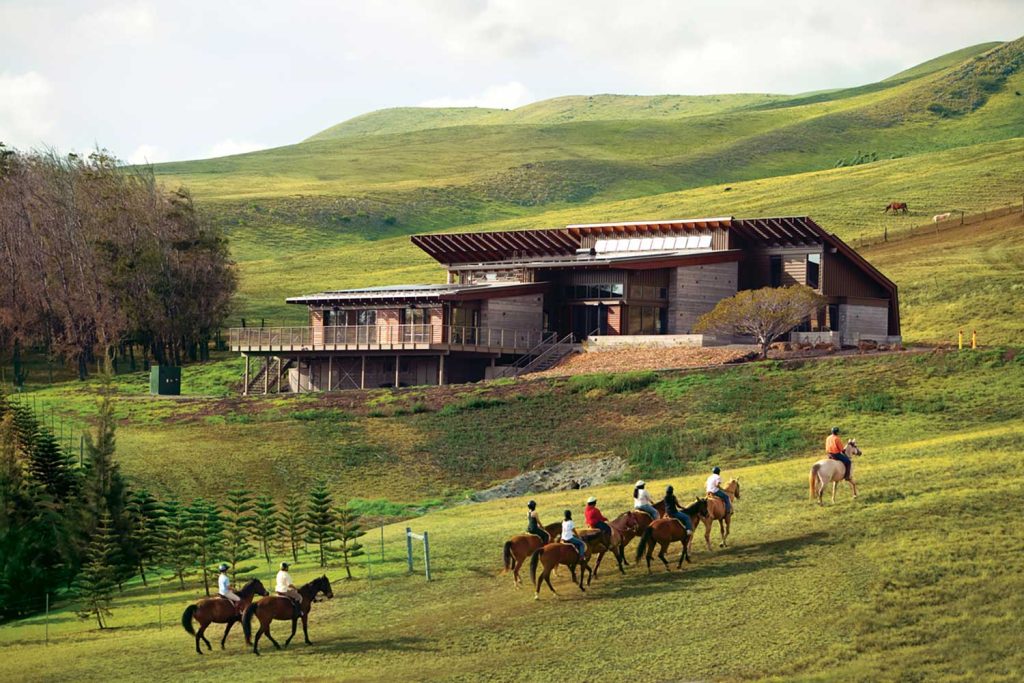
 آزمایشگاه انرژی آکادمی هاوایی؛ معماریِ سبزِ هوشمند در دامنههای کوه کوهالا، دفتر معماری فلنزبرگ آرکیتکتز
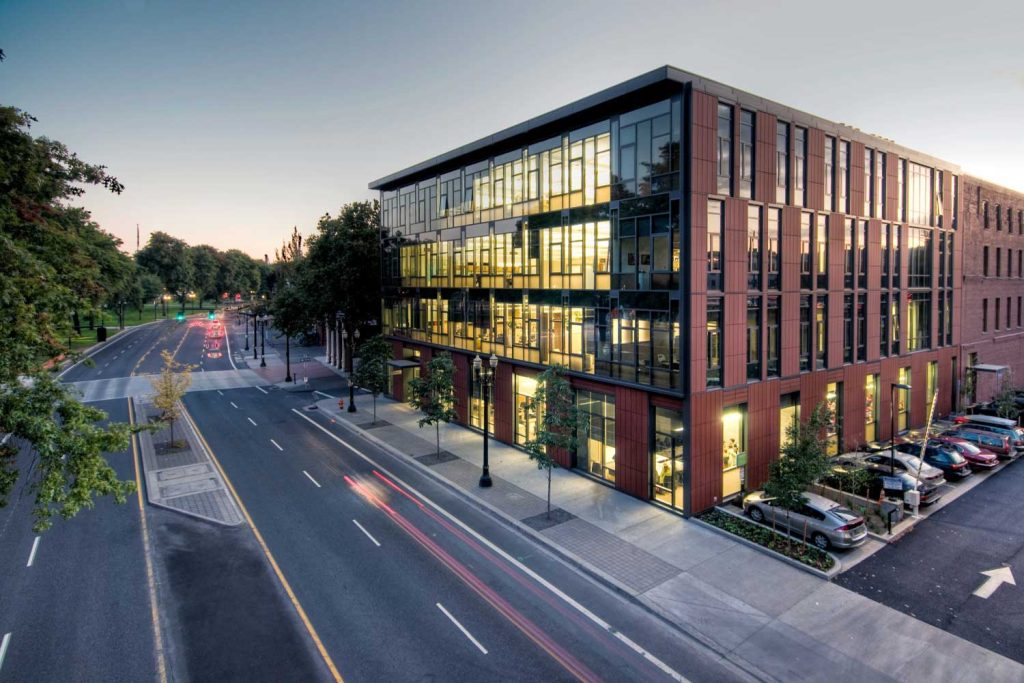 معماری سبز، دفتر مرکزی جهانی مرسی کورپس اثر دفتر معماری تیاچای آرکیتکچر
ویتو لانژ (بازسازی کافه ویتو) اثر آرش ضیاء
فینالیست و راهیافته به مرحله دفاع از آثار یازدهمین طراحی داخلی ایران، 1402
Vito Lounge (Café) / Arash Zia
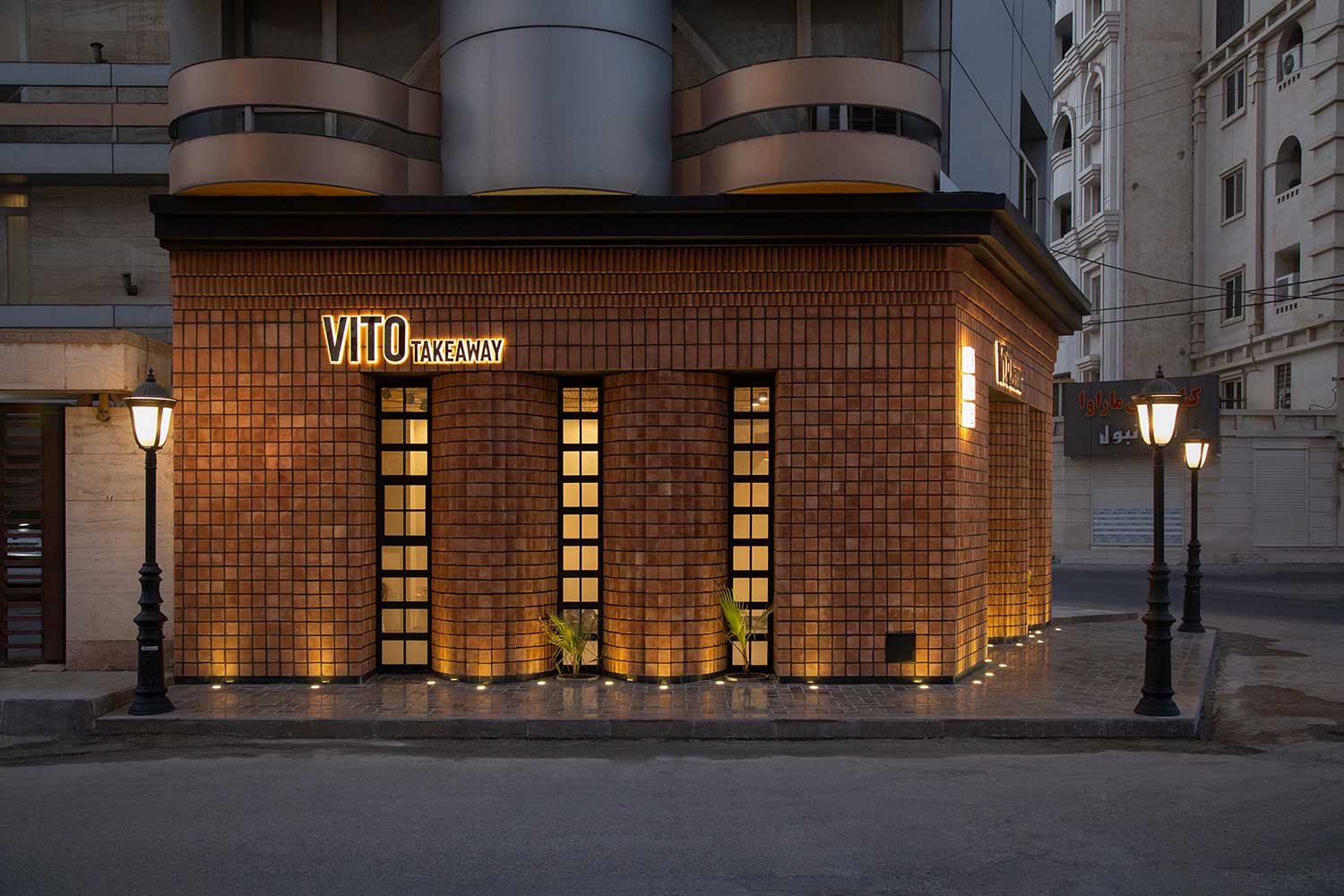
ویتو لانژویتو لانژویتو لانژ
بیان مسئله: يکي از دغدغه هاي مهم دانش و حرفهي معماری معاصر، چگونگي دستیابی به شهرها، و ساختمانهایی است که در صیانت از حیات، هویت مکانی، احساس تعلق و مداومت آن، بهخوبی و بطور شایسته ایفای نقش کنند، که این امر تا حد زیادی ناشی از رشد گسترده و بدون برنامه صحیح شهری است. این خواست معماری در حفاظت از هویت شهری، این سوال را ایجاد میکند که چطور باید بناهایی بسازیم که هم مکانی مناسب برای زندگی شهروند امروز باشند، و هم در حفظ هماهنگی و نظم متعادل بستر شهری، نقشی شایسته ایفا کنند؟ در این راستا و باتوجه به اینکه سایت پروژه در شهر اهواز قرار گرفته است، و اهواز شهری با بافت آجری و حصیری (نیئین) بوده که به مرور در دوره پهلوی صنعتی شده است، چالش اصلی طراحی ما تلاش برای ساخت کافهای بود، که به عنوان مکان معماری سهم شایانی در نظام محله ایفا کند. لذا رویکردی زمینهگرا و همزمان معاصر مدنظر قرار گرفت. فرض ما این بود که رویکرد معماری زمینهگرا ازآنجاکه مبتنی بر روش بستر است و مطابق با الگوهای بومی و هویتبخش بستر کار میکند، بهتر میتواند به هدف طراحی بنای کافه ویتو کمک کند.
هدف طراحی: طرح بازسازی کافه به عنوان مکانی برای گفتگو و تعامل شهروند امروزی به نوعی که بنا بخشی از هویت و شناسه محله گردد؛ با تصاویر ذهنی و خاطرات جمعی مردم همخوانی داشته باشد و به زبان بهتر احساس تعلق را در مردم محله برانگیزاند.
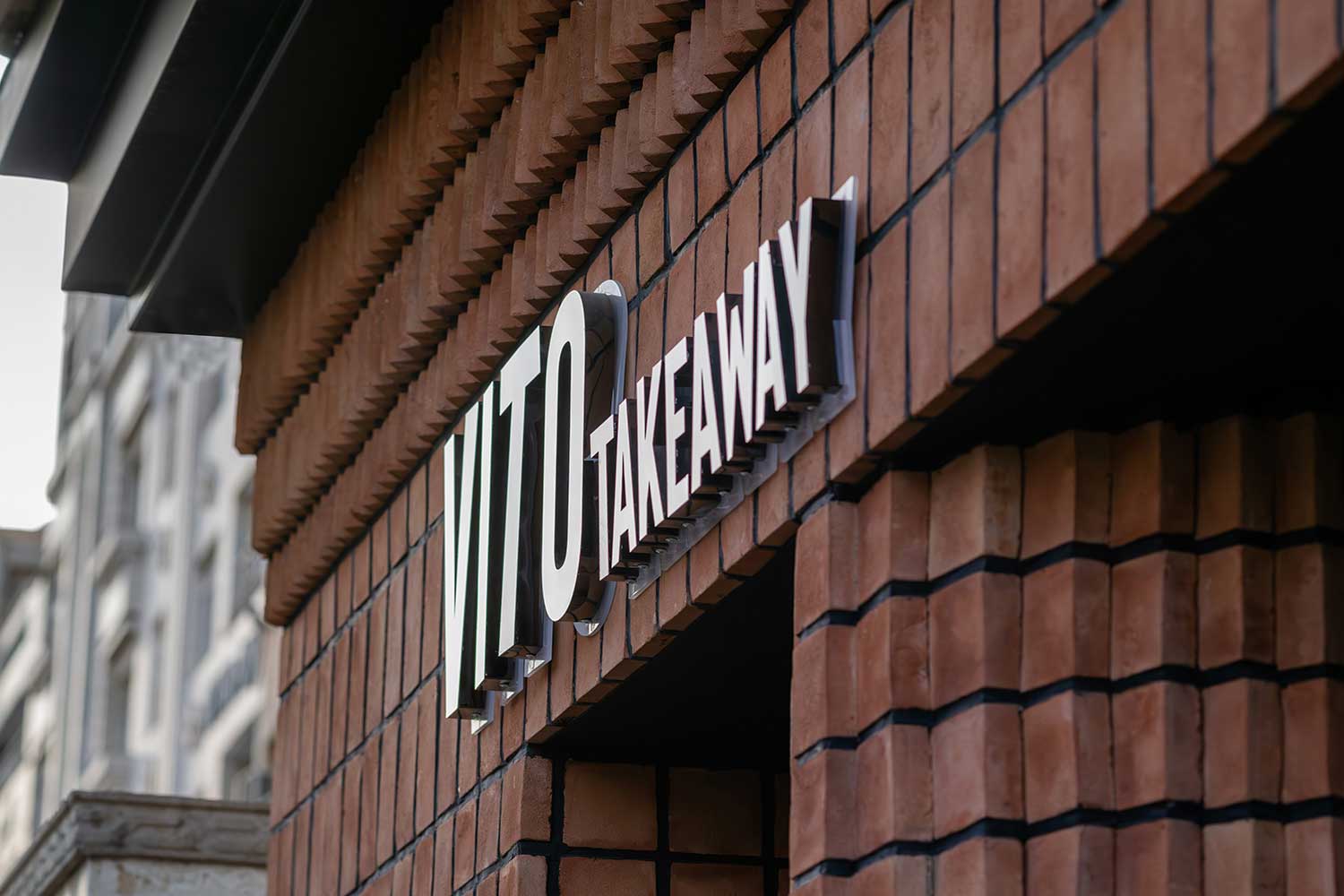
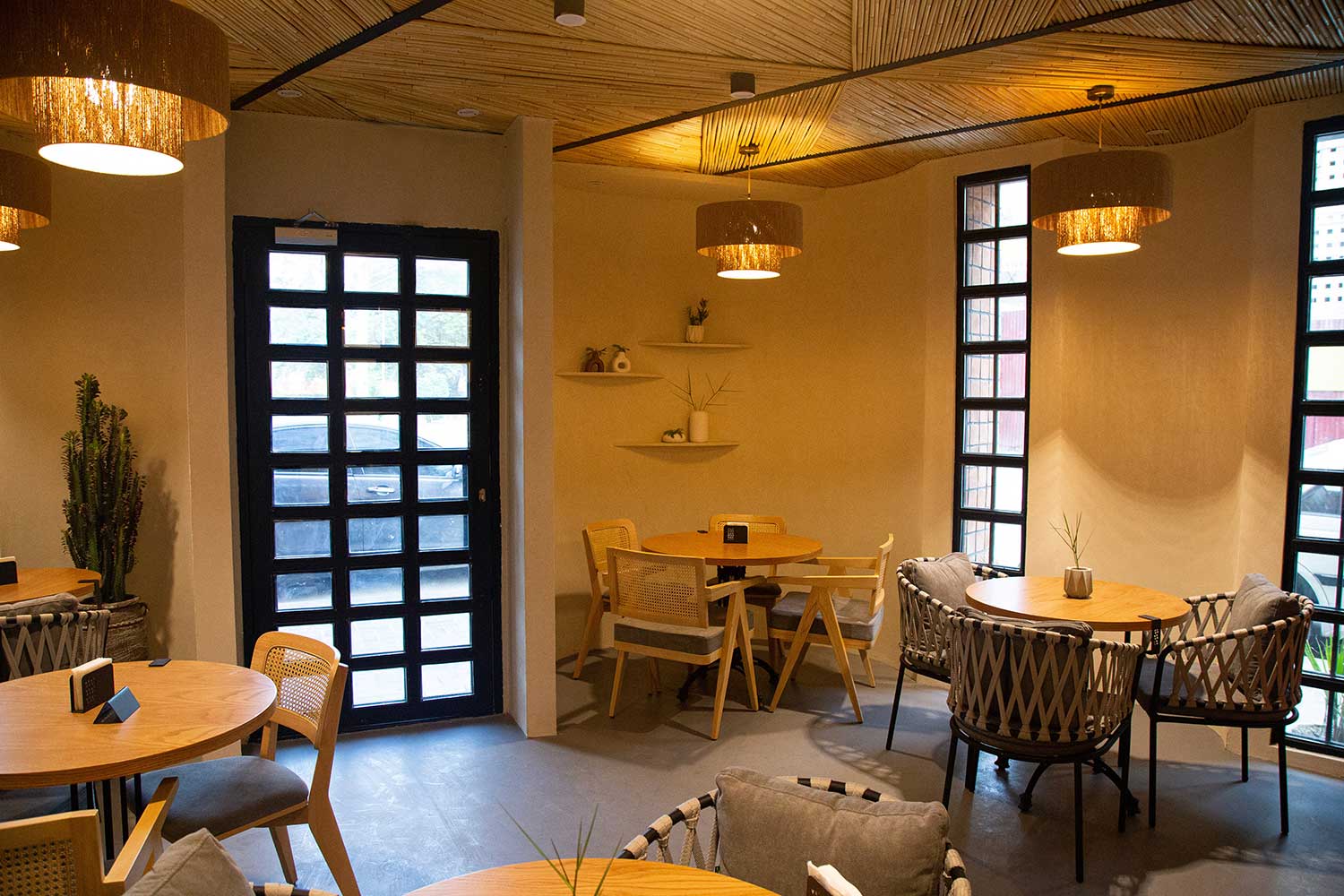
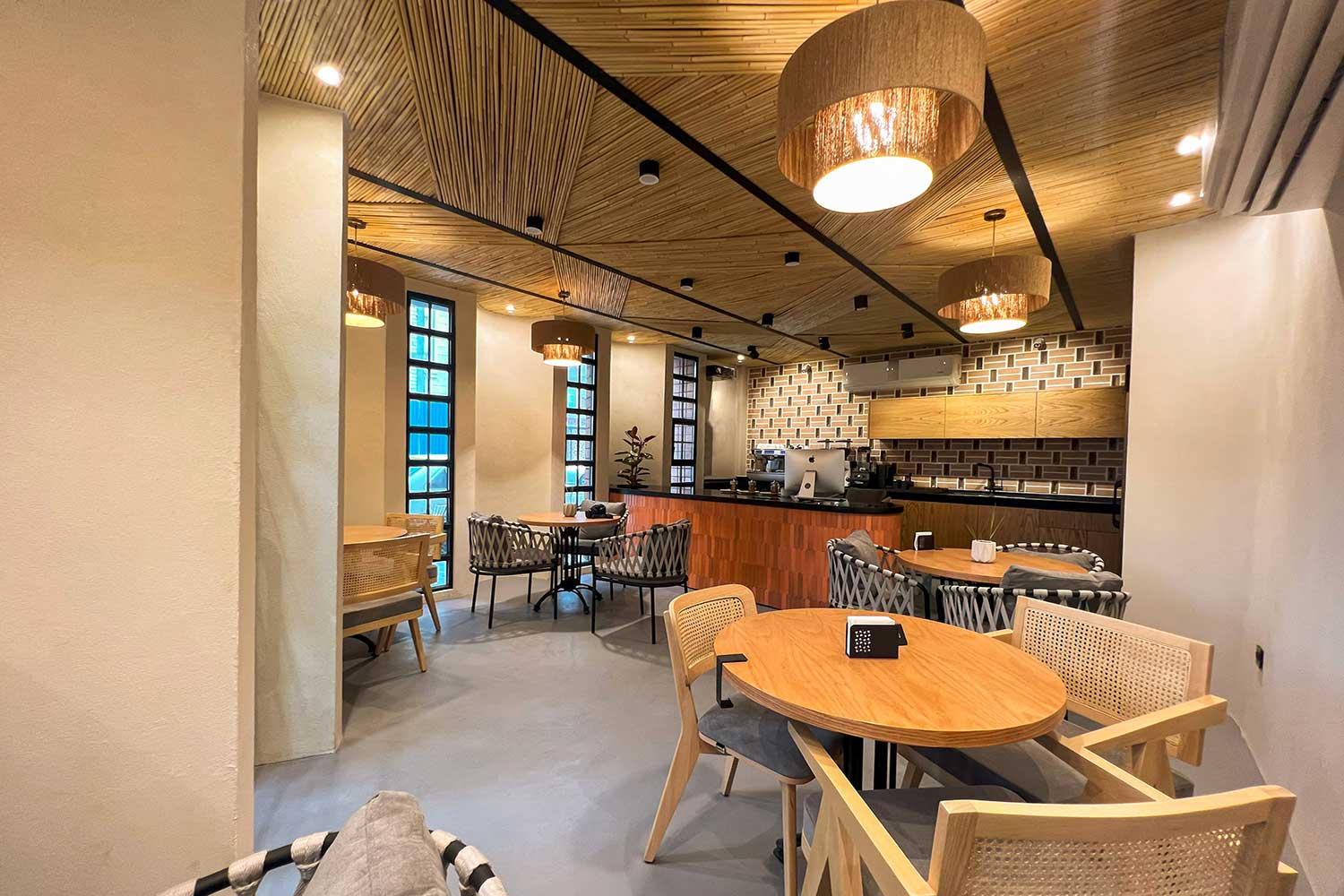
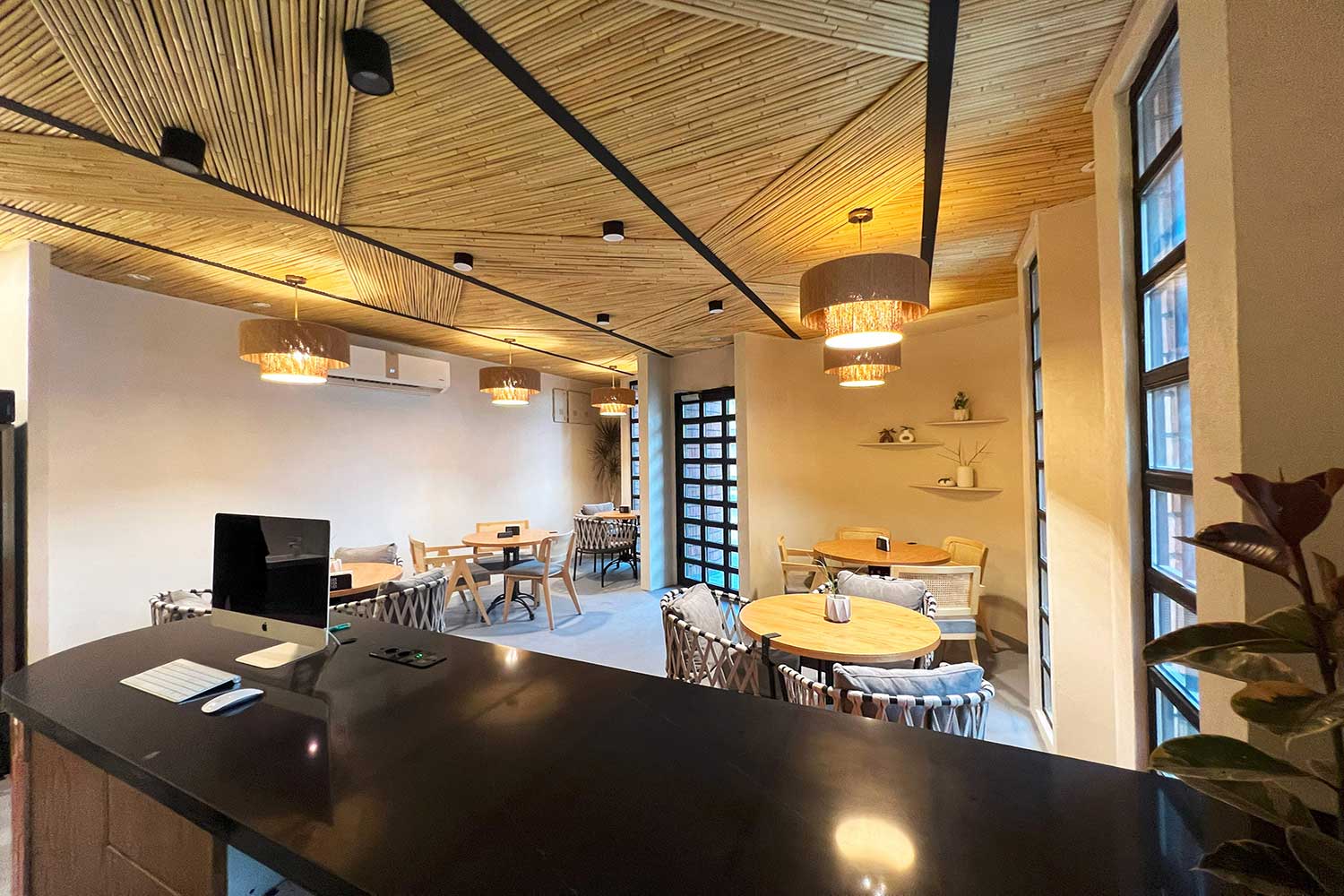
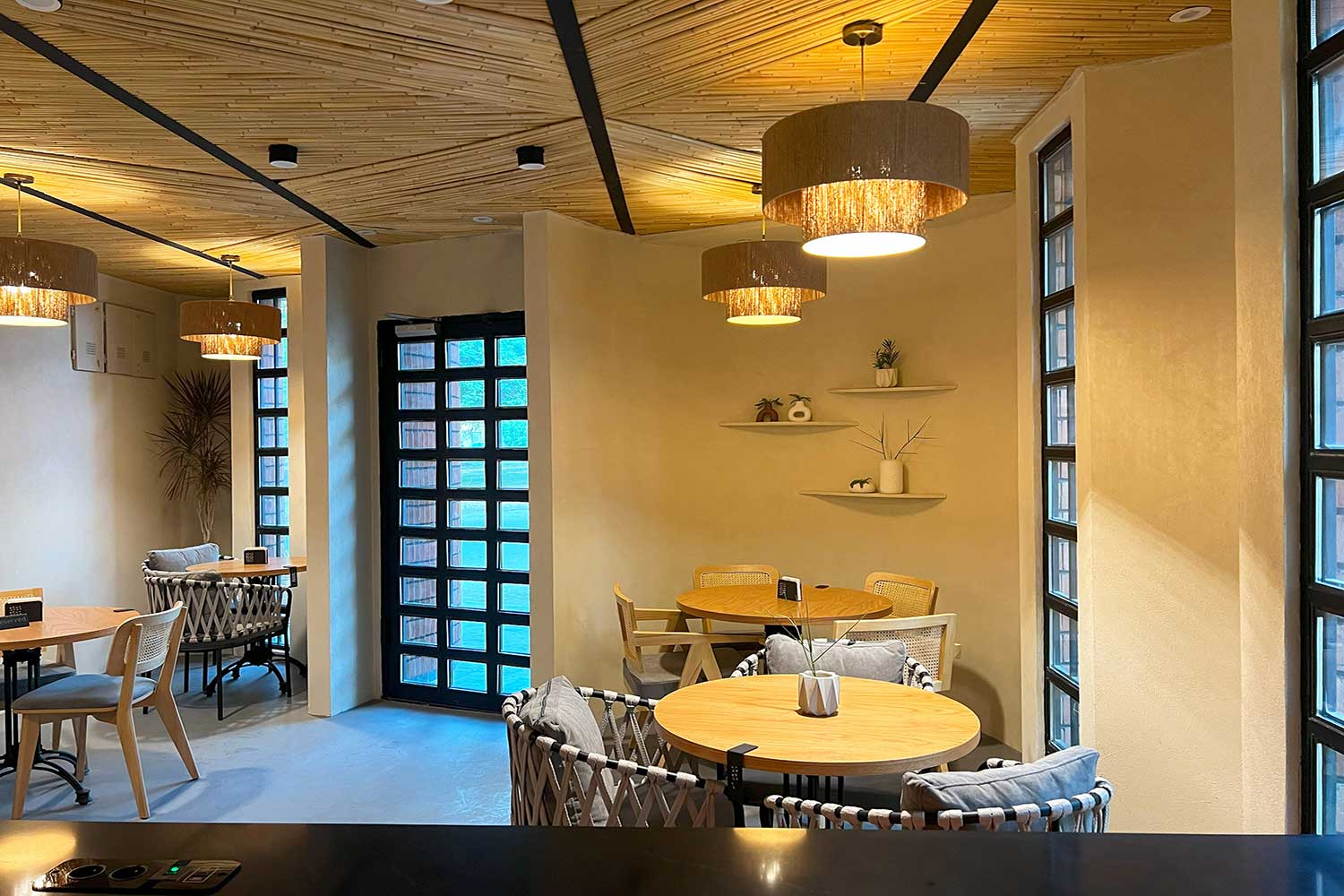
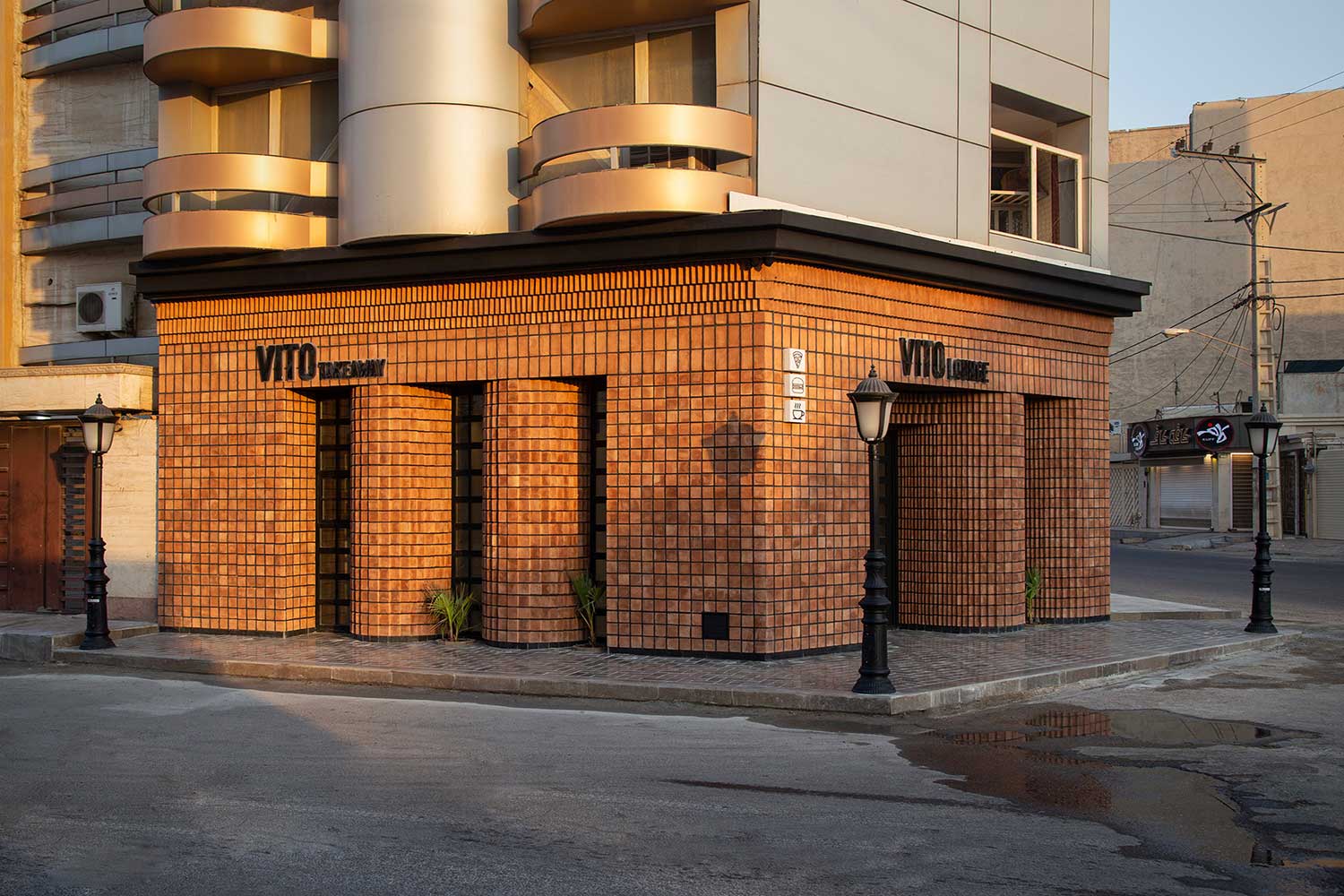
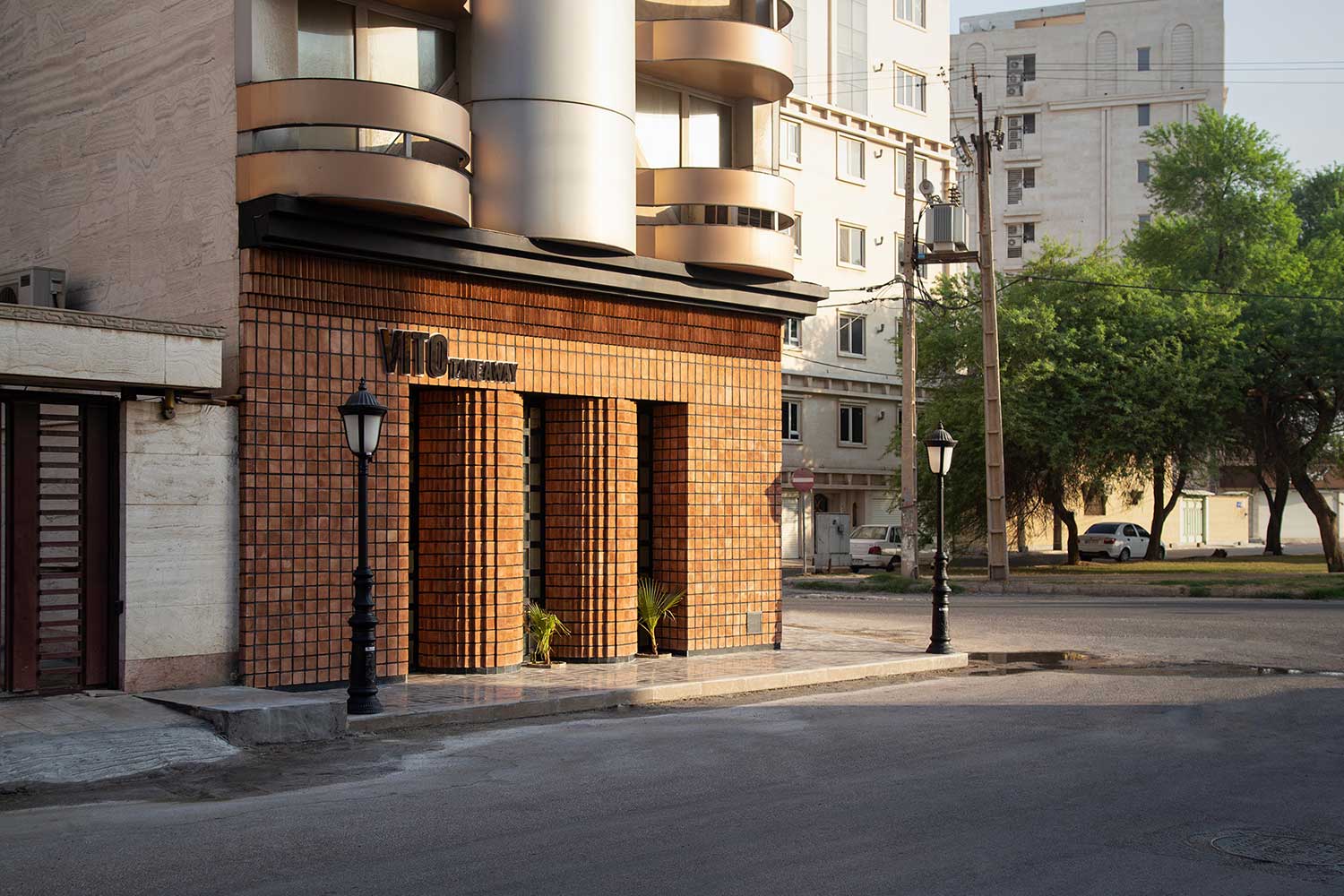
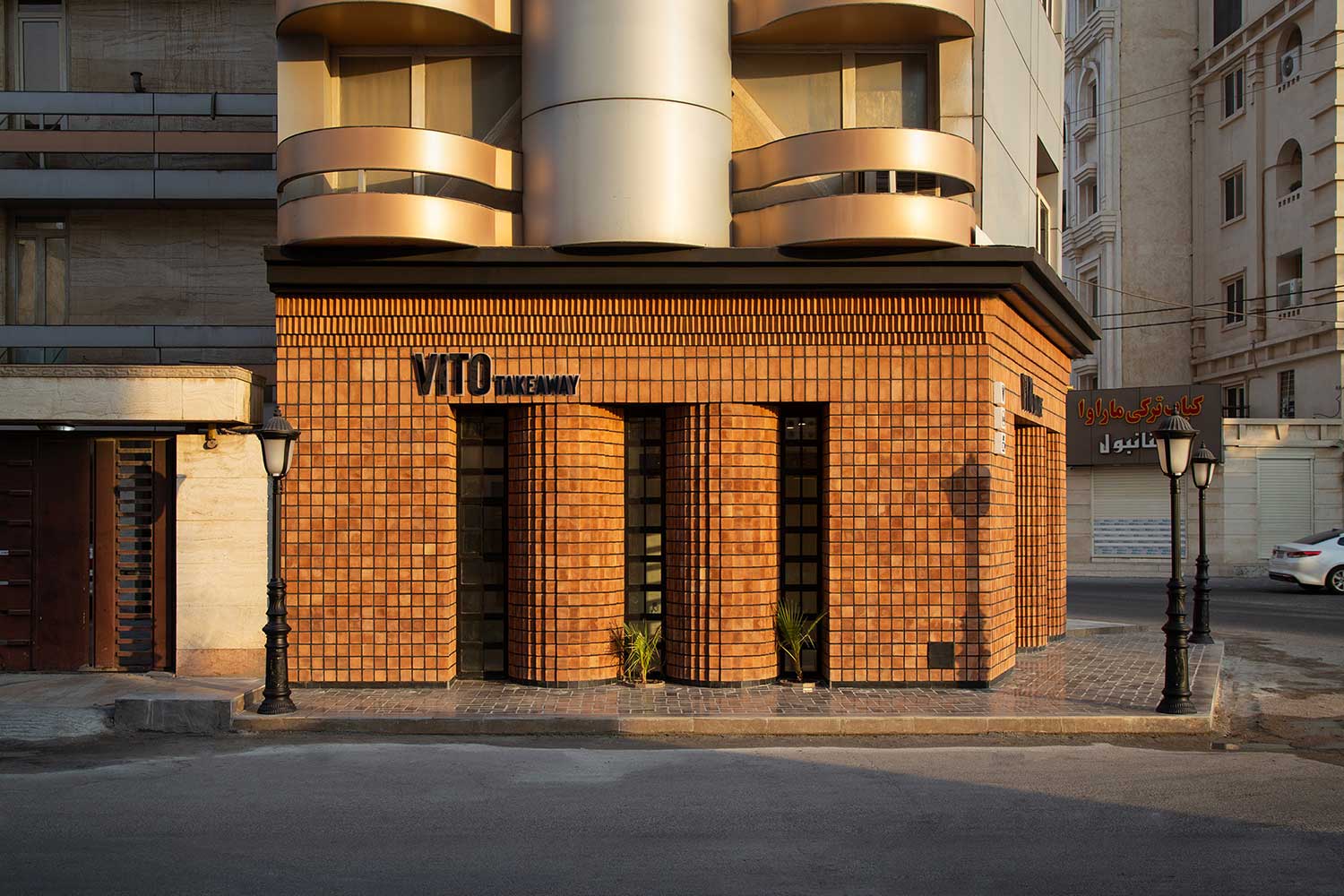
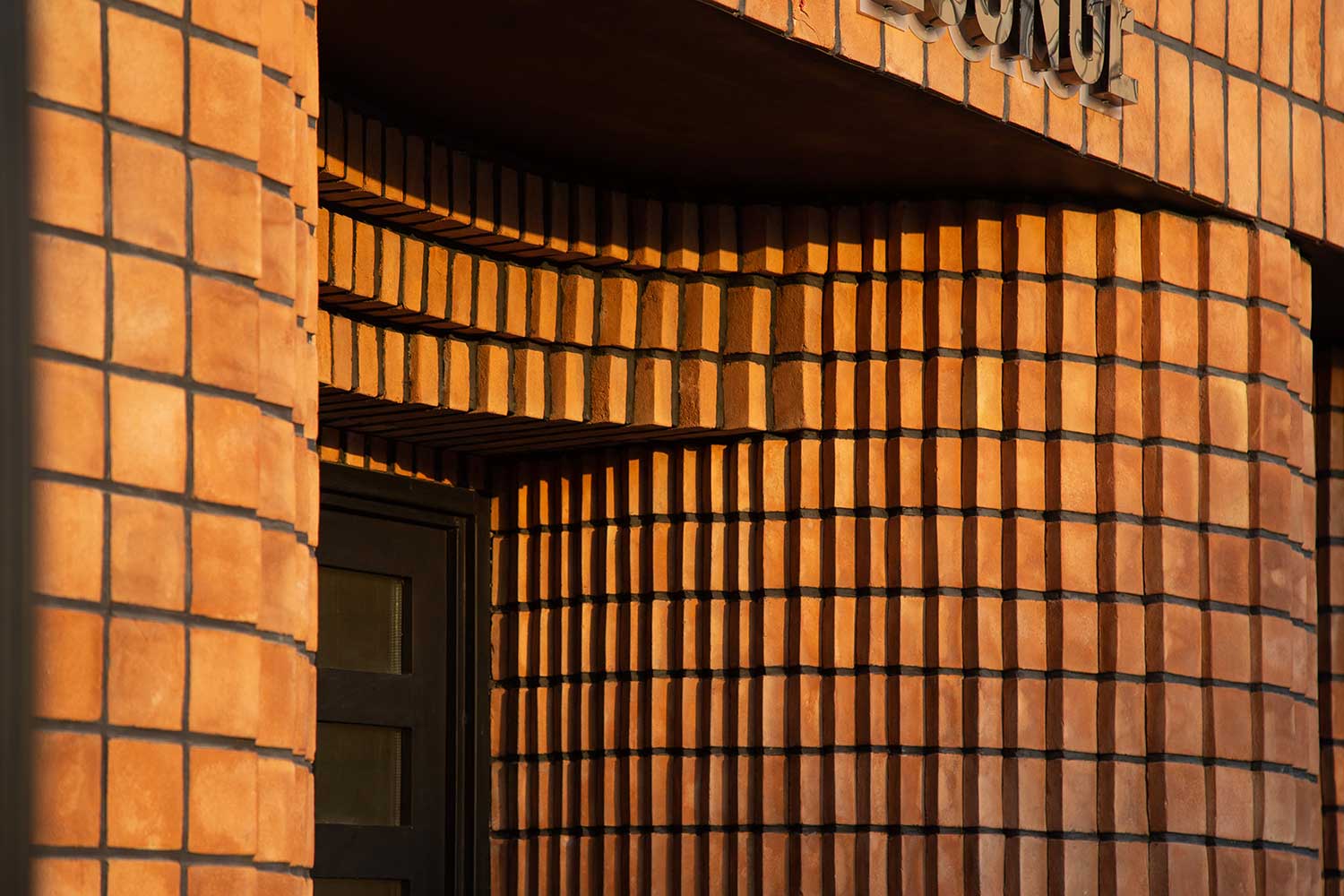
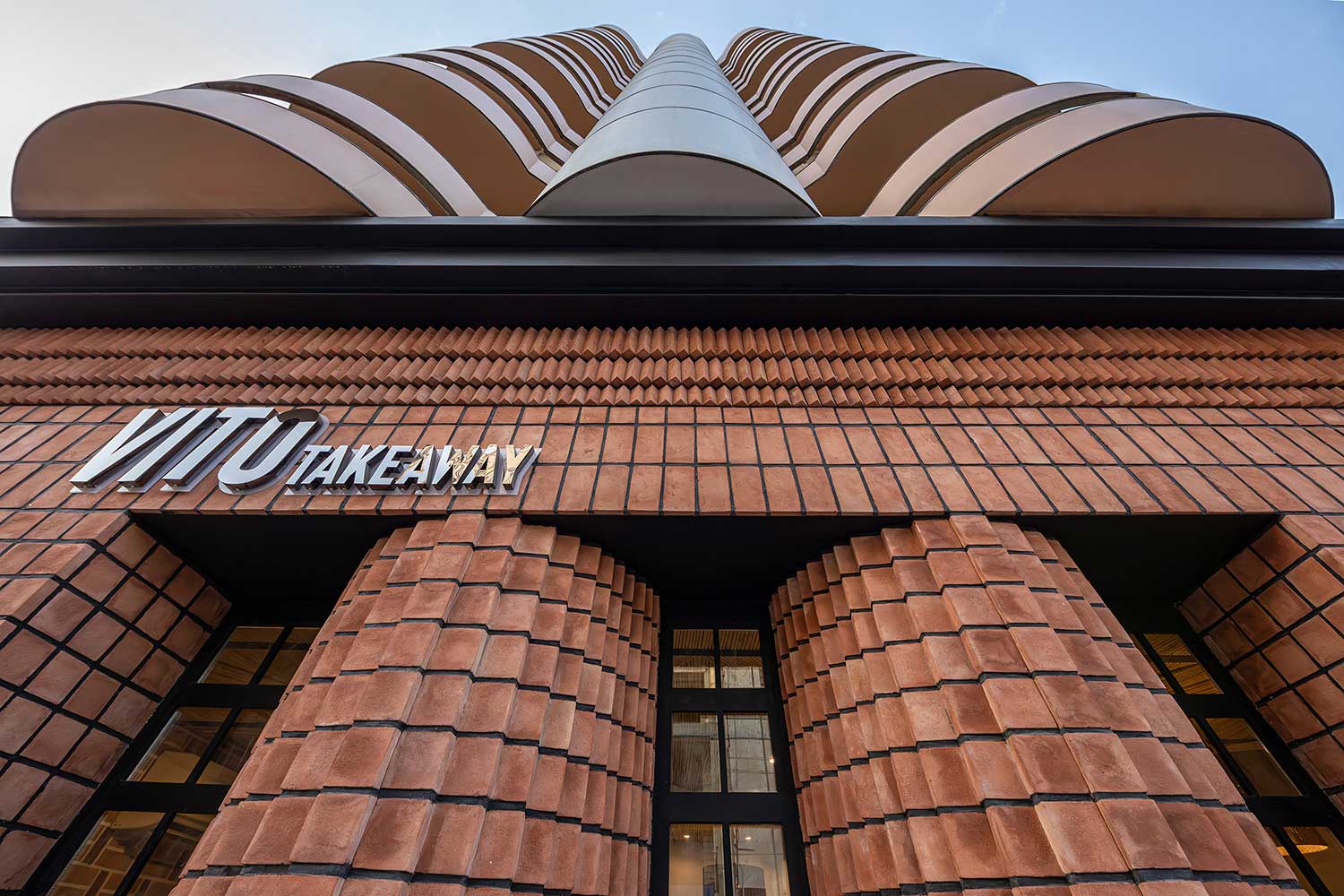
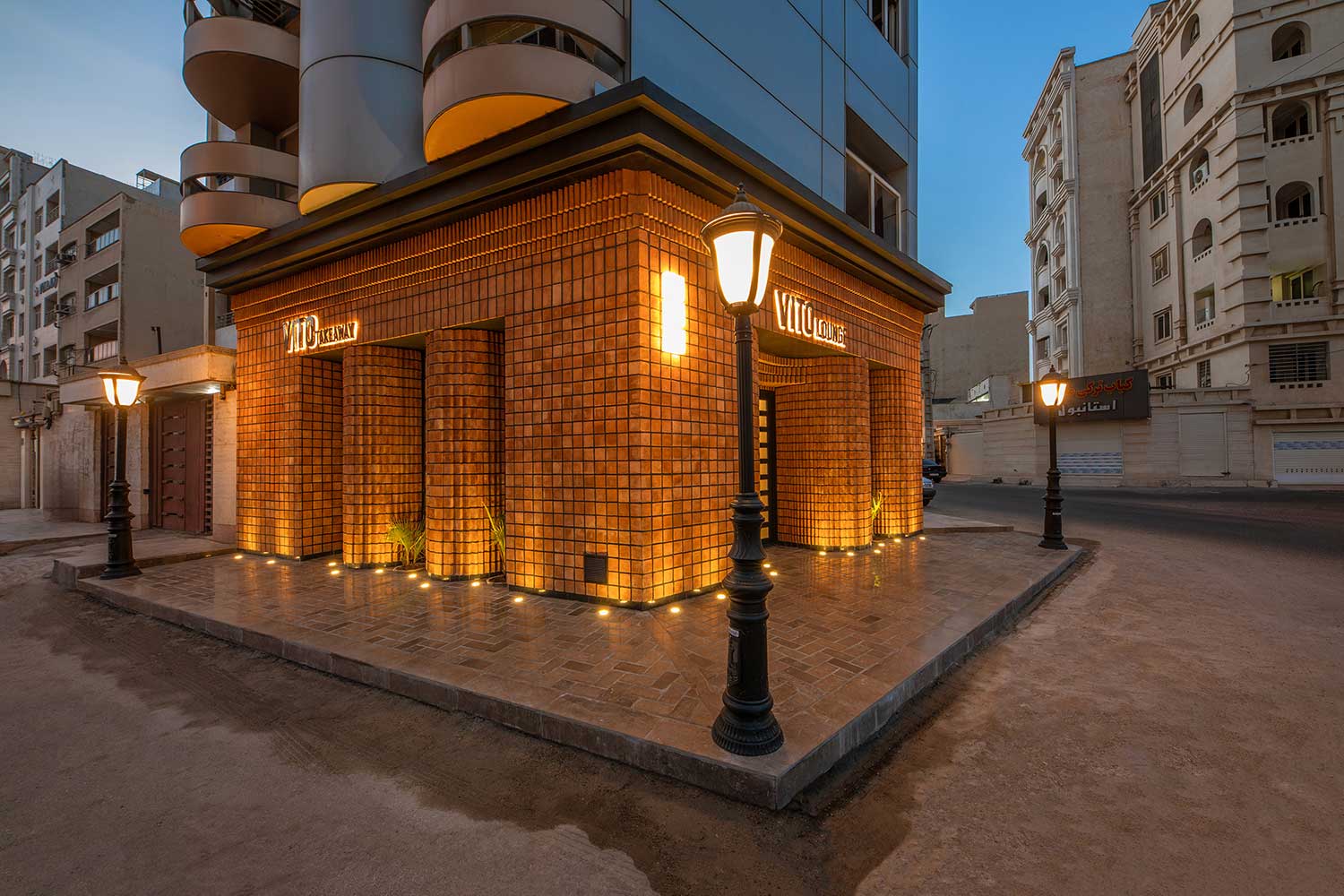
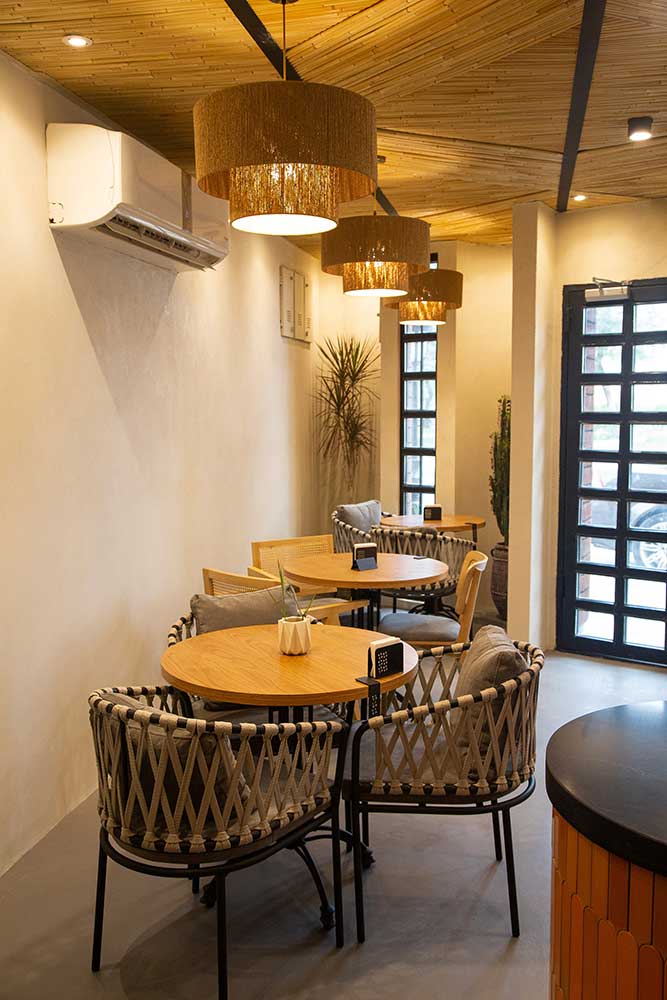
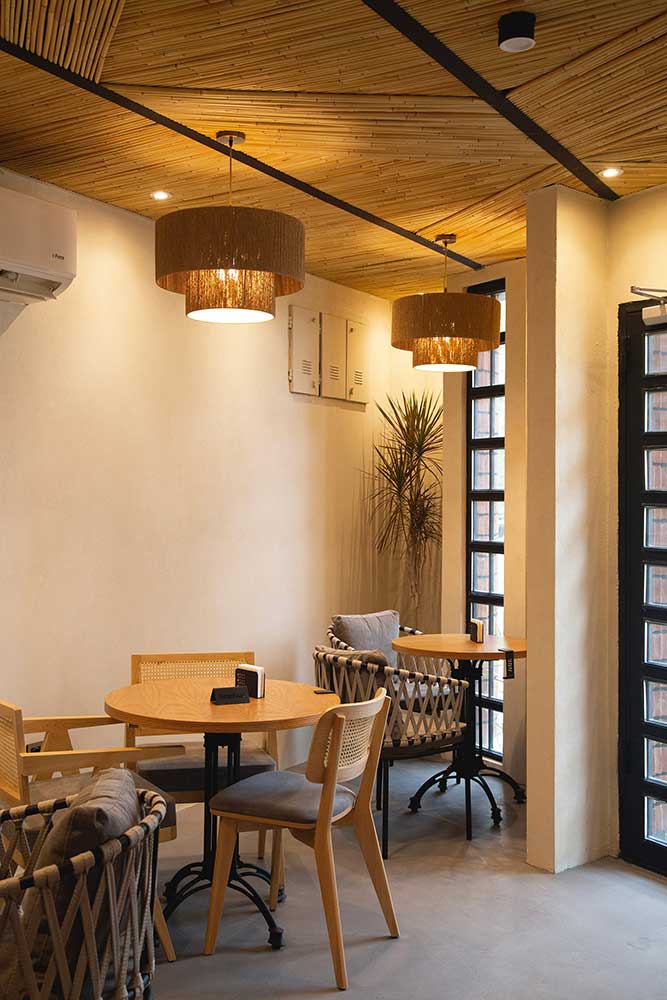
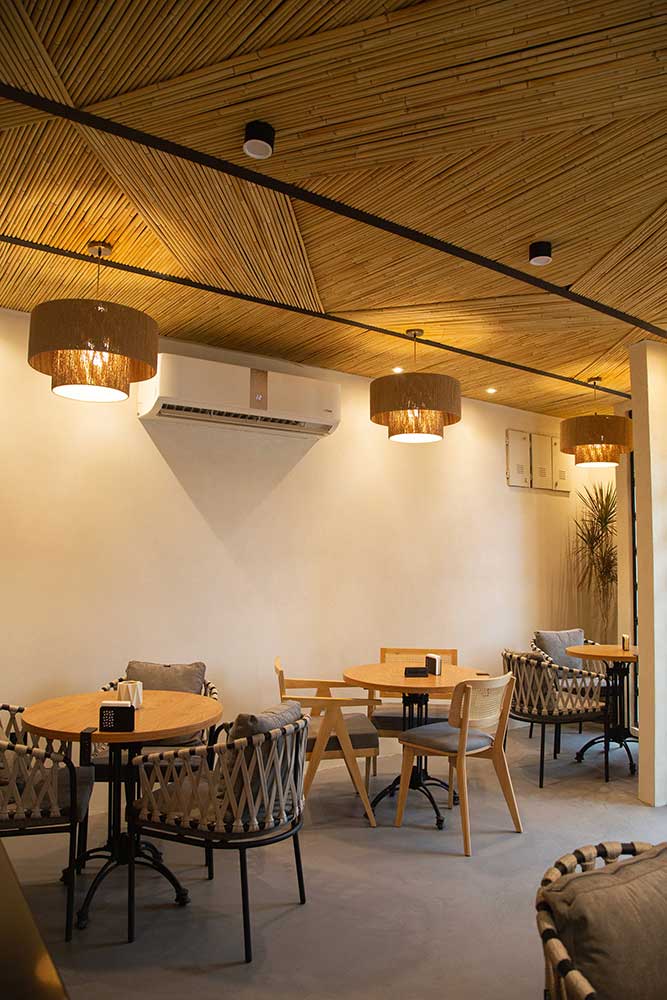
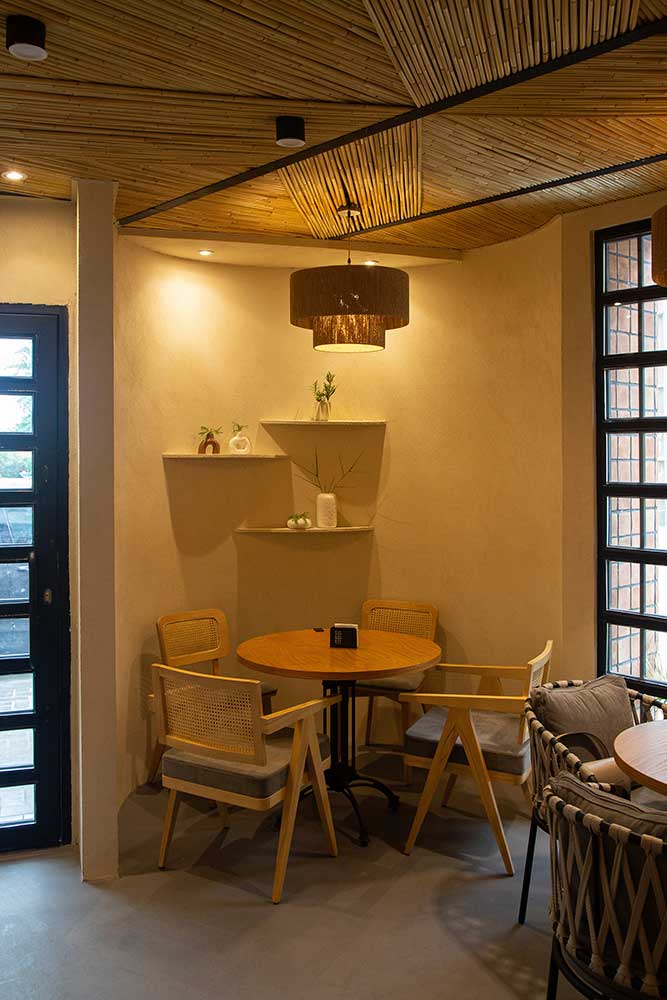
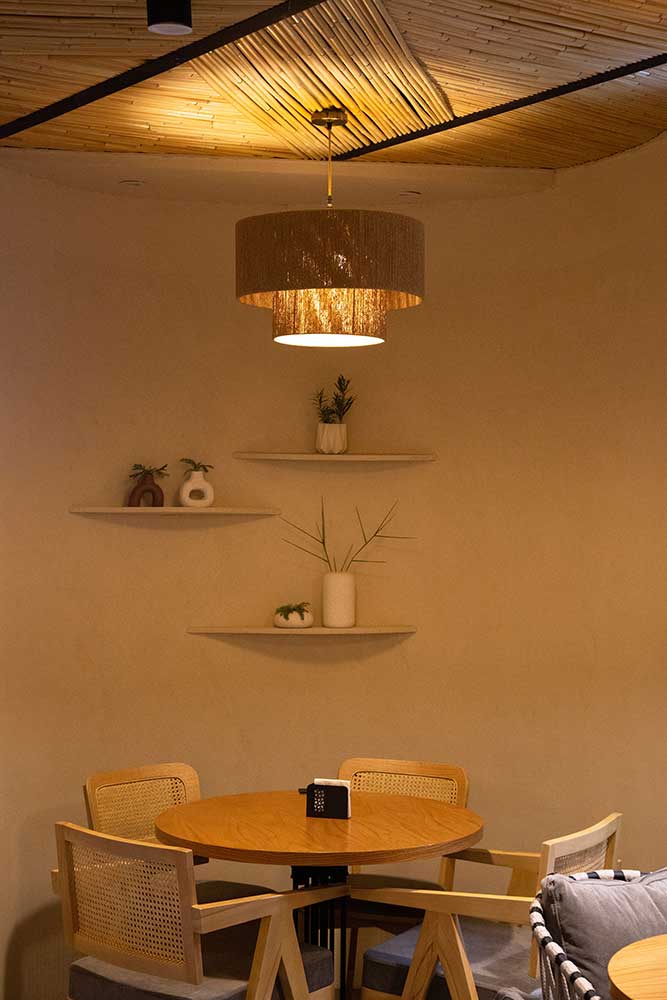
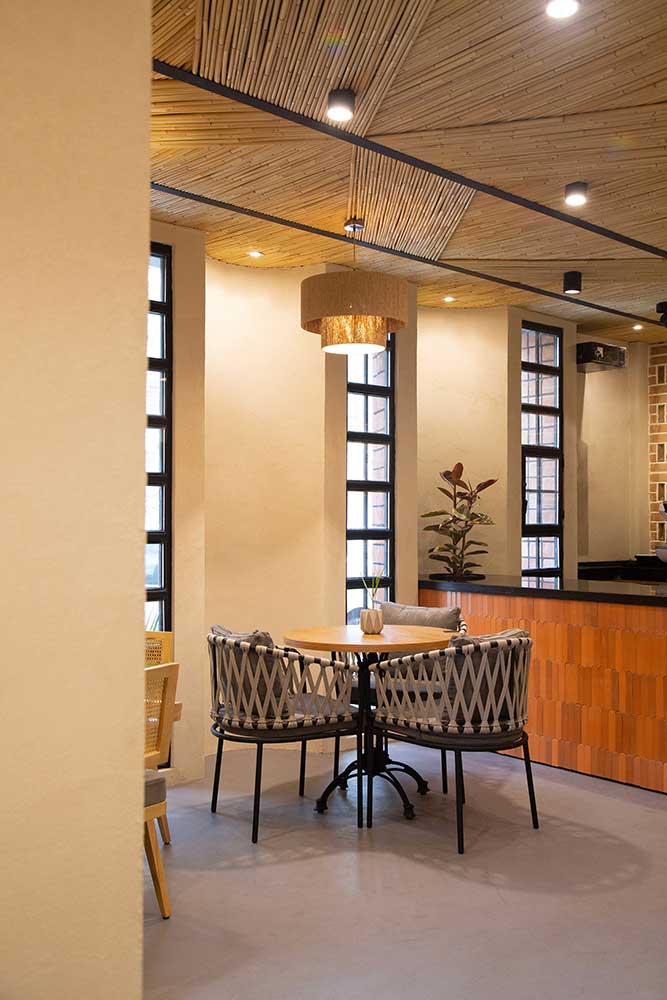
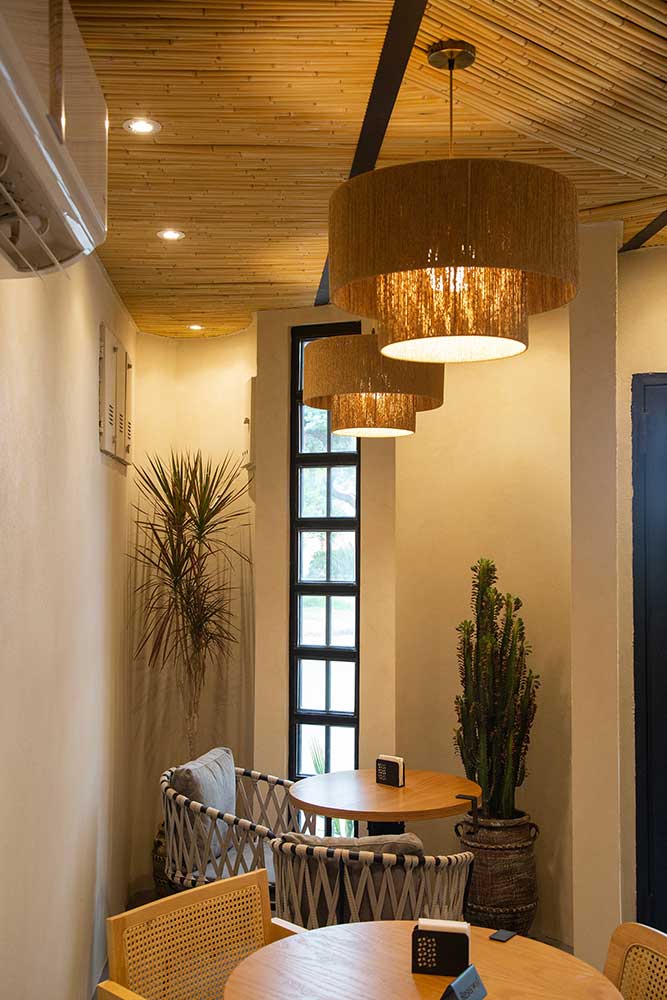
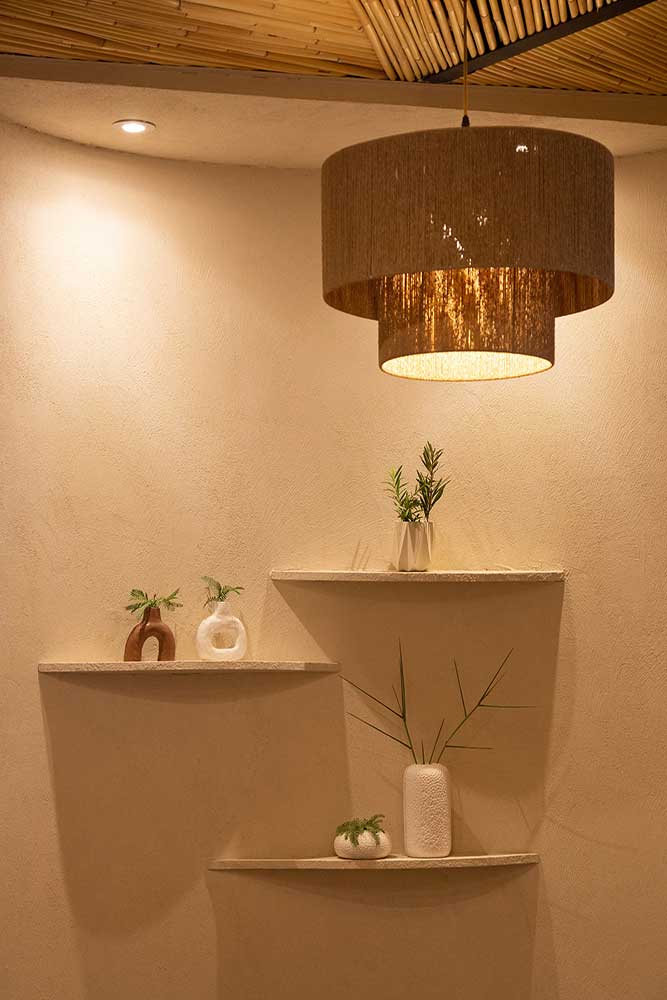
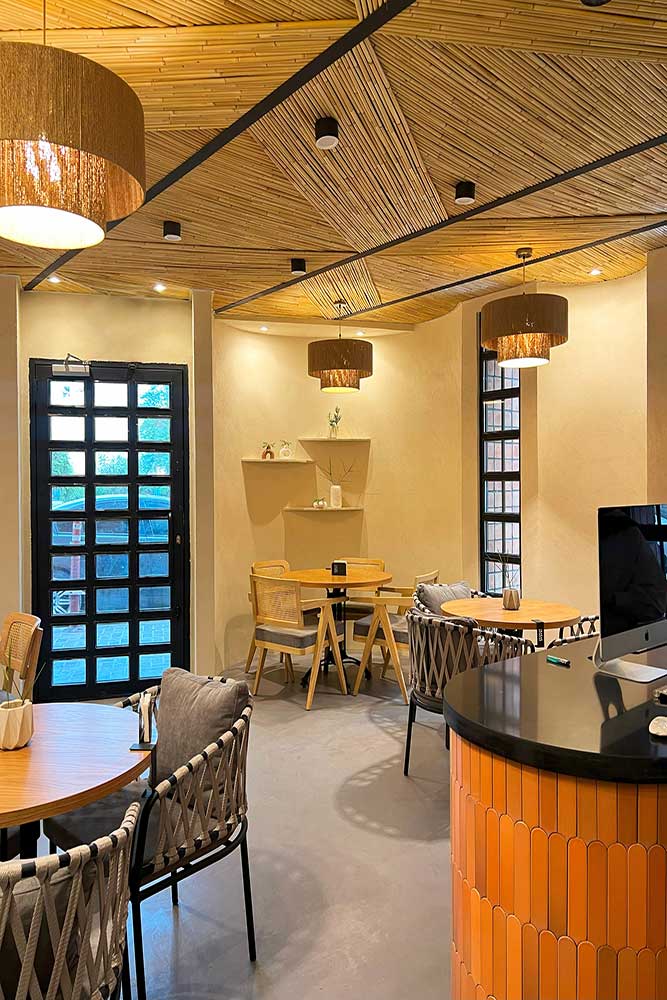
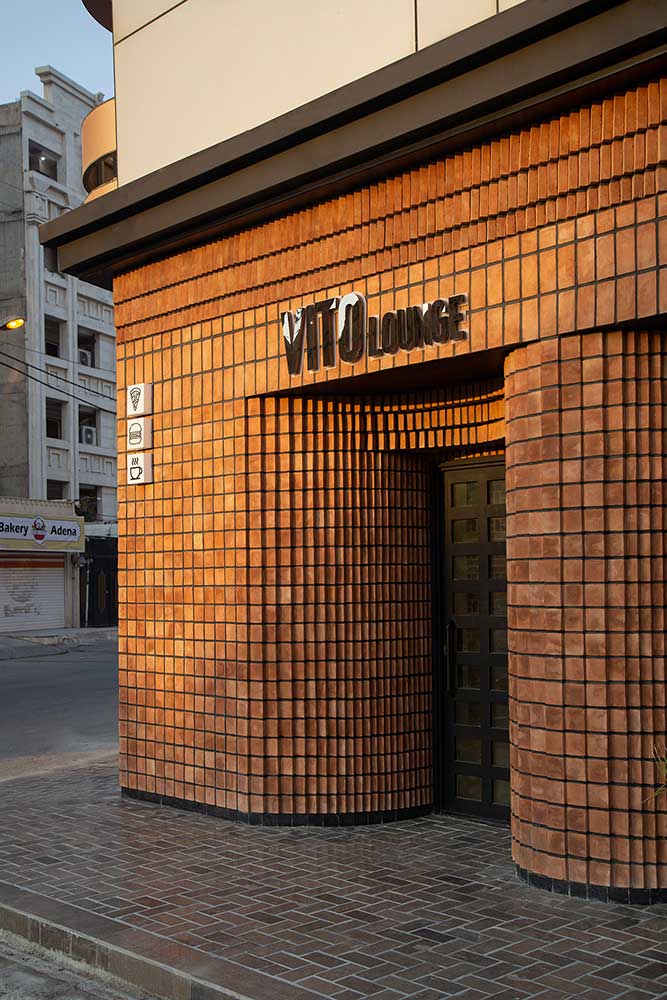
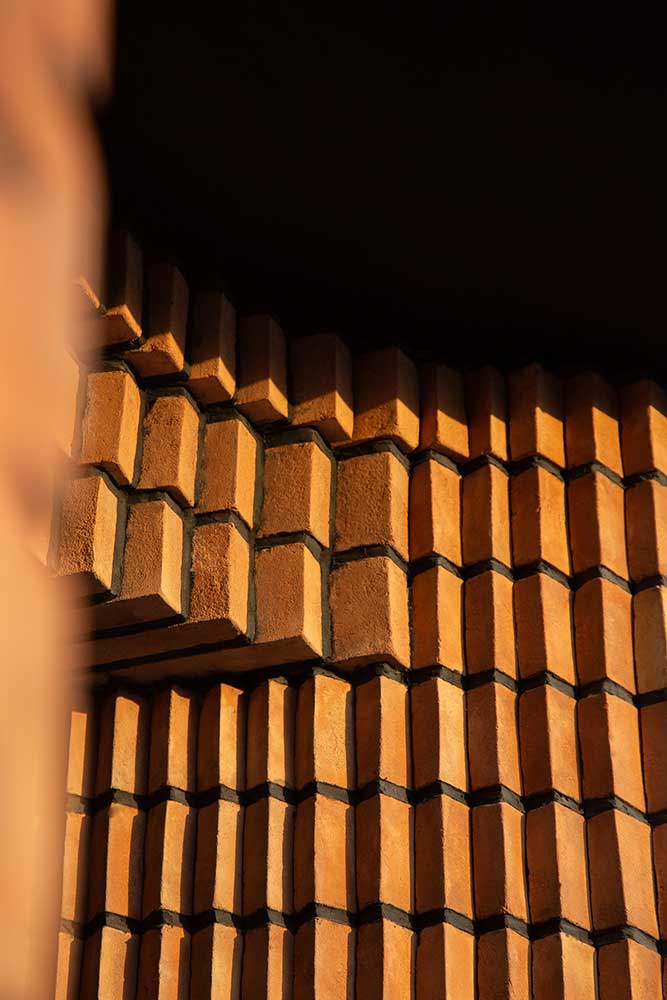
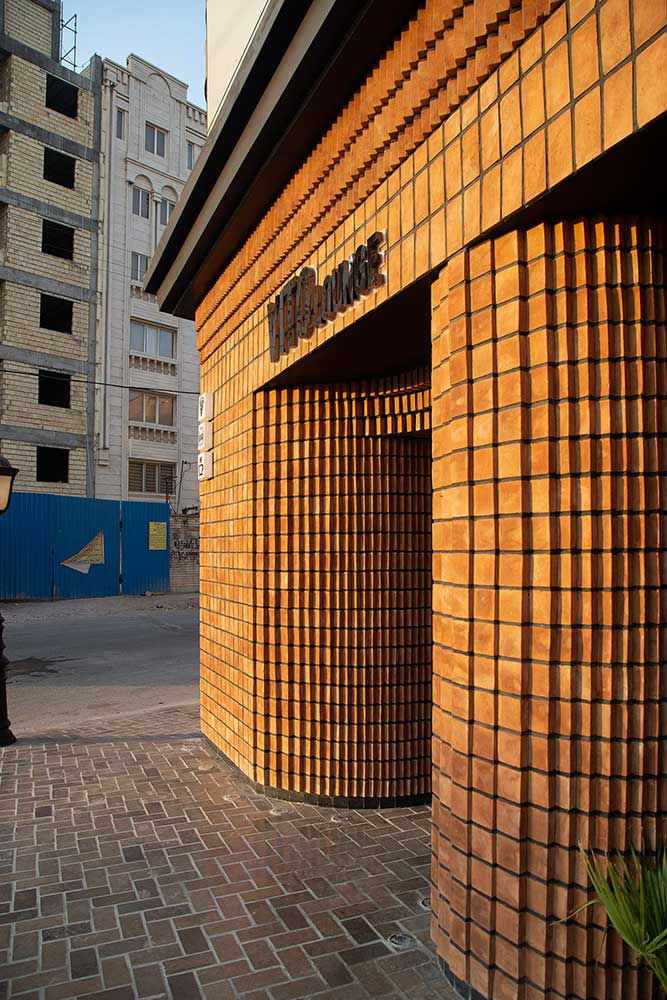
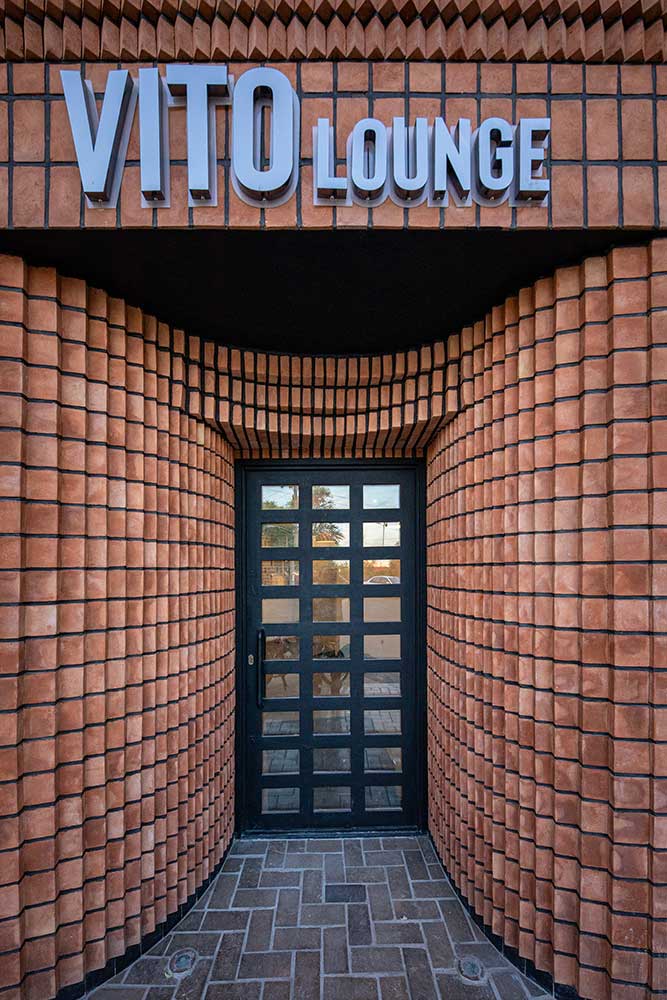
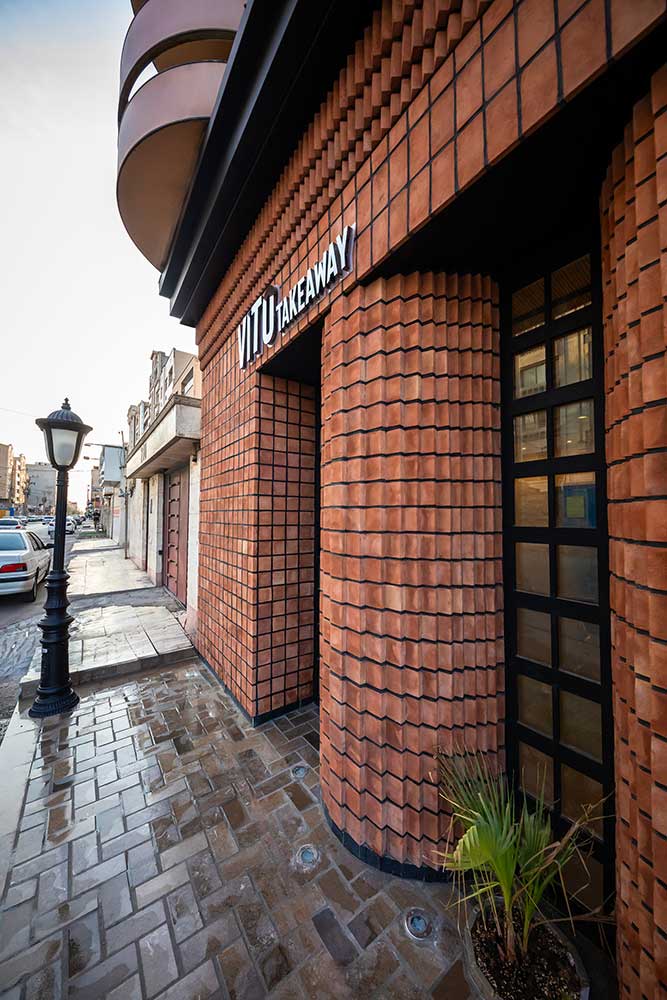
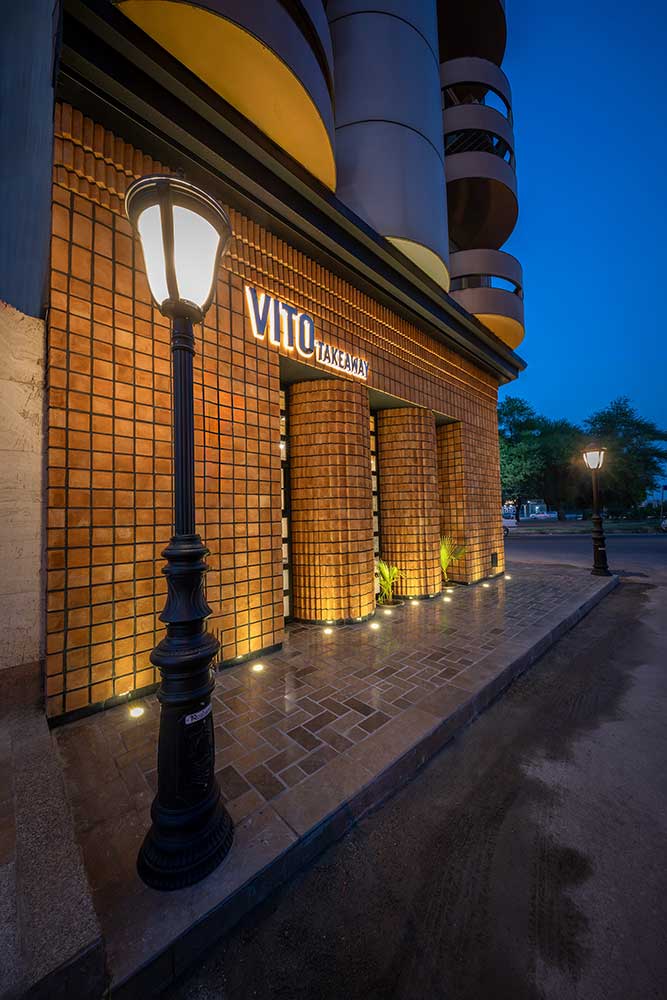
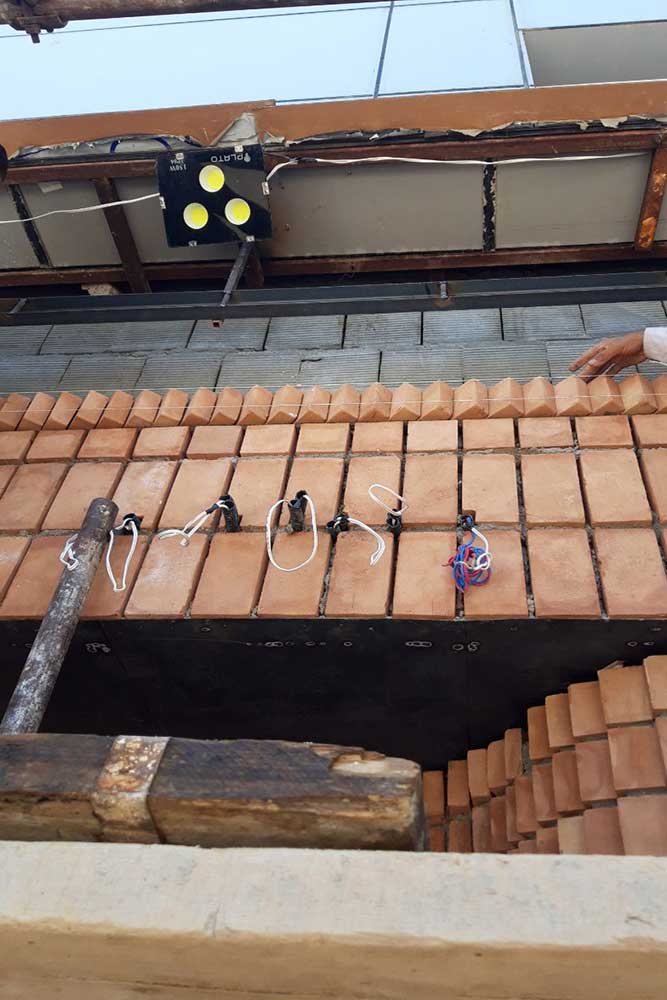
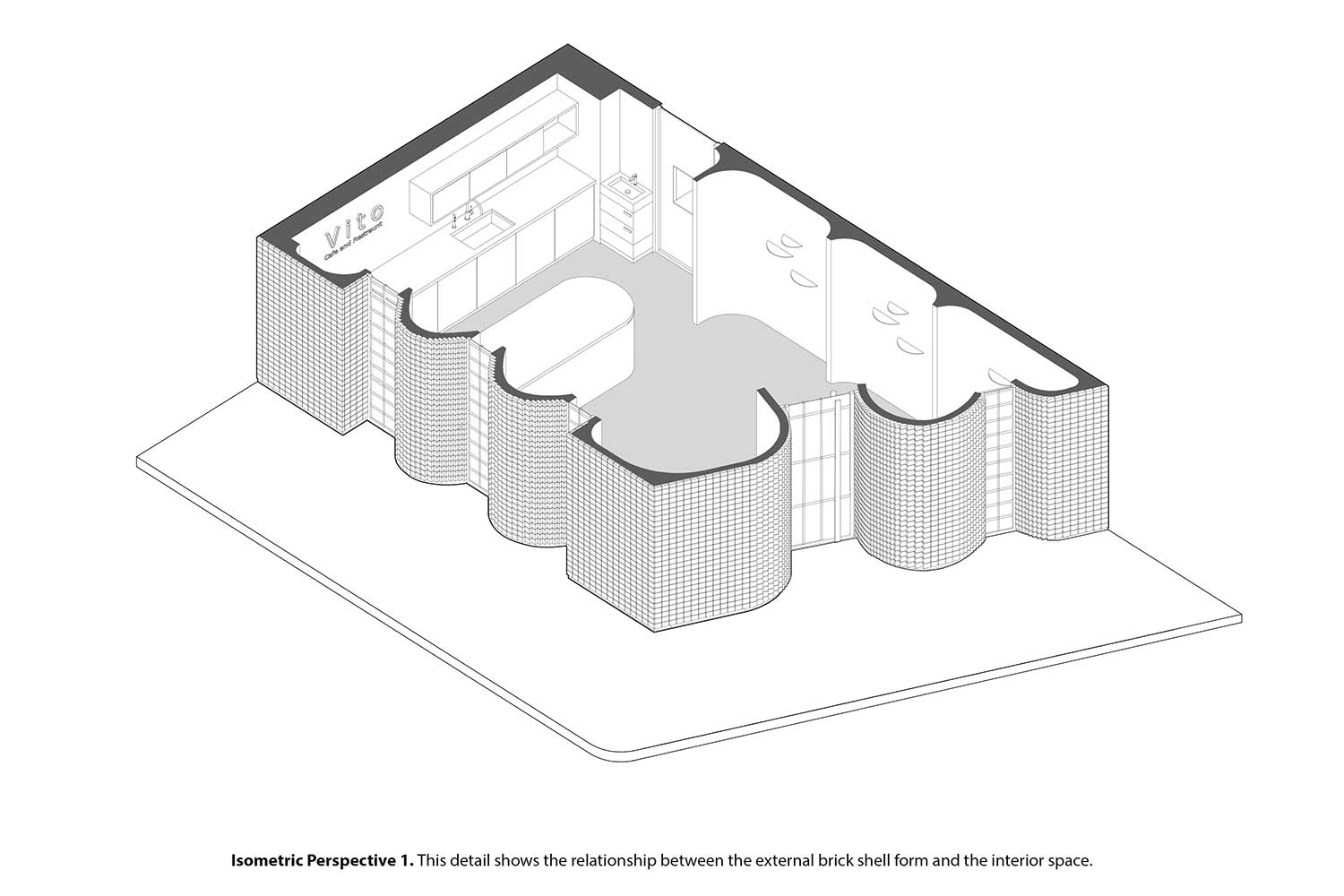
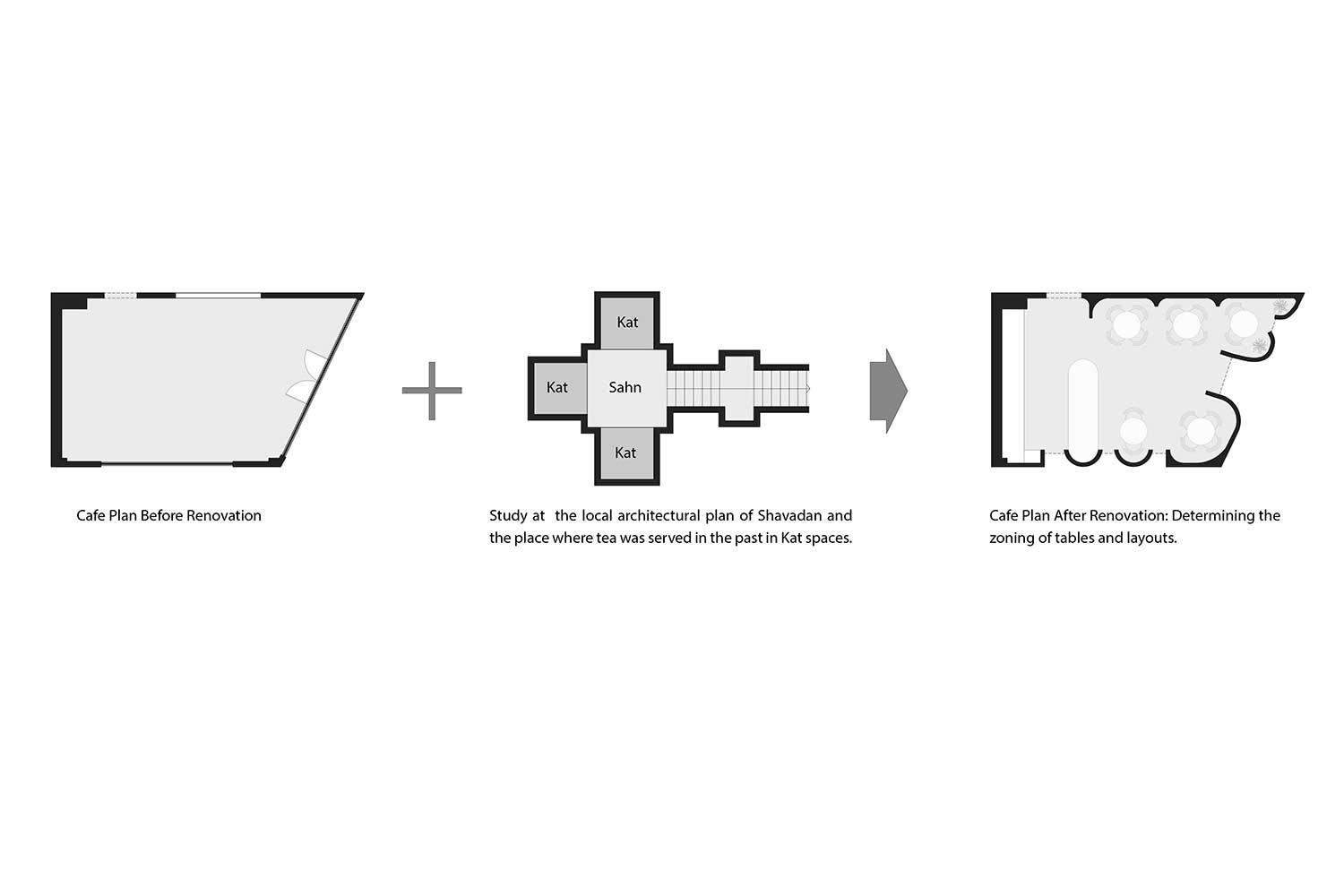
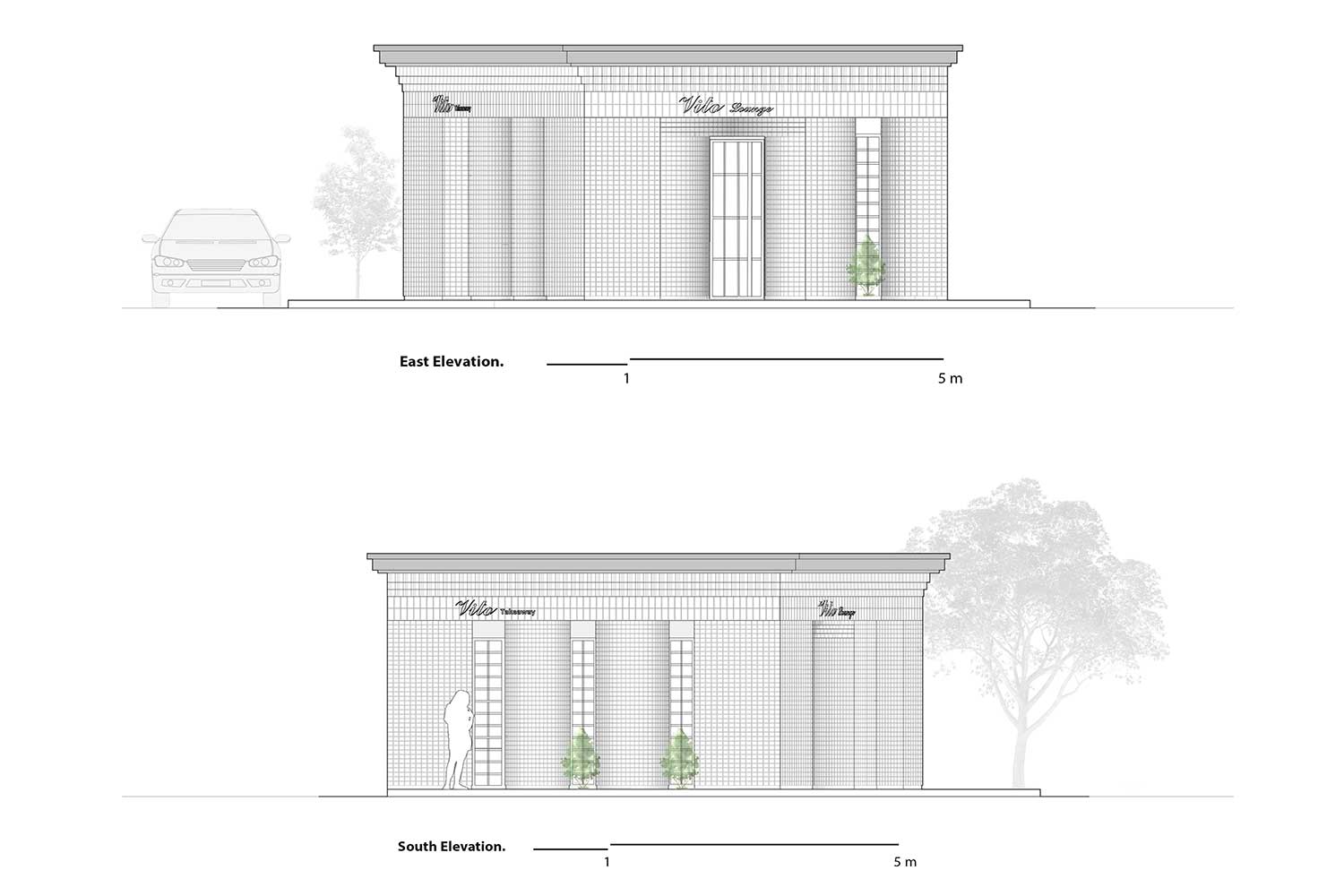
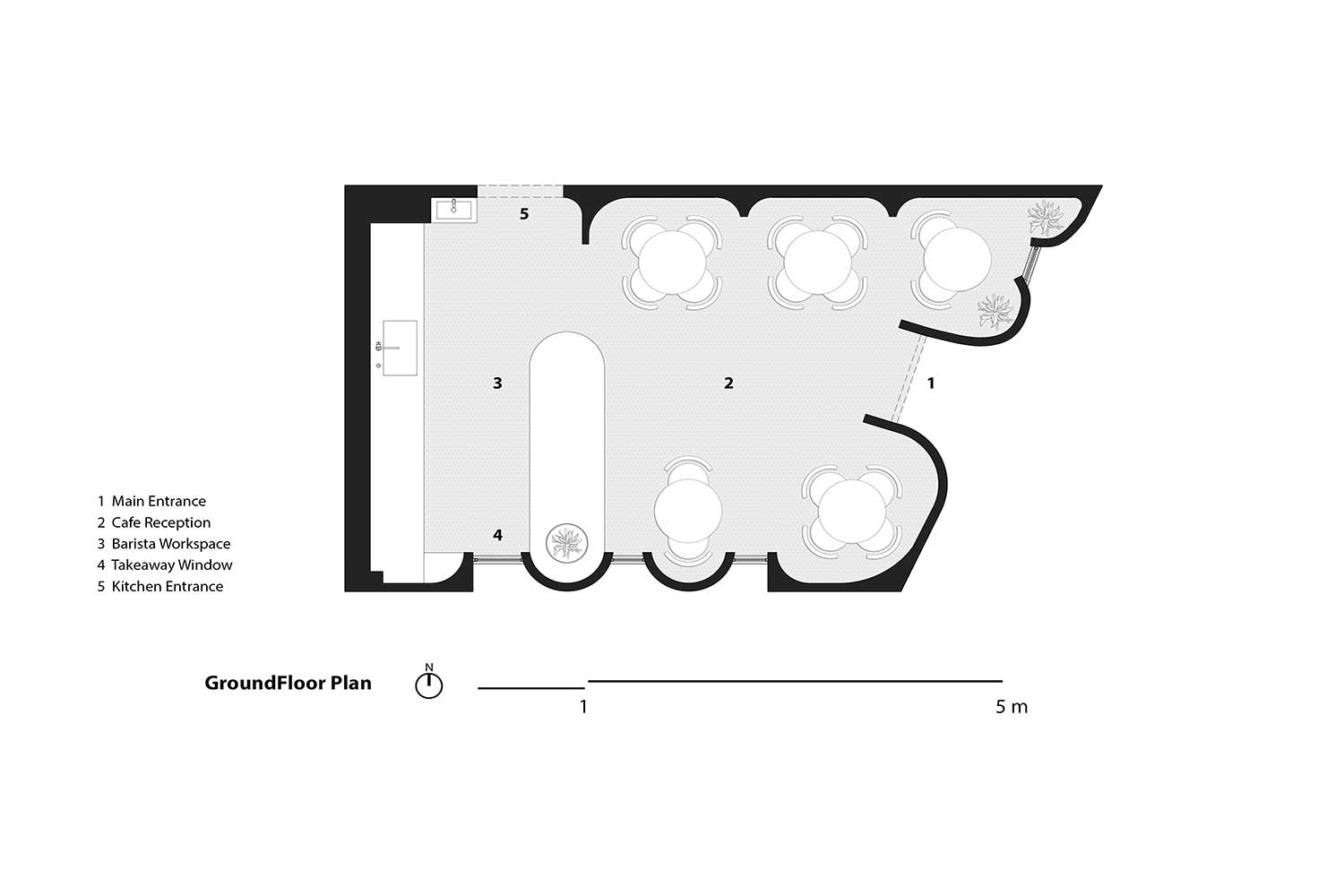
راهبردهای طراحی: واژه خوزستان از ریشه لغوی خوز (به معنای نیشکر) گرفته شده و به معنای سرزمین نیشکر میباشد. از طرفی واژه اهواز از ریشه لغوی هوز و هور (به معنای مردم یا خاندان تالابنشین) است. ساکنان بومی خوزستان در خانههایی نیئین با تزیینات و جزئیات حصیری، و روی آب تالاب زندگی میکردند و بعدها در دوره صفوی بافت آجری شهر اهواز با الگوبرداری از خانههای نیئین شکل گرفت. در این راستا راهبردهای طراحی ما با بررسی این ویژگیها شکل گرفته که هم پلان با نگاه به معماری بومی شکل بگیرد و هم در طراحی نما و فضای داخلی عناصر، رنگها و مصالح بکارگرفتهشده با تصاویر ذهنی مردم اهواز از طاق، طاقچه، نی و آجرکاریها، همخوانی داشته باشد. در طراحی نمای مجموعه، آجرچینی به شکلی نو و با الهام از آجرچینی بناهای معماری بومی خوزستان، و با درنظرگفتن عمق و سایه اندازی مناسب در تزیینات آجری به شکلی که به خنکسازی جداره ها و فضای داخلی کمک کند، صورت گرفته است. در طراحی داخلی فضا نیز به معماری بومی و مکانهای سرو چای به خصوص پلان سالن شبستان و شوادان های عمومی که در کَتهای اطراف صحن سرو چای صورت میگرفت توجه شده است؛ به شکلی که دیوارهایی با فرم منحنی ایجاد شده است، که فضاهایی دنج (به مانند کَتهای طاقیشکل در معماری گذشته) برای قرارگیری میزها اطراف صحن تعریف میکند. فرم منحنی دیوارها به شکلی کار شده است که هم در نمای ساختمان به کمک عمق ایجاد شده در انتهای منحنیها، به سایه اندازی و کنترل نور خیرهکننده خورشید بیانجامد، و هم به چیدمان فضای داخلی کافه و موقعیت قرارگیری میزها کمک کند. سقف کاذب کافه بهکمک مصالح نی خوزستان و با تزییناتی که یادآور جزئیات مضیفهای نیئین میباشد، اجرا شد. برای پوشش کانتر از آجرهای لعابدار قرمز و دیوار پشت کانتر نیز آجر رنگ گلبهای استفاده شده است. در مجموع میتوان گفت طراحی کافه ویتو با رویکرد زمینهگرا، به کمک یادآوری شاخصههای معماری محلی و احساس حضور و زیستن در فضایی آشنا، با خاطرات و تصاویر ذهنی مردم منطقه تعامل میکند و تلاش میکند به کمک درهمتنیدگی یکپارچه عناصر مختلف معماری، حس تعلق مکانی را برانگیزد.
فینالیست یازدهمین طراحی داخلی ایران
_______________________________________
نام پروژه: ویتو لانژ (بازسازی کافه ویتو)
عملکرد: کافه-رستوران
شرکت-دفتر طراحی: دفتر معماری بایو-دیزاین
معماران اصلی: آرش ضیاء
کارفرما: محمدعلی صرامی فروشانی
همکاران طراحی: حمید آب آب زاده
تهیه نقشه های فاز 2: آرش ضیاء، حمید آب آب زاده
آدرس پروژه: اهواز، زیتون کارمندی، خیابان فردوسی نبش زمرد
طراحی و دکوراسیون داخلی: آرش ضیاء، حمید آب آب زاده
مشاوران و اجرای نورپردازی: شهریار صفی نیا
اجرای پروژه: محمد مهاجری
مجری آجر: اردشیر ابوالفتحی
مجری میکروسمنت: عارف جابری، راضیه رشتی زاده
نوع سازه: فلزی
سرپرست کارگاه: محمد مهاجری
تاریخ طراحی: 01/1402
تاریخ شروع ساخت: 03/1402
تاریخ پایان ساخت: 06/1402
عکاسی پروژه: حمید آب آب زاده، مهرداد میثاقیان
مشاور اجرا: مسعود آذرنشین
مشاور گرافیک: حمید آب آب زاده
وبسایت: www.bio-design.ir
ایمیل: biodesign.architects@gmail.com
اینستاگرام: biodesign.architects
Theoretical Foundations:
Problem statement: One of the important concerns of the knowledge of contemporary architecture is how to achieve cities and buildings that play an appropriate role in preserving life, place identity, sense of place and its sustainability. This desire of architecture in protecting the urban identity raises the question of how should we build buildings that are both suitable place for the life of today’s citizens, and play a worthy role in maintaining the harmony and balanced order of the urban context? In this regard with considering that the project site is located in the Ahvaz city, which is a city with a brick and straw texture (reeds material) that gradually became industrialized during the Pahlavi period, the main challenge of our design was trying to build a cafe, that as a place with identity play a significant role in the neighborhood system. Therefore, a contextual and contemporary approach was taken into consideration. Our assumption was that the contextual approach, since it is based on the context method and works in accordance with the local and identity-giving patterns of the neighborhood, so it can better help the design goals of Vito Cafe building.
Design goals: The plan to renovate the cafe as a place for conversation and interaction of today’s citizen in a way that it becomes part of the identity of the neighborhood; It should be consistent with the mental images and collective memories of the people, and in a better language, it should evoke a sense of belonging in the people of the neighborhood.
Design strategies: The word Khuzestan is derived from the root word: Khuze (meaning sugar cane) and it means the land of sugar cane. On the other hand, the word Ahvaz comes from the lexical roots of hooz and hoor (meaning people or families living in wetlands). The native inhabitants of Khuzestan lived in Reeds houses with wicker decorations on the wetlands, and in later in the Safavid period, the brick context of Ahvaz city was modeled inspired by reeds houses. In this regard, our design strategies have been formed by examining these features so that both façade and interior design features is formed by looking at the local architecture and the elements, colors and materials used in the design, are based on the mental images of Ahvaz people of arches, niches, reeds and brickwork. In the design of the facade of the building, brickwork has been done in a new way but inspired by the brickwork of local architectural buildings, which considering the appropriate depth and shading in the brick arrangements in a way that helps to cool the walls and interior space. In the interior design of the space, attention has been paid to the native architecture of Khuzestan province and the places where tea is served, especially the plan of “Shabestan” Hall and the public “Shavadans” that took place in the “Kats” around the tea-serving court. For this purpose, curved walls have been created, which define cozy spaces (like vaulted Kats in past architecture) for placing tables around the central space. The curved form of the walls has been worked in such a way that with the depth in the facade of the building at the end of the curves, it leads to shading and control of the dazzling sunlight, and also helps to arrange the interior space of the cafe and the position of the tables. The ceiling of the cafe was executed with the help of Khuzestan reed materials and with decorations reminiscent of the details of reeds. Red glazed bricks are used to cover the counter, and the wall behind the counter is also made of light-colored bricks. In general, it can be said that the design of Vito Cafe interacts with the memories and mental images of the people of the region with the help of reminding local architectural features and the feeling of being present and living in a familiar space with a contextual approach; and it tries to evoke sense of place with the help of the integrated intertwining of various architectural elements.
مدارک فنی
مطالب مرتبط