
گروه معماری BIG برندهی رقابت بینالمللی طراحی «اپرای دولتی جدید هامبورگ» در اسکلهی هافنسیتی شد.
BIG Wins International Competition to Design the New Hamburg State Opera on HafenCity’s Waterfront
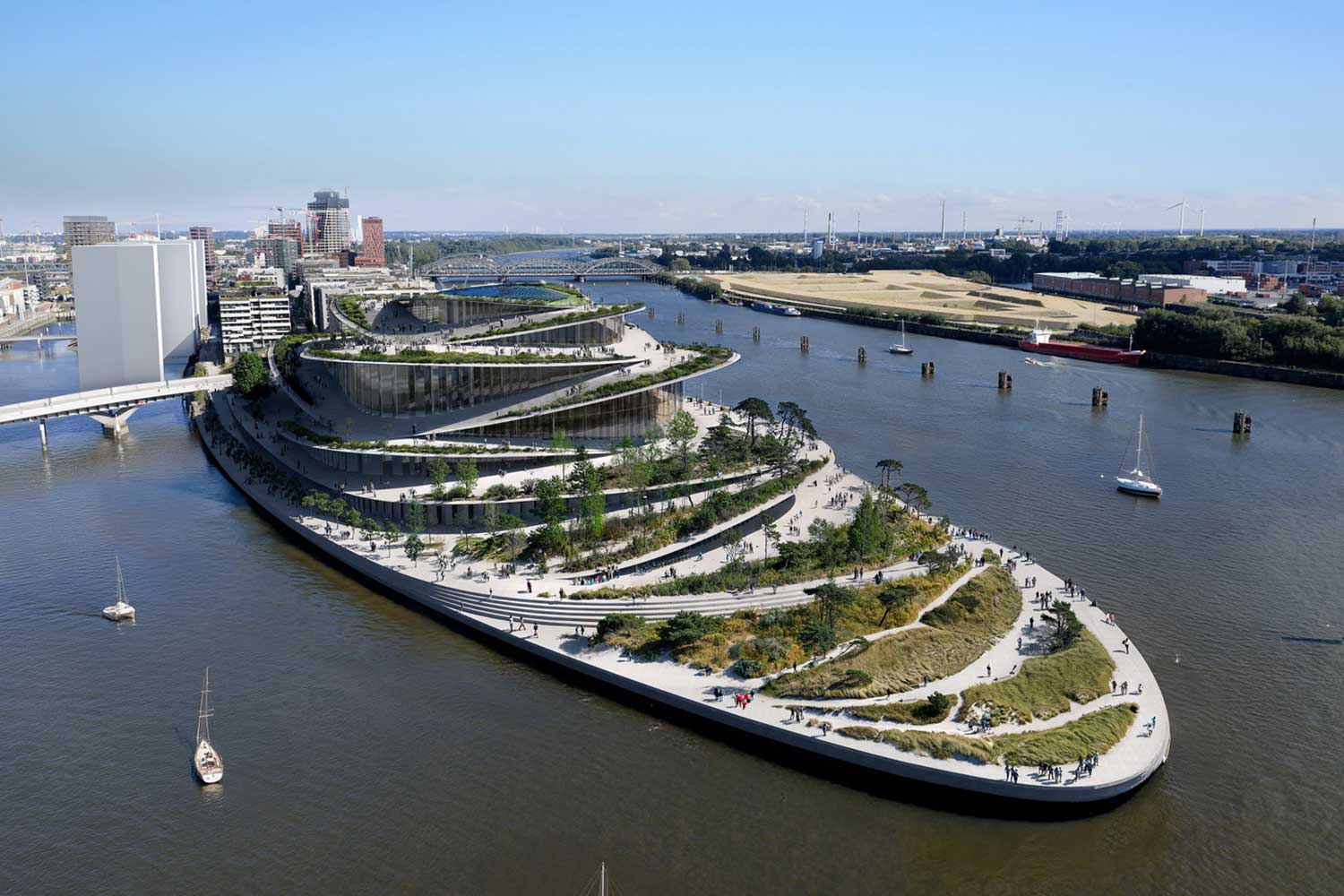
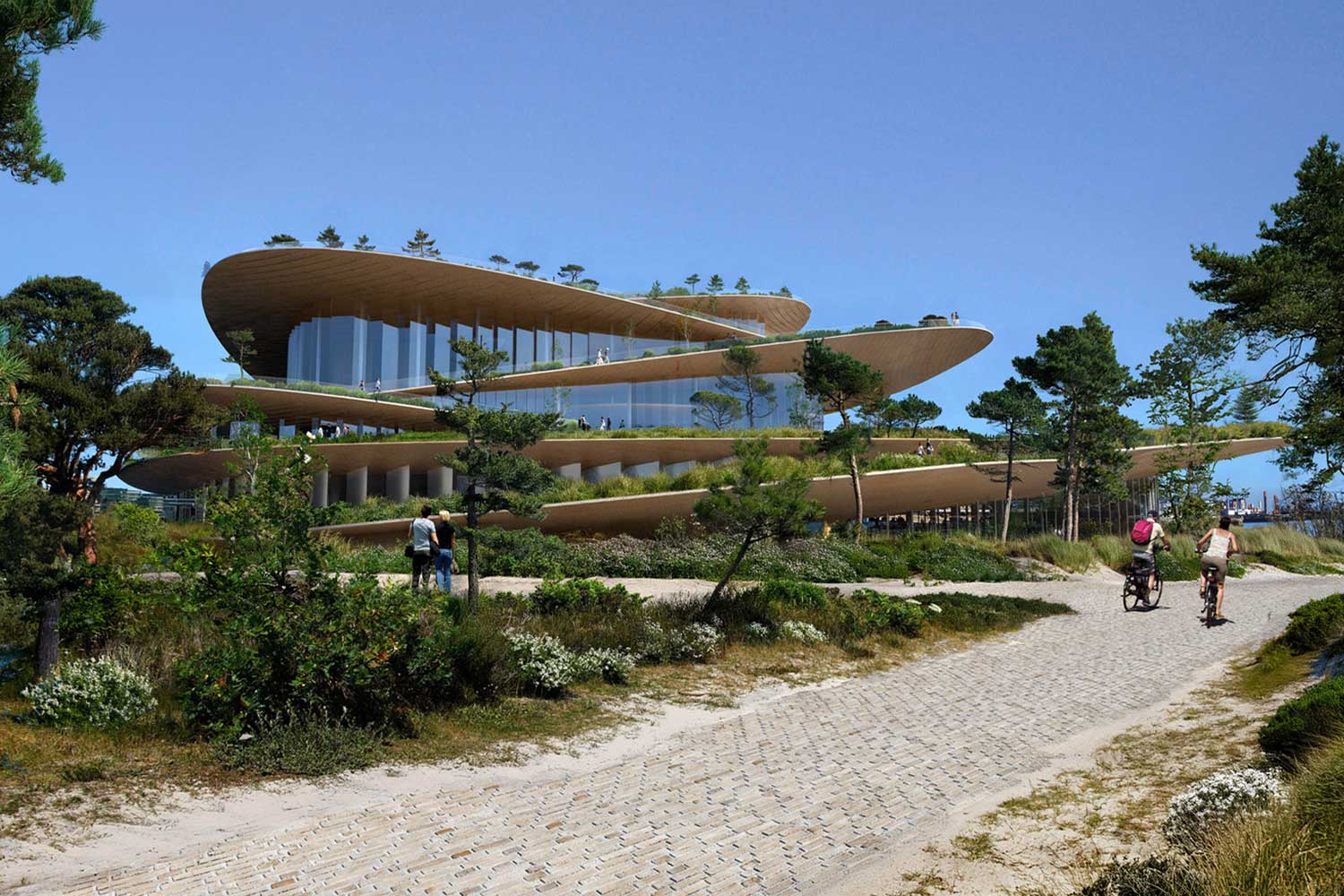
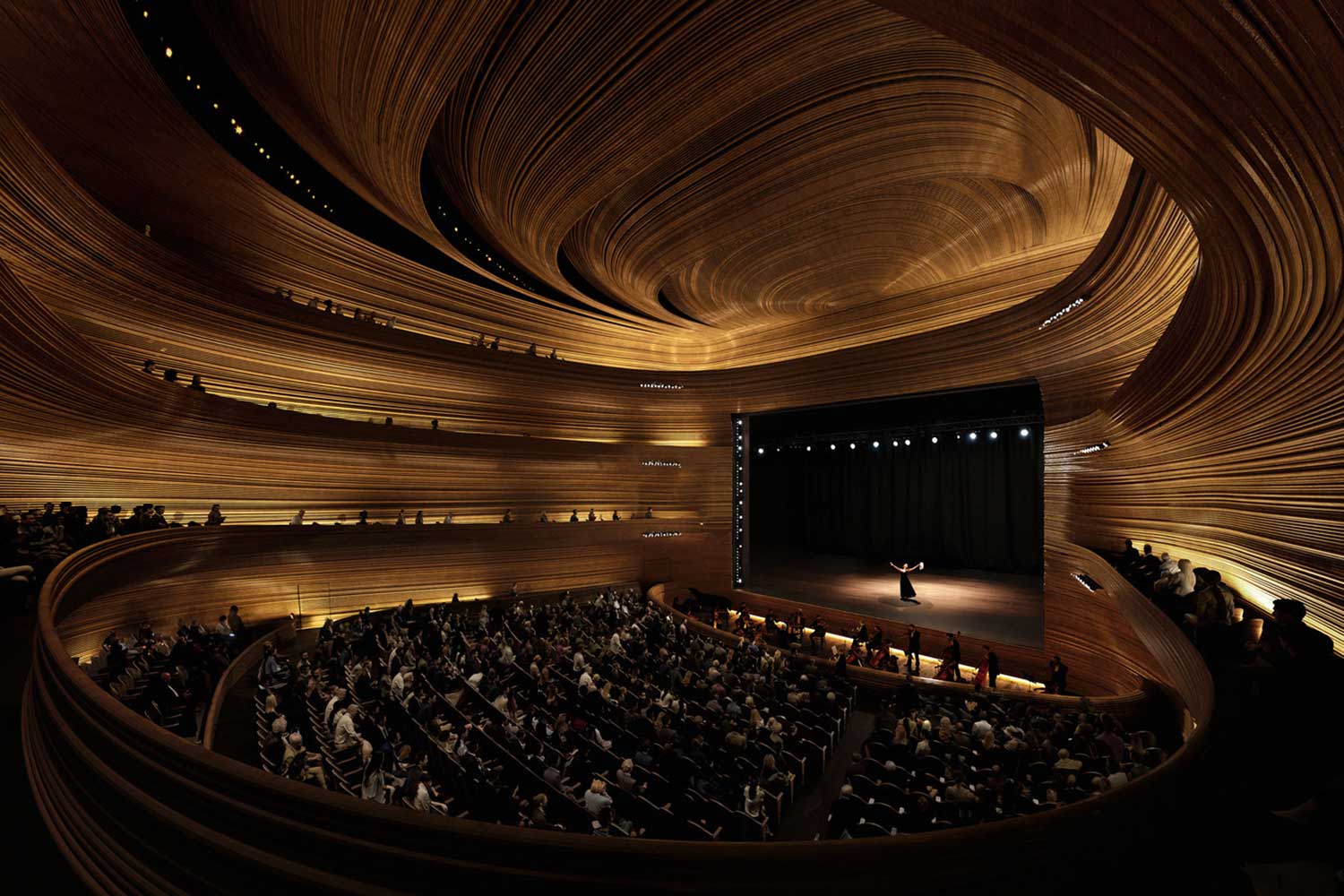
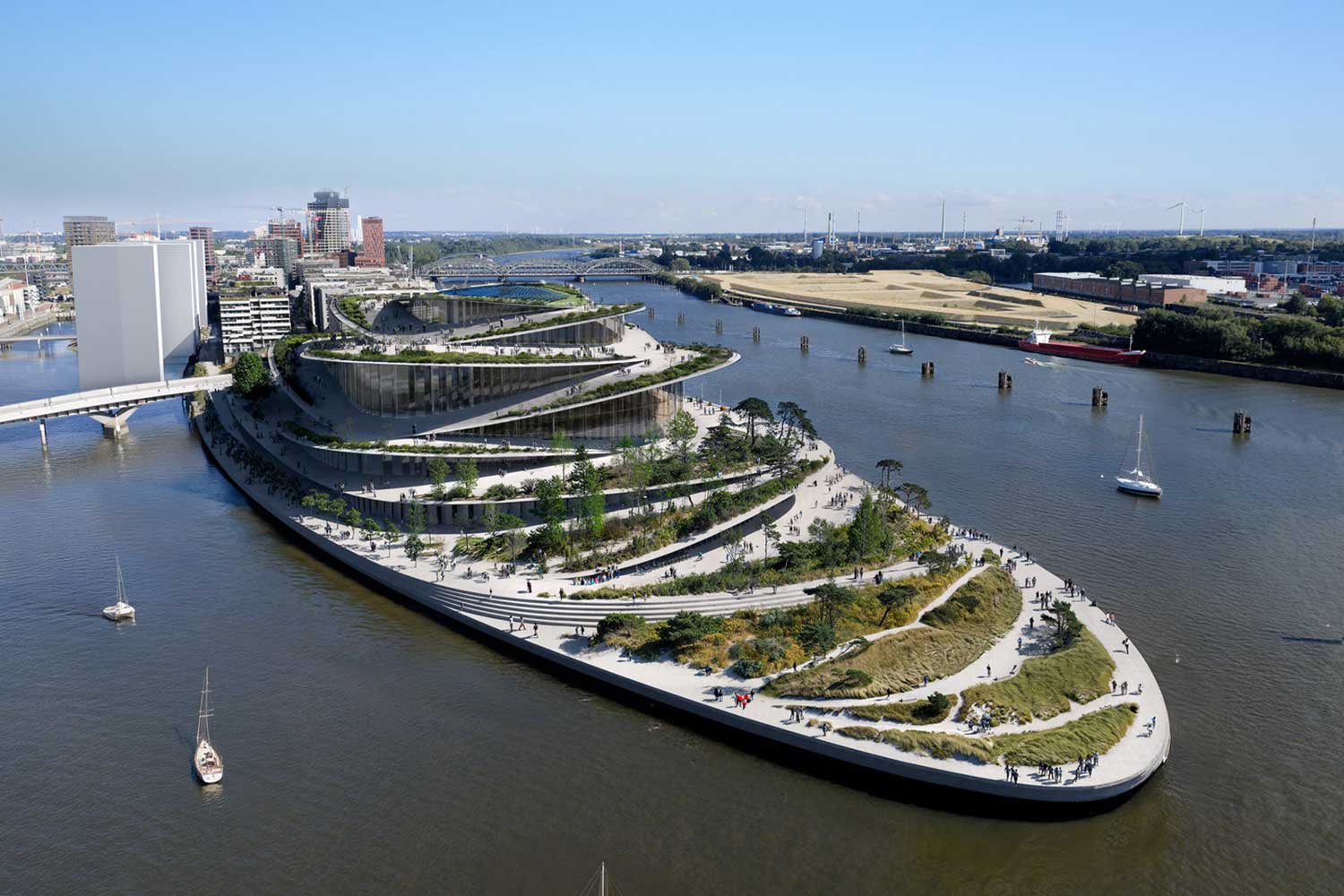
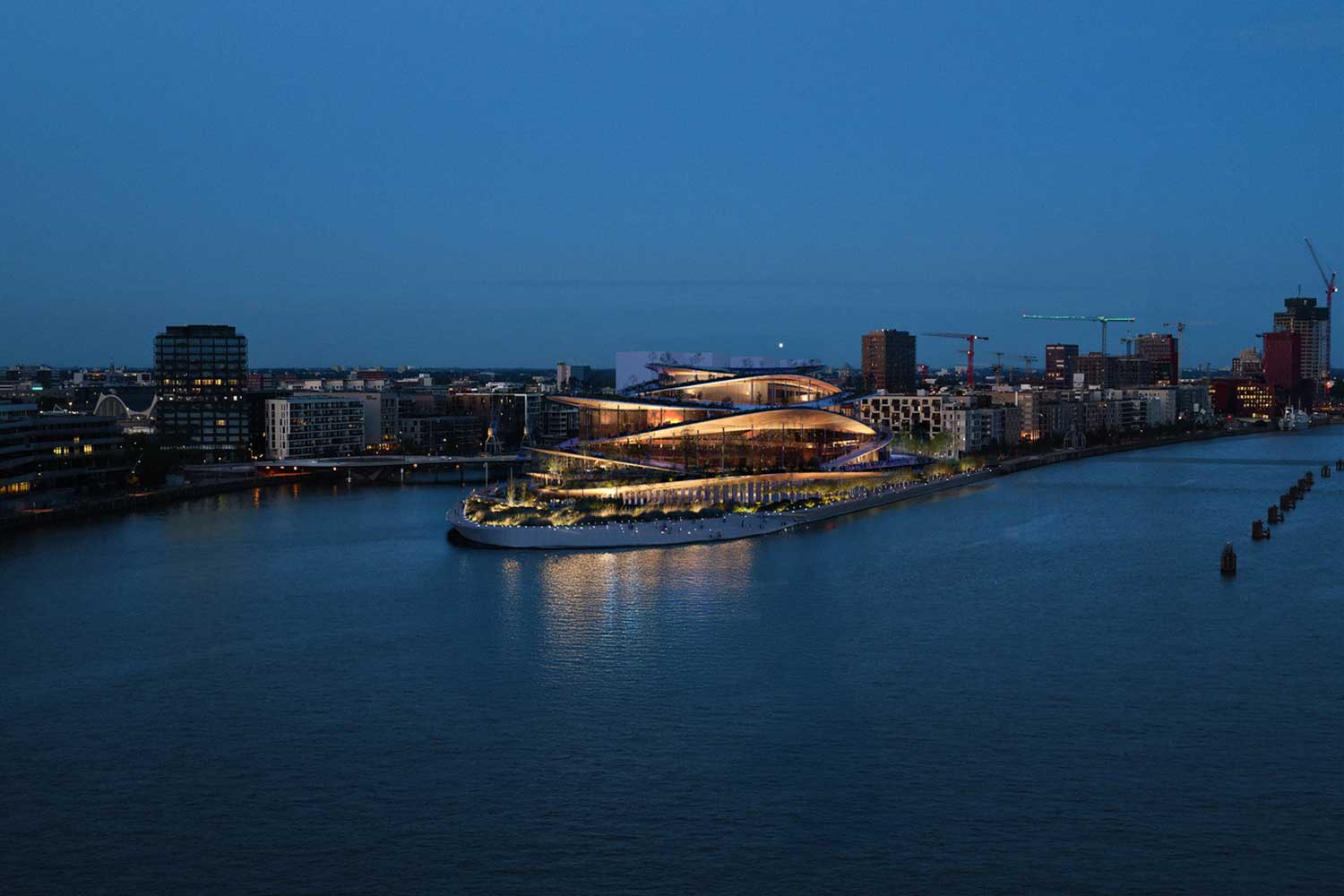
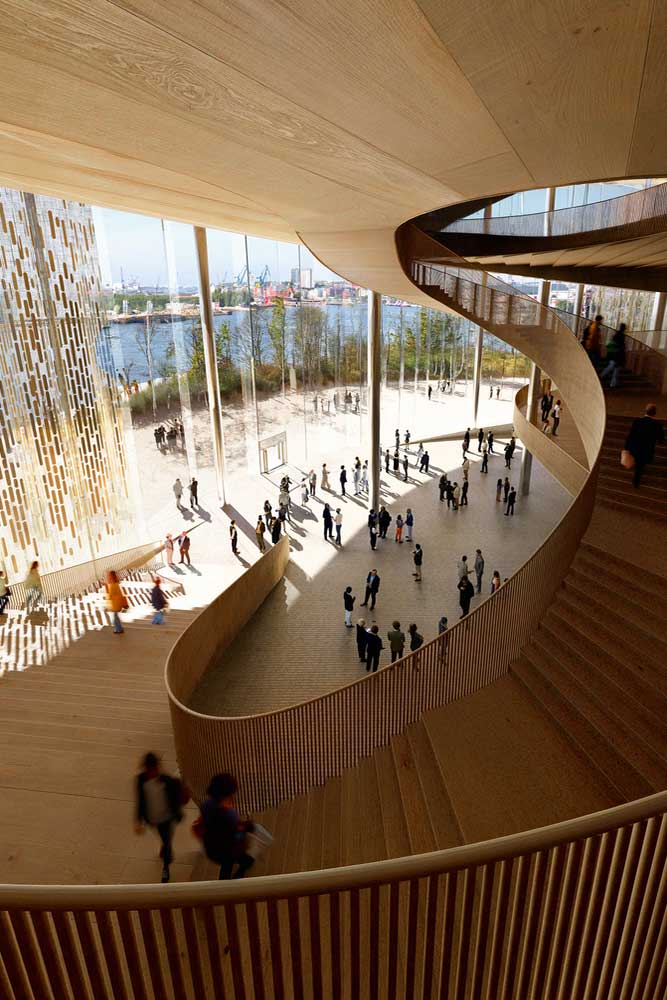
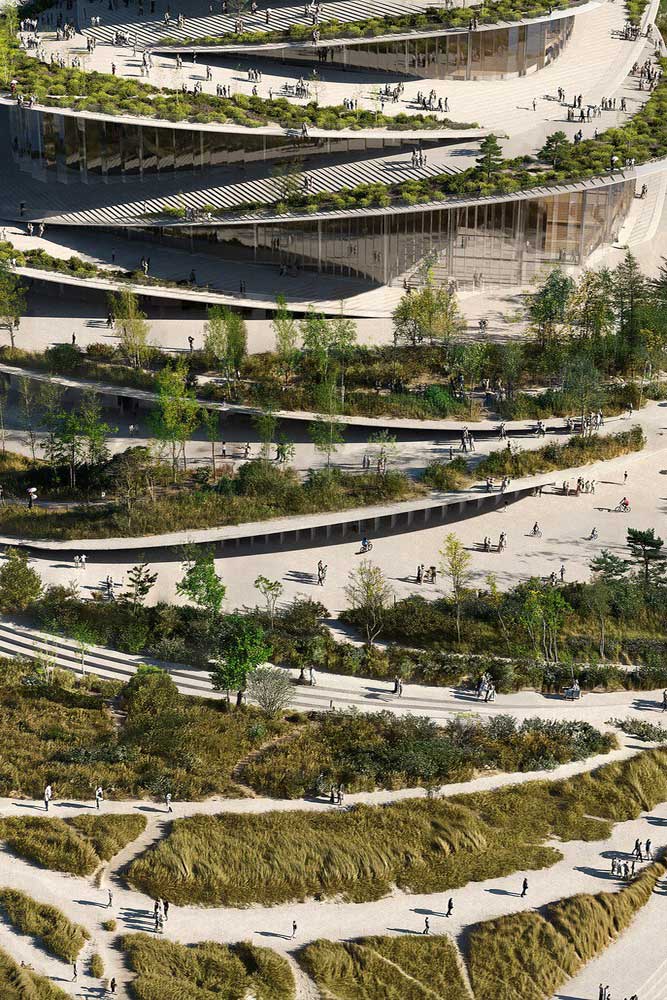
گروه معماری BIG – Bjarke Ingels Group بهعنوان برندهی رقابت بینالمللی طراحی اپرای دولتی جدید هامبورگ انتخاب شده است؛ پروژهای فرهنگی و بزرگمقیاس که قرار است بر شبهجزیرهی باکنهوفت در منطقهی هافنسیتیِ هامبورگ، آلمان ساخته شود. این ساختمان جدید، اپرا و گروه بالهی شهر را زیر یک سقف گرد میآورد و فضاهای اجرایی تازه، بخشهای تولید، و امکانات عمومی در امتداد رود البه را در خود جای میدهد. این پروژه جایگزین ساختمان اپرای میانهی قرن بیستم در خیابان دامتوراشتراسه میشود و پاسخی است به نیاز شهر برای سالنی که استانداردهای معاصرِ آکوستیک، صحنه و تجربهی مخاطب را برآورده کند. میان برجهای در حال ساخت و خط ساحلی تاریخی هامبورگ، طرح معماری این پروژه از پیوند دیرینهی شهر با بندر الهام میگیرد. بنا همچون تودهای توپوگرافیک و پلکانی شکل یافته است؛ سکوهایی سبز که از کنار آب اوج میگیرند و سقفی دایرهوار را قاب میکنند که به سوی حوض بندر گشوده میشود. این ترکیب میان حجم معماری و فضاهای عمومیِ قابلدسترس، مسیری تازه در ساحل میسازد که بخش رودخانه را به بافت پیرامونی پیوند میزند. فرم تراسی بنا امکان ورود از جهات گوناگون را فراهم میکند: از پارک ساحلی، از اسکله، یا از خیابان شهری مجاور. درون بنا، فضای فوایه چون میدانی عمومی عمل میکند؛ با راهپلههای چوبی که به طبقات بالا میرسند و مسیرهایی مستقیم که به تراسهای بیرونی هر طبقه راه میبرند. این سکوهای خارجی برنامهی اجتماعی ساختمان را گسترش میدهند: فضایی برای گردهمآمدن پیش و پس از اجرا و چشماندازهایی بلند به سوی هافنسیتی، مرکز تاریخی شهر و بندر. در قلب ساختمان، تالار اصلی پیرامون بالکنهایی چوبی، منحنی و لایهلایه سازمان یافته است؛ هندسهای که آکوستیک سالن و خط دید تماشاگران را سامان میدهد. صحنهی استودیو، فضاهای تمرین و بخشهای فنی در پشت تالار قرار گرفتهاند و مجموعهای فشرده را میسازند که گردش میان تولید و اجرا را تسهیل میکند. این چیدمان جریان کار پشتصحنه را یکدستتر میسازد و همزمان امکان نگاهی گذرا برای مخاطبان به فضاهای عملیاتی فراهم میکند. منظر پیرامونی، طراحیشده بهدست BIG Landscape، با شرایط جزر و مد سازگار است: شیبهای ساحلی، تپههای گیاهی و باغهای تالابی موجشکنِ طبیعیاند و با شبکهای از حوضچهها و سطوح نفوذپذیر، آب باران را پالایش میکنند. این سازوکارها چارچوبی بومسازانه و تابآور شکل میدهند که زیستبوم شبهجزیره را تقویت کرده و پیوند پروژه را با رود البه پررنگتر میسازند. در تمام اجزای معماری و منظر، این طرح اپرا را نهادی عمومی، گشوده و قابلنفوذ تعریف میکند. بخشهای شفاف نما و مسیرهای حرکتی، اتاقهای تمرین، فضاهای پشتصحنه و دفاتر را آشکار میسازند و جنبوجوش مداوم پشت پردهی اجراها را نشان میدهند. این بنا، بیآنکه پشت یا نمای پشتی داشته باشد، با سطحی کاملا قابلقدمزدن، همچون امتدادی از فضای عمومی هافنسیتی تصور شده است؛ چشماندازهای تازهای به سوی بندر گشوده و دسترسی فرهنگی در امتداد آبنما را گسترش میدهد. در دیگر پروژههای تازهی BIG، طرح شهر ذهنآگاهی گلفو در بوتان — که میان بومشناسی، میراث و تندرستی پیوند میزند — در شمار برندگان جایزهی 2025 Holcim قرار گرفته است. همچنین طرح جدید مرکز همایشهای روآن در فرانسه، با سقف چوبی گستردهای که به تاریخ این شهر و رود سن اشاره دارد، منتشر شده است. در همینحال، موزهی هنر معاصر سوژو (Suzhou MoCA) در چین نیز، یکی دیگر از پروژههای BIG، مراحل پایانی ساخت خود را در کنار آبهای دریاچهی جینجی طی میکند.
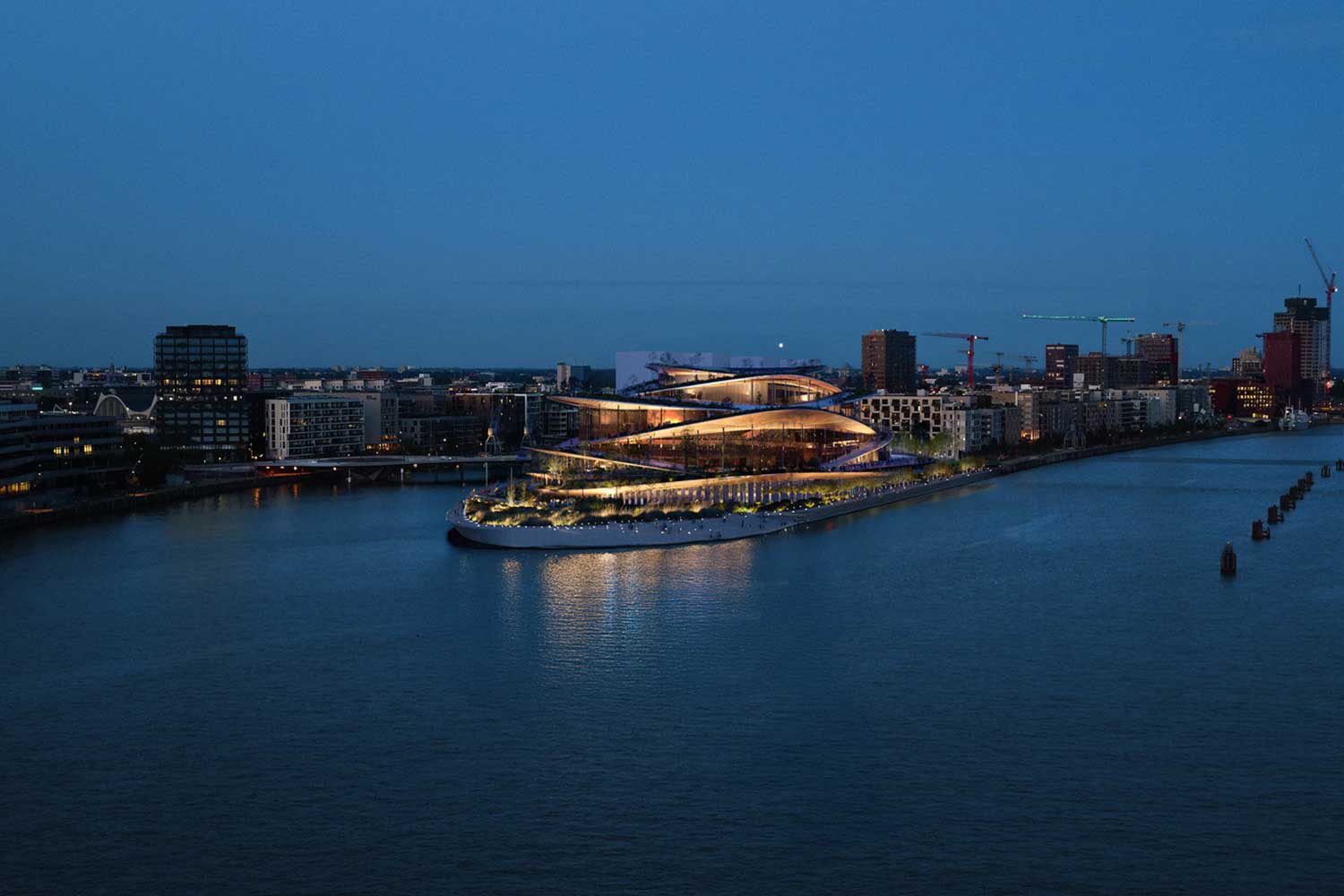
BIG – Bjarke Ingels Group has been selected as the winner of the international competition to design the new Hamburg State Opera, a major cultural project planned for the Baakenhöft peninsula in HafenCity, Hamburg, Germany. The building will consolidate the city’s opera and ballet companies under one roof, introducing new performance spaces, production facilities, and public amenities along the Elbe. The project replaces the mid-20th-century opera house on Dammtorstraße, responding to the city’s call for a venue that reflects contemporary standards in acoustics, stagecraft, and audience experience. Positioned between emerging high-rise developments and Hamburg’s historic waterfront, the design draws from the city’s long-standing relationship with the harbor. The opera is envisioned as a topographic structure shaped by a series of stepped terraces. These landscaped platforms rise from the water and frame a circular roof profile that opens toward the harbor basin. By merging architectural massing with accessible outdoor spaces, the project introduces a new public route that links the riverfront with the surrounding district. The terraced form enables access from multiple directions, allowing visitors to approach the opera through the waterfront park, from the pier, or via the adjacent urban street. Inside, the foyer acts as a connective public zone, with timber staircases leading to the upper levels and direct routes toward outdoor terraces on each floor. These exterior platforms extend the building’s social program, offering opportunities for gathering before and after performances and providing elevated views toward HafenCity, the historic city center, and the port. At the core of the building, the main auditorium is organized around curved, stratified timber balconies that shape the room’s acoustics and create even sightlines. A studio stage, rehearsal areas, and technical zones are positioned behind the hall, forming a compact arrangement that supports circulation between production and performance. This layout aims to streamline backstage activity while allowing public glimpses into the operational spaces of the institution. The surrounding landscape, designed by BIG Landscape, adapts to the site’s tidal conditions. Sloped embankments, planted dunes, and wetland gardens help absorb storm surges and filter rainwater through a network of basins and permeable surfaces. These elements contribute to a resilient ecological framework that supports local species and enhances the peninsula’s biodiversity. The integration of tidal zones and vegetated buffers reinforces the project’s connection to the Elbe and establishes a dynamic interface between the building and its environment. Across its architectural and landscape components, the proposal positions the opera as an open, permeable public institution. Transparent facade zones and circulation routes reveal rehearsal rooms, backstage areas, and offices, emphasizing the continuous activity behind performances. With no defined rear elevation and a fully walkable exterior terrain, the new Hamburg State Opera is conceived as an extension of HafenCity’s public realm, offering new perspectives on the harbor and expanding cultural access along the waterfront. In other BIG updates, the studio’s Gelephu Mindfulness City in Bhutan —an urban plan integrating ecology, heritage, and wellbeing —is named among the winners of the 2025 Holcim Awards. BIG has also released the design for a new congress center in Rouen, France, distinguished by a sweeping timber roof that references the city’s historic connection to the Seine. Meanwhile, the Suzhou Museum of Contemporary Art (Suzhou MoCA), another project by the practice, continues to advance toward completion along the Jinji Lake waterfront in Suzhou, China.
مطالب مرتبط