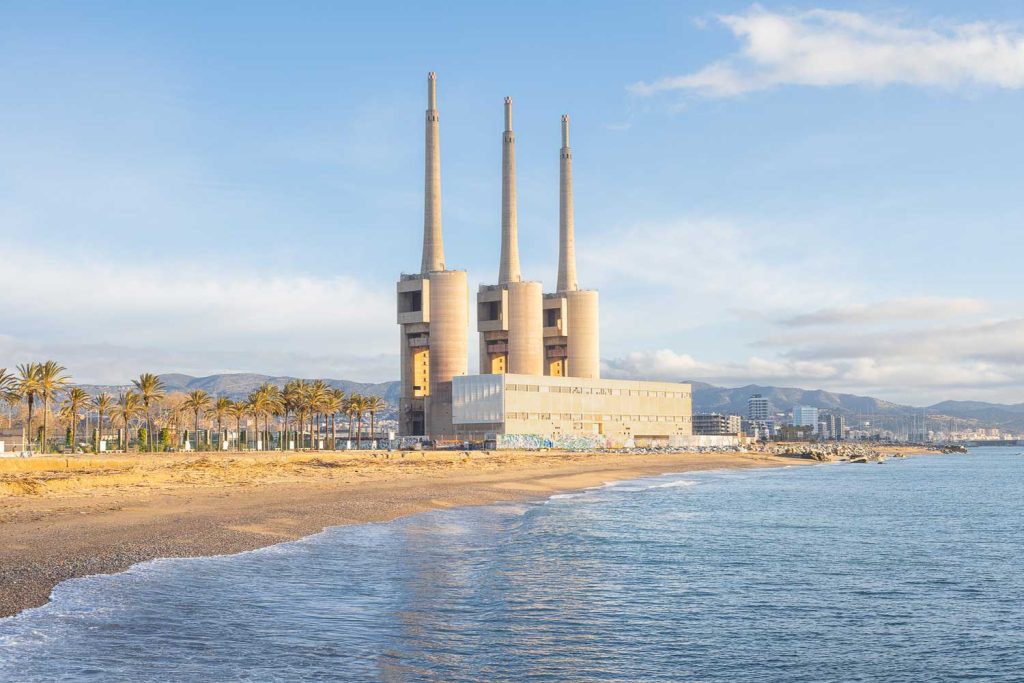
 رونمایی از برنامه و سخنرانان کنگره جهانی معماران UIA 2026 بارسلونا
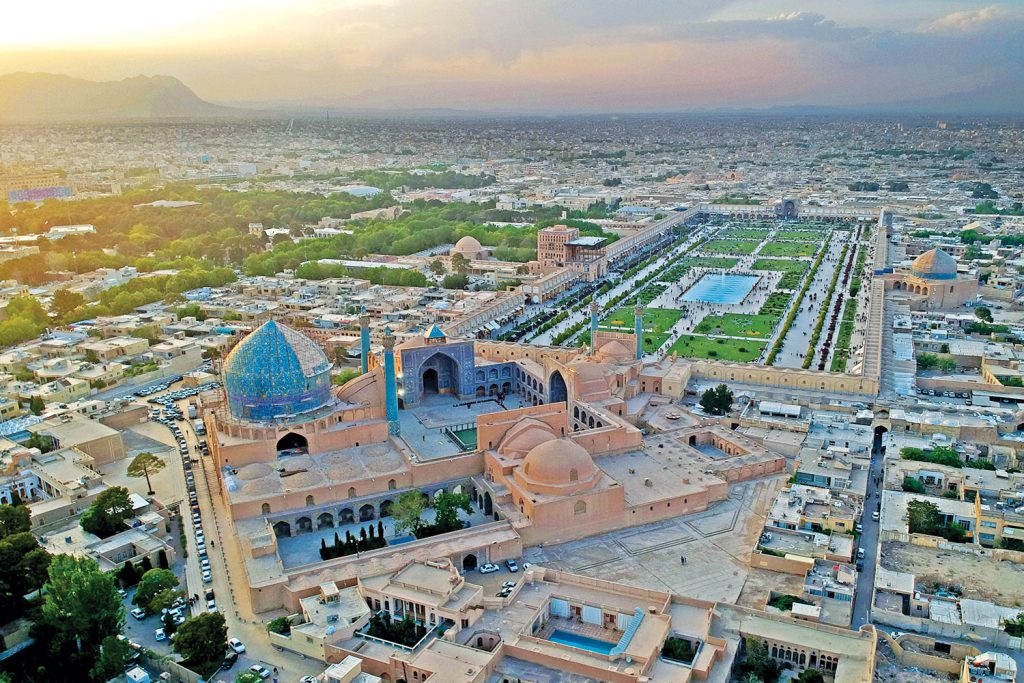 مسجــد جامع شاه عباسی اصفهــان، اثر علیاکبر اصفهانی، هفتمین کتاب سال معماری معاصر ایران، 1403
کاوش زاها حدید آرکیتکتس در طراحی مبتنی بر هوش مصنوعی در نمایشگاه «معماریِ امکان» در شنژن، چین
Zaha Hadid Architects Explores AI-Driven Design at “Architecture of Possibility” Exhibition in Shenzhen, China
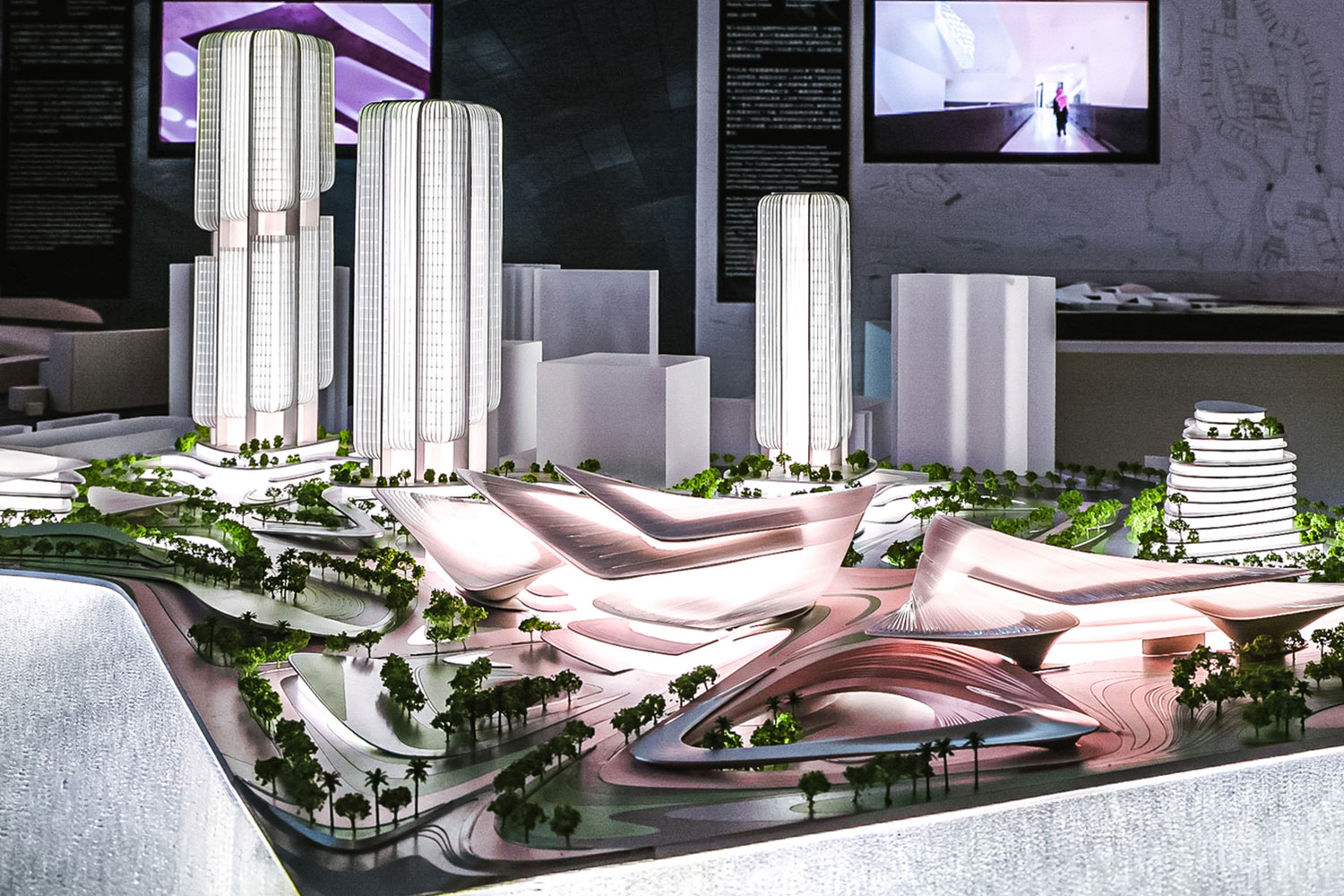
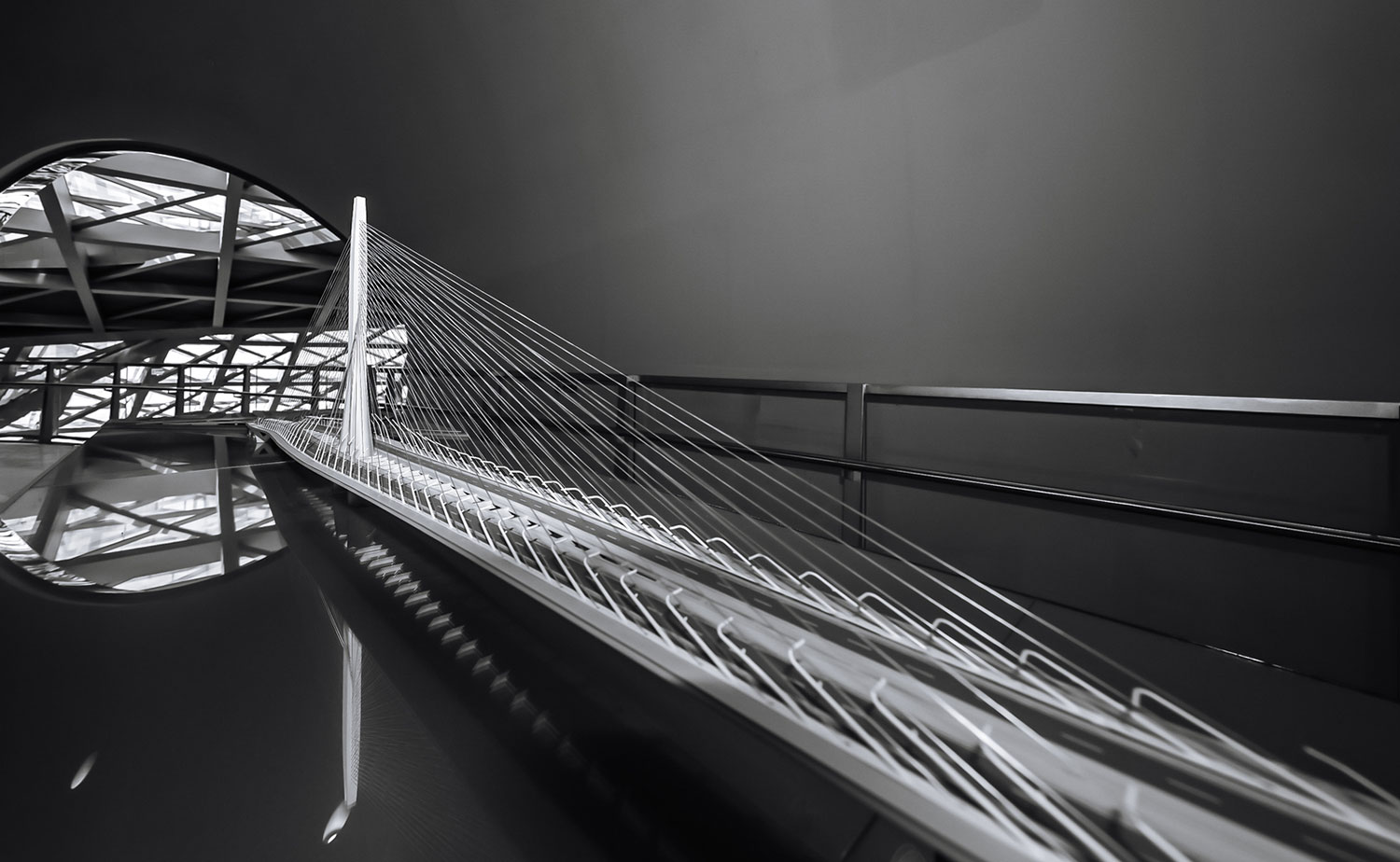
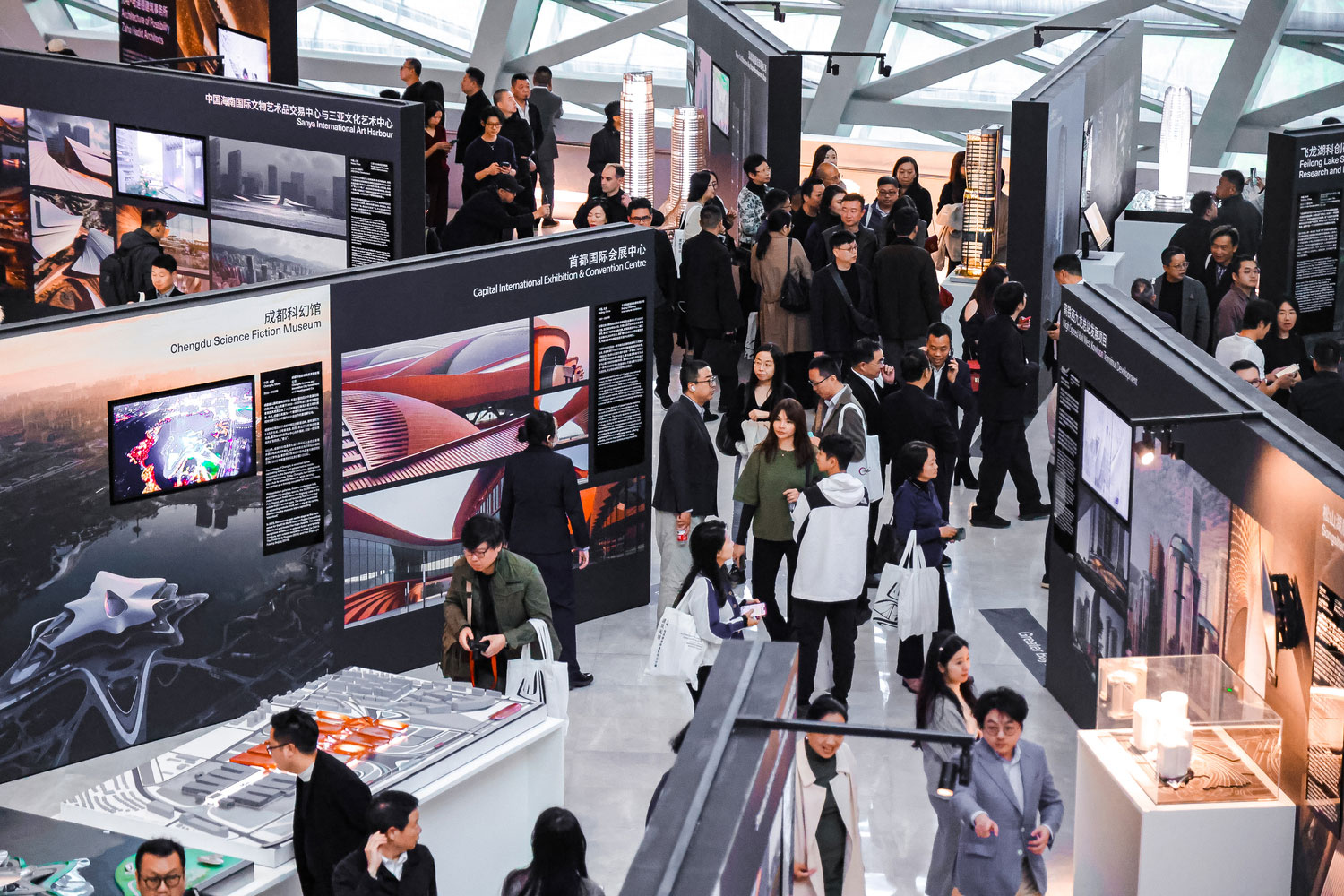
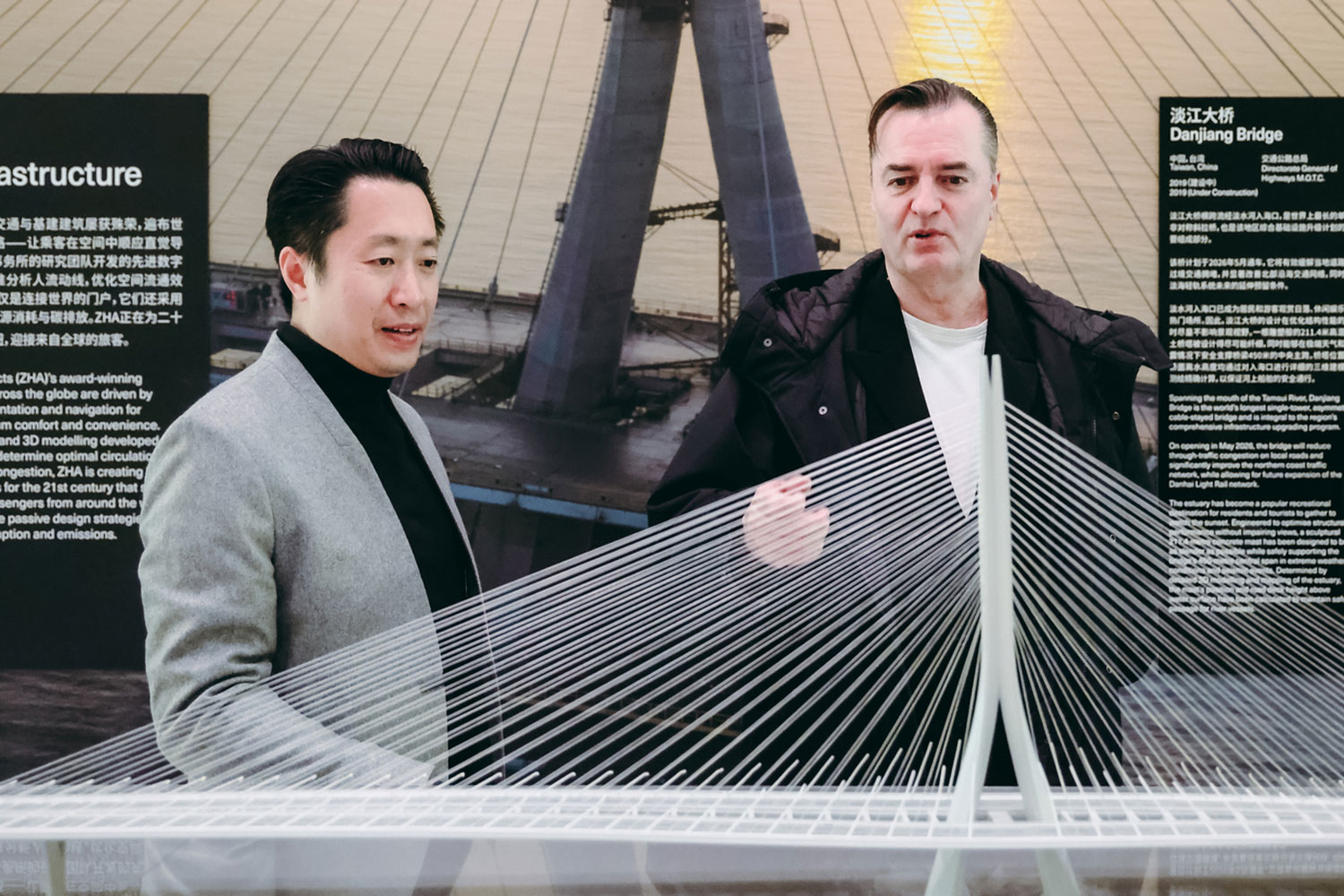
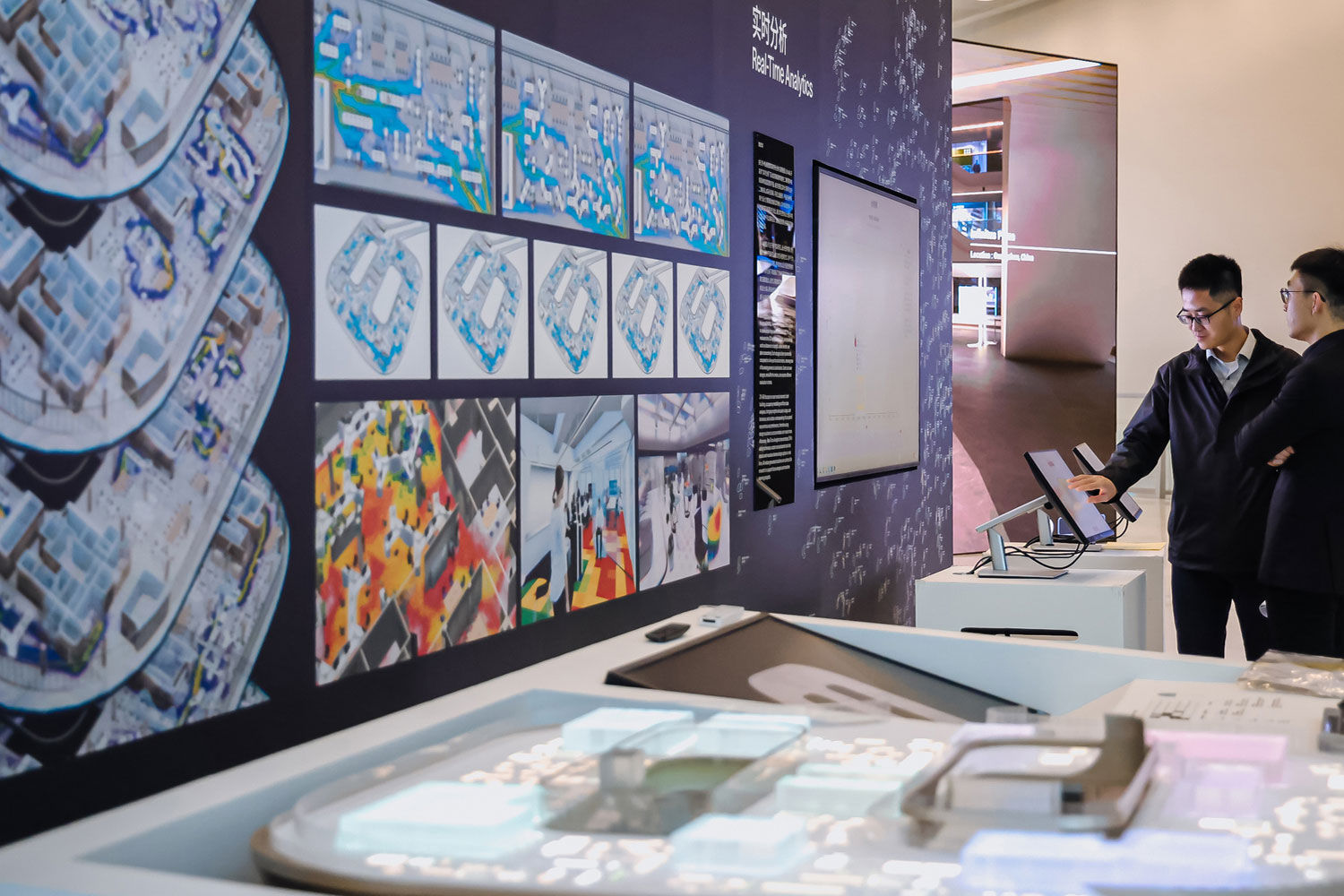
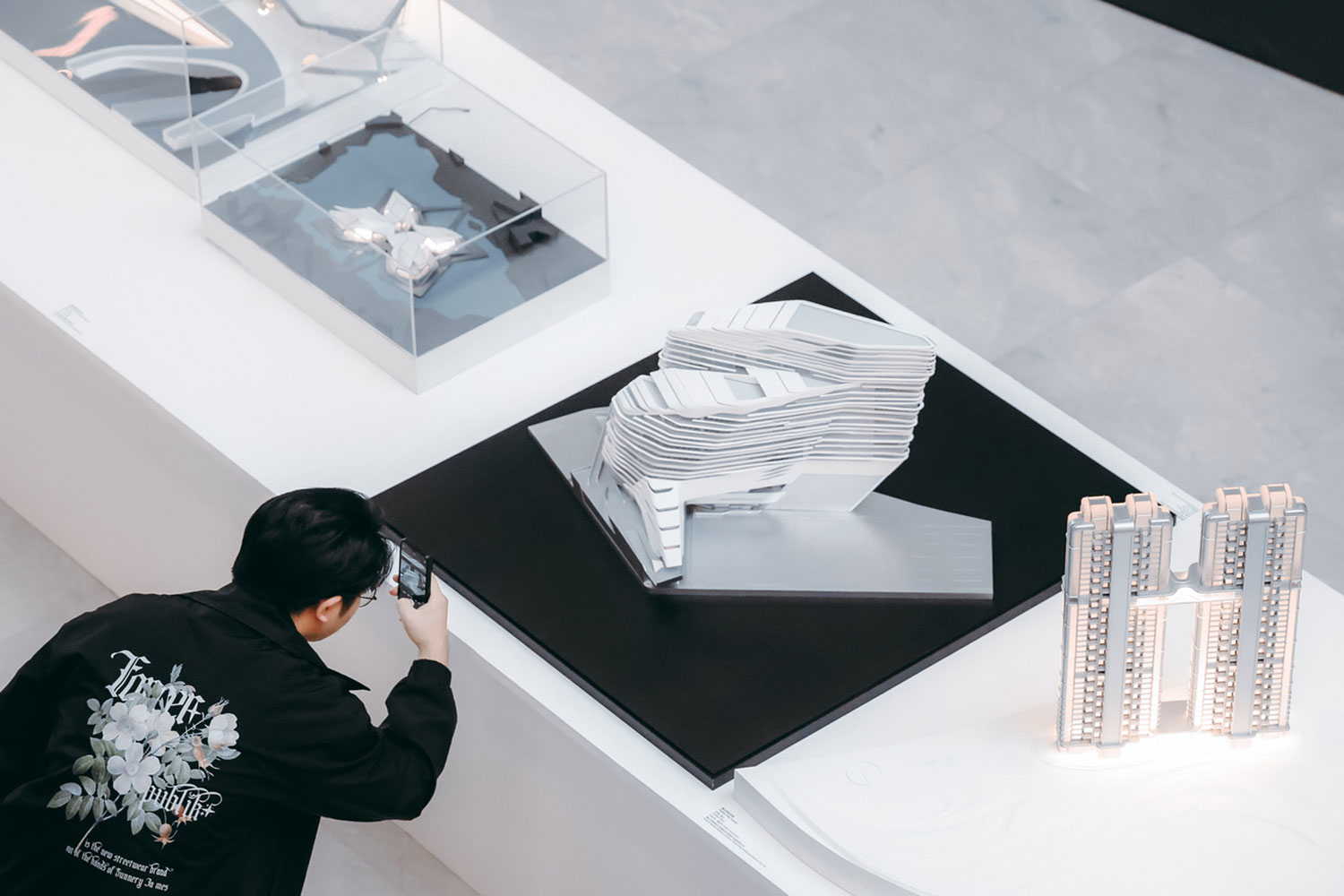
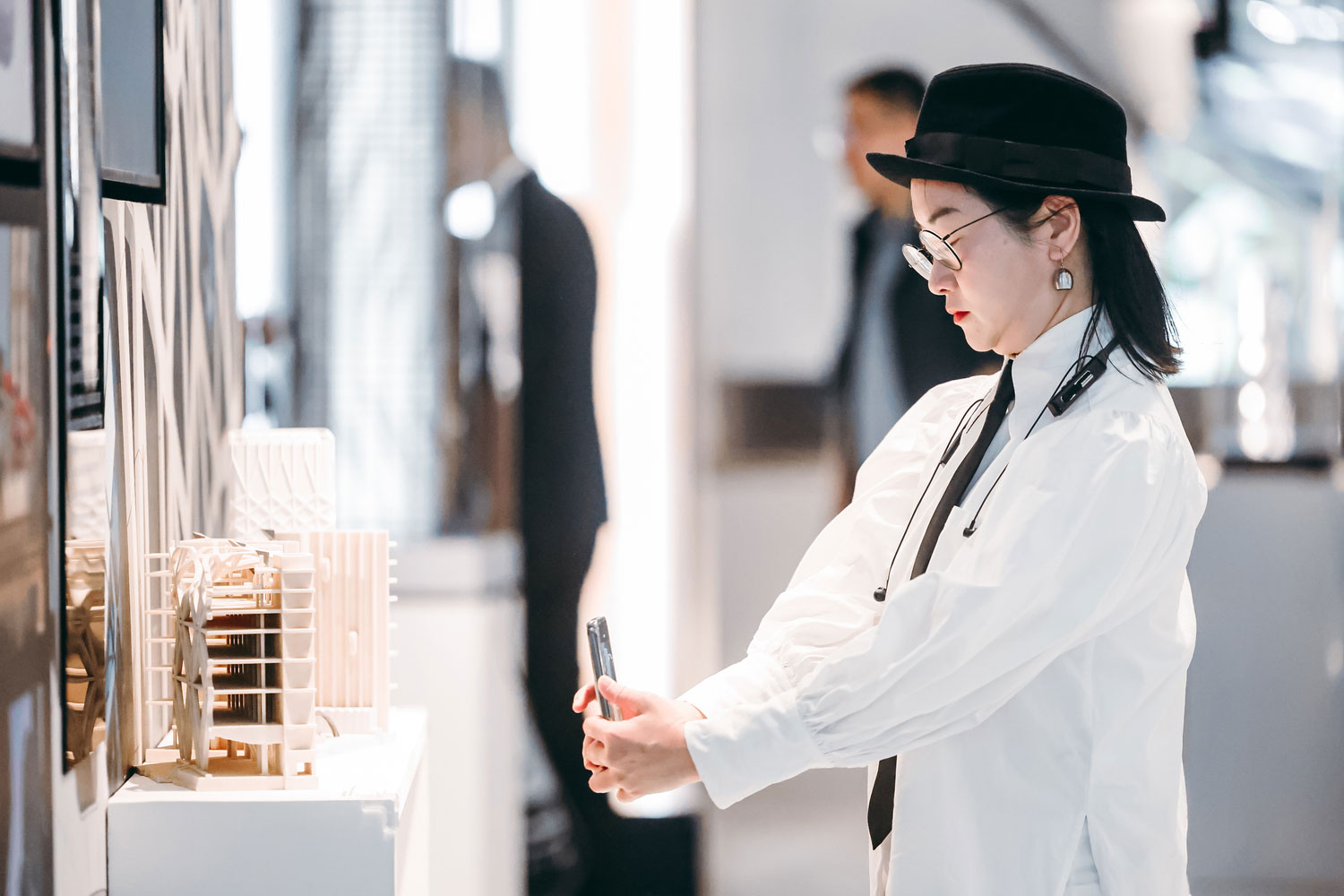
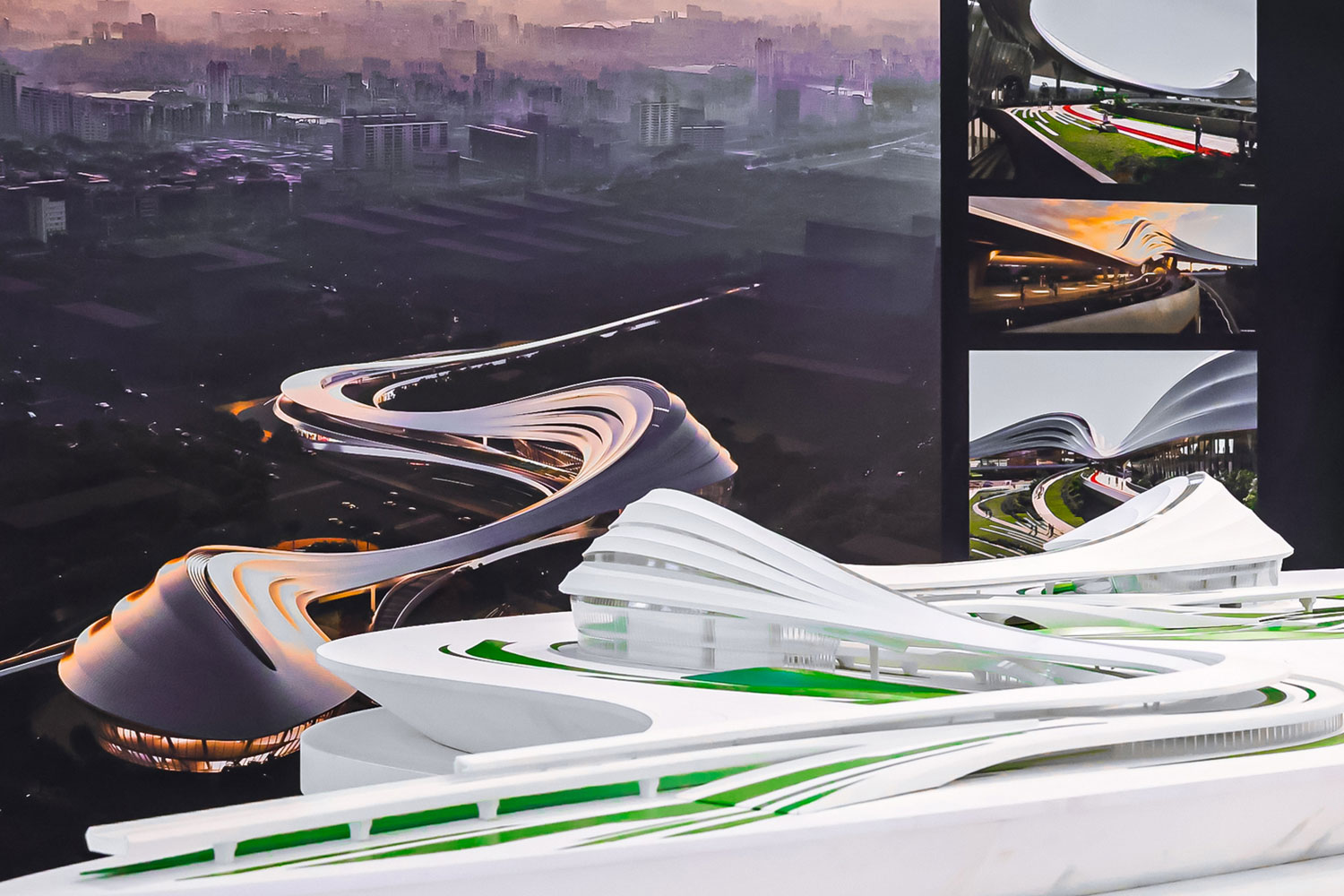
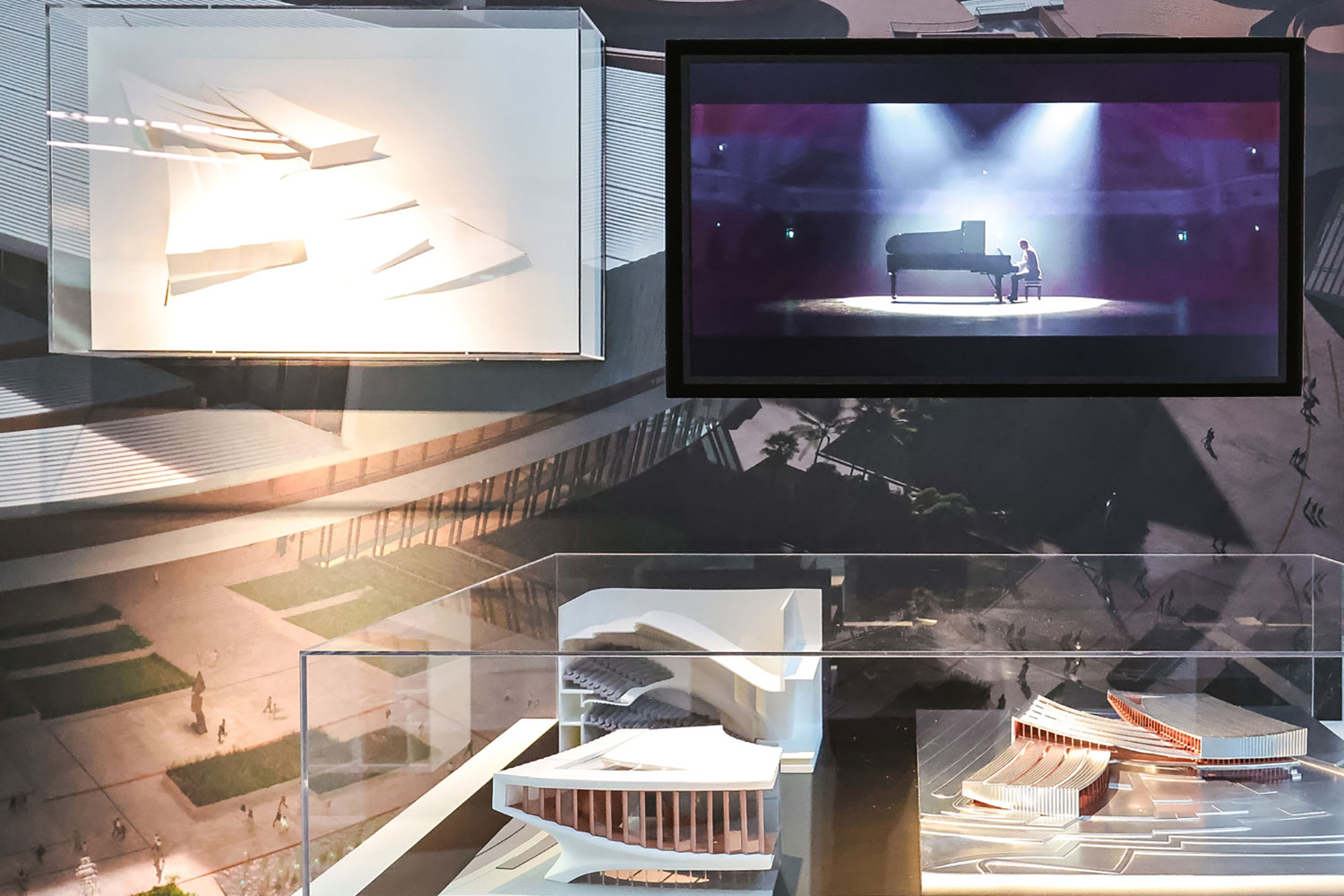
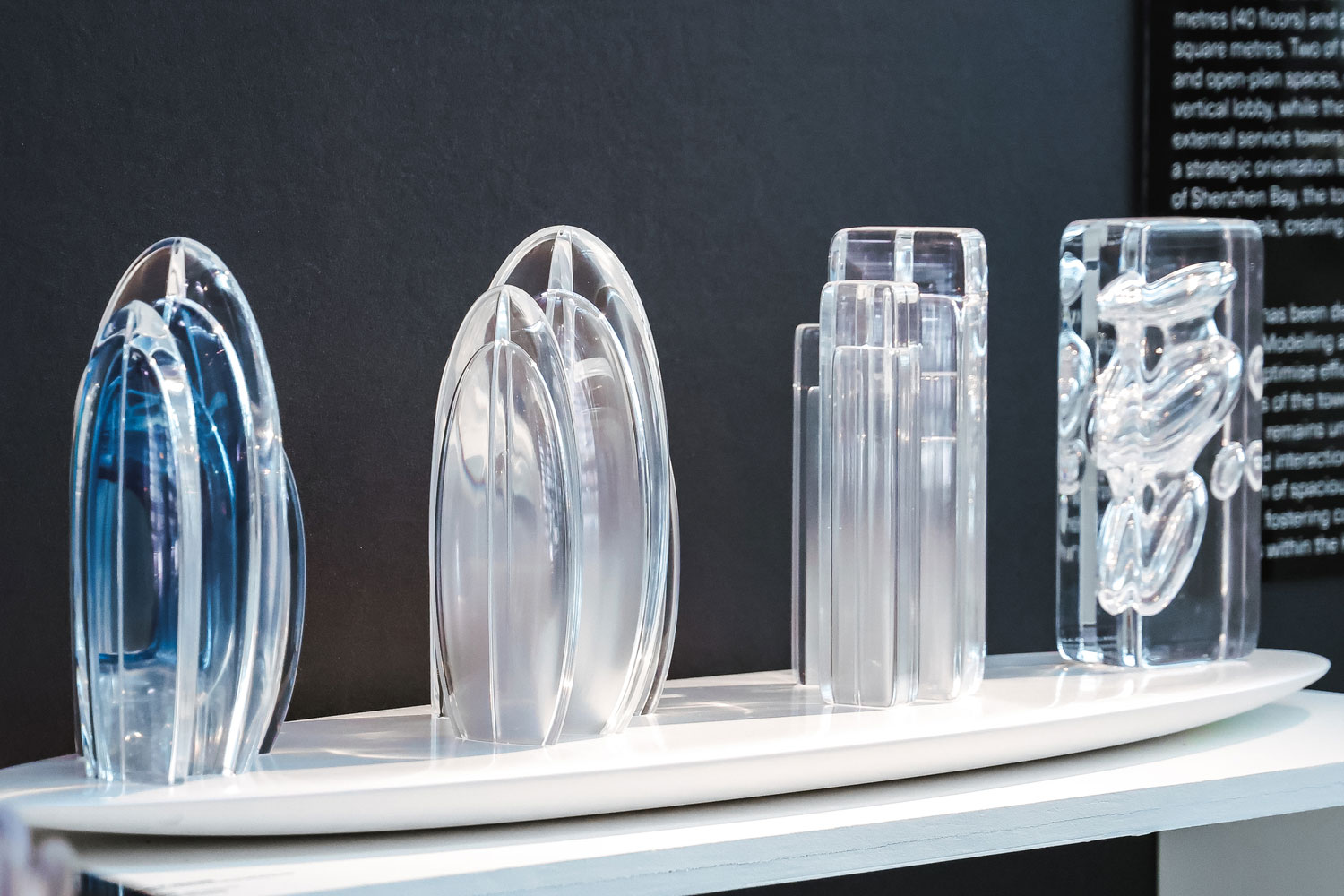
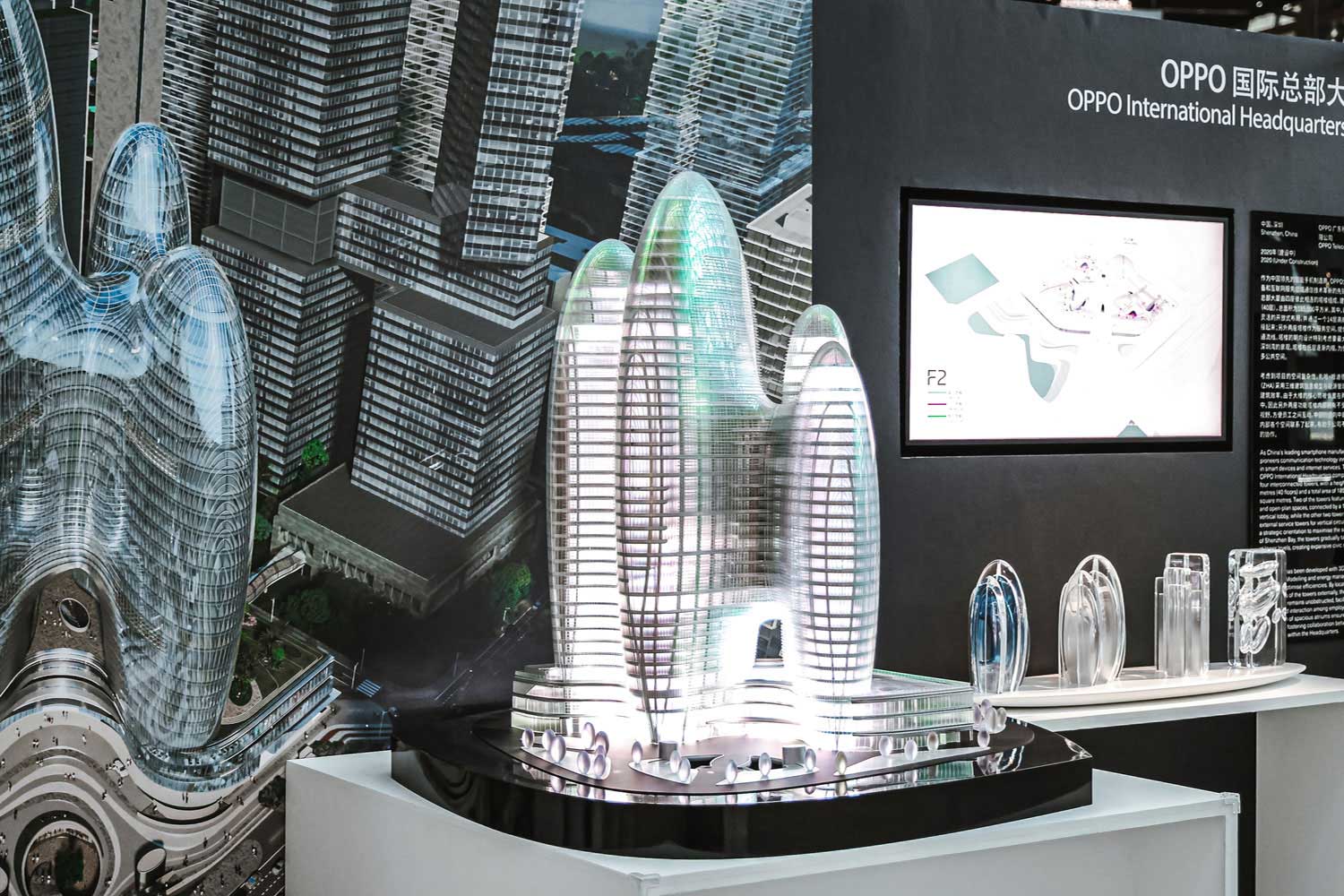
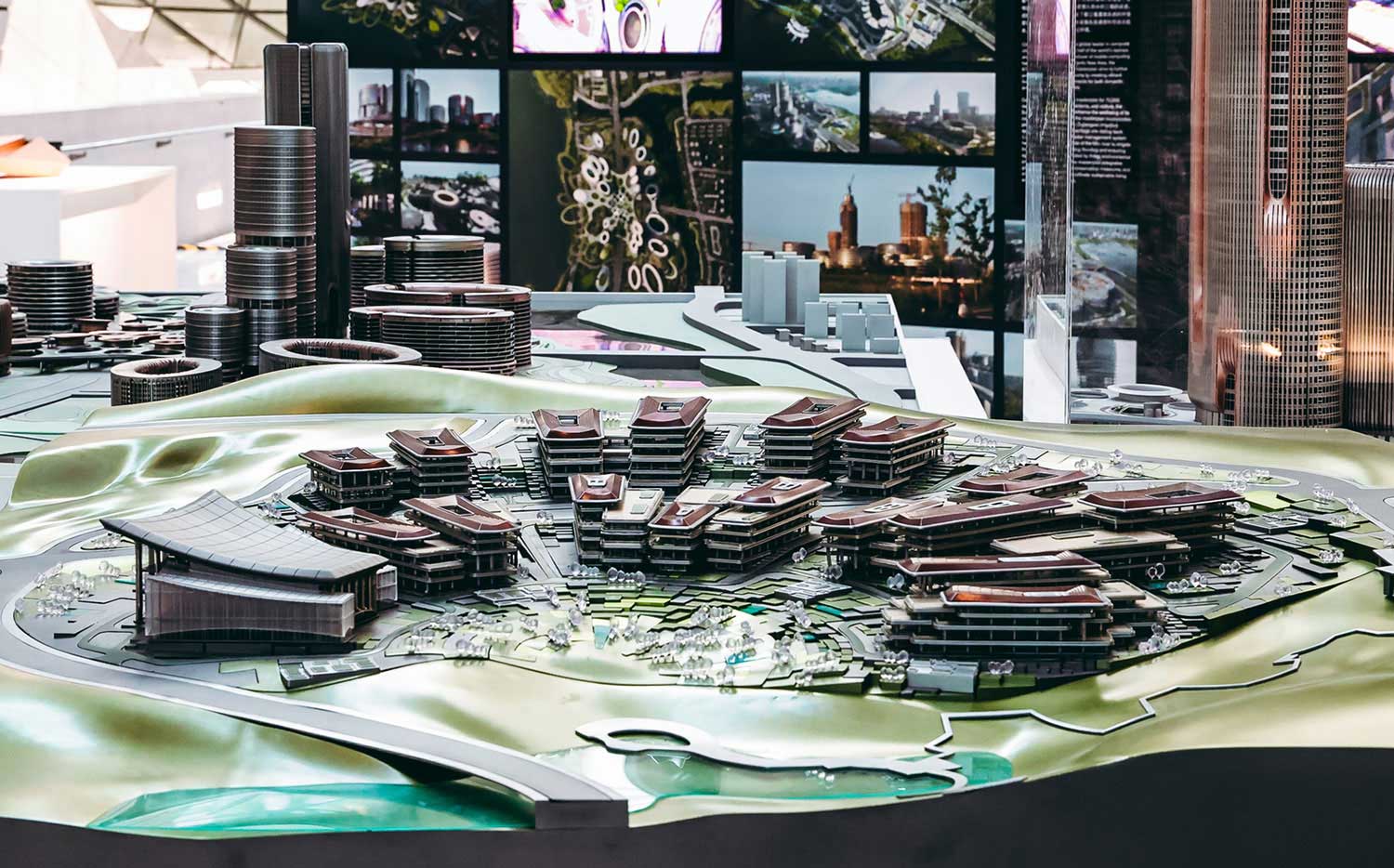
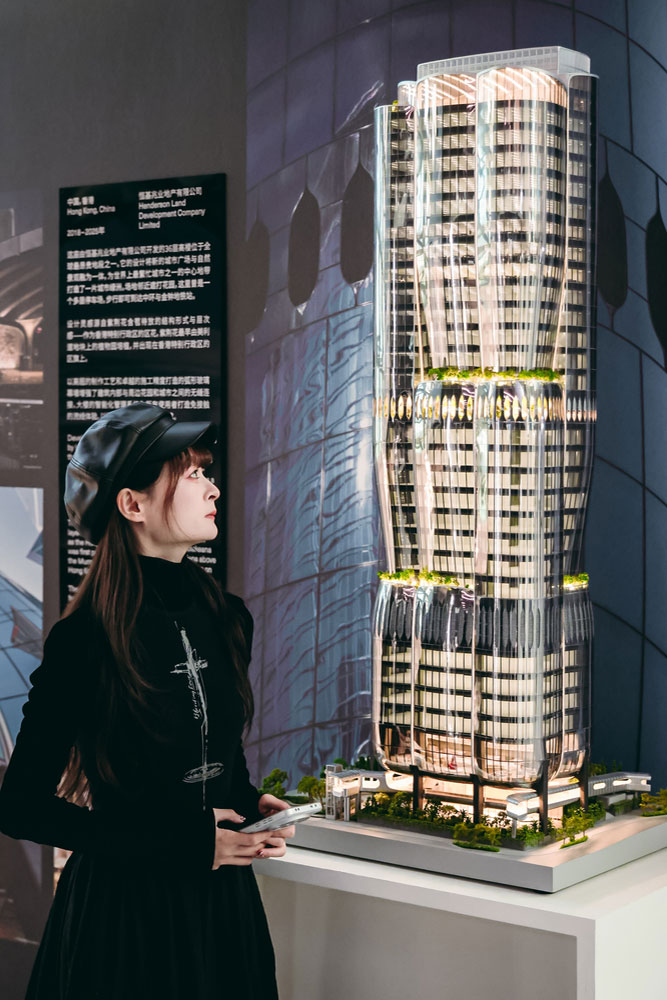
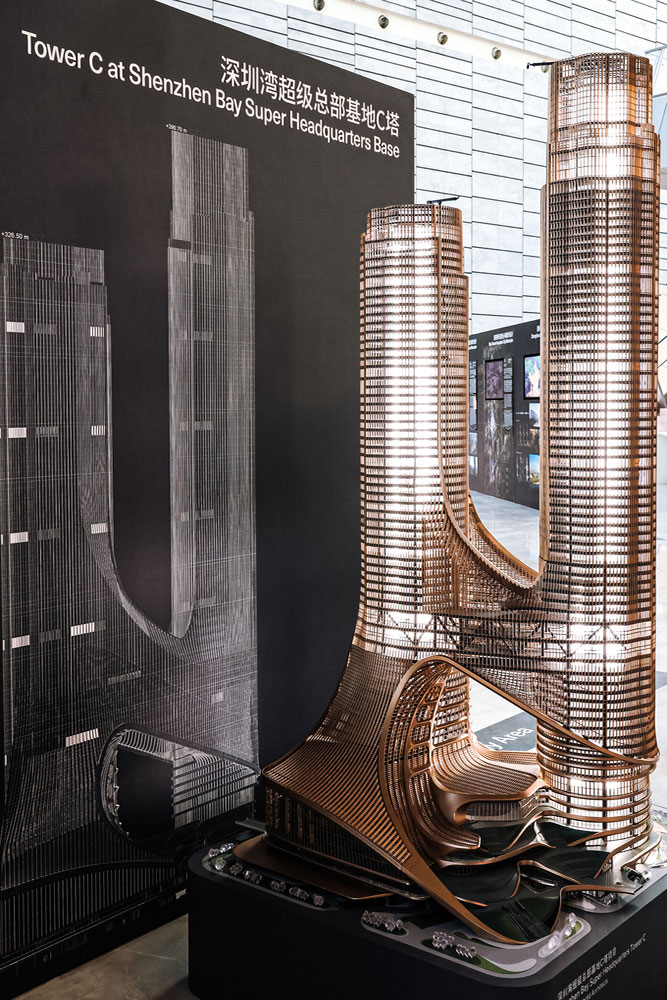
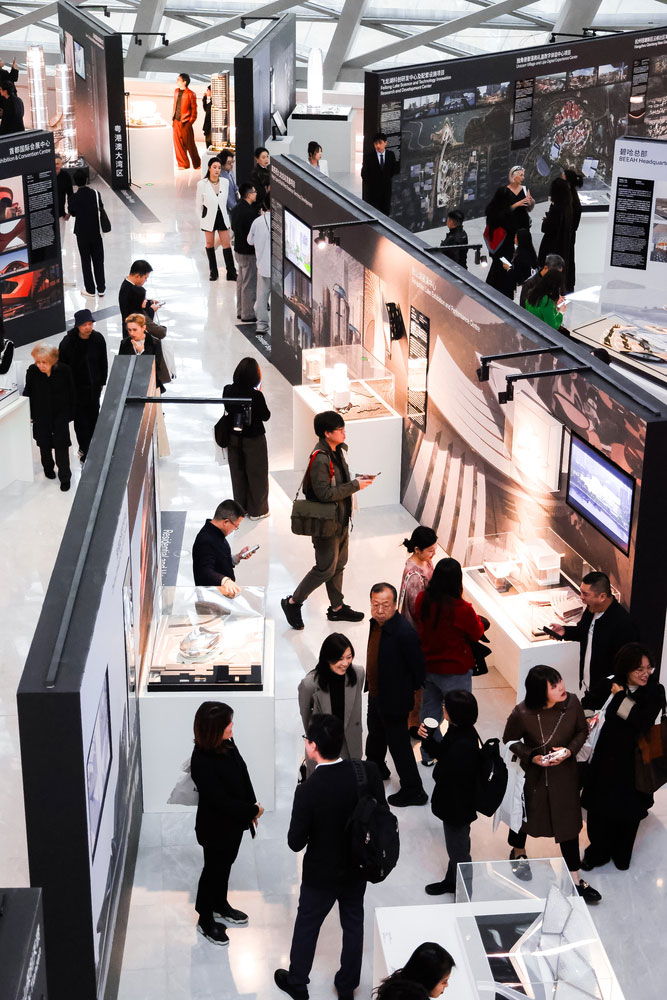
نمایشگاه «معماریِ امکان: زاها حدید آرکیتکتس» که در موزهی هنر معاصر و برنامهریزی شهری شنژن (MOCAUP) برگزار شده، روایتی جامع از سیر تحول آثار دفتر زاها حدید آرکیتکتس در دهههای اخیر ارائه میدهد. این نمایشگاه که تا ۱۰ آوریل ۲۰۲۶ ادامه دارد، بر پایهی روایتهایی زمانمند و تماتیک سامان یافته و پژوهشهای میانرشتهای و روشهای طراحی این دفتر را برجسته میکند. نمایشگاه که اکنون به روی عموم گشوده شده، همزمان به پروژههای این دفتر در منطقهی شنژن و نیز به درگیری فعال آن با فناوریهای نوین هوش مصنوعی میپردازد. تمرکز ویژهای بر همنشینی هوش مصنوعی، ابزارهای طراحی غوطهور و تعاملی، و محیطهای مجازی دیده میشود؛ عناصری که در کنار هم، اکوسیستم روبهگسترش طراحی دیجیتال را شکل میدهند. این نمایشگاه همچنین پیوند دیرپای زاها حدید آرکیتکتس با چین را دنبال میکند؛ پیوندی که از نخستین سفر زاها حدید در سال ۱۹۸۱ آغاز شد و طی پنج دهه فعالیت حرفهای در این کشور امتداد یافت. توجهی ویژه به منطقهی خلیج بزرگ شده است؛ یکی از سریعترین پهنههای دگرگونشوندهی شهری جهان، جایی که این دفتر بیش از ۲۵ پروژه را به انجام رسانده یا در دست توسعه دارد. از جمله این پروژهها میتوان به موزهی علوم و فناوری شنژن، برج هندرسون در هنگکنگ و هتل مورفئوس در ماکائو اشاره کرد؛ در کنار طرحهای در حال اجرا مانند مؤسسهی فناوری مالی شنژن، برج C در پایگاه ابرستاد شنژن بِی و توسعهی پایانهی قطار پرسرعت وست کُولون. پروژههای فرهنگی و مدنی، از جمله مرکز ورزشی خلیج بزرگ در گوانگژو، GO PARK سایشا در هنگکنگ و مرکز ییدان (در دست احداث) برای بنیاد چِن ییدان، نشاندهندهی درگیری فعال این دفتر با حیات شهری در حال دگرگونی این منطقهاند. بخش قابلتوجهی از نمایشگاه به همکاریهای پژوهشی زاها حدید آرکیتکتس با پیشگامان جهانی محاسبات هوش مصنوعی اختصاص یافته است. این دفتر با بهرهگیری از یادگیری ماشین و فناوریهای دیجیتال مبتنی بر داده، به کاوش در مدلهای پیچیدهی هندسی، محیطی و رفتاری میپردازد تا تصمیمهای طراحی را آگاهانهتر سازد. نمایشگاه نشان میدهد چگونه فضاهای سایبری و محیطهای متاورسی ــ که با استفاده از فناوریهای بازیهای ویدئویی توسعه یافتهاند ــ امکان کاوش مجازی و پیکربندی همزمان فضاهای معماری را فراهم میکنند. این ابزارها با پیوند مدلهای سهبعدی و واقعیت مجازی، به معماران، کارفرمایان و ذینفعان اجازه میدهند پروژهها را بهصورت جمعی تجربه و پالایش کنند. رباتیک و ساخت دیجیتال (RDF) در کنار پیشرفتها در هندسههای معماری نیز بهعنوان نیروهای کلیدیِ دگرگونکنندهی فرایندهای طراحی و ساخت معاصر به نمایش درآمدهاند. نمایشگاه در پنج پهنهی موضوعی سامان یافته است: ZHA City: Greater Bay Area District، Metrotopia، Brainstorming، Interactive Plan Configurator و Exhibition Digital Twin. در این چارچوب، رویکرد زاها حدید آرکیتکتس به معماری سایبرنتیک و فناوریهای نوظهور واکاوی میشود. همزمان با برگزاری نمایشگاه شنژن، اخبار تازهای از فعالیتهای این دفتر منتشر شده است؛ از جمله پیروزی در رقابت بینالمللی طراحی بیمارستان مالپنسا در ایتالیا، رسیدن مرکز ییدان در شنژن به ارتفاع نهایی، و تکمیل آخرین قطعهی پل دانجیانگ در تایپه—نقاط عطفی دیگر در مسیر جهانیِ پیوستهی این دفتر.
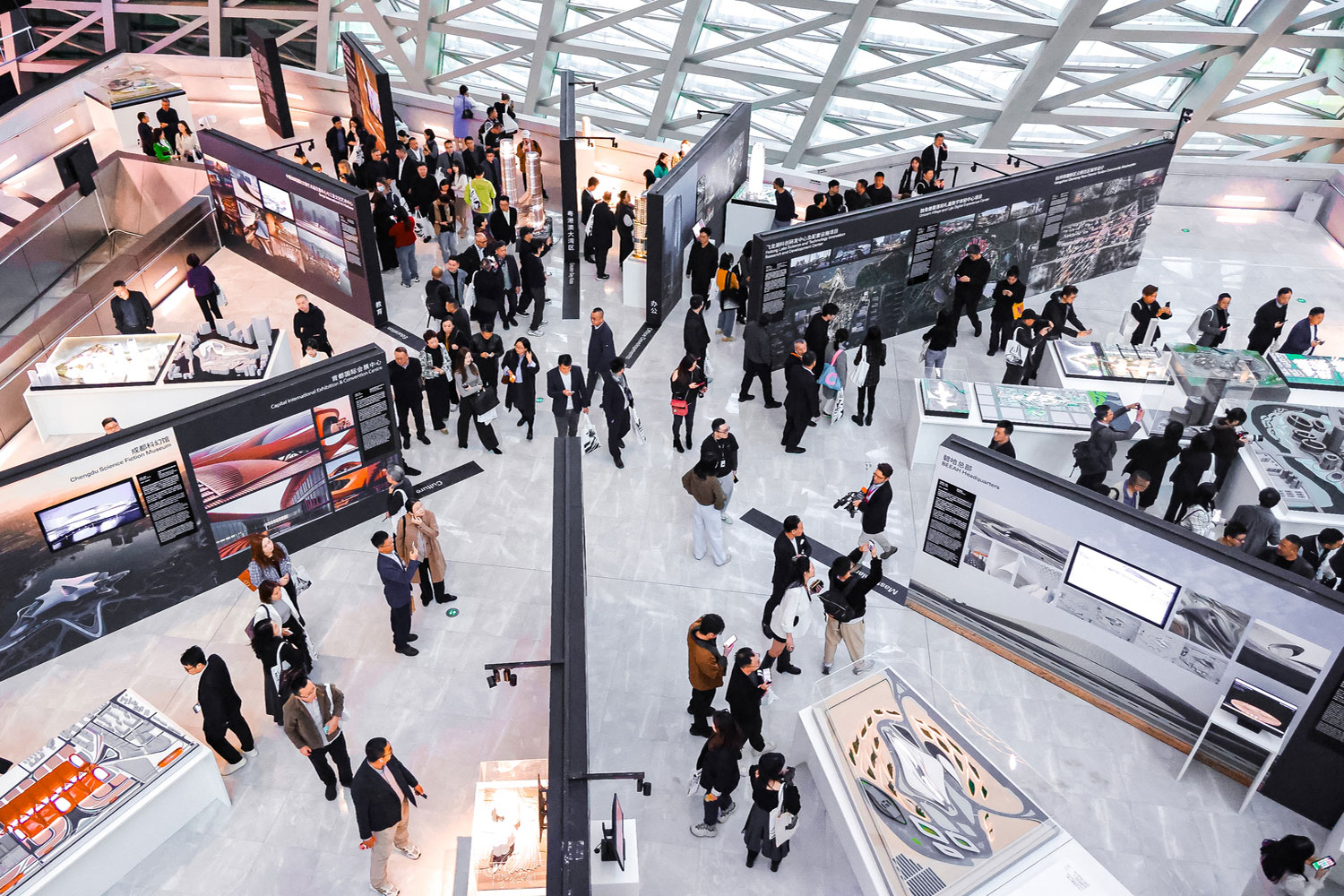
“Architecture of Possibility: Zaha Hadid Architects” at the Museum of Contemporary Art and Urban Planning (MOCAUP) in Shenzhen, China, presents a comprehensive overview of the evolution of Zaha Hadid Architects’ work over recent decades. On view until April 10, 2026, the exhibition is structured through chronological and thematic narratives that highlight the studio’s multidisciplinary research and design methodologies. The exhibition, now open to the public, showcases the office’s work in the Shenzhen area and its involvement with new Artificial Intelligence technologies. Particular emphasis is placed on the integration of artificial intelligence (AI), immersive and interactive design tools, and virtual environments, which together form an expanding digital design ecosystem. The exhibition also traces ZHA’s long-standing relationship with China, beginning with Zaha Hadid’s first visit in 1981 and extending through five decades of work in the country. Particular attention is given to the Greater Bay Area, one of the world’s most rapidly transforming urban regions, where the practice has completed or is developing more than 25 projects. These include the Shenzhen Science and Technology Museum, the Henderson Tower in Hong Kong, and the Morpheus Hotel in Macau, alongside ongoing developments such as the Shenzhen Institute for Financial Technology, Tower C at the Shenzhen Bay Super Headquarters Base, and the West Kowloon High-Speed Rail Terminus Development. Cultural and civic projects, including the Greater Bay Area Sports Centre in Guangzhou, GO PARK Sai Sha in Hong Kong, and the upcoming Yidan Center for the Chen Yidan Foundation, further demonstrate the studio’s engagement with the region’s evolving urban life. A significant portion of the exhibition is dedicated to ZHA’s research collaborations with global leaders in AI computing. Through machine learning and data-driven digital technologies, the practice explores complex geometrical, environmental, and behavioral models to inform design decisions. The exhibition presents how cyberspaces and metaverse environments developed using video game technologies enable virtual exploration and real-time configuration of architectural space. These tools integrate 3D models with virtual reality, enabling architects, clients, and stakeholders to collaboratively experience and refine projects. Robotics and Digital Fabrication (RDF), alongside advances in Architectural Geometries, are also showcased as key drivers transforming contemporary design and construction processes. Organized across five thematic zones, ZHA City: Greater Bay Area District, Metrotopia, Brainstorming, Interactive Plan Configurator, and Exhibition Digital Twin, the exhibition investigates ZHA’s approach to cybernetic architecture and emerging technologies. Alongside the Shenzhen exhibition, recent news from the practice includes winning the international competition to design Malpensa Hospital in Italy, the Yidan Center in Shenzhen reaching full height, and the construction of the final segment of the Danjiang Bridge in Taipei, marking another milestone in the studio’s ongoing global work.
مطالب مرتبط