ویلای سبدار، اثر آرتور امید آذری
هفتمین کتاب سال معماری معاصر ایران، 1403
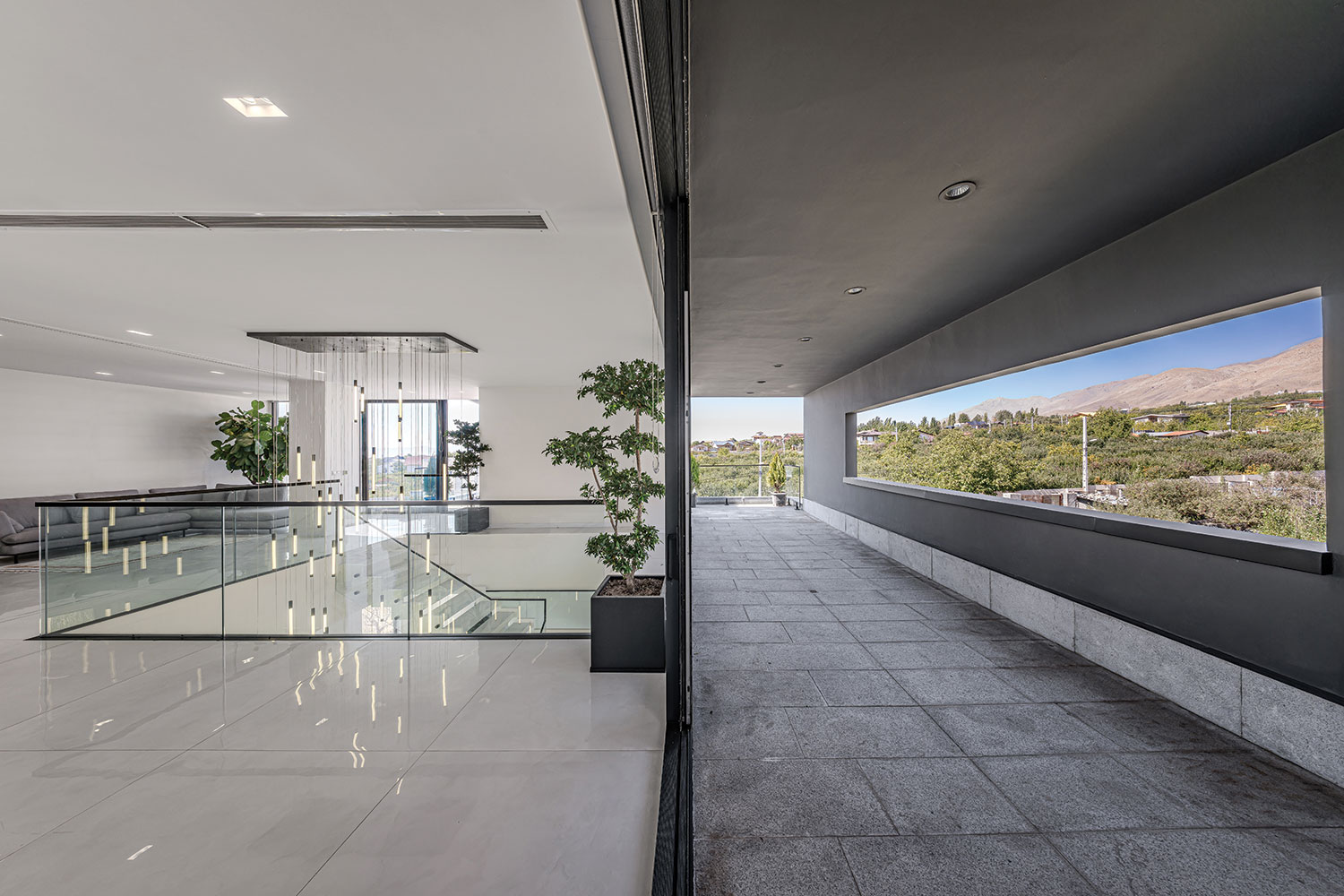
طراحی ویلای سب دار «باغ سیب» از ابتدا با پرسش از نسبت بافت با فرم معماری آغاز شد. پس از مطالعهی منطقهی جابان (در جنوب شرقی رشته کوههای البرز، بخش جنوبی زرینکوه) ایدهی طراحی از دل یک پارادوکس جغرافیایی شکل گرفت تا دید کوهای شمال و باغات جنوب را به میانههای فضا دعوت کند.
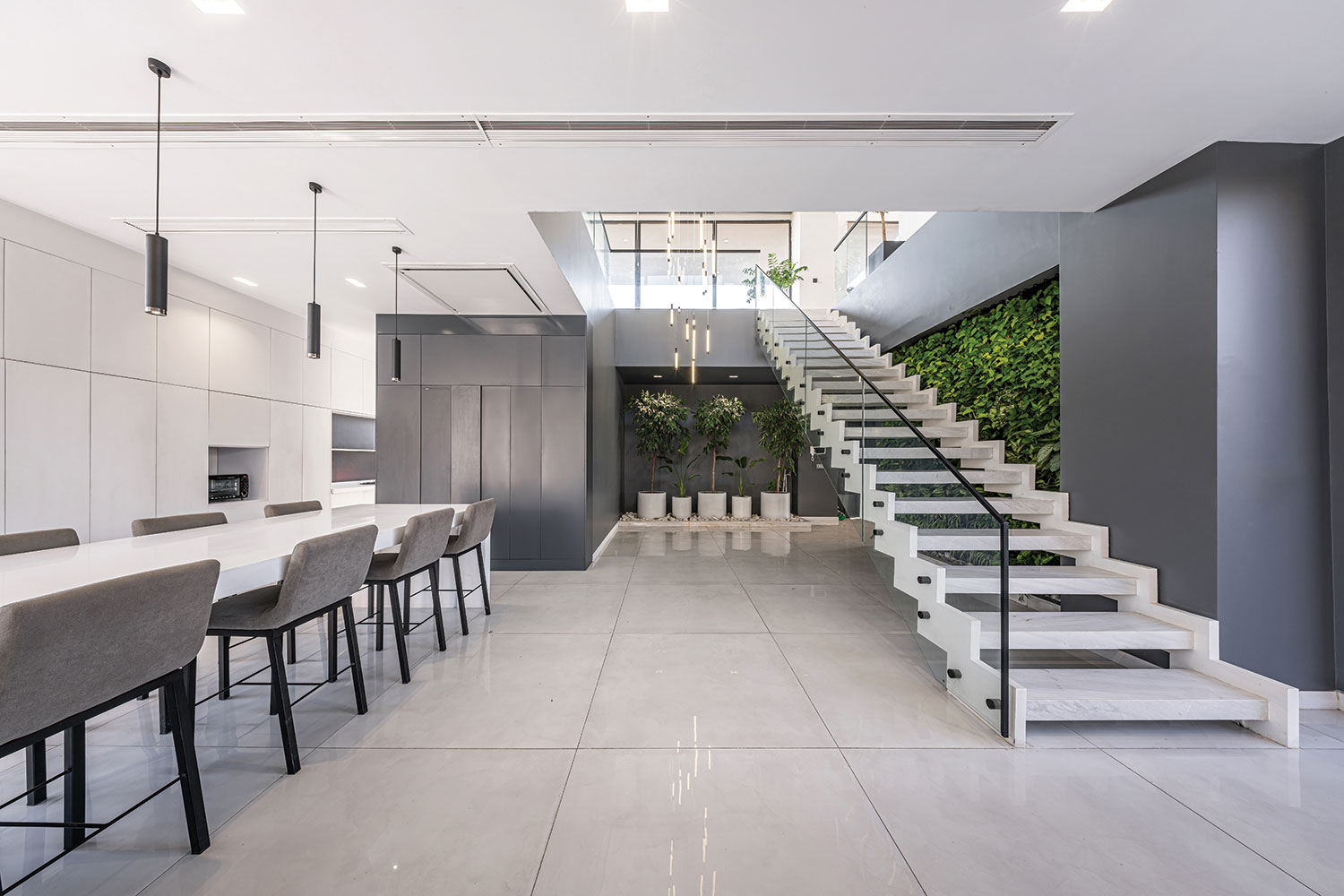
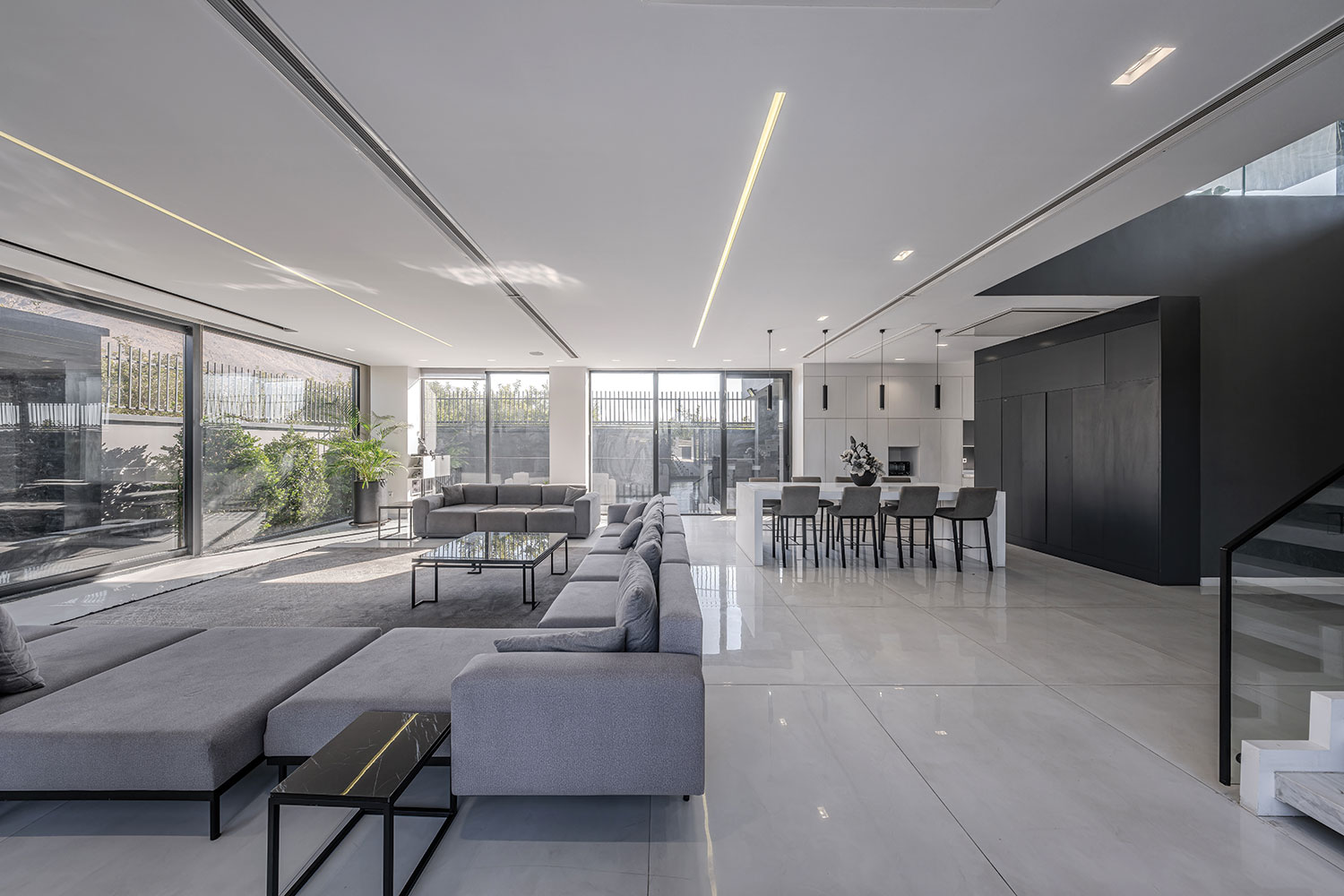
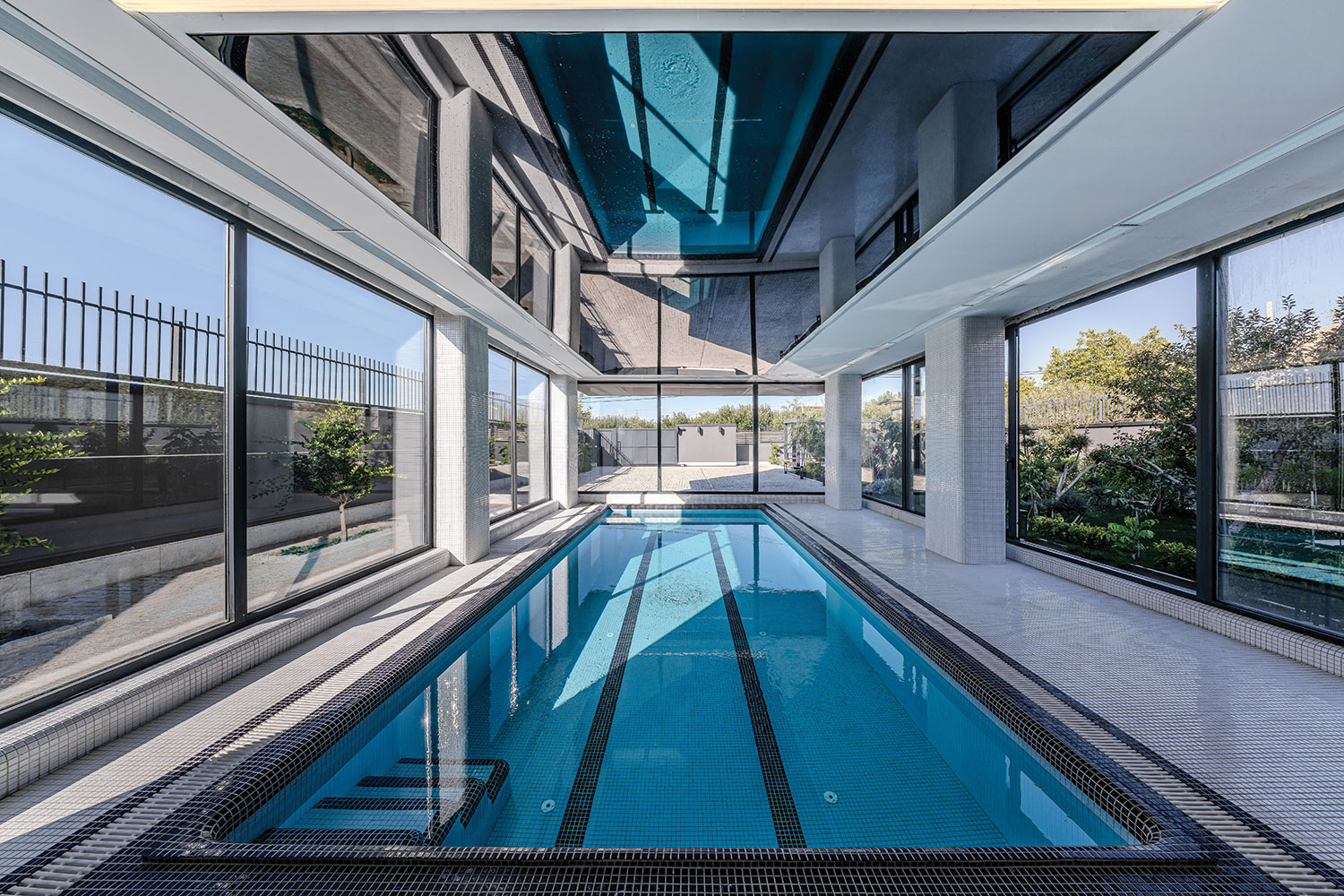
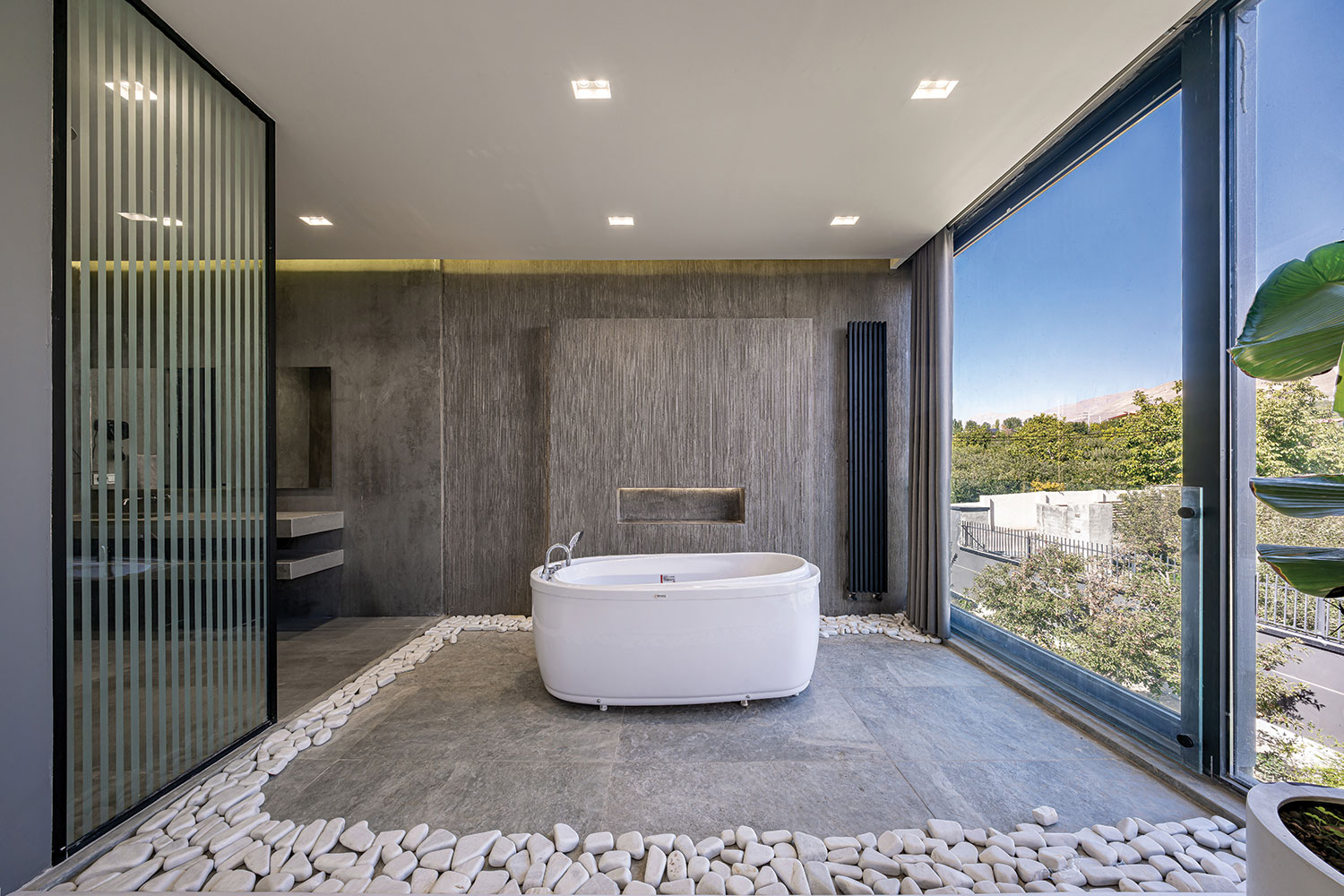
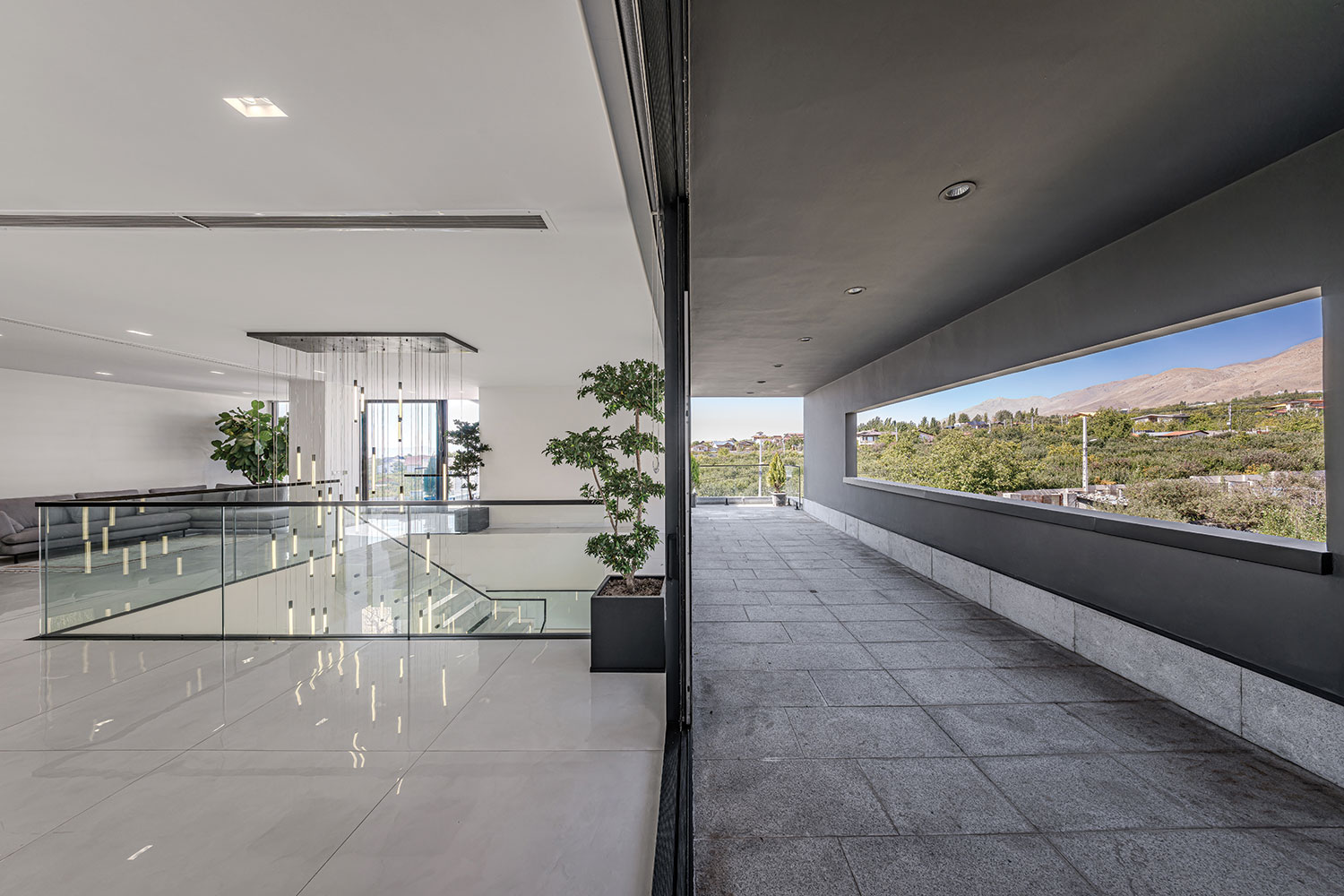
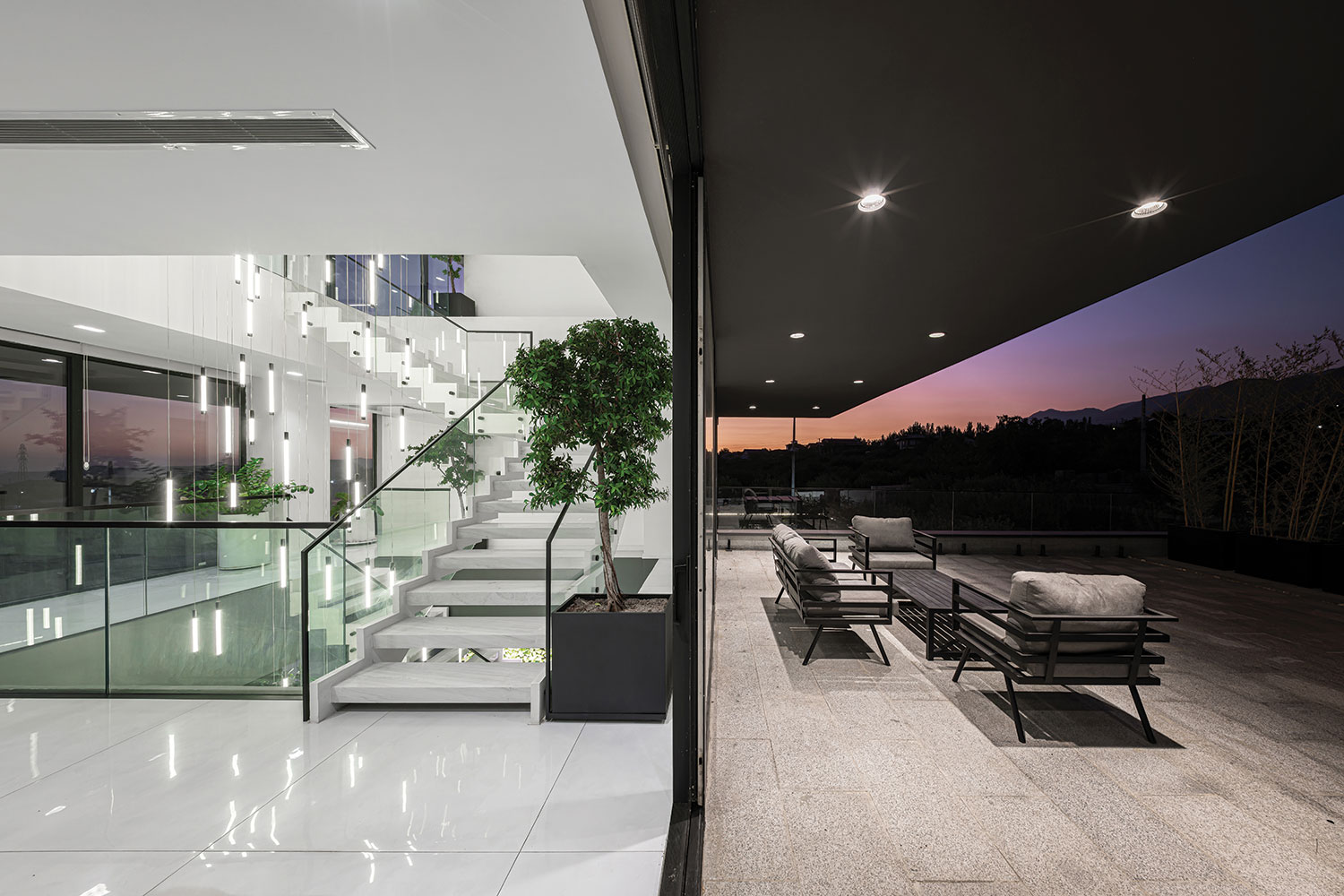
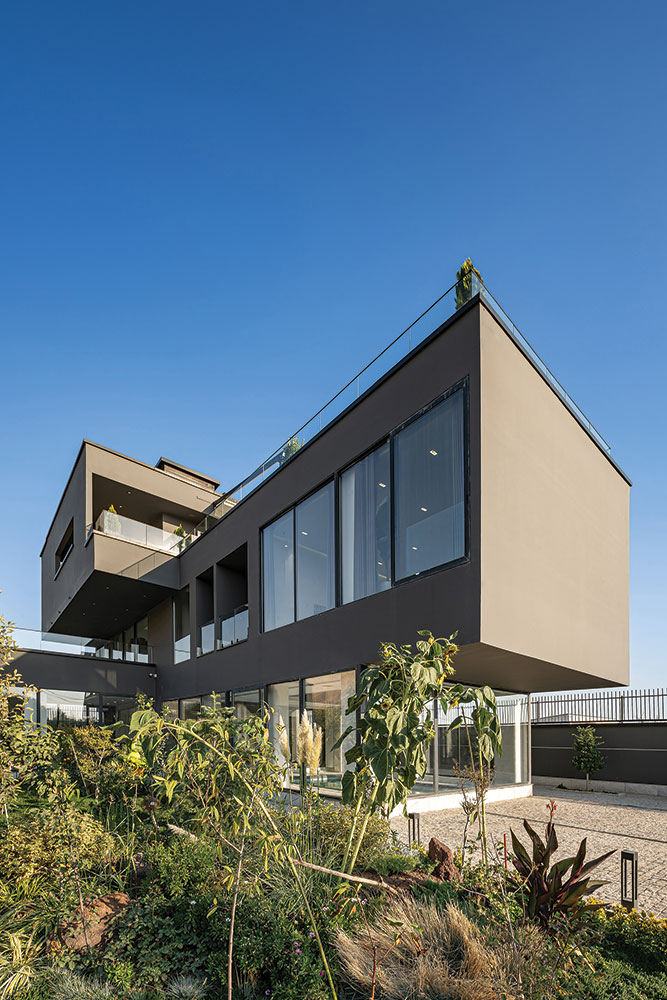
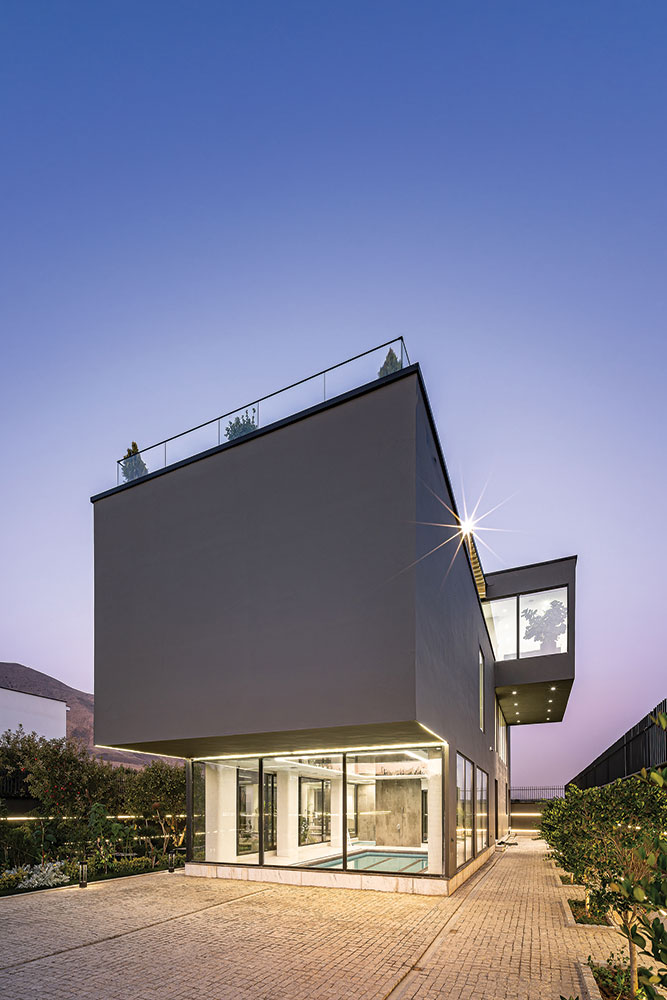
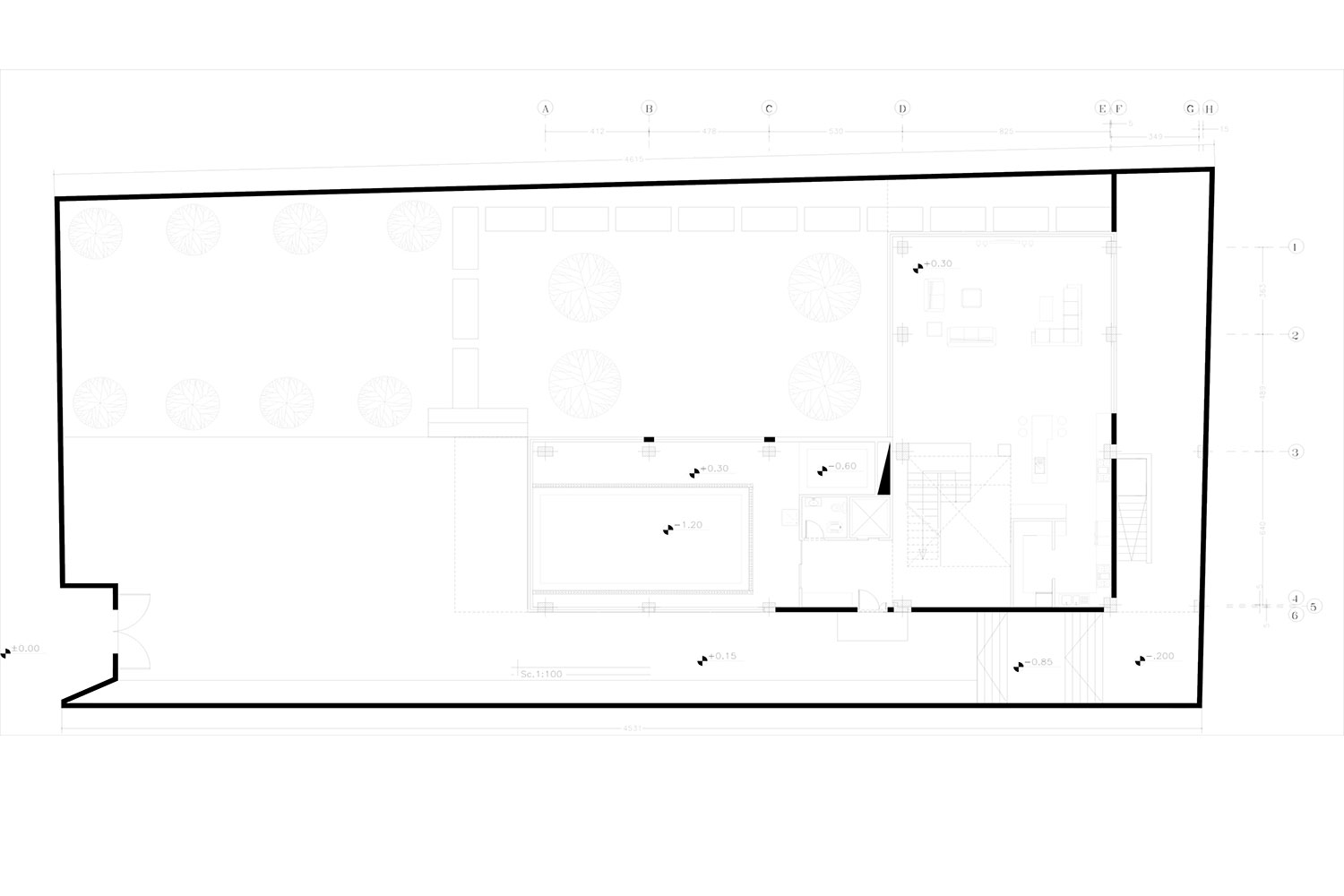
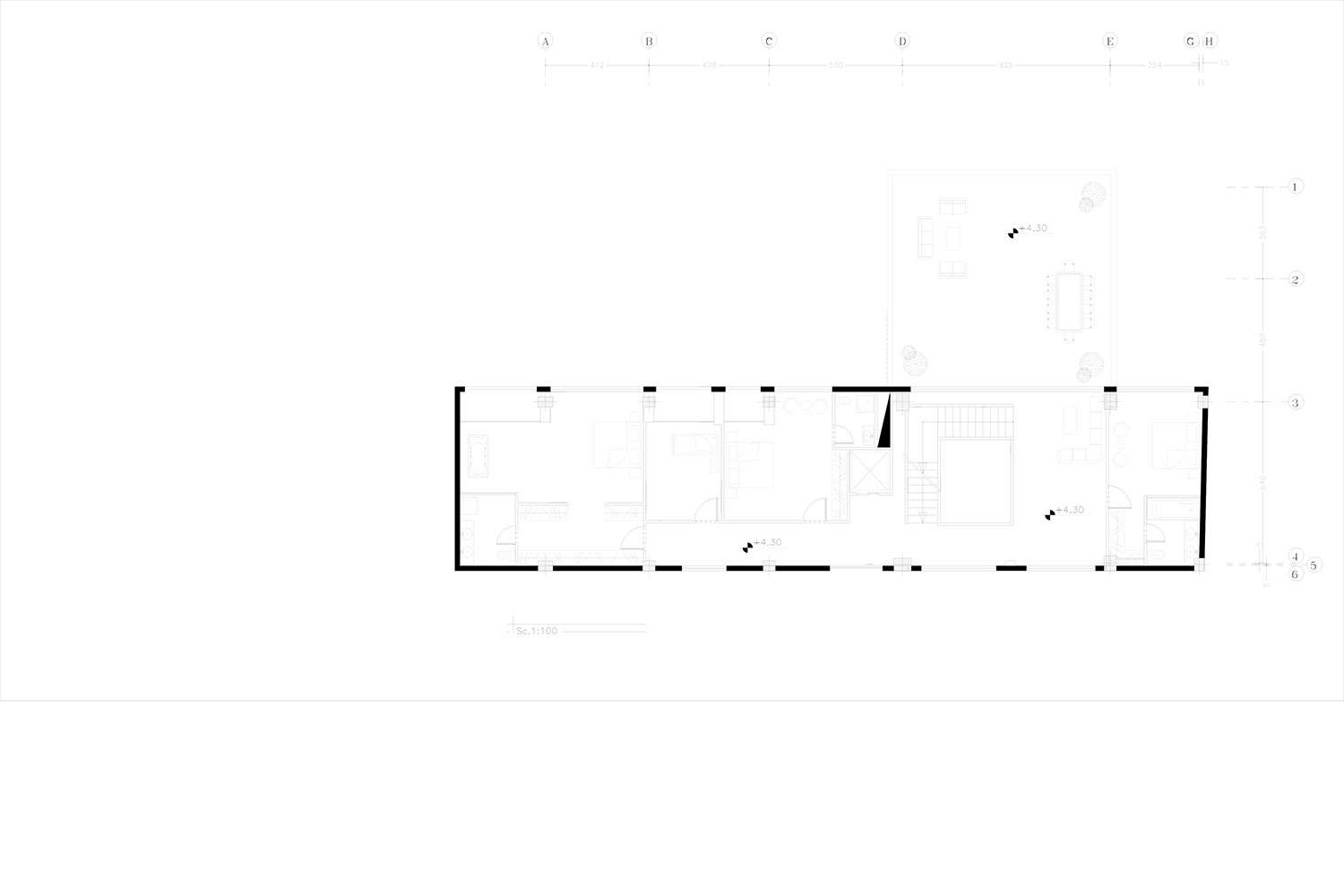
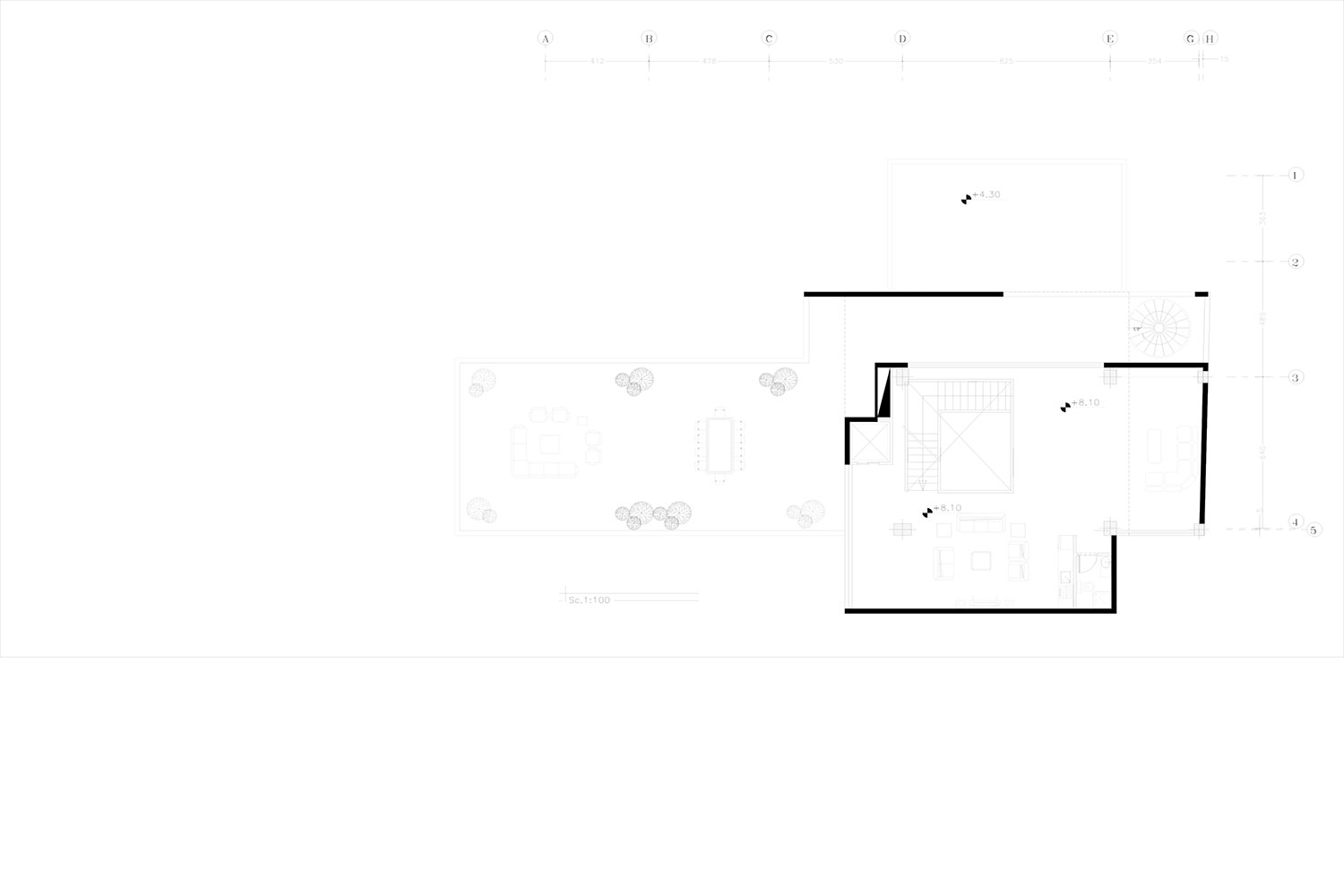
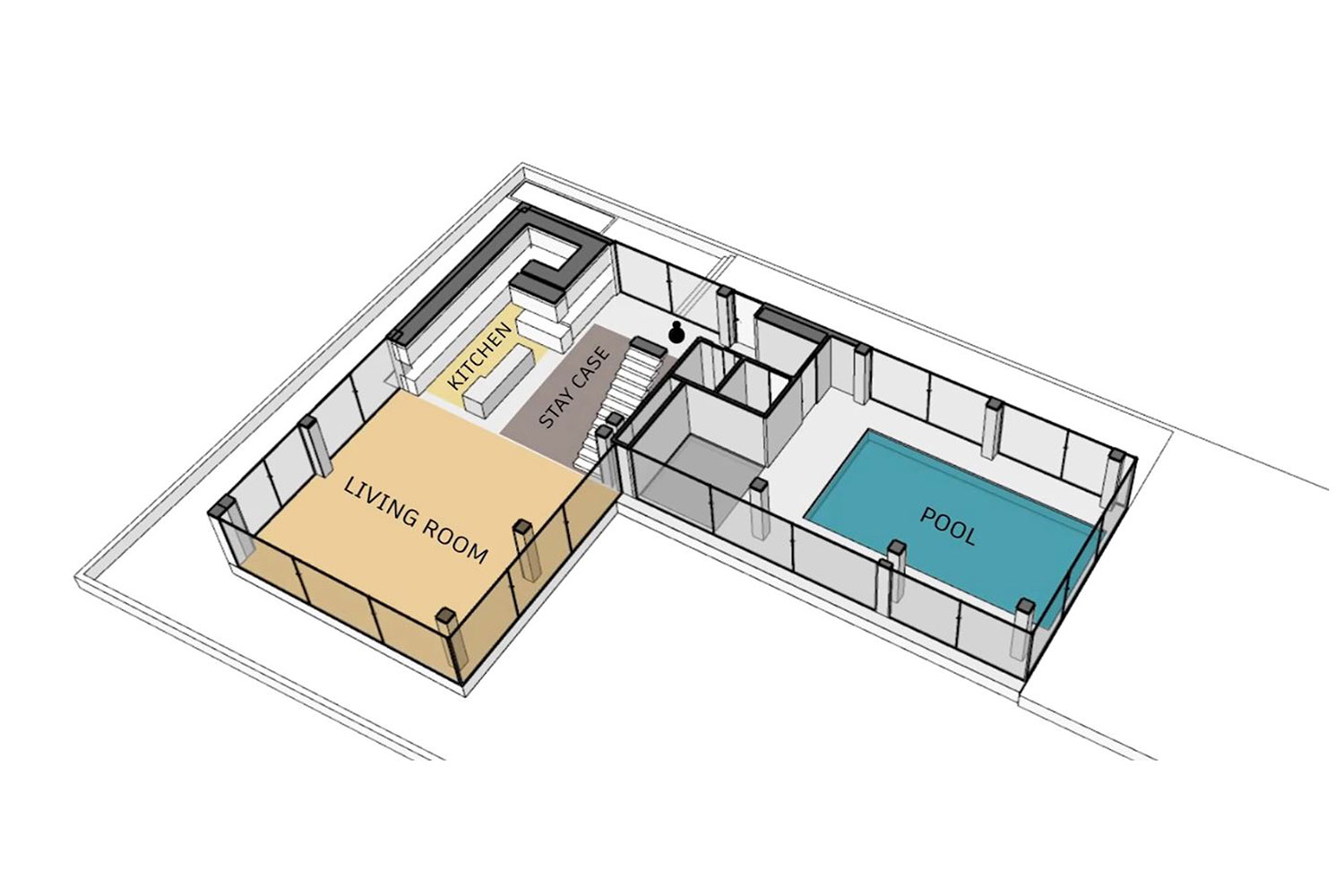
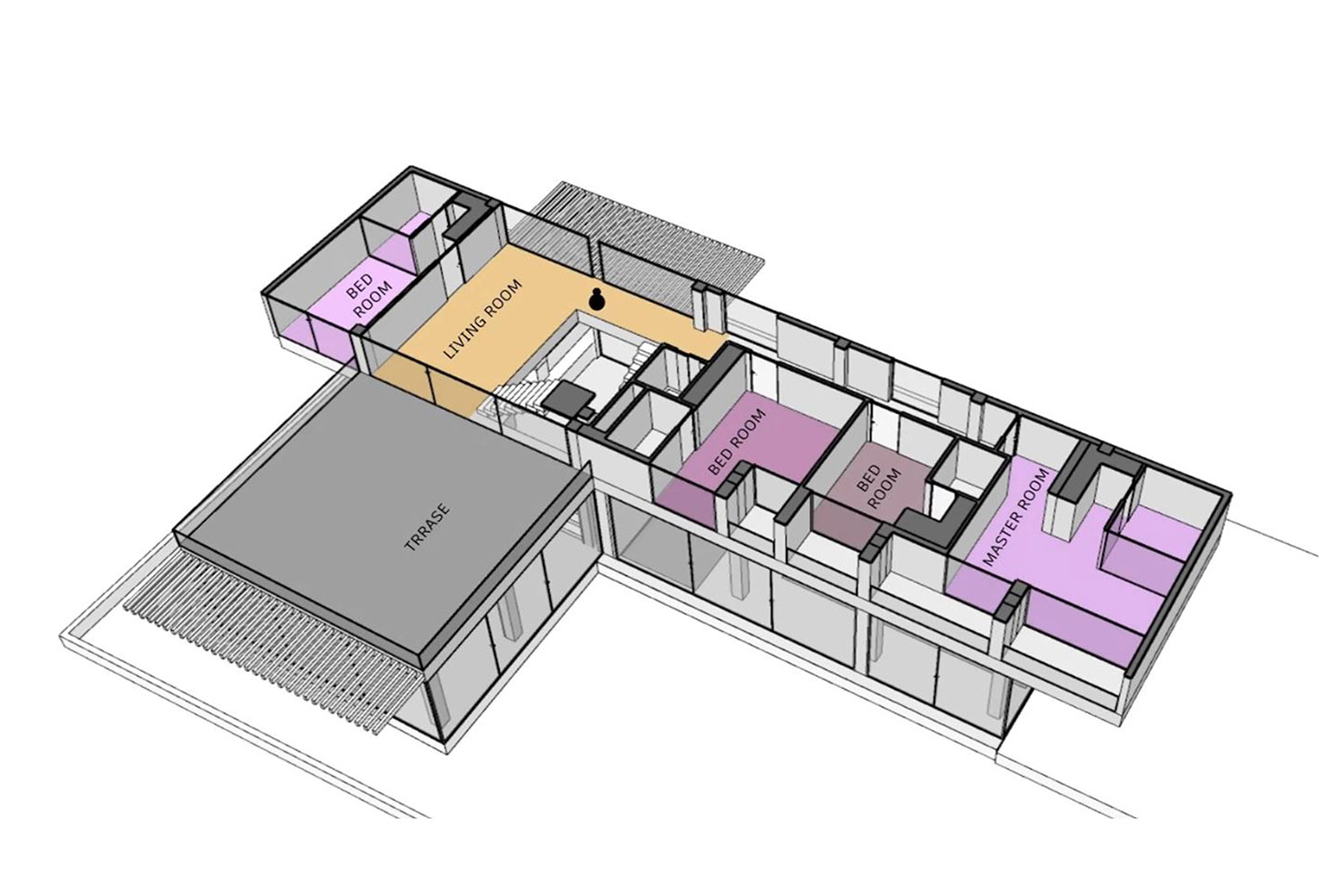
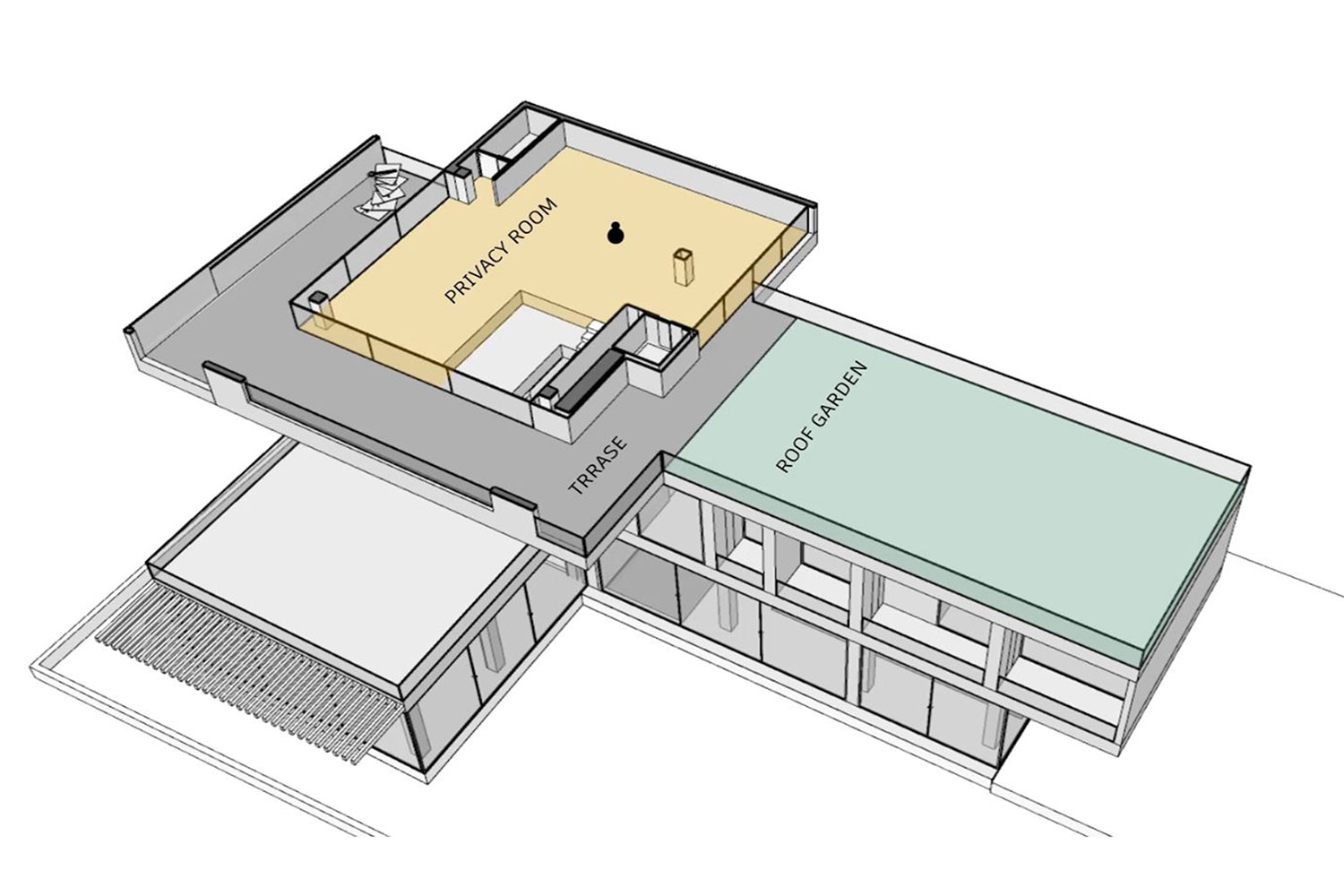
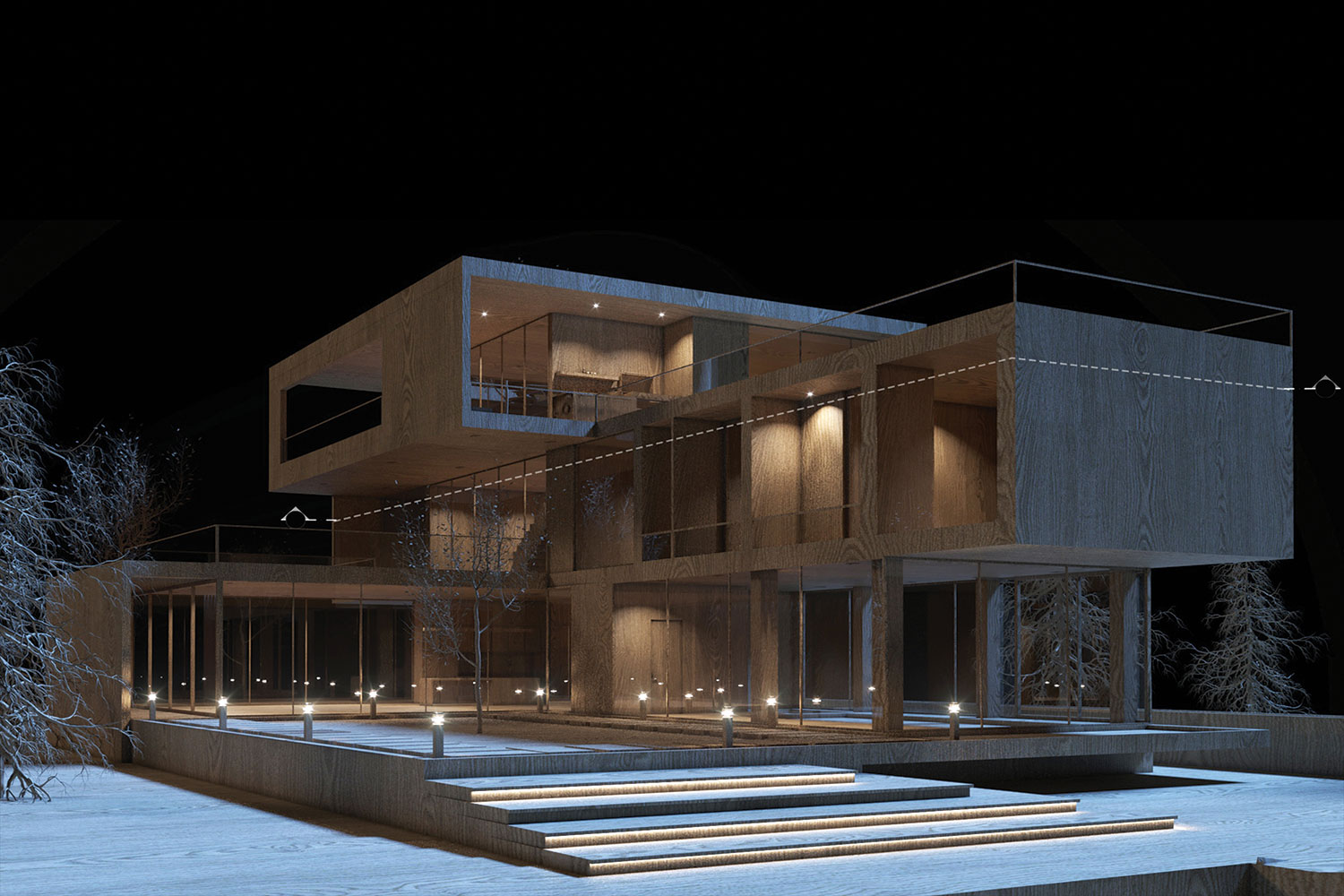
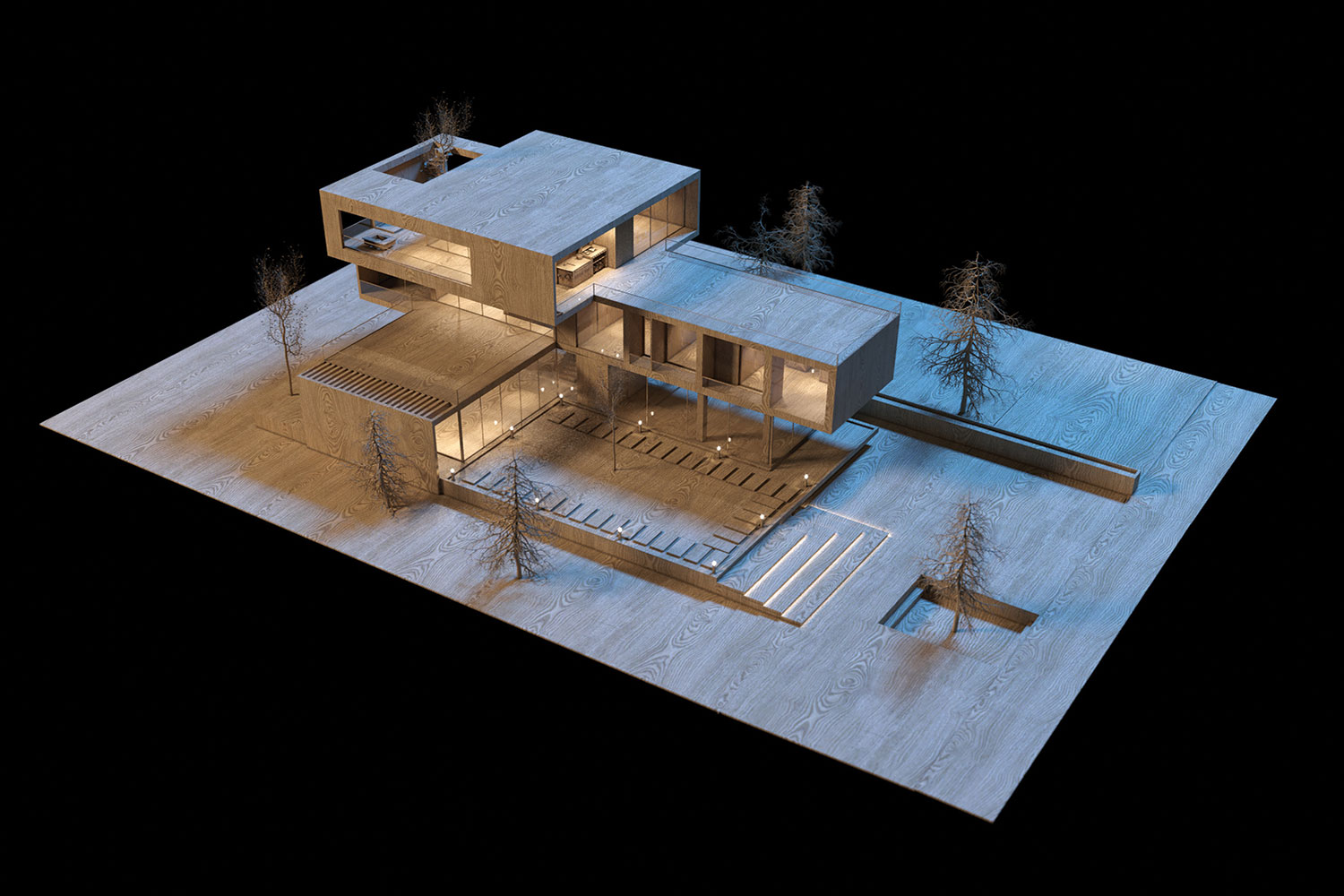
دو مکعب شفاف و نیمهباز در دو جهت مخالف روی هم قرار گرفت، بهنحوی که نسبت ارتباط درون و بیرون با نماهای شفاف و قابهای توخالی تعریف شود. تمایل به سادگی و پرهیز از پیچیدگی در فرم این مکعبها بارز است. ساماندهی فضاهای داخلی حول یک فضای تهی مرکزی است و با توجه به ماهیت وجودی ویلا، مفهوم برونگرایی متناسب با اقلیم جغرافیایی و نیز ایجاد فضاهای عمومی متنوع در برنامهی طراحی لحاظ شده است.
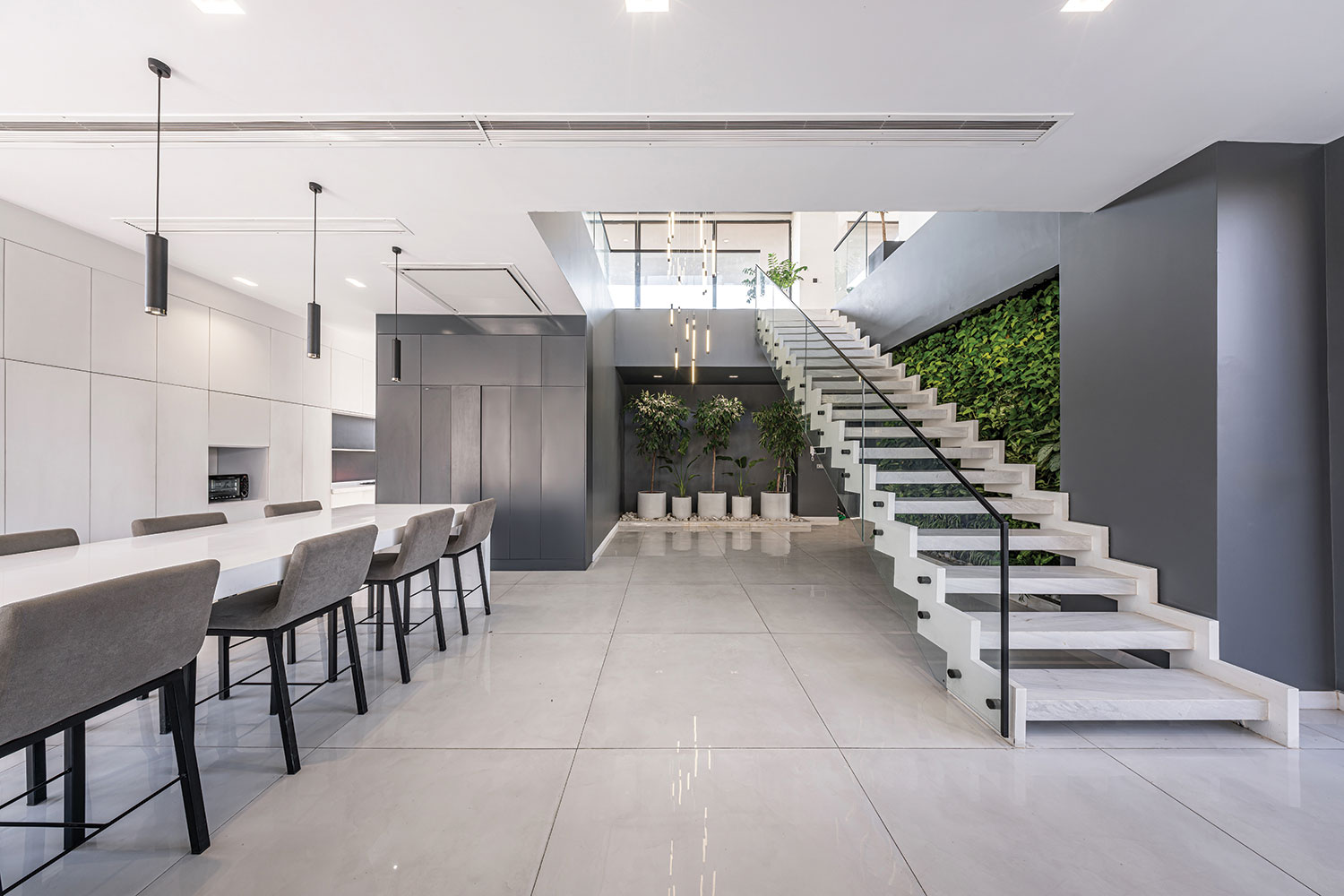
در ویلای «سبدار» سبزینگی از فضای بیرونی به اندرون، در امتداد قابهای توخالی گشودهای رو به باغ، در جریان است.
هفتمین کتاب سال معماری معاصر ایران، 1403
_______________________________________
نام پروژه: ویلای سبدار
شرکت: گروه ساختمانی آرتور
معمار اصلی: آرتور امید آذری
همکاران طراحی: رضا محمودی، پویا بیدار، سپیده کاروان، غزاله فلاحی، فاطمه فاطمی، دانیال آذری، نیلوفر صدیقینوری
طراحی و دکوراسیون داخلی: آرتور امید آذری
نوع تاسیسات: موتورخانه مرکزی و گرمایش داکت اسپلیت و گرمایش از کف
سازه: بتنی
آدرس پروژه: دماوند، منطقه جابان
مساحت زیربنا: 770 متر مربع
تاریخ شروع – پایان ساخت: 1403-1401
عکاس: حسین حمزهلویی.
اینستاگرام: dr.artur.architect
ایمیل: dr.arturazerii@gmail.com
Villa Sab-Dar, Artur Omid Azeri
Project Name: Villa Sab-Dar
Firm: Artur Construction Group
Principal Architect: Artur Omid Azeri
Design Team: Reza Mahmoudi, Pouya Bidar, Sepideh Karavan, Ghazaleh Fallahi, Fatemeh Fatemi, Danial Azari, Niloufar Sedighinouri
Interior Design: Artur Omid Azeri
Systems & Structure: Central mechanical room, ducted split heating, underfloor heating – concrete structure
Project Location: Damavand, Jaban region
Built Area: 770 m²
Construction Timeline: 2022–2024
Photographer: Hossein Hamzehlouei.
Instagram: dr.artur.architect
Email: dr.arturazerii@gmail.com
The design of Villa Sab-Dar (Apple Garden) began with a fundamental question: the relationship between architectural form and its surrounding context. Following a study of the Jaban region (located in the southeastern foothills of the Alborz Mountains, in the southern part of Zarrin Kooh), the design concept emerged from a geographical paradox-drawing the views of the northern mountains and the southern orchards into the spatial center.
Two transparent and semi-open cubes were stacked in opposite directions, so that the relationship between interior and exterior is defined through transparent facades and hollow frames. The design favors simplicity and avoids complexity in the form of these cubes. The interior spaces are organized around a central void, aligning with the essential nature of a villa, emphasizing extroversion appropriate to the regional climate and incorporating a range of public spaces into the program.
In Villa Sab-Dar, greenery flows from the exterior into the interior through the open hollow frames facing the garden, creating a continuous experience.
مدارک فنی
مطالب مرتبط