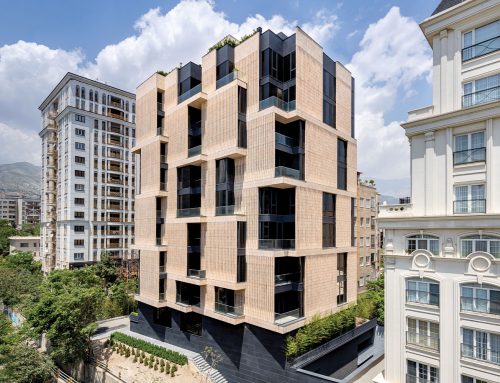
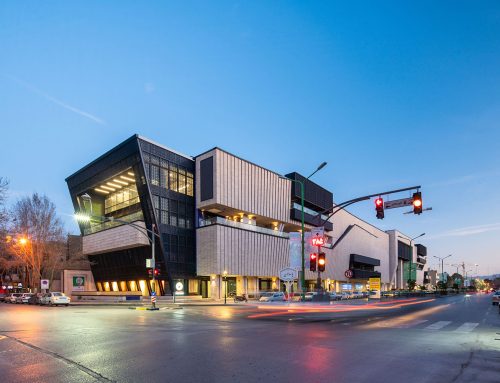
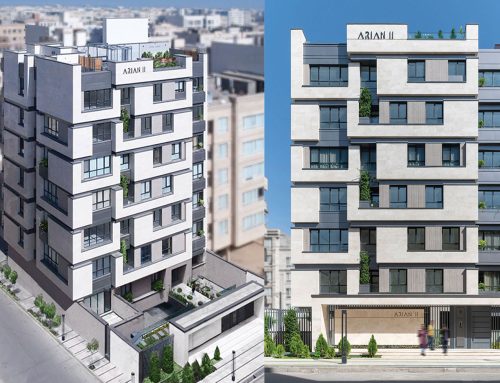
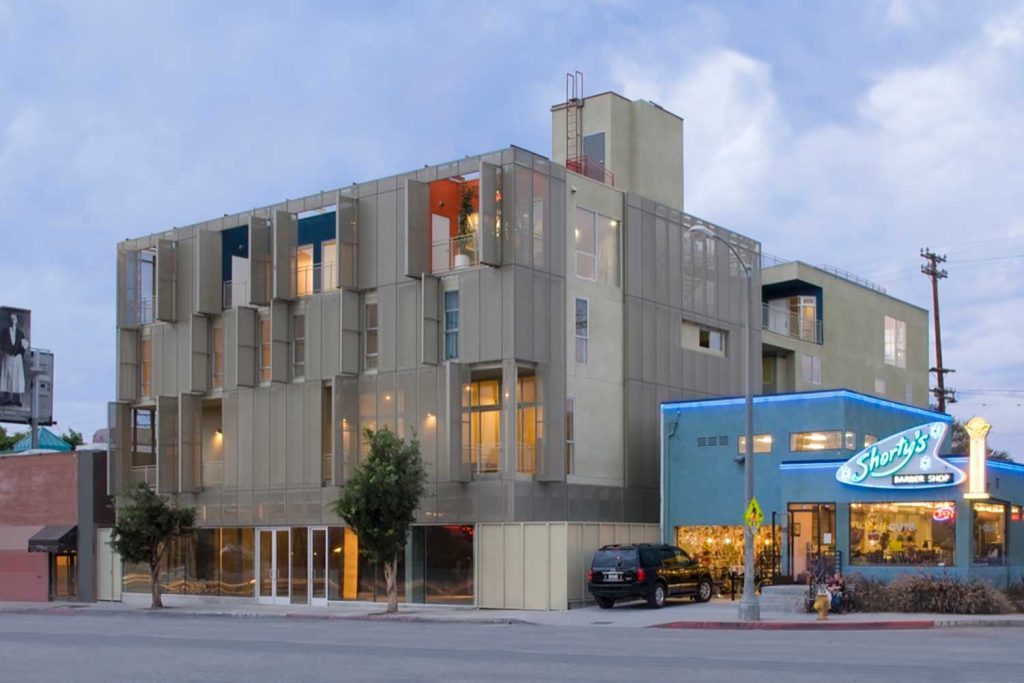
 معماری سبز، لوفتهای استودیو چروکی اثر معماران Brooks + Scarpa Architects
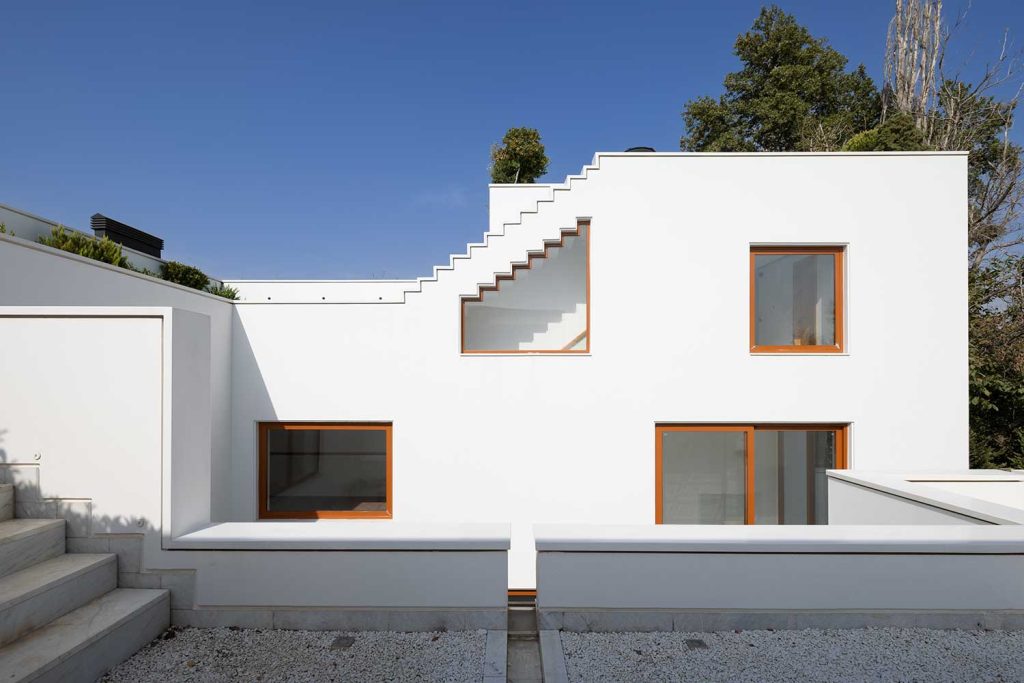 بوتیک هوم سعید اثر مازیار صارمی، فینالیست و راه یافته به مرحلهی دفاع از آثار ششمین دوسالانهی معماری ایران بخش ویلایی، 1403
مِیم انگور اثر محمد ریحانی شرق،علیرضا مدرسی،علی سویزی
چهارمین شب معماران، فینالیست و راه یافته به ششمشن دوسالانه، 1403، بخش عمومی
Meim Angour / Mohammad Reyhani Shargh, Alireza Modarresi, Ali Suyazi
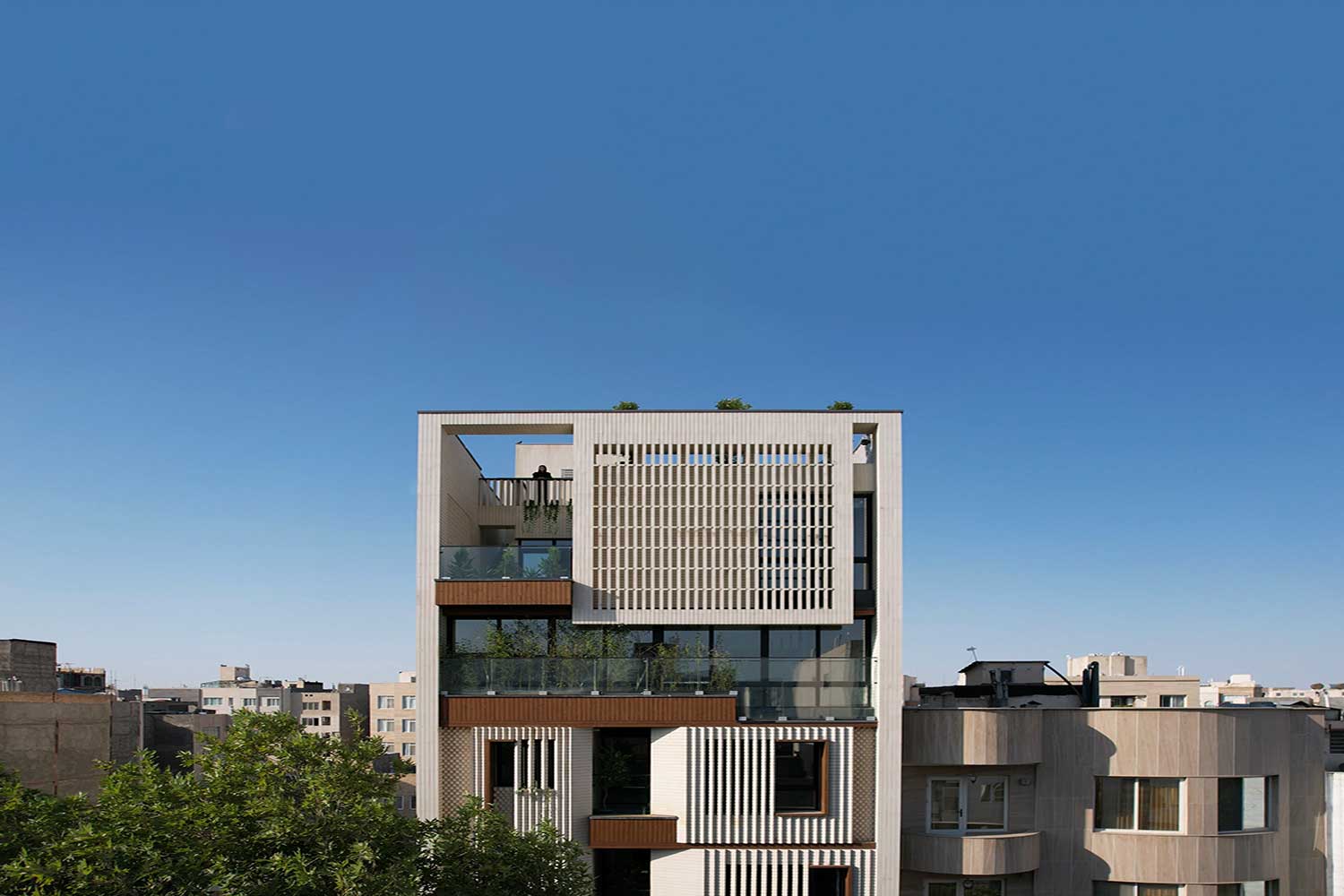
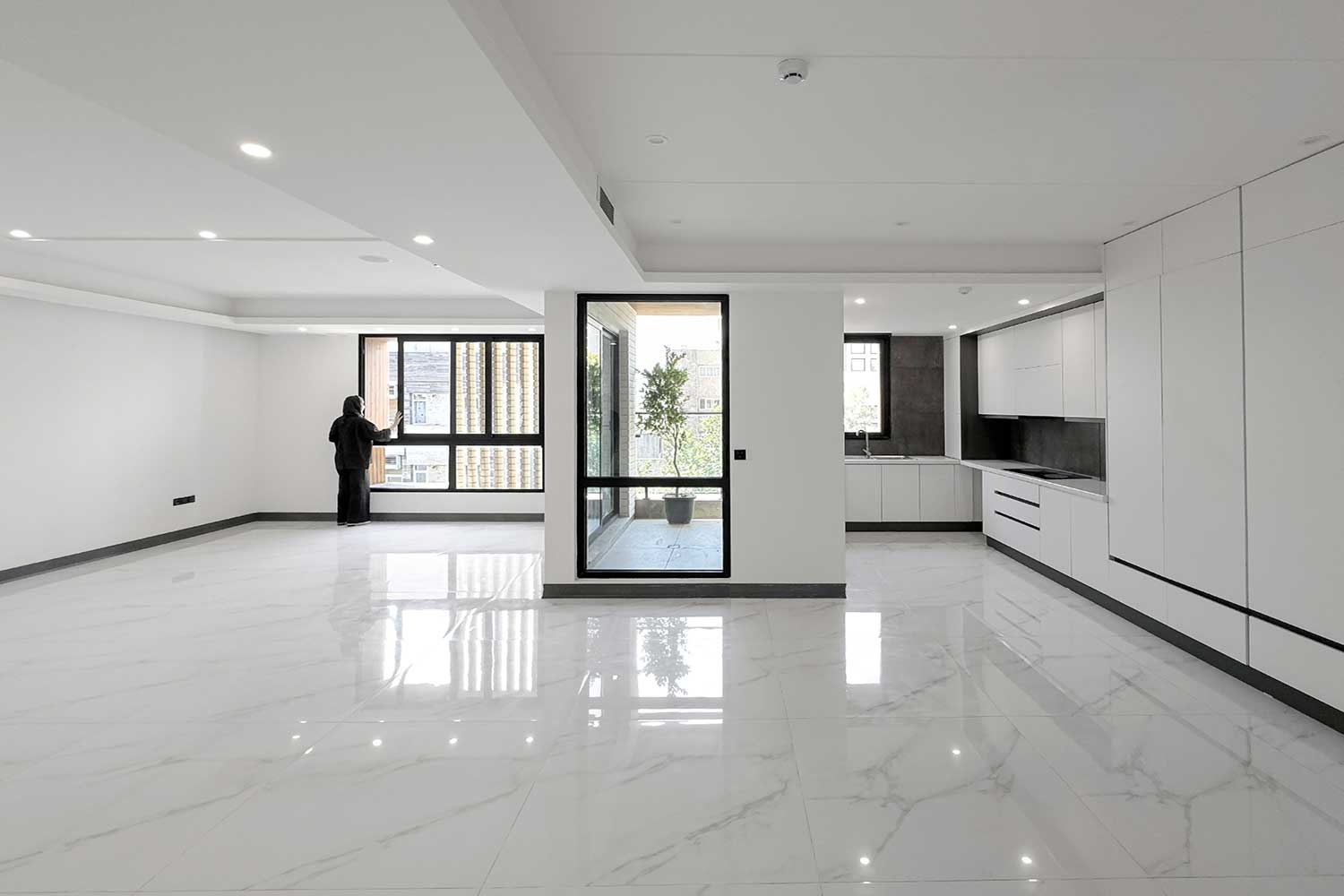
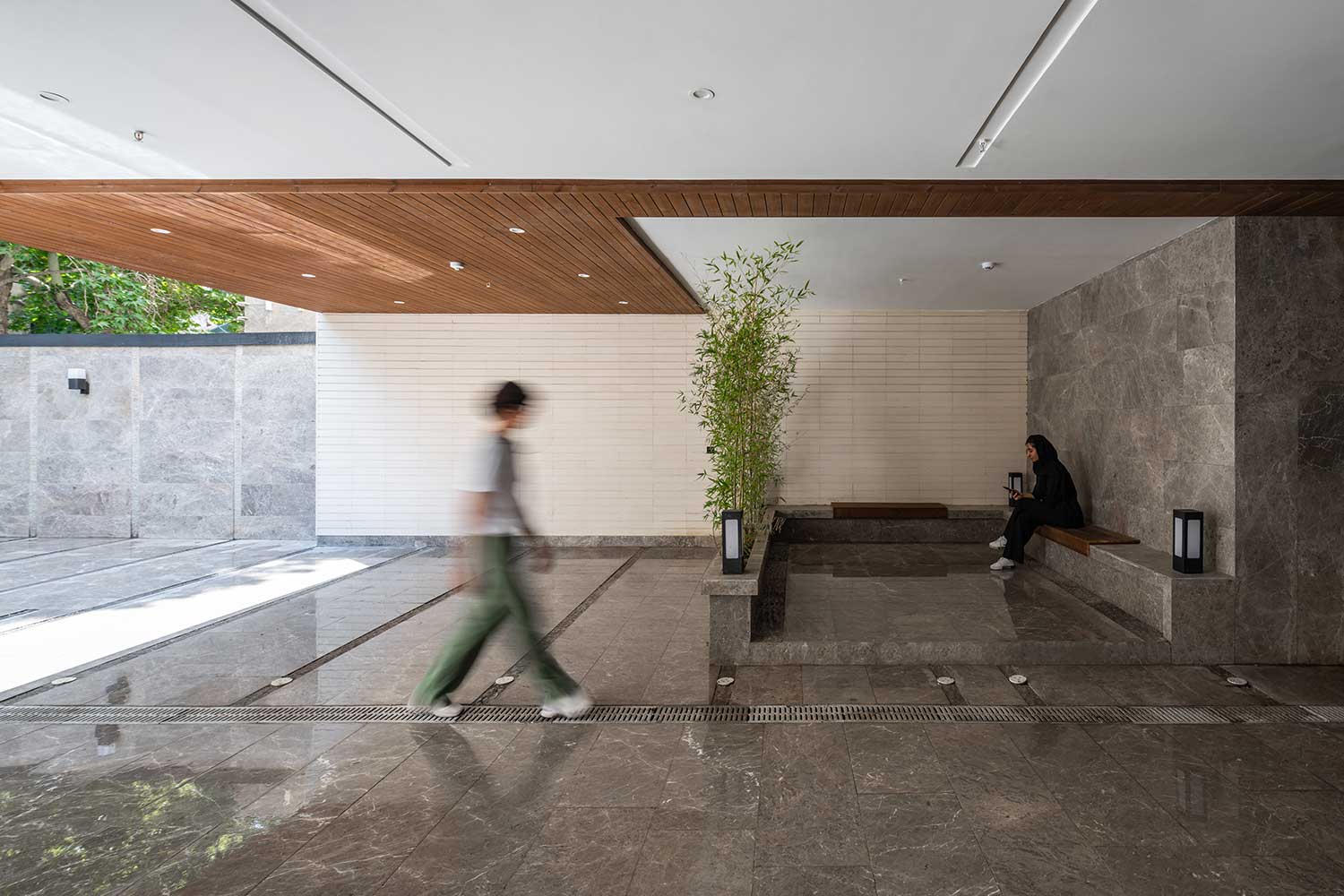
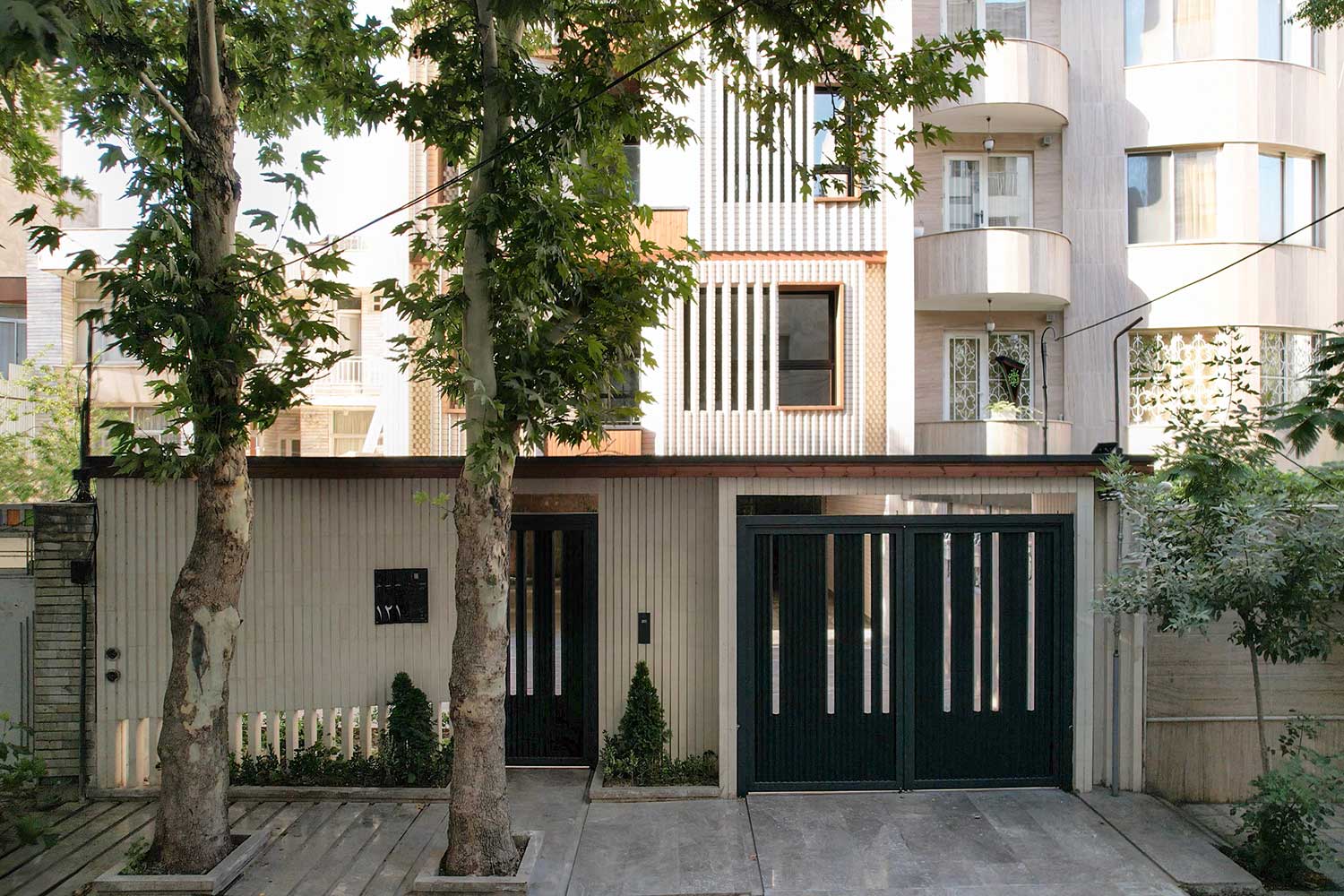
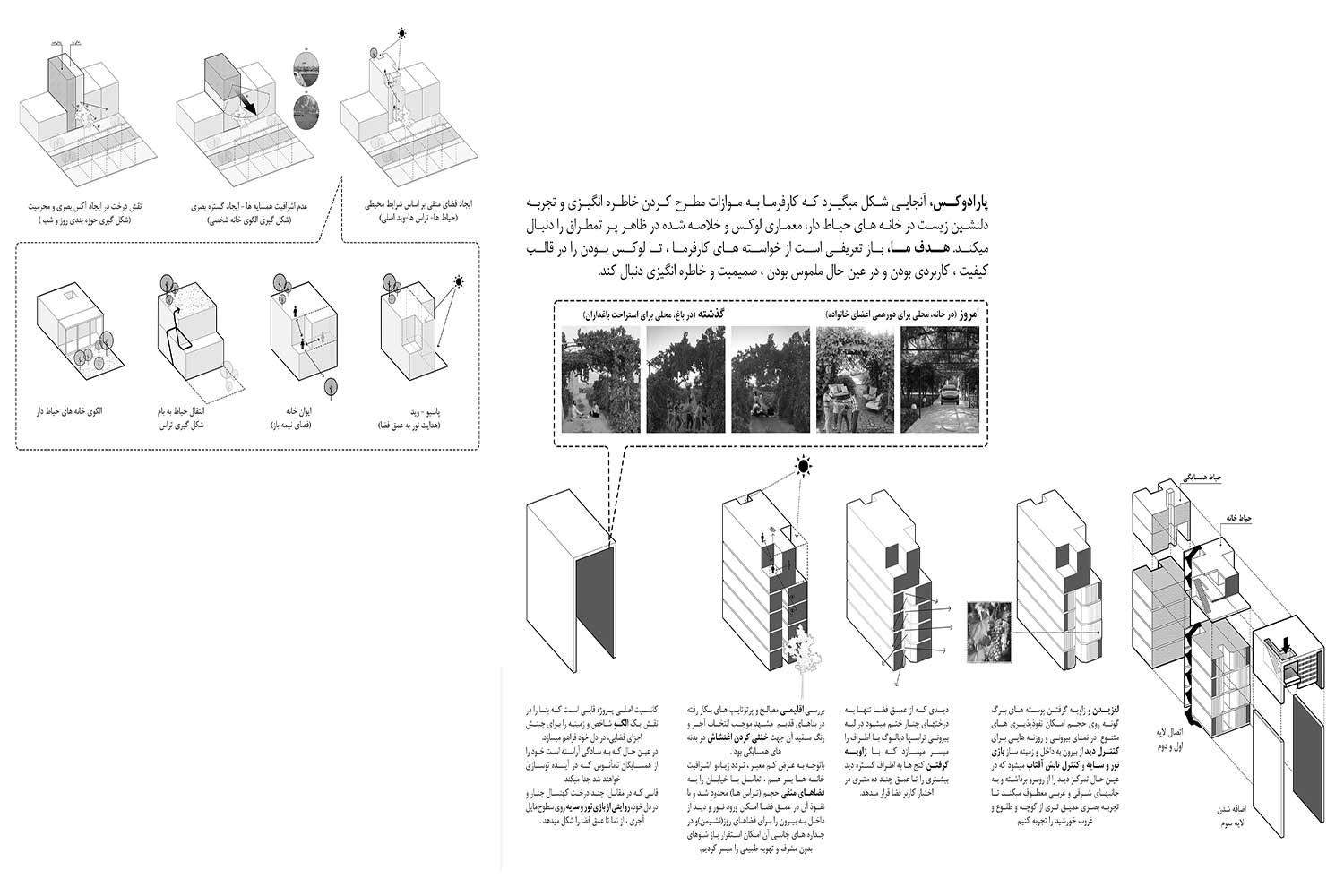
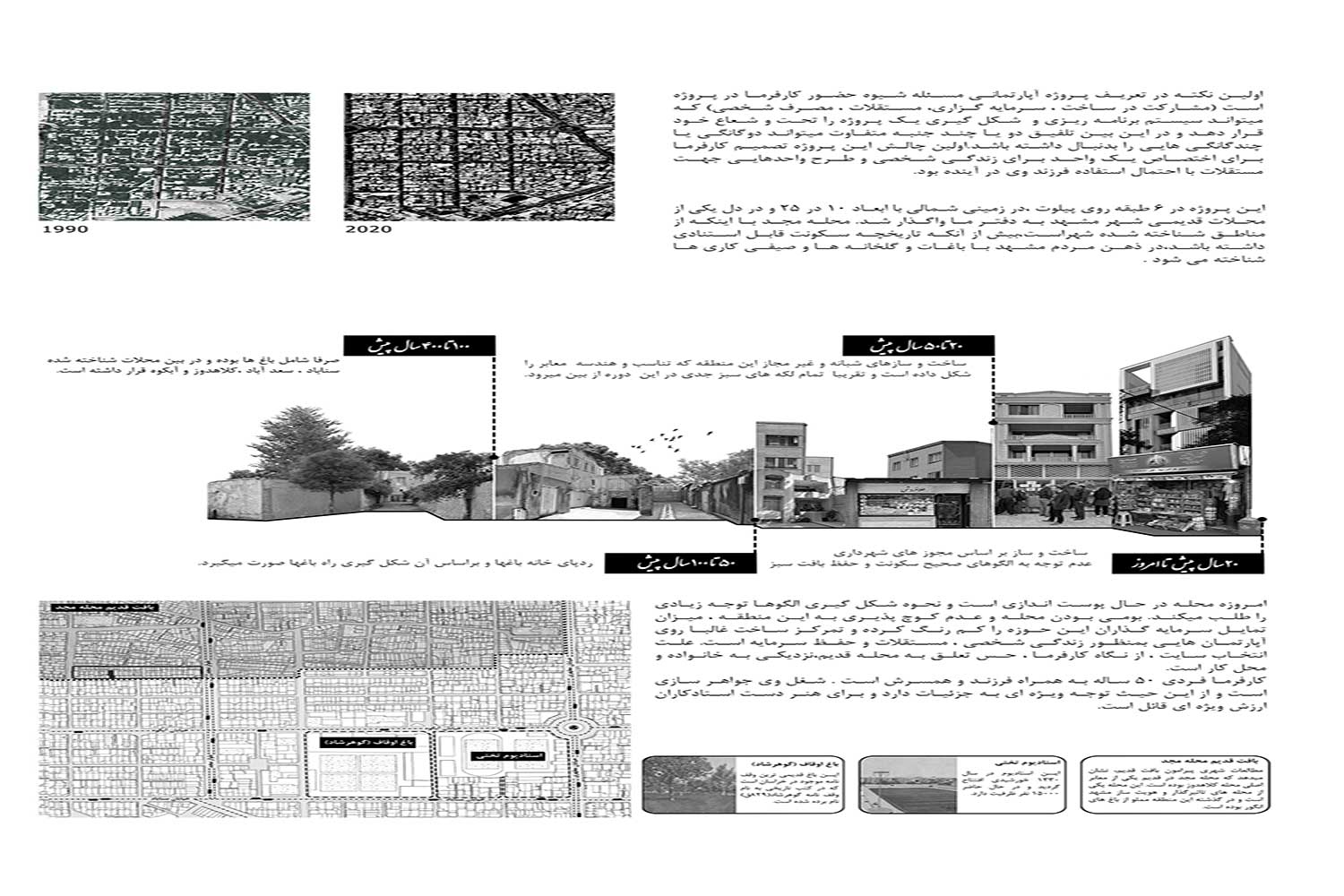
مسئله اصلی پروژه چگونگی ایجاد پیوند بین خواسته های کارفرما برای فضای سکونت، با ویژگی های تاریخی-فرهنگی و اقتصادی محله بود. رسالتی که برای خود به عنوان معمار متصور بودیم ، ایجاد الگویی بودکه توانایی تعامل با بستر تاریخی محله را دارا باشد و جایگزینی مناسب بجای ساخت و سازهای التقاطی و ناهمگونی که محل زندگی ساکنین بومی و چند ده ساله منطقه شده گردد. استراتژی اولیه برای رسیدن به این مهم نه بازگشت به شکل و شمایل معماری گذشته که تنها یک برداشت سطحی را به دنبال دارد ، بلکه کنکاش در مفاهیم خاطره سازی است، که فصل مشترکی بین تاریخچه بستر، خانه های قدیم و تجربه گری در فضا، برای مصرف کننده و مخاطبین پروژه را فراهم کند. اولین نکته در تعریف پروژه آپارتمانی مسئله شیوه حضور کارفرما در پروژه است (مشارکت در ساخت ، سرمایه گزاری، مستقلات ، مصرف شخصی) که میتواند سیستم برنامه ریزی و شکل گیری یک پروژه را تحت و شعاع خود قرار دهد و در این بین تلفیق دو یا چند جنبه متفاوت میتواند دوگانگی یا چندگانگی هایی را بدنبال داشته باشد. اولین چالش این پروژه تصمیم کارفرما برای اختصاص یک واحد برای زندگی شخصی و طرح واحدهایی جهت مستقلات با احتمال استفاده فرزند وی در آینده بود. امروزه محله در حال پوست اندازی است و نحوه شکل گیری الگوها توجه زیادی را طلب میکند. بومی بودن محله و عدم کوچ پذیری به این منطقه ، میزان تمایل سرمایه گذاران این حوزه را کم رنگ کرده و تمرکز ساخت غالبا روی آپارتمان هایی بمنظور زندگی شخصی ، مستقلات و حفظ سرمایه است. علت انتخاب سایت ، از نگاه کارفرما ، حس تعلق به محله قدیم،نزدیکی به خانواده و محل کار است. کارفرما فردی 50 ساله به همراه فرزند و همسرش است. شغل وی جواهر سازی است و از این حیث توجه ویژه ای به جزئیات دارد و برای هنر دست استادکاران ارزش ویژه ای قائل است.پارادوکس، آنجایی شکل میگیرد که کارفرما به موازات مطرح کردن خاطره انگیزی و تجربه دلنشین زیست در خانه های حیاط دار، معماری لوکس و خلاصه شده در ظاهر پر تمطراق را دنبال میکند. هدف ما، باز تعریفی است از خواسته های کارفرما ، تا لوکس بودن را در قالب کیفیت ، کاربردی بودن و در عین حال ملموس بودن ، صمیمیت و خاطره انگیزی دنبال کند.
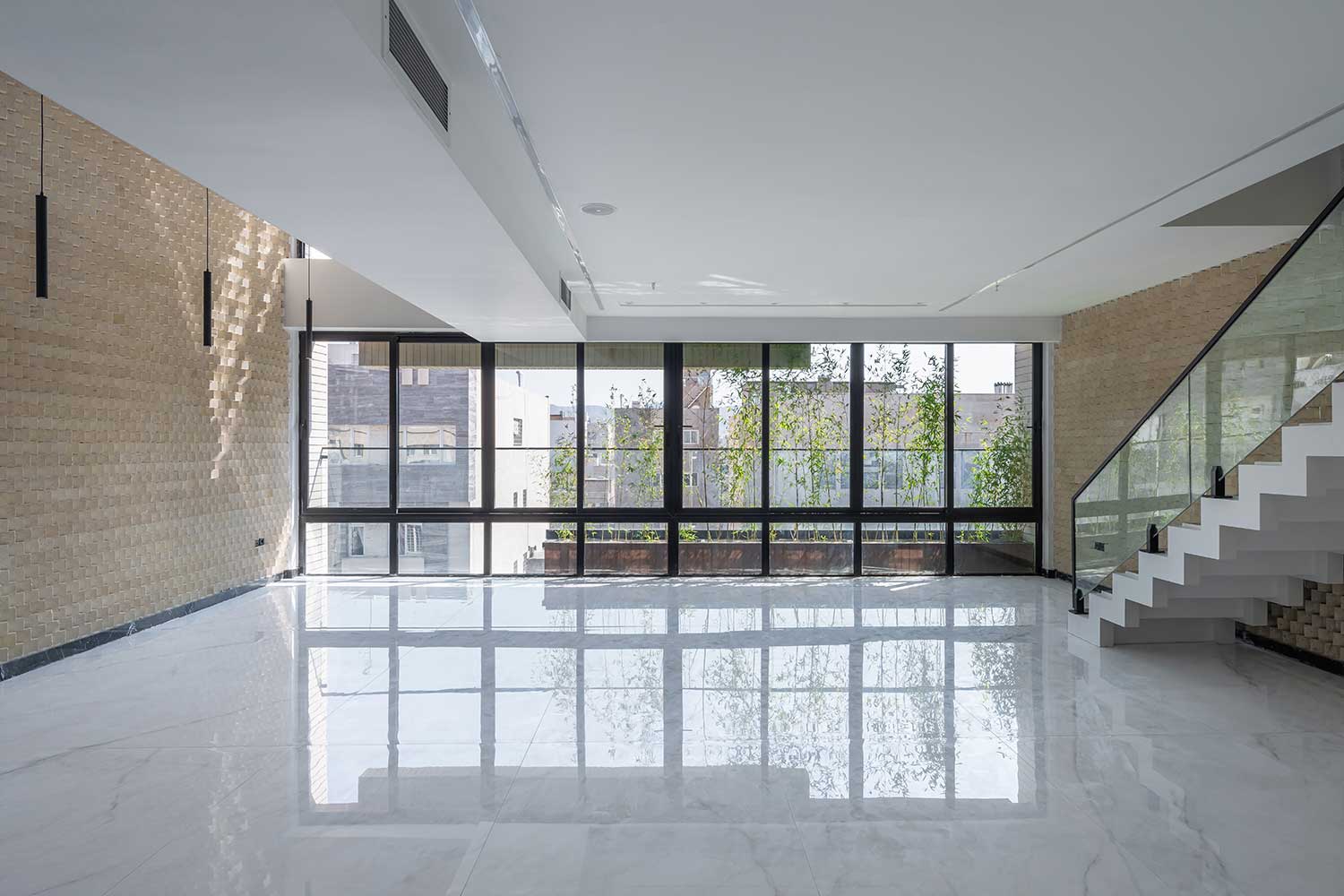
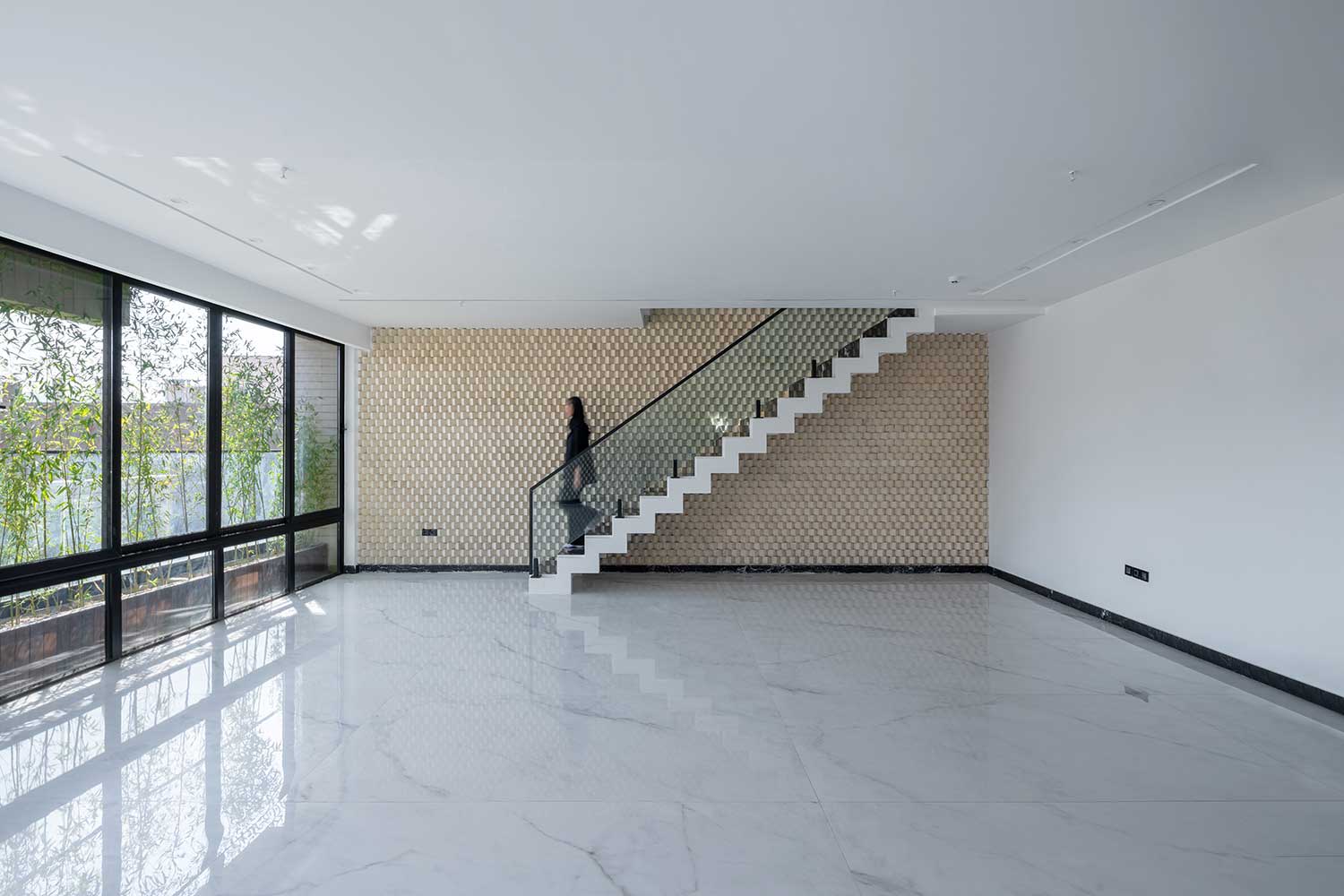
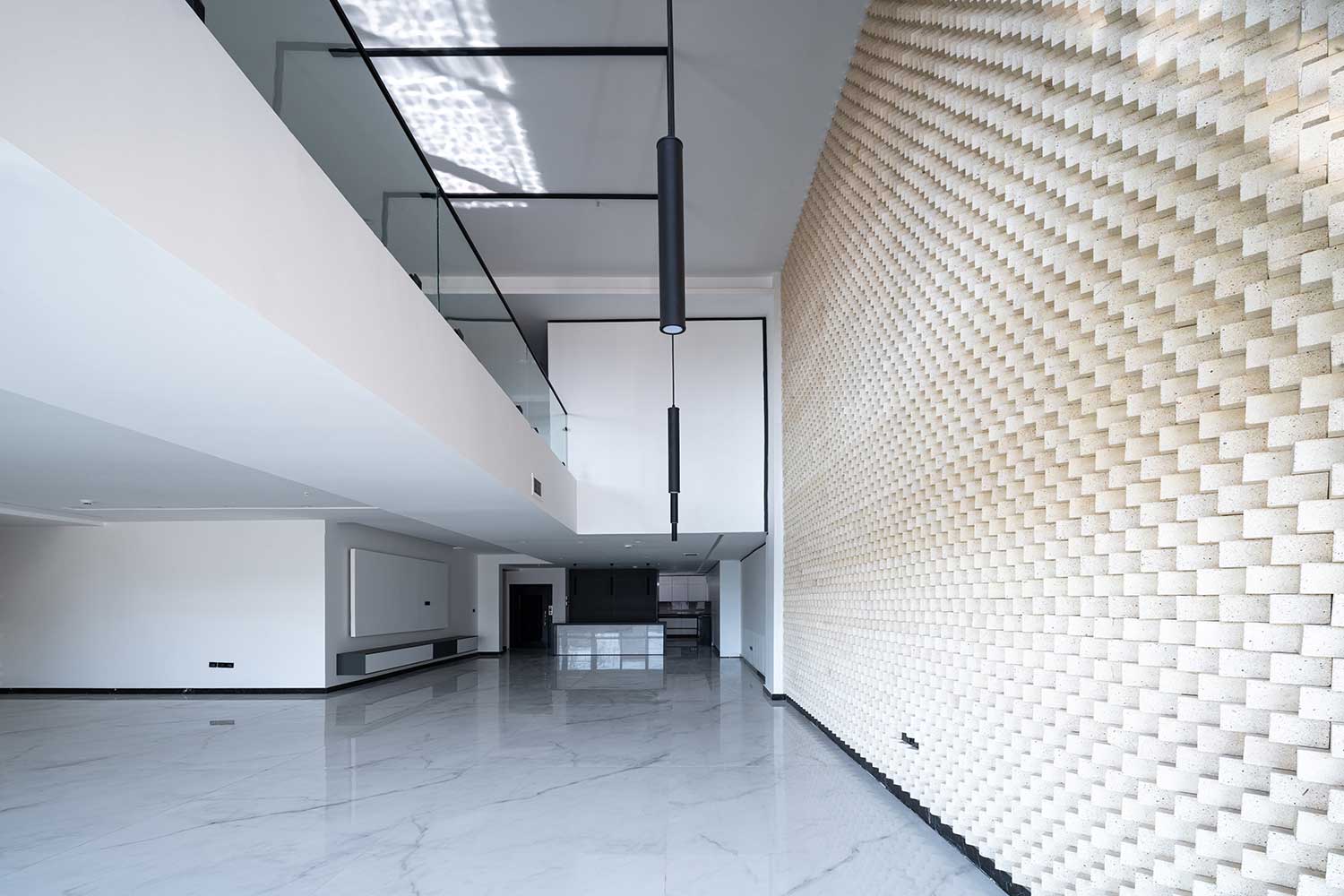
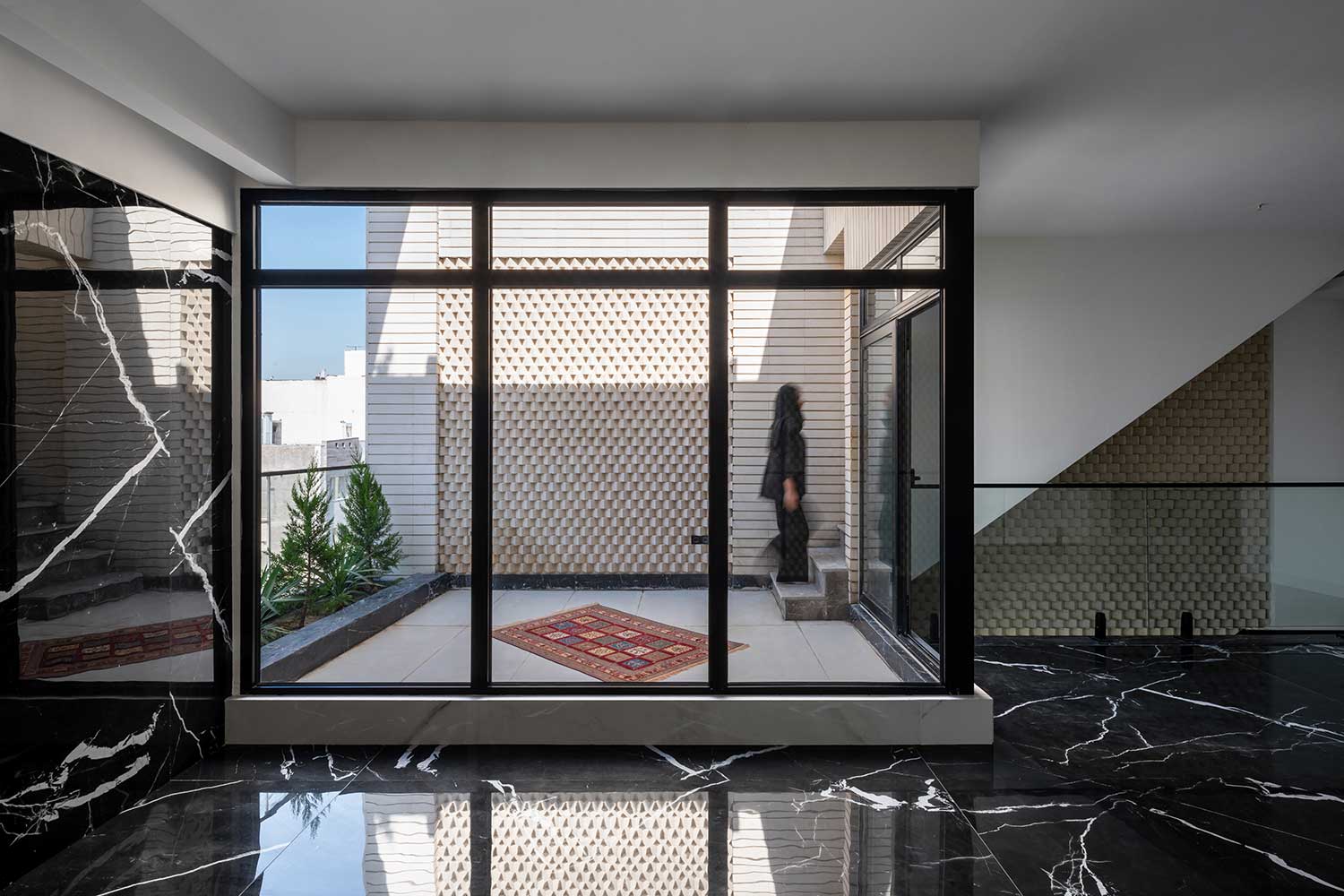
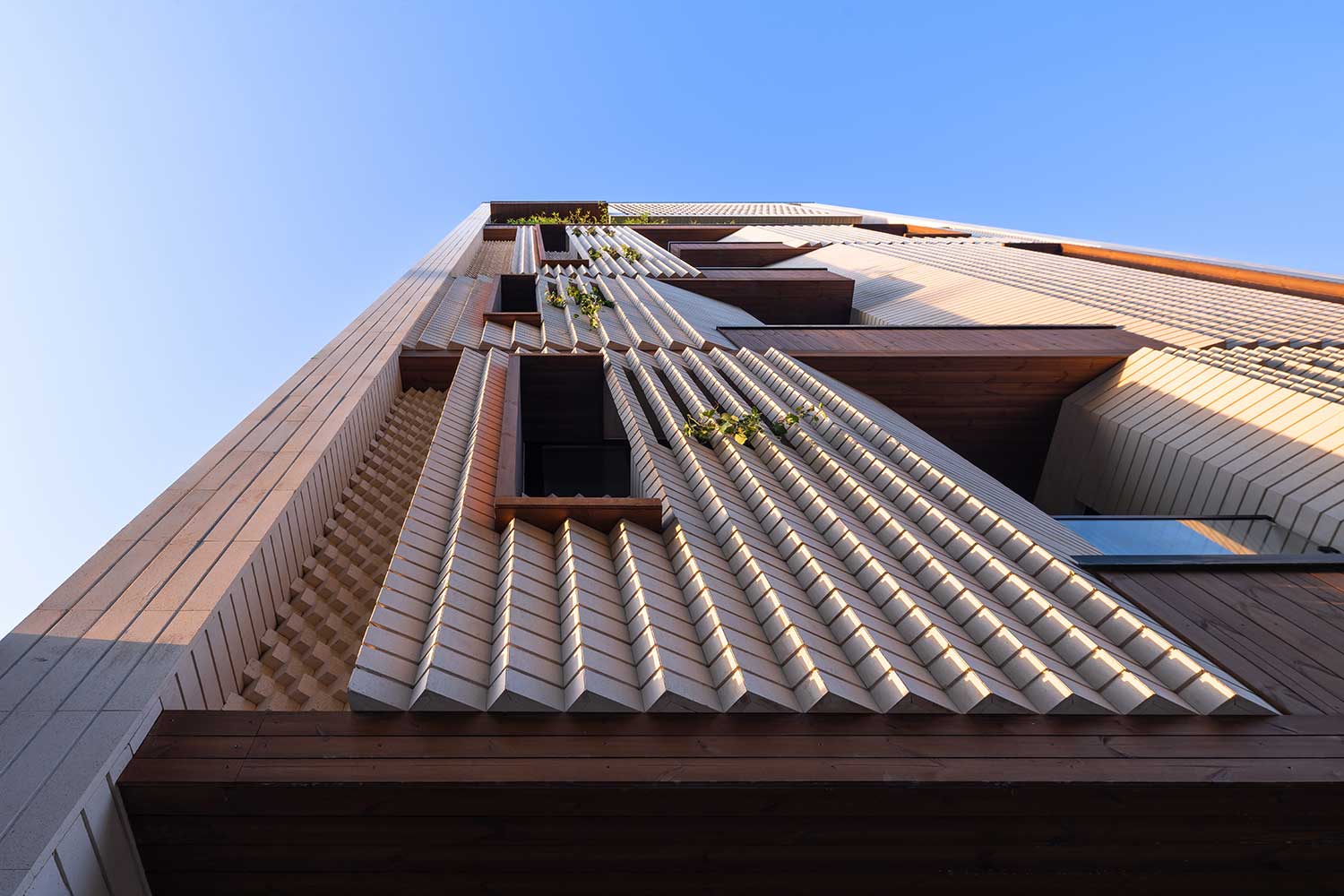
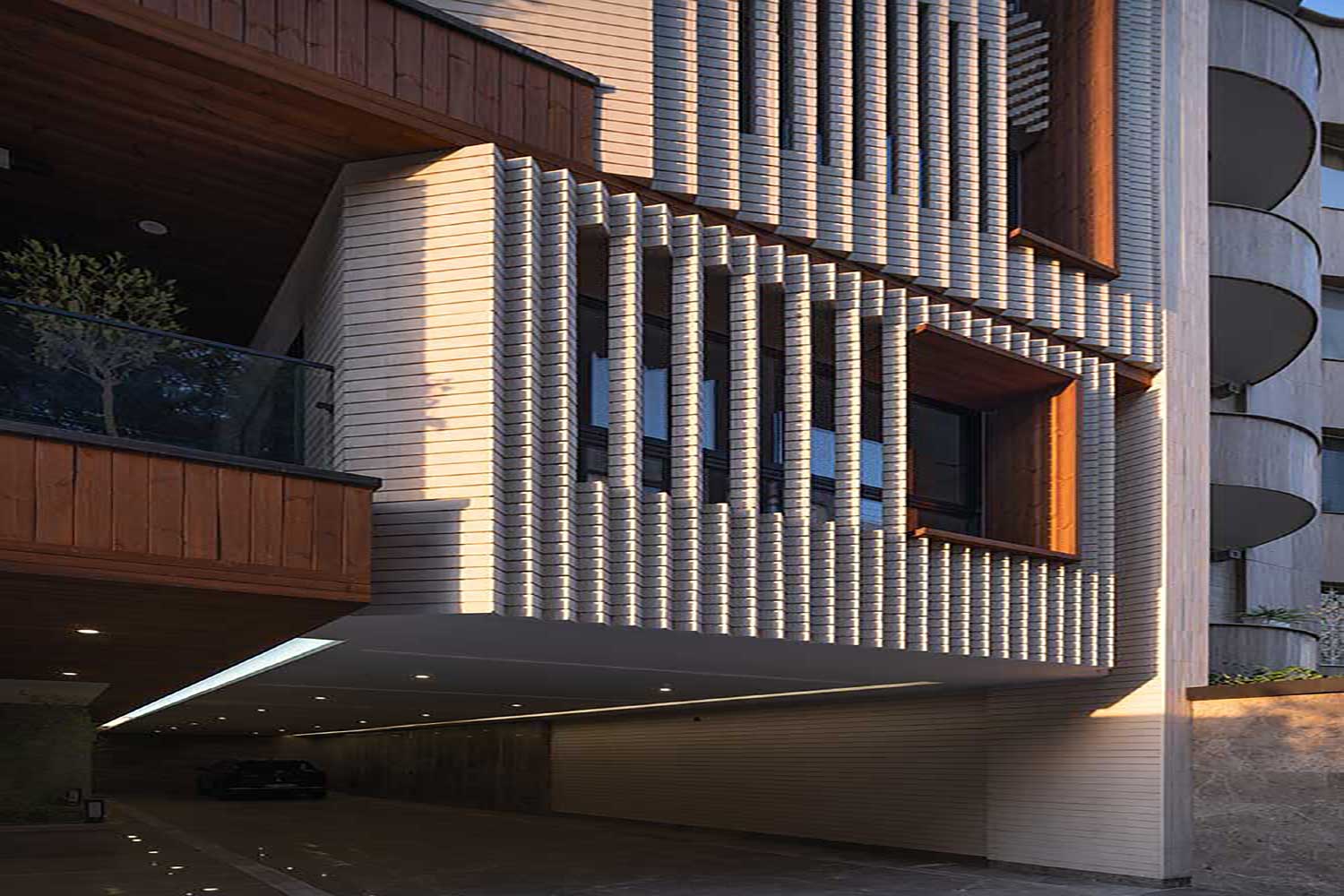
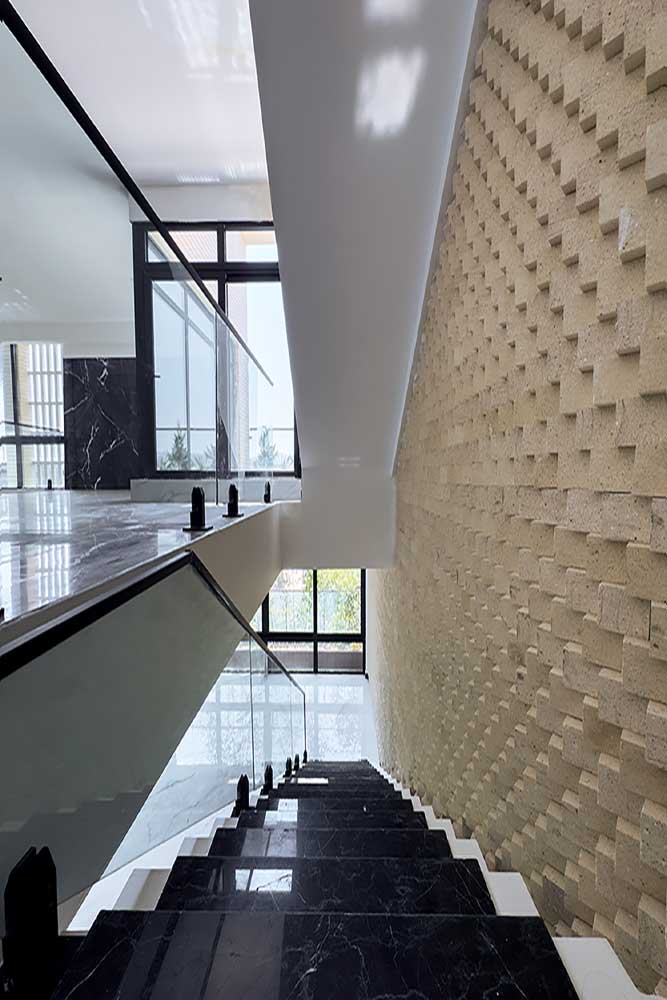
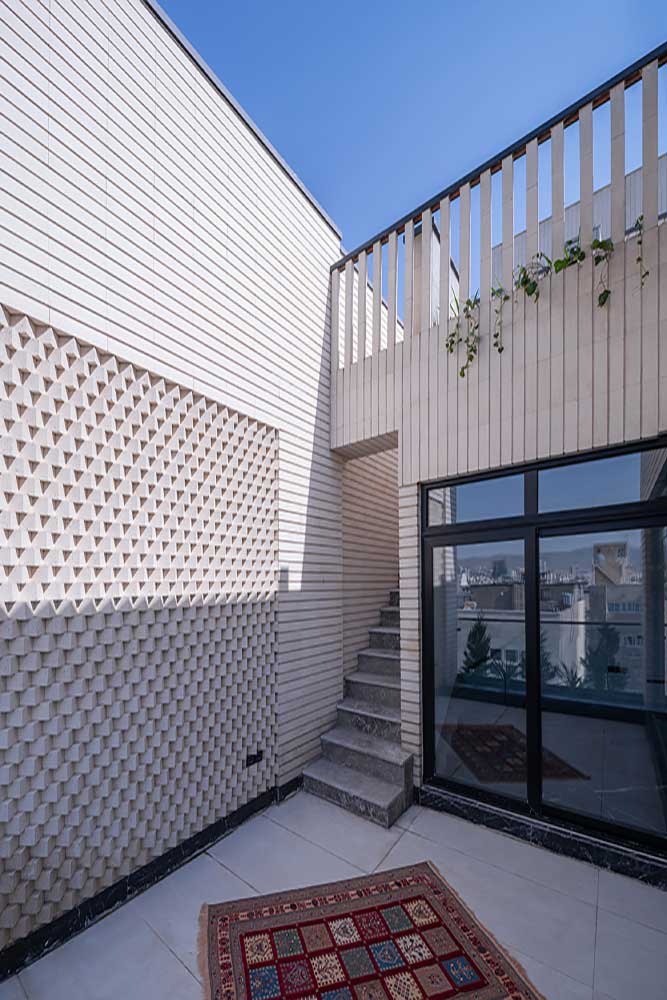
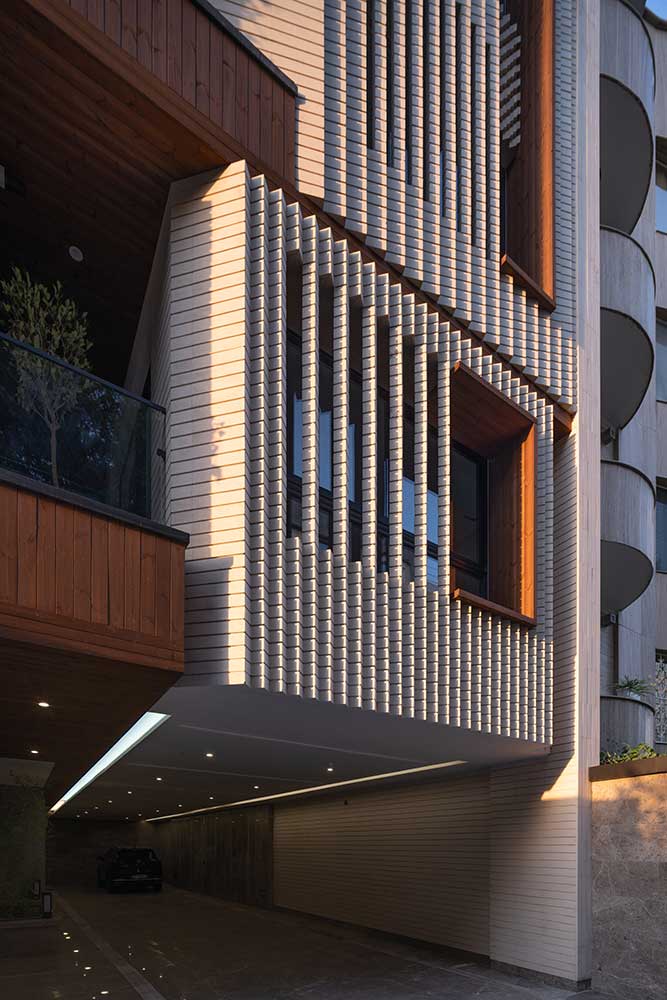
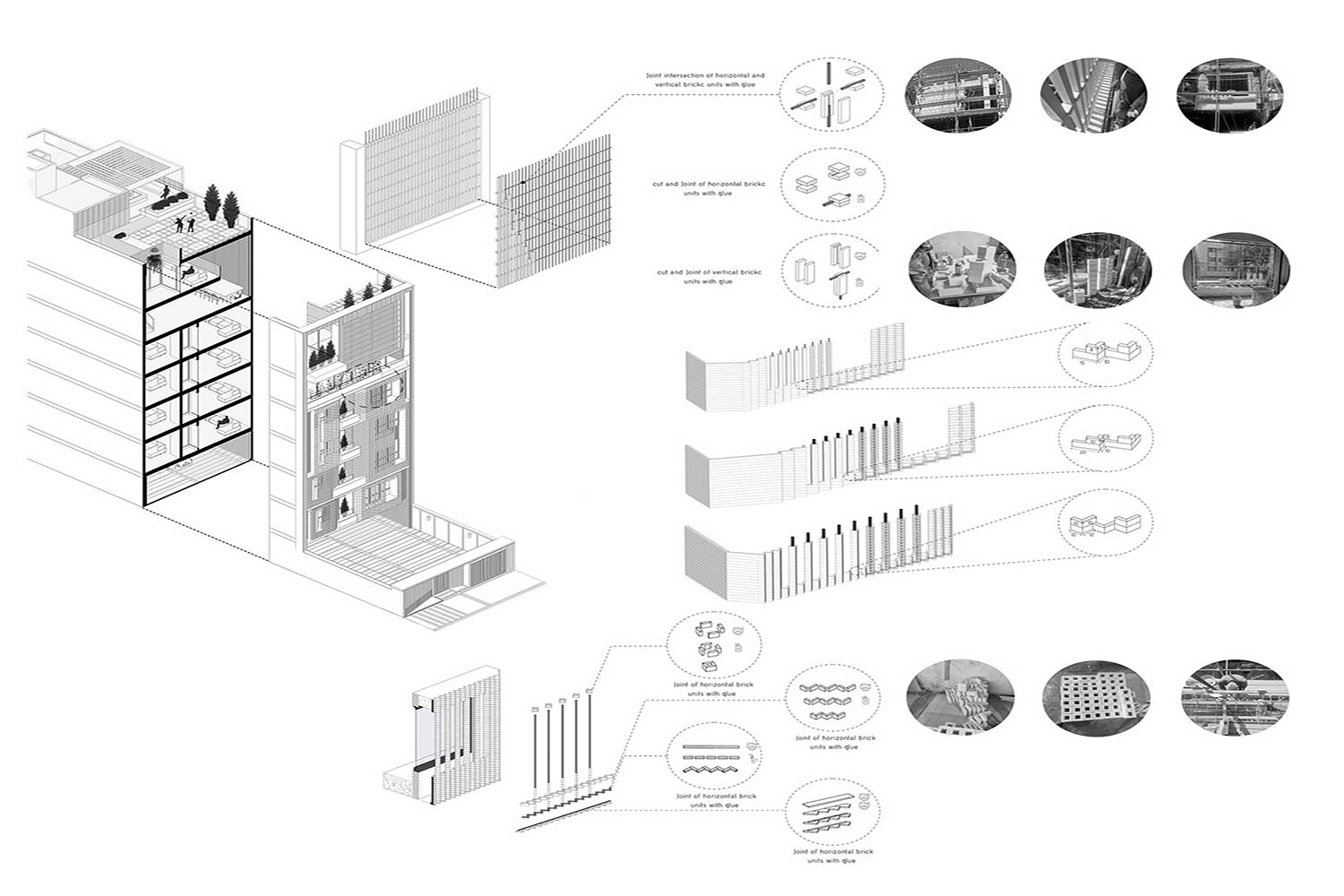
میم انگور: درمطالعات سایت ، گفتگو با ساکنین محله و کارفرما متوجه فصل مشترکی در خاطره جمعی افراد – خانه های حیاط دار و باغ های گذشته محله شدیم. المانی که با توجه به ساختار سازه ای توان حضور در یک بنا به عنوان استراکچر را داراست و در ترجمه به الگوهای معماری و جزئیات ، در بازی نور و سایه ، ایجاد محرمیت ، امکان تهویه ،قابل ادراک است و از طرفی بیانگر سابقه تاریخی و عملکردی محله میباشد .المانی که خاطرات حیات در دل حیاط ها ،از گذشته تا امروز را برای ما مجسم میکند.
عنوان پروژه: مِیم انگور
تيم طراحی معماری: دفتر معماری برساو
معماران اصلی: محمد ریحانی شرق – علیرضا مدرسی – علی سویزی
همکاران طراحی: حمیده صرافیان –متینه رضایی- فائزه صمدی – سارا وحیدیان -مریم نیک مهر – الهام مهدیان – بهار حاجی زاده – رضا روحی – سینا افتخار
سازه: حجت خزایی نژاد
تأسيسات الکتریکی: محمد مهدی فرزاد
تاسیسات مکانیکی: حامد صفارزاده
مجري: مهندس رضا دشتی
کارفرما: جواد جبرعیلی
محل پروژه: مشهد – بلوار مجد – مجد 6 – پلاک 121
کاربری: مسکونی
سازه: فلز
تأسيسات: فن کویل
مساحت زمین: 250 متر مربع
زيربنا: 1351 متر مربع
سال شروع و خاتمه اجرا: 1400-1403
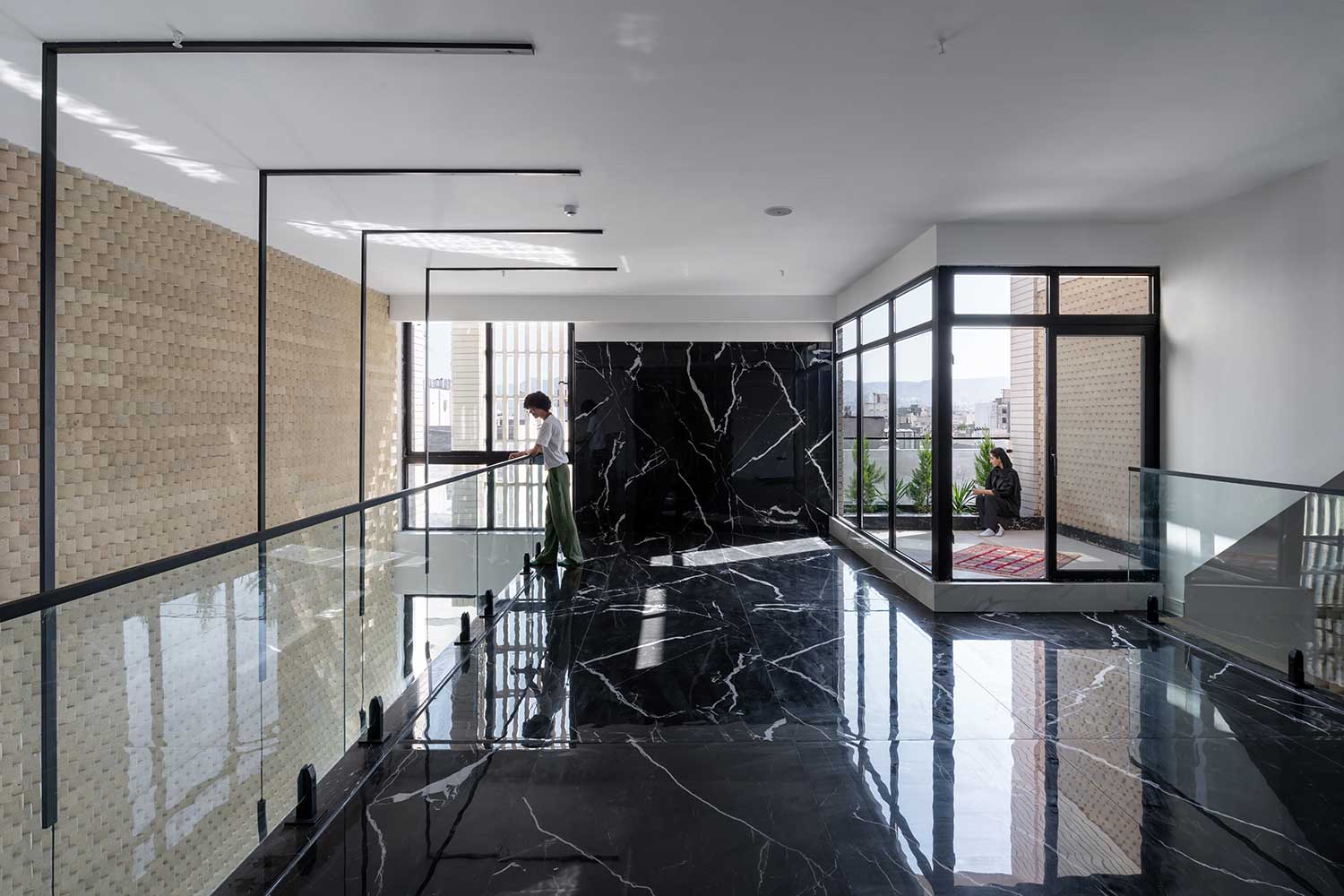
The primary challenge of the project was to establish a connection between the client’s preferences for their living area and the neighborhood’s historical, cultural, and economic features. As architects, we saw our task as developing a model that could both blend in with the neighborhood’s historical context and serve as a viable substitute for the varied and haphazard structures that have been the long-term homes of the local population. The first strategy to accomplish this is to deal with the creation of memories, which is a junction between the history of the fabric, old dwellings, and the sensation of being in the space, rather than going back to the previous architectural form and image and instead following merely a cursory impression. It caters to the project’s customers and clients.The employer’s definition of the project (construction, investment, independence, personal consumption) is the first point in the definition of an apartment project. This presence can limit the project’s planning and formation system, and in the interim, the combination of two or more distinct aspects may result in duality or multiplicities. The employer’s decision to set aside a unit for his personal use and schedule units for rent with the potential for future usage by his child posed the biggest obstacle to this project.This project was turned over to our office on a six-story program on a 250-meter plot of northern land in the middle of one of Mashhad’s historic neighborhoods. The Majd district is one of the most well-known parts of the city, yet Mashhadis are more familiar with its gardens, greenhouses, and summer homes than with its long history of habitation. The neighborhood is evolving these days, and it takes careful consideration to develop patterns. Due to the neighborhood’s local character and the dearth of new residents, investors are less interested in investing here, and the primary goals of apartment buildings are renting, individual living, and capital preservation. From the employer’s perspective, the location was chosen because of the employee’s feeling of familiarity with the area and proximity to their place of employment and family. The client, who is fifty years old, lives with his spouse and child. Making jewelry is his profession, thus he cherishes the skill of expert artisans and pays close attention to detail in this regard. The employer creates a paradox by pursuing opulent design and summarizing in an opulent manner while simultaneously emphasizing the delightful and unforgettable experience of living in homes with courtyards. Our objective was to rethink employer expectations and pursue luxury in the form of excellence, usefulness, and tangible, personal, and unforgettable experiences.
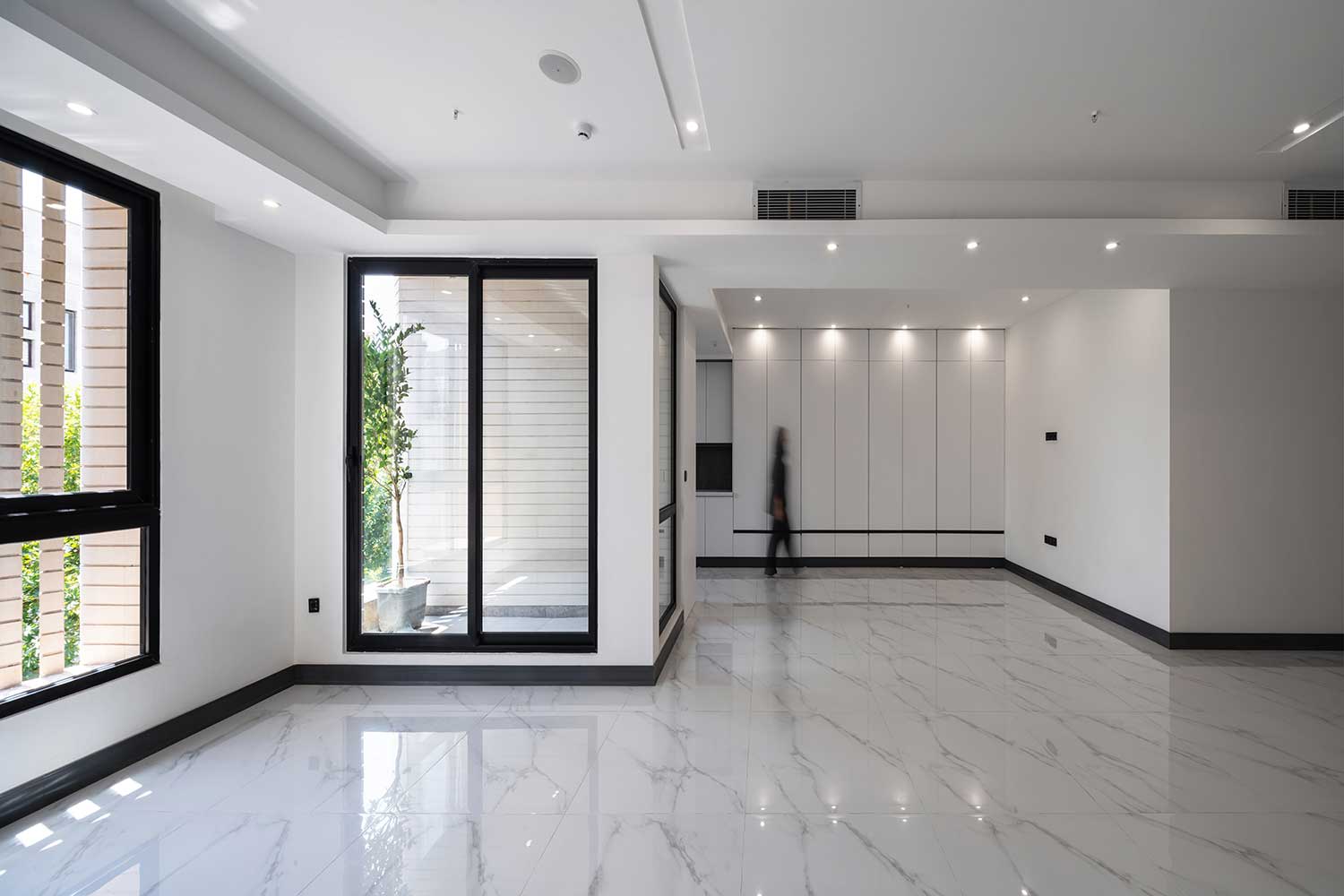
Grape meme: We discovered a common aspect in the collective memory of individuals and buildings with courtyards and gardens of the past while studying the site and speaking with the employer and neighborhood residents. A component that can be incorporated into a building as a structural element and that conveys historical and functional history while also being translated into architectural patterns and details, the play of light and shadow, privacy creation, and ventilation possibilities.
Project Title: Meim Angour
Architectural Design Team: Bersav Architectural Office
Principal Architects: Mohammad Reyhani Shargh – Alireza Modarresi – Ali Suyazi
Design Collaborators: Hamideh Sarrafian – Matineh Rezaei – Faezeh Samadi – Sara Vahidiyan – Maryam Nikmehr – Elham Mahdiyan – Bahar Hajizadeh – Reza Rouhi – Sina Eftekhari
Structural Engineer: Hojjat Khazaeinejad
Electrical Installations: Mohammad Mahdi Farzad
Mechanical Installations: Hamed Safarzadeh
Contractor: Engineer Reza Dashti
Client: Javad Jabraeili
Project Location: Mashhad – Majd Boulevard – Majd 6 – No. 121
Function: Residential
Structure Type: Steel
HVAC System: Fan coil units
Site Area: 250 square meters
Built-up Area: 1,351 square meters
Construction Period: 2021–2024 (1400–1403 SH)
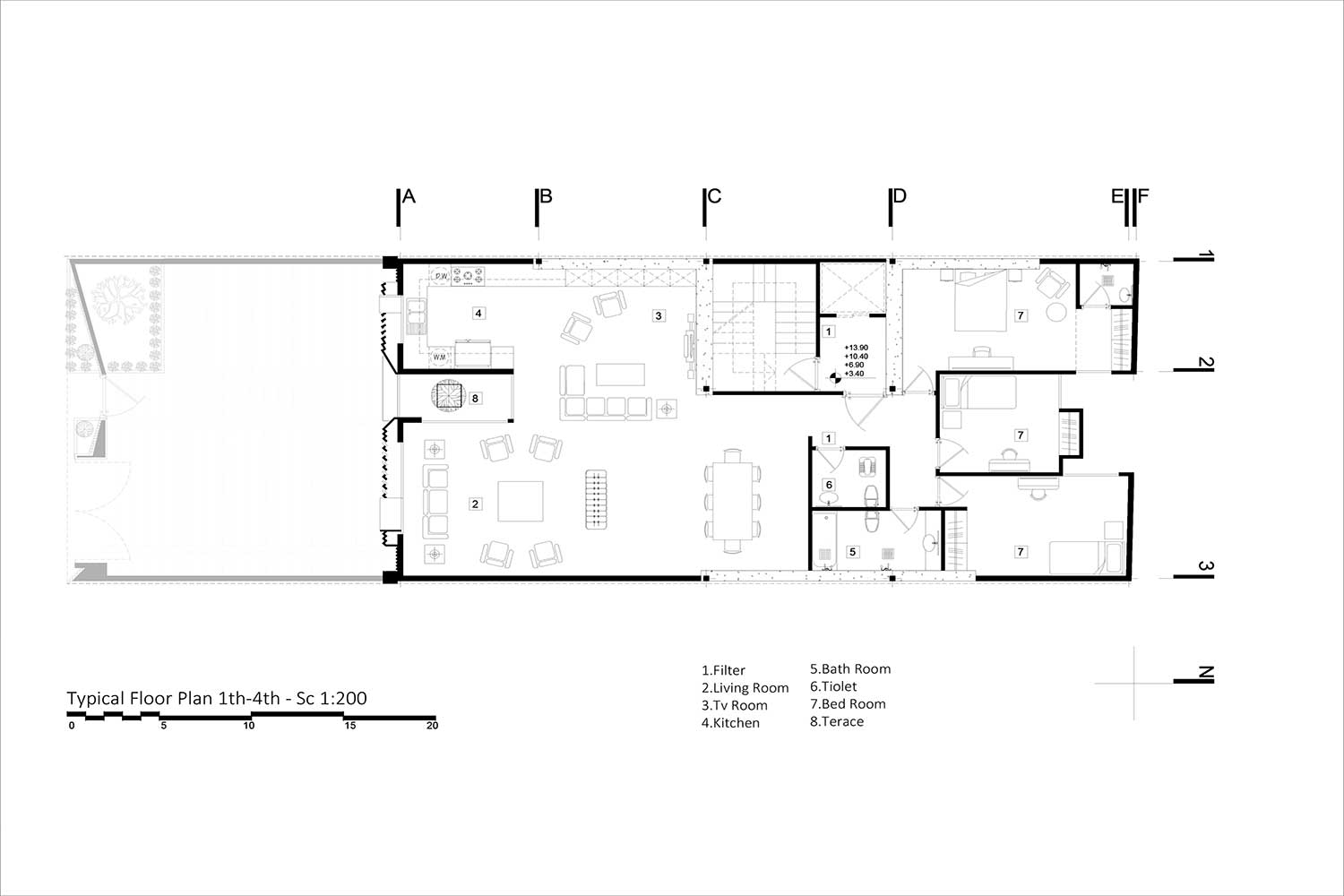
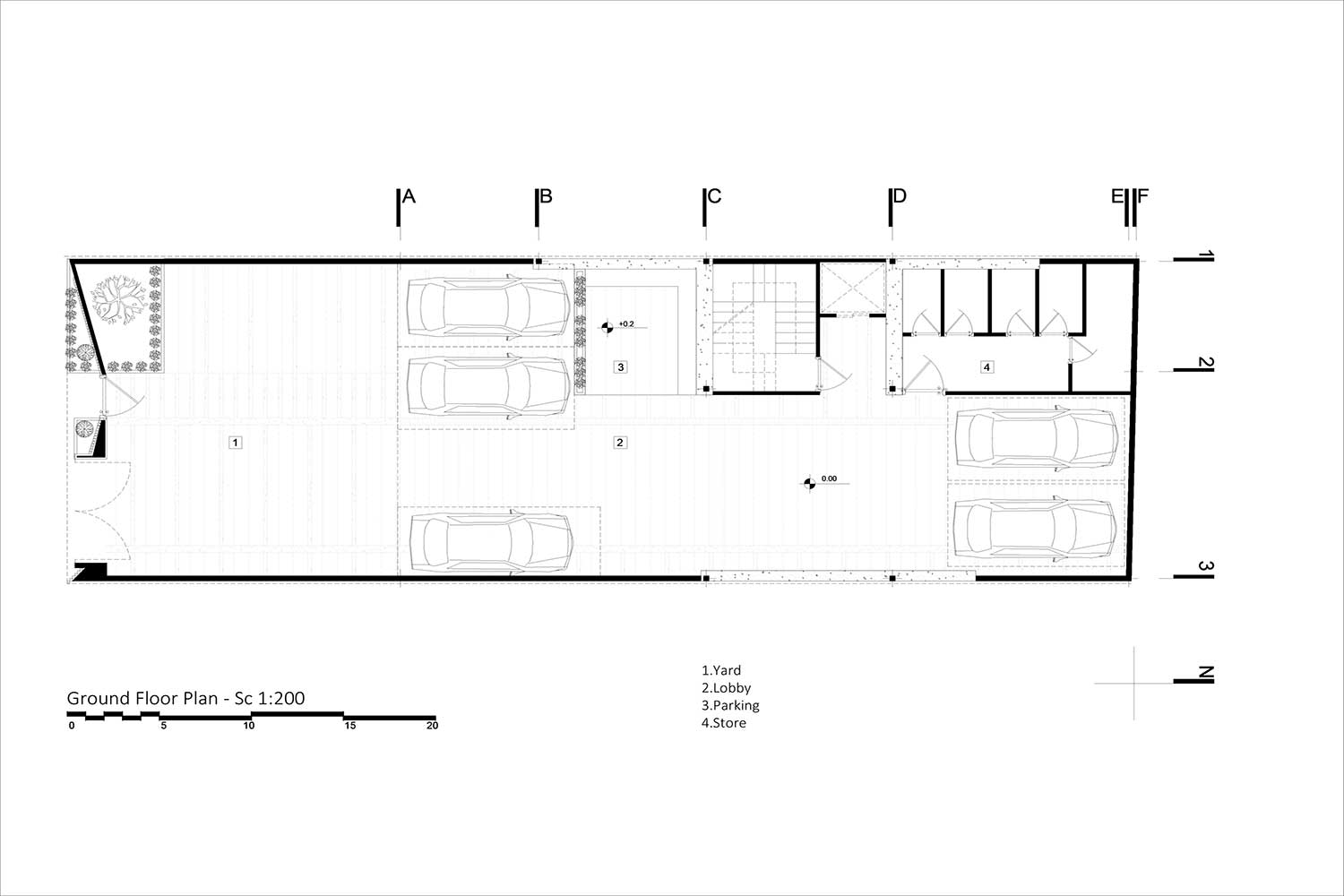
مدارک فنی
مطالب مرتبط