 فضای تمرین اثر بھادر کاشانی مدنی، رتبهی دوم چھارمین جایزه ی ملی مرمت و احیا بناھای تاریخی و معاصر ایران بخش بناھای ارزشمند معاصر، 1403
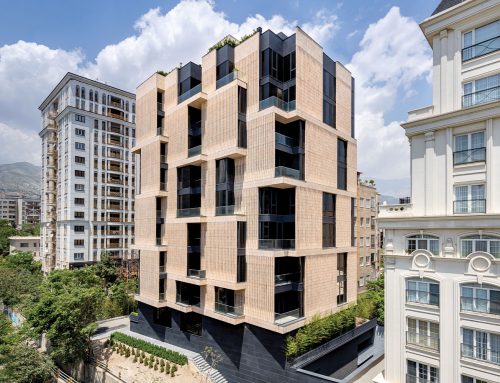
 ساختمان مسکونی ده اثر فرهاد باقرزاده چهارجوئی، فرزاد باقرزاده چهارجوئی، چهارمین شب معماران، 1403
موزهی ھایده چنگیزیان اثر بھادر کاشانی مدنی
چهارمین شب معماران، تقدیر ویژهی هیئت داوران چھارمین جایزه ی ملی مرمت و احیا بناھای تاریخی و معاصر ایران بخش بناھای ارزشمند معاصر، 1403
Haydeh Changizian Museum / Bahader Kashani Madani
موزه هایده چنگیزیان
مرمت و بازسازی خانهای قدیمی در قلب تهران، فرصتی مغتنم برای هر دفتر معماری است. این موضوع زمانی اهمیت دو چندان پیدا میکند که کارفرما، یکی از چهرههای ارزشمند فرهنگ و هنر ایران باشد. هایده چنگیزیان، از نخستین زنان رقصنده باله در ایران است که باله فرنگی را در شکل ایرانی آن عرضه کرد. ملک مورد نظر، که خانه ای قدیمی و رو به تخریب بود، در سال 1401 توسط ایشان خریداری شد. ایشان قصد داشتند موزه ای تاسیس کنند که به گفته خودشان، داستانی مصور باشد از تمام رویدادها و افرادی که نقش مهمی در زندگی ایشان بازی کرده اند. محلی جهت به نمایش گذاشتن گنجینه هنری ایشان و برگزاری رویدادهای هنری.
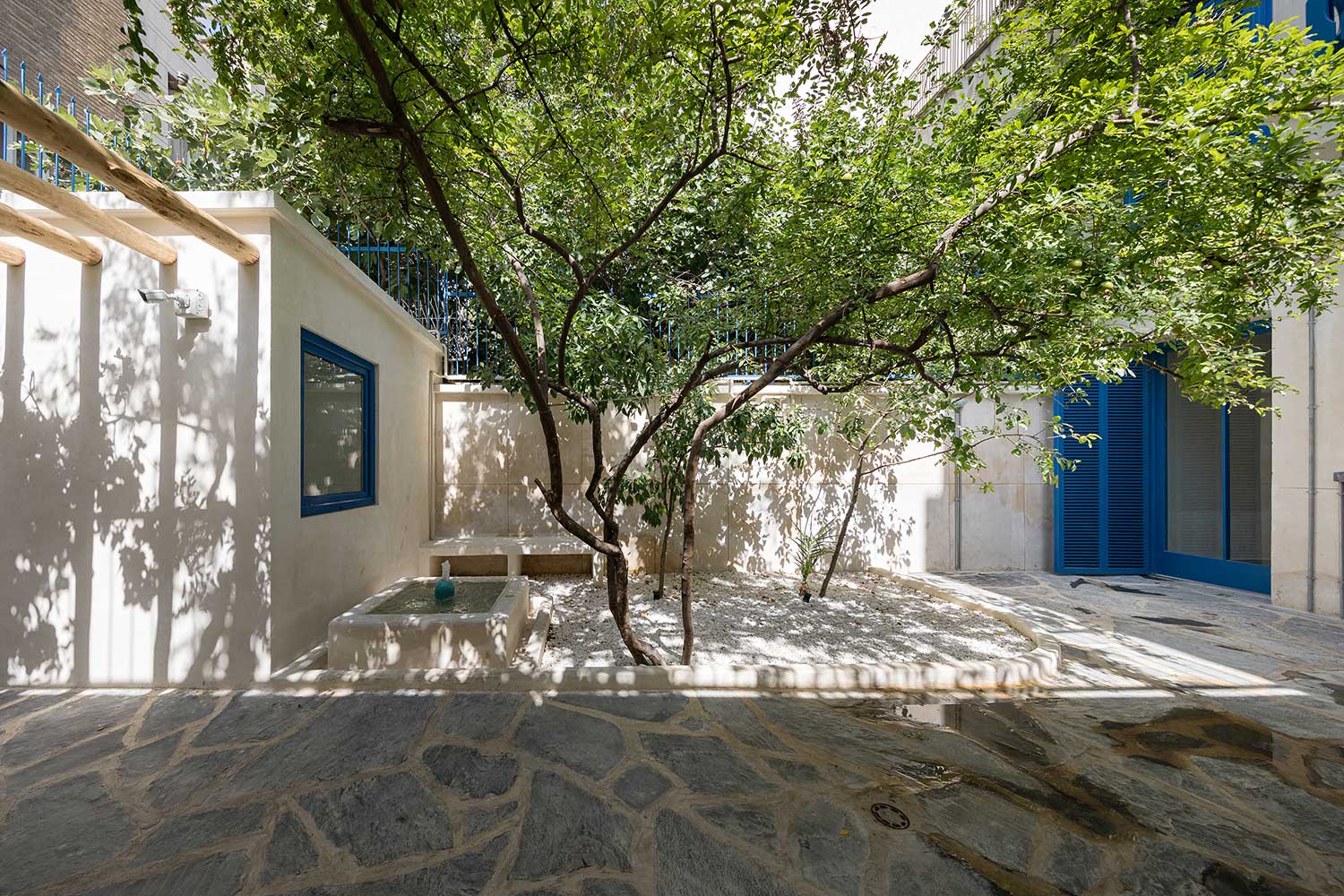
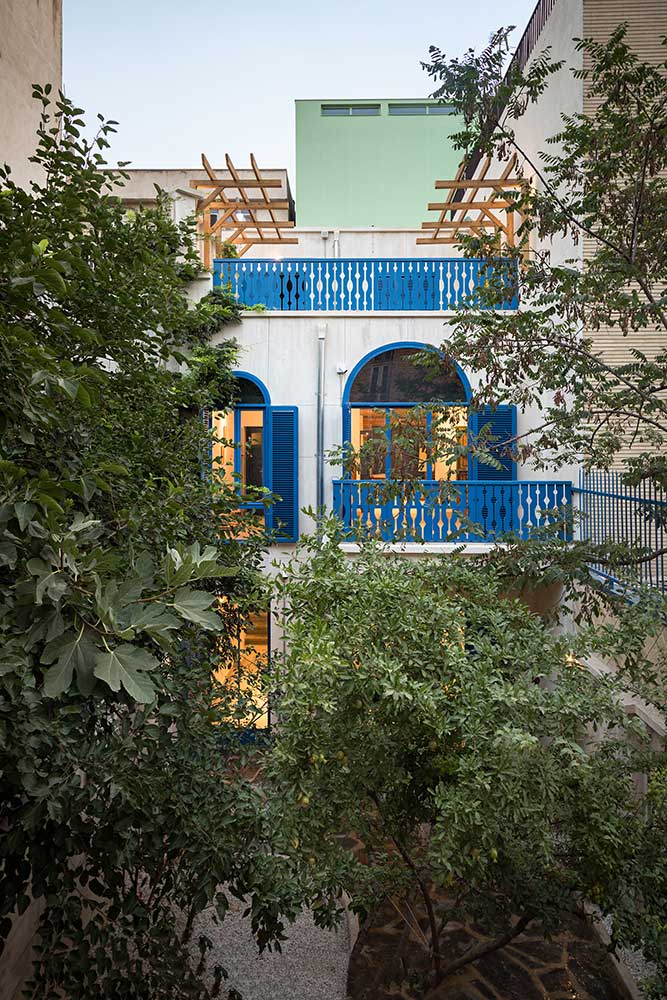
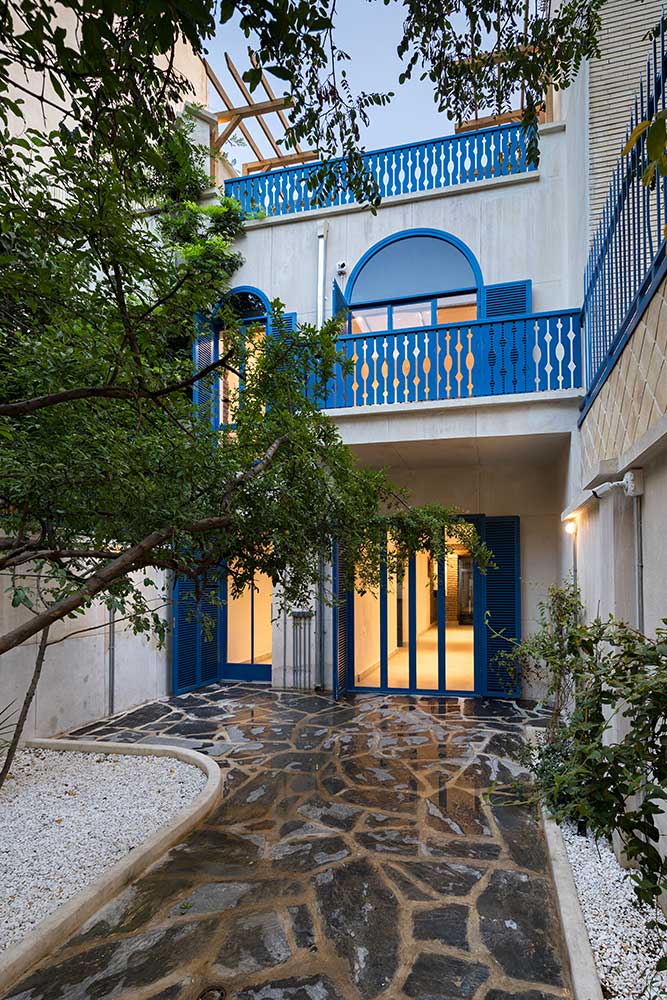
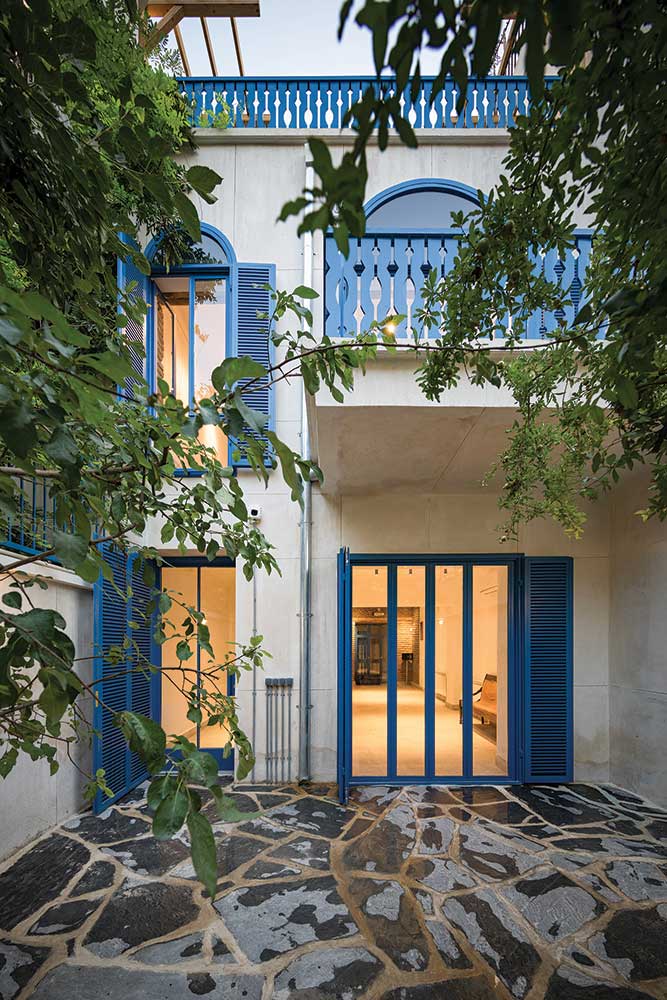
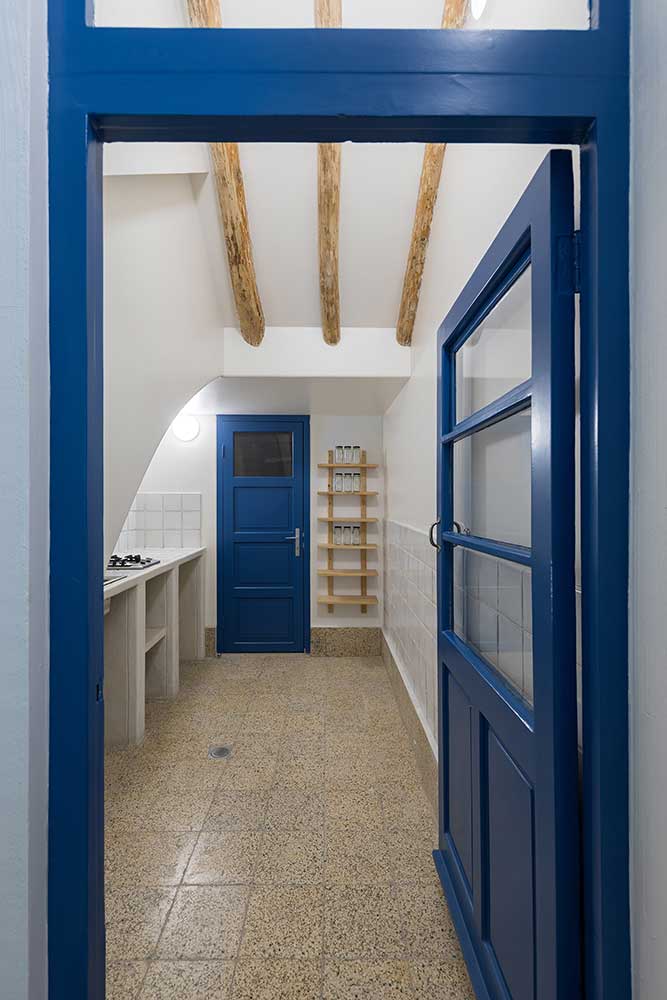
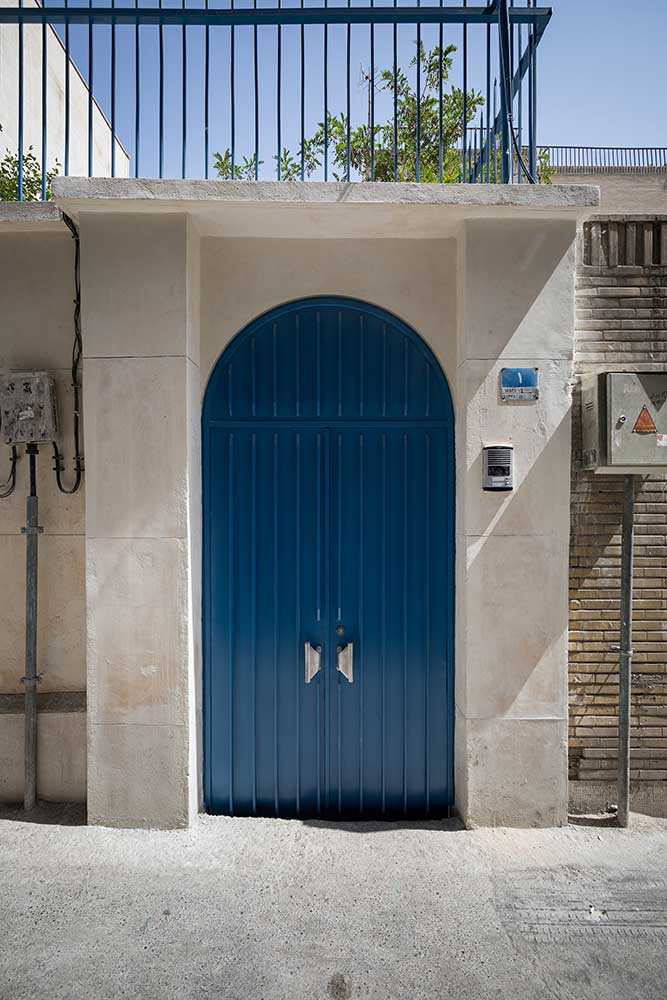
خواست کارفرما، خانه ای بود به سبک خانه های سنتورینی یونان، با دیوارهای سفید و در و پنجره های آبی. چالش اصلی پروژه برای ما، ایجاد هماهنگی بین خواسته کارفرما و حفظ اصالت خانه ایرانی بود. بدین منظور، با مطالعه پیرامون خانه های ایرانی و با رویکرد احیای فضاها و المانهای موجود در ساختمان طرح کلی پروژه شکل گرفت.
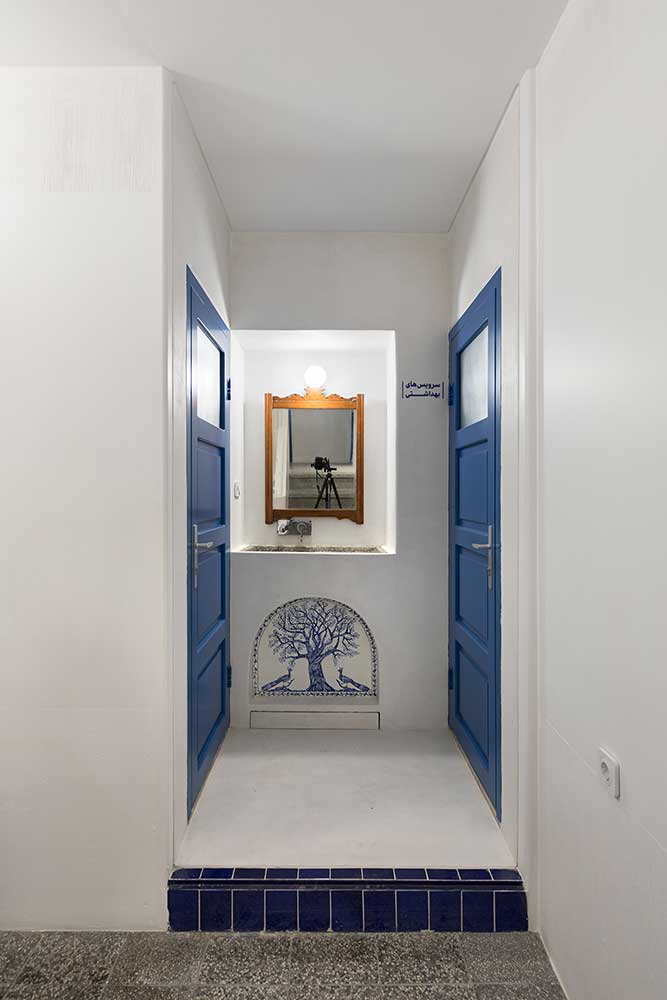
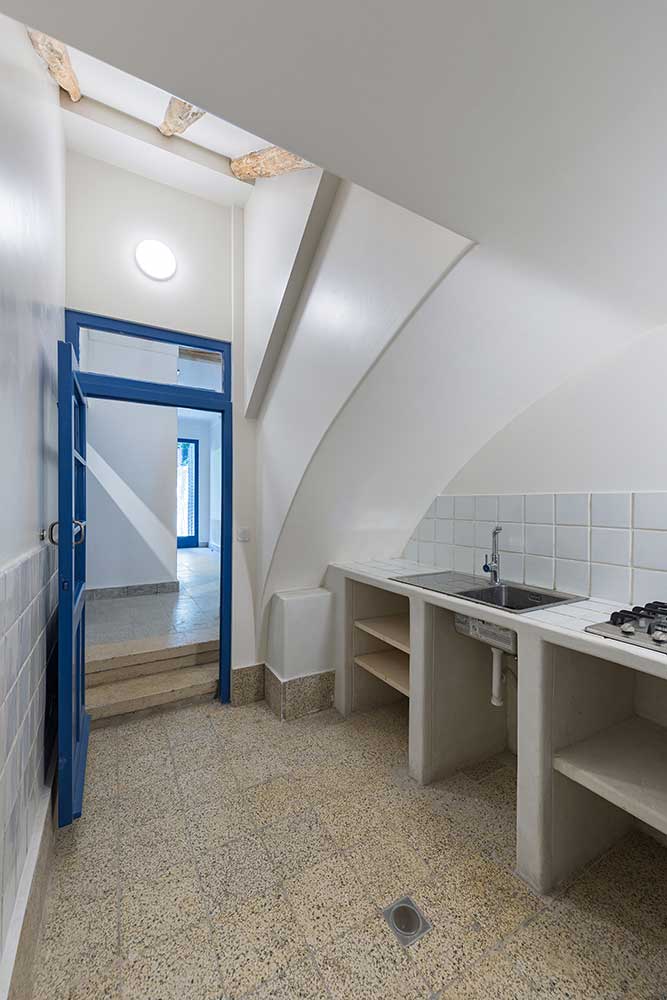
ساختمان با قدمتی حدود 70 سال و زیربنای220 متر مربع در دو طبقه، واقع در بنبست اول در ابتدای خیابان هانری کربن می باشد. قرار گیری در پهنه فرهنگی رودکی و مجاورت این ملک با مراکز مهم فرهنگی مانند تئاتر شهرزاد، تئاتر نوفل لوشاتو، وَست گالری وخانه سرهنگ بهرامی، از نکات جالب توجه در مورد محل قرار گیری ملک است. در طبقه همکف، سرسرای ورودی، اتاق نمایش و اجرا، آشپزخانه و انبار قرار گرفته. در نیم طبقه اول، سرویسهای بهداشتی عمومی در محل قدیم خود بازسازی شد. در طبقه اول دو گالری قرار دارد که بوسیله یک درگاه با هم مرتبط هستند، بالکن کوچکی در سمت جنوب گالری جنوبی قرار دارد. در طبقه دوم، اتاق مدیریت قرار دارد که دارای یک سرویس و حمام است و یک بالکن وسیع در سمت جنوب اتاق. دو انبار در دو نیم طبقه دیگر ساختمان قرار دارد که یکی از آنها به اتاق سرور اختصاص داده شد.
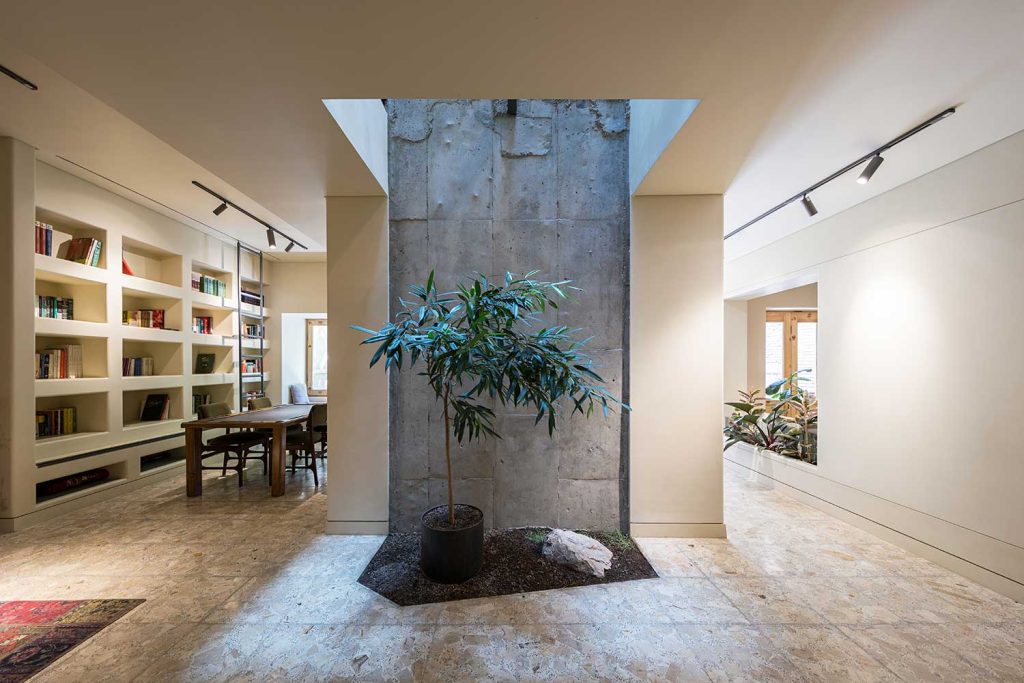
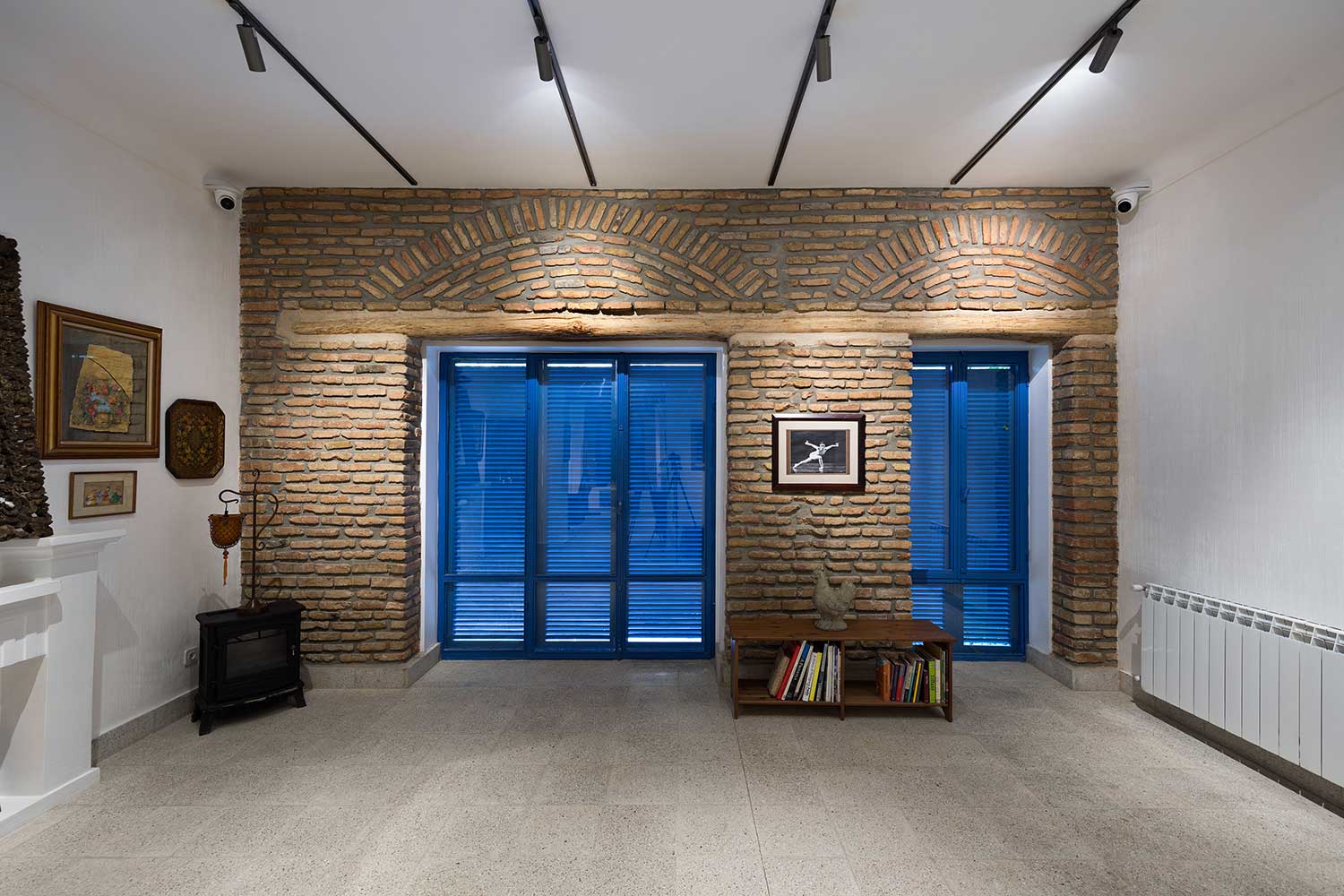
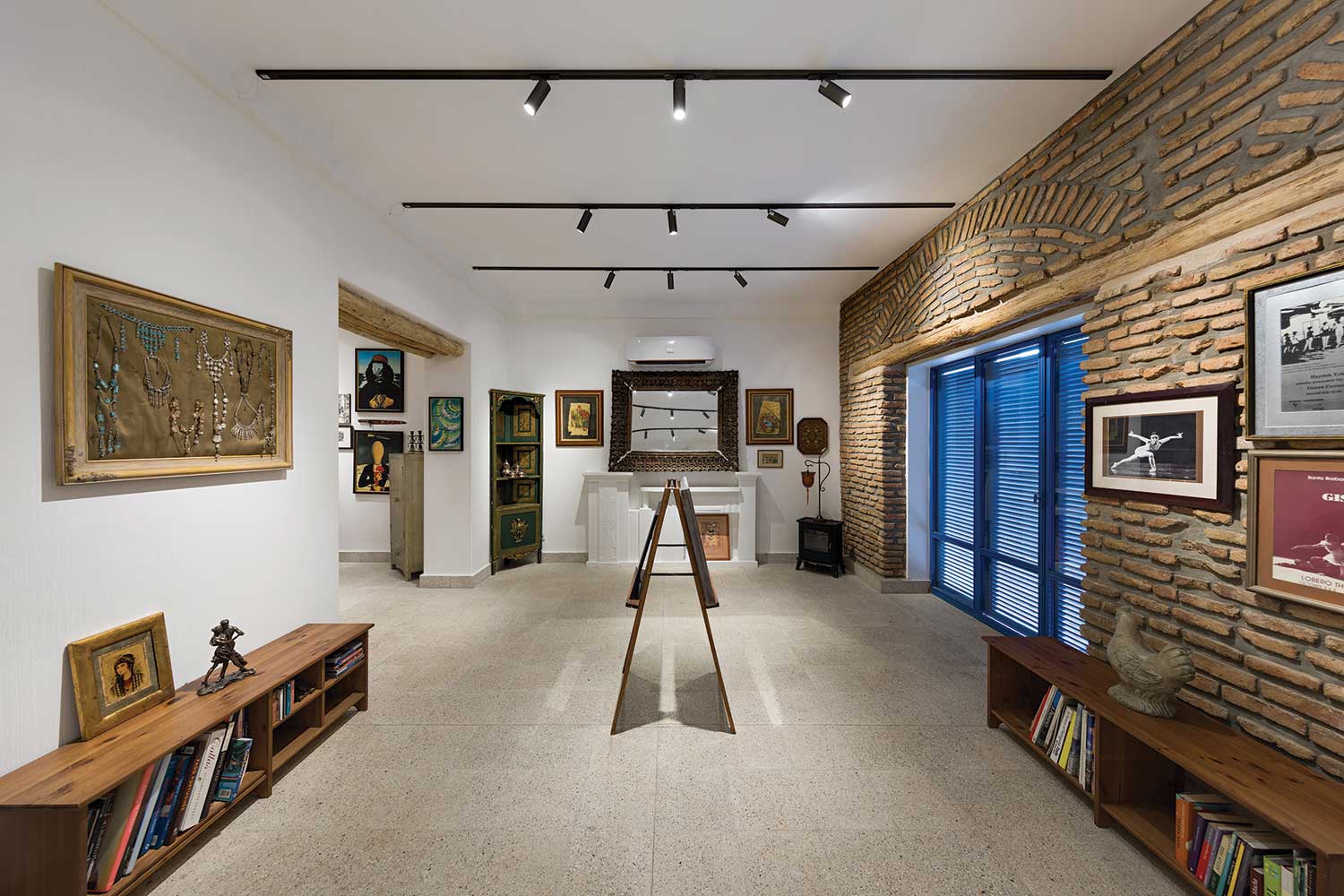
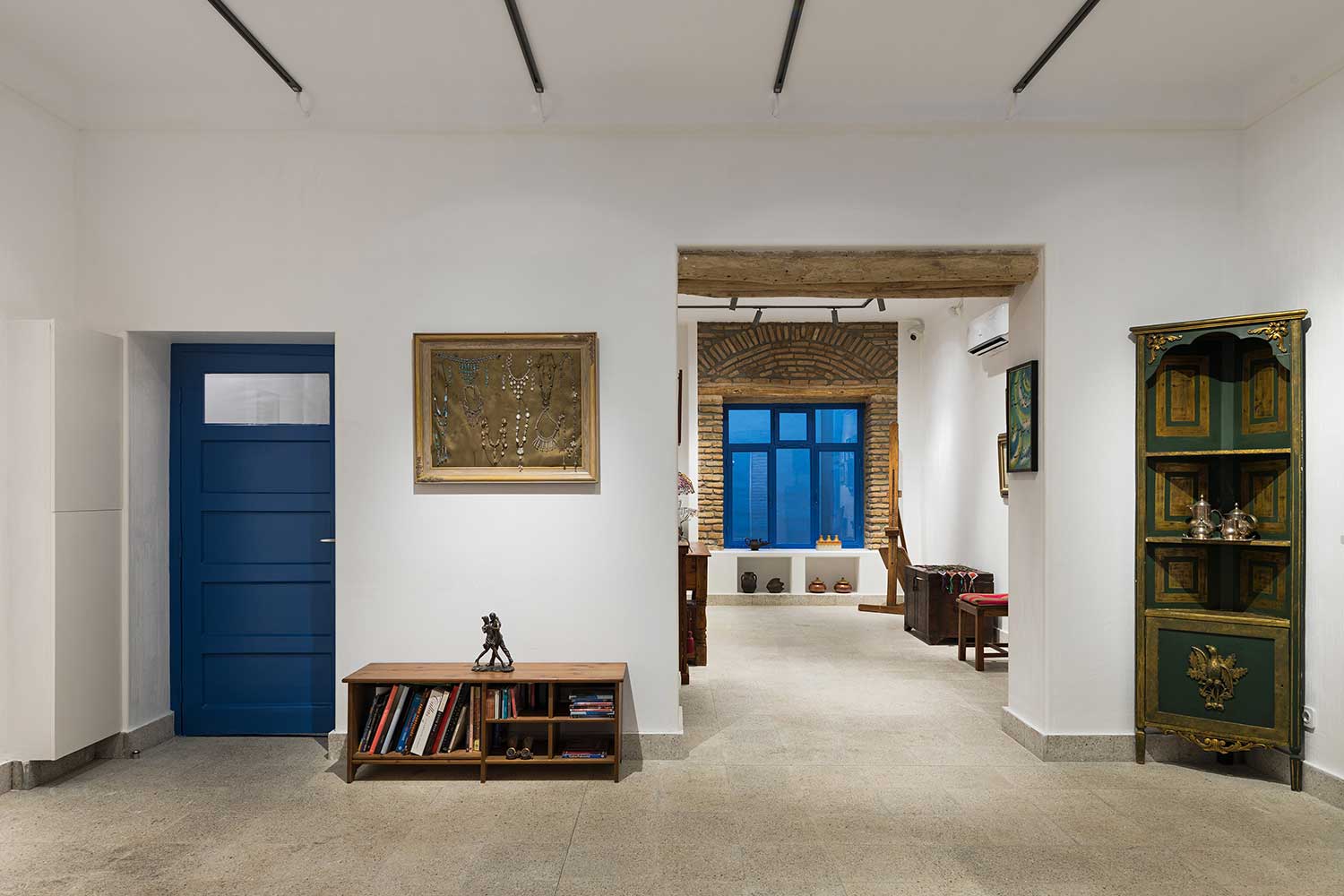
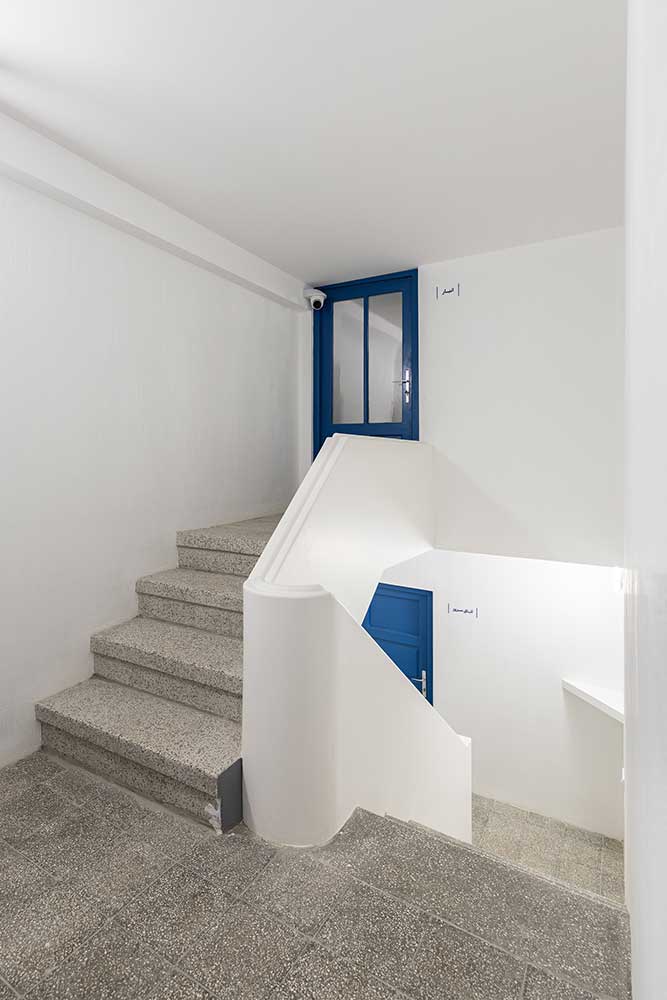
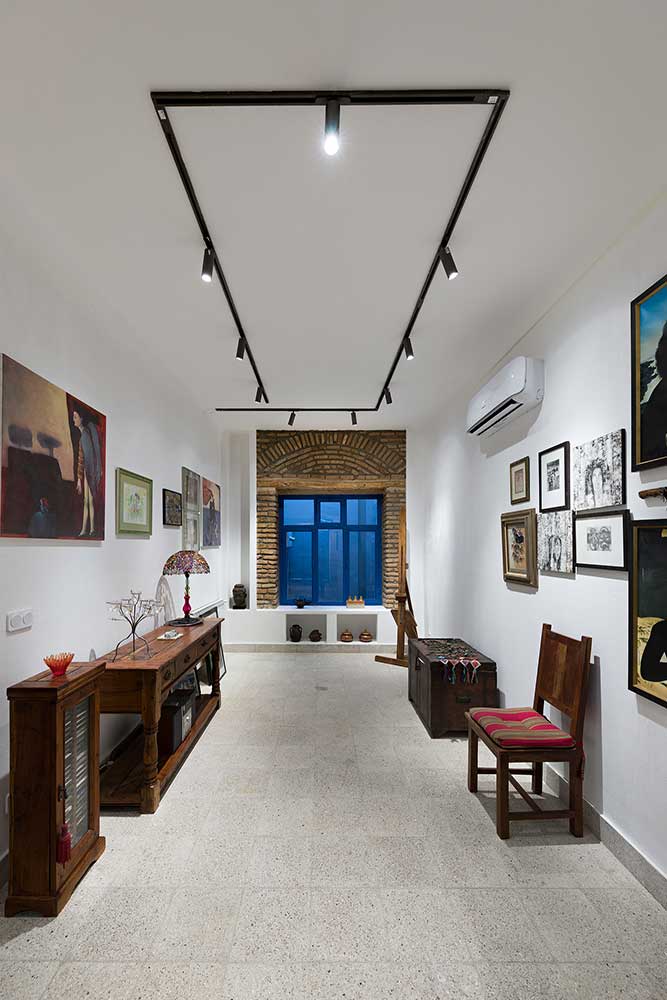
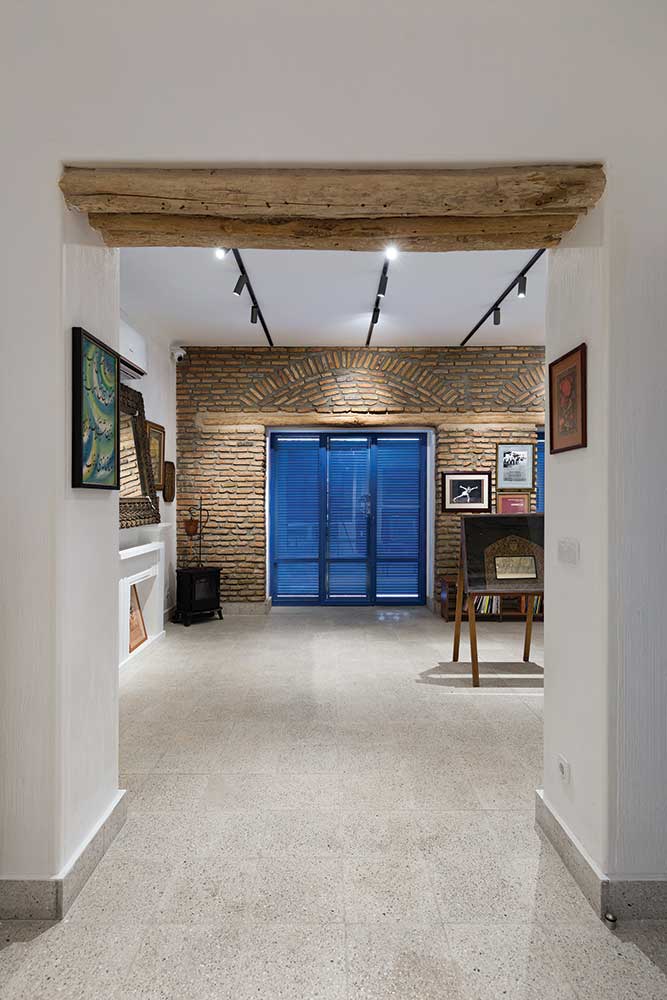
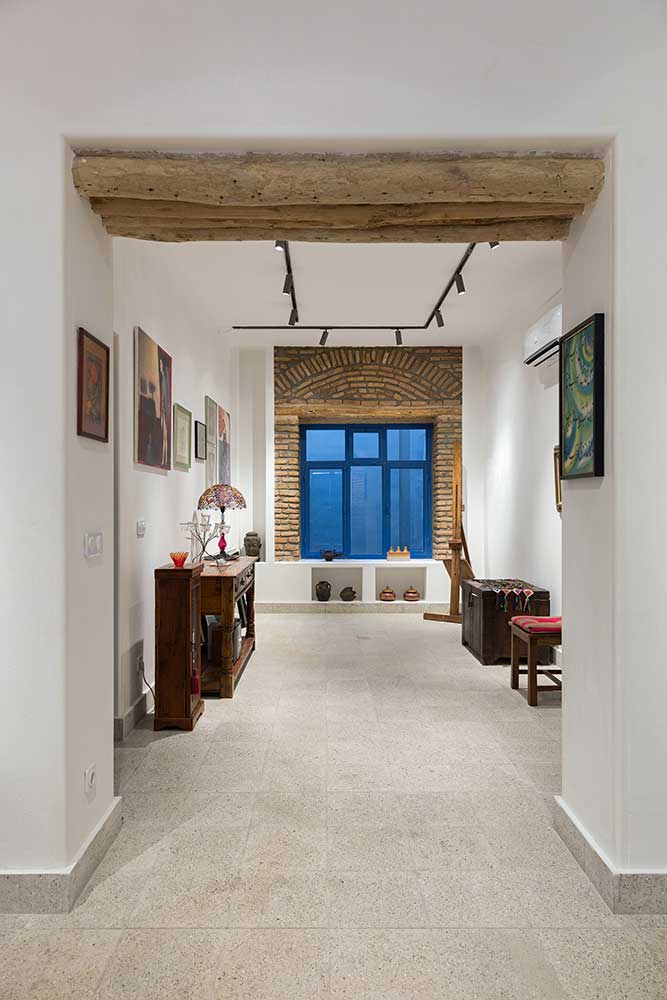
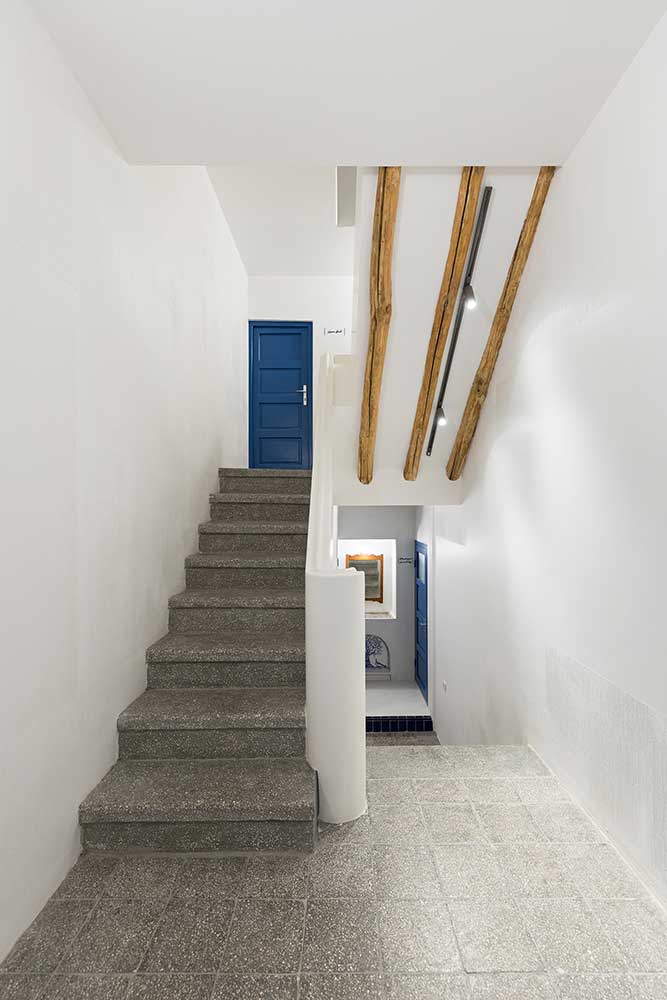
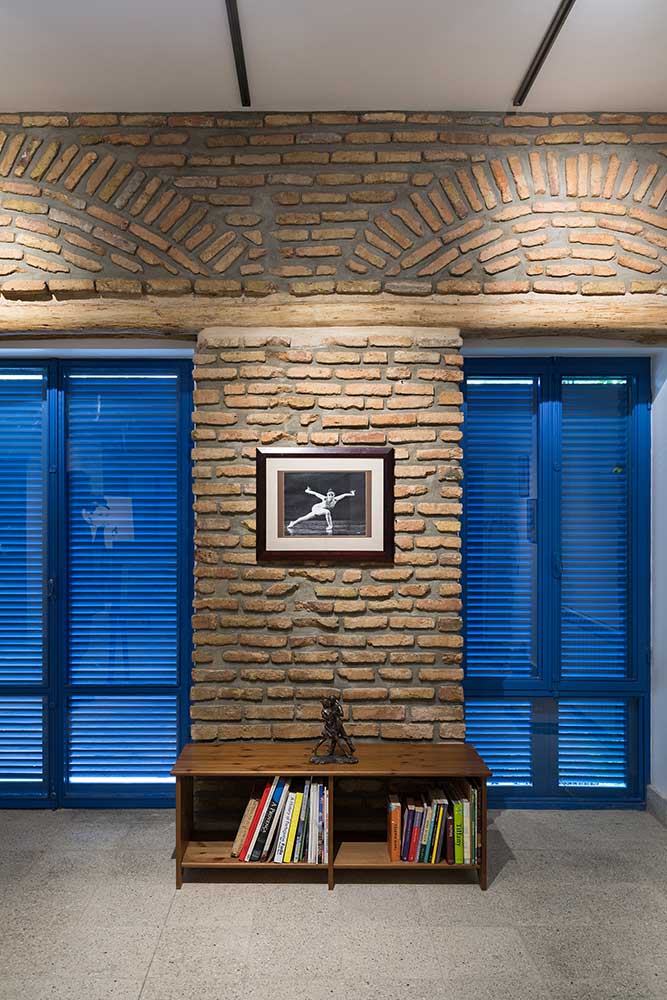
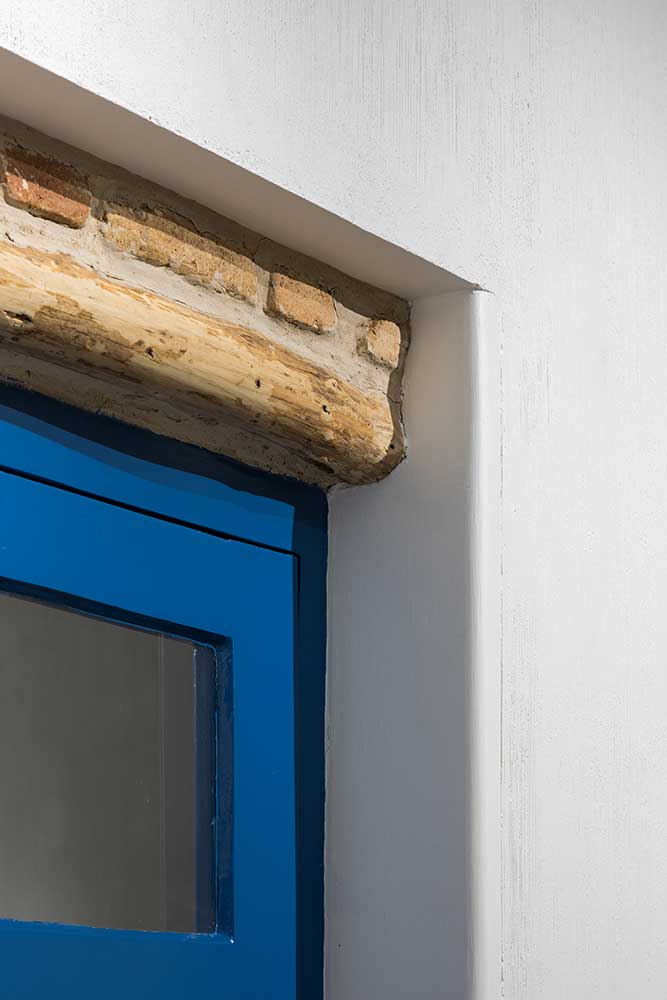
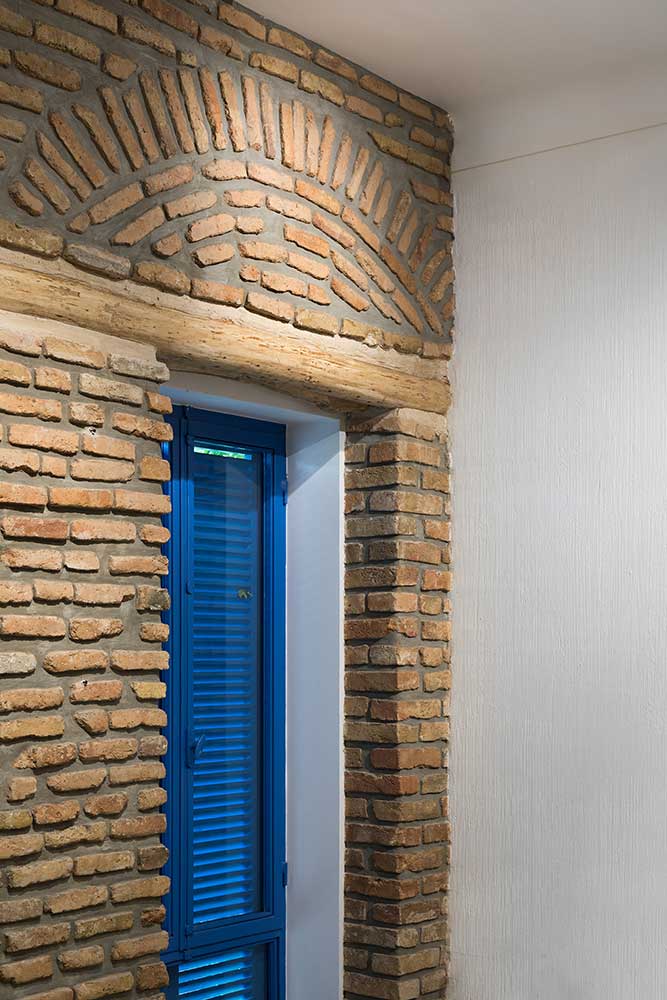
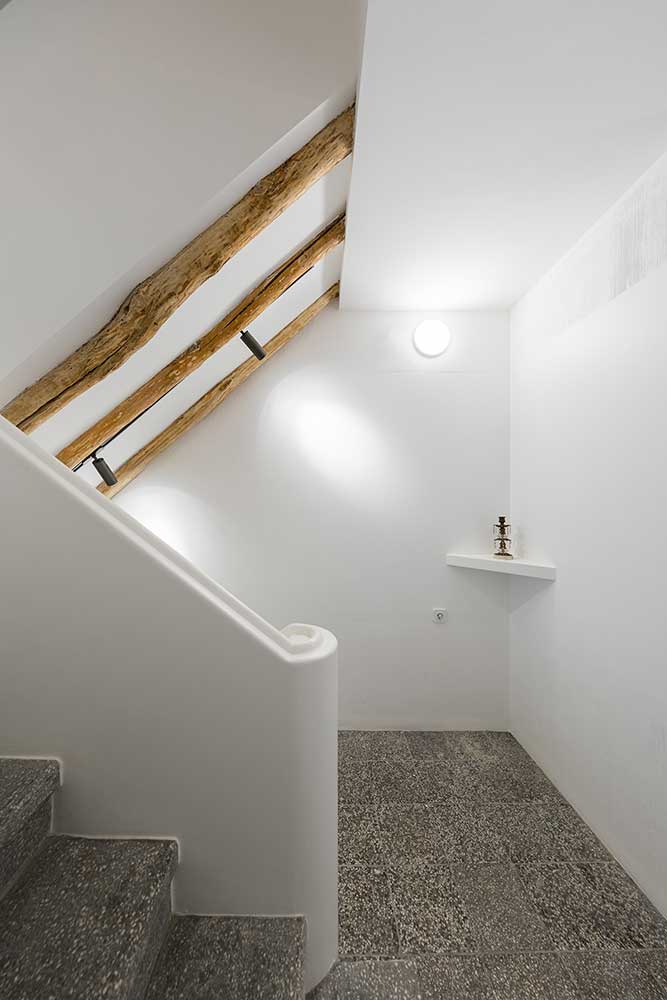
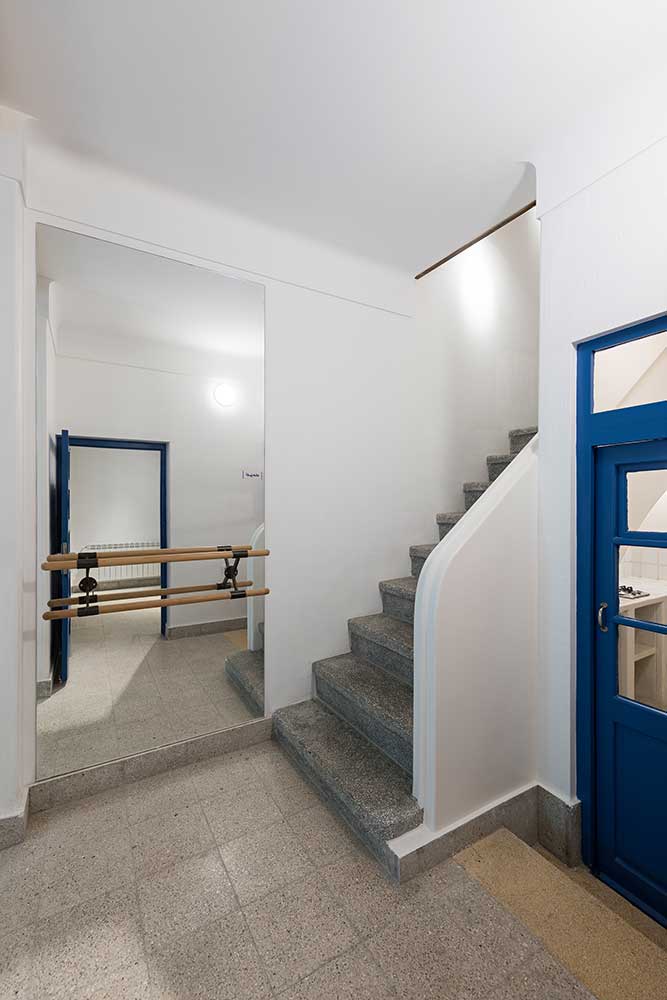
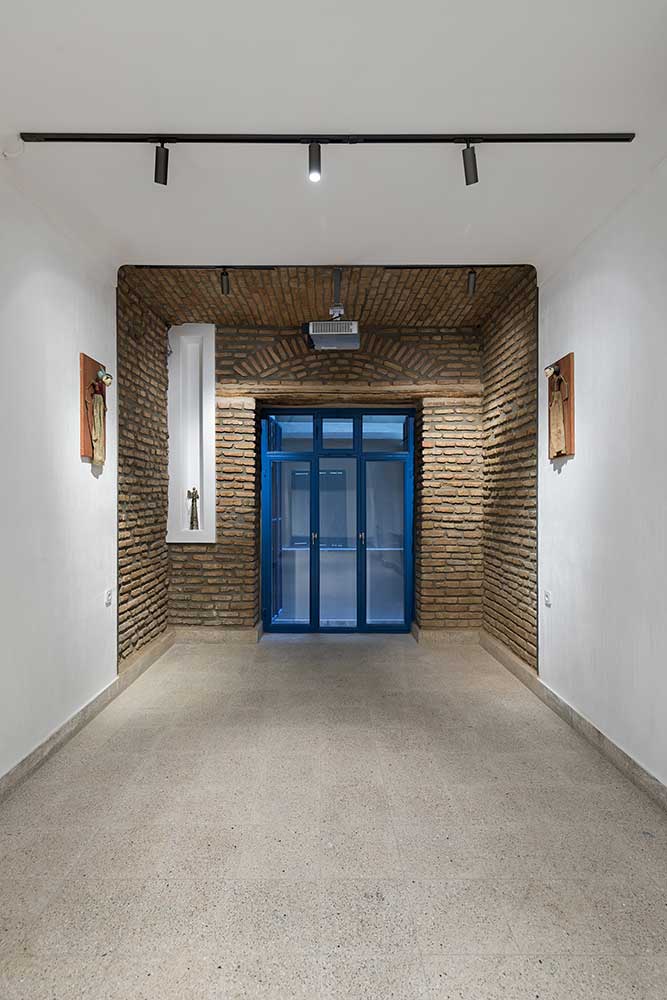
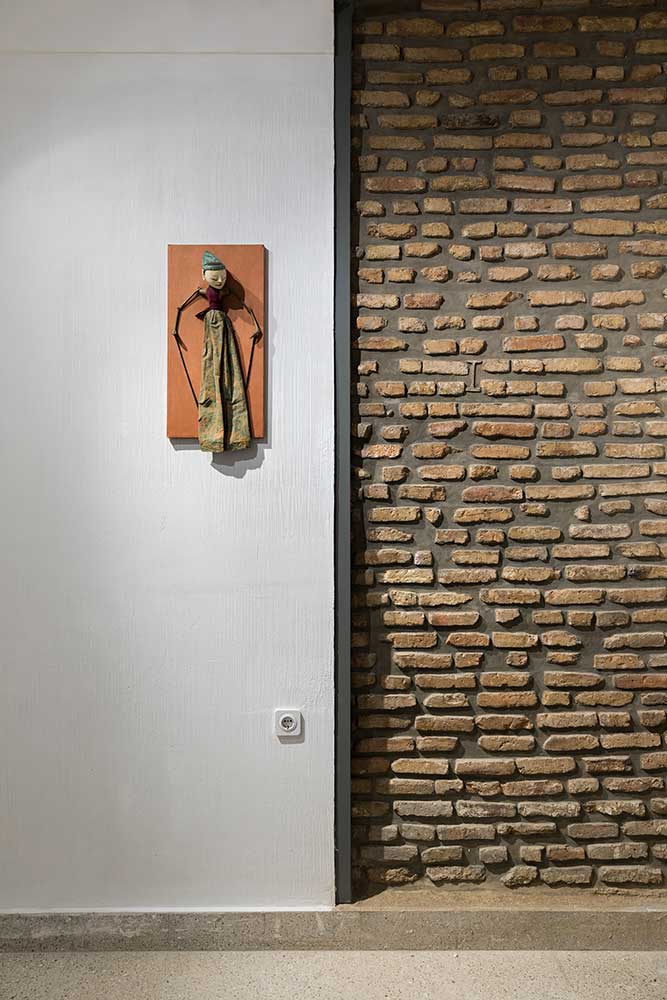
در جریان احیا گچکاری ساختمان، توجهمان به آجرکاری و نعل درگاه های چوبی قدیمی درها و پنجره ها جلب شد، در بخشهایی از ساختمان، این آجرکاری با ارزش از گچ تمیز و بندکشی آنها مرمت شد و بصورت نمایان به نمایش درآمد و این خود به یکی از المانهای شاخص پروژه تبدیل شد. المانها و بخشهای ارزشمندی مانند هندریل گچی راه پله، پله های موزاییک درجای راه پله، تیرهای چوبی نعل درگاه درها، در های چوبی و نمای اصلی بنا که از سیمان شسته بود، تعمیر، مرمت و در مواردی مطابق نمونه قدیمی از نو ساخته شد.
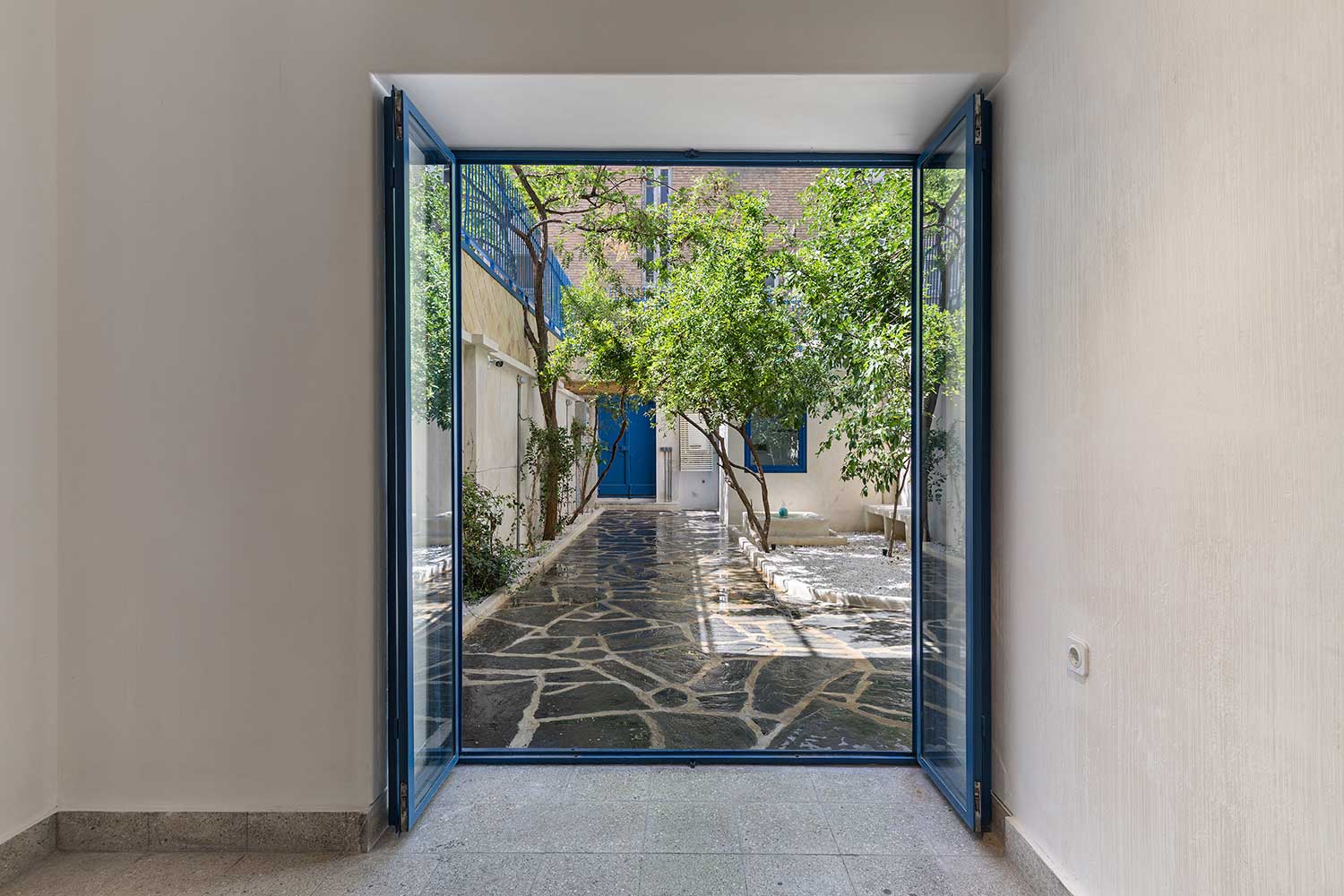
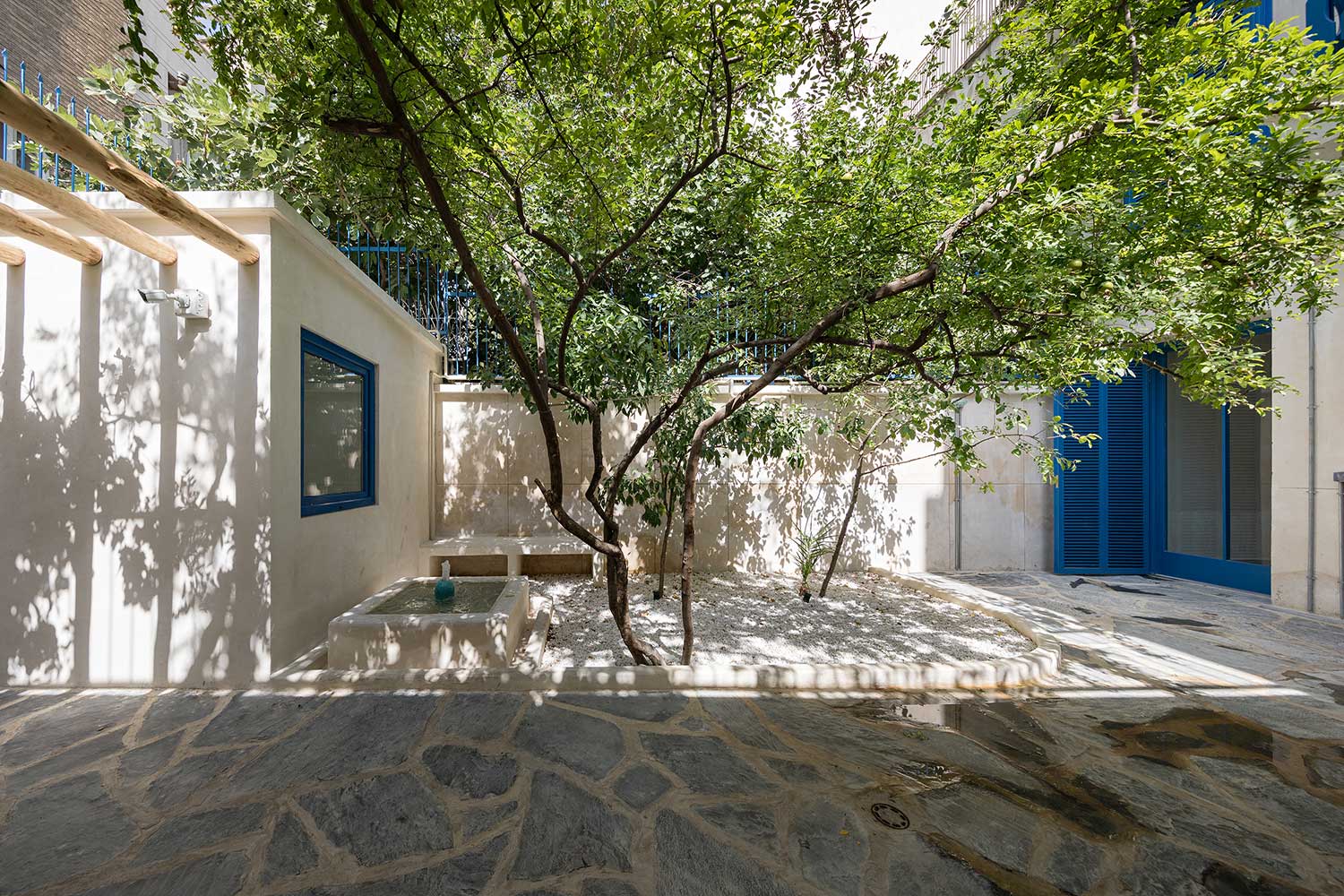
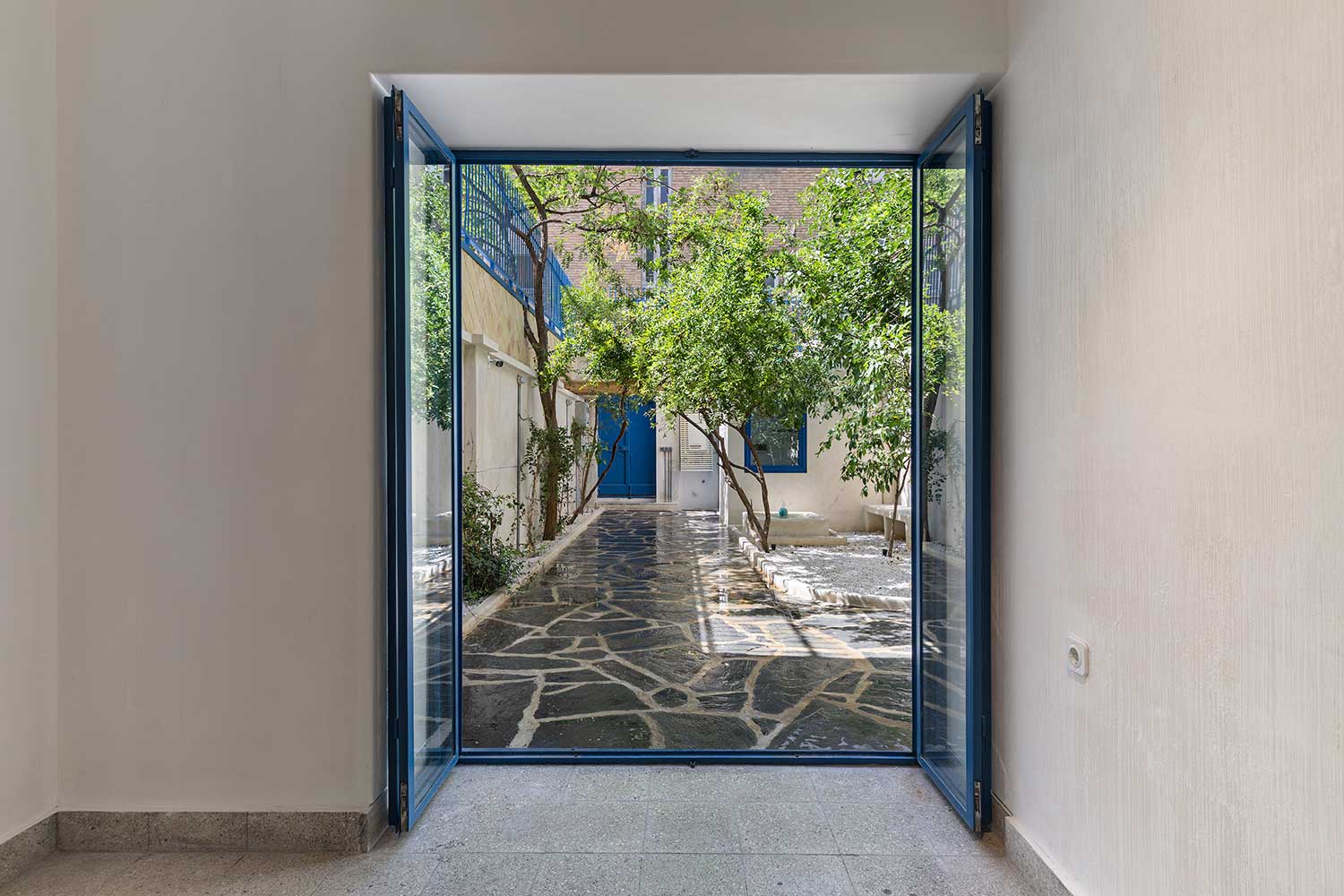
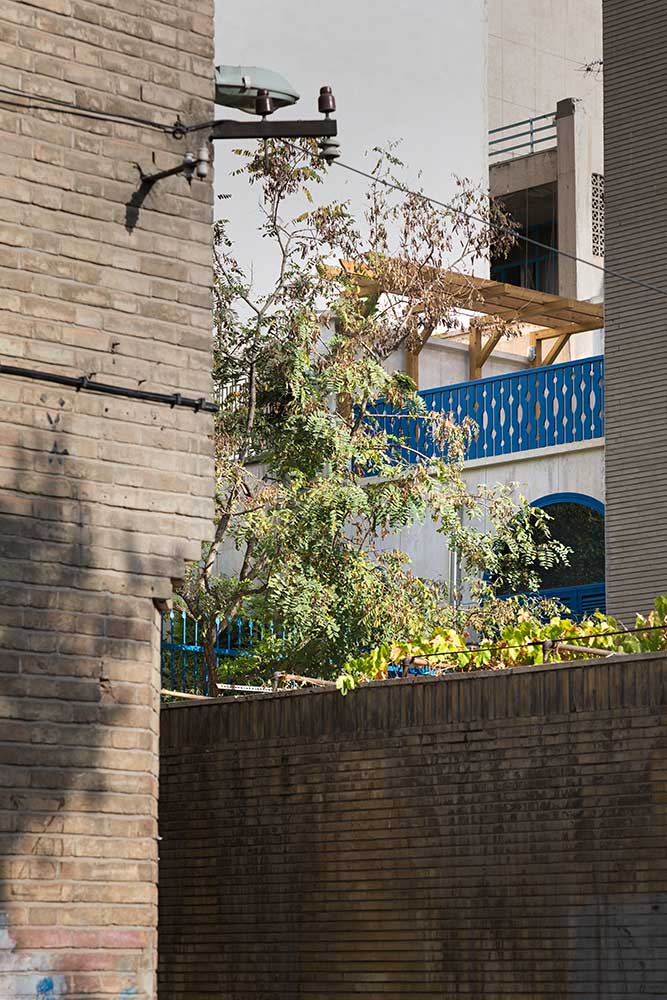
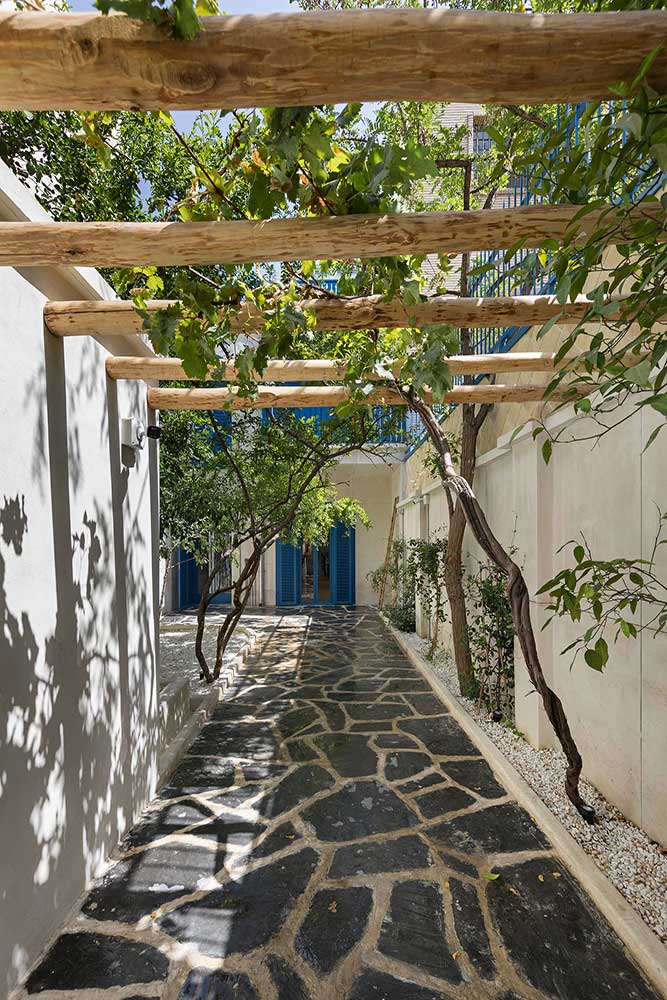
در ورودی راه پله، یک آینه و چوب بار باله، بصورت سمبلیک طراحی و اجرا شد تا در بدو ورود به ساختمان، سابقه هنری صاحبِ خانه، برای مراجعه کننده آشکار شود. کلیه پنجره های جنوبی ساختمان بصورت قدی درآمد و در طبقه همکف، بازشو پنجره به گونه ای طراحی شد که ارتباط حیاط با فضای اجرا، کامل و بدون مزاحمت صورت پذیرد. برای کلیه پنجره ها، شب بندهای چوبی به گونه ای طراحی شد که هم سایه مناسب ایجاد کند و هم در موقع نیاز با قفل کردن آنها، از خانه محافظت شود. پرگولای ورودی با تنه های باریک درخت احیا شد تا شاخه های درخت پیر مو، روی آنها قرار گیرند و سایه ای دلنشین در ورودی حیاط ایجاد کنند و با صدای آب حوضی که در گوشه باغچه ایجاد کردیم، حال و هوای حیاط خانه ایرانی را زنده کنیم.
چهارمین شب معماران، 1403
_______________________________________
نام پروژه: موزه هایده چنگیزیان
عملکرد: موزه، فضای فرهنگی و هنری
دفتر طراحی: گروه معماران و مهندسین کندو
معماراصلی: بهادر کاشانی مدنی
همکاران طراحی: مریم جوادیان، آیلا شیدایی، تینا تقی،زاده
طراحی و معماری داخلی: بهادر کاشانی مدنی (گروه معماران و مهندسین کندو)
کارفرما: هایده چنگیزیان
مجری: گروه معماران و مهندسین کندو
مدیر اجرا: بهراد کاشانی مدنی
تیم اجرا: علی شایگانفرد، داوود شفیعی
مهندس سازه: رضا مهماندوست
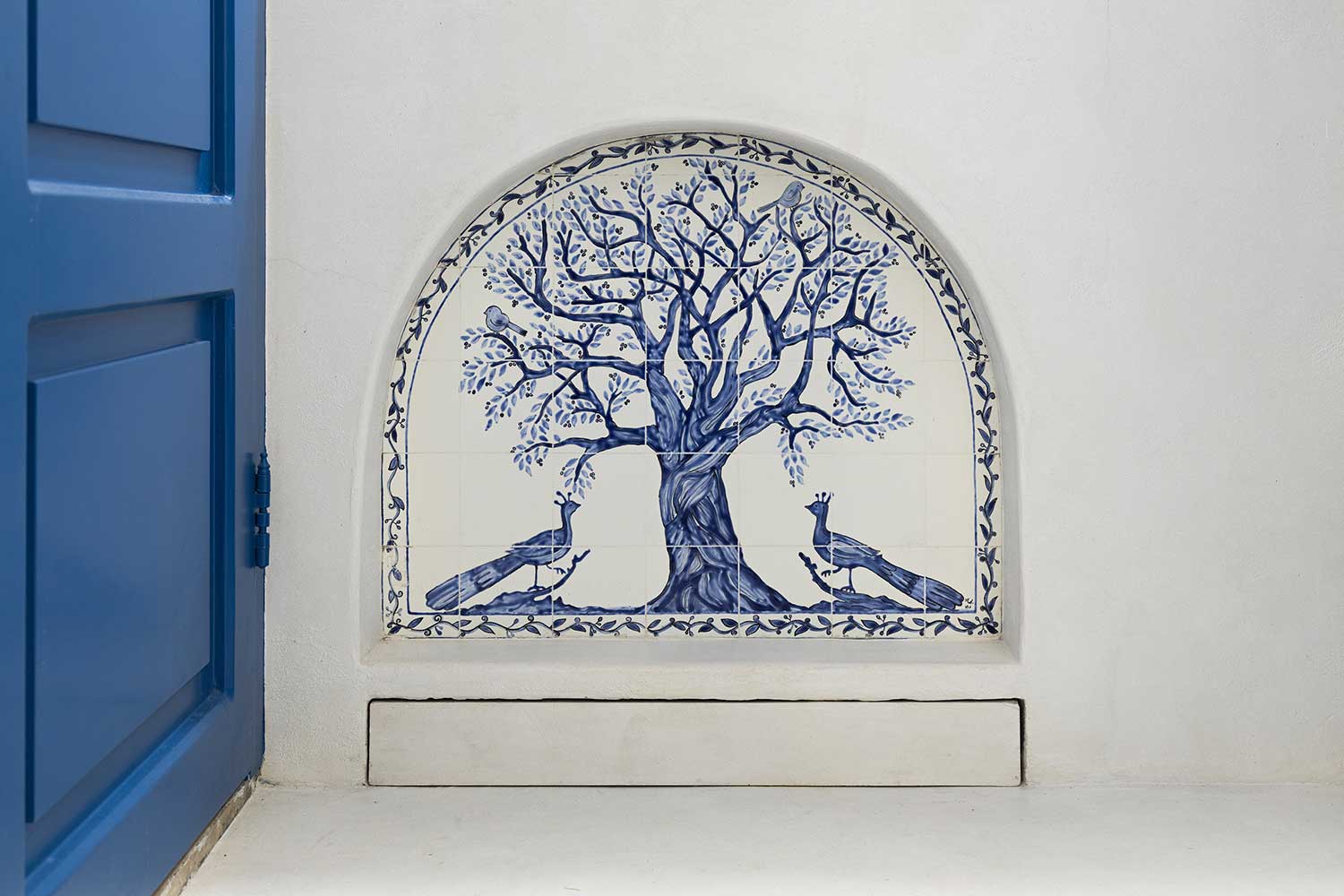
دستساخته های سرامیکی: بهاره خُمیری (کارگاه سرامیک بهاره)
نوع سازه: دیوار حمال و سقف طاق ضربی
نوع تاسیسات: پکیج – اسپلیت
آدرس پروژه: تهران، خیابان نوفل لوشاتو، خیابان هانری کوربن
مساحت زمین: 135 مترمربع
زیربنا: 220 مترمربع
تاریخ شروع: مرداد ماه 1401
پایان ساخت: اردیبهشت ماه 1402
عکاس پروژه: محمدحسن اتفاق
وبسایت: www.cando-eng.com
ایمیل: info@cando-eng.com
اینستاگرام: candoarchineeringroup
Project Name: Haydeh Changizian Museum
Function: Museum – cultural center
Office: Cando Archineering Group
Lead Architect: Bahador Kashani Madani
Design Team: Maryam Javadian-Aila Sheidaey-Tina Taghizadeh
Interior Design: Bahador Kashani Madani (cando Archineering Group)
Client: Haydeh Changizian
Constructor: Cando Archineering Group
Principal Constructor: Behrad Kashani Madani
Construction Team: Ali Shayganfar-Davood Shafiei
Mechanical System: Split
Structural Engineer: Reza Mehmandoost
Handmade Tiles: Bahareh Khomeiry
Structure System: Bearing wall & Vaulted ceiling
Location: Henry Corbin street, Nofel Loshato street, Tehran, Iran
Total Land Area: 135 sqm
Area of Construction: 220 sqm
Start Date: 2022 August
Finish Date: 2023 April
Photographer: Mohammad Hasan Ettefagh
Website: www.cando-eng.com
Email: info@cando-eng.com
Instagram: candoarchineeringroup
Haydeh Changizian Museum
Restoring and renovating an old house in the heart of Tehran is a valuable opportunity for any architectural firm. This becomes even more significant when the client is one of Iran’s esteemed cultural and artistic figures. Haydeh Changizian, one of the first female ballet dancers in Iran, introduced Western ballet in its unique Iranian form. The building, an old and deteriorating house, was purchased by her in 2022. She intended to establish a museum that, in her own words, would be a visual narrative of all the events and people who have played significant roles in her life. It would serve as a venue to showcase her artistic treasures and host artistic events.
The client’s request was for a house in the style of traditional Santorini homes in Greece, with white walls and blue doors and windows. The main challenge for us was to harmonize the client’s vision with preserving the authenticity of the Iranian house. To achieve this, we studied Iranian houses and adopted an approach focused on reviving the existing spaces and elements in the building, which shaped the overall project design.
The building, with a history of approximately 70 years and a floor area of 220 square meters across two levels, is located in the first close at the beginning of Henry Corbin Street. Its position within the cultural district of Roudaki and its proximity to important cultural centers such as Shahrzad Theater, Nofel Loshato Theater, Vest Gallery, and Colonel Bahrami’s House are notable aspects of its location. On the ground floor, there is an entrance hall, a performance room, a kitchen, and a storage room. On the mezzanine level, the public restrooms have been restored in their original location. The first floor features two galleries connected by a doorway, with a small balcony on the south side of the southern gallery. The second floor houses the management office, which includes a bathroom, and a spacious balcony on the south side of the room. Additionally, there are two storage rooms on two other mezzanine levels, one of which has been designated as the server room.
During the restoration of the building’s plasterwork, our attention was drawn to the brickwork and the old wooden lintels above the doors and windows. In some parts of the building, this valuable brickwork was cleaned of plaster, repointed, and left exposed, becoming one of the project’s signature elements. Other valuable features, such as the plaster handrail on the staircase, the terrazzo stairs, the wooden lintels above the doors, the wooden doors, and the main façade of the building, which was finished with washed cement, were repaired, restored, and in some cases, rebuilt to match the original designs.
At the entrance of the staircase, a mirror and ballet barre were symbolically designed and installed to immediately convey the artistic background of the homeowner to visitors. All the southern windows of the building were extended to full height, and on the ground floor, the window openings were designed to seamlessly connect the courtyard with the performance space. Wooden shutters were designed for all the windows to provide appropriate shading and secure the house when locked. The entrance pergola was restored using slender tree trunks to support the old grapevine branches, creating a pleasant shaded area at the courtyard entrance. Additionally, a fountain was installed in the corner of the garden to evoke the ambiance of a traditional Iranian courtyard with the soothing sound of water.
مطالب مرتبط