 ویلای داویدخانیان، هوشنگ سیحون
 درگذشت رابرت اِی.اِم. استرن، معمار و آموزگار تأثیرگذار آمریکایی
موزهی هنر میسیسیپی و اقامتگاه «فوّارهسر» فرانک لوید رایت
اقامتگاه «فوّارهسر» فرانک لوید رایت به مالکیت موزهی هنر میسیسیپی درآمد و برای بازدید عمومی آماده میشود.
the Mississippi Museum of Art, Frank Lloyd Wright’s Fountainhead Residence
Frank Lloyd Wright’s Fountainhead Residence Purchased by the Mississippi Museum of Art and Prepared for Public Tours
اقامتگاه «فوّارهسر» فرانک لوید رایت به مالکیت موزهی هنر میسیسیپی درآمد و برای بازدید عمومی آماده میشود
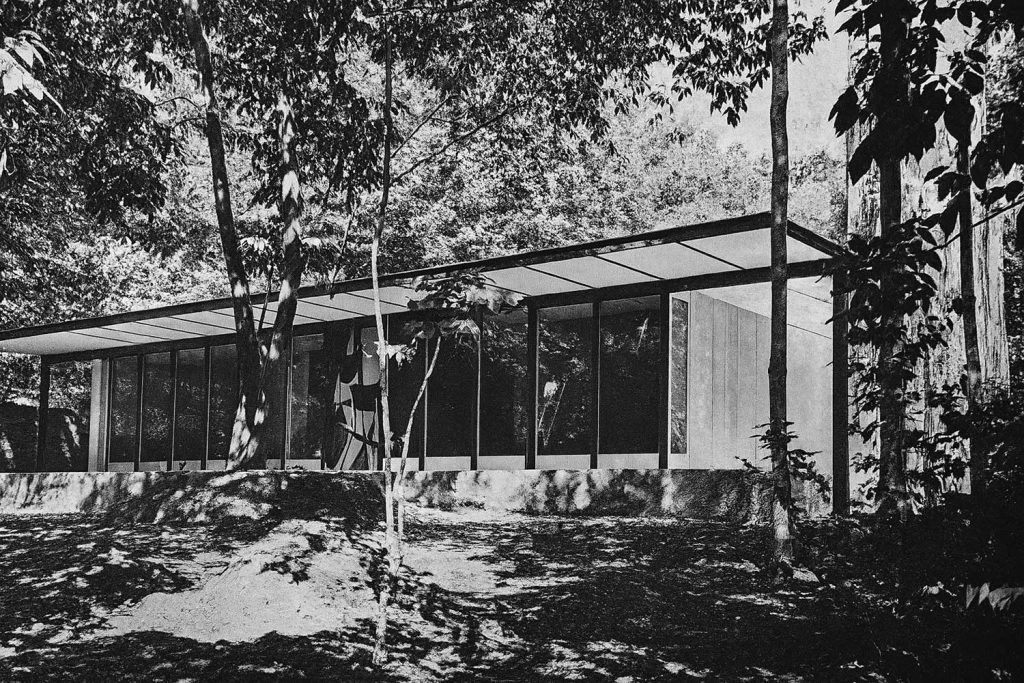
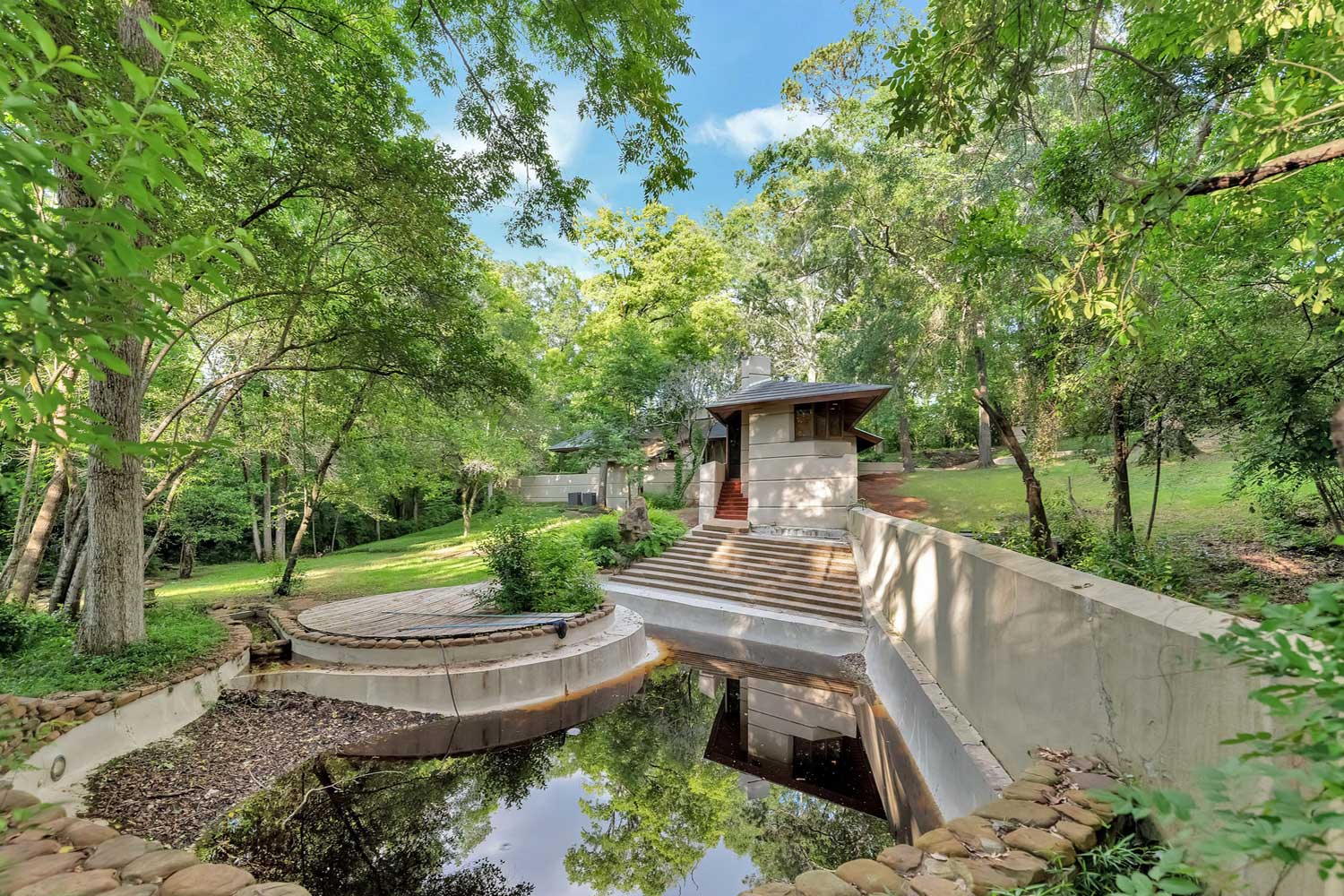
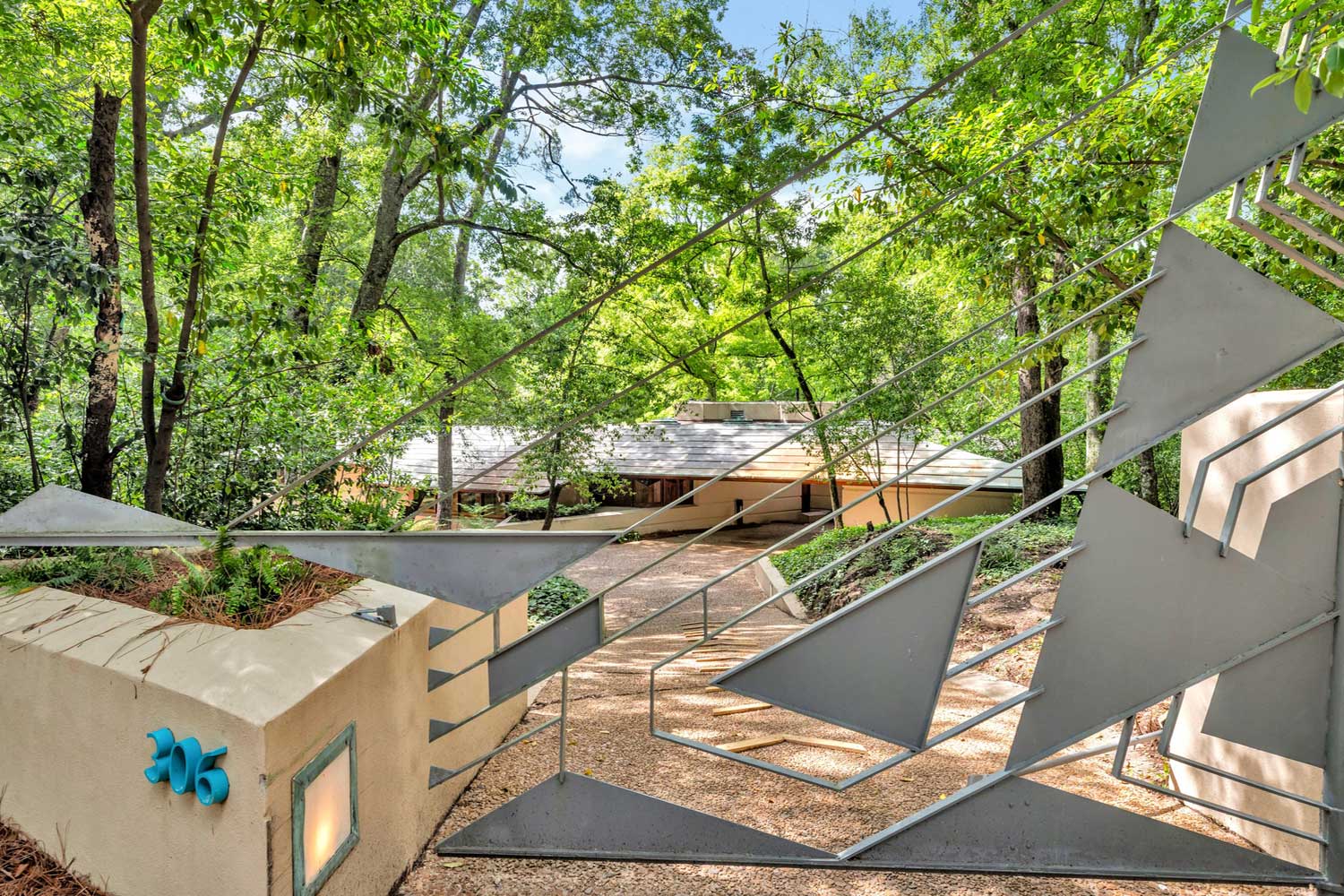
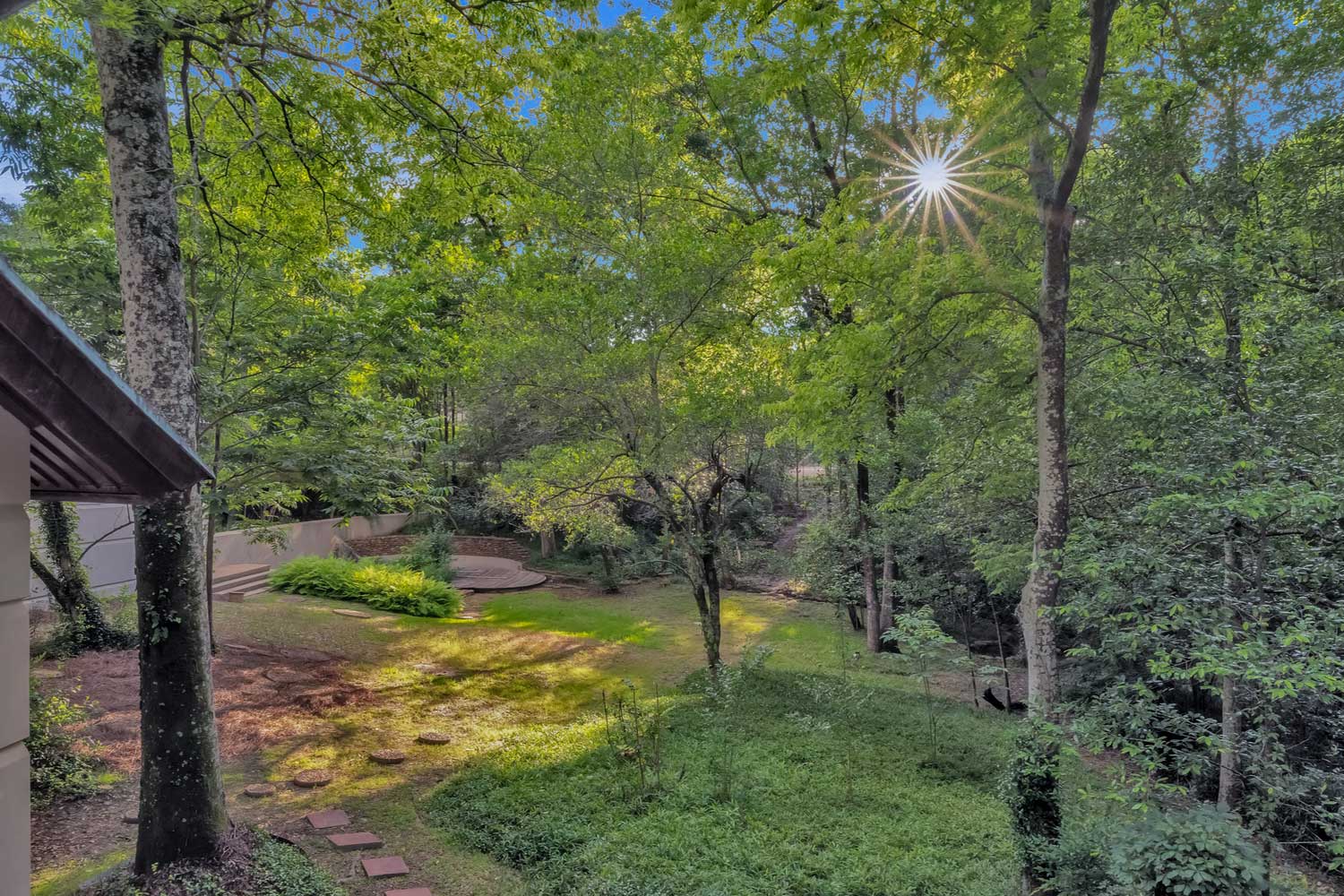
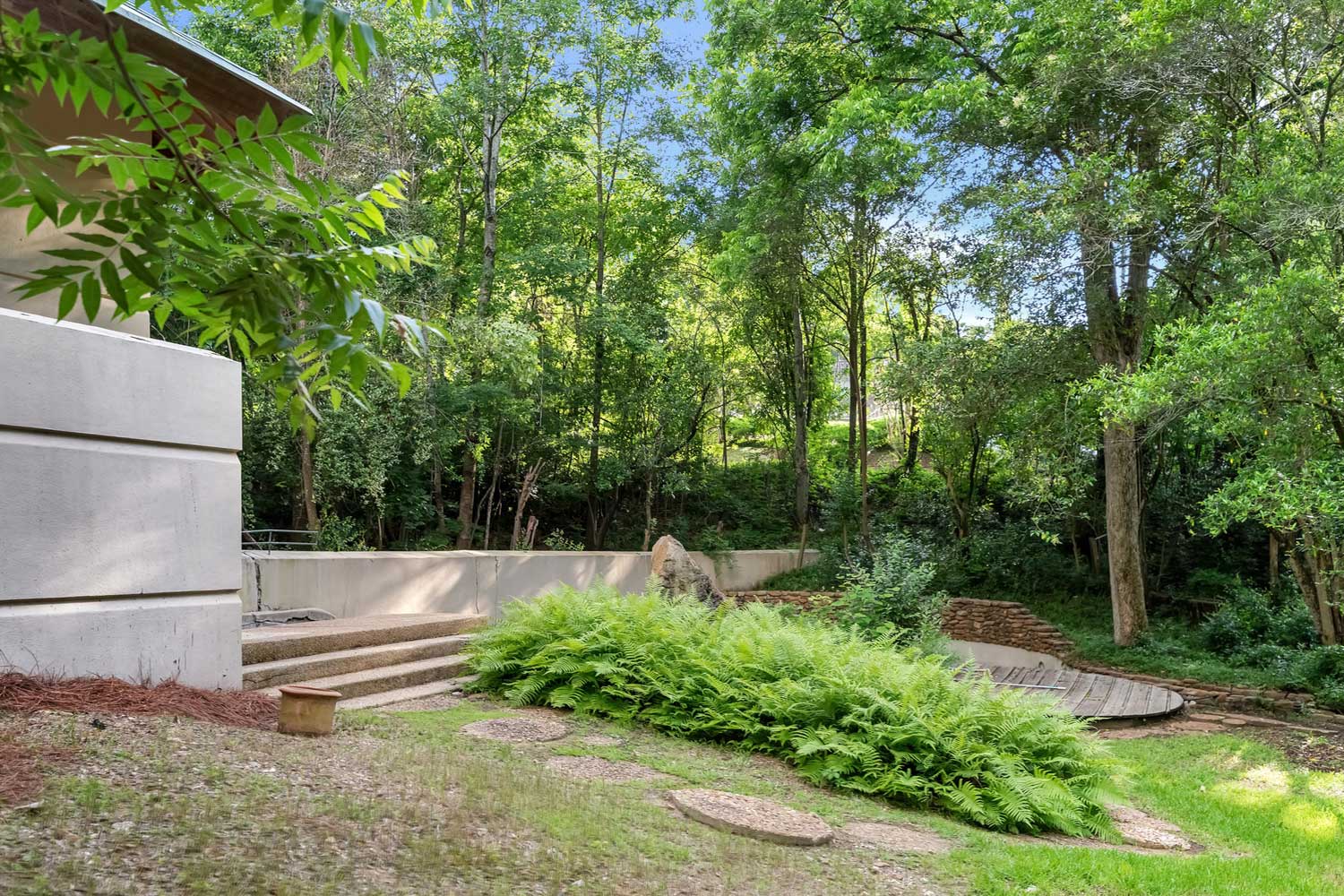
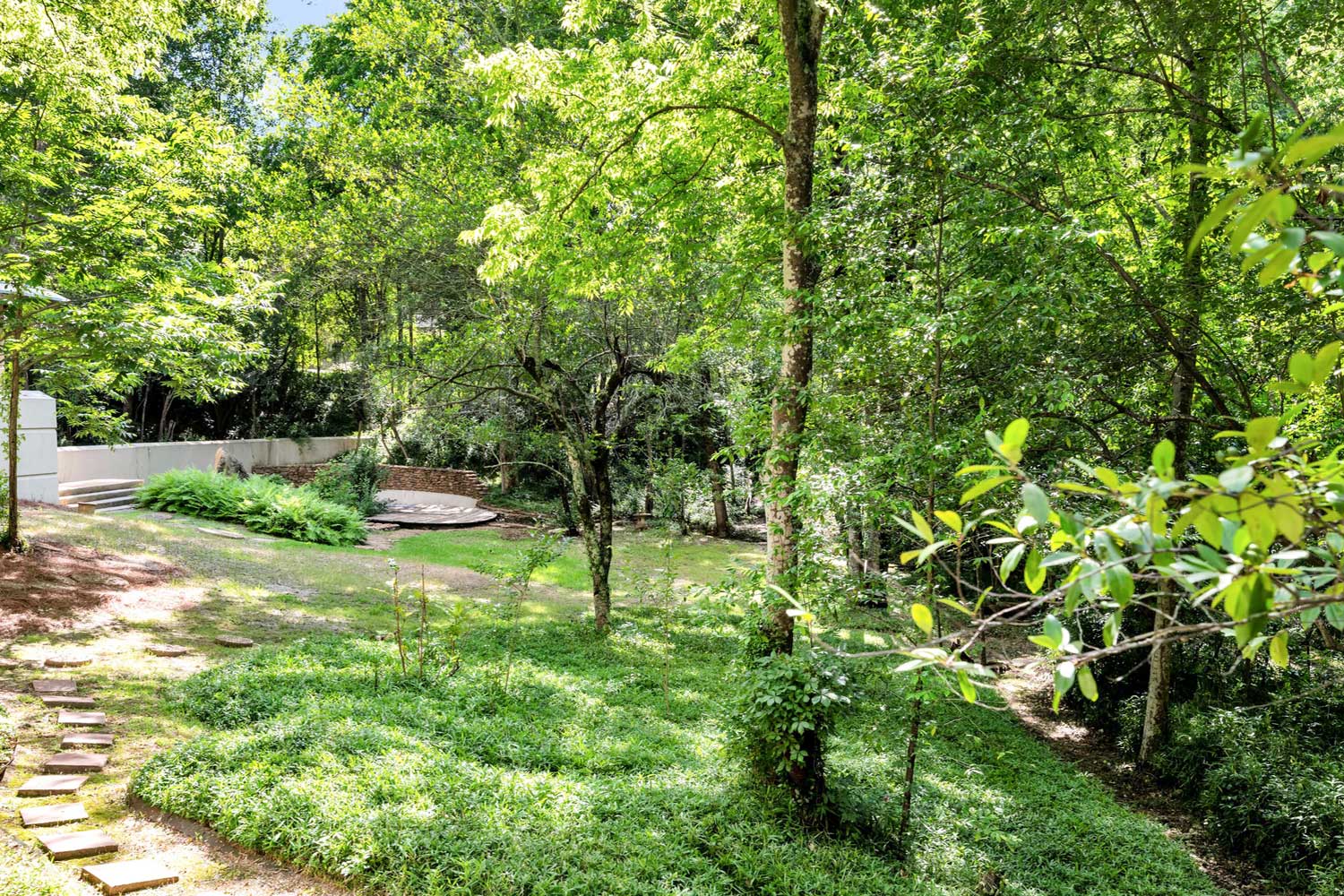
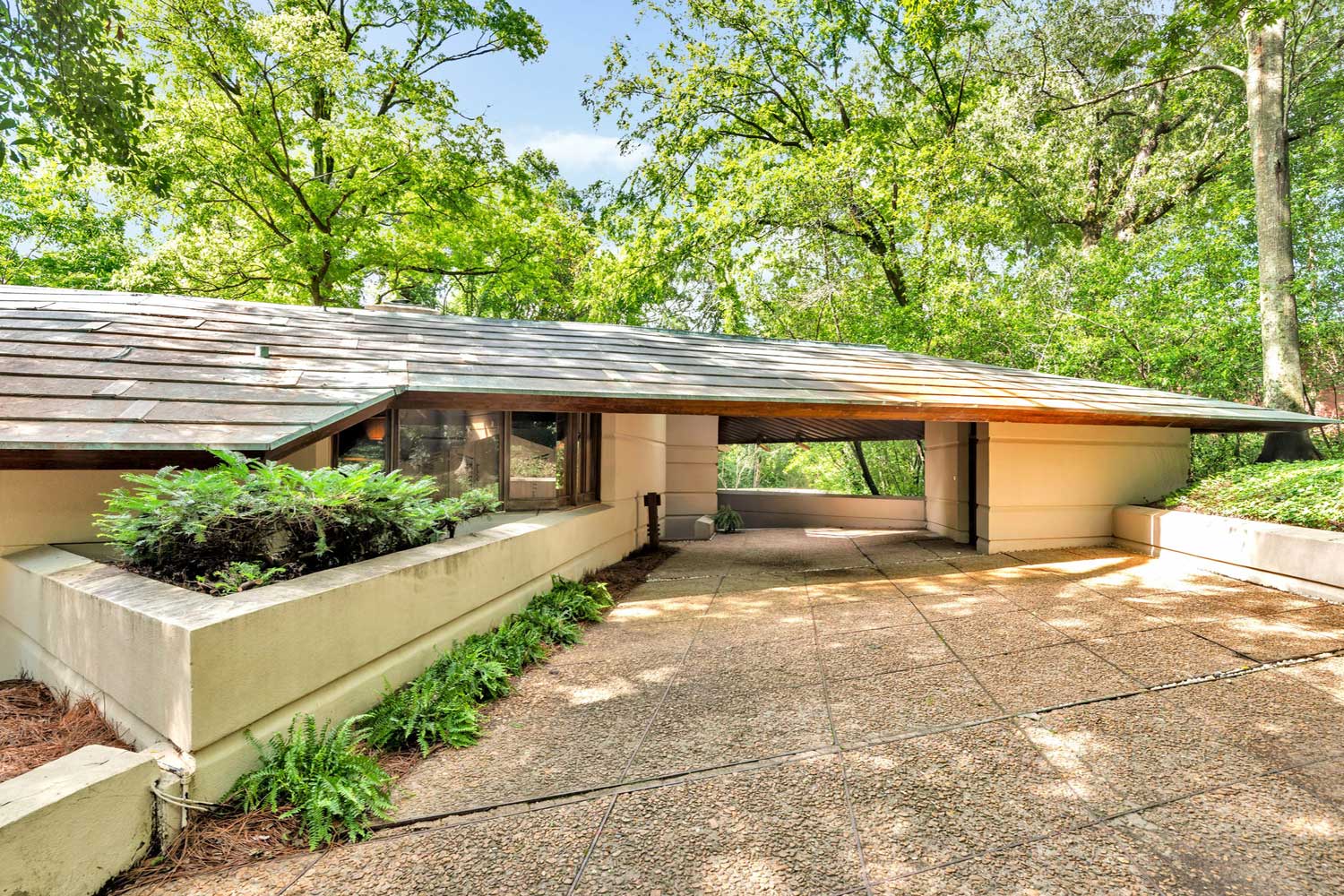
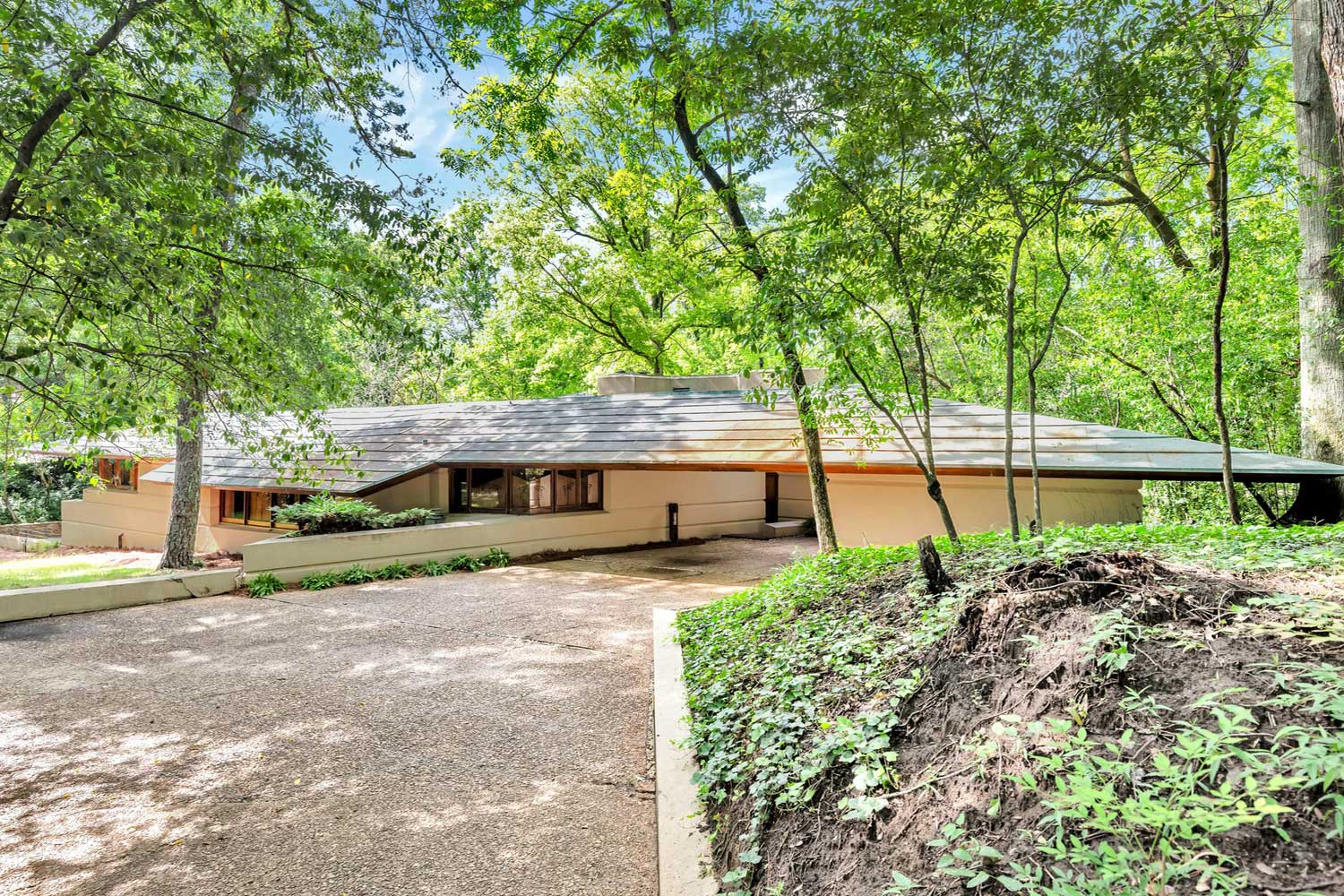
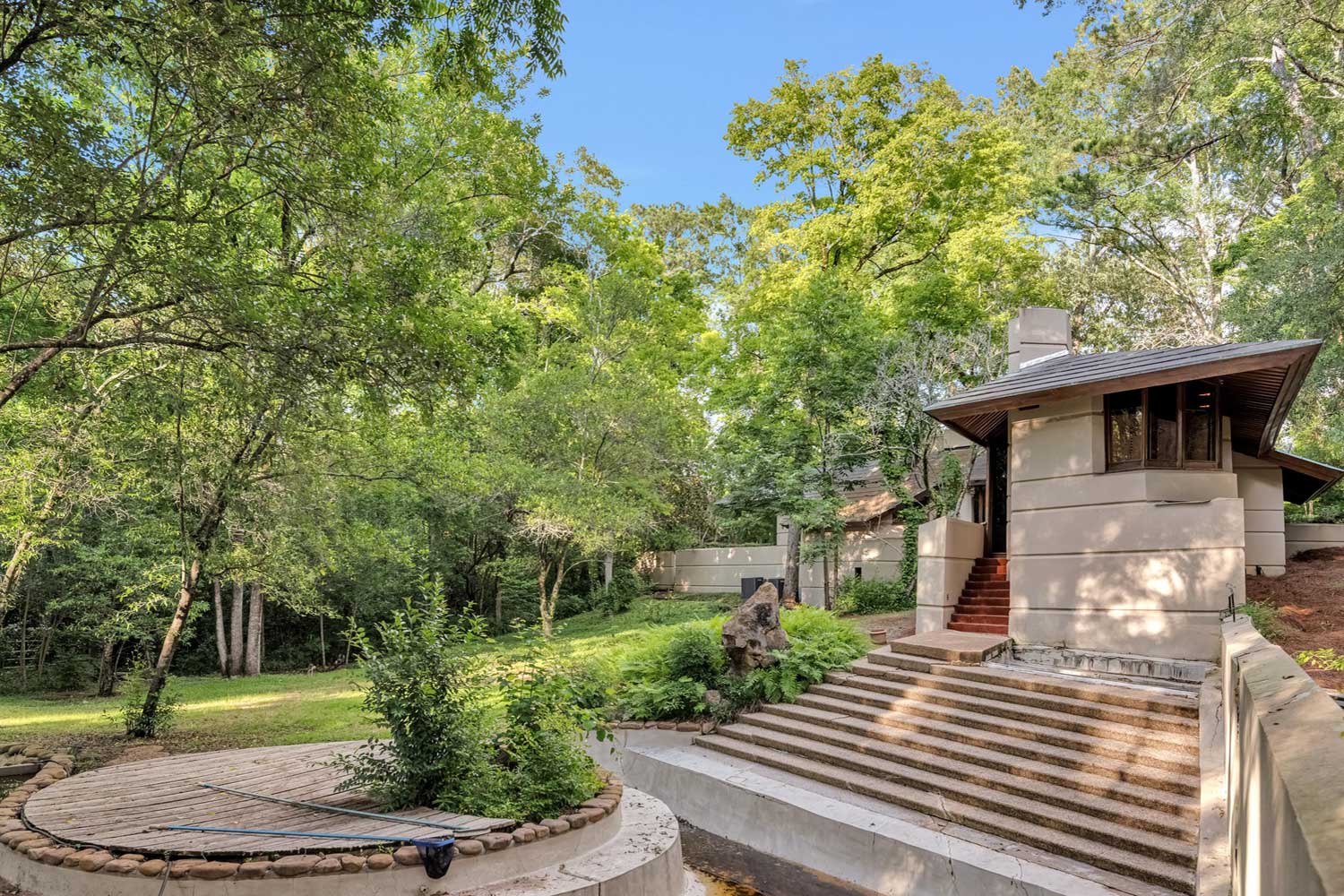
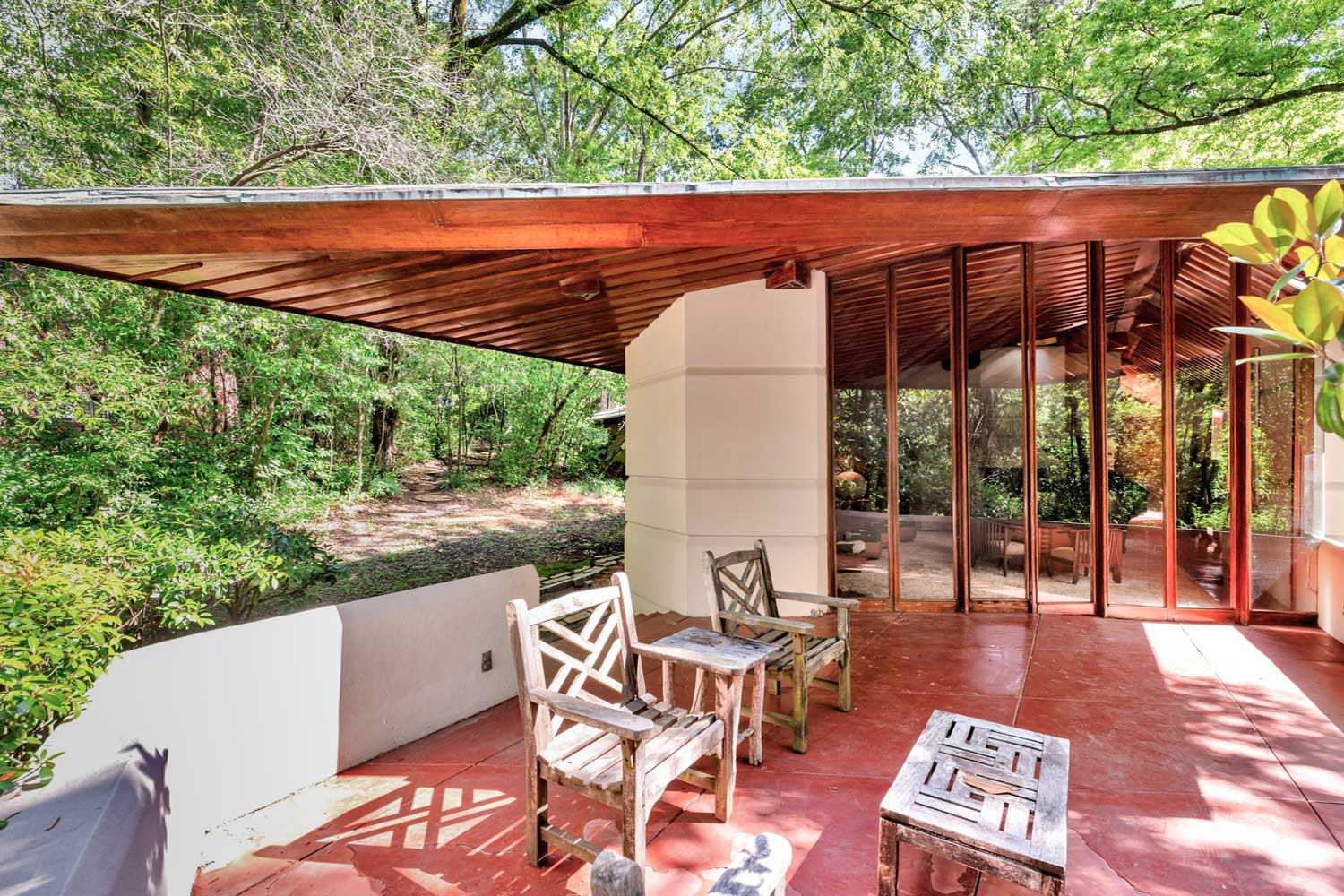
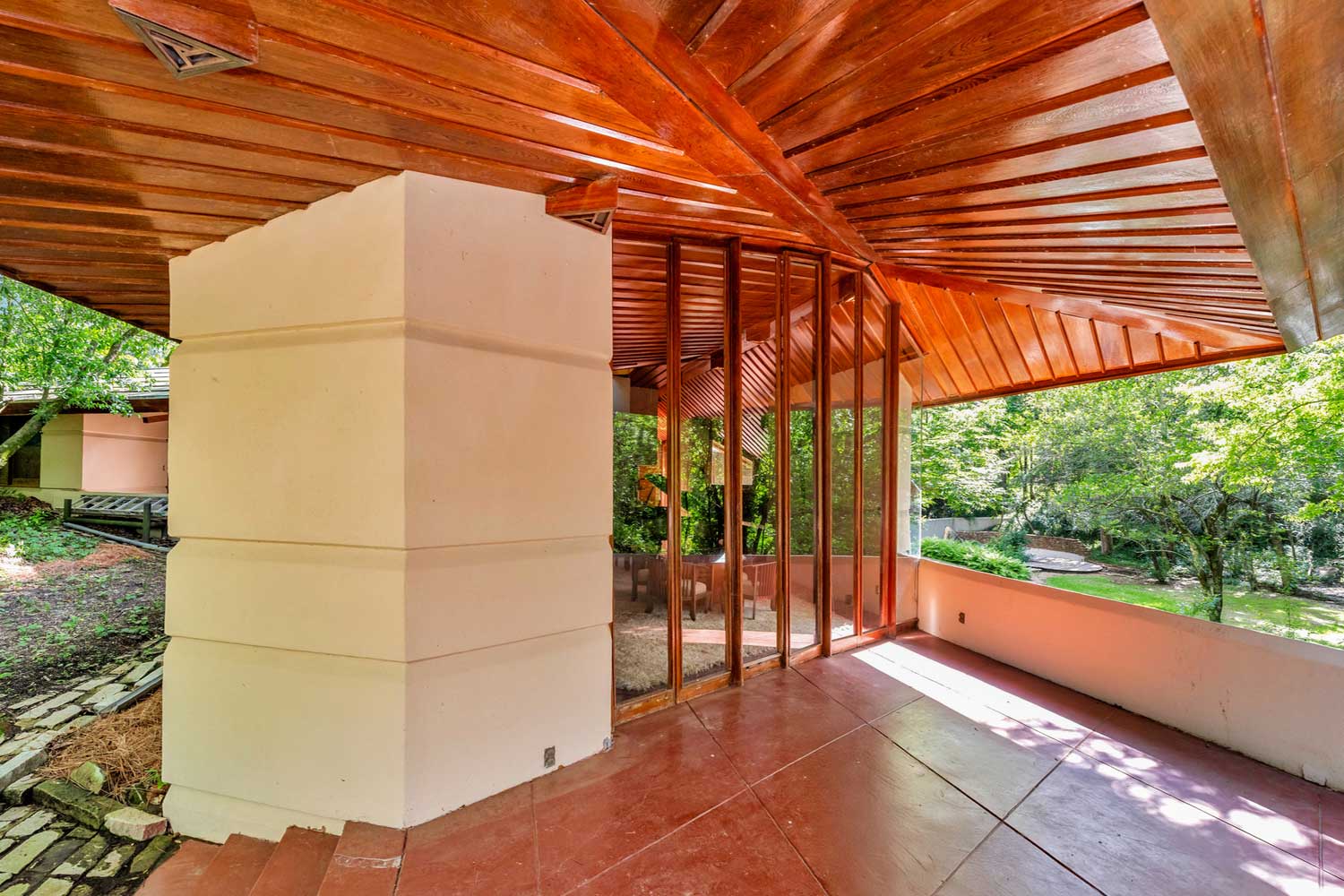
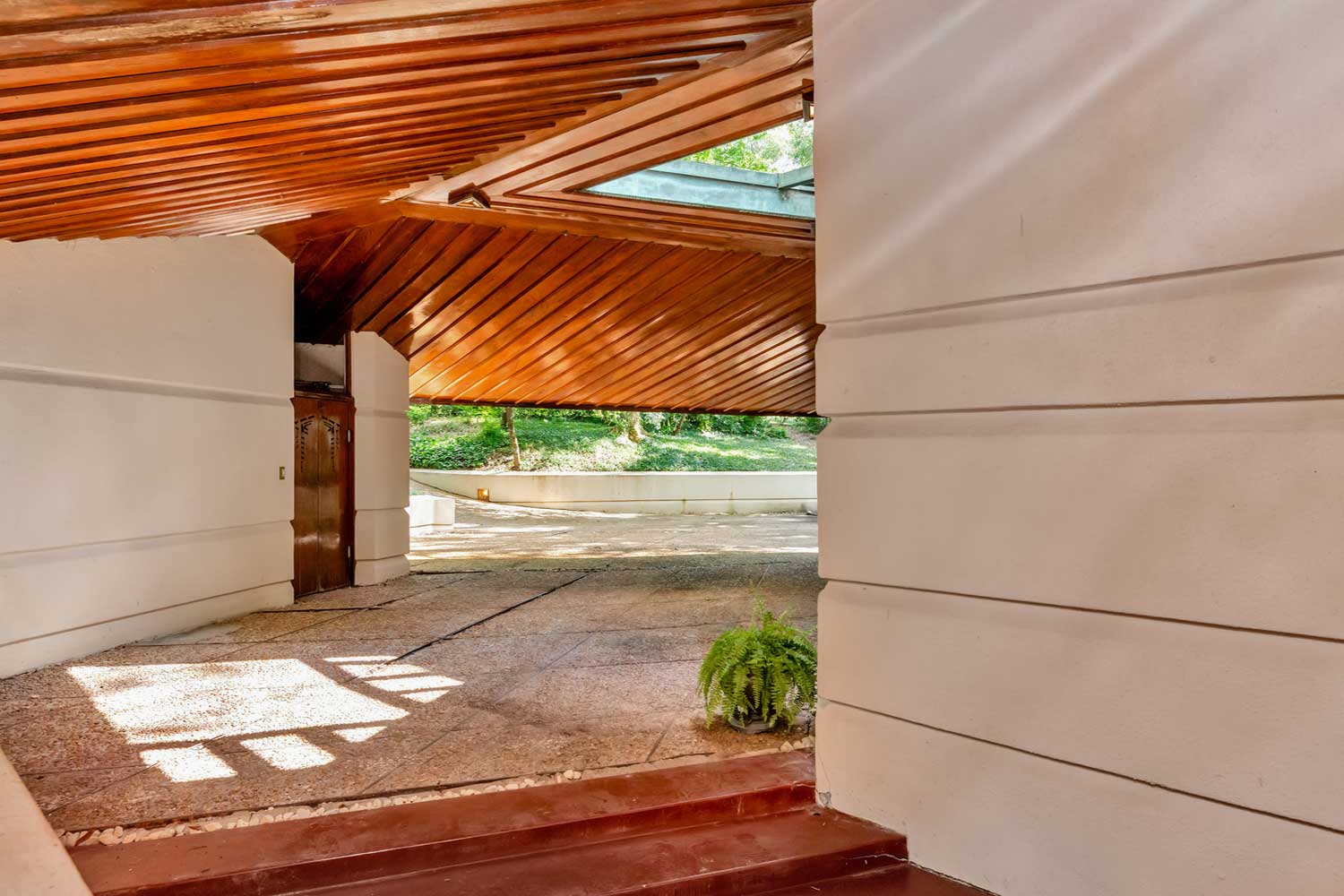
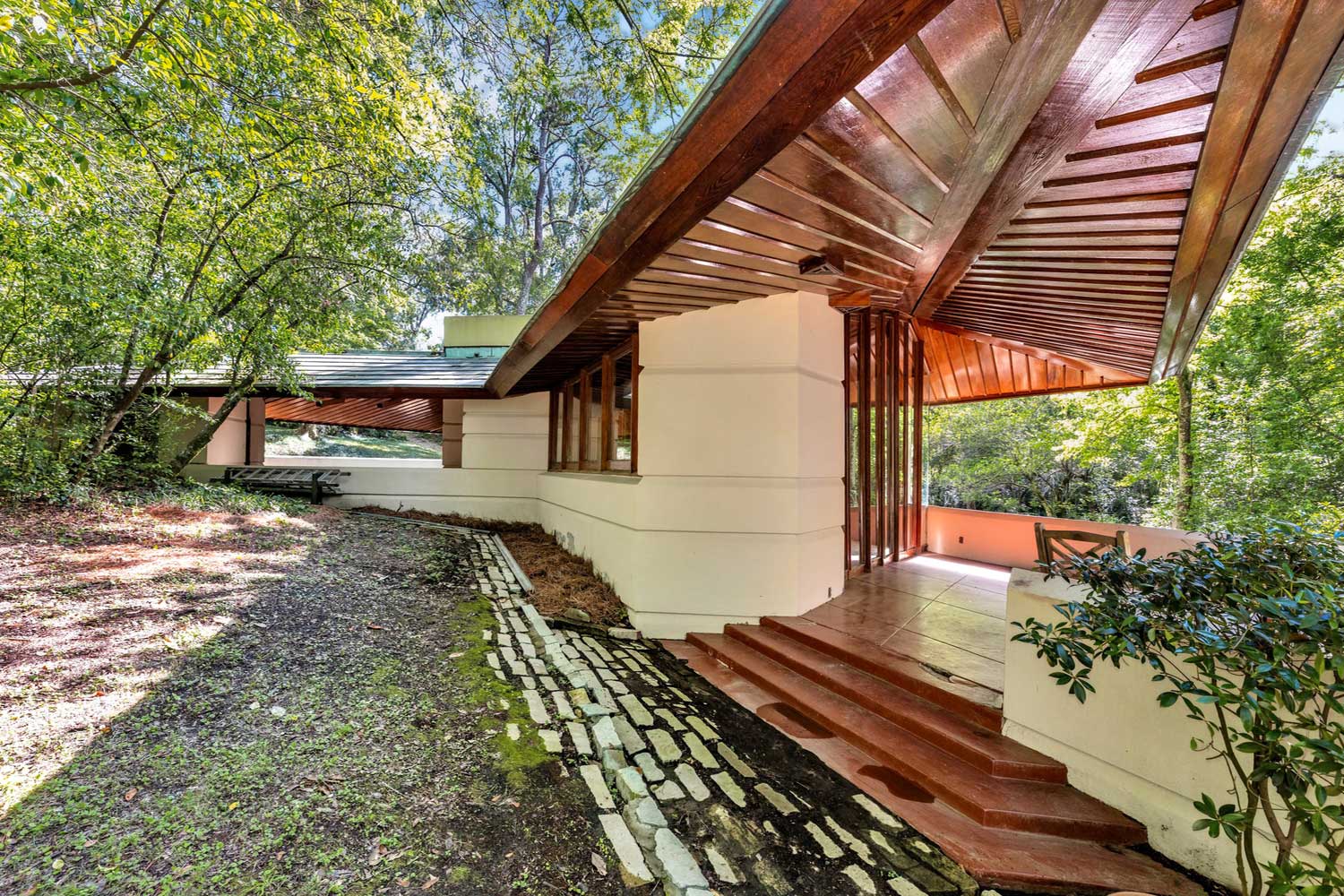
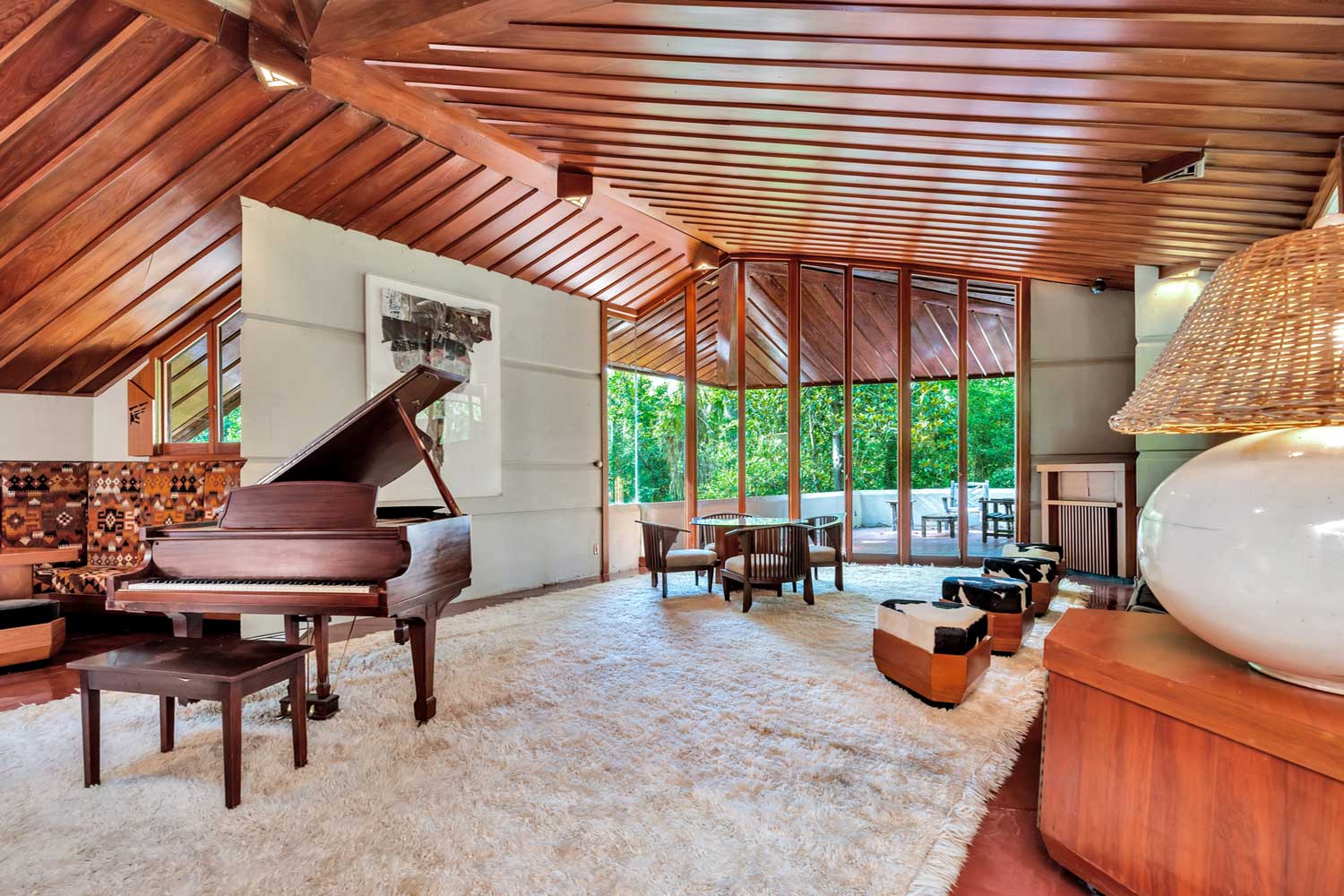
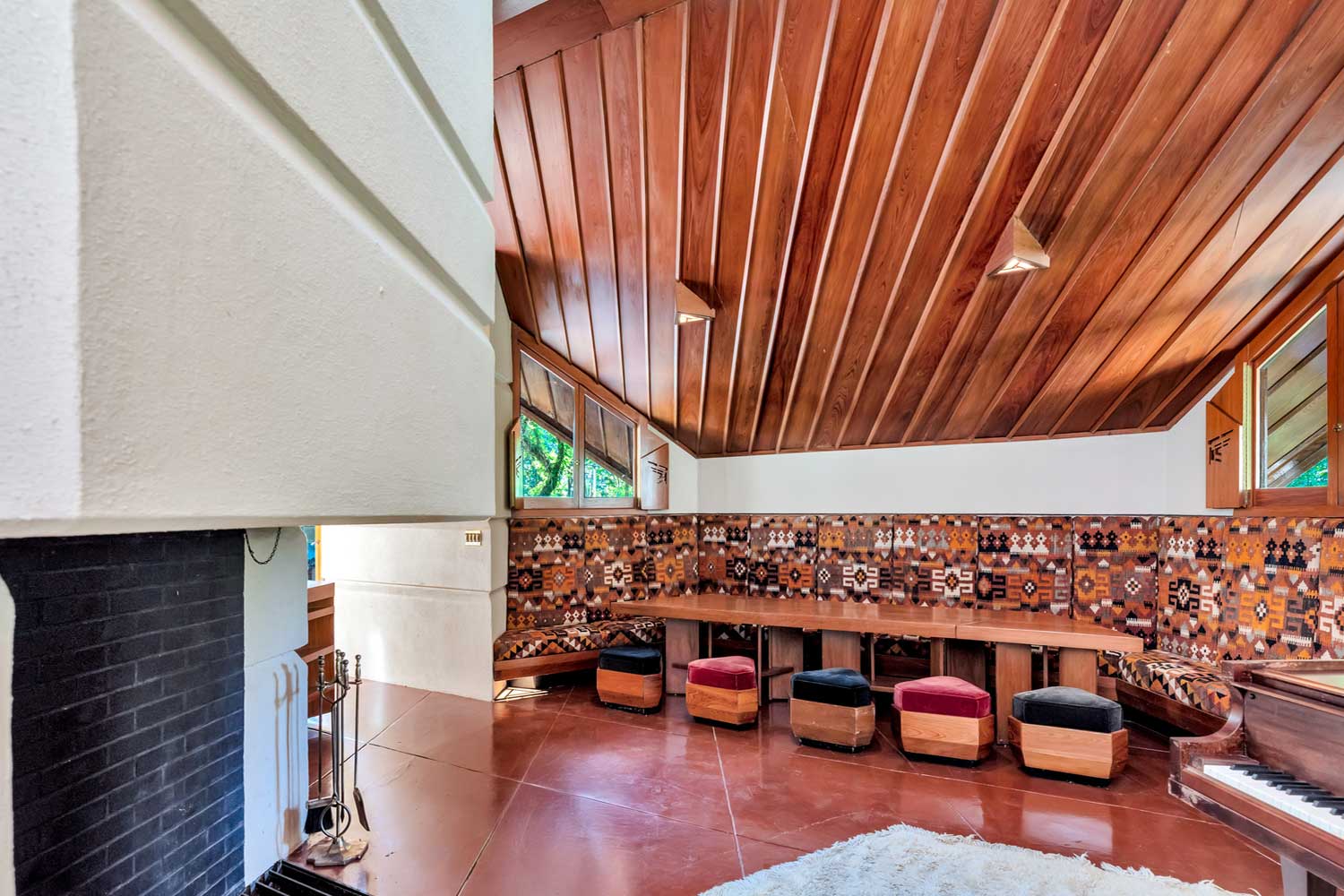
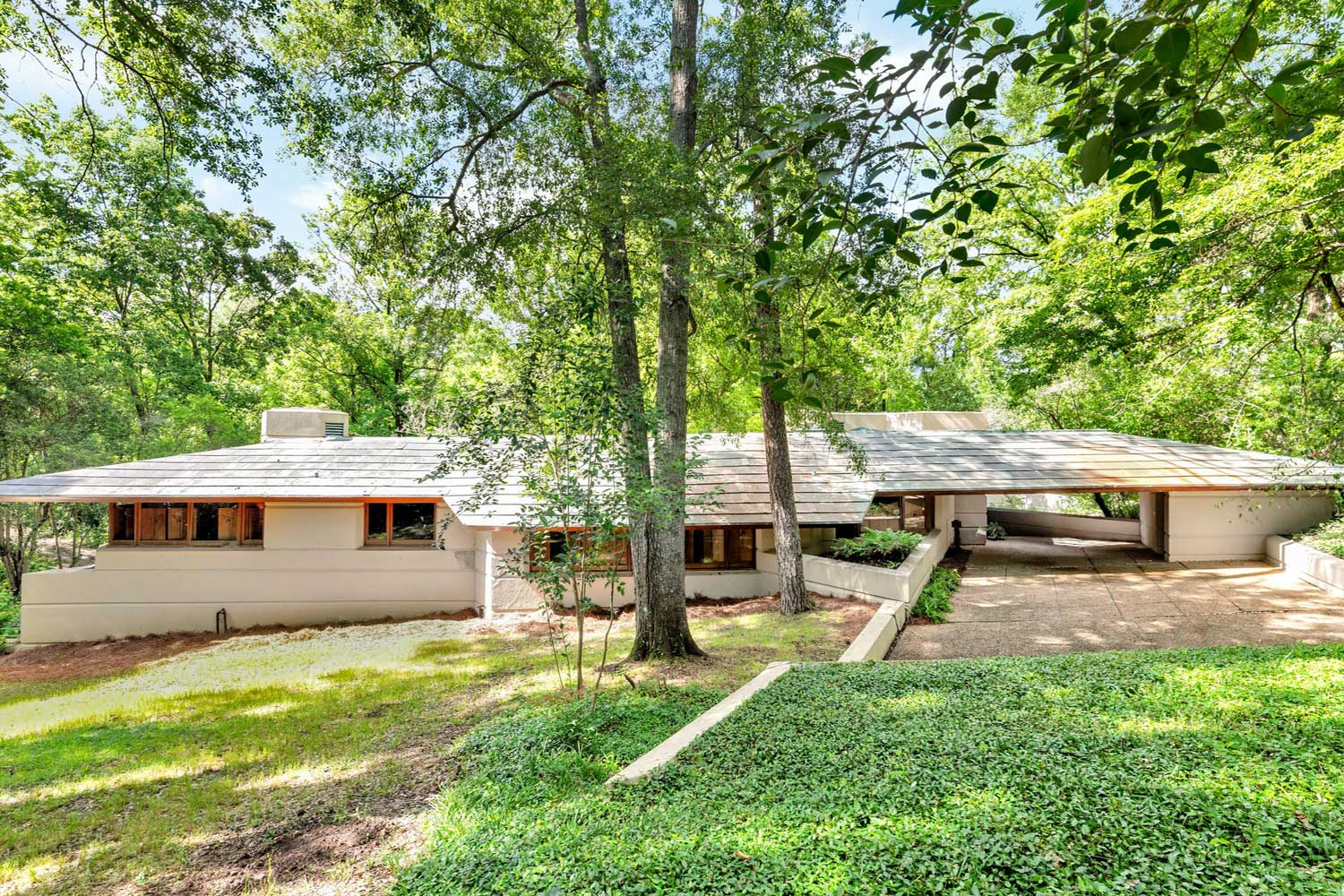
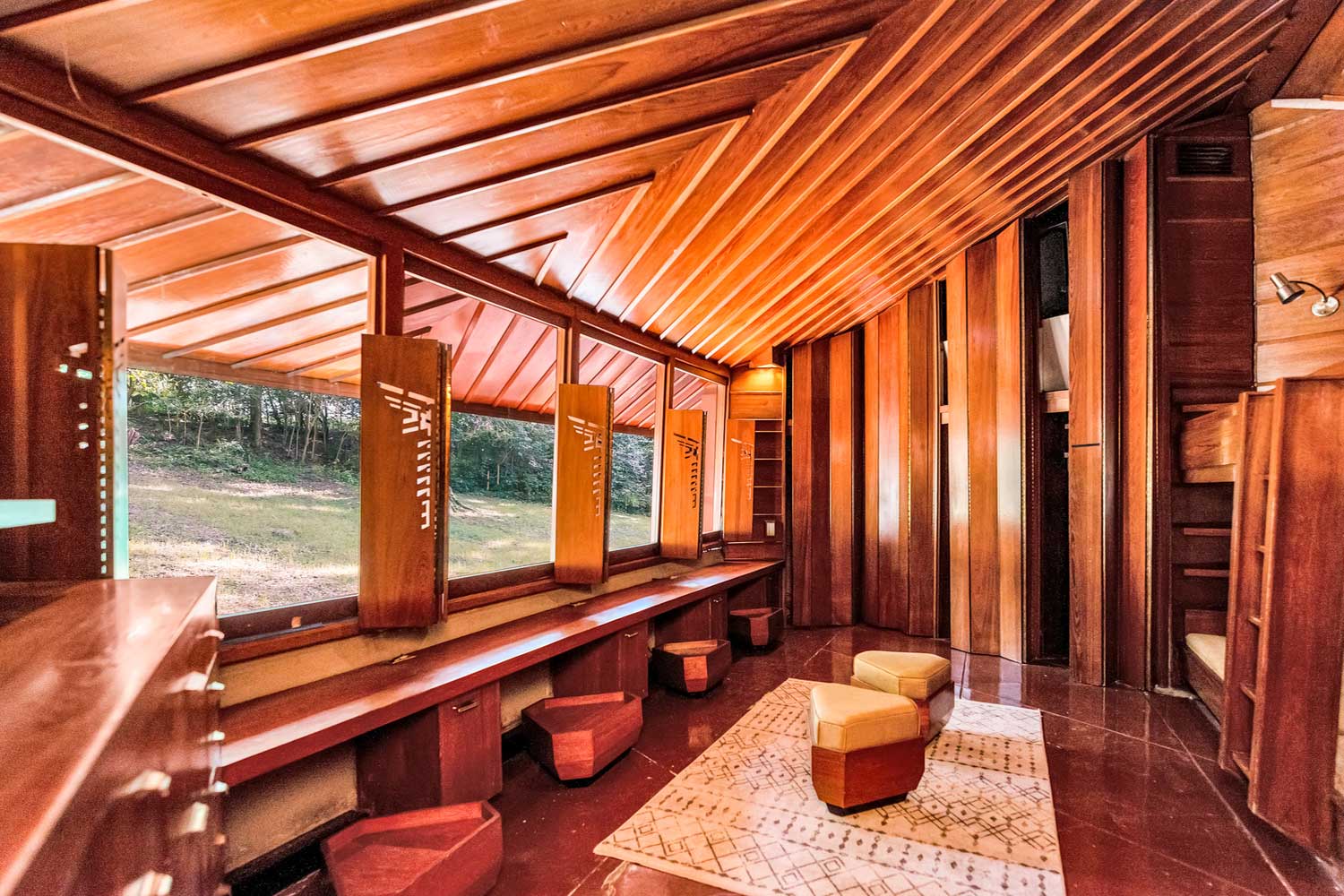
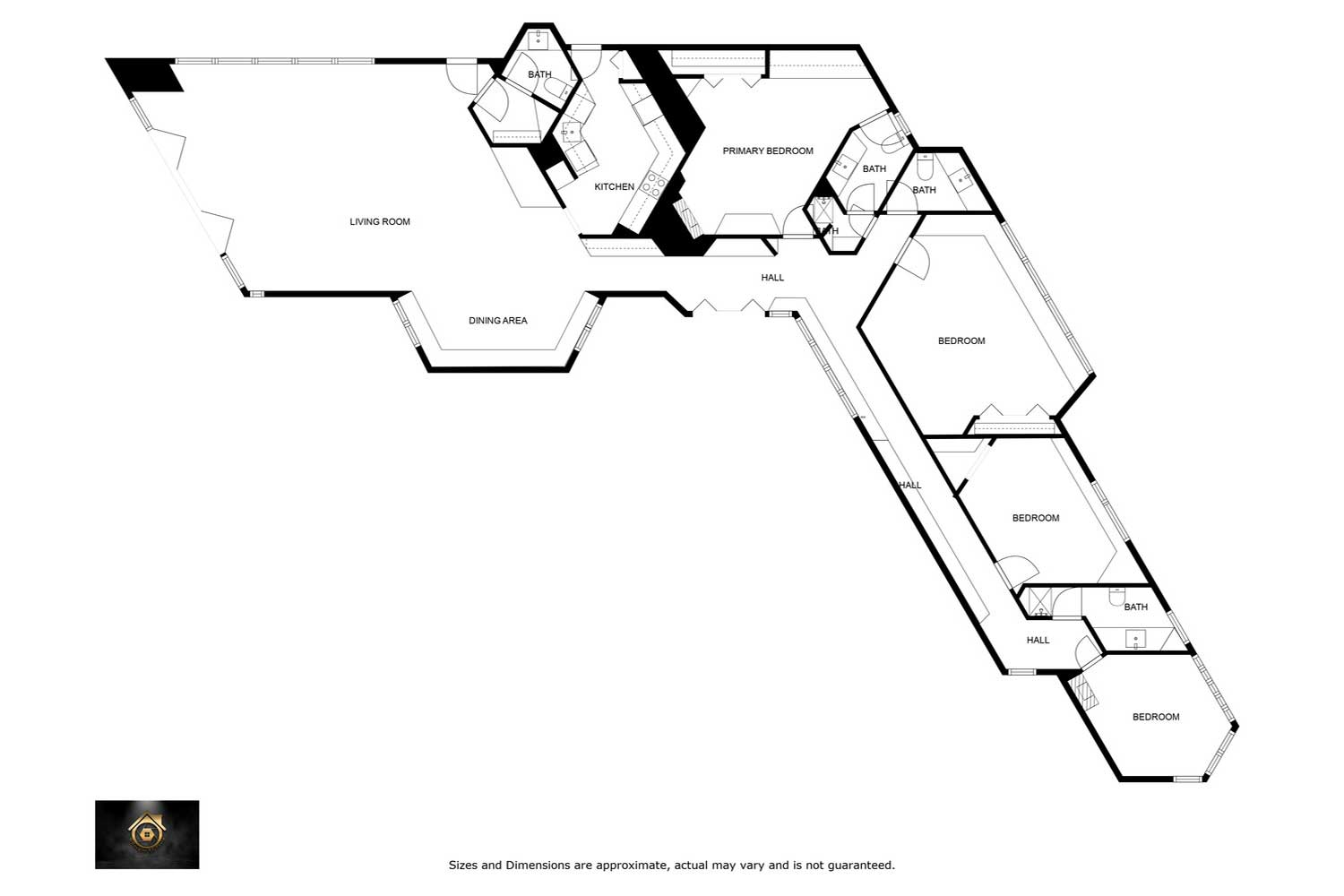
در ۲۰ نوامبر ۲۰۲۵، موزهی هنر میسیسیپی (MMA) تأیید کرد که خانهی «Fountainhead»، اثر فرانک لوید رایت، را خریداری کرده است؛ خانهای که طراحی آن در ۱۹۴۸ انجام شد و ساختش در ۱۹۵۴ پایان یافت. این معمار نامدار مدرنیست، بنا و تمامی مبلمان آن را برای تاجر نفت، جِی. ویلیس هیوز، طراحی کرد؛ کسی که همراه خانوادهاش تا سال ۱۹۸۰ در آن زندگی کرد. موزهی هنر میسیسیپی که در ۱۹۱۱ بنیان گذاشته شد، بزرگترین موزهی هنر در این ایالت است و مجموعهای دائمی از نقاشیها، عکسها، آثار چندرسانهای و مجسمه را با برنامههای عمومی، آموزشی و فرهنگی در طول سال عرضه میکند. خرید این خانه بخشی از راهبرد موزه برای حضور فعال در بافتهای شهری و تقویت پیوندهای اجتماعی است؛ اقدامی که این بنای شاخص را از طریق بازدیدهای رزروشده در اختیار عموم قرار خواهد داد. این حرکت الهامگرفته از الگوهایی چون موزهی کریستال بریجز است که در ۲۰۱۵ خانهی «باخمن-ویلسون» طراحیشده توسط رایت را خریداری کرد. بنا بر اعلام بنیاد فرانک لوید رایت، این معمار در طول عمر خود ۱۱۱۴ طرح معماری در همهی انواع ارائه کرد که ۵۳۲ مورد آن ساخته شد. همچون دیگر آثار معماری مدرن، نگهداشت این میراث ساختهشده، چالشهایی فنی، فرهنگی و اقتصادی دارد. موزه تأکید میکند که «فوّارهسر» نمونهای از خانههای یوسونین رایت است؛ خانههایی یکطبقه، ساده و سازگار با درآمد متوسط طبقهی میانی امریکا. این خانهها بر پایهی مصالح بومی، بامهای تخت با کنسولهای بلند، و نور طبیعی فراوان شکل میگرفتند. رایت در ۸۱سالگی این خانه را طراحی کرد: چهار اتاقخواب، دو سرویس کامل، دو سرویس نیمه و زیربنایی معادل ۳۵۵۸ فوت مربع شامل زیرزمین و ایوانها. این ملک در محلهی فاندرن شهر جکسون قرار دارد و خرید آن با تأیید هیئت برنامهریزی و شورای شهر انجام گرفت. طرح خانه، برداشت رایت از معماری ارگانیک را دنبال میکند و بر انحنای زمین تکیه دارد؛ جغرافیایی که الگوی پلانِ لوزیشکل را تعیین کرده و بنا را در شیب جنگلی جای داده است. هندسهی لوزی در تمام خانه تکرار میشود و جایگیری دیوارها و شکل فضاهای داخلی را کنترل میکند. دیوارها و سقفها از چوب هارت تایدواتر رد سایپرس ساخته شدهاند و خانه بدون هیچ دیوار اسکلتدار، رابیتس، آجر، کاشی، فرش یا رنگ بنا شده است. پنجرههای بزرگ، نورِ سرشار را به درون میآورند و چشمانداز پیرامون را قاب میگیرند. عناصر دیگری که موزه برای حفاظت از آنها برنامه دارد شامل مبلمانِ توکار طراحی رایت، کفهای چوبی، پردههای چوبی، نورگیرها، پارکینگ روباز، تراس، سه شومینه، و بام مسی اصلی است. پس از سال ۱۹۸۰، این خانهی تکخانواده را معمار فقید رابرت پارکر آدامز خرید و مرمت آن را زیر نظر گرفت. در ژوئن ۲۰۲۵، این ملک توسط Crescent Sotheby’s International Realty عرضه شد. هرچند بنا در ۱۹۸۰ با عنوان «خانهی هیوز» در فهرست آثار ملی امریکا ثبت شد، اما عموم آن را با نام «فوّارهسر» میشناسند؛ چرا که رمان The Fountainhead اثر آین رند را الهامگرفته از زندگی رایت میدانند. رایت با بهرهگیری از شیب زمین، بالِ اتاقخوابها را به سمت چشمانداز گسترش داد و فوارهای را به استخری رساند که نهایتاً به جویبار پاییندست میریزد. به گفتهی مدیر موزه، این ملک اکنون به «گسترهای پویا» از برنامههای موزه بدل خواهد شد و نخستینبار درهایش را به روی بازدیدکنندگان میگشاید. موزه مدیریت همکاریها برای حفاظت از بنا و مجموعههای آرشیوی مربوط به آن را بر عهده میگیرد و با متخصصان معماری و مرمت همکاری خواهد کرد تا طرحی جامع برای مرمت و نگهداشت بلندمدت بنا تدوین شود. بازدیدکنندگان از محوطهی اصلی موزه در مرکز شهر جکسون با اتوبوس به خانه منتقل خواهند شد؛ تاریخ گشایش رسمی بعدا اعلام خواهد شد. در این ماه، خبرساز دیگرِ معماری مدرن در امریکا، ساختمان شهرداری دالاس اثر آی.اِم. پی است؛ جایی که بحثهای جدی دربارهی تعمیر، فروش یا حتی تخریب این بنای ۴۷ساله بهدلیل فرسودگی و نیاز به سرمایهگذاری گسترده بالا گرفته است. در بریتانیا، استودیو SPPARC برنامهی بازآفرینی بیمارستان راونسکورت پارک در همرسمیث لندن را منتشر کرده؛ ساختمانی که دو دهه متروک بود و یکی از نخستین بناهای مهم مدرن بریتانیا بهشمار میرفت؛ بنایی که در ۱۹۳۳ بهدست جرج پنجم گشایش یافت و زمانی بزرگترین بیمارستان مستقل اروپا بود. در ژاپن نیز کارزار مردمی تازهای پیشنهادی برای استفادهی جدید از ورزشگاه کاگاوا اثر کنزو تانگه مطرح کرده؛ بنایی ساختهشده بین ۱۹۶۱ تا ۱۹۶۴ و یکی از مهمترین نشانههای معماری بروتالیستی دوران پساجنگ ژاپن. بحث دربارهی آیندهی این بنا از زمان تعطیلی دائمی آن در ۲۰۱۴ آغاز شد؛ زمانی که نشت سقف، مشکلات سازهای در صفحات زیرین بام ایجاد کرد.
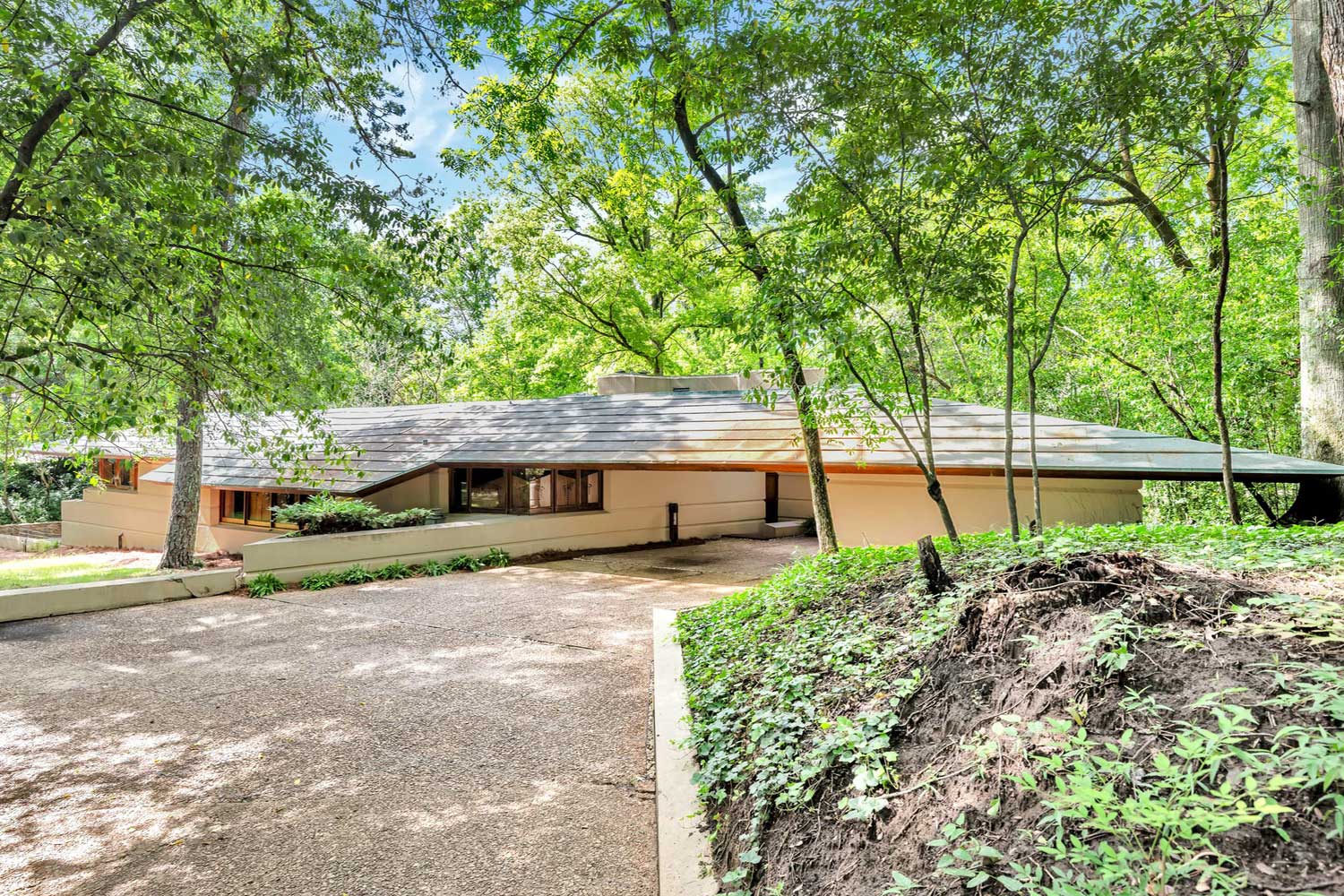
On November 20, 2025, the Mississippi Museum of Art (MMA) confirmed the purchase of Fountainhead, a house designed by Frank Lloyd Wright in 1948 and completed in 1954. The renowned modernist architect designed the residence and its furnishings for oil businessman J. Willis Hughes, who lived there with his family until 1980. Established in 1911, the MMA is the largest art museum in the state of Mississippi, offering exhibitions, public programs, artistic and community partnerships, educational initiatives, and opportunities for exchange year-round through a permanent collection of paintings, photography, multimedia works, and sculpture. The purchase is part of the Museum’s goal to embed itself in neighborhoods across the city in ways that support its community-building priorities, making the architectural landmark available to the public for tours with reservations. The initiative is inspired by institutions such as the Crystal Bridges Museum of American Art, which acquired the Wright-designed Bachman-Wilson House in 2015. According to the Frank Lloyd Wright Foundation, the architect designed 1,114 architectural works of all types, 532 of which were realized. As with other works of modern architecture, maintaining this built heritage over time presents technical, cultural, and economic challenges. The Museum notes that the Fountainhead residence is an example of what Wright called Usonian homes, typically single-level bungalows designed for what were considered middle-income families in the United States. Usonian homes feature native materials, flat roofs with cantilevered overhangs, and generous natural lighting. Designed by Wright when he was 81, the residence includes four bedrooms, two full bathrooms, and two half bathrooms across 3,558 square feet, including the basement and porches. The property, located in Jackson’s Fondren neighborhood, was purchased with approval from the Jackson Planning and Zoning Board and City Council. The design reflects Wright’s conception of organic architecture and follows the contours of the landscape, which determined its parallelogram-shaped module nestled into a wooded hillside. A diamond-shaped geometry is repeated throughout the house, dictating the placement of the walls and the shape of the interior spaces. With walls and ceilings made of Heart Tidewater Red Cypress, the house was built without stud walls, sheetrock, brick, tile, carpeting, or paint. Large windows bring in natural light and frame views of the surrounding landscape. Additional elements to be preserved by the Museum include Wright-designed built-in furniture, hardwood floors, wooden shutters, skylights, a carport, a terrace, three fireplaces, and the original copper-sheeted roof. After 1980, the single-family home was purchased by the late architect Robert Parker Adams, who oversaw its restoration. In June 2025, Crescent Sotheby’s International Realty listed the property. Although the house was added to the National Register of Historic Places in 1980 as the Hughes House, it is widely known as “Fountainhead,” as Ayn Rand’s novel The Fountainhead is believed to have been inspired by Wright’s life. Taking advantage of the site’s sloping topography, Wright extended the bedroom wing into the landscape with a fountain that feeds into a swimming pool, which in turn flows into a stream. According to the Museum Director, the property will now become “a dynamic extension” of the institution’s offerings, opening to visitors for the first time. The Museum will manage partnerships to support its preservation and the extensive archival collections related to it. MMA will begin working with architecture and restoration professionals to restore the home and fund a long-term maintenance plan. The property will be preserved and programmed under the Museum’s direction, ensuring its relevance for generations to come. Buses will transport visitors to the house from the Museum’s main campus in downtown Jackson. The opening date will be announced at a later time. Another modernist landmark in the news in the United States this month is I. M. Pei’s Dallas City Hall. Debate has intensified around the Dallas City Council’s discussion of whether to repair, sell, or demolish the 47-year-old building following growing concerns about long-deferred maintenance and the need for major investment. Earlier this year, SPPARC architecture and design studio revealed plans to renovate the former Ravenscourt Park Hospital in Hammersmith, London, which has stood vacant for two decades. The building is considered one of the first major modern buildings in the UK and was Europe’s largest independent acute hospital when it was opened by King George V in 1933. In Japan, a citizen-led campaign recently proposed a new use for Kenzo Tange’s Kagawa Gymnasium, which is slated for demolition. Built between 1961 and 1964, the Kagawa Prefectural Gymnasium is regarded as a Brutalist landmark of Japan’s postwar modernist era. Discussion surrounding its future dates back to its permanent closure in 2014, following a roof leak that caused structural problems in the ceiling boards.
مدارک فنی
مطالب مرتبط