موزهی تاریخچهی سایامایکه
موزهی تاریخچهی سایامایکه
مکان : اوساکاسایاما، اوساکا
مساحت سایت : ۱۵٬۴۱۲ مترمربع
زیربنا : ۴٬۹۴۸٫۵ مترمربع
نوع بنا : موزه
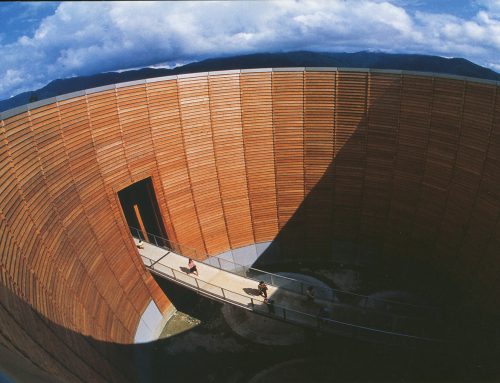
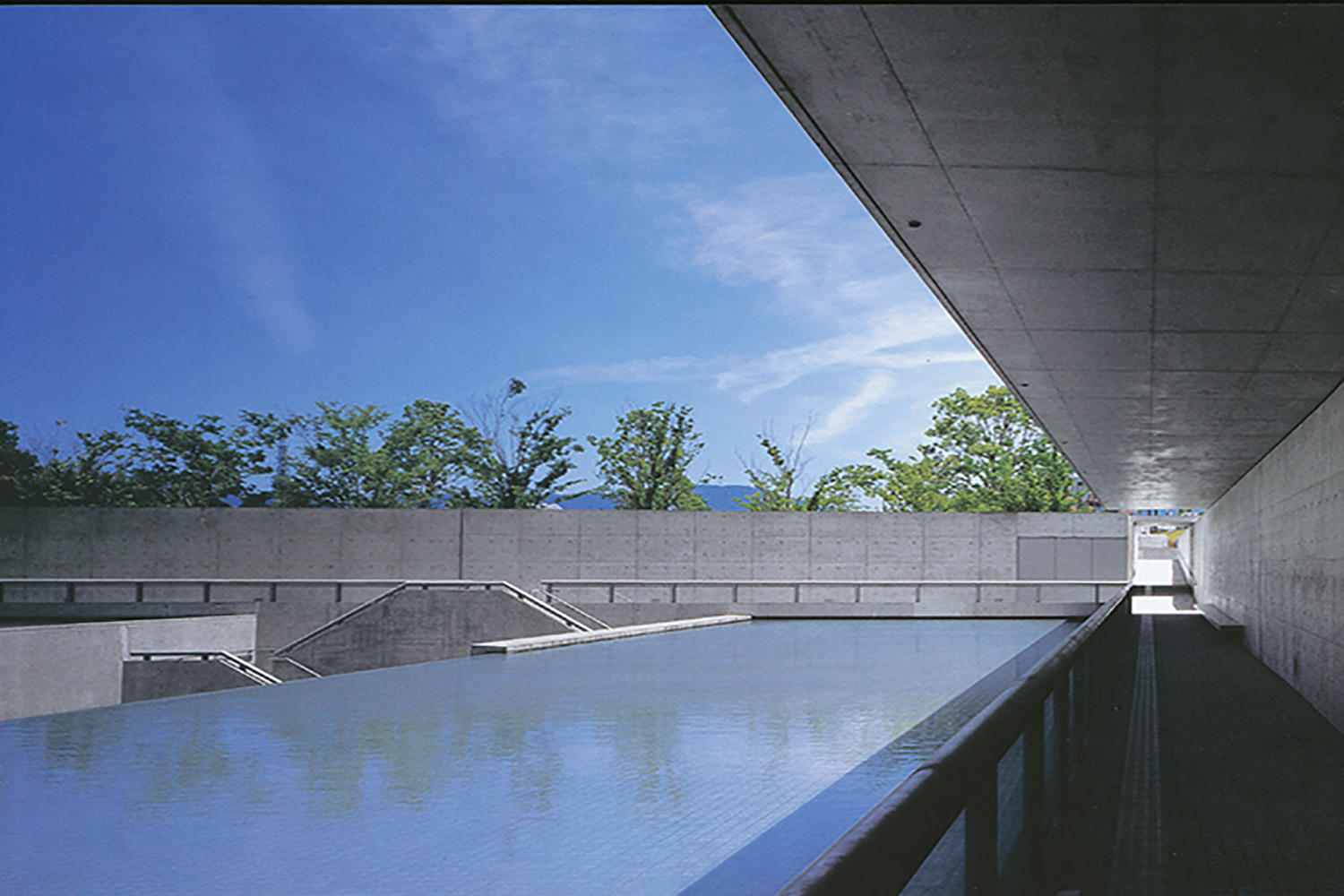
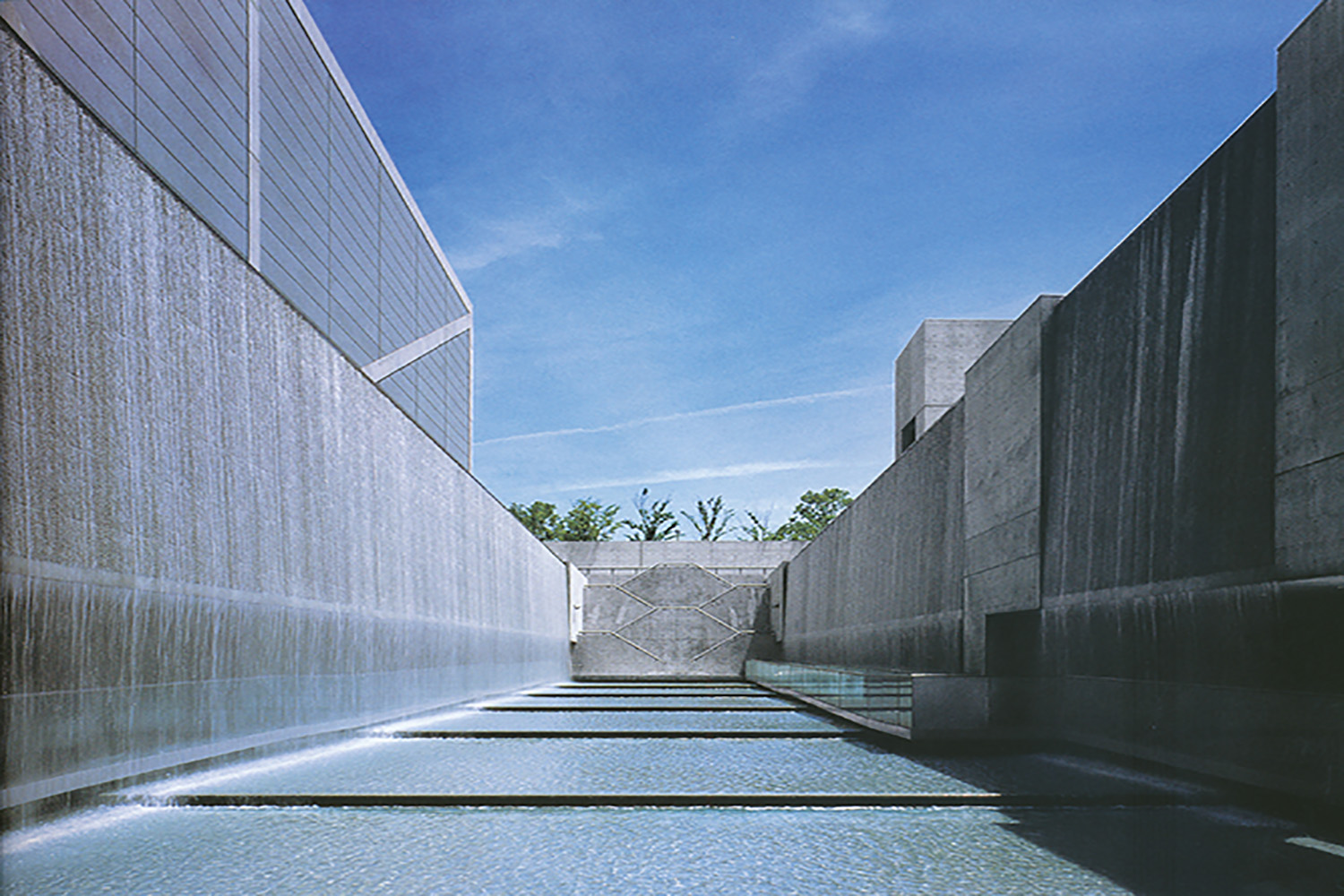
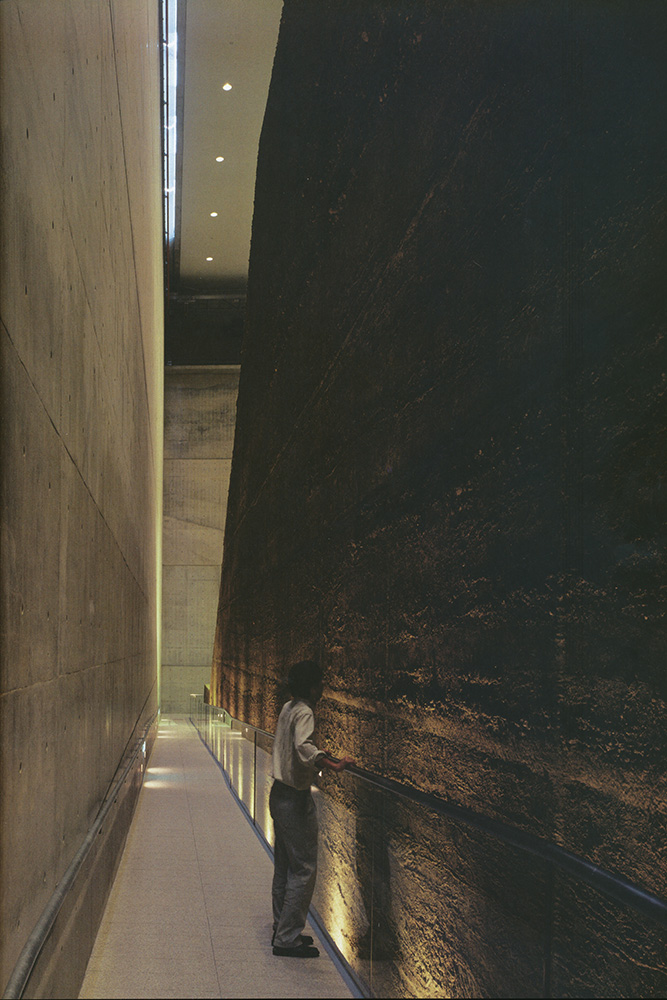
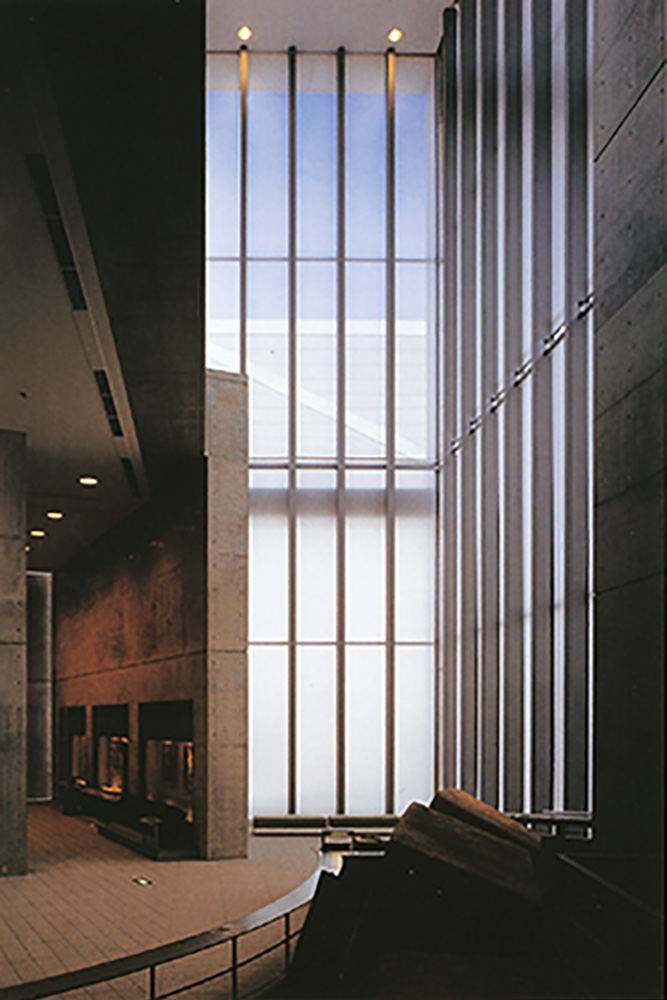
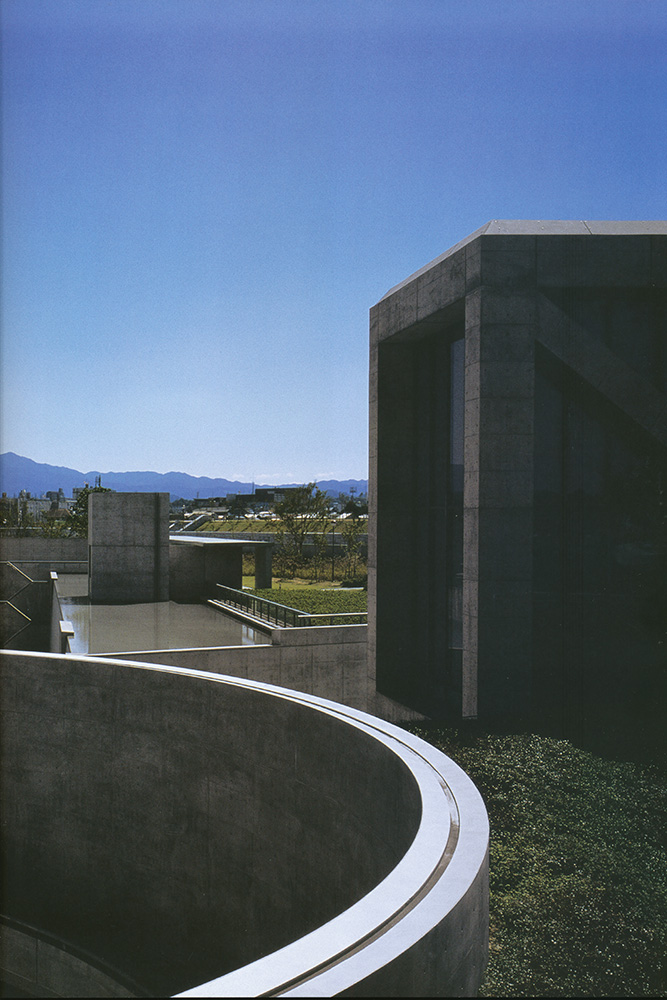
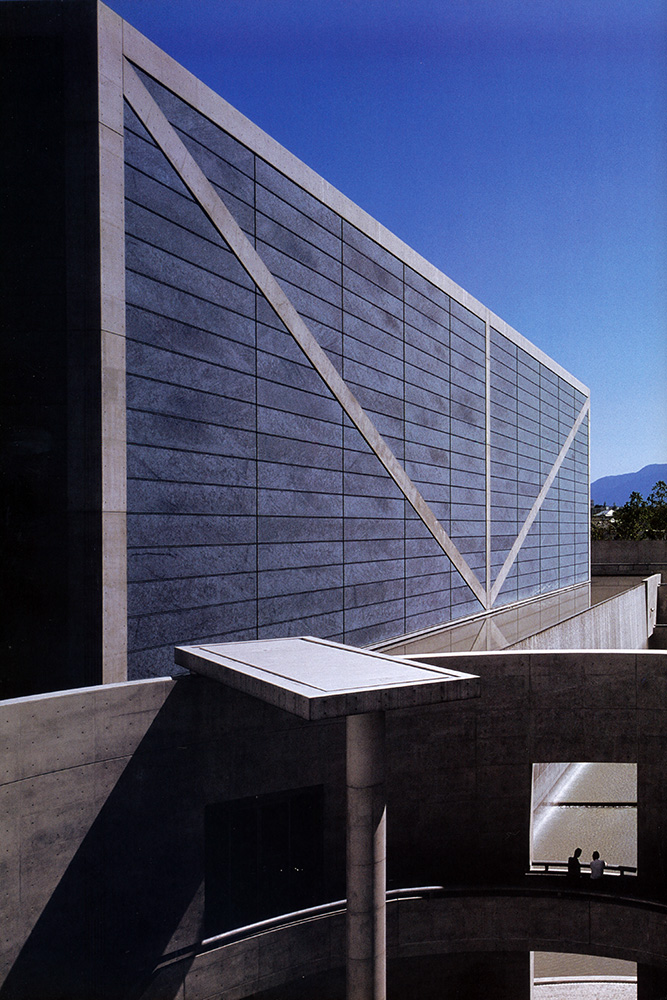
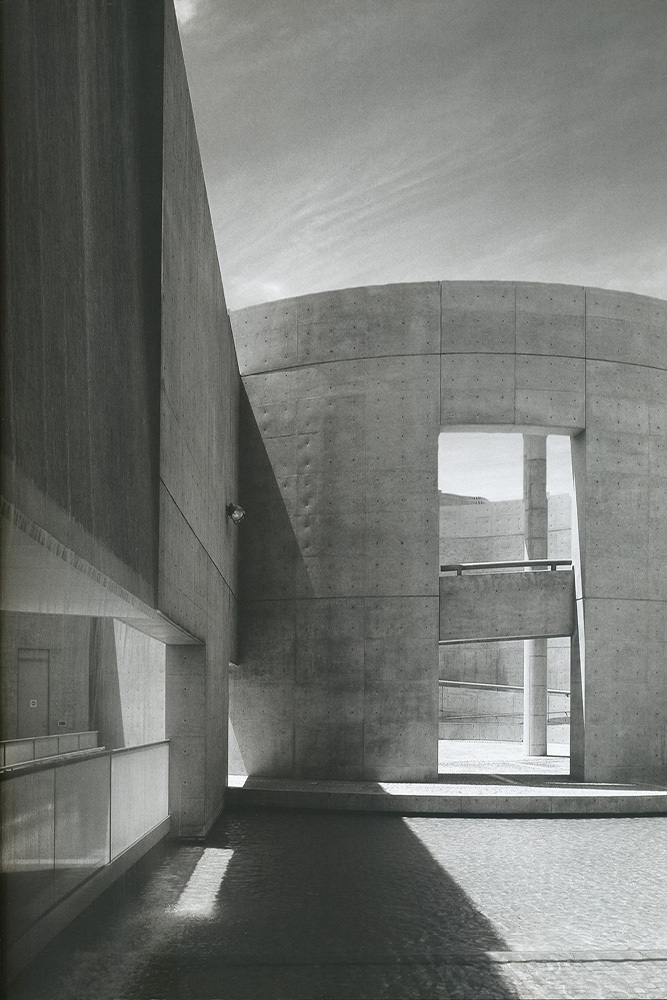
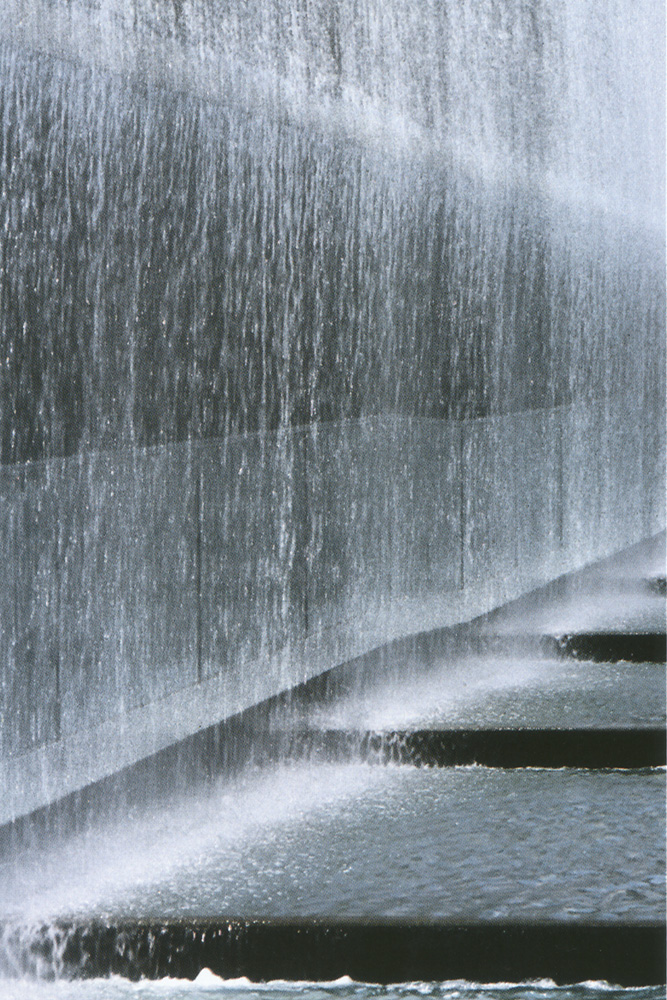
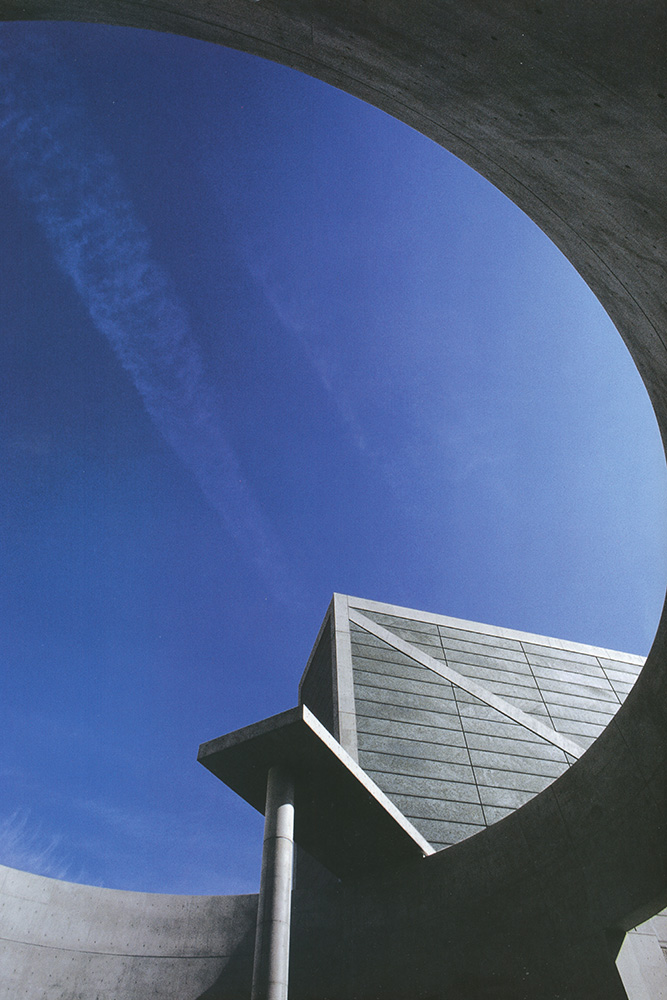
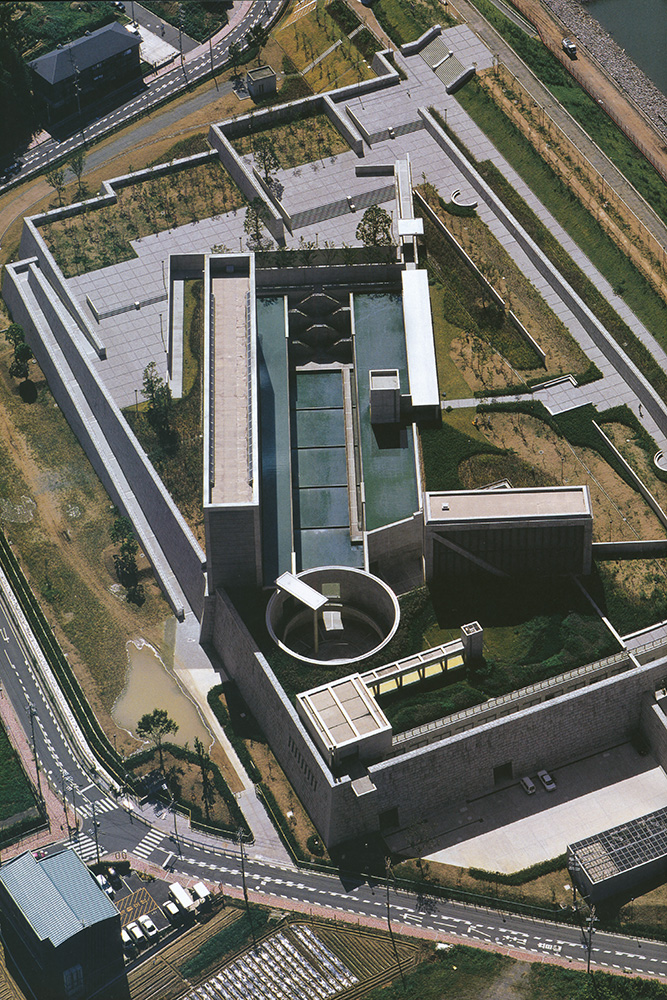
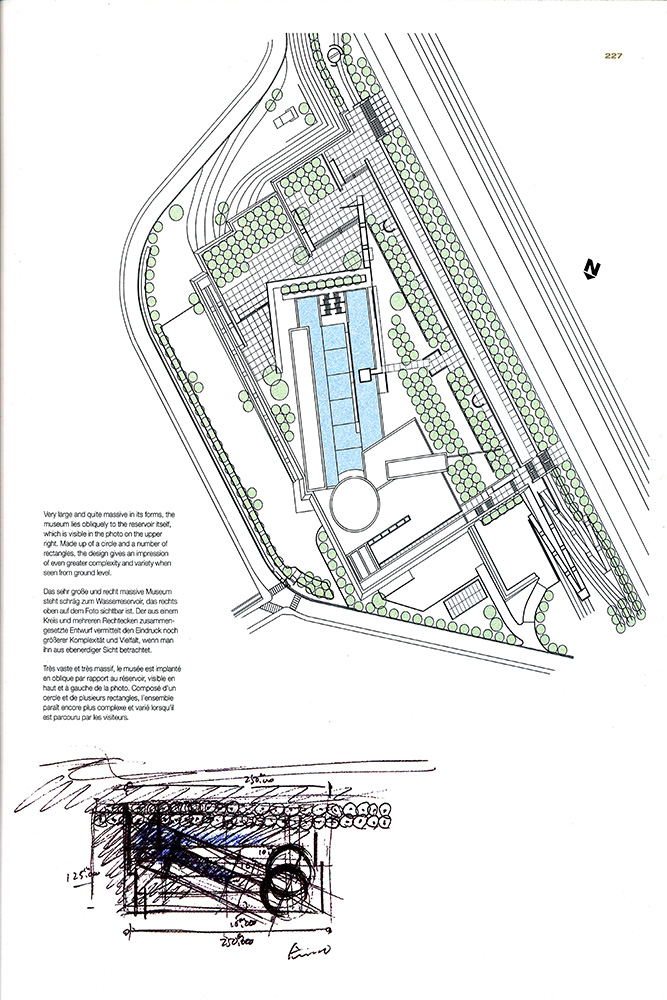
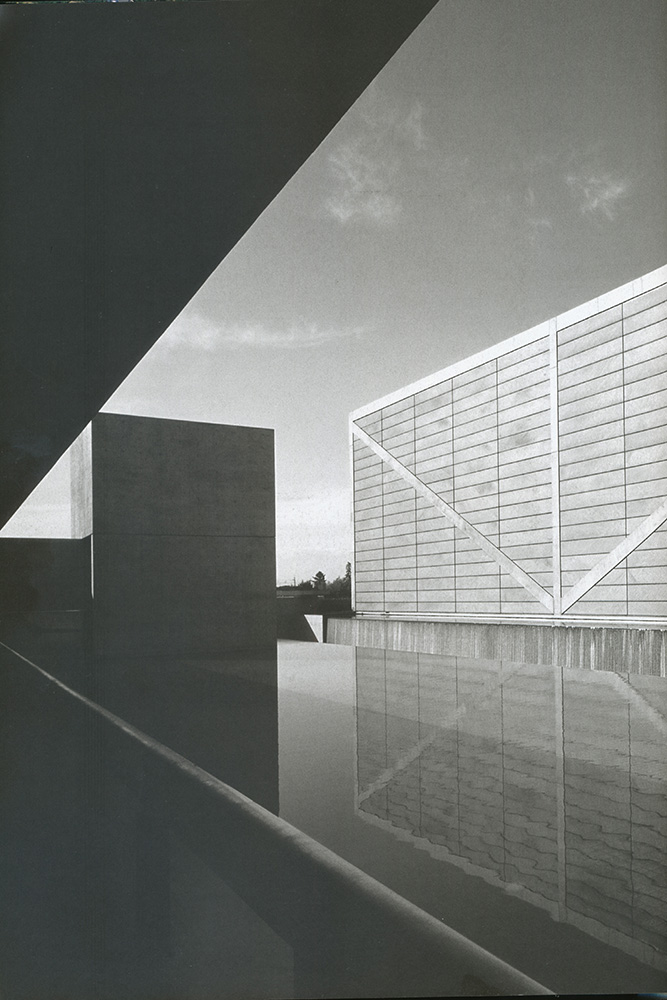
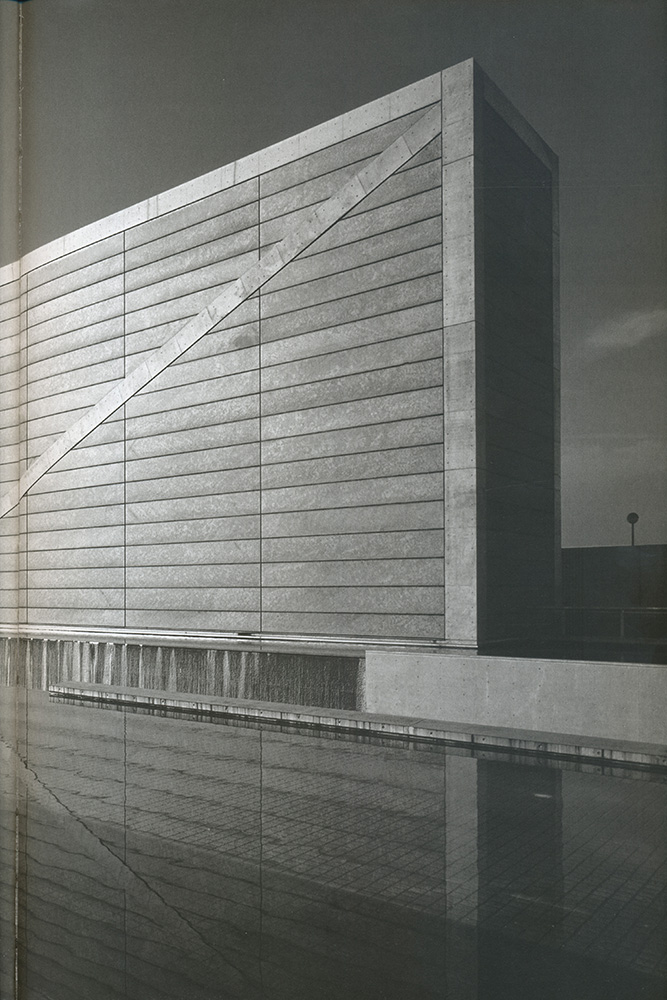
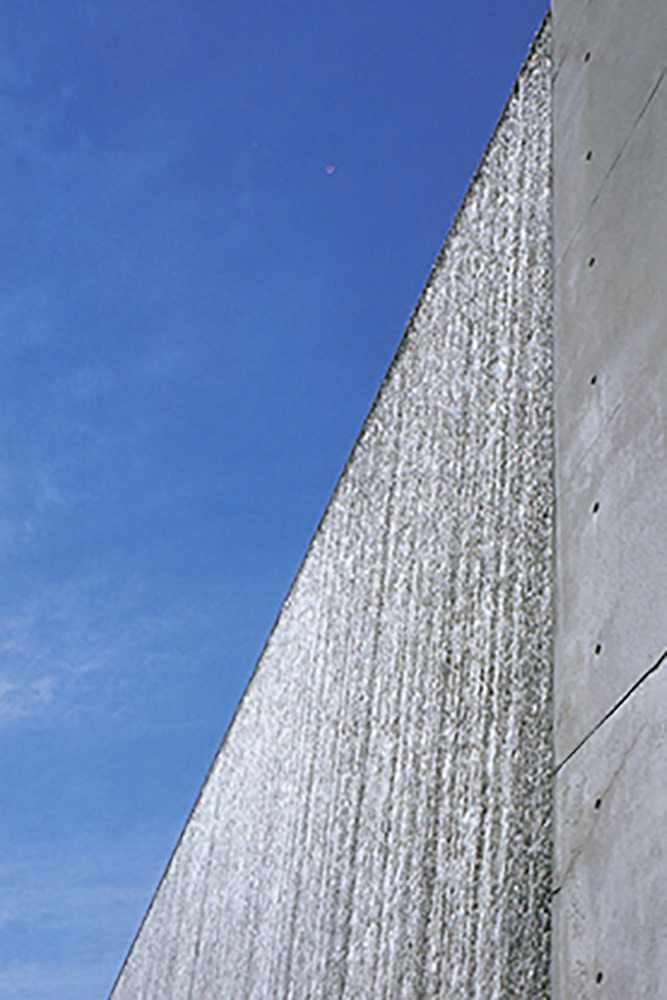
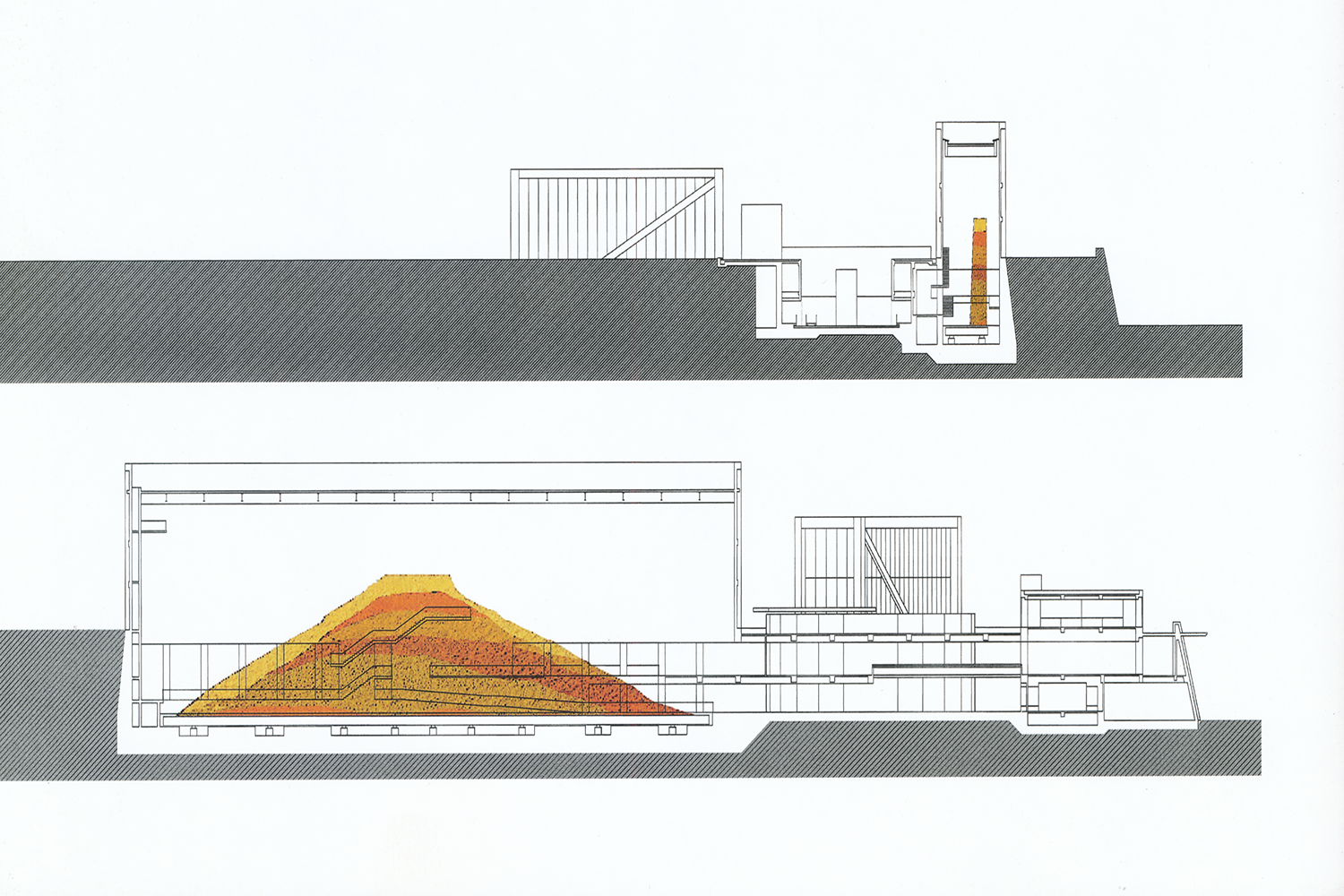
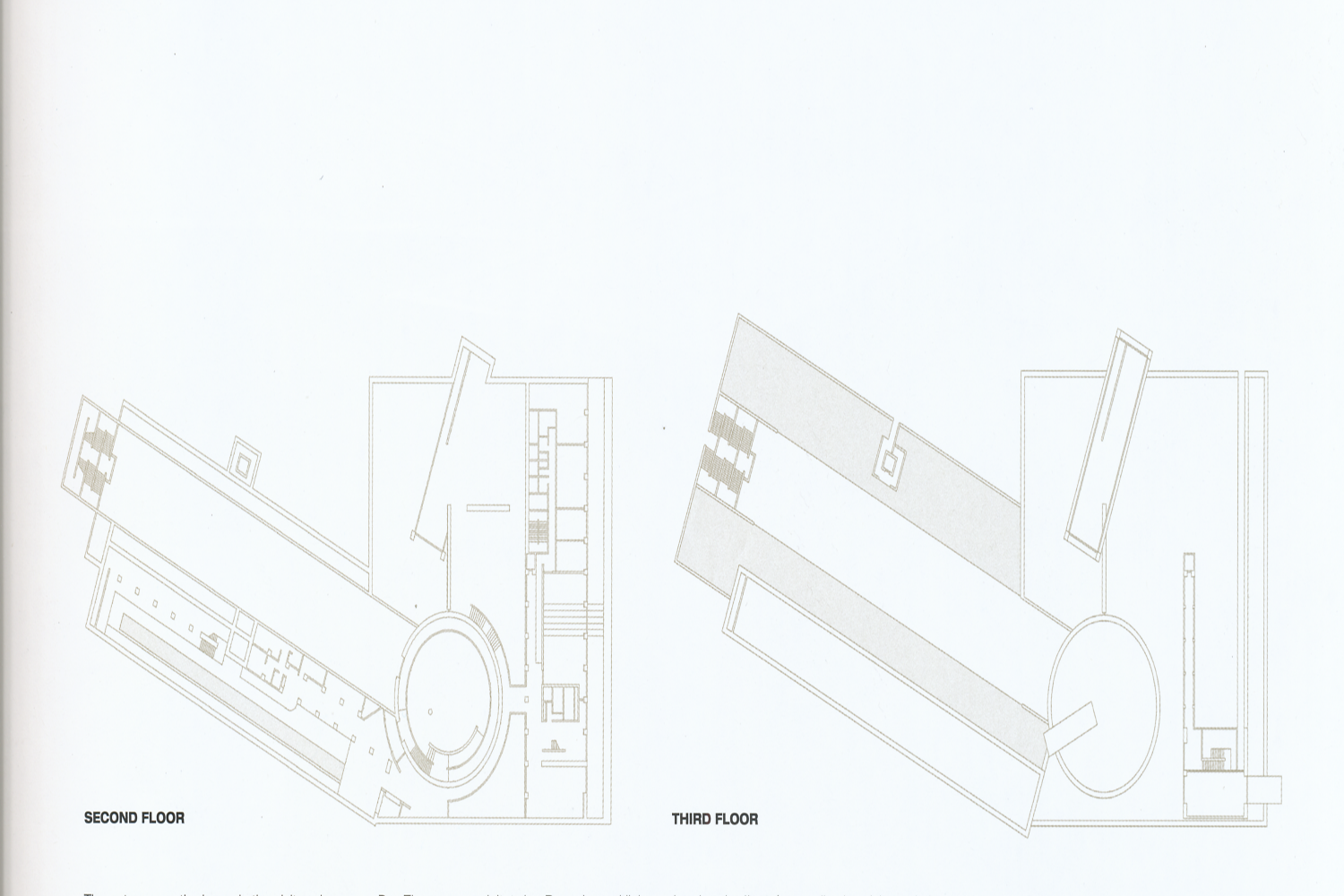
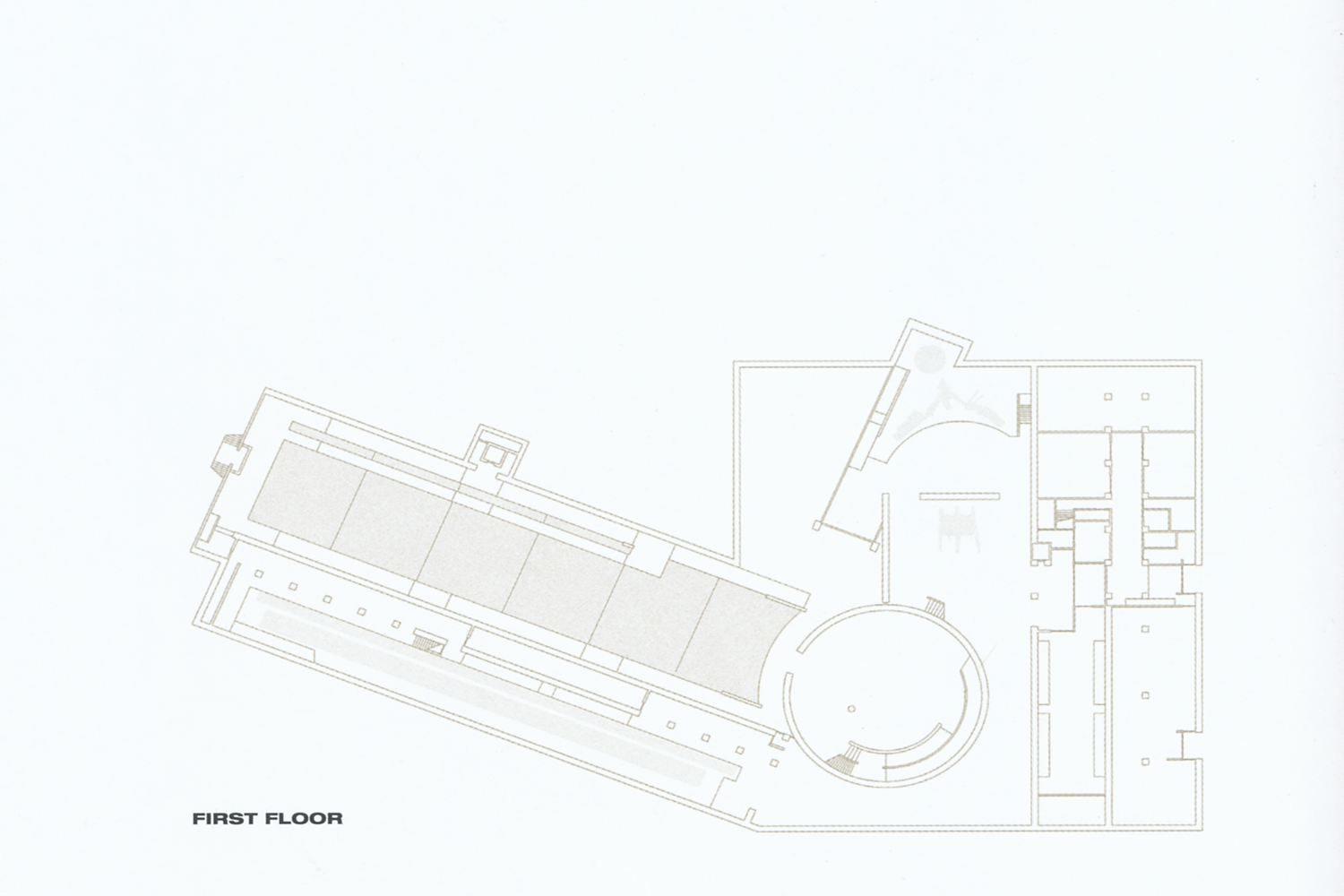
این گشودگی بزرگِ دایرهایشکل و سکوی بینرده، در نزدیکی ورودی، بازدیدکنندگان را به موزهی تاریخچهی سایامایکه خوشآمد میگوید. سایههای قوی و فرمهای قدرتمند، روشنایی را با تاریکی میآمیزند، و صدای پیوستهی جریان آب همهجا شنیده میشود. در این موزه، تادائو آندو بار دیگر به شناخت ریشههای تاریخی عمیق سرزمین مادریاش، منطقهی کانسای، کمک میکند. امروزه بسیاری از ژاپنیها، بهویژه مردم توکیو، ساکنان اوزاکا را تجاری و کمفرهنگتر از رقبای شمالیشان میپندارند، اما قلب تاریخ ژاپن بیتردید در کانسای میتپد. این موزه که به تاریخ مهندسی آب و عمران ژاپن اختصاص دارد، در کنار پهنهی آبی «سایامایکه» قرار گرفته؛ استخری که ریشهی تاریخی آن به سدهی هفتم میلادی بازمیگردد. این استخر در امتداد رودخانهی کهن «یاماتو-آسوکا» قرار دارد؛ مسیر مهمی که زمانی فرهنگهای آسیایی را به ژاپن وارد میکرد. با آبشارها و حوضهایش و با رویکردن به ورودی بنا، موزه یادآور رویکرد «دوکانونی» آندو در مجموعهی آواجی–یومِهبوتای است. آندو میگوید: «تصمیم گرفتم محیط پیرامون را در معماری ادغام کنم؛ تا مکانی پدید آید درخور تاریخ سترگی که سایامایکه در آغوش دارد؛ جایی که خودِ محیط به موزه تبدیل میشود.» جشنوارهی سال ۱۹۹۳ بود که استان اوزاکا را به ساخت این موزه ترغیب کرد؛ موزهای که اصلیترین و باشکوهترین شیء نمایشی آن، مقطعی عظیم از لایههای خاکی کرانهی استخر است. این قطعهی بزرگِ زمین، اطلاعات ارزشمندی دربارهی مرمتهای انجامشده در سالهای ۷۳۱، ۸۱۹ و ۱۲۰۲ میلادی و نیز دادههای دیگر در اختیار قرار میدهد. موزه با زیربنای تقریبی پنج هزار متر، وسعتی قابلتوجه دارد و مکمل موزهی «چیکاتسو–آسوکا» اثر دیگر آندو است. موزه با حجمی عظیم و فرمی سنگین، مورّب نسبت به مخزن آب قرار گرفته؛ همان مخزن که در عکسِ بالای صفحه دیده میشود. بنا از ترکیب یک دایره و چندین مستطیل ساخته شده و از سطح زمین، پیچیدگی و تنوع بیشتری از خود نشان میدهد. آب در موزه به ندرت ساکن میماند؛ بازدیدکننده را همراهی میکند، فرو میچکد و زیر نور میدرخشد. در اینجا بتن، بیان طبیعت را قاب میگیرد؛ طبیعتی که در آب، درختان و آسمان نمود یافته است. مسیر ورودی، بازدیدکننده را در امتداد دیوارهها هدایت میکند؛ جایی که صدای آب و بخار آن فضا را پُر میسازد. این ترکیب، یادآور سازههای سد یا تأسیسات آبی است و شکلها، ادای دینی ظریف به مخزن تاریخی مجاور به شمار میآیند. در فضایی سنگین و کمنور، معمار دیواری از نور وارد میکند. همانگونه که در موزهی چیکاتسو–آسوکا نیز دیده میشود، اینجا آندو تضادی میان محیطِ باستانشناختی –که از خاکبرداری و کاوش تعریف میشود– و برداشت شخصی خود از نور و فضا ایجاد میکند. در سمت راست: یکی از مهمترین بخشهای موزه، همین مقطع عظیمِ دیوارهی مخزن است که لایههای رسوبی را آشکار میکند و به بازدیدکنندگان امکان میدهد تاریخ مرمتهای انجامشده را درک کنند.
SAYAMAIKE HISTORICAL MUSEUM
Location : OSAKASAYAMA, OSAKA
Site area : 15 412.0 m²
Floor area : 4 948.5 m²
Building : MUSEUM
This large round opening and platform without railing greet visitors near the entrance to the Sayamaike Historical Museum. Strong shadows and powerful forms blend light with dark, while the sound of moving water is omnipresent. With the Sayamaike Historical Museum, Ando contributes again to the recognition of the deep historical roots of his native Kansai region. Though contemporary Japanese, in particular Tokyoites, tend to consider the people of Osaka as commercially oriented and perhaps less cultured than their northern rivals, the heart of historical Japan is firmly located in the Kansai region. Devoted to the history of Japanese civil engineering, the new museum is located next to the Sayamaike irrigation pond, whose history dates back to the 7th century. The pond itself lies along the former Yamato-Asuka river, which once served as a vital route for bringing foreign culture into Japan from Asian sources. With its waterfalls and basins and facing the entrance area, the museum is some kind of Ando’s “double focus” design of the Awaji-Yumebutai complex. “I decided to integrate the surrounding environment into the architecture,” says the architect, “to create a place appropriate to the grandeur of the history that Sayamaike embraces, where the environment itself becomes a museum.” It was the anniversary festival of 1993 that led the Prefecture of Osaka to envisage the creation of this museum, whose central and imposing exhibition item is a segment of the bank strata of the pond. This massive slice of earth provides important clues about the repair work done for example in the years 731, 819, and 1202, as well as other facts. With a floor area of 4 948 m², the museum is large and complements Ando’s Chikatsu-Asuka Historical Museum. Very large and quite massive in its forms, the museum lies obliquely to the reservoir itself, which is visible in the photo on the upper right. Made up of a circle and a number of rectangles, the design gives an impression of even greater complexity and variety when seen from ground level. Water flows and cascades throughout the entrance sequence, making it abundantly clear just what this museum is all about. On the right, Ando plays masterfully on an alternating scheme of full and empty volumes outlined by his signature thick concrete walls. The water in the Museum rarely stands still, but instead falls and shimmers along the visitor’s path. Here, concrete frames the expression of nature, as represented by the water, trees, and sky. The entrance path channels the visitor along the sides of this space, where the sound of water and water vapour fills the air. Akin to a dam or waterworks, the forms are an elegant homage to the neighbouring reservoir. Into a rather somber atmosphere, the architect inserts a wall of light. Here, as in the Chikatsu-Asuka Historical Museum, the architect creates a contrast between an ambience defined by archaeology and digging and his own use of light and space. Right: One of the main features of the museum is this massive section of the reservoir wall that shows the stratification of the sediments, and makes it possible for visitors to understand the various historic repair works carried out.
مطالب مرتبط