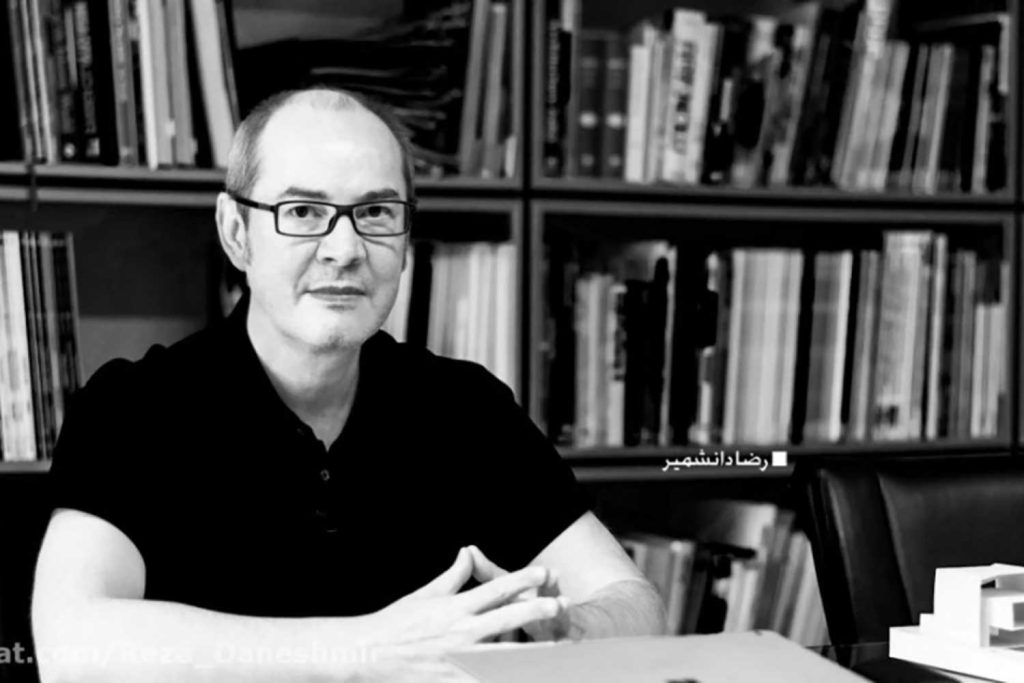
 سخنرانی رضا دانشمیر در دانشگاه SCI-Arc آمریکا
 اعلام ۲۶ برگزیدهی «جایزه معماری آمودو ۲۰۲۵» برای طراحی اجتماعی و بوممسئول
رتبهی اول فستیوال جهانی معماری معاصر(WAF)، 2025
جایی که زمین به یاد میآورد: محوری از میراث و امید اثر مهندسین مشاوره ایده و اجرا
معماران اصلی: مسعود نعمتی، علی نعمتی، نسترن تهرانی
First Prize of the 2025 World Architecture Festival (WAF) Competition
Where Earth Remembered: An Axis Of Heritage and Hope / Eade Va Ejra
Lead Architect: Masoud Nemati, Ali Nemati, Nastaran Tehrani
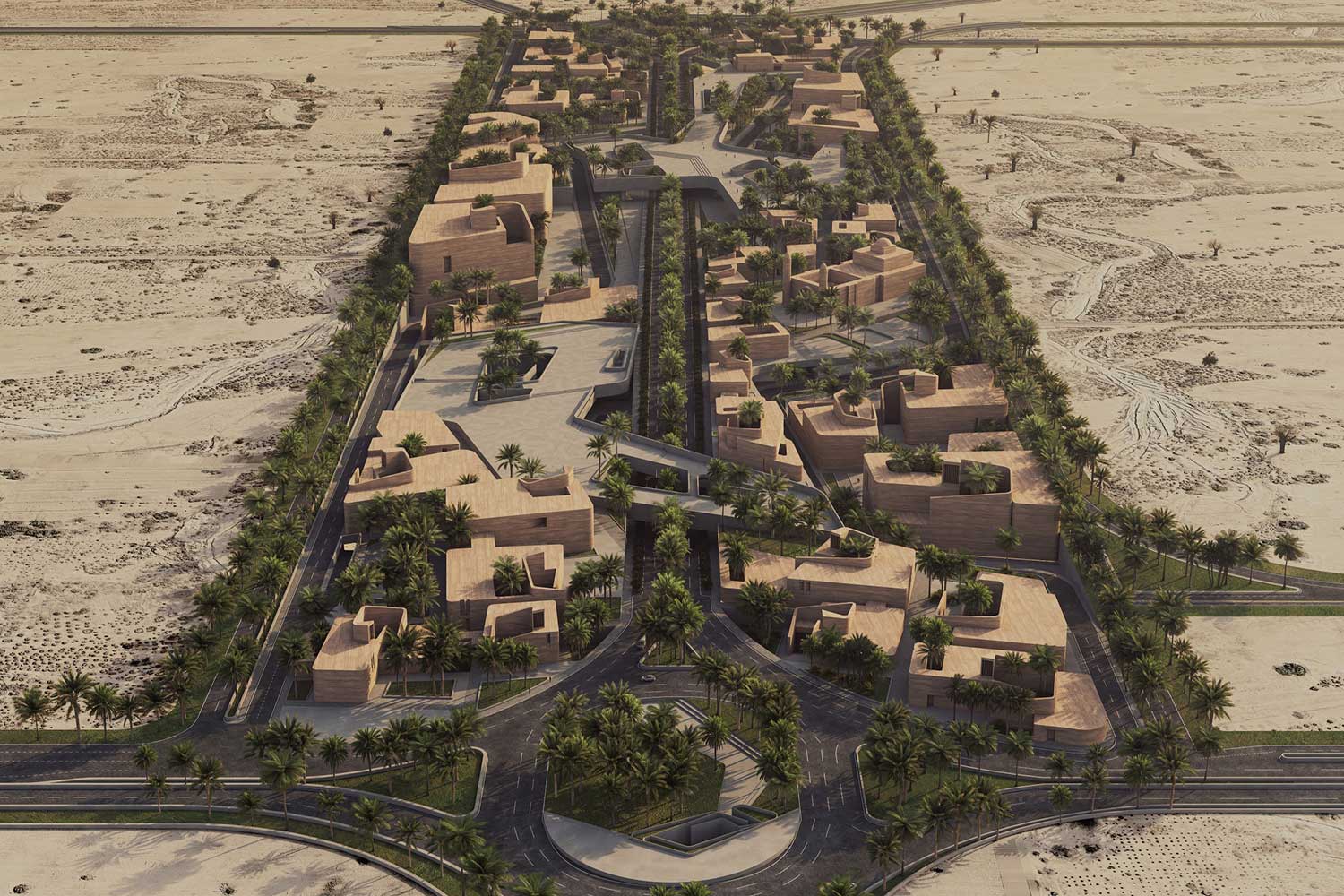
نام پروژه (Project Name): جایی که زمین به یاد میآورد: محوری از میراث و امید
شرکت معماری (Architecture Firm): ایده و اجرا
محل شرکت (Firm Location): تهران، ایران
آیا پروژهی شما یک ورودی مسابقه است؟ بله
نام مسابقه: مسابقه طراحی محور: از یک میدان تا میدان دیگر
وبسایت مسابقه: مسابقه خصوصی از طریق ایمیل
آیا پروژه شما ساخته خواهد شد؟ ساخته شده است و ما برنده مسابقه شدیم.
زیربنای ناخالص: ۳۰۰٬۰۰۰ متر مربع
مکان پروژه: بم، کرمان، ایران
معماران اصلی: مسعود نعمتی، علی نعمتی، نسترن تهرانی
اعتبار رندرینگها: Peno Visualization
تیم طراحی: بیتا اسماعیلی، صبا رستمنژاد، آذین خنساری، رکسانا خانیزاد، الناز عابدی، نسترن نمور، یاسمن نعمتی، ساناز عباسیان
کارفرما: منطقه ویژه اقتصادی ارگ جدید بم
مهندسی: تیم ایده و اجرا
طراحی منظر: تیم ایده و اجرا
ایمیل معماران اصلی: a.nemati@eadevaejra.com
وبسایت: www.eadevaejra.com
ایمیل: international@eadevaejra.com
لینک ویدیو: https://youtu.be/BxXfufWXt2Y?si=OQ-t0mRsnC0uHGuU
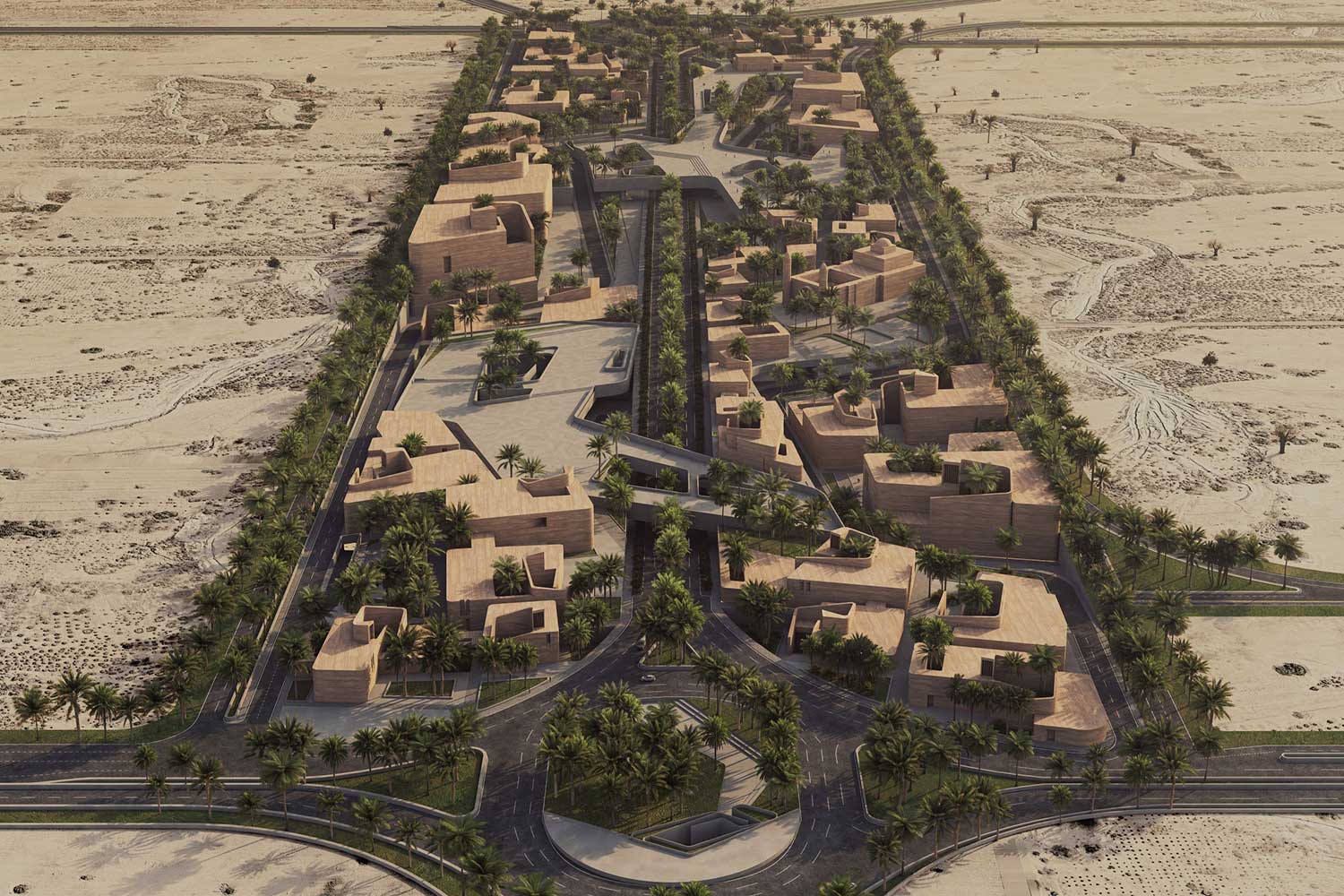
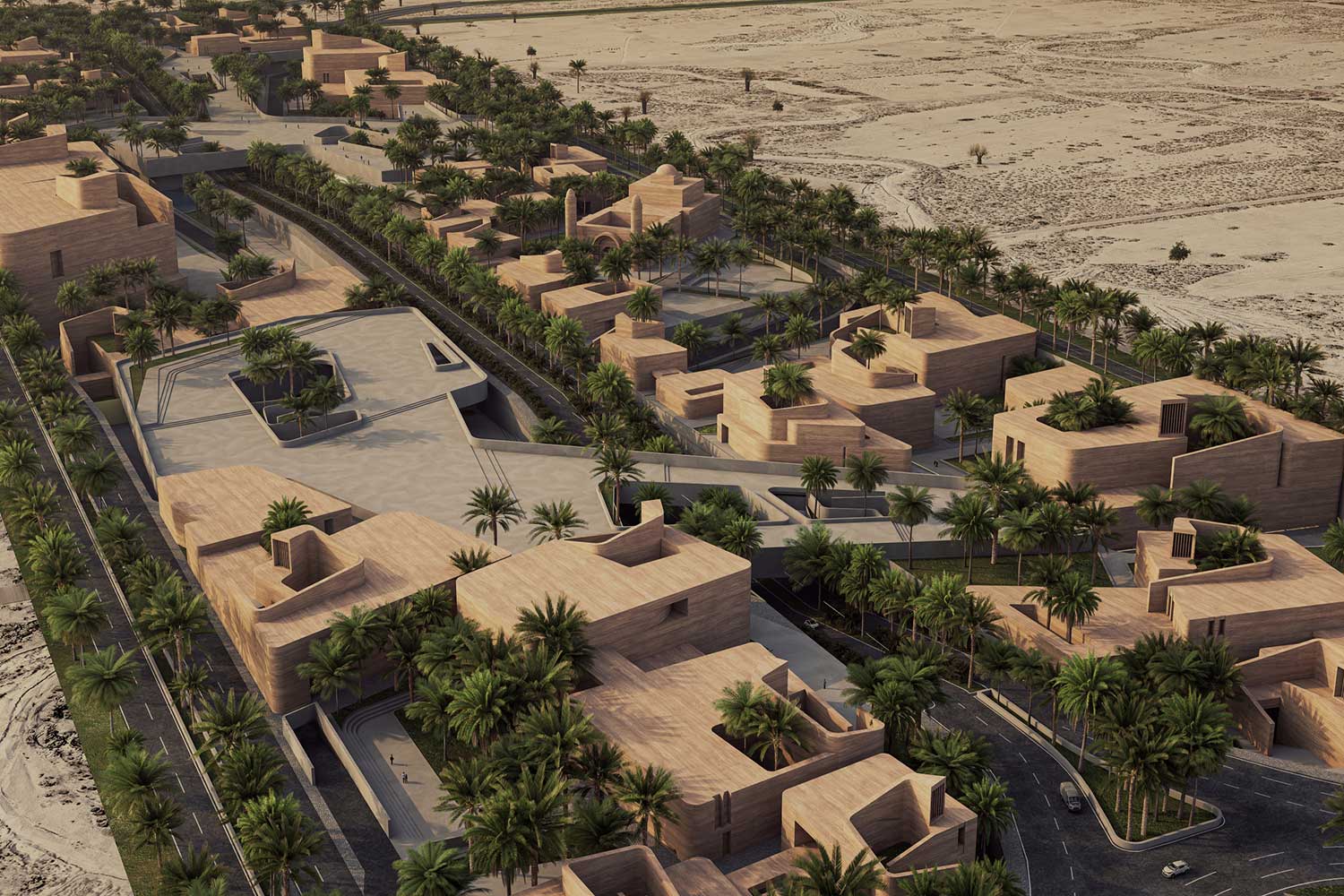
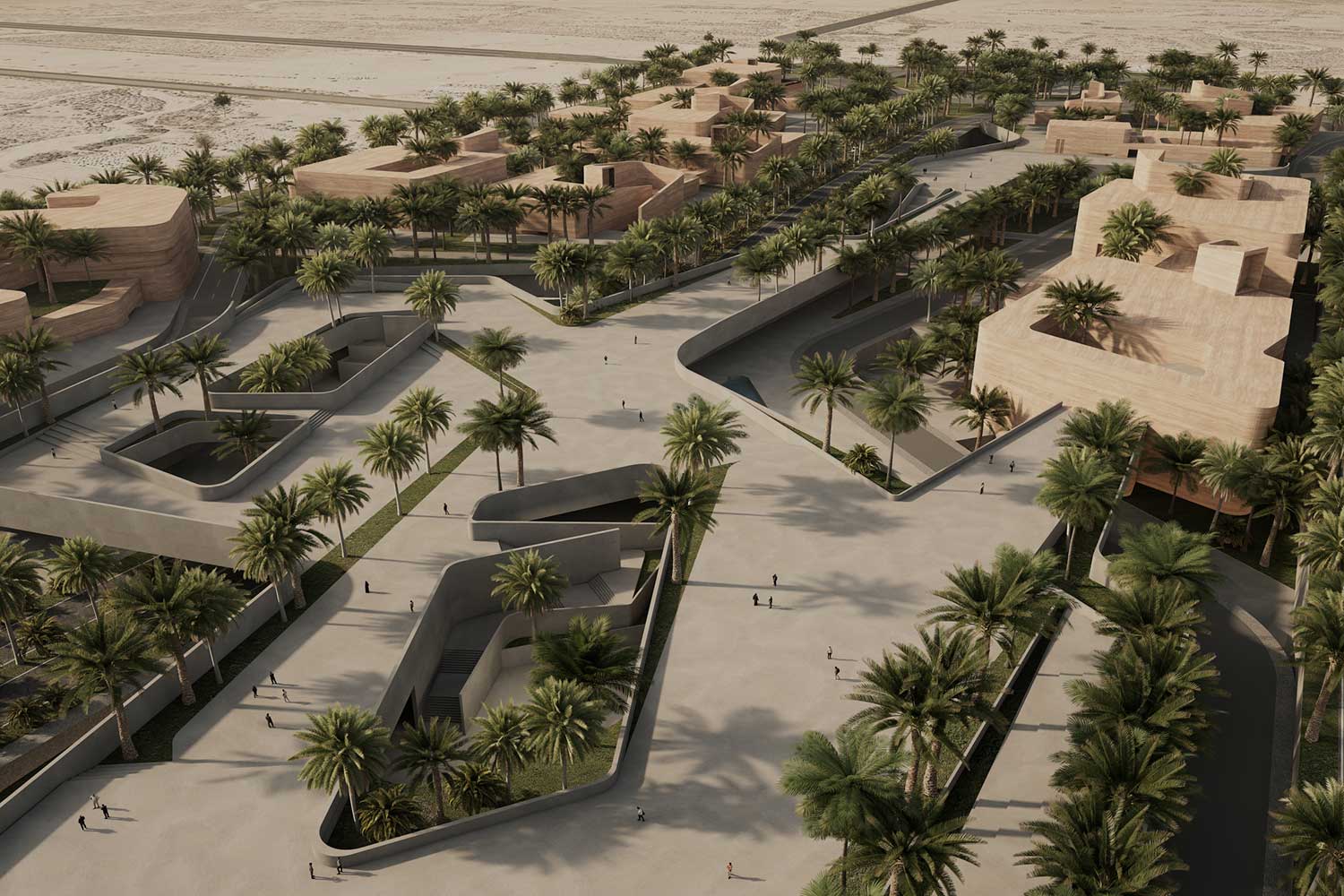
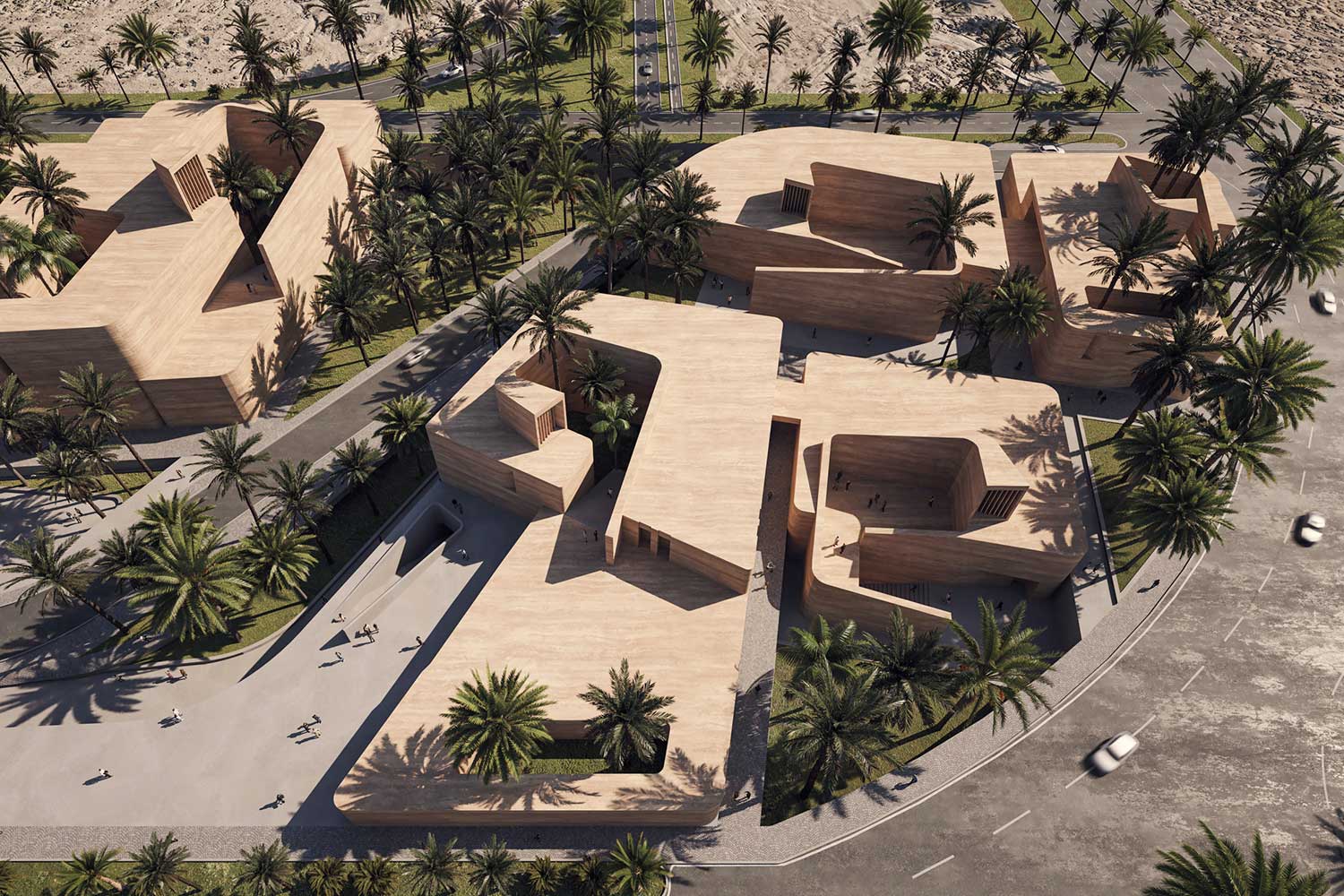
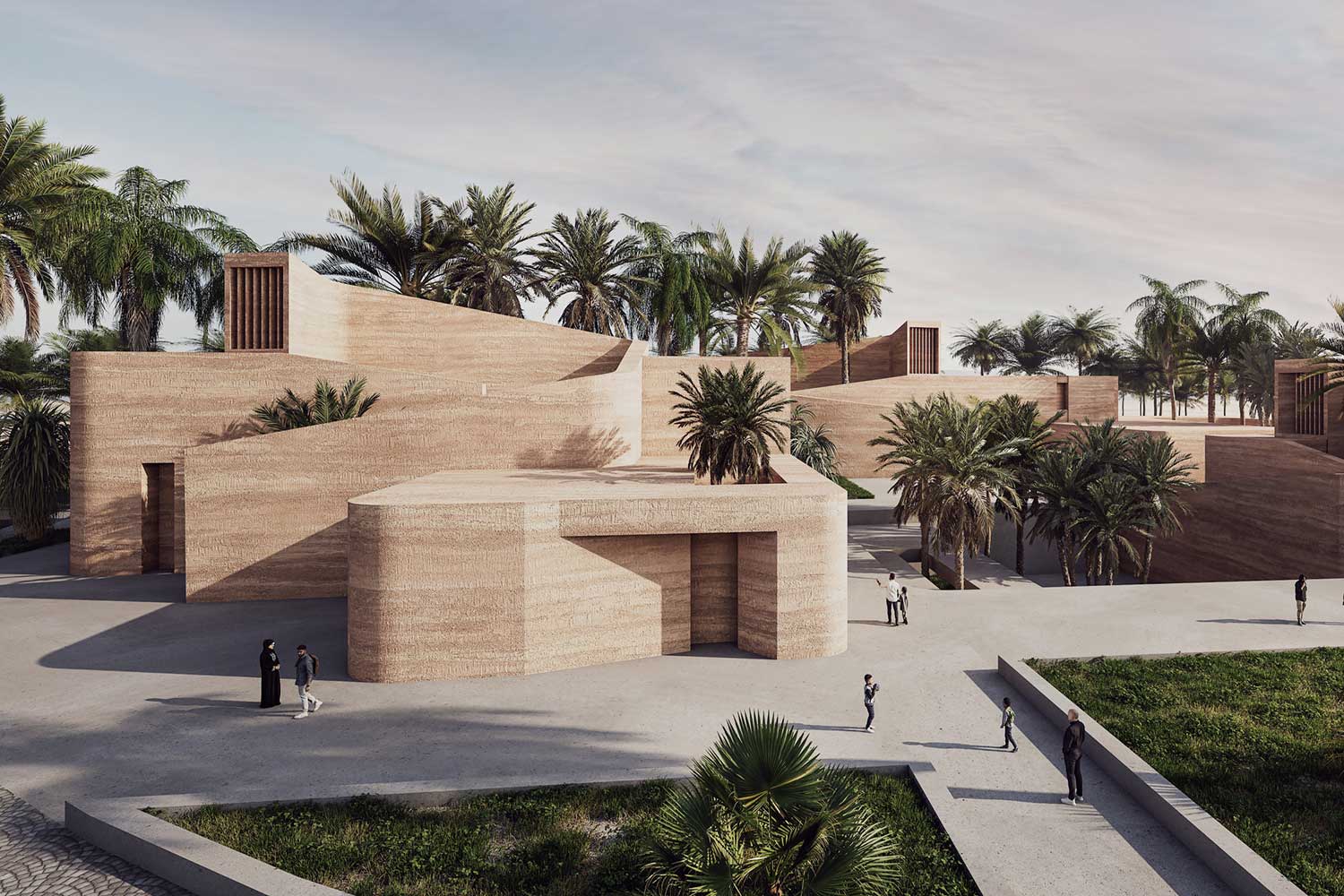
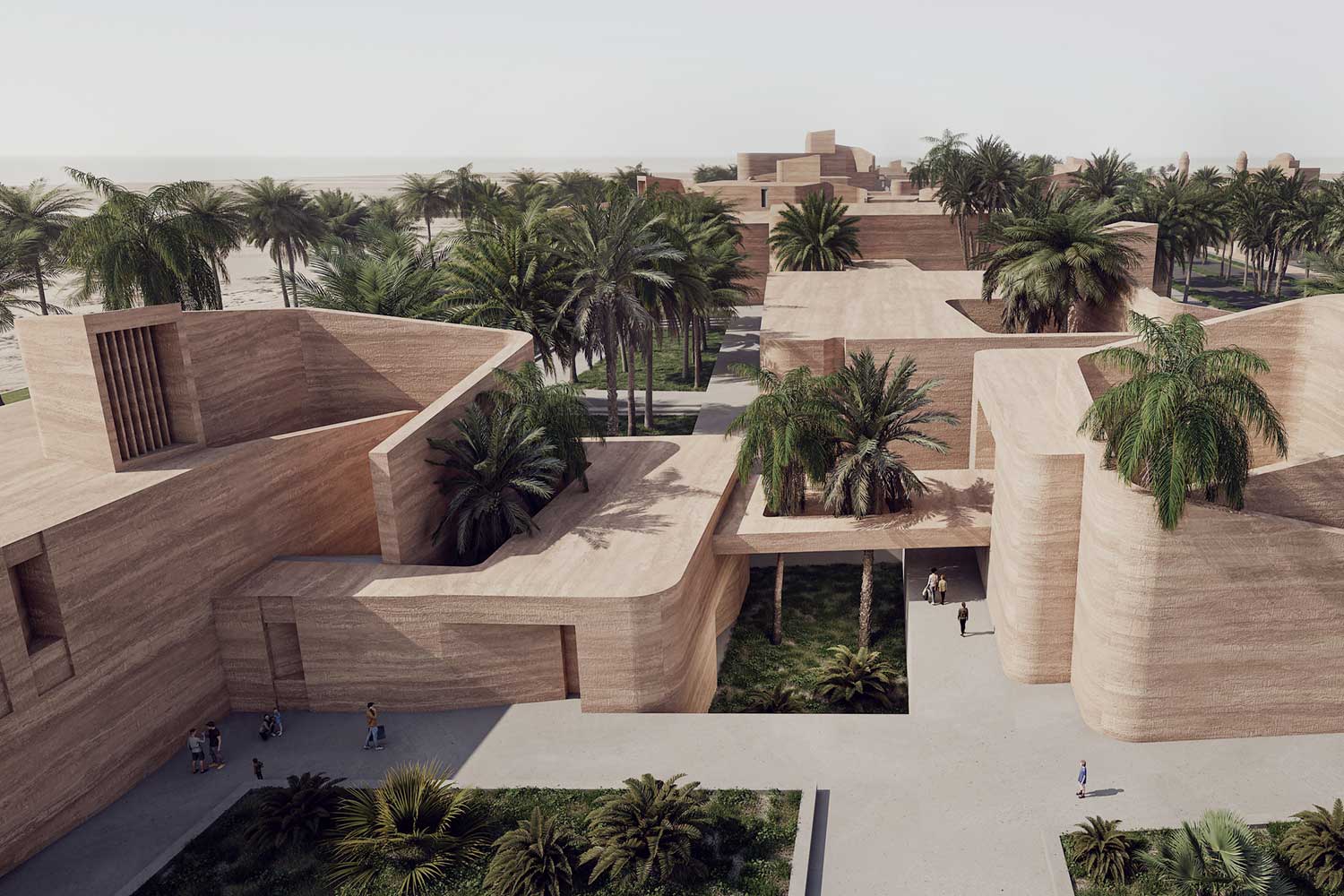
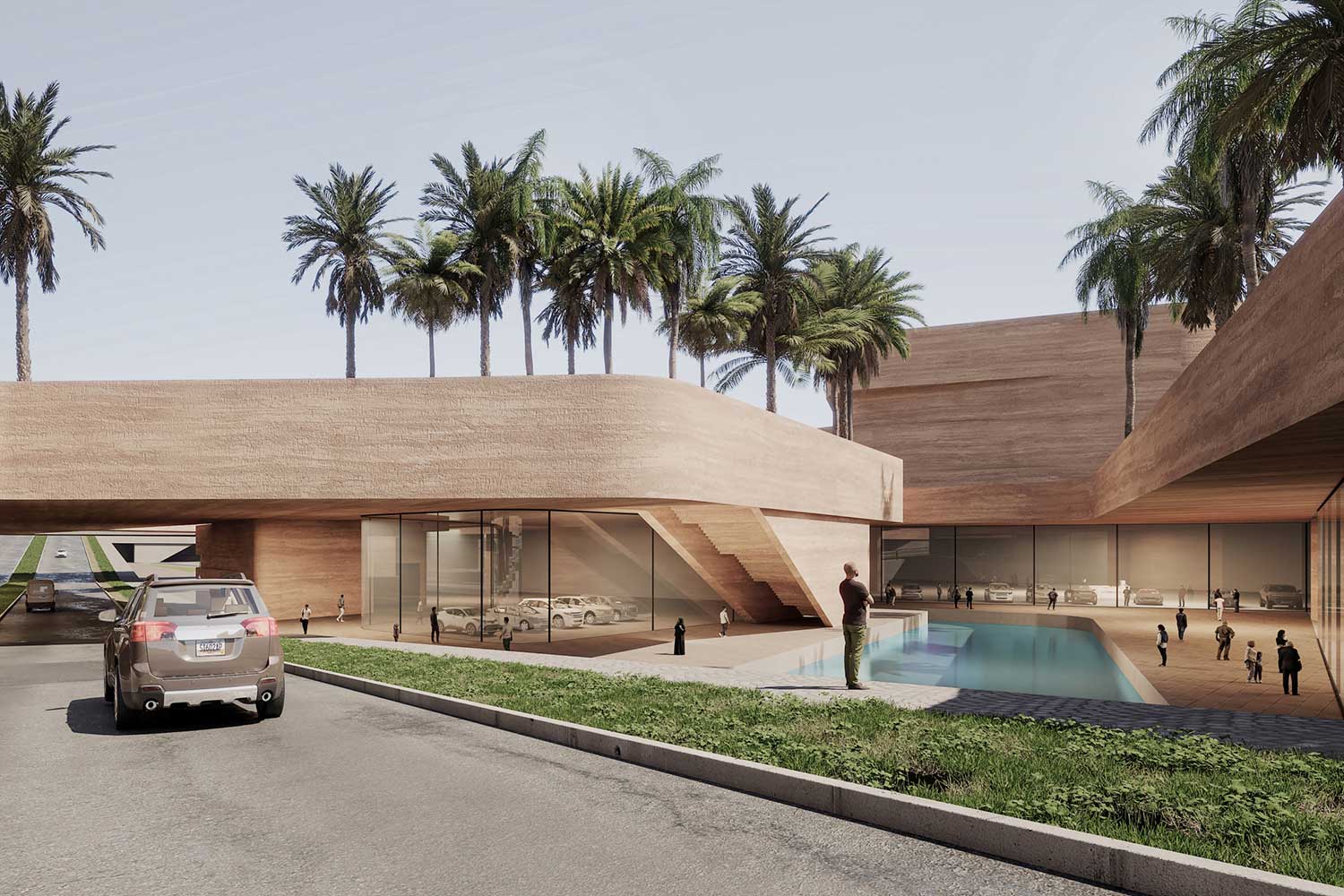
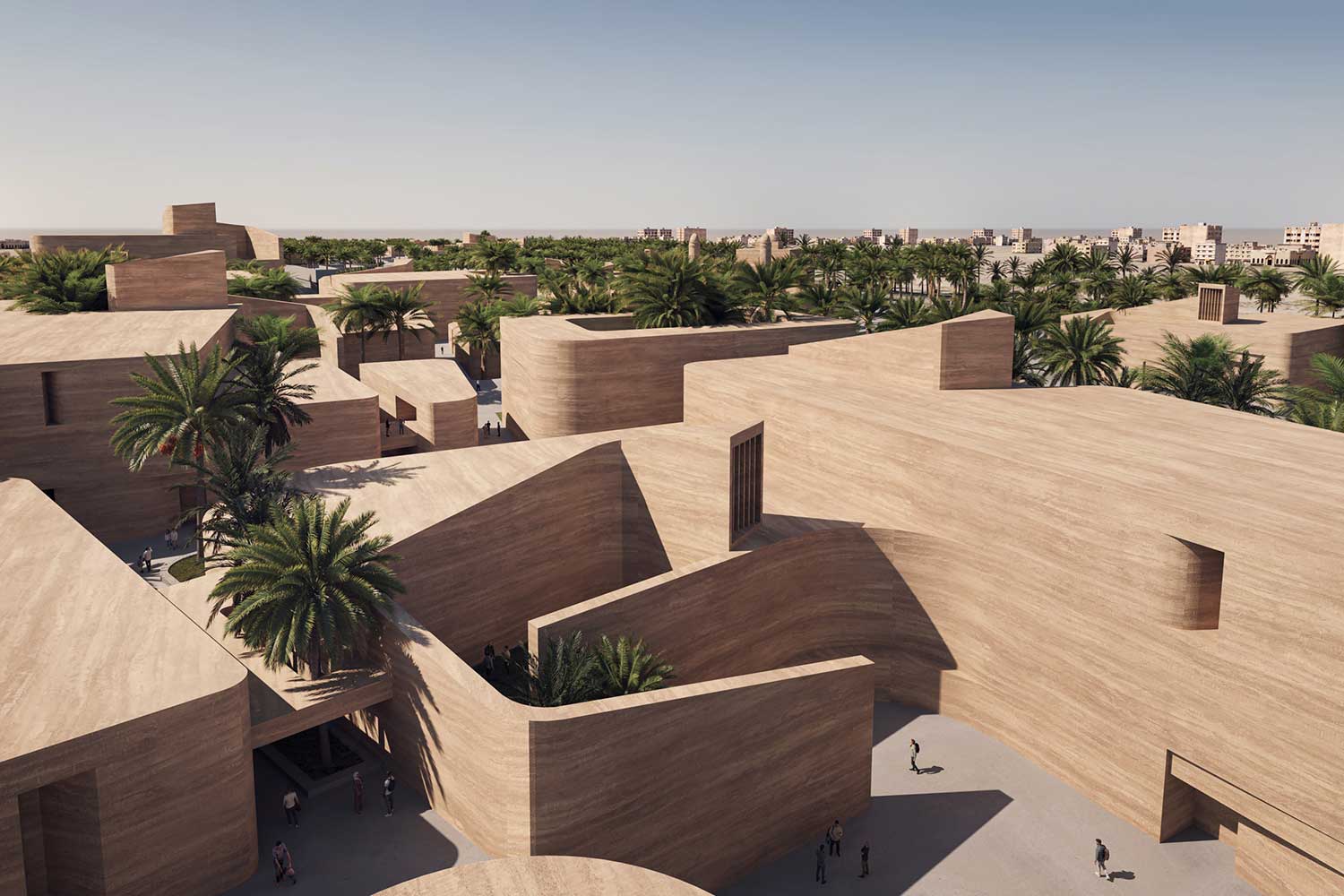
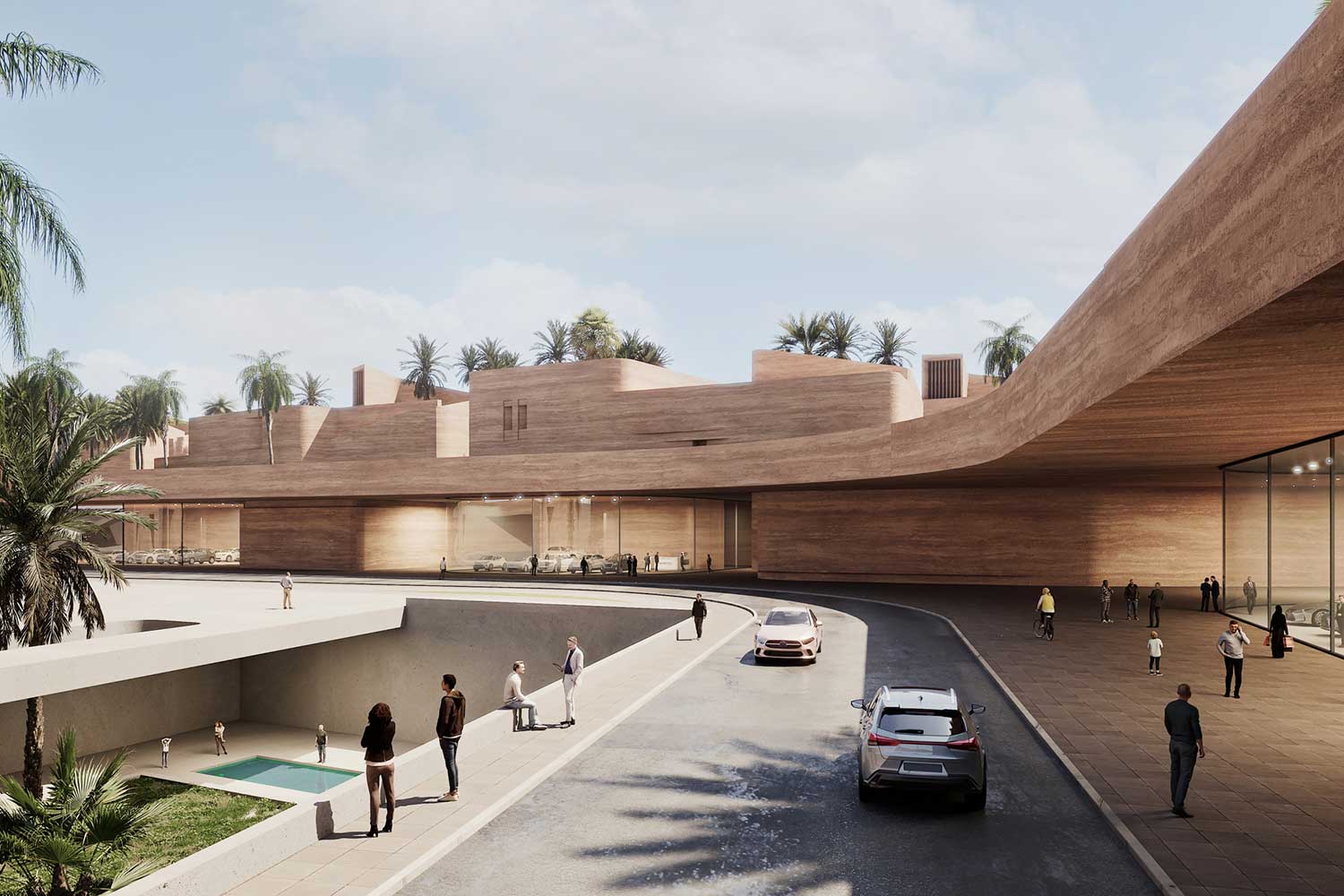
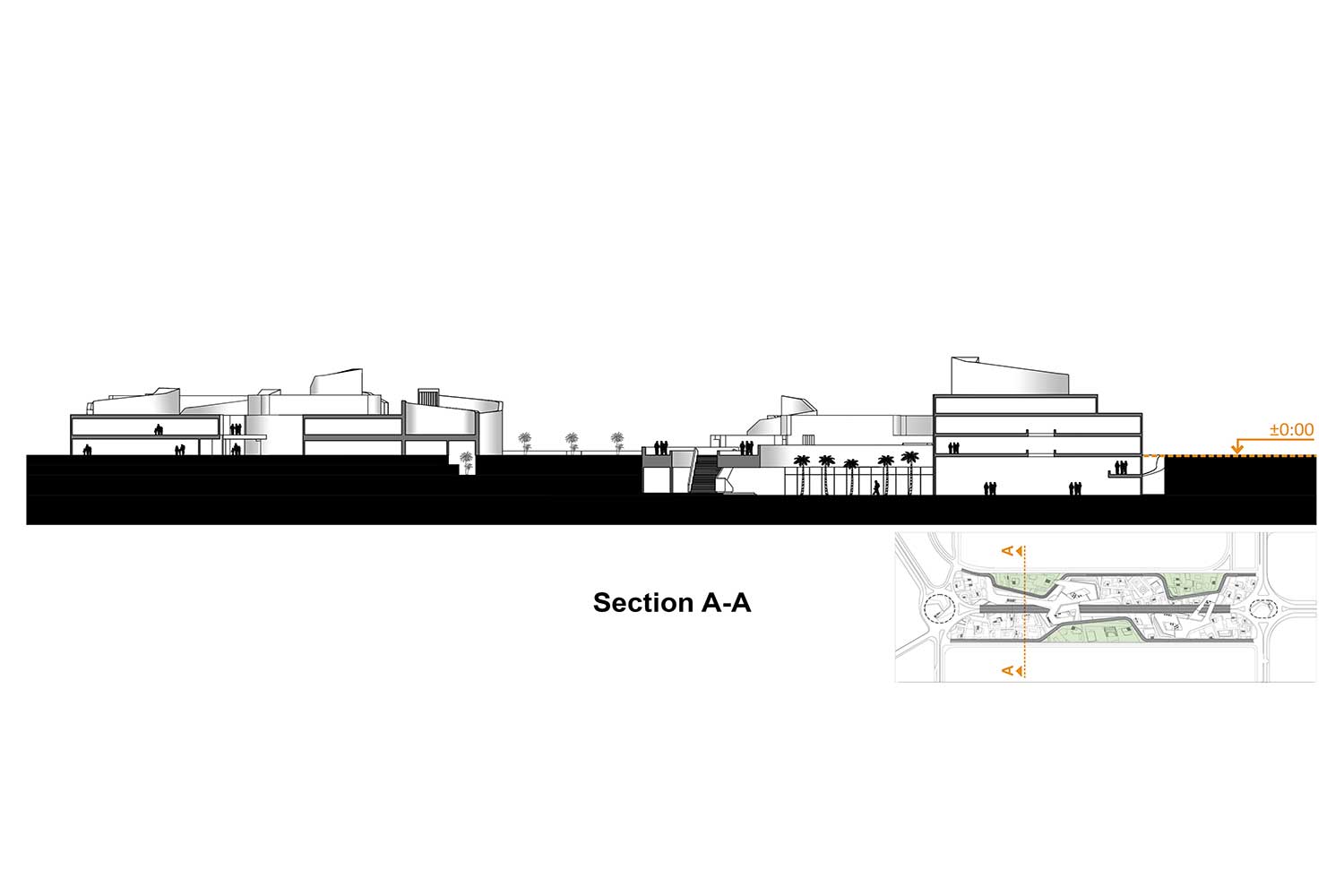
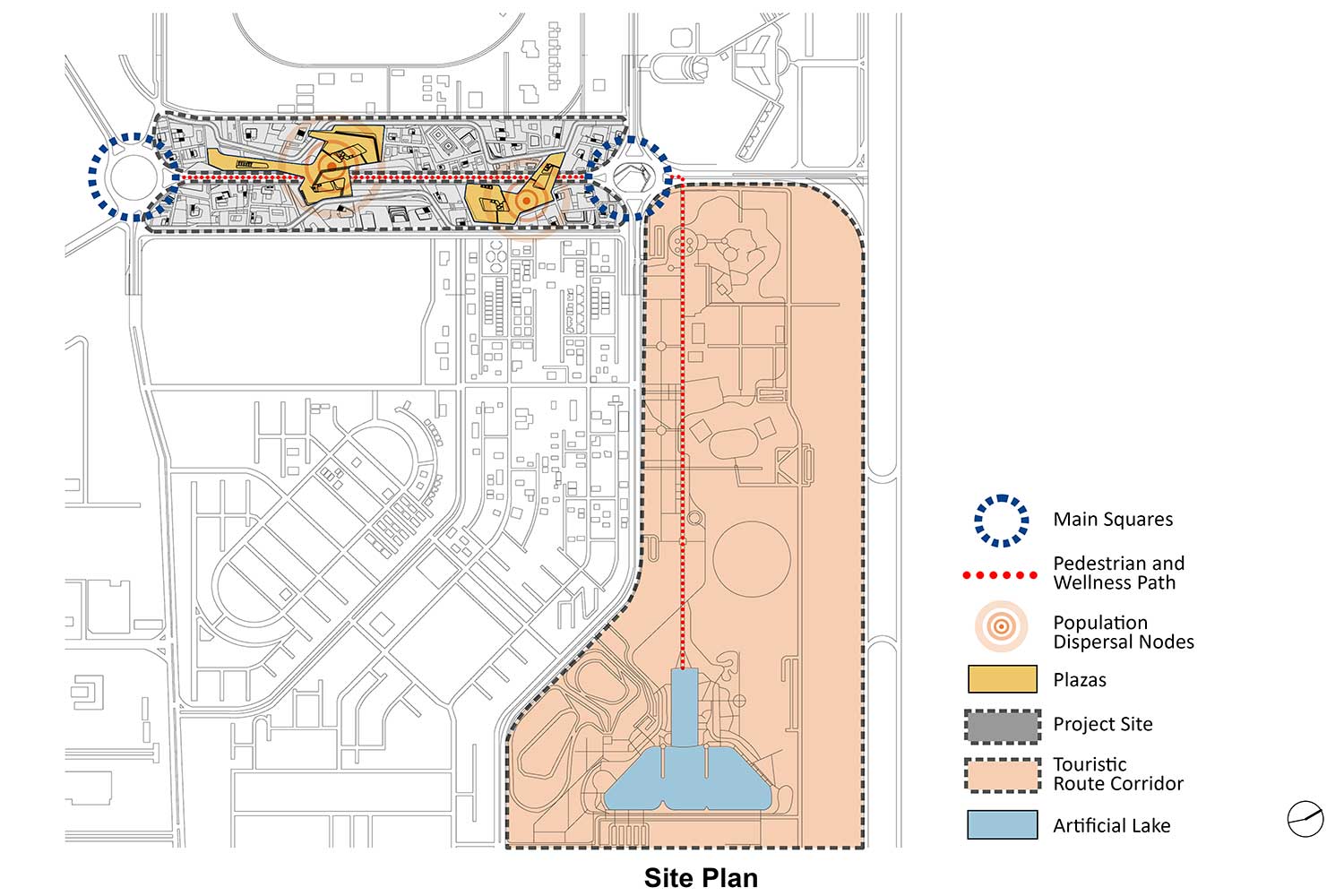
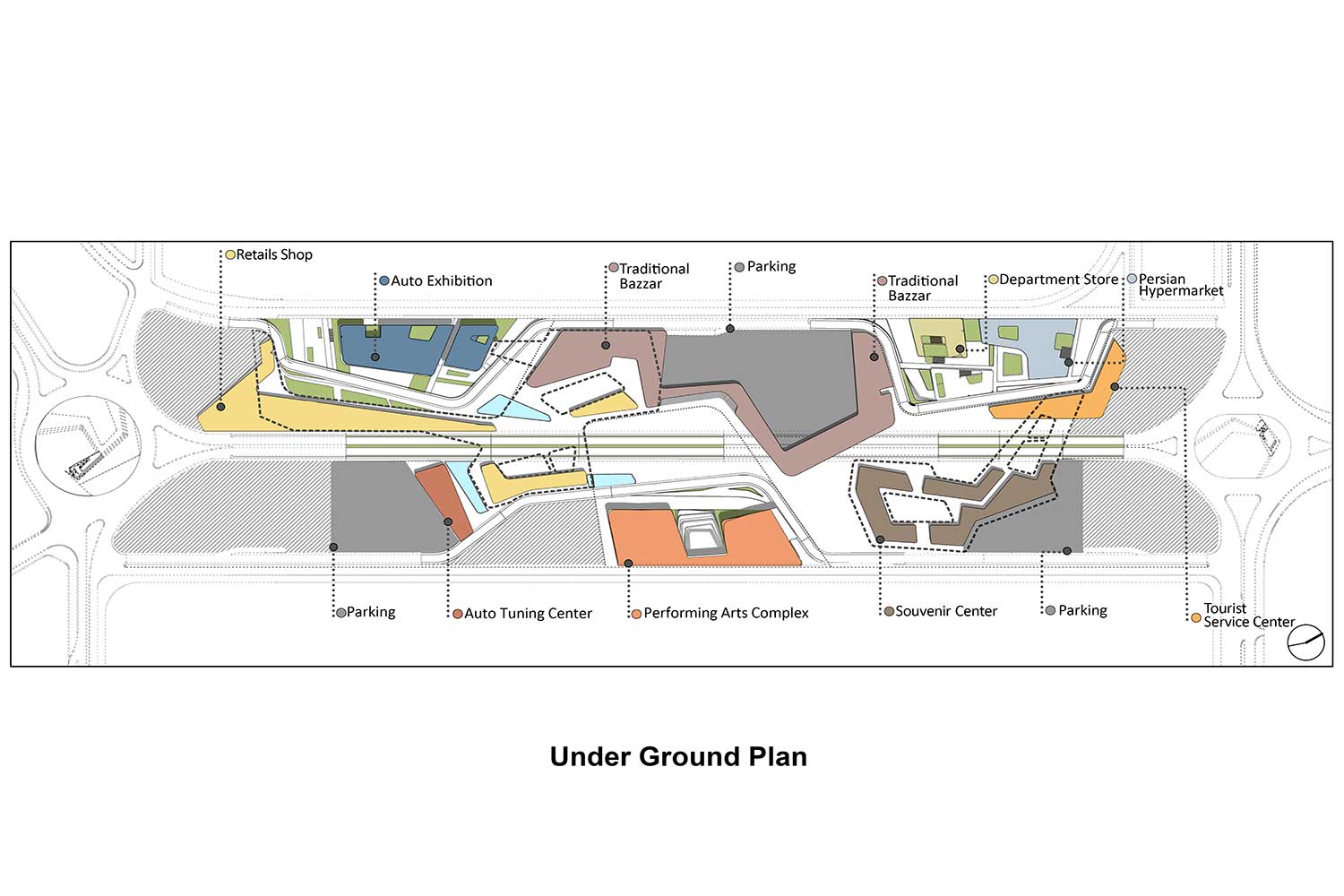
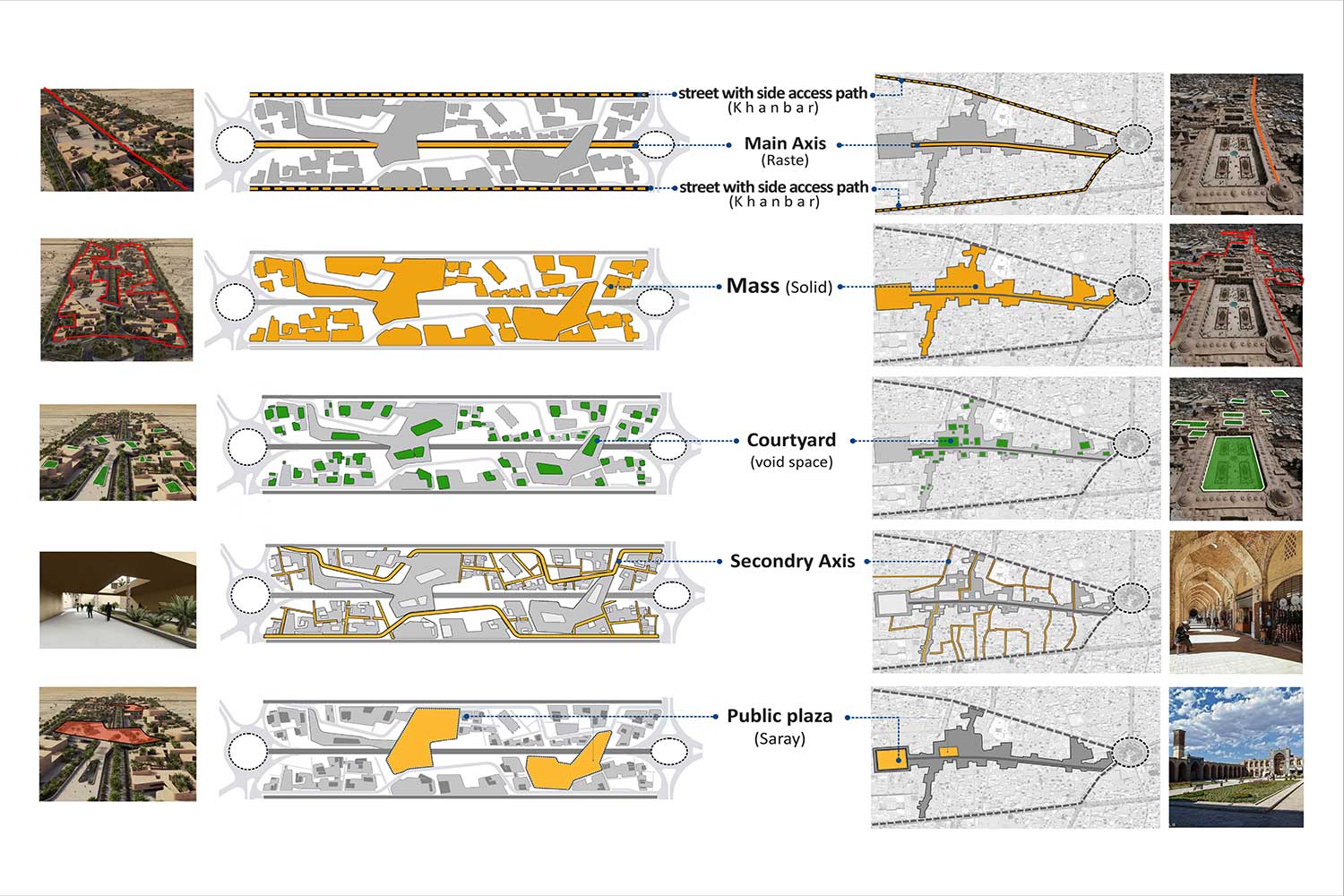
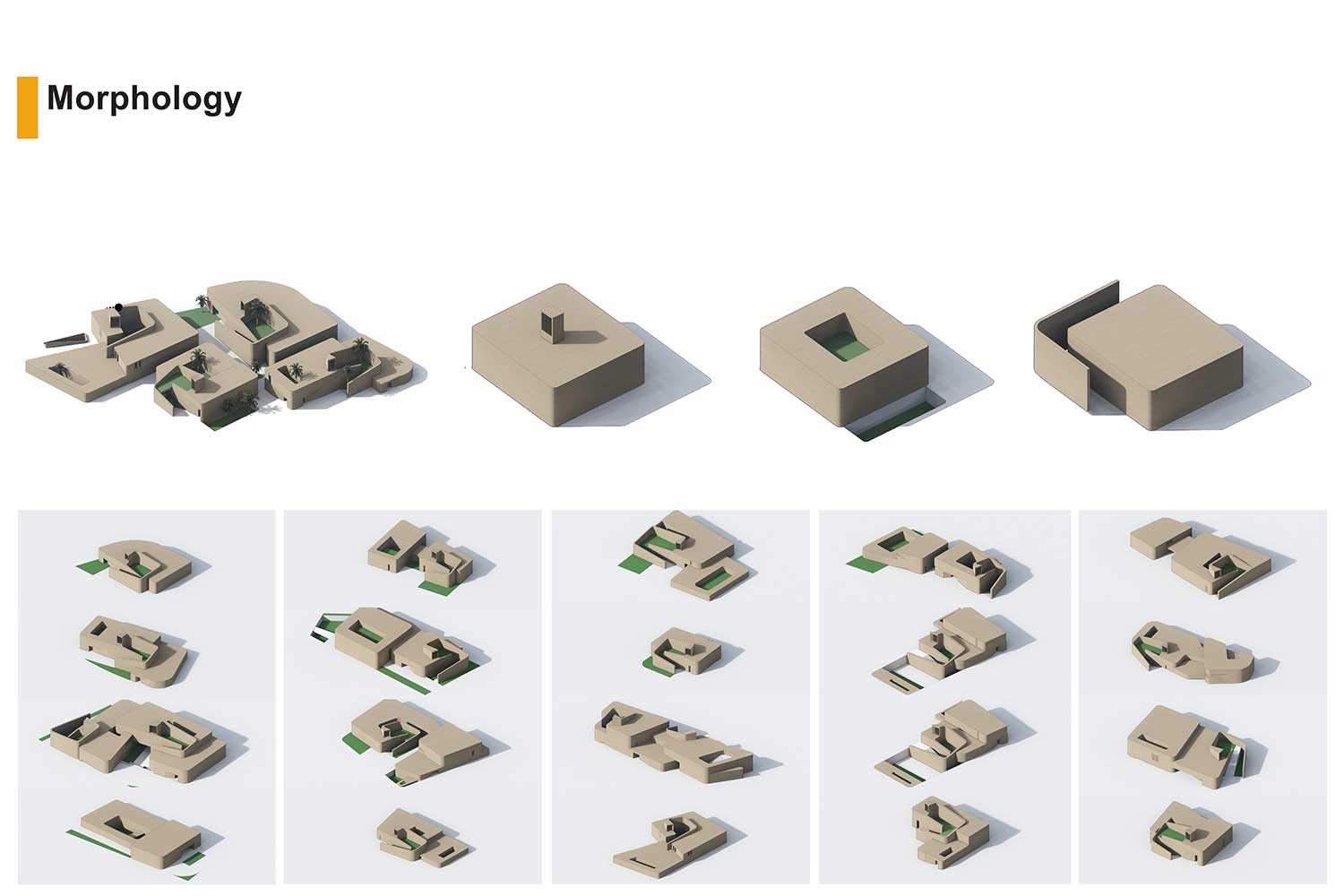
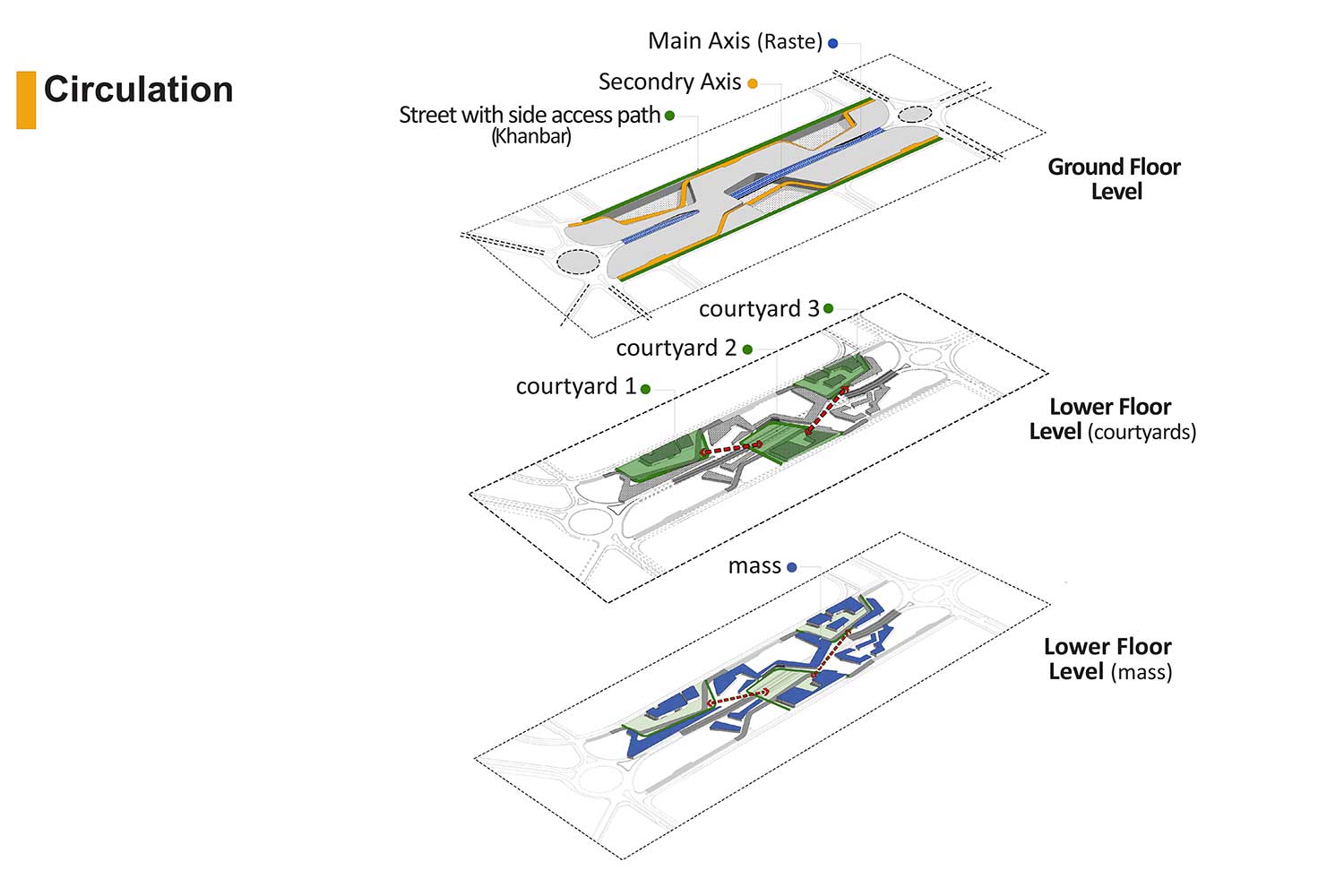
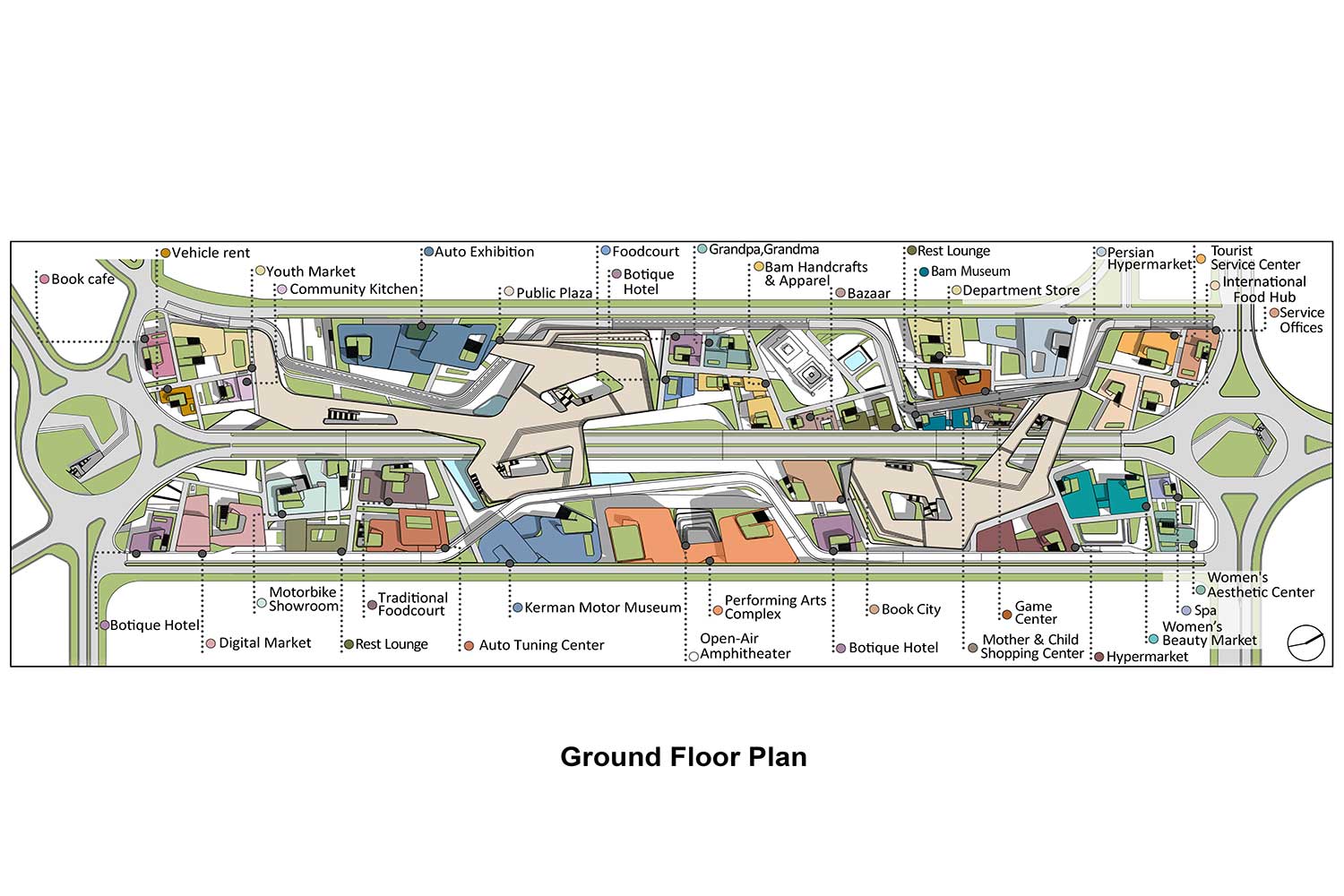
پس از زلزله ویرانگر سال ۲۰۰۳ در بم، ایران، تلاشهای بازسازی هویت شهری و فرهنگی شهر را که حول محور نمادین ارگ بم شکل گرفته بود، احیا کرد. اکنون در آستانه مرحلهای تازه از رشد، یک محور فرهنگی–توریستی–تجاری پیشنهادی، بازار سنتی ایرانی را بازتفسیر میکند و از بازار کرمان و ارگ بم الهام میگیرد. این طرح با در نظر گرفتن اقلیم سخت بم، شامل سرمایش غیرفعال، فضاهای سایهدار و پوشش گیاهی مقاوم به خشکی است و با هدف بازگرداندن زندگی مدنی از طریق یک ستون فقرات شهری مقاوم و میراثمحور طراحی شده است. در ۲۶ دسامبر ۲۰۰۳، زلزلهای ویرانگر شهر بم را در استان کرمان در جنوب شرقی ایران لرزاند. این رویداد تراژیک جان حدود ۶۰ هزار نفر از ساکنان را گرفت. در حالی که ارگ بم – بزرگترین سازه خشتی جهان – آسیب جدی دید، بخشهایی از آن همچنان پابرجا ماند و بهعنوان نمادی عمیق از هویت تاریخی و فرهنگی شهر به حیات خود ادامه داد. در پی این فاجعه، تلاشهای گسترده ملی و بینالمللی برای بازسازی شهر آغاز شد. ابتکارات بازسازی شامل نهادهای دولتی، بخش خصوصی و سازمانهای بشردوستانه بود و در طول سالها بخشهای بزرگی از بافت شهری احیا شد. اگرچه بیشتر شهر به تلی از خاک بدل شده بود، حضور ماندگار ارگ الهامبخش و کاتالیزوری برای احیای روح معماری و فرهنگی بم شد. مراحل اولیه بازسازی، بر احیای زیرساختهای حیاتی، ساختمانهای عمومی و واحدهای مسکونی تمرکز داشت تا اطمینان حاصل شود که ساکنان آواره به تدریج میتوانند به زندگی عادی بازگردند. همزمان، توجه راهبردی به ایجاد تاسیسات خودروسازی معطوف شد تا اشتغال محلی و تابآوری اقتصادی تقویت شود. اکنون، بیش از دو دهه بعد، بم وارد مرحلهای تازه از رشد فضایی و بازآفرینی معماری شده است. در قلب این توسعه، پیشنهاد ایجاد یک محور فرهنگی–توریستی–تجاری بهعنوان ستون فقرات شهری جدید قرار دارد. با توجه به میراث هزارانساله بم، طراحی پروژه احترام عمیقی به ریشههای معماری و هویت فرهنگی منطقه دارد و پیوندی احساسی و نمادین میان مردم و محیط ساختهشده ایجاد میکند. هندسه خطی سایت پروژه بهطور طبیعی امکان بازتفسیر در قالب بازار سنتی ایرانی را فراهم میکند؛ گونهای معماری که بهشدت در حافظه فرهنگی منطقه جای گرفته است. طراحی مستقیماً از بازار تاریخی کرمان – یکی از نمونههای شاخص این الگو – الهام میگیرد و همزمان زبان فضایی و شکلی پروژه، عناصر ارجاعی به ارگ بم دارد و حس آشنایی و تداوم را برای کاربران تقویت میکند. بافت ساختهشده بهطور عمدی دانهریز است و سلسلهمراتبی عادلانه را دنبال میکند که یادآور تحول ارگانیک بازارهای سنتی است. در پاسخ به اقلیم بسیار گرم و خشک بم – که اغلب در بیشتر سال از ۴۵ درجه سانتیگراد فراتر میرود – طراحی اقلیمی غیرفعال در اولویت قرار دارد. عناصری چون رواقهای سایهدار، بادگیرها، تراکم بالای بافت شهری و جانمایی هوشمندانه احجام، آسایش حرارتی طبیعی را در طول روز فراهم میسازد. با ادامه میراث بم بهعنوان «شهر-باغ»، پروژه نخلهای مقاوم به خشکی را در طراحی ادغام میکند تا هم پیوستگی زیرساخت سبز تضمین شود و هم به سرمایش خرداقلیم و کیفیت محیط شهری کمک کند. بخشهایی از ساختمانها بهطور نیمهمدفون در زمین قرار گرفتهاند تا سایه گستردهتری ایجاد کنند و مصرف انرژی به حداقل برسد. آبنماهایی که بهطور راهبردی در نزدیکی فضاهای سایهدار جانمایی شدهاند، آسایش فضایی را ارتقا میدهند و تجربه حسی از زندگی و تجدید حیات ایجاد میکنند. این محور جدید شامل ترکیبی پویا از کاربریهای فرهنگی، تجاری، مهماننوازی و عمومی است. پروژه بهمثابه یک سیستم شهری زنده و تنفسکننده تصور شده است – کاتالیزوری برای بازگرداندن زندگی مدنی و بازتفسیر روایت کهن بم. شهری که برای هزاران سال با سه عنصر پایدار تعریف شده است: باغ، آب و سایه.
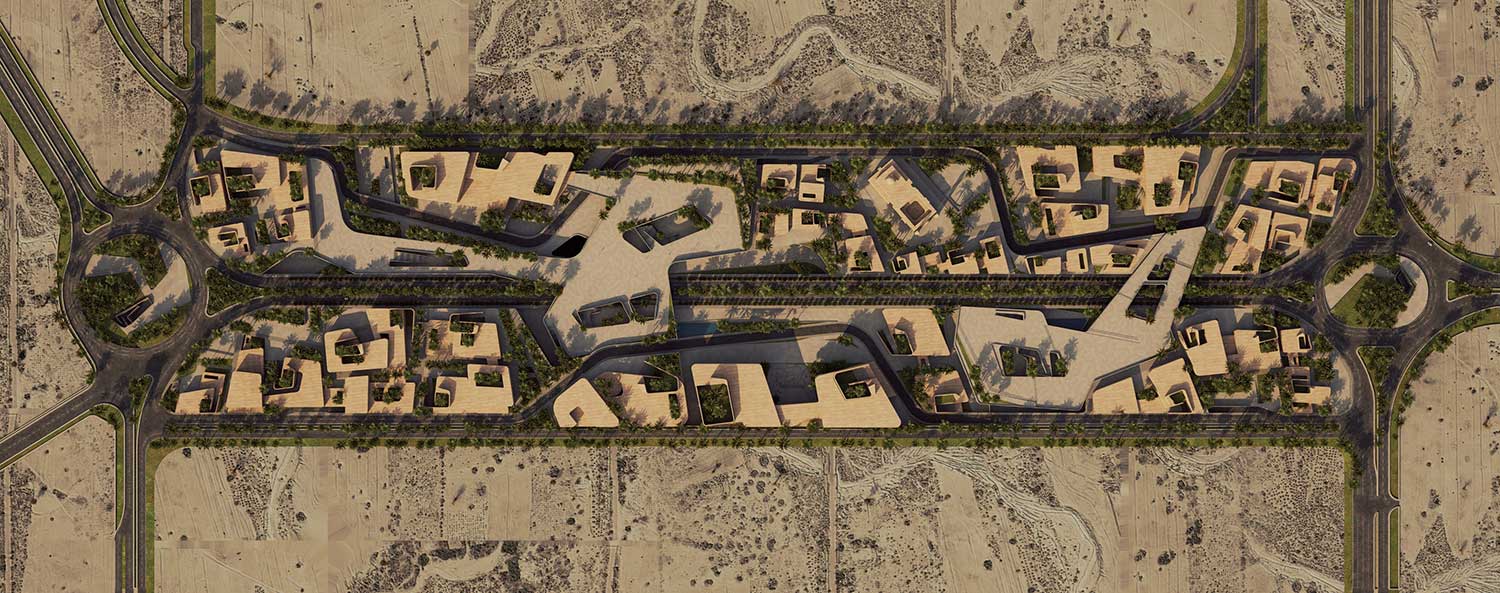
Project Name: Where Earth Remembered: An Axis of Heritage and Hope
Architecture Firm: Eade Va Ejra
Firm Location: Tehran, Iran
Is your project a competition entry? Yes
Competition name: Axis Design Competition: From One Square to Another
Competition website: Private Competition Via Emailing
Will your project be realized? It has been realized and we have won the competition.
Gross Built Area: 300000 m2
Project location: Bam, Kerman, Iran
Lead Architects: Masoud Nemati, Ali Nemati, Nastaran Tehrani
Renderings credits: Peno Visualization
Design Team: Bita Esmaeili, Saba Rostamnejad, Azin khansari, Roxana Khanizad, Elnaz Abedi, Nastaran Namvar, Yasaman Nemati, Sanaz Abbasian
Clients: Arg-E-Jadid Bam Special Economic Zone
Engineering: Eade Va Ejra Team
Landscape: Eade Va Ejra Team
Lead Architects e-mail: a.nemati@eadevaejra.com
Contact e-mail: international@eadevaejra.com
Website: https://eadevaejra.com/
Video link: https://youtu.be/BxXfufWXt2Y?si=OQ-t0mRsnC0uHGuU
On December 26, 2003, a devastating earthquake struck the city of Bam, located in Kerman Province in southeastern Iran. This tragic event claimed the lives of approximately 60,000 residents. While the Arg-e Bam—the world’s largest adobe structure—suffered severe damage, parts of it remained standing, continuing to serve as a profound symbol of the city’s historical and cultural identity. In the aftermath of the disaster, an extensive national and international effort was launched to rebuild the city. Reconstruction initiatives involved governmental bodies, private sectors, and humanitarian organizations, and over the years, substantial portions of the urban fabric were restored. Although most of the city had been reduced to rubble, the enduring presence of the Arg became a source of inspiration and a catalyst for reviving Bam’s architectural and cultural spirit. The initial phases of redevelopment prioritized the restoration of vital infrastructure, public buildings, and residential units, ensuring that displaced residents could gradually return to normal life. Simultaneously, strategic attention was directed toward establishing automotive manufacturing facilities to stimulate local employment and economic resilience. Now, more than two decades later, Bam is entering a new phase of spatial growth and architectural regeneration. At the heart of this expansion is the proposal for a cultural–touristic–commercial axis, envisioned as the city’s new urban spine. Given Bam’s millennia-old heritage, the design honors the region’s architectural lineage and deep-rooted cultural identity, fostering an emotional and symbolic connection between the people and the built environment. The project site’s linear geometry naturally lends itself to reinterpretation through the lens of the traditional Iranian bazaar—a typology deeply embedded in the cultural memory of the region. The design draws direct inspiration from the historical Kerman Bazaar, one of the most exemplary manifestations of this urban model. Simultaneously, the spatial and formal language references elements of the Arg-e Bam, creating a harmonious sense of familiarity and continuity for users. The built fabric is intentionally fine-grained, following an equitable hierarchy that evokes the organic evolution of traditional bazaars. In response to Bam’s extreme hot and arid climate—often exceeding 45°C for much of the year—passive climatic design is prioritized. Architectural elements such as shaded arcades, wind towers, dense urban grain, and strategic massing provides natural thermal comfort throughout the day. Continuing Bam’s legacy as a “garden-city,” the project integrates drought-resistant palm trees, ensuring continuity of green infrastructure while contributing to microclimatic cooling and urban ambience. Portions of the buildings are partially embedded into the ground to generate extended shade and minimize energy consumption. Water features strategically placed near shaded areas enhance spatial comfort and evoke a sensory experience of vitality and renewal. This new axis comprises a dynamic mix of cultural, commercial, hospitality, and public functions. It is conceived as a living, breathing urban system—a catalyst for restoring civic life and reinterpreting Bam’s ancient narrative. A city defined for millennia by three enduring elements: garden, water, and shade.”
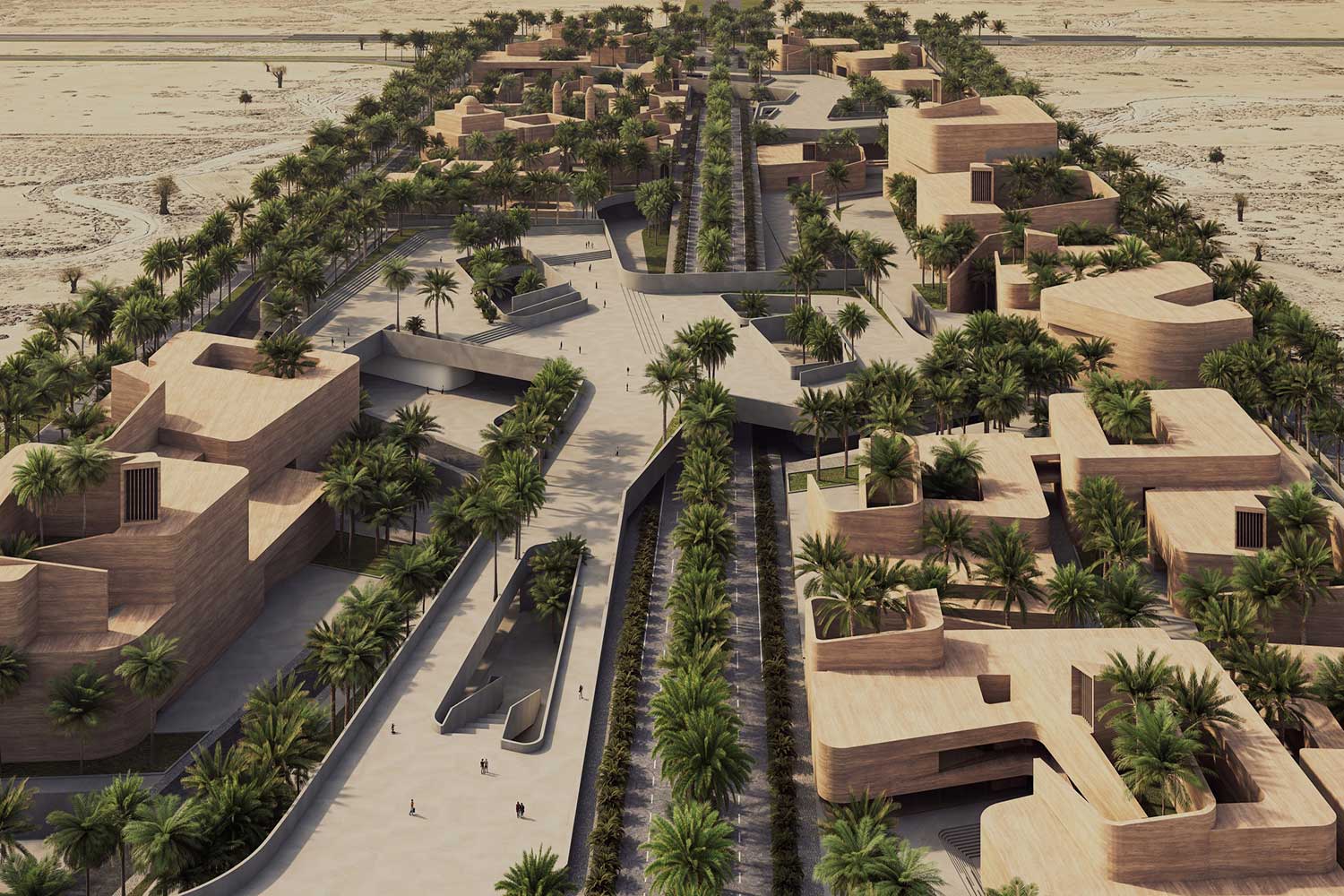
مدارک فنی
مطالب مرتبط