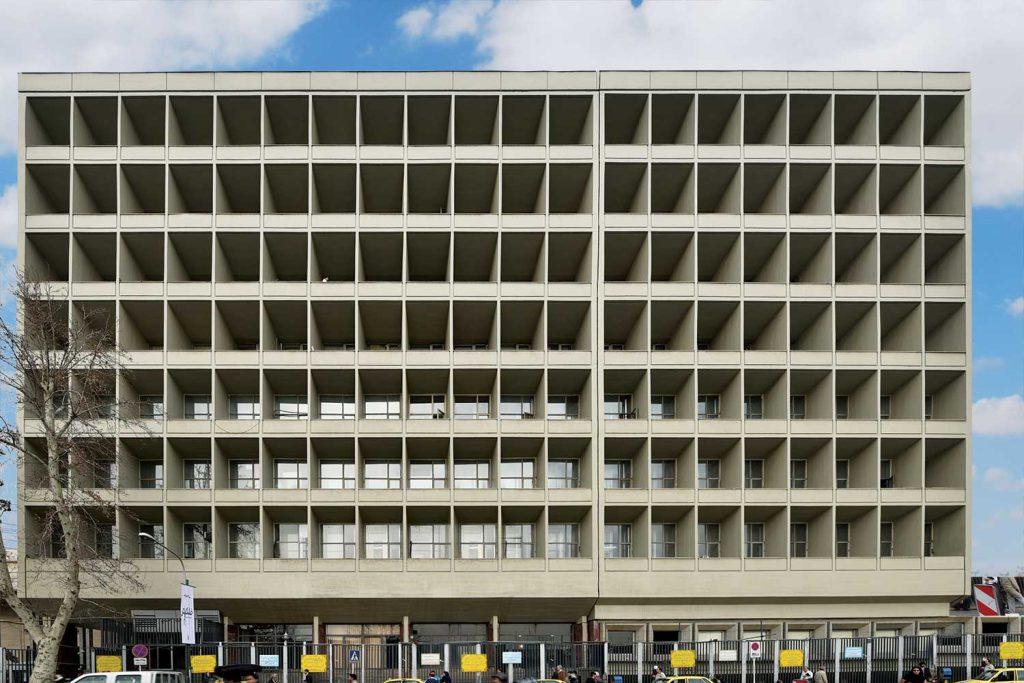
 ساختمان شعبه ی مرکزی بانک سپه اثر هوشنگ سیحون
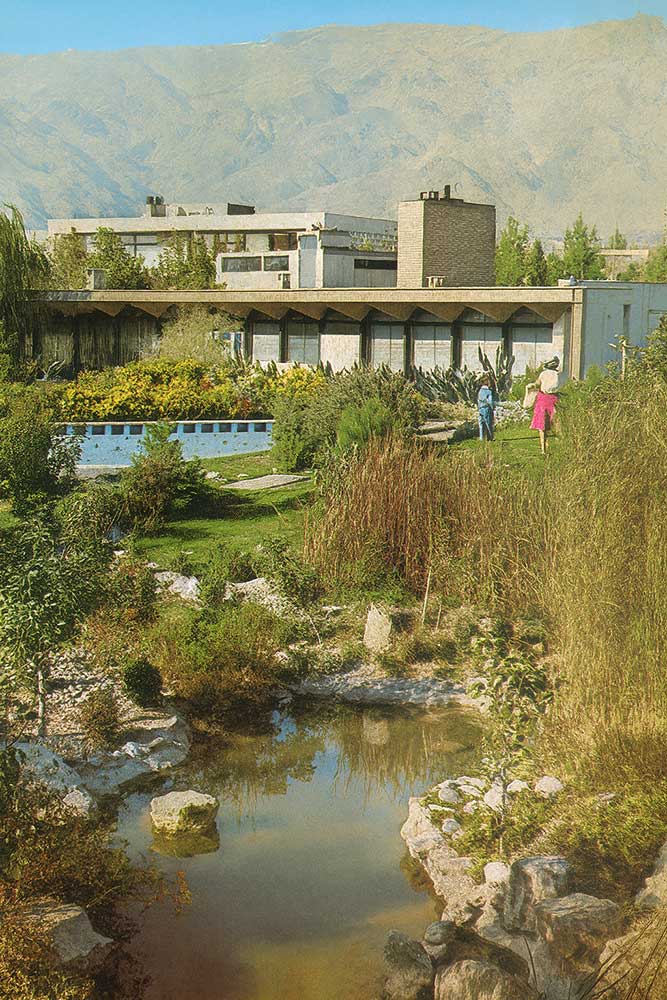
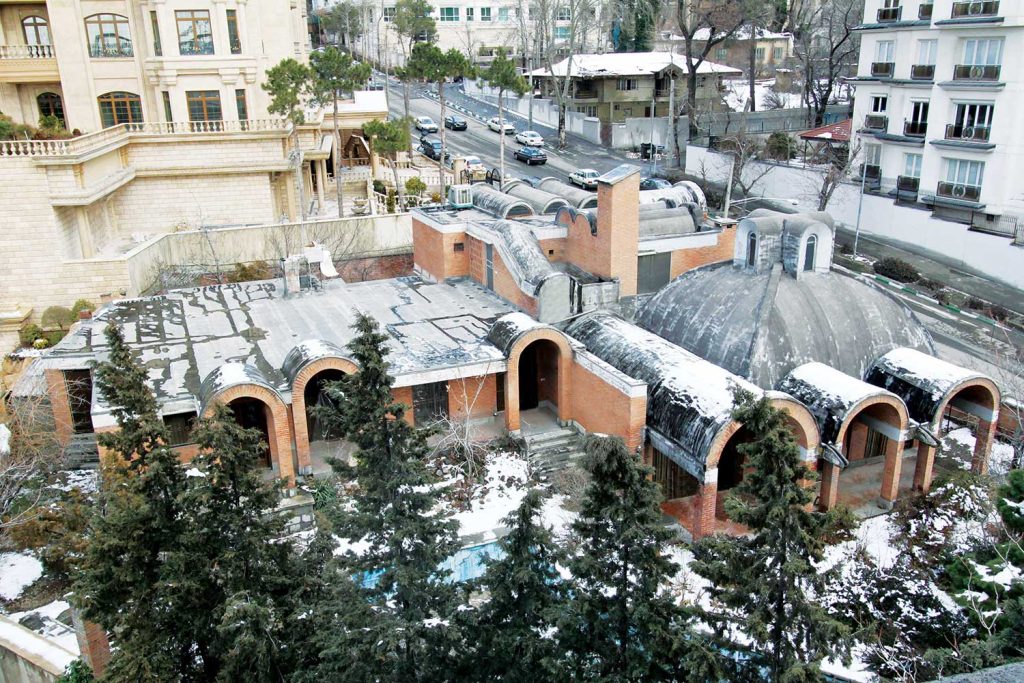 خانهی دولتآبادی اثر هوشنگ سیحون، نیاوران، 1348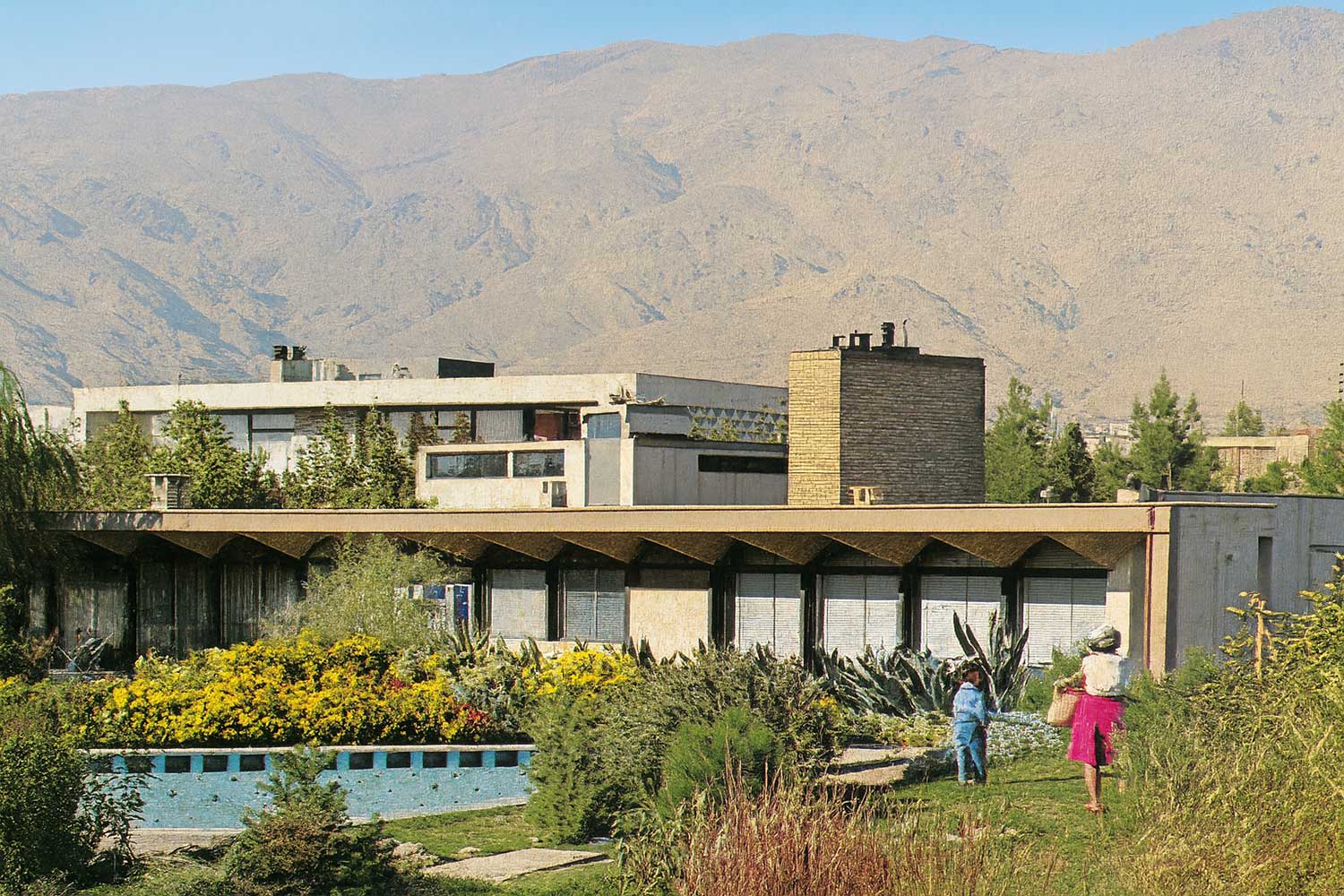
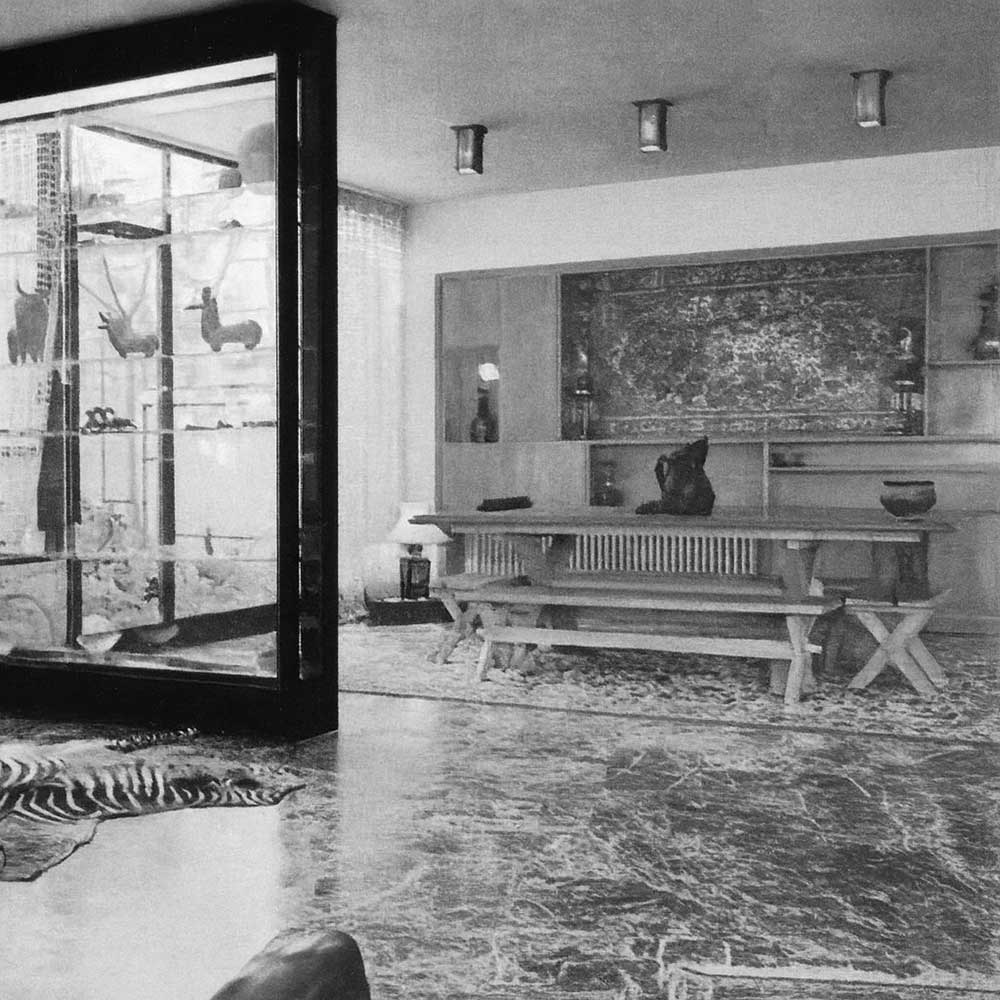
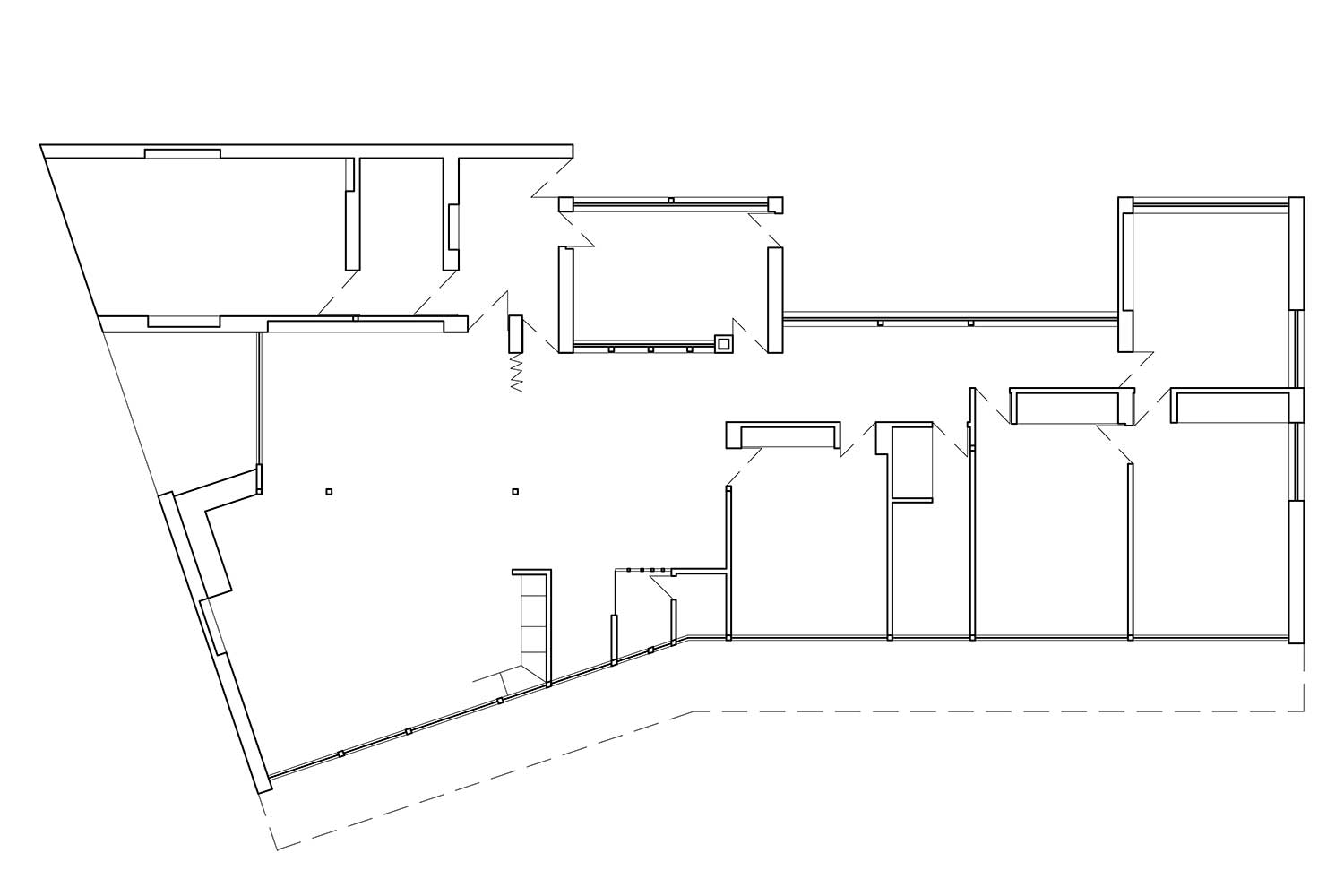
طراحی منزل شخصی سیحون تاثیرات عمیقی از سبک و سیاق ریچارد نوترا را به نمایش میگذارد. ارتباط حداکثری فضای داخلی و خارجی به واسطهی چینش ریزفضاها در امتداد جدارهی شفاف جنوبی از یک سو و ایجاد دسترسی فضاهای خدماتی به حیاطی خصوصیتر در پشت ساختمان از سوی دیگر، از زمرهی این تاثیرات است.
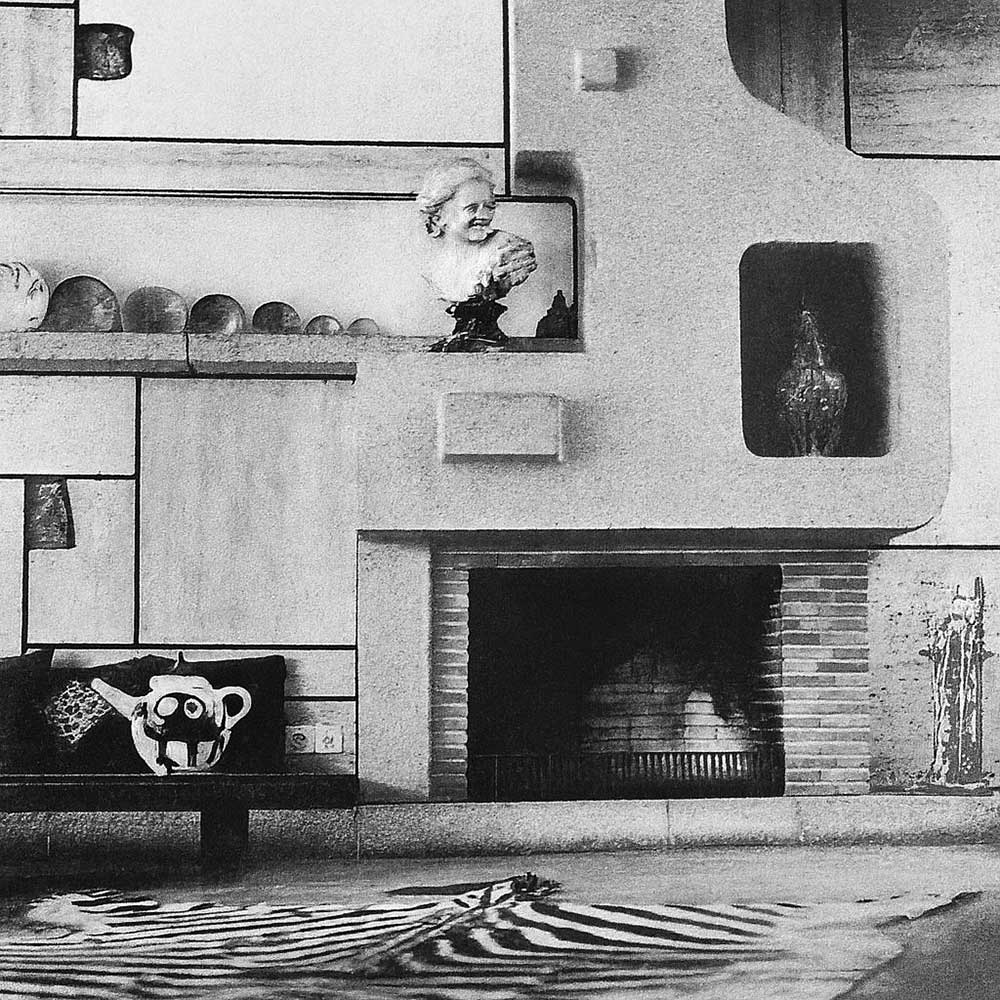
در پلان، چیدمان ریزفضاها در سه لکهی اصلیِ عمومی، خصوصی و خدماتی انجام شده است. فضاسازی داخلی، مجموعهای از تکنیکهای ایرانیزهشدهی معماری مدرن، از تقسیمات موندریانی (منسوب به پییت موندریان) و دیوارهی فضای نشیمن گرفته تا فرم پلاستیک و آبسترهی ملزومات شومینه را به نمایش میگذارد.
سقف در فضاهای داخلی، عاری از تزئینات بوده و نصبِ بیغلوغش ملزومات نورپردازی داخلی، نشان از مینیمالیزم عرف فضاهای مسکونی مدرنیستی دارد.
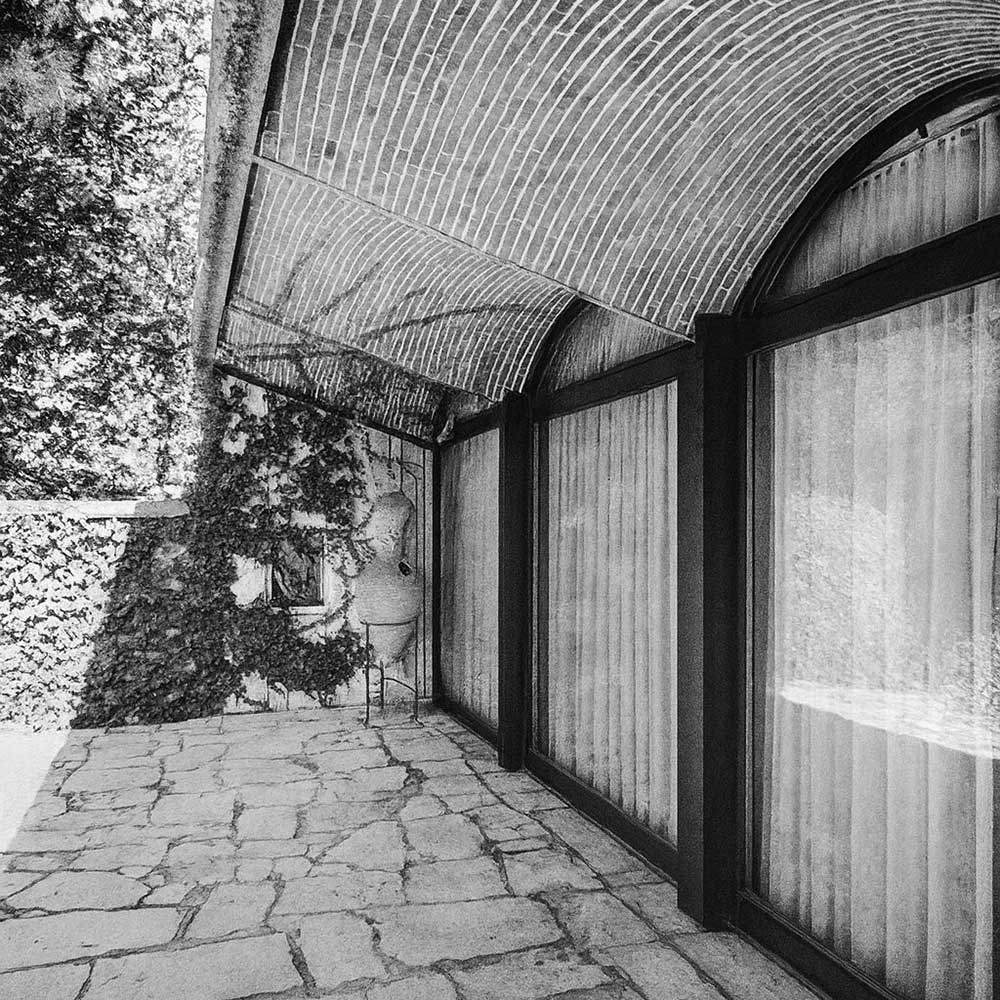
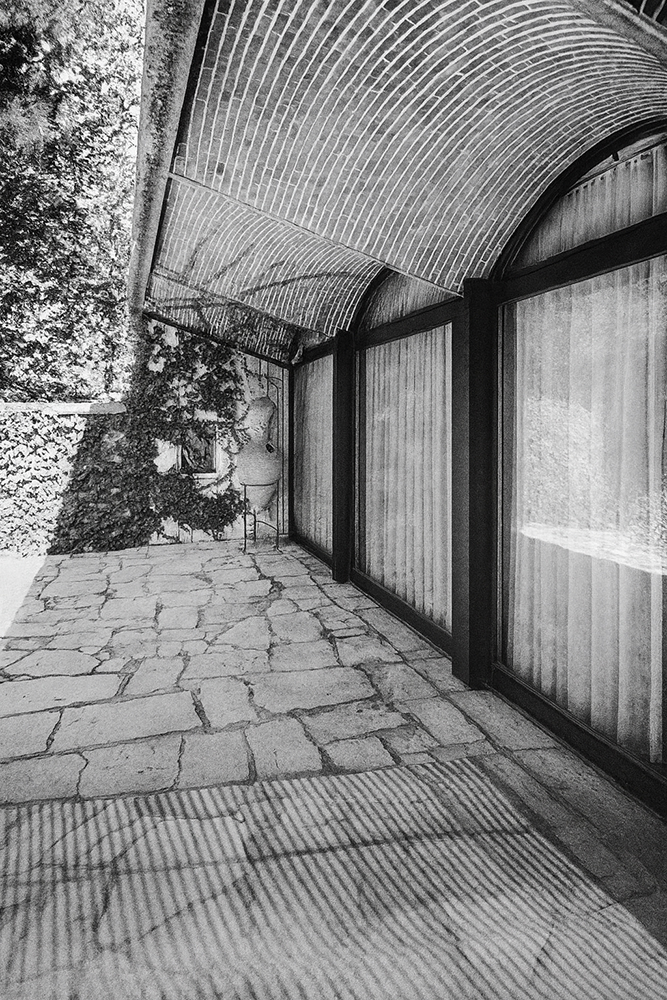
در نمای اصلی پروژه، ترکیبات سنگ، آجر و شیشه (سه مصالحی که سیحون تبحری خاص در بهکارگیری آنها داشته) دیده میشود و طاقهای مورب آجری اجراشده در امتداد جدارهی شفاف و پنجرههای سرتاسری آن، موجبات تلفیق قابل تامل از بهروزرسانی تکنیکهای سنتی اجرای طاق، با بومیسازی اجرای حجم پلاستیک معماری مدرن را فراهم آورده است.
در محوطهسازی هم برکهی به ظاهر طبیعی که نشانههایی از باغهای پیکتوریال ویکتوریایی (Victorian Picturesque) دارد، در کنار پوشش گیاهیِ بهدقت طراحیشدهی مقابل بنا که به سبک و سیاق باغهای انگلیسی است، تضاد هنرمندانهای را برای مخاطب پروژه به ارمغان آورده است.
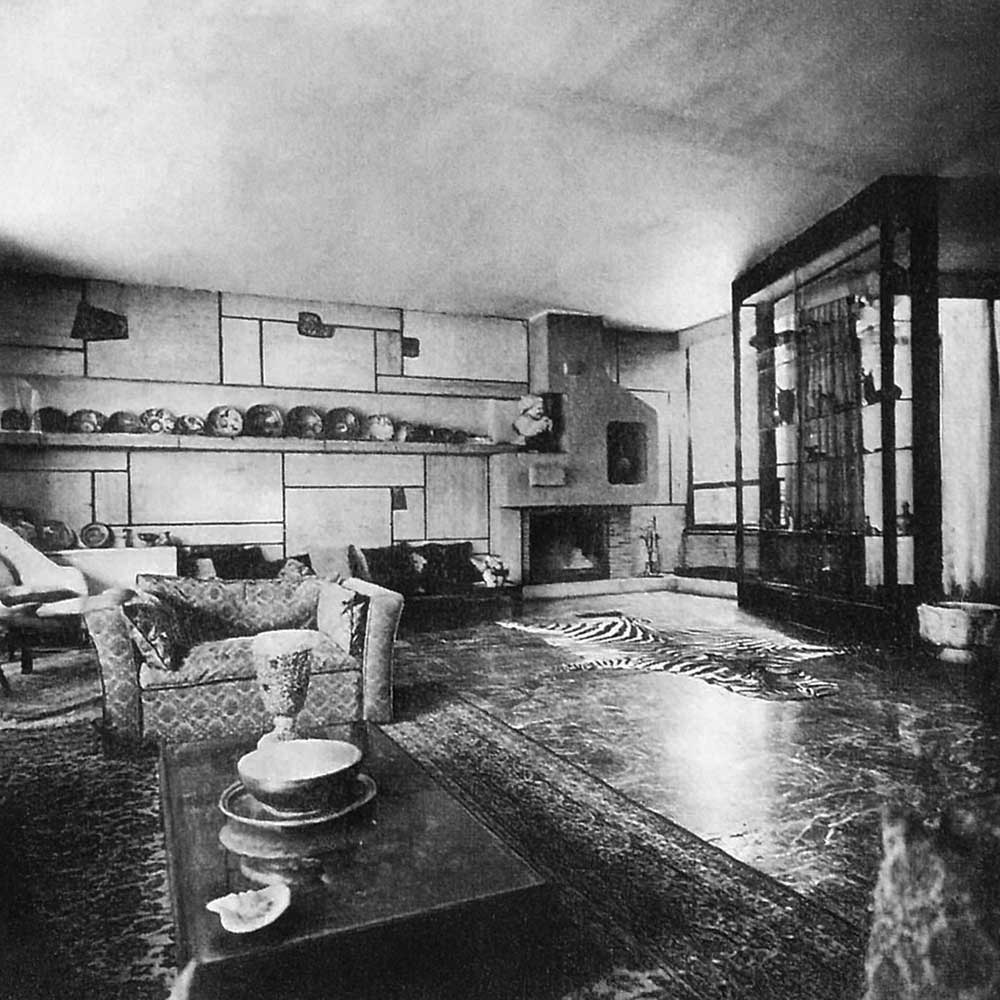
The design of Seyhoun’s private residence reveals profound influences from the architectural language of Richard Neutra. The strong spatial continuity between the interior and exterior—achieved through the linear arrangement of functional zones along the transparent southern façade on one side, and the provision of access from the service areas to a more private courtyard at the back on the other—clearly reflects Neutra’s impact. In plan, the spatial organization is divided into three main zones: public, private, and service. The interior design showcases a set of Iranianized adaptations of modernist architectural techniques—from Mondrian-inspired (Piet Mondrian) compositional divisions and the partition wall of the living area to the plastic, abstract form of the fireplace elements. The ceiling inside the house is devoid of ornamentation, while the honest, unembellished installation of lighting fixtures reflects the minimalist spirit characteristic of modernist residential interiors. In the building’s main façade, a composition of stone, brick, and glass—three materials in which Seyhoun had particular mastery—is employed. The diagonal brick arches extending along the transparent façade and full-height windows create a compelling synthesis: a modernization of traditional Iranian vaulting techniques fused with the localized interpretation of the plastic volumes of modern architecture. In the landscaping, a seemingly natural pond—echoing the aesthetics of Victorian picturesque gardens—is paired with a carefully arranged English-style planting design in front of the building, producing an artful contrast that enriches the visitor’s spatial experience.
مدارک فنی
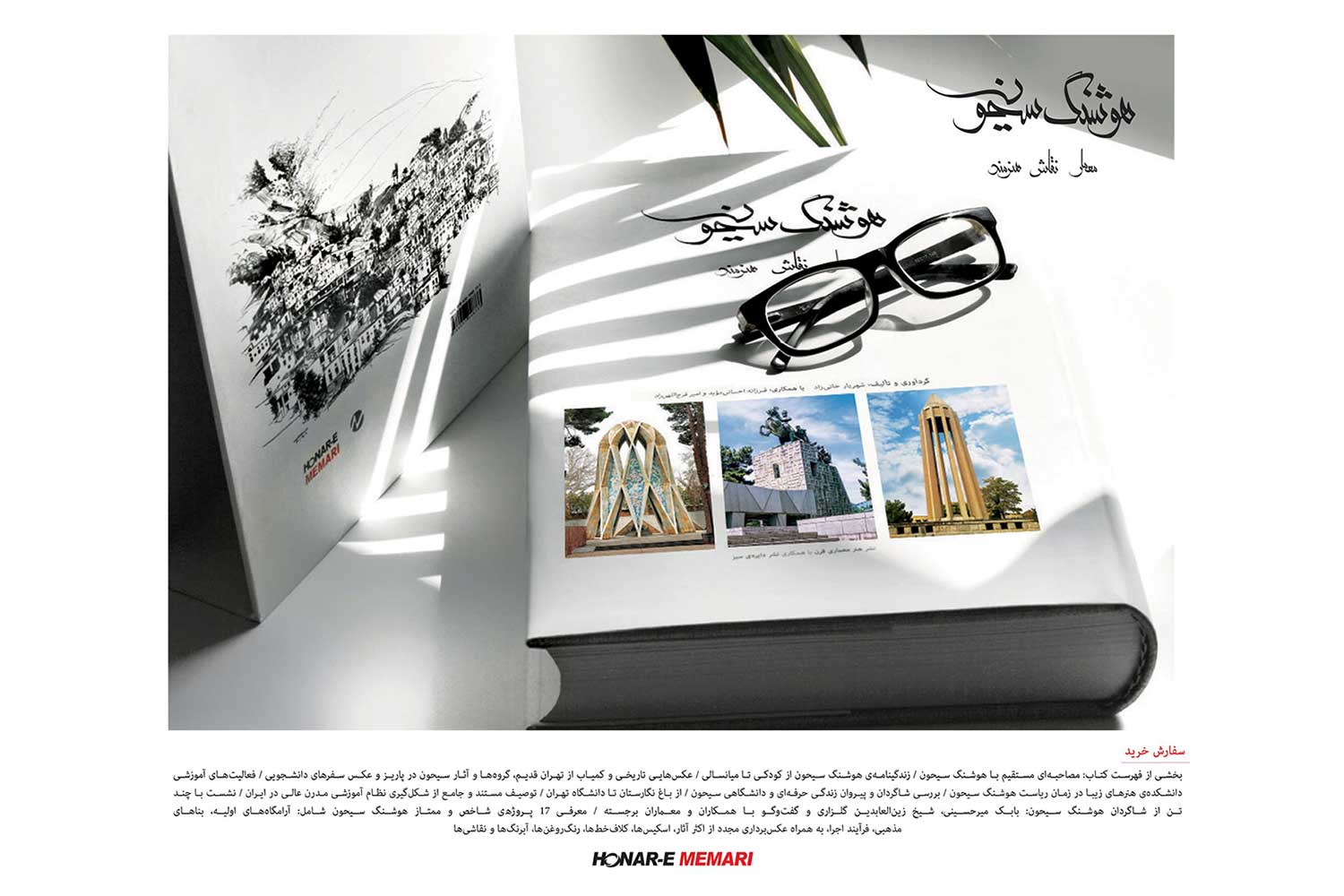
مرجع عکسها: کتاب هوشنگ سیحون (معمار، هنرمند، نقاش)
تالیف: شهریار خانیزاد
مطالب مرتبط