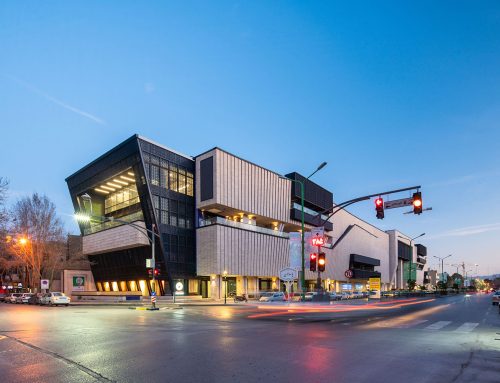
 مرکز خرید لباس زنانهی ماهر، اثر علی حمیدی مقدم
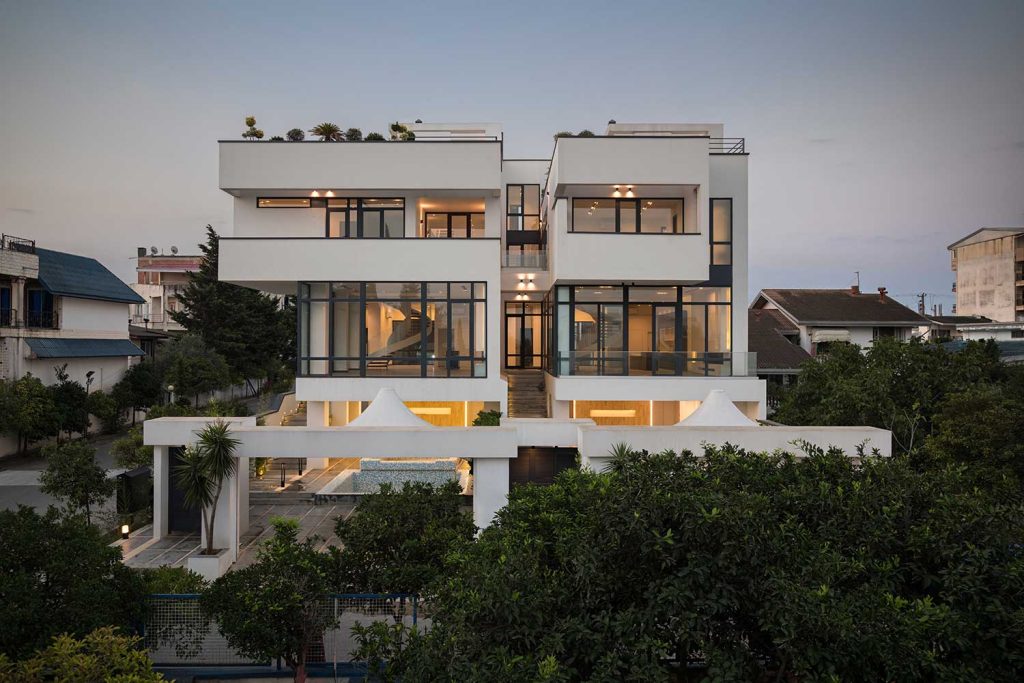 دو یا یک اثر فاطمه نیکنژاد و احسان مسعود، فینالیست و راه یافته به مرحلهی دفاع از آثار ششمین دوسالانهی معماری ایران بخش ویلایی، 1403
معماری سبز، خانهای در شعر سکوت: خانهی ایپسسیو اثر استودیوی Karawitz Architecture
I PASSIVE HOUSE / Karawitz Architecture
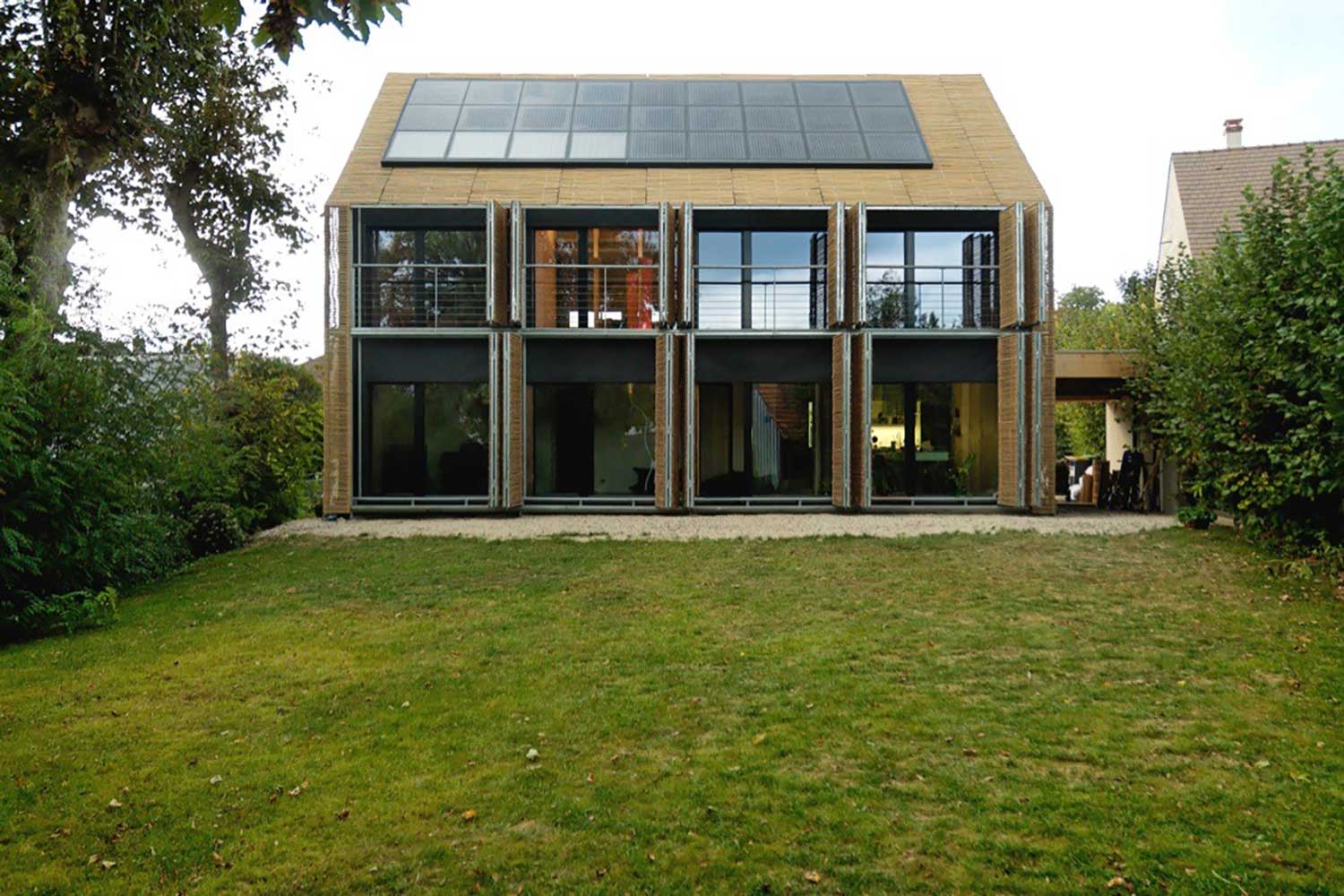
خانهای در شعر سکوت: «I Passive House»، Bessancourt، فرانسه
در قلب آرام Bessancourt، در فاصلهی ۲۸ کیلومتری شمالغربی پاریس، خانهای سروده شده است که سخن از آیندهی معماری پایدار دارد. استودیوی Karawitz Architecture این بنا را طراحی کرده است؛ خانهای که نخستین اثر در منطقهی Île‑de‑France است که به گواهی معتبر Passivhaus Institut اروپا دست یافته است.
ساختار و فلسفهای شاعرانه
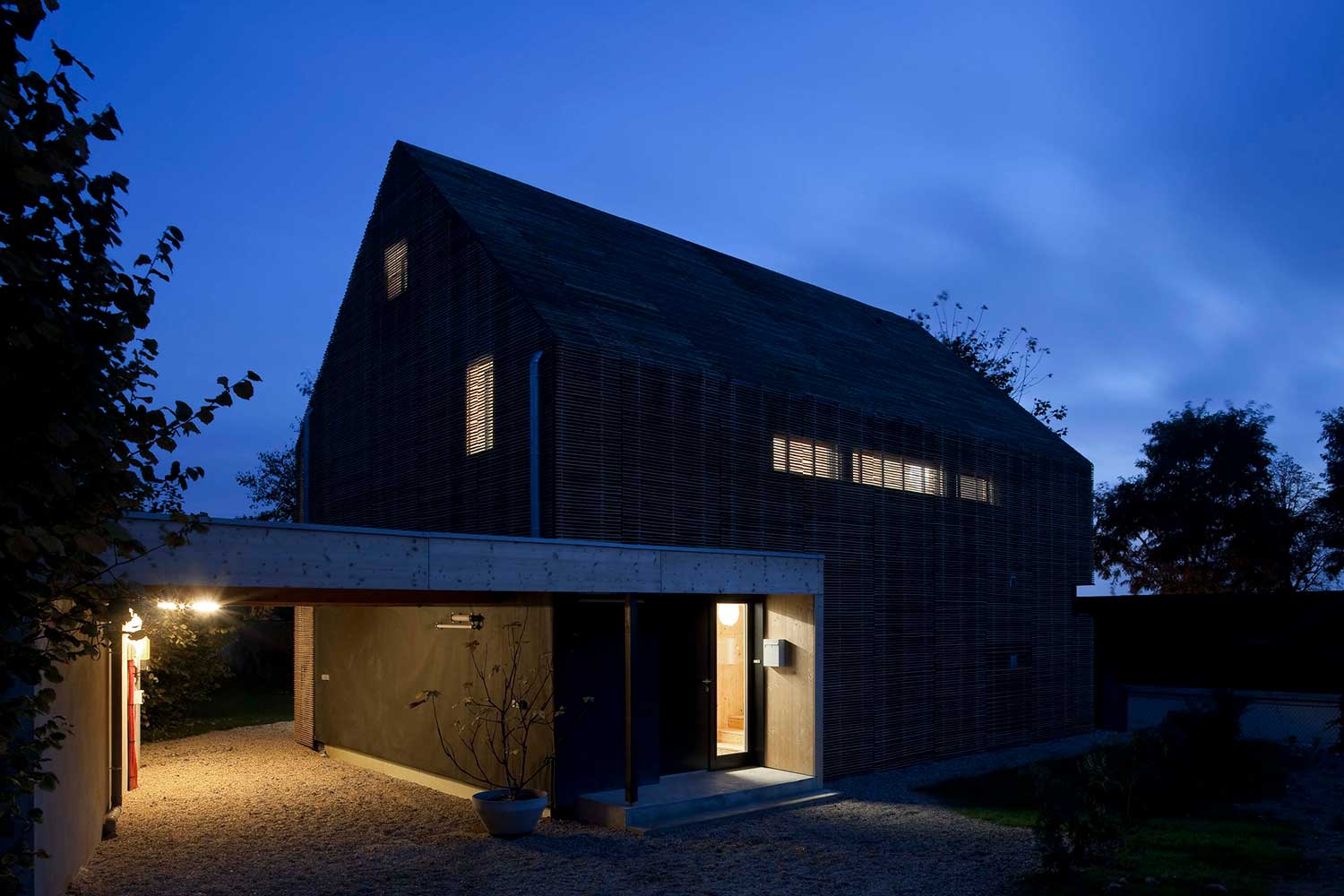
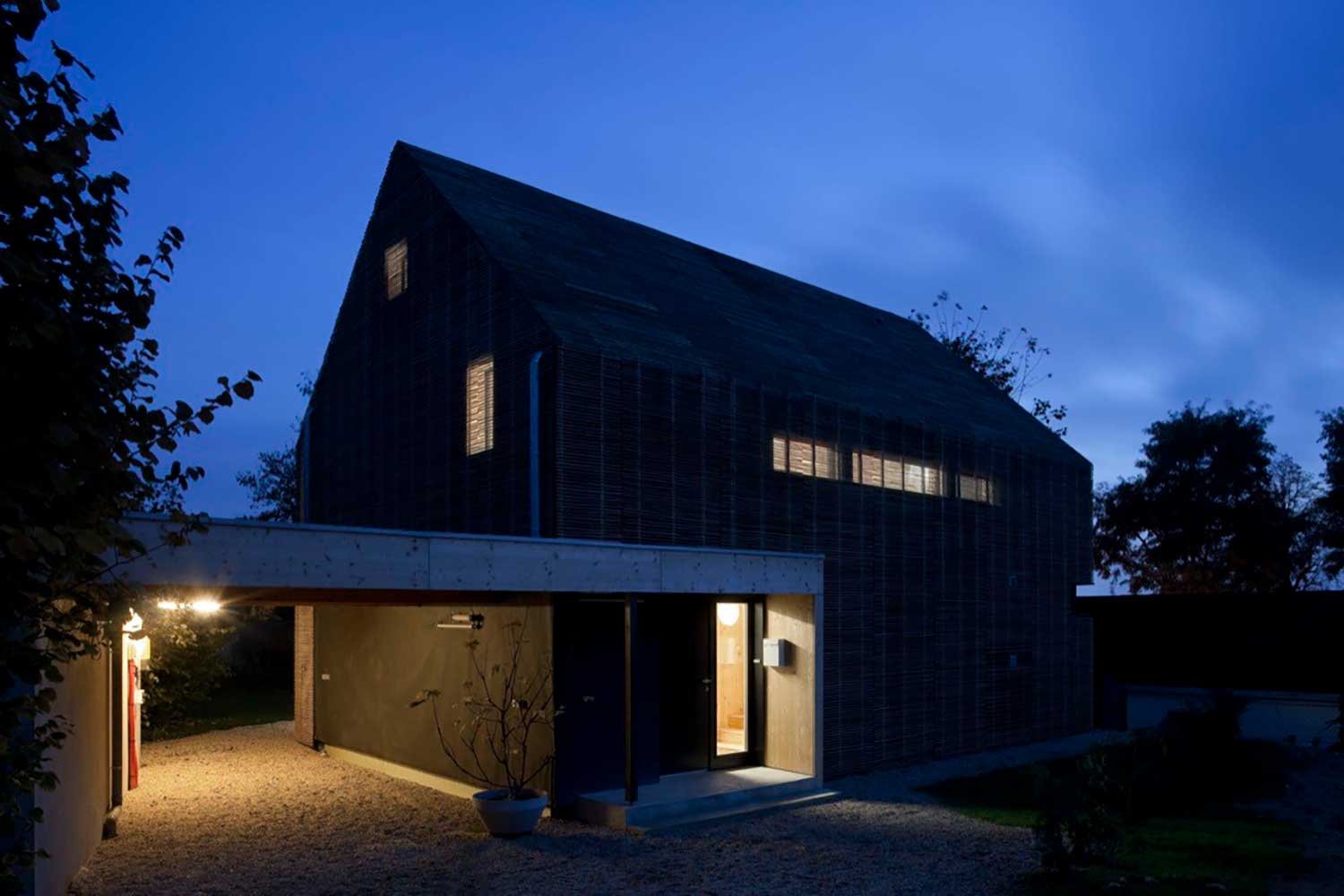
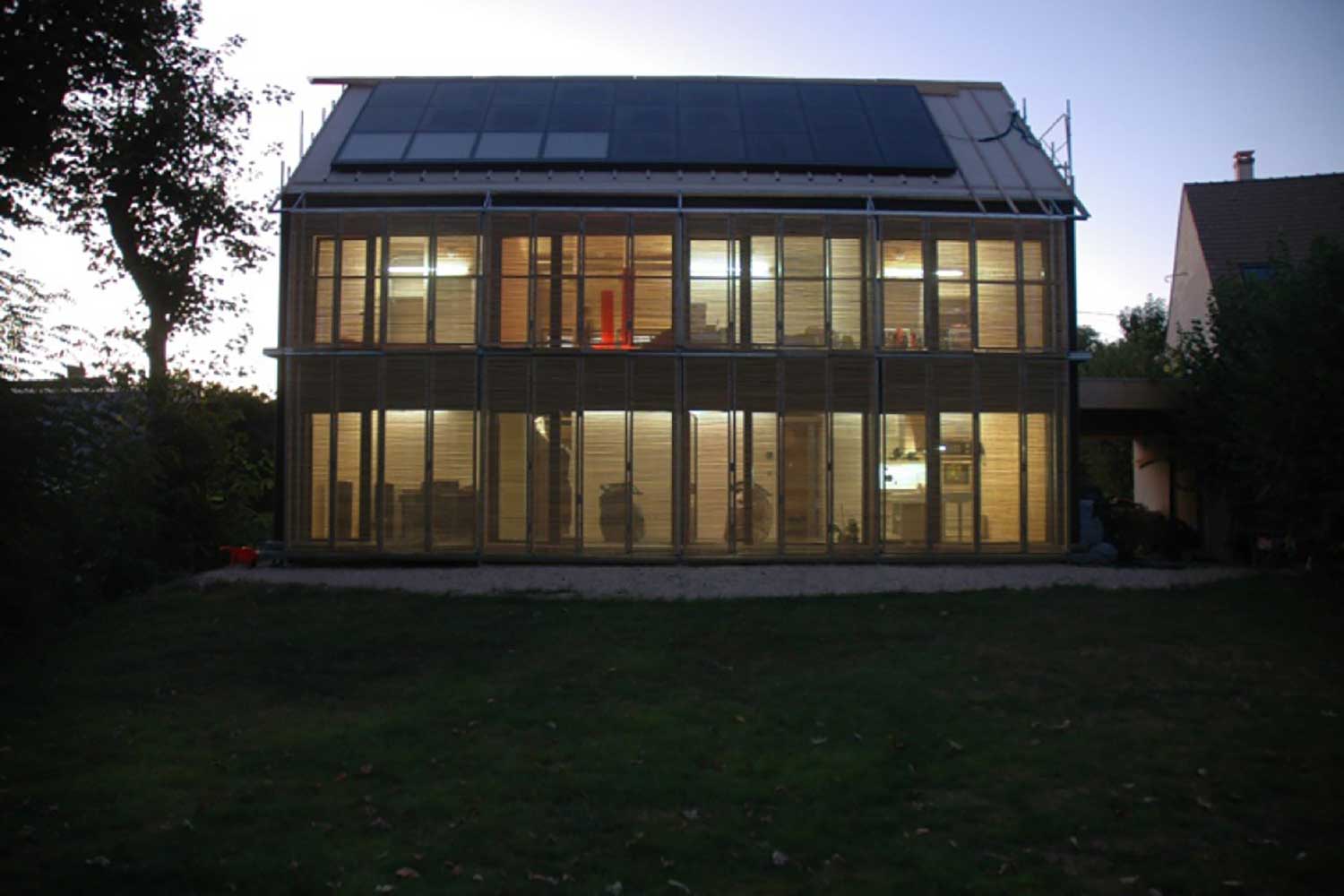
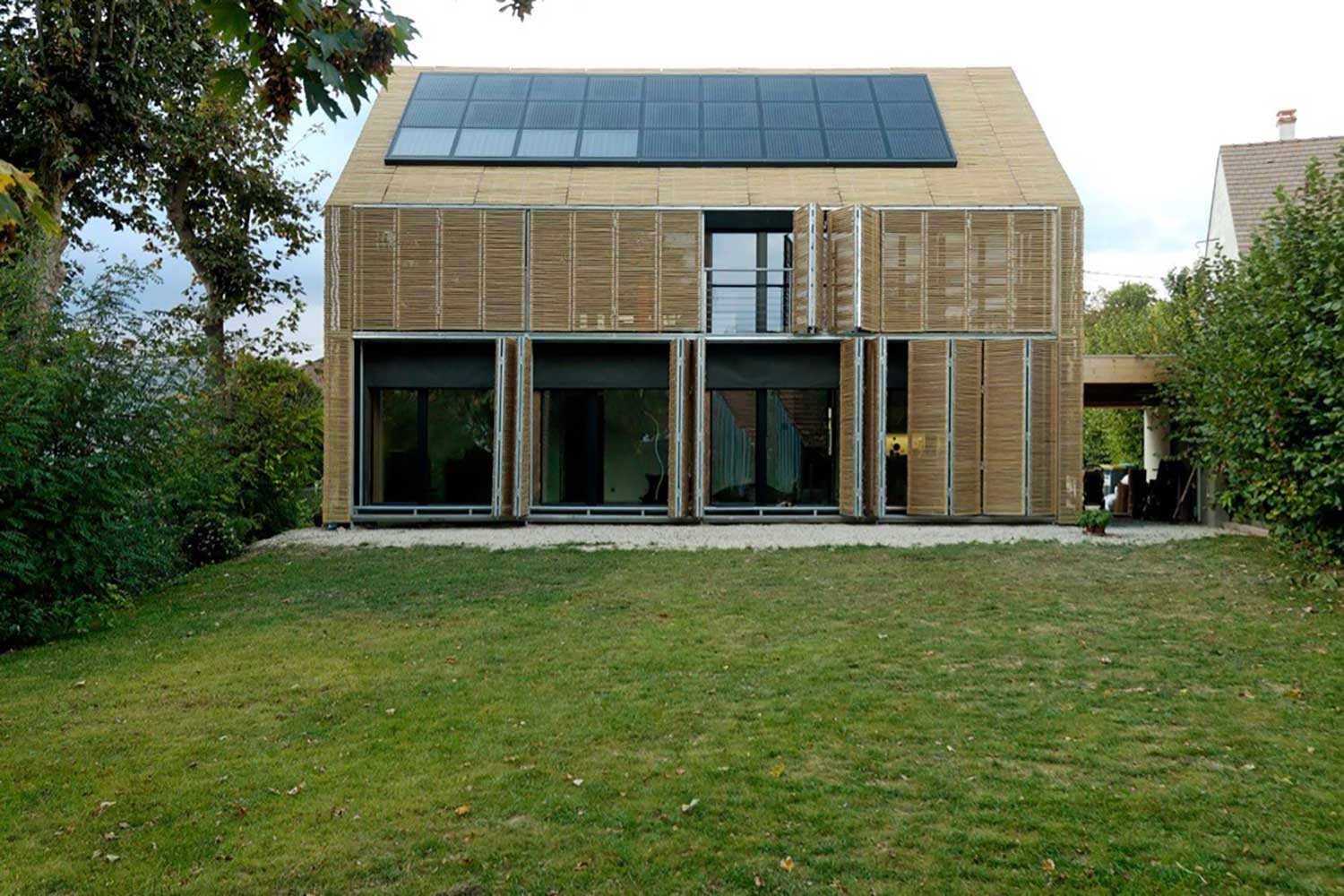
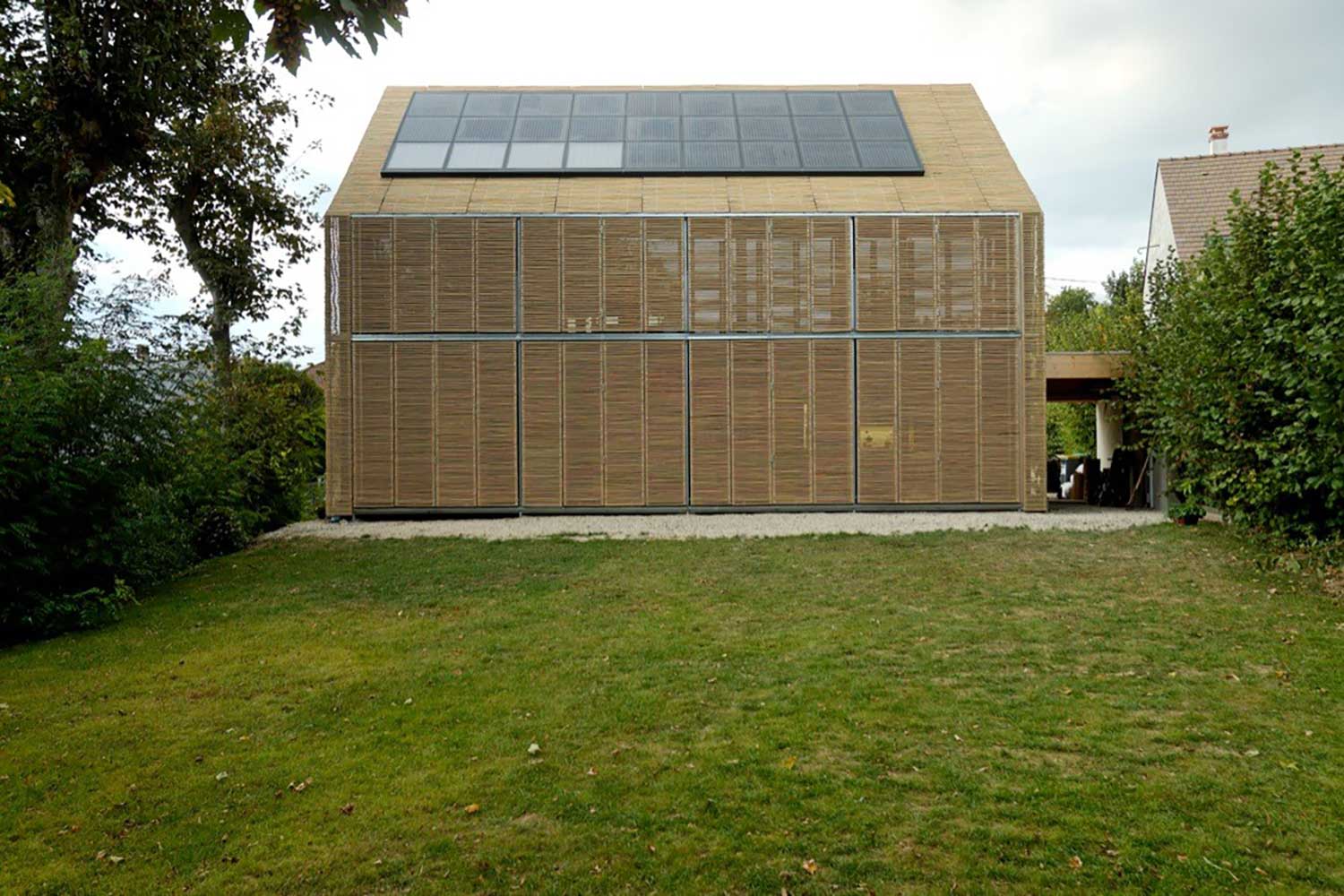
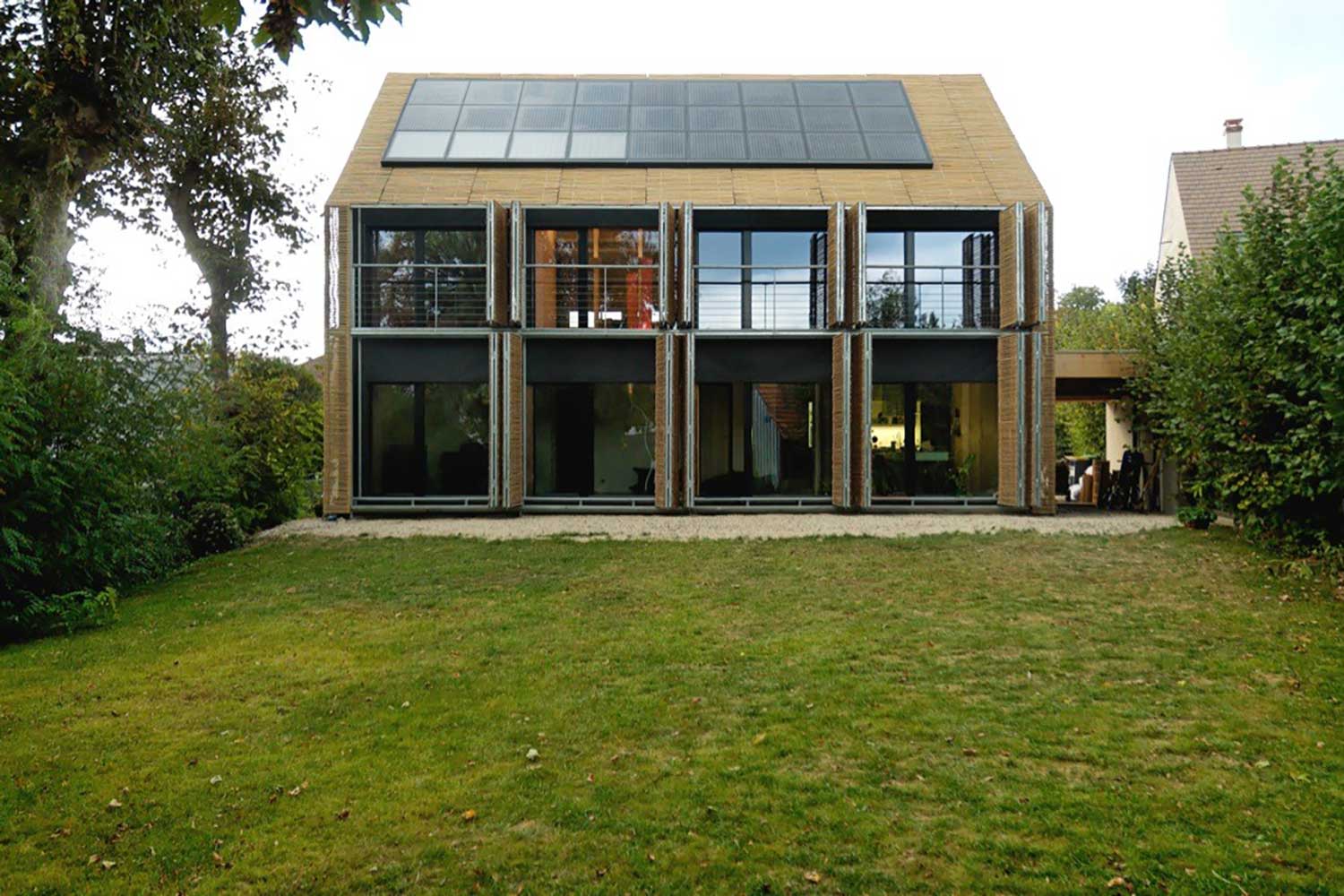
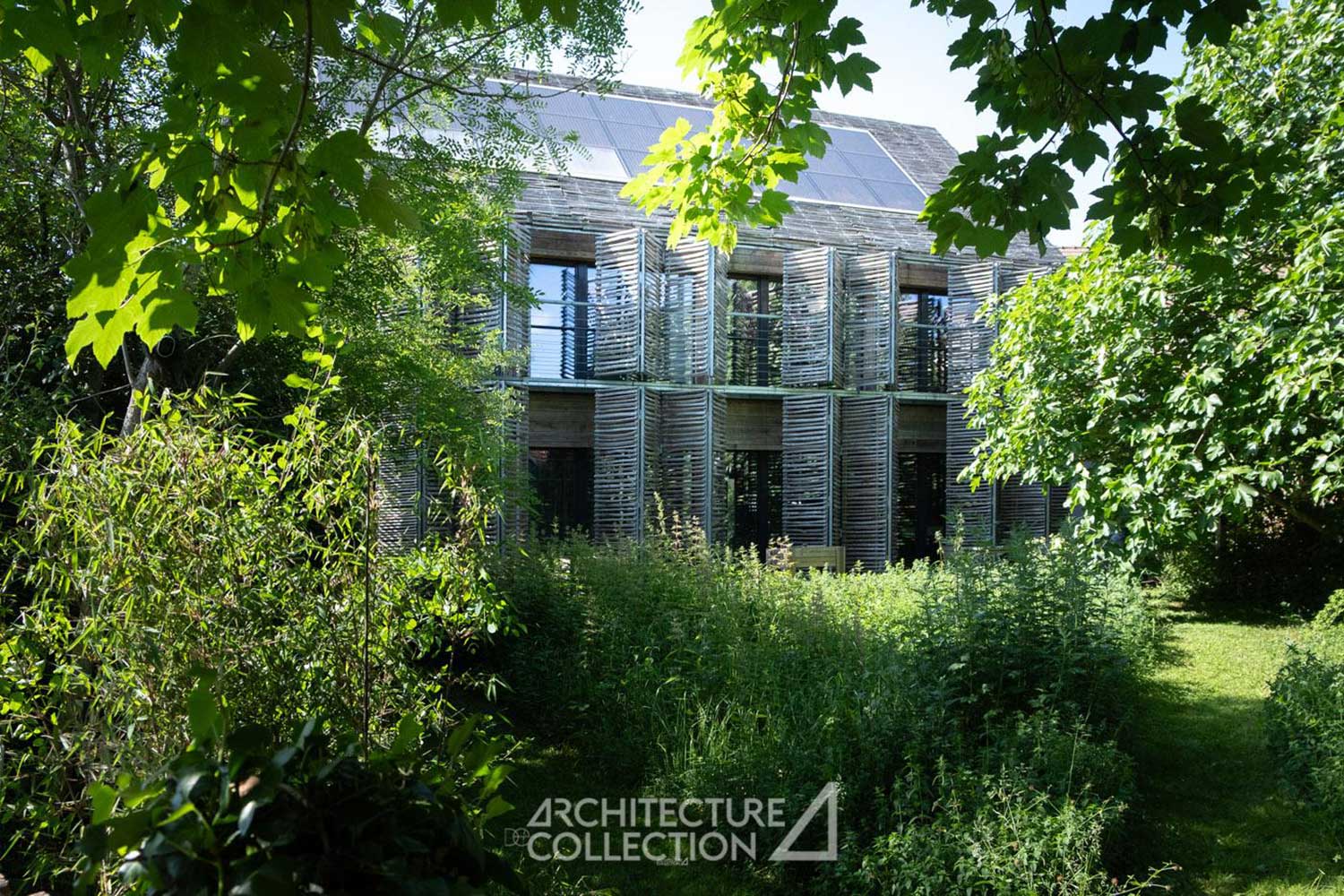
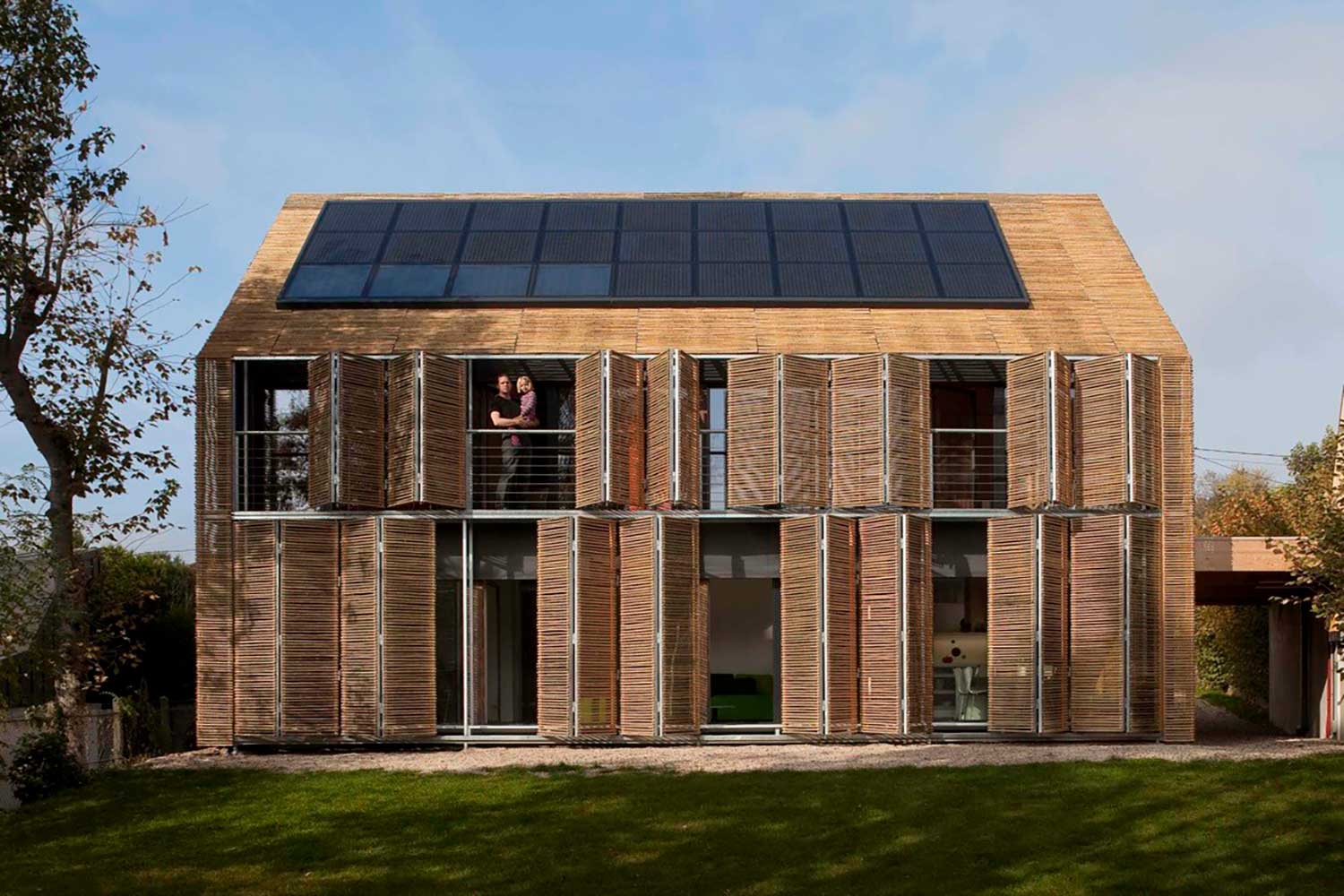
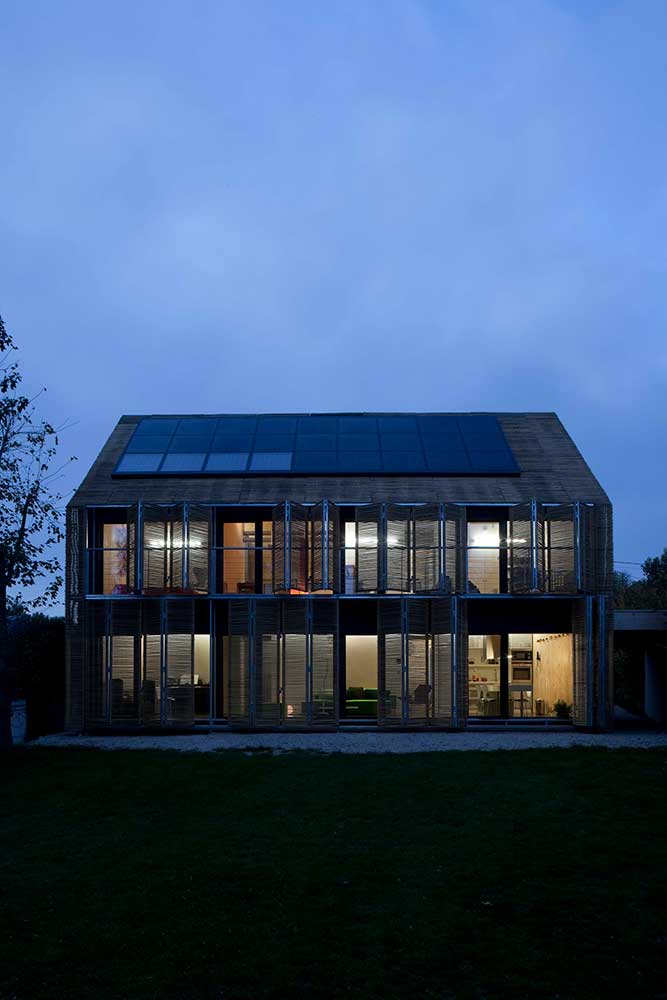
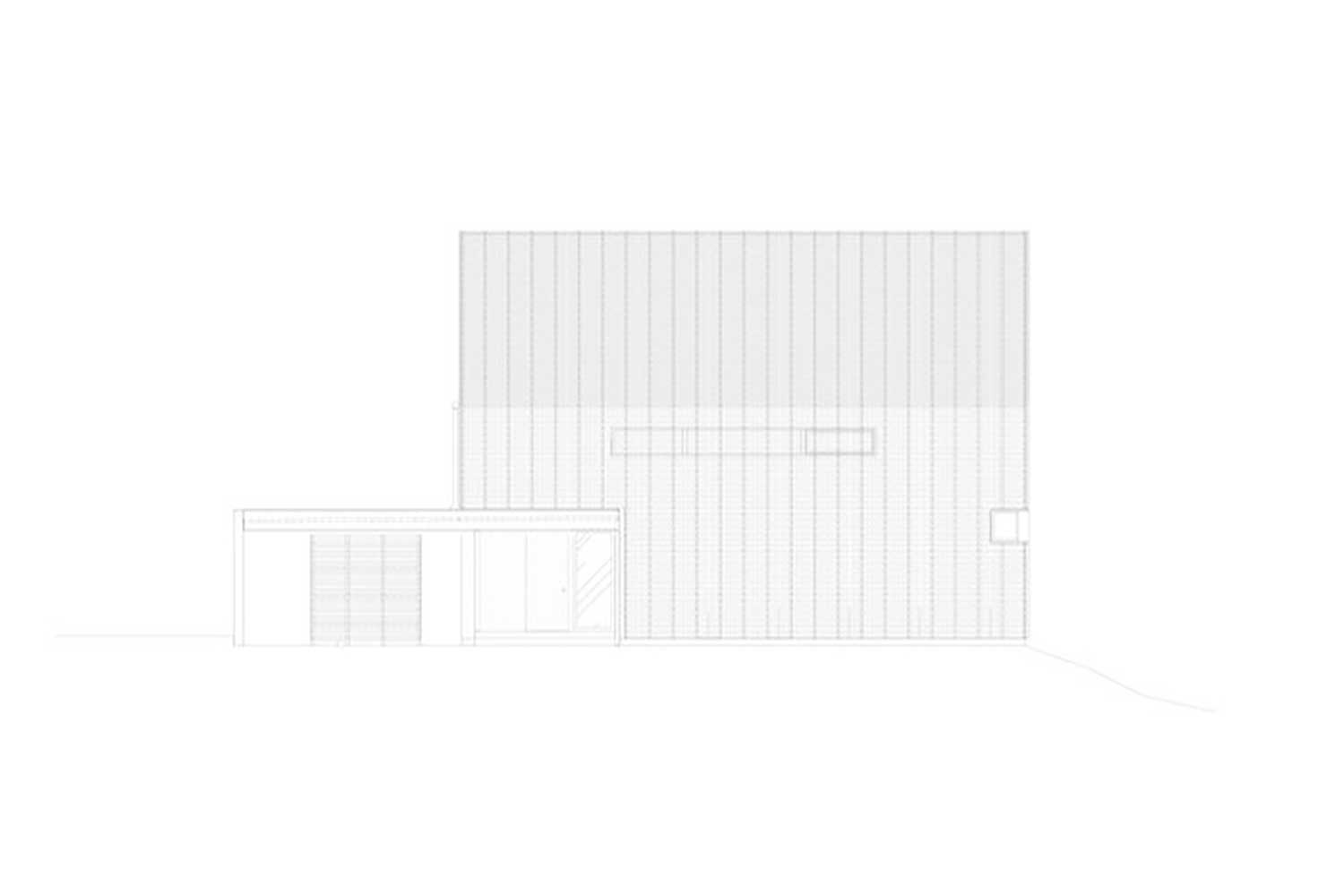
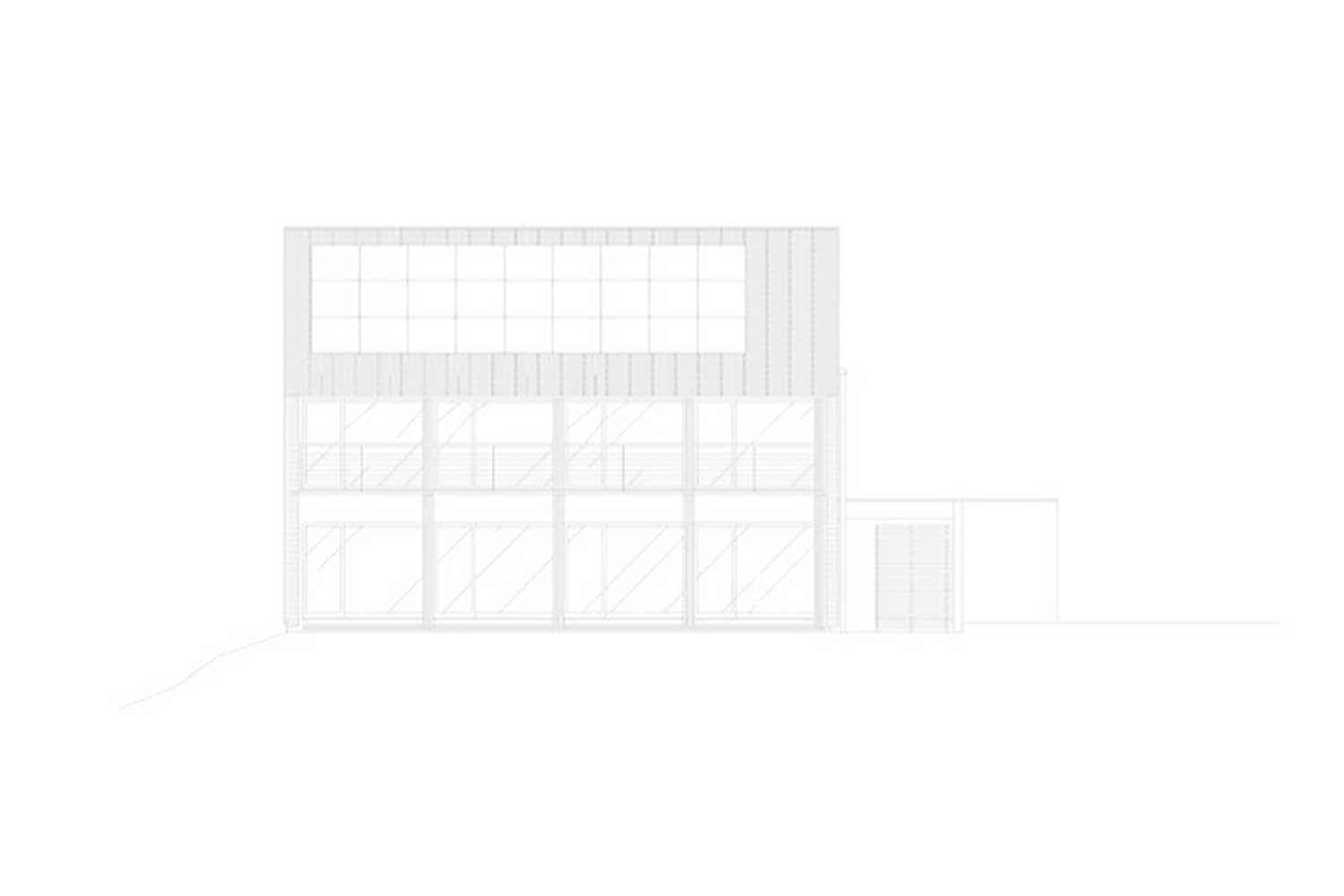
این خانه دو طبقه، با طرحی که گویی از شکل یک خانهٔ سنتی برآمده، جنبهای انتزاعی و مجسمهوار دارد؛ نمایی چوبی در فرم پنلهای بزرگ پیشساخته، با پوشش بامبو و نمایی دوگانه که سوی شمال را بسته و سوی جنوب را برای دریافت آفتاب باز میگذارد.
پوست دوم طبیعت
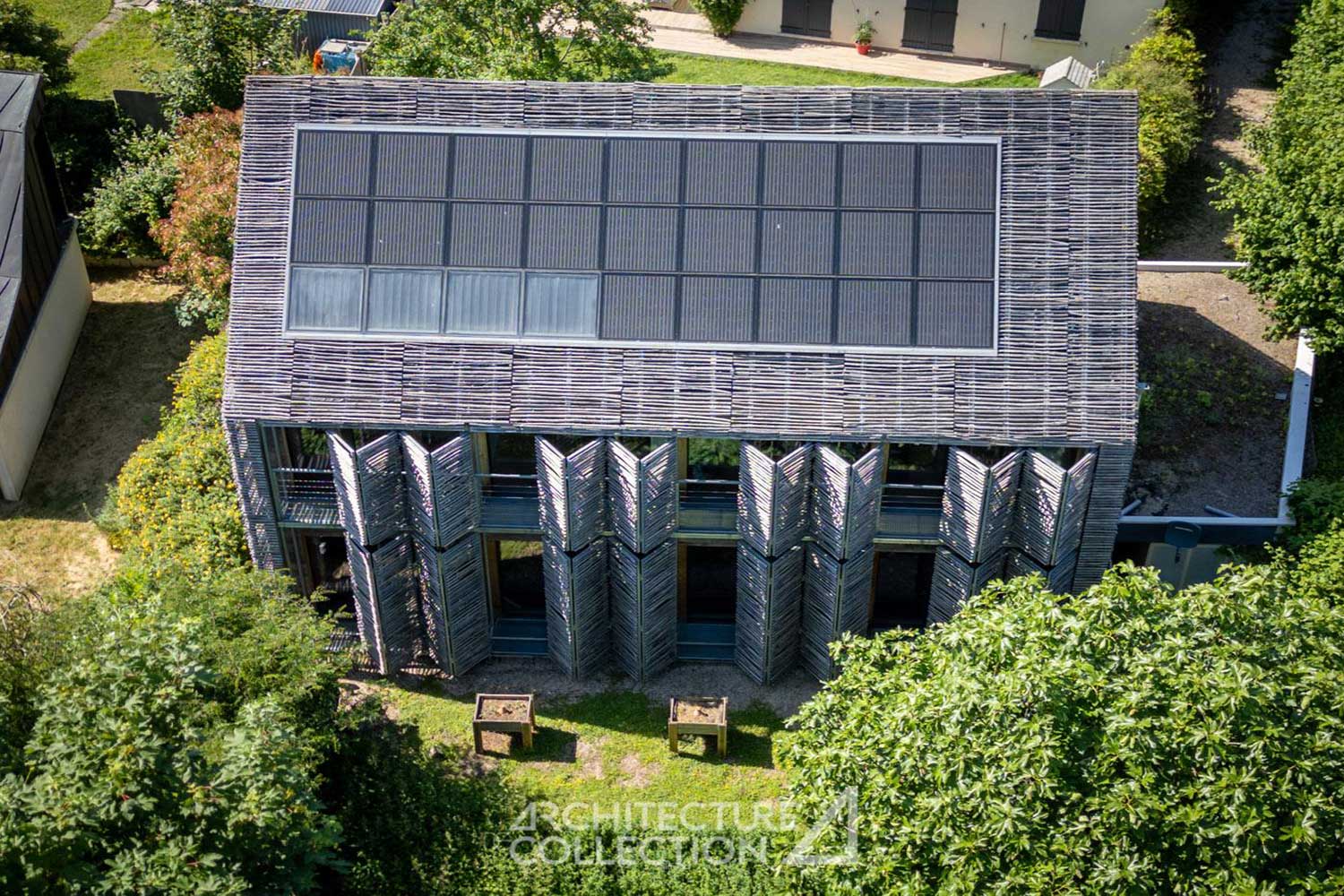
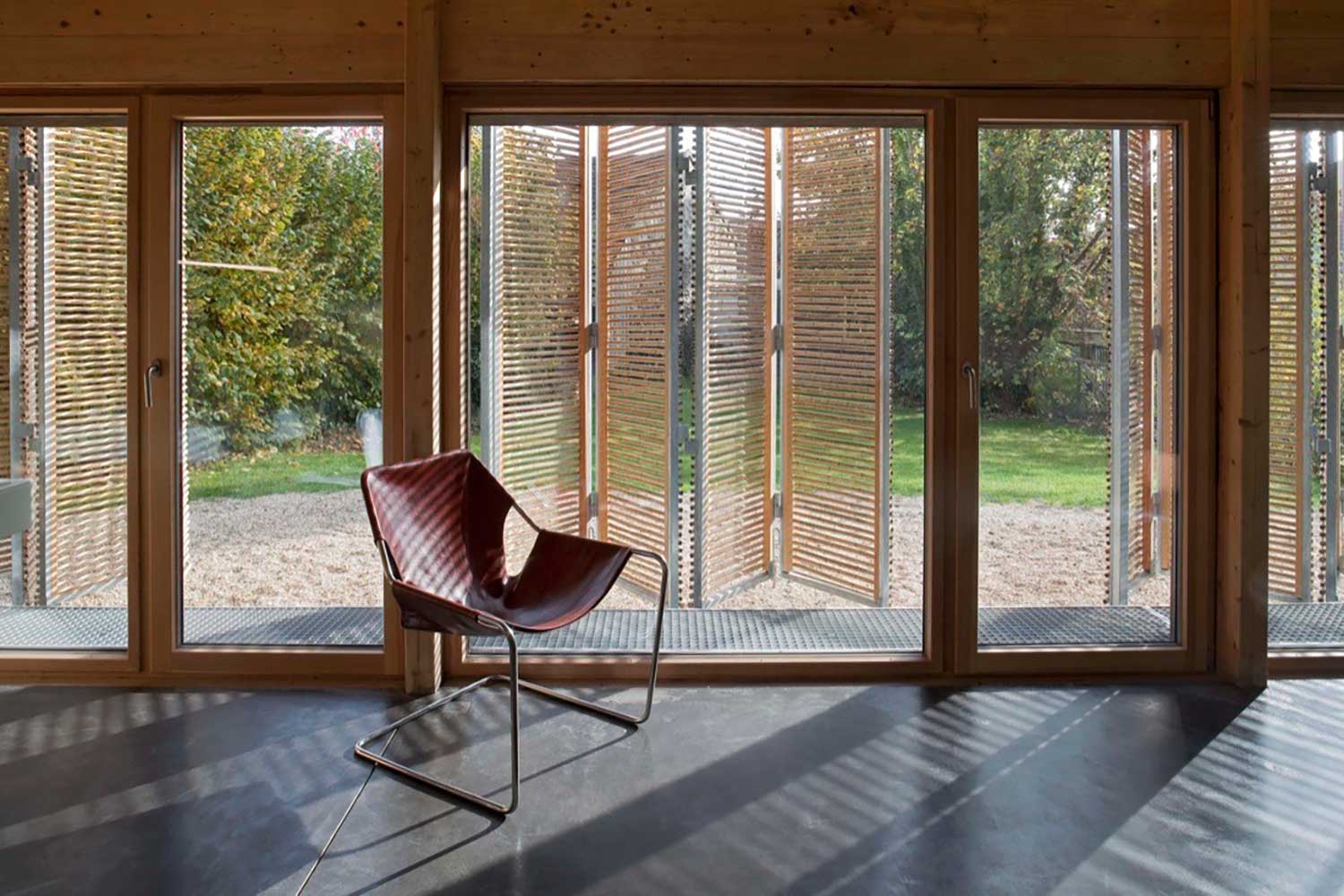
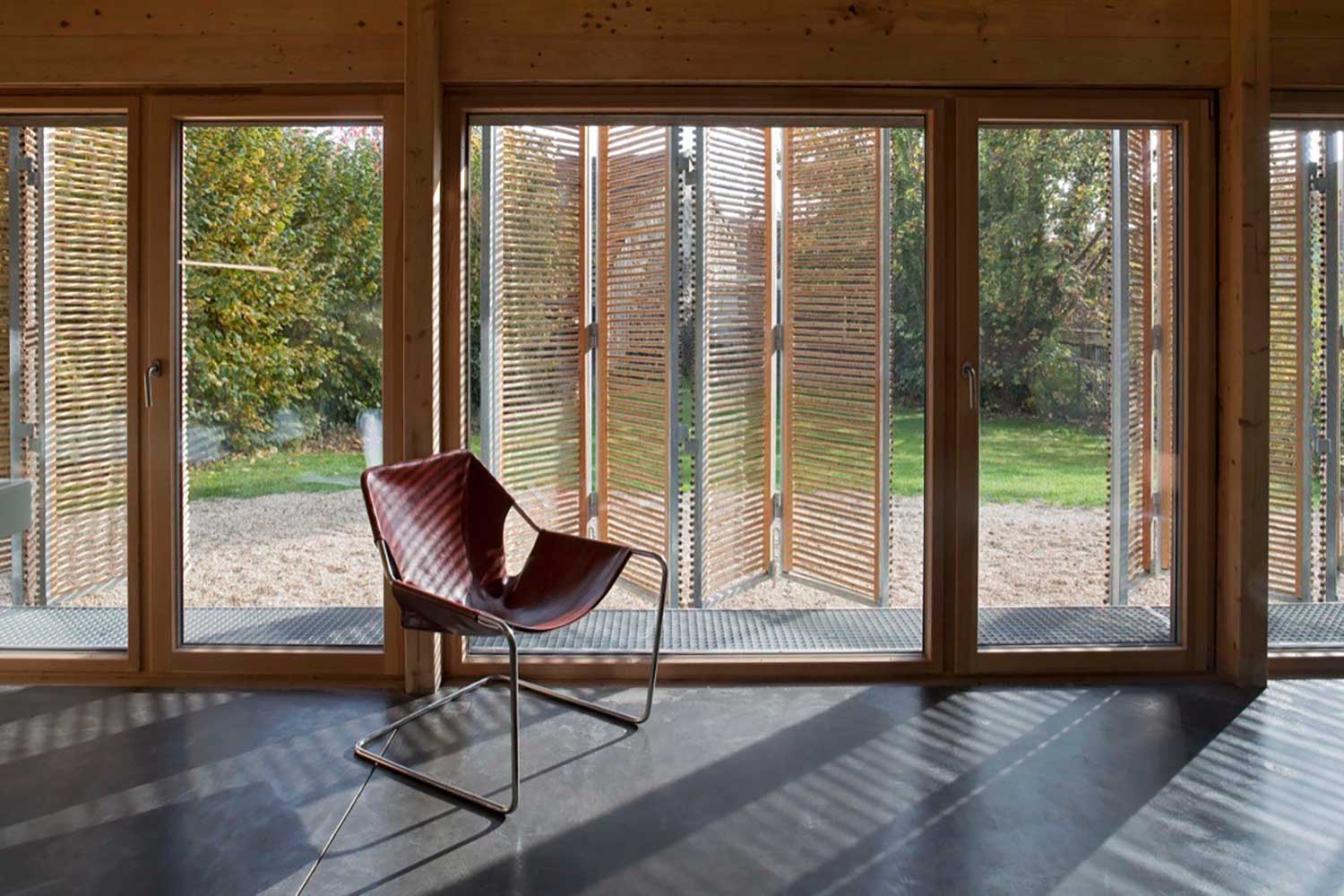
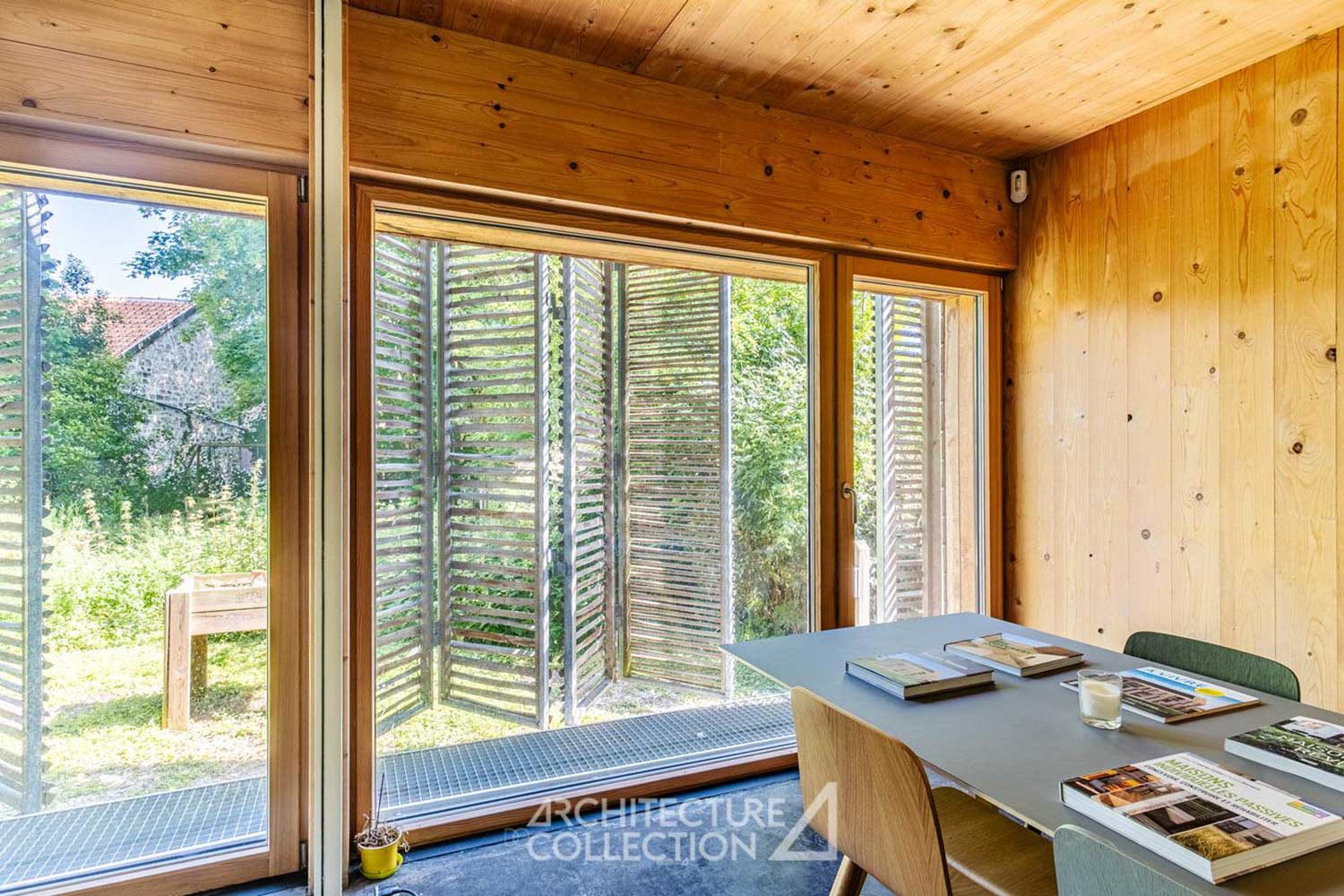
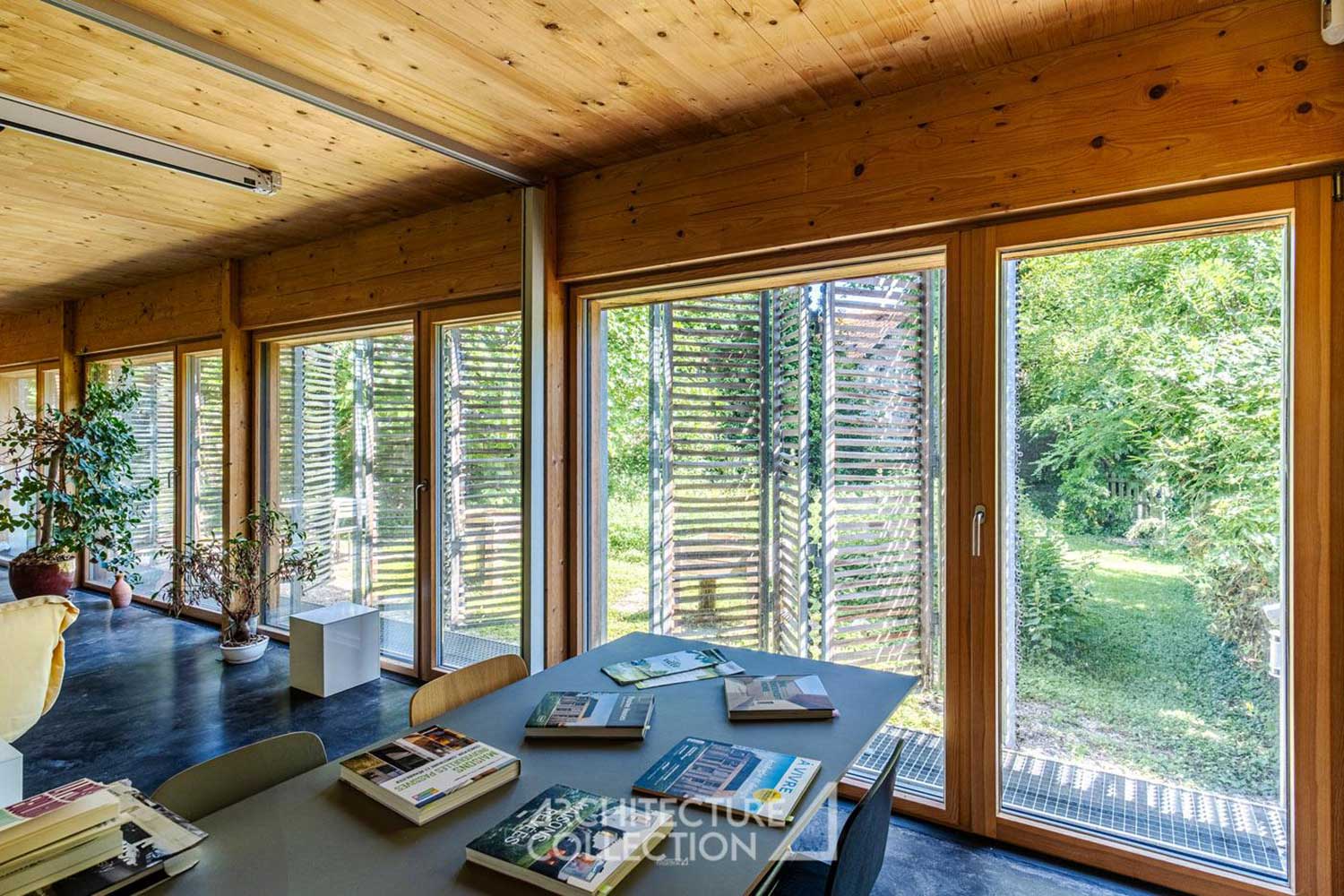
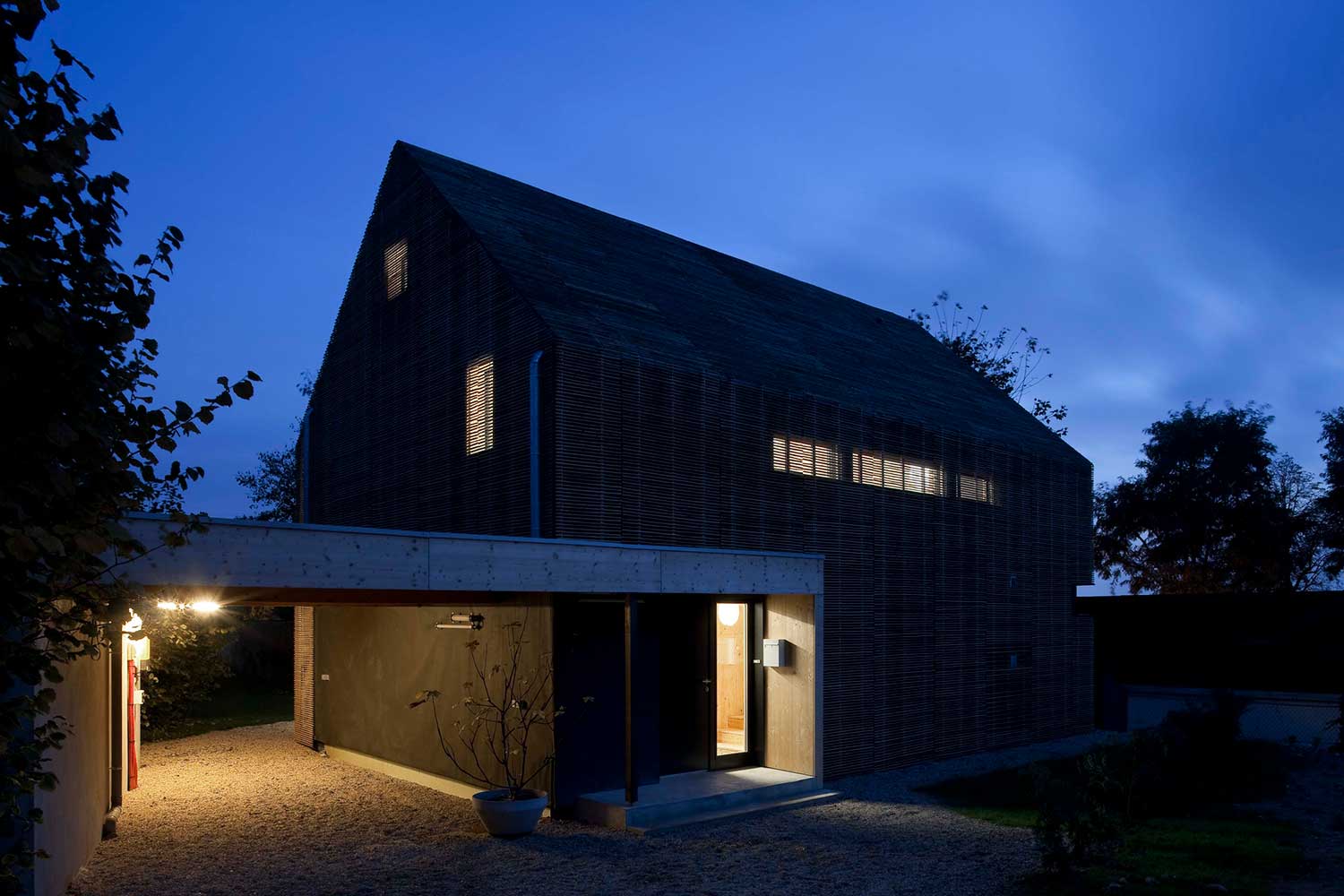
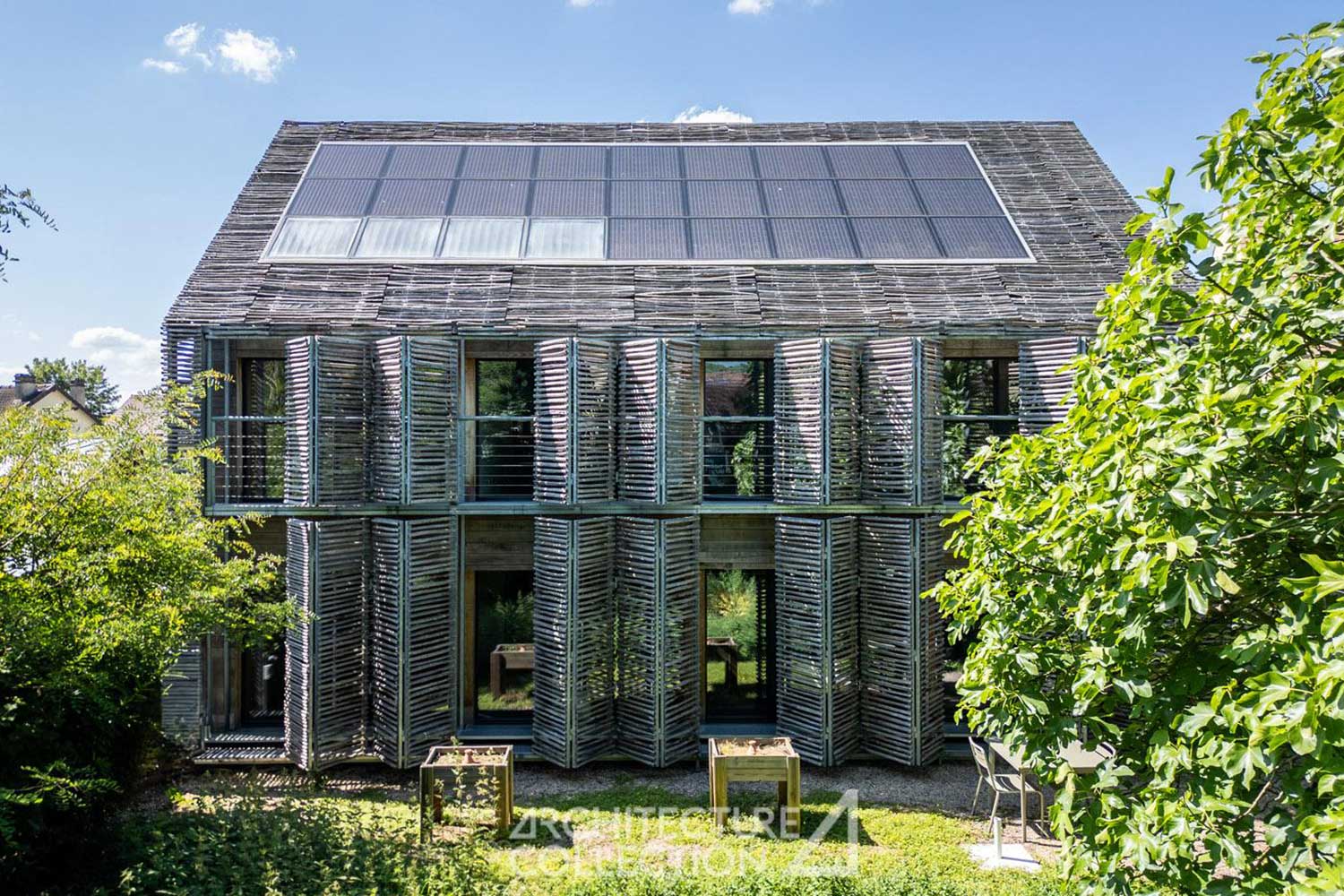
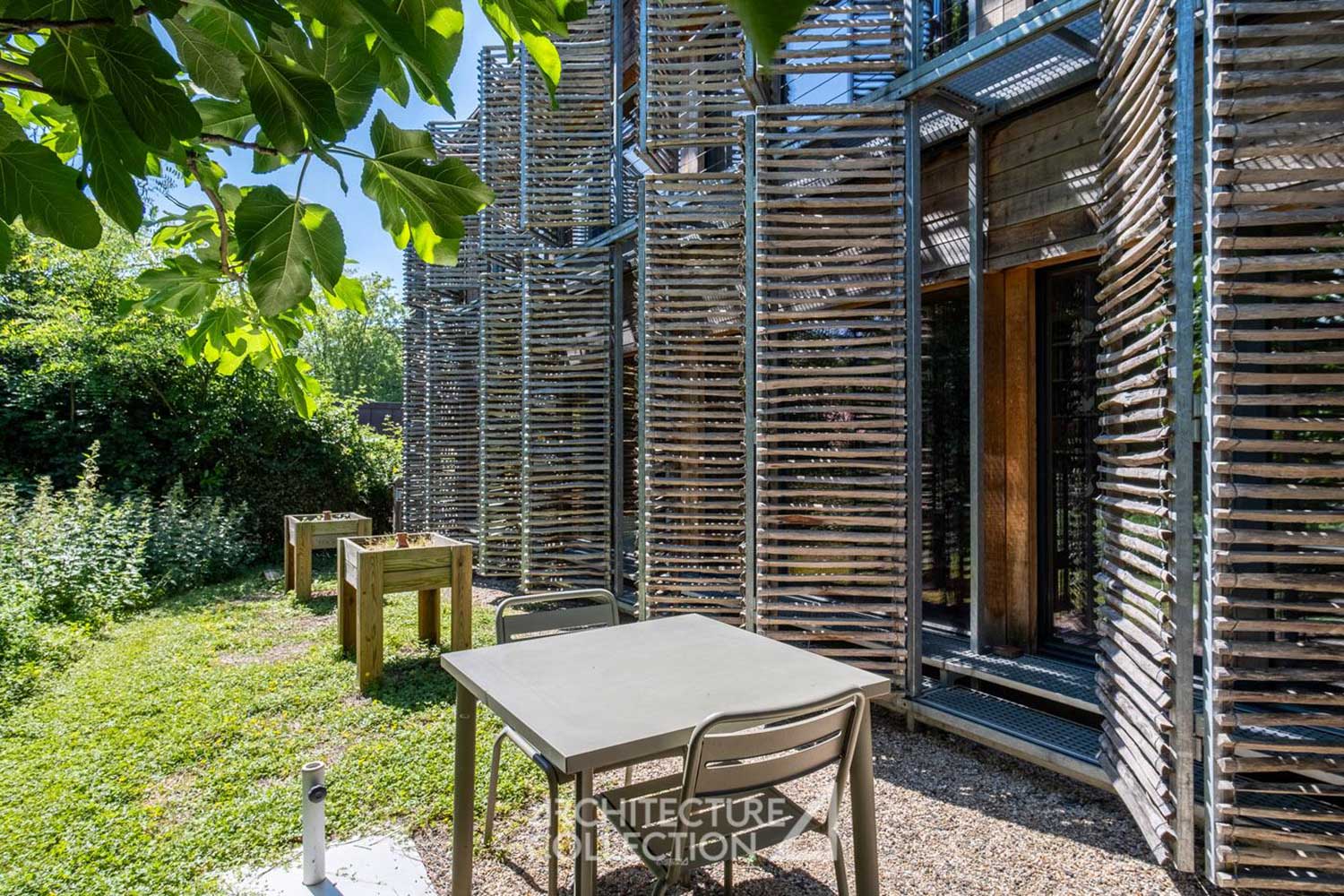
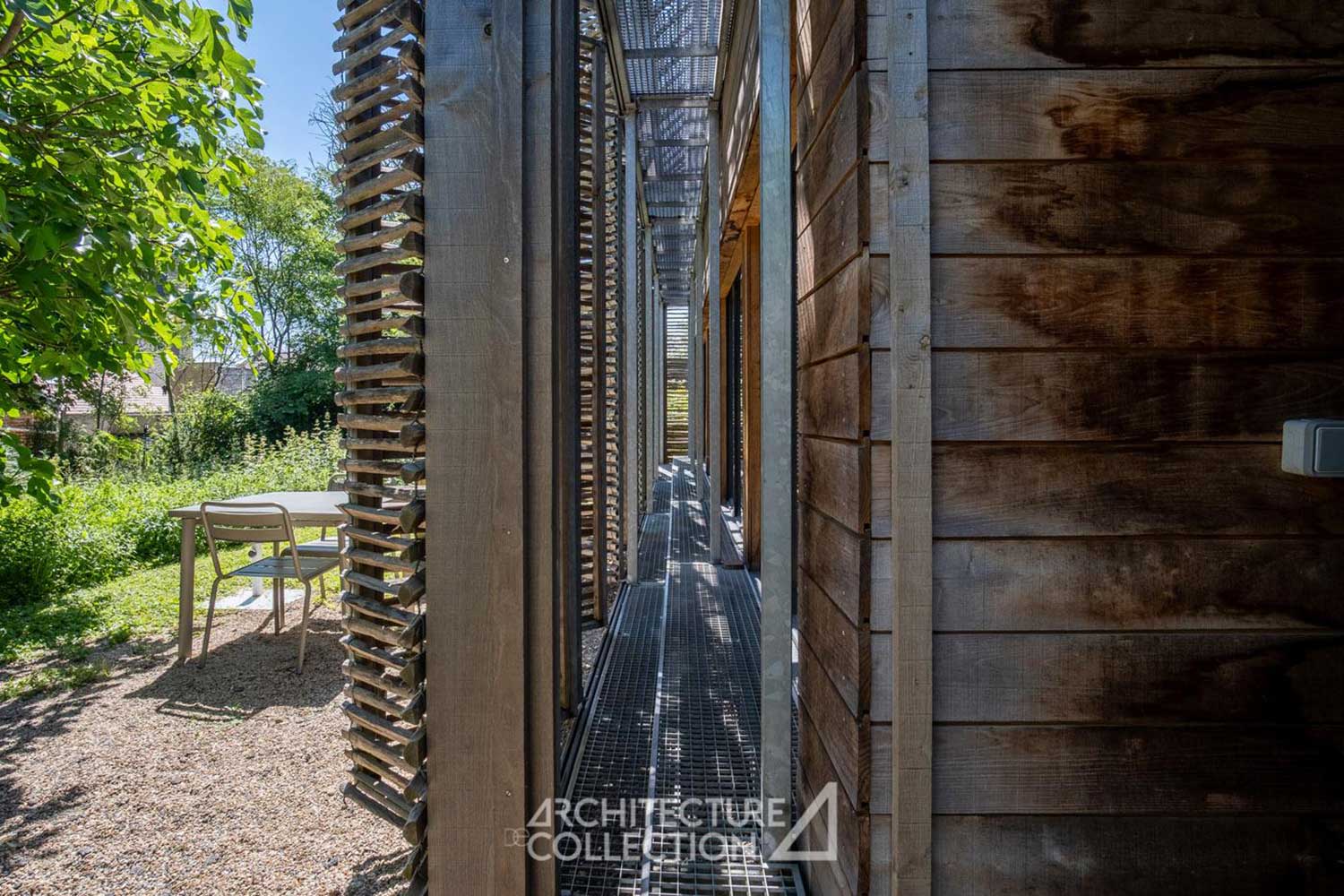
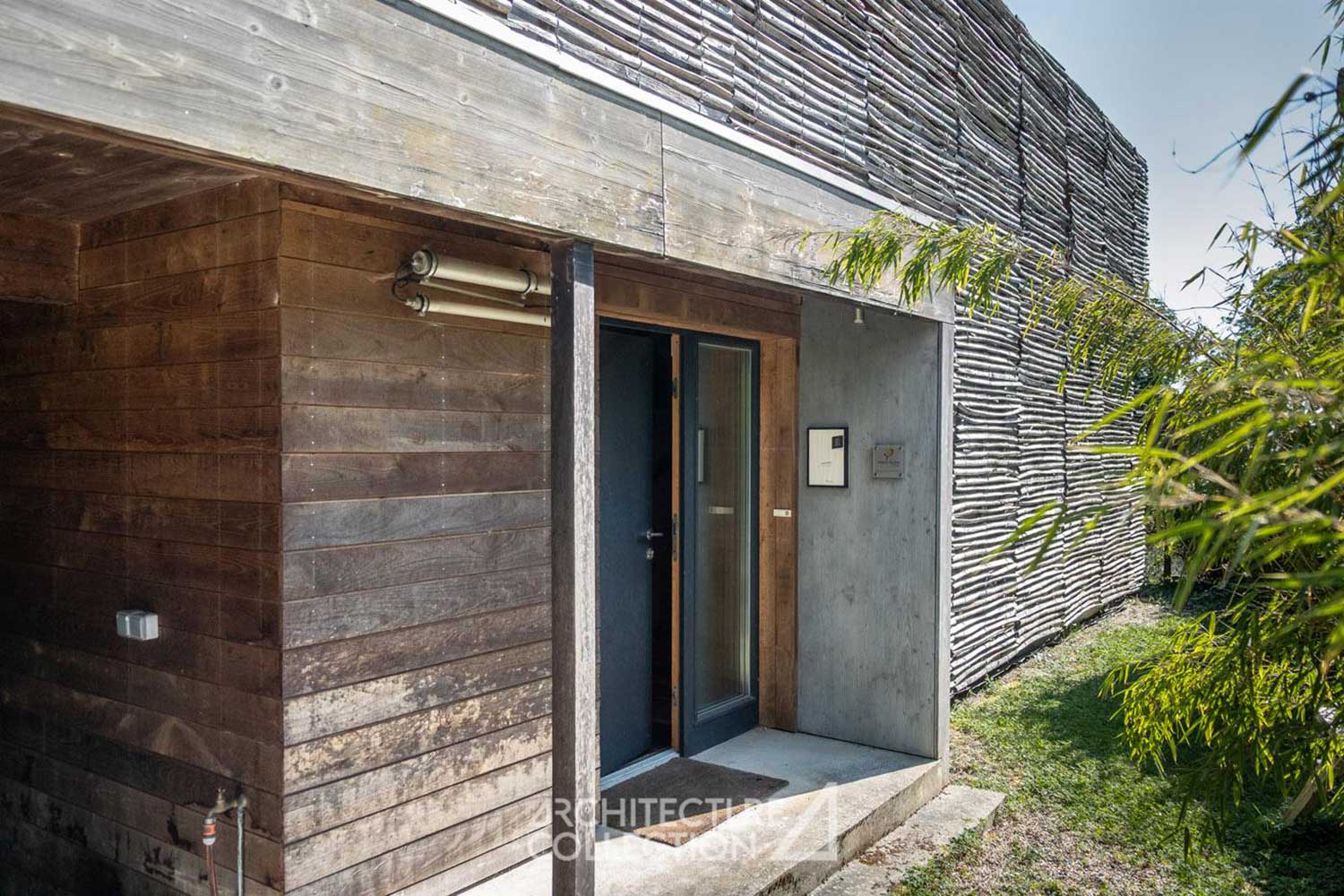
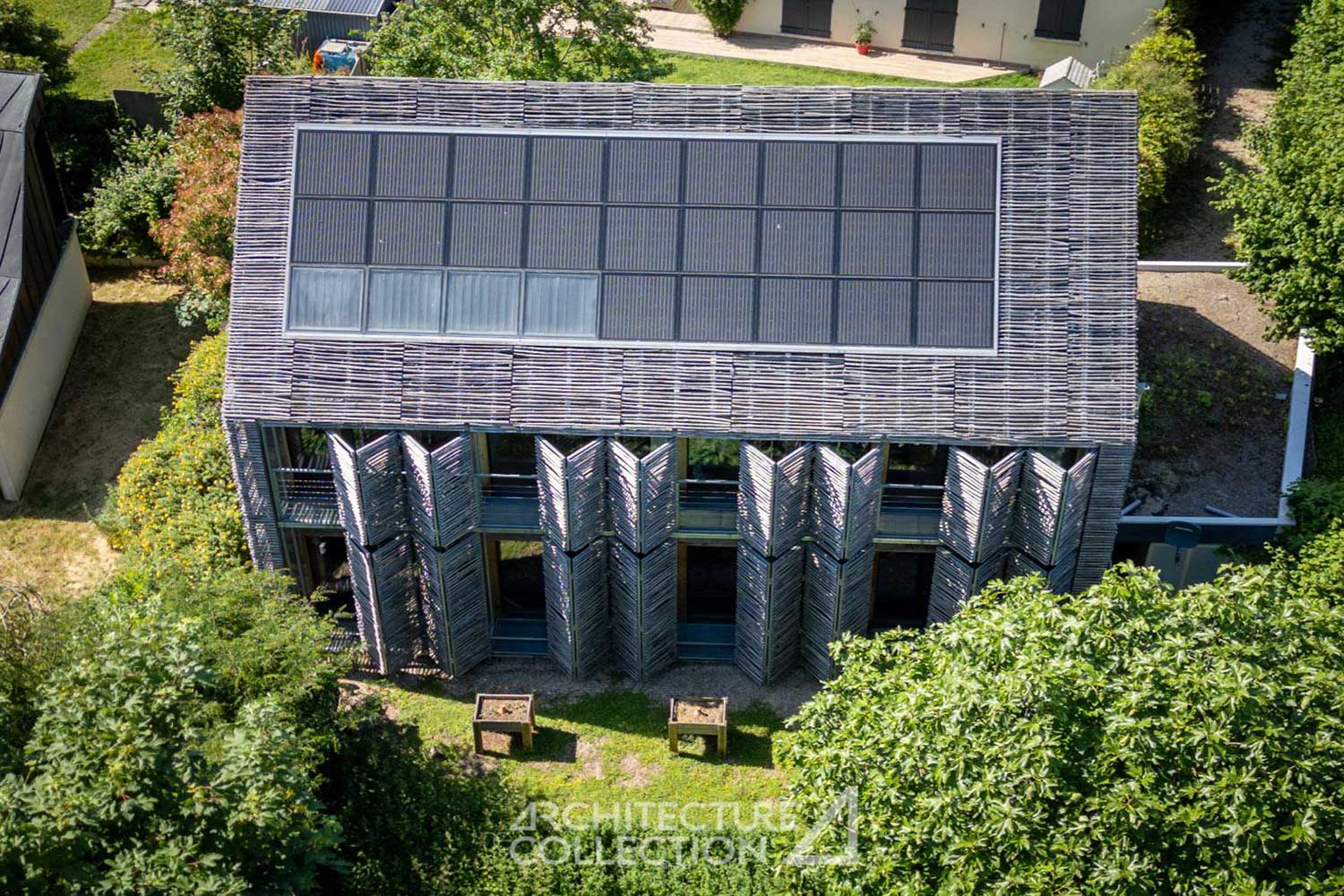
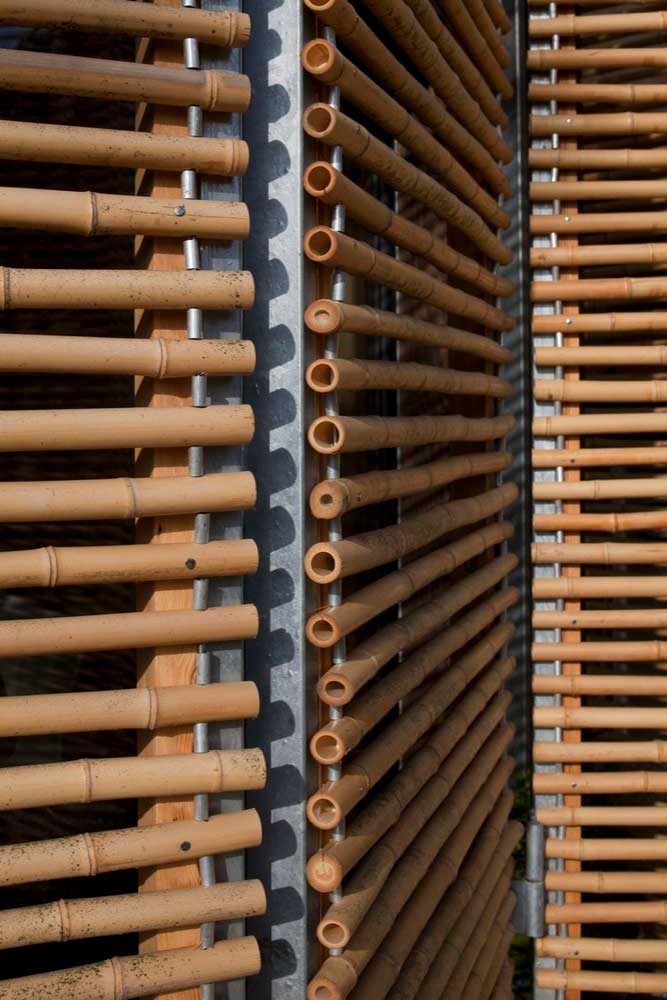
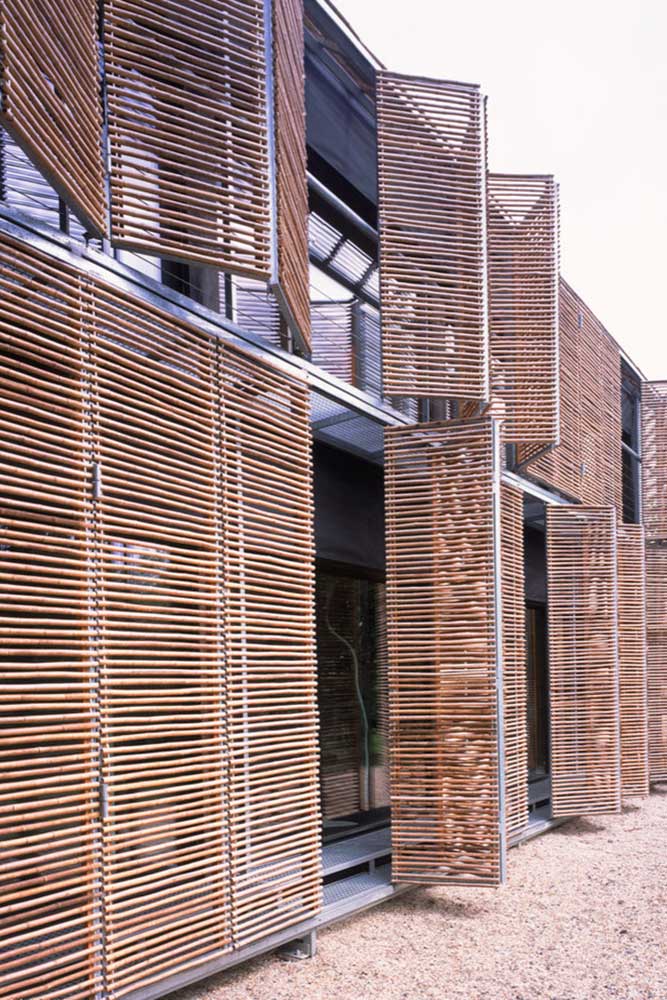
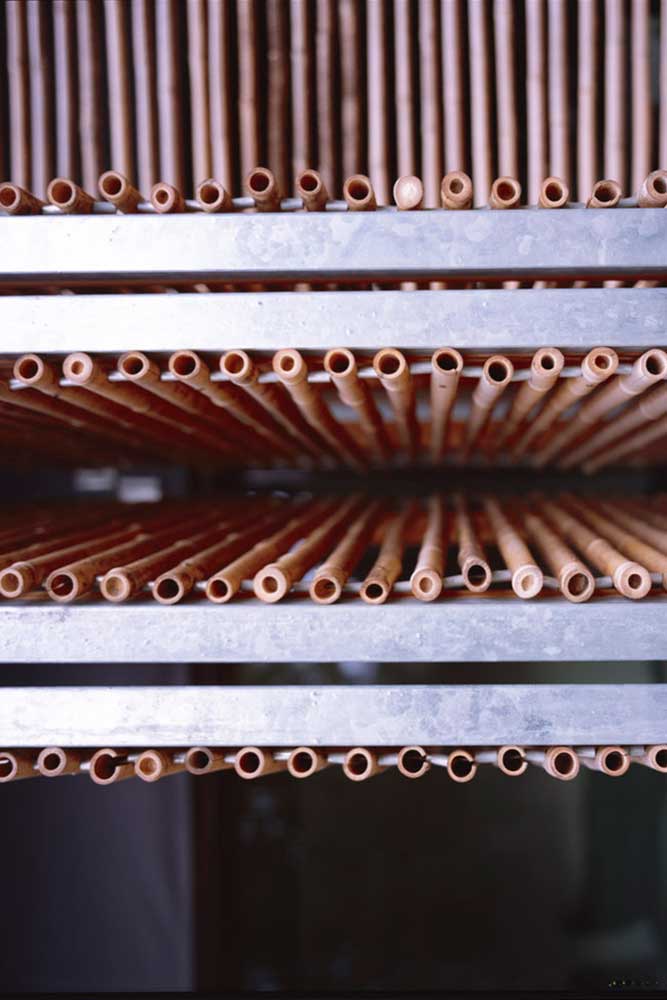
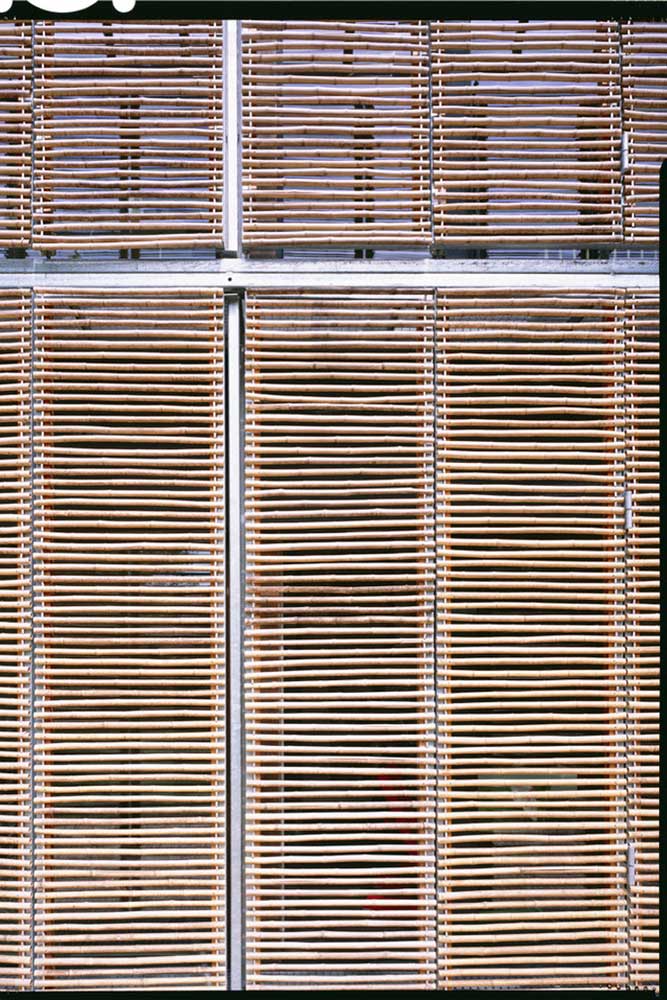
پوستهای از چوب بامبو که حالتی توریمانند دارد، این خانه را در برگرفته—رنگرفته با زمان—و الهامی از انبارهای روستایی منطقه. این پوشش بر پنجرههای شمالی کشیده و ادامهاش تا سقف، نقش سایهبانی اختیار میکند.
هوشمندی اقلیمی
پنلهای خورشیدی بر سقف جایگرفتهاند و خانه را به سوی تولید انرژی فراتر از مصرف سوق میدهند—خانهٔ انرژی مثبت.
مشخصات فنی
زیربنای گرم با عایقکاری بالا، ضریب U ≈ 0.14–0.17 و پنجرههای سهجداره triple-glazed با U ≈ 0.60–0.80 W/(m²K)
نفوذناپذیری عالی: n50 ≈ 0.48/h
مصرف انرژی گرمایش: حدود ۱۱ kWh/(m²a)
مصرف کل انرژی اولیه (غیراز الکتریسیتهٔ سولار): حدود ۹۰ kWh/(m²a)
پیوند با طبیعت و گذشته
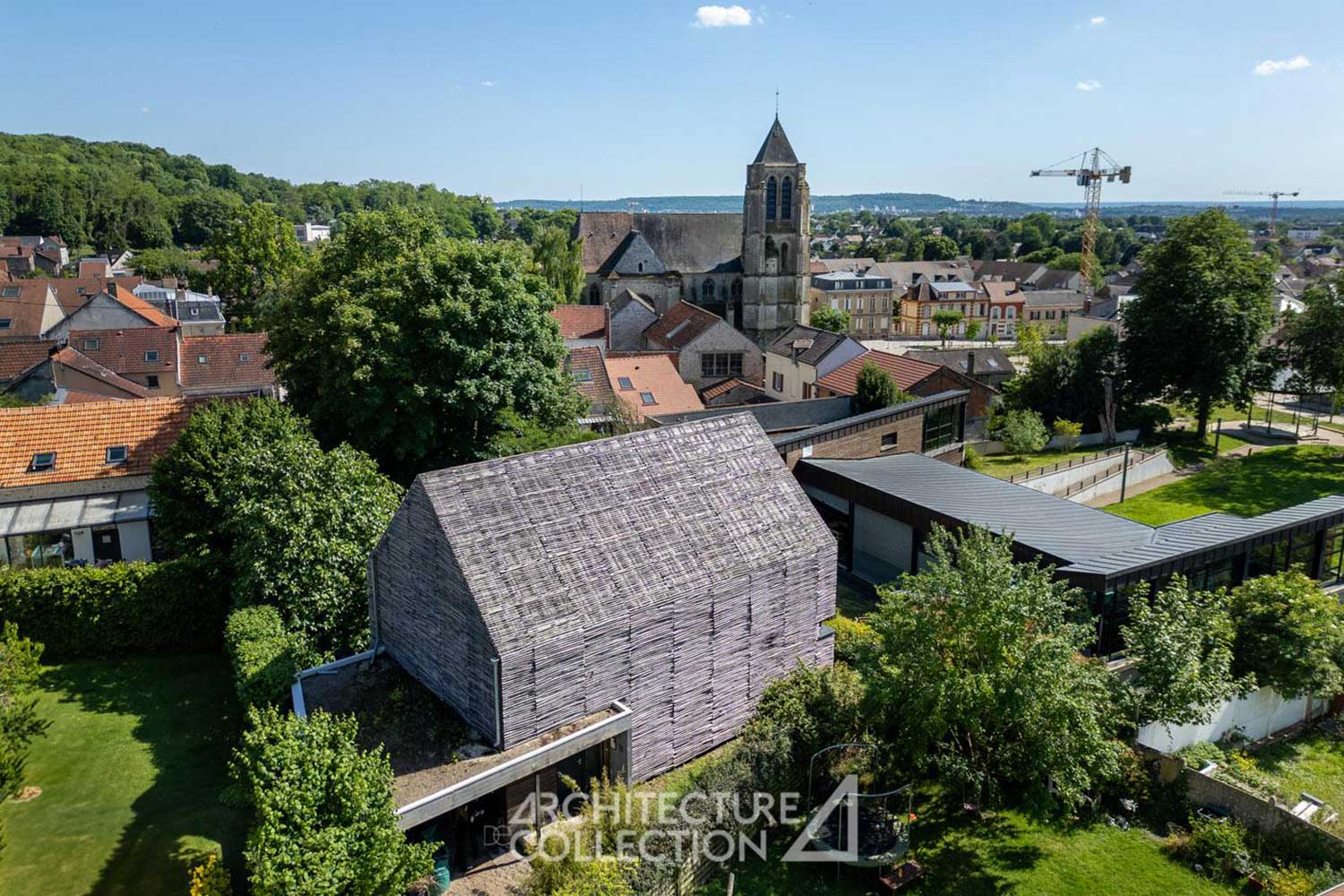
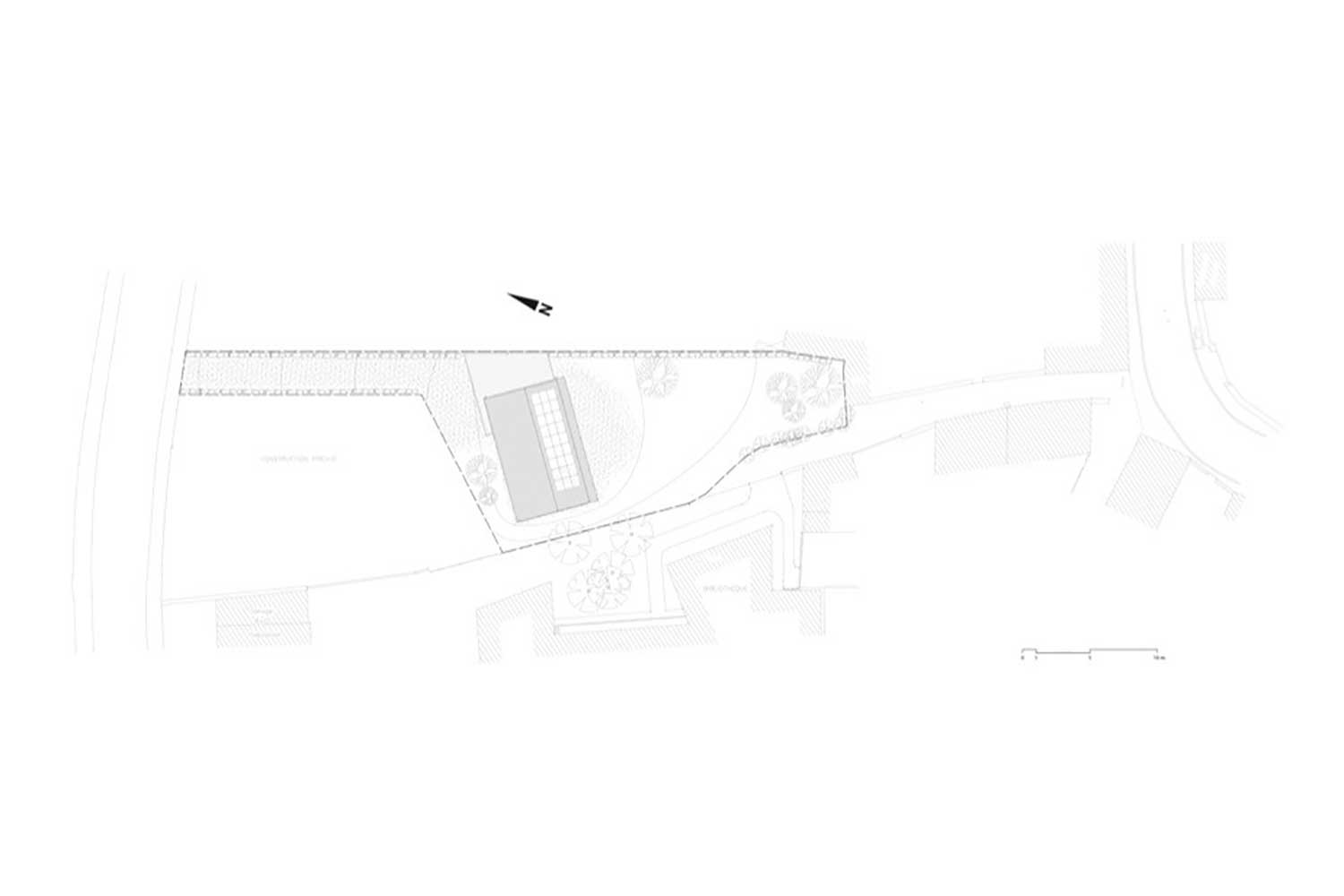
مسیر ورود آرام از خیابانهای پوشیده از درختان، موقعیت بنا در ۶۰۰ متر زمین جنگلی، و دیدی چشمگیر به کلیسای قرون وسطایی Bessancourt حس همزیستی با طبیعت و تاریخ را تقویت میکند.
خانهی غیرفعال با پوشش بامبوی معماران میلنا کارانشوآ و میشا ویتزمن در بسَنکور فرانسه، ۳۲ کیلومتری شمالغربی پاریس، توانسته گردشگران معماری، ساکنان محلی، گروههای فیلمبرداری و دوستان را به خود جلب کند. این بنا در شهری واقع شده که بناهای قرون ۱۲ و ۱۳ میلادی، در میان کوچههای باریک و حیاطهای فشرده، بر طراحی مدرن غلبه دارند. با وجود موقعیت نامعمول خانه — بین یک بافت تاریخی و خانههای کوچک دهه ۷۰ و ۸۰ میلادی- و دشواری ساخت آن، این پروژه در ترویج ایدهی خانهی غیرفعال در کشوری که نسبت به سایر نقاط اروپا کندتر عمل کرده، نقشی مهم داشته است.
در زمان اتمام پروژه در سال ۲۰۰۹، این خانه که به طور رسمی «خانهی غیرفعال» نام گرفت، دومین نمونه در فرانسه و نخستین نمونه در منطقه پاریس بود. از آن زمان، کارانشوآ و ویتزمن – زوج معمار و بنیانگذاران دفتر Karawitz Architecture در پاریس (۲۰۰۵) – حدود هفت خانهی غیرفعال طراحی کردهاند که همه به جز دو پروژه، در مراحل مختلف ساخت یا تکمیل هستند. در فوریه همان سال، کاراویتز در پی اخذ مجوز ساخت برای یک مجتمع آپارتمانی در پاریس بر اساس اصول خانهٔ غیرفعال بود.
این خانهی دوطبقه با مساحت ۱٬۹۰۰ فوت مربع، از نظر فنی و برنامهریزی ساده است و این امر تا حد زیادی به دلیل مقررات سختگیرانه محلی و کدهای قدیمی شهرسازی است. الزامات شامل بام شیبدار و تعداد محدود پنجرهها برای حفظ حریم خصوصی بود. کارانشوآ میگوید: «ما معماران مدرن هستیم – از قرن ۱۸ نیستیم. برای ما بسیار مهم بود که آن را معاصر کنیم.» او و ویتزمن این هدف را با انتزاع فرم سنتی محقق کردند.
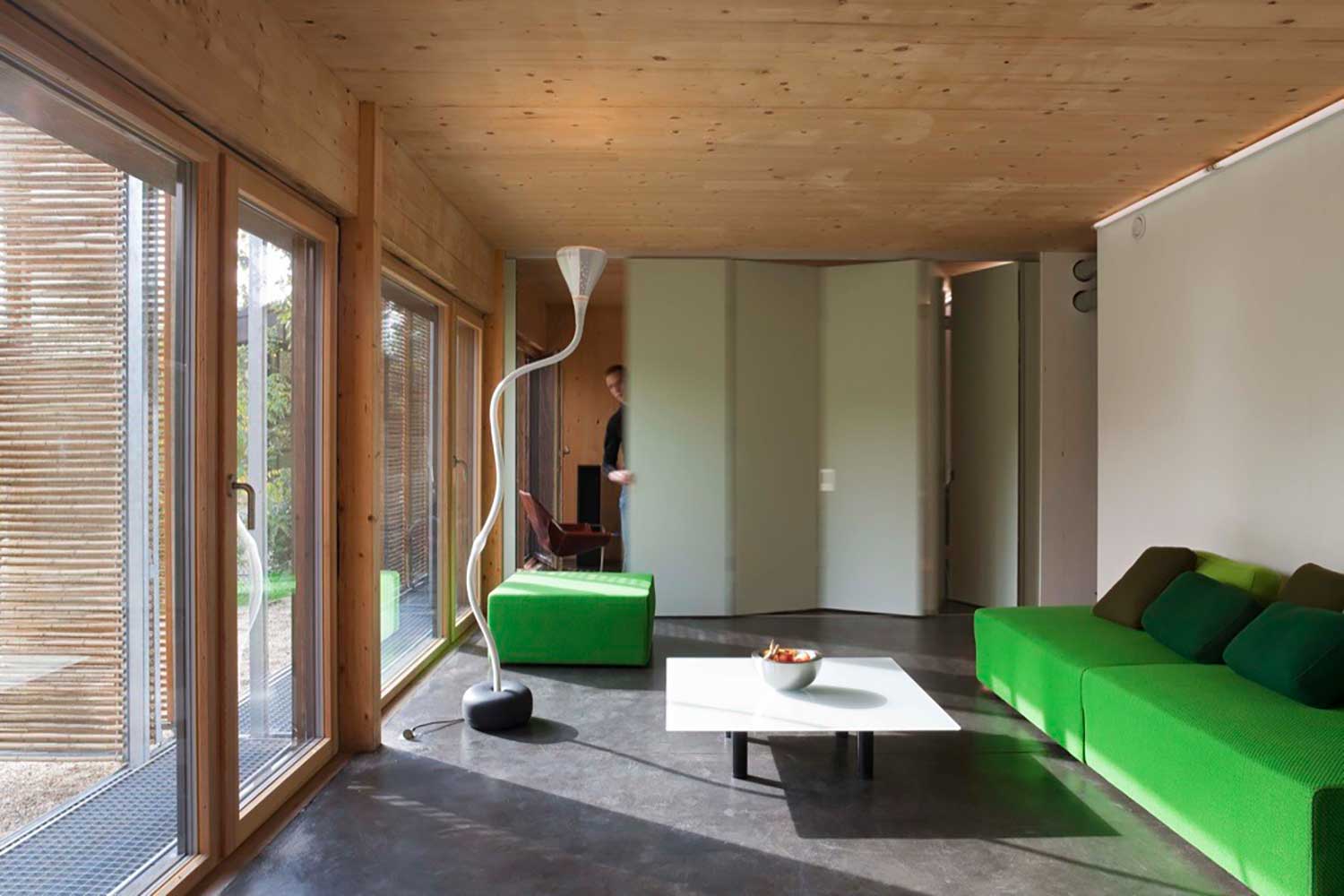
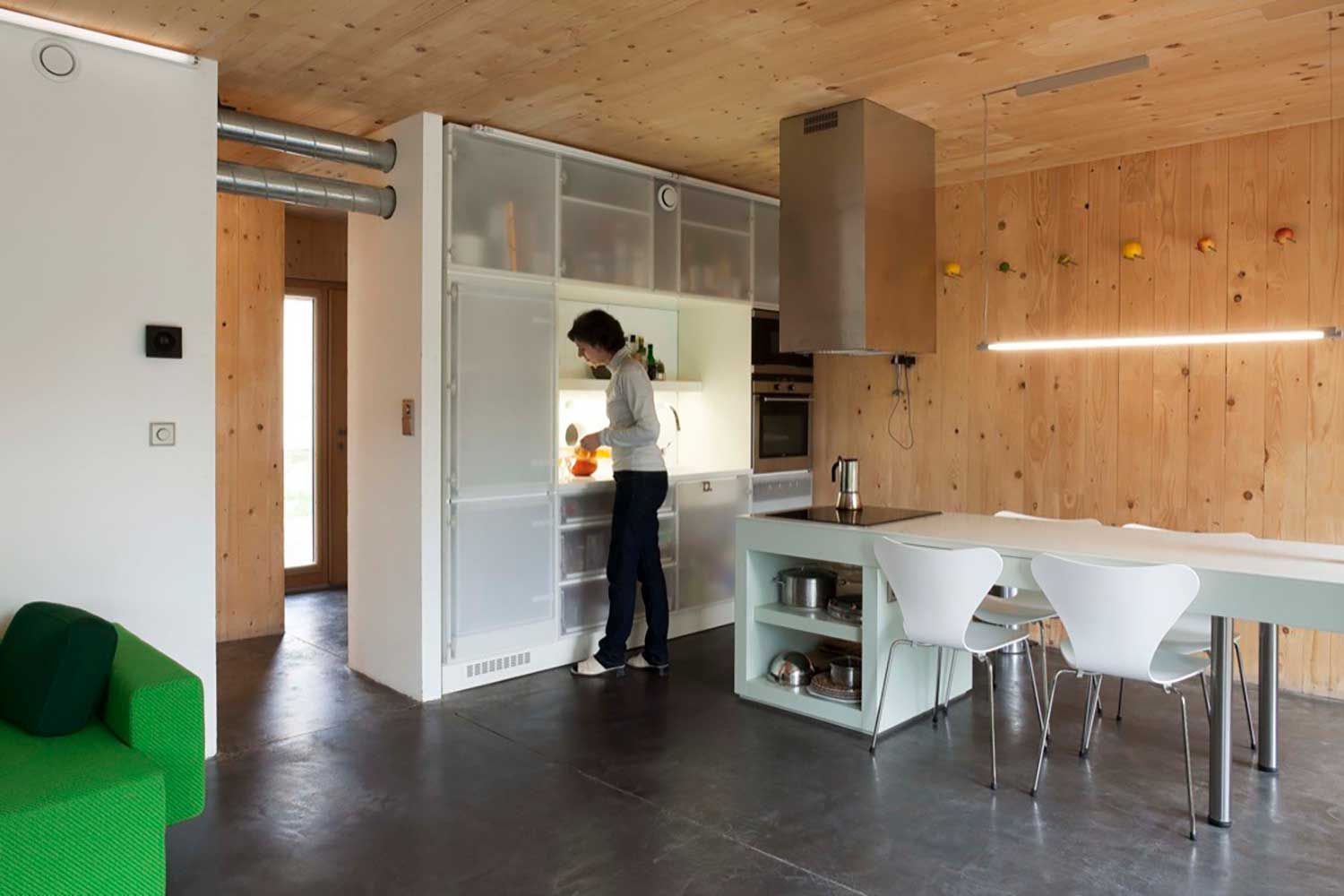
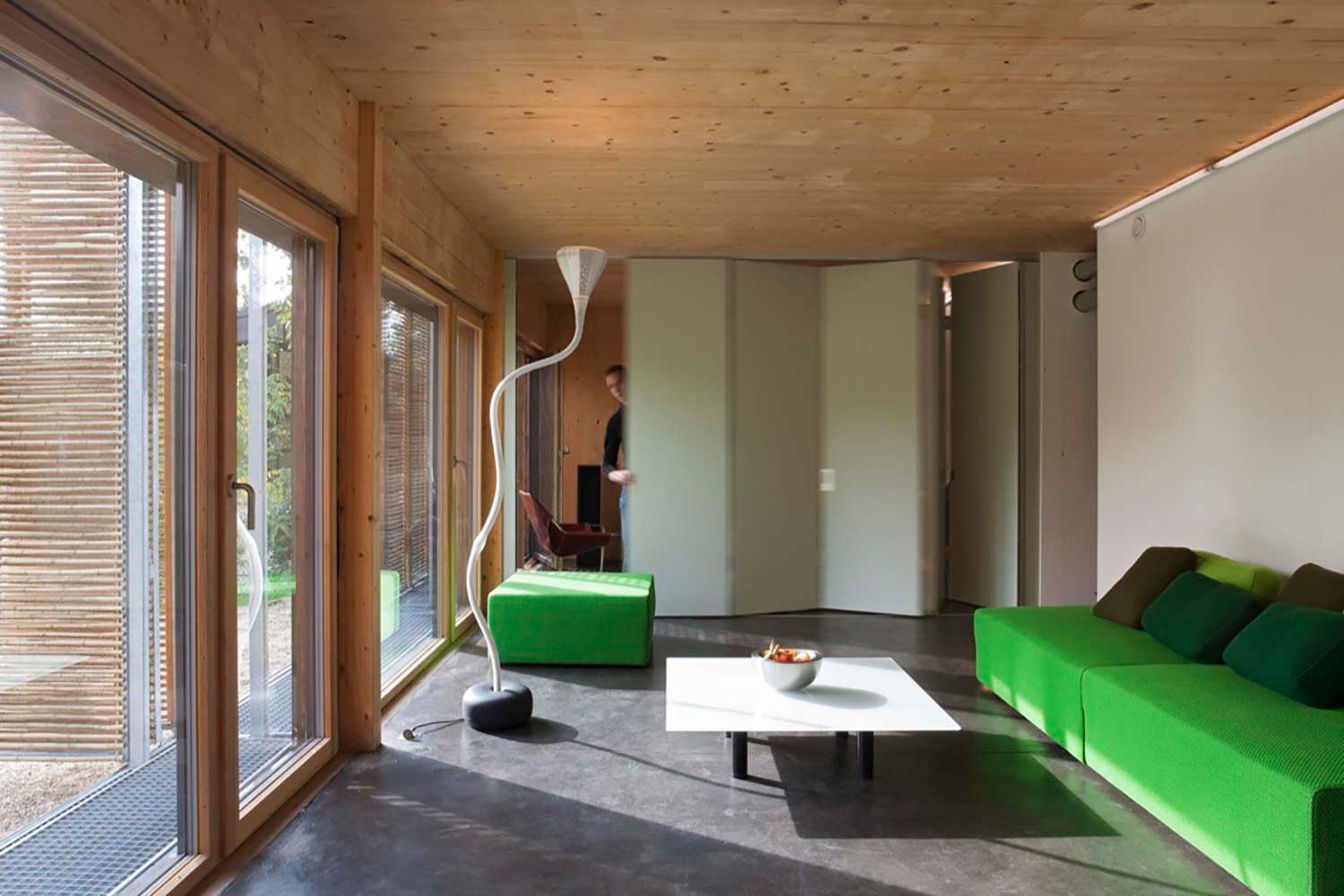
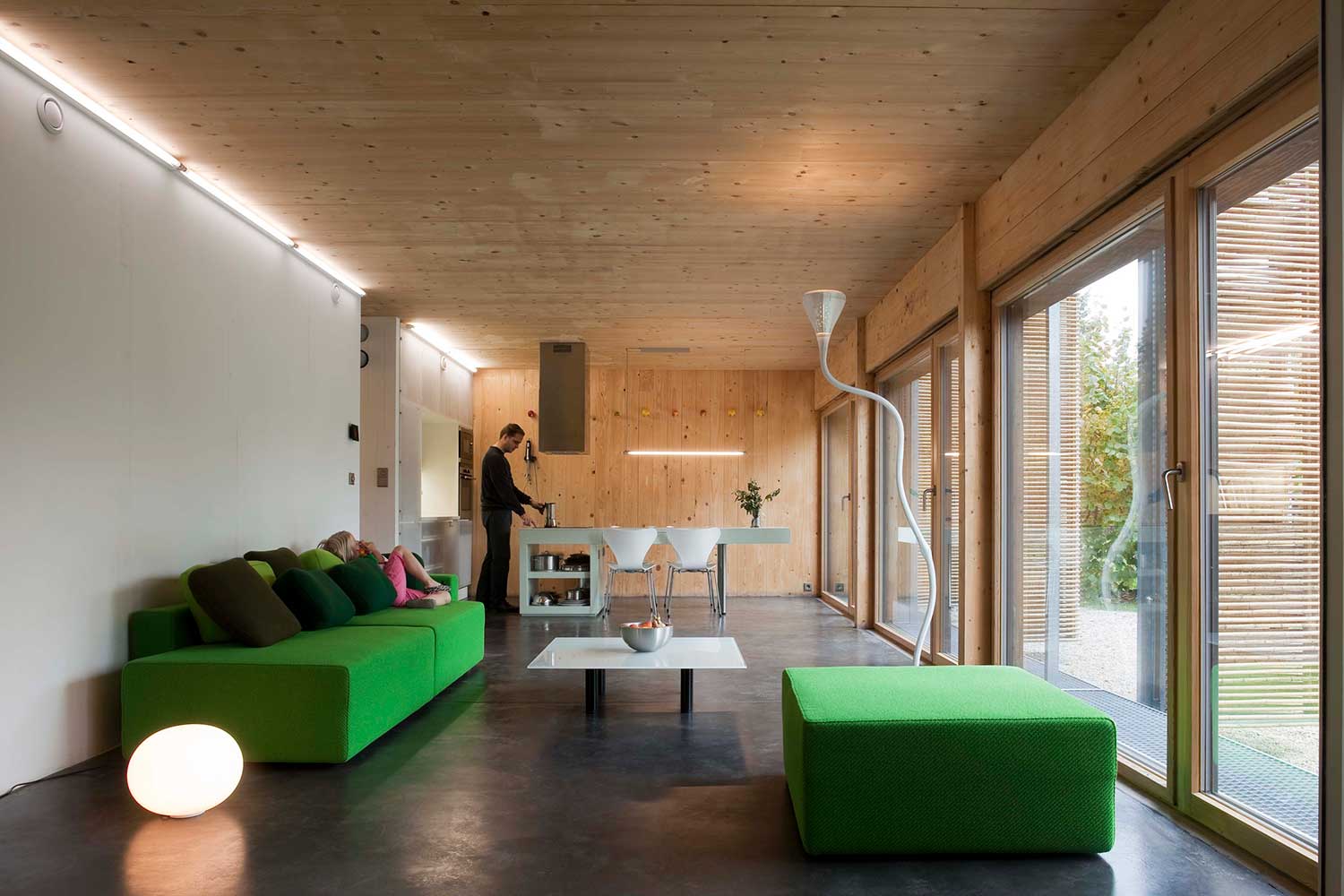
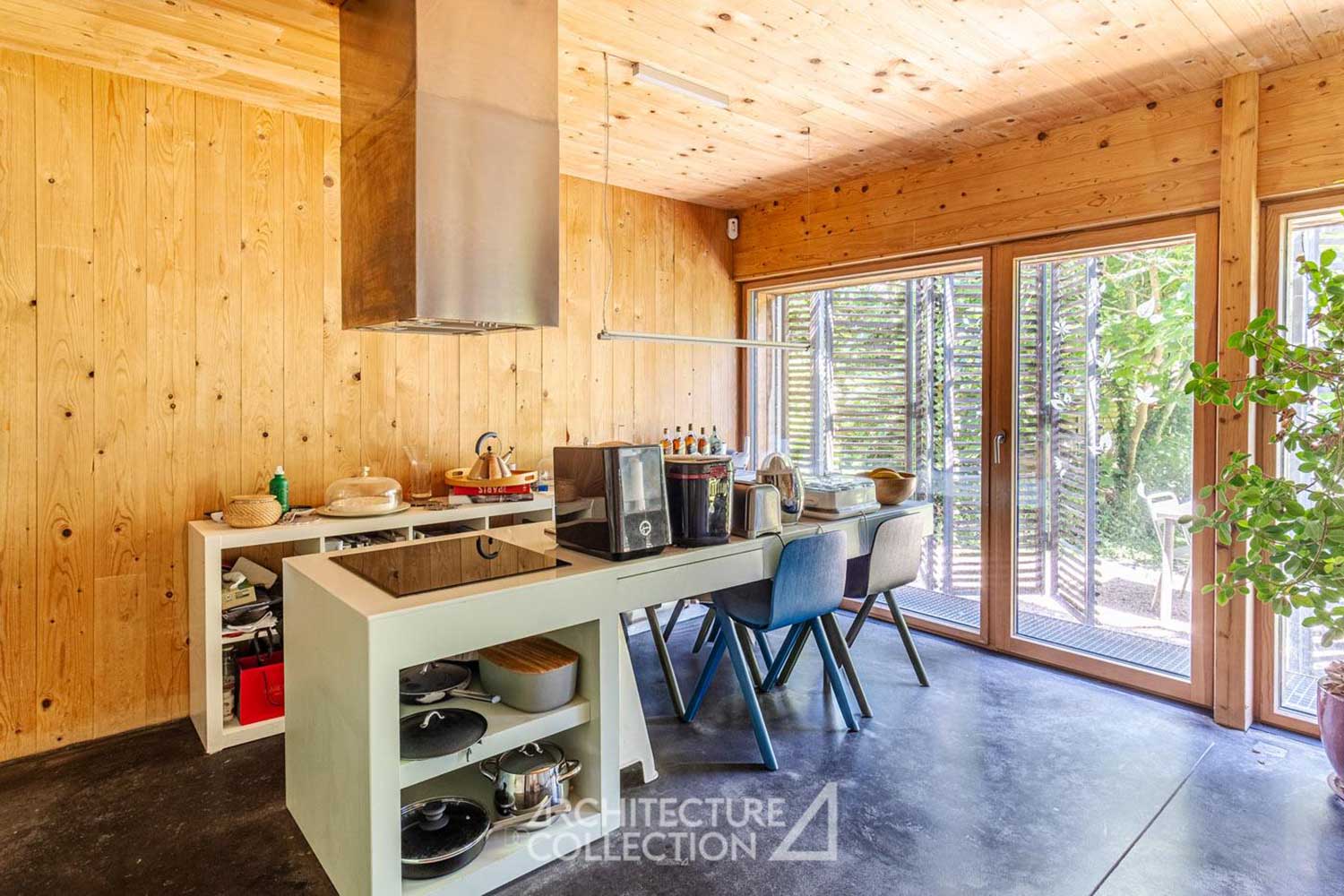
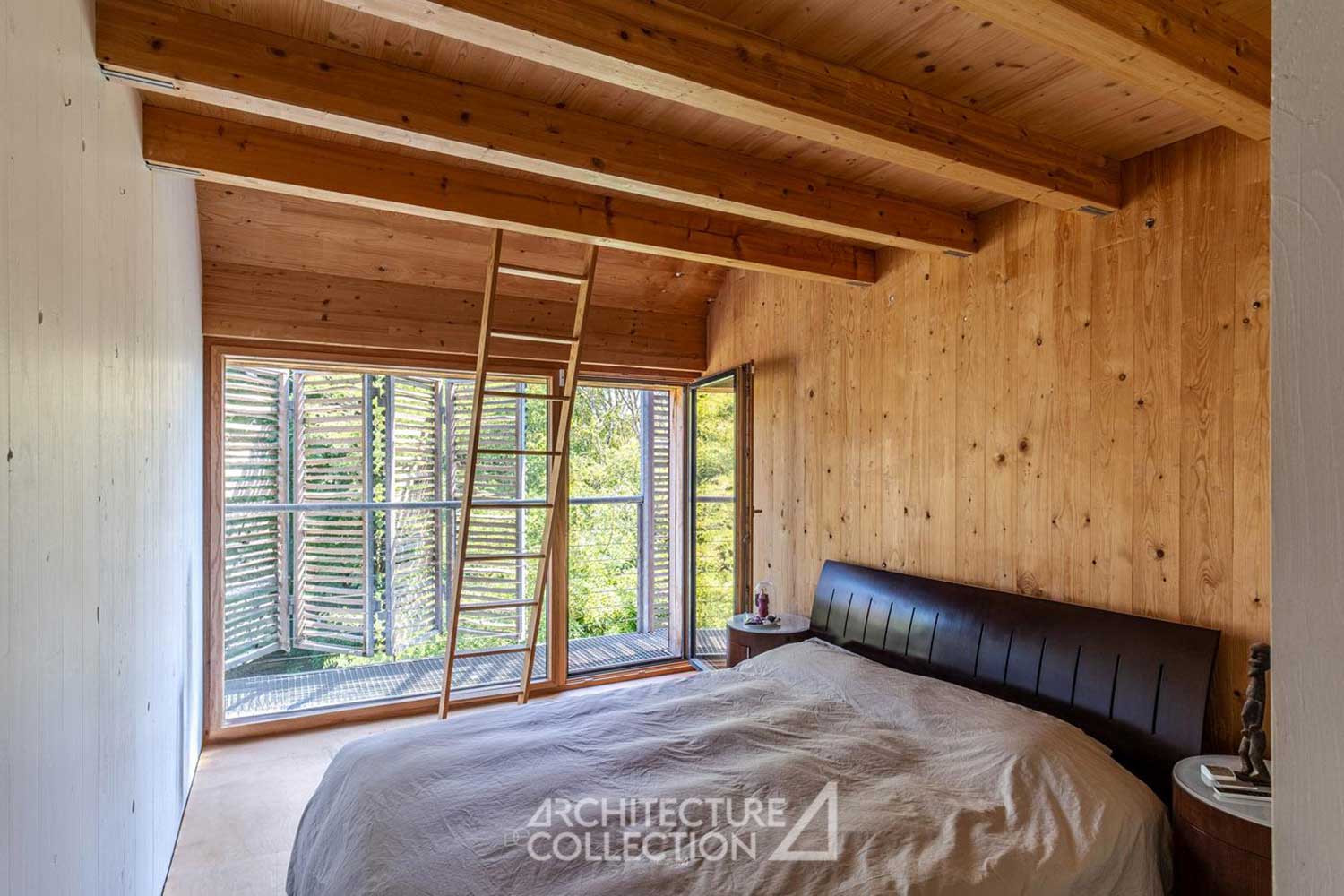
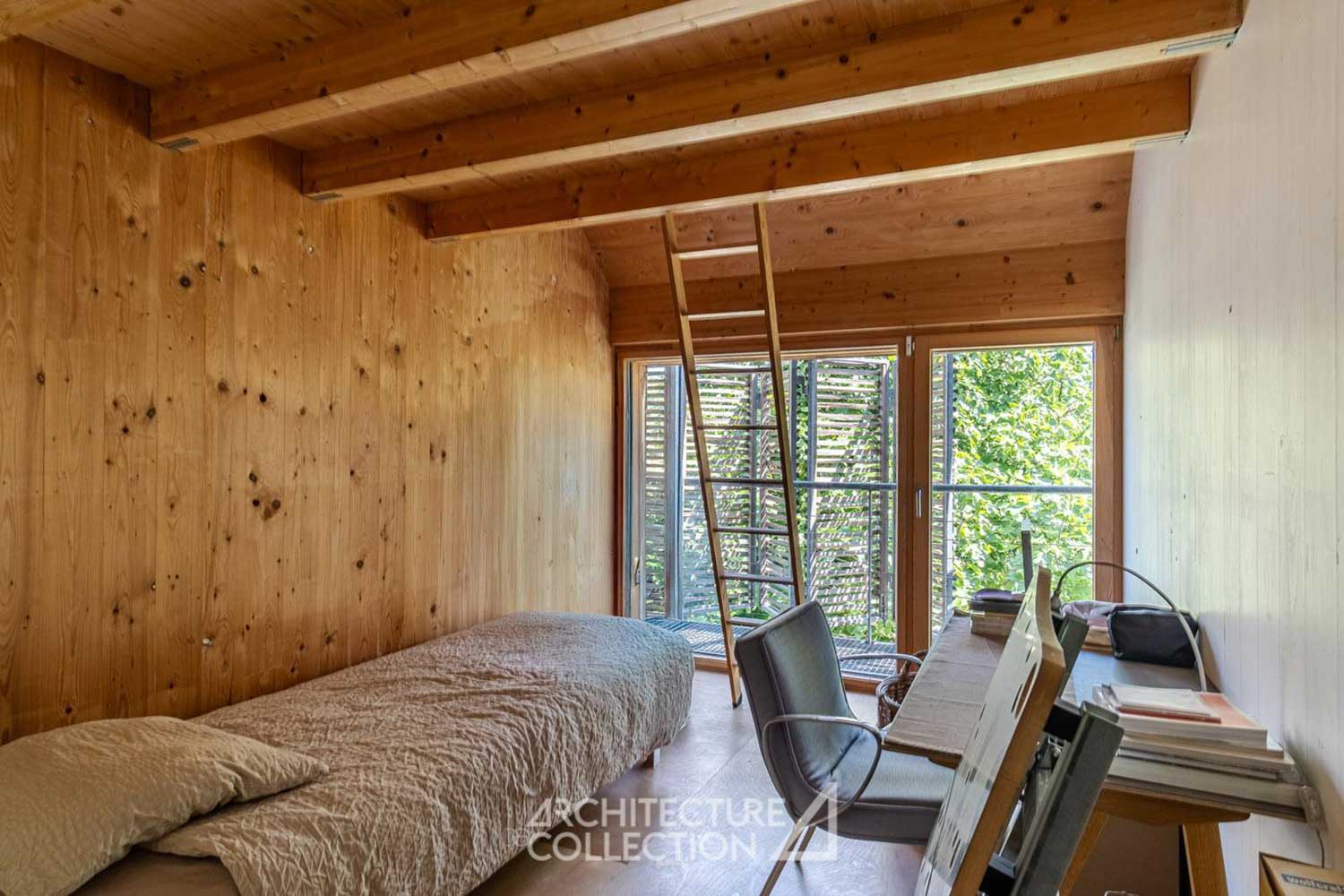
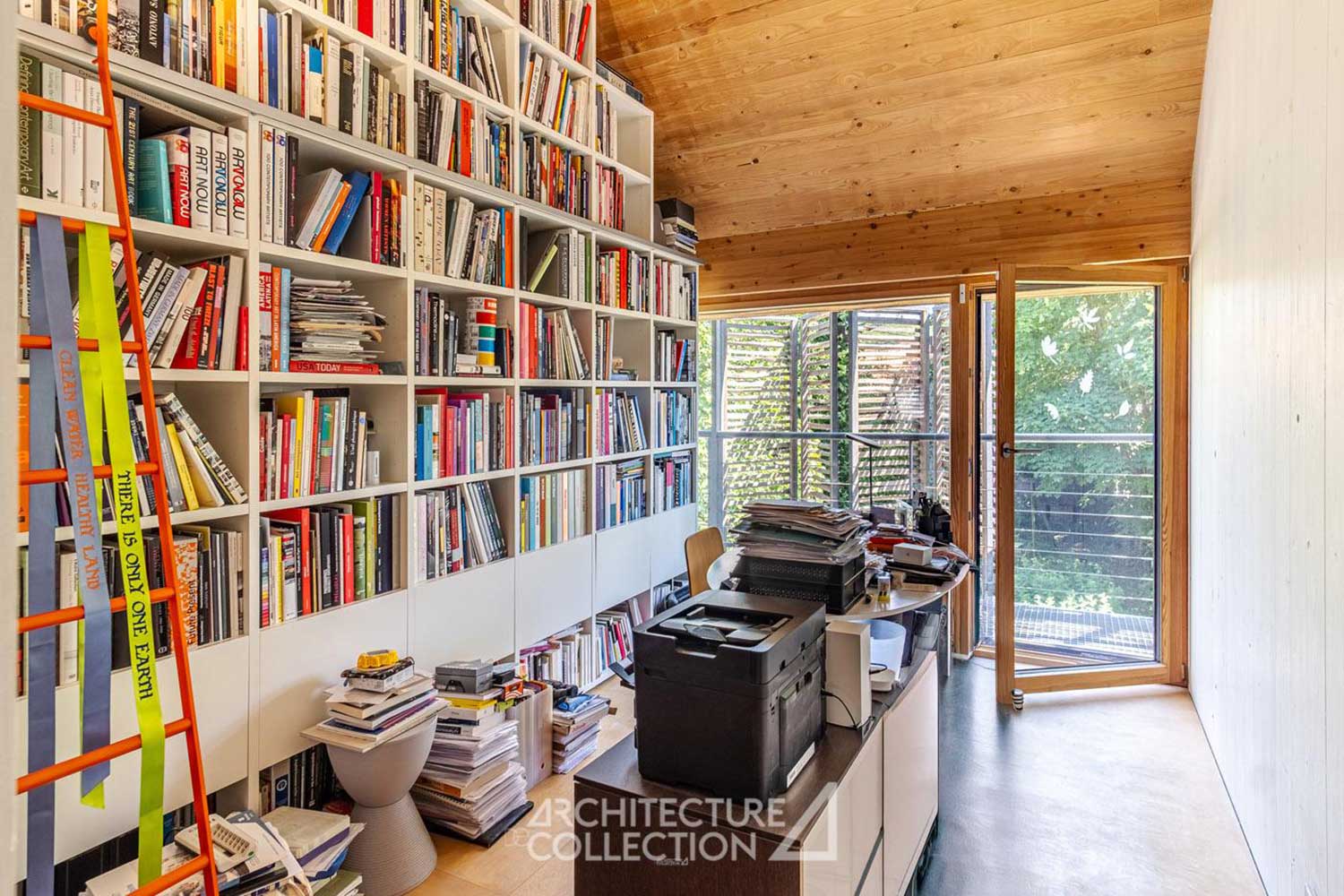
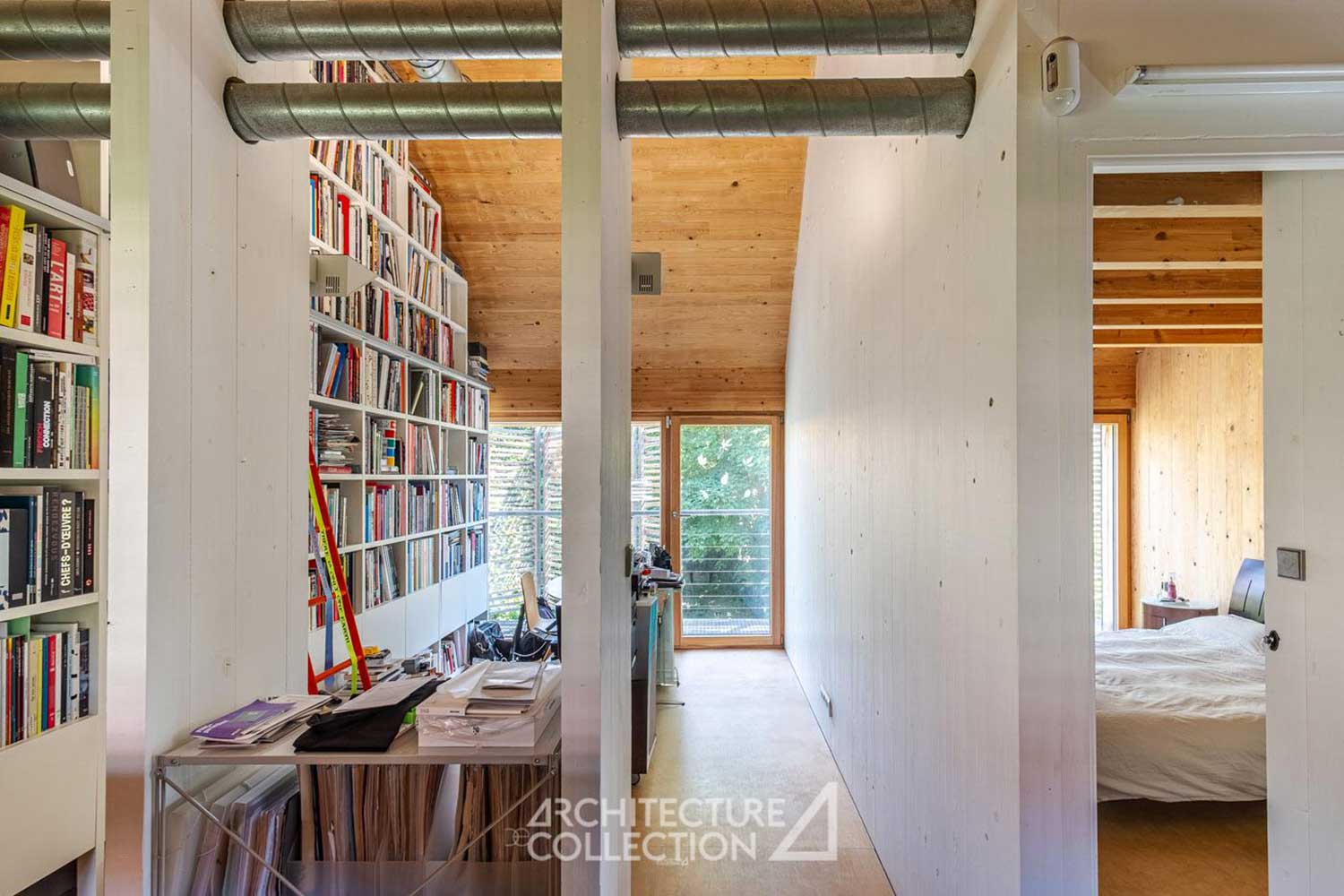
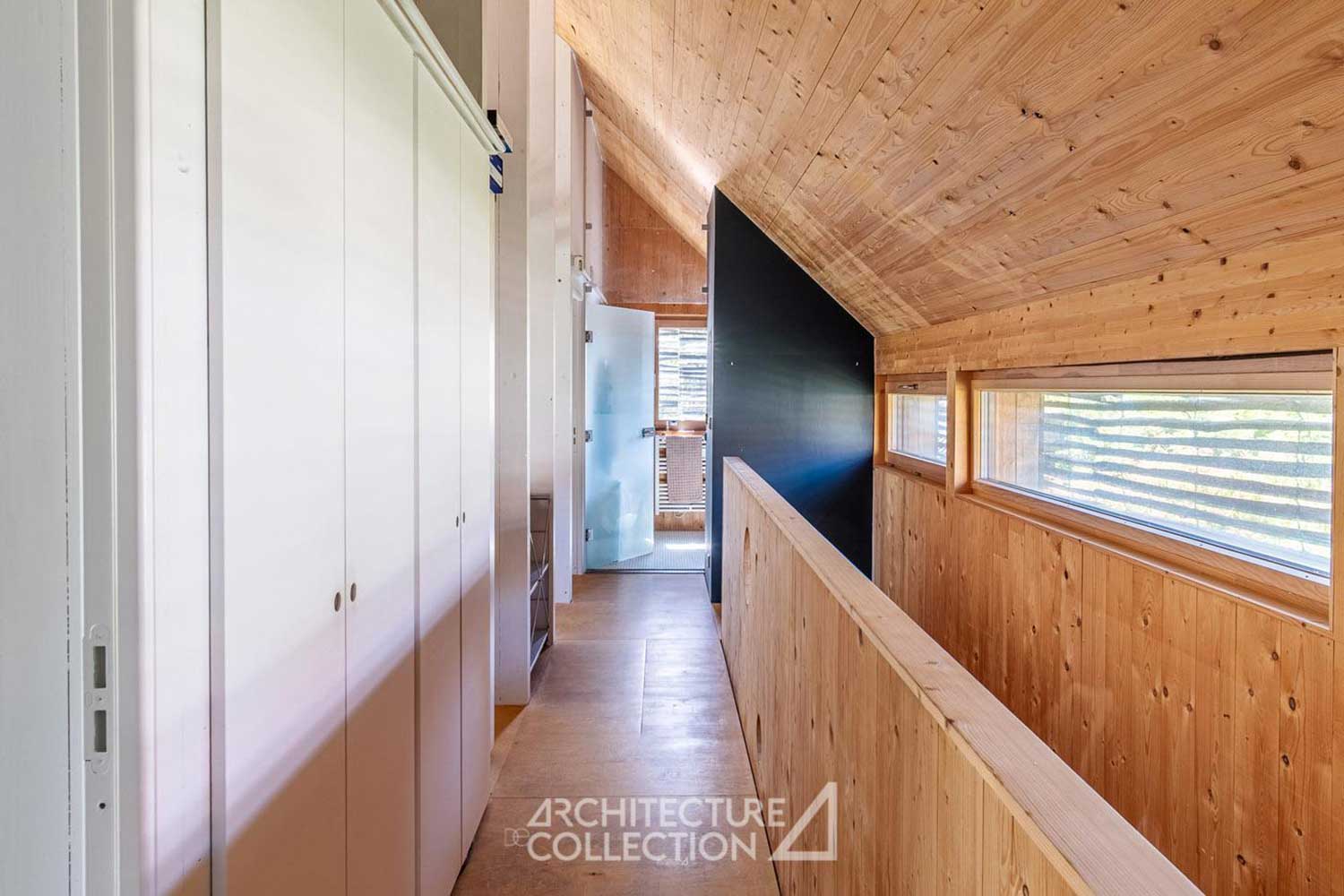
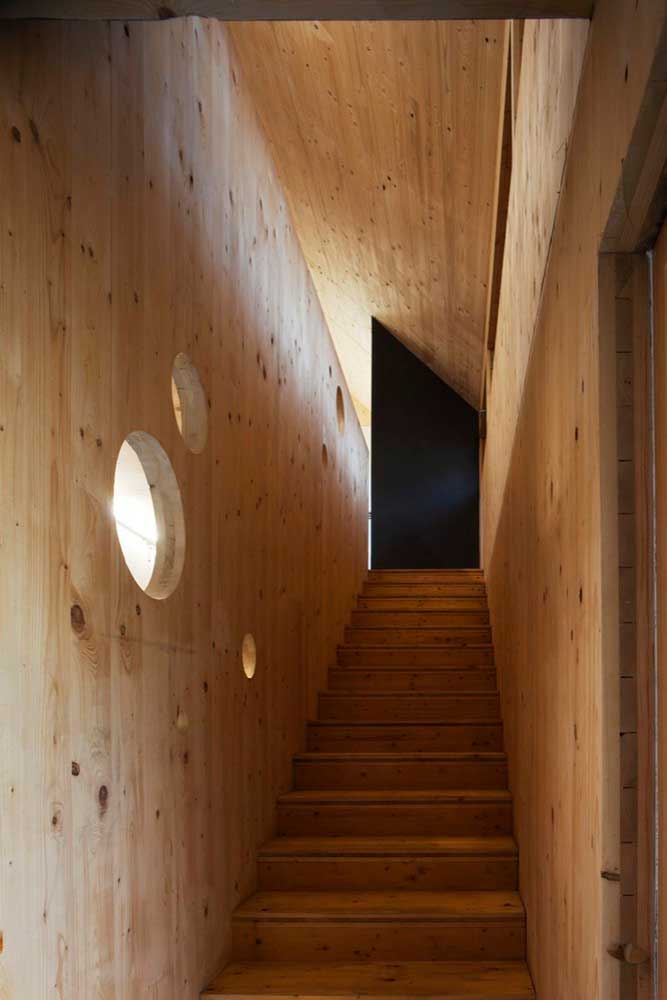
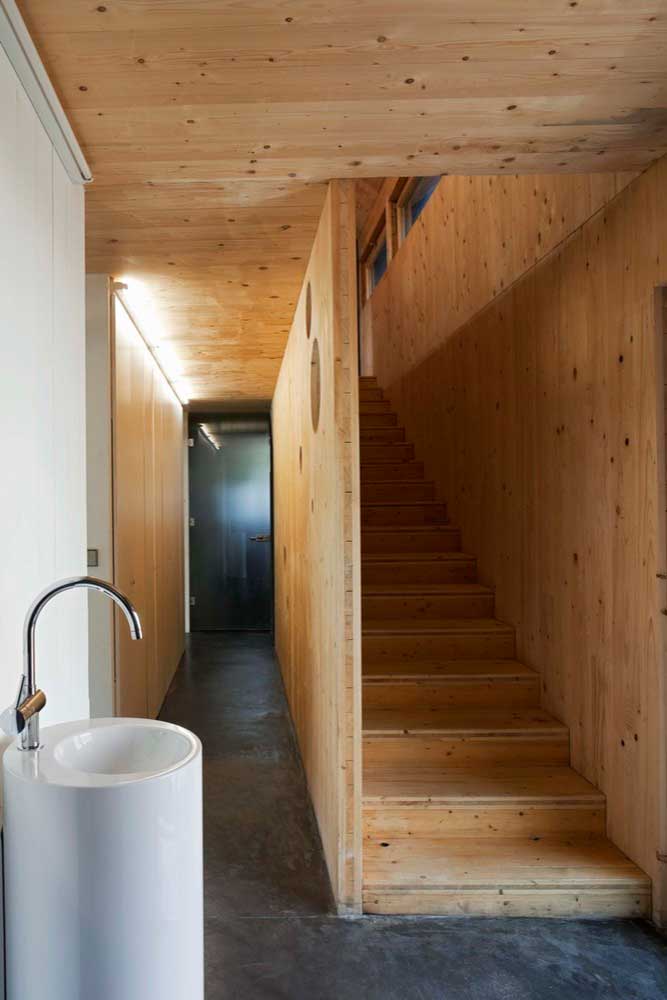
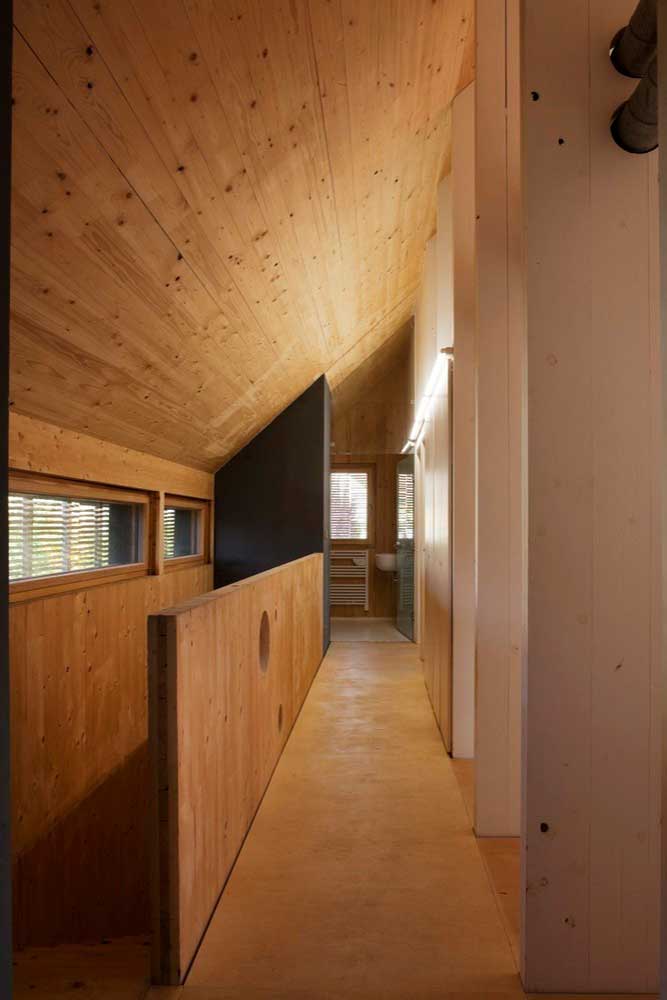
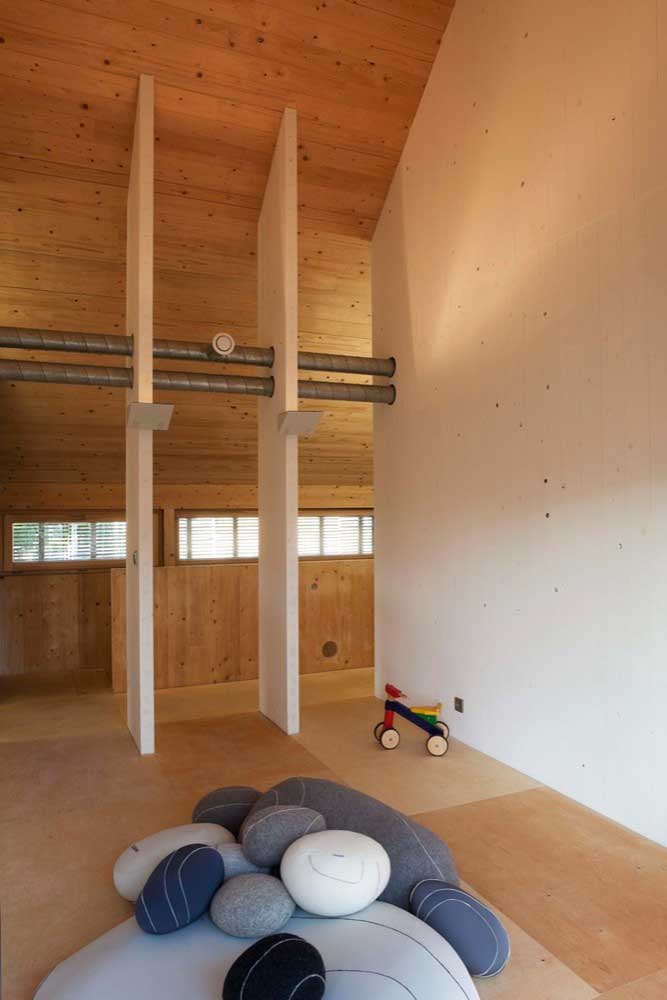
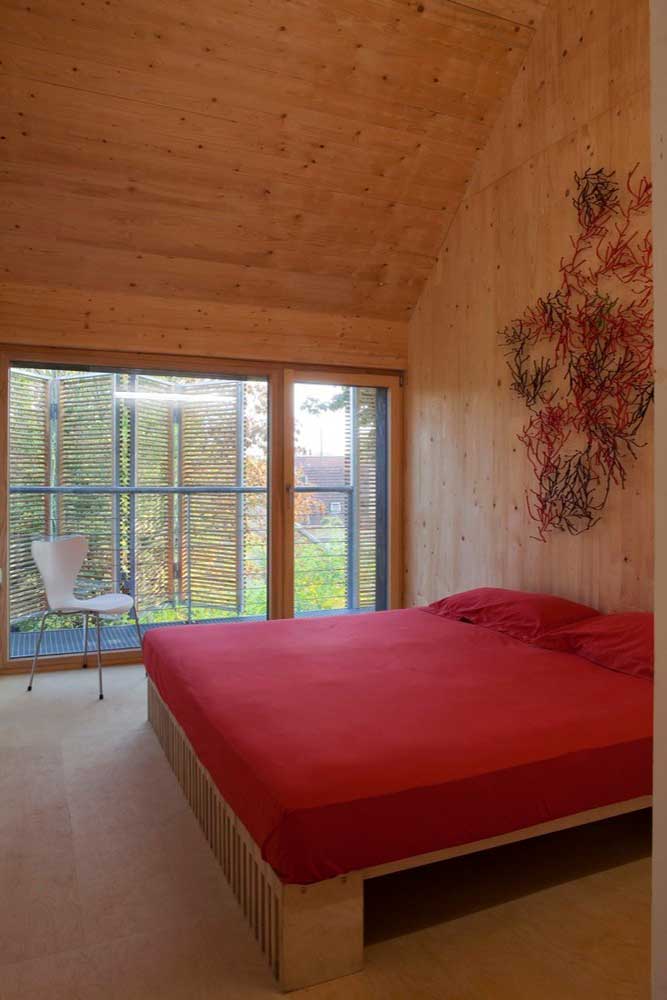
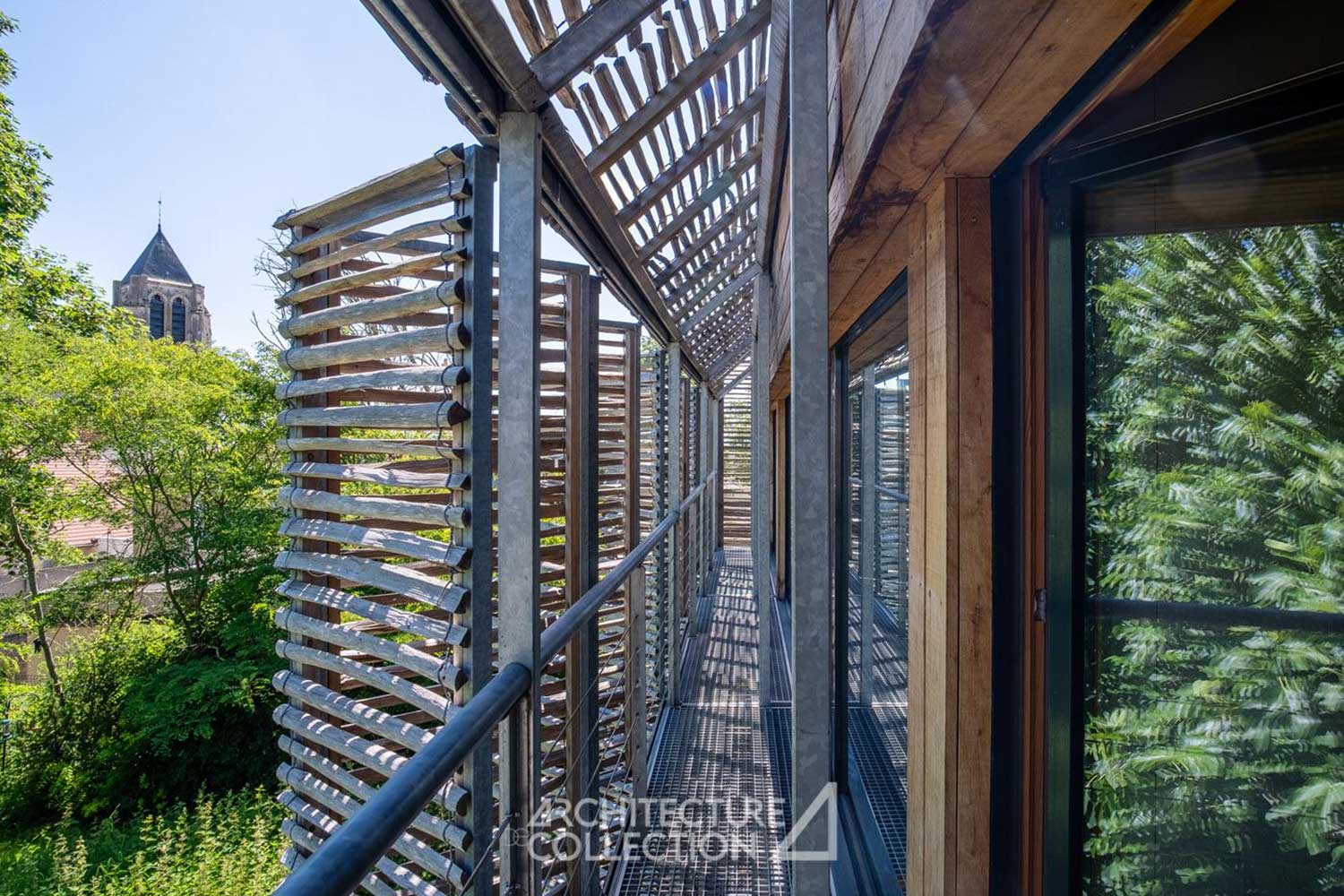
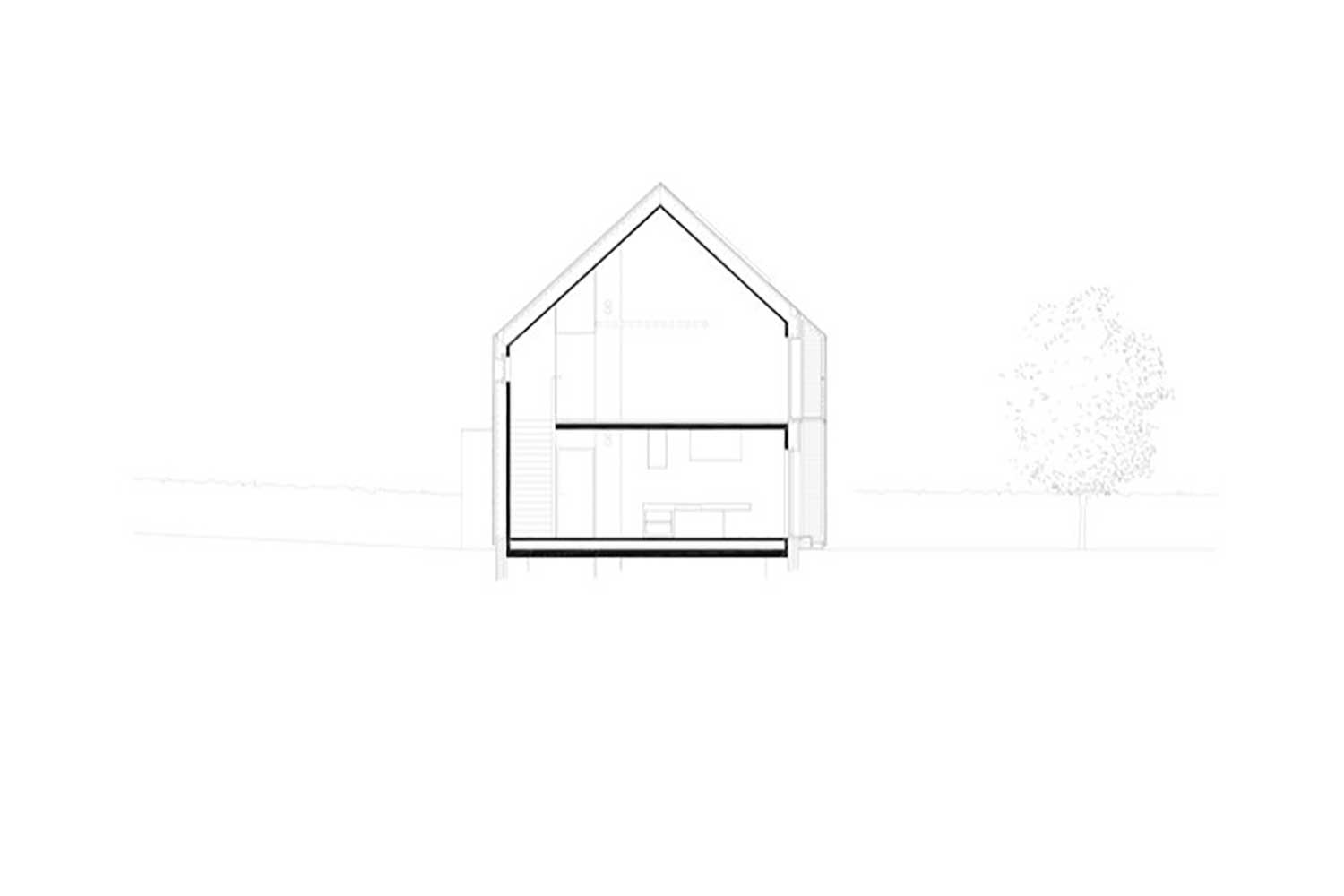
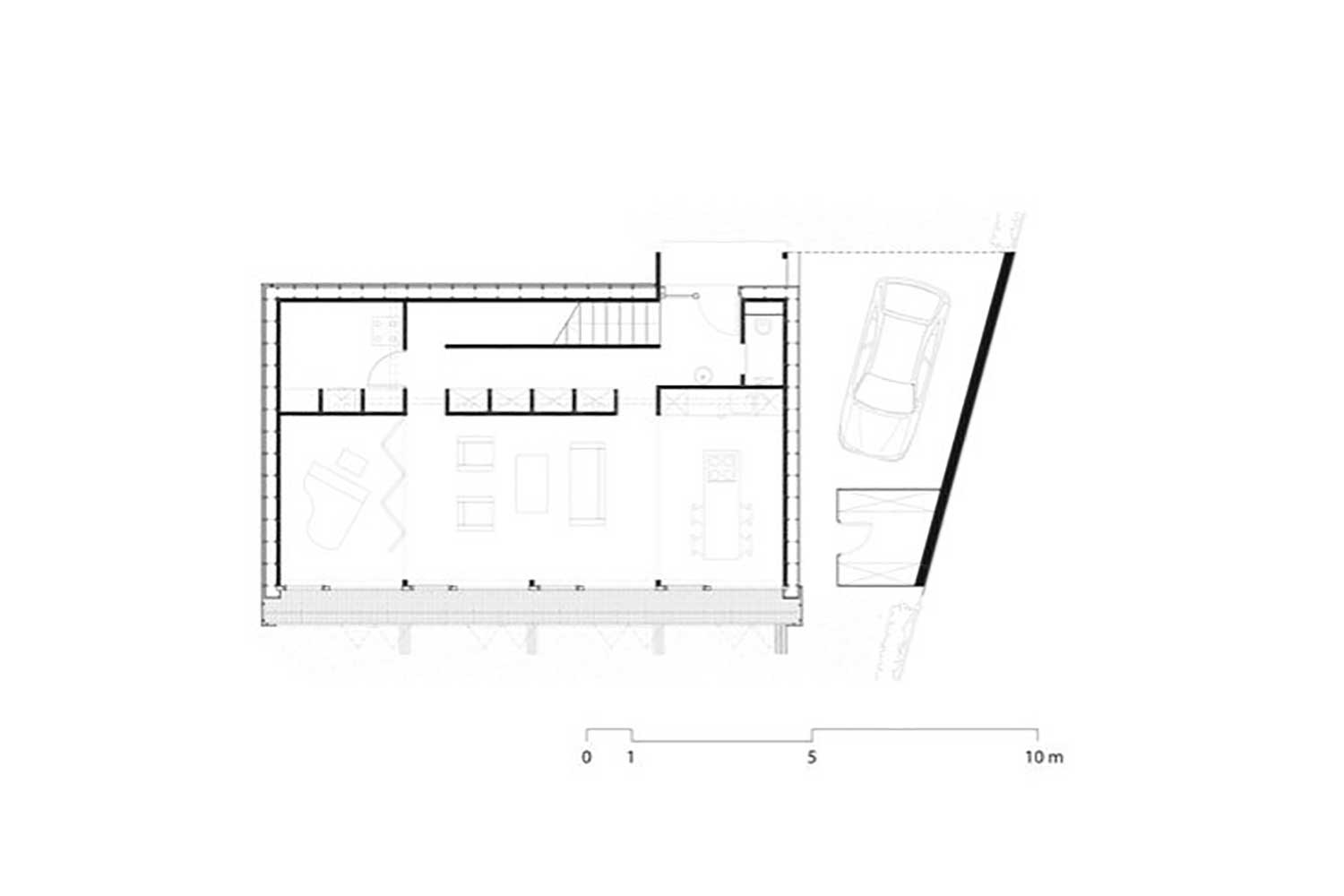
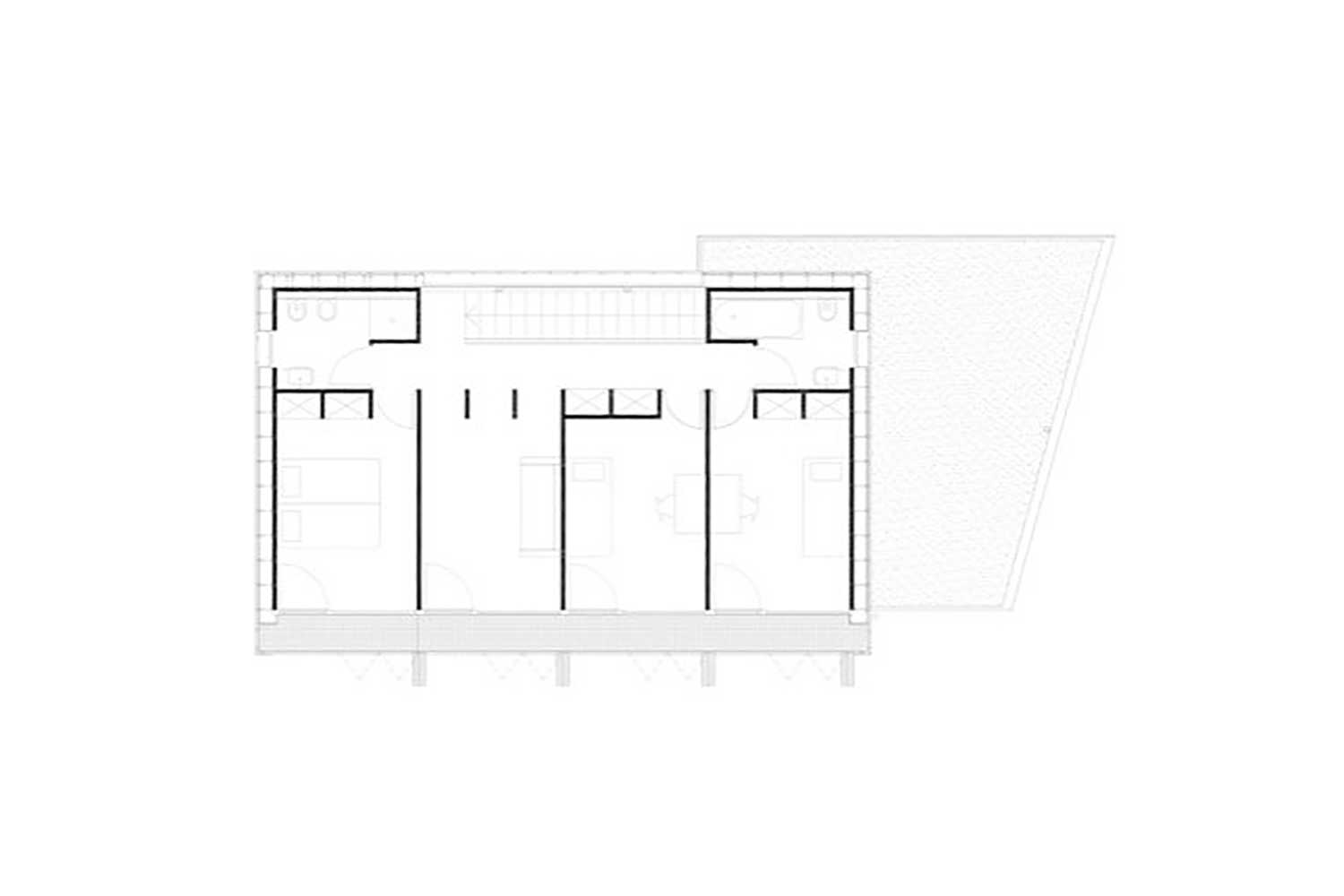
یک «ستون فقرات» به عرض حدود ۶۰ سانتیمتر، حجم مستطیلشکل خانه را به دو بخش تقسیم میکند. بخش جنوبی که بیشترین بازشوها را دارد، دو برابر بخش شمالی است. در طبقه همکف، آشپزخانه و نشیمن رو به جنوب هستند و در طبقه دوم سه اتاق خواب و یک فضای بازی رو به جنوب قرار دارند. حمامها و رختشویخانه رو به شمالاند. این ستون فقرات در دو نقطه باز میشود، نقش باربر دارد و تاسیسات مکانیکی را پنهان میکند. یک راهروی مشبک فلزی در نمای جنوبی طبقه دوم هم بهعنوان بالکن و هم برای نگهداشتن کرکرههای پنجره عمل میکند.
جزئیات طراحی:
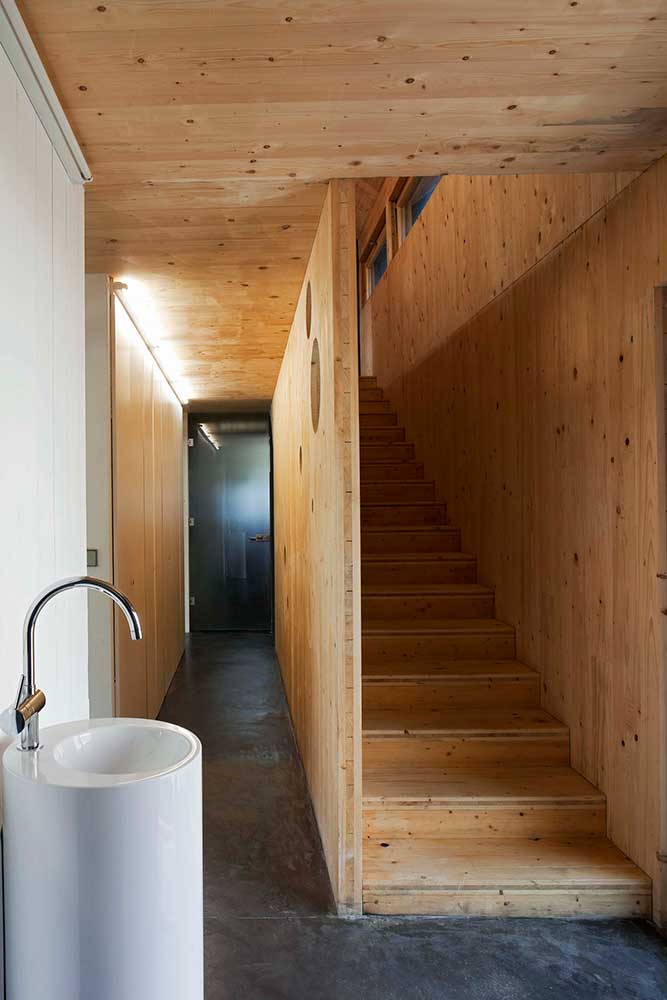
- لامپهای فلورسنت کممصرف در امتداد «ستون فقرات» خانه نور نزدیک به نور روز را برای نشیمن تامین میکنند.
- بام شیبدار الزام محلی است.
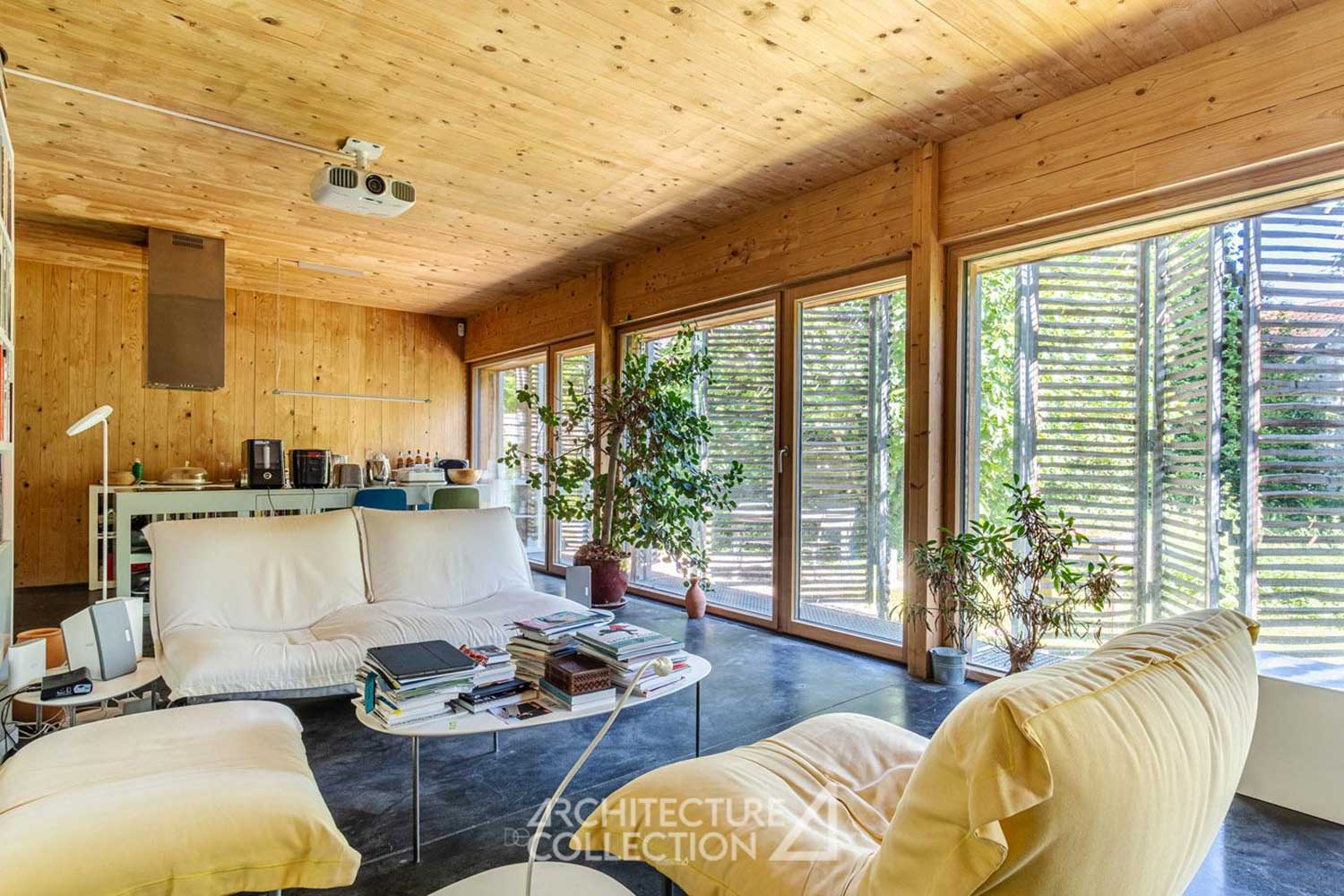
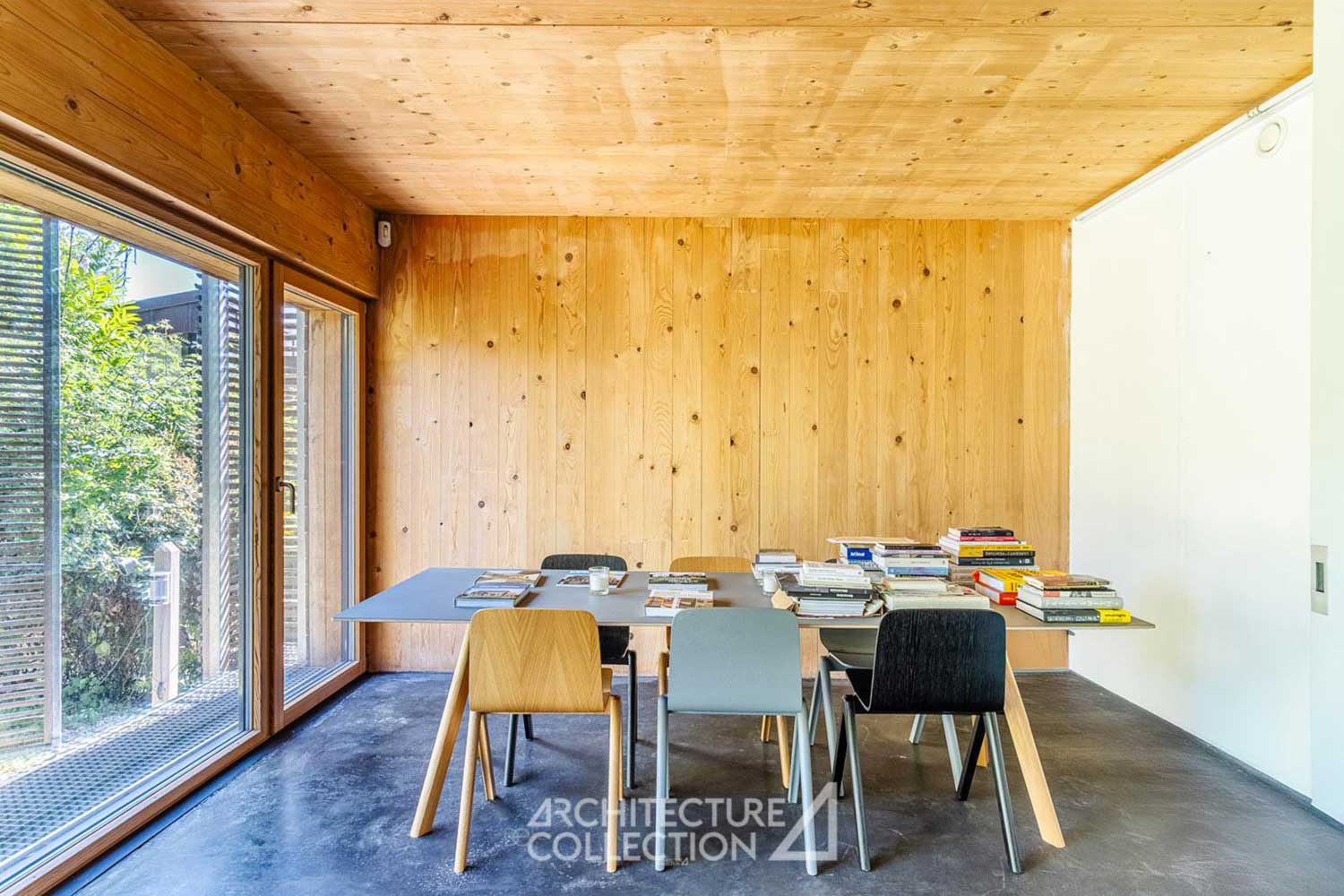
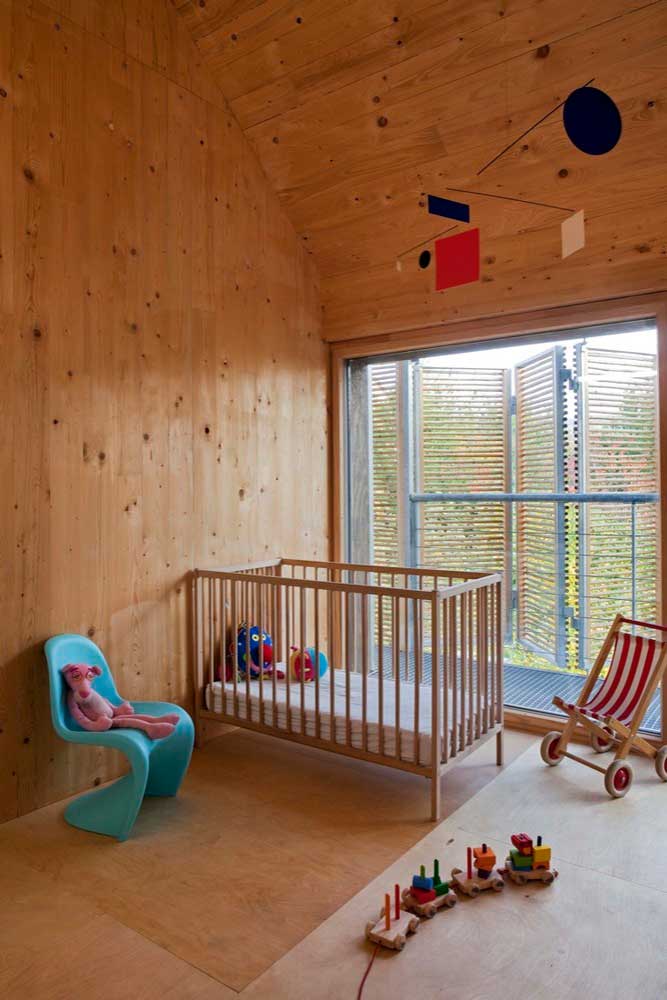
- کرکرههای پوشیده از بامبو سایه ایجاد میکنند بدون اینکه دید را مختل کنند.
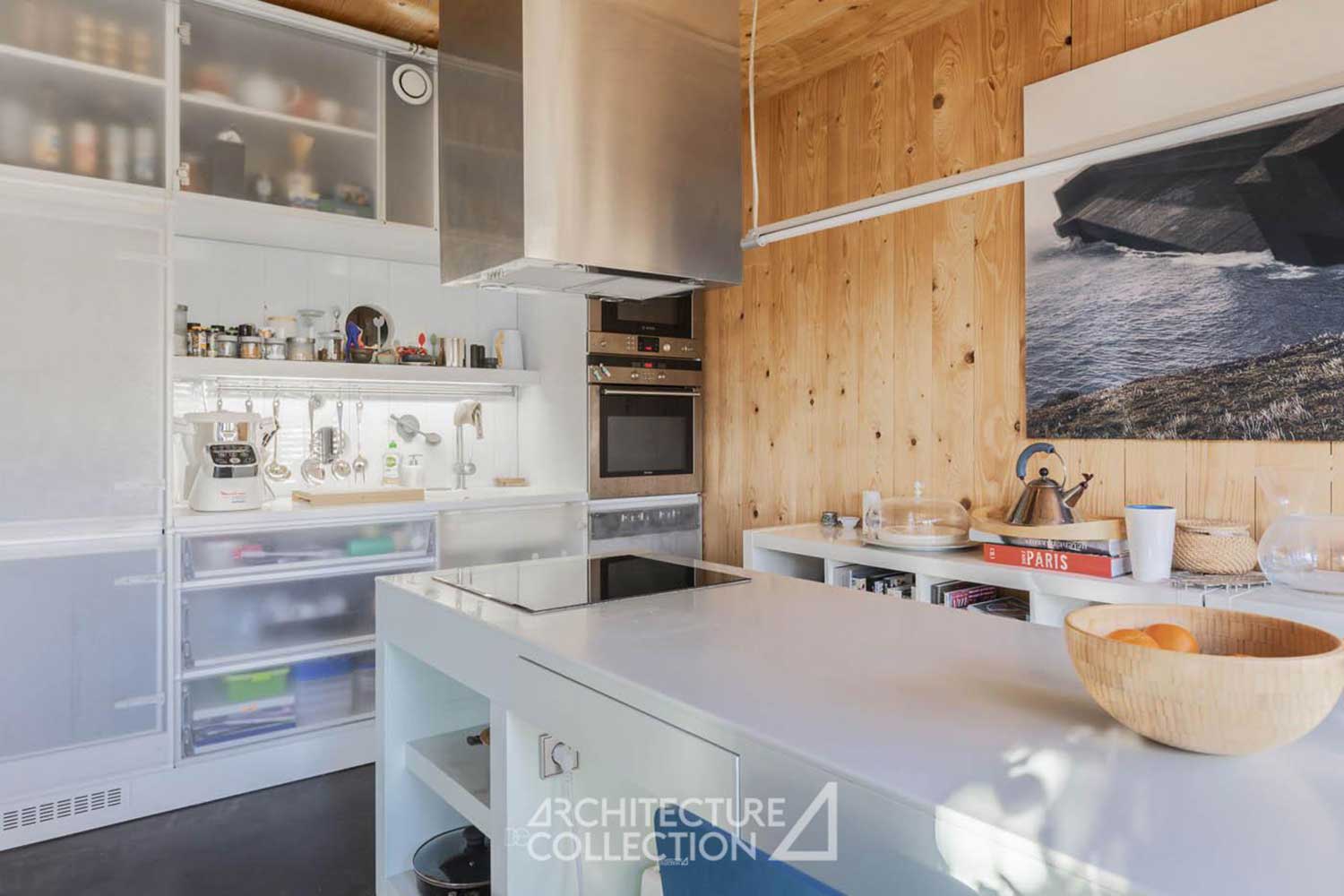
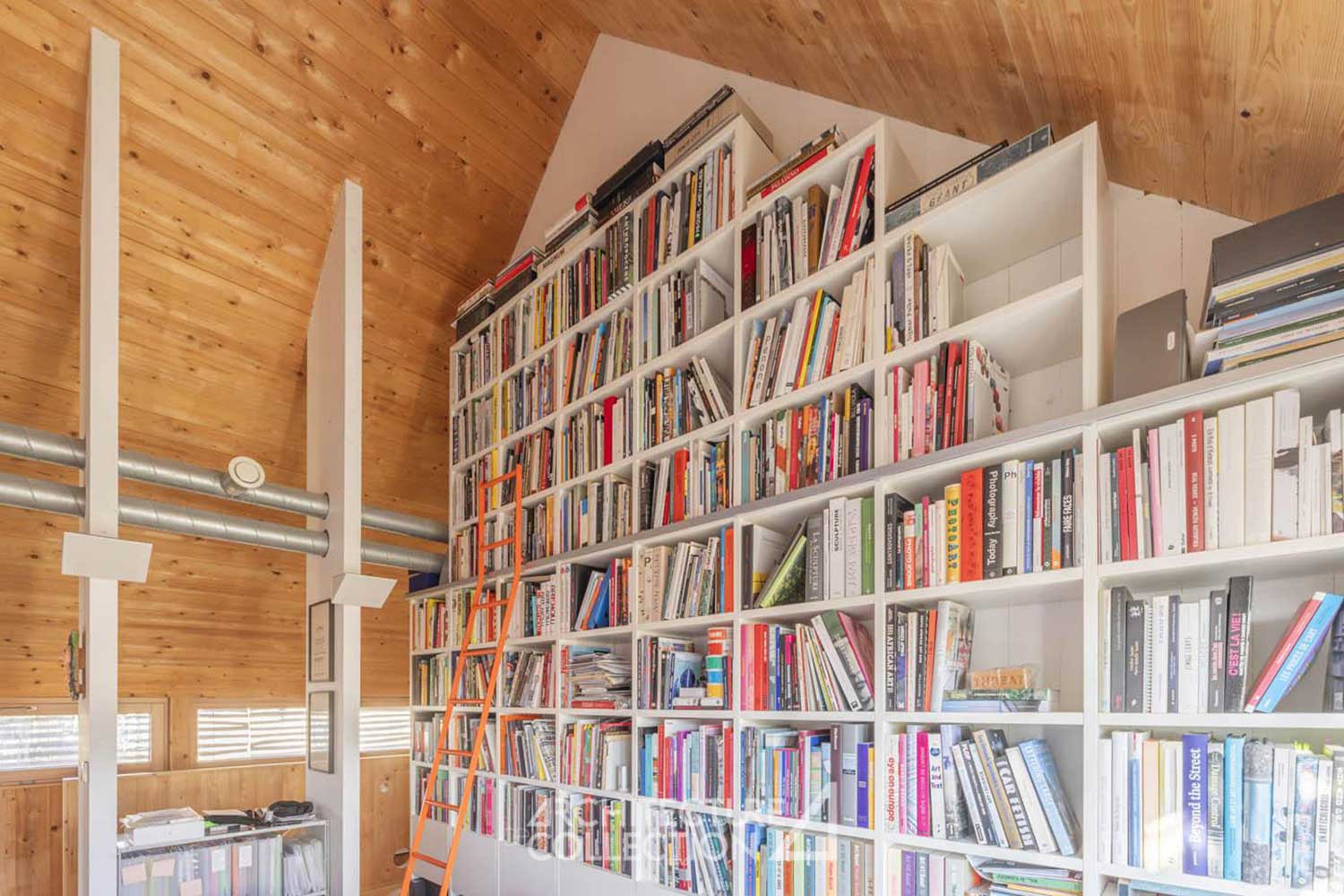
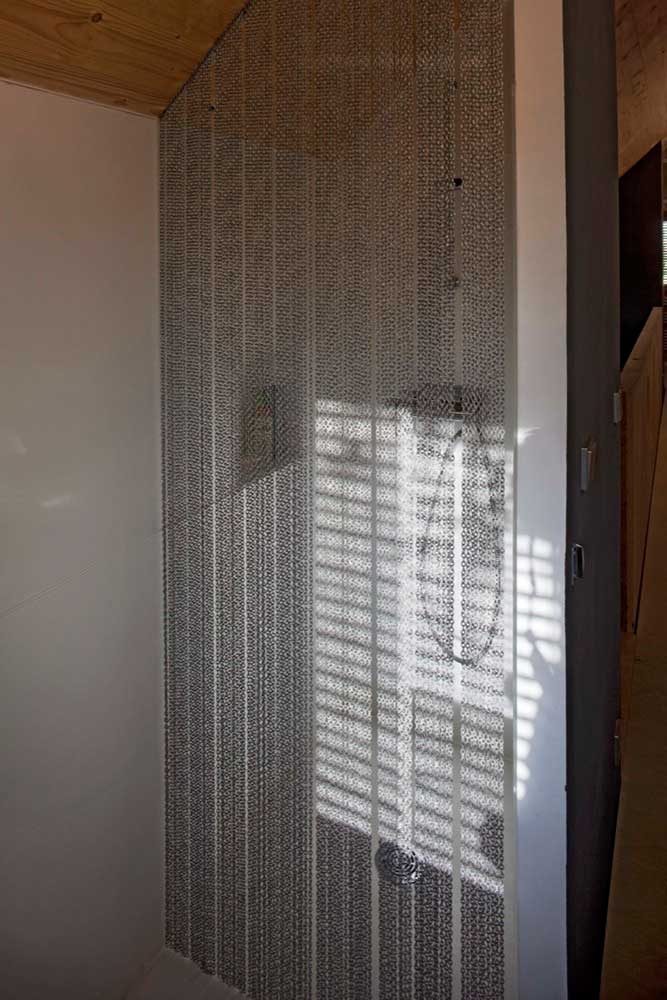
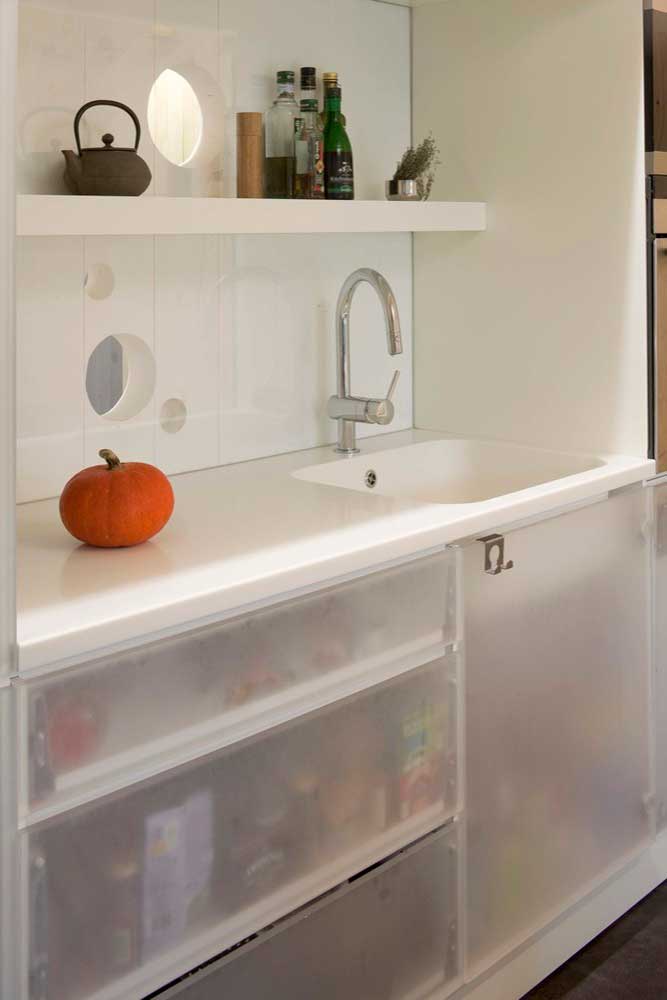
- ستون فقرات ۶۰ سانتیمتری بخشی از تاسیسات آشپزخانه، لولهکشی حمام، روشنایی و کانالهای تهویه را در خود جای میدهد.
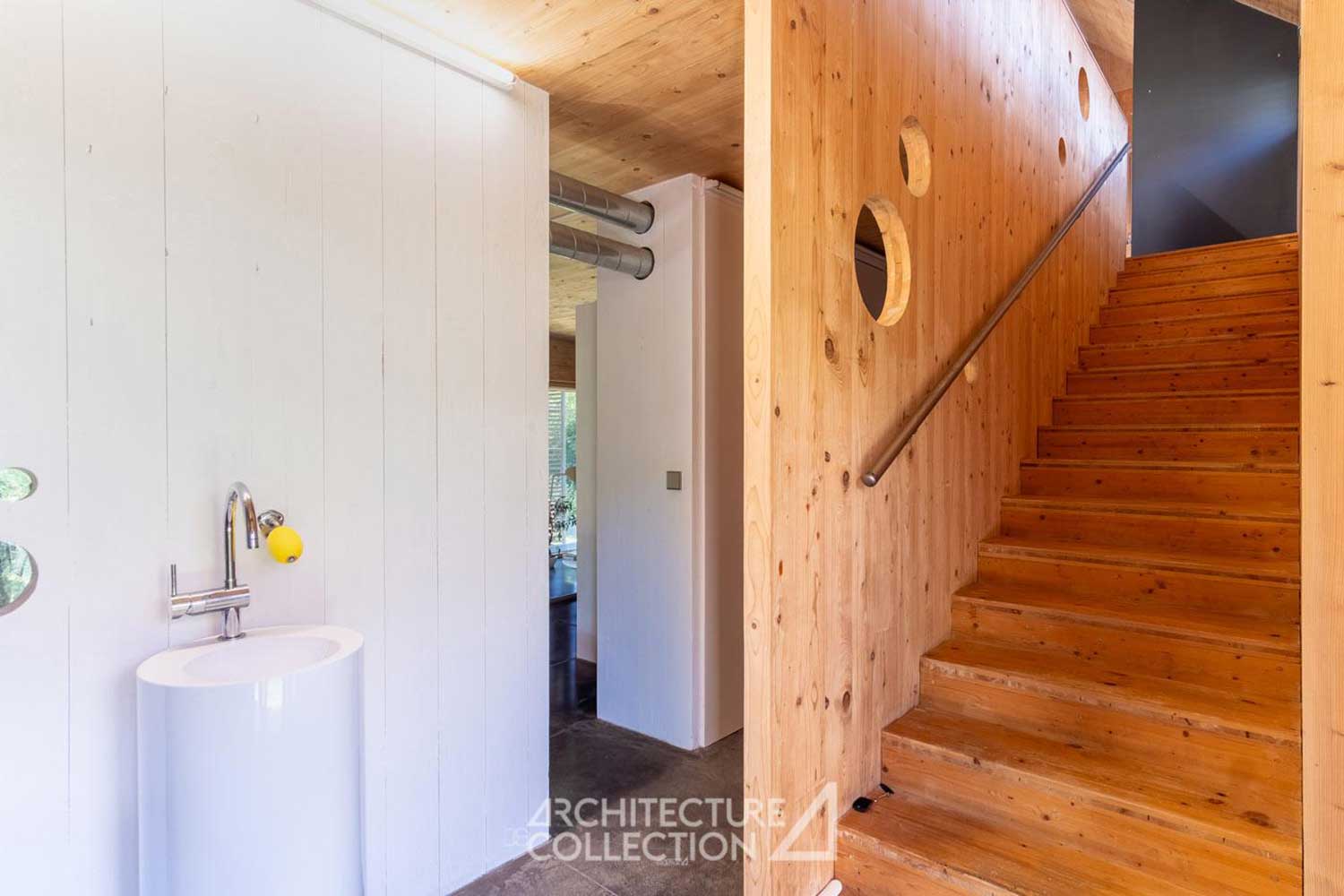
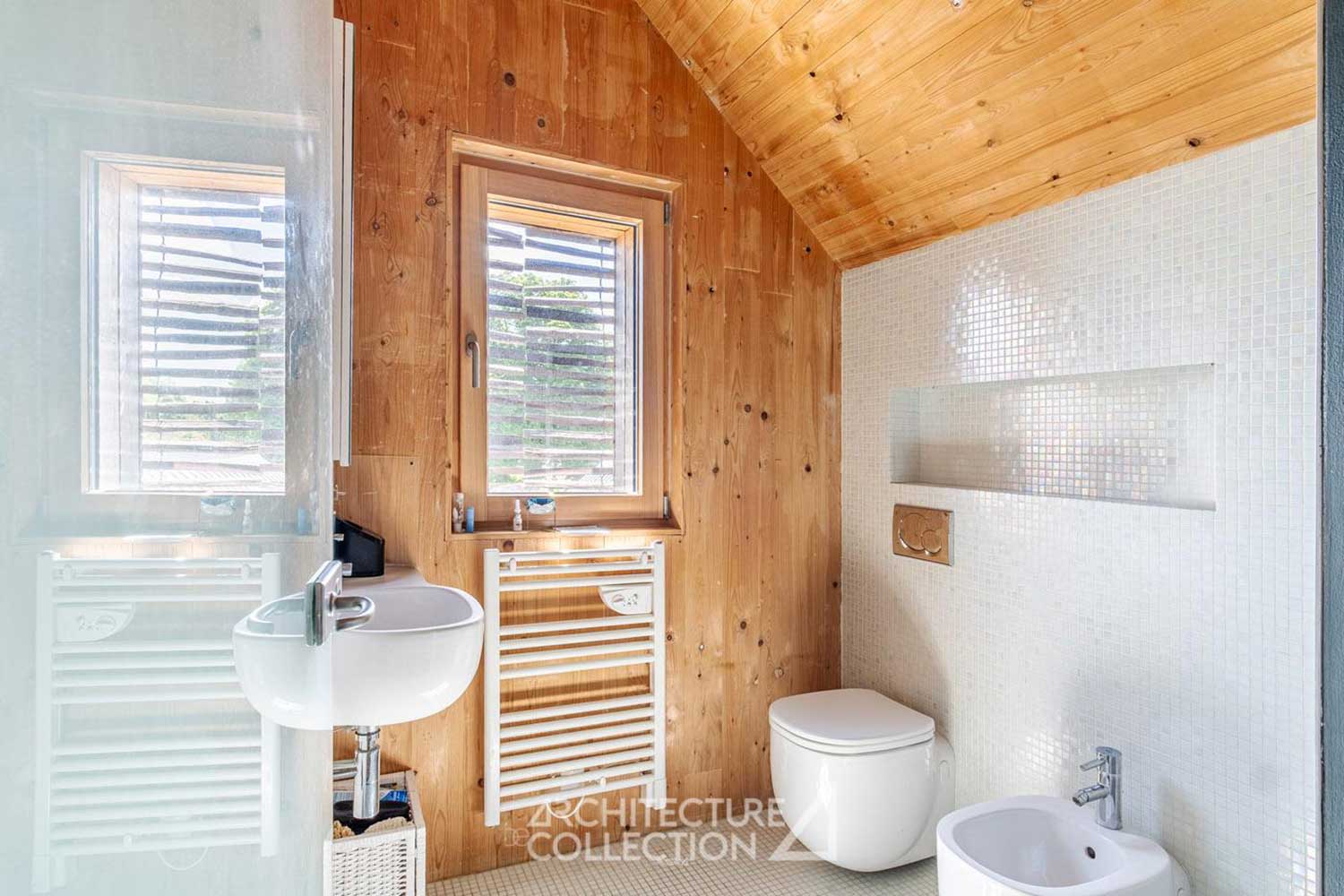
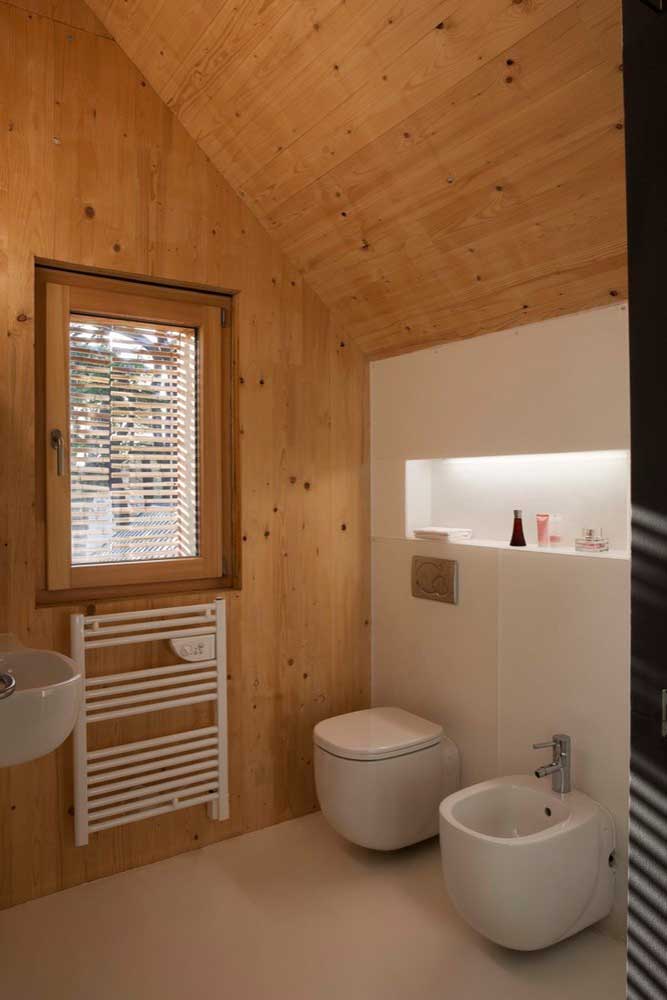
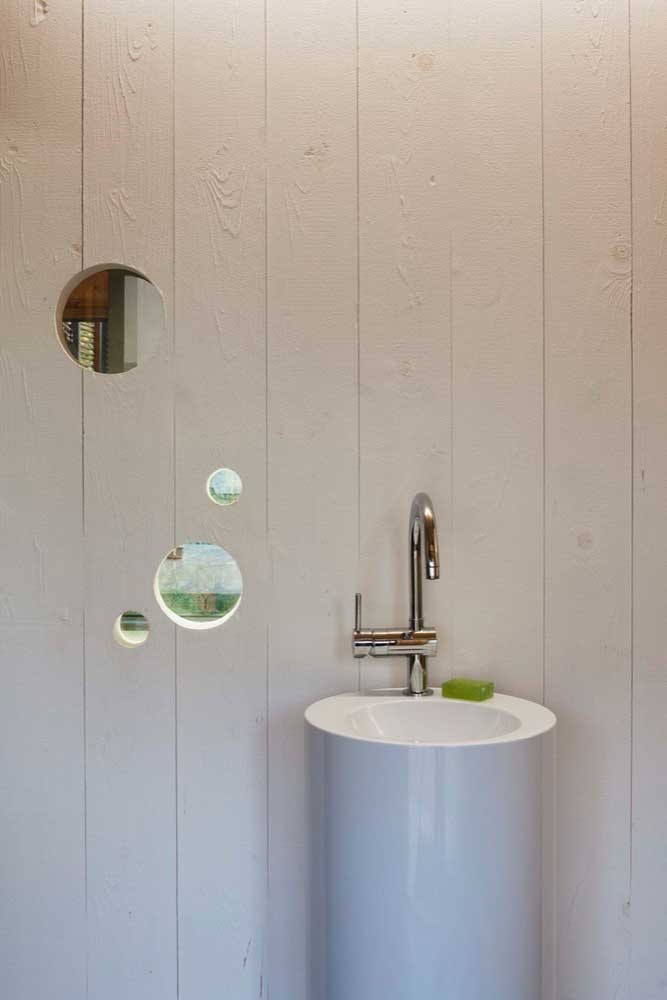
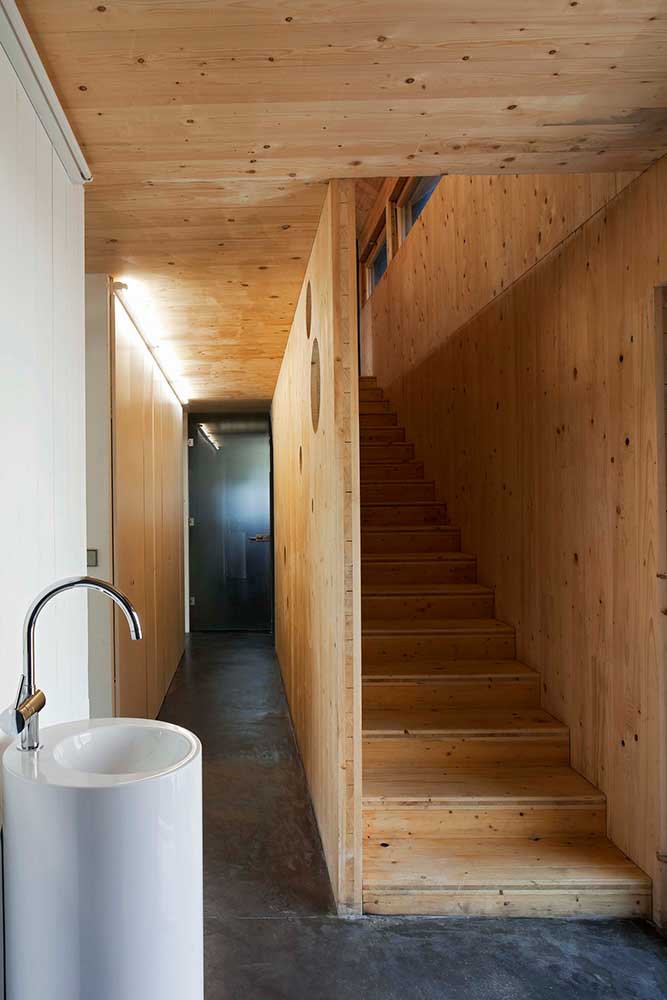
- معماران از مصالح طبیعی و فرآورنشده – مانند آنچه در حمام دیده میشود – استفاده کردهاند.
پس از بررسی دهها نوع پوشش چوبی، کارانشوآ و ویتزمن بامبو را به خاطر سبکی، کیفیت عبور نور و نامنظم بودن آن انتخاب کردند. کارانشوآ میگوید: «با توجه به جمعوجور بودن خانه، مهم بود که پوسته بسیار سبک باشد و بتوان از آن دید داشت.» در اروپا پروژههای کمی با استفاده از بامبو ساخته شدهاند و استفاده از ساقههای توخالی بامبو، به خانه هدفی اصیلتر داد و همچنین ارزانتر از چوب بود.
با وجود سادگی ظاهری، این خانه حاصل غلبه بر چالشهای اداری و فنی فراوان بود. کارانشوآ (بلغاری) و ویتزمن (اتریشی-آلمانی) با مفاهیم خانهی غیرفعال آشنایی داشتند. این استاندارد عملکردی ریشه در خانههایی دارد که در دهه ۱۹۷۰ در آمریکای شمالی، در جریان بحران نفت ساخته شدند و در سال ۱۹۹۶ توسط دکتر ولفگانگ فایست در آلمان رسمی شد. با این حال، زمانی که معماران در پی یافتن مشتری برای نمونه اولیه در فرانسه بودند، با تردیدهایی درباره کارایی و حتی تمسخر مواجه شدند.
کارانشوآ میگوید: «امیدی نبود.» همزمان نیازهای خانوادگی آنها تغییر کرد و تصمیم گرفتند خانه را برای خودشان بسازند. انتخاب سایت نیز مهم بود – کارانشوآ نمیخواست به خودرو متکی باشد، بنابراین خانه باید نزدیک ایستگاه قطار محلی و امکانات شهری باشد. موقعیتی مناسب درست پشت کلیسایی از قرن ۱۲ پیدا شد، اما کمیته محلی حفاظت از آثار تاریخی ابتدا با طرح مخالفت کرد: بامبو؟ فتوولتائیک؟ به هیچ وجه. پس از گفتوگوهای متعدد، مخالفت به حمایت تبدیل شد، هرچند بدون مشکلات و تأخیرهای میانی نبود.
از سوی دیگر، پیدا کردن نجارانی که بتوانند استانداردهای دقیق هوابندی لازم برای خانههای غیرفعال را رعایت کنند دشوار بود، زیرا در فرانسه بیشتر سازندگان، بنا هستند. با همکاری یک نجار از بریتانی و یک شرکت پاریسی متخصص در ساختوساز پایدار، پروژه به موفقیت رسید.
کارانشوآ میگوید: «فکر میکردیم خانهای بدون سیستم گرمایش ممکن است مشکلساز شود، اما شگفتزده شدم که چقدر راحت است.» در روزهای آفتابی، دما به سرعت بالا میرود، با تنها ۰٫۴۸ تعویض هوا در ساعت و نرخ بازیافت حرارت ۷۶ درصد. خوششانسی دیگر، وجود یک شرکت محلی بود که تازه شروع به تولید پنجرههای سهجداره کرده بود. اگرچه خانهی ایدهآل غیرفعال باید بازشوهای کمتری داشته باشد، کارانشوآ میگوید: «خانه ما نسبت به سطح طبقه همکف و پوسته، شیشه زیادی دارد، چون ما آن را دوست داریم.»
نتیجه، برداشتی مدرن و ظریف از انبارهای سنتی منطقه ایل-دو-فرانس و نمونهای است که برخلاف انتظارات شکل گرفت. کارانشوآ میگوید: «این نشان میدهد که ممکن است، هزینهها از ساختوساز معمولی بیشتر نیست و این روش کار میکند.»
Architects Milena Karanesheva and Mischa Witzmann’s bamboo-clad passive house in Bessancourt, France, 20 miles northwest of Paris, has lured architectural tourists, locals, film crews, and friends of friends. They’ve come around to marvel at its presence in a town where 12th- and 13th-century structures along dense, narrow streets and courtyards trump modern design. As improbable as the house is, located between a historic district and small residences from the ’70s and ’80s, and as challenging as it was to build, it has helped promote the passive house ethos in a country that has been slower than others in Europe to adopt it.
When it was completed in 2009, the officially named Passive House was the second in France and the first in the Paris region. Since then, Karanesheva and Witzmann, wife and husband who founded their Paris-based firm Karawitz Architecture in 2005, have designed about seven passive houses. All except for two are in various stages of construction and completion. And in February, Karawitz was seeking a building permit for a coop apartment building in Paris that will use the passive house tenets.
The 1,900-square-foot, two-story bamboo Passive House is technically and programmatically straightforward, in large part because of strict local regulations and old civil codes, explains Karanesheva. They required a sloped roof and limited windows for intimacy and privacy. “We are modern architects—we are not from the 18th century. For us it was very important to make it contemporary,” says Karanesheva. She and Witzmann accomplished that by abstracting the traditional form.
A nearly 2-foot-wide “spine” splits the simple rectangle in two. The south-facing section of the house, where most of the openings are, is twice the size of the north-facing section. The kitchen and living room face the south on the ground floor; three bedrooms and a play area face the south on the second floor. Bathrooms and a laundry room face the north. The spine opens at two points, serves as load-bearing support, and hides mechanicals. A metal lattice walkway on the southern facade of the second floor doubles as a balcony and supports window shutters.
1 – Energy-saving fluorescent tubes run along the “spine” of the house, providing a spectrum close to daylight in the living room.
2- A sloped roof is a local mandate.
3 – Bamboo-clad shutters provide shade without disturbing the view.
4- The nearly two-foot-wide “spine” houses some of the kitchen, bathroom plumbing, lighting, and ventilation ducts.
5- The architects used materials, seen here in the bathroom, that are natural and untreated.
After contemplating dozens of types of wood cladding, Karanesheva and Witzmann chose bamboo for its airy quality and irregularity. “As the house was compact, it was important that the skin be very light, that you could look through it,” remarks Karanesheva. In Europe, there are few projects using bamboo, and cladding a home with the hollow stems gave it a more noble purpose. It was also less expensive than wood.
The relative simplicity of the house, however, belies the bureaucratic and technical struggles the architects endured to realize it. Karanesheva, who is Bulgarian, and Witzmann, who is Austrian and German, were familiar with the passive house concepts. The performance certification has roots in homes built across North America in the 1970s during the oil crisis, and was formalized in Germany in 1996, when Dr. Wolfgang Feist (see *Feist’s Physics*, p. 21 in the January/February 2011 issue) founded the PassivHaus Institut. But when the architects searched for a client to finance their prototype in France, they were met with doubts about its functionality and sometimes laughter.
“It was hopeless,” says Karanesheva. At the same time, their family needs were changing and they decided to build the house for themselves.
The site was an important factor—Karanesheva didn’t want to rely on a car, so the house had to be near the local rail station and amenities. A well-oriented spot just behind a church from the 12th century was perfect, but a local decision-making body in charge of protecting monuments initially resisted Karawitz’s design. Bamboo? Photovoltaics? Absolutely not. After many exchanges, the group’s skepticism turned into support, but not without some setbacks along the way. (Now even the local mayor is a fan.)
Simultaneously, Karanesheva and Witzmann had to find carpenters who could conform to the precise air tightness specifications necessary for passive houses—a rarity in France, where most builders are masons. With a carpenter from Brittany and a Paris-based firm specializing in sustainable construction in place, the project became a success.
“We thought, ‘Well, a house without heating could be a problem,’” says Karanesheva, “but I was surprised how comfortable it is.” When it’s sunny, the temperature in the house rises quickly, with only 0.48 air changes per hour and a heat recovery rate of 76 percent. The architects were in luck when it came to the triple-glazed windows as a local firm had just begun to supply them. While the ideal passive house should have less glazing, “our house has quite a lot of glazing proportional to the ground floor and envelope, but that’s because we like it,” comments Karanesheva.
The result is an elegant, modern take-off on the local barns of the Ile-de-France region, and a prototype against the odds. “It shows that it is possible, that costs are not higher than normal construction costs, and that it works,” says Karanesheva.
مشخصات کلیدی
مکان: بسَنکور، فرانسه (حوضه آبریز رودخانه سن)
مساحت ناخالص: ۱٬۹۰۵ فوت مربع (۱۷۷ متر مربع)
هزینه: ۳۷۷٬۹۰۰ دلار
تاریخ اتمام: سپتامبر ۲۰۰۹
مصرف سالانه انرژی خریداریشده (بر اساس شبیهسازی): ۱۰ kBtu/ft² (۱۱۰ MJ/m²)
ردپای سالانه کربن (پیشبینیشده): ۰٫۱ پوند CO₂ بر فوت مربع (۰٫۵ کیلوگرم CO₂ بر متر مربع)
کاربری: اتاق خواب، آشپزخانه، حمام، نشیمن و گاراژ
تیم طراحی
مالک، معماران و طراحان داخلی: Karawitz Architecture
مهندسان: Solares Bauen (تأسیسات حرارتی)؛ DI Eisenhauer و Philippe Buchet (سازه)
منابع
سیستم سازهای: Finnforest Leno/Merk
پنل عایق/پلاستیک: Menuiseries Andre Optiwin
سیستم فتوولتائیک: Systaic
غشای ضدآب: SIKA Sarnafil
عایق: ISOFLOC، سلولز
تهویه با بازیافت حرارت: Genvex Combi185
غشای ضدباران: Ferrari Architecture Stamisol
KEY PARAMETERS
Location: Bessancourt, France (Seine River watershed)
Gross area: 1,905 ft² (177 m²)
Cost: \$377,900
Completed: September 2009
Annual purchased energy use (based on simulation): 10 kBtu/ft² (110 MJ/m²)
Annual carbon footprint (predicted): 0.1 lbs. CO₂/ft² (0.5 kg CO₂/m²)
Program: Bedroom, kitchen, bathroom, living room, and garage
TEAM
Owner, architects, and interior designers: Karawitz Architecture
Engineers Solares Bauen (thermo): DI Eisenhauer et Philippe Buchet (structural)
SOURCES
Structural system: Finnforest Leno/Merk
Insulated panel/plastic: Menuiseries Andre Optiwin
Photovoltaics: Systaic
Waterproof membrane: SIKA Sarnafil
Insulation: ISOFLOC, cellulose
Heat recovery ventilation: Genvex Combi185
Rain-proof membrane: Ferrari Architecture Stamisol
مدارک فنی
مطالب مرتبط