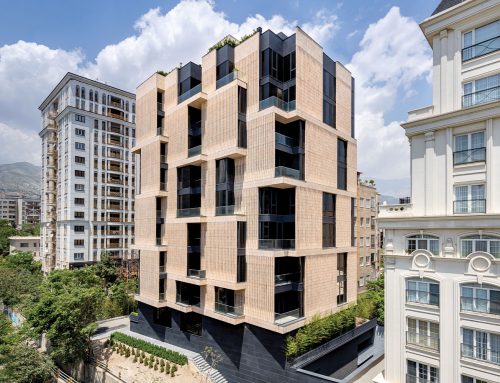
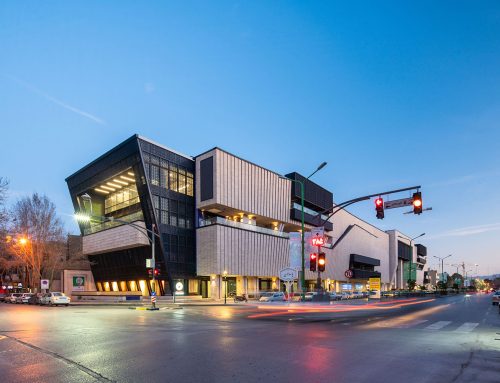
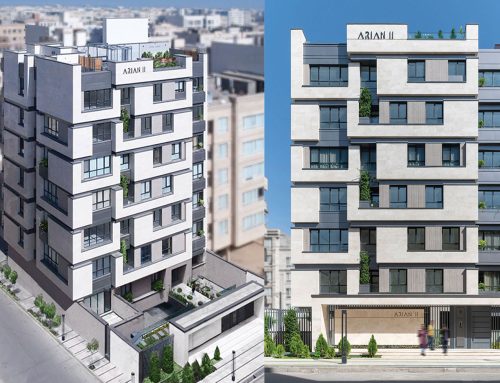
 سیزدهمین جایزهی ملی طراحی داخلی ایران، فینالیستها و راهیافتگان به مرحلهی دفاع از آثار، 1404
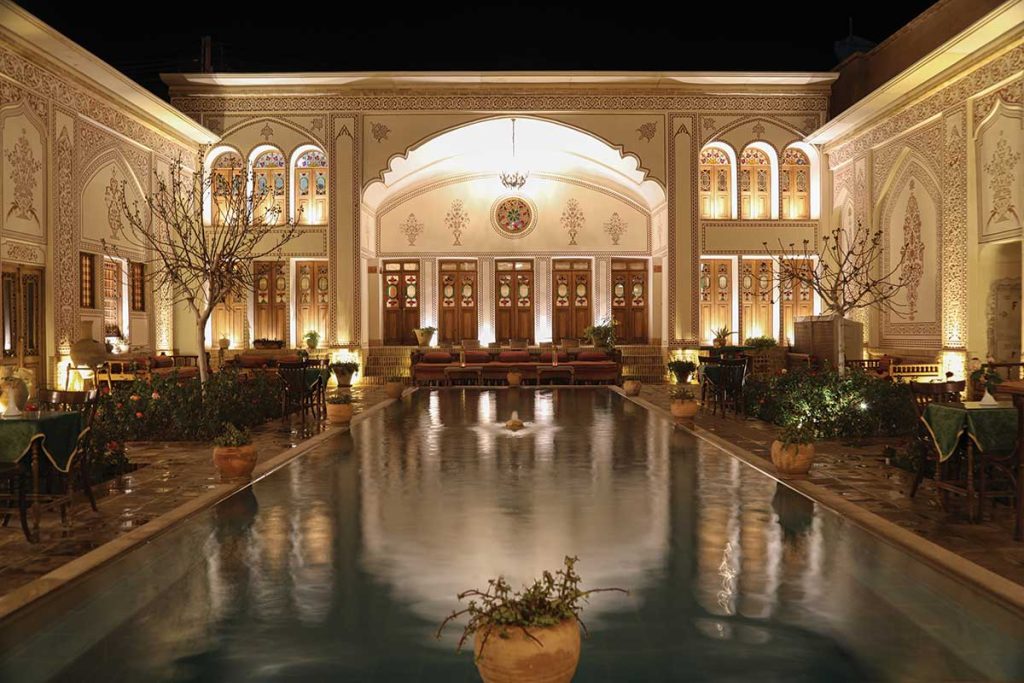 سازمان جهانی یونسکو، شهر کاشان را به عنوان «شهر خلاق در حوزه معماری» به رسمیت شناخت
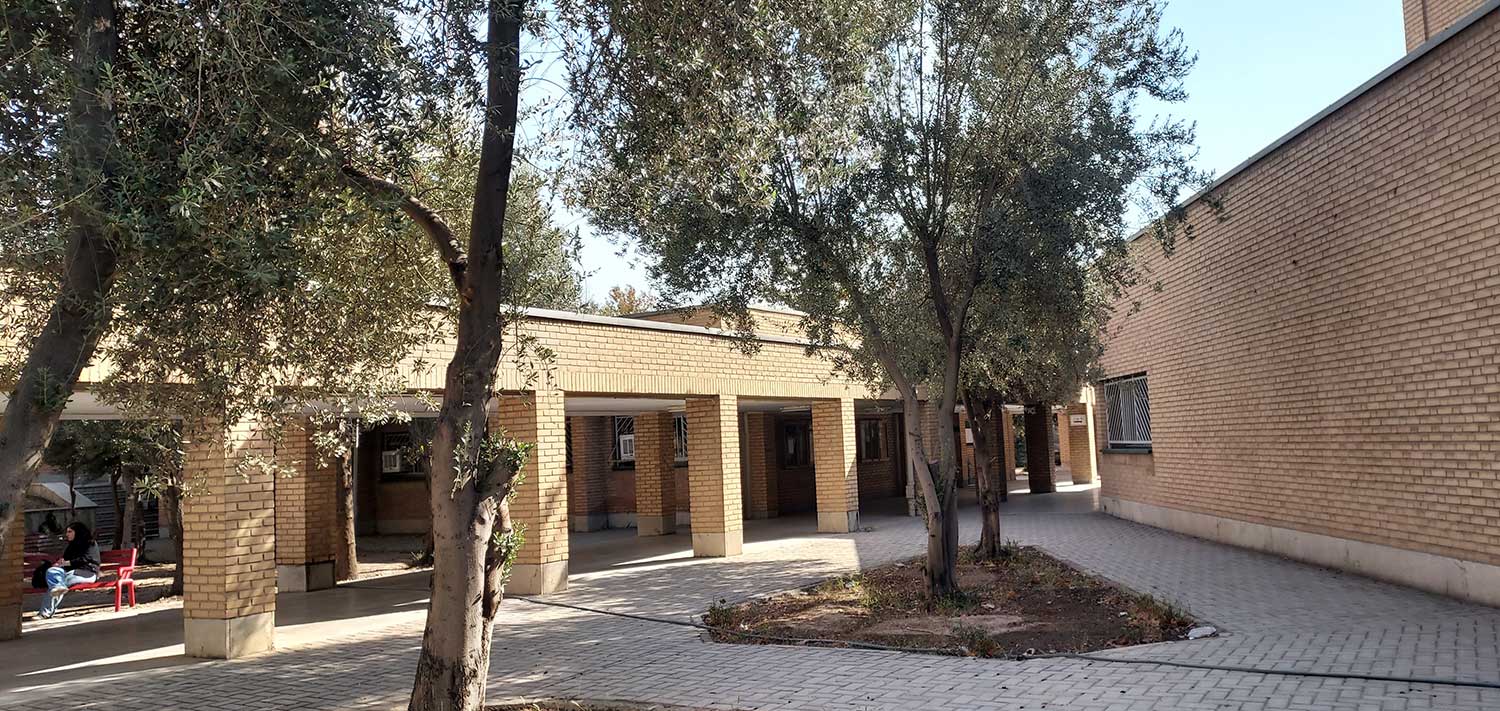
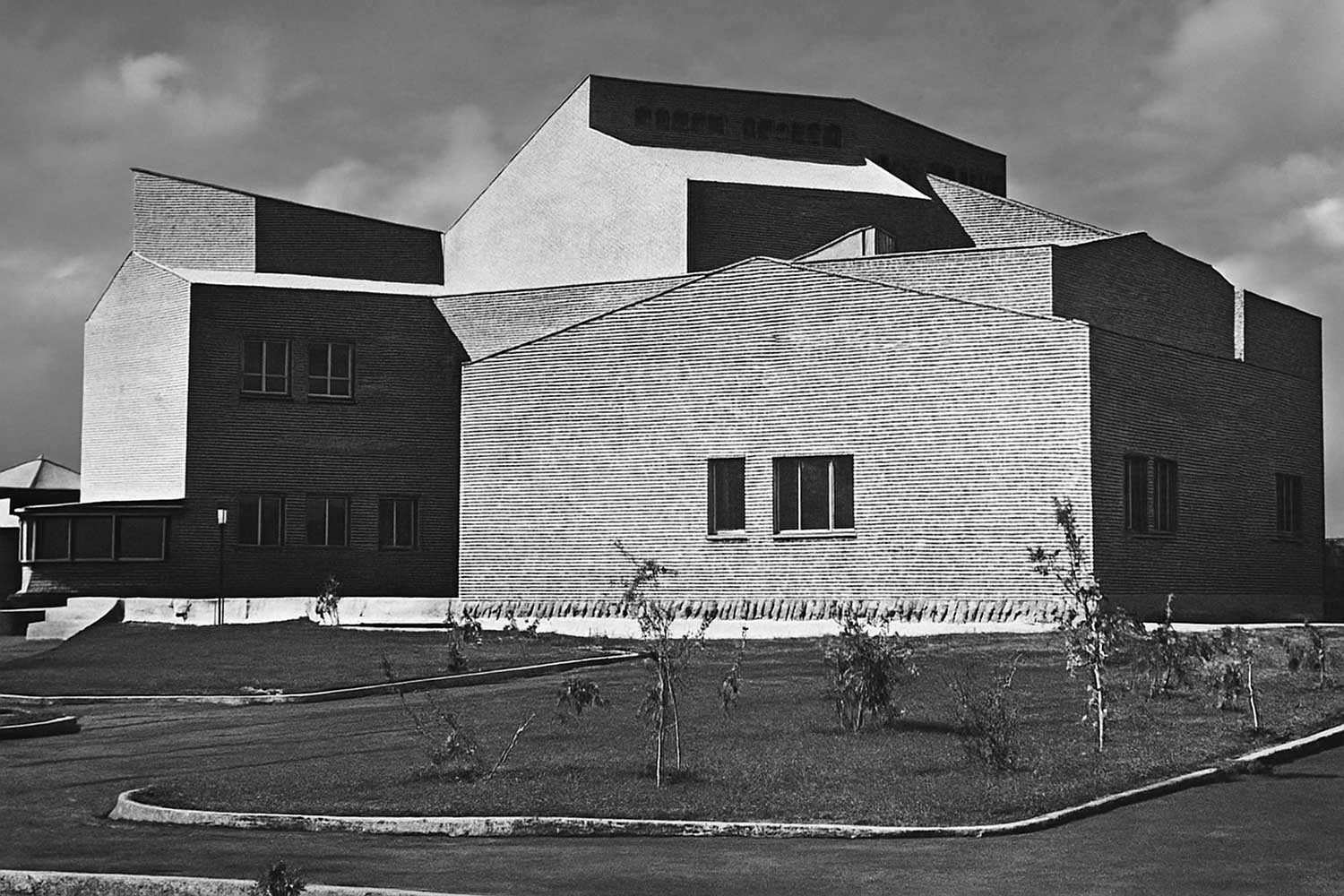
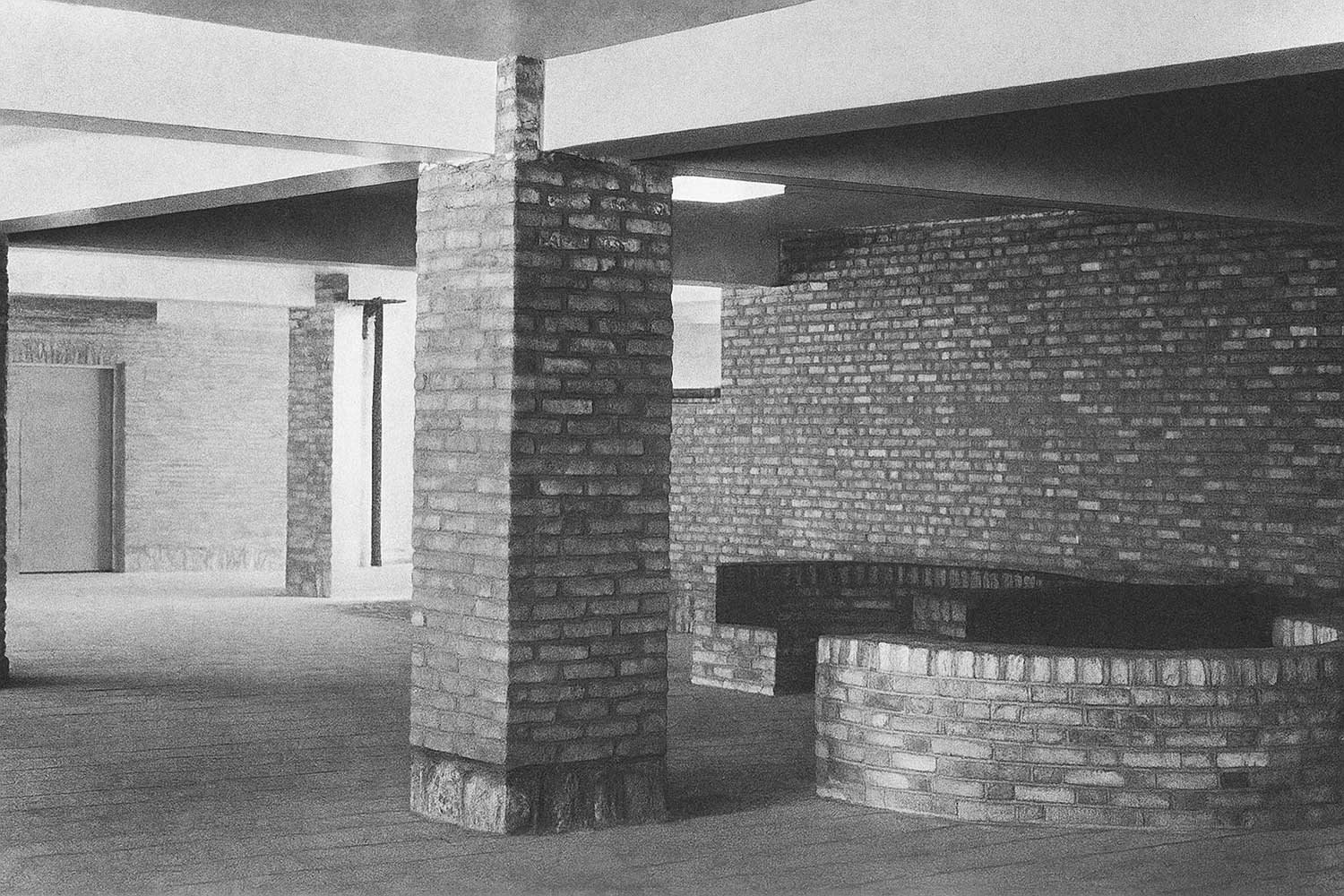
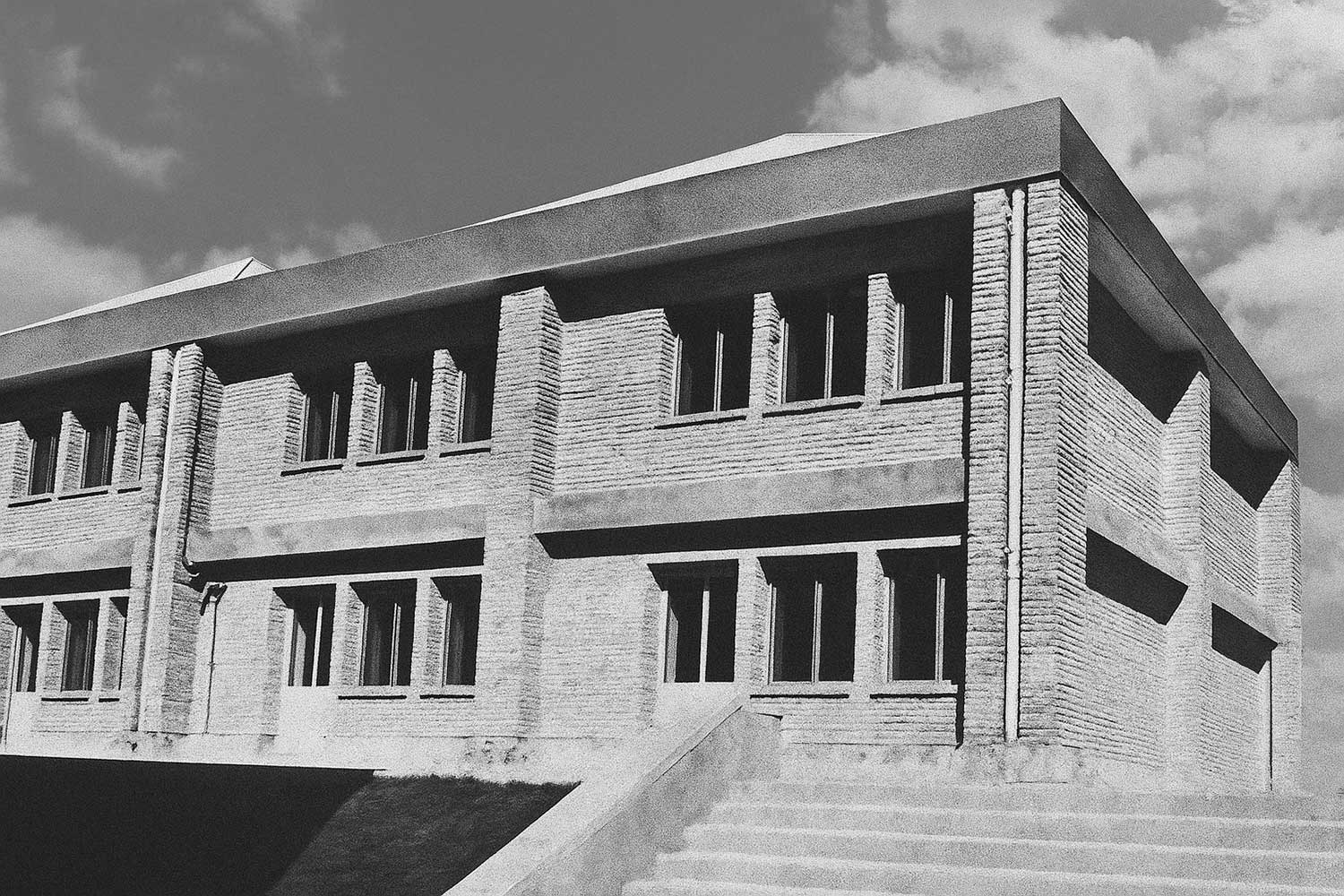
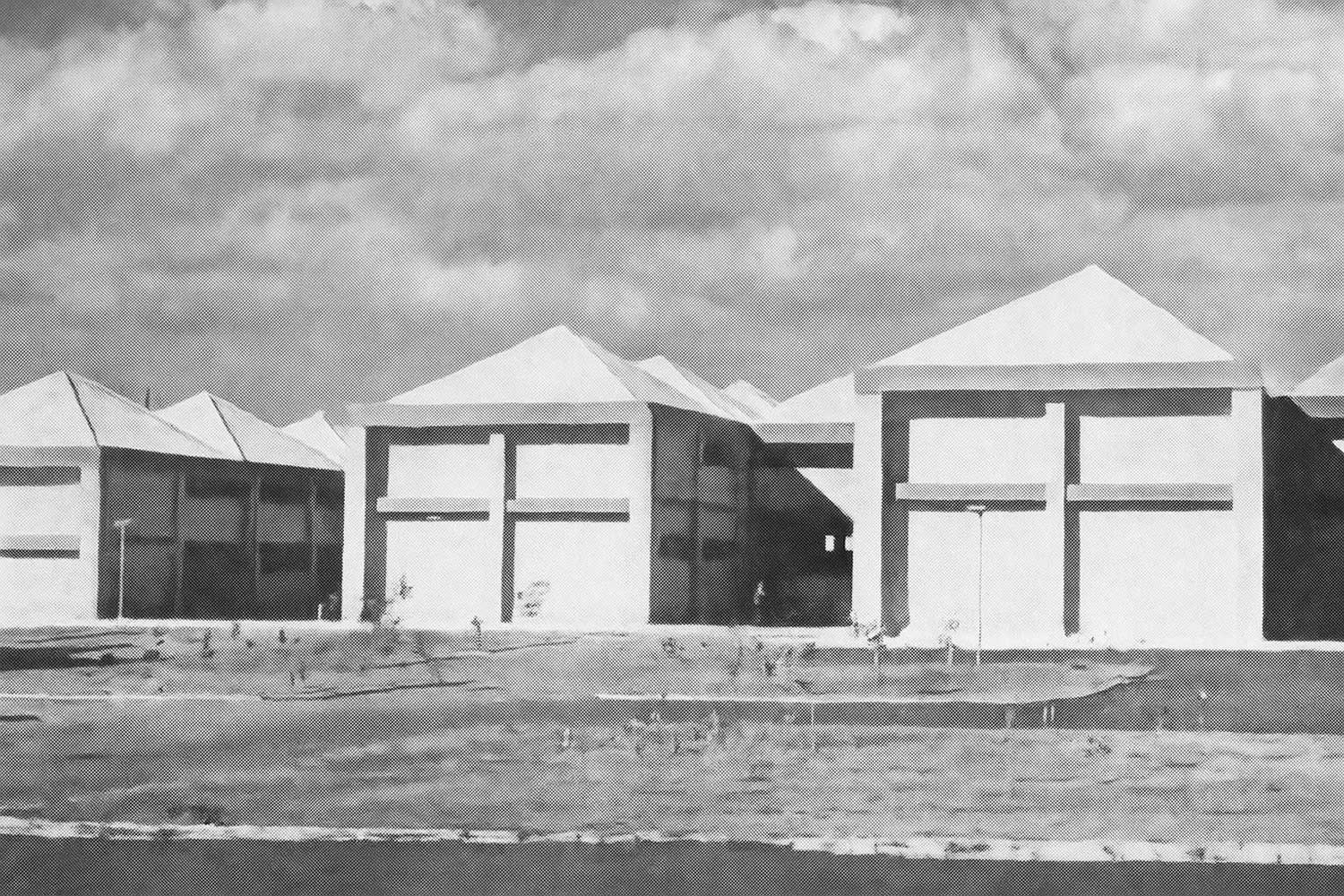
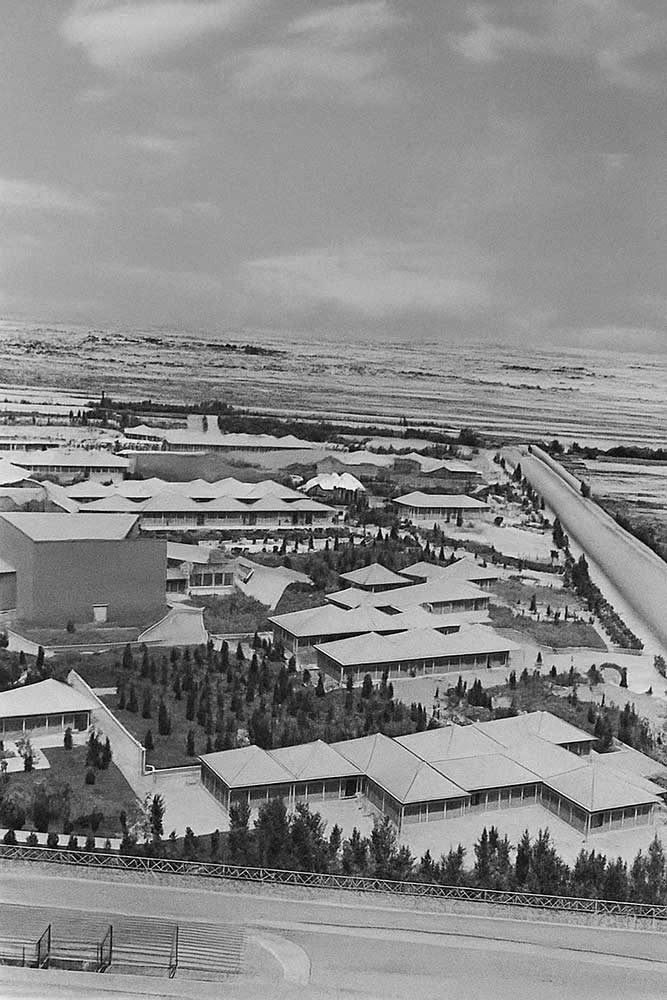
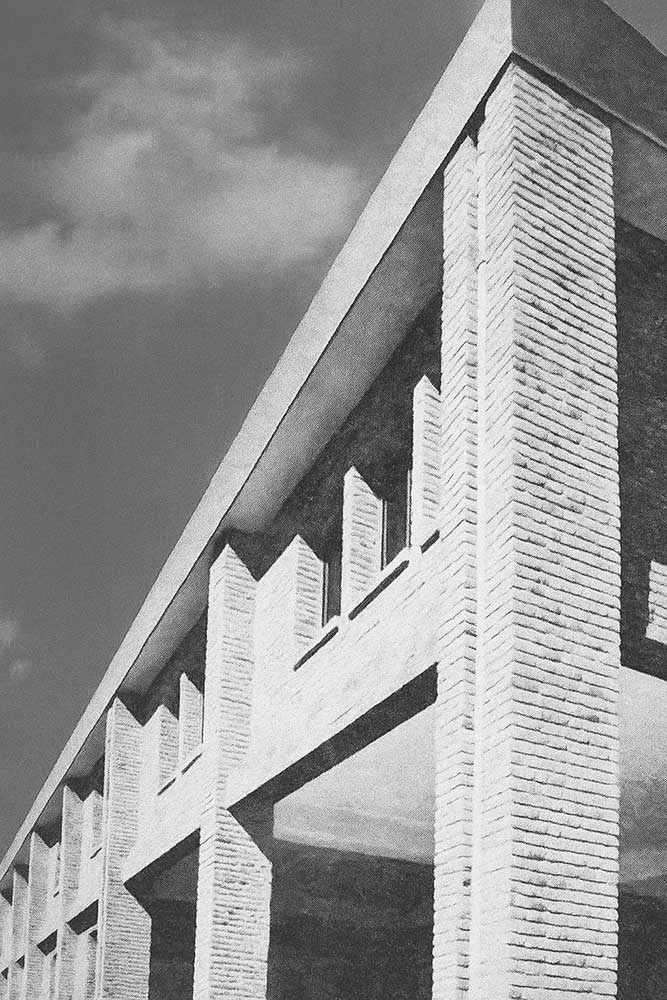
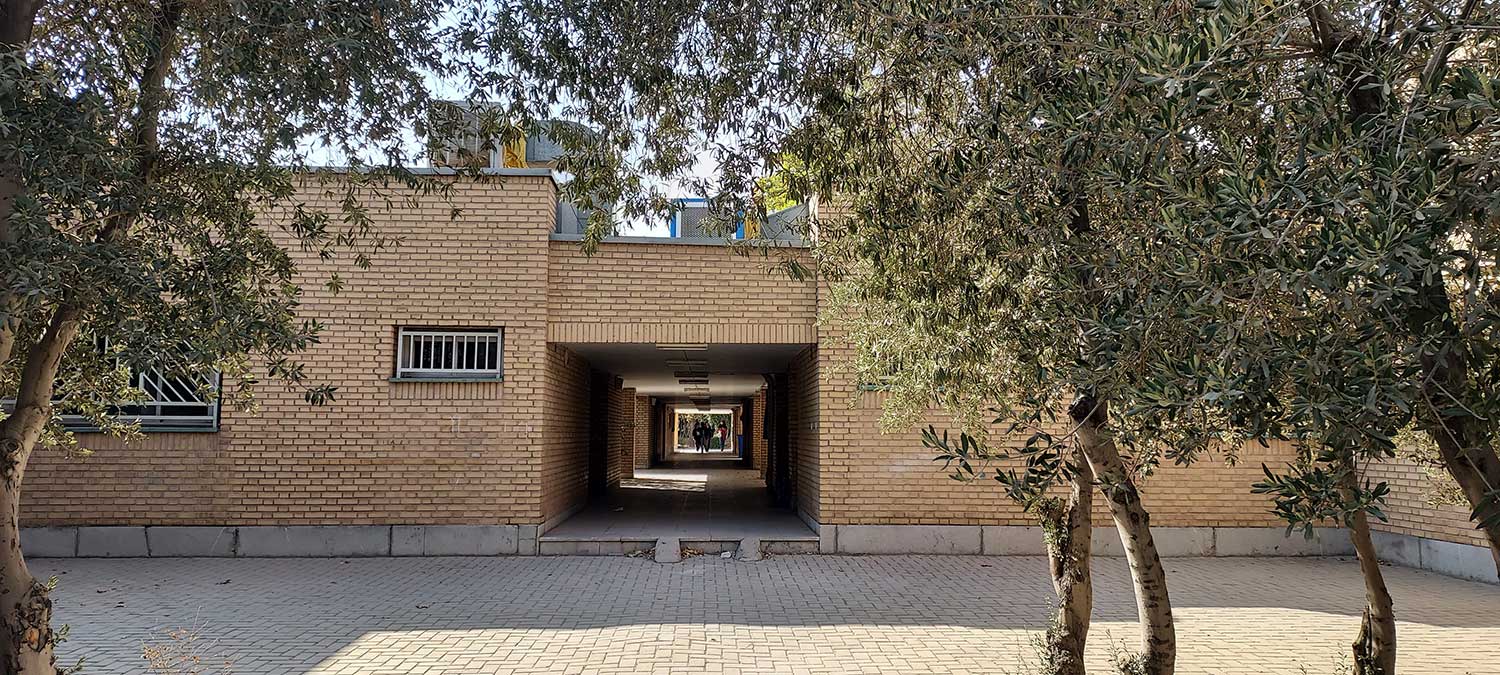
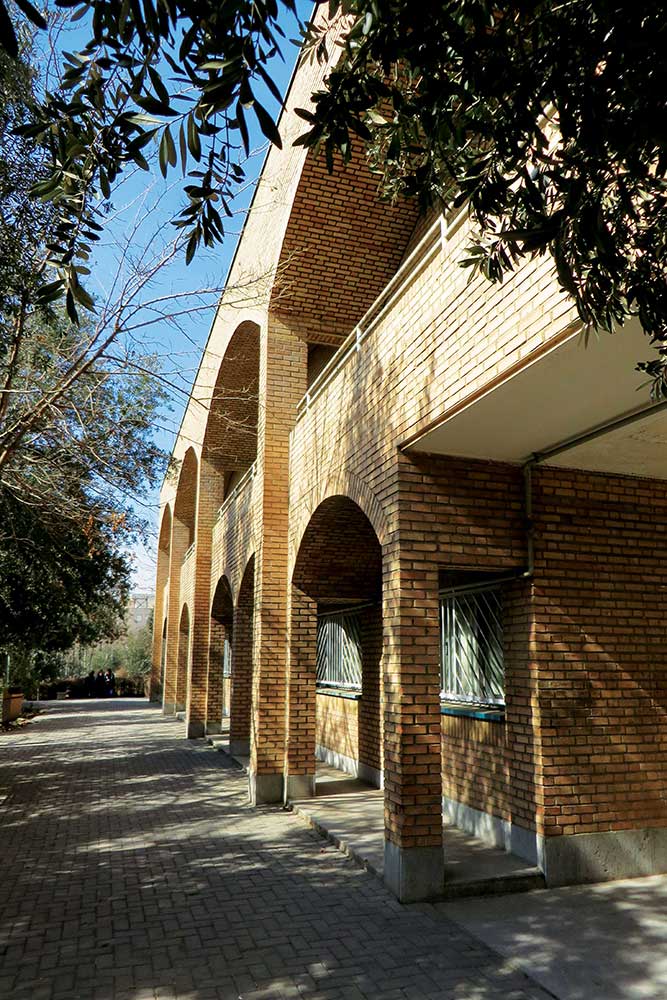
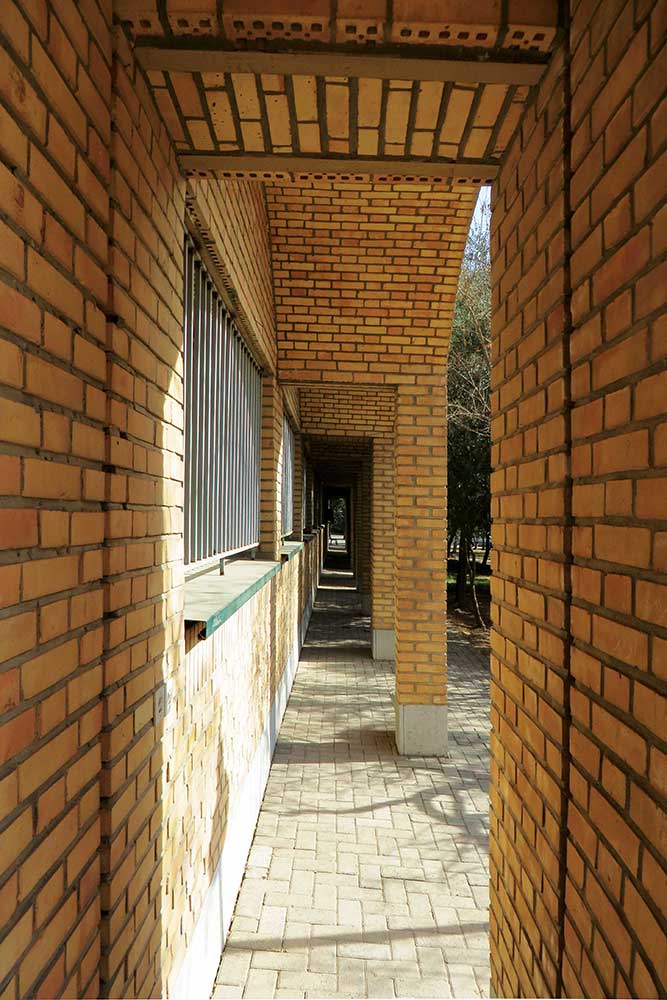
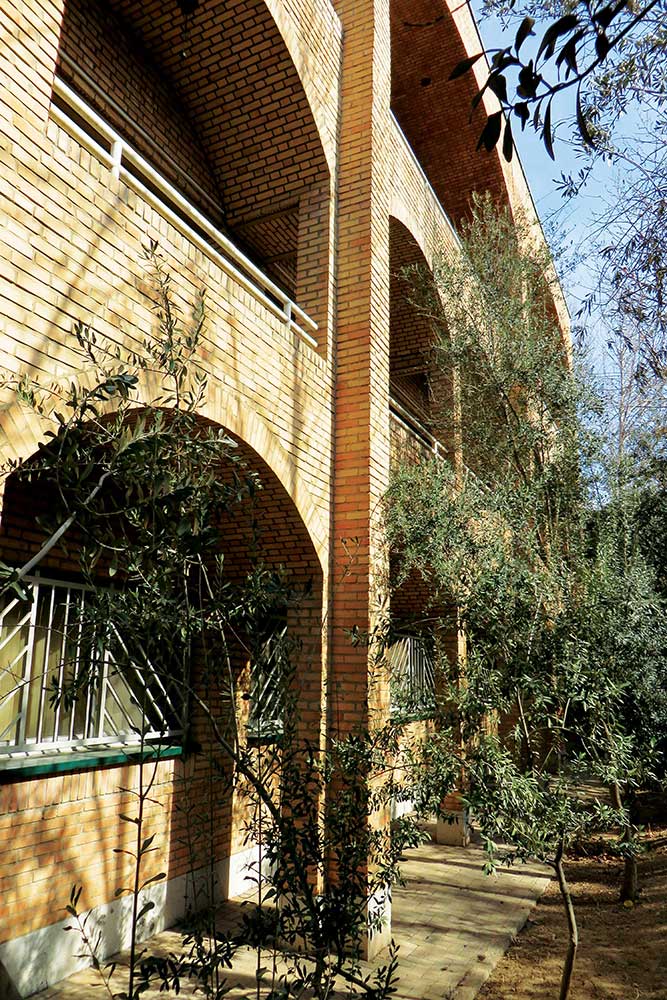
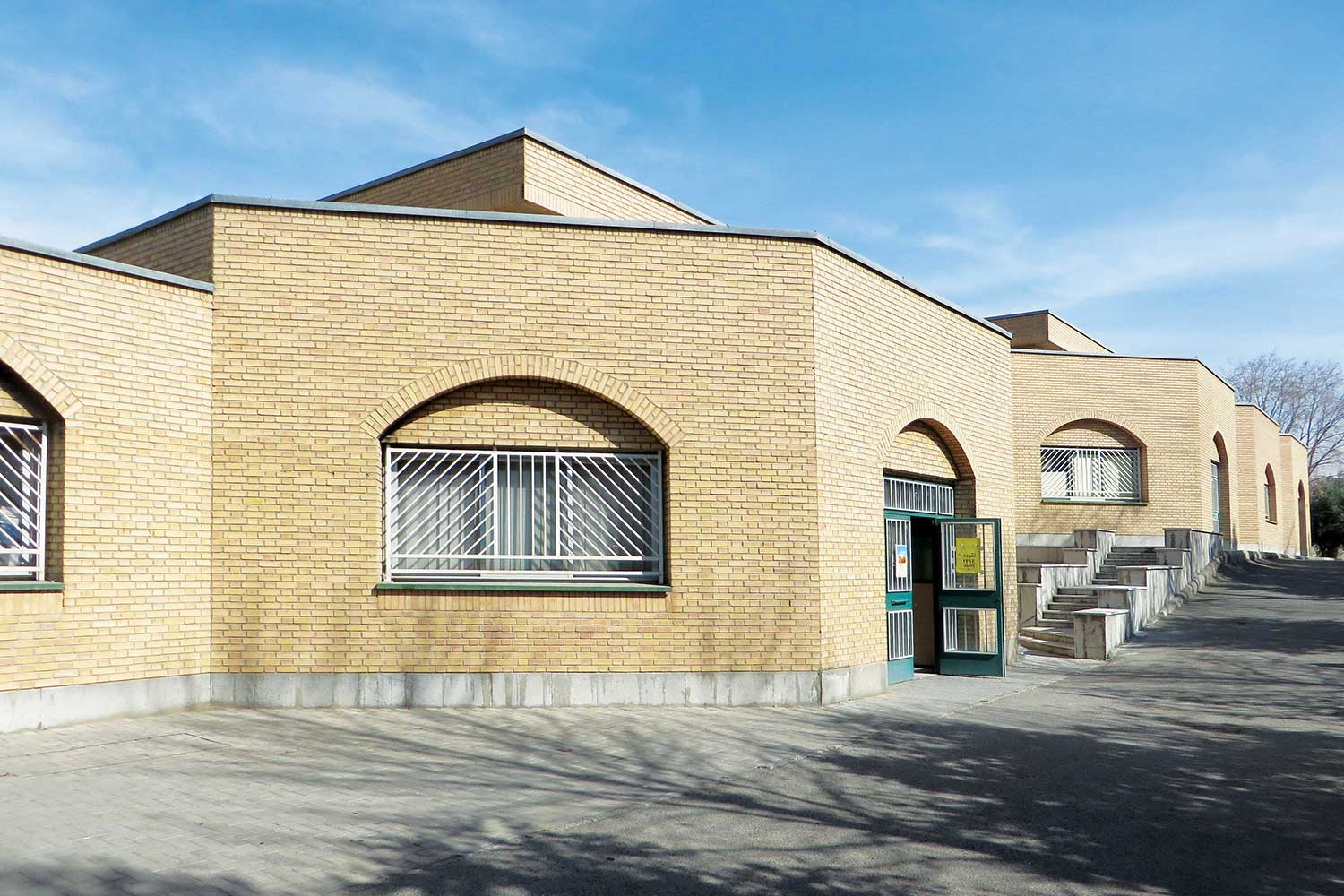
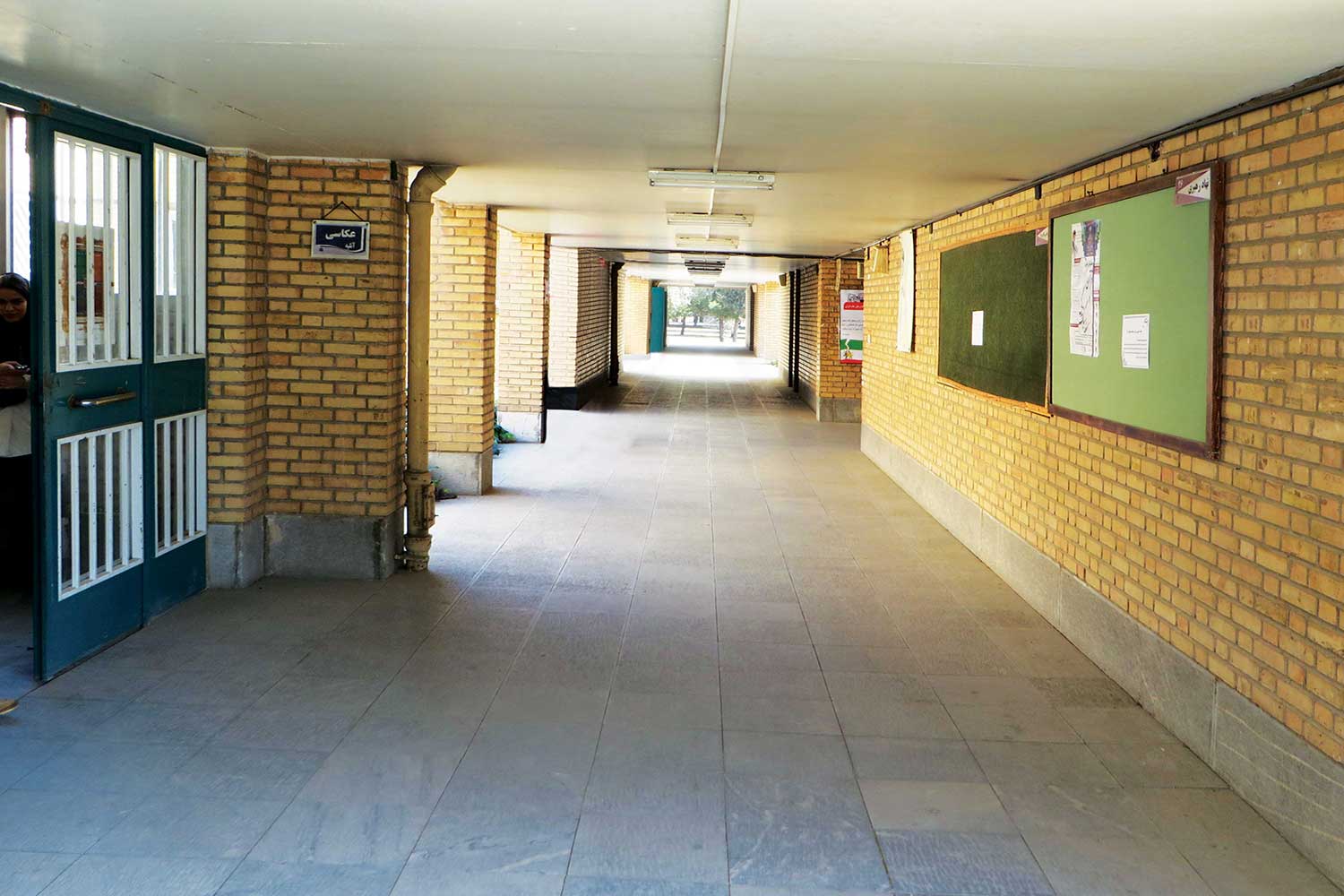
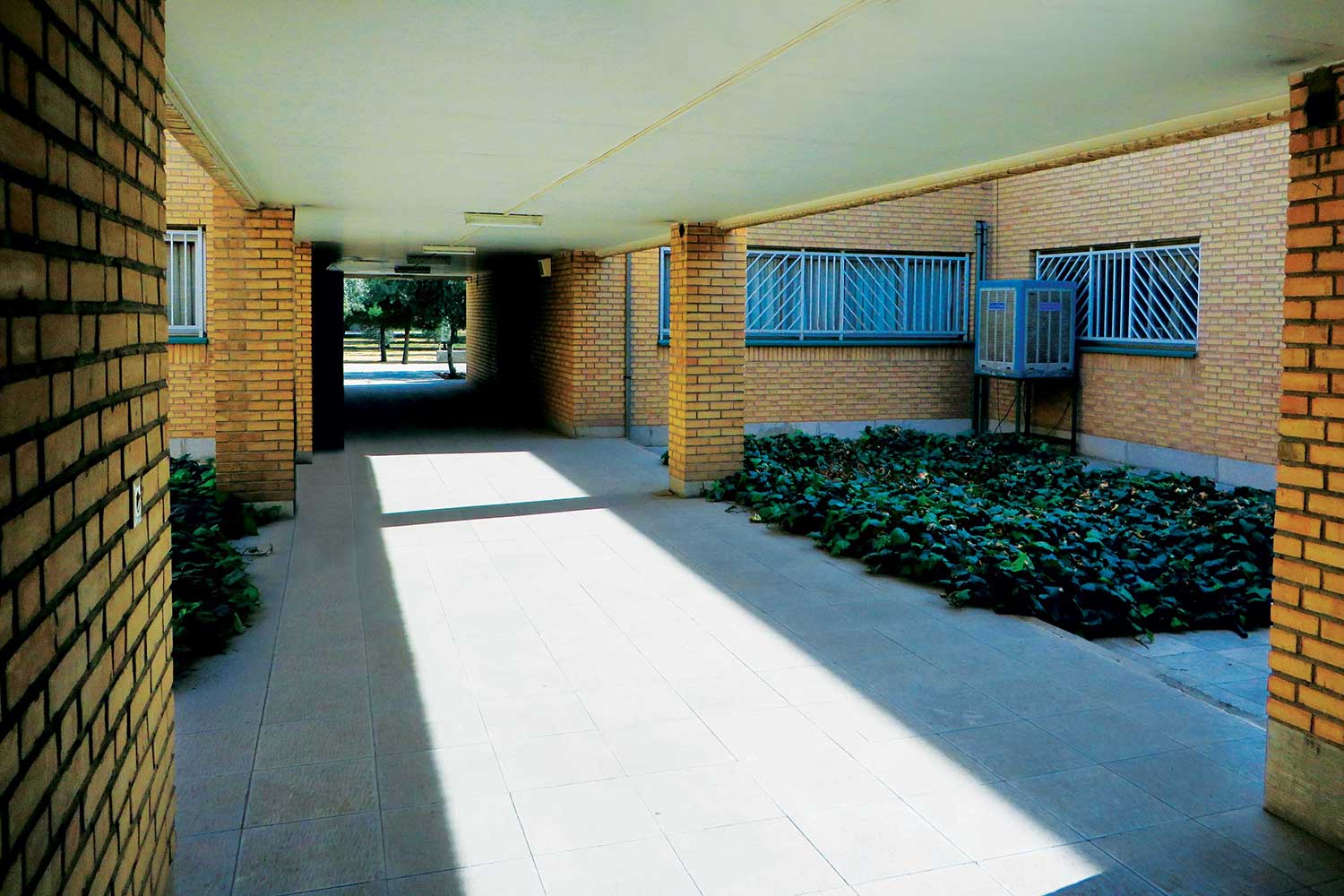
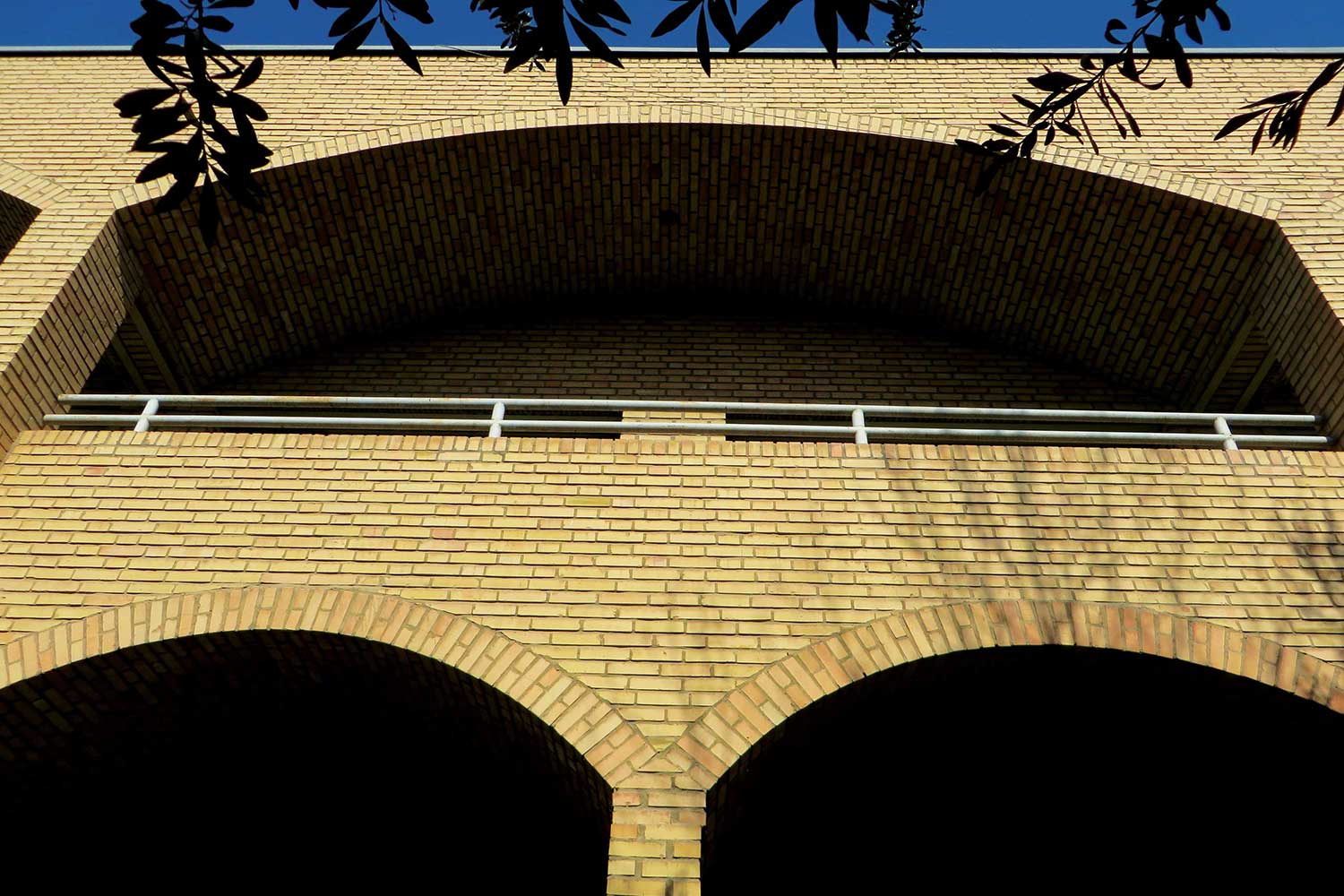
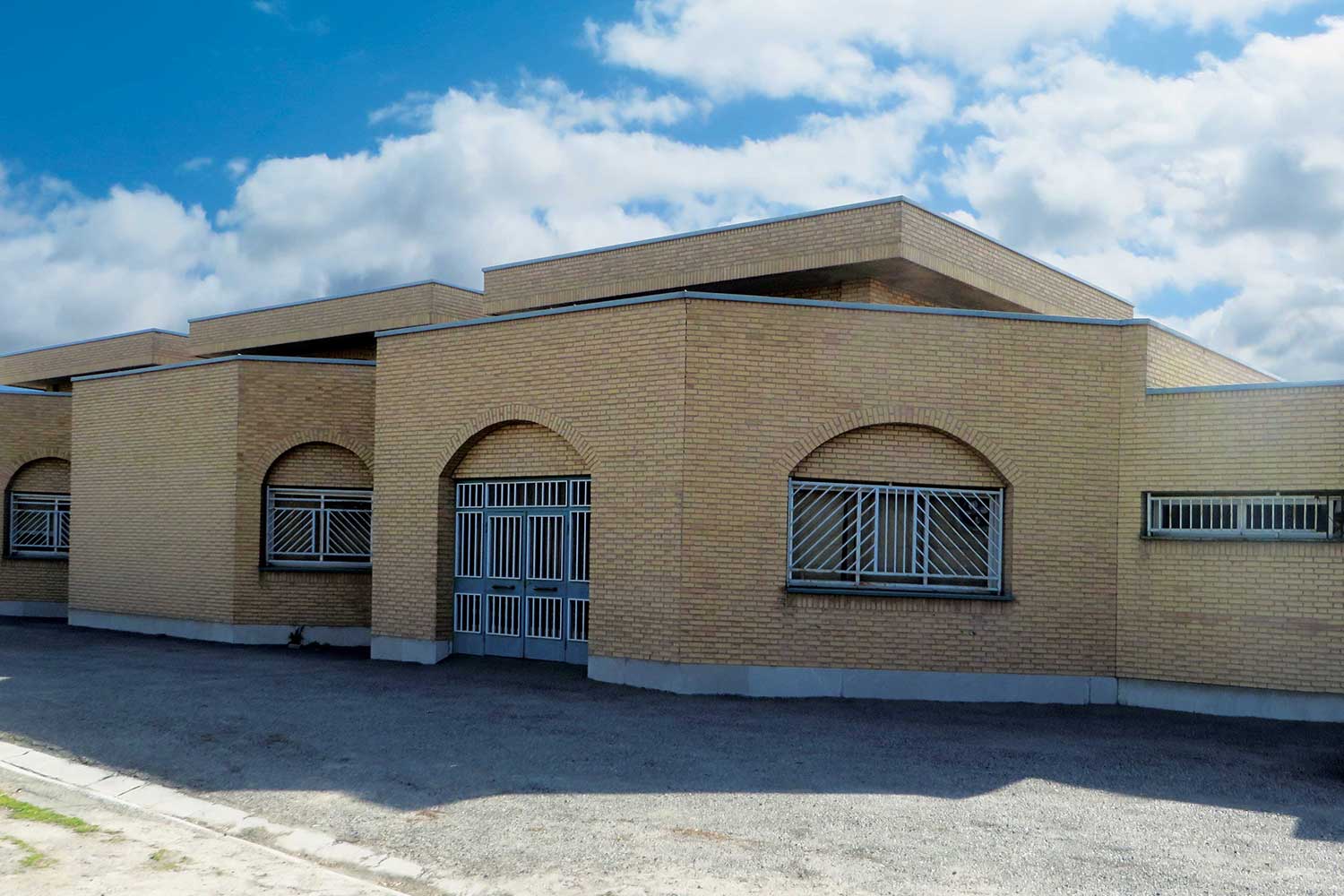
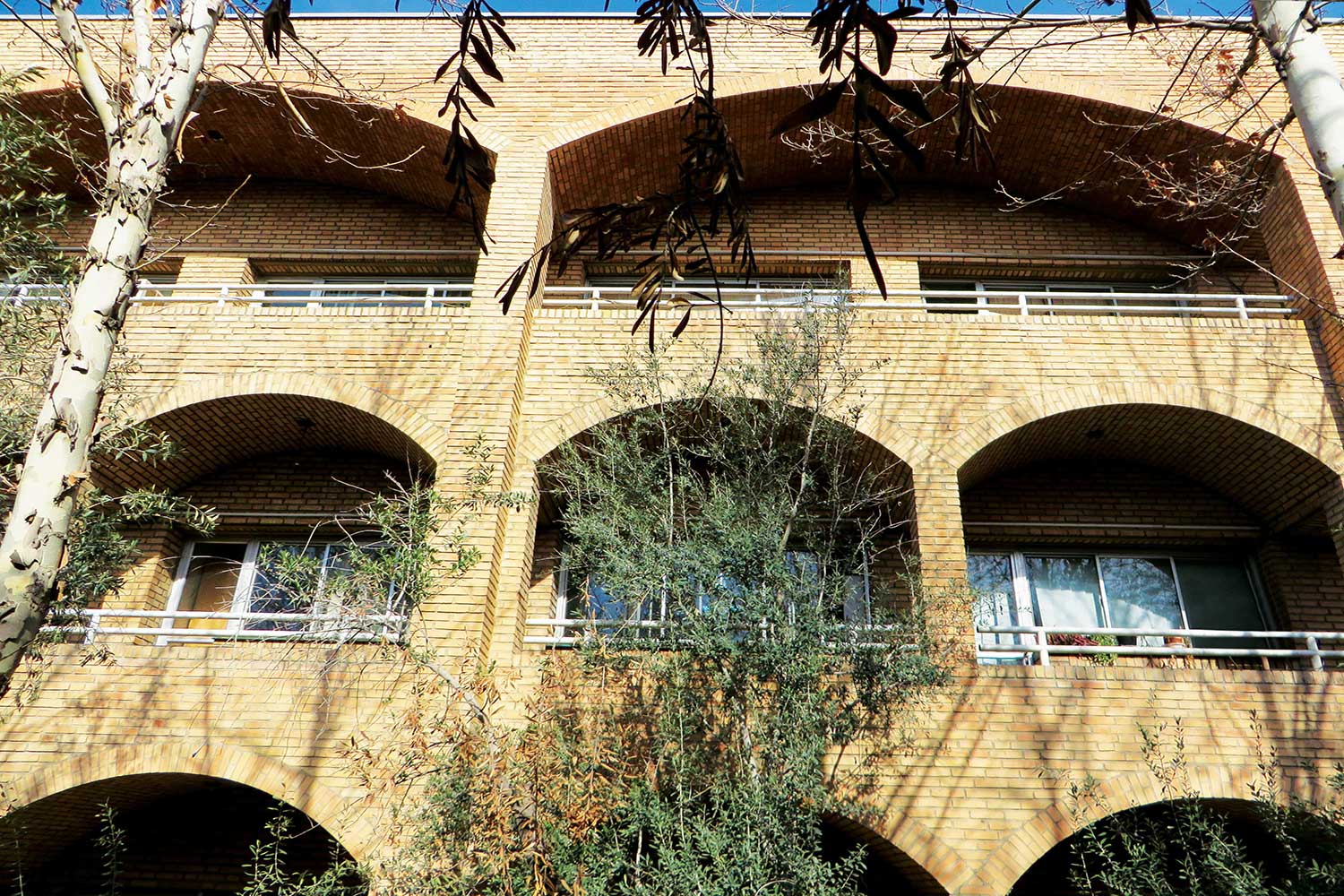
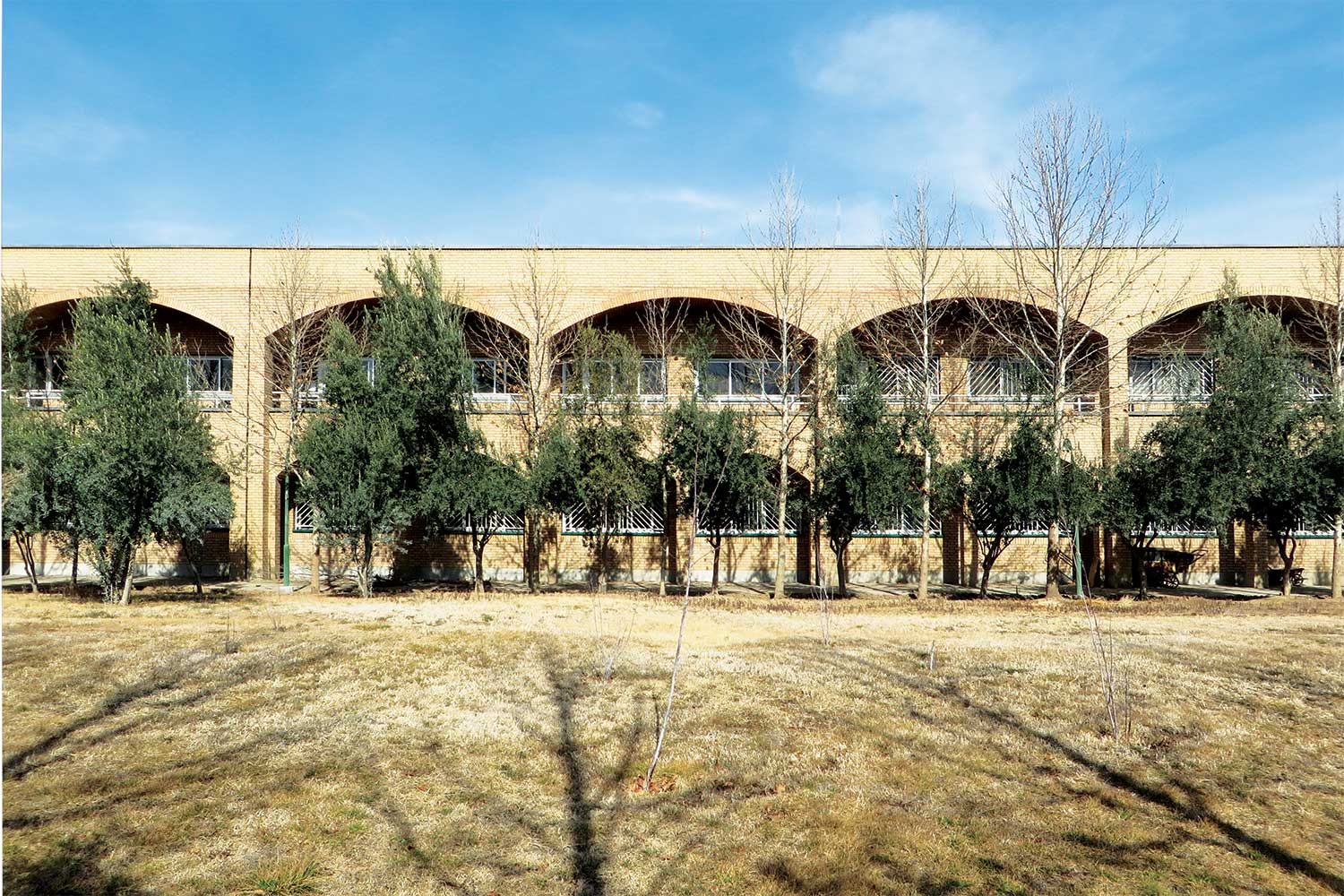
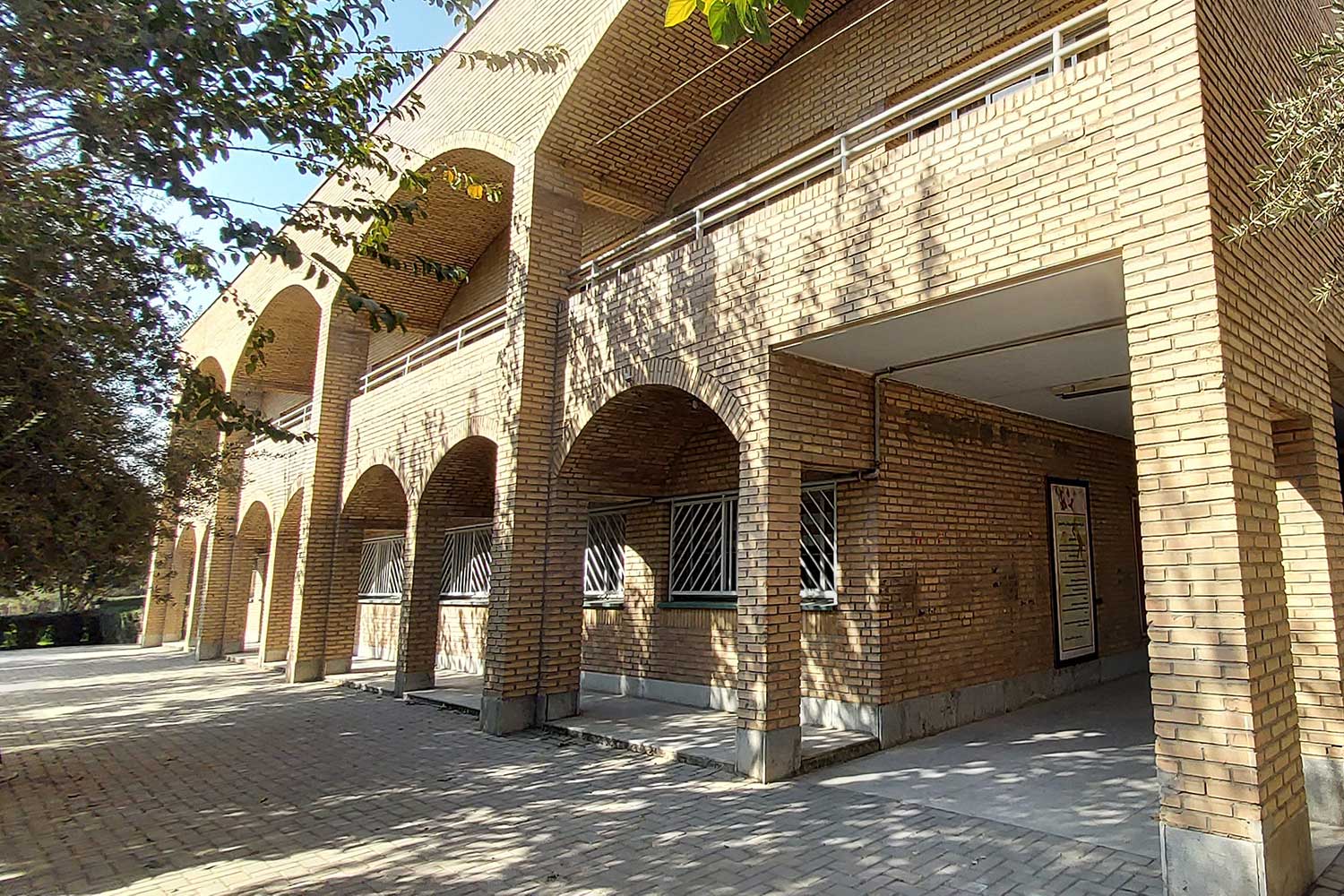
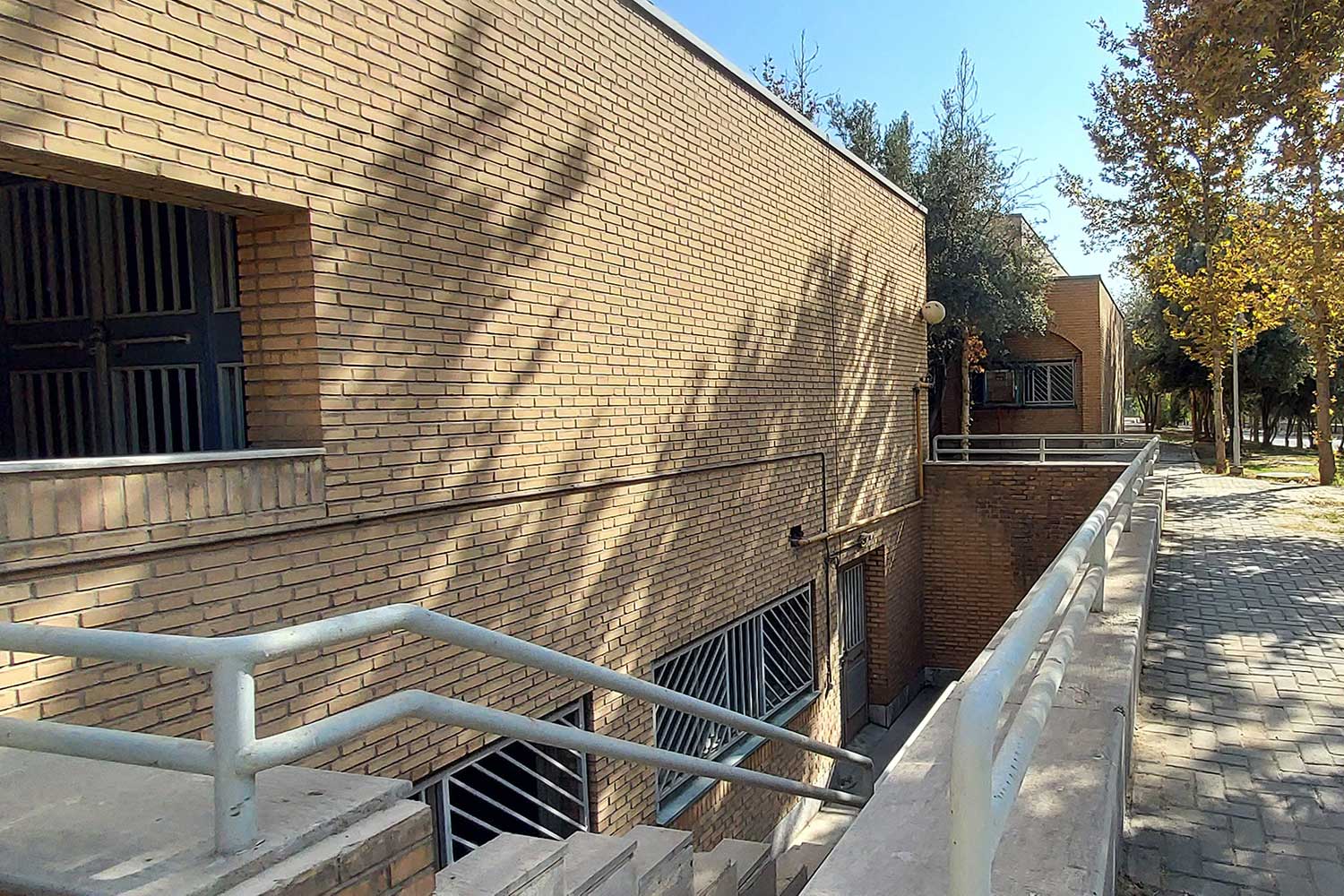
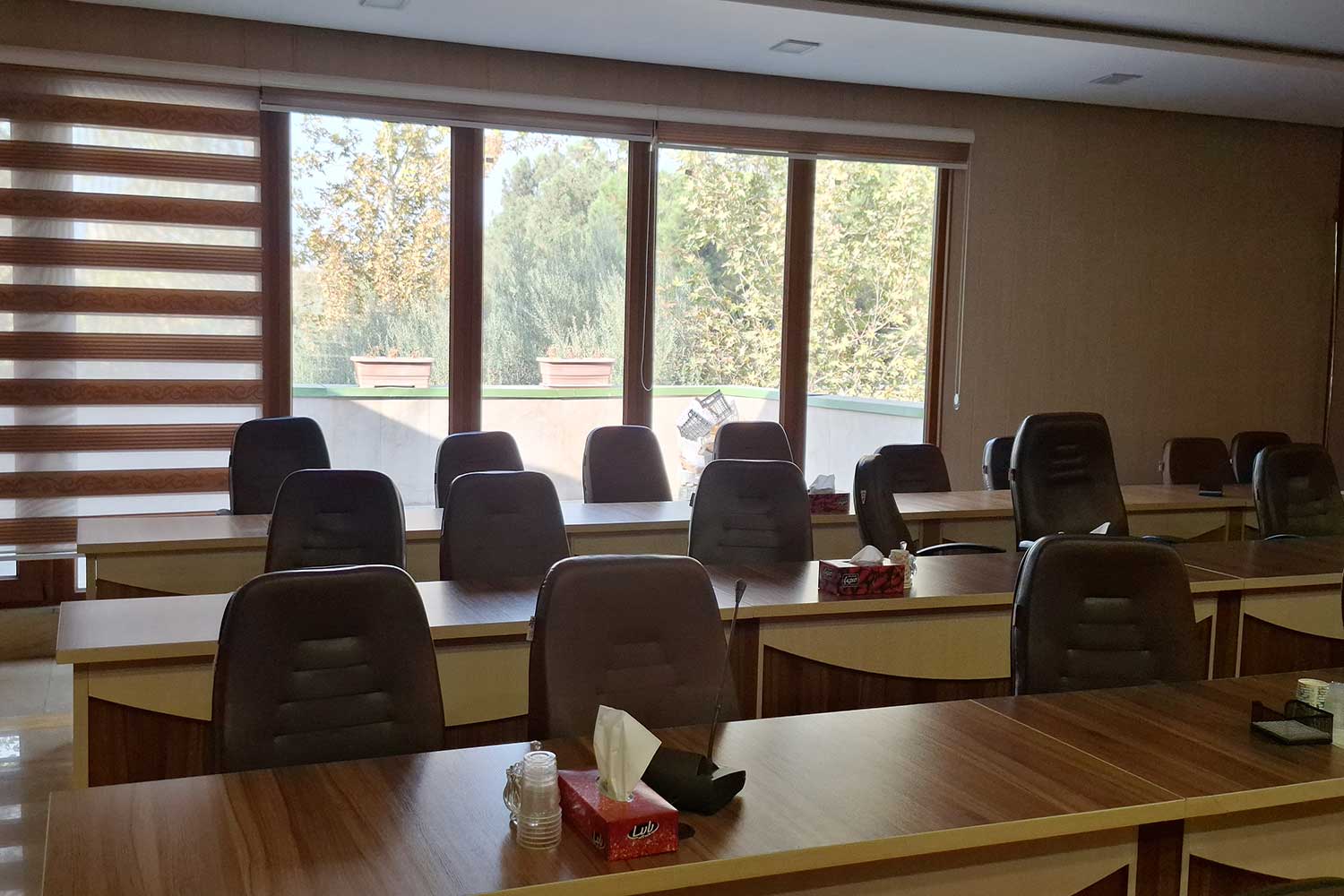
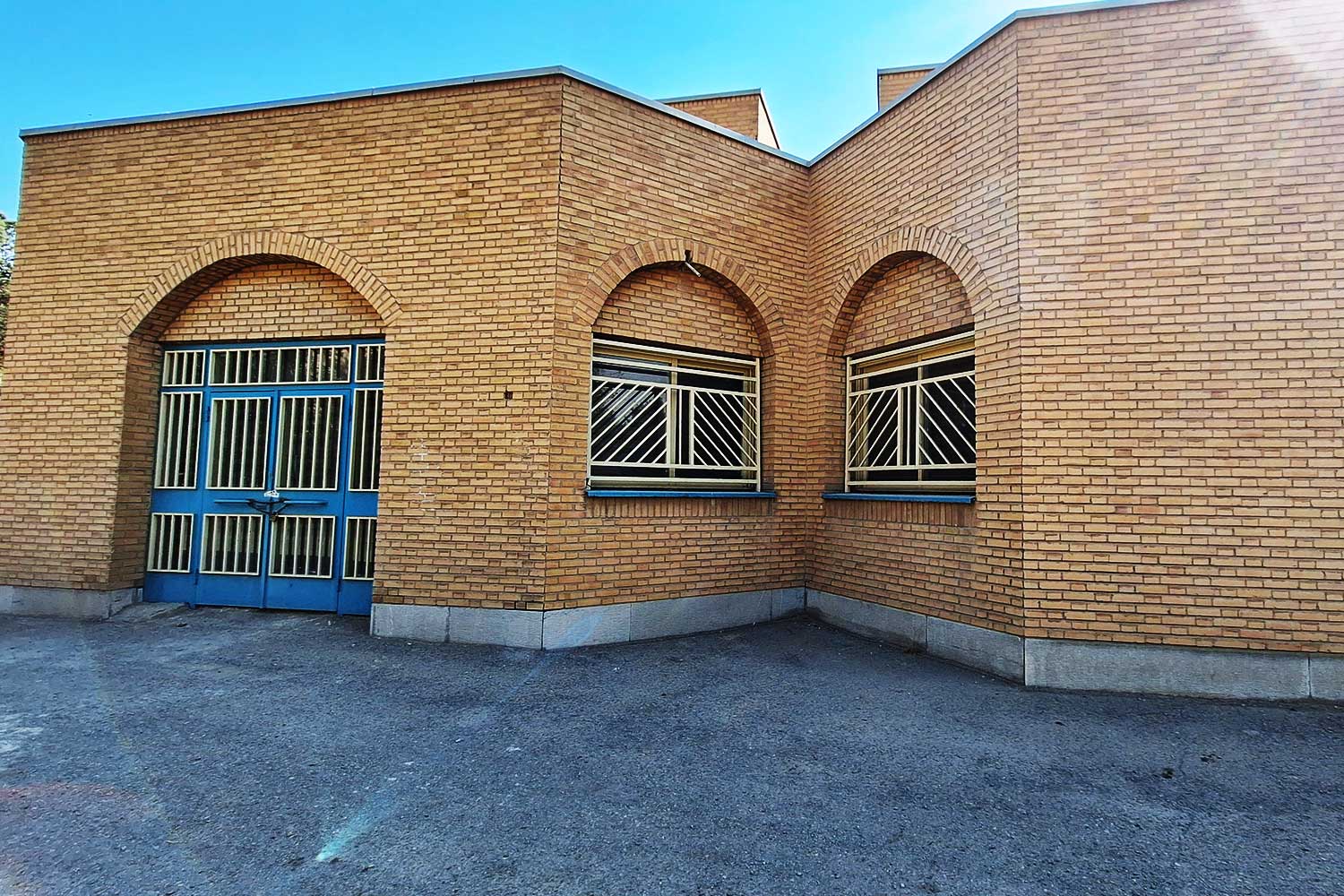
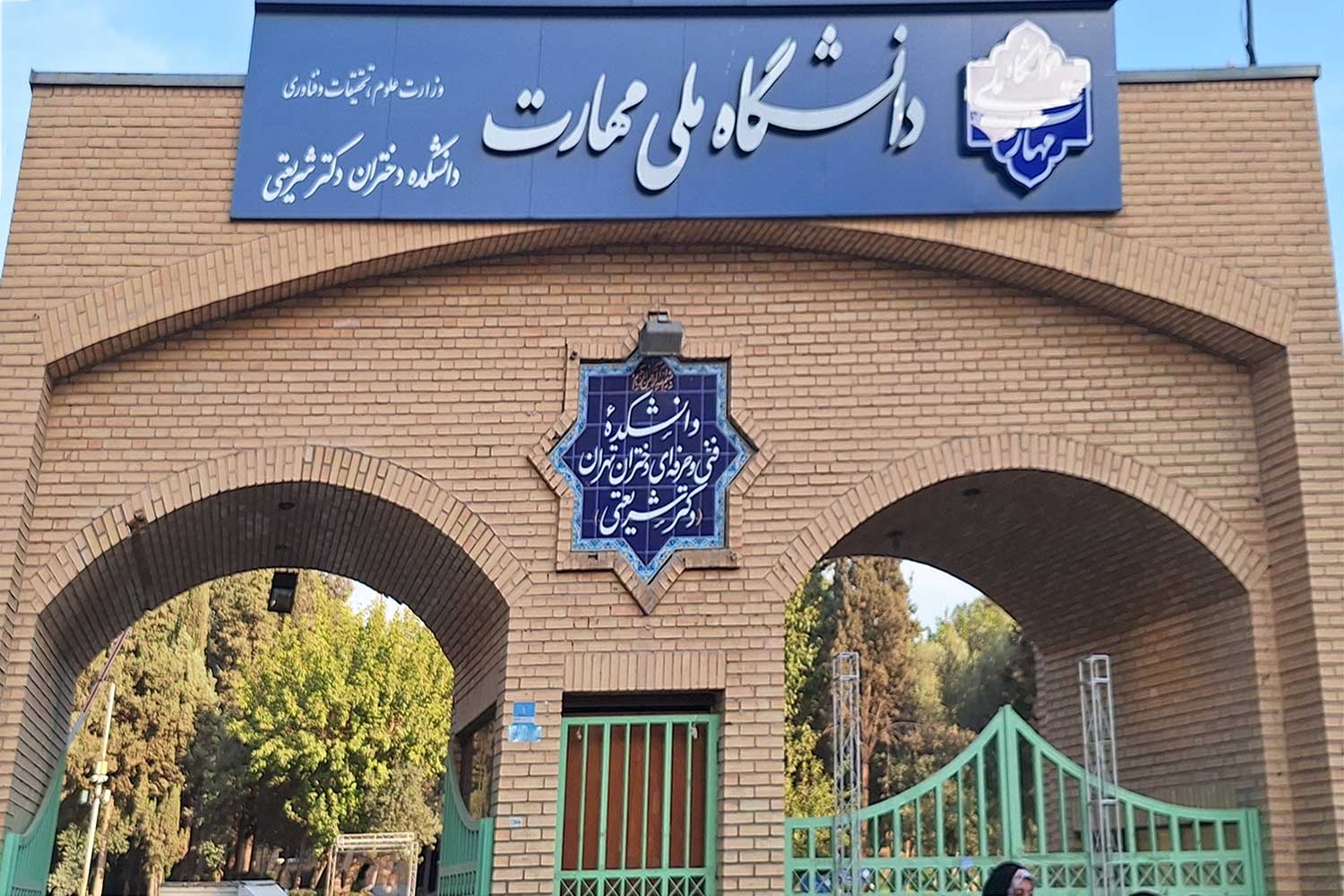
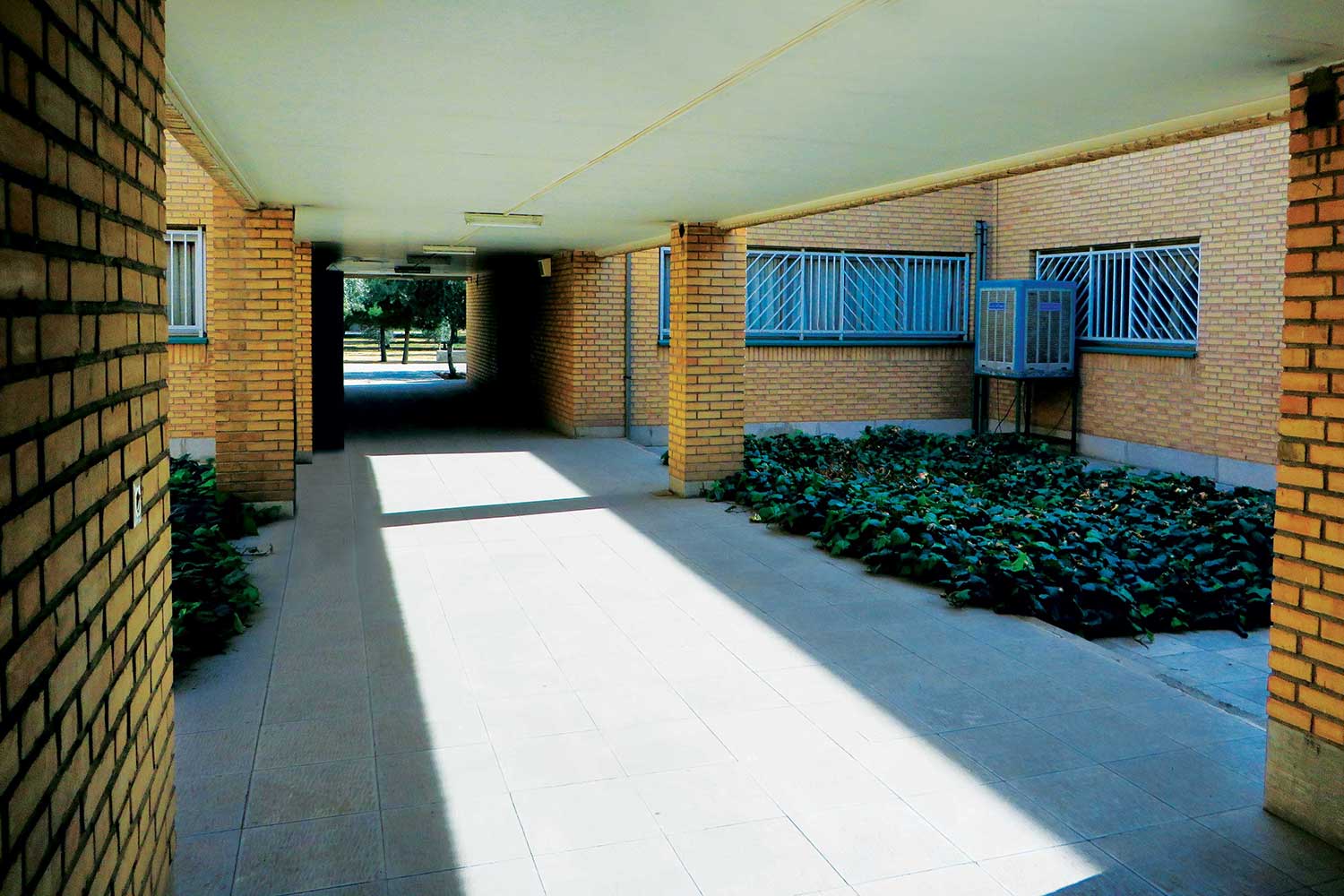
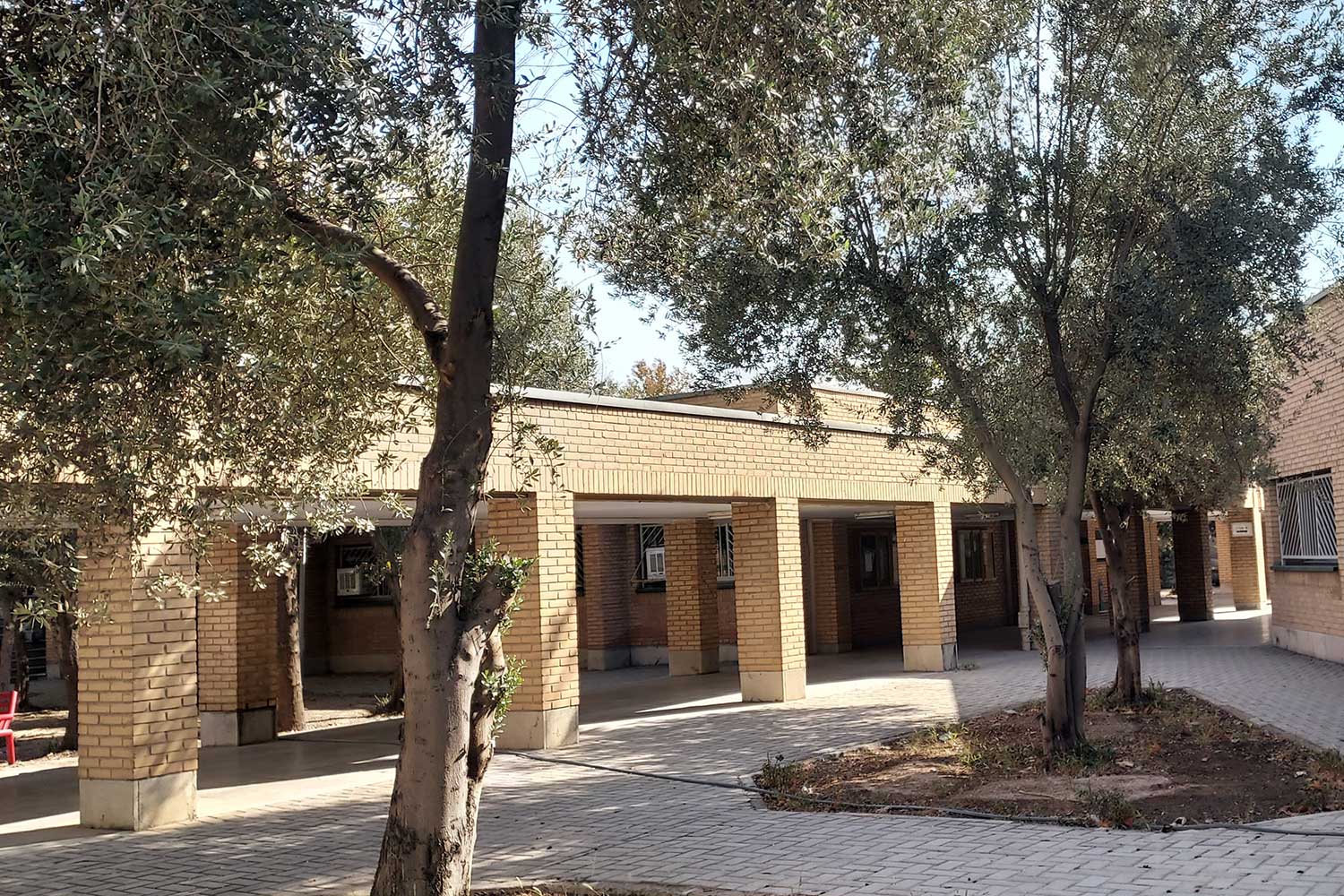
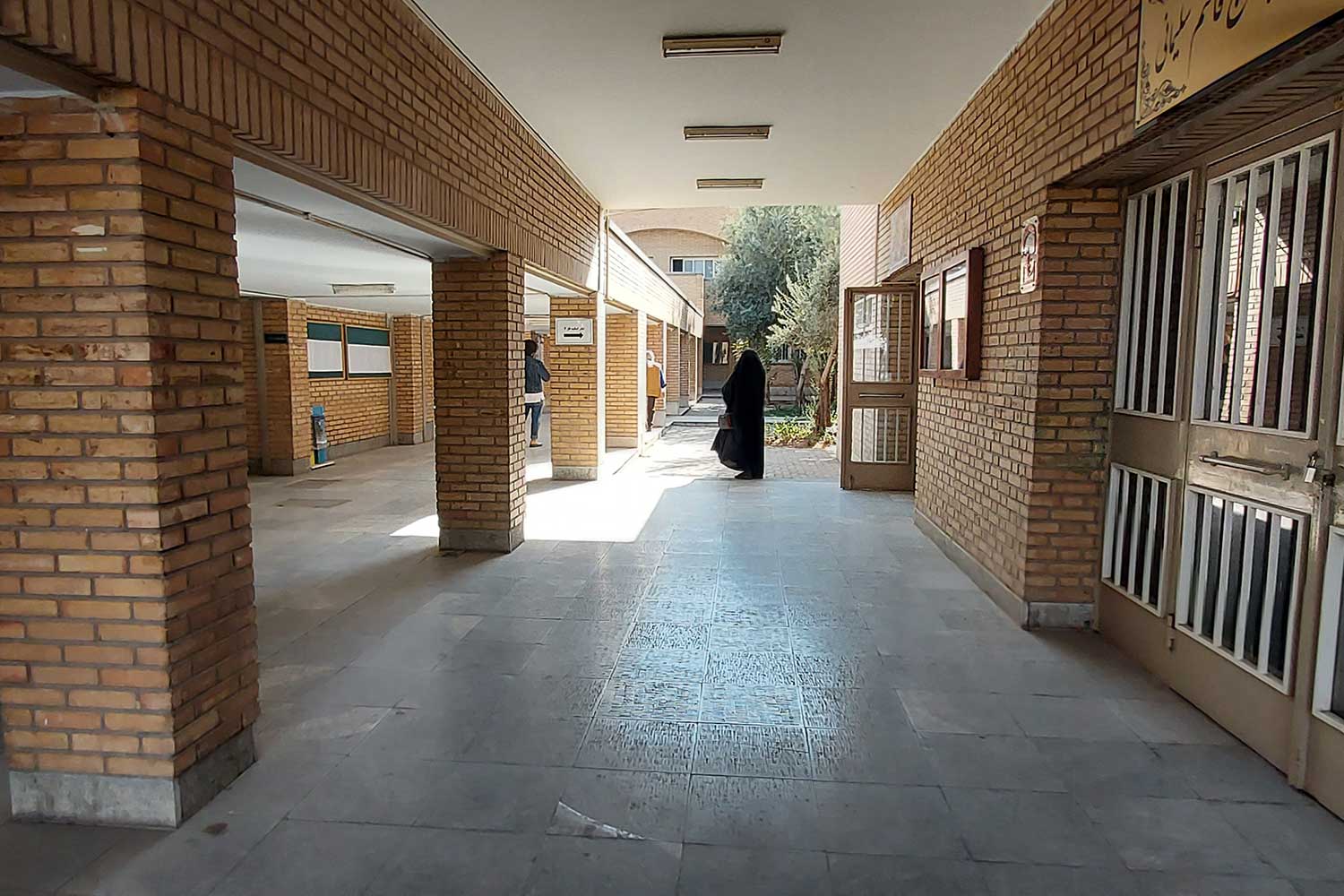
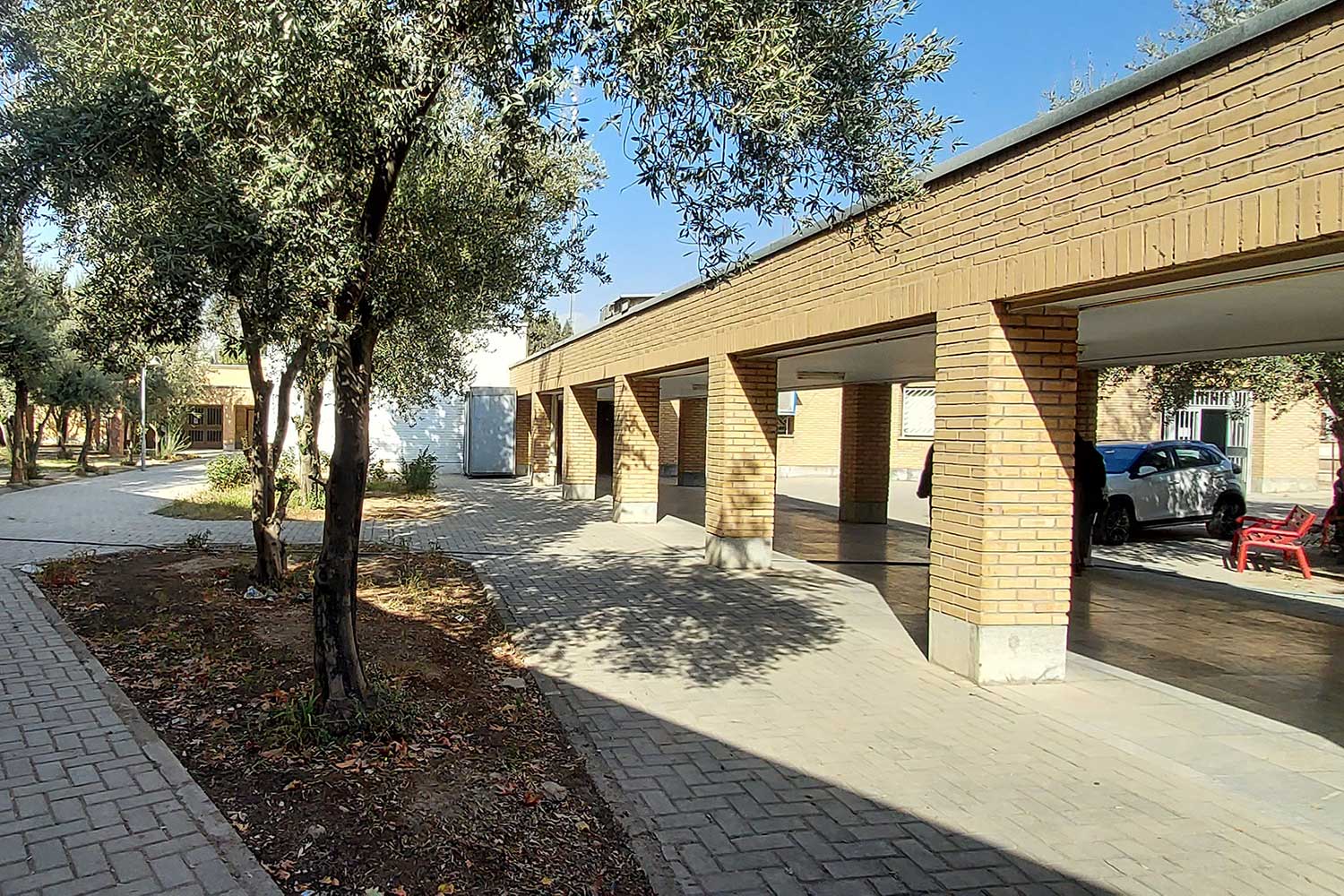
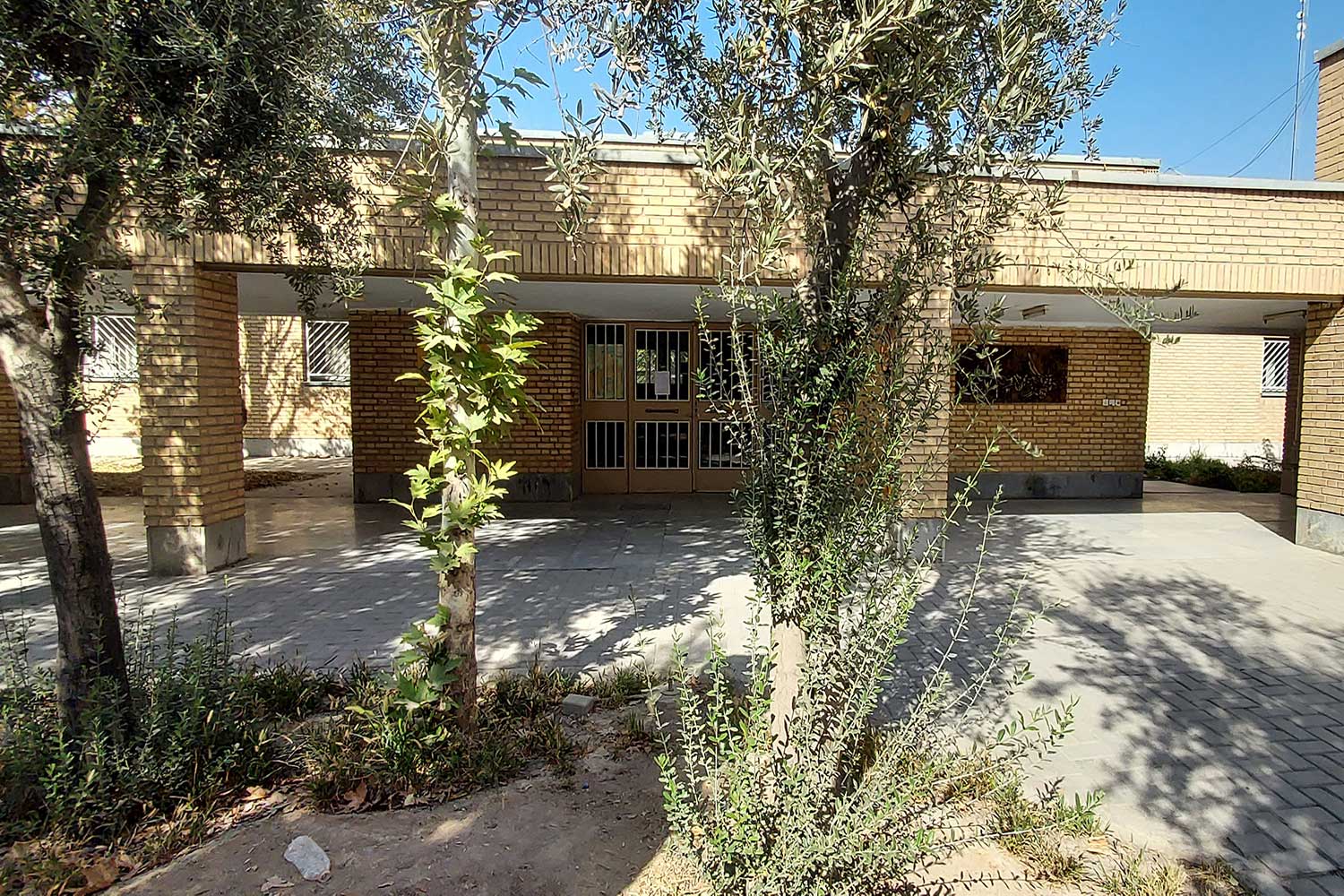
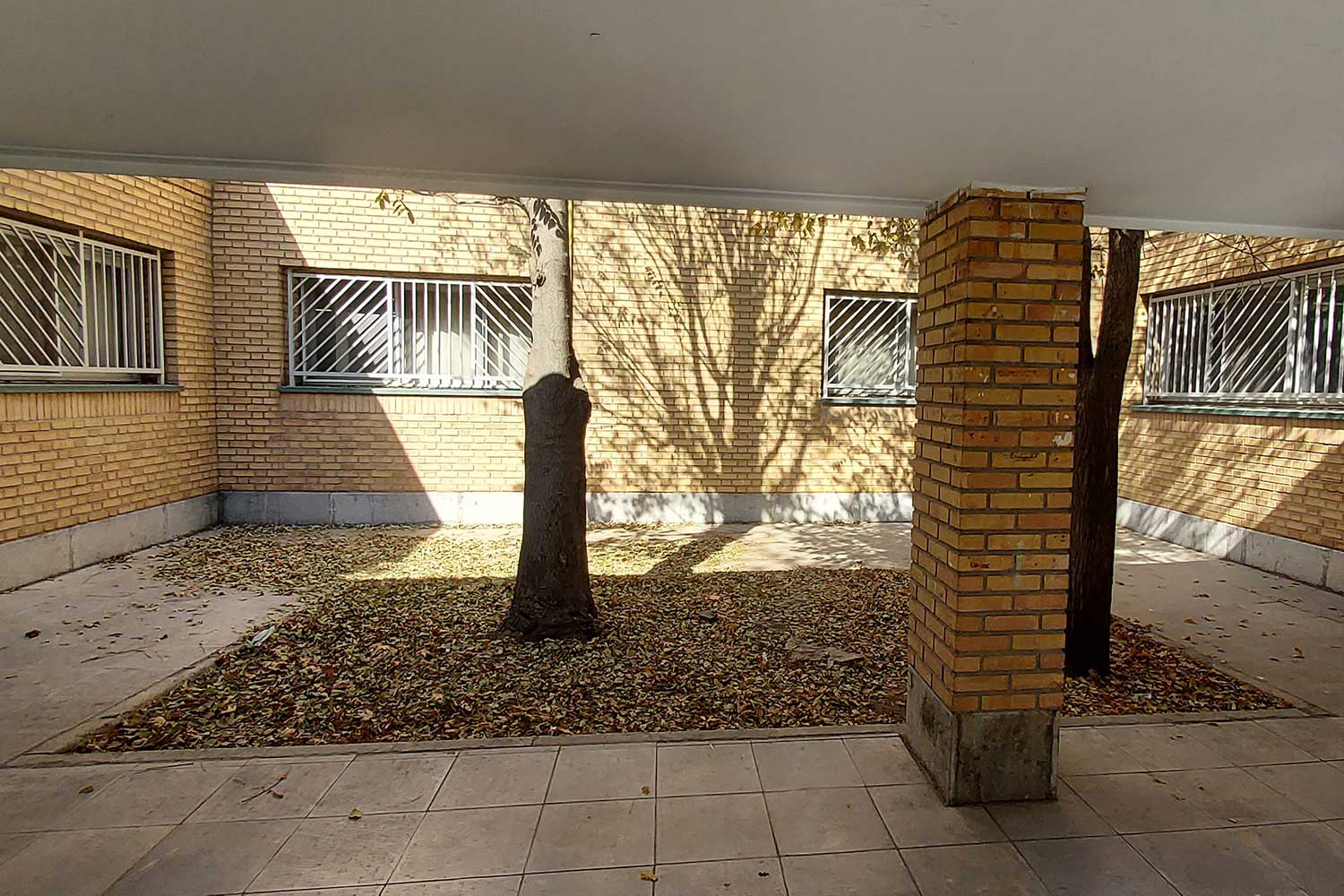
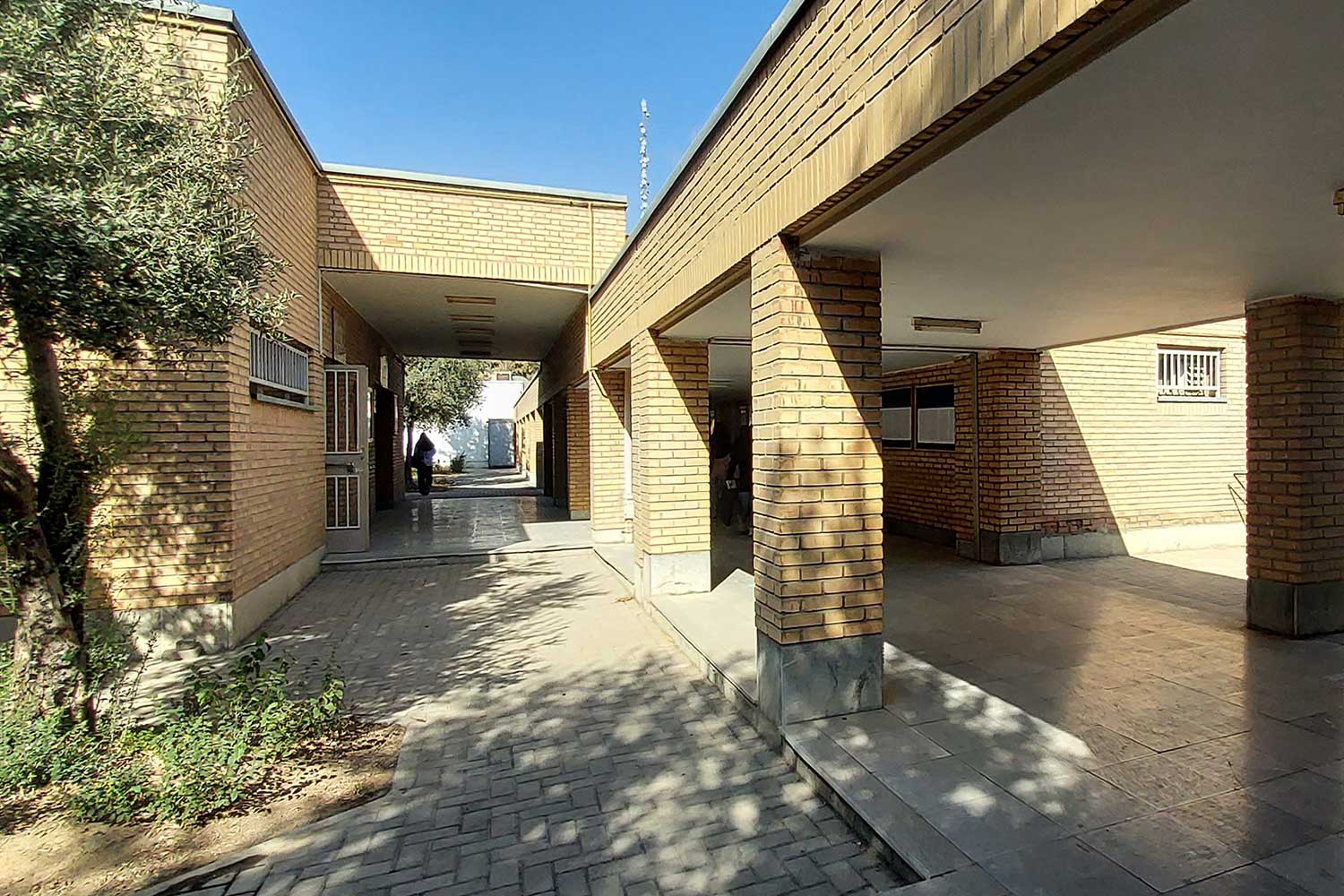
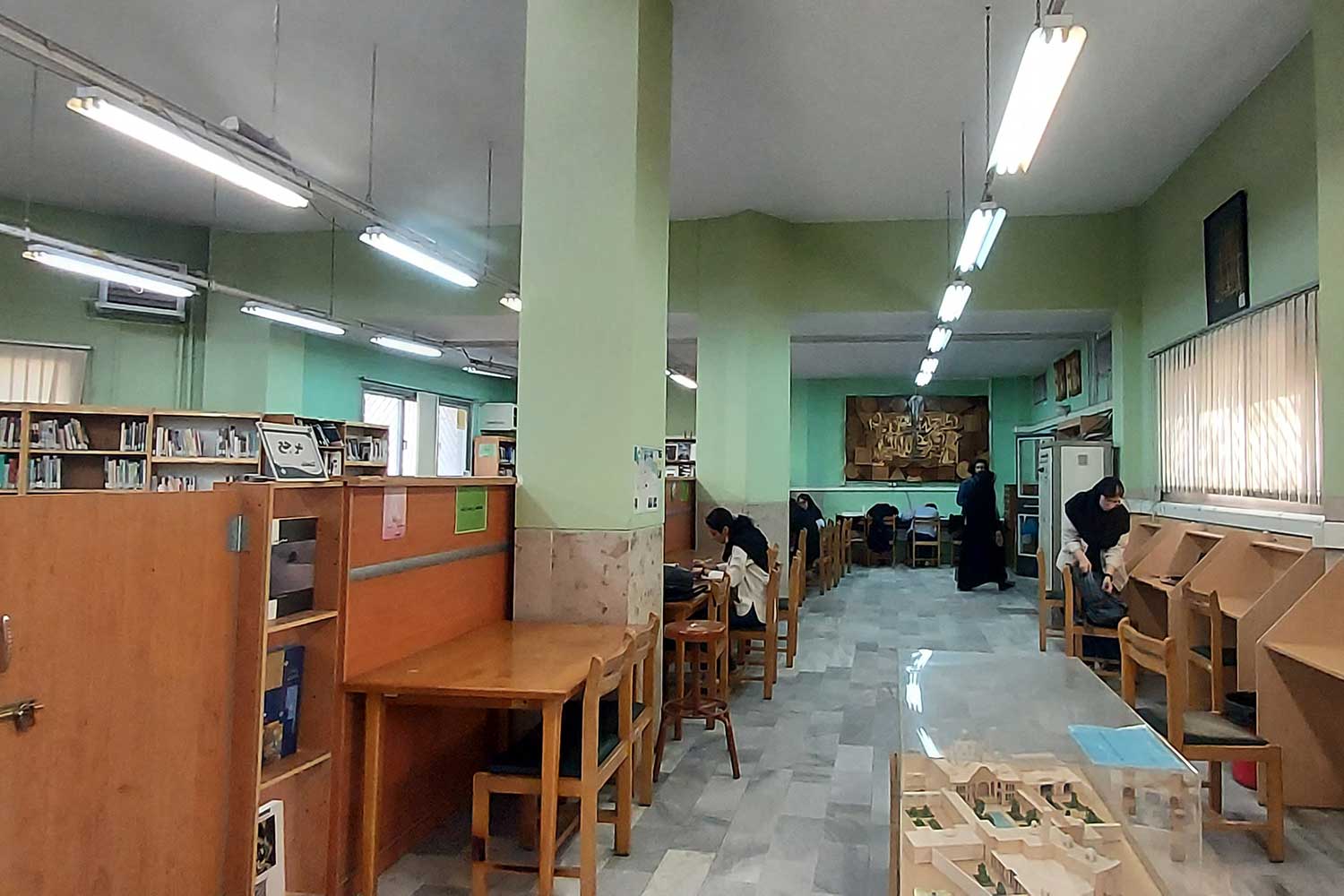
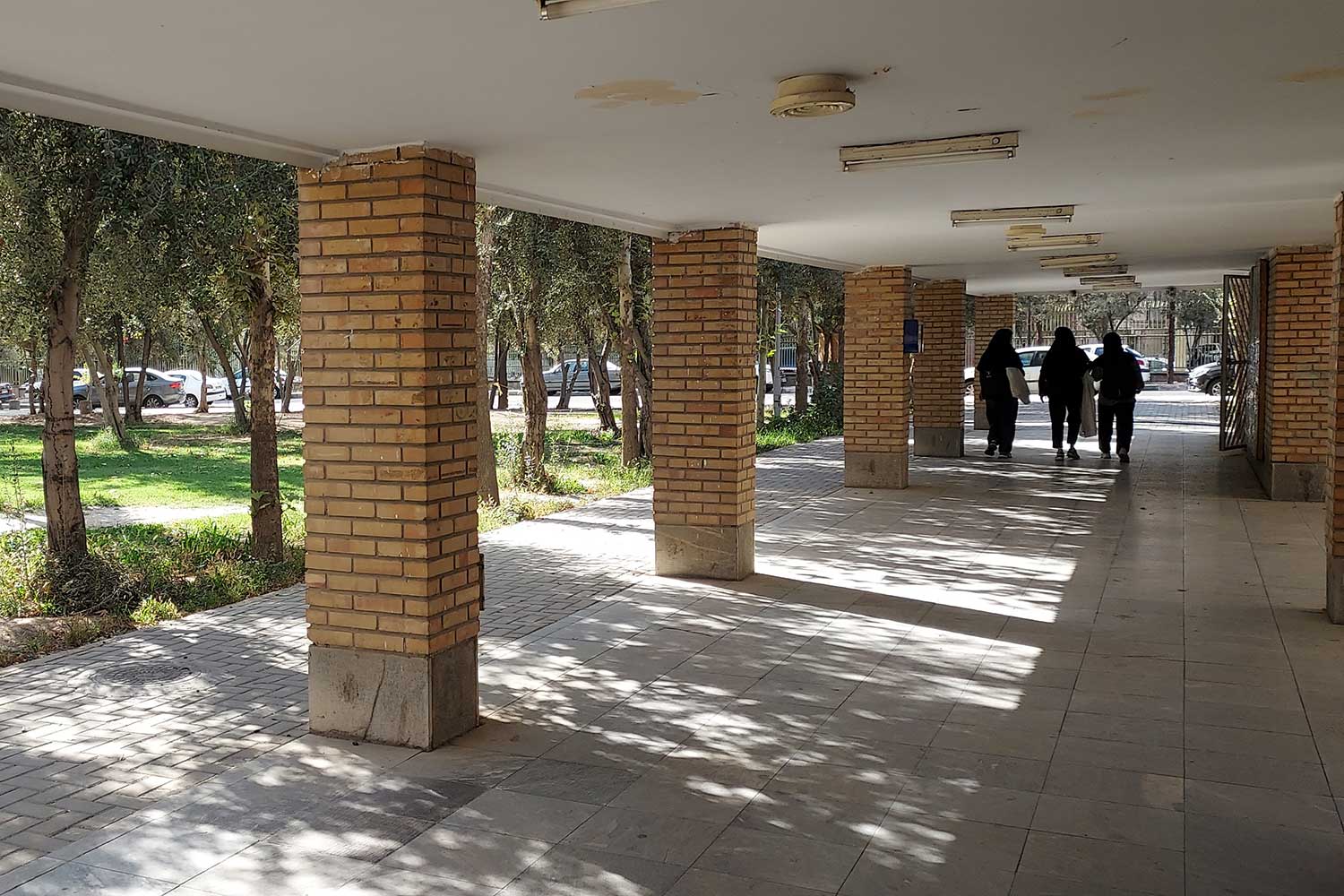
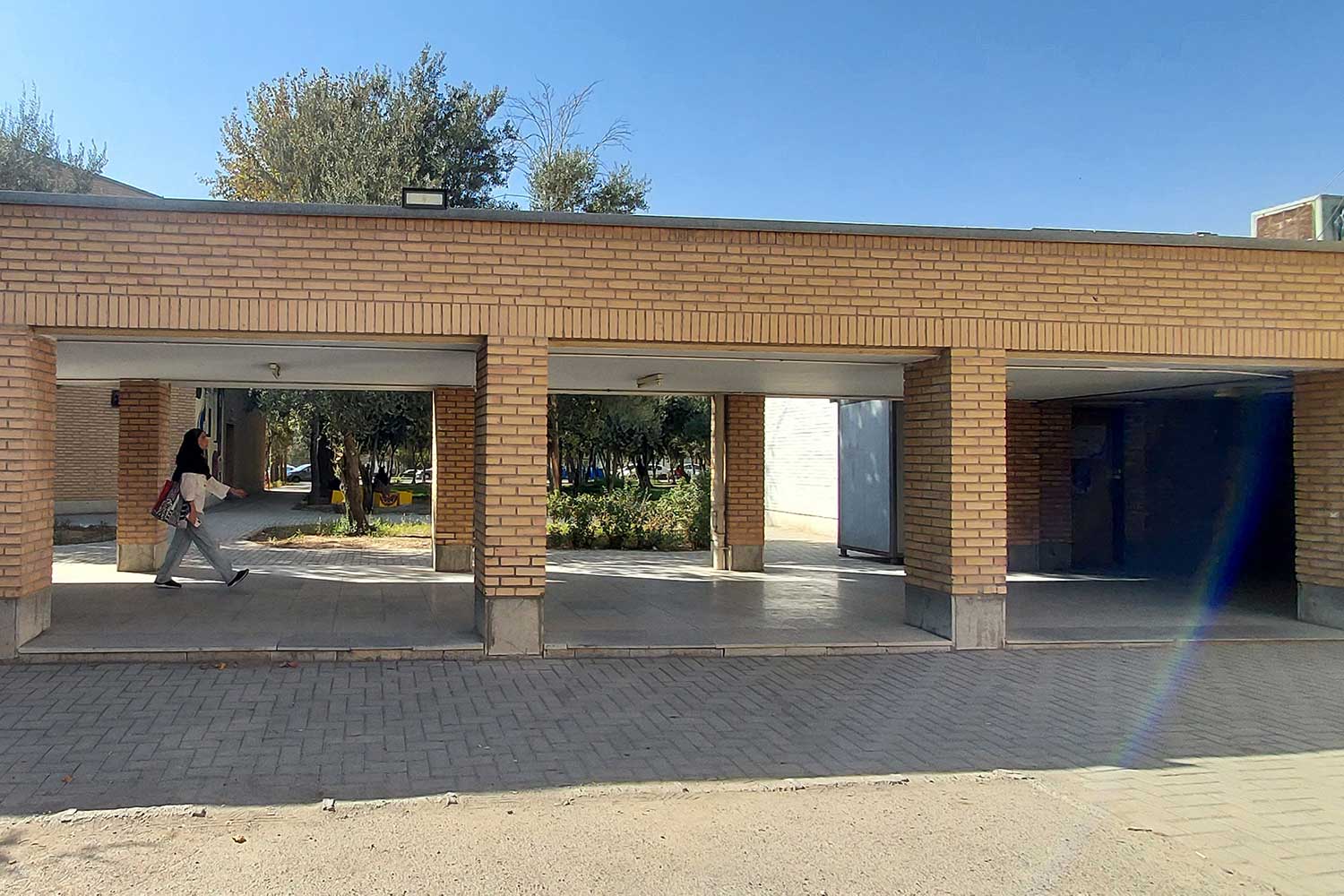
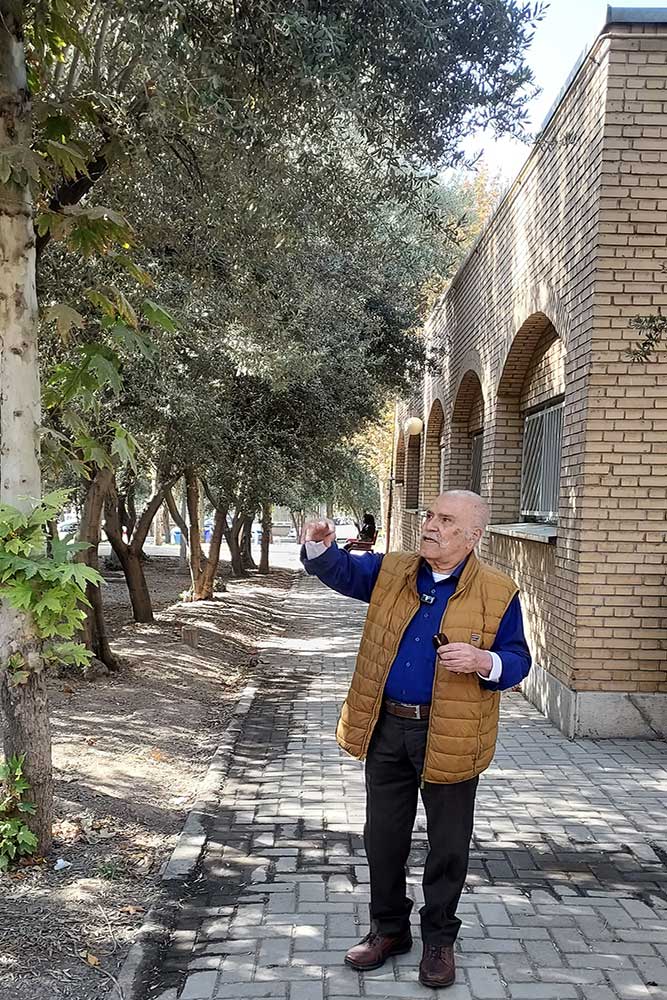
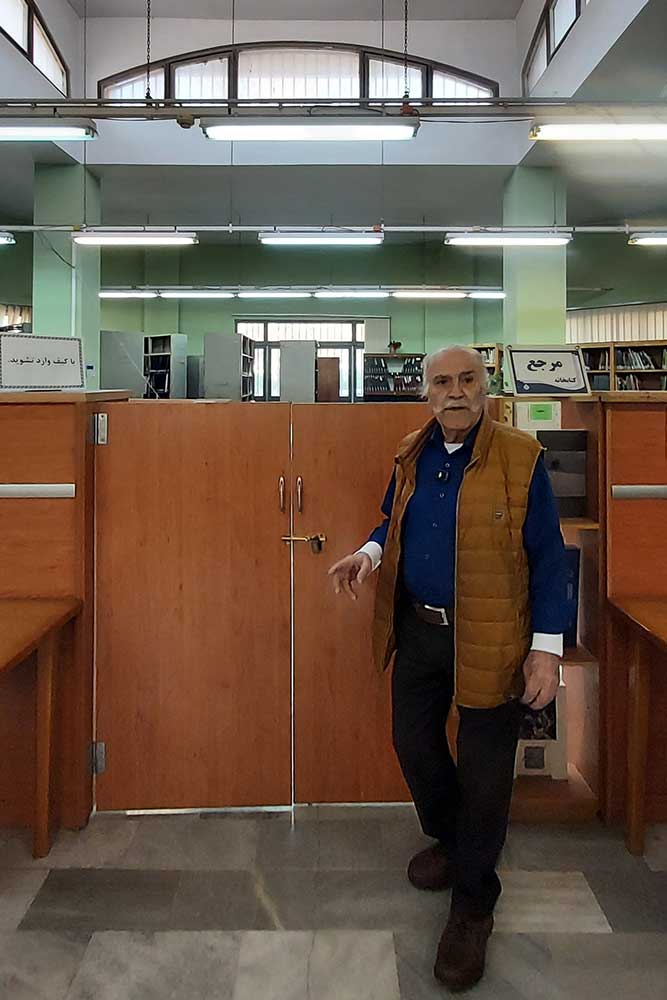
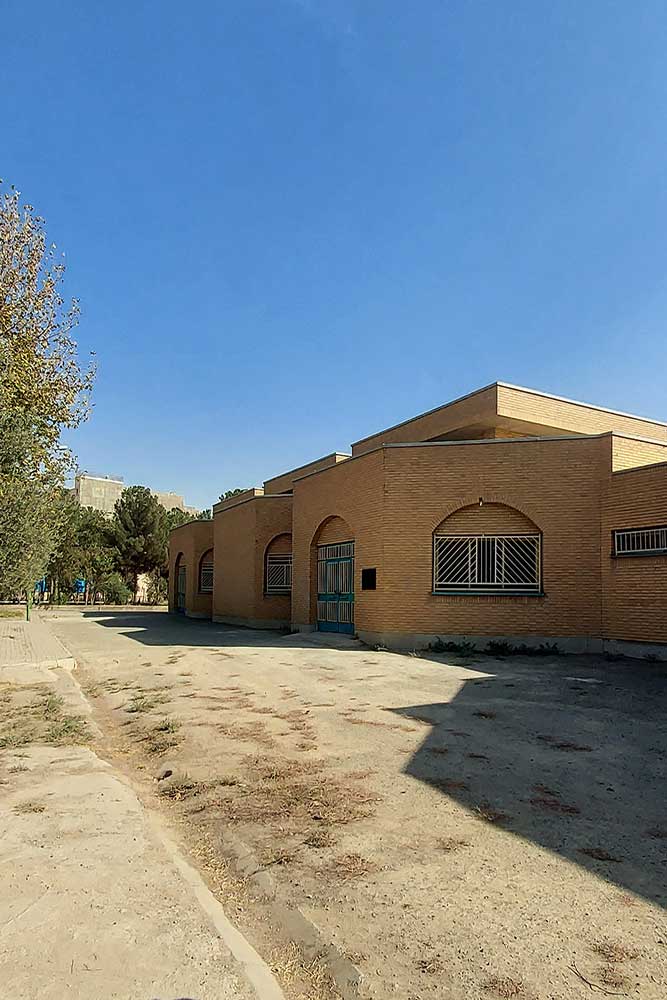
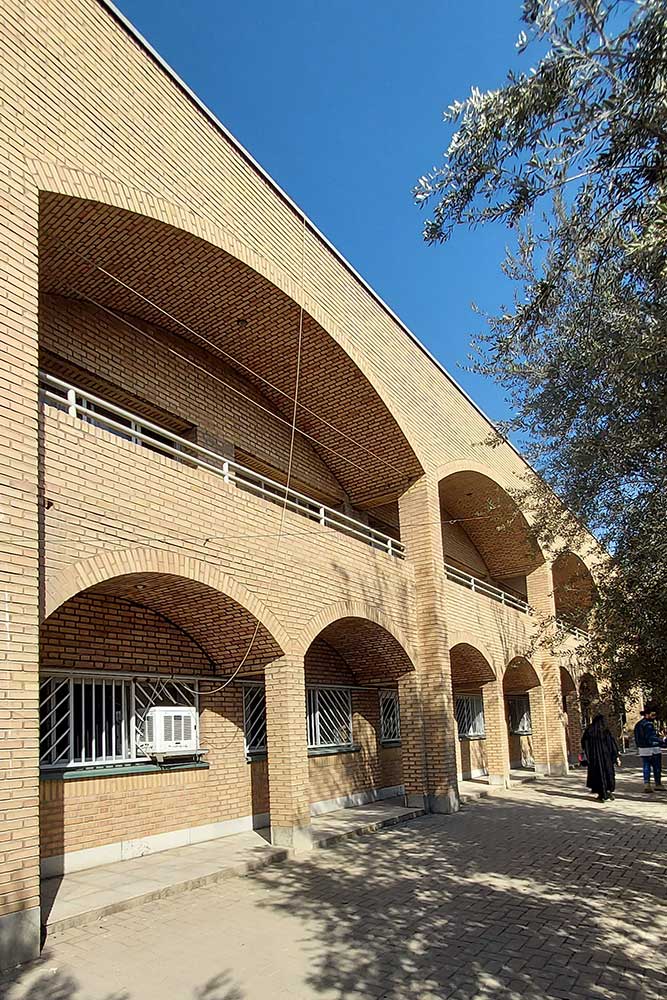
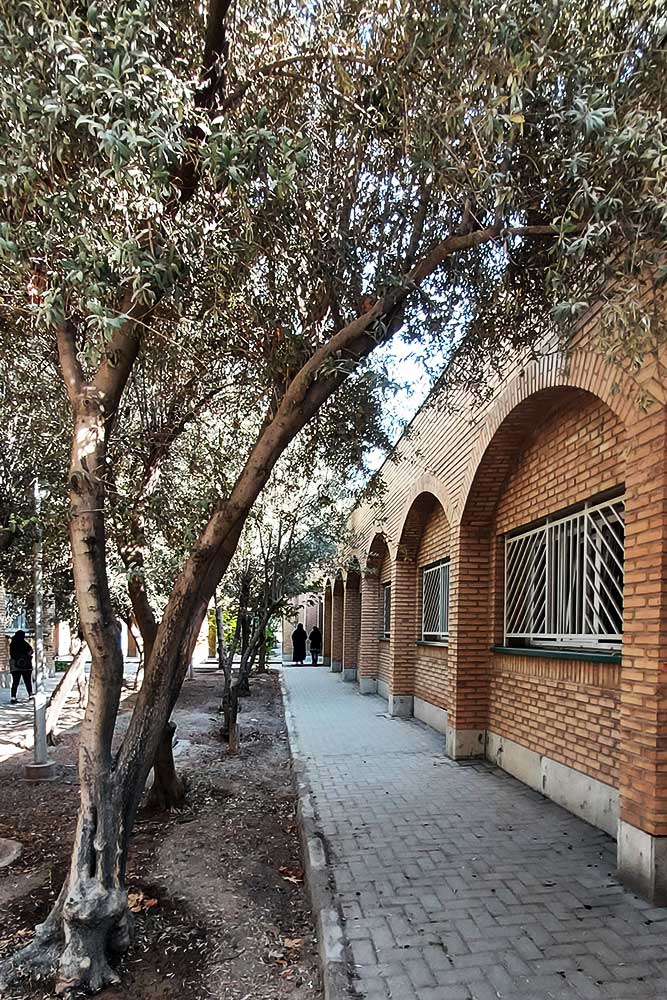
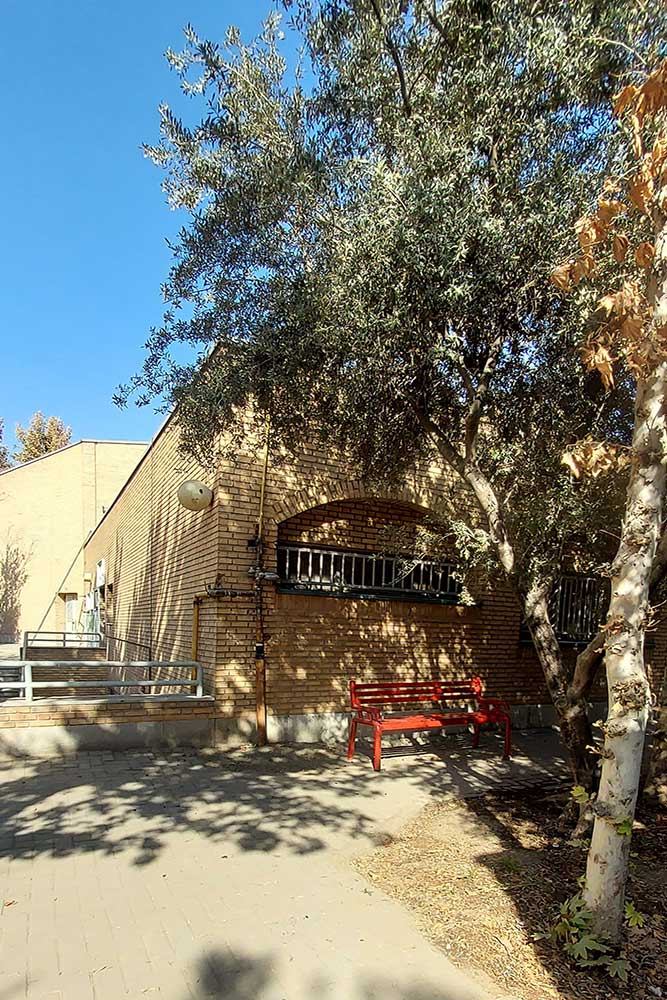
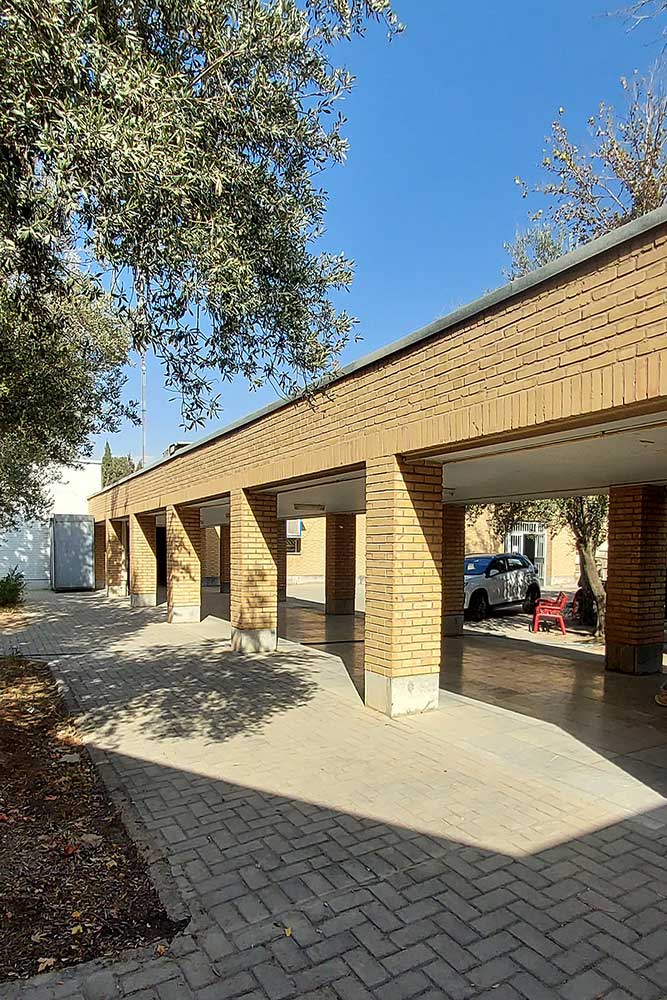
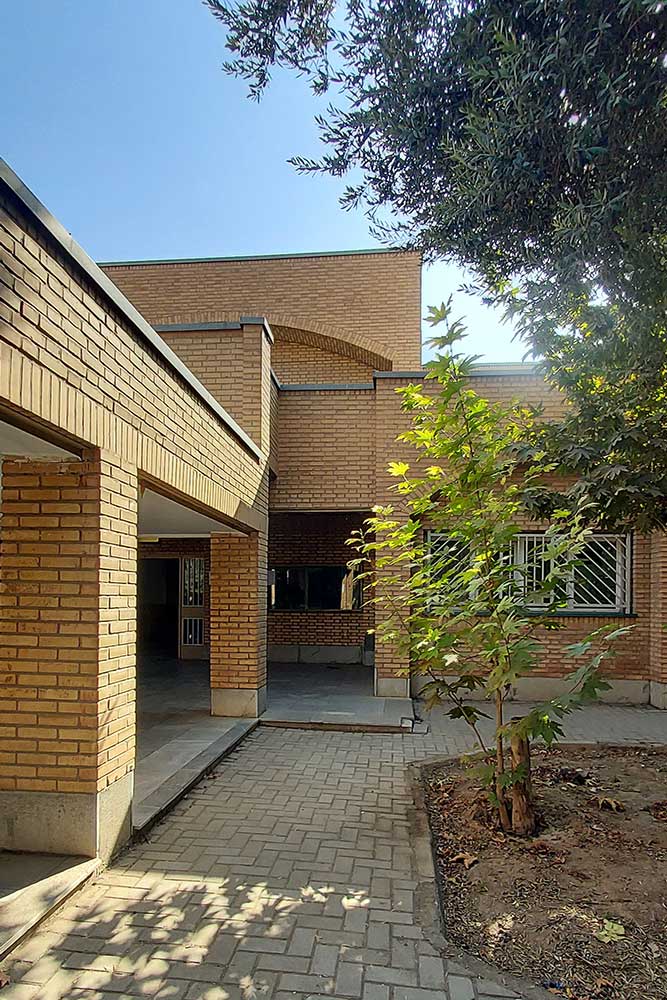
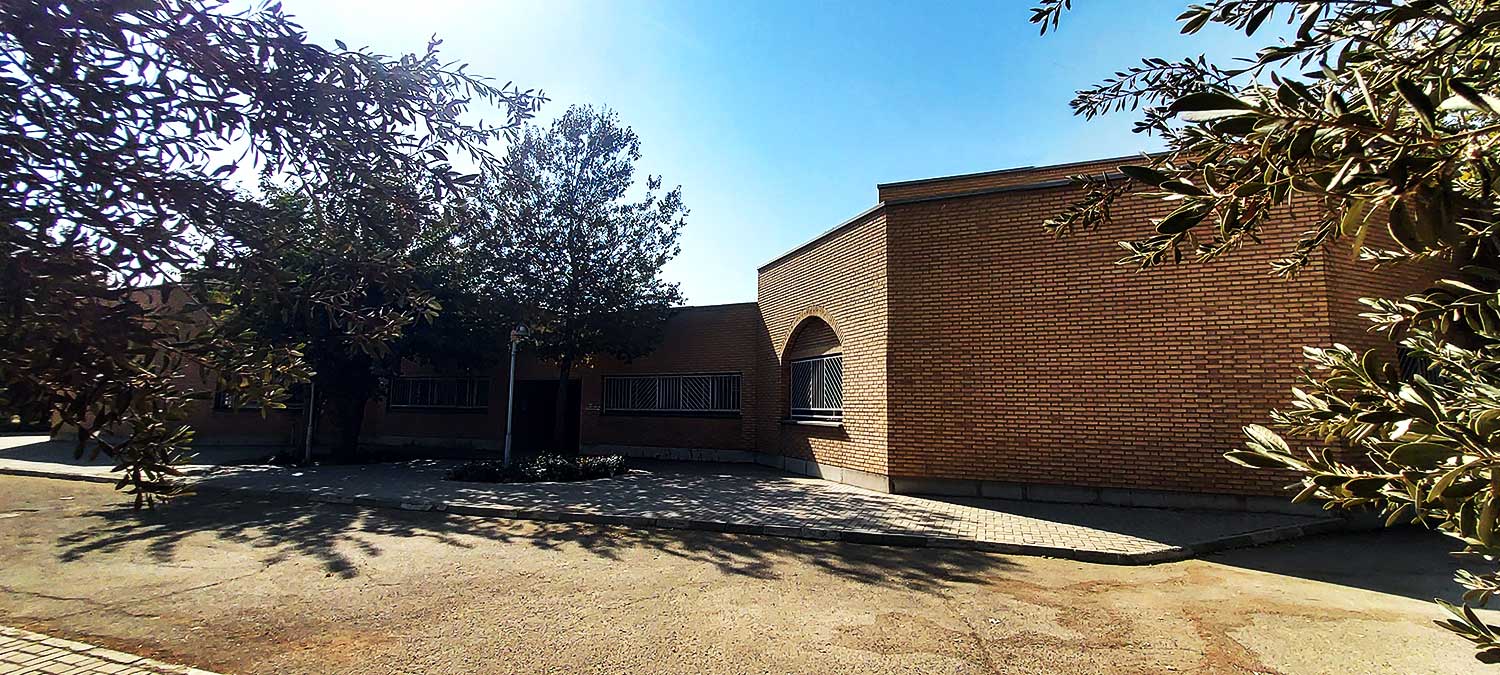
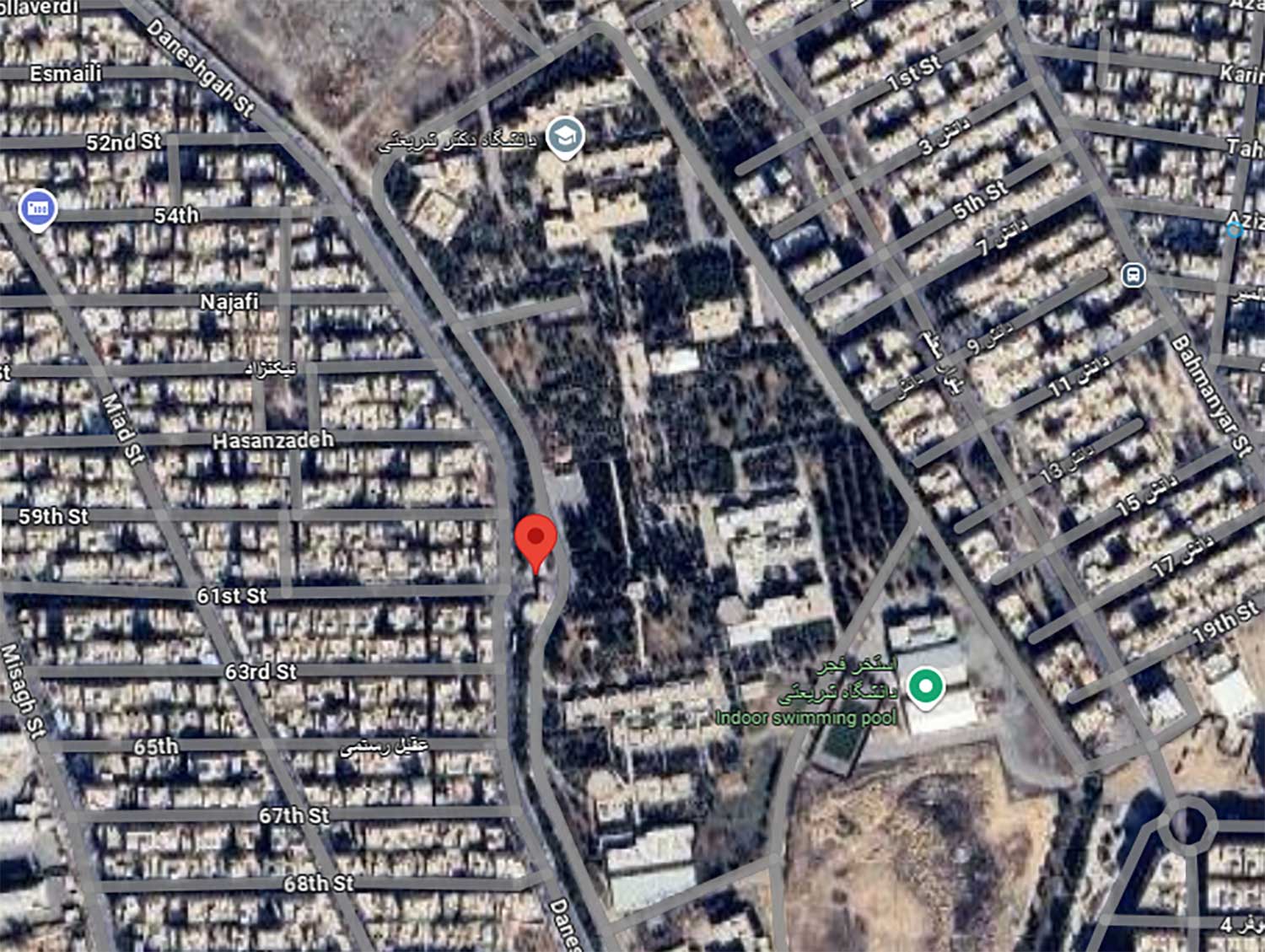
مجموعهی آموزشی دکتر شریعتی (فرح سابق) اثر هوشنگ سیحون
تهران، 1349
Educational collection of Dr. Shariati by Houshang Seyhoun
Tehran, 1960
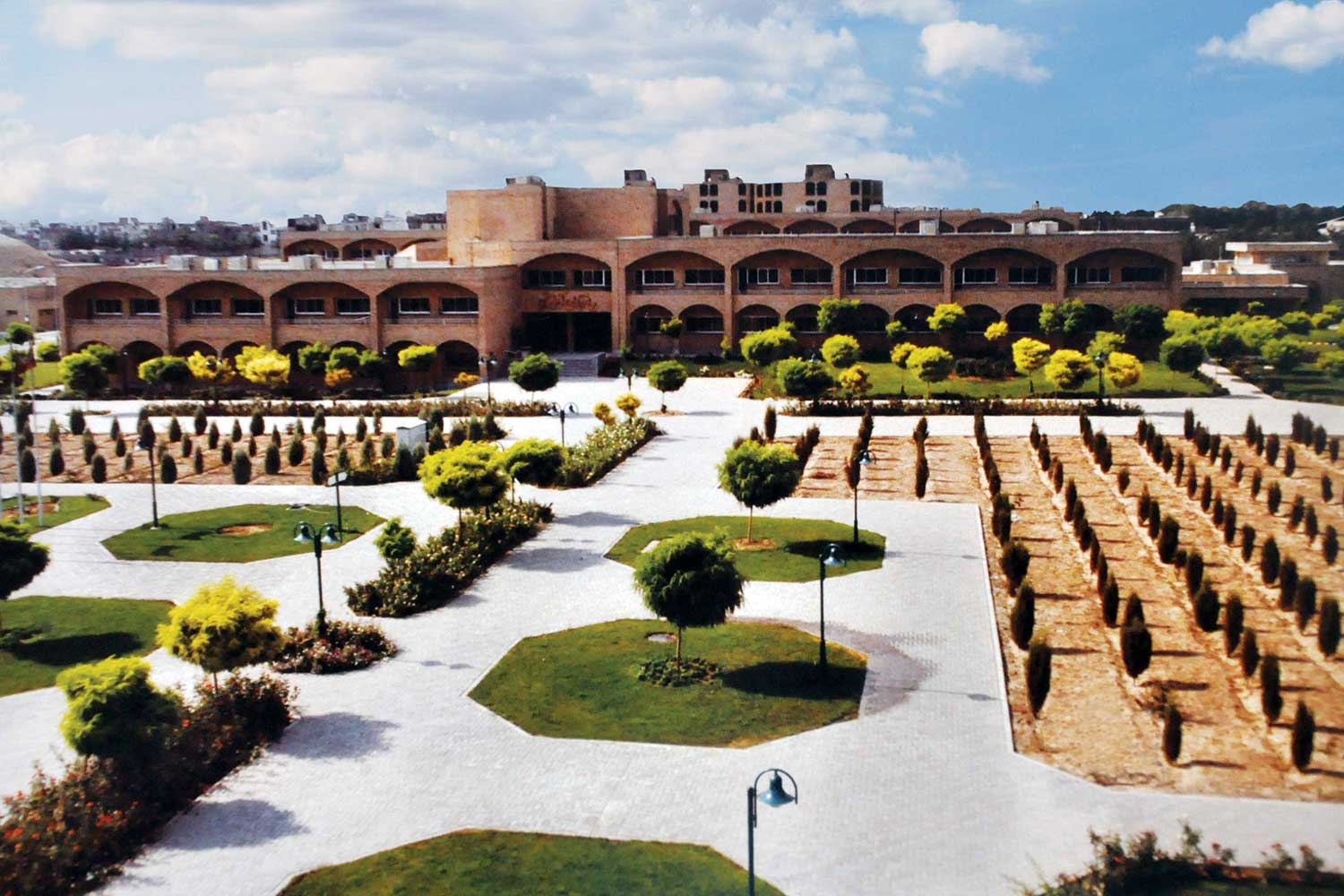
مجموعهی آموزشی دکتر شریعتی (فرح سابق) اثر هوشنگ سیحون، تهران، 1349
چندسال قبل از انقلاب اسلامی و مهاجرت سیحون به خارج از کشور، برای او موقعیت ساخت یکی از آخرین و رضایتبخشترین طرحهای ساختمانی فراهم شد. او داستان چرایی و چگونگی ساختهشدن مجموعهی آموزشی شریعتی (فرح سابق) را چنین تعریف میکند:
یکبار من با یک خبرنگار مصاحبهای راجع به خودم و شرح حال و کارهایم کرده بودم و در آنجا گفته بودم که «آرزویم این است که یک کار معماری به من ارجاع داده شود که در آن مختار تام باشم و آزادی عمل کامل داشته باشم تا آنچه در کنه وجودم است را مجسم کنم؛ کاری ناب و کاملا منحصربهفرد، و حاضرم به خاطر این کار اصلا پول هم نگیرم. دستمزد من همان آزادی کامل من در اجراییکردن پروژه است.» گویا آقای هویدا این مصاحبه را خوانده بود. در آن زمان، که خانم فرخرو پارسا وزیر آموزش و پرورش بود، یک روز از آن وزارتخانه به من تلفن کردند و قرار ملاقاتی گذاشته شد. در آن جلسه اطلاع یافتم زمینی در جنوب تهران به مساحت 120,000 متر مربع دارند و میخواهند یک مجتمع آموزشی مختلط با ظرفیت 10,000 دانشآموز ابتدایی تا متوسطه بسازند؛ نقشهها و طرحها بر عهدهی من بود و از آزادی عمل کامل برخوردار بودم. این پروژه کاملا به نفع منطقهی محروم تهران بود.
برای شروع کار اکیپی را در محل مستقر و محل را بررسی کردیم، دیدیم دارای پتانسیل اجرایی هست. برنامهها، نیازها و کاربریها را تعیین و ثبت کردیم و تایید شد. اصلا نمیخواستم کار حالت لوکس و ولخرجانه به خود بگیرد. آنجا منطقهای فقیرنشین بود و من هم میخواستم نشان بدهم هر کار خوبی صرفا پرخرج نیست و با هزینههای کمتر هم میتوان یک کار عالی و اساسی اجرا کرد. بودجهی پروژه کم بود، پس هیئت امنایی متشکل از تاجران سطح بالا و متمول گرد آوردند و هزینهی هریک از پاویونها را بر عهدهی یکی از اعضا نهادند که در ازایش، نام آن افراد روی پاویونهایی که خرجشان کرده بودند گذاشته میشد. نام من هم، از این رو که بابت تهیهی نقشهها و اجرا پولی نمیگرفتم، در میان هیئت امنا قرار دادند. بعدا هم تصمیم گرفتند در نزدیکی آنجا مرکزی هم برای تربیت معلم و ساختمانی هم برای تعلیم کارهای فنی احداث کنند. آن هم محقق شد؛ پروژهای بسیار عظیم روی زمینی به مساحت 300,000 متر مربع. زیرکاری، سفتکاری و اسکلت این پروژه اجرا شده و آماده بود که انقلاب شد و پروژه رها شد.
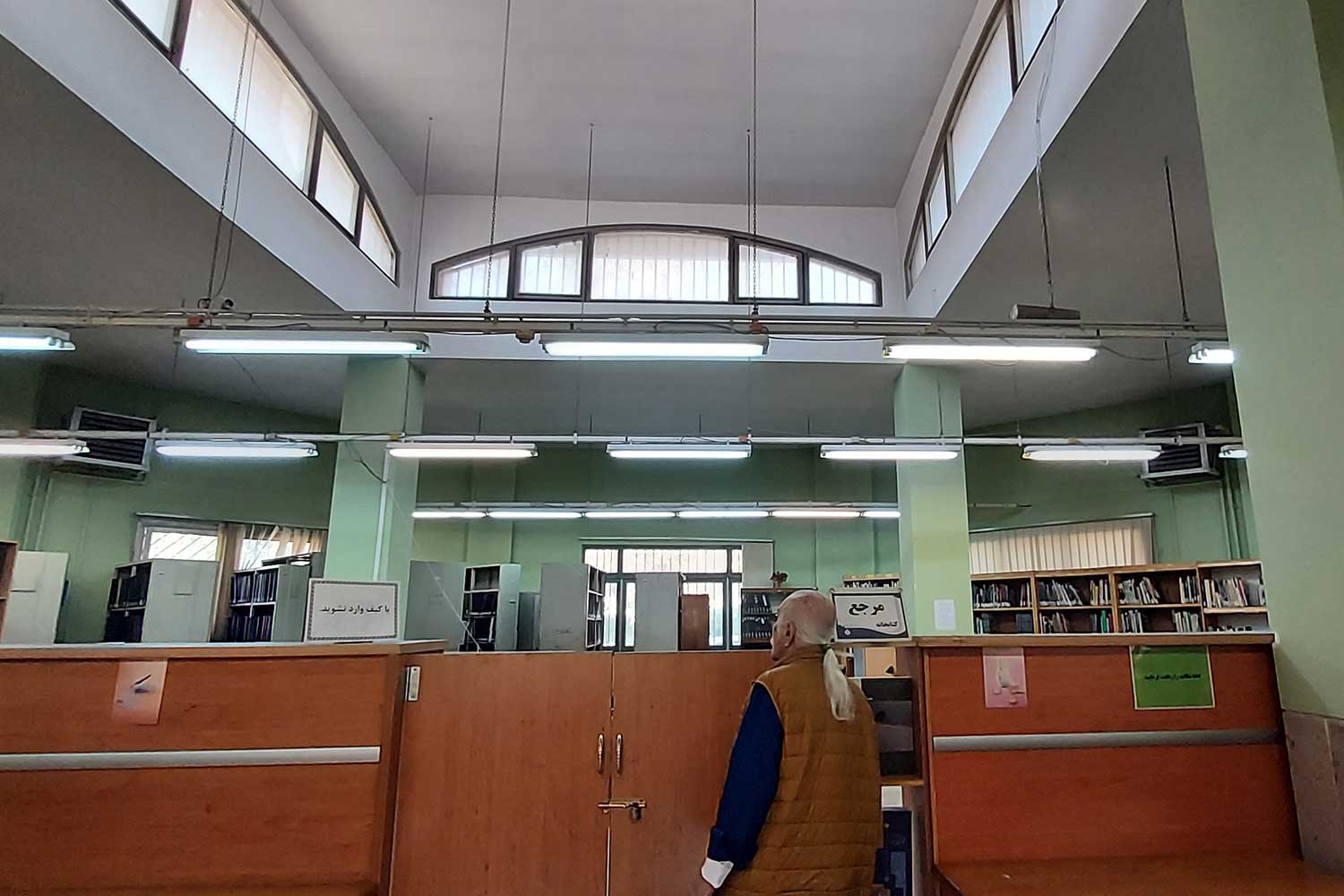
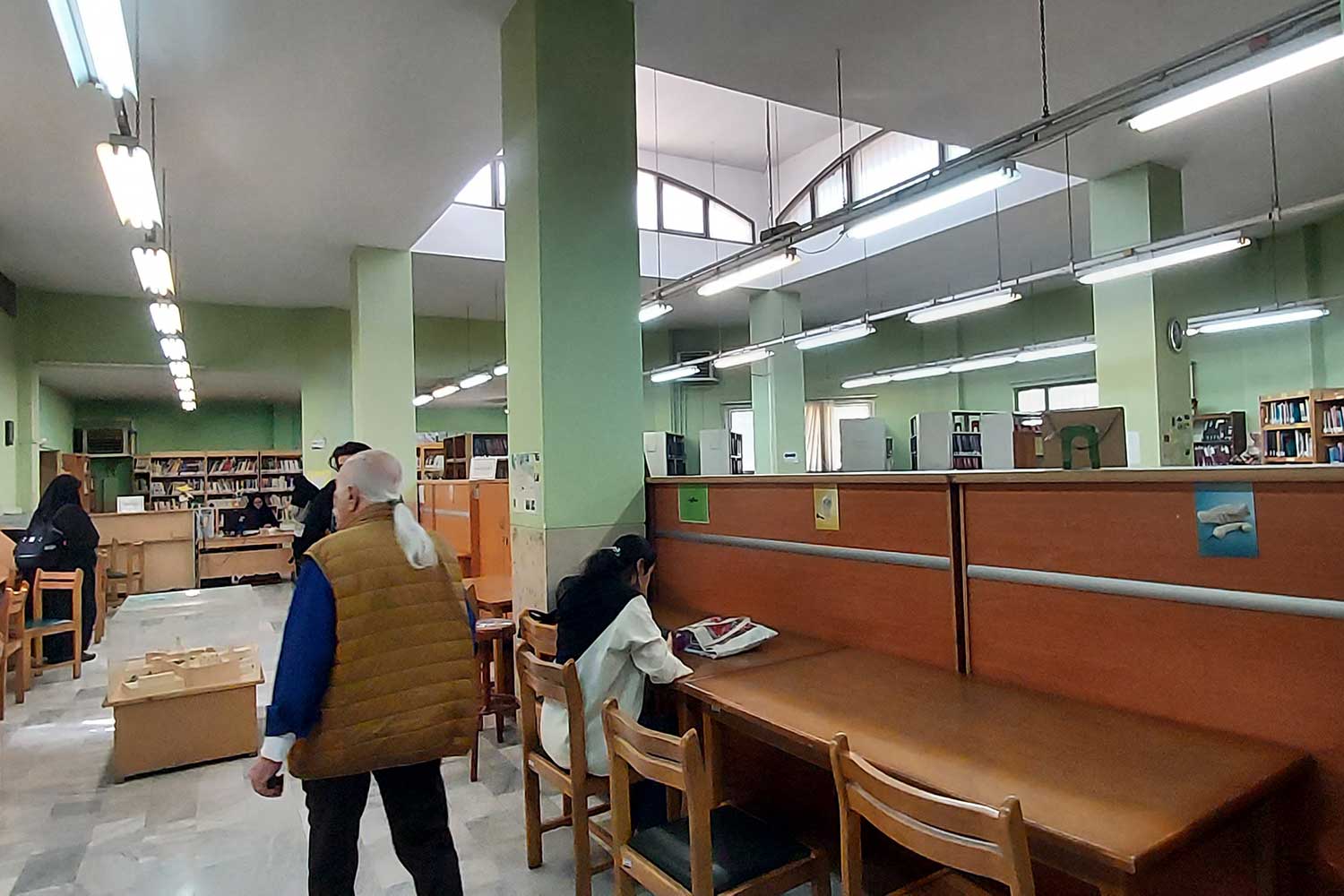
با تکمیل پروژه ی طراحی شده ی فوق بعد از انقلاب، هم اکنون بیش از 6 هزار دانشجوی دختر در هفت گروه معماری، حسابداری-علوم اداری، گل و گیاه، طراحی لباس و پارچه، تربیت بدنی، فنی (کامپیوتر)، هنر (گرافیک و نقاشی) و الکترونیک مشغول به تحصیل می باشند.
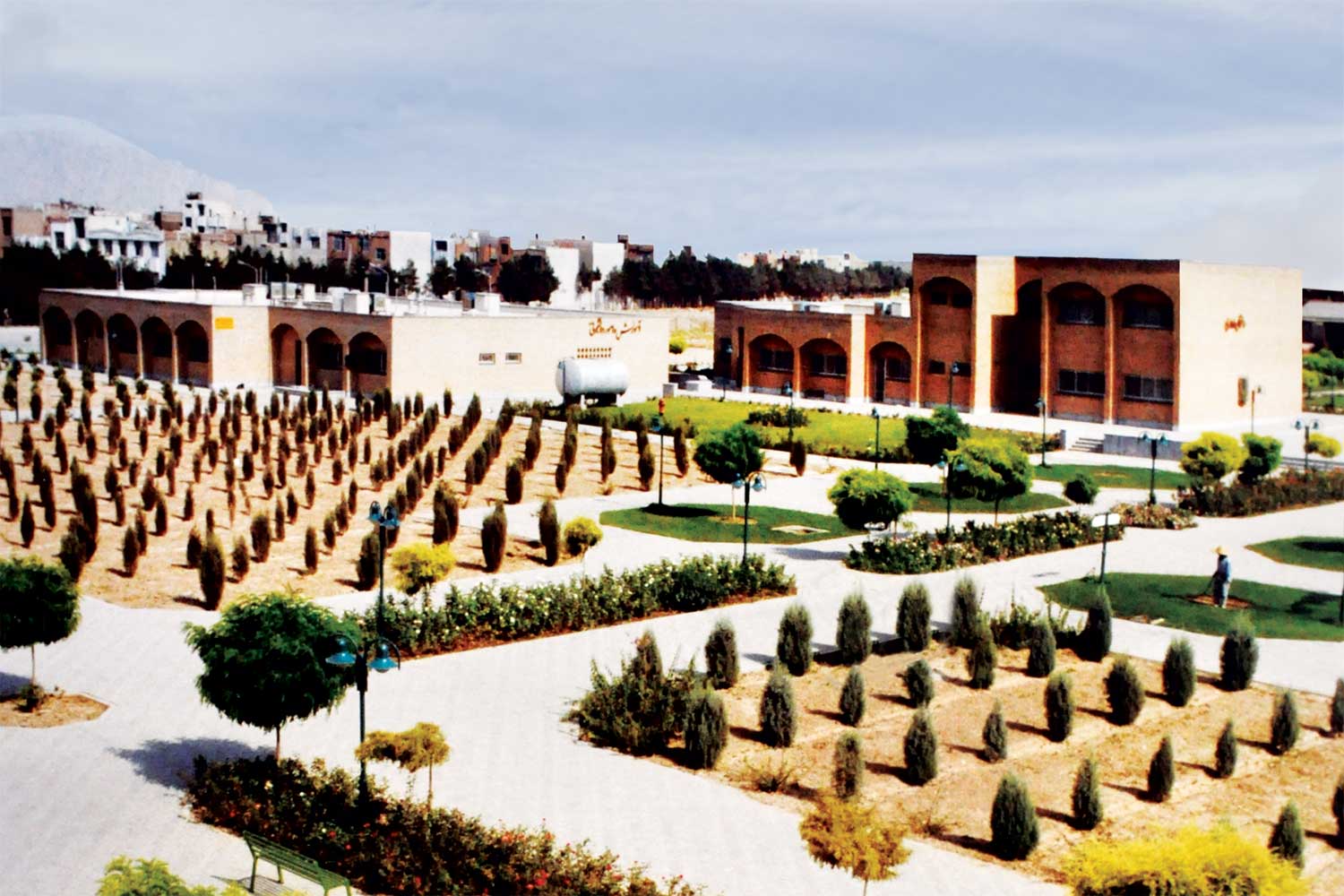
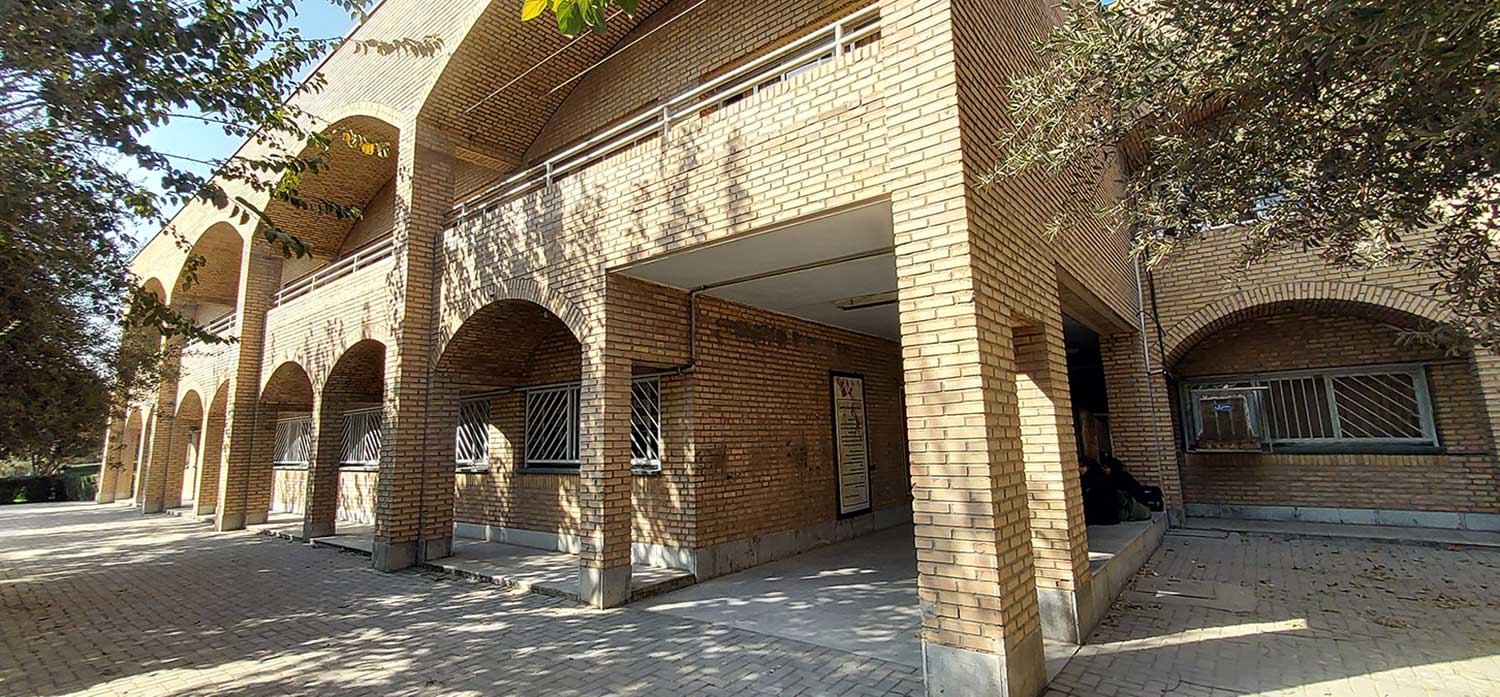
Educational collection of Dr. Shariati by Houshang Seyhoun, Tehran, 1960
A few years before the Islamic Revolution and his emigration from Iran, Houshang Seyhoun was given the opportunity to design and construct one of his last and most fulfilling architectural projects. He later recounted the story of how and why the Shariati Educational Complex (formerly Farah Educational Complex) came to be built: “Once, during an interview with a journalist about my life and works, I mentioned: ‘My greatest wish is to be commissioned for a project in which I have absolute freedom — full creative authority to realize what lies at the core of my being; a pure and entirely unique work. I would even forgo payment for it; my only reward would be that complete freedom to execute the design as I envision it.’ Apparently, Mr. [Amir-Abbas] Hoveyda read that interview. At that time, Mrs. Farrokhroo Parsa was the Minister of Education. One day, I received a call from the ministry, and a meeting was arranged. During that meeting, I learned that they owned a 120,000-square-meter plot of land in southern Tehran and wanted to establish a coeducational complex for 10,000 students — from elementary to high school levels. I was given full freedom over the design and planning. The project was meant to benefit one of the most underprivileged districts of Tehran.”
“To begin, I stationed a team on-site to conduct a detailed survey and evaluate its potential for construction. We outlined and documented the program, requirements, and uses, which were all approved. I did not want the project to appear extravagant or luxurious in any way — the area was impoverished, and I wanted to demonstrate that a great and meaningful architectural work does not have to be expensive. With modest resources, one can still achieve excellence. Since the budget was limited, a board of trustees was formed from among wealthy merchants and benefactors, each of whom financed one of the pavilions. In return, their names were inscribed on the buildings they funded. Because I accepted no payment for my design and supervision, my name, too, was included among the board of trustees.”
“Later, it was decided to add a teacher-training center and a vocational education building nearby — both of which were realized as part of a vast project on a 300,000-square-meter site. The groundwork, foundations, and structural framework were completed — but then the Revolution occurred, and the project was abandoned.” After the Revolution, the partially realized design was completed and put to use. Today, the complex accommodates over 6,000 female students across seven departments: Architecture, Accounting and Administrative Sciences, Horticulture, Textile and Fashion Design, Physical Education, Technical Studies (Computer), Art (Graphic Design and Painting), and Electronics.
مدارک فنی
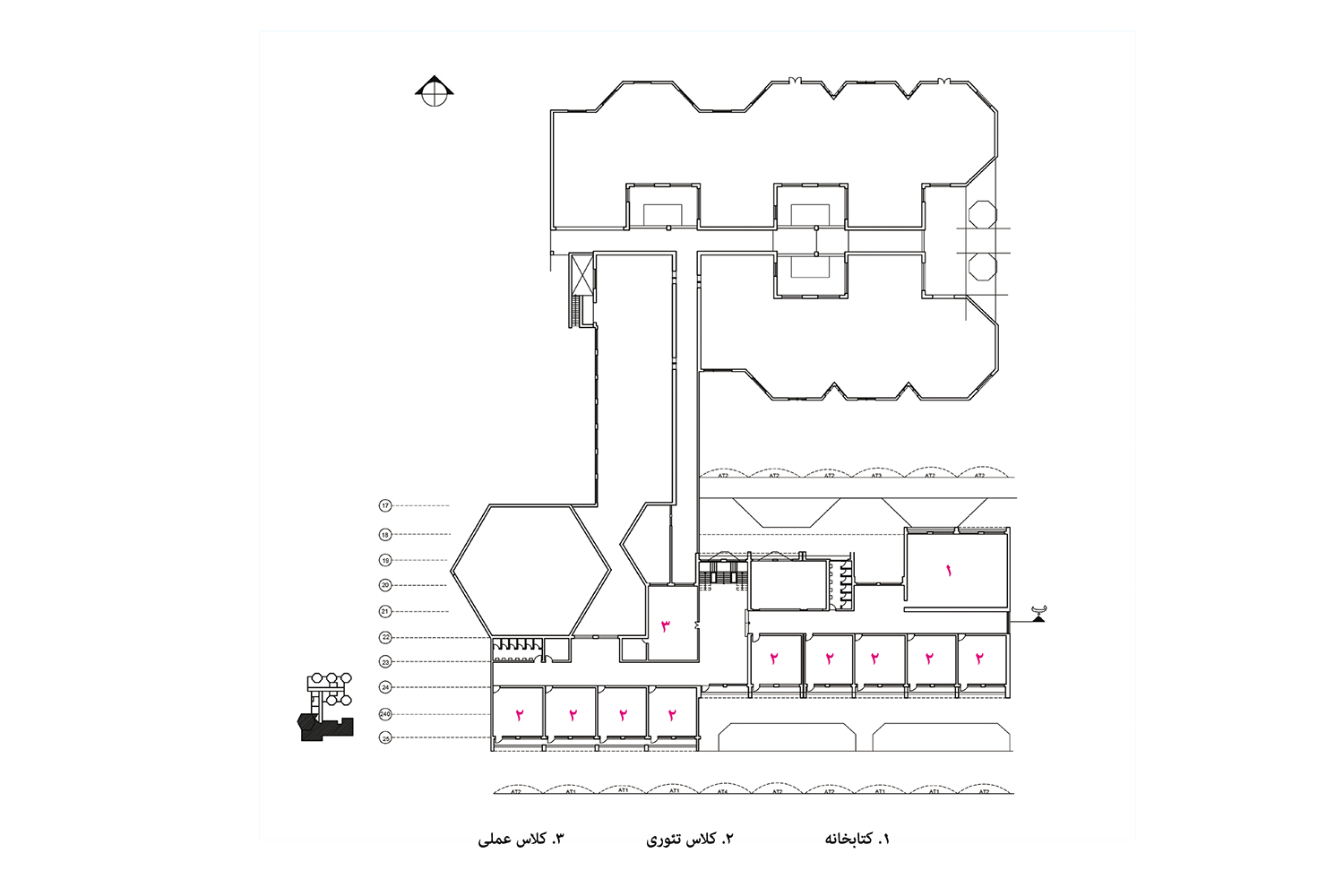
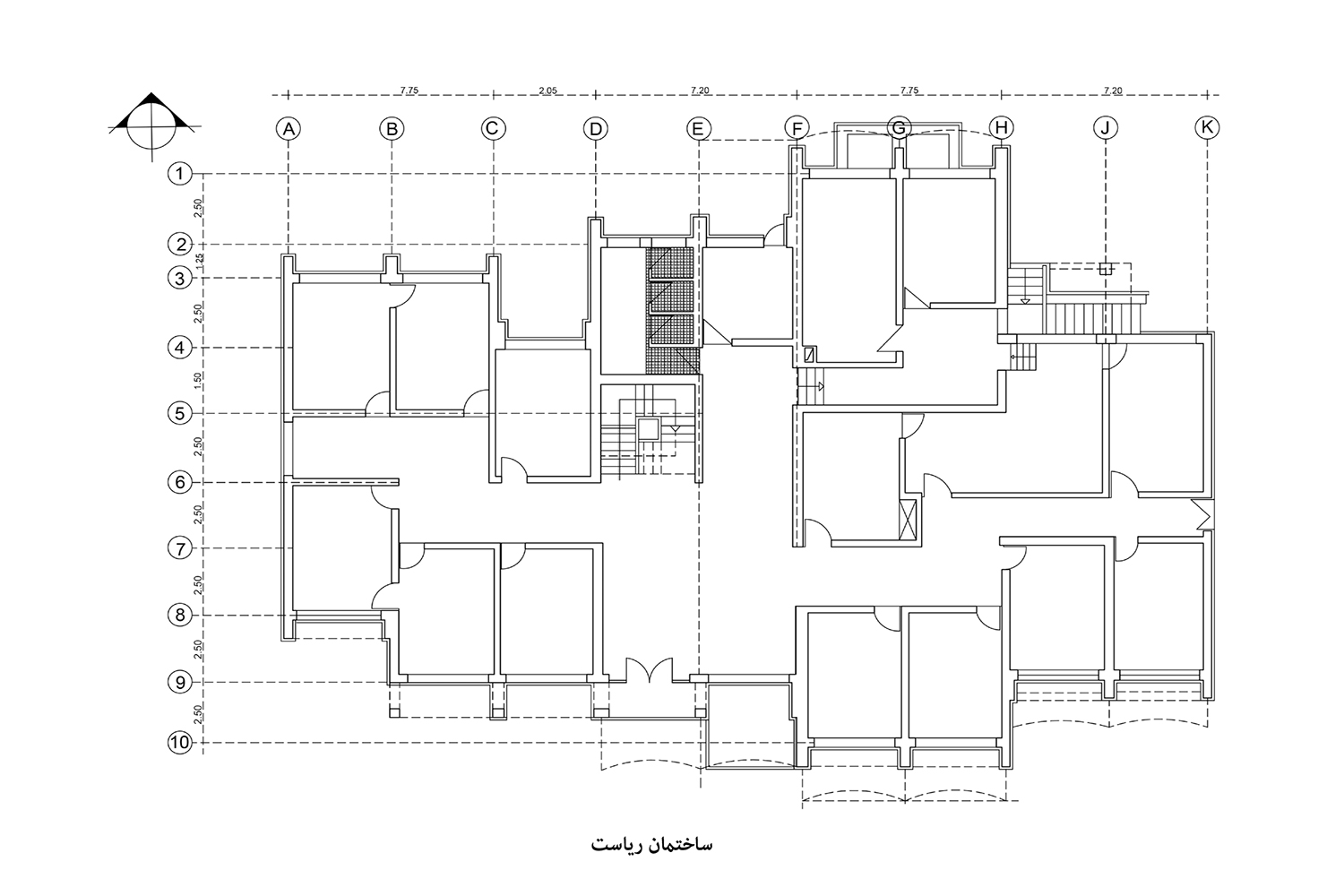
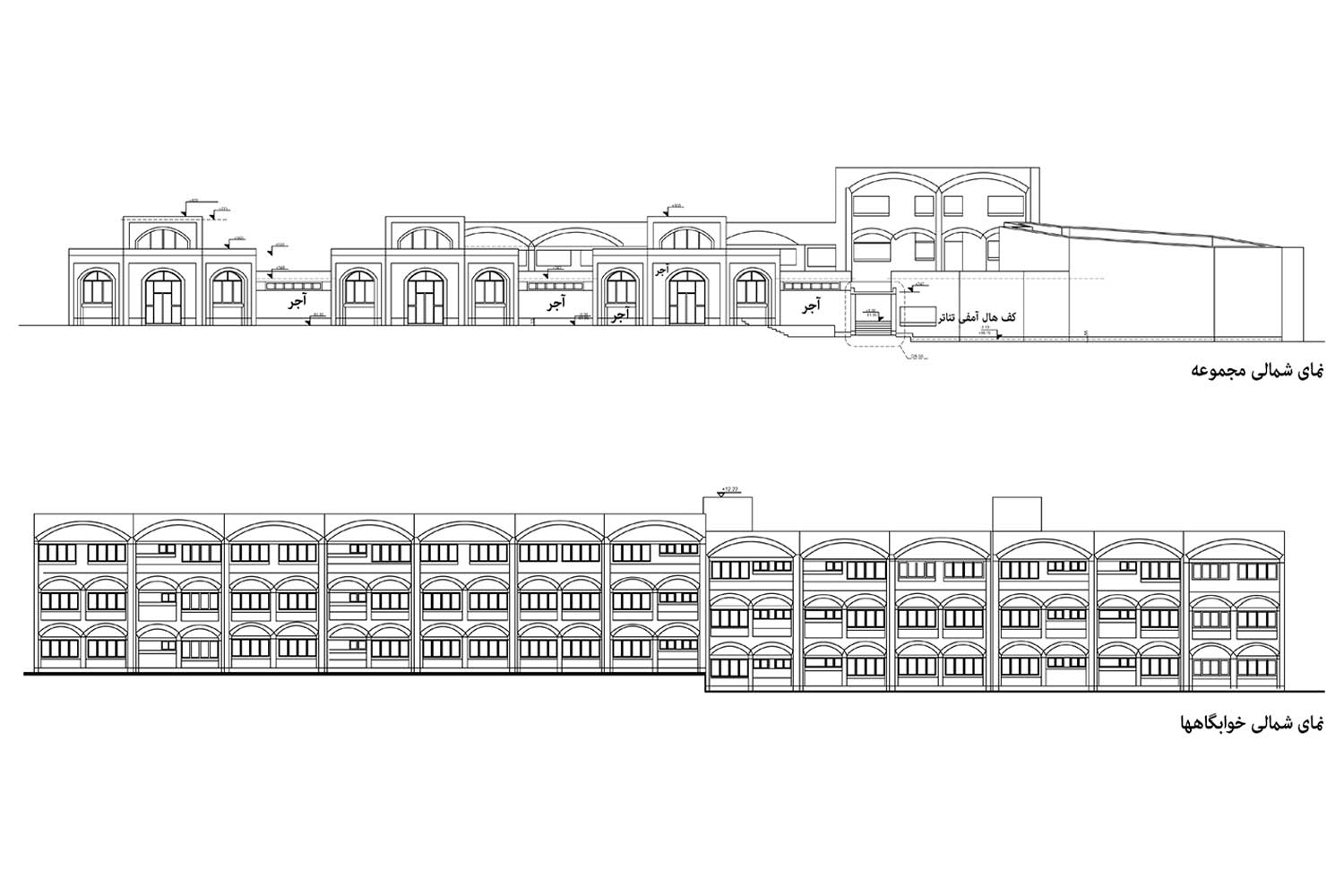
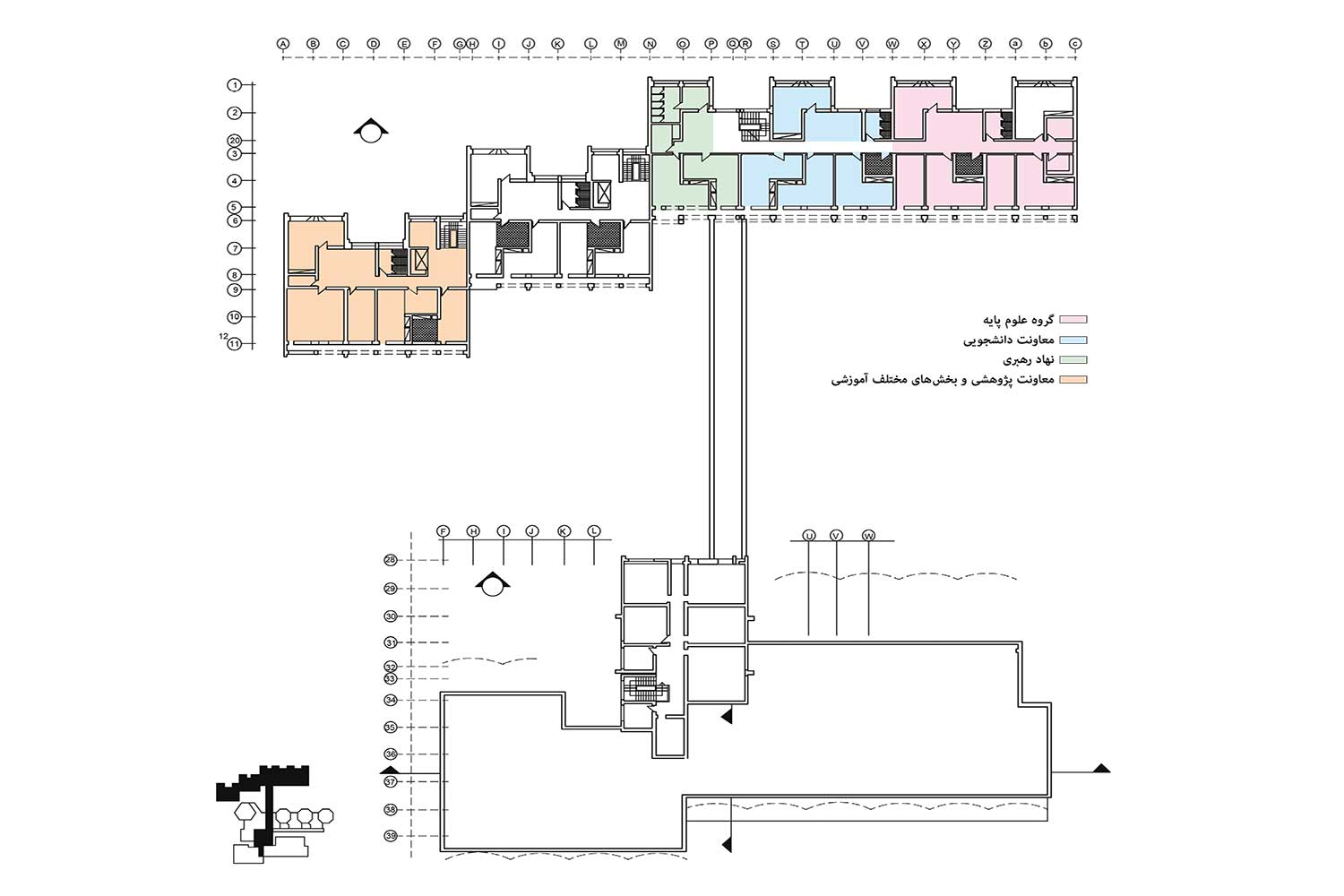
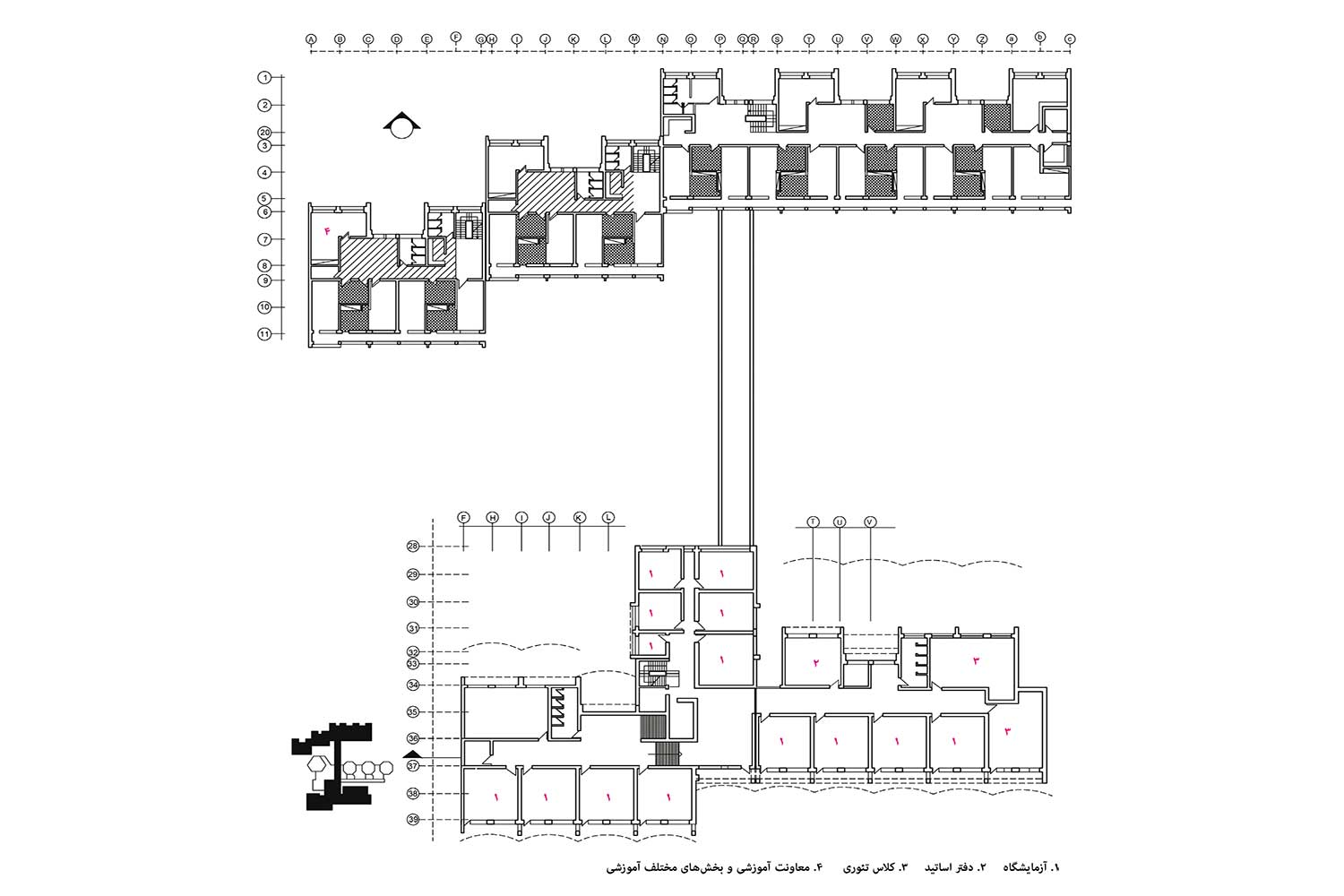
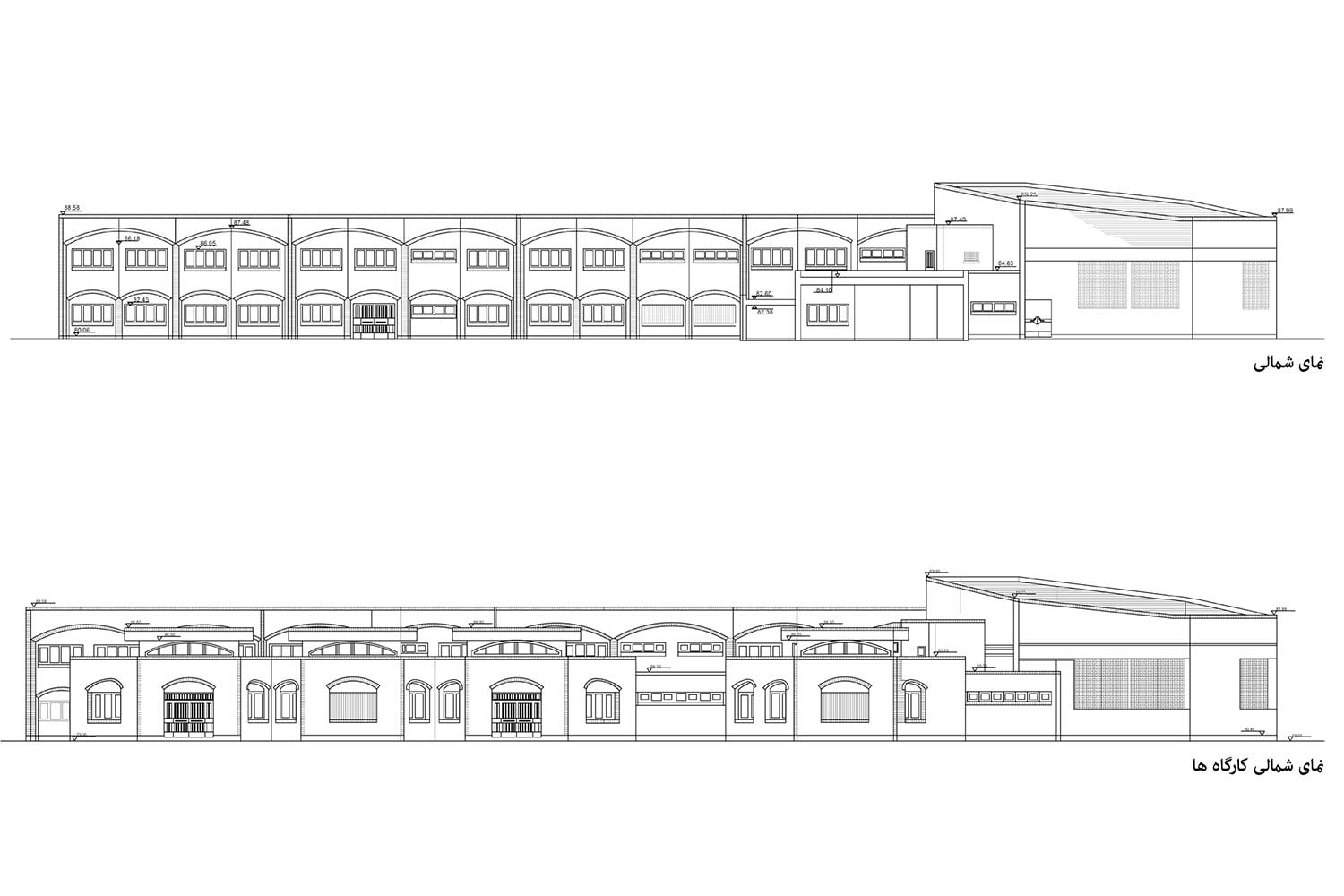
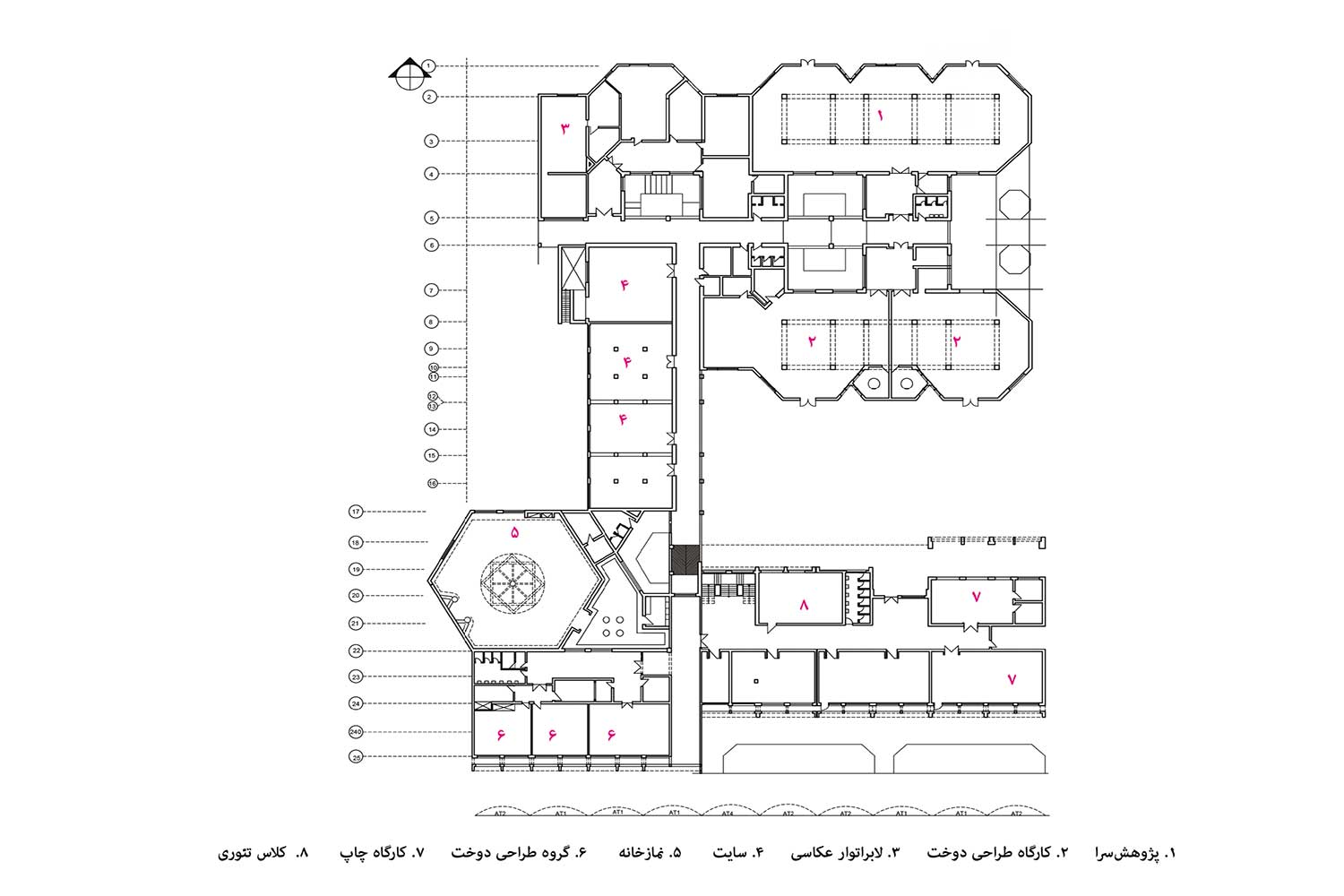
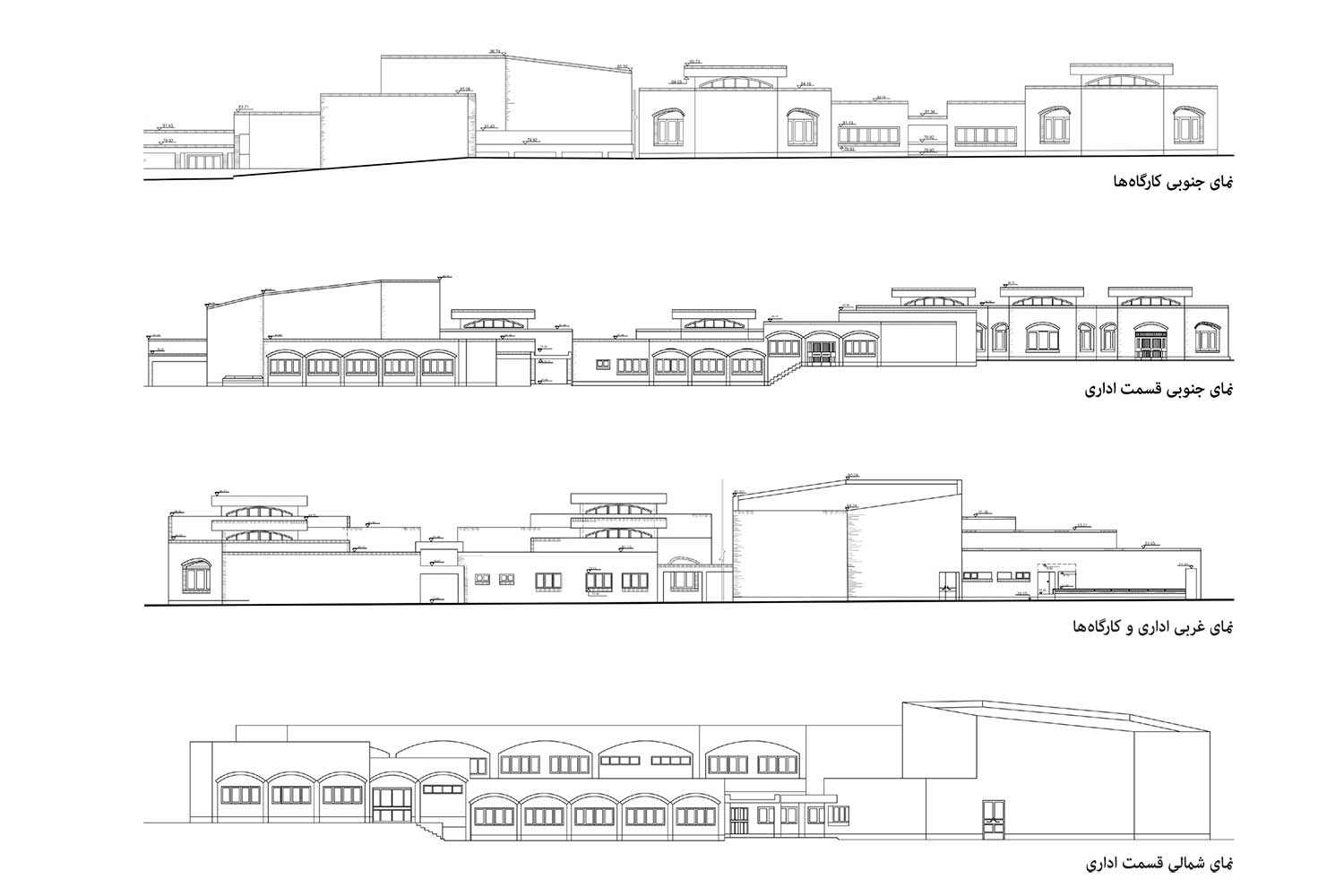
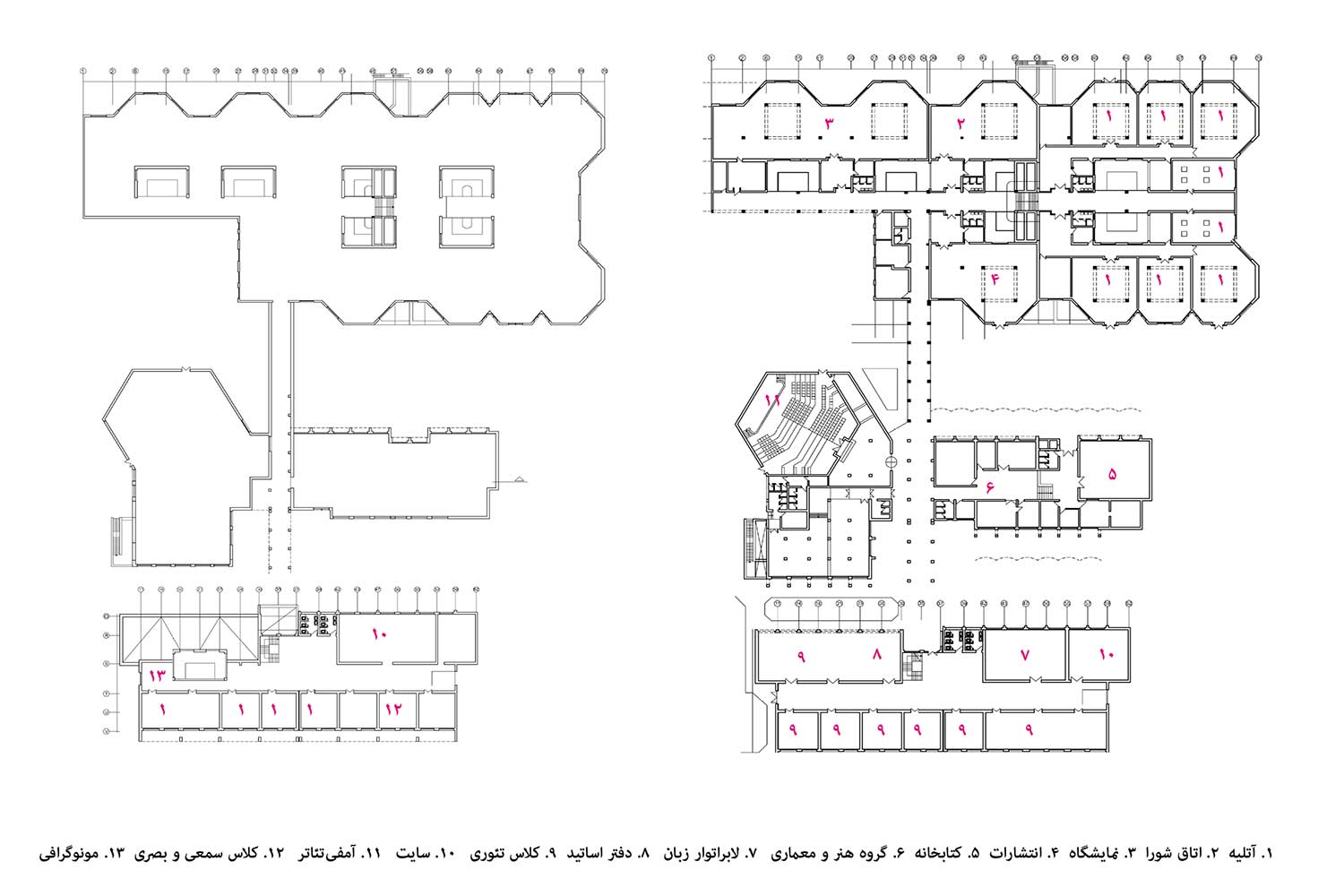
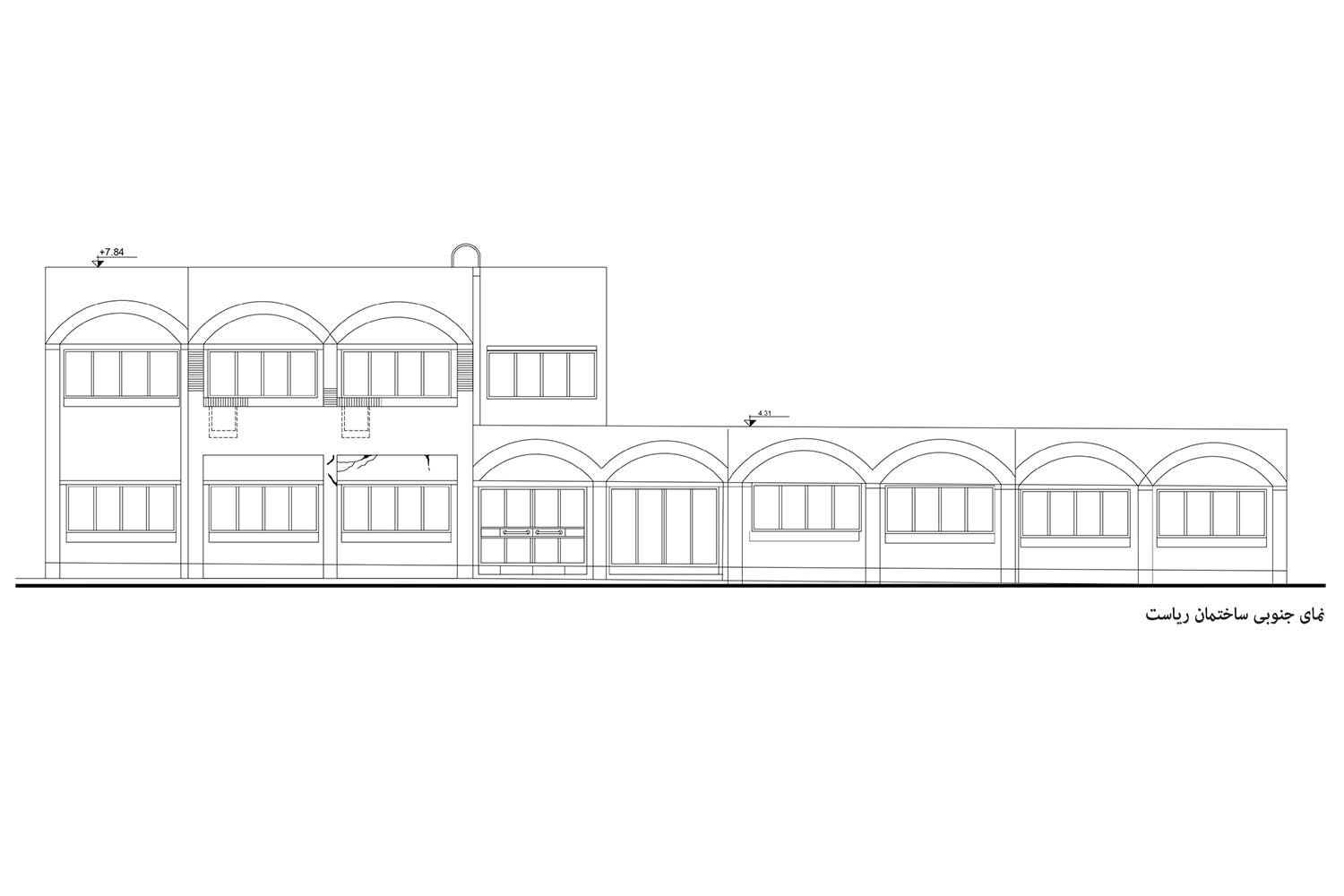
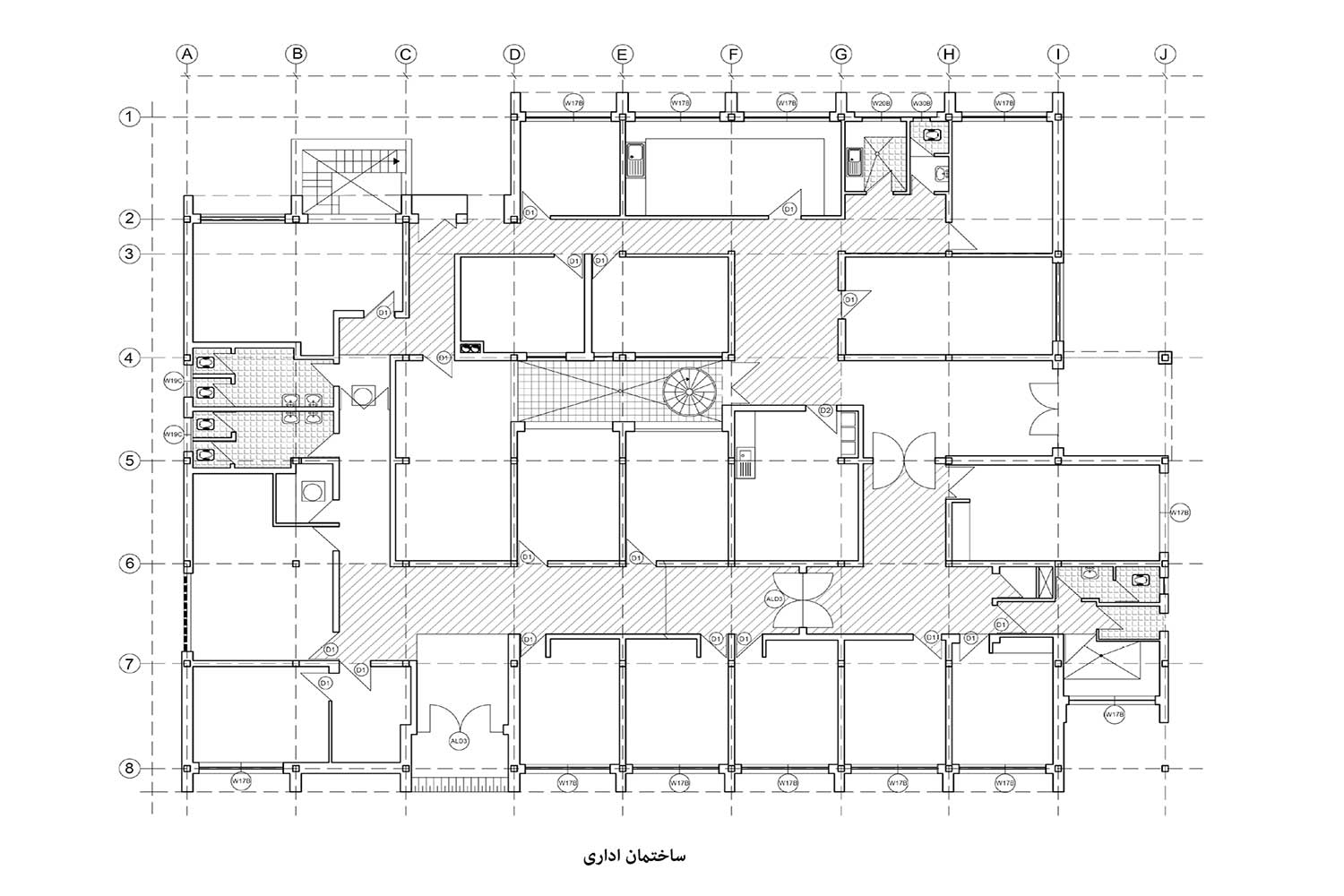
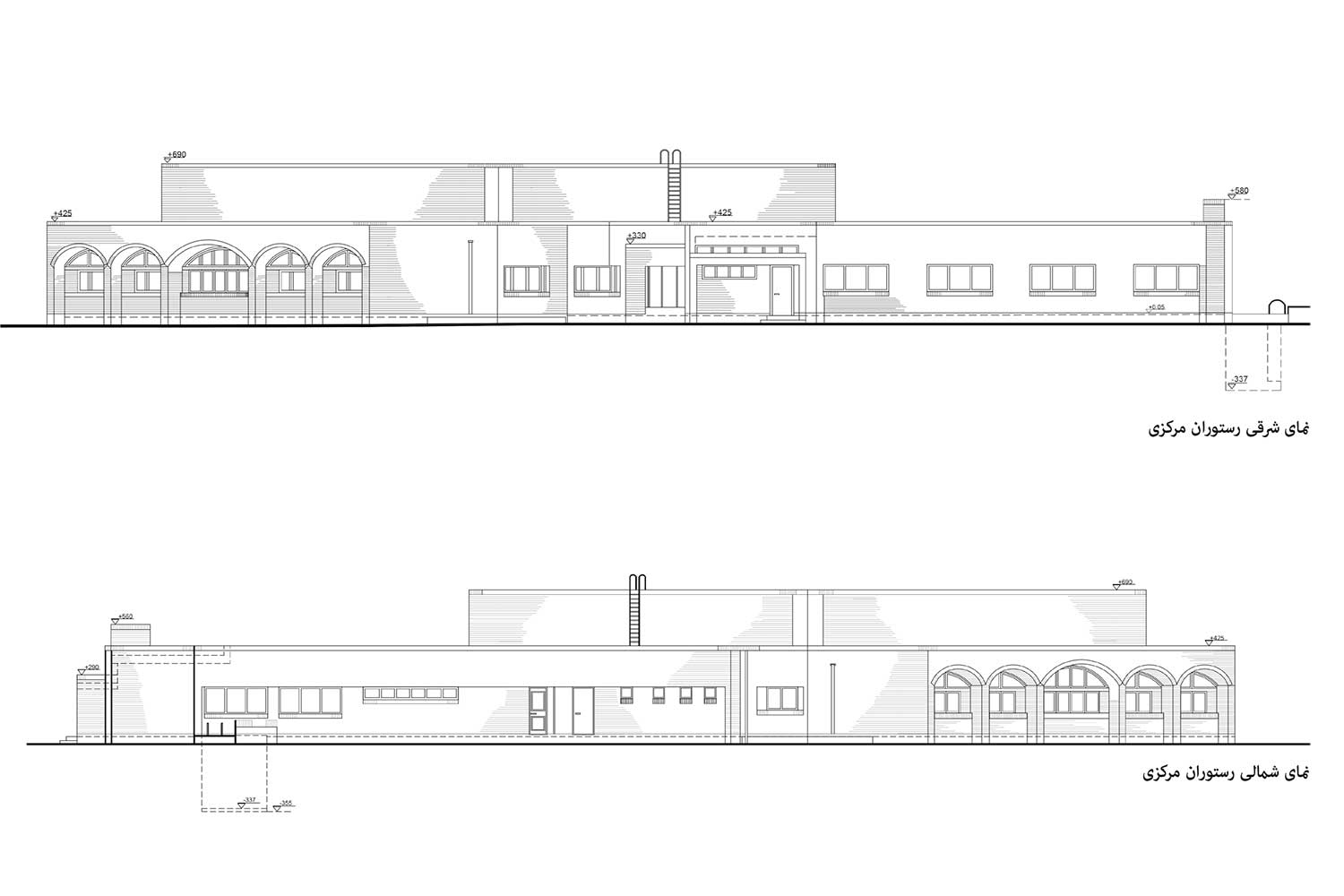
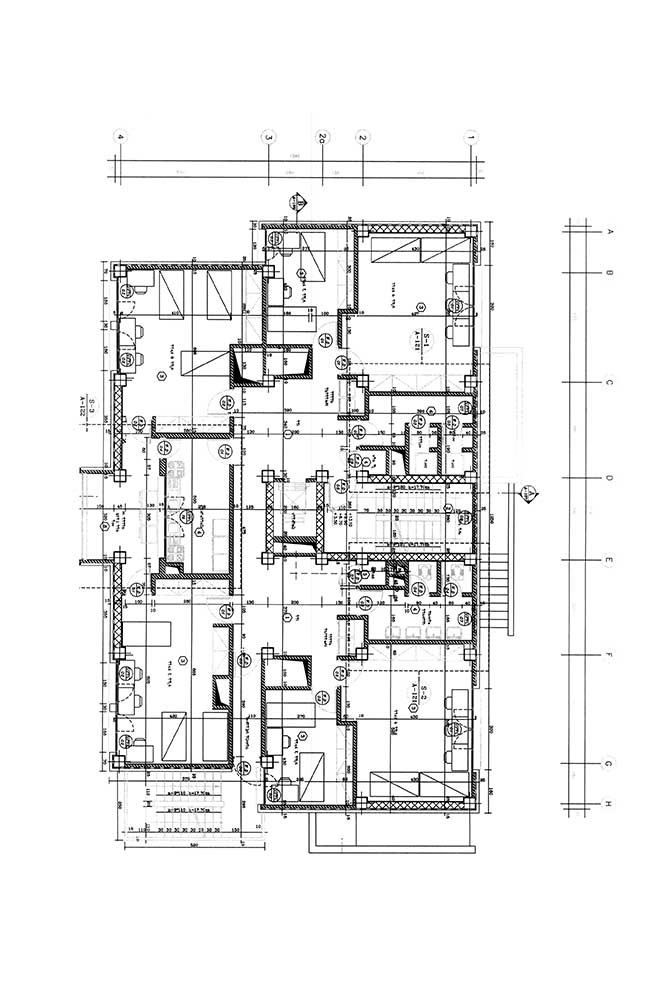
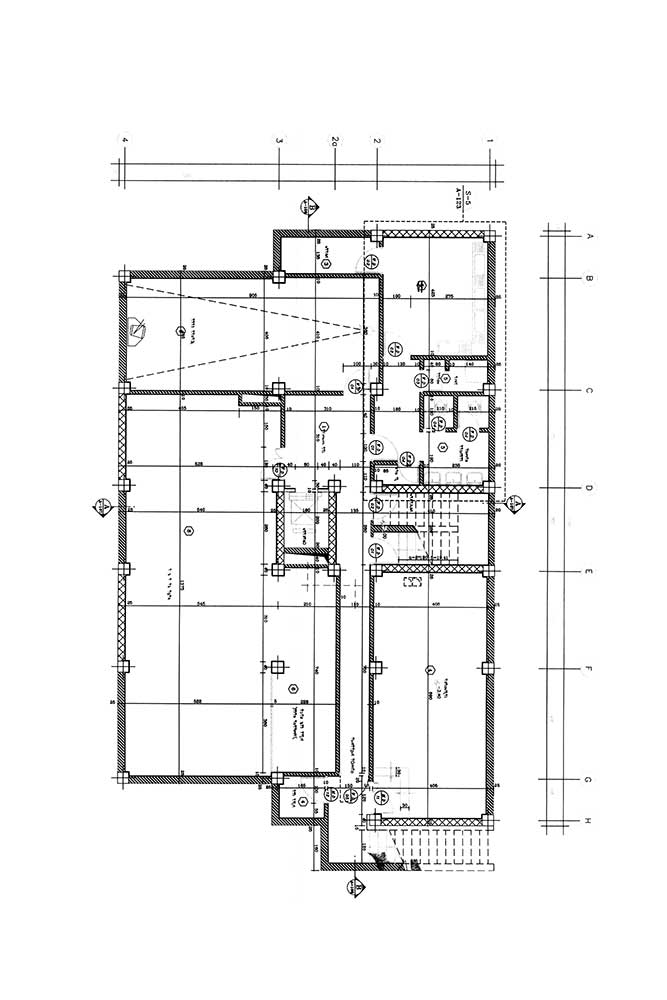
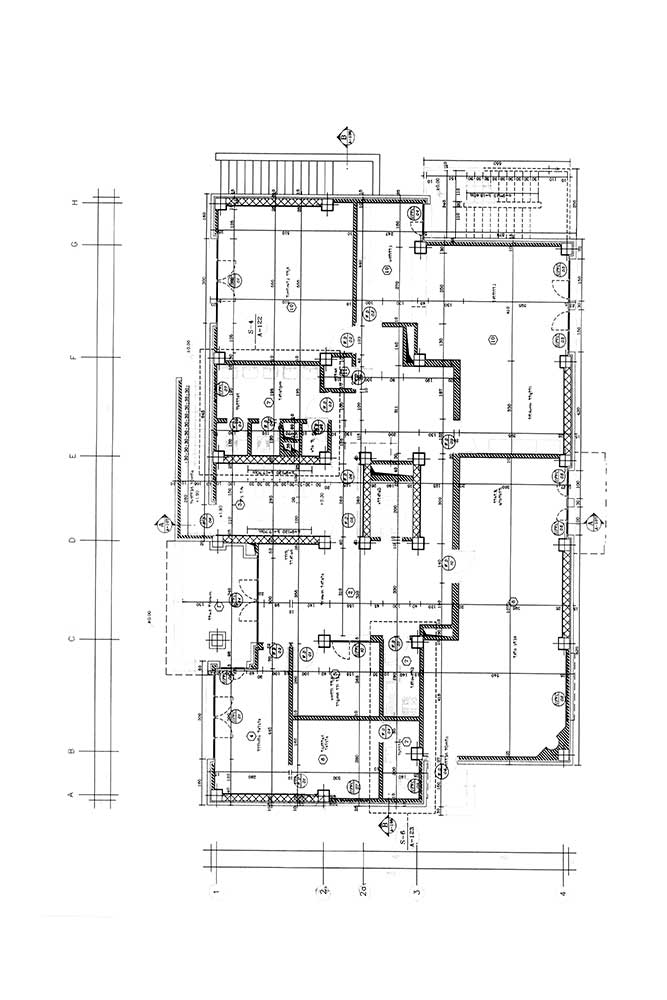
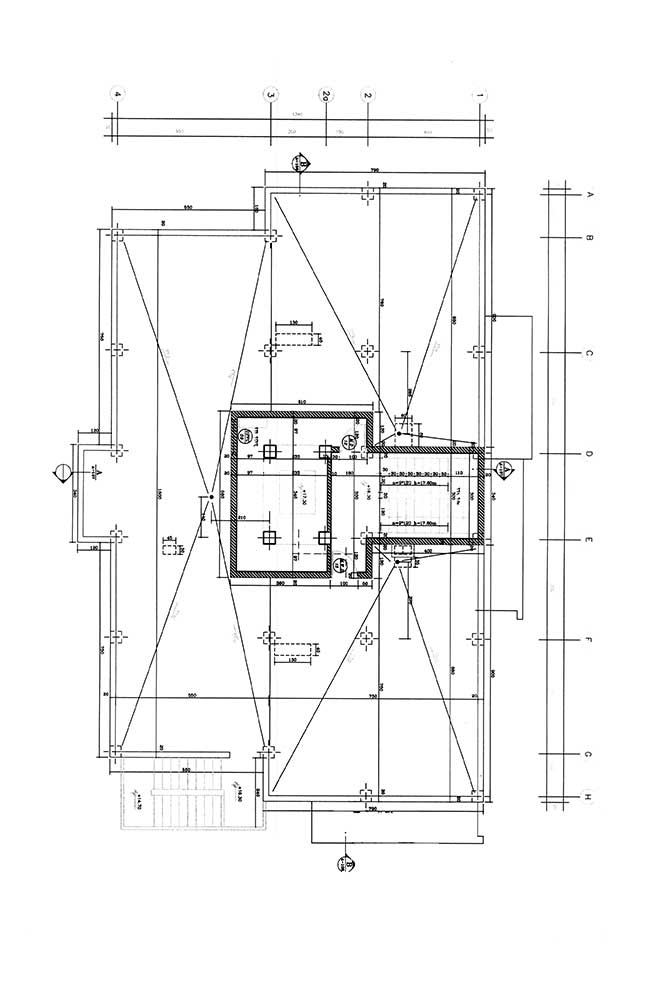
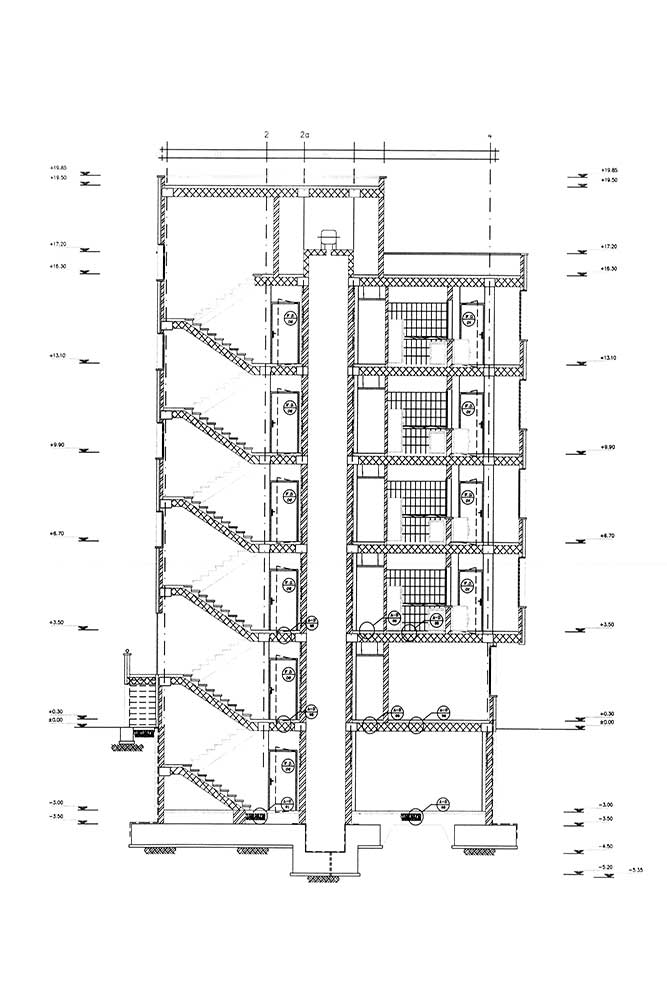
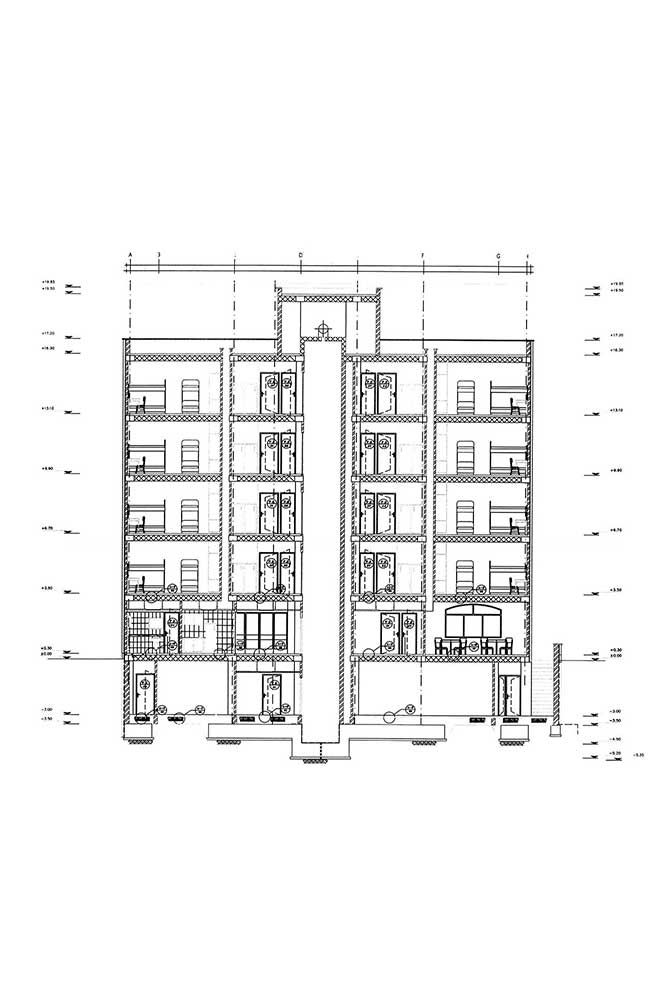
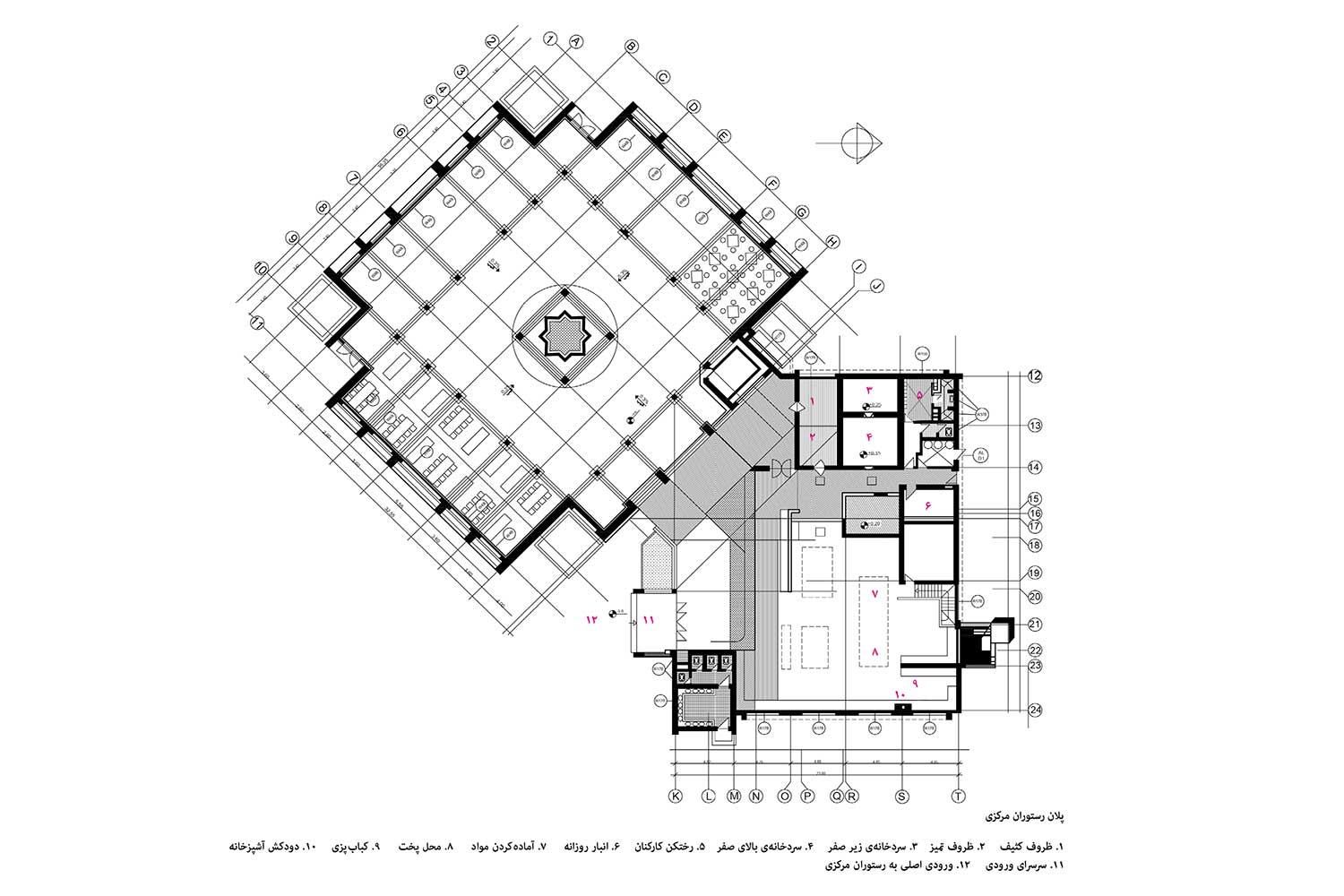
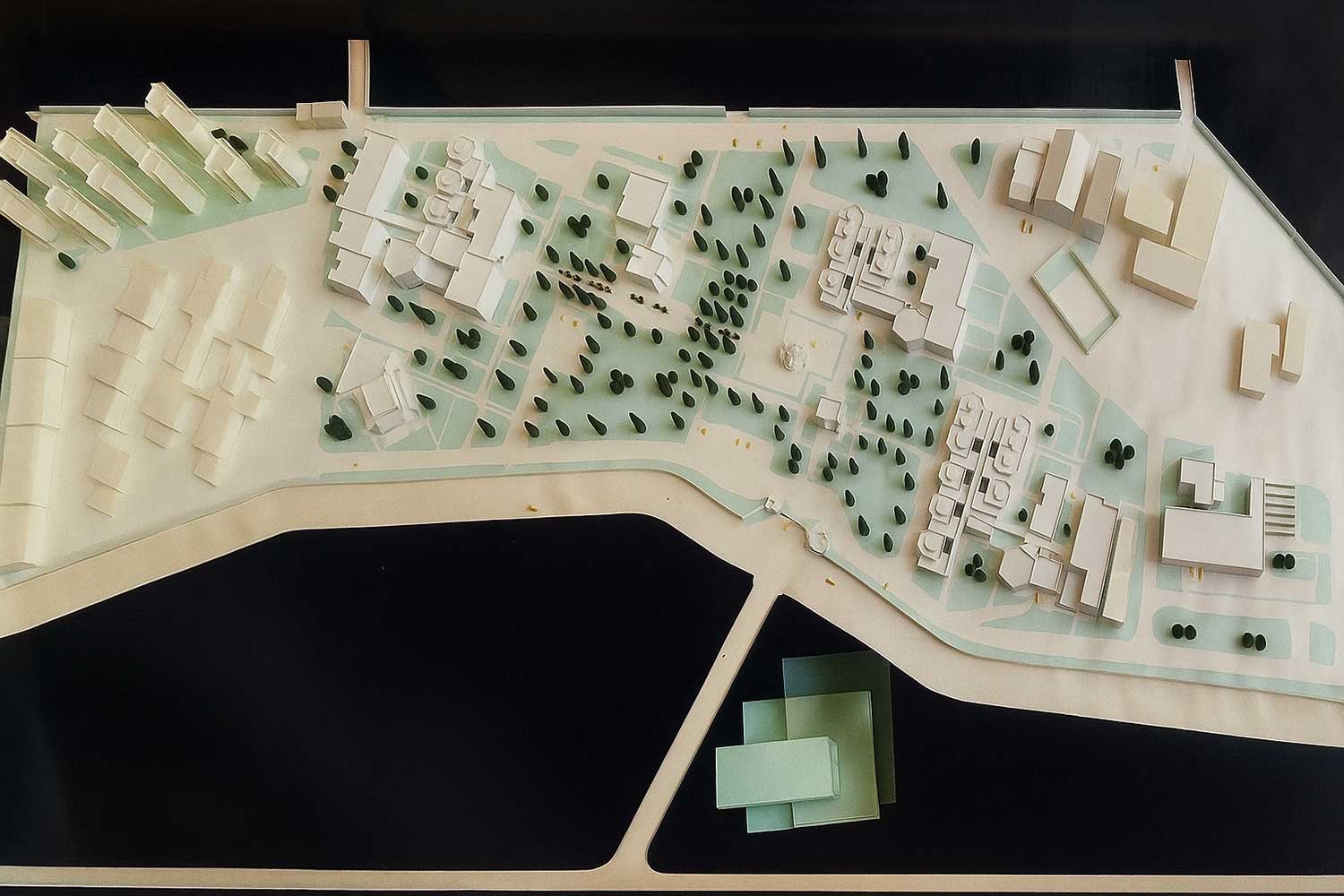
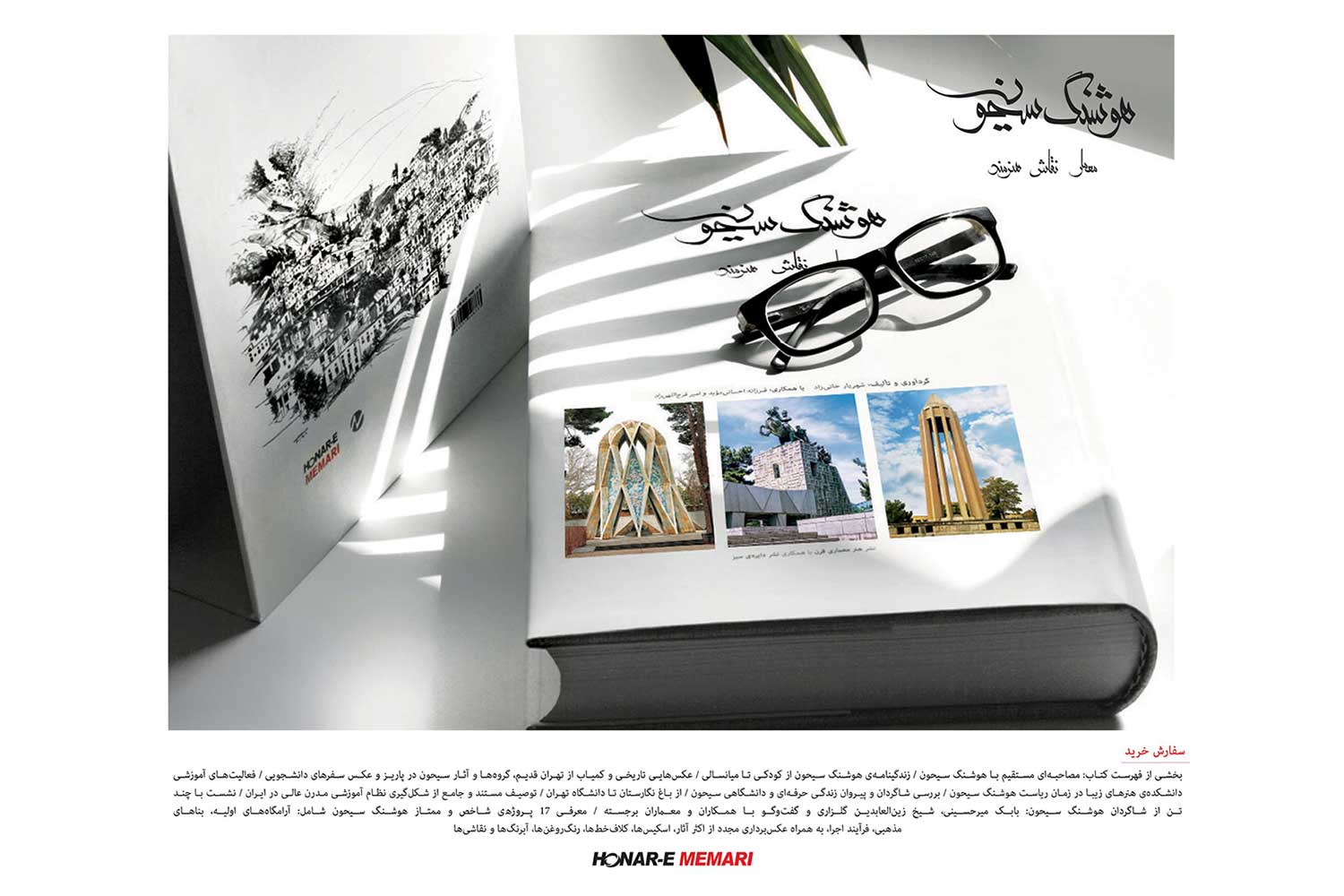
مرجع عکسها: کتاب هوشنگ سیحون (معمار، هنرمند، نقاش)
تالیف: شهریار خانیزاد
مطالب مرتبط