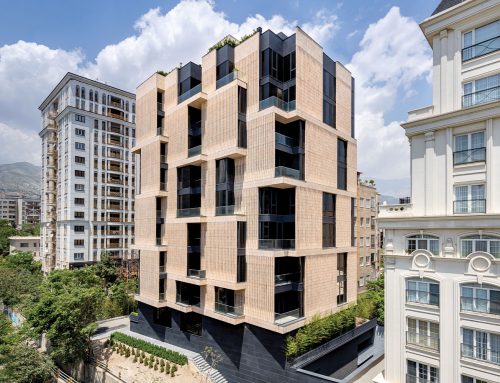
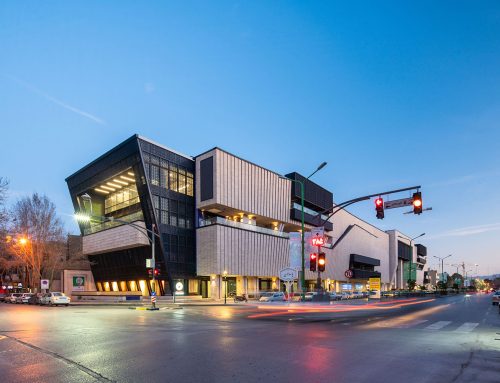
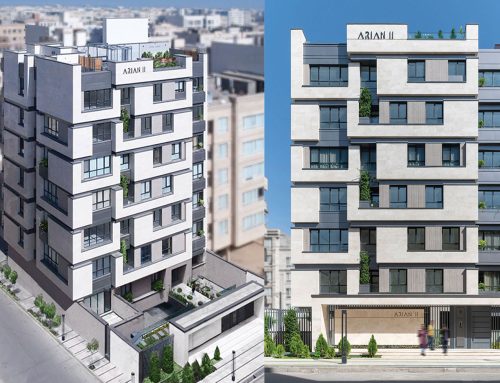
 برندگان ایرانی IDA – International Design Awards 2025
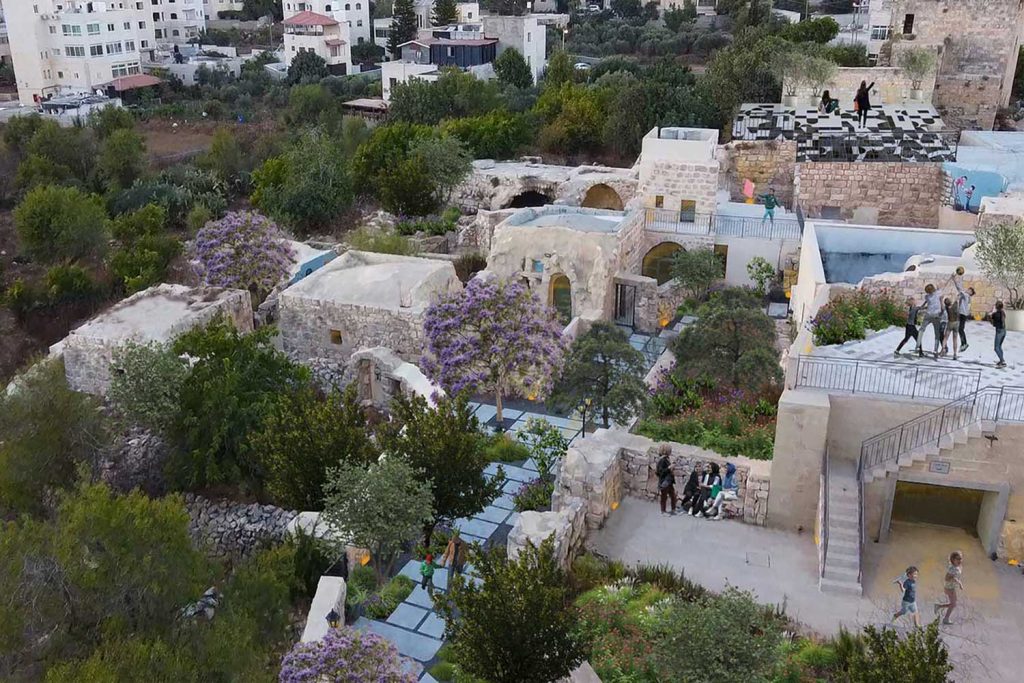 معمار فلسطینی، سعاد امیری، برندهی جایزهی «ذهنهای بزرگ عرب» ۲۰۲۵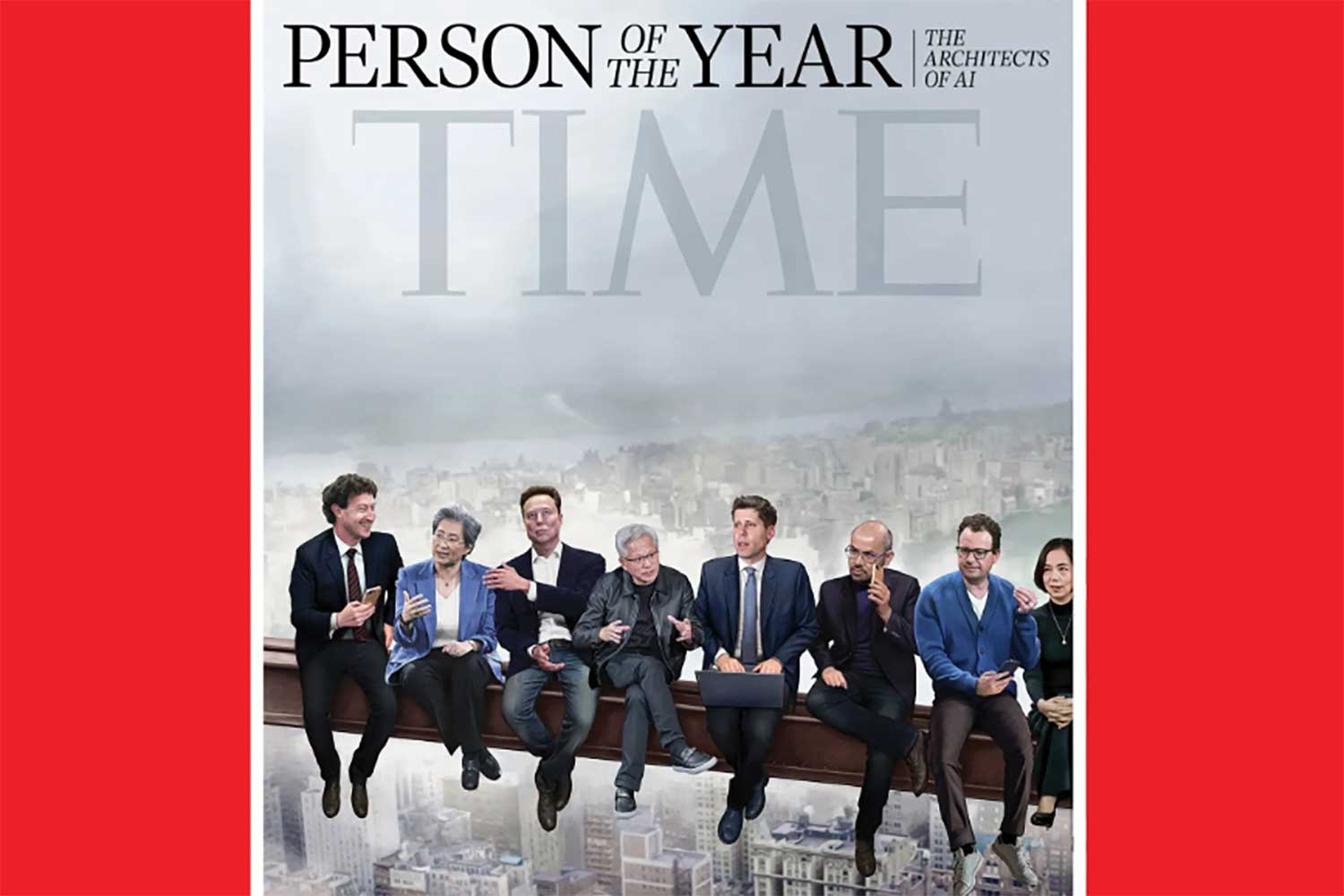
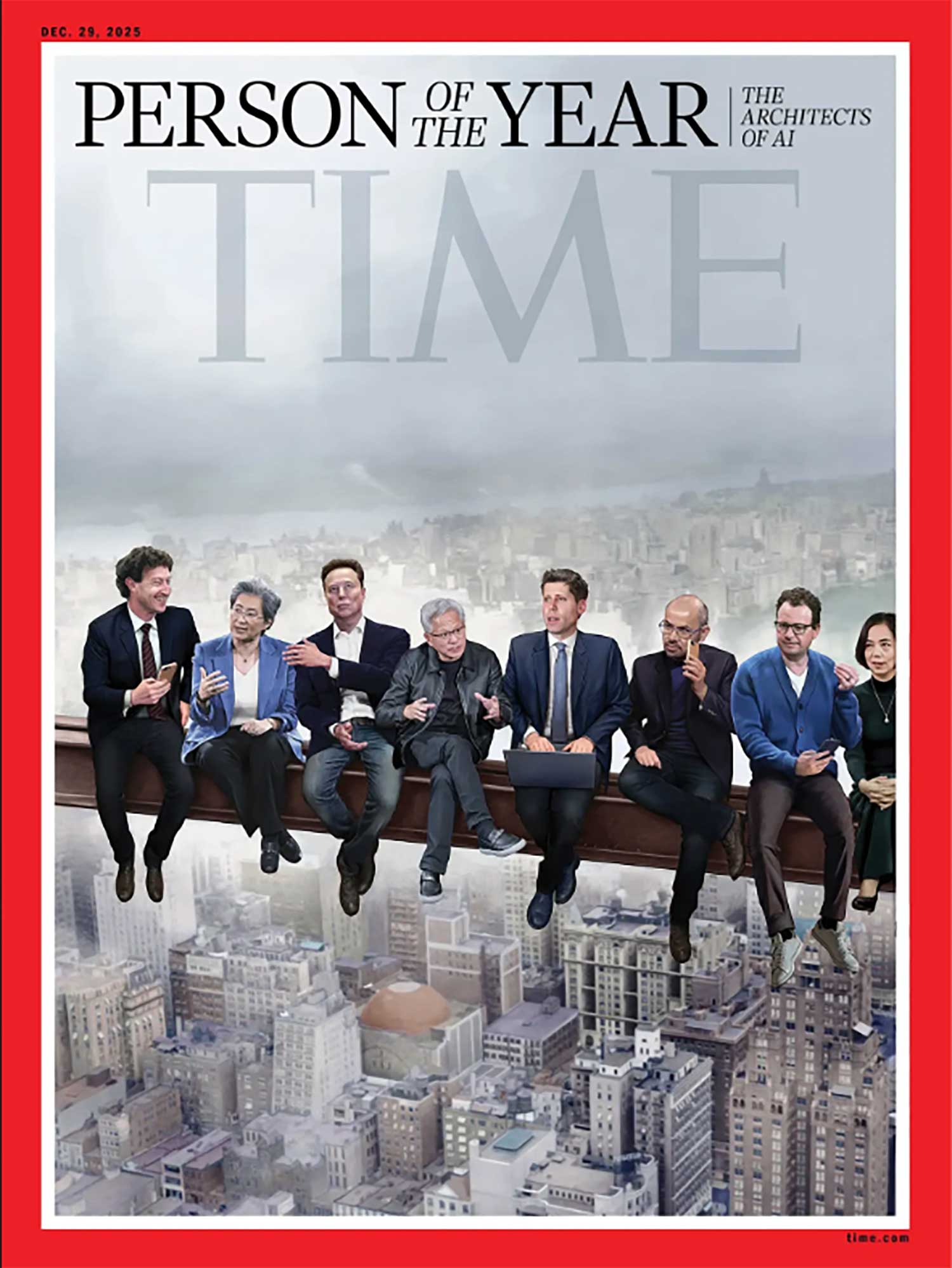
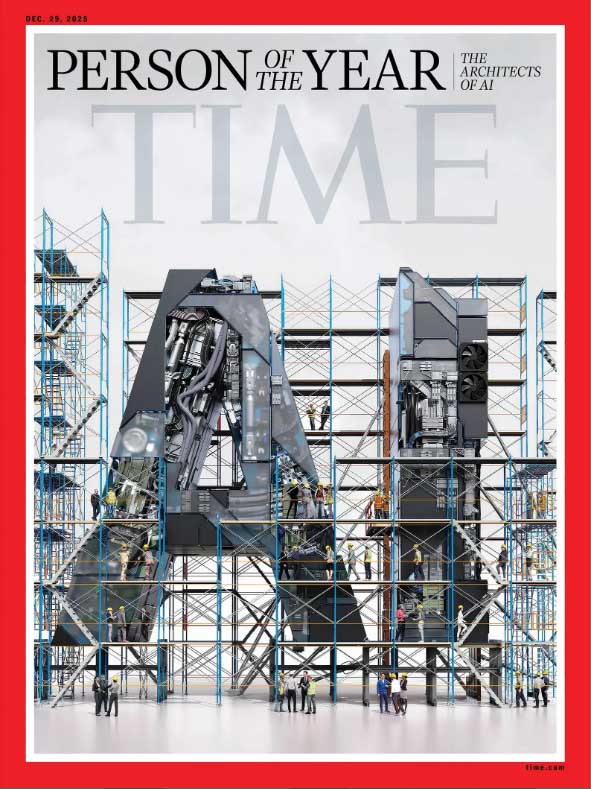
مجلهی TIME در سال ۲۰۲۵، بهجای انتخاب یک فرد، به یک «پدیده» اشاره کرد:
معماران هوش مصنوعی.
انتخابی که بیش از یک نامگذاری رسانهای است؛ بیانیهای است دربارهی تغییری عمیق در سازوکار جهان معاصر. چهرههایی چون سم آلتمن، جنسن هوانگ، مارک زاکربرگ، ایلان ماسک و فیفی لی، نه صرفا مدیران شرکتها، بلکه طراحان زیربنای آیندهای هستند که هر روز بیش از پیش در آن زندگی میکنیم.
هوش مصنوعی دیگر یک فناوری حاشیهای نیست؛
به لایهای پنهان اما فراگیر بدل شده که تصمیم میگیرد، پیشبینی میکند، تحلیل میکند و حتی خلاقیت را بازتعریف میکند. از زبان و تصویر تا اقتصاد و سیاست، و از داده تا تخیل، همهچیز در حال عبور از صافی الگوریتمهاست.
در معماری نیز، این تحول بیصدا اما بنیادین است.
هوش مصنوعی وارد مرحلهای شده که نهتنها ابزار طراحی، بلکه همکار طراح است:
از تحلیل سایت و اقلیم، تا تولید فرم، بهینهسازی سازه، شبیهسازی مصرف انرژی و حتی بازخوانی الگوهای تاریخی. معمار امروز، بیش از هر زمان دیگر، در گفتوگویی میان انسان، داده و ماشین ایستاده است؛ جایی که خلاقیت، دیگر تنها حاصل شهود فردی نیست، بلکه محصول همنشینی ذهن انسانی و توان محاسباتی است.
انتخاب TIME یادآور این واقعیت است که آینده ساخته میشود؛
نه فقط با بتن و فولاد،
بلکه با کُد، داده و هوش مصنوعی.
و معماران این آینده، الزاماً معمار به معنای کلاسیک آن نیستند،
اما بیتردید، معماری جهان فردا را شکل میدهند.

For 2025, TIME chose not a single Person of the Year, but a phenomenon:
The Architects of Artificial Intelligence.
This decision goes beyond a media gesture—it is a statement about a profound shift in how the contemporary world is being shaped. Figures such as Sam Altman, Jensen Huang, Mark Zuckerberg, Elon Musk, and Fei-Fei Li are not merely industry leaders; they are designing the invisible infrastructure of our collective future.
Artificial intelligence is no longer peripheral.
It has become a silent yet pervasive layer—one that predicts, analyzes, decides, and increasingly redefines creativity itself. From language and imagery to economics and politics, from data to imagination, today’s world is being filtered through algorithms.
Architecture, too, is undergoing a quiet but fundamental transformation.
AI is no longer just a design tool; it is becoming a design collaborator—
analyzing site and climate, generating form, optimizing structures, simulating energy performance, and even reinterpreting historical patterns. The contemporary architect stands within a dialogue between human intuition, data, and machine intelligence, where creativity emerges from their intersection.
TIME’s choice reminds us that the future is being constructed—
not only with concrete and steel,
but with code, data, and artificial intelligence.
The architects of tomorrow may not all be architects in the traditional sense,
yet they are undeniably shaping the architecture of the world to come.
مطالب مرتبط