فرانسیس کره و معماری انسان دوستان
Francis Kéré and Humanitarian Architecture
An exclusive look at Francis Kéré’s new library in Rio de Janeiro, the architect’s first project in South America
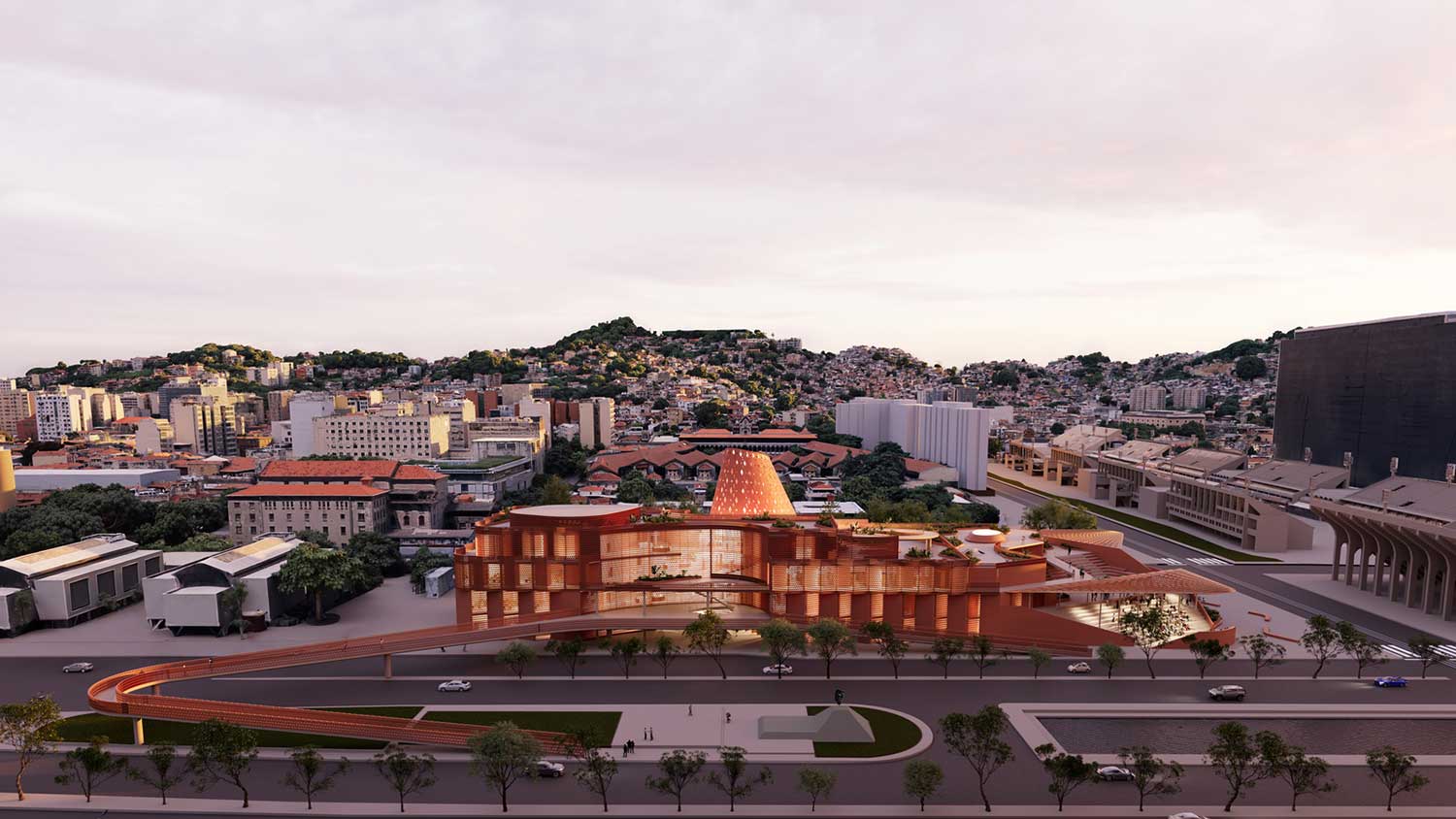
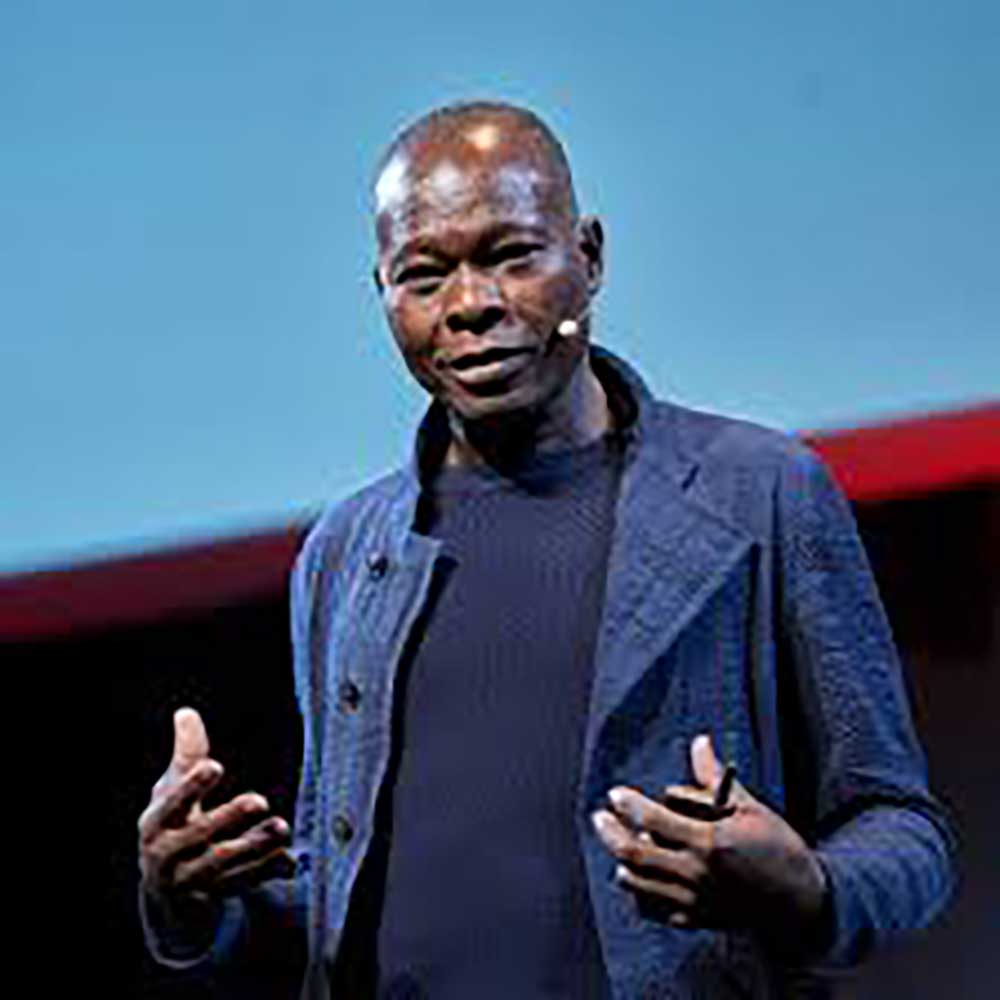
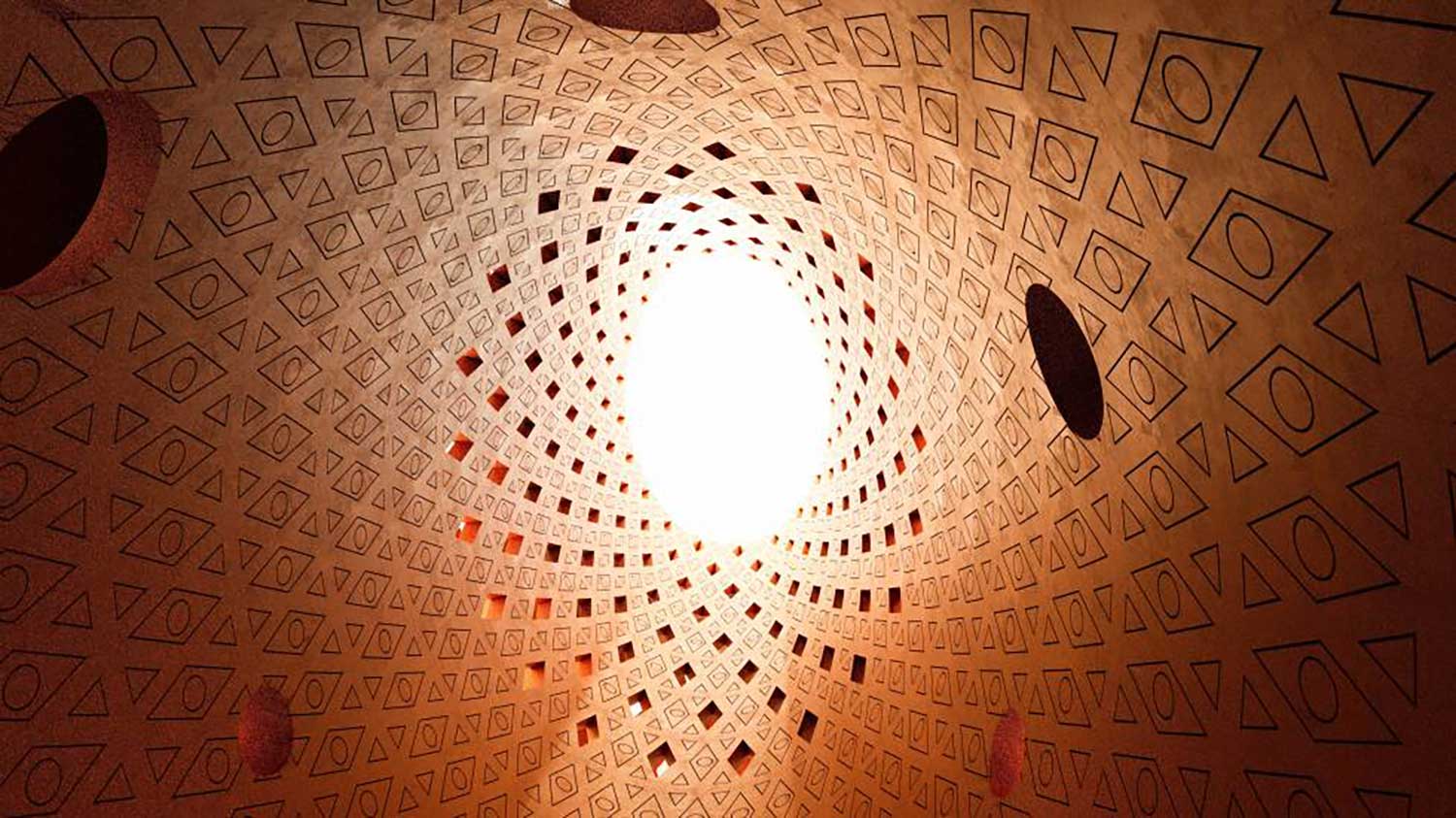
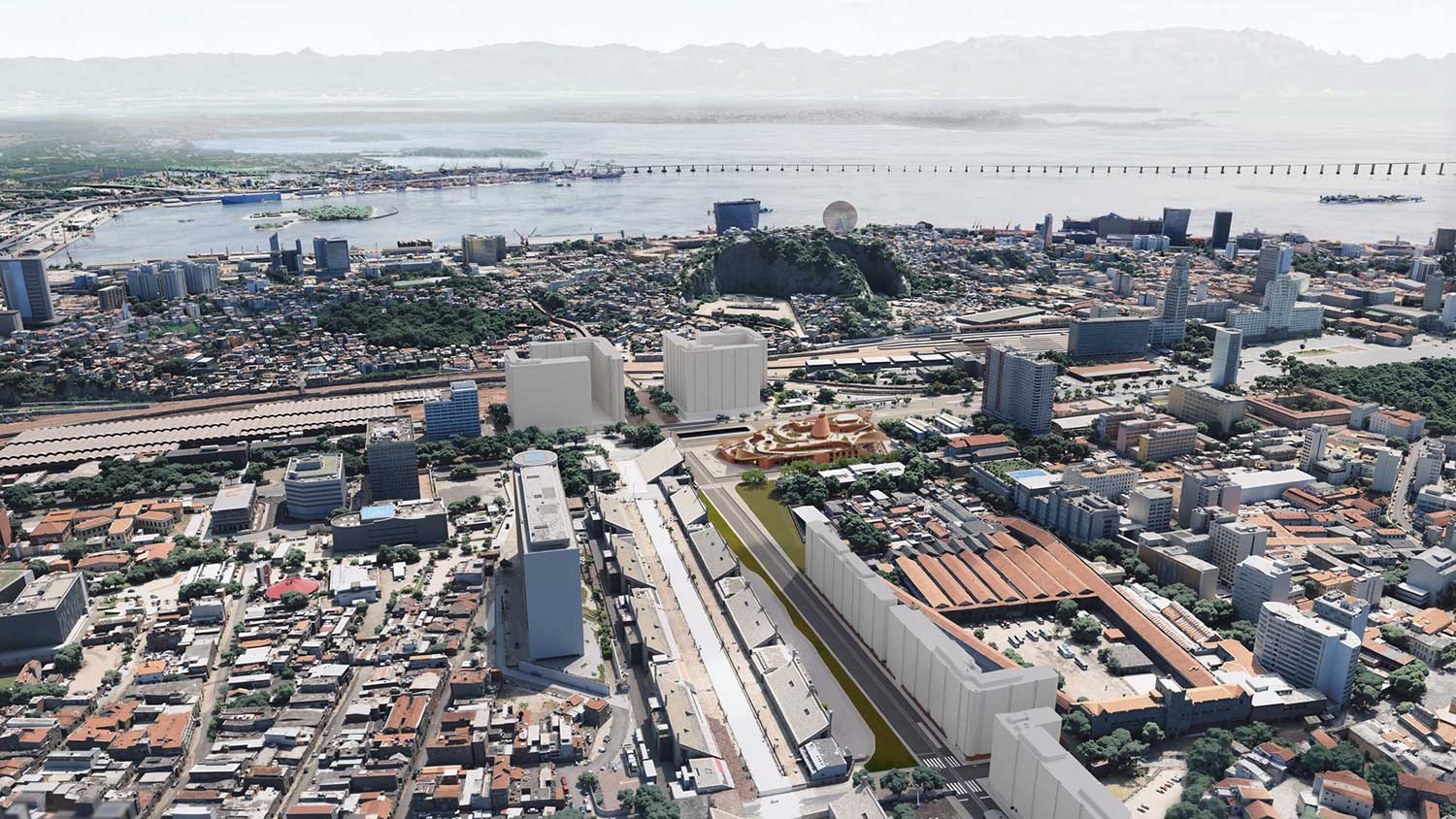
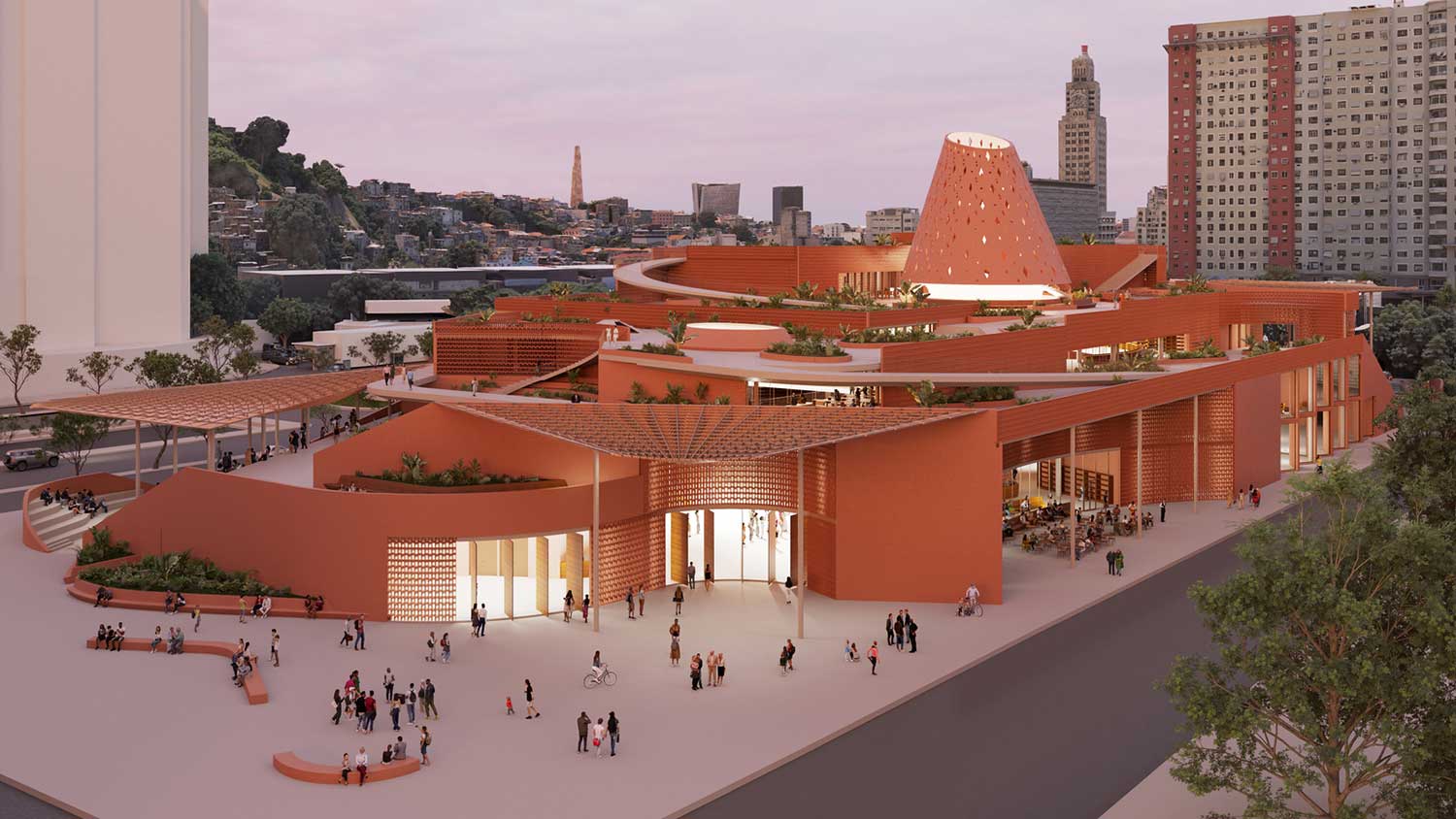
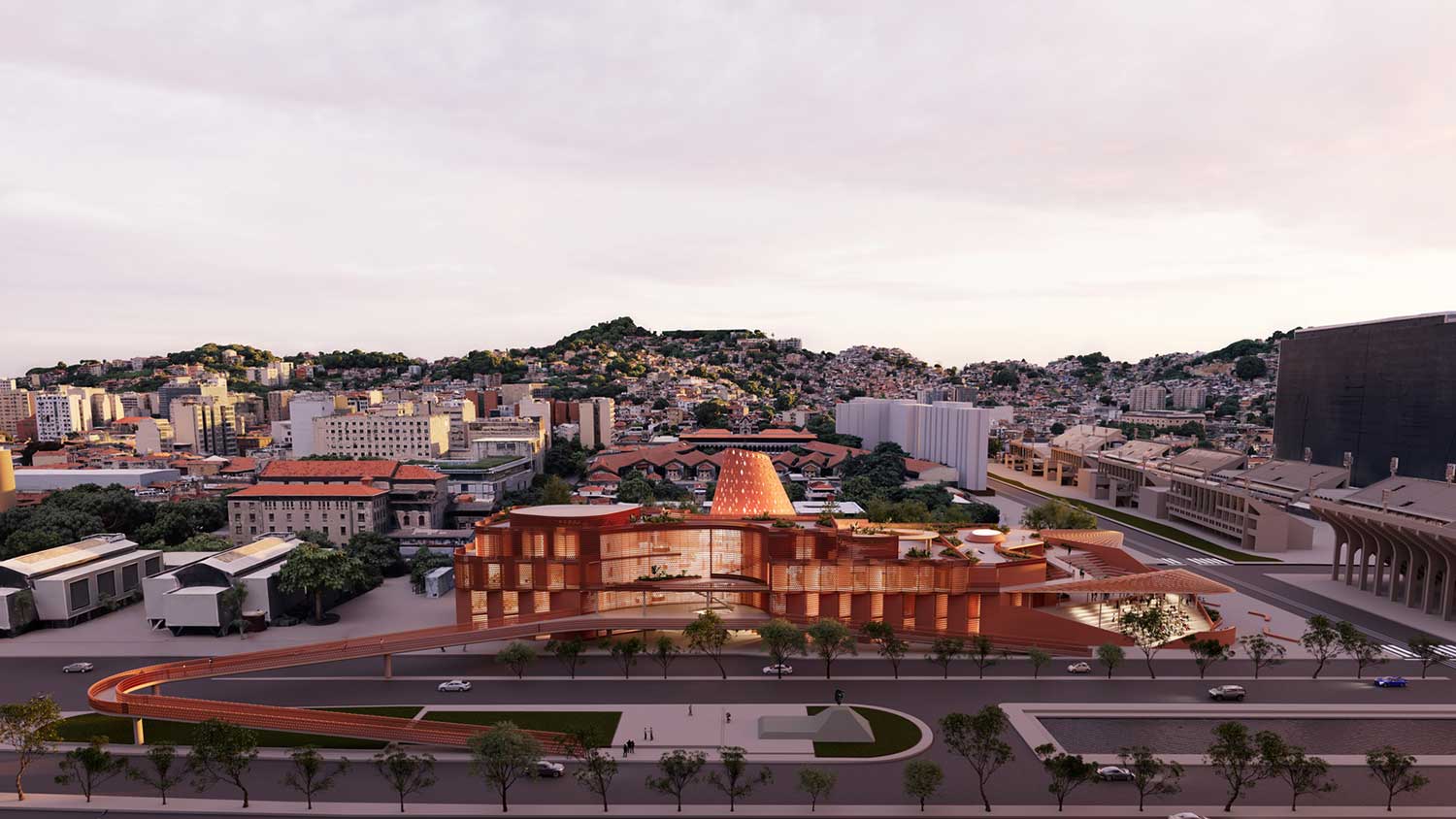
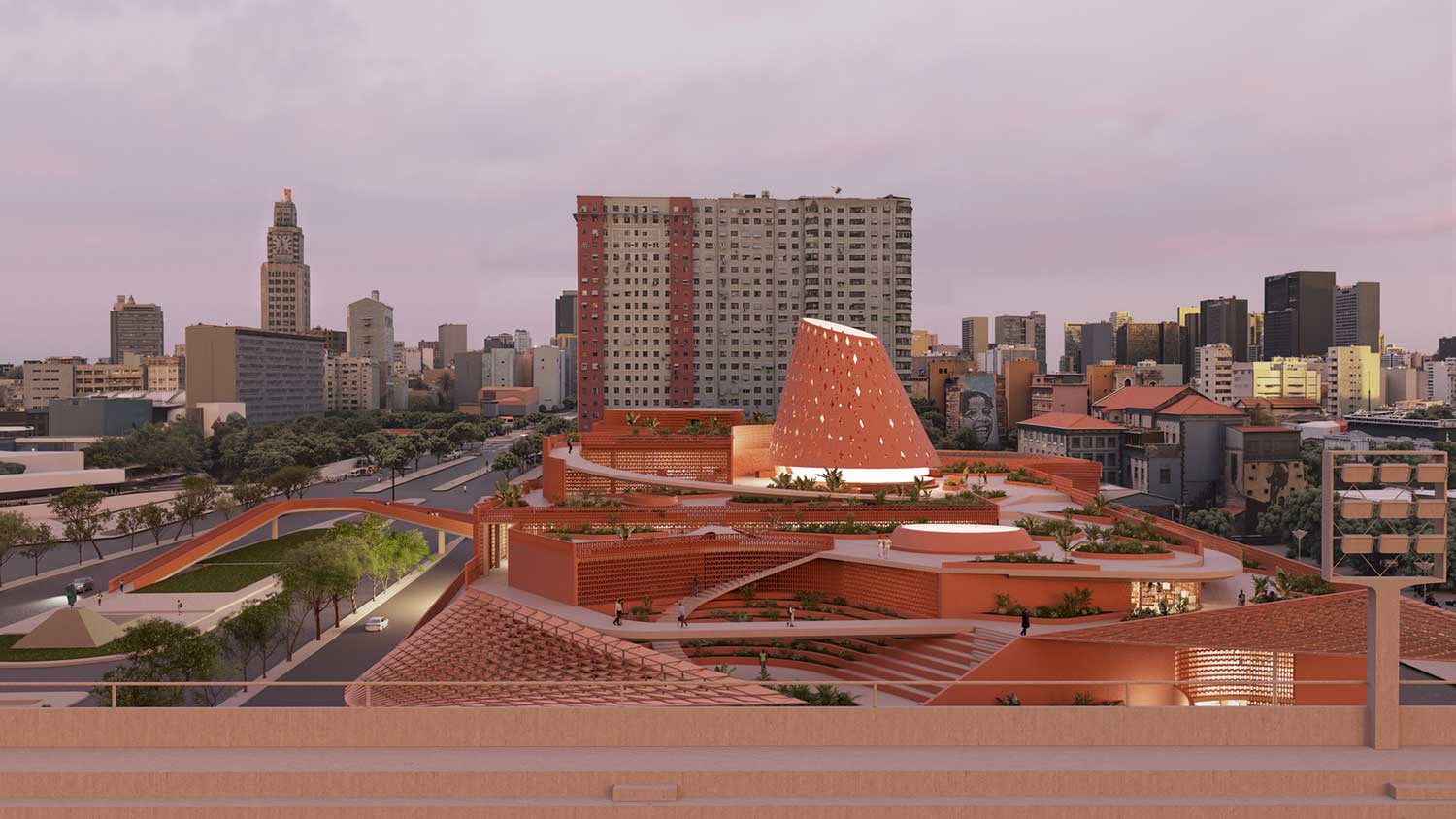
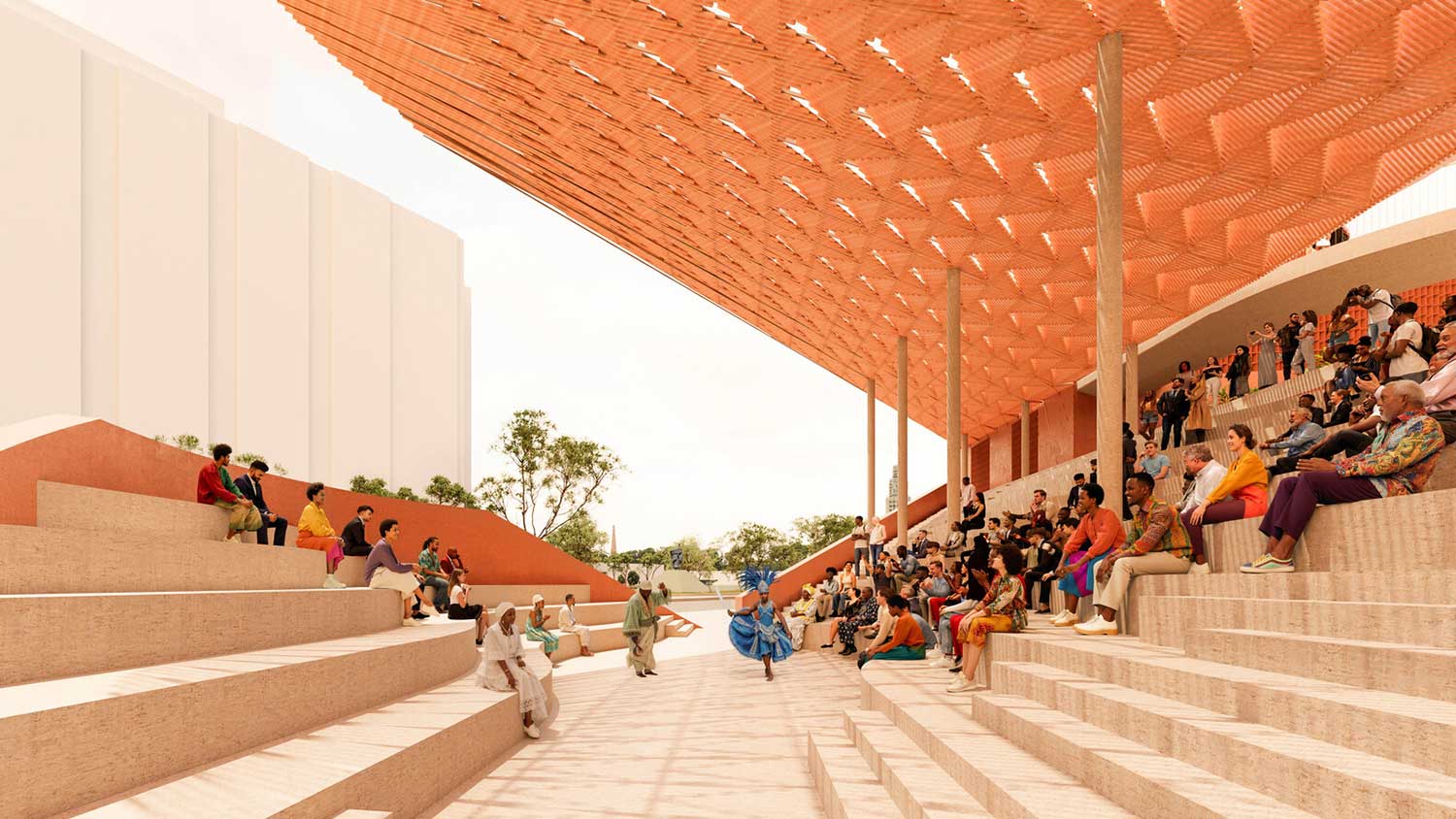
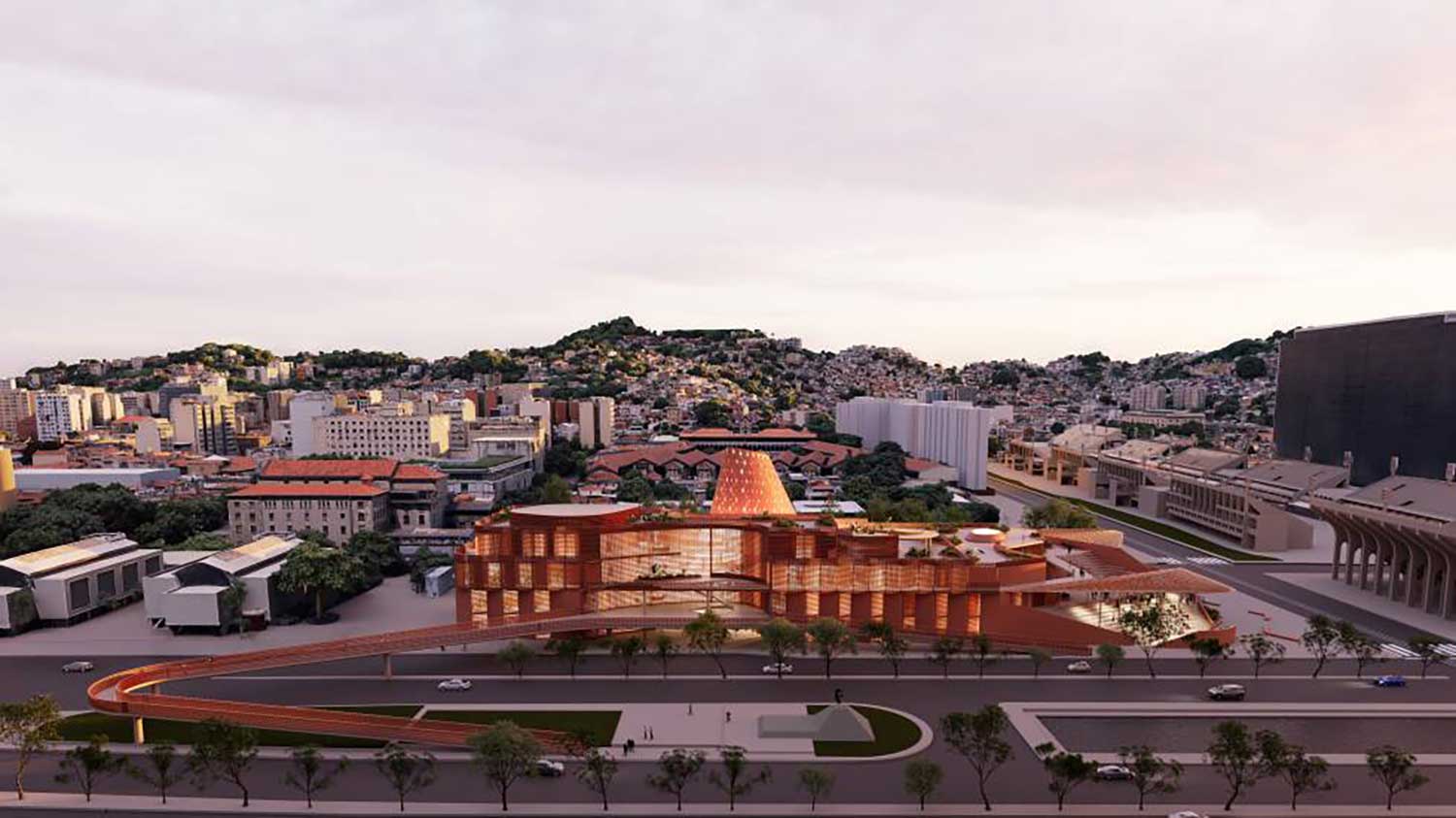
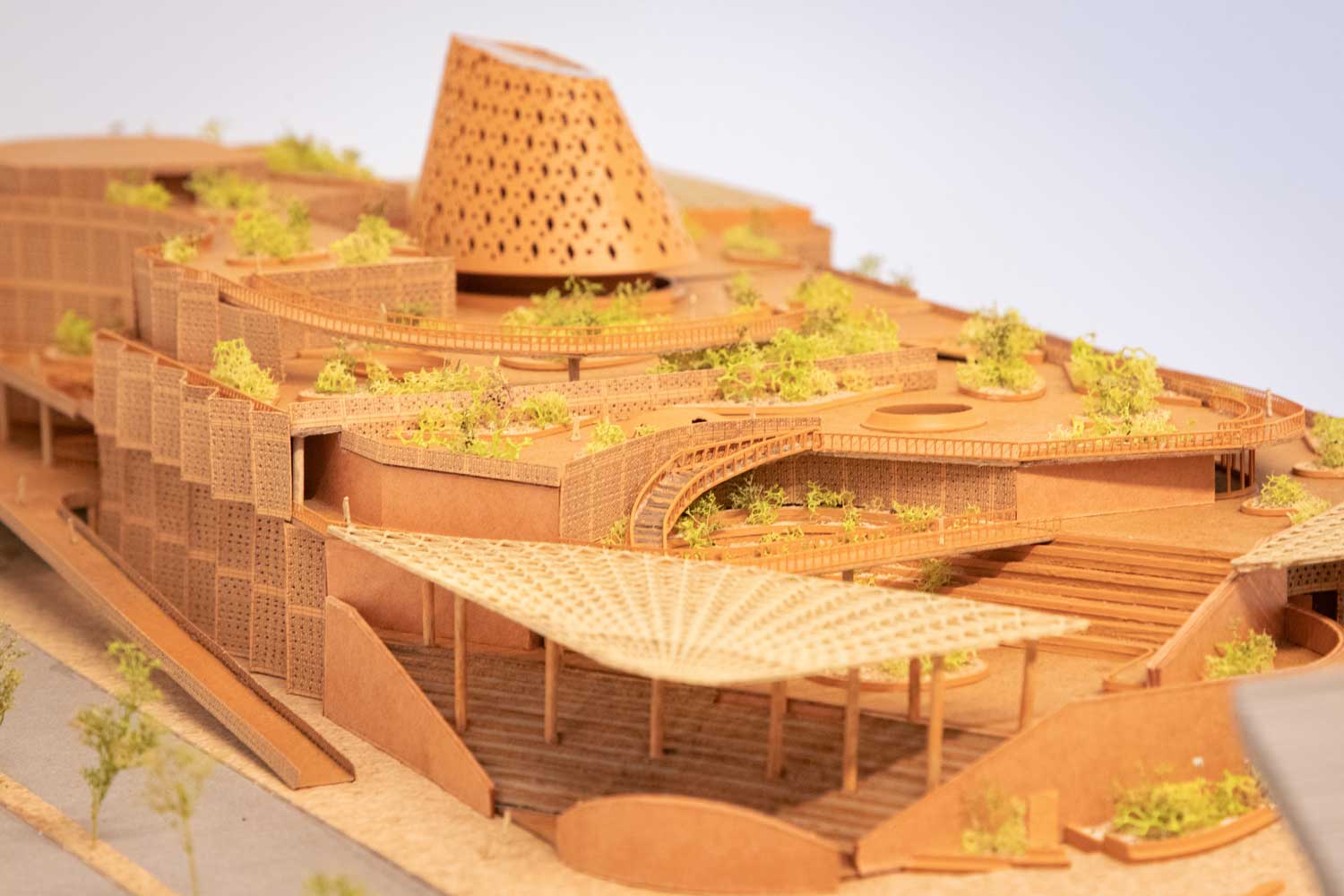
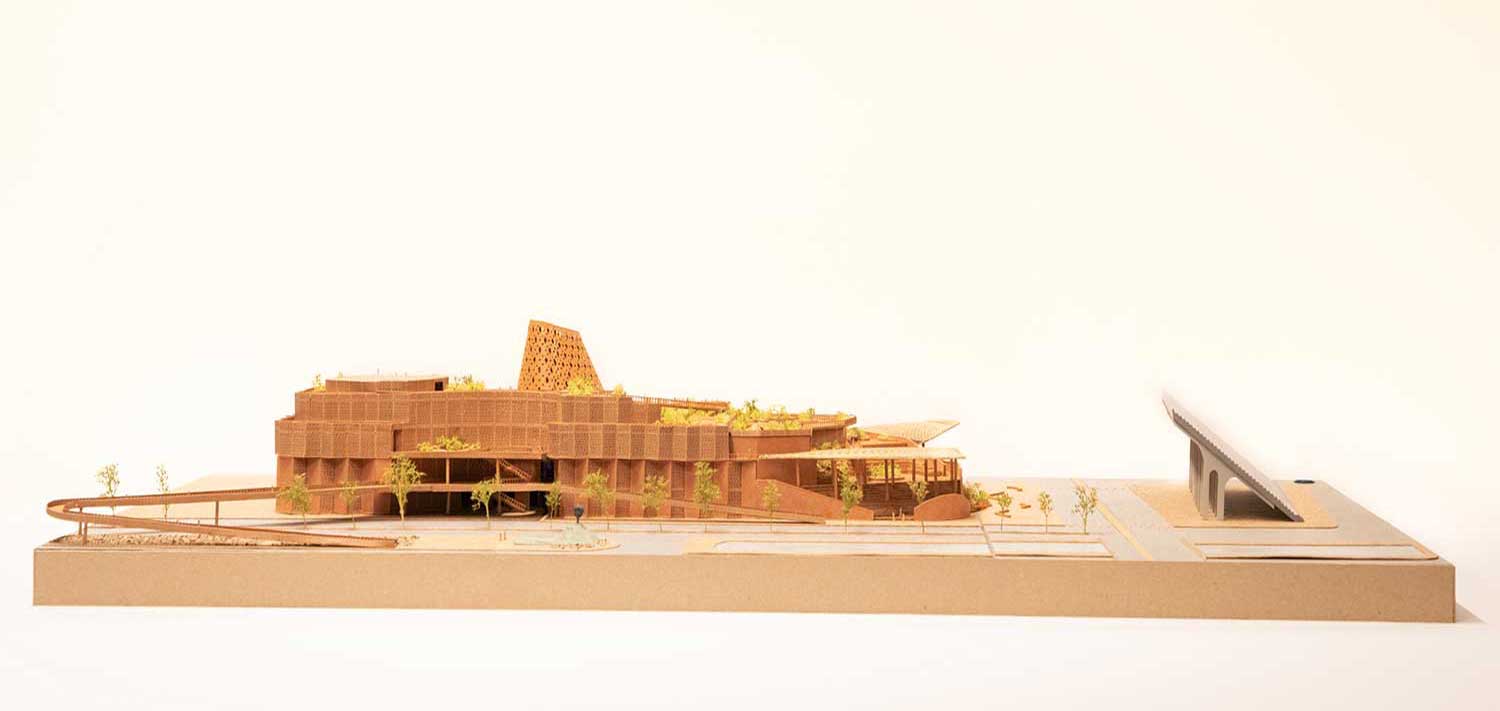
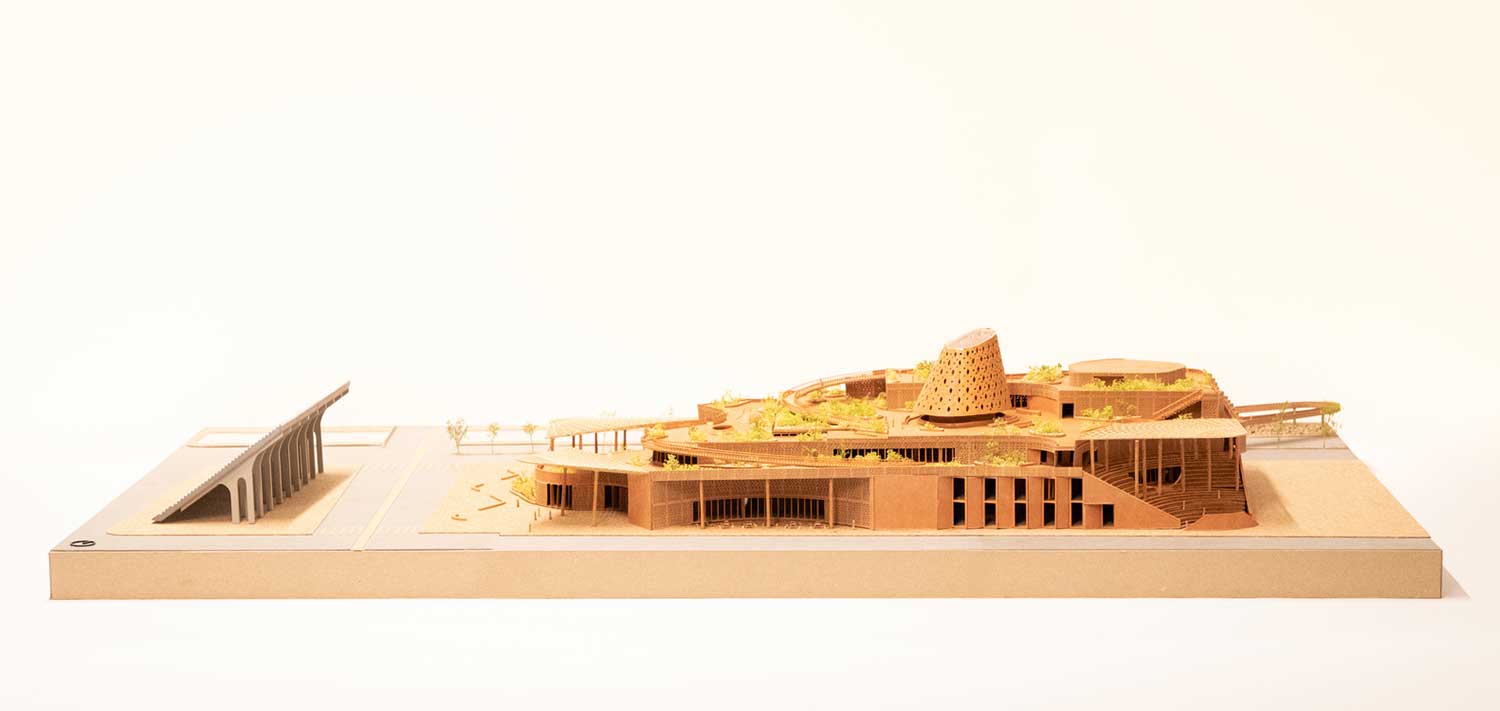
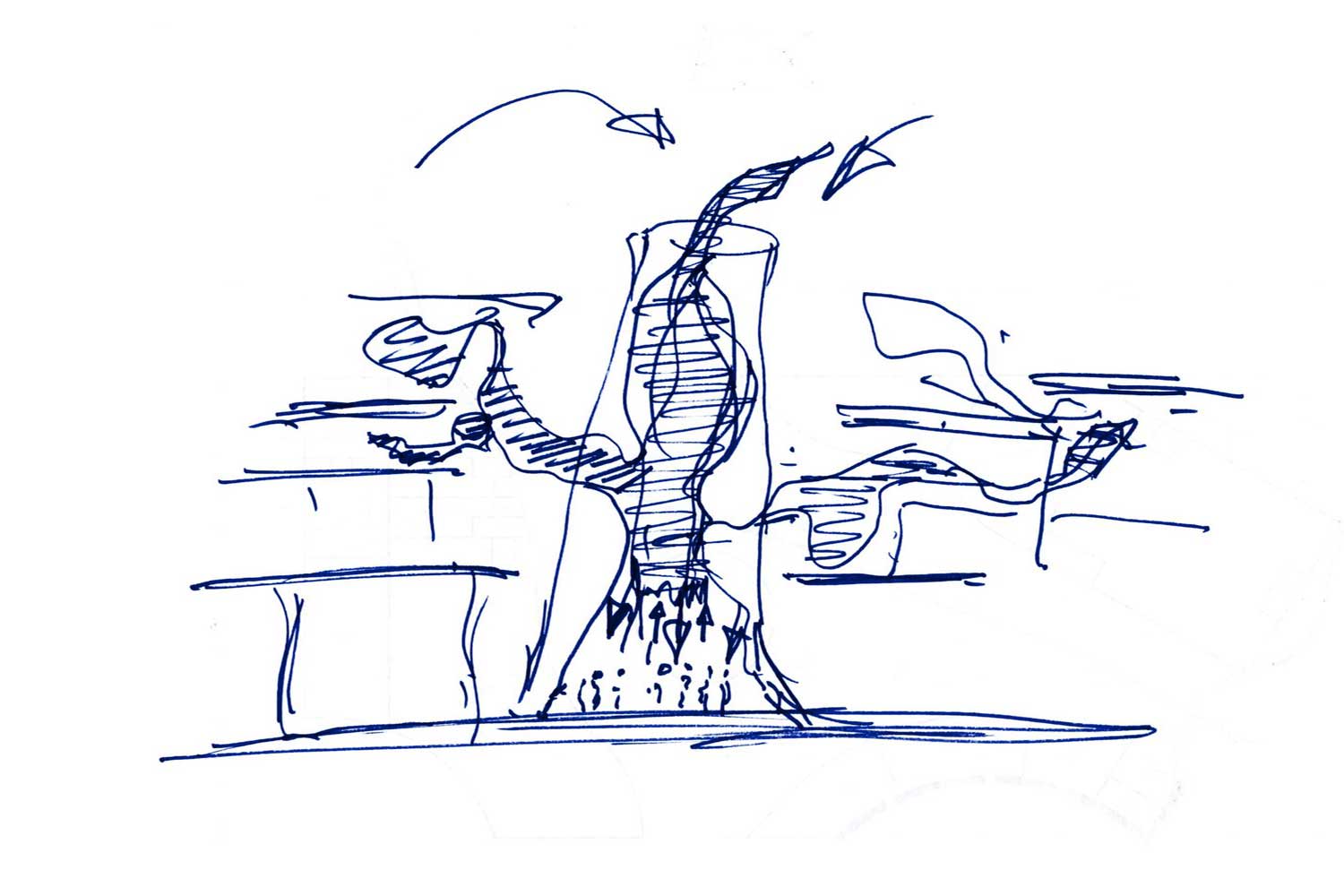
زندگی و کار فرانسیس کره، معمار برجستهی بورکینافاسوییالاصل و برندهی جایزهی پریتسکر ۲۰۲۲، روایتی است از پیوند ژرف میان معماری، اجتماع و فرهنگ. او در سال ۱۹۶۵ در شهر کوچک گاندو در بورکینافاسو متولد شد؛ شهری که بعدها به سرچشمهی الهام و میدان تجربهی بسیاری از پروژههای اولیهی او بدل شد. کره پس از تحصیل در آلمان و دریافت مدرک معماری از دانشگاه فنی برلین، مسیر حرفهایای را آغاز کرد که در آن پیوسته بر همنشینی معماری و مسئولیت اجتماعی تأکید داشته است. او در سال ۲۰۰۵ دفتر «Kéré Architecture» را در برلین بنیان گذاشت و به سرعت توانست جایگاهی متمایز در معماری معاصر به دست آورد. آثار او اغلب در بسترهای اقلیمی سخت، با کمترین امکانات و بیشترین خلاقیت طراحی شدهاند. مدرسهی ابتدایی گاندو، کتابخانهی گاندو، مرکز سلامت لائو، پارلمان بورکینافاسو (طرح پیشنهادی)، پارلمان بنین، مرکز فناوری Startup Lions در کنیا، تالار ملی بنین، و سرانجام کتابخانهی خانهی دانایی در ریو دو ژانیرو از نمونههای شاخص کارنامهی حرفهای او هستند. کره در این پروژهها از مصالح بومی، تکنیکهای سادهی ساخت، تهویهی طبیعی، سایهاندازیهای هوشمندانه و فرمهای هندسی شفاف بهره میبرد. او معماری را ابزاری برای توانمندسازی جامعه میداند؛ رویکردی که آثارش را از معماری صرفاً فرمال فاصله میدهد و آنها را به فضاهایی شاعرانه، انسانی و فرهنگساز بدل میکند. جوایز بینالمللی متعددی در تأیید اهمیت این رویکرد به او تعلق گرفته است. علاوه بر جایزهی پریتسکر، او در سال ۲۰۰۴ جایزهی Aga Khan Award for Architecture را برای مدرسهی گاندو دریافت کرد. جایزهی Global Award for Sustainable Architecture، جایزهی Schelling Architecture، عضویت افتخاری آکادمی هنر و ادبیات آمریکا، و نشان Order of Merit از دولت آلمان نیز از جمله افتخارات او هستند. در سالهای اخیر، کره به عنوان طراح غرفهی کشورهای گوناگون در نمایشگاههای جهانی—از جمله غرفهی سرن (CERN Pavilion) و غرفهی جمهوری بنین—و همچنین به عنوان استاد مهمان در دانشگاههای بینالمللی چون هاروارد و ییل فعالیت داشته است. آنچه آثار کره را از بسیاری نمونههای معماری معاصر متمایز میکند، پیوندی است که میان فرم و اجتماع برقرار میکند. برای او بنا تنها «شیء» نیست؛ بلکه «فرآیندی جمعی» است که کیفیت آن از مشارکت و حس مالکیت مردم شکل میگیرد. او بارها گفته است که معماری باید از فرهنگ مردم برخیزد و به نیازهای واقعی آنان پاسخ دهد. از همین روست که در پروژههایش، کار با مصالح محلی—از خاک فشرده تا آجرهای دستساز—نه فقط انتخابی اقلیمی، بلکه انتخابی فرهنگی است. کره امروز یکی از چهرههای تأثیرگذار معماری جهان محسوب میشود. او بهویژه در بازتعریف نقش معماری در توسعهی پایدار و عدالت فضایی سهم قابلتوجهی داشته است. پژوهشگران معماری آثار او را نمونهای کمنظیر از «مینیمالیسم اقلیمی» و «معماری مشارکتی» دانستهاند؛ شیوهای که از یک سو به اقتصاد ساخت و حفاظت از منابع میاندیشد و از سوی دیگر کیفیت شاعرانهی فضا را پاس میدارد. نگاه او به معماری نه رویاپردازانه است و نه تکنوکراتیک؛ بلکه تلفیقی است از عقلانیت ساخت، حکمت اقلیم و کرامت انسانی. فرانسیس کره، با پشتوانهی بیش از دو دهه فعالیت و مجموعهای از پروژههای اثرگذار در آفریقا، اروپا و آمریکای جنوبی، جایگاهی استثنایی در معماری معاصر یافته است. او معمار آیندهای است که ریشههایش را فراموش نمیکند و هر پروژه را فرصتی برای پیوند دانش، اجتماع و زمین میبیند. در میانهی ریوی بیتاب و پرتپش، کتابخانهی تازهی فرانسیس کره چون آوازی نو در سپهر معماری آمریکای جنوبی قد میکشد؛ نخستین اثر او در این پهنه، کتابخانهی «خانهی دانایی» (Biblioteca dos Saberes) است؛ فضایی چهل هزار مترمربعی که همچون سایهسار درختی کهن، مردم محلهی Cidade Nova را در آغوش میگیرد. این کتابخانه، که به سفارش شهرداری ریو ساخته میشود، از درختان بومی جنگل تیجوکا الهام گرفته است؛ جایی که تنههای ستبر و تاجهای گسترده یادآور میدانگاه طبیعی اجتماعاند. کره با بازخوانی این سنت، «درخت دانایی» را در قلب بنا نهاده است: استوانهای عمودی که همچون ریسمانی نورانی، سه طبقهی کتابخانه را به هم پیوند میدهد. چشمانداز طبیعی برزیل در پیکرهی این بنا جاری است؛ و در کنار آن، کره نشانههایی از زادگاهش گاندو در بورکینافاسو را نیز مینشاند؛ جایی که سایهی یک درخت نقطهی آغاز گفتوگو، آموزش و همبودگی است. کتابخانهی ریو نیز سرشار از این «جیبهای جمعی» است: تالارهای مطالعه، فضاهای نمایشگاهی، آمفیتئاتری با سایهبان، کافهای رو به بادهای اقیانوس و باغی بر بام. پوستهی ساختمان، چون توری پرنقش، سوراخدار طراحی شده تا نور را تصفیه کند و هوای خنک را در لابهلای فضاها بچرخاند. محوطهها و حیاطهای باز، کتابخانه را همچون رودی آرام در میان بافت فشردهی شهر جاری میکنند. پلی پیادهرو آن را به یادمان زومبی دوس پالمارس، رهبر مقاومت ضدبردهداری، پیوند خواهد زد؛ نشانی از اتصال دو ساحل اقیانوس. کتابخانه در بستری نشسته است که لایههای حافظهی فرهنگی را در خود دارد: جایگزین Praça Onze، نخستین مدرسهی سامبای برزیل، و همجواری با سامبودروموی نیمایر. کره بنا را به گونهای طرح کرده که به میدانگاهی برای دیدار جامعههای گوناگون بدل شود؛ تا اقیانوس اطلس از مرز جداییافکن به «رودی از میراث مشترک» میان برزیل و آفریقا بازخوانی گردد. کره میگوید: «کتابخانهی خانهی دانایی ستایشی است از شهر زیبای ریو. من در ریتمش، در صداهایش، در روحی که در خیابانها و موجهای اقیانوس جاری است الهام یافتهام. این بنا از تاریخ و خرد شهر میروید؛ از سامبایی که تن را میجنباند تا شعری که دل را. این خانهای است برای دانایی؛ جایی که گذشته و آینده زیر یک سقف به هم میرسند، گشوده به شهر و رو به دریایی که داستانهایش را به جهان میبرد.»
مشخصات پروژه
نام: کتابخانهی خانهی دانایی (Biblioteca dos Saberes)
معمار: Kéré Architecture
مکان: Cidade Nova، ریو دو ژانیرو، برزیل
زیربنا: چهل هزار مترمربع
کارفرما: شهرداری ریو دو ژانیرو
معمار اصلی: فرانسیس کره
تیم طراحی: Mariona Maeso Deitg، Juan Carlos Zapata
همکاران: Nik Bürk، Teresa del Arenal، Alice Furlanetto، Pierre Jules Gagnière، Federico Lenghi، Andrea Maretto، Pablo Sanchez Sanus، Yannick Schütte، Zeno Wolfsteiner
Francis Kéré, the Burkinabé-born architect and laureate of the 2022 Pritzker Prize, stands as one of the leading voices in contemporary architecture, embodying a profound intersection between built form, community, and culture. Born in 1965 in the small village of Gando, Burkina Faso—later the source of inspiration and the testing ground for many of his early works—Kéré pursued his architectural studies in Germany, earning his degree from the Technical University of Berlin. In 2005, he founded *Kéré Architecture* in Berlin and rapidly established a distinct presence within global architectural discourse. Kéré’s oeuvre is renowned for its clarity, social intention, and environmental intelligence. His designs are often created within demanding climatic contexts, utilizing minimal resources with maximum inventiveness. Among his most celebrated works are the Gando Primary School and its subsequent library, the Léo Surgical Clinic and Health Center, the proposal for the Burkina Faso National Assembly, the Benin National Assembly, the Startup Lions Campus in Kenya, the National Assembly Hall of Benin, and, most recently, the *Biblioteca dos Saberes* (House of Wisdom) in Rio de Janeiro. Across these projects, Kéré employs locally sourced materials, simple construction techniques, natural ventilation systems, carefully calibrated shading, and rigorously geometric forms. For him, architecture is a catalyst for empowerment—a stance that distances his work from purely formal exercises and elevates it into the realm of socially grounded, human-centered spatial creation. His contributions have been widely recognized through numerous international awards. In addition to the Pritzker Prize, he received the 2004 Aga Khan Award for Architecture for the Gando Primary School. Further honors include the Global Award for Sustainable Architecture, the Schelling Architecture Prize, honorary membership in the American Academy of Arts and Letters, and the Order of Merit from the Federal Republic of Germany. Kéré has also participated in major international exhibitions, designing pavilions for various countries—including the CERN Pavilion and the Benin Republic Pavilion—and has served as visiting professor at institutions such as Harvard University and Yale University. What distinguishes Kéré’s work is the powerful bond he forges between form and society. For him, a building is never merely an object but a communal process—its quality shaped by collective participation and a deep sense of ownership among its users. He has consistently emphasized that architecture must arise from culture and respond to lived needs. Thus, his preference for local materials—from compressed earth blocks to handmade bricks—is not only a climatic strategy but also a cultural position. Today, Francis Kéré is regarded as one of the most influential figures in global architecture. His work has played a significant role in redefining sustainability, spatial justice, and the ethical responsibilities of architectural practice. Scholars often describe his approach as a rare synthesis of “climatic minimalism” and “participatory architecture”—a method that balances economy and ecological responsibility with the poetic potential of space. His vision is neither utopian nor technocratic; rather, it is rooted in the rationality of construction, the wisdom of climate, and the dignity of human life. With over two decades of impactful practice and a portfolio spanning Africa, Europe, and South America, Francis Kéré has secured an exceptional position in contemporary architecture. He is an architect of the future who never forgets his origins, and who views each project as an opportunity to unite knowledge, community, and the earth. Biblioteca dos Saberes (The House of Wisdom) by Kéré Architecture is inspired by the ‘tree of knowledge’, and acts as a meeting point for different communities Kéré Architecture has revealed the design of its first project to be built in South America. Situated in the heart of Rio de Janeiro, in the Cidade Nova neighbourhood, Biblioteca dos Saberes (The House of Wisdom) is a library inspired by the region’s context. The 40.000 sqm public library, the firm’s second literary project after the Gando Primary School Library, is inspired by Rio’s native trees, and is set to act as a vibrant cultural hub which reflects the city’s rich historical heritage. The project was commissioned by the Rio de Janeiro City Hall and presented to members of the local community on 20 November 2025, the National Day of Zumbi and Black Consciousness in Brazil.
A first look inside Francis Kéré’s Biblioteca dos Saberes design
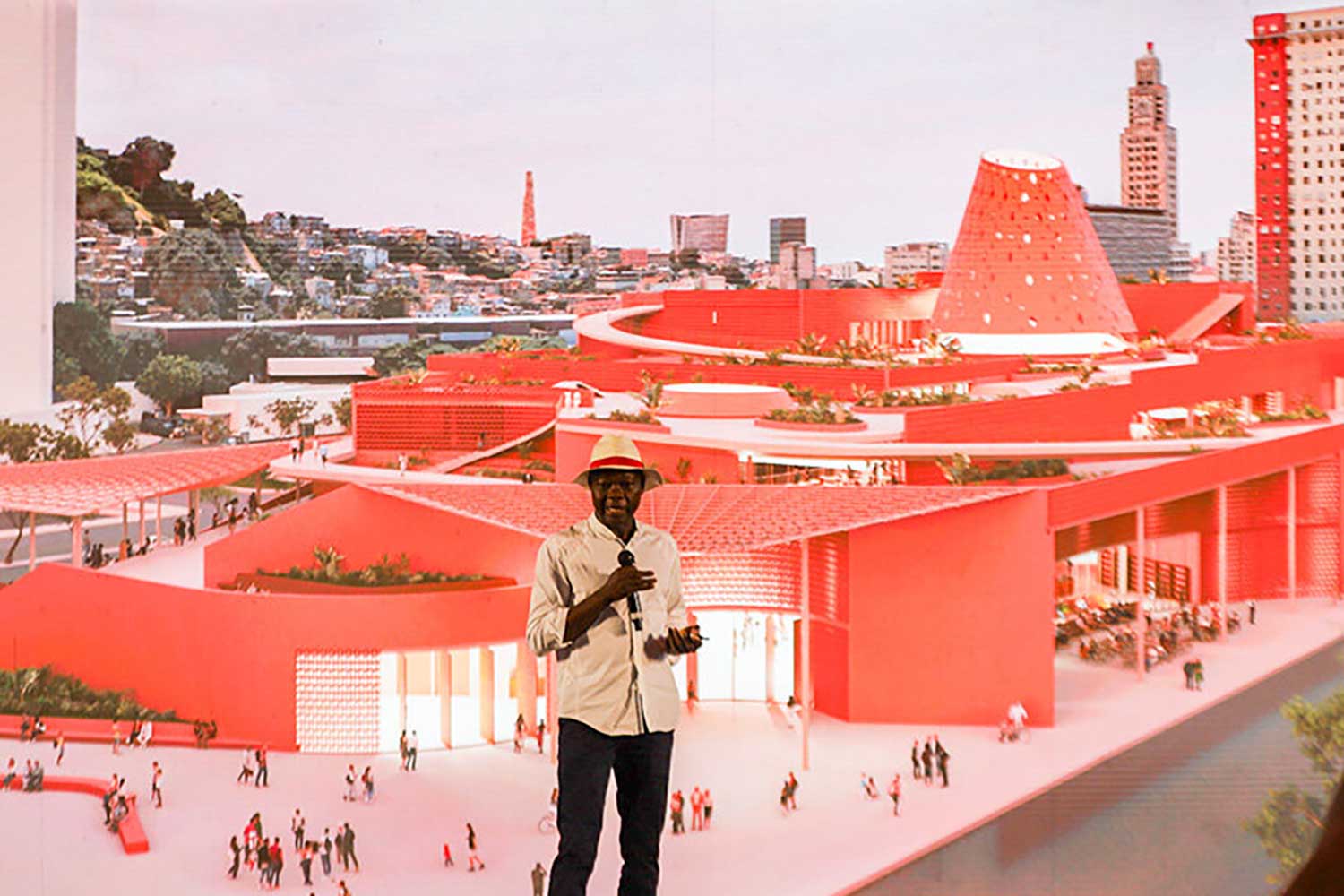
The Berlin-based firm, which was founded by Francis Kéré in 2005, has always had a focus on architecture fuelled by social commitment. Biblioteca dos Saberes is an embodiment of this, encompassing design and knowledge sharing. A core focus of the building’s design is ‘the tree of knowledge’, which comprises a vertical cylinder inspired by trees native to the Tijuca Forest. Complementing these references to Brazil’s natural landscape, Kéré also nods to his hometown of Gando in Burkina Faso, where trees act as gathering places. The building is rooted in creating pockets of shared spaces across its three stories, from its reading rooms and exhibition spaces, to an auditorium and a café. The building’s façade is perforated, creating shade from the sun, as well as cooling ventilation. There are open-air areas, courtyards, a canopied amphitheatre, a café, and a rooftop garden. A pedestrian bridge will connect the library to a monument to the anti-slavery resistance leader Zumbi dos Palmares. The library is nestled within a site of layered cultural history. It replaces the former Praça Onze (Brazil’s first samba school ), and is adjacent to Oscar Niemeyer’s Sambódromo. The project is designed to act as a meeting point for different communities and reflects upon Kéré’s experience of building in Africa. An aim is to reimagine the Atlantic ‘not as a divide but as a river of shared heritage linking Brazil and Africa, shaping a library and cultural hub designed to inspire and serve generations to come.’Says Kéré: ‘The Biblioteca dos Saberes is a celebration of the beautiful city of Rio de Janeiro. I love its rhythm, its voices, its spirit flowing through the streets and along the waves of the Atlantic. This library grows from the city’s history and wisdom, from samba that moves the body to the poetry that moves the heart. It is a home for knowledge that belongs to everyone, a place where past and future meet beneath one roof, open to the city and to the sea that carries its stories to the world.’
project info:
name: Biblioteca dos Saberes (The House of Wisdom)
architect: Kéré Architecture | @kerearchitecture
location: Cidade Nova, Rio de Janeiro, Brazil
size: 40,000 square meters
client: Rio de Janeiro City Hall
lead architect: Francis Kéré
design team: Mariona Maeso Deitg, Juan Carlos Zapata
contributors: Nik Bürk, Teresa del Arenal, Alice Furlanetto, Pierre Jules Gagnière, Federico Lenghi, Andrea Maretto, Pablo Sanchez Sanus, Yannick Schütte, Zeno Wolfsteiner
مطالب مرتبط