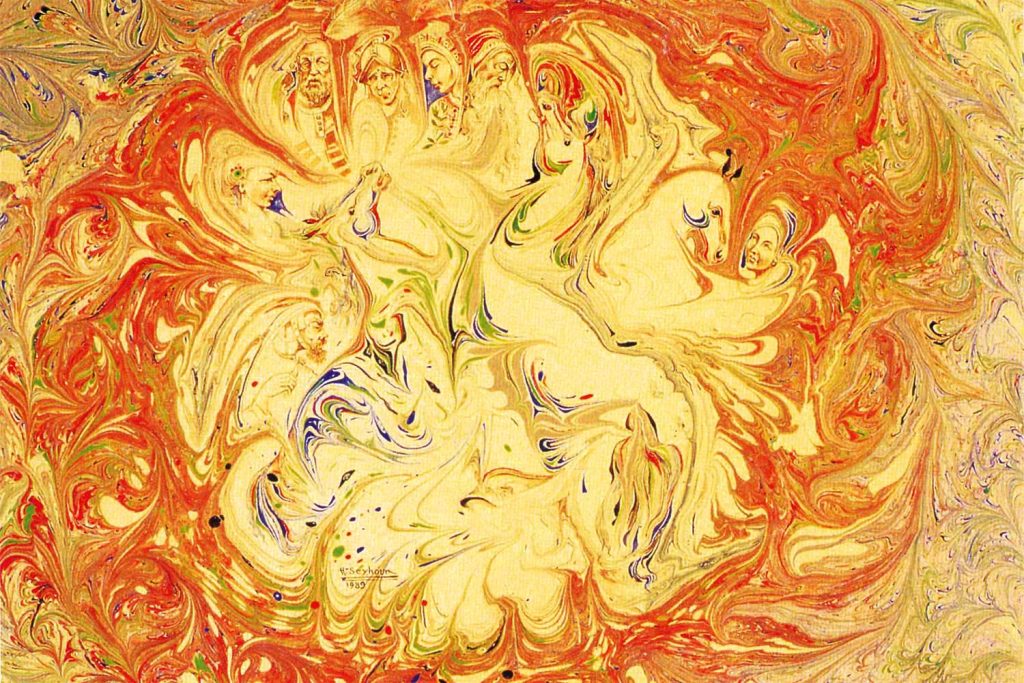
 نقاشیهای گواش و بشقابهای سرامیکی، هوشنگ سیحون
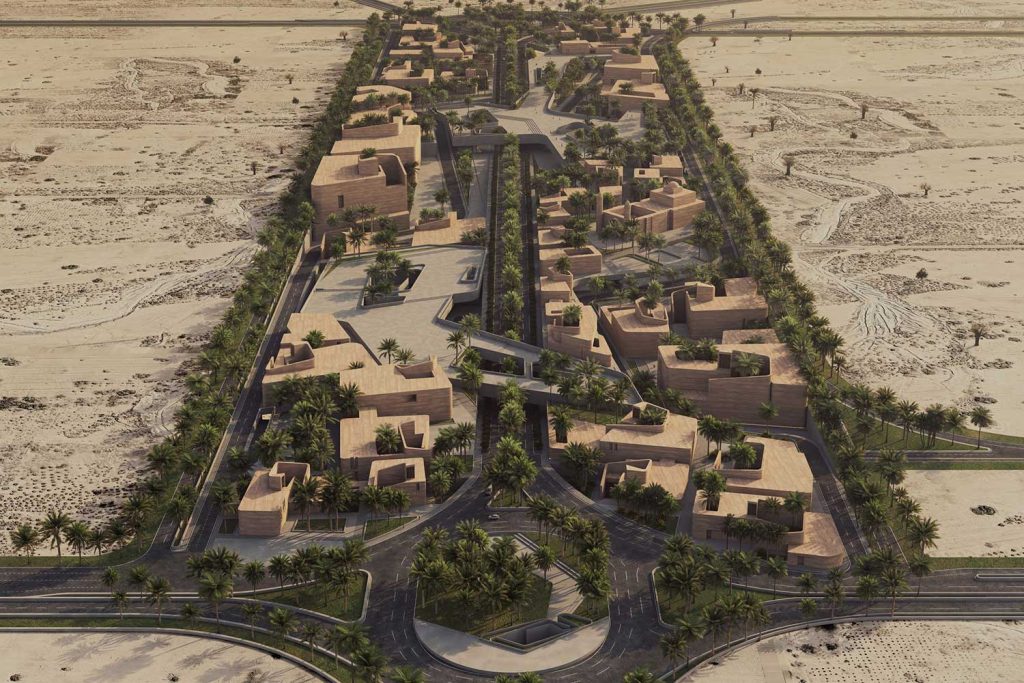 مهندسین مشاوره ایده و اجرا، رتبهی اول فستیوال جهانی معماری معاصر(WAF)، 2025
سخنرانی رضا دانشمیر در دانشگاه SCI-Arc آمریکا: فضاهای غیرقابلپیشبینی
مدیرعامل Fluid Motion Architects (FMA)
تالار سخنرانی W.M. Keck در تاریخ ۱۹ نوامبر ۲۰۲۵، ساعت ۶ عصر
Reza Daneshmir’s Lecture at SCI-Arc: Unpredictable Spaces
CEO of Fluid Motion Architects (FMA)
W.M. Keck Lecture Hall
November 19, 2025 at 6:00pm
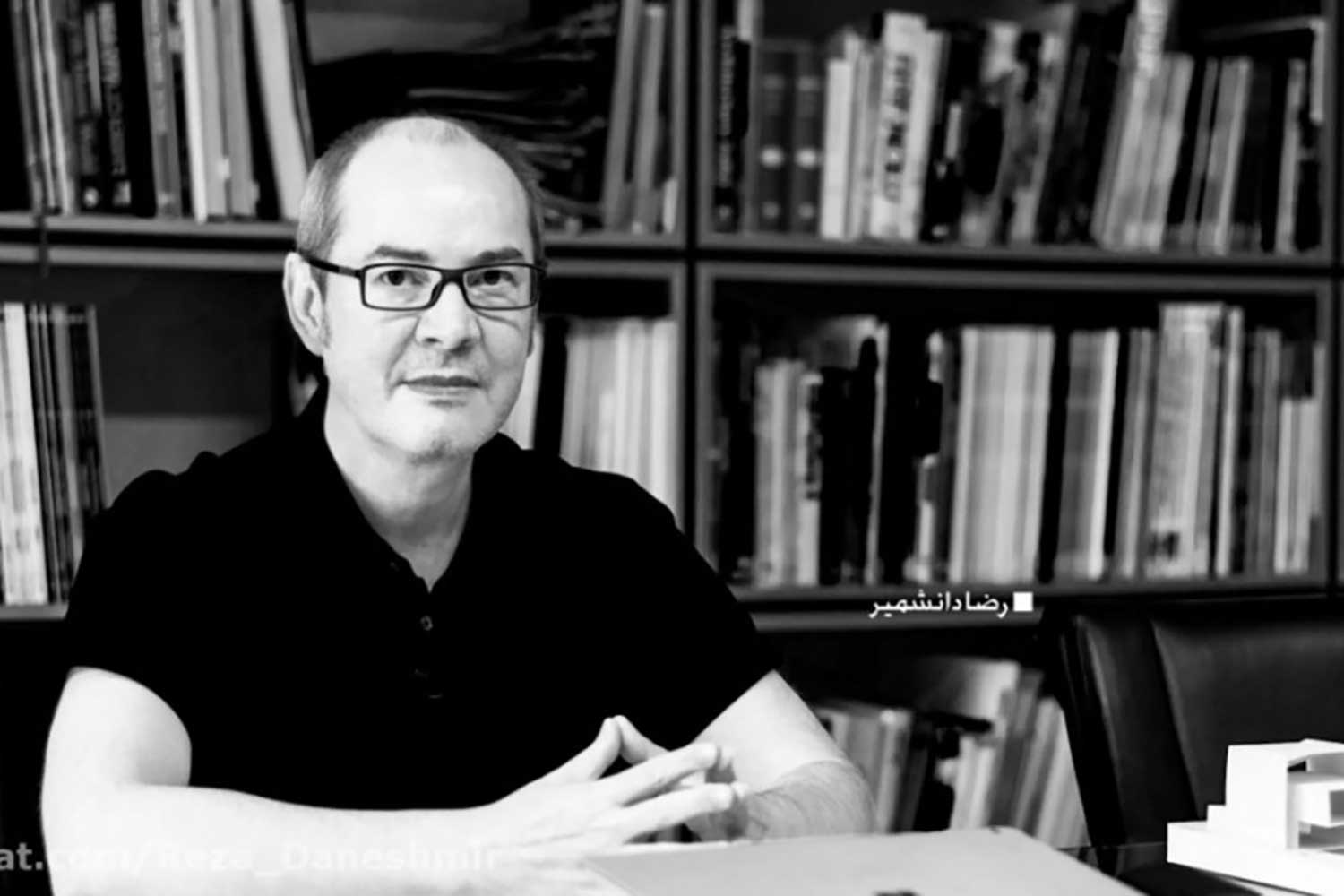
رضا دانشمیر فضاهای غیرقابلپیشبینی
در میان دگرگونی بیوقفهی تهران، رضا دانشمیر یکی از معمارانی است که توانسته از دل این آشوب شهری، زبانی ویژه برای معماری معاصر ایران بسازد. مسیر او از نقاشی و موسیقی آغاز شد و در بازآفرینی گالری آوه شکل حرفهای گرفت؛ تجربهای که نگاه او به معماری را بهعنوان صحنهای زنده و پویا تثبیت کرد. با بیش از ۱۵۰ پروژهی فرهنگی و عمومی، از پردیس ملت تا مسجد ولیعصر، دانشمیر نقشی مهم در تعریف فضاهای جمعی شهر داشته است. آثار او بارها در نشریات جهانی بازتاب یافته و روایت معماریاش در قالب فیلم نیز مستند شده است. در اندیشهی او، جذابیت کلانشهرها در پیشبینیناپذیری آنهاست؛ در لایهلایه شدن عناصر، در تنشها و برخوردهای تصادفی، و در توالیهای فضایی تازهای که هر روز پدید میآیند. او این کیفیت شهری را به پروژههای خود وارد میکند تا معماری نه فقط پاسخ به عملکرد، بلکه خلق موقعیتهای نو و تجربههای غیرمنتظره باشد. سخنرانی او با عنوان «فضاهای غیرقابلپیشبینی» بازتاب همان نگاه است: تلاشی برای فهمیدن و ساختن فضایی که زندگی را فقط قاب نمیگیرد، بلکه آن را دگرگون میکند.
رضا دانشمیر، متولد ۱۹۶۵، به همراه کاترین اسپیریدونوف دفتر معماری Fluid Motion Architects را بنیان گذاشت. او در دوران تحصیل معماری، نقاشی و موسیقی را نیز دنبال کرد و در ۸ نمایشگاه انفرادی و گروهی در گالریها و موزههای معتبر تهران شرکت داشته است. در سال ۲۰۰۰ فعالیت حرفهای خود را با پروژهی گالری آوه آغاز کرد؛ پروژهای که شامل بازسازی یک استخر متروکه و تبدیل آن به گالری مبلمان و آثار هنری بود. او تاکنون طراحی بیش از ۱۵۰ پروژه معماری، با تمرکز بر پروژههای فرهنگی و عمومی، از جمله پردیس سینمایی ملت، مسجد ولیعصر و آوا پلت را در کارنامه دارد؛ آثاری که در سطح بینالمللی نیز شناخته شدهاند. برای او معماری همچون صحنهی تئاتری است که افراد از هر طبقهی اجتماعی میتوانند در آن حضور یابند و بر اساس سازماندهی فضایی خاص، نقش ایفا کنند و همزمان نظارهگر نقشهای دیگر باشند. پرسش انتقادی او این است که چگونه میتوان این فضاها را در کنار عملکرد ذاتی هر بنا سازماندهی کرد. آثار او بارها در نشریات معتبر داخلی و بینالمللی بررسی و منتشر شدهاند؛ از جمله گاردین (لندن، ۲۰۱۷)، اکسپرس (پاریس، ۲۰۱۸)، Architectural Guide Iran (۲۰۱۷) و Architectural Design London – Iran, Past, Present and Future (۲۰۱۲). همچنین در سال ۲۰۱۸ Associated Press فیلم کوتاهی دربارهی او و کاترین منتشر کرد که به چالشهای پروژه مسجد ولیعصر میپرداخت. شیفتگی بنیادین نسبت به کلانشهرهای امروز، در توانایی آنها برای خلق موقعیتهای غیرمنتظره نهفته است. کلانشهرهای معاصر فراتر از فراهمکردن امکان همزیستی انسانها، بهواسطهی پیچیدگی فضاییشان تعریف میشوند؛ پیچیدگیای که حاصل لایهلایه شدن عناصر متنوع و اغلب پیشبینیناپذیری است که مدام شرایط تازهای پدید میآورند. این امر بهویژه در شهرهای پویایی چون تهران مشهود است؛ جایی که تغییر و دگرگونی مداوم، تجربههای نو شهری را در هر گام رقم میزند. این توانایی در تولید توالیهای فضایی تازه، یکی از جذابترین ویژگیهای زندگی شهری است. این کیفیت از تنوع و ناهمگونی عناصر شهری، همنشینیهای اتفاقی آنها و تنشهای پویایی که میانشان شکل میگیرد، برمیخیزد. چنین وضعیتی امکان میدهد که از یک تجربه فضایی به تجربهای دیگر حرکت کنیم و حسی دوباره از آگاهی، کشف و بیداری را تجربه نماییم. ما نیز کوشیدهایم این کیفیتهای شهری را در پروژههای معماری خود دنبال کنیم؛ اینکه چگونه میتوان شرایط فضایی غیرمنتظره را پرورش داد. این لحظههای شگفتی لزوماً از دل برنامه اولیه کارفرما پدید نمیآیند؛ بلکه وقتی حاصل میشوند که برنامهی ابتدایی را بازخوانی کرده و آن را به سطحی تازه و مفهومی ارتقا دهیم.
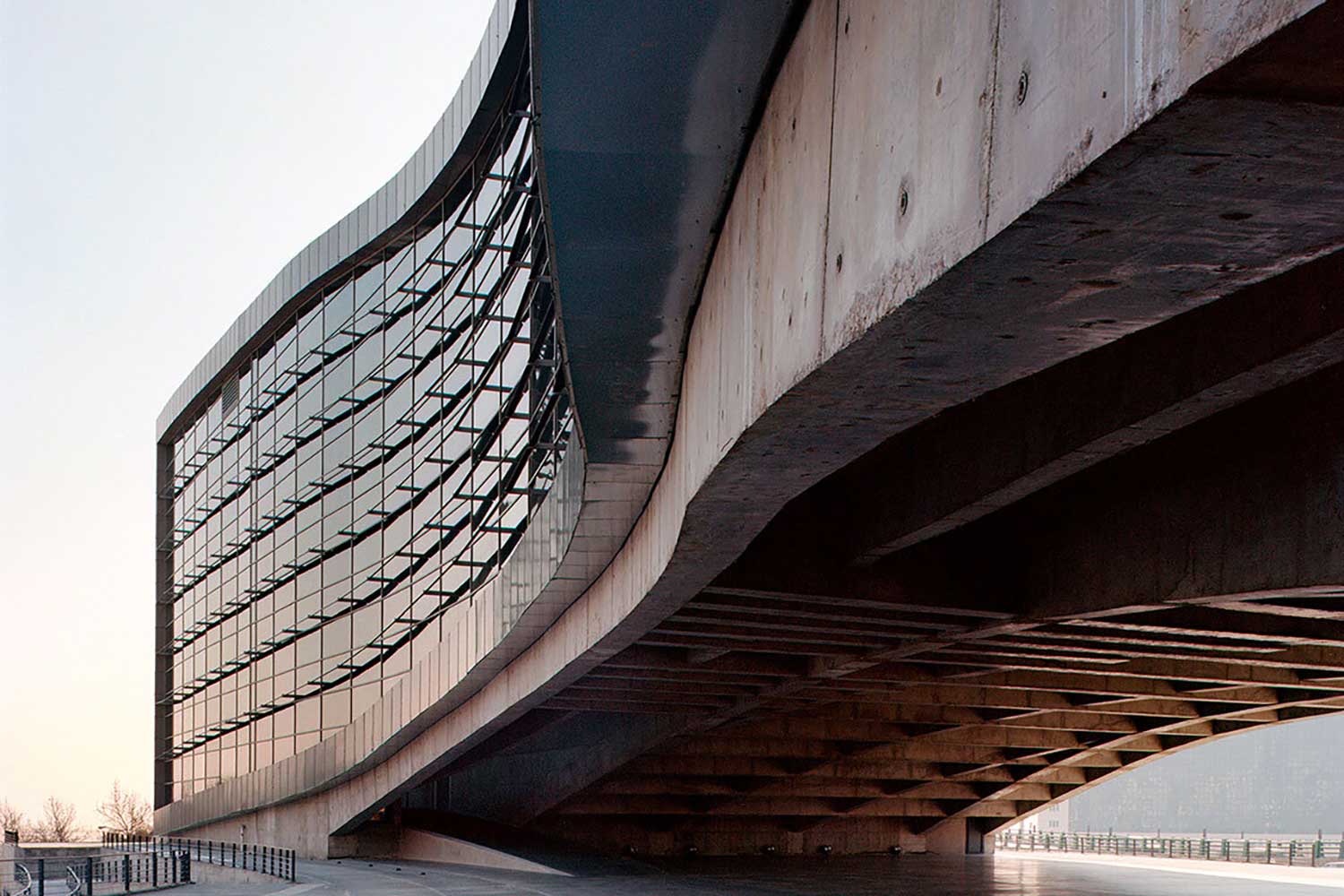
Reza Daneshmir: Unpredictable Spaces
Amid the constant transformations of Tehran, Reza Daneshmir stands as one of the architects who has shaped a distinctive language for contemporary Iranian architecture. His path began with painting and music and later took professional form through the revitalization of Ave Gallery—an experience that reinforced his vision of architecture as a living, dynamic stage. With more than 150 cultural and public projects, from Mellat Cineplex to the Vali-e Asr Mosque, Daneshmir has played a significant role in defining the city’s collective spaces. His works have been widely featured in international publications, and his architectural narrative has even been documented in film. For Daneshmir, the allure of the metropolis lies in its unpredictability—its layered elements, its tensions and accidental juxtapositions, and the ever-emerging sequences of space that appear day after day. He channels these urban qualities into his projects, treating architecture not merely as a response to function but as the creation of new situations and unexpected experiences. His lecture, titled “Unpredictable Spaces,” reflects this very perspective: an exploration into understanding and shaping spaces that do more than frame life—they transform it.
Reza Daneshmir, born in 1965, co-founded Fluid Motion Architects together with Catherine Spiridonoff. He also explored painting and music while studying architecture and had participated in 8 individual and group painting exhibitions over Tehran prominent galleries and museums. In 2000 he started his practice in architecture by Ave Gallery project. It was renovating an abandoned pool and transforming it to a furniture and artwork gallery. More than 150 architecture projects design focusing on cultural and public projects such as Mellat Cineplex, Vali-e Asr Mosque and Ava Platt are his significant and internationally recognized works. For him architecture is like a theatre that people of any social level could be present at it and based on a particular spatial organization, they play roles and simultaneously watch other plays. His critical thinking is to figure out how to organize these spaces in addition to every building’s functionality. His works are widely evaluated, studied and printed in local and international publications such as The Guardian London Edition (2017), l’express Paris Edition (2018), Architectural Guide, Iran (2017), Architectural Design London Edition “Iran, Past, Present and Future” (2012). In 2018 the Associated Press released a short film about Reza and Catherine that explores the challenging Vali-e Asr Mosque project. The fundamental fascination of metropolis today lies in their ability to generate unexpected situations. Beyond facilitating human coexistence, today’s metropolis is defined by their spatial complexity, shaped by a diverse and often unpredictable layering of elements that continuously produce novel conditions. This is especially true in vibrant cities like Tehran, where constant transformation and reconfiguration give rise to fresh urban experiences at every turn. This capacity for the new spatial sequences, is one of the most attractive features of urban life. It emerges from the diversity and heterogeneity of urban elements, their chance juxtapositions, and the dynamic tensions created between them. These qualities allow us to move fluidly from one spatial experience to another, evoking a renewed sense of awareness and discovery. We have been keen to pursue these urban qualities into our own architectural projects, exploring how to cultivate unexpected spatial conditions. These moments of surprise are not always dictated by the client’s original brief; rather, they emerge when we reframe the initial program and elevate it to a new conceptual level.
لینک مقاله در سایت دانشگاه: www.sciarc.edu
لینک ویدیو یوتیوب: ww.youtube.com/results?search_qhttps://wuehry=reza+danesmir
مطالب مرتبط