 خانهی پیرامون خور اثر مجتبی هوشنگیان شیرازی، فینالیست و راه یافته به مرحلهی دفاع از آثار هشتمین ساختمان سال ایران بخش ویلایی و دوازدهمین طراحی داخلی ایران بخش ویلایی، 1403
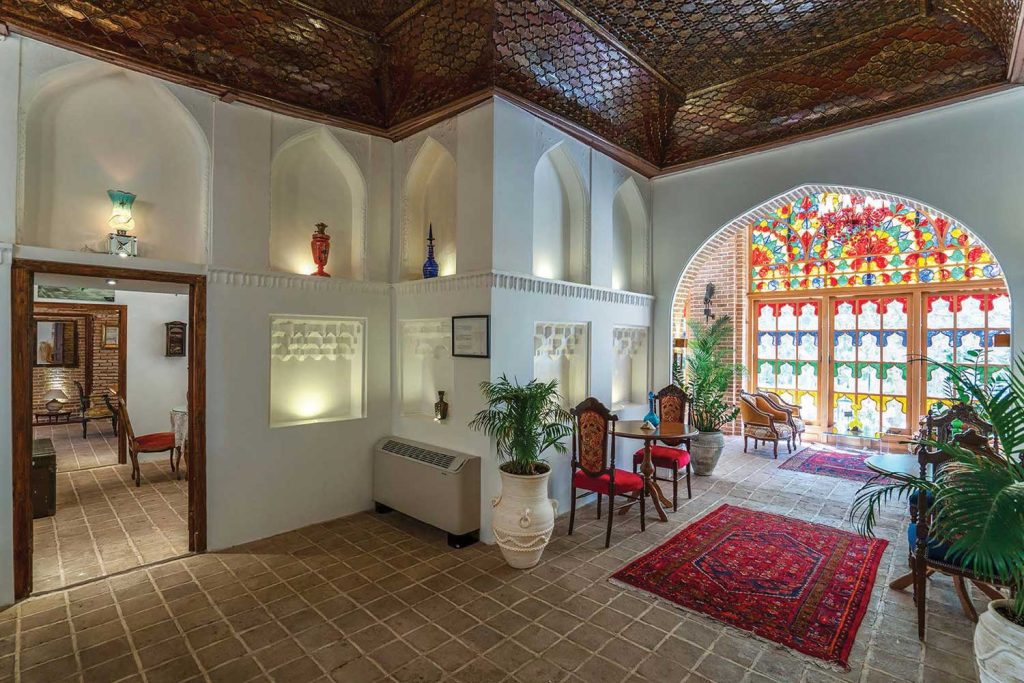 عمارت ارثیه اثر علی موذن، درخشش هنرمندان ایران در عرصه های بینالمللی، برندهی جایزهی بینالمللی A'Design Award, 2025
ساختمان مسکونی گوشه اثر رضا عبادی
چهارمین شب معماران، فینالیست و راه یافته به مرحلهی دفاع از آثار هشتمین ساختمان سال ایران بخش آپارتمانی، 1403
Goosheh Residential Building / Reza Ebadi
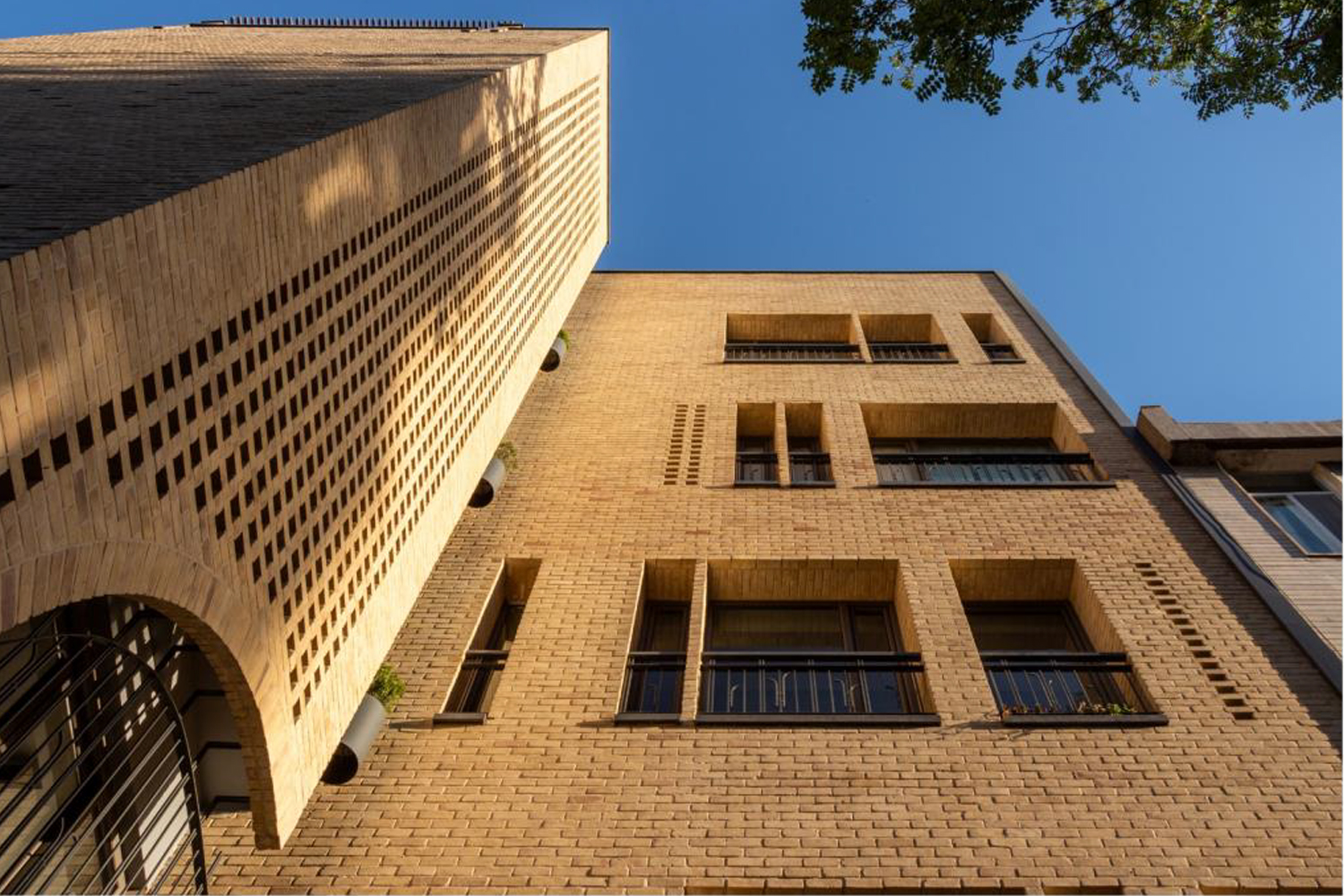
ساختمان مسکونی گوشه
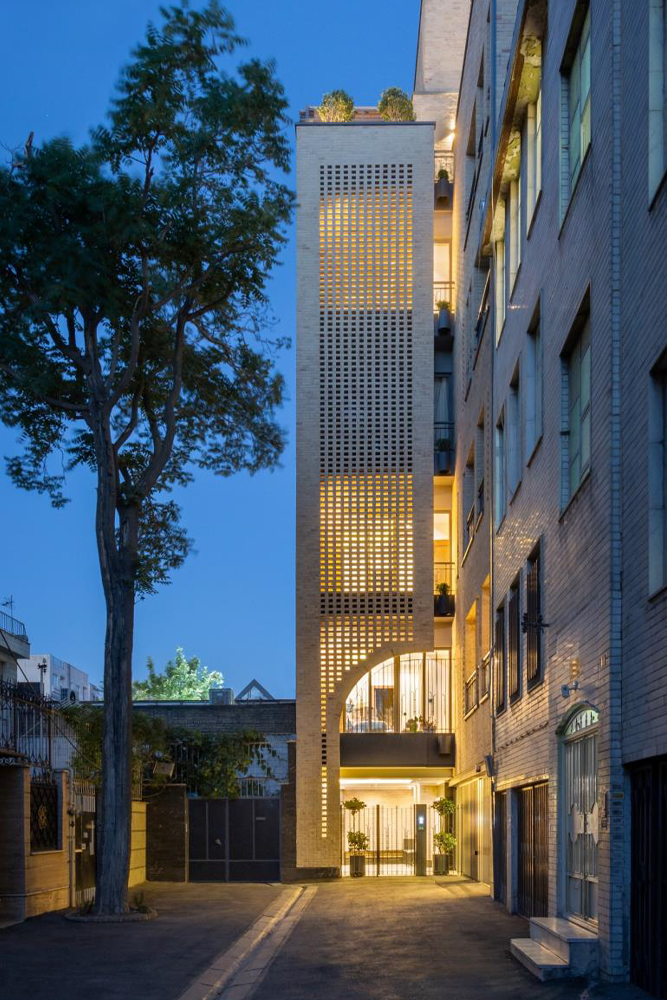
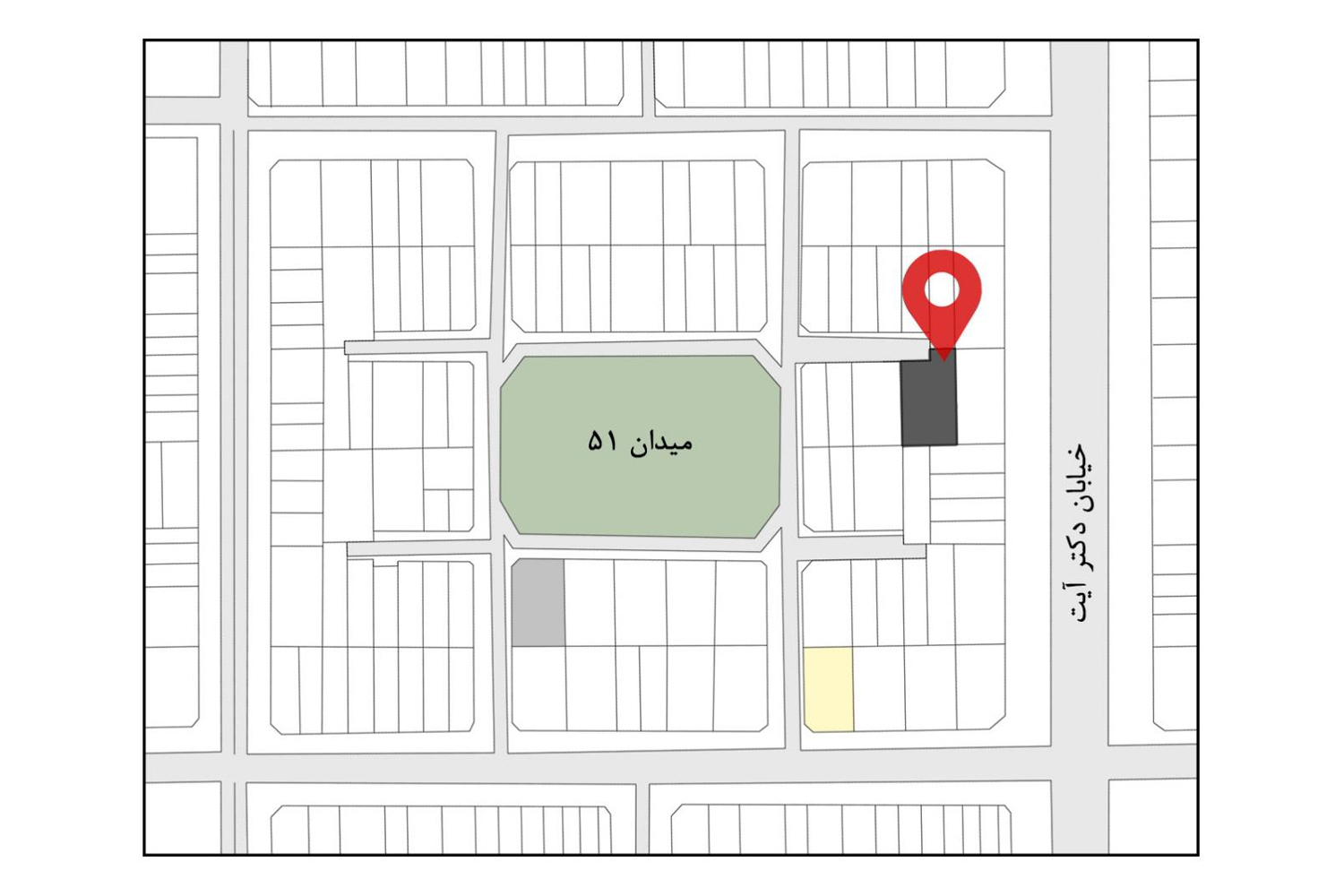
زمین پروژه زمینی تودلی یا به اصطلاح پشت قواره می باشد، که در انتهای یک کوچه بن بست قرار دارد، کوچه ای که در آن سوی خود به میدانی سرسبز (میدان 51 نارمک) منتهی می شود.
این گونه زمین ها بواسطه ی بَر کم و قرار گیری در پشت زمین های دیگر معمولا ارزش کمتری نسبت به همسایگان خود دارند، از طرفی به خواست کارفرما برنامه فیزیکی پروژه چهار واحد 240 متری برای این پروژه تعریف شد، واحد مسکونی چهارخوابه با مساحت عنوان شده، واحد بزرگی نسبت به متوسط متراژ منطقه می باشد که معمولا مشتریان خاص خود را دارند.
شرایط قرارگیری زمین از طرفی و بزرگ بودن نسبی واحد ها، دوگانه ای بود که از ابتدا چالش اصلی طراحی مطرح شد.
ما به دنبال راهی برای حل این تناقض بودیم، اینکه با چه راهکاری می توان در چنین زمینی ارزش افزوده ای نسبی ایجاد کرد و محدودیت های زمین با بر کم در جداره شهری را، به ساختمانی با حضور پررنگ تر در انتهای کوچه بن بست تبدیل کرد.
یکی از عوامل تاثیر گذار در طراحی این ساختمان، همسایگی قدیمی در ضلع جنوب شرقی این میدان بود که ساختمانی آجری دو طبقه با معماری ارزشمند از دهه های گذشته است که همچنین به صورت مستقیم درپروژه قبلی این دفتر که در این میدان قرار دارد نیز نقش مهمی داشت که از ابتدا مورد توجه طراح و کارفرمای این پروژه قرار گرفته بود. ترکیب ساده حجم های آجری و حیاطی در میانه این ساختمان …..
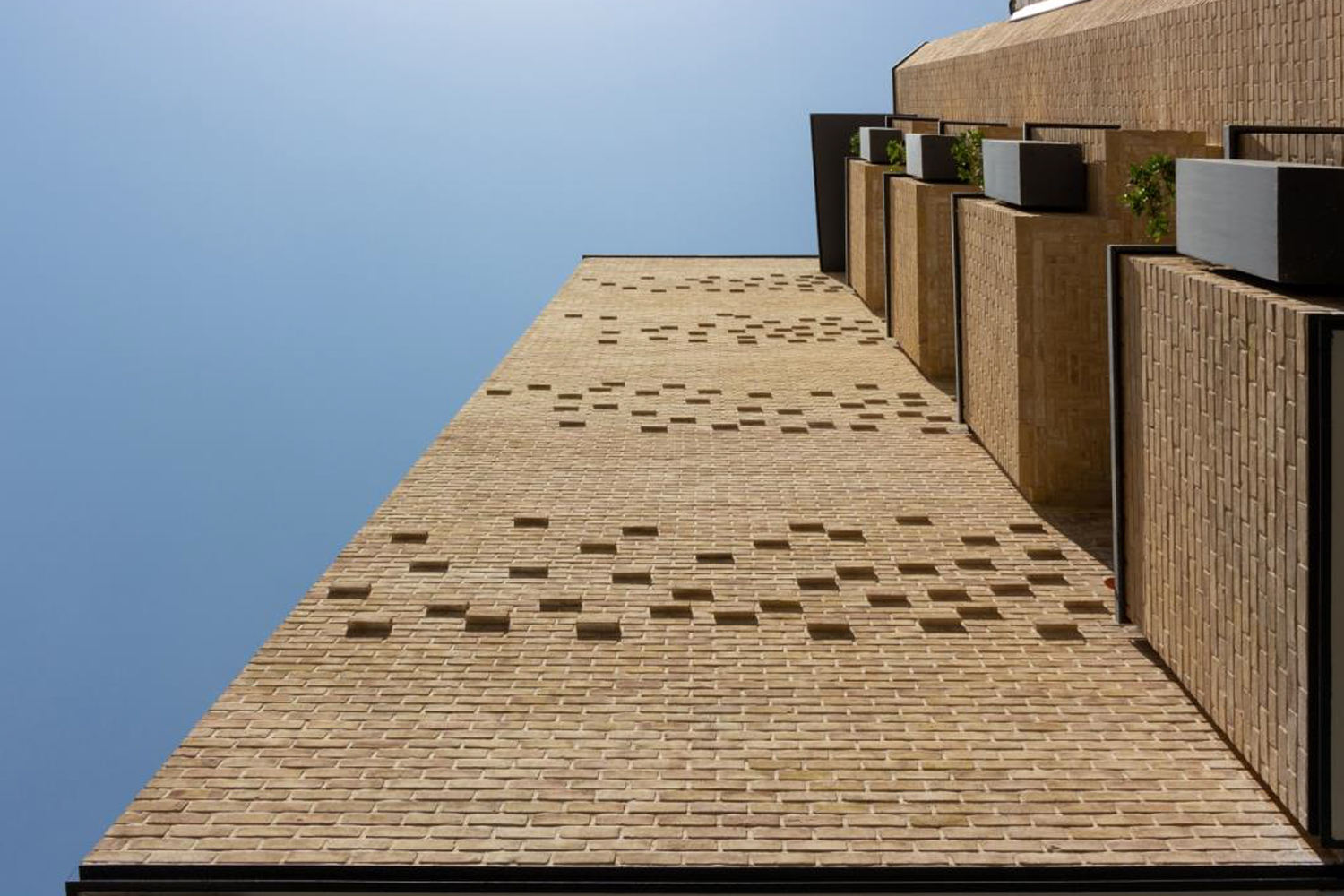
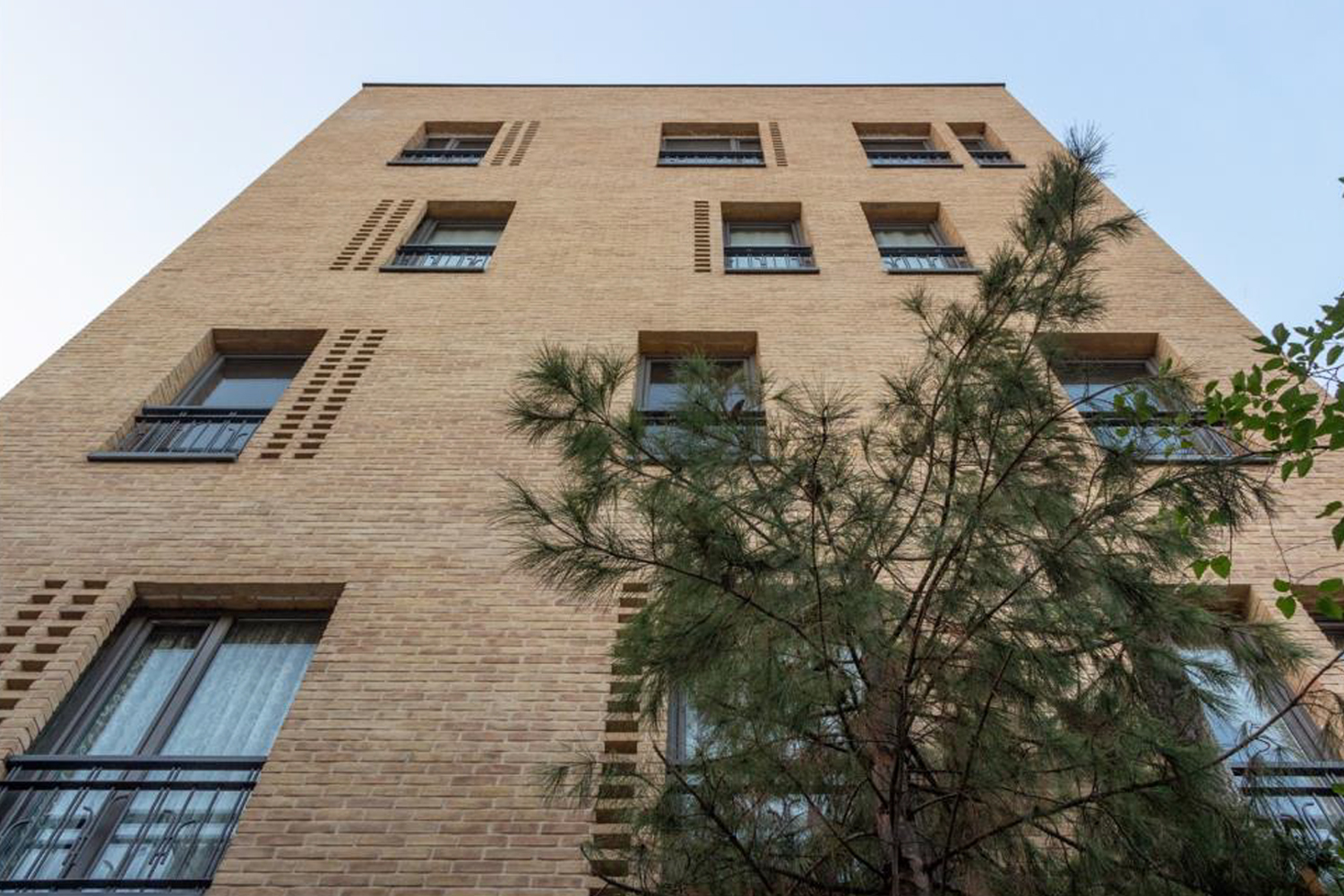
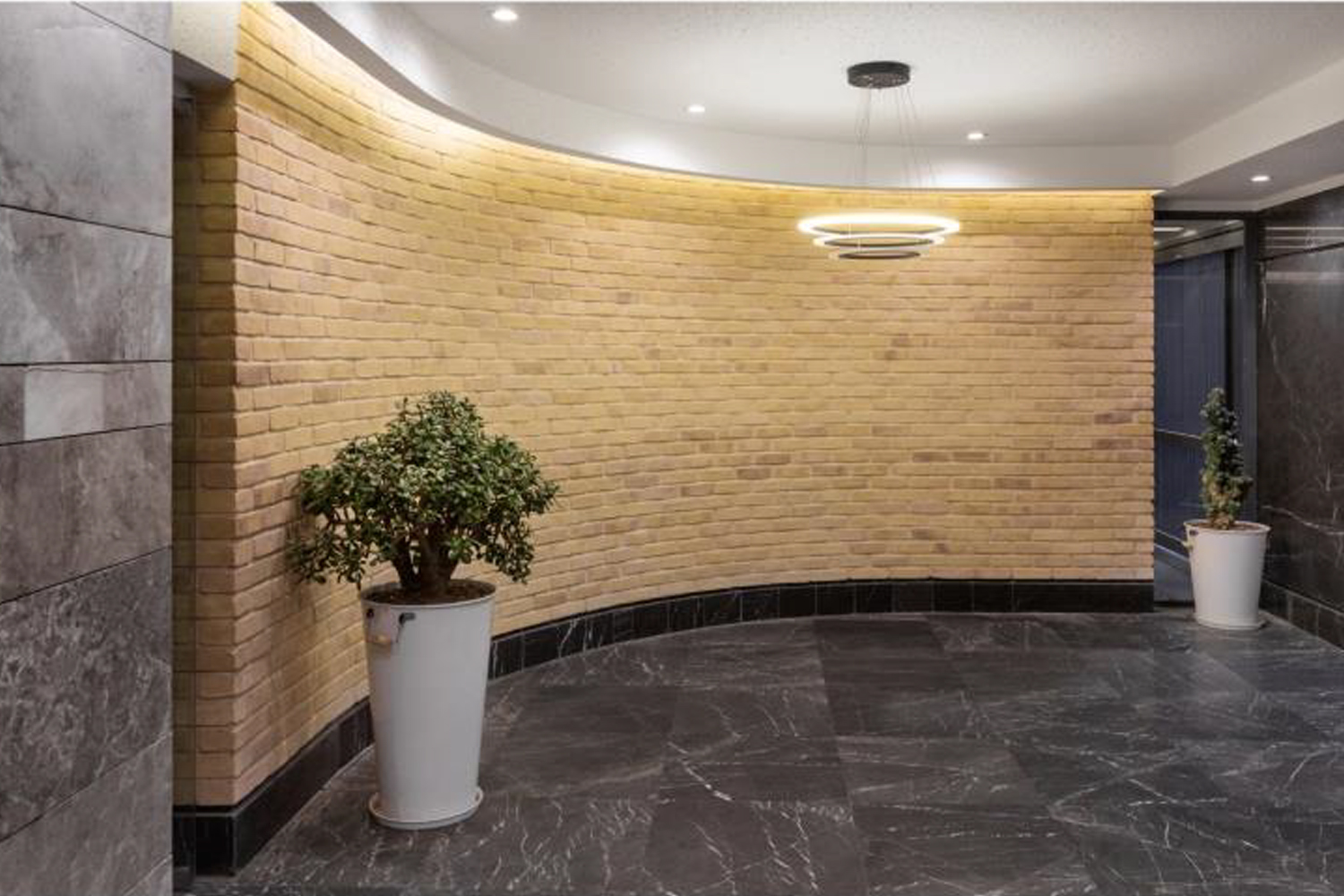
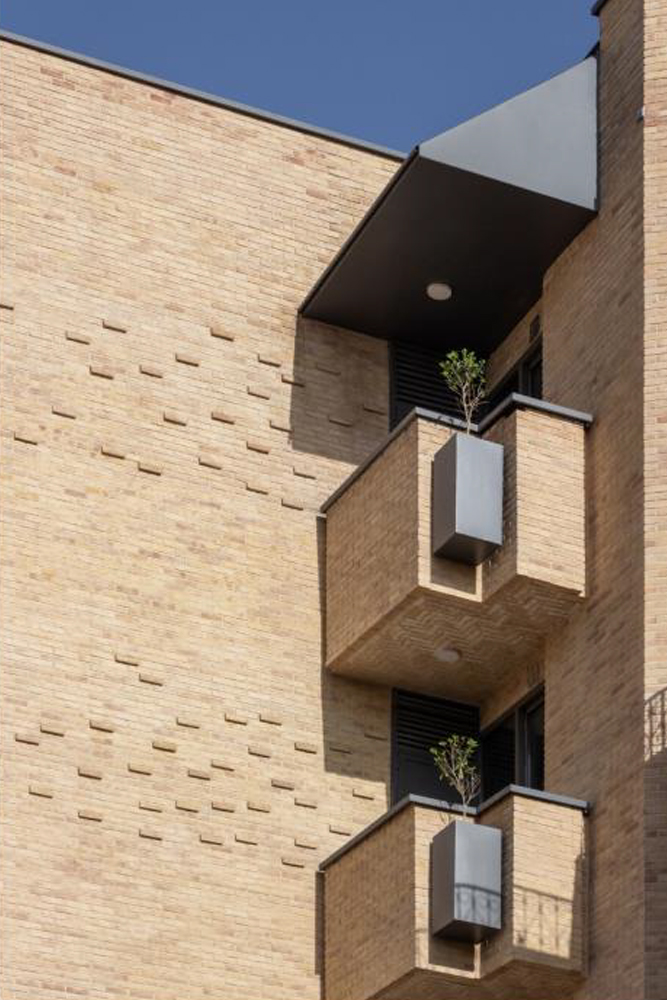
انتخاب آجر به عنوان پوشش نهایی تجربه ای بود در راستای پروژه قبلی ما در این میدان و رابطه ما با این همسایه قدیمی.
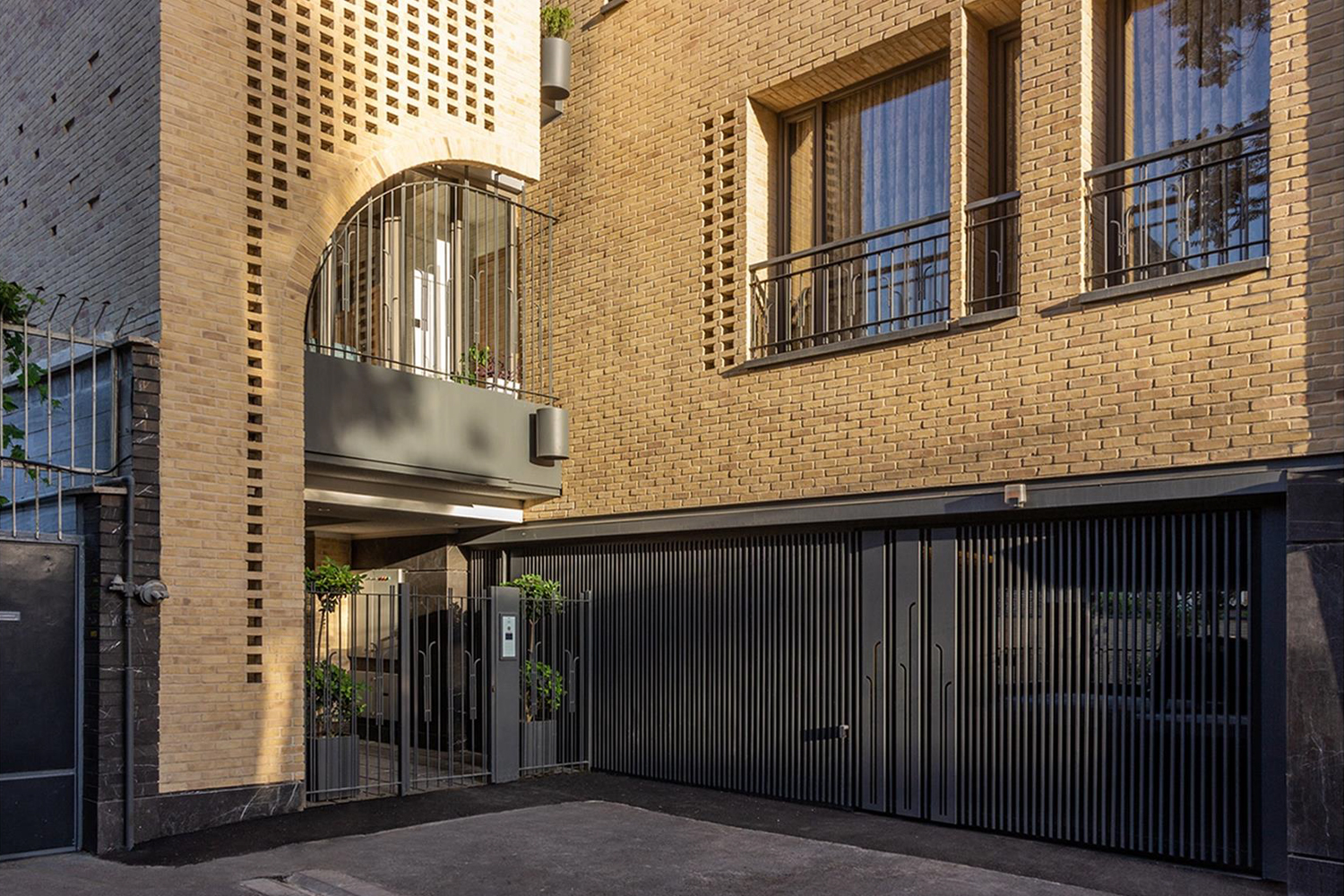
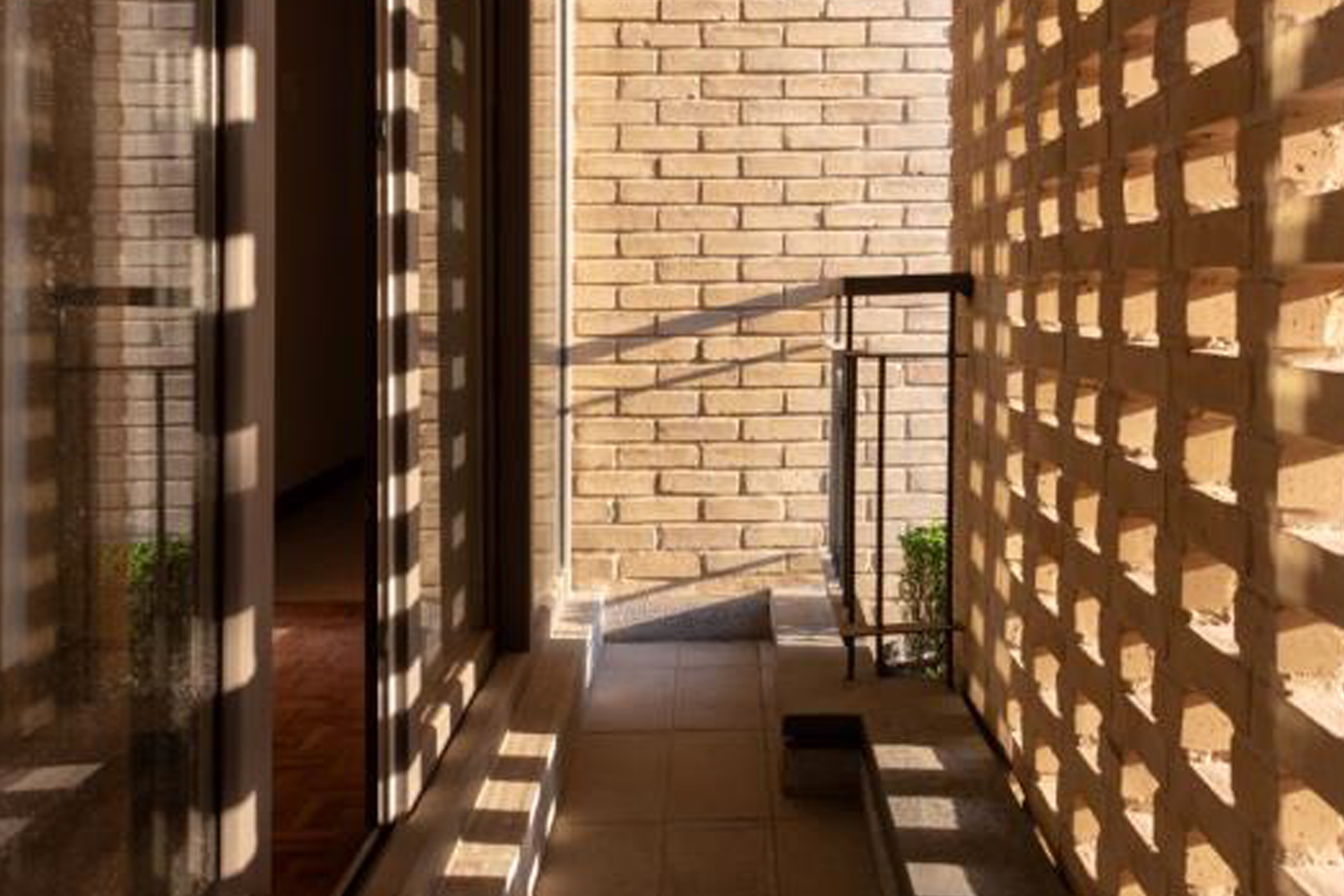
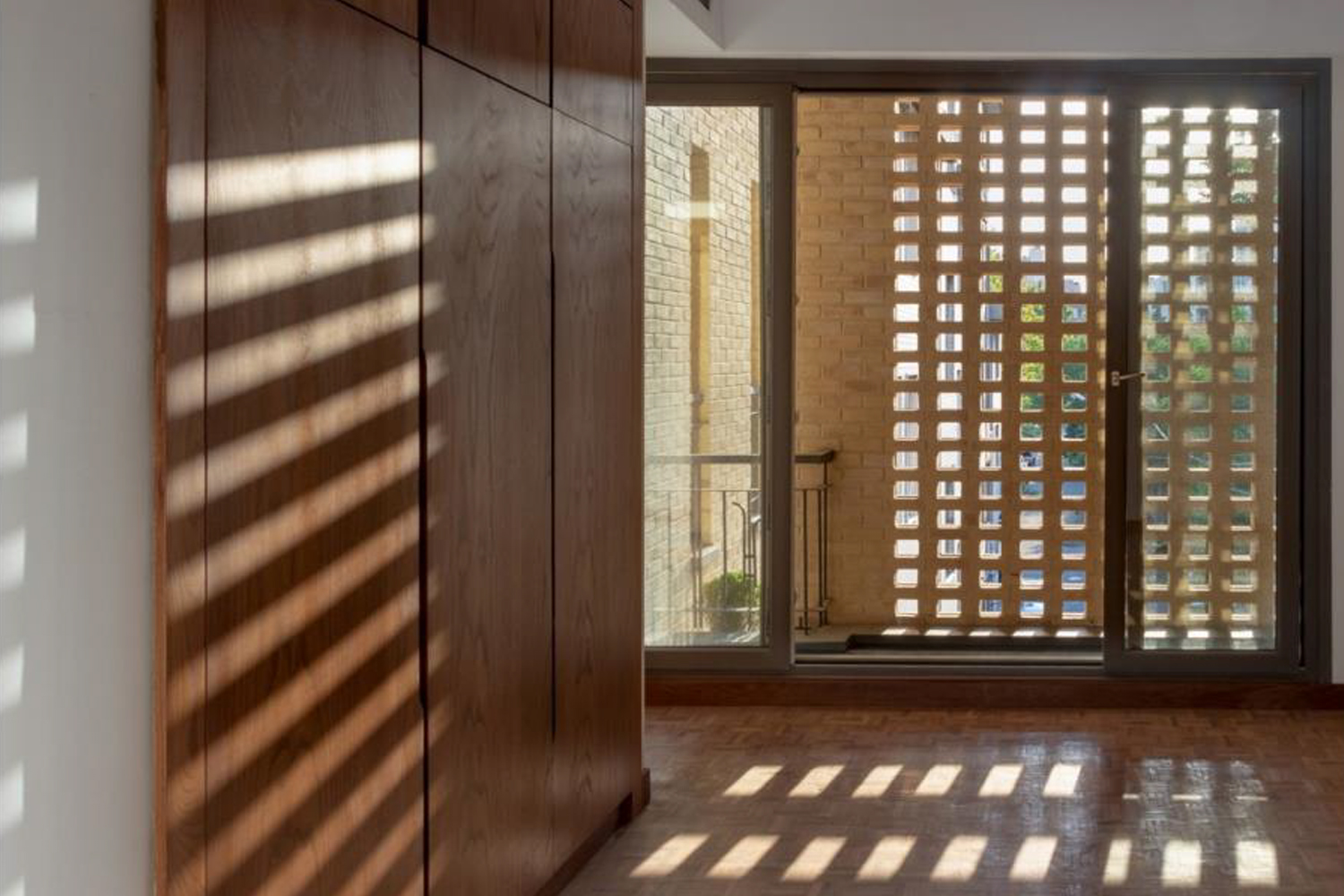
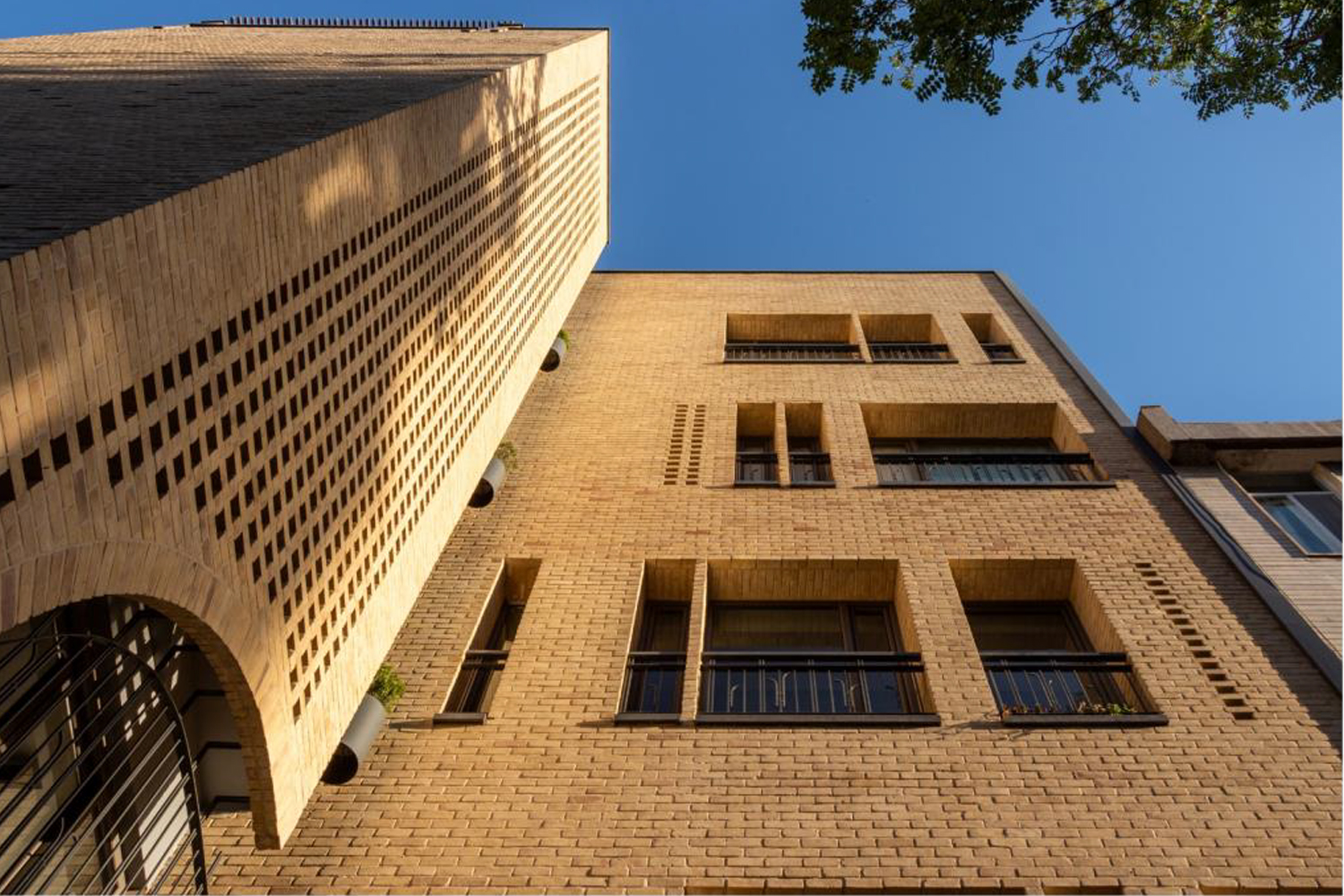
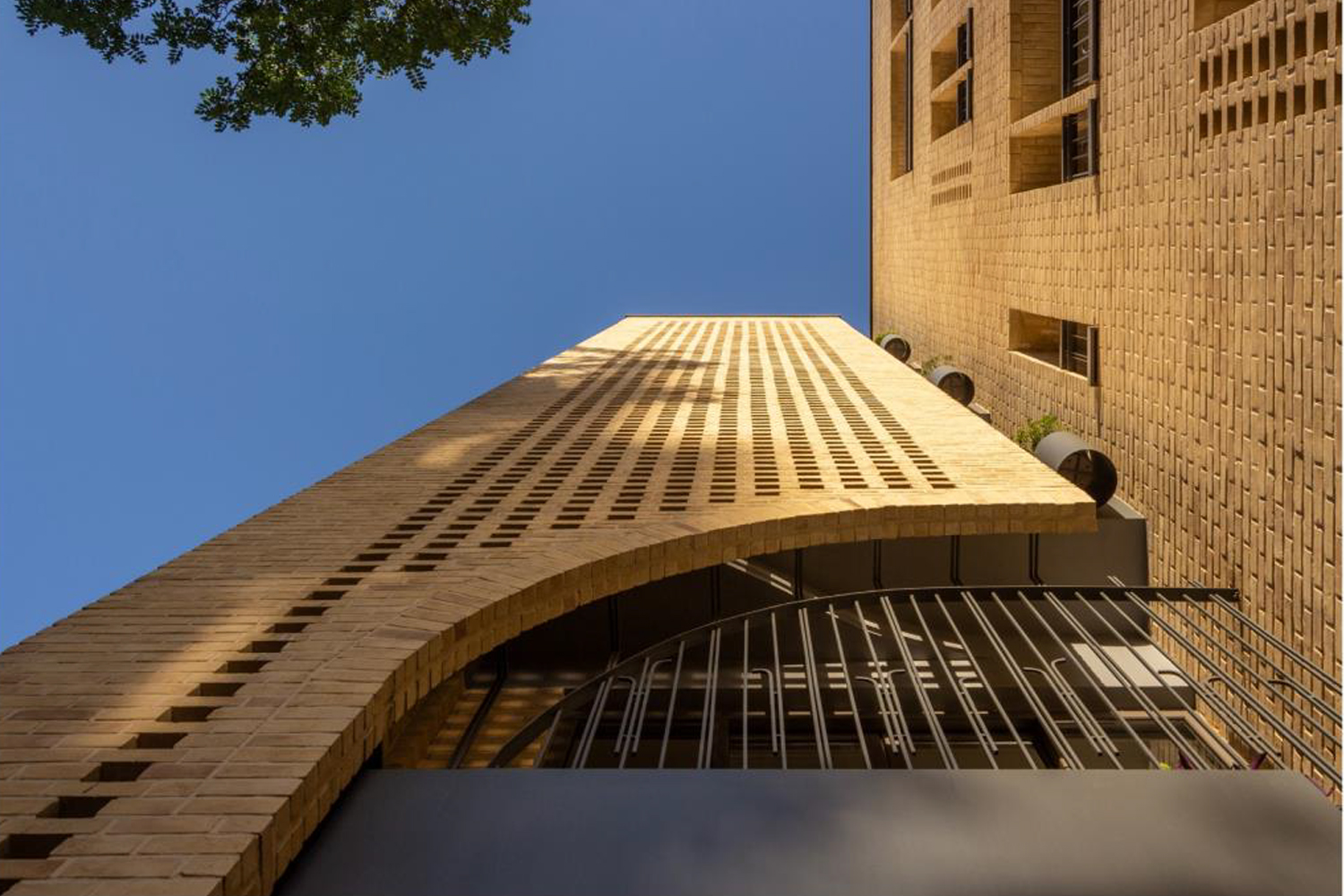
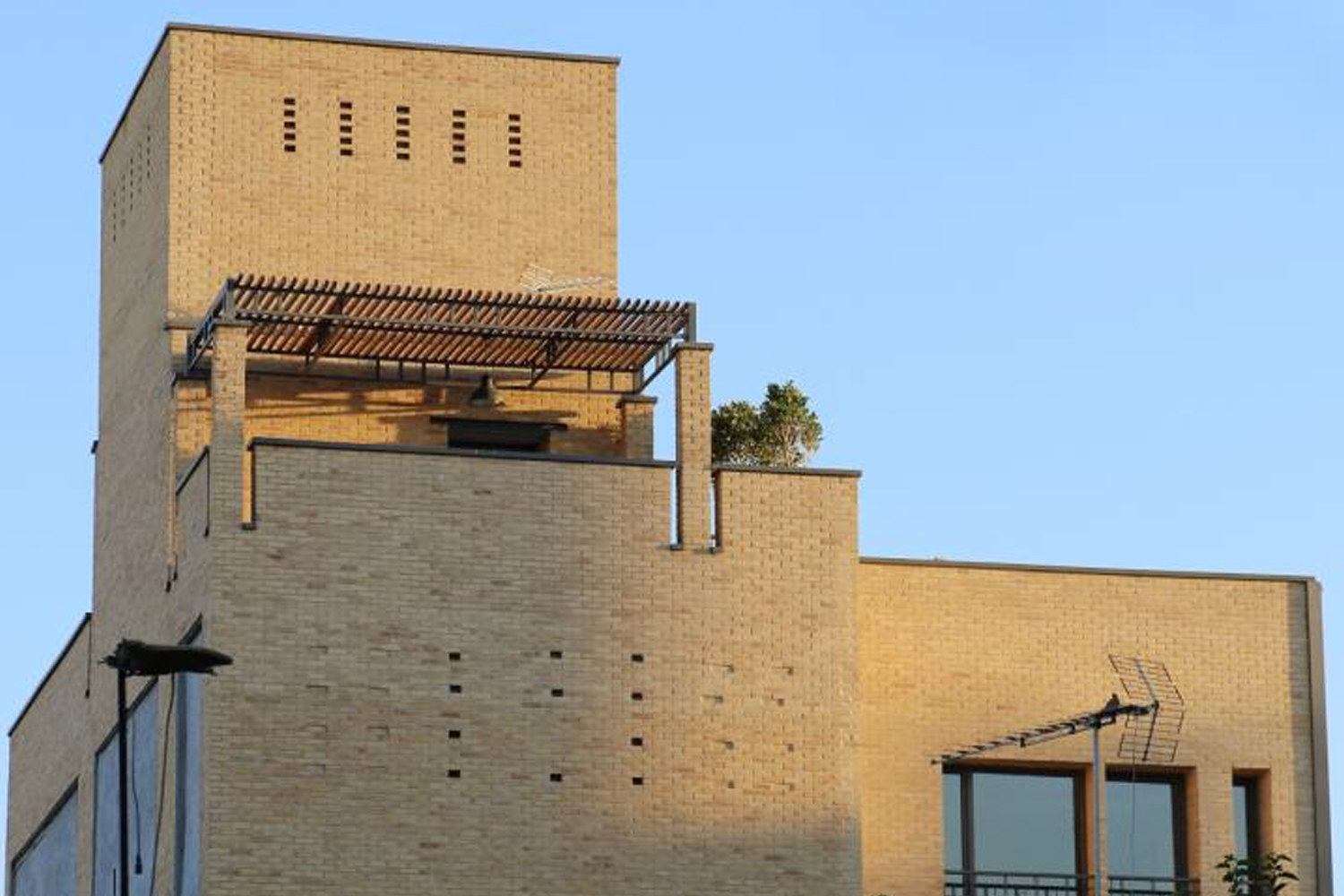
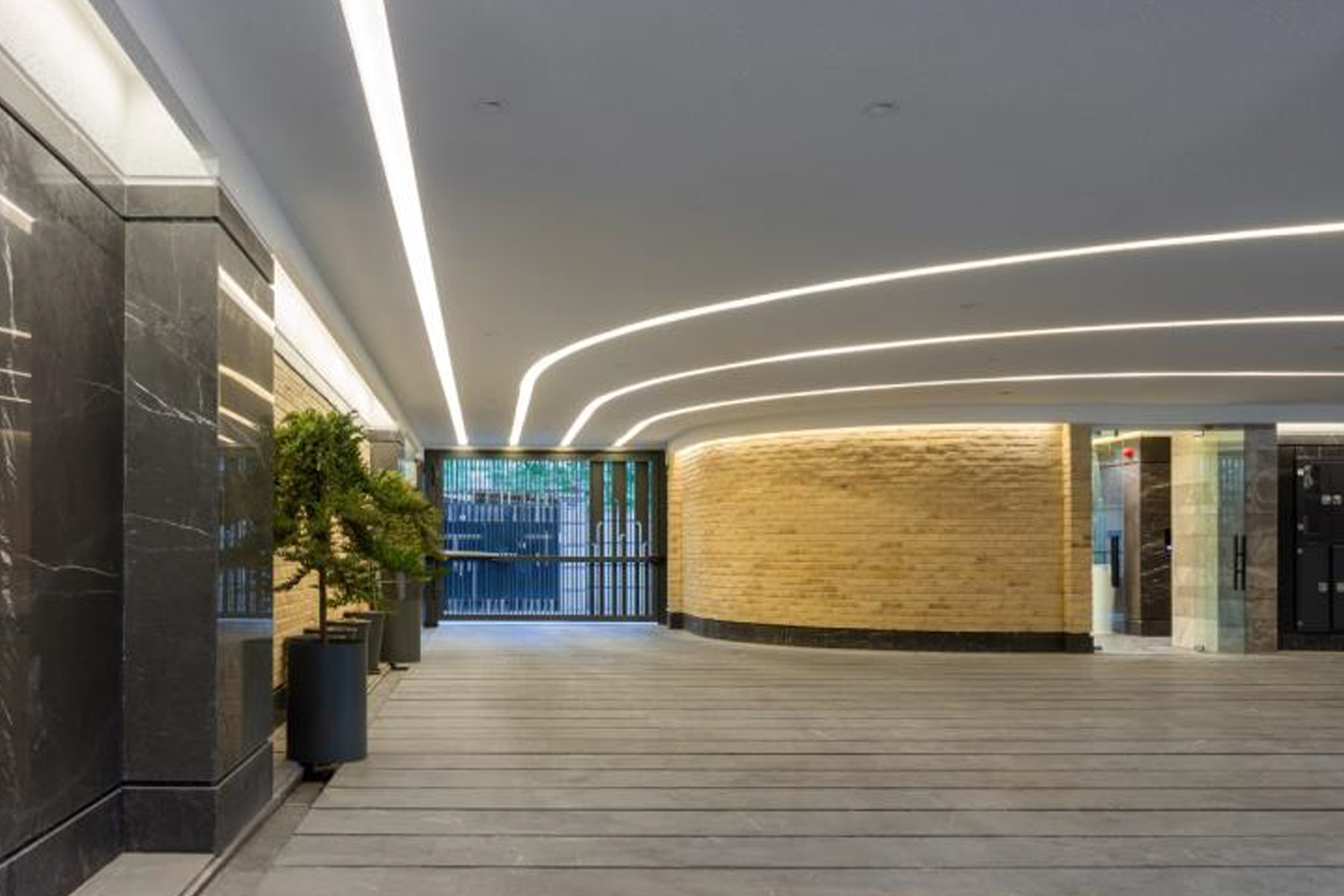
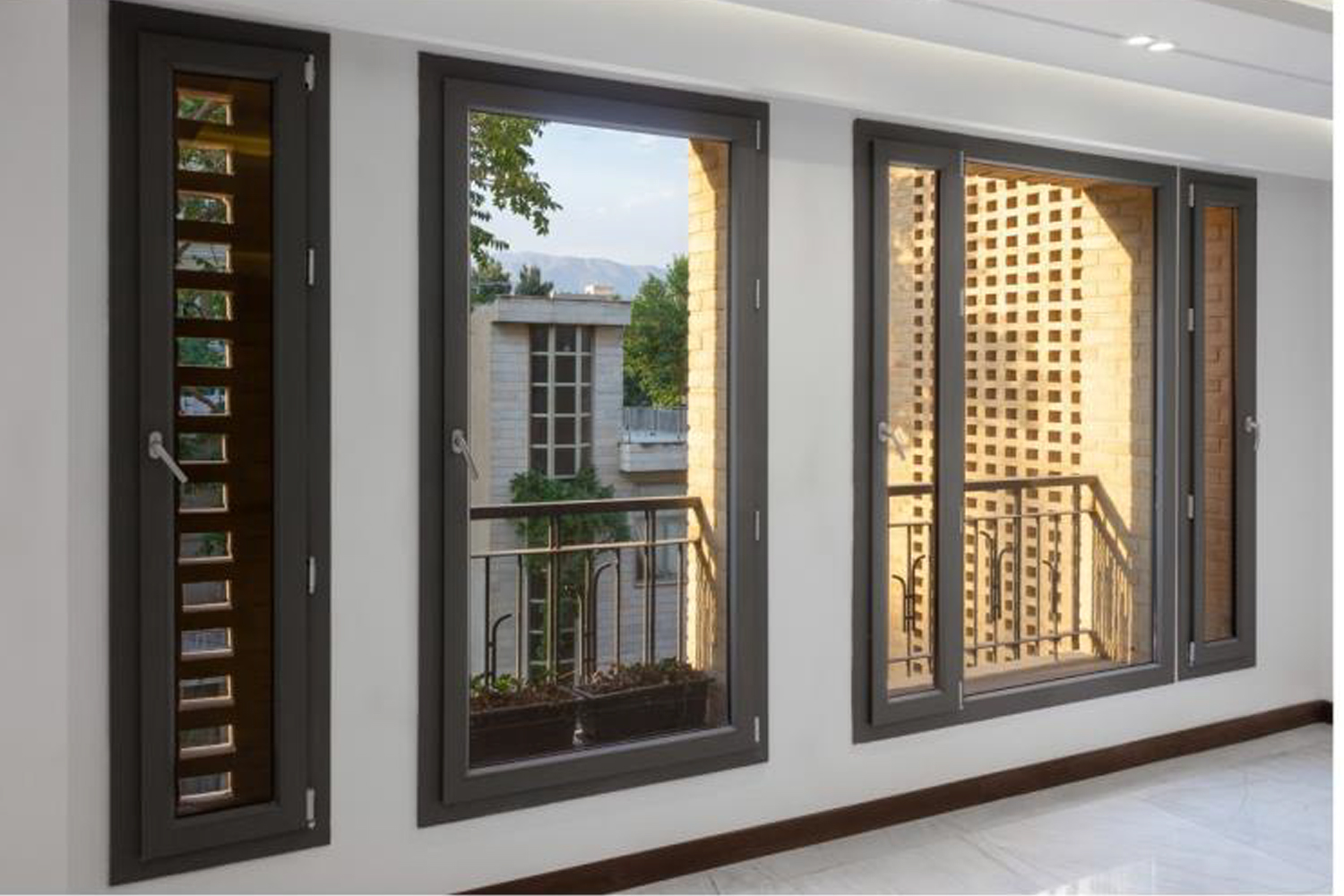
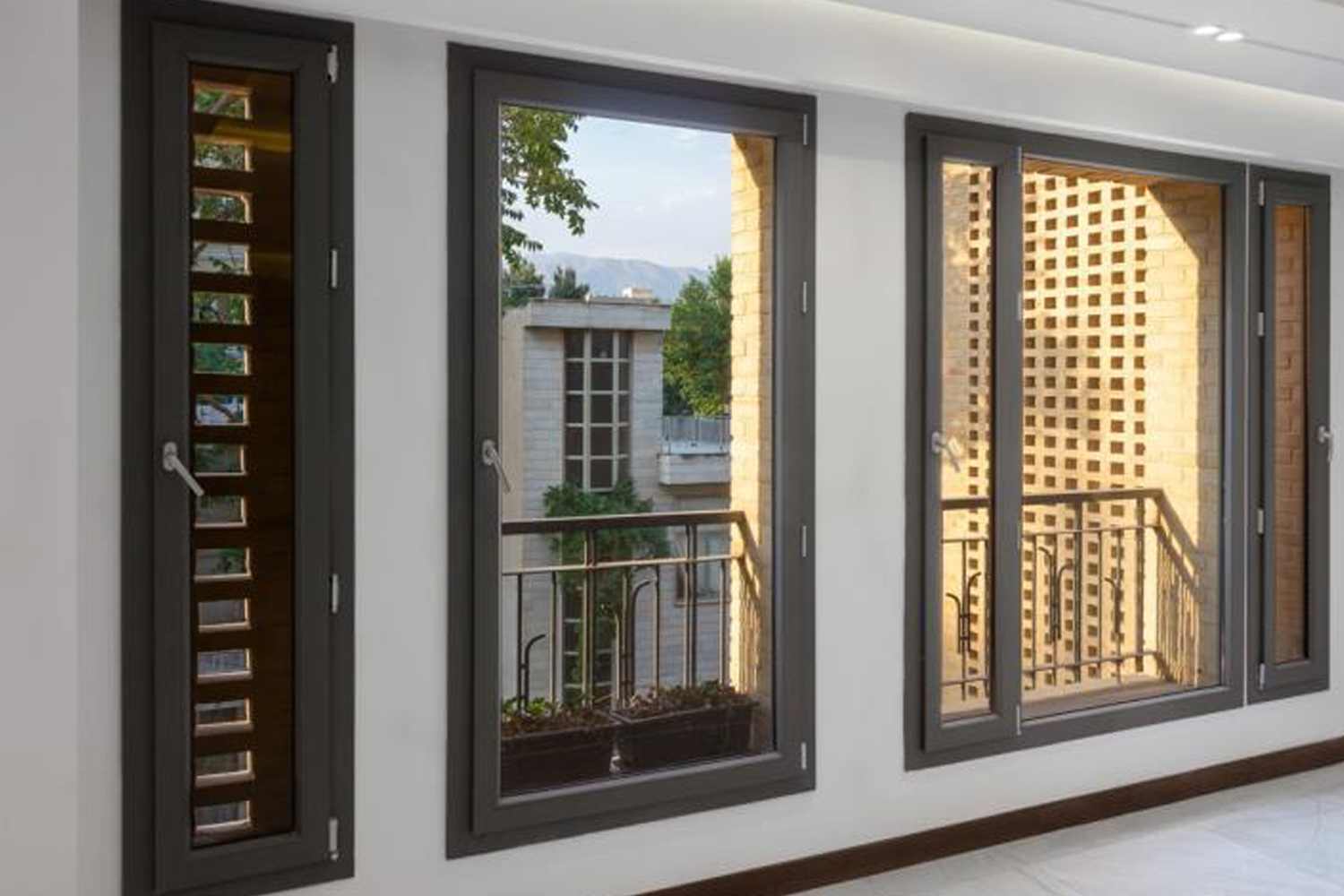
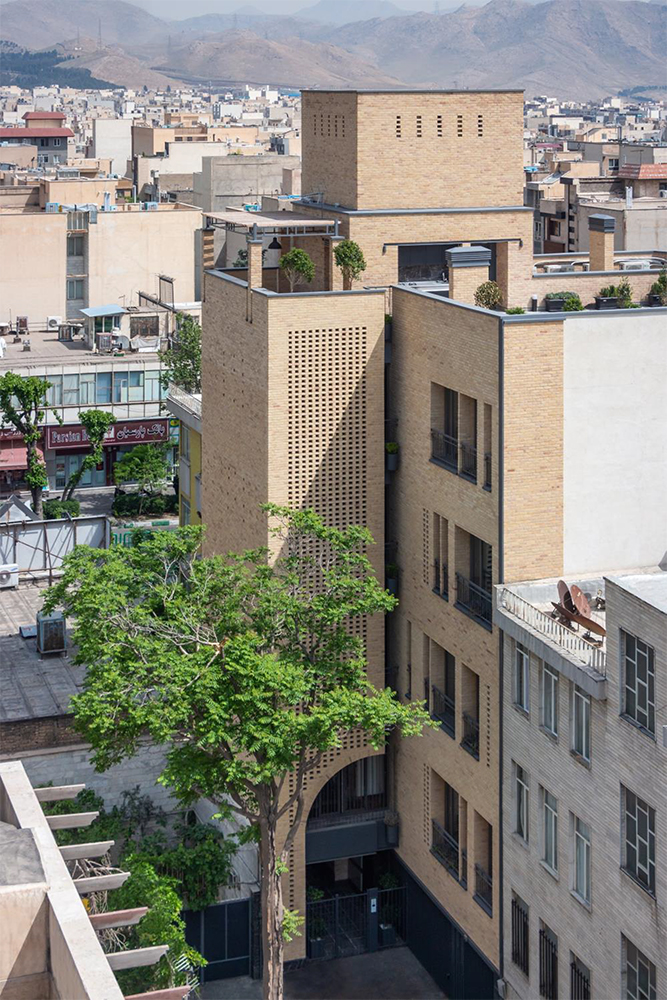
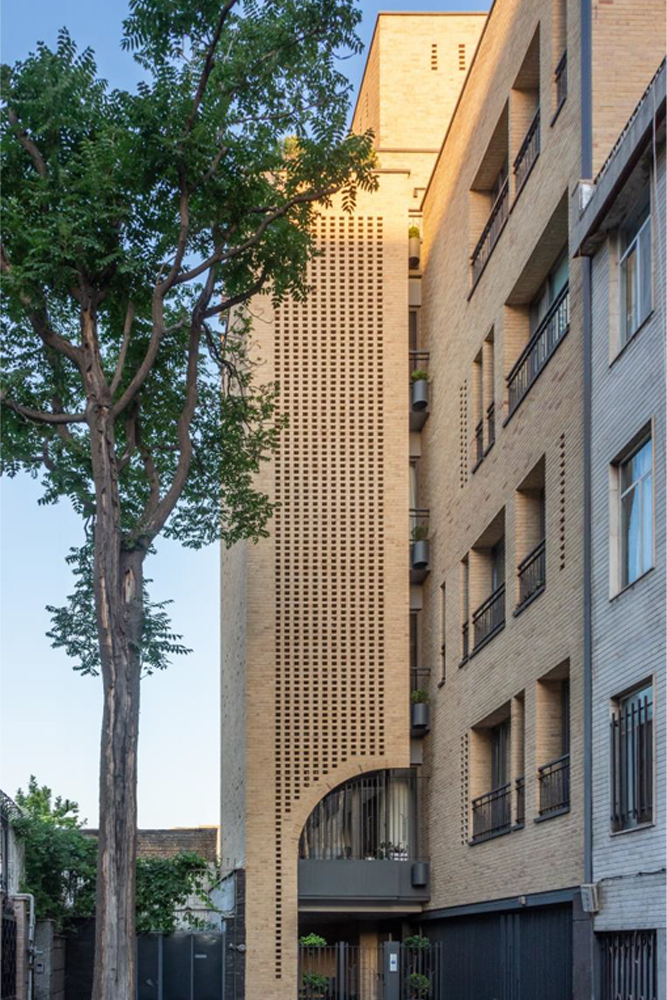
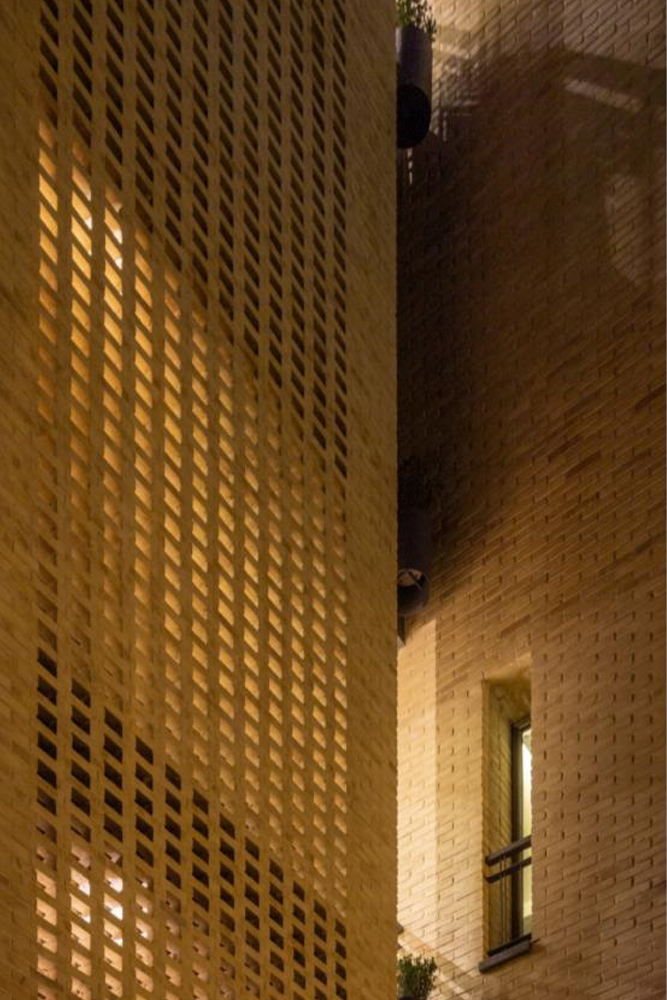
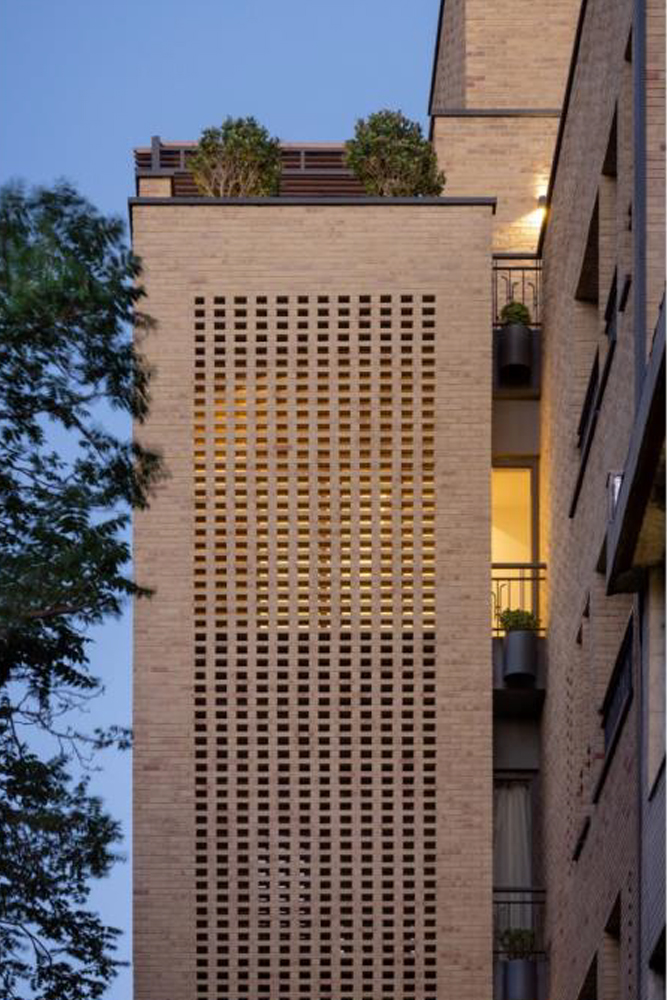
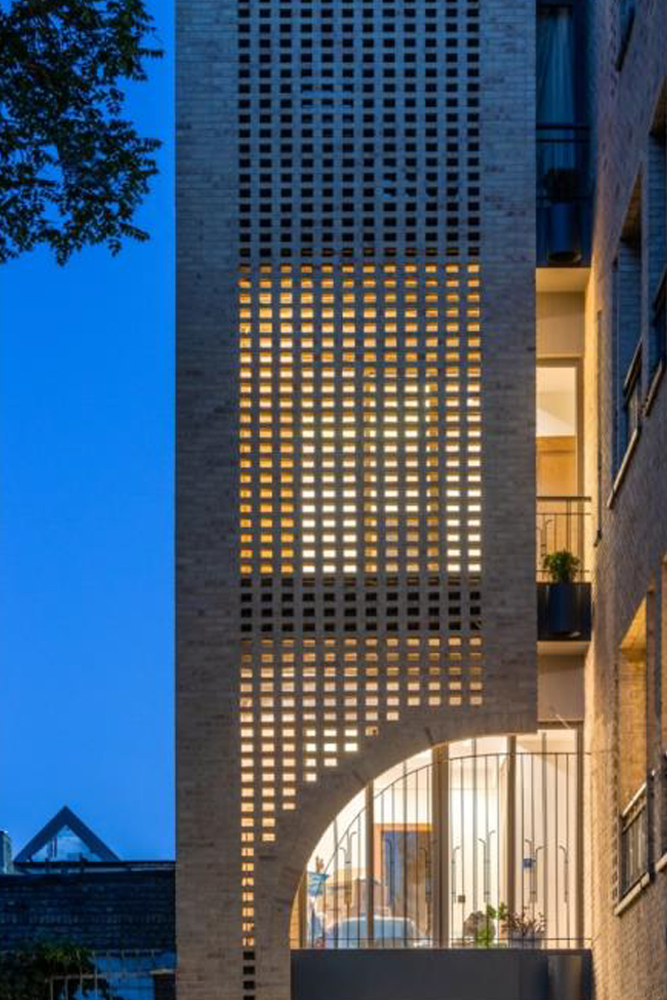
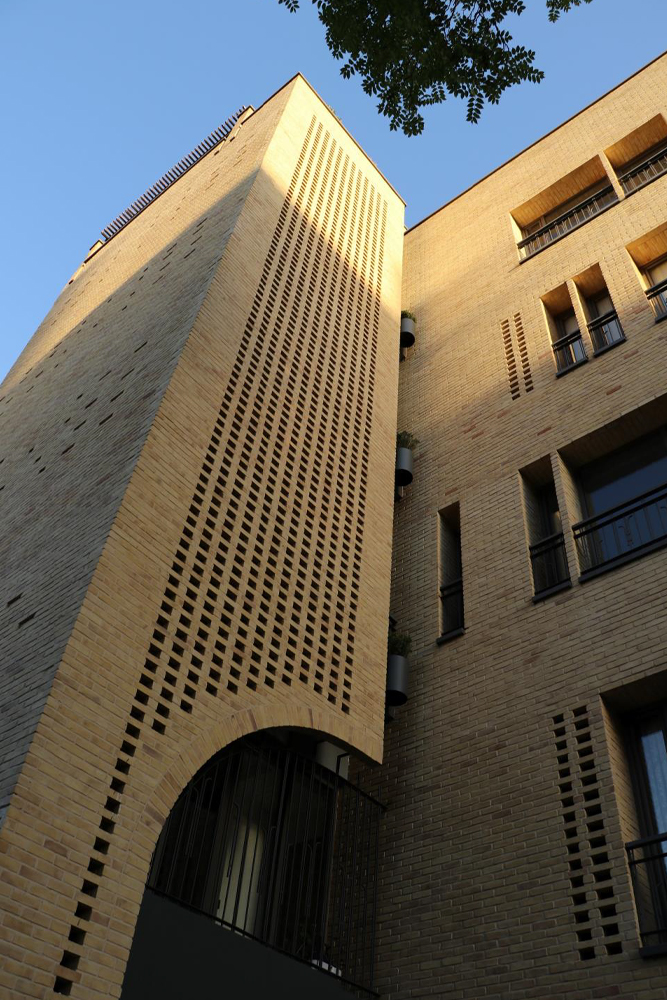
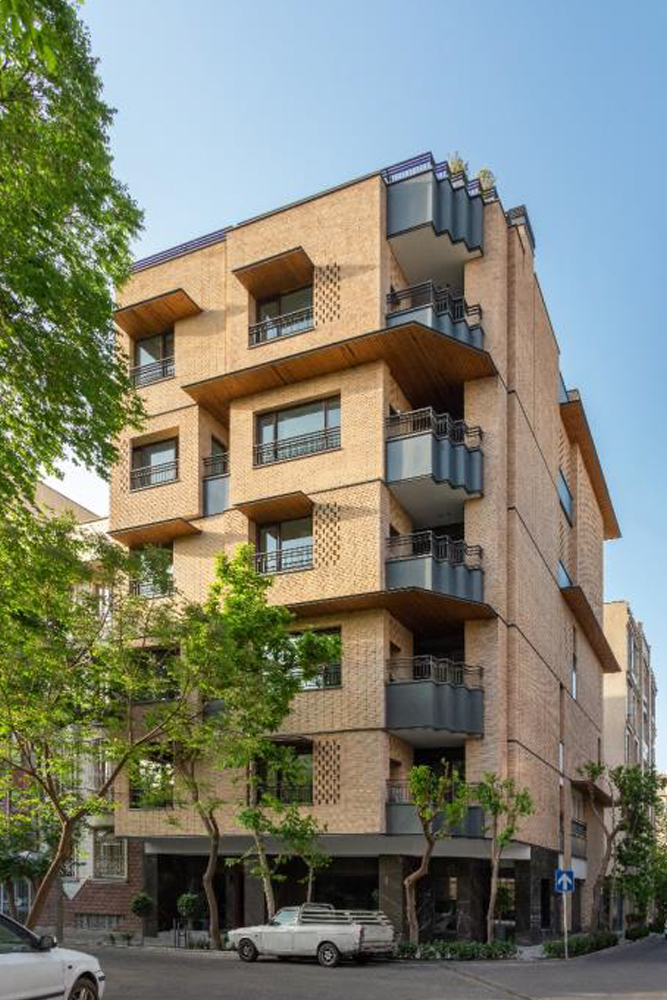
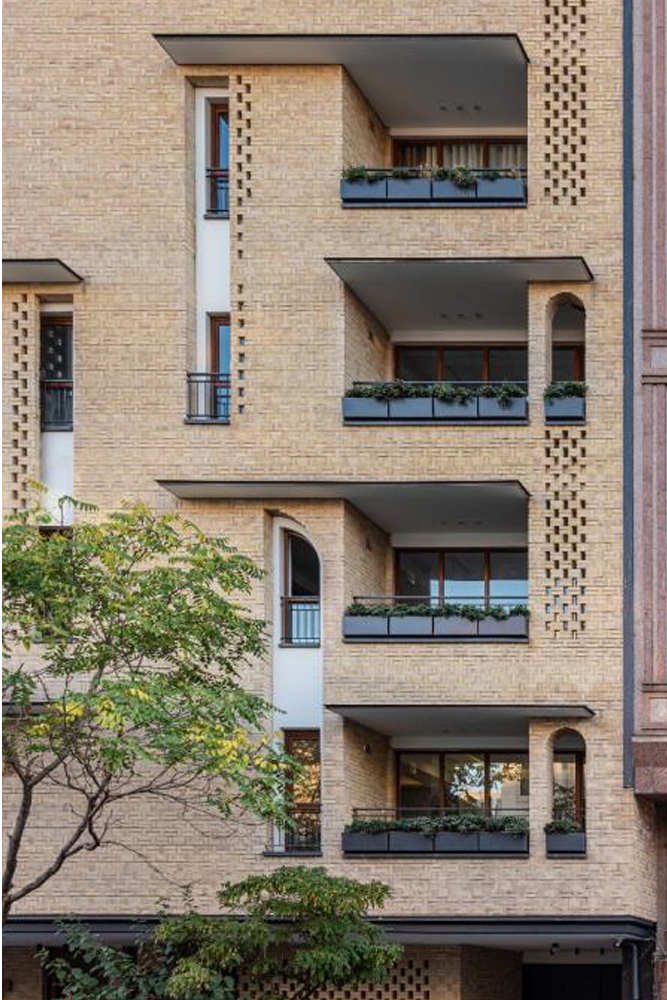
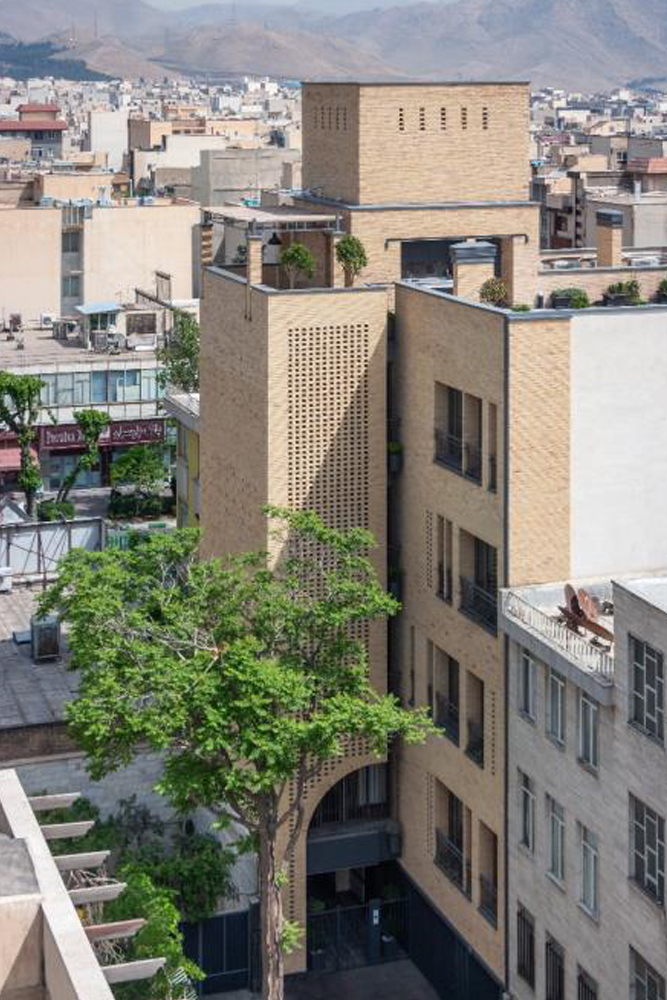
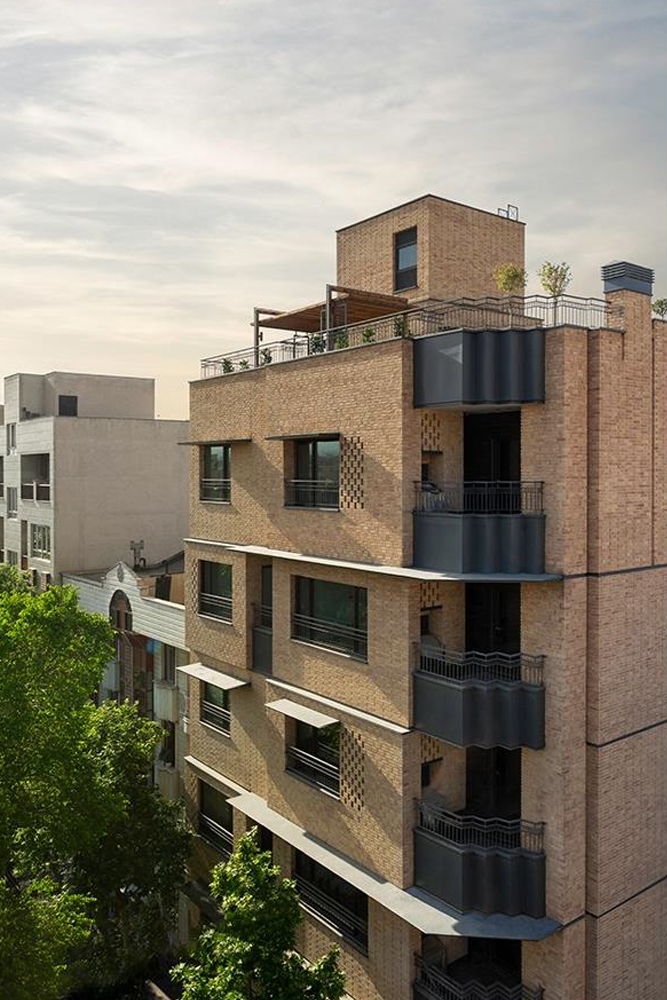
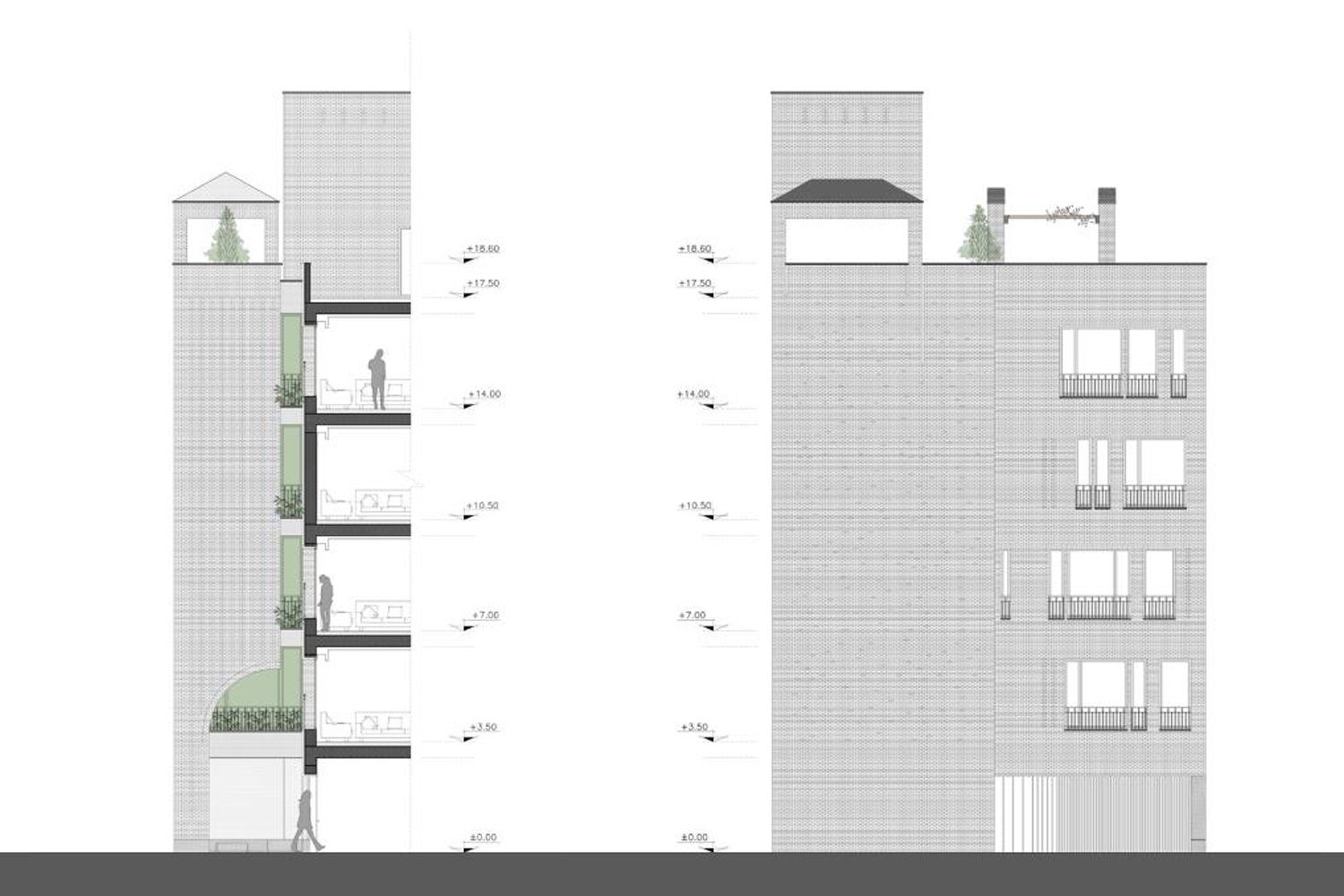
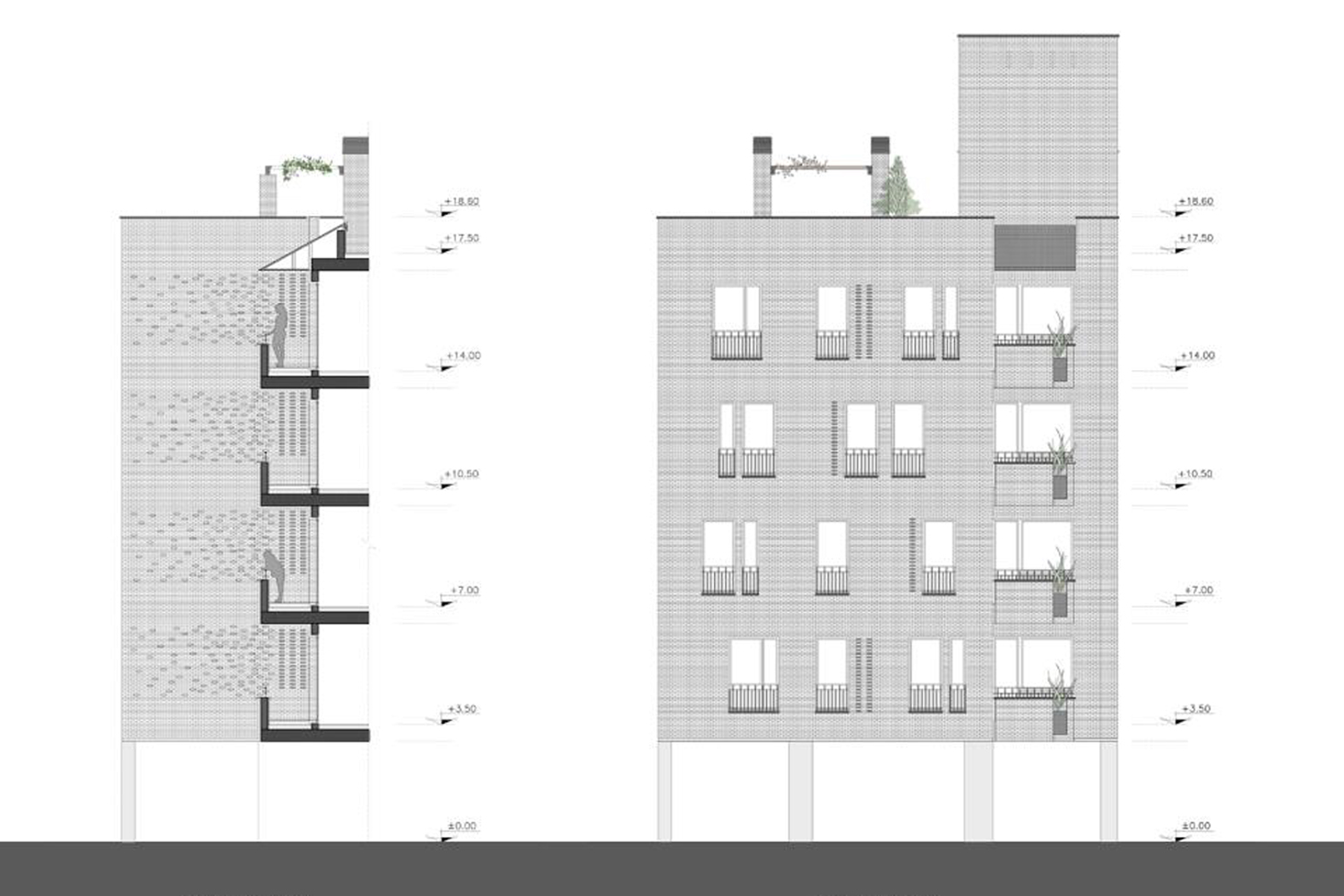
در اولین نگاه به انتهای کوچه نمایی شاخص با حفظ سادگی بصری که بیانگر حضور محترمانه این ساختمان در کنار همسایه ها باشد، ایجاد شد. حذف پنجره ها از روی جداره غربی نما و قرارگیری آنها پشت شبکه ایی آجری راهکاری دو منظوره برای ایجاد نمایی یونیک و شاخص و تعریف حریم فضای داخلی بود ایجاد شکاف روی این نما به تداوم نمای جانبی در سطح خود کمک شایانی کرد که در طبقه همکف به نیم قوس ورودی در انتهای کوچه ختم می شود.
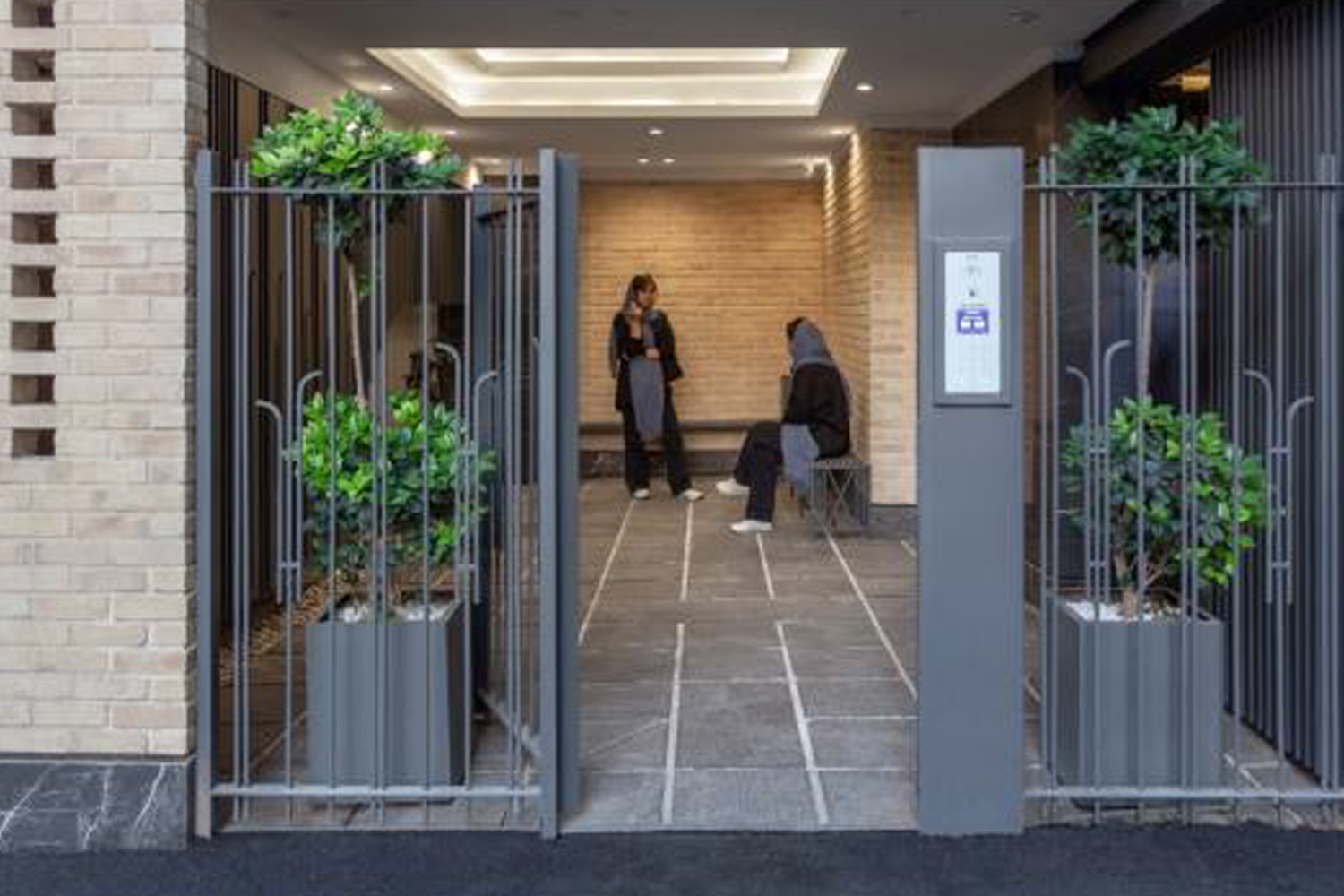
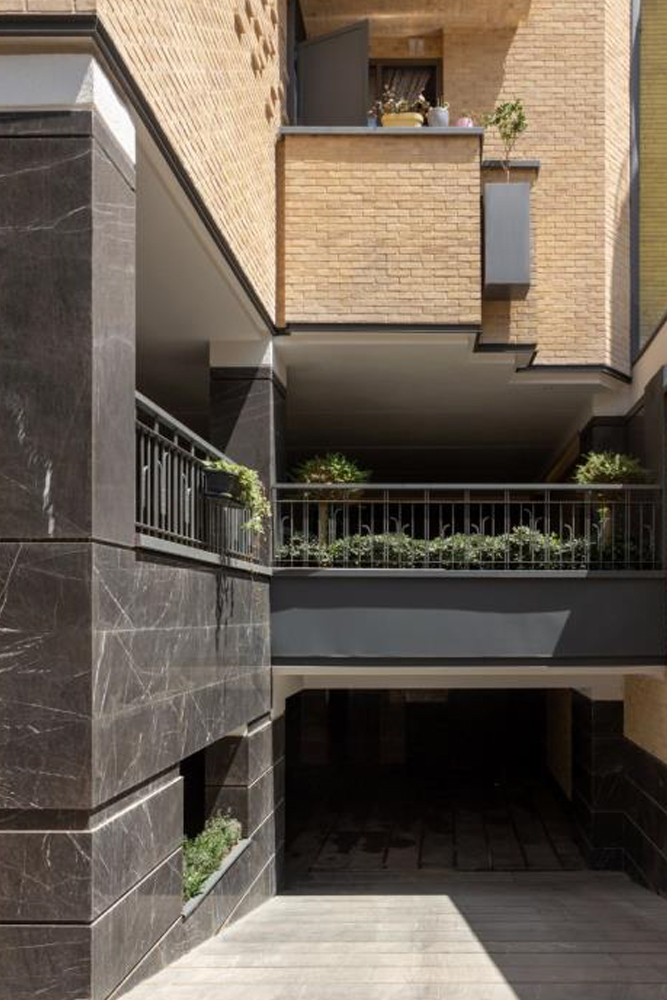
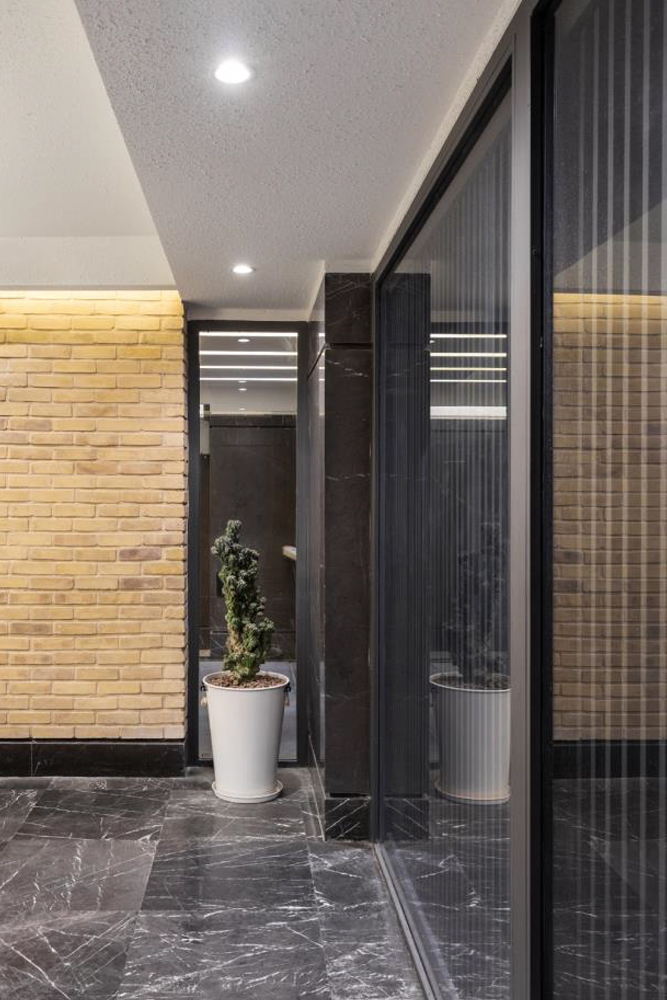
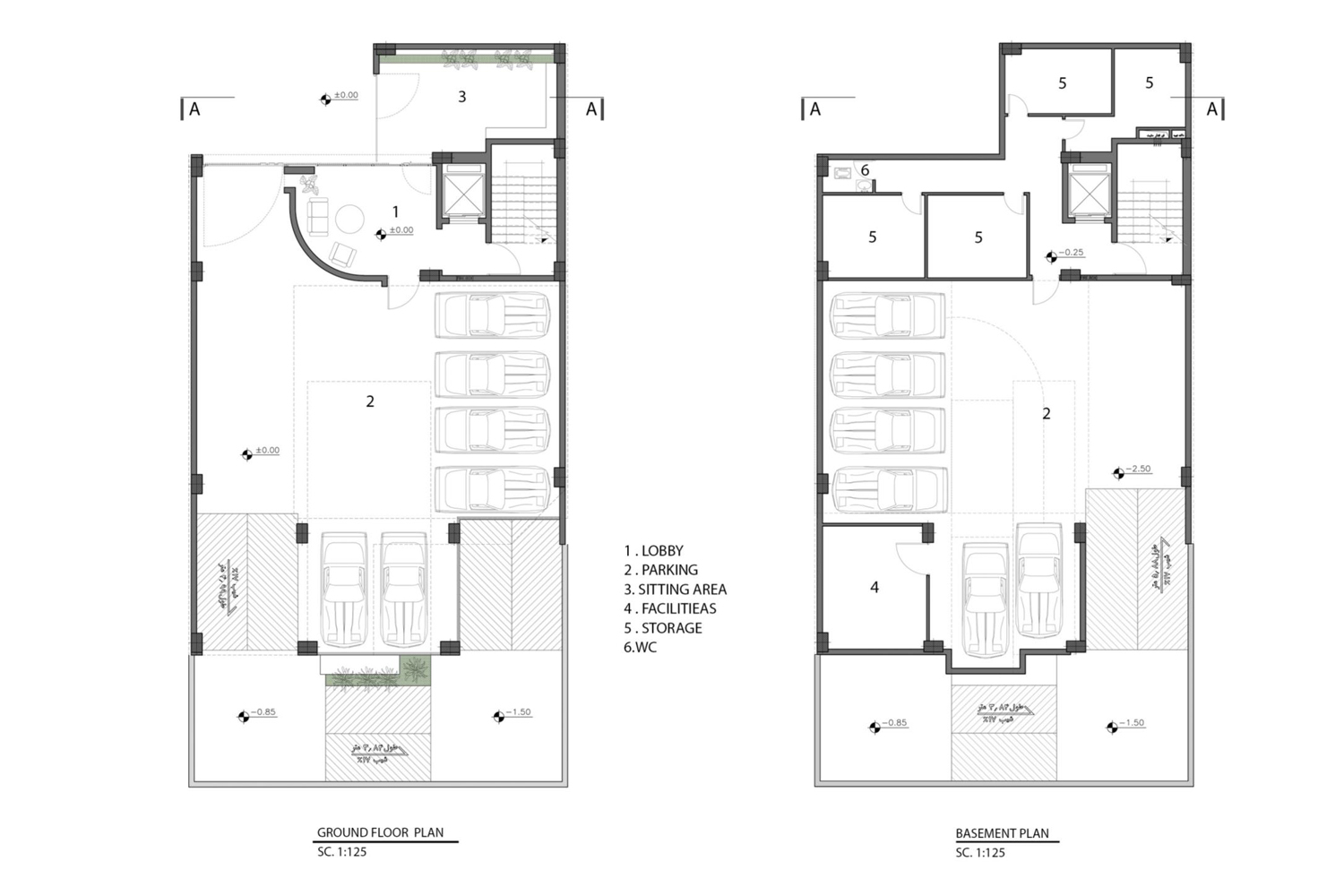
قبل از ورود به ساختمان فضای نیمه بازی ایجاد شد که فضایی واسط بین ساختمان، کوچه و همسایه ها بود و هچنین با ایجاد این فضا نمایش عمق ساختمان در طبقه همکف میسر شد.
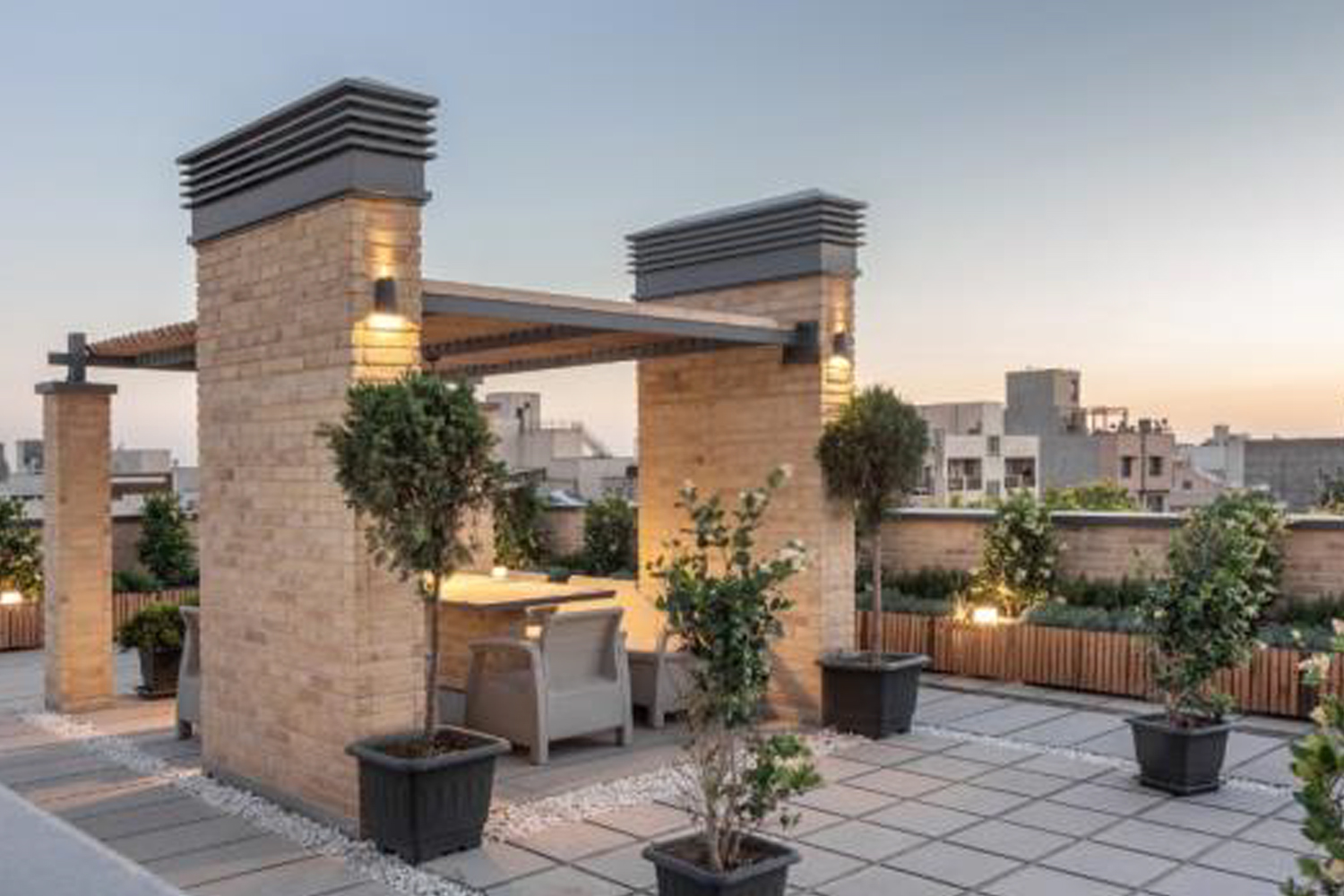
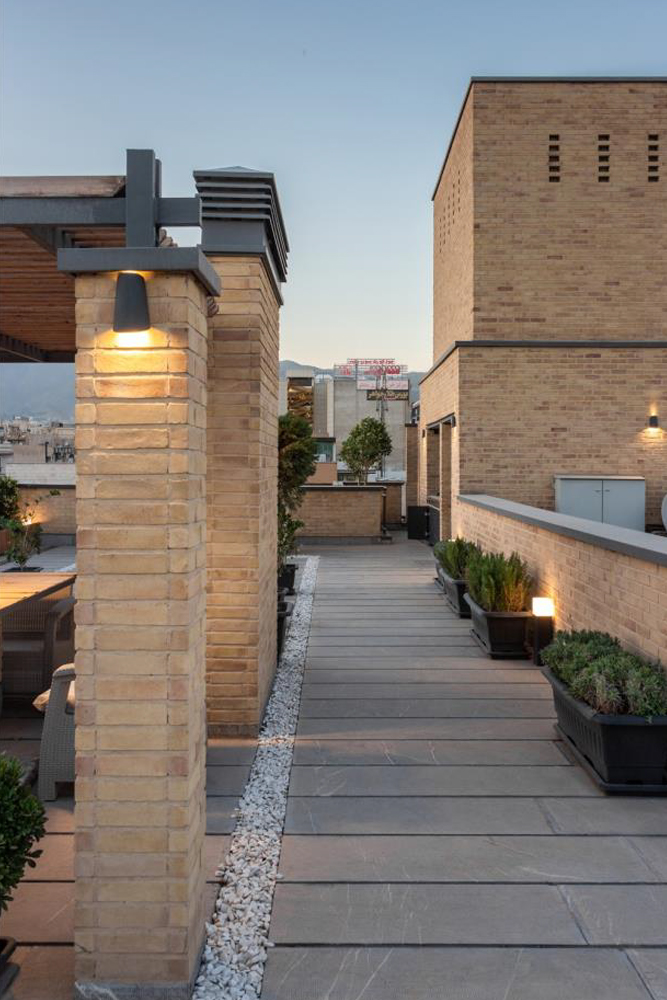
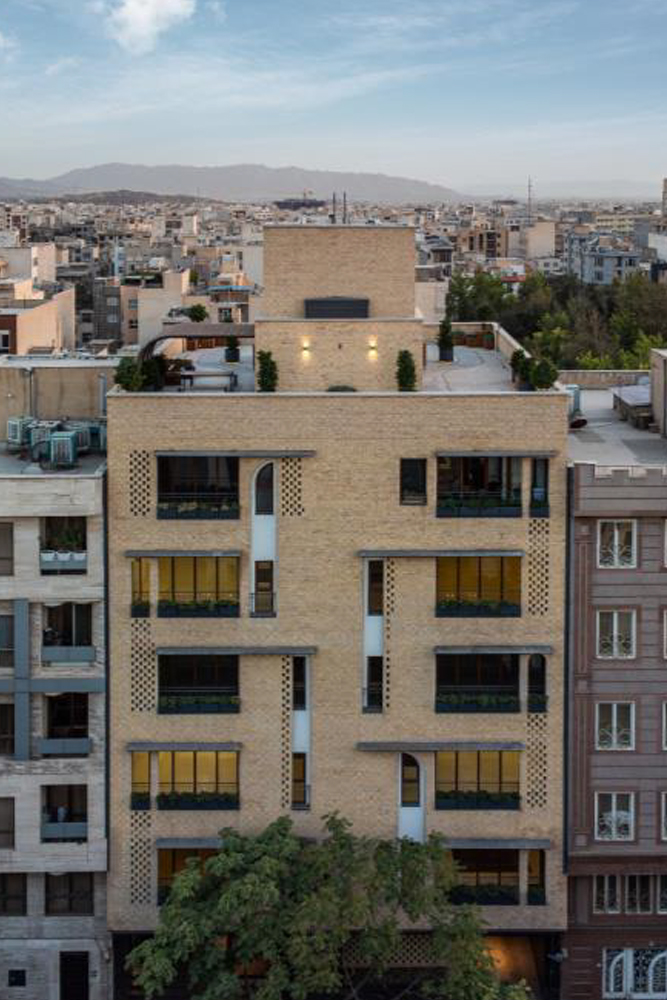
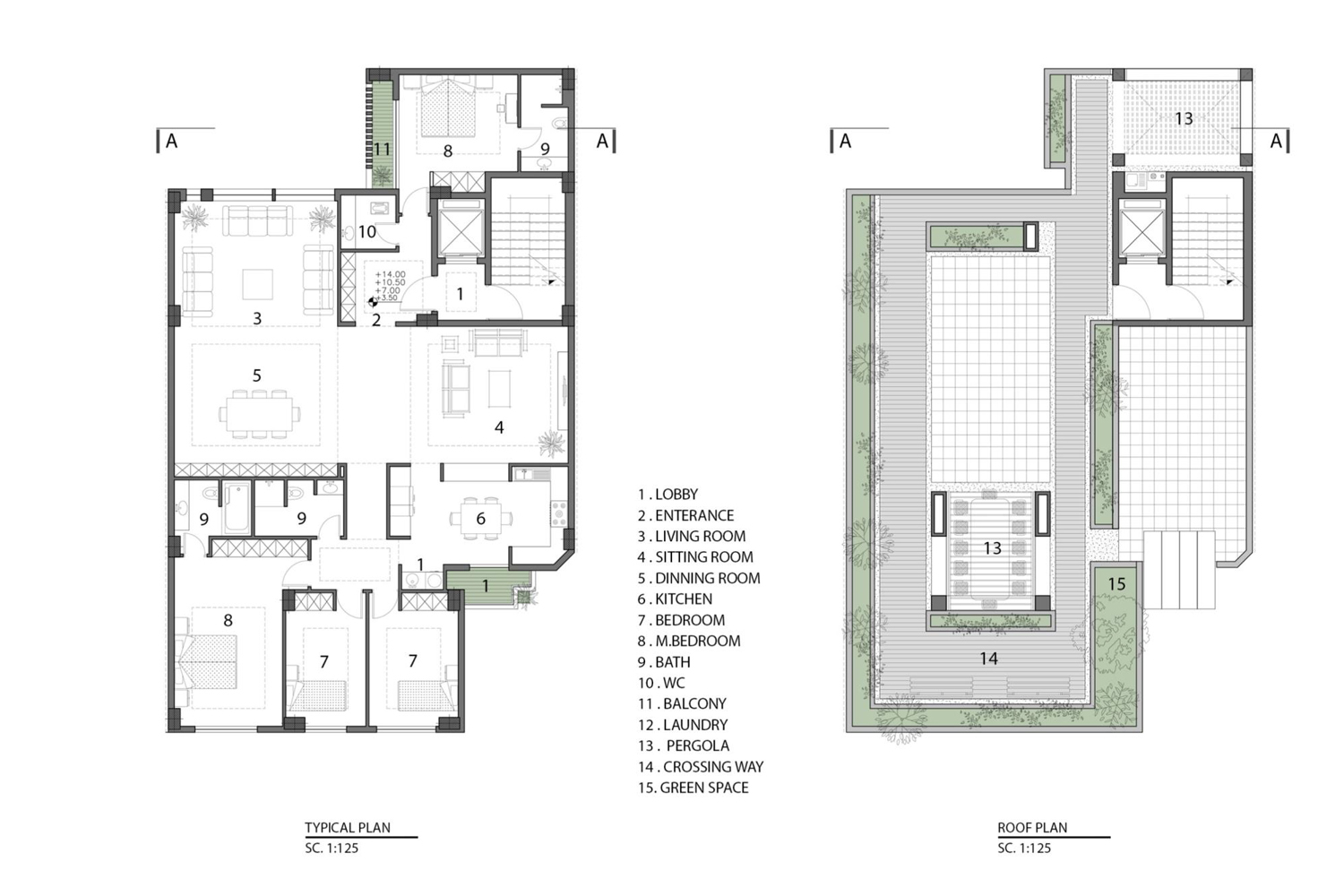
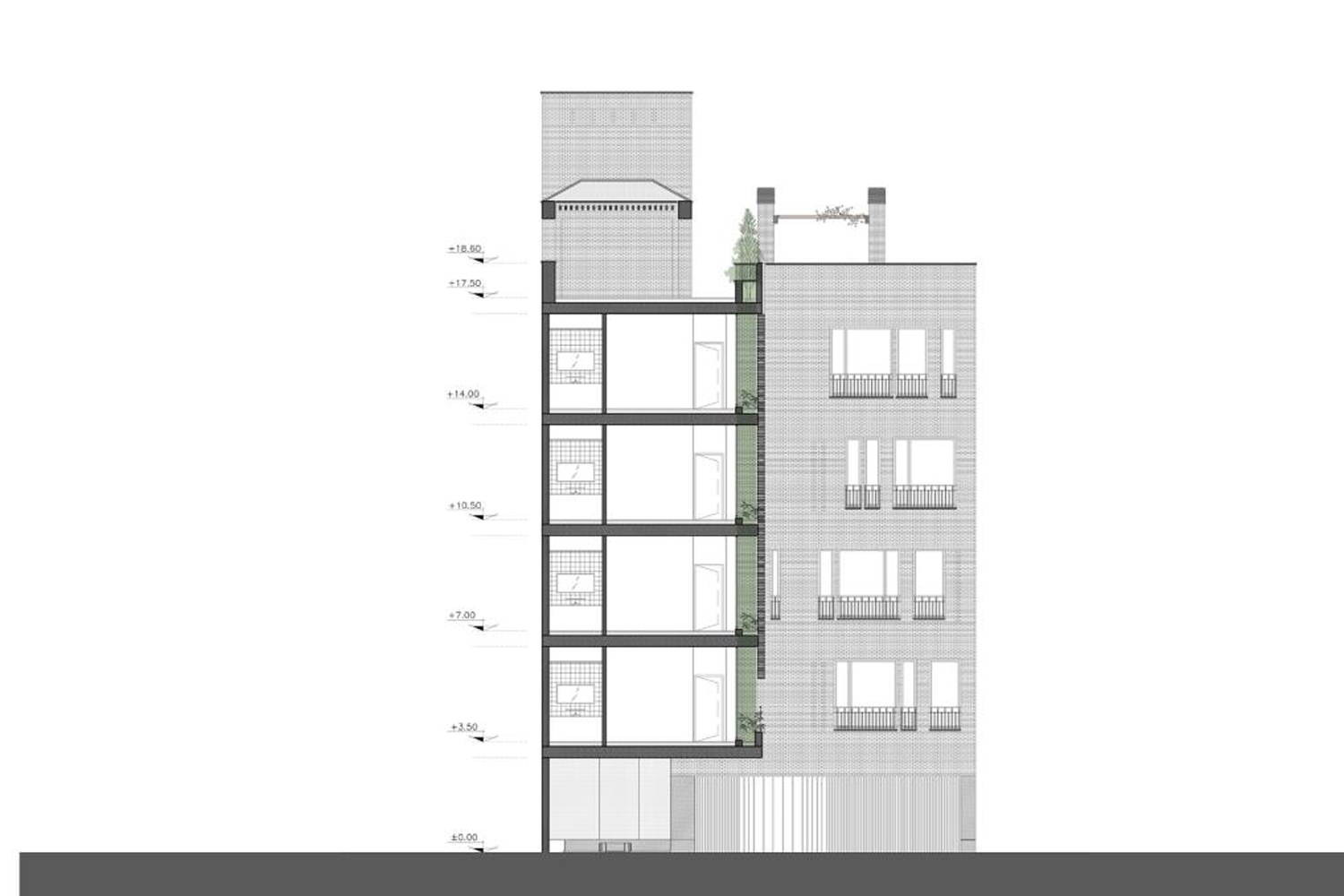
یکی دیگر از مواردی که در این پروژه تجربه شد، مسئله فضای سبز و فضا های جمعی در ساختمان و در مقیاس همسایگی است. به این منظور فضایی که در شمال ساختمان در طبقه همکف ایجاد گردید تعامل بین ساکنین ساختمان و همسایه ها را فراهم می سازد، و در بام ساختمان دو آلاچیق به همراه فضای سبز، محلی برای معاشرت ساکنین ساختمان فراهم ساخت.
چهارمین شب معماران ایران، 1403
نام پروژه: ساختمان مسکونی گوشه
دفتر طراحی: دفتر معماری آردیسا، رضا عبادی
معماران اصلی: رضا عبادی
همکاران طراحی: نسرین امیدی- علی رحمانی– مرتضی عبادی– فاطمه زرینه– غزل جعفری
طراحی و معماری داخلی: مرتضی عبادی
مجری: امیر آتش پوش
کارفرما: امیر آتش پوش – فرشاد قورچیان
کاربری بنا: مسکونی
مساحت زمین: 376 متر مربع
زیربنا: 1580 متر مربع
تاریخ شروع و پایان اجرا: 1400-1398
نوع سازه: بتنی
نوع تاسیسات: داکت اسپیلیت
عکاس پروژه: آیدین شاهی – دفتر معماری آردیسا
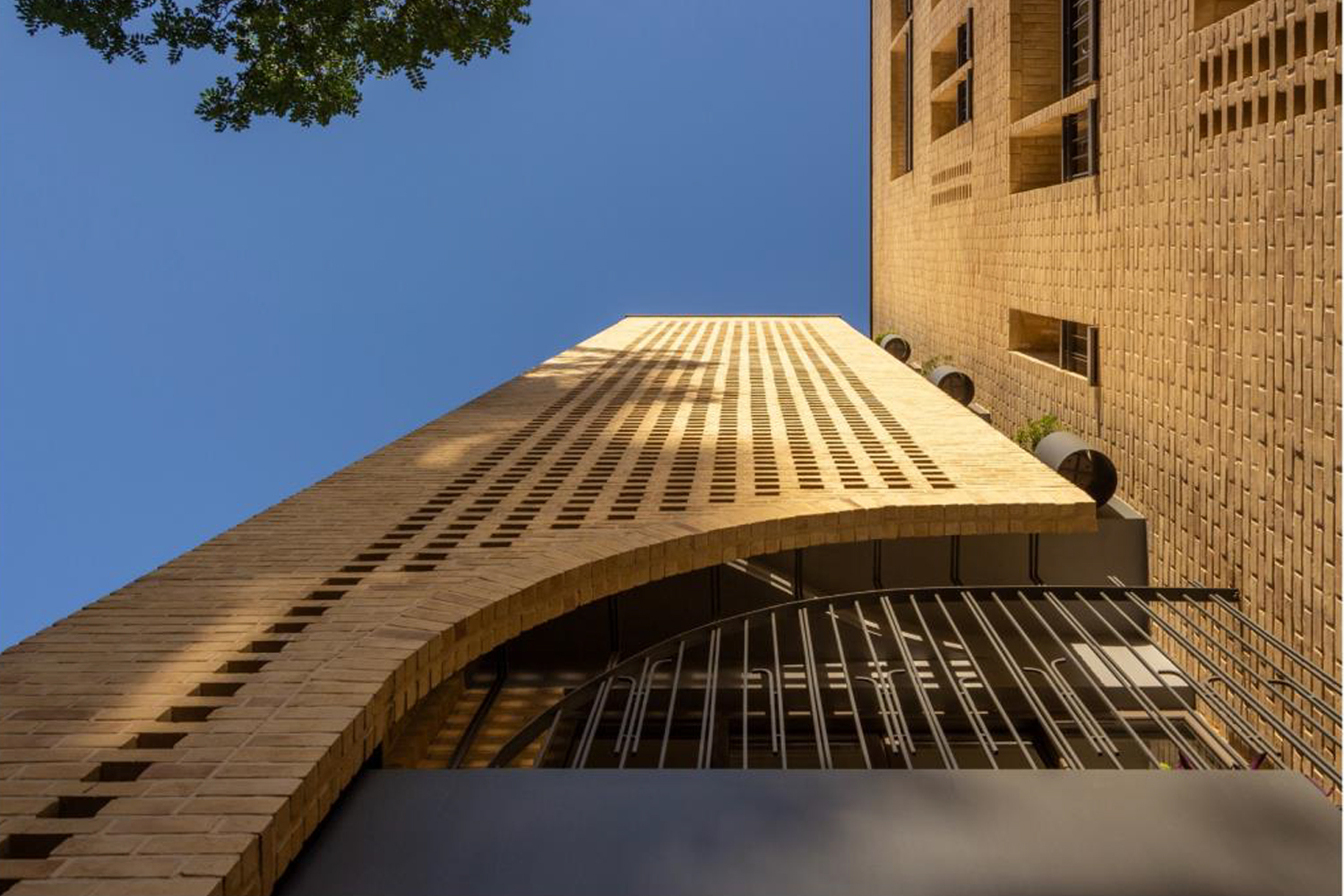
Goosheh Residential Building
The land of the project is located at the end of a dead-end alley behind the neighboring buildings leading to a green square called 51st Narmak Square. Such lands are usually less valuable than their neighbors due to their small size and being located behind other lands. On the other hand, the physical plan of the project defines four units of 240 square meters with 4 bedrooms, based on the client’s request which has special regional customers due to their bigger size in comparison with the average size of the buildings in this region. One of the influential factors in the design of this building was the old neighbor in one of the alleys of this square, which is a two-story brick building with valuable architecture from the past decades, which also directly played an important role in the previous project of this studio located in this square and had been noticed by the designer and client of this project from the beginning. The simple combination of brick volumes and a courtyard in the middle of this building. Choosing brick as the final facade was an experience in line with our previous project in this field and our relationship with this old neighbor. The land’s location and the large ratio of units were considered important issues from the beginning of the design. We were looking for a solution to resolve this contradiction how could we raise the added value of such lands with mentioned limitations of having narrow sides facing the city and turning it into a building with a more influential presence at the end of a dead-end alley. For this purpose, a semi-open space was created at the end of the alley before the building entrance, which was an interface space between the building, the alley, and the neighbors. Also, by creating this space, it became possible to show the width of the building on the ground floor. At the first glance at the end of the alley, a prominent view was created by maintaining the visual simplicity that expresses the respectable presence of this building next to the neighbors. Removing the windows from the west wall of the facade and placing them behind a perforated brick skin was a dual-purpose solution to create a unique and distinctive facade and define the privacy of the interior space. Creating a gap on this facade helped to continue the side facade on its own level, which leads to the entrance half arch at the end of the alley on the ground floor. Another thing that was experienced in this project is the issue of green space and communal spaces in the building and at the neighborhood scale. For this purpose, the space created in the north of the building on the ground floor provides interaction between the residents of the building and the neighbors. Furthermore, on the roof of the building, two pergolas along with a green area provide a suitable space for residents’ gatherings and social communication.
مدارک فنی
مطالب مرتبط