 فراخوان ارسال آثار به سیزدهمین جایزهی ملی طراحی داخلی ایران، 1404
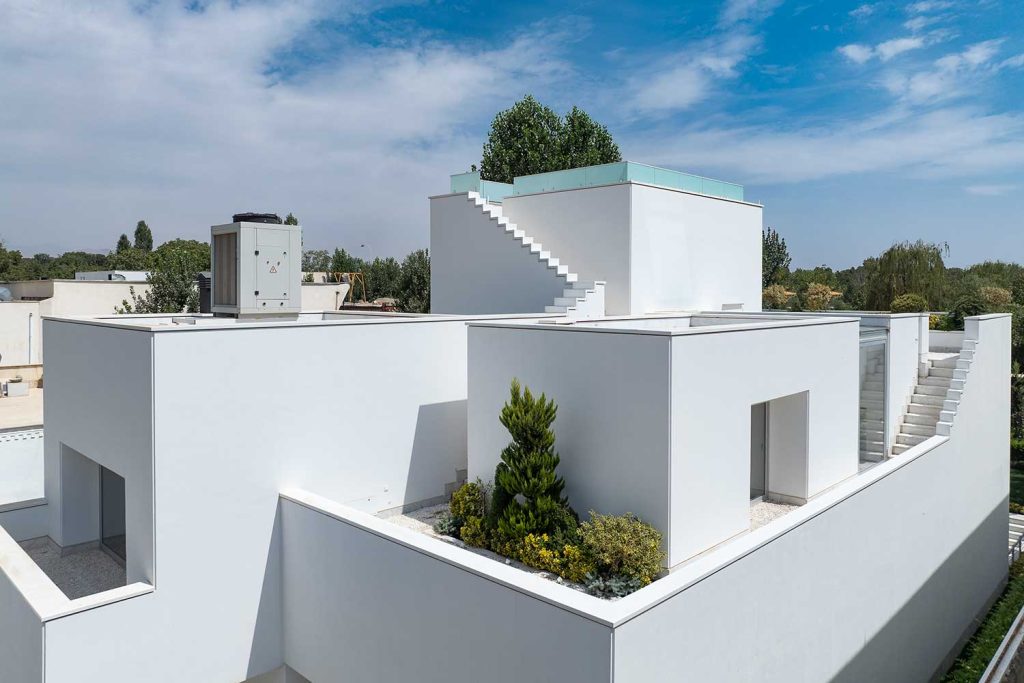 خانهی سفید اثر مازیار صارمی، فینالیست و راه یافته به مرحلهی دفاع از آثار ششمین دوسالانهی معماری ایران بخش ویلایی، 1403
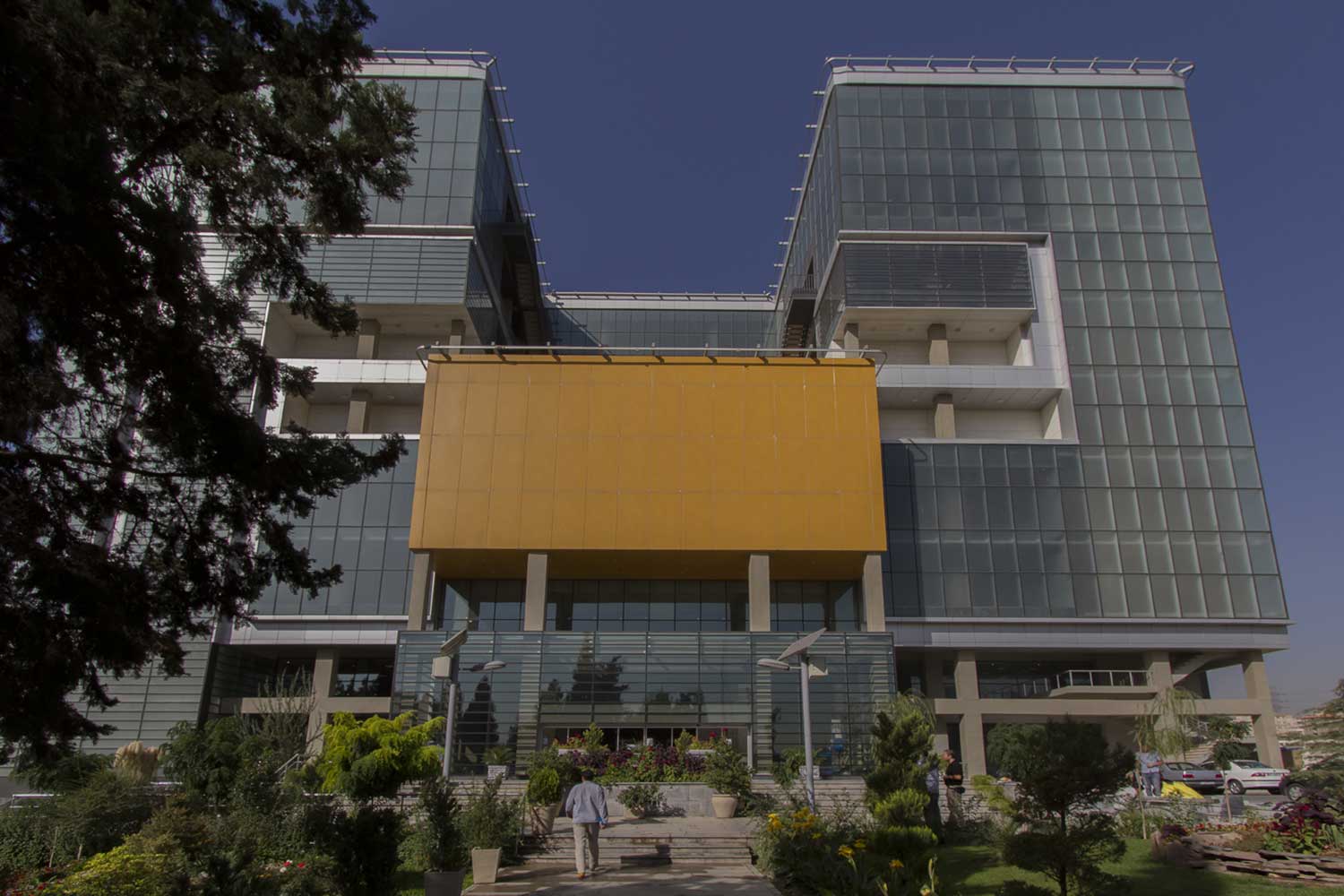
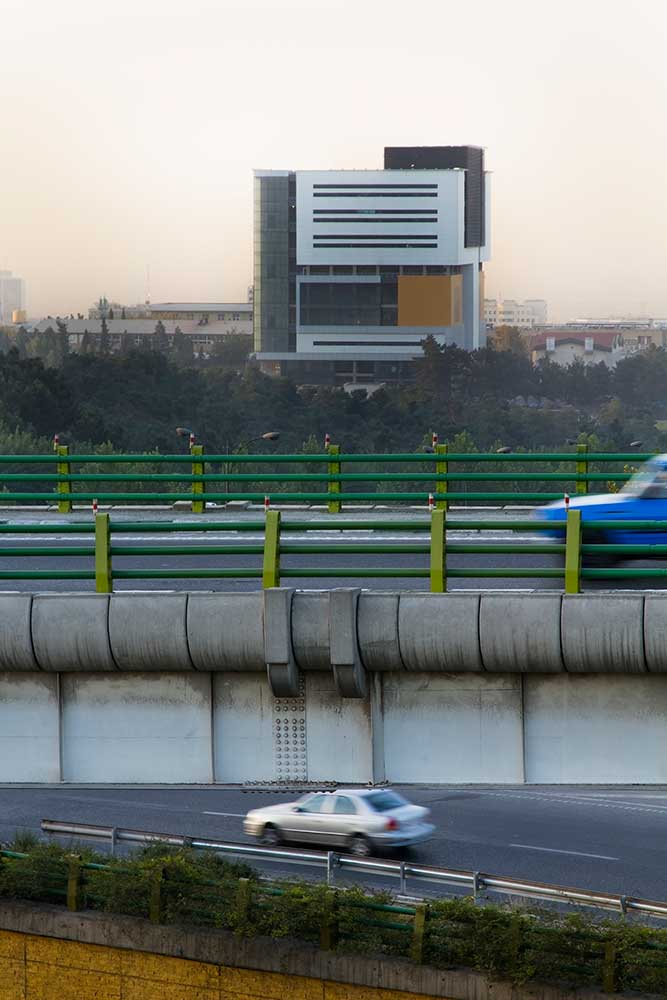
ساختمان مرکز تحقیقات مخابرات ایران (پژوهشگاه ملی مجازی) اثر علی حمیدی مقدم
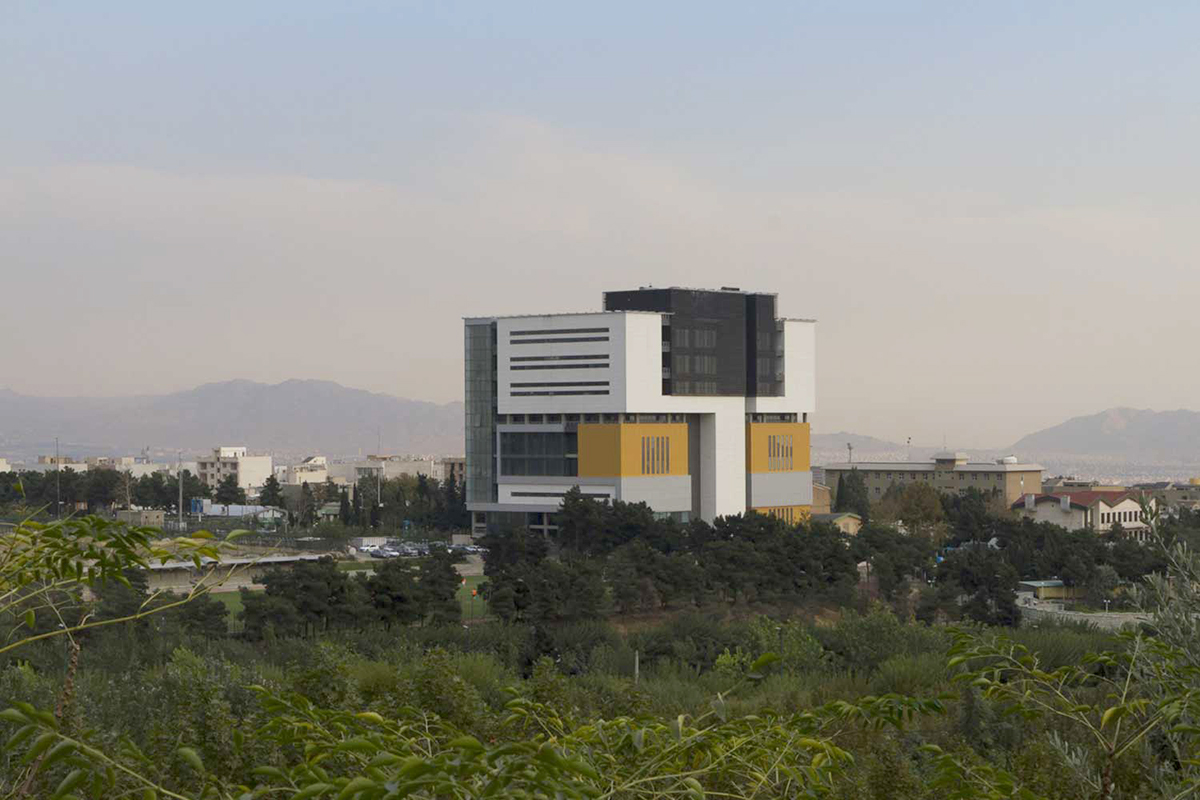
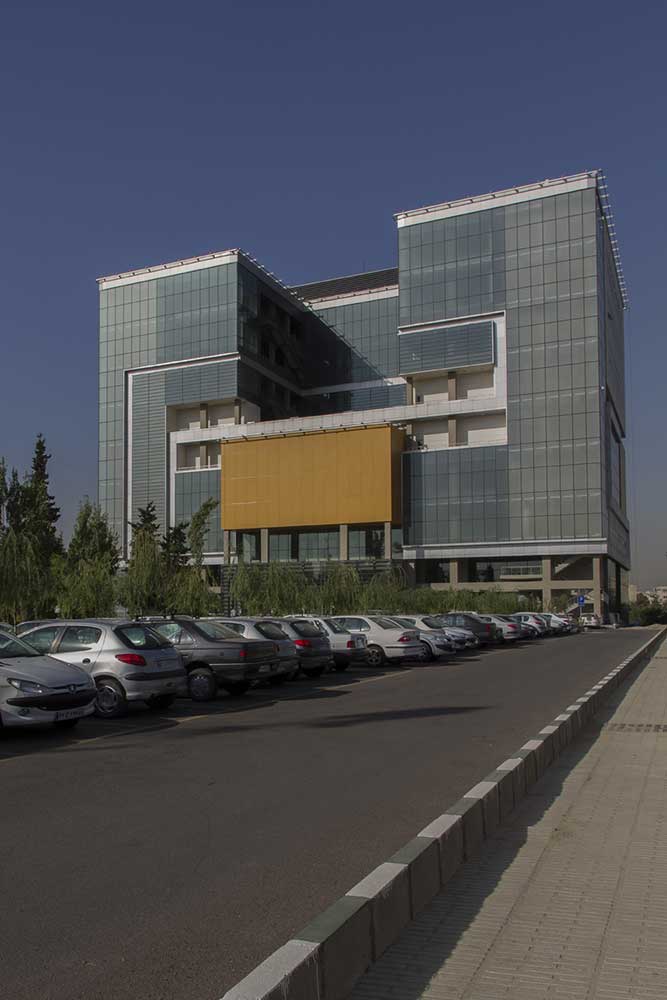
آنچه در این پروژه مورد توجه قرار گرفت، تنها جنبههای ظاهری طراحی نبود، بلکه مدیریت راهبردی مؤلفههایی بود که معماری پروژه را هدایت و تنظیم میکردند. ترکیب برنامهریزیشدهای از عملکردها، معماری ایدهآل و عملگرایانهای را رقم زده است که در آن، حجمهای ساده با ایدههای فرممحور درآمیختهاند.
انتخاب و توسعه روش رسیدن به طرح نهایی و تطبیق آن با شرایط کارفرما (مشکلات مالی و تغییرات متعدد مدیریتی) به قدری انعطافپذیر بود که نیازی به حذف ایدههای طراحی برای اجرای پروژه نبود. نحوه مواجهه با این پروژه میتواند به عنوان راهکاری اساسی برای پروژههایی با شرایط مشابه در آینده مورد استفاده قرار گیرد.
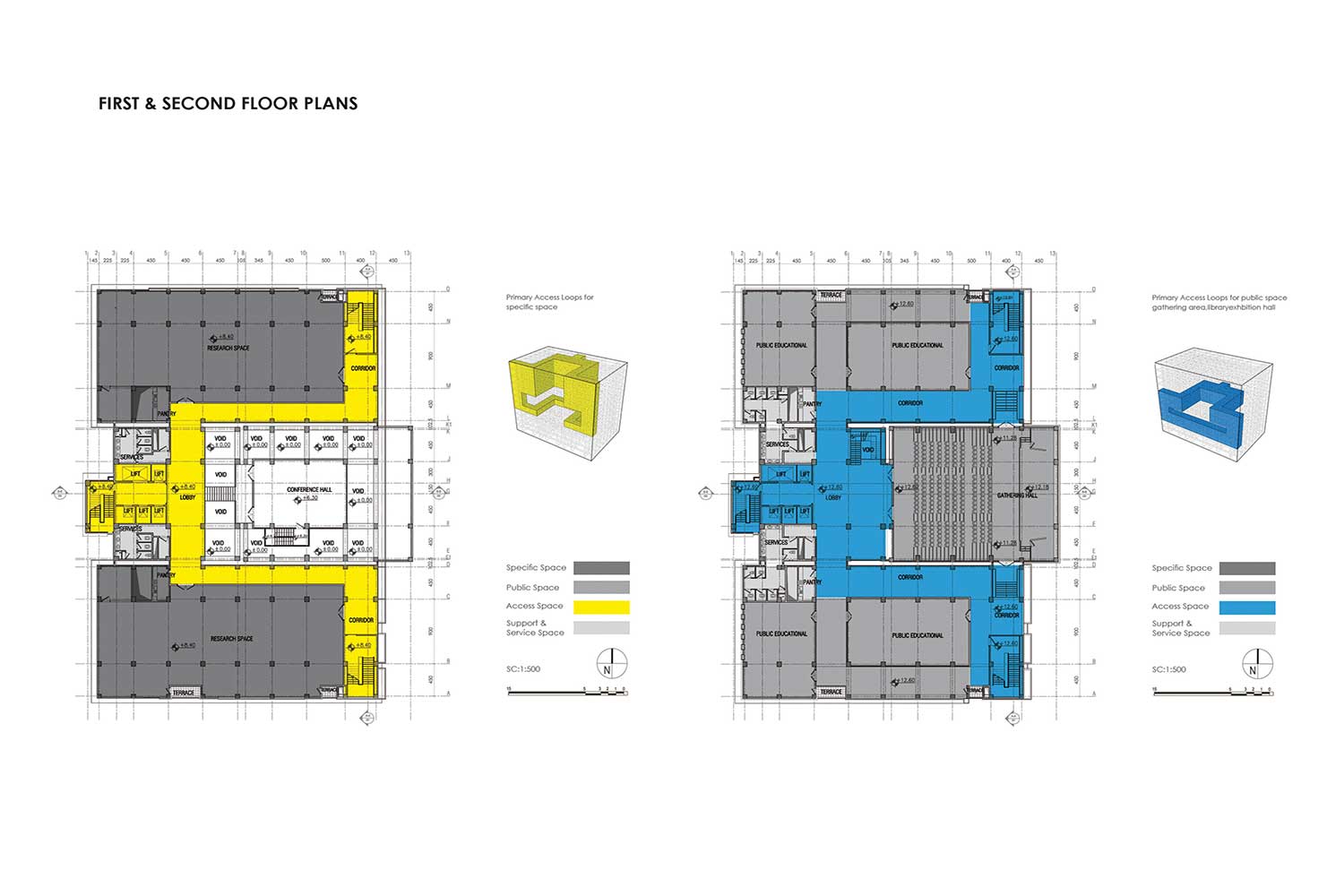
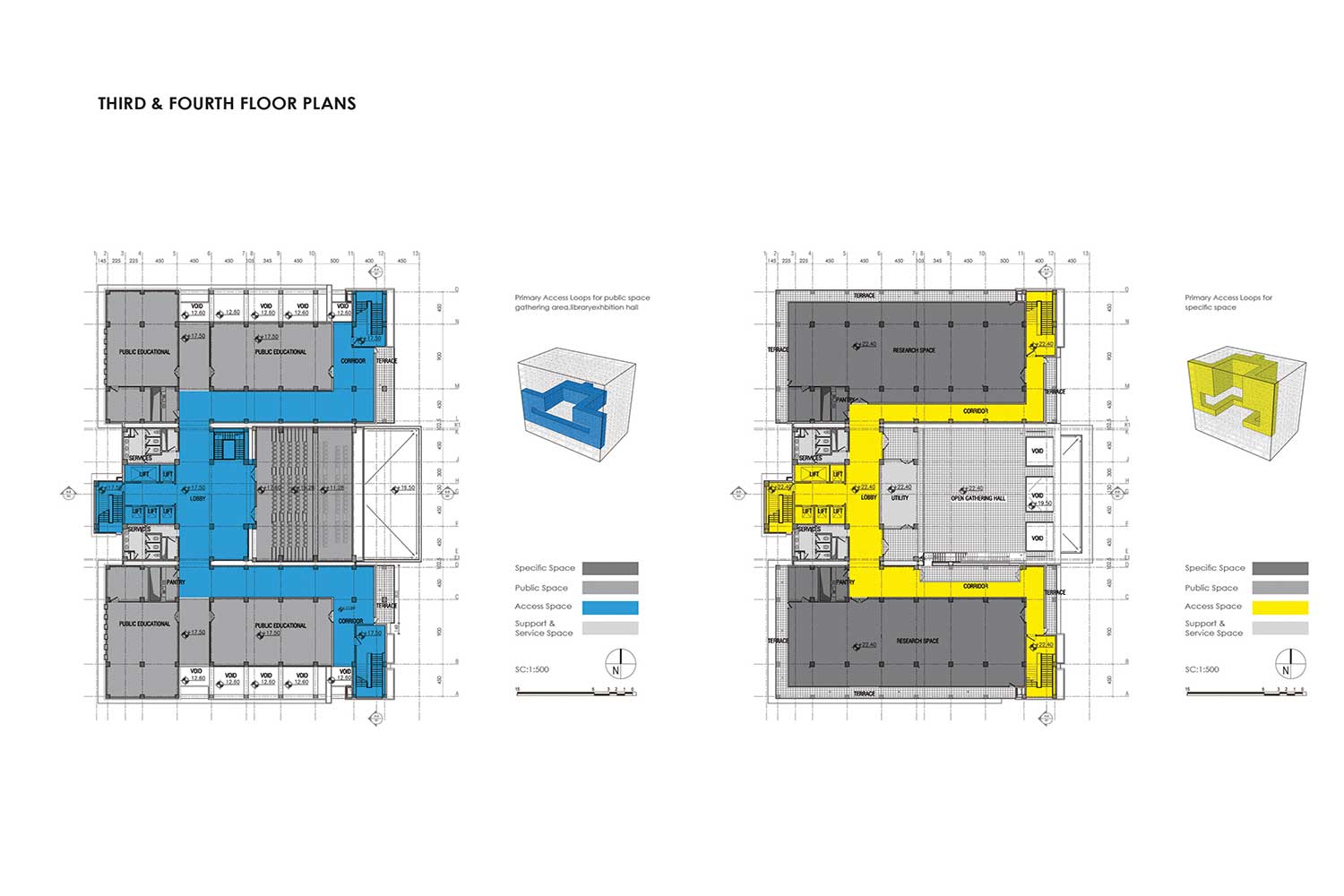
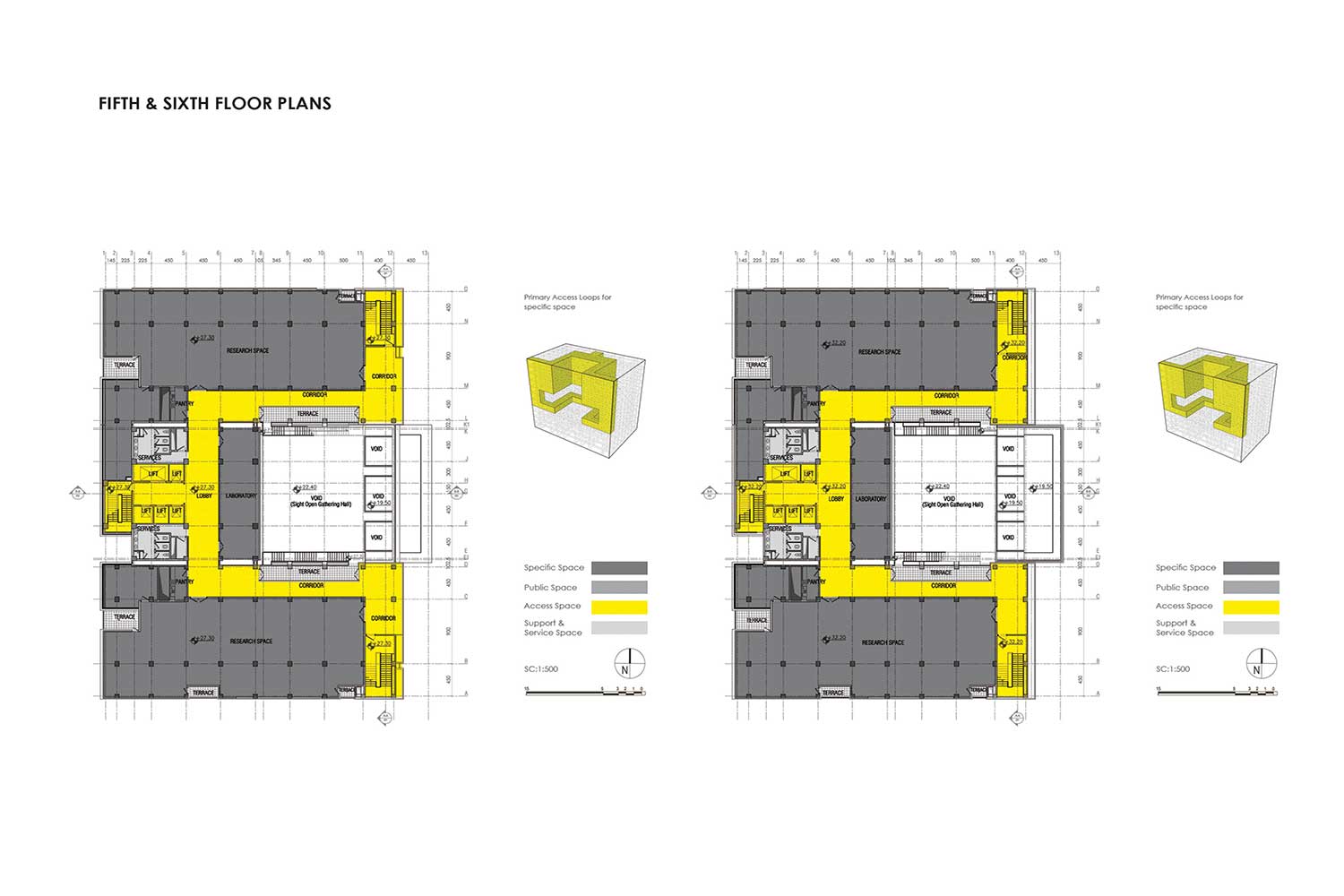
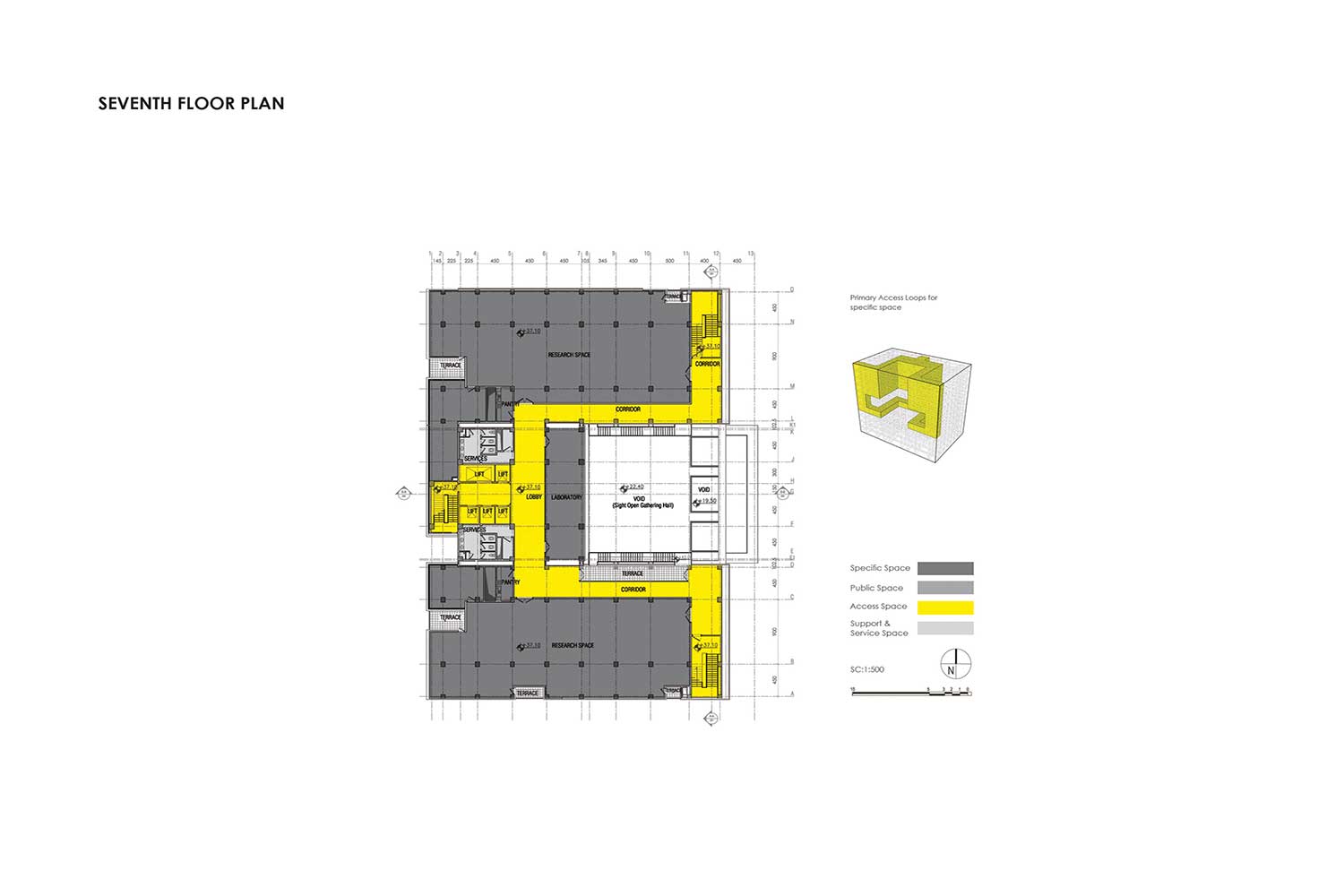
ایدهی ساماندهی فضاها
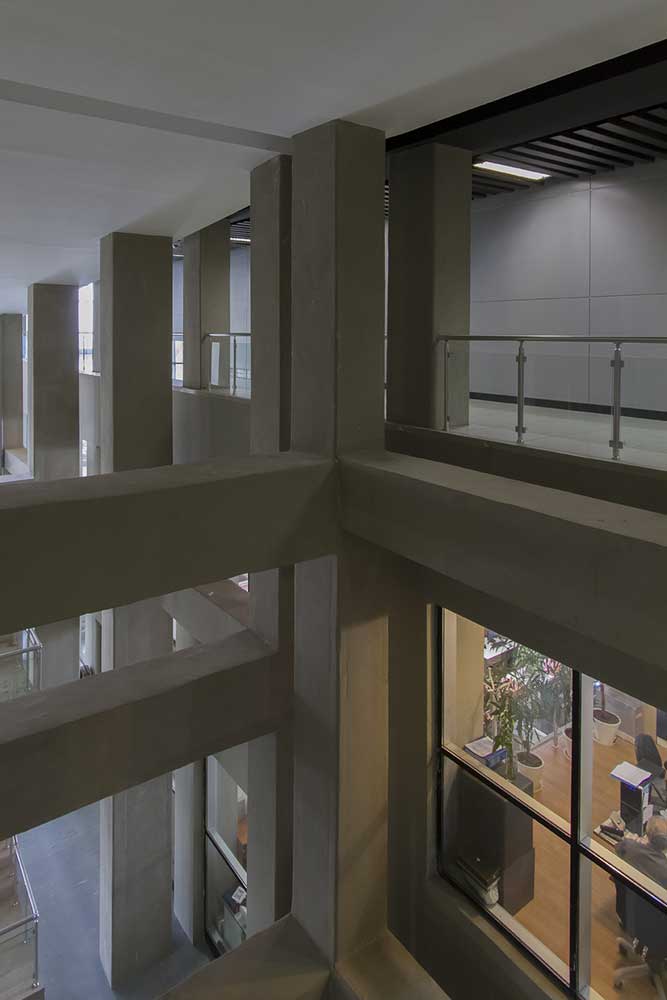
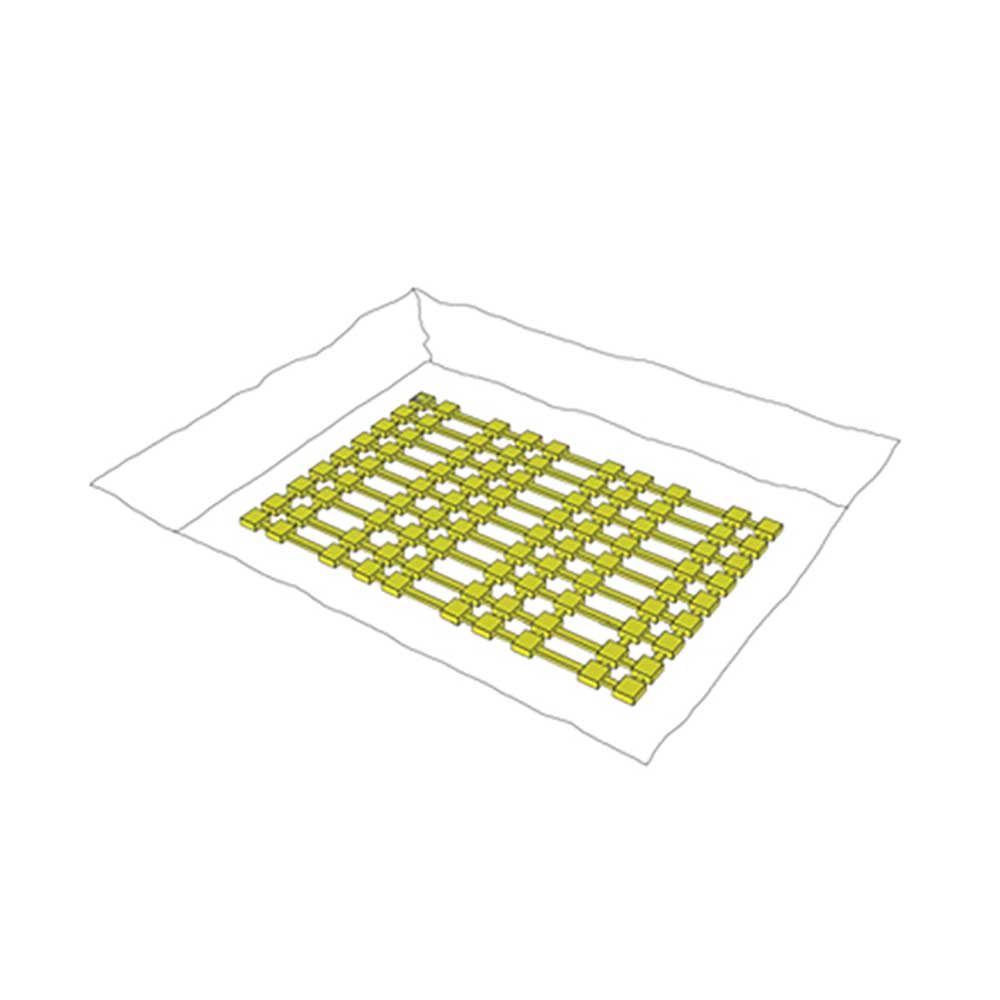
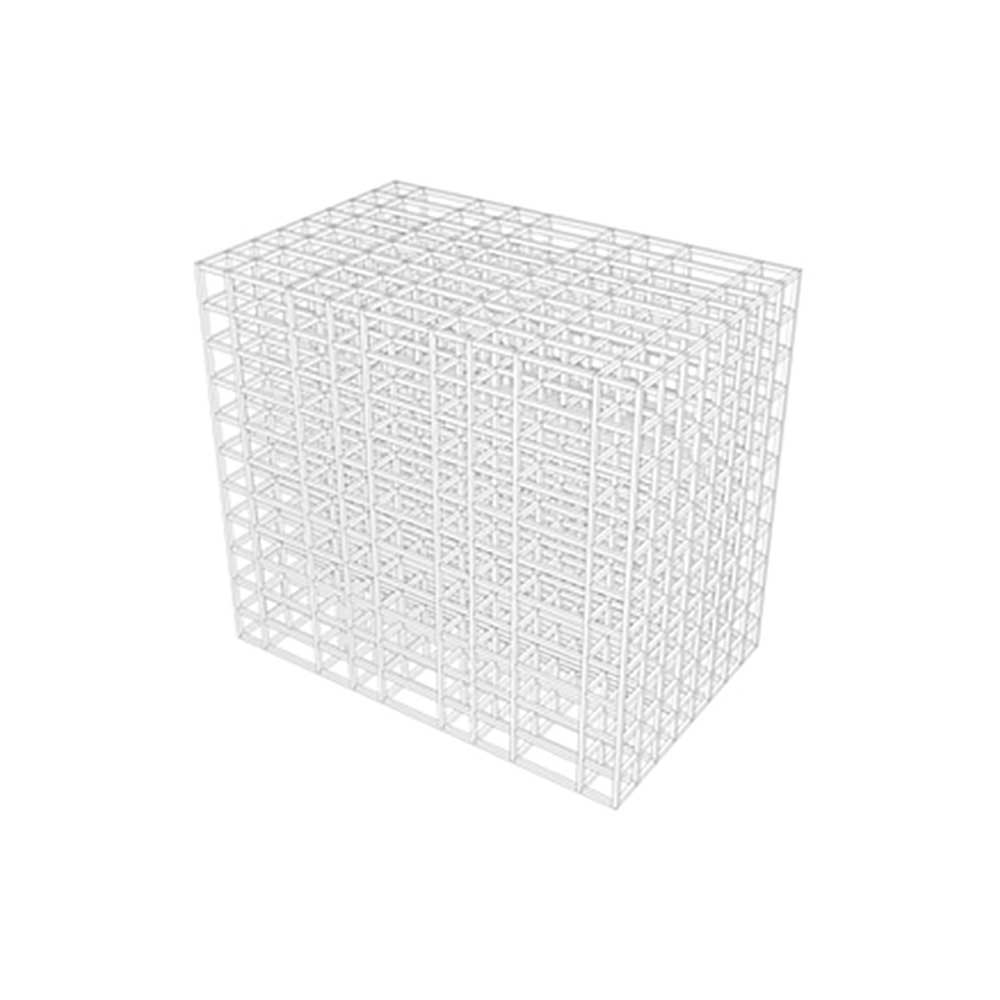
زمانی که تیم طراحی ما مسئولیت این پروژه را به عهده گرفت، پی ساختمان از پیش اجرا شده بود؛ بنابراین موقعیت تیرها و ستونها تعیین شده بود. با توجه به اهمیت کاهش هزینه و صرفهجویی در زمان (تاریخچه تعریف این پروژه به سال ۱۳۵۷ بازمیگردد ولی تا سال ۱۳۸۳ متوقف مانده بود)، شبکهی تیرها و ستونها به عنوان بستر طراحی پذیرفته شد؛ هرچند این شبکه با محدودیتهایی چون فاصله زیاد میان ستونها همراه بود.
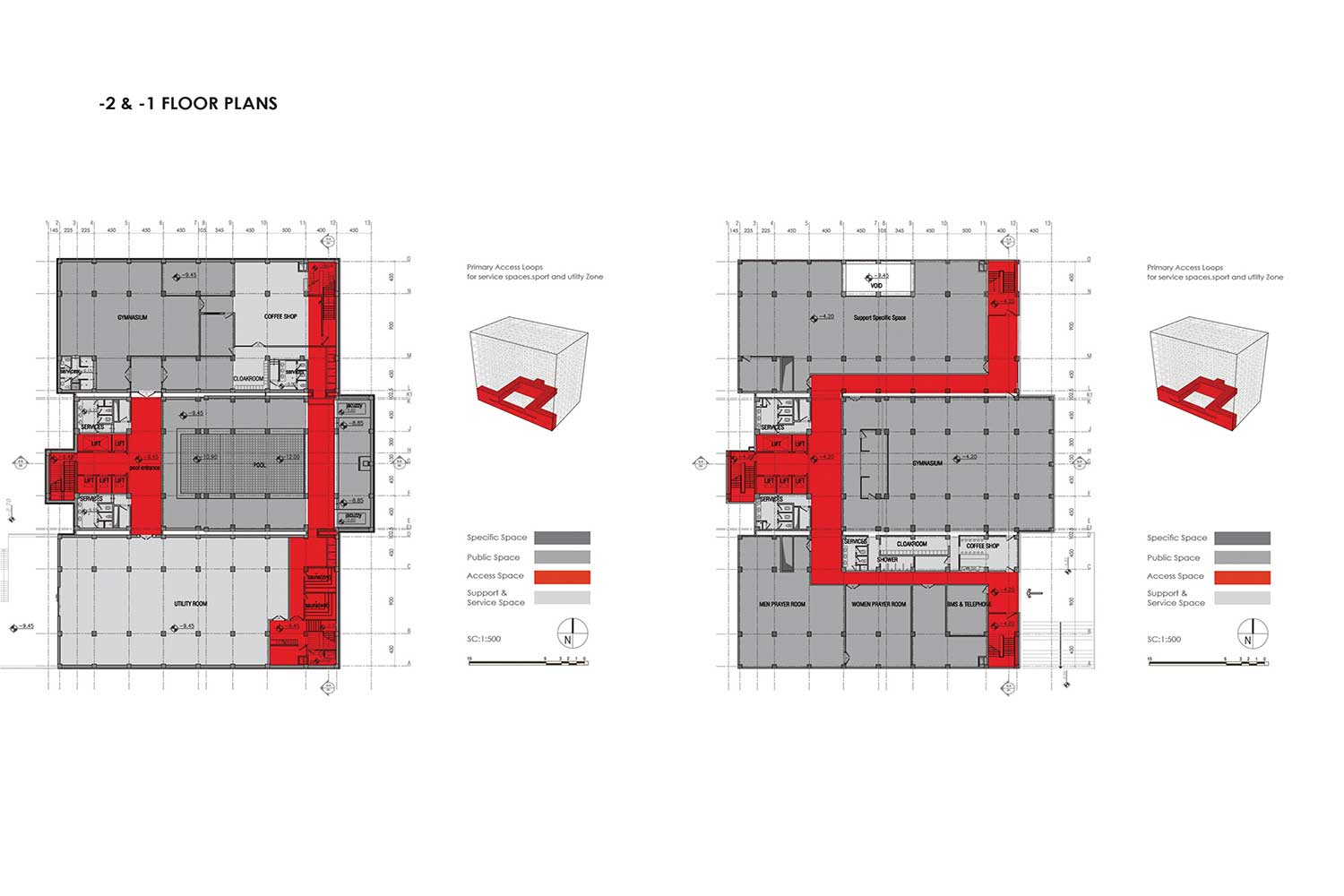
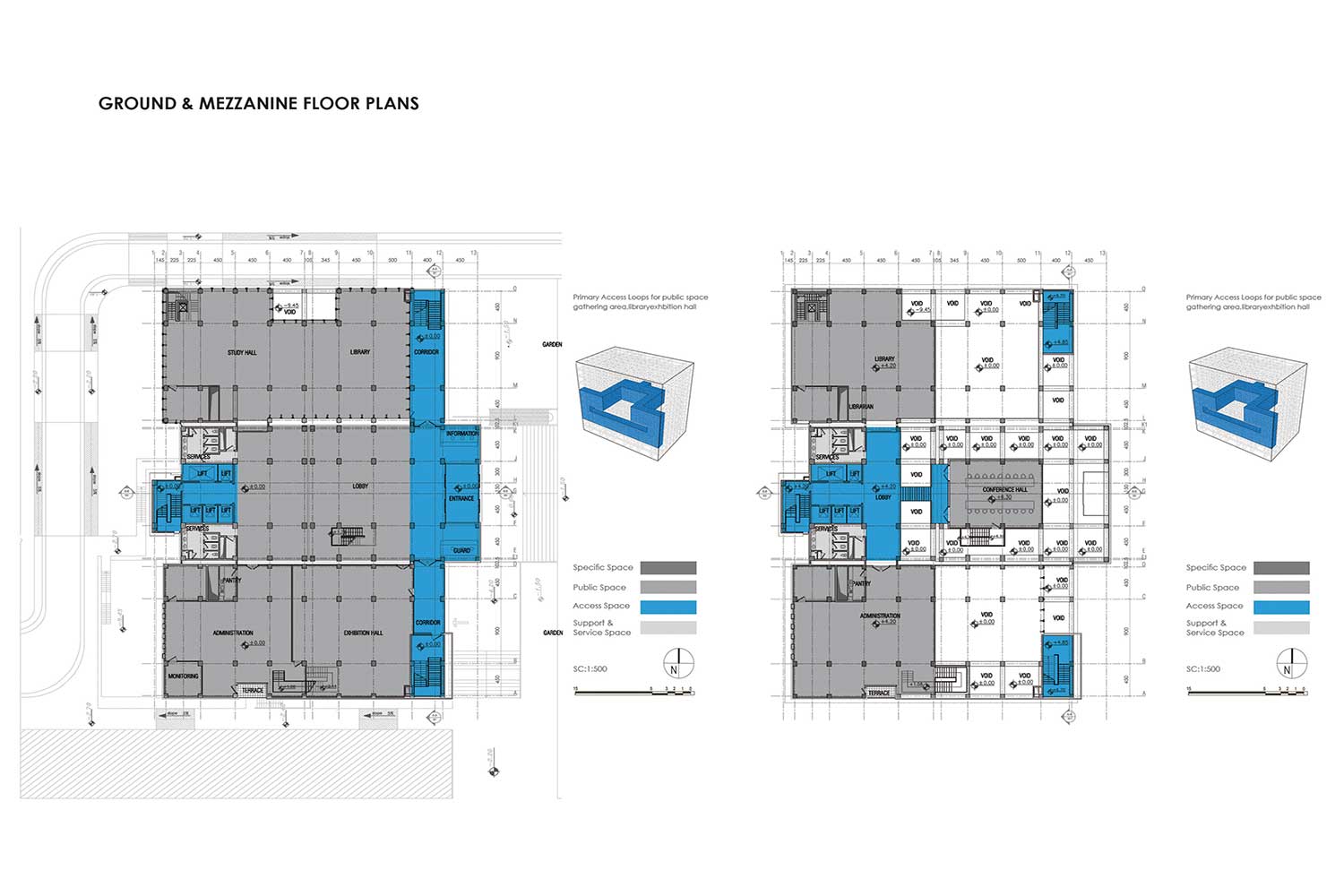
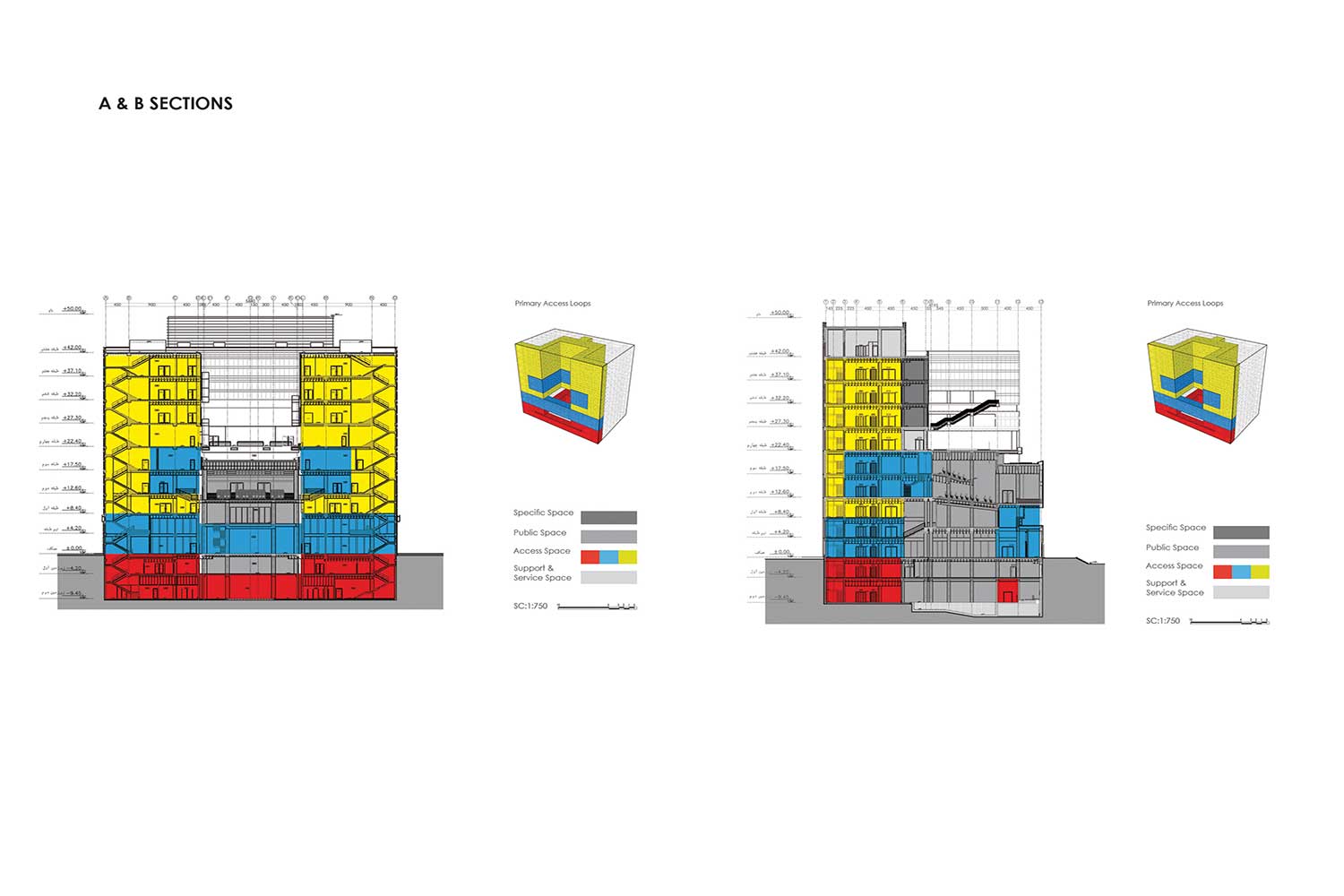
رویکرد پیشنهادی، ساختاری فضایی جدید را تعریف کرد که بدون تغییر در معماری پروژه شکل گرفت. فضاهای مورد نیاز با هدف ارتقاء کیفیت زندگی و مطابق با نیازهای کارفرما، در چهار دسته تقسیم شدند:
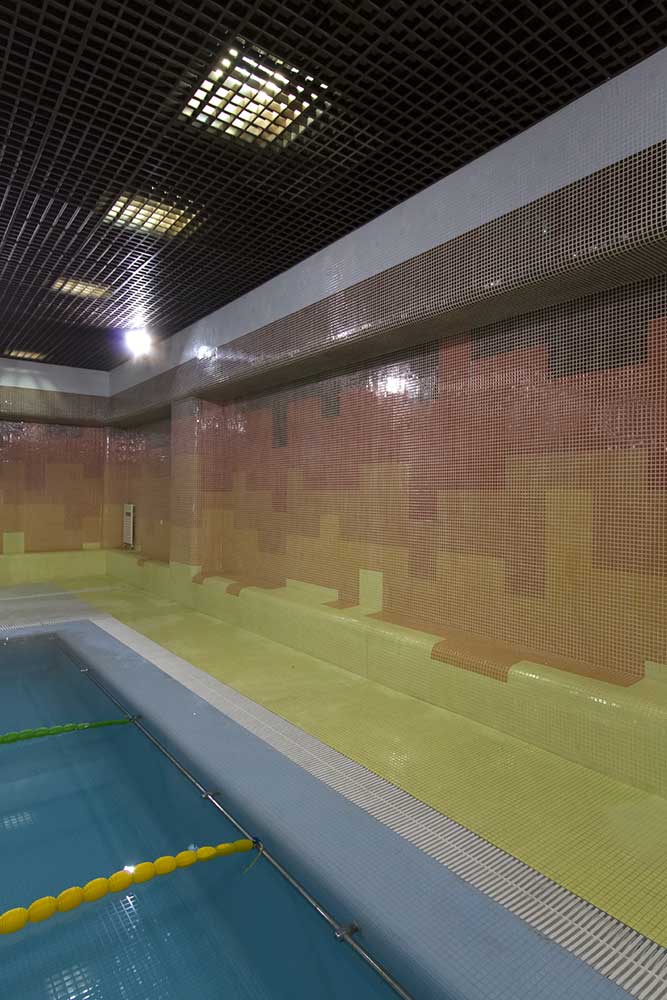
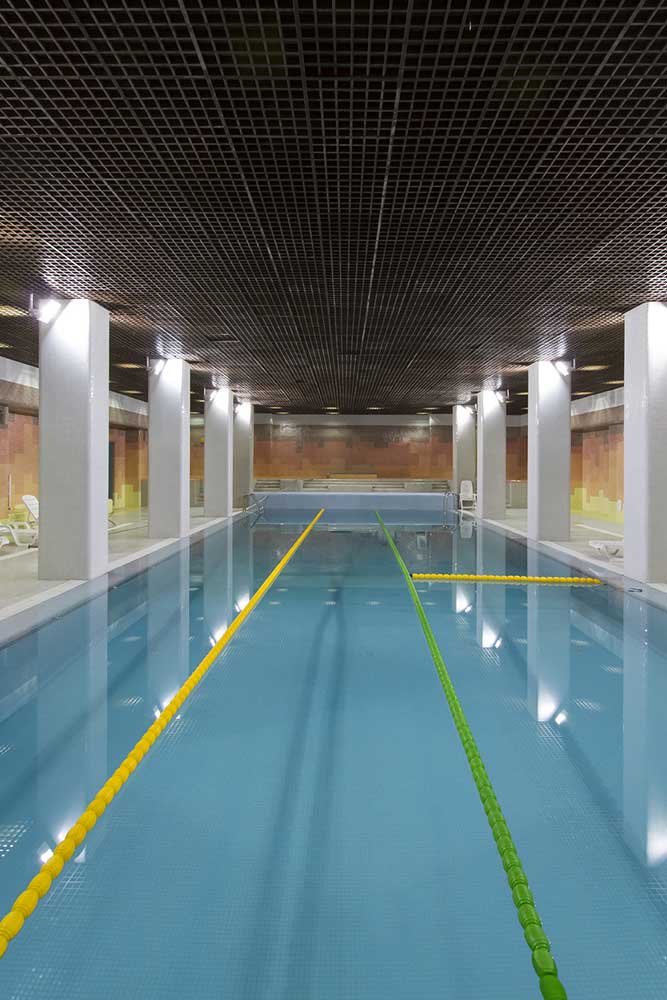
1. **فضاهای عمومی:** اداری، سالن اجتماعات، کتابخانه، کلاسهای آموزشی، سالن ورزشی، استخر، سونا و جکوزی
2. **فضاهای تخصصی:** مؤسسات تحقیقاتی
3. **فضاهای حرکتی و سیرکولاسیون:** راهروها و لابیهای طبقات، لابی ورودی اصلی، راهپلههای اصلی و اضطراری
4. **فضاهای پشتیبانی:** تأسیسات، آسانسورها، سرویسهای بهداشتی، آبدارخانهها، نمازخانهها
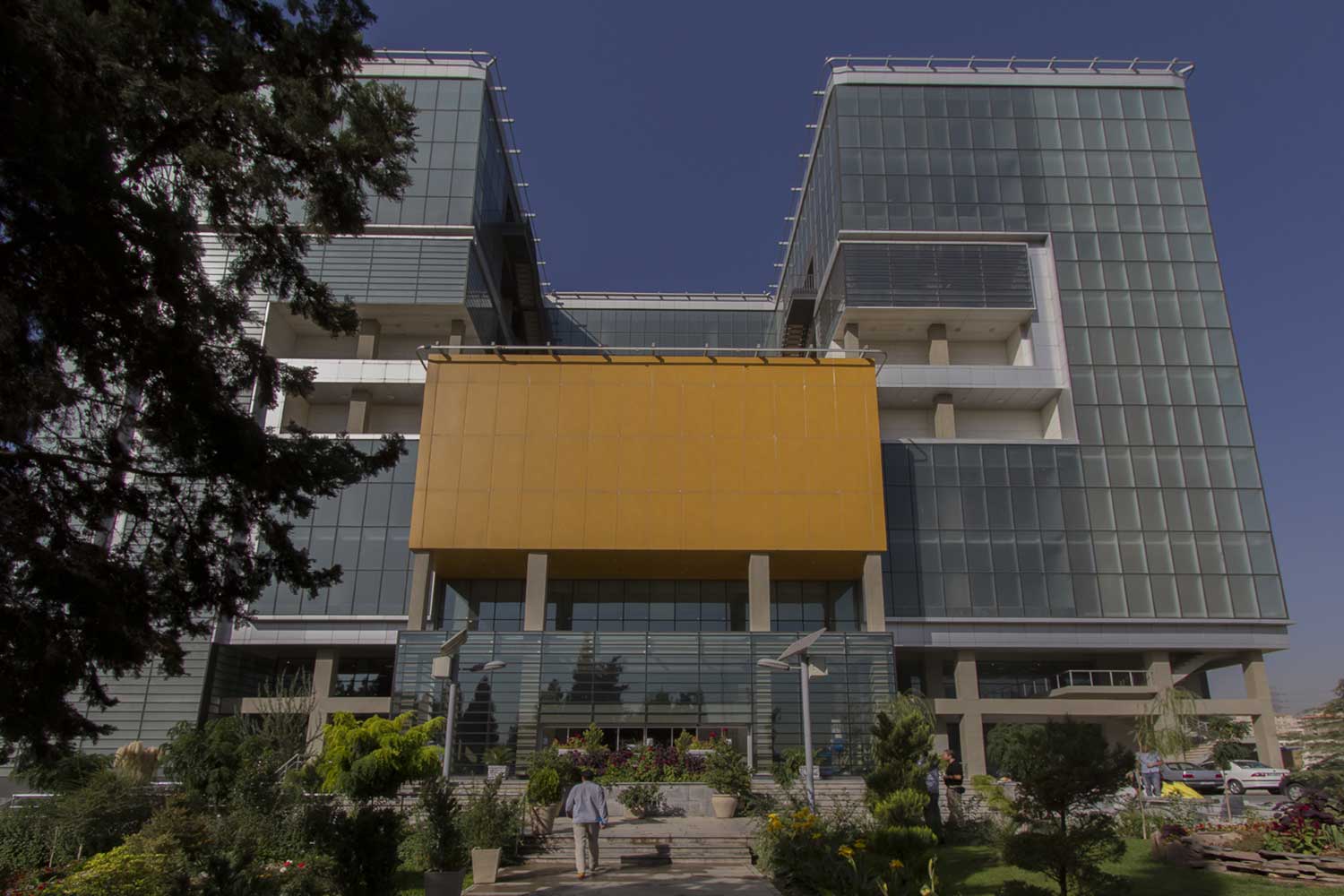
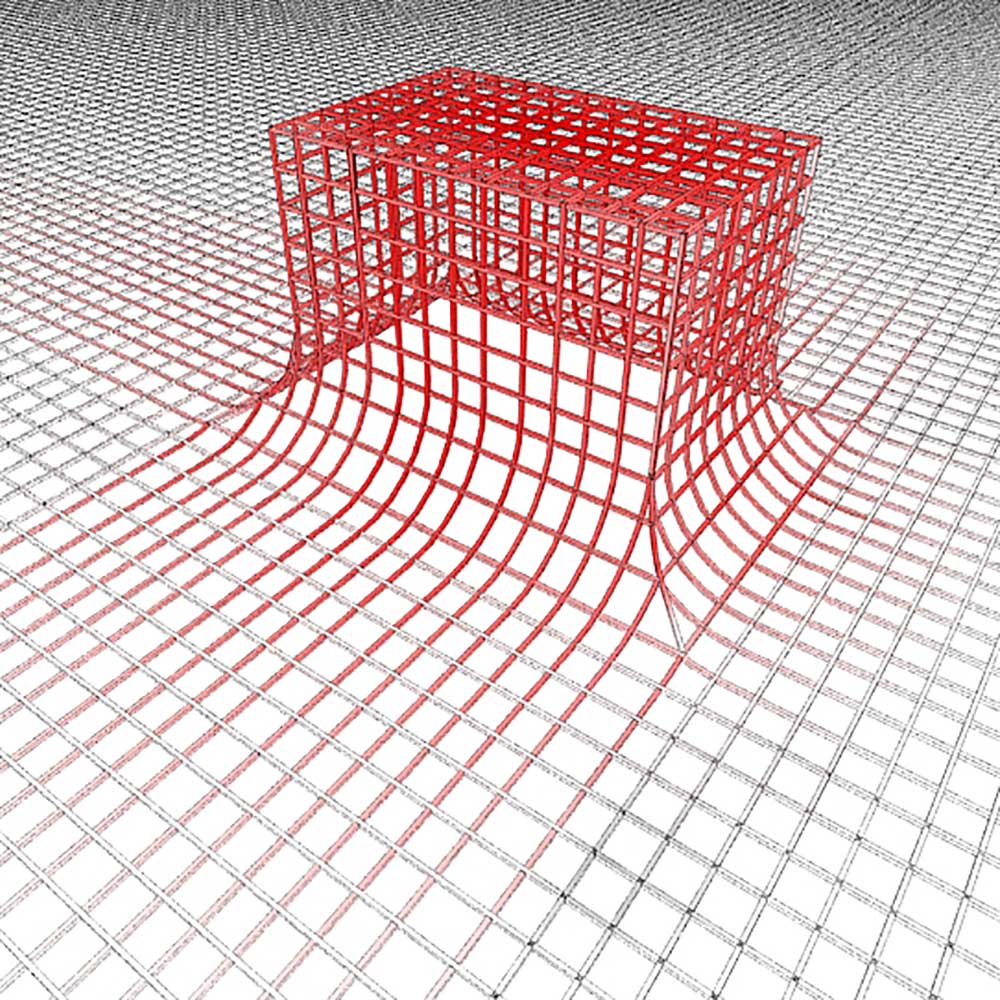
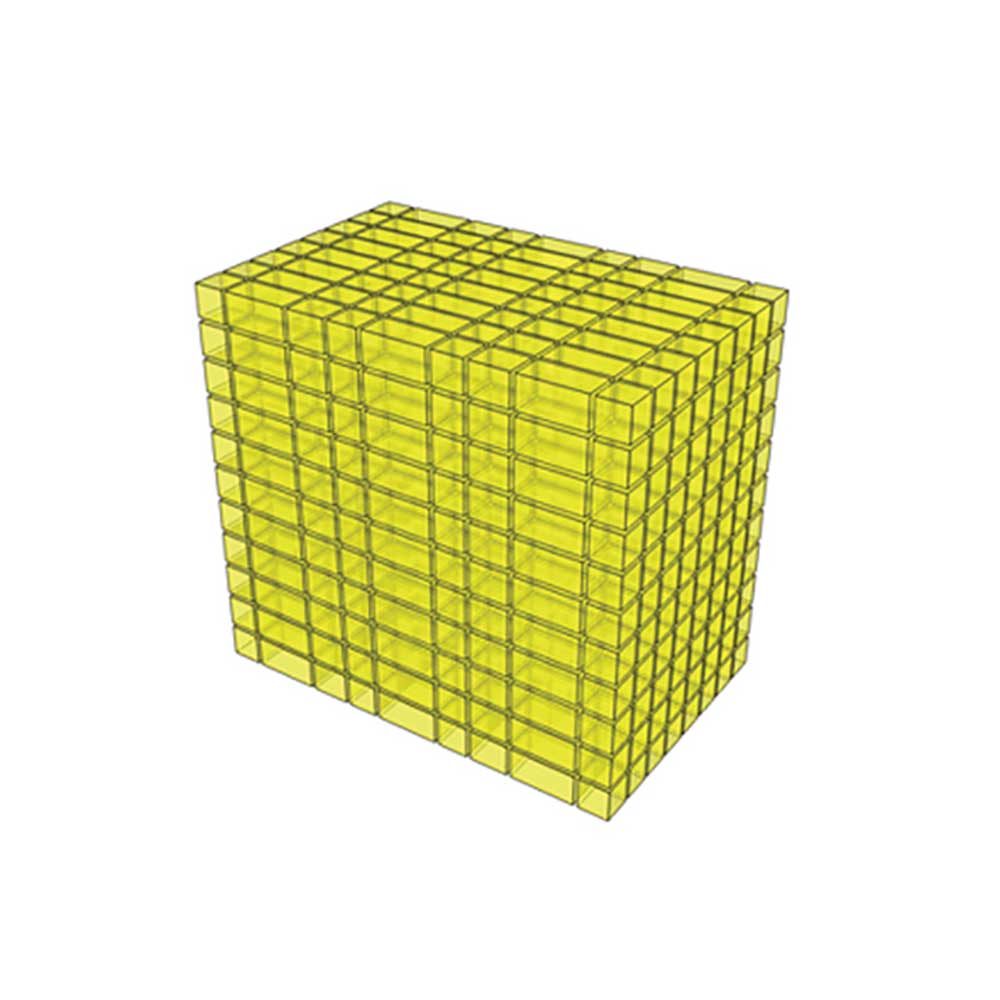
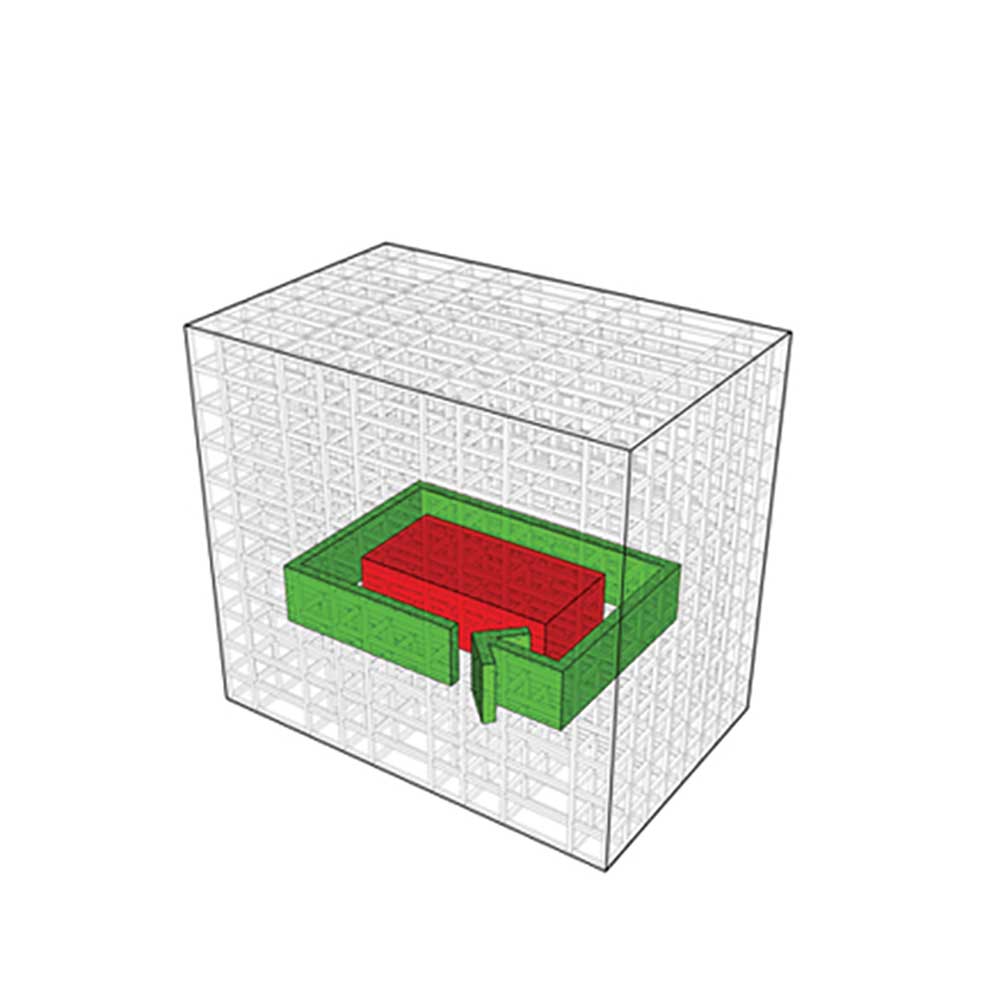
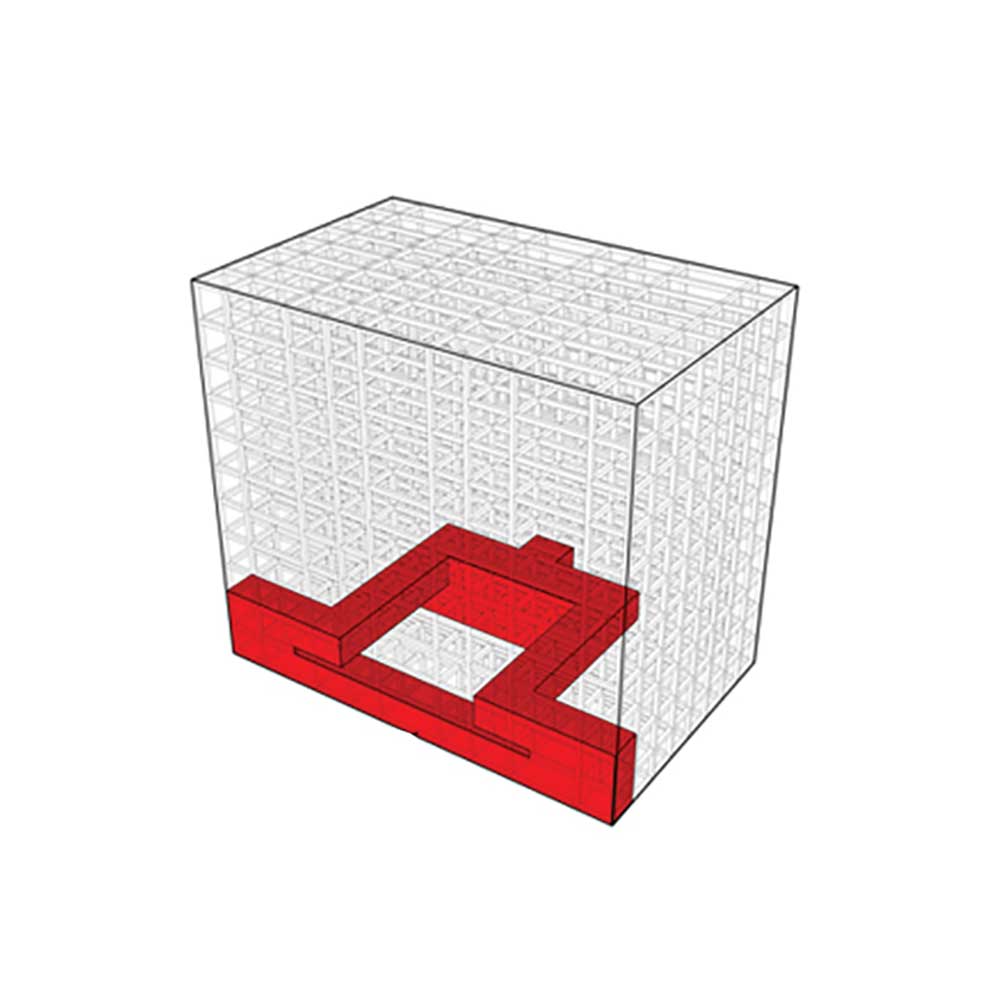
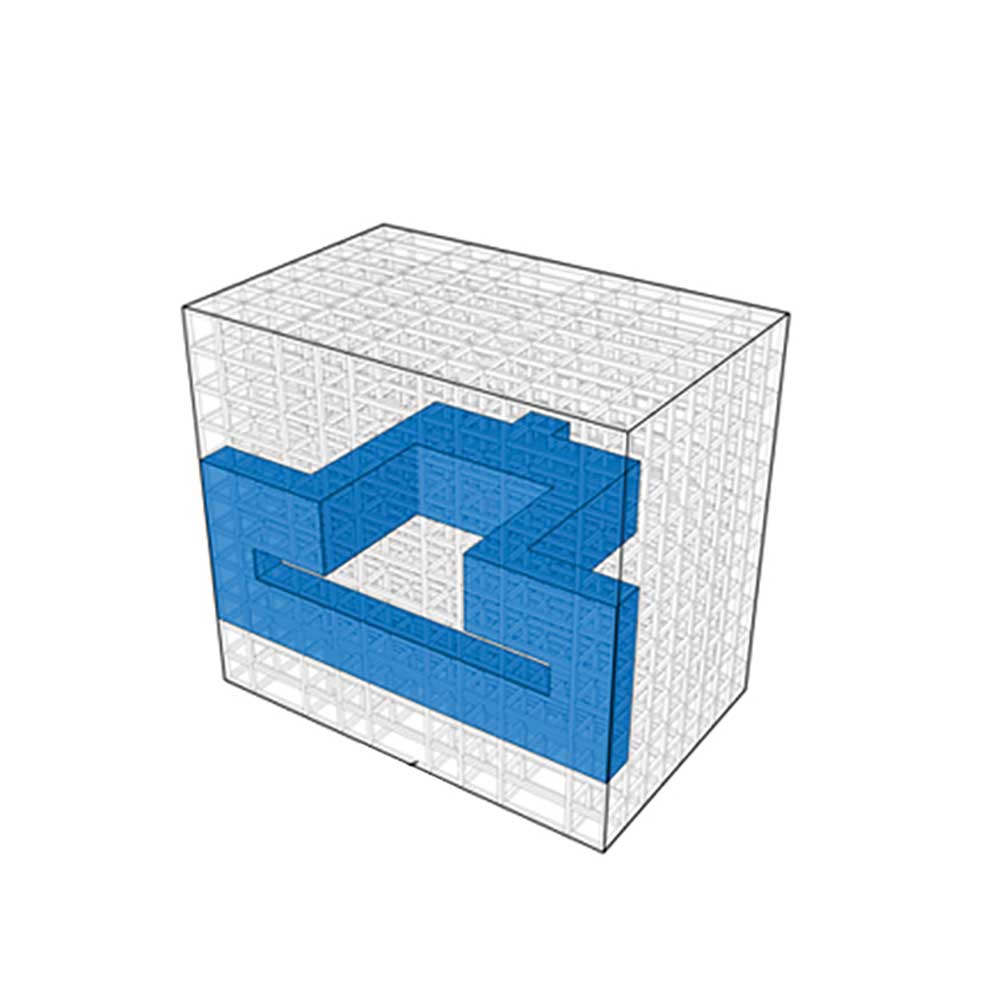
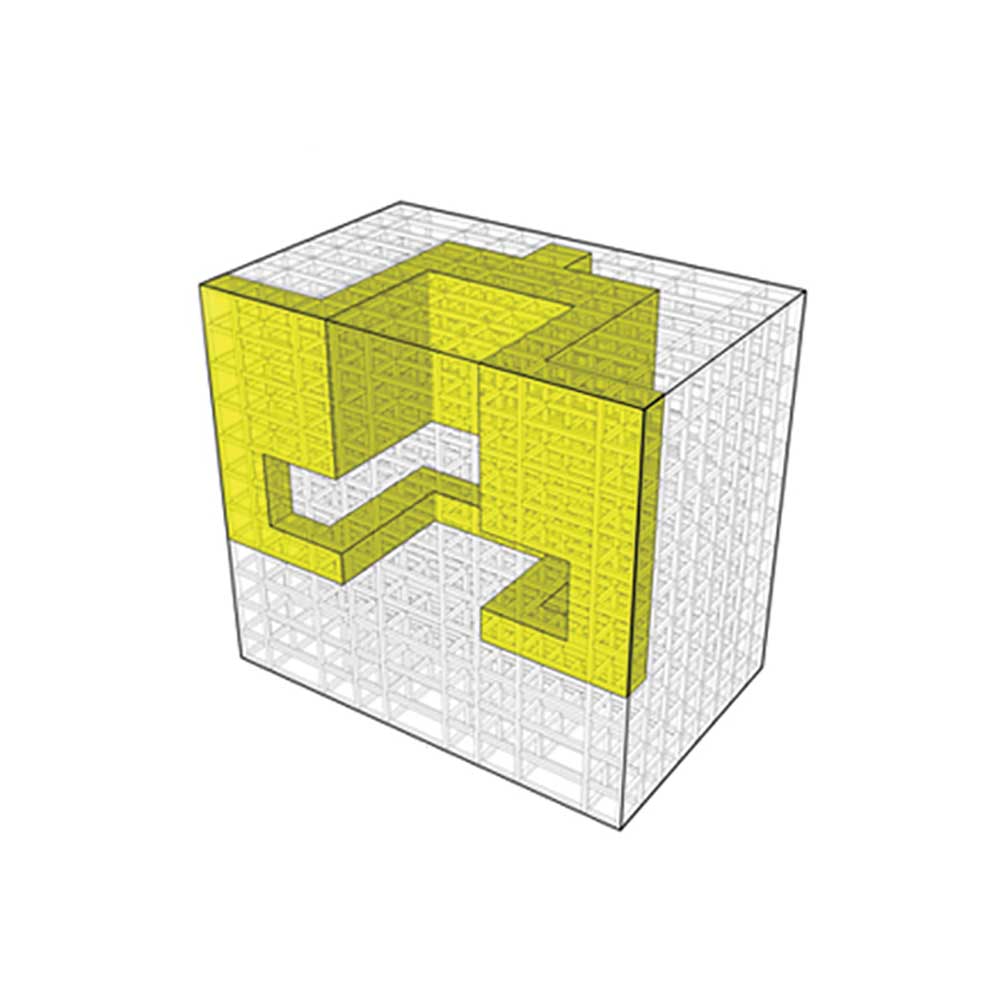
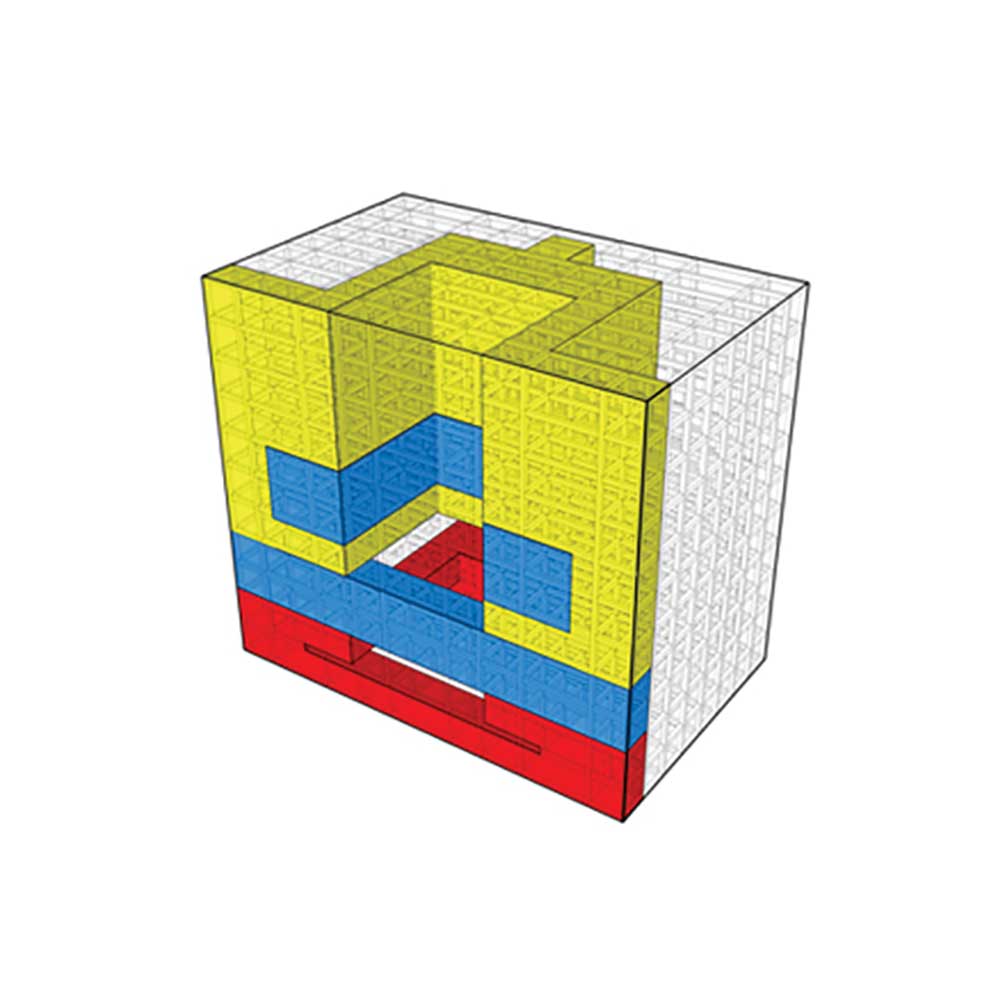
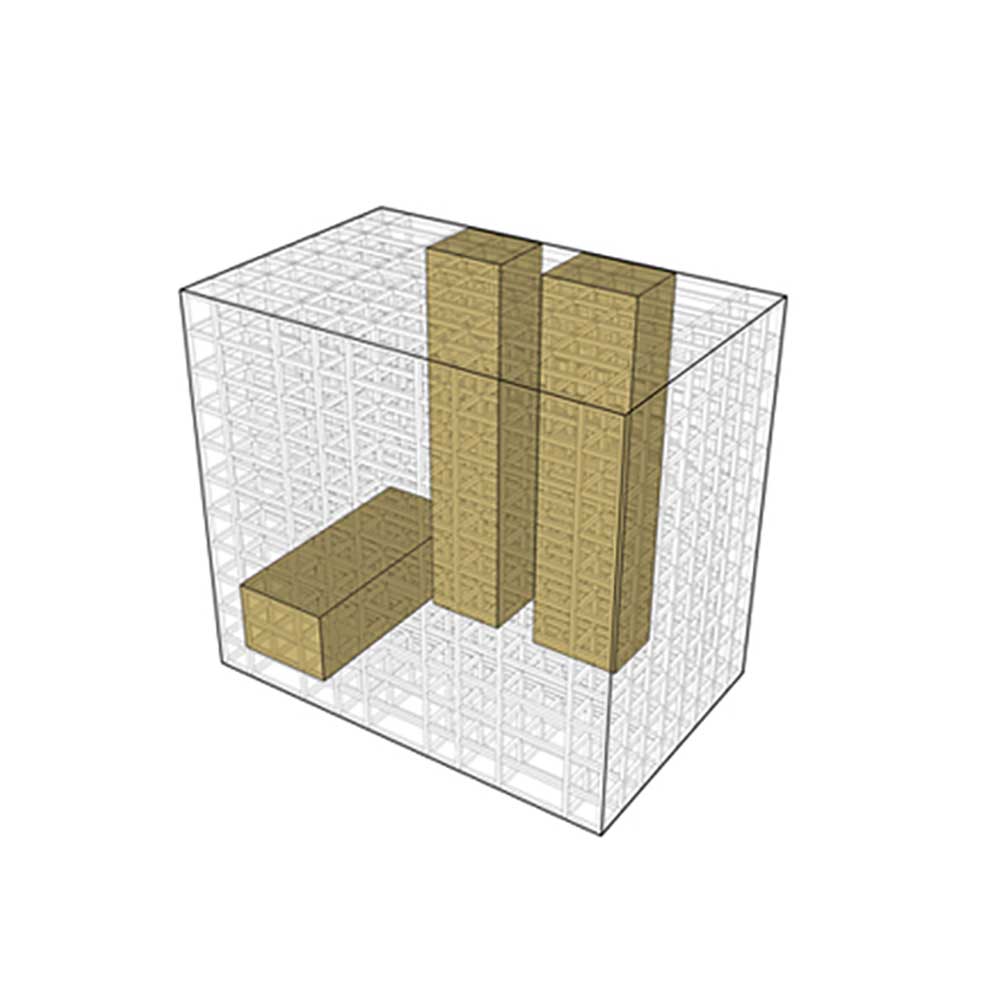
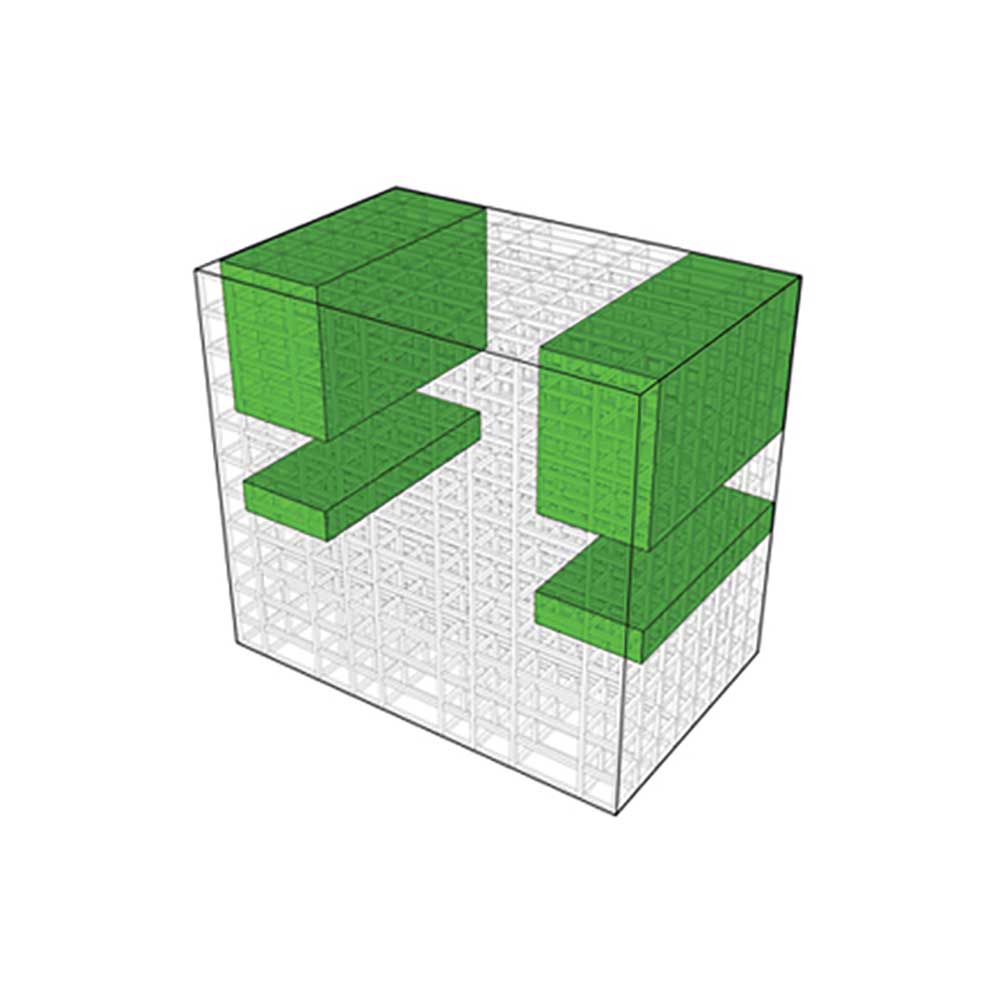
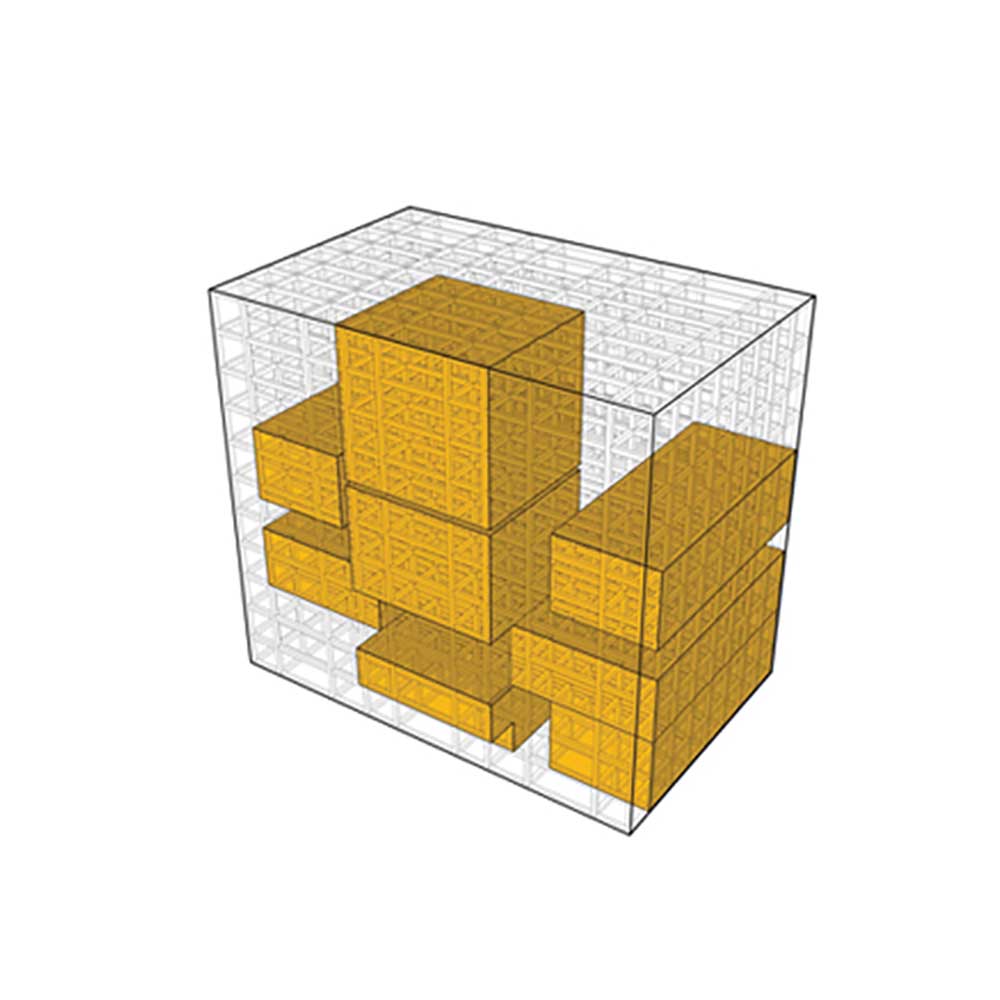
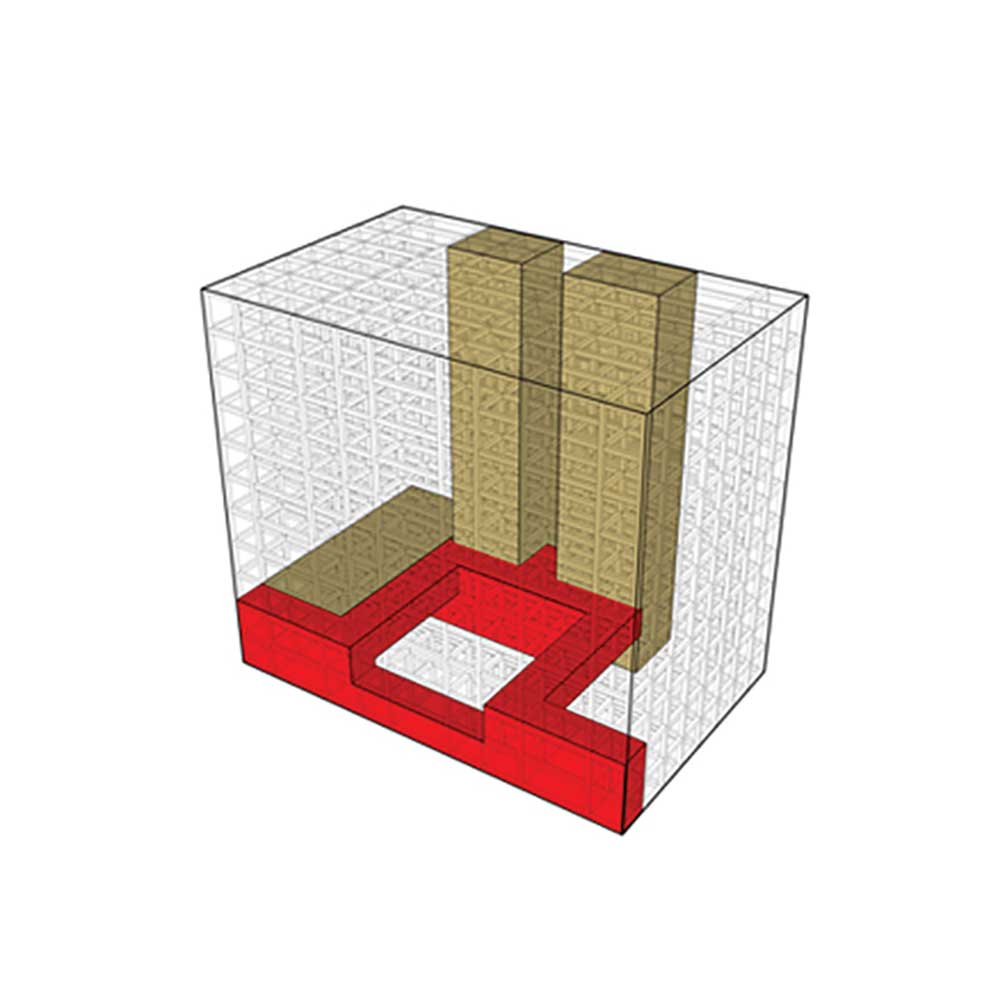
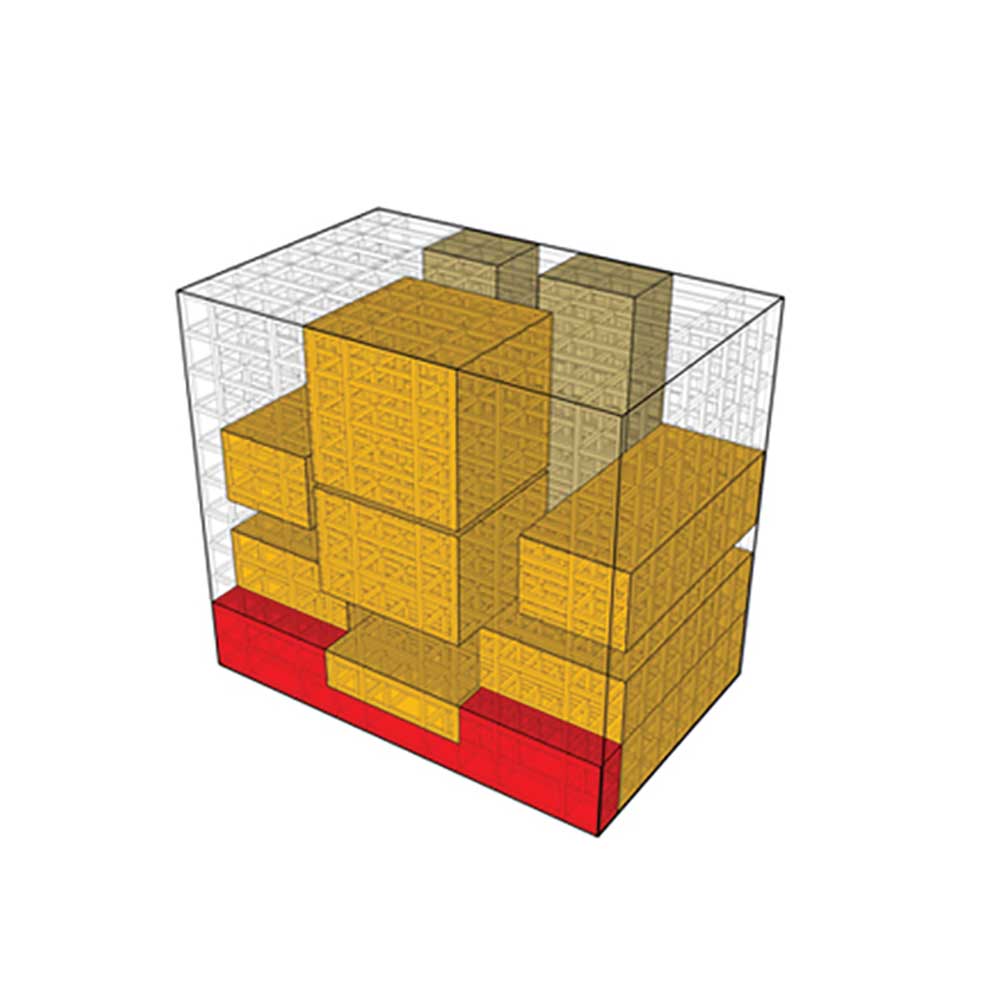
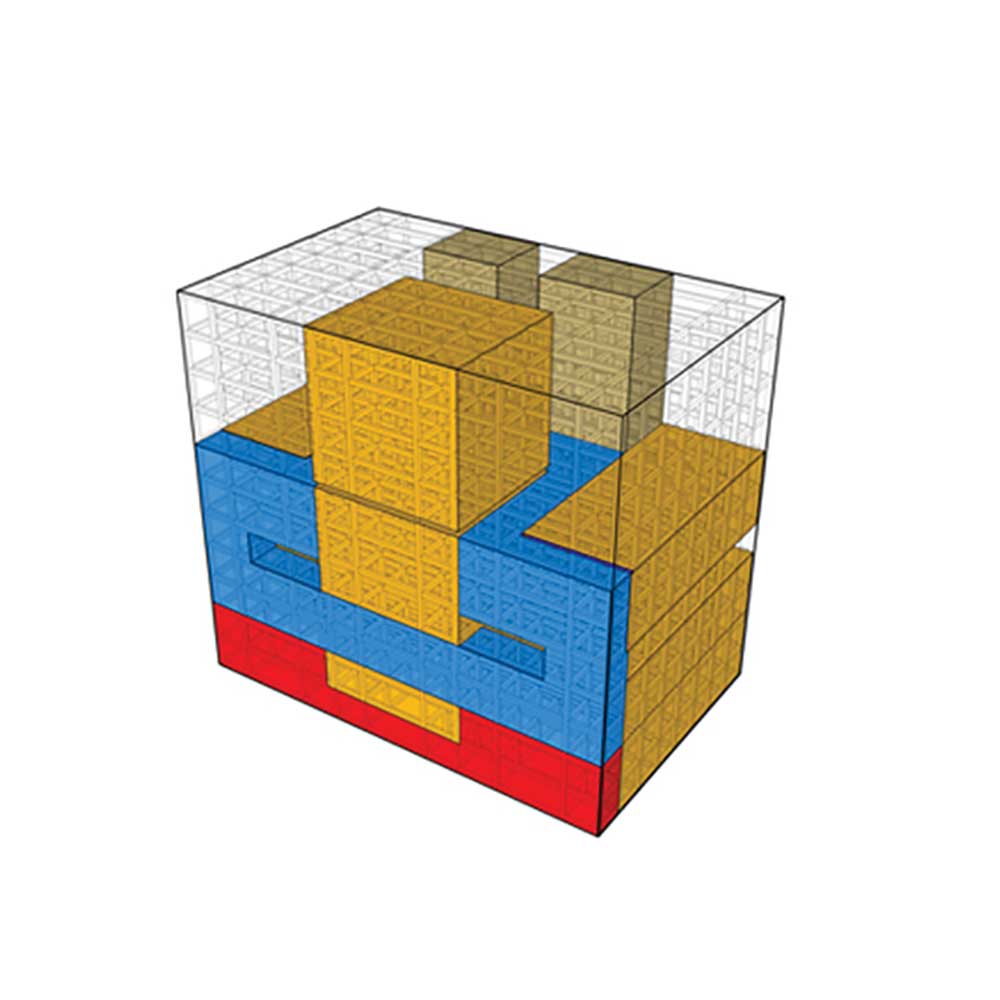
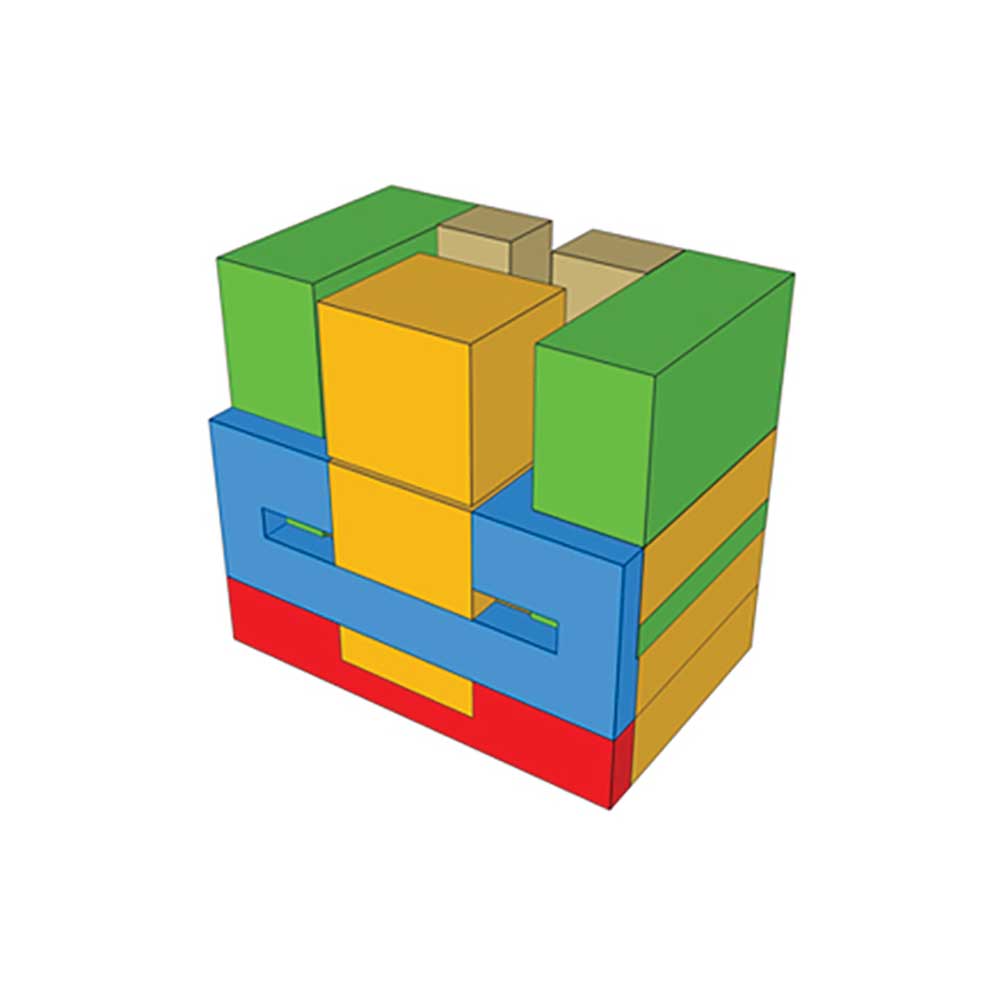
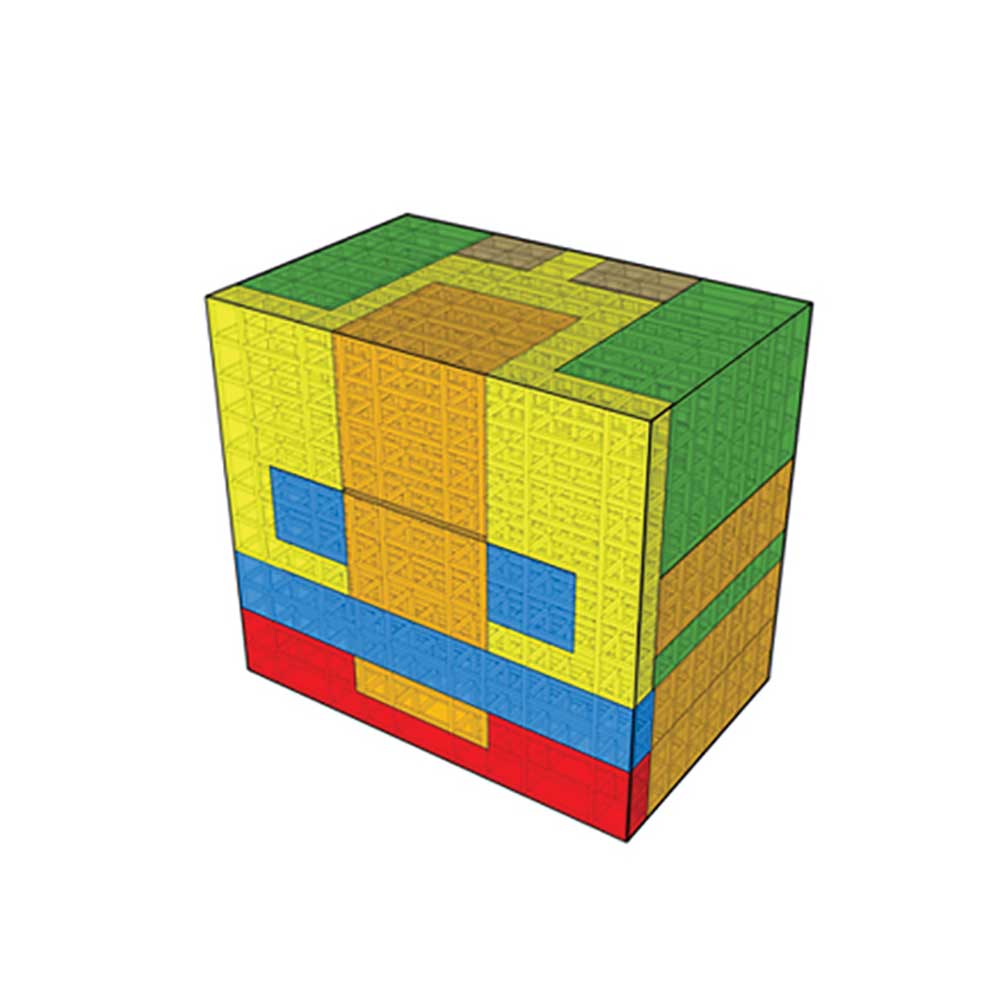
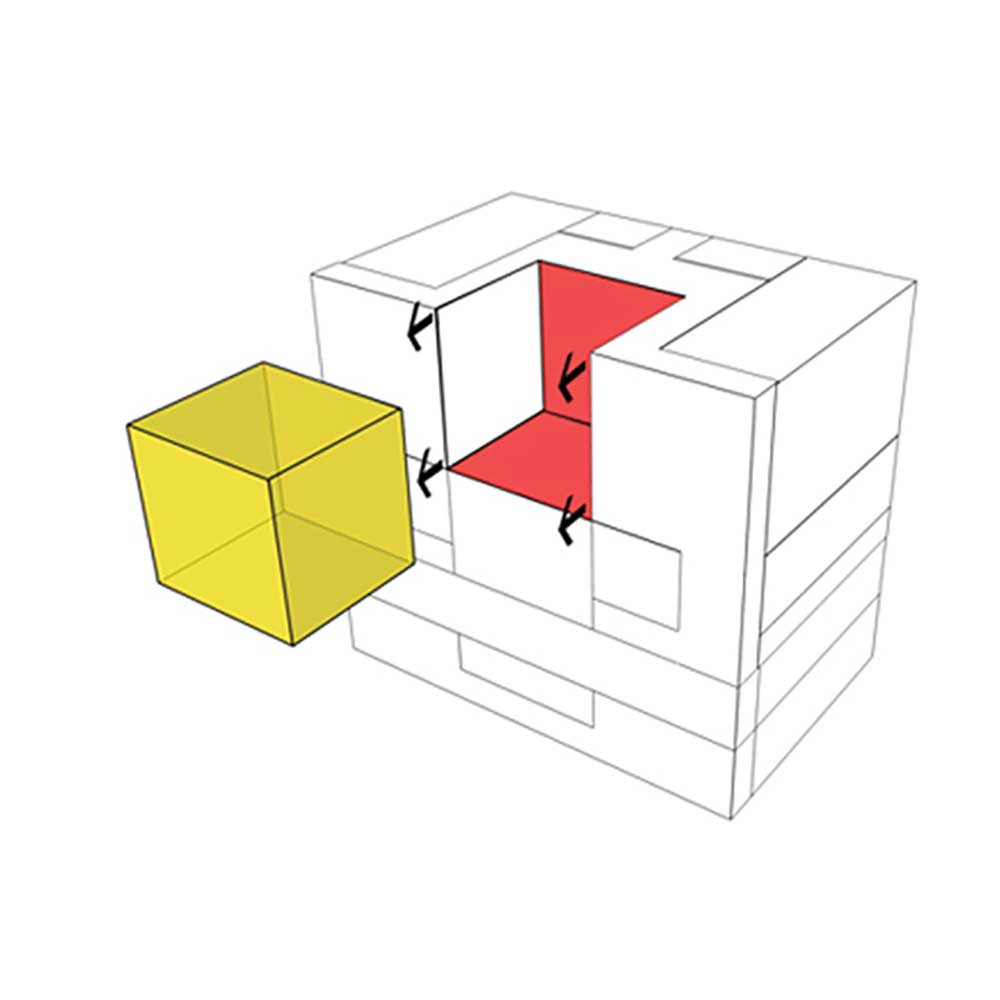
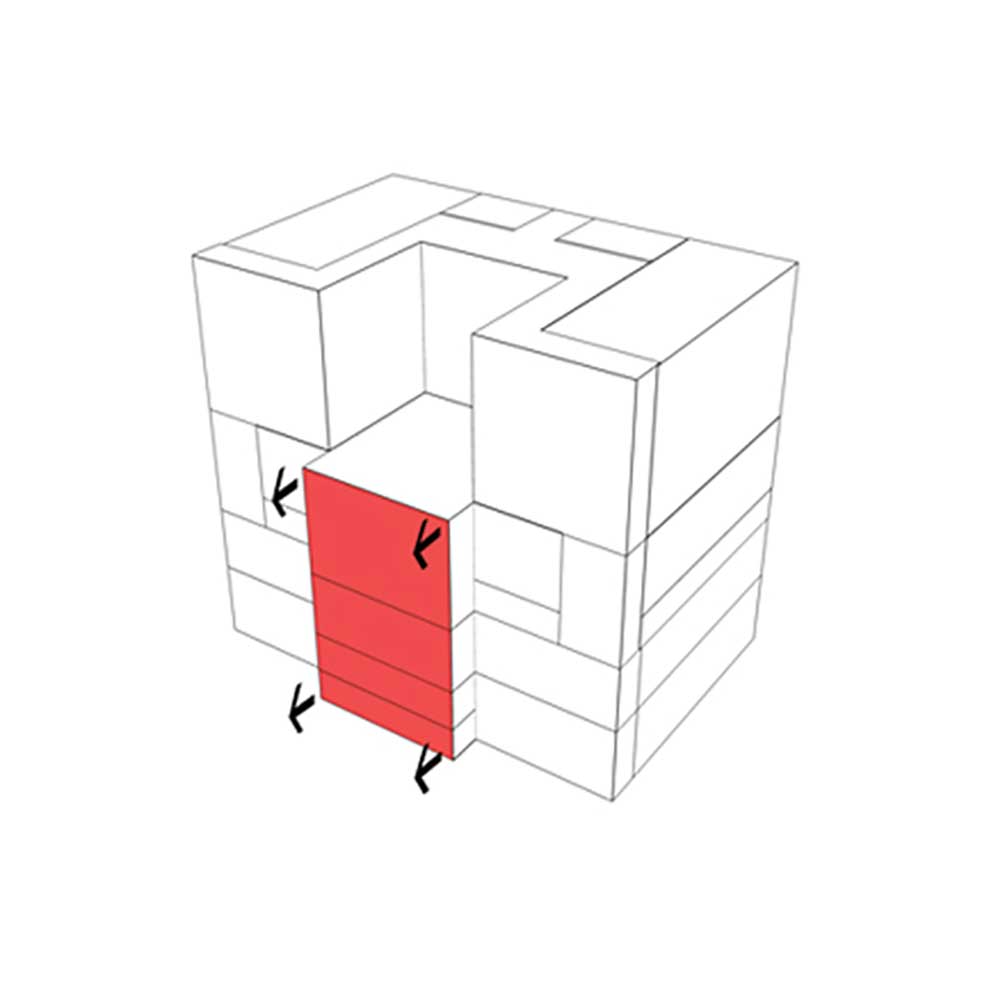
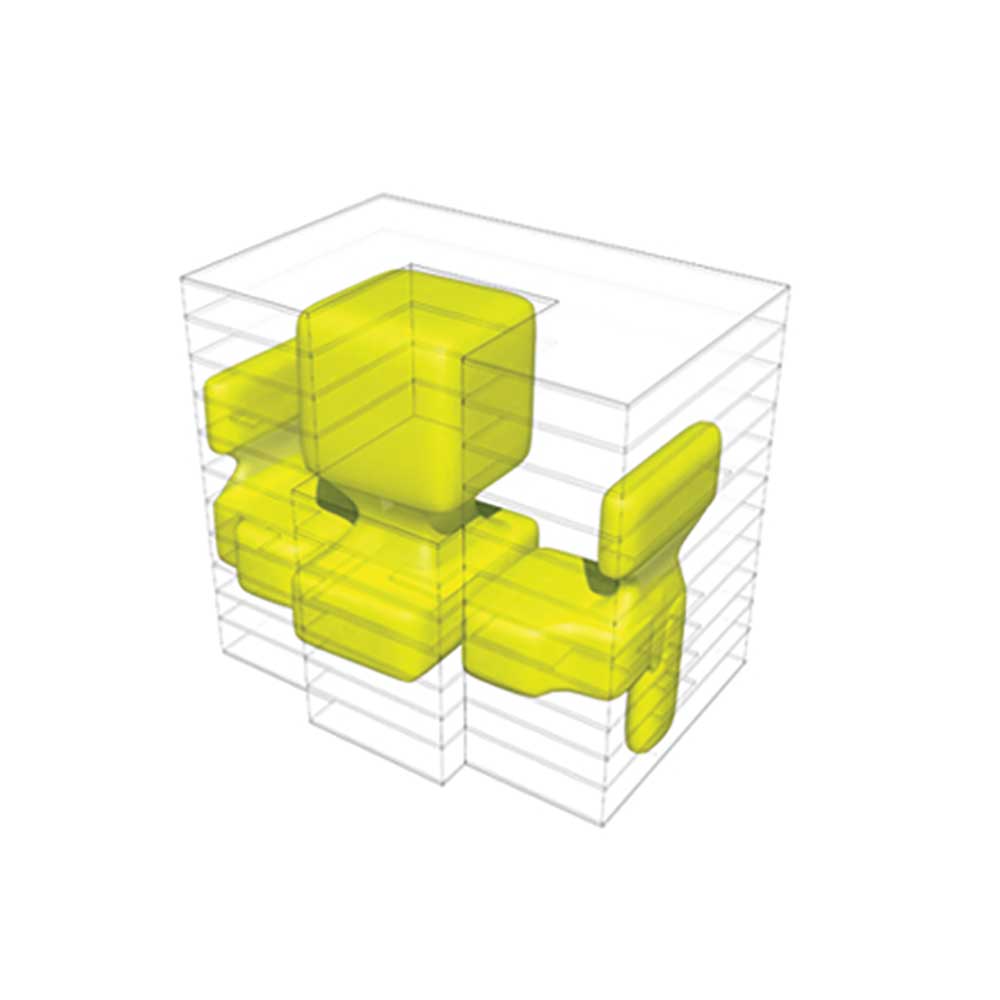
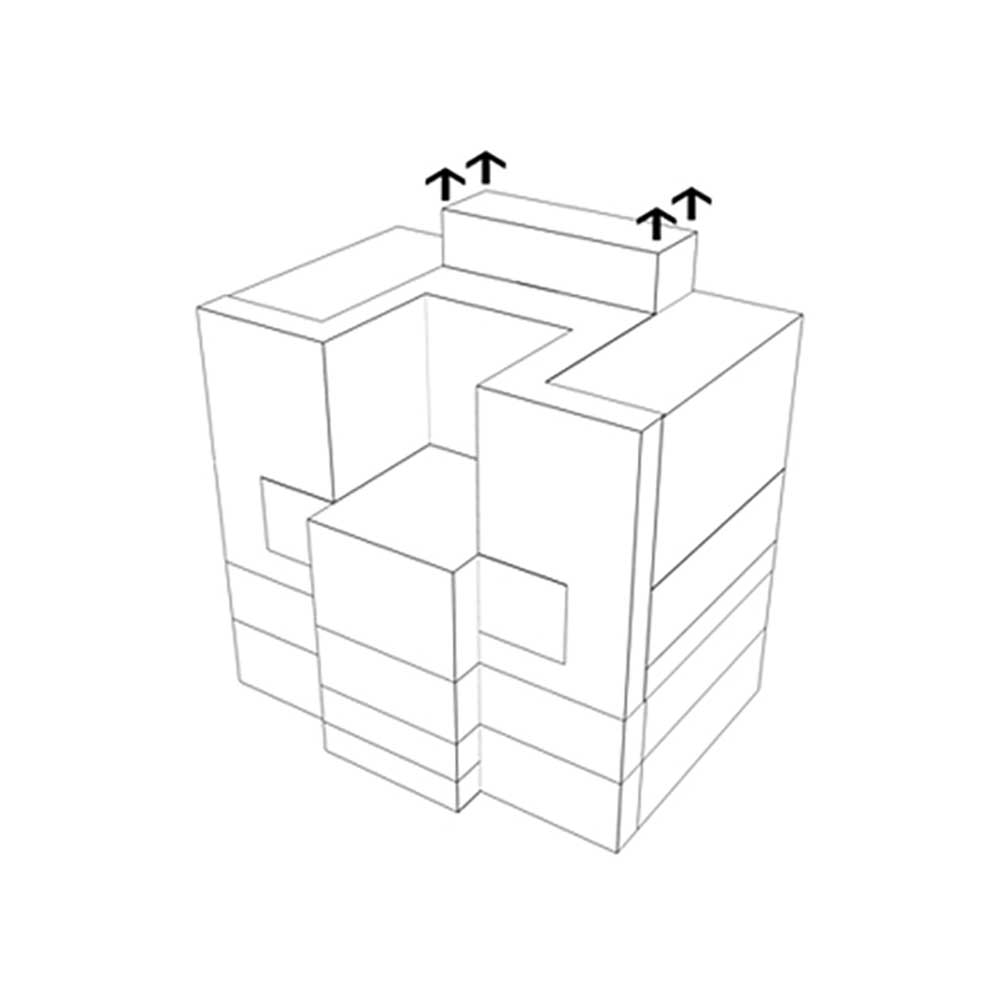
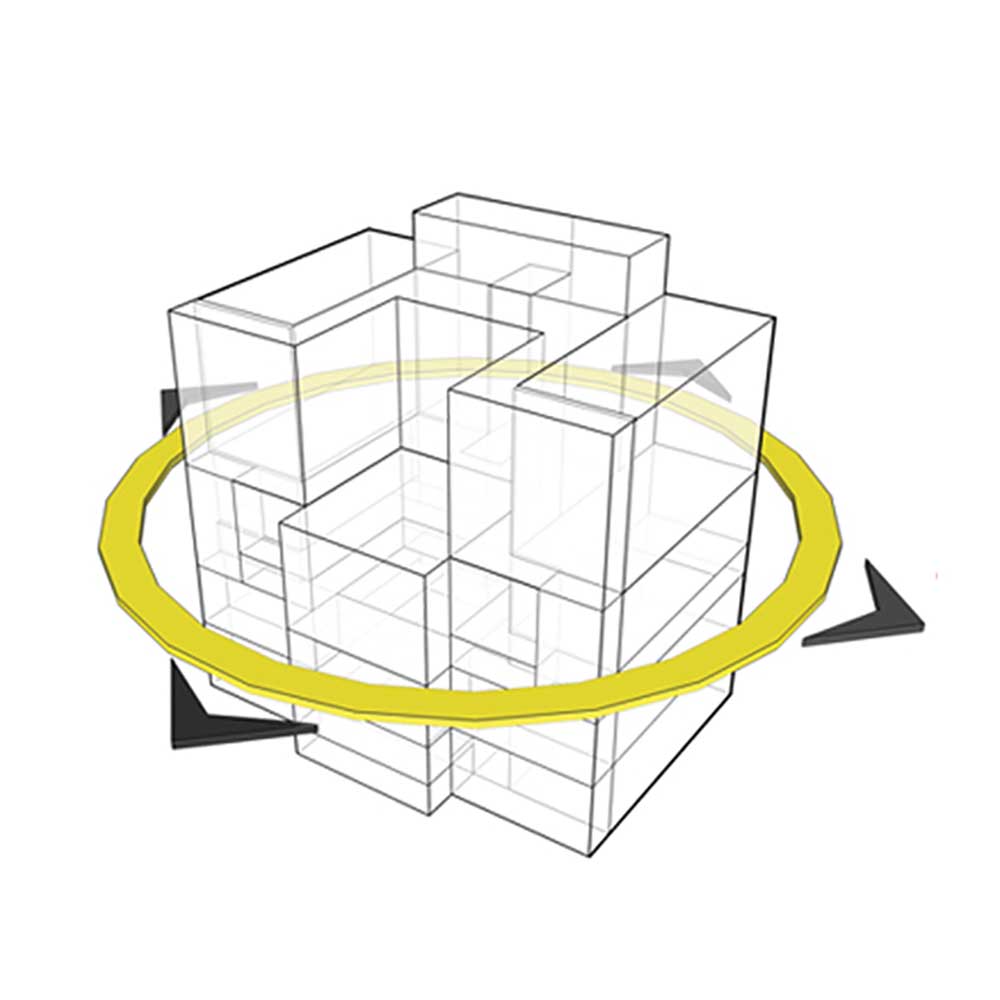
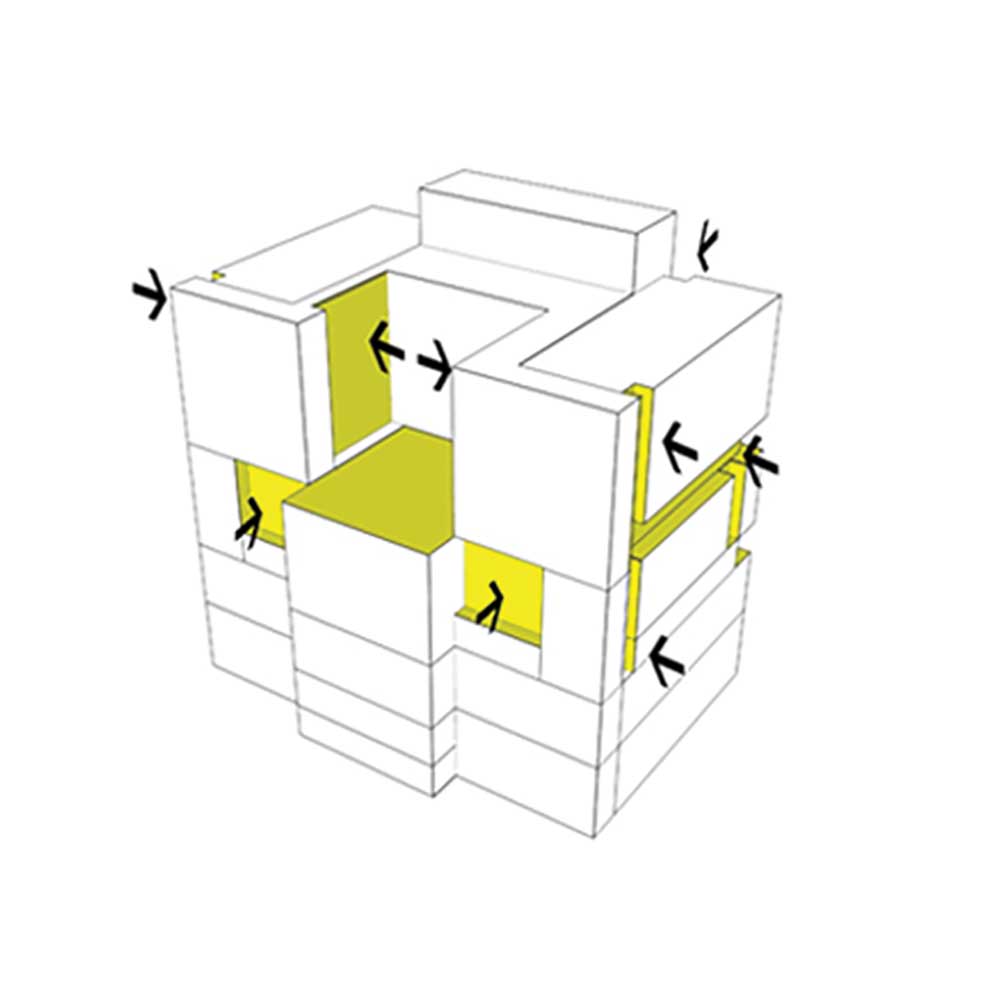
در این ساختار، «حلقههایی» به عنوان فضاهای حرکتی و دسترسی تعریف شدند که تمام بخشهای دیگر پروژه بر محور آنها سامان یافتند. فرم و ساختار این حلقهها تابعی از عملکرد و نقشهی طبقه مربوطه بوده است. پروژه درواقع از دو عنصر اصلی «باکس» و «حلقه» شکل گرفته است. در ابتدا، حلقههایی با ماهیت دسترسی (عمودی و افقی) طراحی شدند تا بتوانند محدودیتهای سازهای را کنترل کنند؛ چرا که نبود یکپارچگی در دسترسیها و گسست فضایی ناشی از سازه، چالشساز شده بود. بهدلیل وجود درز انبساطهای متعدد و بزرگ، این موارد یکی از عوامل اصلی تفکیک باکسها درون پروژه شدند. در بسیاری از قسمتها، از پوشش این باکسها اجتناب شد تا این موضوع برجستهتر دیده شود.
—
### ارتباط با بستر و زمینه
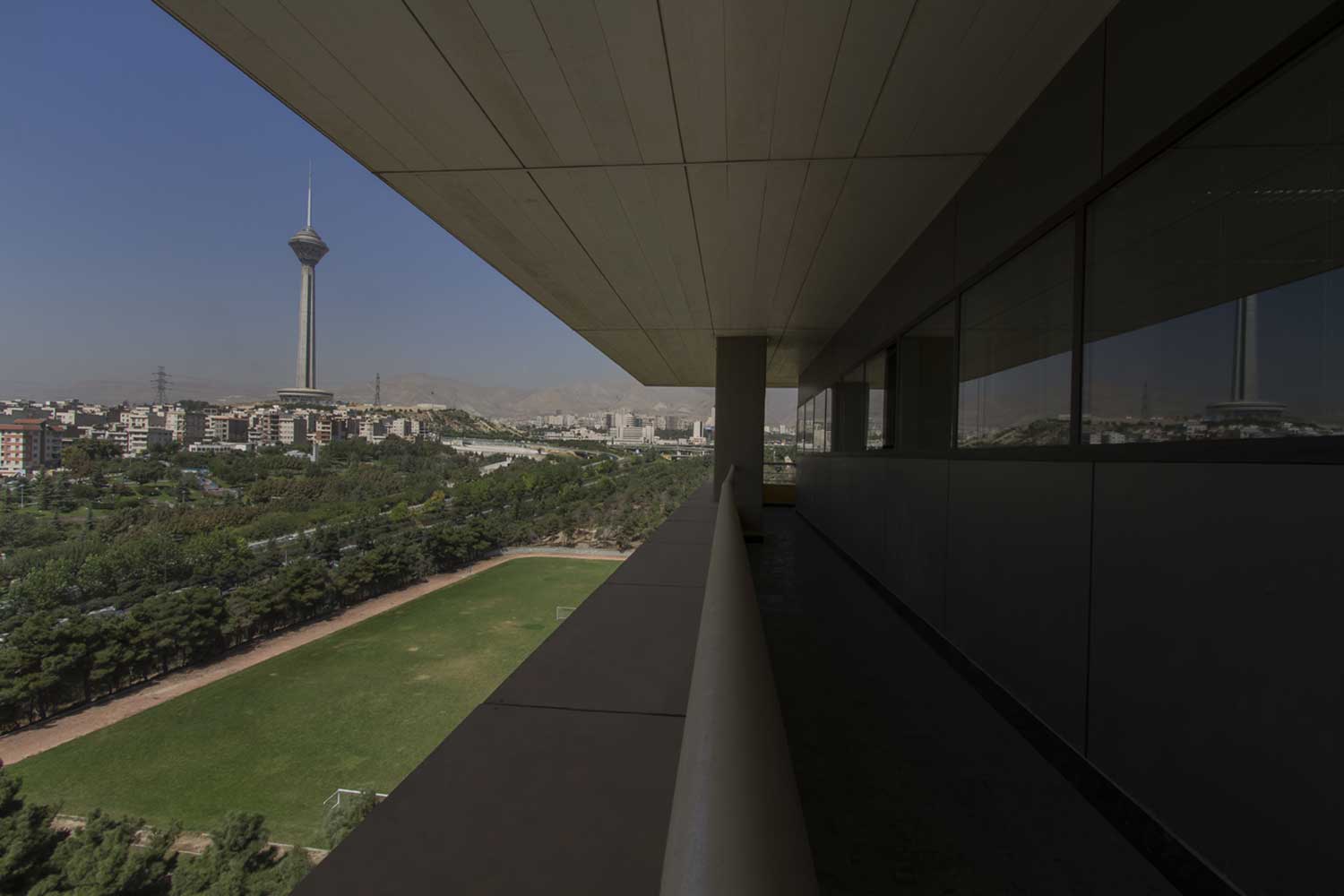
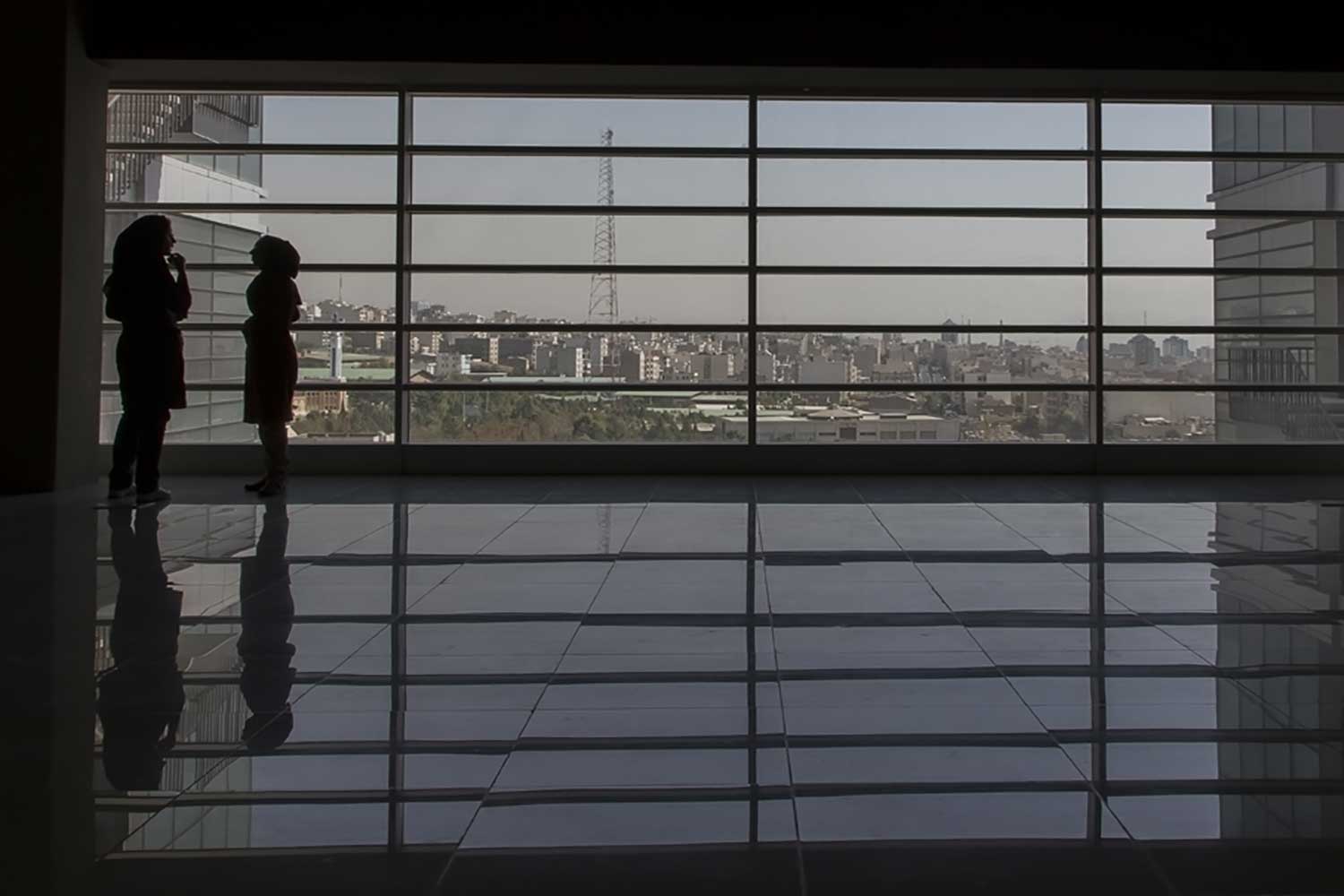
با توجه به موقعیت و شرایط محیطی پروژه، دید شمالی آن به دره کن و دربند، دید غربی به پارک گفتگو، دید شرقی به منظر سبز مرکز و دید جنوبی به فضای سبز خوابگاه دانشگاه تهران از جمله ویژگیهای ممتاز این پروژه بود؛ ویژگیهایی که توسط کارفرما به علت رویکرد عملکردگرایانهی پروژه، نادیده گرفته شده بود. اما با اصرار تیم طراحی بر اهمیت این ویژگیها، آنها به نقاط قوت طرح بدل شدند.
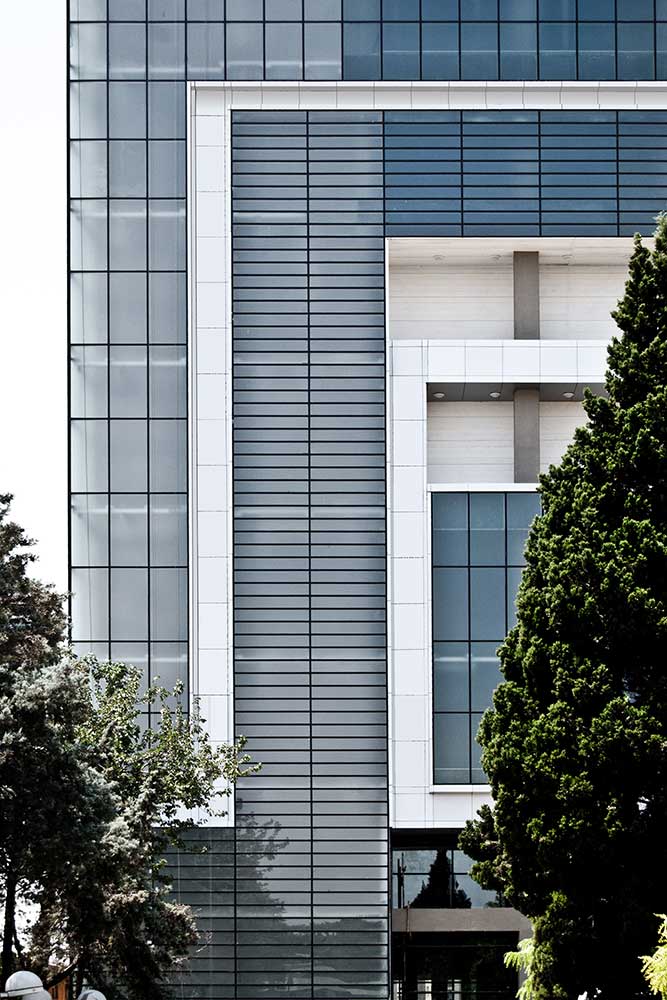
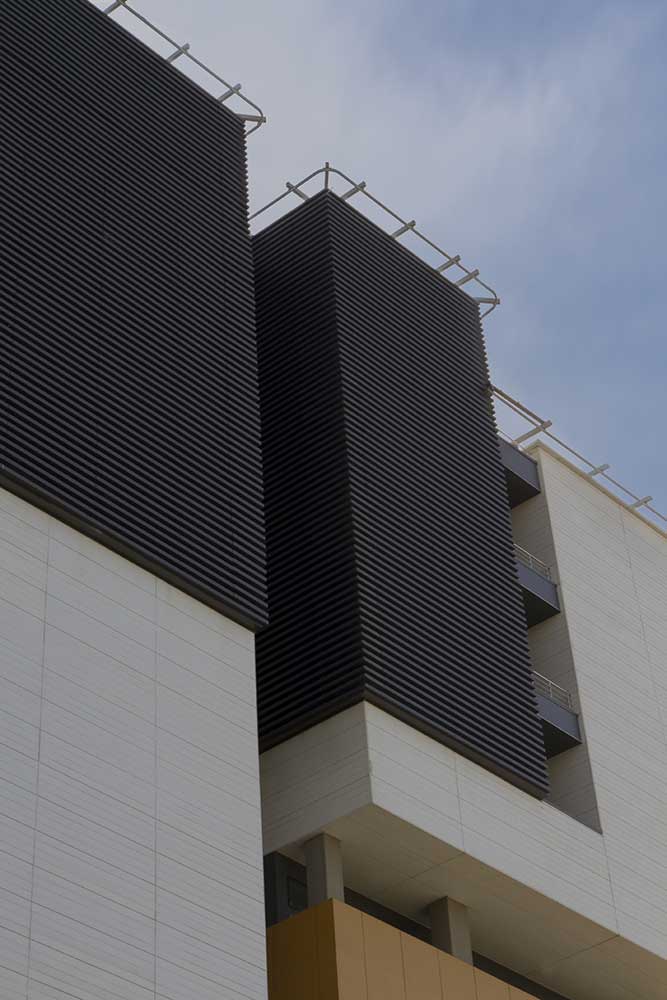
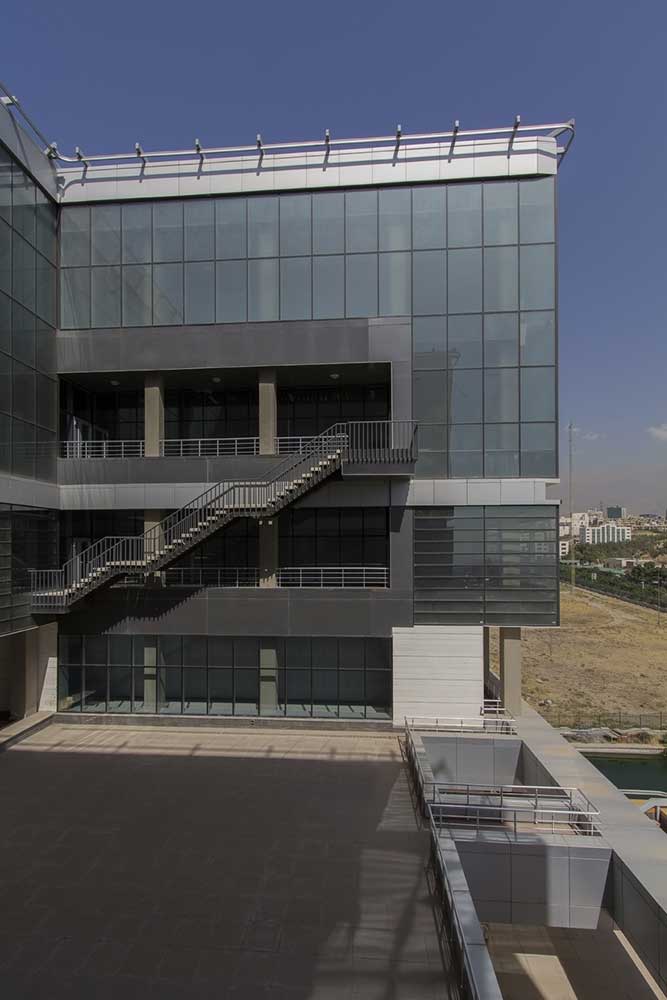
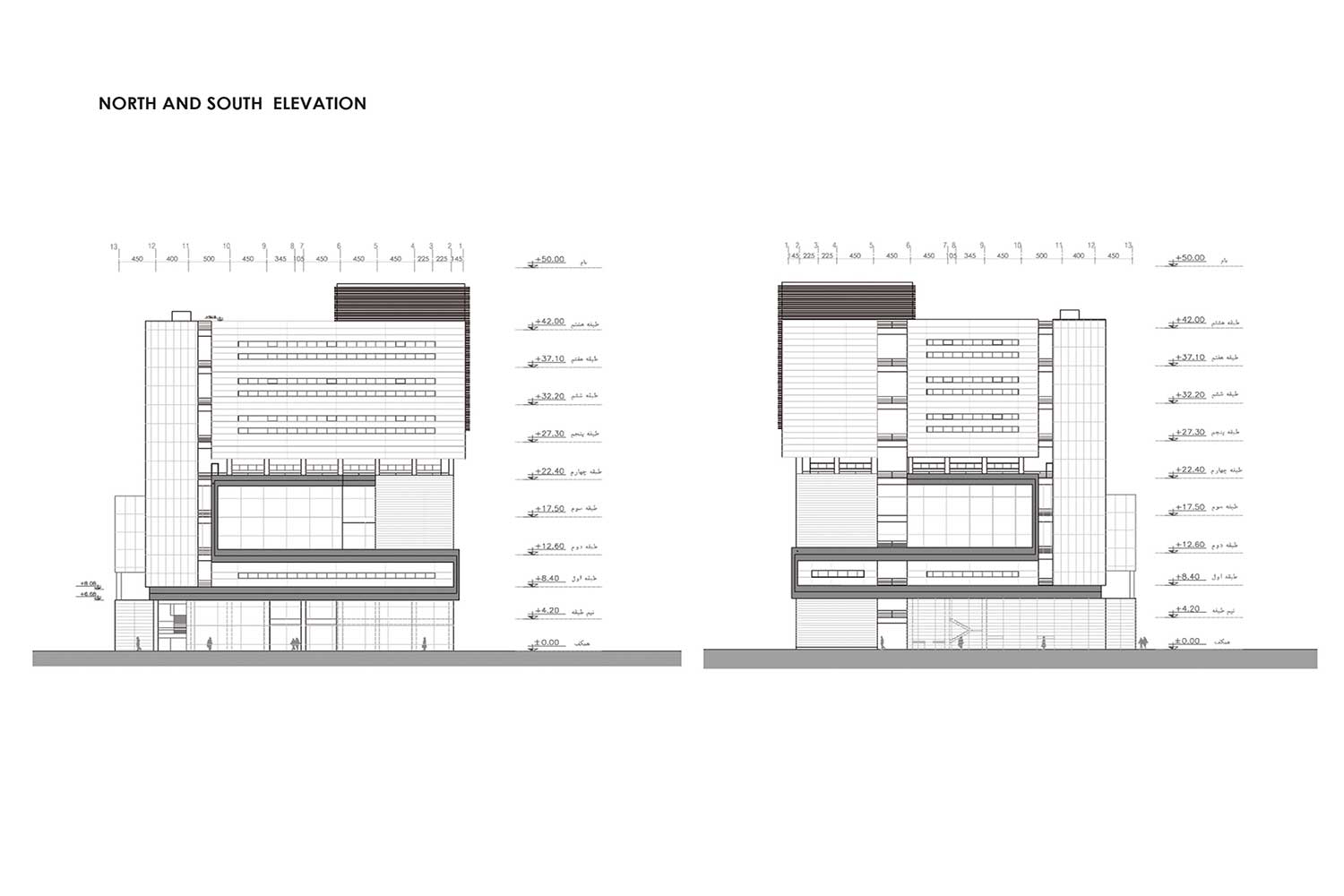
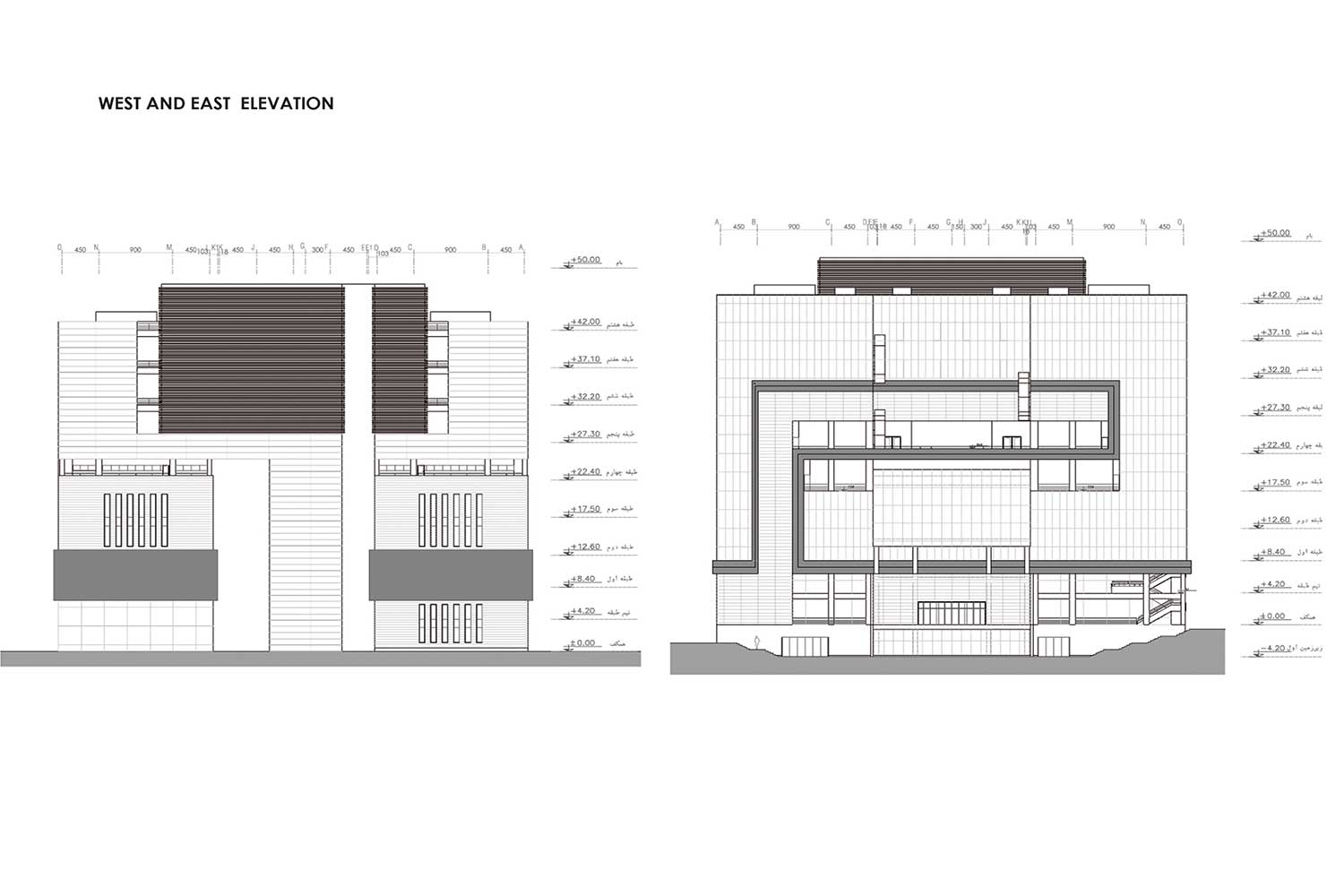
تمام فضاهای باز (تراسها و امتداد راهروها) و توازن پنجرهها با دقت و هدفمندی شکل گرفتند. تراسها به عنوان شکافهایی در بافت پروژه، هم گرههای فضایی هستند و هم عامل پیوند ساختمان با زمینه شهری و طبیعی اطراف. برای ایجاد ارتباط بین کاربران و منظر بیرونی، دو نوار افقی پنجره تعریف شد. در ضلع غربی، پنجرههای باریک لووردار برای کنترل نور و حفظ دید مطلوب در نظر گرفته شد. در ضلع شرقی، تراسی پیوسته با چشماندازی به فضای سبز طراحی شد و طبقات خاصی با تراسهایی طولی به آن متصل شدند.
علاوهبر این، پلههایی از بدنهی حیاط، دسترسی به آن فراهم میکنند و چهار پل به عرض یک متر نیز به سوی محوطه بیرون امتداد یافتهاند تا محل استراحت کارکنان باشند. شرکت هارمونیک ترند \[L] با دو رویکرد «زووماین» (بررسی مسائل عملکردی و فضایی با محوریت حضور انسان) و «زووماوت» (مطالعهی مسائل شهری و بستر پیرامونی) پروژه را ارزیابی کرده است.
—
### رویکرد اقتصادی
مهمترین ویژگی این پروژه، خلق ایدههایی برای کاهش هزینهها در تمام مراحل طراحی و ساخت بوده است. در صورت عدم توجه به این مسئله، احتمال توقف پروژه وجود داشت. با تلفیق فضاهای مختلف و خلق شکافهایی با دلایل و عملکردهای متنوع، نیاز به ساخت ساختمان جانبی که مستلزم طراحیهای معماری، تأسیساتی و برقی میبود، از بین رفت و هزینهها کاهش یافت.
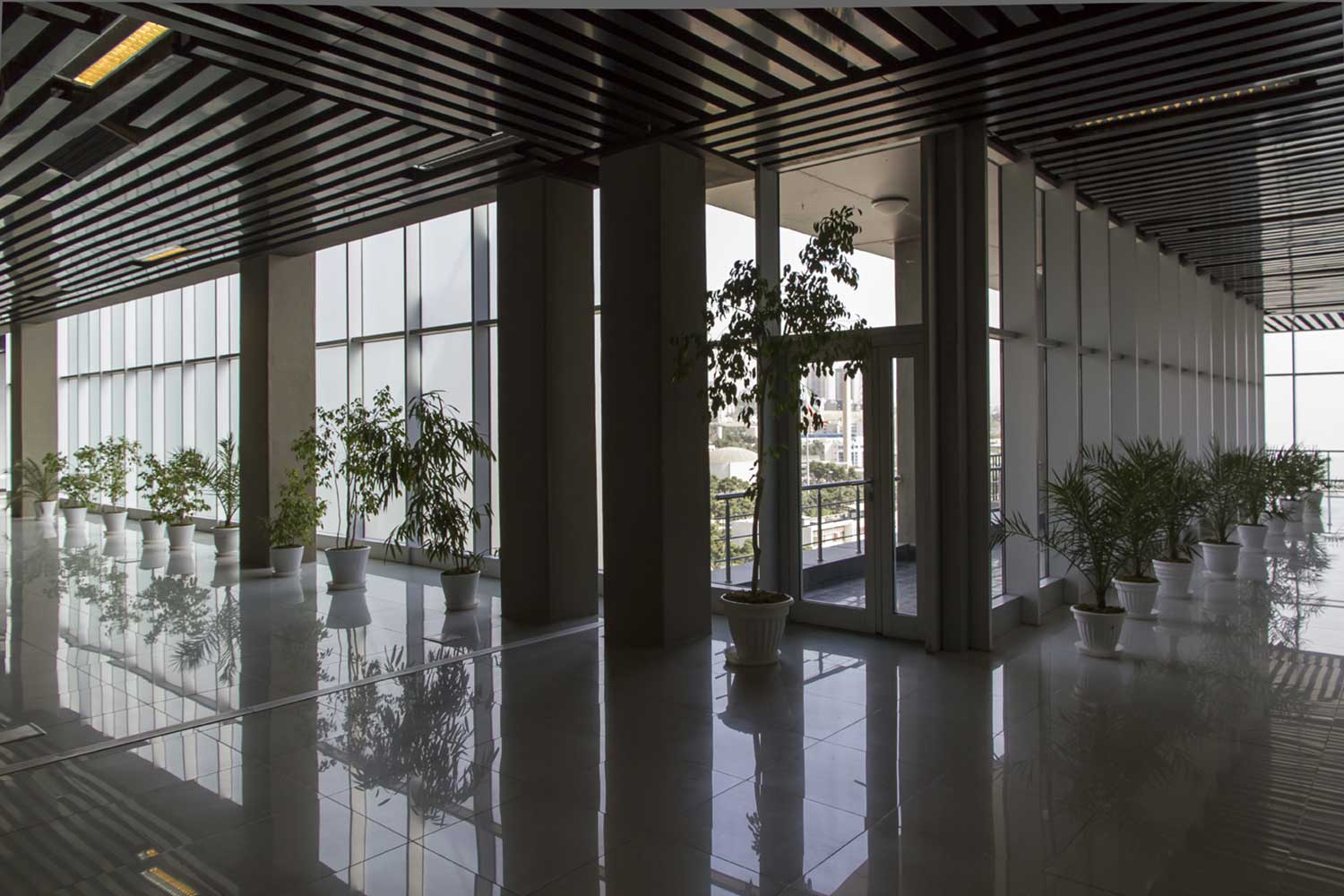
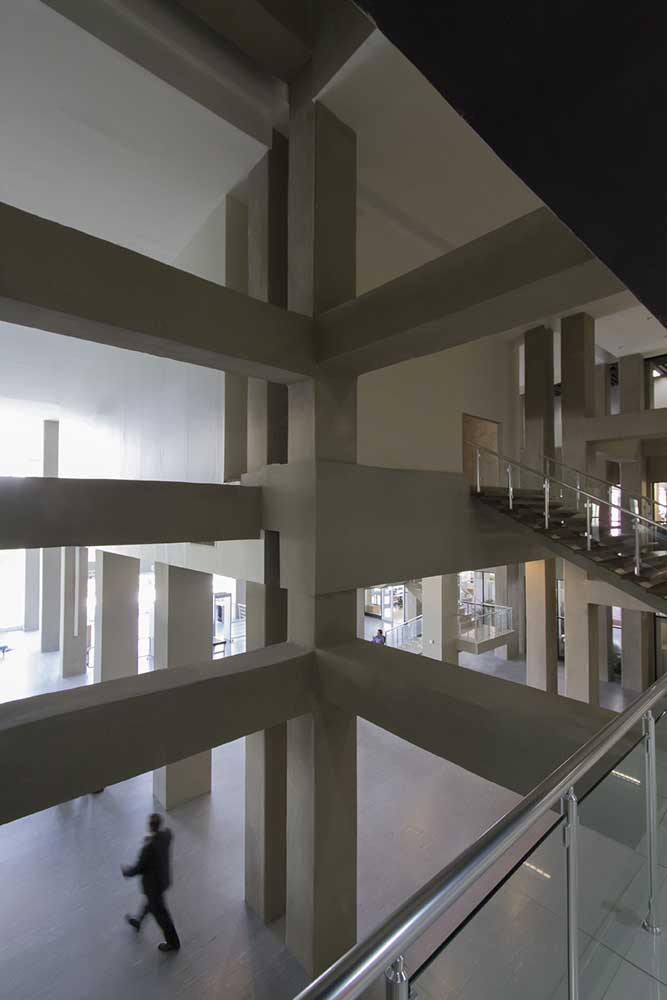
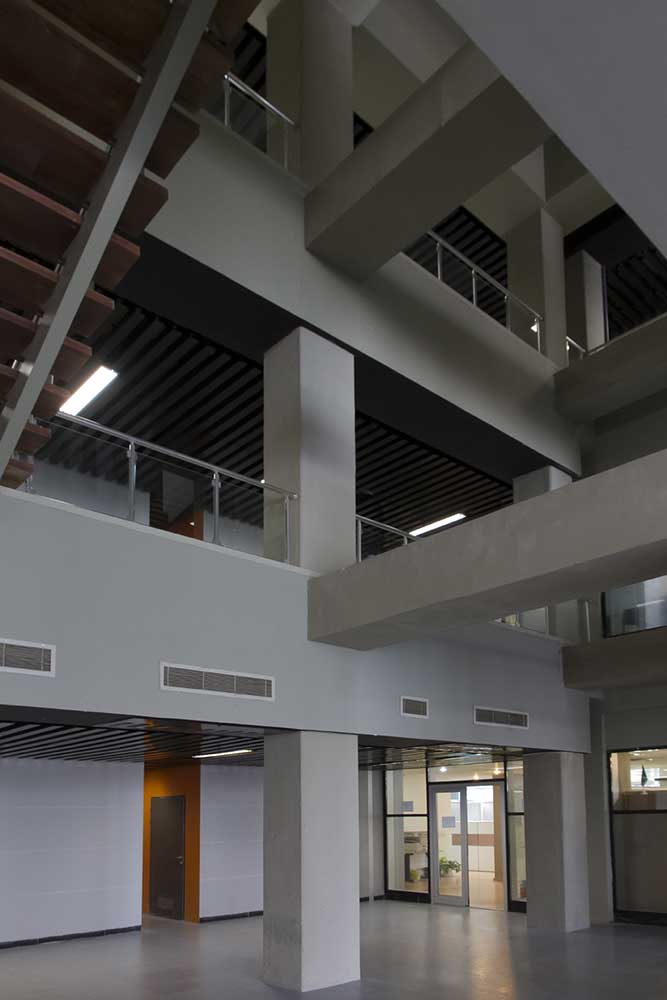
با توجه به تراکم بالای تیر و ستون در سازه بتنی پروژه، تصمیم بر آن شد که این اجزا پوشانده نشوند؛ بلکه با پرداخت سطوح، بهصورت نمایان باقی بمانند. این انتخاب (در کنار عدم پوشش اجزای سازهای)، منجر به صرفهجویی قابل توجهی شد. همچنین، فضاهایی که سطح آنها بیش از نیاز کارفرما بود، به صورت «تهی» تعریف شدند، اما در هماهنگی با عملکرد طبقات.
با ایجاد حفرههای درونی، پروژه به باکسی با جریان فضایی پویا بدل شد؛ گویی تمام افراد در طبقات مختلف در ارتباط با یکدیگرند. افزون بر این، استفاده از دو نوار پنجره باعث کاهش مصرف شیشه شد؛ اگر نمایی یکپارچه از شیشه استفاده میشد، هزینهها بهشدت افزایش مییافت. این رویکرد هم منظره را حفظ کرد و هم موجب کاهش مصرف انرژی شد.
—
### تغییری در سبک زندگی مرکز
در مراکز مشابه، افراد اغلب ساعتها پشت میز خود مینشینند، امری که با ساختار بدن انسان ناسازگار است. یکی از اهداف اصلی این پروژه، تشویق به تحرک و پویایی بود. بنابراین، مسیرهای حرکتی بهگونهای طراحی شدند که نه تنها دسترسی را میسر سازند، بلکه فضاهایی متنوع و جذاب از منظر دید نیز فراهم آورند.
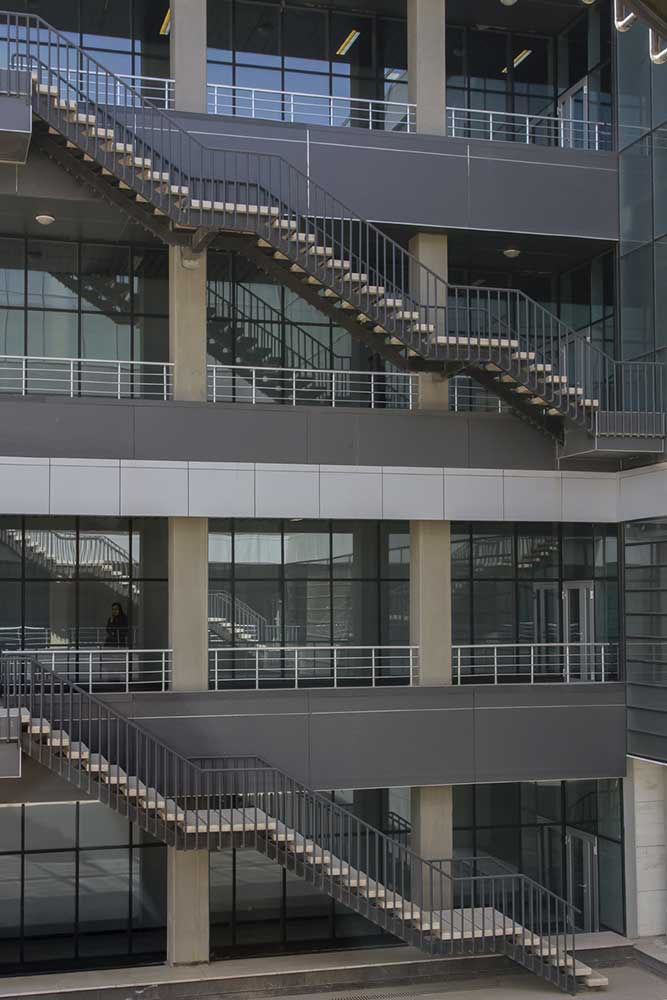
این مسیرها که در عین مجاورت، قابلیت جدایی دارند، کاربران را با کیفیتهای فضایی متفاوت به مقصد میرسانند. در طول مسیر، پلههای معلق بیرونی یا شکافهایی با دید به منظرهی سرسبز و رشتهکوه البرز قرار گرفتهاند و در نهایت کاربران وارد حیاط شرقی (تراس بزرگ) شده و میتوانند در آن استراحت کنند.
—
اگر مایل باشید، میتوانم نسخهی صفحهآراییشدهی این متن برای چاپ، ارائه تصویری مفاهیم مانند “باکس و حلقه”، یا زیرنویسها و خلاصهسازیهایی برای ارائه نیز آماده کنم.
شرکت مهندسان مشاور هارمونیک ترند
عنوان پروژه: مرکز تحقیقات مخابرات ایران
کارفرما: وزارت ارتباطات و فناوری اطلاعات – مرکز تحقیقات مخابرات ایران
موقعیت: جنب پردیس دانشگاه تهران، روبهروی پارک گفتگو، بزرگراه چمران
مساحت زیربنا: ۲۱٬۰۰۰ مترمربع
مساحت زمین: ۲۵٬۰۰۰ مترمربع
نوع سازه: سازه بتنی با اجرای خرپای سقف
زیرساخت تأسیساتی: سیستمهای گرمایشی و سرمایشی فندار به همراه هوای تازه از طریق هندلر مرکزی
مدیر طراحی: علی حمیدی مقدم
همکاران طراحی: نیما فرزانه، ساینا مجیدی، محمد مجدی، میلاد حفیظی، نسترن رسولیان
همکاران اجرایی: نصر نغدی، منصور نغدی
نظارت: شرکت مهندسان مشاور هارمونیک ترند
وبسایت: www.harmonic-trend.com
اینستاگرام alihamidimoghadam / harmonictrend
ایمیل: hamidimoghadam@yahoo.com
Project Title: Iran Telecom Research Center
Client: Ministry of Communications and Information Technology – Iran Telecom Research Center
Location: Next to the campus of Tehran University, In front of Goftegoo Park, Chamran Highway
Building’s Area: 21,000 Square Meters
Land Area: 25,000 Square Meters
Structure: Concrete Structures with the implementation of the roof crossbars
Infrastructure: Heating and cooling fans with fresh air using the air handler
Dealing with project
The main concern of this project is not just the common visual aspects of designing, but to manage strategically different topics that guide and adjust the architecture of the building. Programmed compounds have created a pragmatic ideal architecture in this project, and this pragmatism has integrated simple volumes with form-oriented ideas.
Choosing and developing a method to reach the final plan and the proposed program according to employer conditions (financial problems and extreme and multiple managerial changes) and requirements of the project was so flexible that it wasn’t necessary for our group to ignore any of our ideas to execute the project. The way that this project was dealt with is going to be one of the major solutions to the upcoming projects that have the same characteristics.
The idea of organizing spaces
Initially, when our team was entitled to this project, the building’s foundation had been already set up. As a result, the coordination of the beams and pillars were already determined. Since reducing the cost and saving time plays a key role (according to the history of defining the project: necessity of designing and constructing the ITRC project had come up since 1978, yet it had been idle until 2004) in this project; the network of the beams and pillars were accepted and considered as the context, which helped to take advantage of such limitations (although a lot of limitations were caused due to the distances between the pillars).
The proposed approach defined a new spatial structure which left the architecture of the project unaffected. The necessary spaces in this building, according to the employer’s needs and with the aim of changing lives, are divided into four categories:
- Public Areas: Administrative, Auditorium, Library, Training Classes, Gym, Pool, Sauna & Jacuzzi
- Specialized Area: Institutes
- Movement and Circulation Areas: Hallways and lobby of floors, The lobby of main entrance to the building, Stairs (Main and Emergency)
- Support Services Areas: Utilities, Elevators, Toilets, Pantries, Prayer halls.
In this structure, some loops have been developed as movement and circulation areas; so all other spaces of the project were organized by them. Form and the structure of loops of each part were defined by the plan and application of that part or floor of the building. In fact, the project was created from two elements of “box” and “loop.” At first, loops with the nature of accessibility and circulation (vertically or horizontally), were placed to control the limitations of the structure, since the restraints of our structure has caused lack of integrity of spaces and lack of proper internal access. Due to the great number and remarkable size of expansion joints, they were one of the main factors of separating boxes within the building. Covering the boxes was avoided inside the building in most of the places to intensify this matter.
Relation to the Context
Due to the location and environmental conditions of the building, its view from north to the river of Kan’s valley and Darakeh, from west to the Goftegoo Park, from east to the green landscape of the center and from south to the landscape and garden of dormitory of Tehran University were considered as the main characteristics of this building which was ignored by employers due to its applicability. The reason is that the condition was considered as a closed box. But with insisting on highlighting them, we turned it to a feature of the project. All the created gaps as terraces or extensions of corridors and the balance of windows were adjusted with a strong potential. Terraces in this project as gaps, are inflection and linking points of different boxes which are subordinate to those spaces. On the other hand, they are there is a link between the building and its surrounding land and also the city which are glaring as grooves in the whole view of the building. To provide those people who are inside the buildings with the sight of the landscape of surroundings, two parallel strips were considered as windows. On the western side, louver windows with low width were considered that control the amount of light and maintain the proper sight for users. In order to create a space in accordance with human needs along with business needs, a terrace was created on the eastern side of the building, which has an overlook to the lush landscaping of the center, and specific floors were associated with them by longitudinal terraces. Moreover, some external stairs from the walls of the courtyard can have access to this courtyard and there are 4 bridges with 1-meter width which are extracted toward the area and is a place for employees to rest and relax. Harmonic Trend [L] evaluated different topics of the project with two approaches of Zoom in (Issues of applicability and building’s condition and their evolution with the presence of human) and Zoom out (Urban issues and surroundings and their evolution due to human’s presence) due to its work procedure.
Economic
The most important feature of this performance was providing ideas during the whole designing and construction phase of the project to minimize costs. Otherwise, little attention to the issue might halt the project. In order to prevent the construction of an additional building which costs much in its architectural and mechanical design and electrical installations, integrating various spaces, and creating multiple voids with different causes and issues played a key role in minimizing the cost.
Due to the high density of beams and pillars of the concrete structure of project, it was decided not to cover them; subsequently it was figured that it is possible to polish them in order to make them visible. Moreover, this decision (except for covering beams and pillars), lead to this opportunity to save money and it was when the internal voids of the building were determined. In places where it seems surfaces are more than the actual need of employer, surfaces were considered as voids but in accordance with the application of floors. On the other hand, by creating internal gaps, the project turned into a box with a flow as if all people in different floors were in touch with each other.
Besides what is already mentioned, it is noticeable that two parallel strips of windows lowered the usage of glass. On the contrary, if it were a one-piece surface, the cost would increase exponentially. With such an approach not only the view was maintained to the surroundings, but also the costs were lowered enough to reduce waste of energy considerably.
A change in the Lifestyle of this center
In other centers same to this center, people tend to sit for a long time on their seat according to their habit and their common life. With some considerations, encouraging people to move is one of the major goals, because human’s body is not compatible with sitting for long hours.
As a result, the lifestyle of this center should be changed. Apart from accessibility, the paths create attractive and diverse spaces in terms of view. While the paths are along with each other and in conjunction, they can be separated due to people’s decision and each path reach the destination with a different spatial quality.
On that path, there are hanging external stairs or different voids overlooking the lush landscape and Alborz mountain range, and ultimately people can enter the east yard (big terrace) and stay there.
مطالب مرتبط