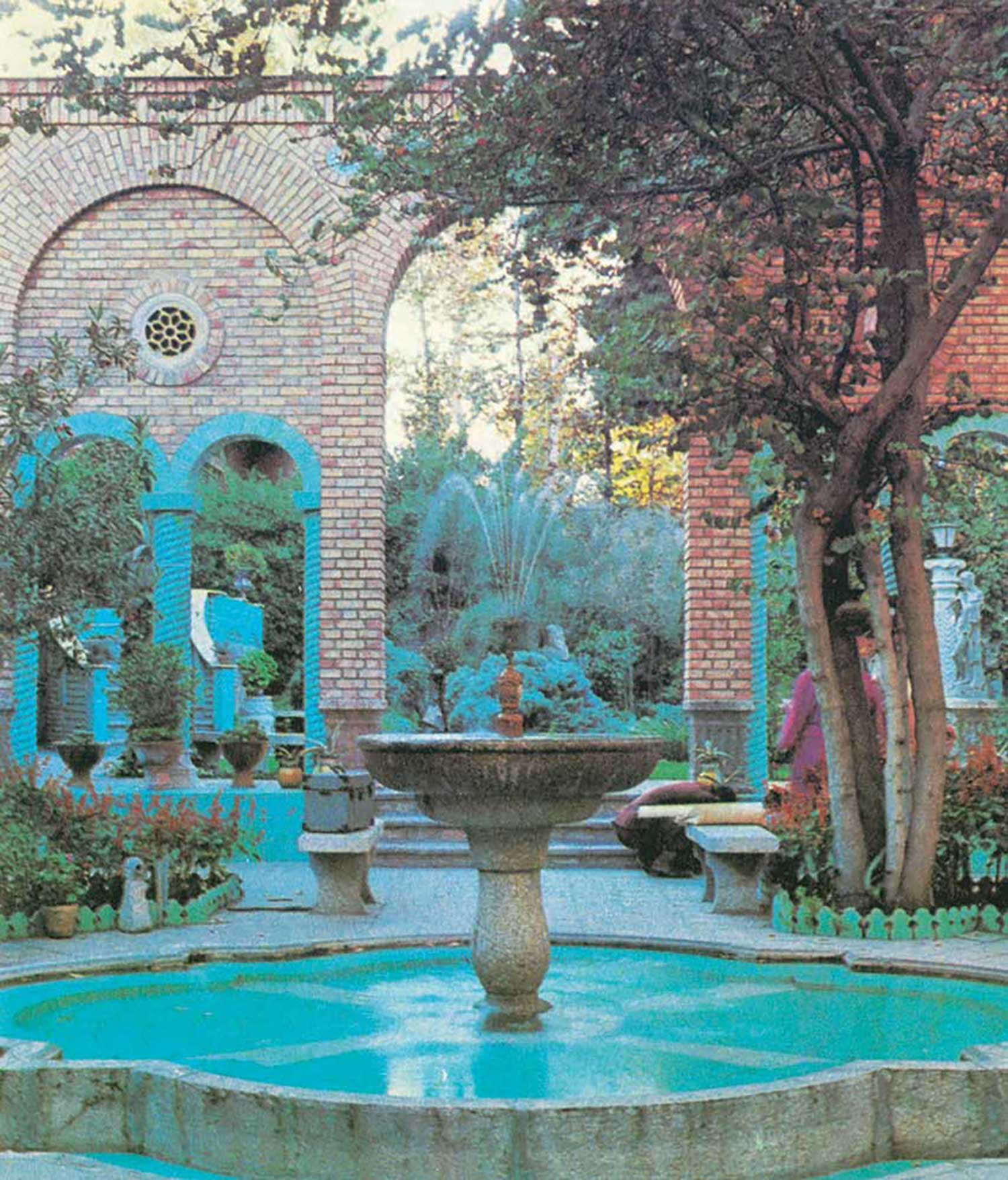
دیوار تجدد در منزل محسن مقدم اثر هوشنگ سیحون
خیابان امام خمینی ، تهران، 1333
The Wall of Modernity at Mohsen Moghadam‘s House by Houshang Seyhoun
Imam Khomeini Street, Tehran, 1954
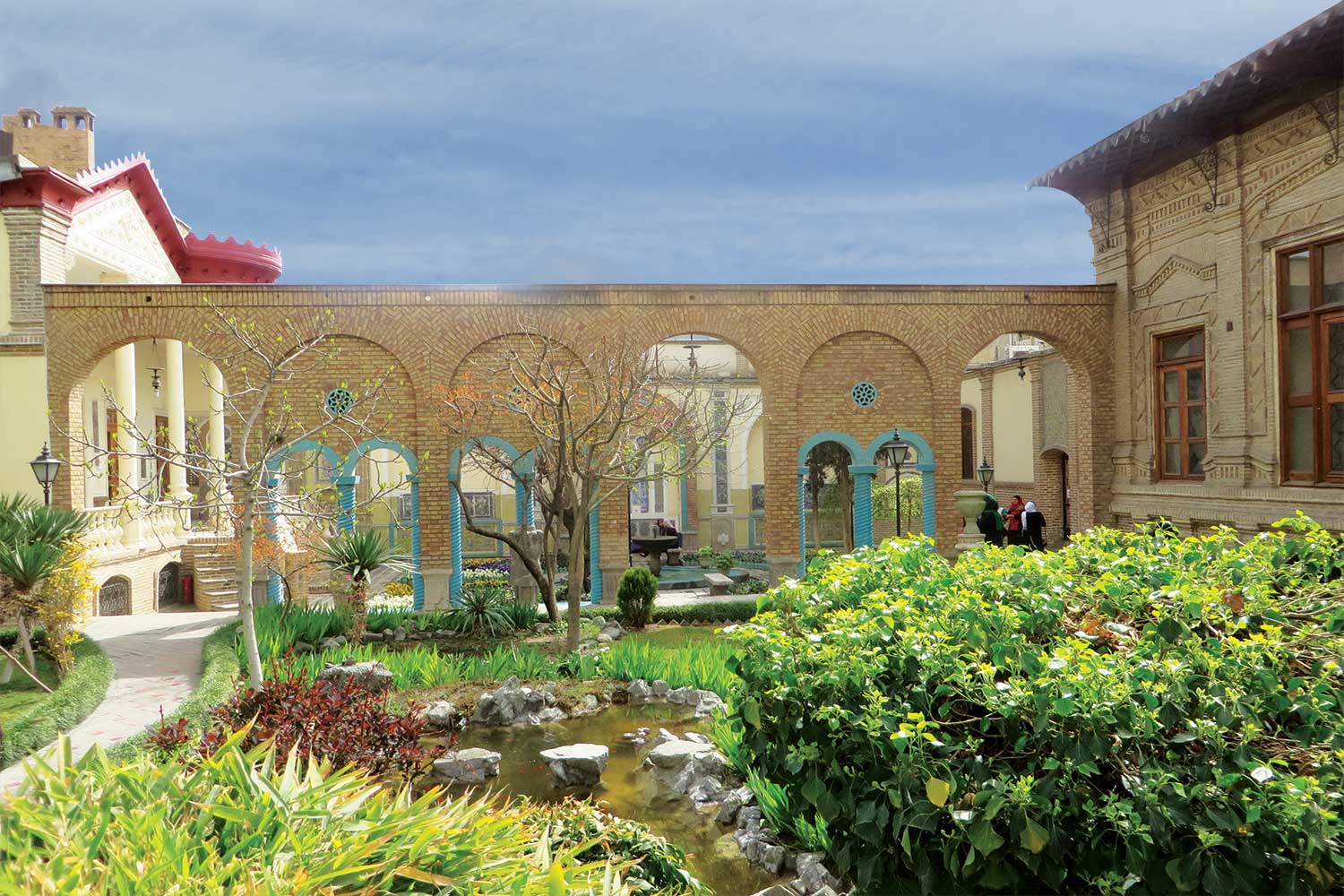
عمارت خانهی مقدم به همراه آن آثار هنری و تاریخی که در آنجا نگهداری میشوند، مجموعهای گرانبها و ارزشمند از موزههای ایران قلمداد میشود. این خانهی قاجاری با مساحت تقریبی 2500 مترمربع، بخشی از یک خانهباغ بزرگ قاجاری و متعلق به محمدتقی خان احتسابالملک –از درباریان دورهی قاجار و منسوبان ایل مقدم مراغهای- بود که بعدها جزو اموال فرزند کوچکش، محسن مقدم گشت.
احتساب الملک اولین شهردار تهران در زمان ناصرالدینشاه بود و بعدها وزیر مختار ایران در سوییس شد. او پنج فرزند داشت که سه تای اول به علت بیماری، از دنیا رفتند، پس در تربیت دو فرزند آخر خود، حسن و محسن، بسیار کوشش کرد و آنها را برای تحصیل به اروپا فرستاد. حسن، فرزند بزرگتر که متولد سال 1277 بود، در سال 1304 و زمانی که هنوز خیلی جوان بود، بر اثر بیماری در سوییس درگذشت.
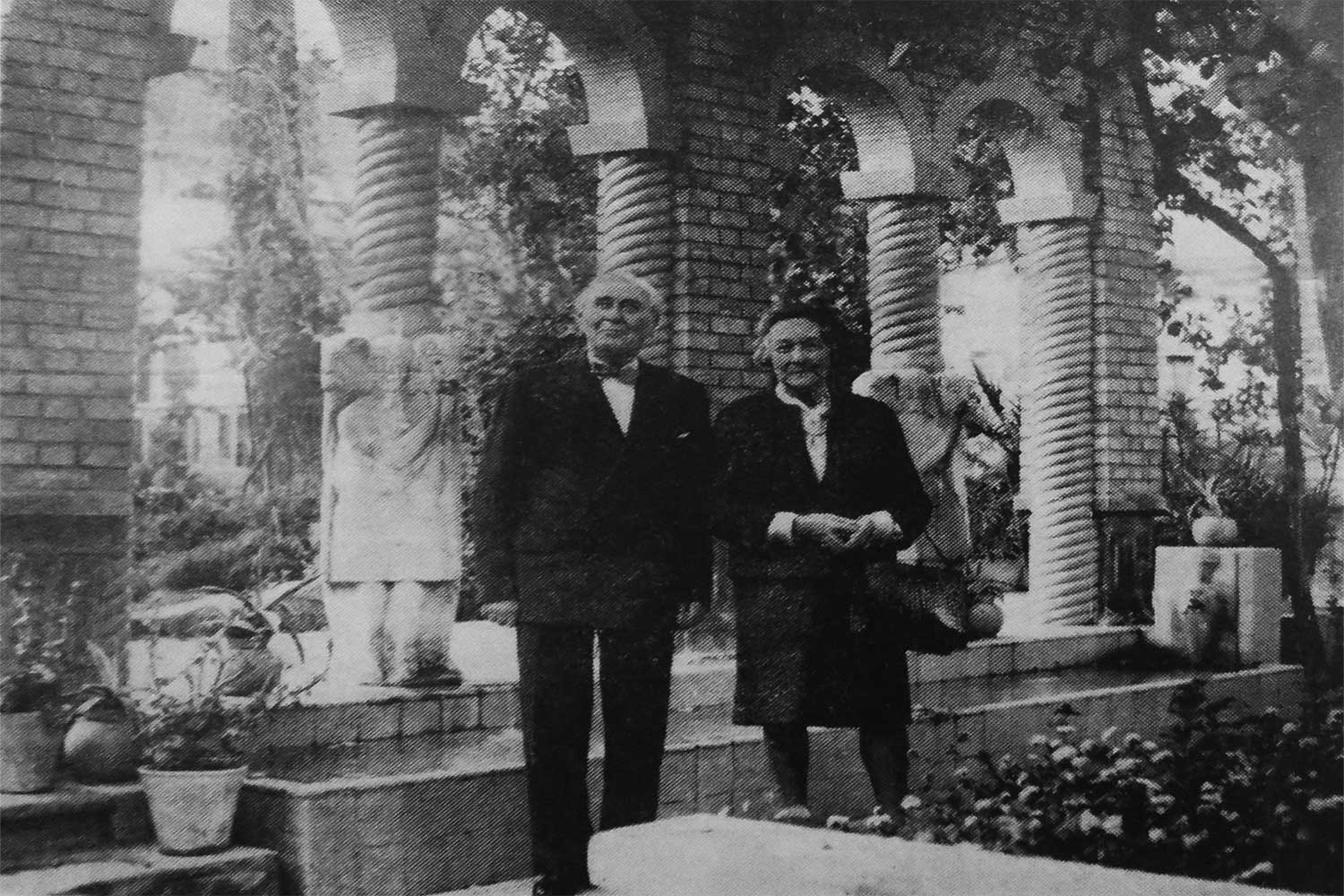
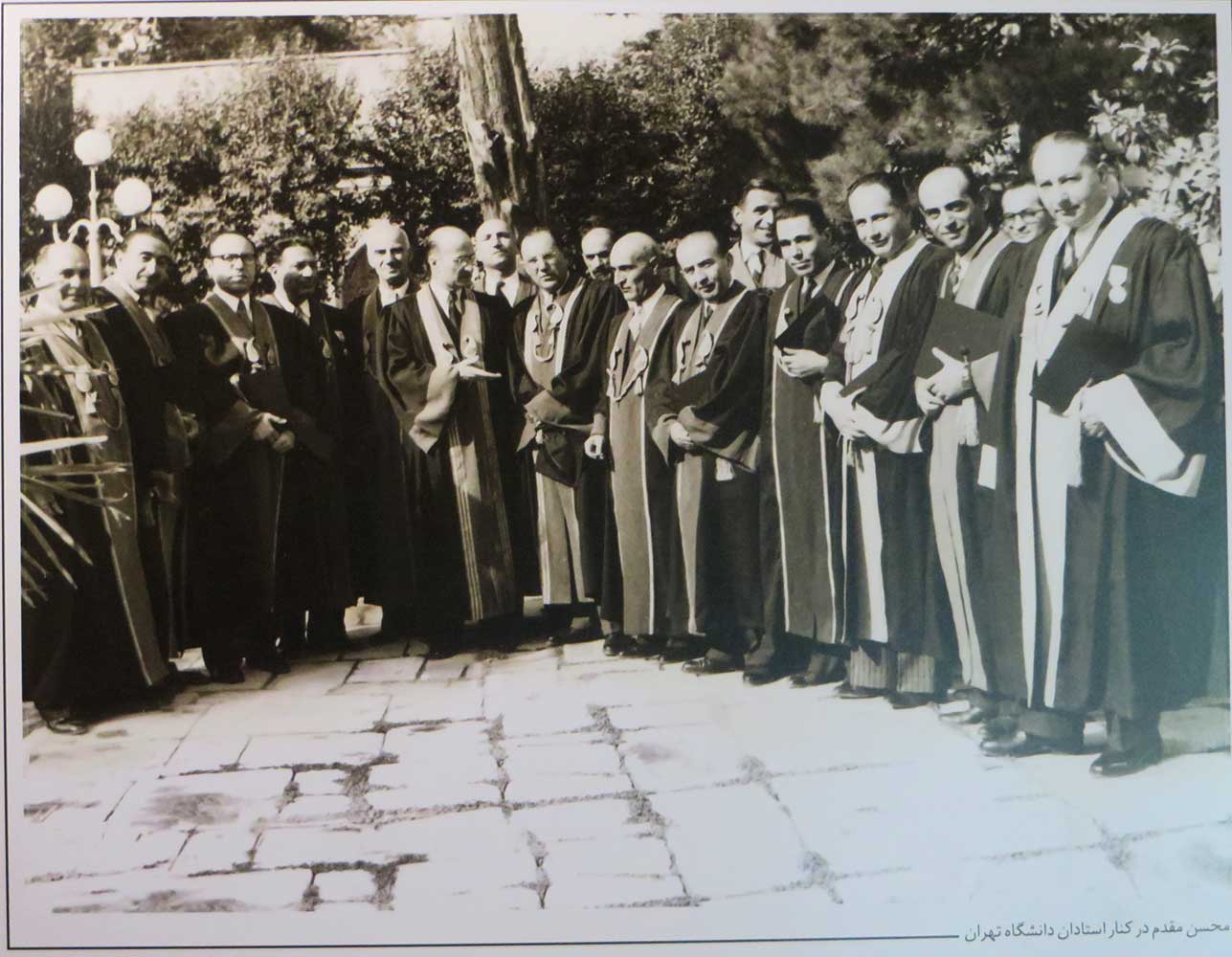
محسن مقدم (متولد سال 1279 در تهران)، تحصیلات مقدماتی را در مدرسهی تربیت و مدرسهی صنعتی دولت آلمان فرا گرفت، سپس به سوییس رفت و چهار سال در کالج کلاسیک شهر لوزان تحصیل کرد. محسن در اوایل جنگ جهانی اول به ایران بازگشت و مدتی در مدرسهی صنایع مستظرفه به تحصیل نقاشی پرداخت اما پس از جنگ به ایتالیا و آلمان رفت و تحقیقاتی دربارهی موزهها انجام داد، سپس به فرانسه رفت و باستانشناسی و نقاشی خواند و دیپلم موزهداری گرفت. او در پاریس با دختری به نام سِلما کویومجیان که با هم در رشتهی باستانشناسی تحصیل میکردند، آشنا شد و آن دو پس از ازدواج، در سال 1315 به ایران آمدند و تا پایان عمر در همین کشور سکونت داشتند. او به همراه آندره گدار در تأسیس دانشگاه تهران همکاری کرد و تا سال 1347 در آن دانشگاه به تدریس پرداخت و آنقدر به آن نهاد آموزشی عشق میورزید که نتیجهی یک عمر فعالیت خود را به آنجا اهدا کرد و هدف خود را «حفظ و نگهداری آثار باستانی و هنری از قبیل کاشیکاری، کندهکاری، گچبری، آینهکاری و همچنین تابلوهای نقاشی، تصاویر و سایر اشیا –اعم از اینکه بر دیوارها و بدنهی بناها نصب شده یا اینکه به طورمستقل وجود دارند» توصیف نمود. نیز اشاره شد که کلیهی عایدی حاصی از موقوفه صرف توسعهی آن، شامل خرید اشیاء عتیقه، باستانی و هنری و نگهداری از موقوفه شود. در زمان حیات دکتر مقدم و همسرش، بعدازظهرهای روزهای جمعه، درِ خانه به روی دوستان ایشان باز بود و میتوان گفت تقریباً تمام بزرگان معماری و هنر –از داخل ایران و خارج کشور- به علت وجود گنجینههای ارزشمند، از این خانه دیدن کردهاند.
این خانه در ضلع شمالی خیابان امام خمینی، بین ولی عصر و شیخ هادی واقع است. محسن مقدم از کودکی به تهیهی کلکسیونهای گرانبها علاقه داشت و تمام درآمدش را صرف خرید اشیاء عتیقه و باستانی میکرد. وی از 16 سالگی تهیهی کلکسیون را با چپقها آغاز کرد و هرجا خانهای در حال تخریب بود، آنجا حاضر میشد تا چیزی به گنجینهاش اضافه کند و تا پایان عمر نیز به این فعالیت خود ادامه داد و طی 40 سال سکونت محسن مقدم و همسرش، سلما در این خانه، مرمتها و تغییراتی مداوم روی تزئینات ظاهری و معماری آن صورت گرفت که کمکم آنجا را به شکل یک معماری اصیل در آورد.
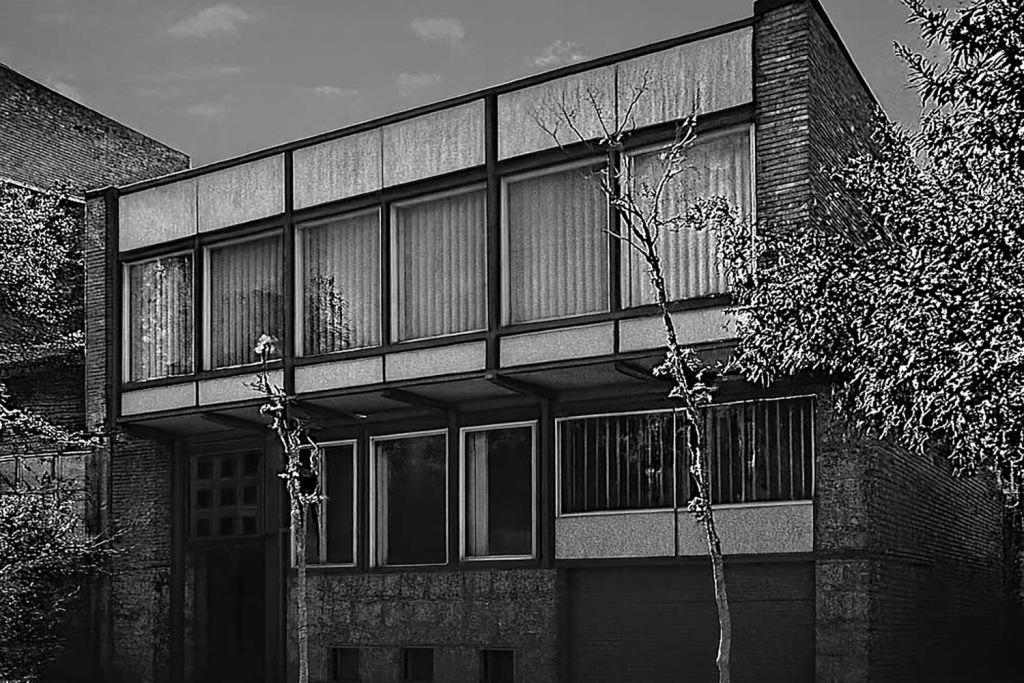
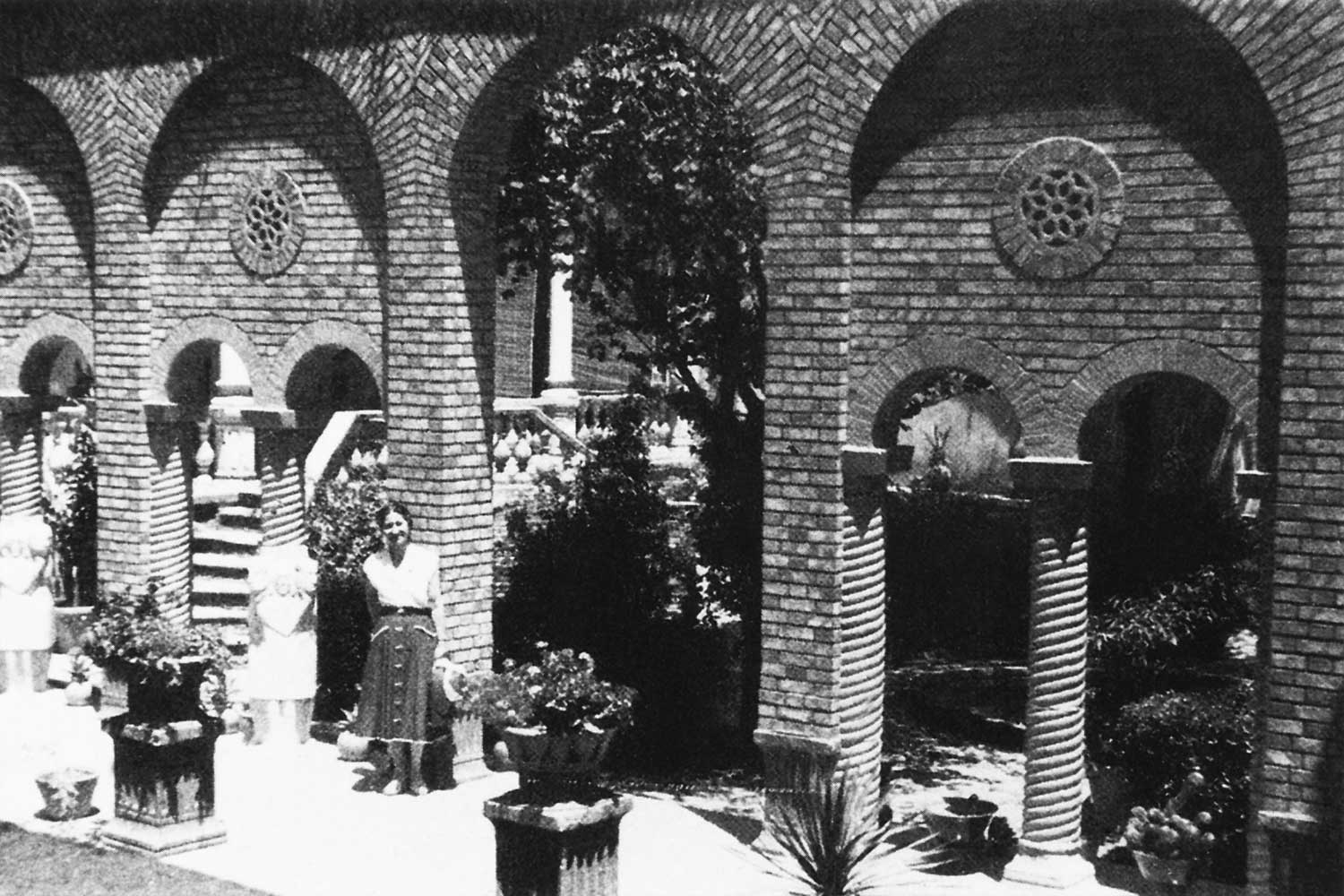
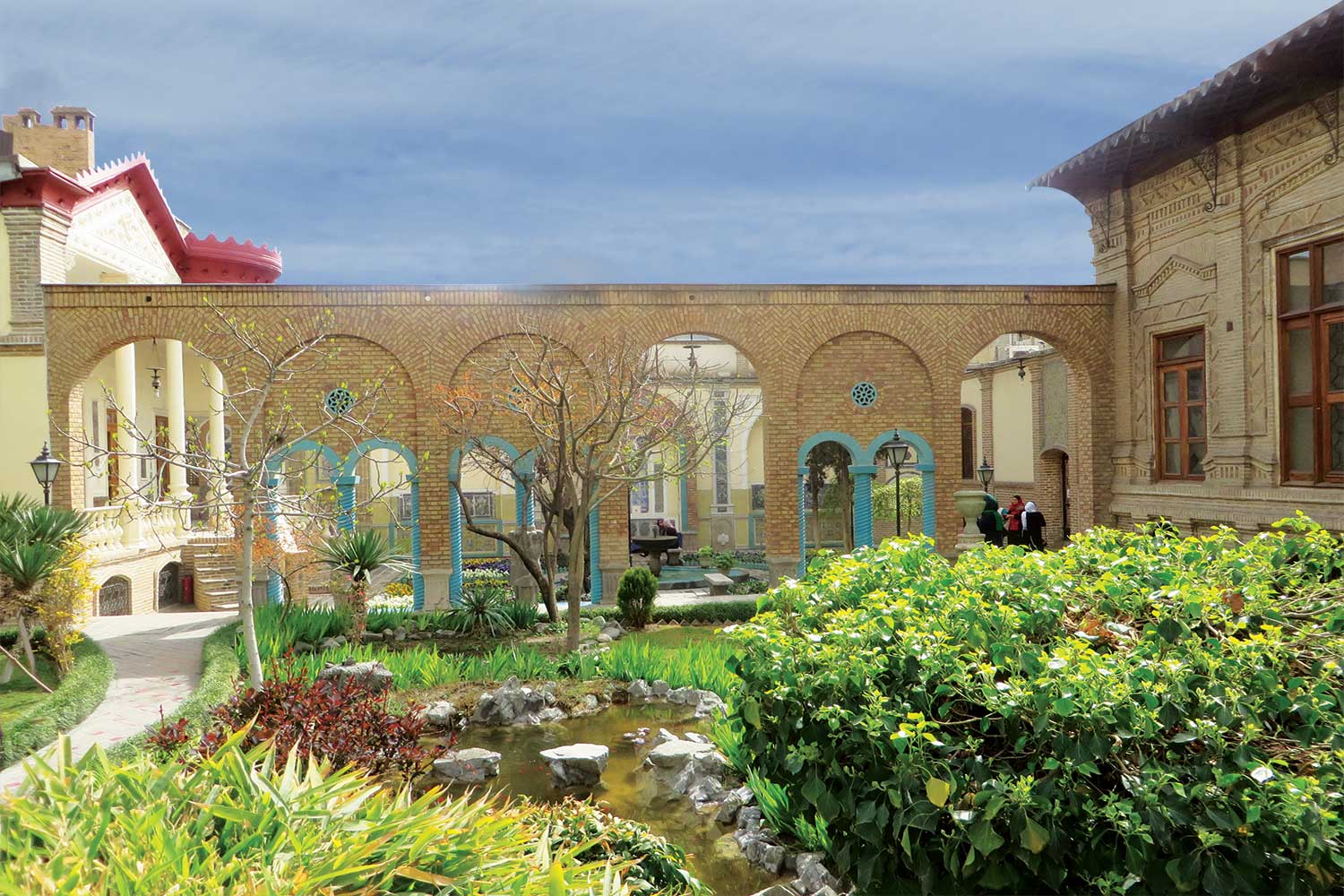
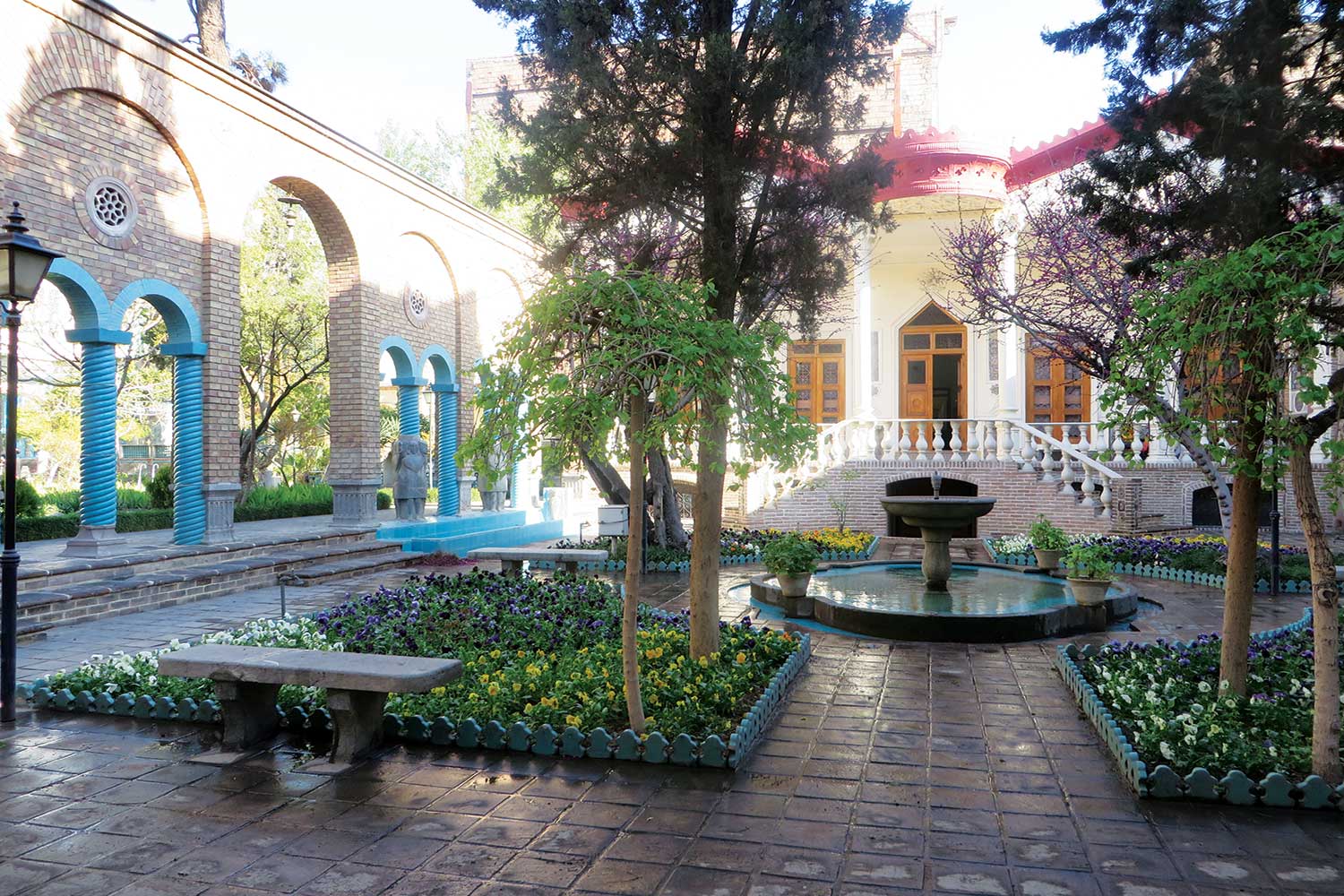
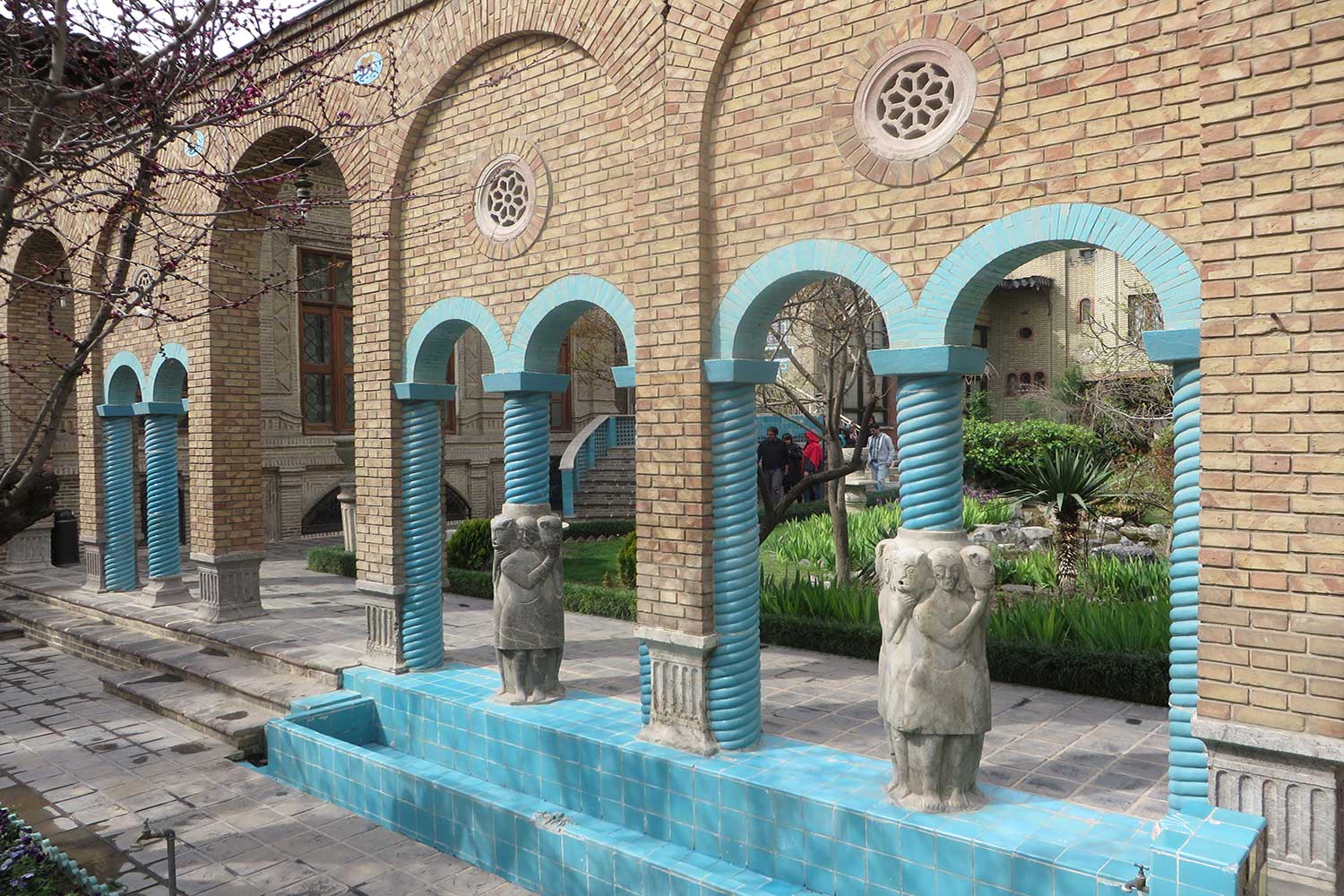
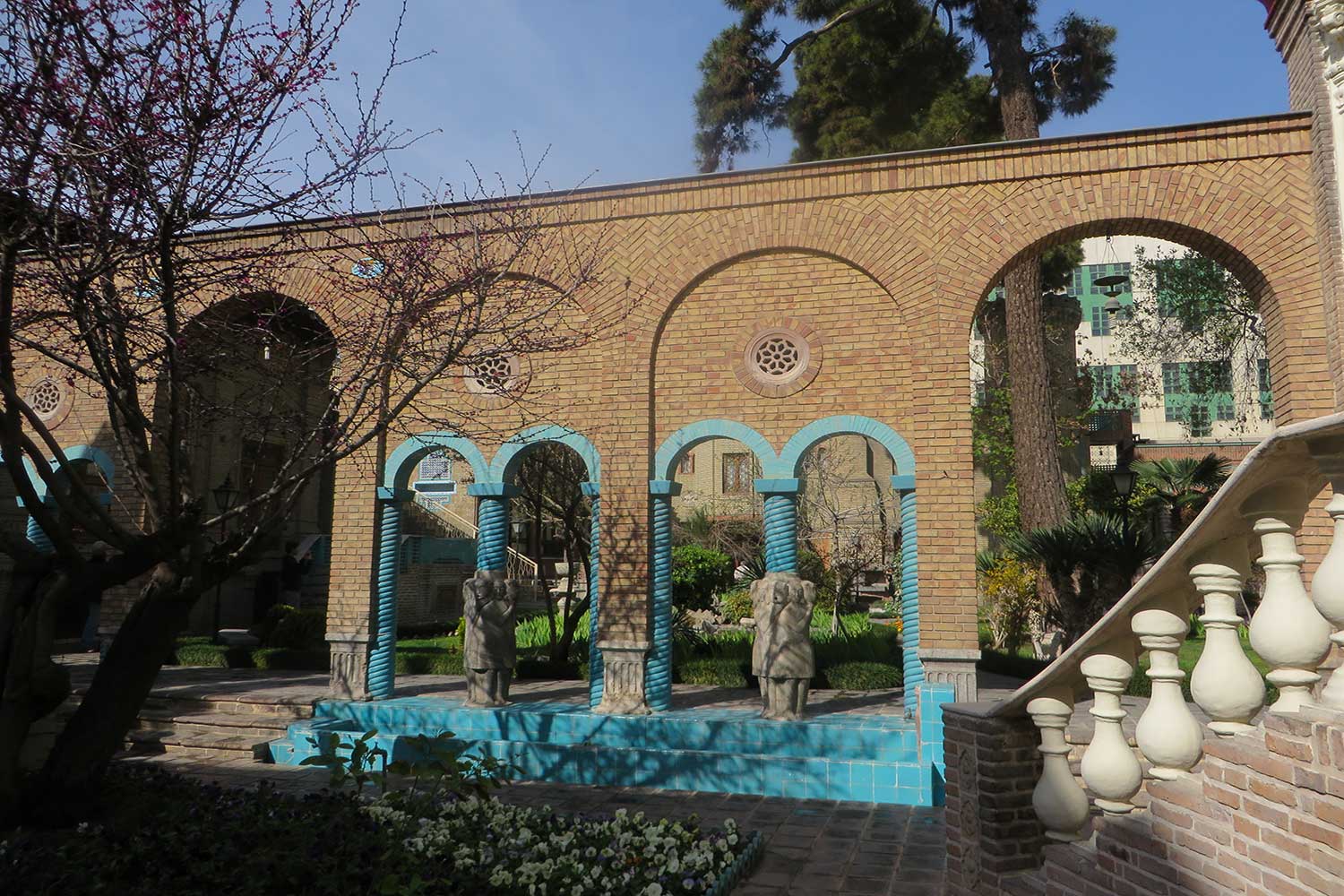
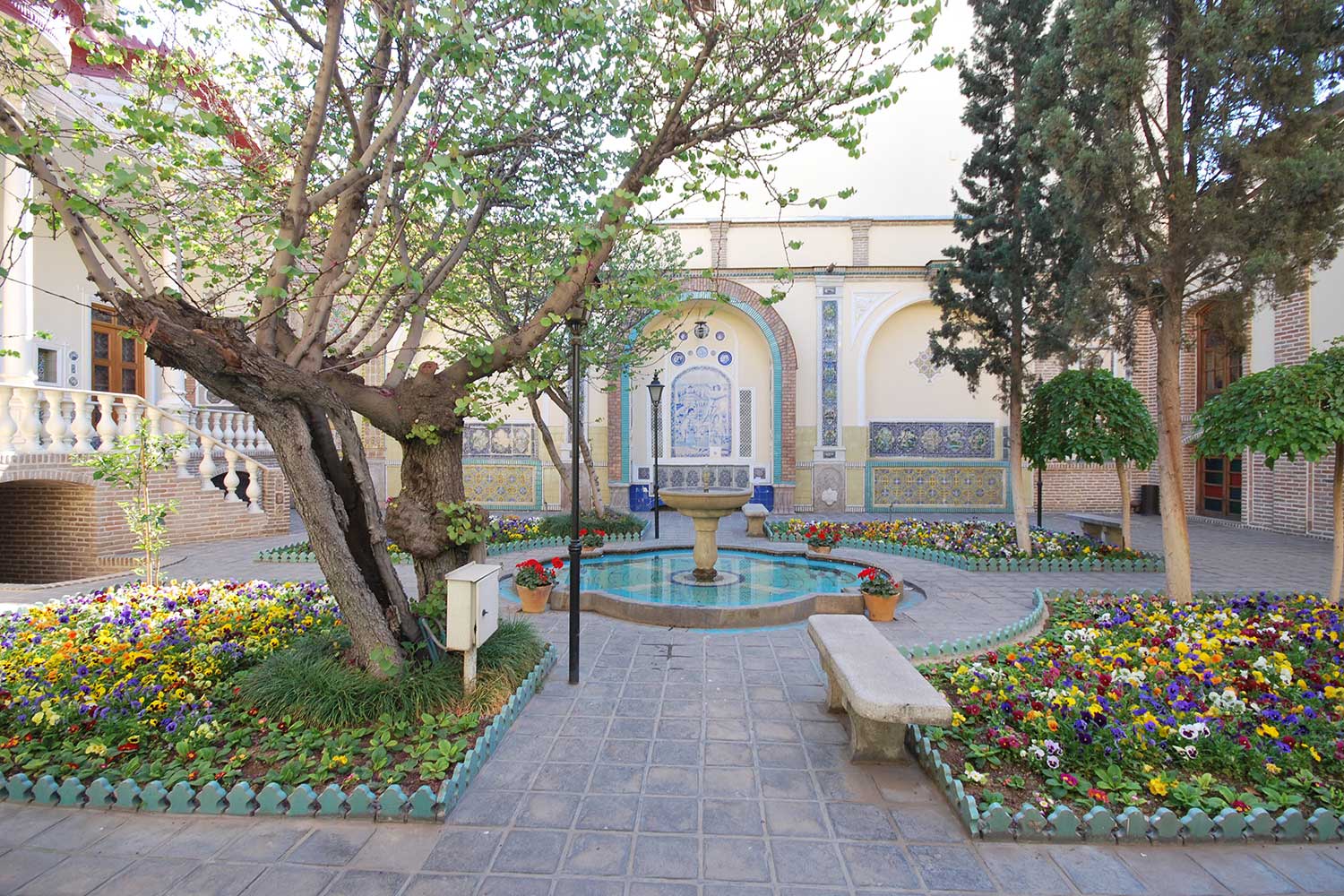
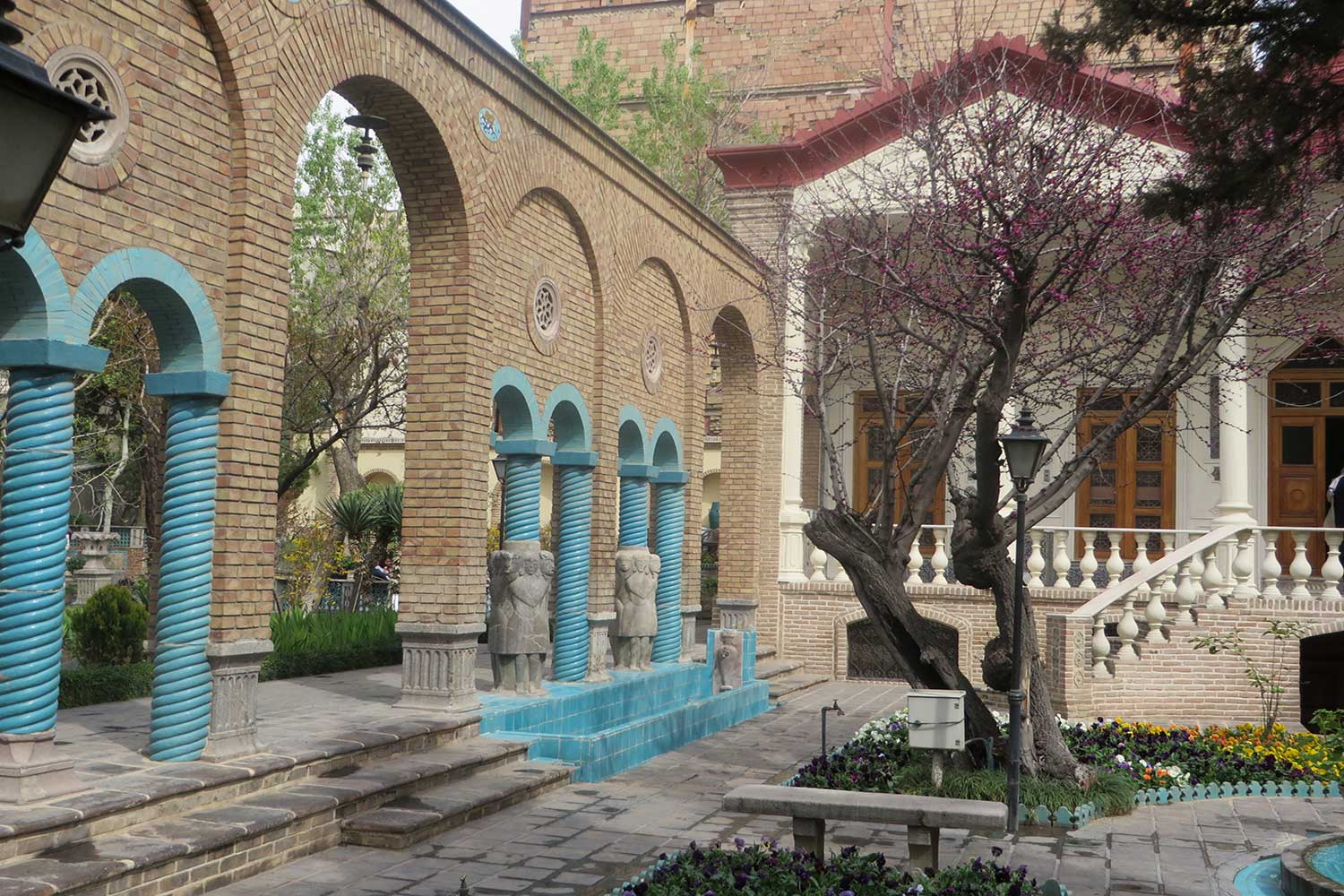
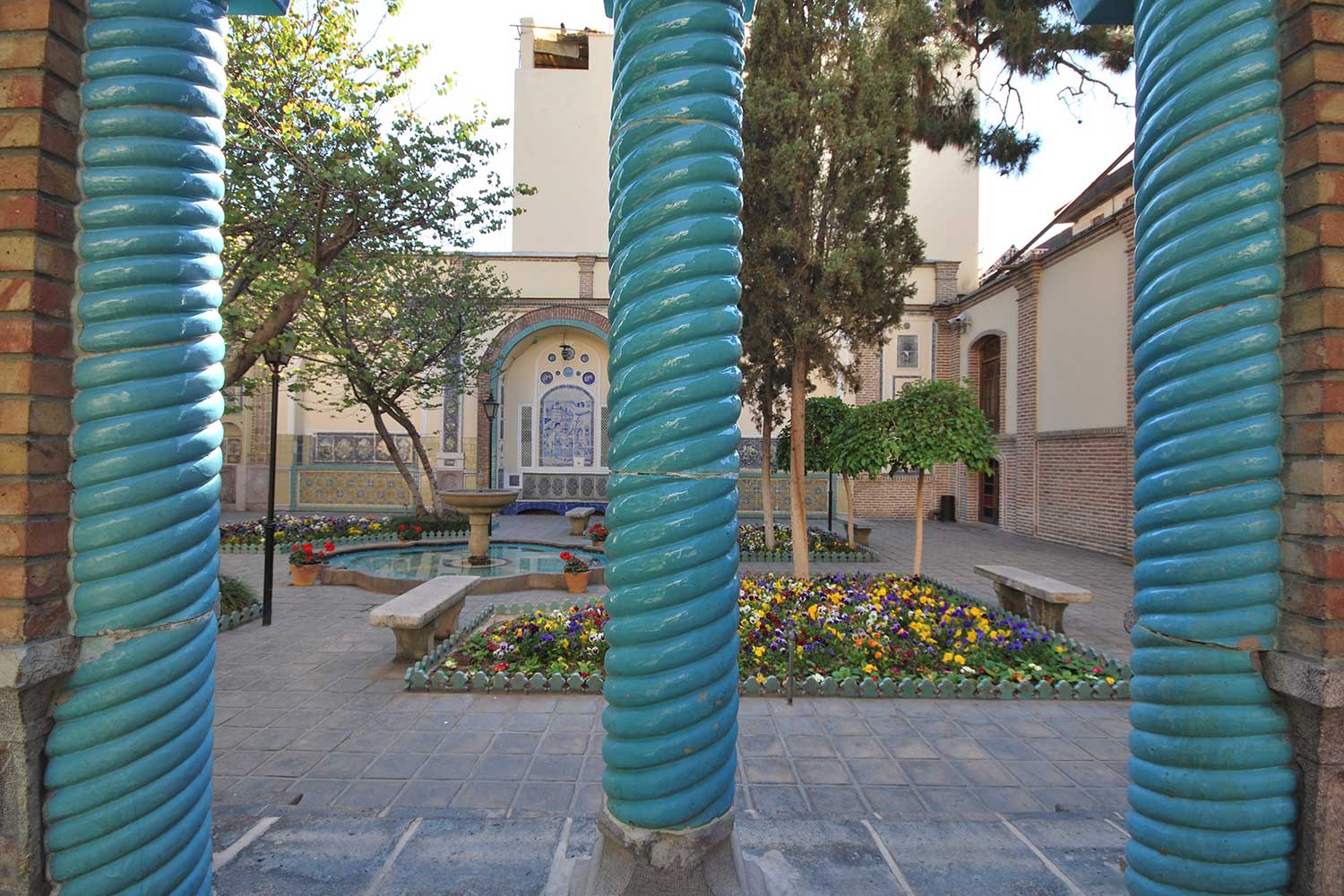
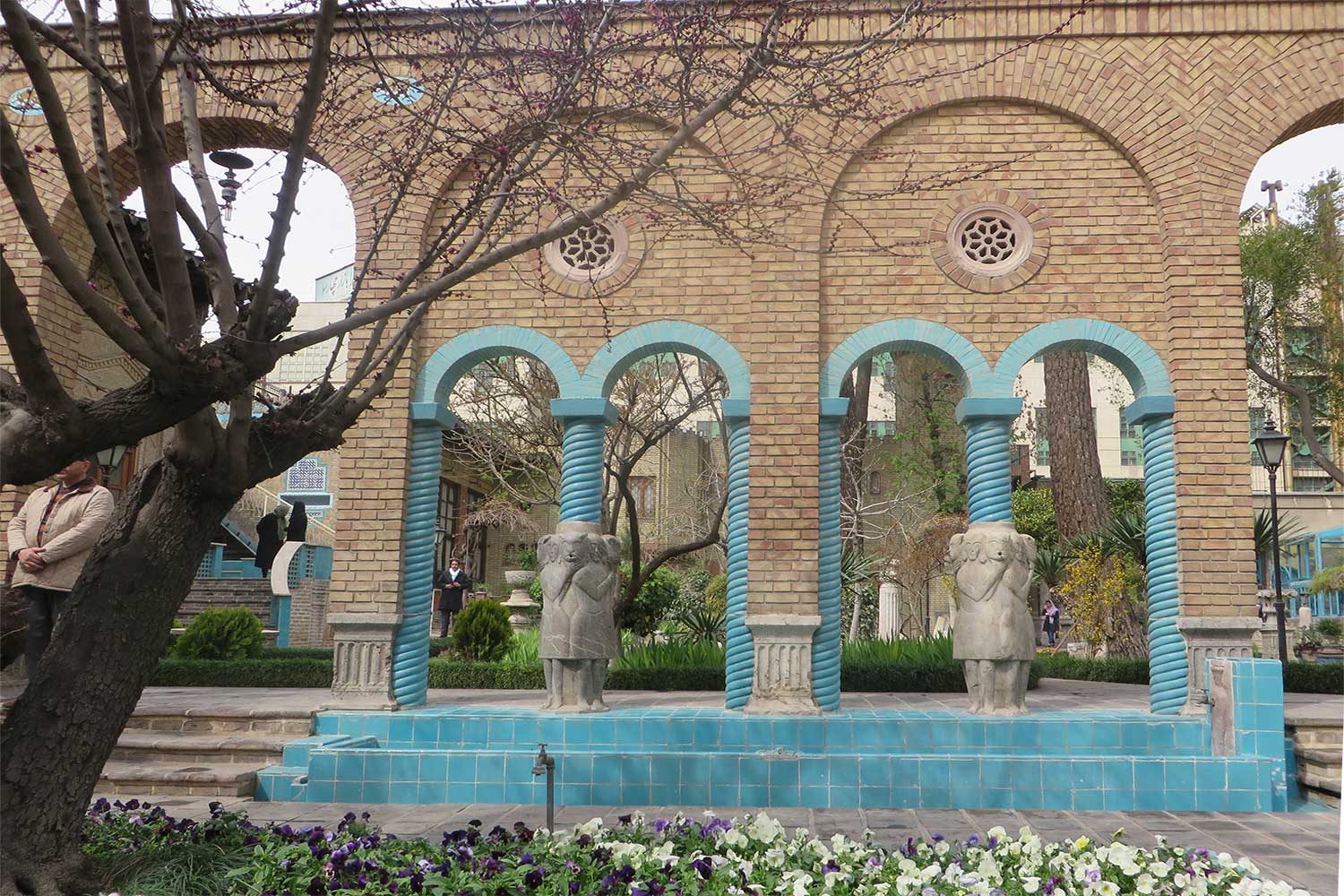
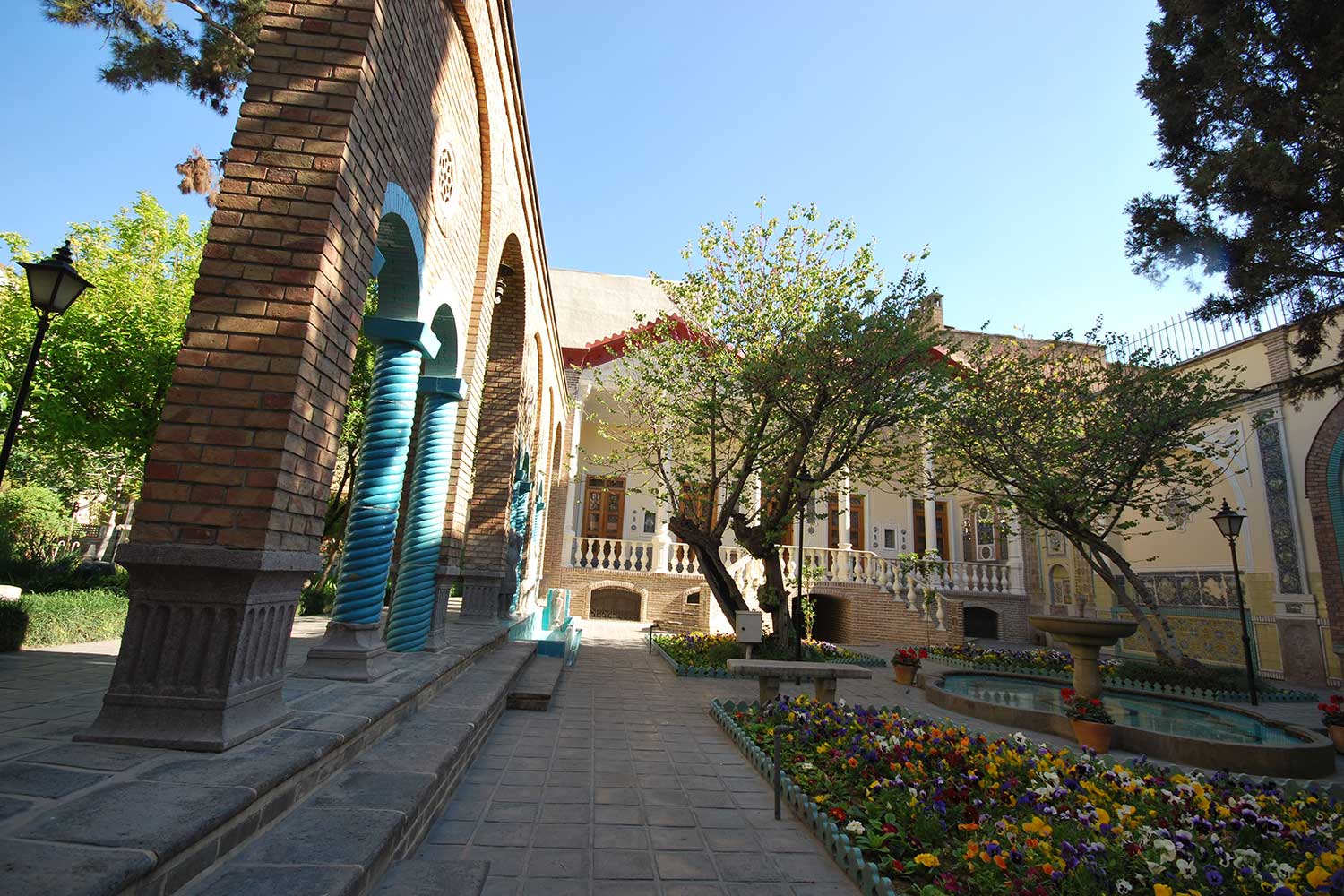
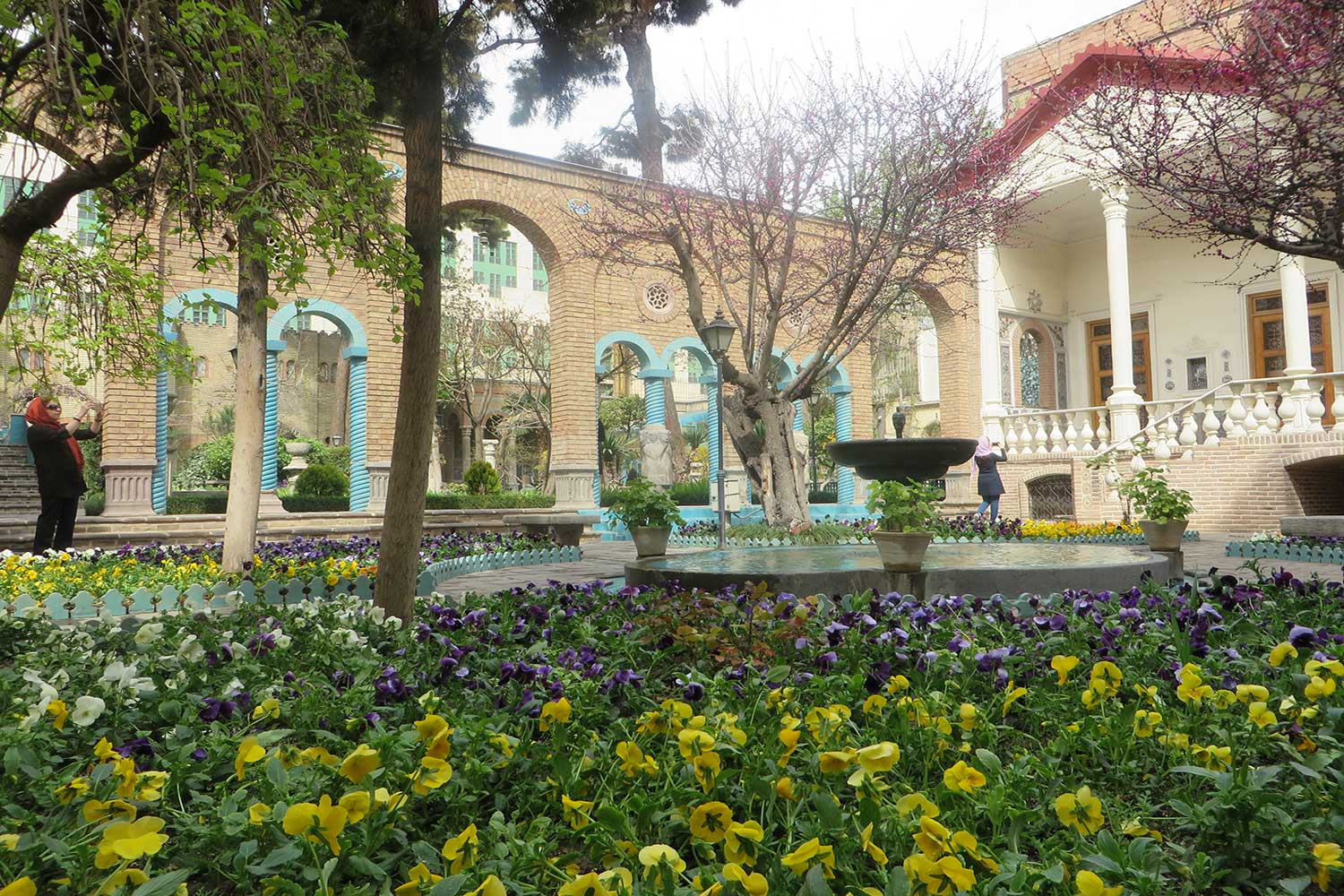
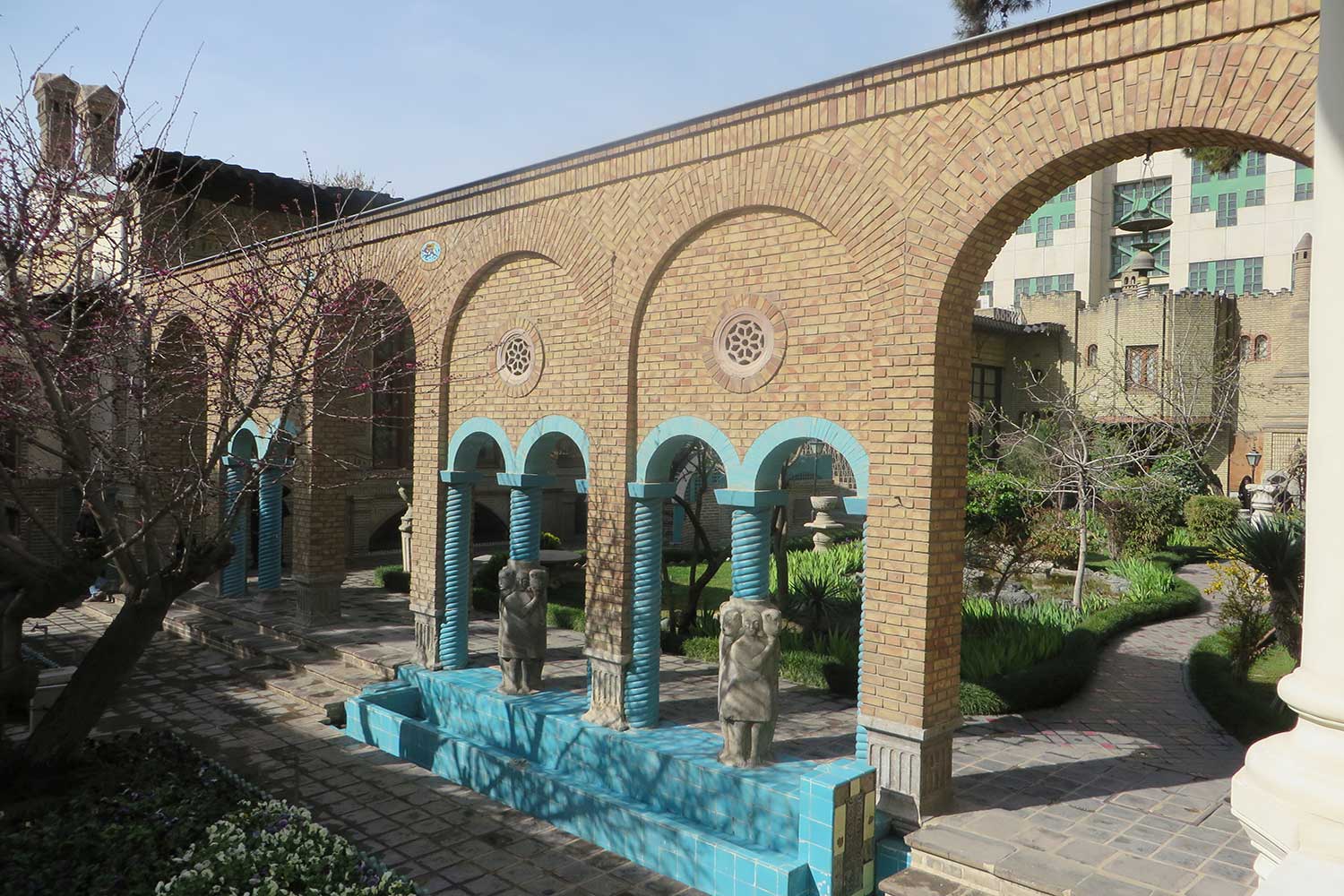
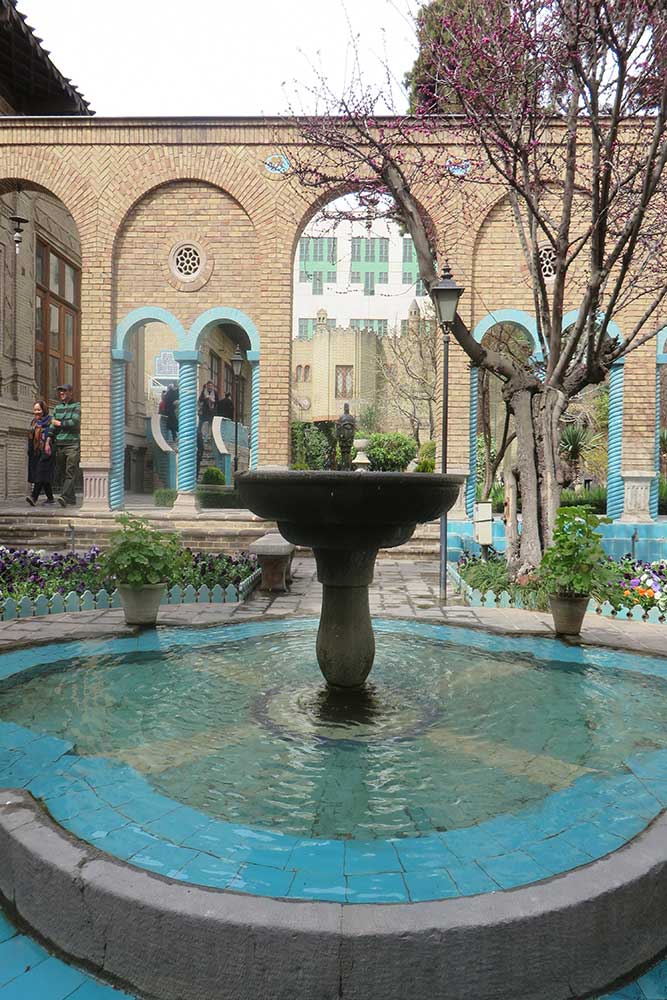
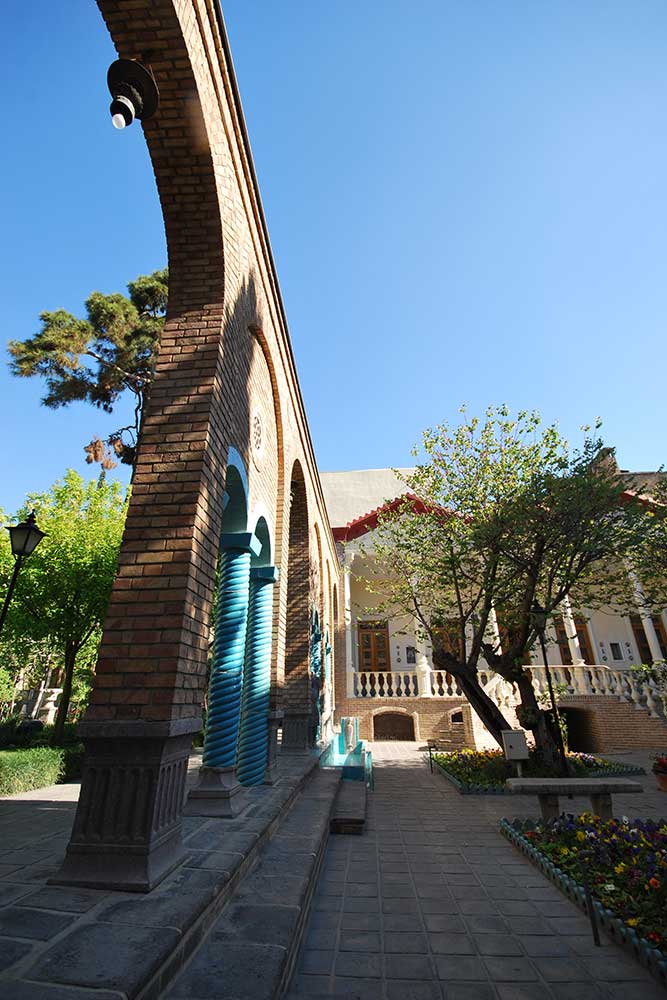
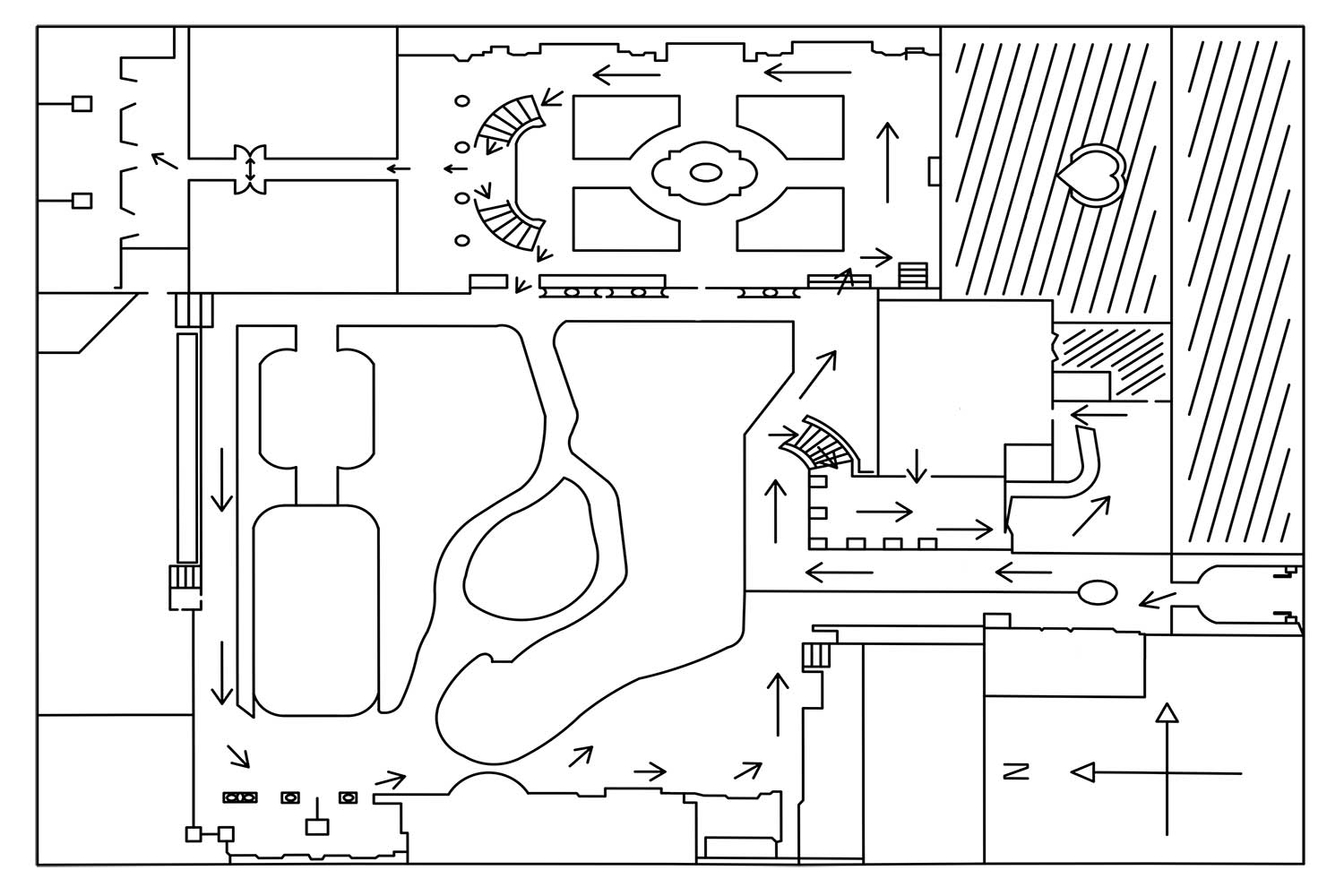
این عمارت مسکونی دارای سه بخش اصلی، شامل یک خانهی بزرگ، یک حیاط وسیع و باغی زیبا بود که امروز از آن باغ چیزی باقی نمانده است. بخش مسکونی شامل اندرونی و بیرونی است که با یک دیوار از هم تفکیک میشوند. دیواری که در قدیم حکم جداکننده را داشت، توسط محسن مقدم طراحی شده بود اما فاقد قابلیت تطابق با معیارهای زندگی اجتماعی جدید بود، از این رو آن را خراب کردند و دیوار جدیدی به طراحی و نظارت هوشنگ سیحون به جای آن ساخته شد که عملاً منقطع ارتباط بصری بود.
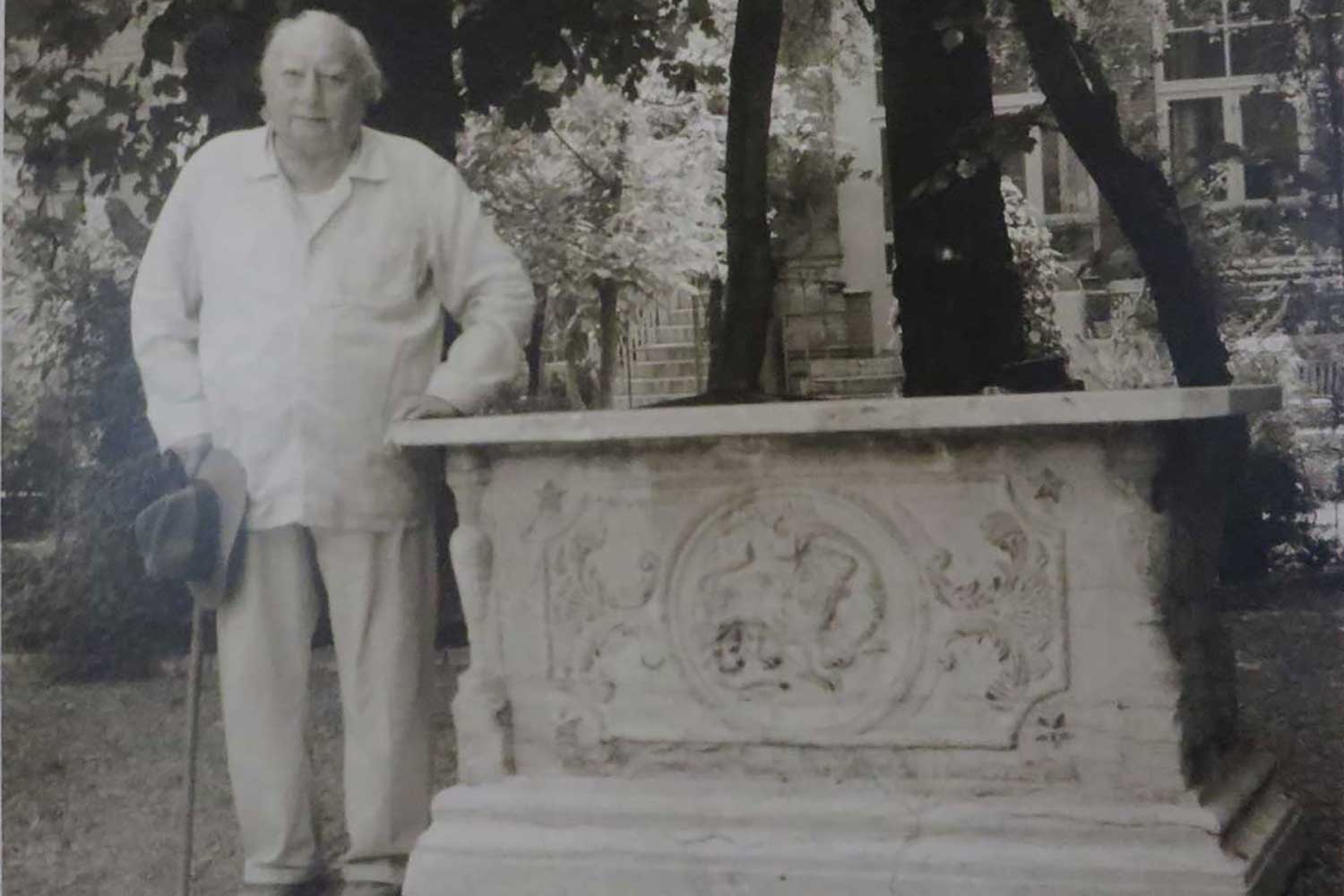
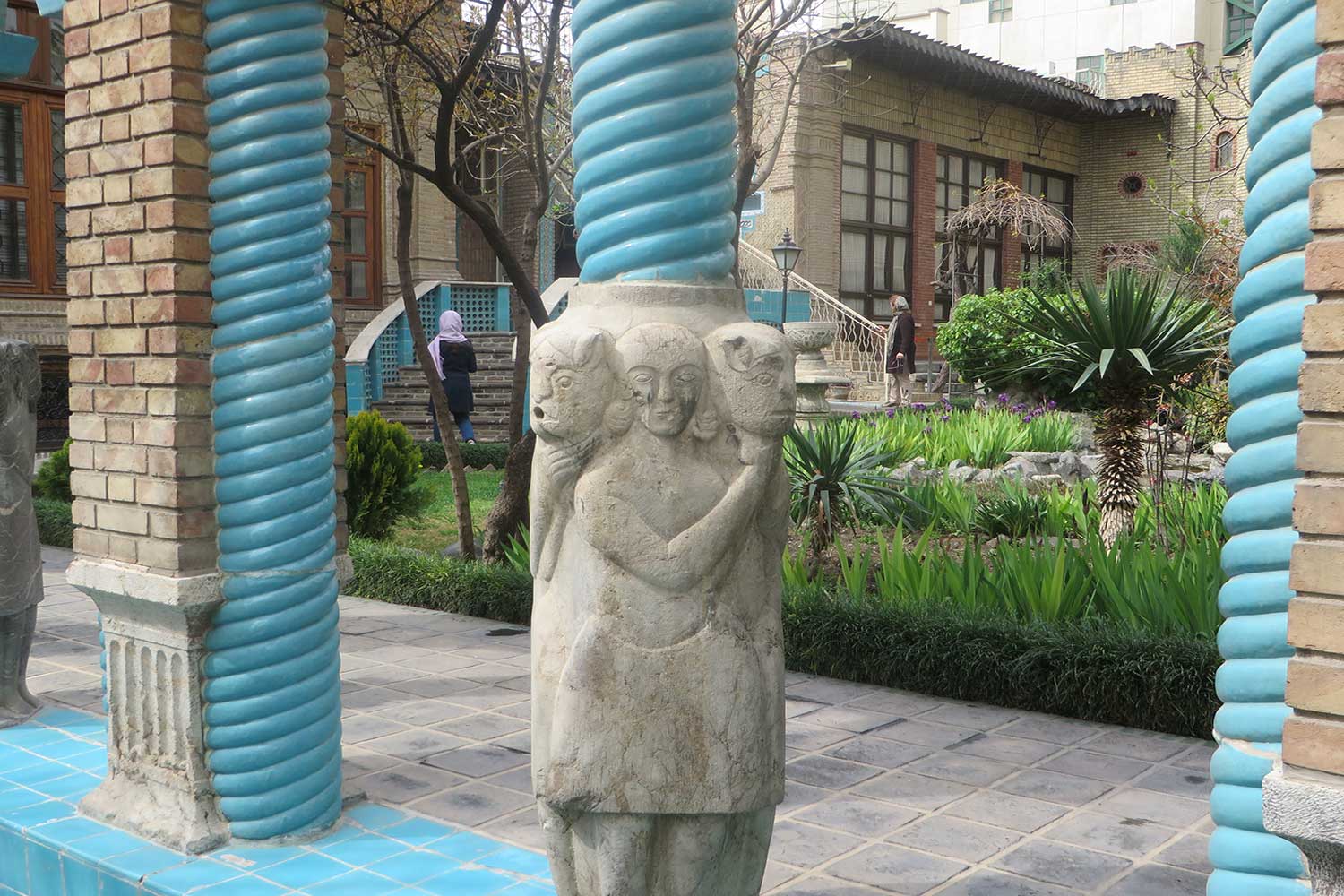
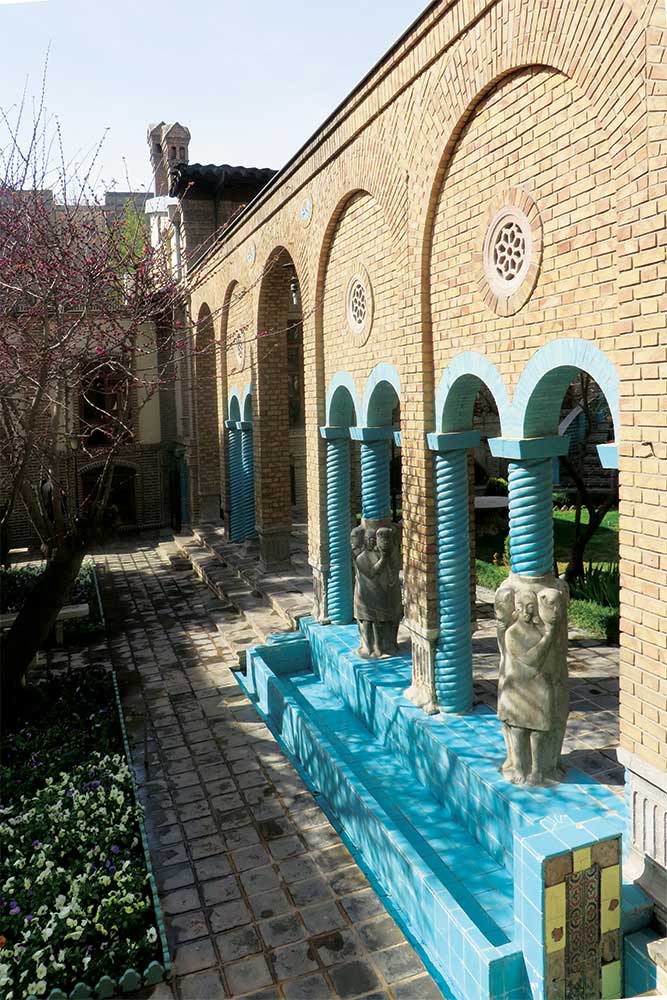
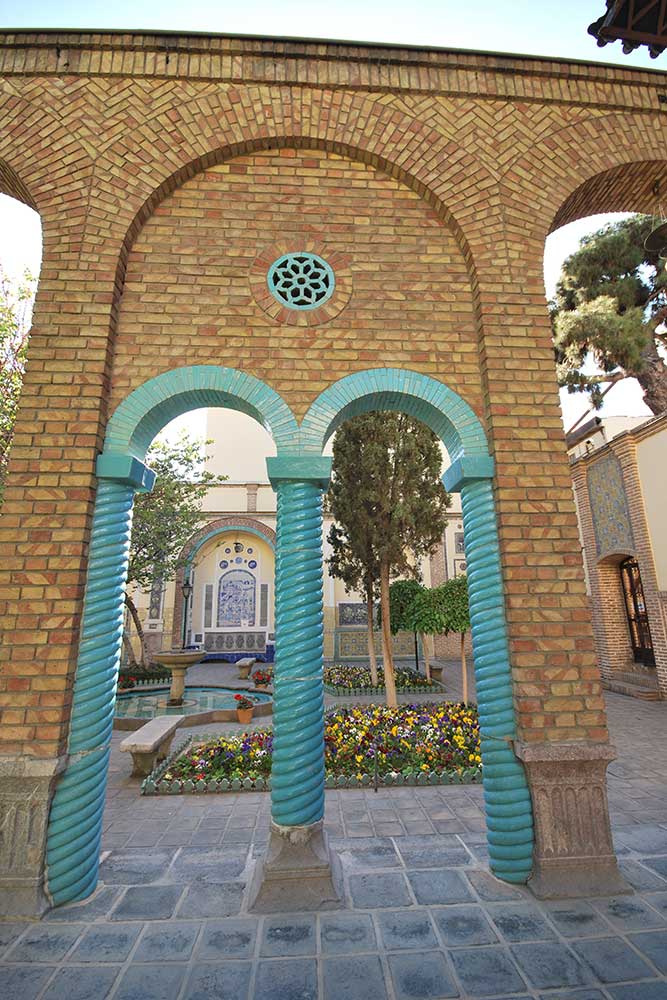
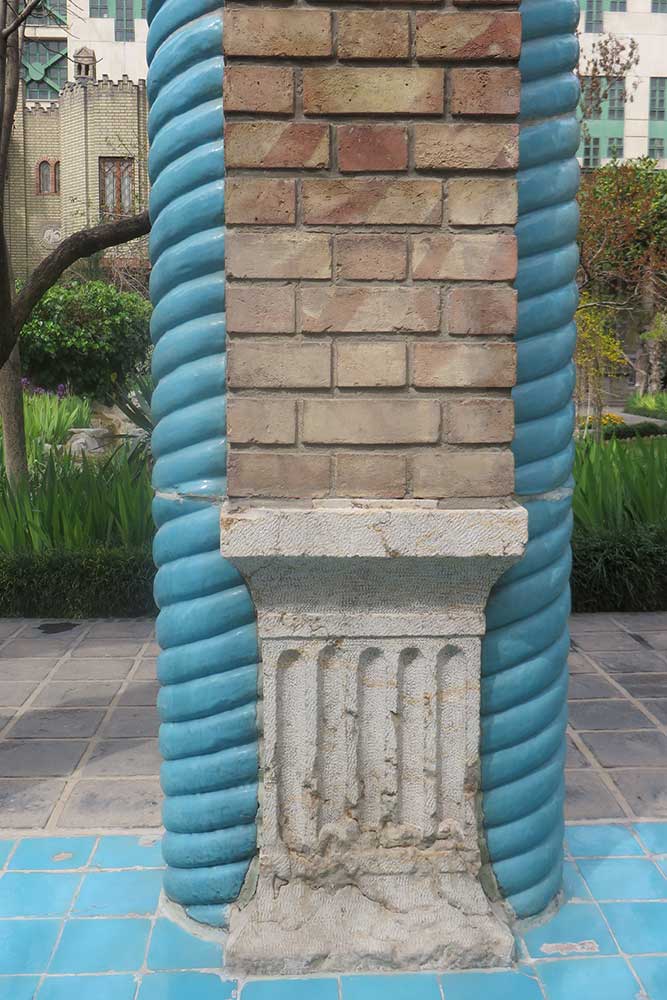
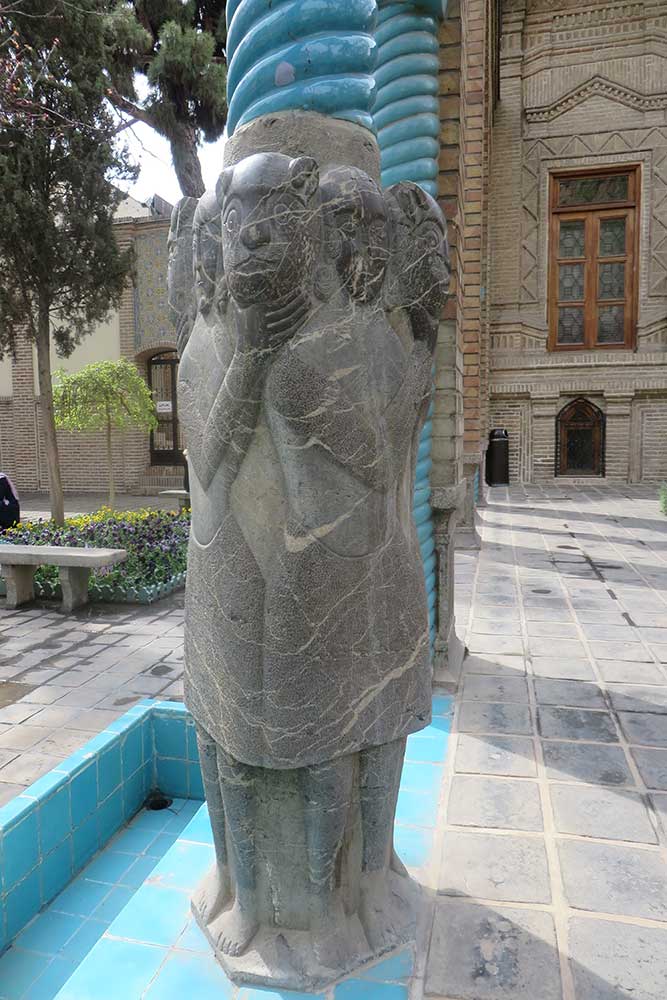
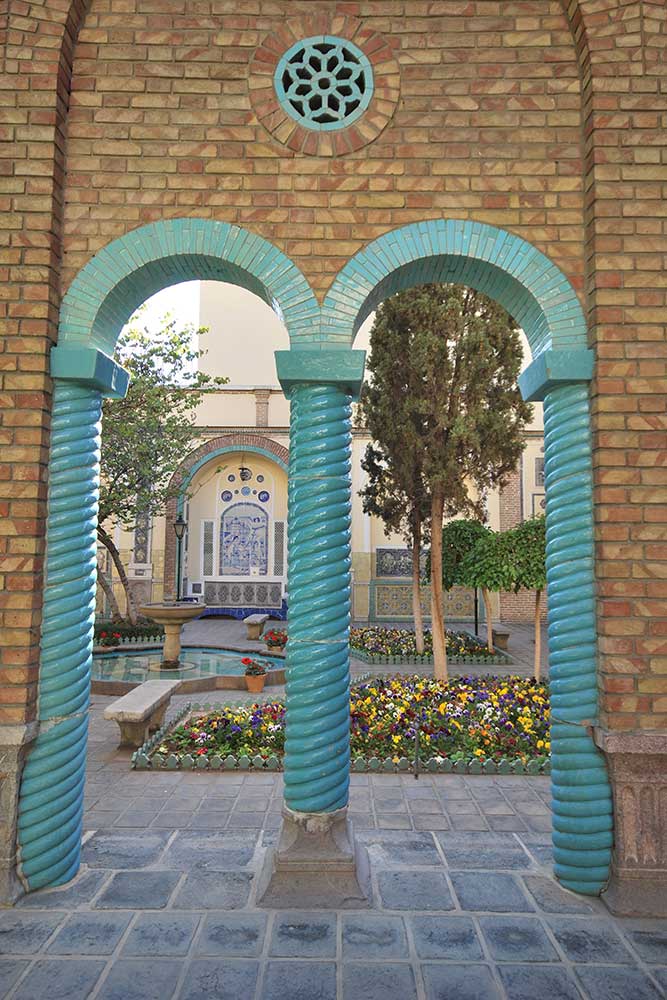
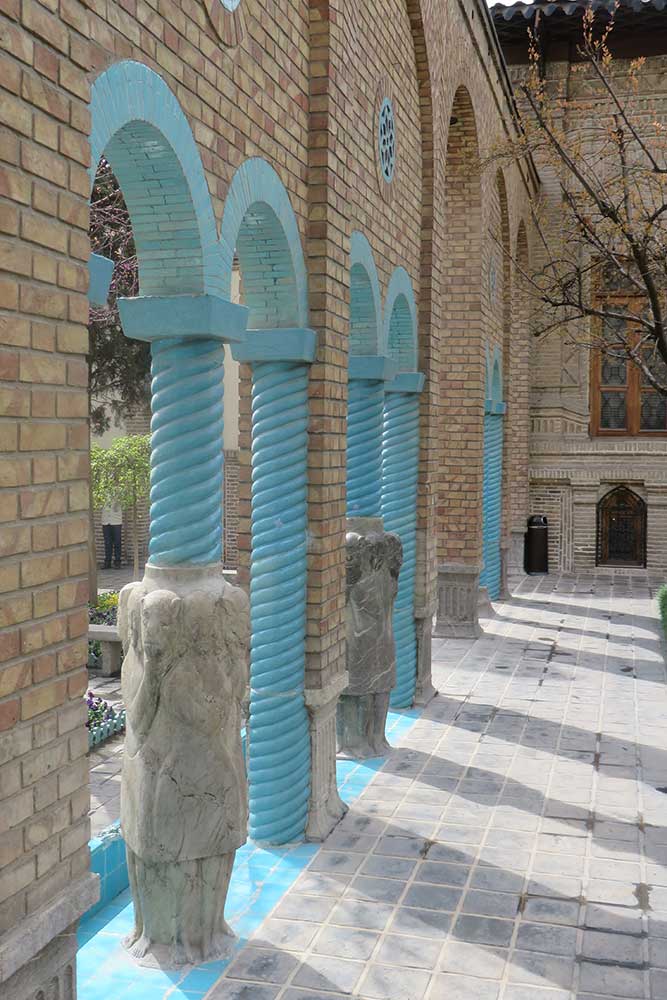
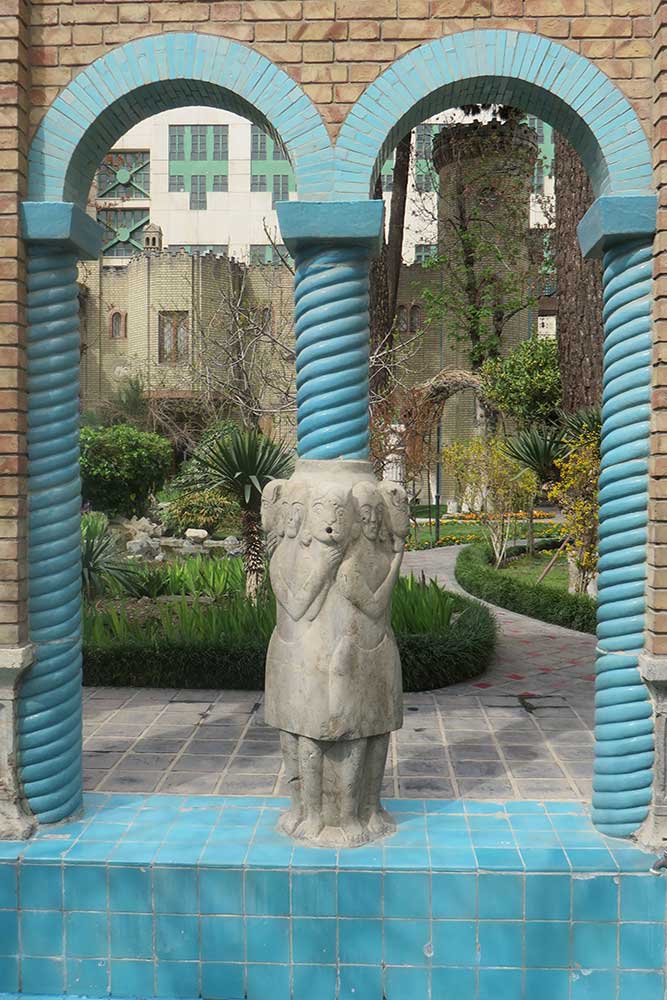
این دیوار به شکل ردیفی از طاقهای آجری و ستونهای فتیلهمارپیچ از کاشی فیروزهای است و دو پایهستون سنگی در آن تعبیه شده است؛ این پایهستونها که در نیمهی نخست سدهی 13 هجری قمری ساخته شده و به طرح آبنماهای کاخ چهلستون اصفهان شباهت دارند، در زمان تخریب کاخ خواهر ناصرالدینشاه در اندرونی قدیم کاخ گلستان، خریداری شده و به اینجا منتقل شدند (البته در آرشیو موزه ی مقدم سابقه ی این دو پایه ستون، متعلق به ساختمان عدلیه در زمان فتحعلی شاه باشد).
The Moghadam House and Museum, along with its remarkable collection of historical and artistic artifacts, is considered one of the most valuable cultural heritage museums in Iran. This Qajar-era residence, covering approximately 2,500 square meters, once formed part of a larger garden-house complex belonging to Mohammad-Taqi Khan Ehtesab al-Molk, a Qajar court official and a member of the Moghadam family of Maragheh. The property later became the possession of his youngest son, Mohsen Moghadam. Ehtesab al-Molk served as the first mayor of Tehran during the reign of Naser al-Din Shah Qajar and was later appointed as Iran’s minister plenipotentiary to Switzerland. He had five children, three of whom tragically passed away at a young age due to illness. Deeply affected by this loss, he devoted great care to the education and upbringing of his two surviving sons, Hassan and Mohsen, sending them both to Europe to pursue their studies. Hassan, born in 1898 (1277 SH), died young in 1925 (1304 SH) from illness in Switzerland. Mohsen Moghadam, born in 1900 (1279 SH) in Tehran, received his primary education at Tarbiyat School and later at the German Technical School. He then went to Switzerland, where he studied for four years at the Collège Classique of Lausanne. Returning to Iran during World War I, he briefly studied painting at the School of Fine Arts (Madrese-ye Sanaye‘ Mostazrafeh), before resuming his travels to Italy and Germany to conduct research on museums. He later went to France, where he studied archaeology and painting, eventually earning a diploma in museology. While in Paris, he met Selma Kouyoumjian, a fellow archaeology student, whom he later married. The couple returned to Iran in 1936 (1315 SH) and remained there for the rest of their lives. Moghadam collaborated with André Godard in the founding of the University of Tehran and taught there until 1968 (1347 SH). His deep affection for the university led him to dedicate his lifelong collection and property to it, describing his mission as: “The preservation and protection of ancient and artistic works such as tilework, woodcarving, stucco, mirrorwork, paintings, images, and other objects — whether attached to walls and architectural surfaces or existing independently.” He stipulated that all proceeds from the endowed estate be devoted to its expansion, including the purchase of antique, historical, and artistic objects, as well as their maintenance and conservation. During their lifetimes, Dr. Moghadam and his wife Selma regularly opened their home on Friday afternoons to friends and acquaintances. It is said that nearly all the great figures of Iranian and international art and architecture visited the house to see its invaluable treasures. Located on the north side of Imam Khomeini Street (formerly Sepah Street), between Valiasr Avenue and Sheikh Hadi Street, the house reflects Moghadam’s lifelong passion for collecting. From the age of sixteen, he began assembling his first collection—traditional smoking pipes (chopoq)—and devoted much of his income thereafter to acquiring antique and archaeological artifacts. Whenever a historic house faced demolition, Moghadam was among the first to arrive, salvaging fragments and objects for his growing collection. Over the forty years he and Selma lived in the house, continuous restorations and aesthetic modifications were made, transforming it into a masterpiece of authentic Iranian architecture. The residential complex originally consisted of three main sections: a large main house, a spacious courtyard, and a beautiful garden, of which only fragments remain today. The house itself comprised andaruni (private quarters) and biruni (public reception areas), once separated by a wall. The original dividing wall, designed by Moghadam himself, was later deemed incompatible with modern social life and replaced with a new design by Hooshang Seyhoun, under whose supervision it was rebuilt. This new wall—designed as a row of brick arches interspersed with turquoise-tiled spiral columns—included two carved stone bases. These bases, dating from the early 19th century (first half of the 13th century AH), resemble the fountain pedestals of the Chehel Sotoun Palace in Isfahan. They were reportedly salvaged during the demolition of Naser al-Din Shah’s sister’s palace in the old Golestan Palace complex and brought to Moghadam’s residence. However, archival documents from the Moghadam Museum indicate that they may have originally belonged to the Judiciary Building (Edāliyeh) from the reign of Fath-Ali Shah Qajar. Today, the Moghadam House stands not only as a museum of art and archaeology but also as a living testimony to one man’s devotion to Iran’s cultural heritage—an intimate space where architecture, memory, and scholarship converge in harmonious unity.
مدارک فنی
مرجع عکسها: کتاب هوشنگ سیحون (معمار، هنرمند، نقاش)
تالیف: شهریار خانیزاد
مطالب مرتبط