رابرت اِی.اِم. استرن، معمار و آموزگار تأثیرگذار آمریکایی، در سن ۸۶ سالگی درگذشت
Robert A.M. Stern, Influential American Architect and Educator, Passes Away at 86
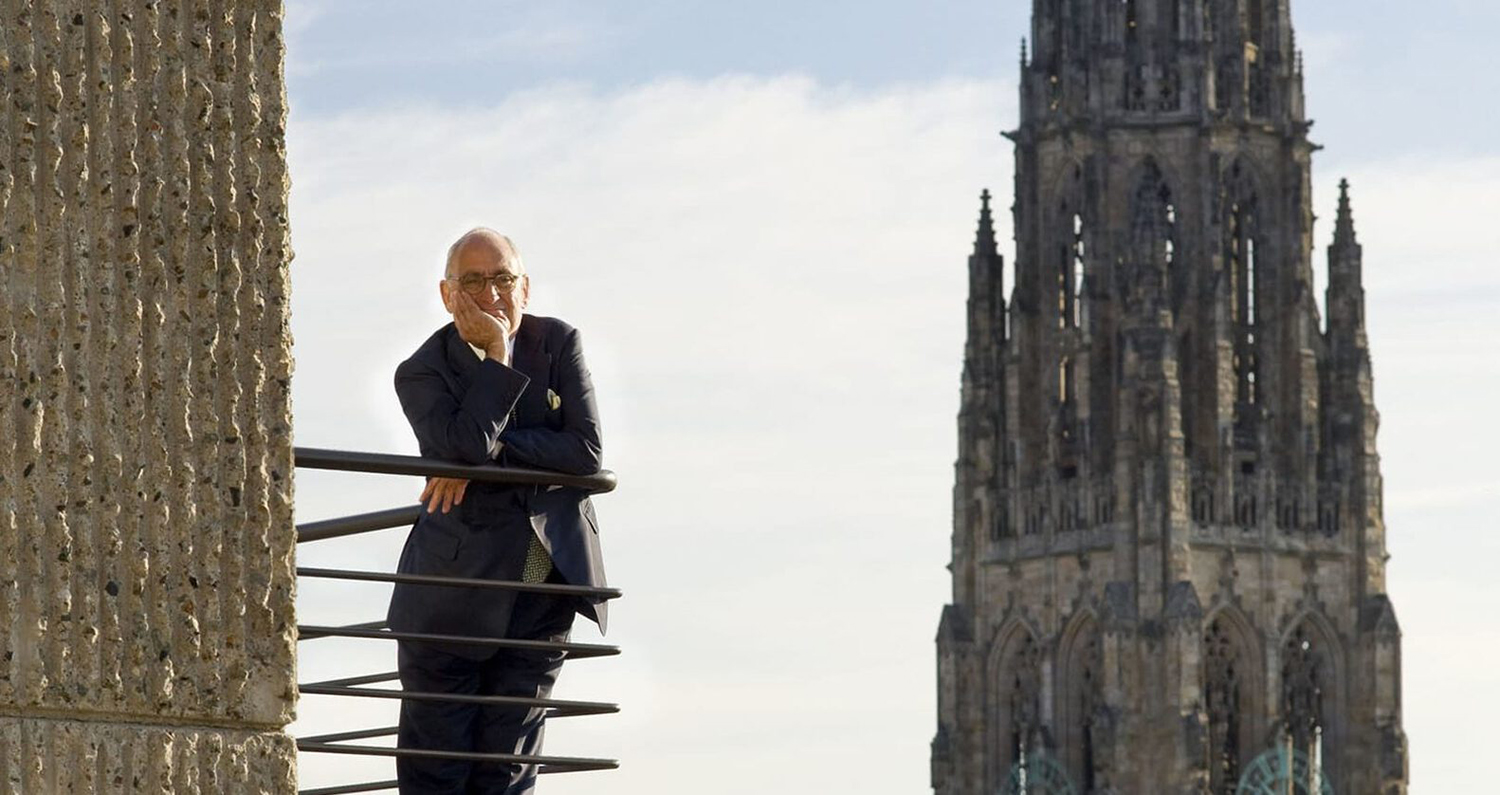
رابرت اِی.اِم. استرن، معمار و آموزگار تأثیرگذار آمریکایی
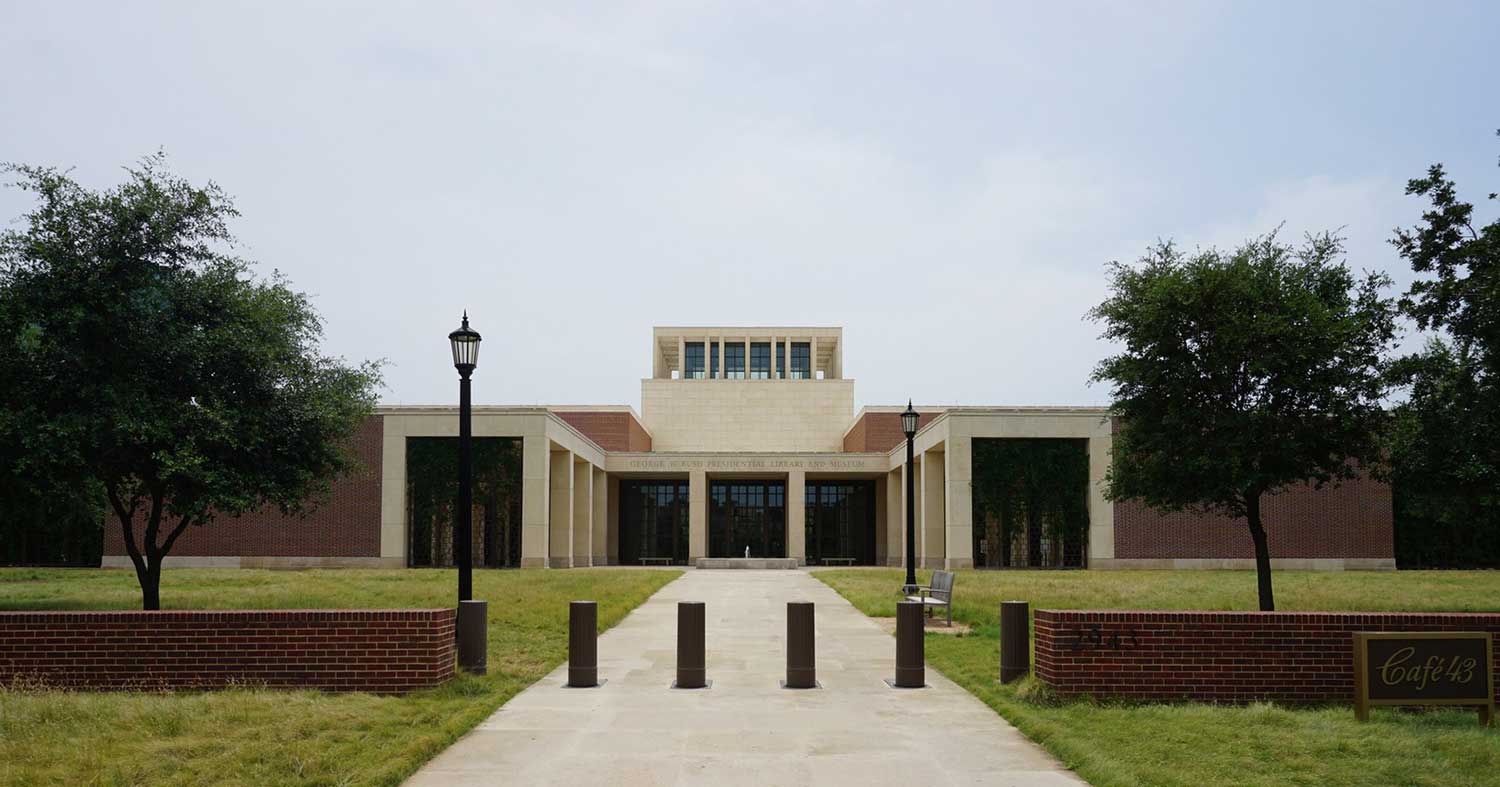
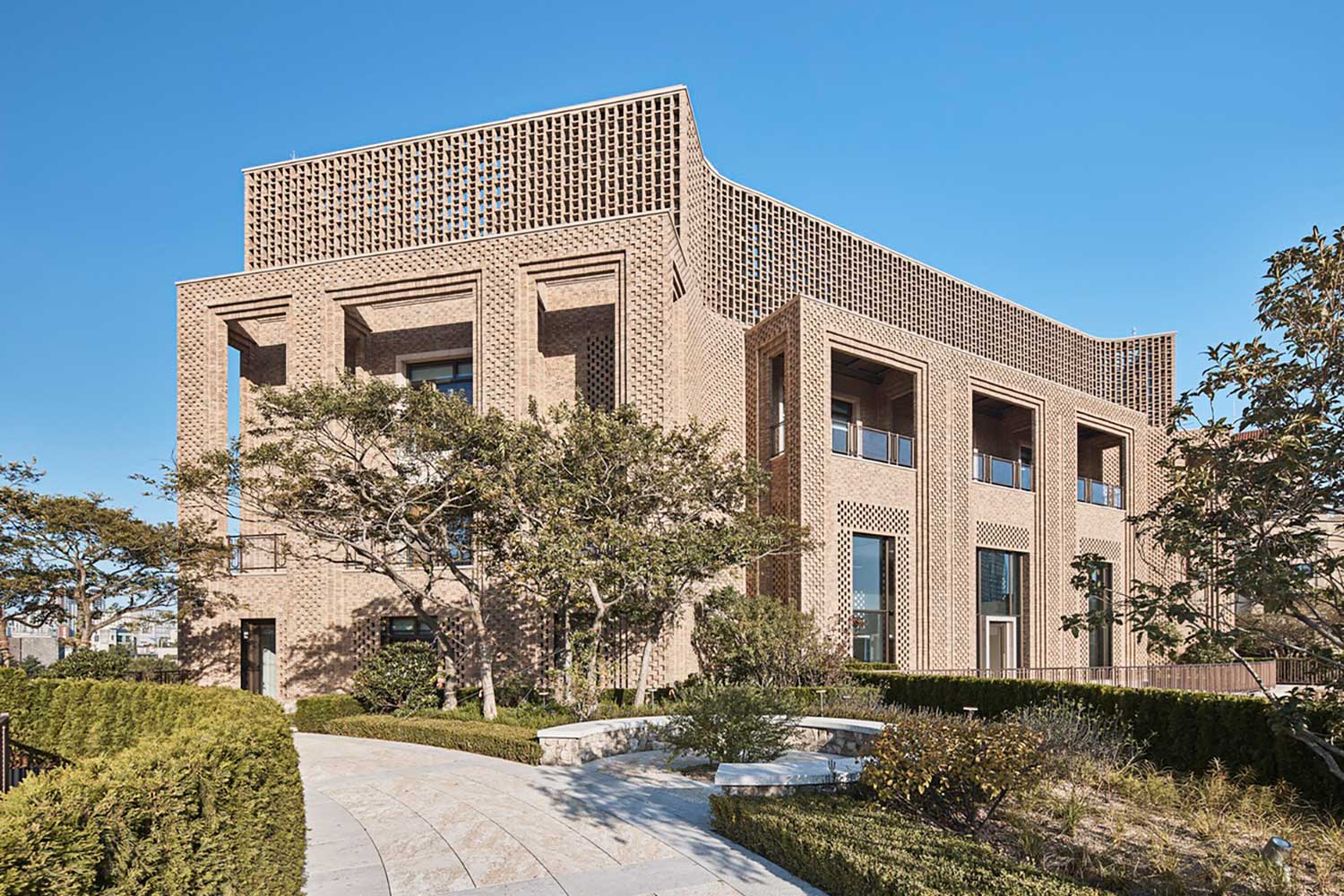
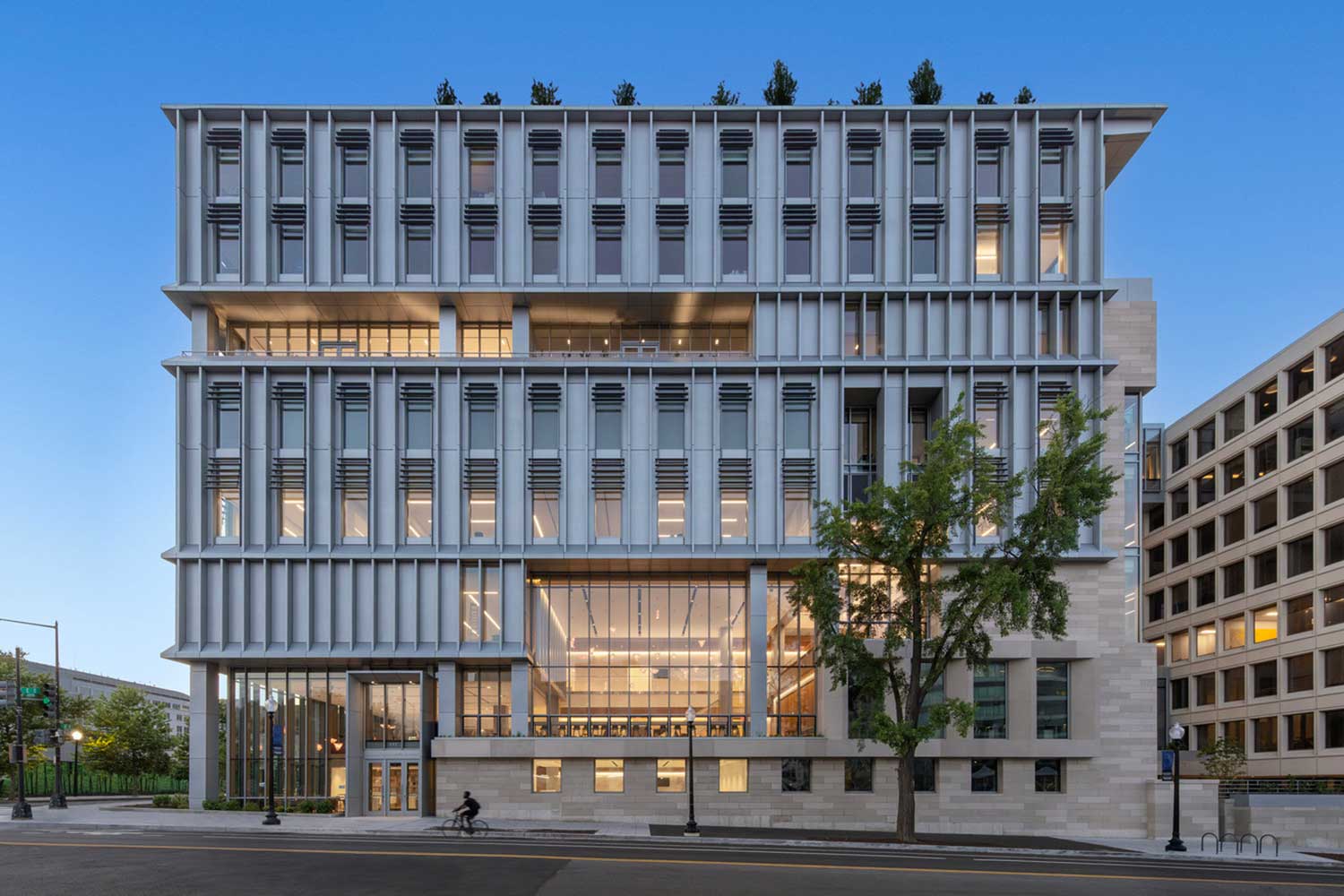
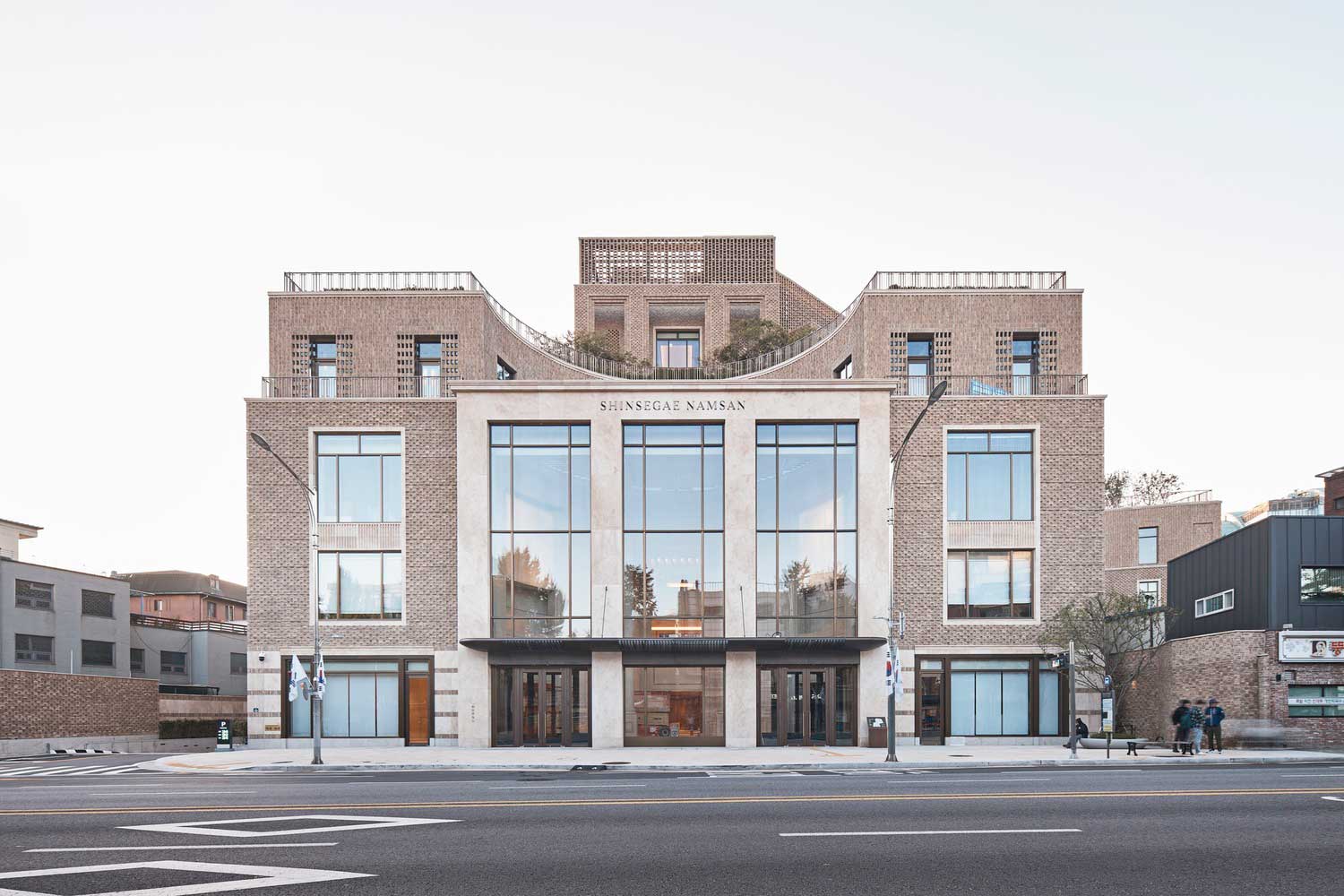
رابرت اِی.اِم. استرن، معمار، مدرس و تاریخنگار آمریکایی که آثارش چشمانداز فیزیکی و فکری معماری معاصر را شکل داد، در سن ۸۶ سالگی درگذشت. خبر درگذشت او را دفتر معماری Robert A.M. Stern Architects (RAMSA)، که استرن بیش از پنج دهه رهبریاش را بر عهده داشت، تأیید کرد. استرن که در دوران سلطهی معماری مدرنیستی و هایتک، رویکردی زمینهگرا و تاریخمحور را پیش برد، همواره صدایی برجسته در دفاع از تداوم، مدنیت شهری و درک معماری بهعنوان بخشی از یک سلسلهمراتب فرهنگی طولانی بود. استرن که در سال ۱۹۳۹ در بروکلین به دنیا آمد، در دانشگاه کلمبیا تحصیل کرد و سپس در سال ۱۹۶۵ مدرک کارشناسیارشد معماری خود را از مدرسهی معماری دانشگاه ییل دریافت کرد. او در سالهای نخست فعالیت حرفهای، کار معماری را با پژوهش تلفیق کرد و به تاریخ معماری علاقهی عمیقی یافت؛ موضوعی که بعدها مبنای رویکرد طراحی و آموزش او شد. پس از همکاری با دفاتر معتبر نیویورک و دورهای از پژوهش مستقل، در سال ۱۹۶۹ دفتر Robert A.M. Stern Architects را بنیان گذاشت؛ دفتری که در دورانی شکل گرفت که ایدههای پستمدرن در حال تغییر گفتوگوهای معماری در ایالات متحده بودند و RAMSA را همزمان به یک practice طراحی و یک مرکز پژوهش معماری تبدیل کرد. اگرچه استرن را اغلب در پیوند با پستمدرنیسم آمریکایی میشناسند، مسیر حرفهای او بهتدریج به رویکردی کلاسیکگراتر و تاریخمحورتر متمایل شد؛ مسیری متفاوت از بیانهای تجربیتر این جنبش. در کار او، رابطهی شهری، دوام مصالح و بازتفسیر فرمهای سنتی در جایگاهی محوری قرار داشتند. در دهههای ۱۹۸۰ و ۱۹۹۰، RAMSA با طرحهای جامع شهری، بناهای عمومی، مؤسسات فرهنگی و بعدها پروژههای گستردهی مسکونی شناخته شد. از میان آثار شاخص او میتوان به برج مسکونی 15 Central Park West (۲۰۰۸) در منهتن اشاره کرد؛ برجی با پوستهی سنگآهکی که از نمونههای اوایل قرن بیستم الهام گرفته بود. دیگر پروژههای مهم او شامل مرکز تجاری–اداری Shinsegae Namsan در کرهی جنوبی، مجموعهی گستردهای از ساختمانهای دانشگاهی برای ییل و دانشگاه ویرجینیا، و مدرسهی سیاست عمومی مککورت در دانشگاه جورجتاون در واشنگتن است. فراتر از کار حرفهایاش، استرن تأثیر عمیقی بر آموزش معماری گذاشت. او از ۱۹۹۸ تا ۲۰۱۶ بهعنوان رئیس دانشکدهی معماری ییل، دورهای از گسترش و تنوعبخشی به گفتمان معماری را هدایت کرد و طی آن از معماران و پژوهشگران متنوعی برای شکلدادن به مسیر مدرسه دعوت کرد. علاقهی او به تاریخ معماری به انتشار کتابهای مرجع متعددی انجامید؛ از جمله مجموعه چندجلدی او دربارهی معماری شهر نیویورک که با همکاری گروهی از پژوهشگران تهیه شد و یکی از منابع مهم دربارهی بافت ساختهشدهی این شهر بهشمار میرود. کارهای استرن در سالهای پایانی نیز همچنان درگیر پرسشهایی دربارهی شکل شهر، الگوهای مسکن و جایگاه سنتهای معماری در معماری معاصر بود. او در دورهای که فرهنگ معماری زیر تاثیر جریانهای جدید تکنولوژیک و زیباییشناختی دگرگون میشد، به اصول تداوم، وضوح مصالح و پاسخگویی به زمینه وفادار ماند. این ثبات فکری، practice او را گاه همسو و گاه در تضاد با مسیرهای اصلی معماری معاصر قرار میداد و مجموعهای از آثار پدید آورد که بازتابدهندهی ترکیبی از دغدغههای دیرینه و شرایط شهری در حال تغییر است.
Robert A. M. Stern / Influential American Architect and Educator
Robert A.M. Stern, the American architect, educator, and historian whose work shaped both the physical and intellectual landscape of contemporary architecture, has died at the age of 86. His passing was confirmed by Robert A.M. Stern Architects (RAMSA), the New York-based practice he led for more than five decades. Known for advancing a contextual, historically informed approach during decades dominated by modernist and high-tech architecture, Stern remained a prominent voice advocating for continuity, urban civility, and an understanding of architecture as part of a longer cultural lineage. Born in 1939 in Brooklyn, Stern studied at Columbia University before completing his Master of Architecture at the Yale School of Architecture in 1965. Early in his career, he balanced practice with scholarship, developing a deep interest in architectural history that would later inform his design ethos and teaching. After working with prominent New York practices and a period of independent research, he founded Robert A.M. Stern Architects in 1969, positioning the office as both a design practice and a hub for architectural investigation during a moment when postmodern ideas were reshaping architectural conversation in the United States. While often associated with American Postmodernism, Stern’s trajectory evolved toward a more classical-informed, historically grounded approach distinct from the movement’s more experimental expressions. His work prioritised urban relationships, material longevity, and the reinterpretation of traditional forms. Through the 1980s and 1990s, RAMSA became known for master plans, civic buildings, cultural institutions, and later, large-scale residential projects. Among his most recognisable works is 15 Central Park West (2008), a limestone-clad residential tower in Manhattan whose design drew from early 20th-century precedents. Other major projects include the Shinsegae Namsan Commercial & Offices in South Korea, extensive campus architecture for institutions such as Yale and the University of Virginia, and the McCourt School of Public Policy at Georgetown University in Washington. Beyond his architectural production, Stern had a profound influence on education. As Dean of the Yale School of Architecture from 1998 to 2016, he oversaw a period of expansion and broadening discourse, inviting diverse practitioners and scholars to shape the school’s direction. His interest in architectural history resulted in several authoritative books. Among his publications is a multi-volume series on the architecture of New York City, produced with a team of collaborators and widely recognised as a significant contribution to the study of the city’s built environment. Stern’s later work continued to engage with questions of urban form, housing models, and the role of architectural traditions in contemporary practice. As architectural culture shifted through new technological and aesthetic currents, he remained committed to principles of continuity, material clarity, and contextual responsiveness. This sustained focus placed his practice in dialogue with, and at times in contrast to, the dominant trajectories of his era, shaping a body of work that reflects both long-standing interests and evolving urban conditions.
مطالب مرتبط