 کاوش در یک فضای کاری با الهام از گذشته و حالوهوای گزینششدهی دههی ۸۰
 ویلا شمارهی 42، اثر پوریا احمدی
خانــهی نــون و تــش، اثر پگاه کریمپور، ارسلان اسعدی
هفتمین کتاب سال معماری معاصر ایران، 1403
Noon O Tash House / Pegah Karimpour, Arsalan Asadi
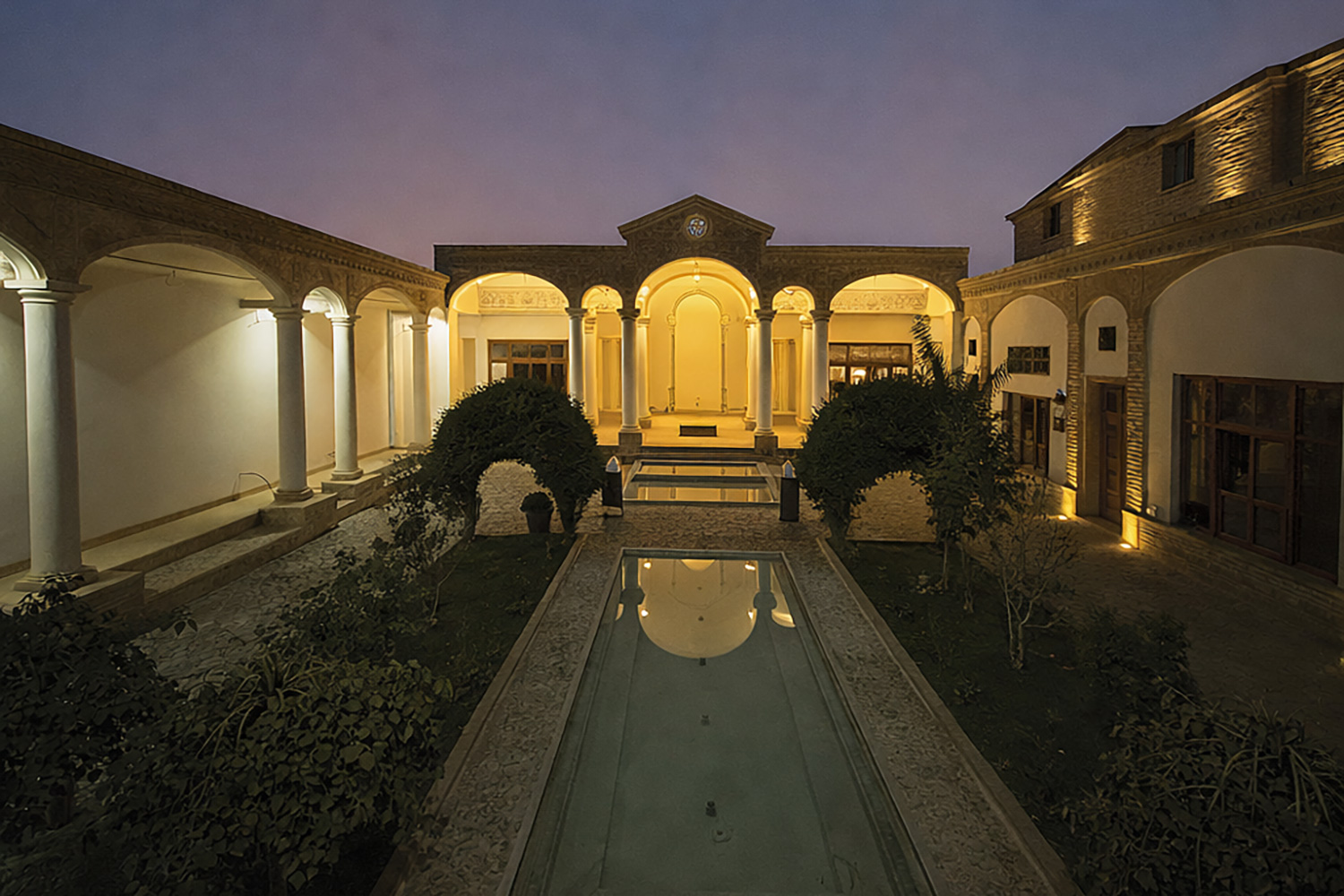
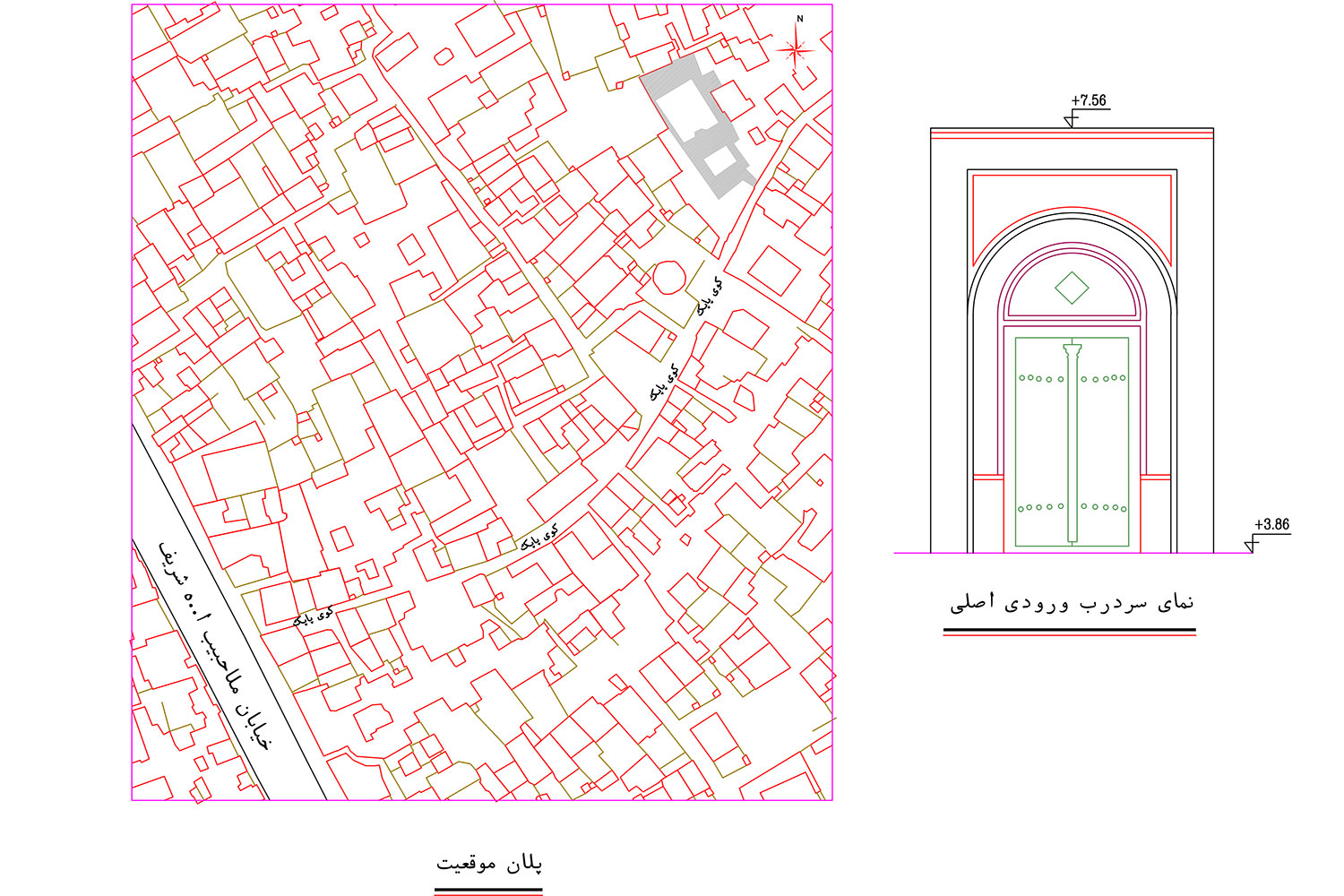
در انتهای کوچهای بنبست، به خانهای پا گذاشتیم که نفس میکشید، هرچند زخمهای زمان بر چهرهاش نشسته بود. شواهد از اواخر قاجار سخن میگفت اما در پهلوی اول بازسازی شده بود. در بافت تاریخی کاشان، میان خیابان محتشم و دروازه اصفهان بود، دو پلاک مجزا، که در روزگاری همریشه بودند. یک ورودی که از محلهی درب یلان و دیگری که از محلهی پاپک راه داشت. آخرین ساکنانش، خانوادهای بود که سی سال در آن زیسته بودند.
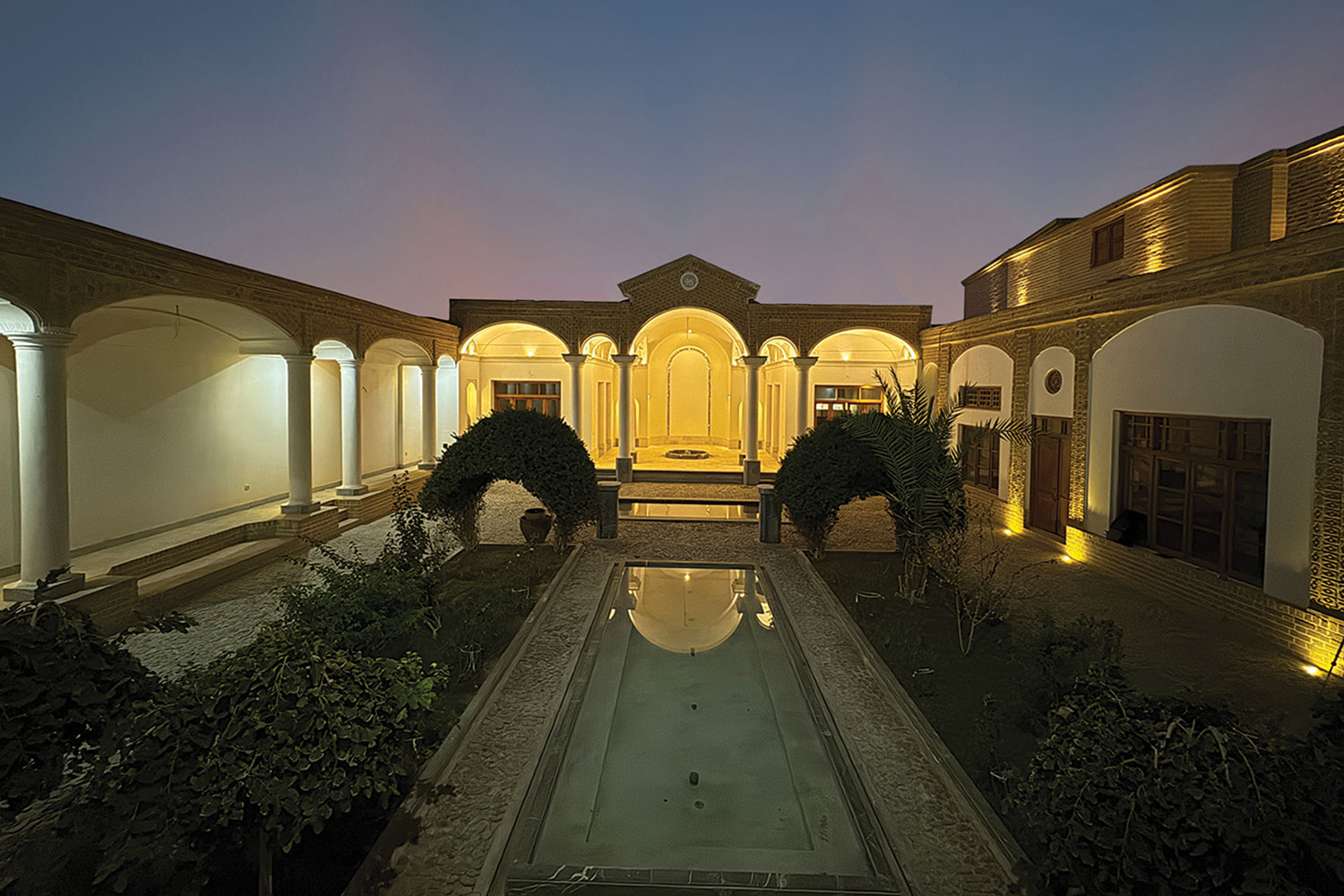
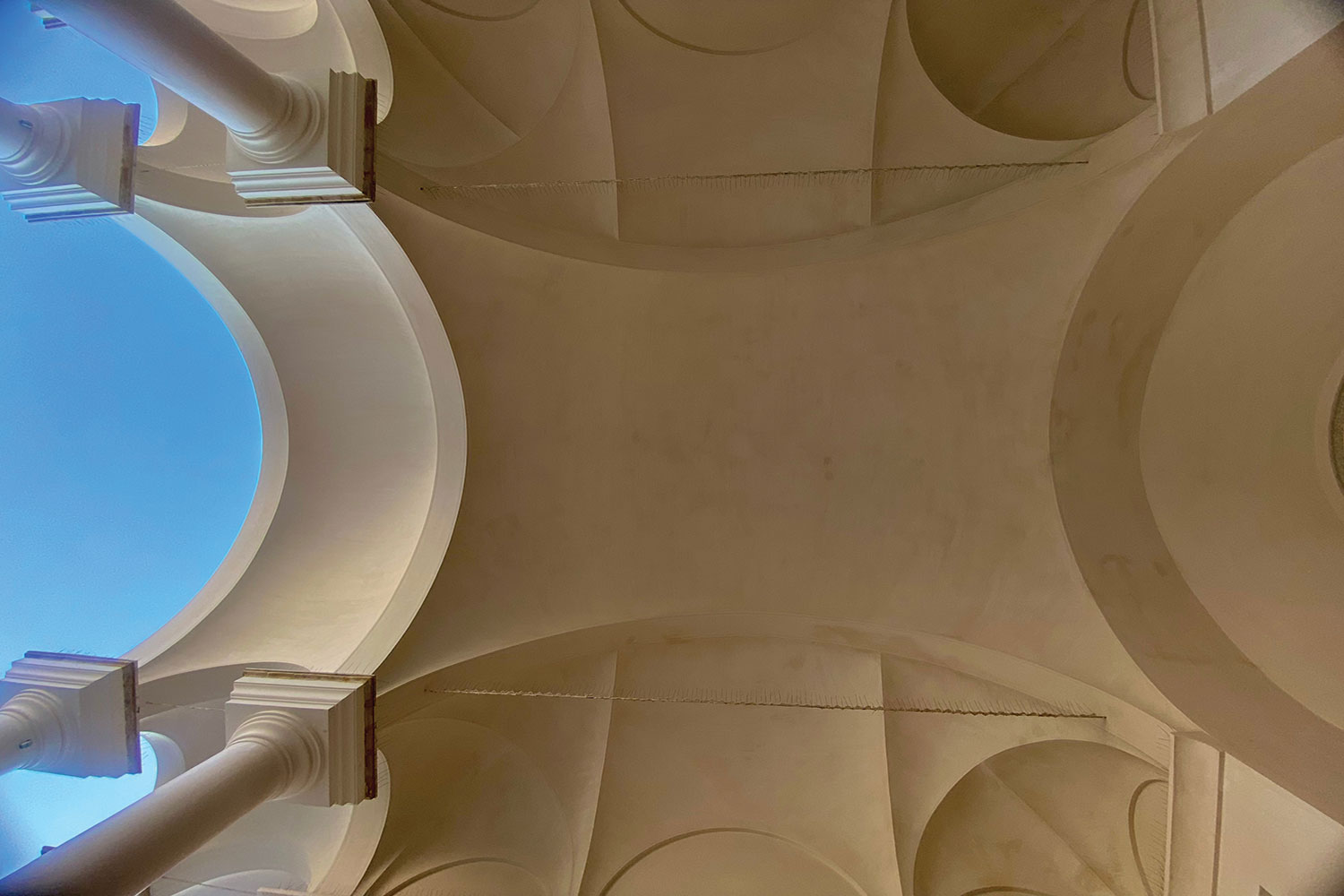
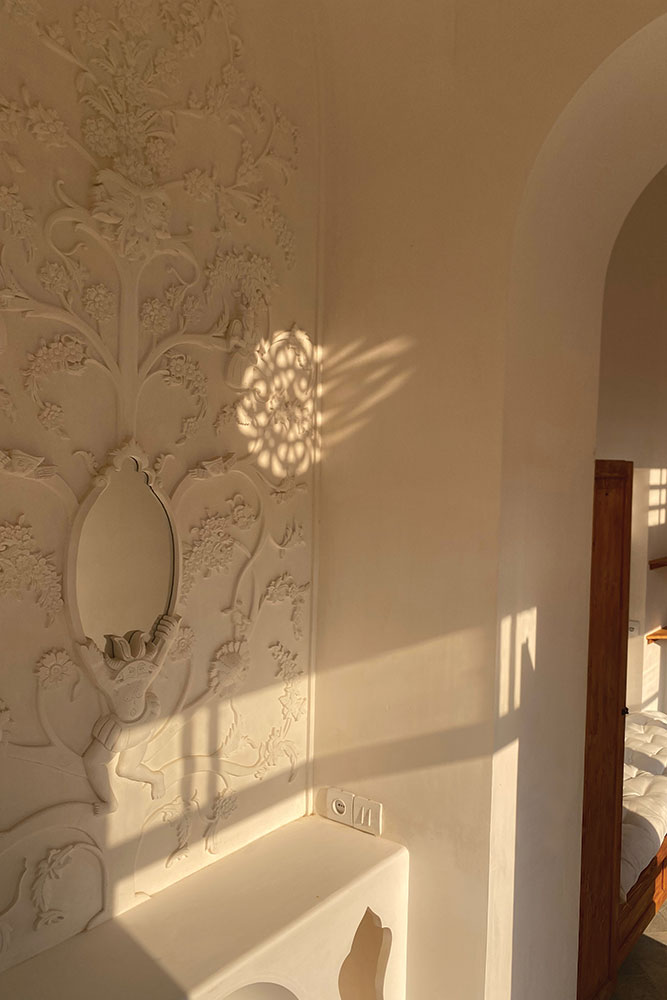
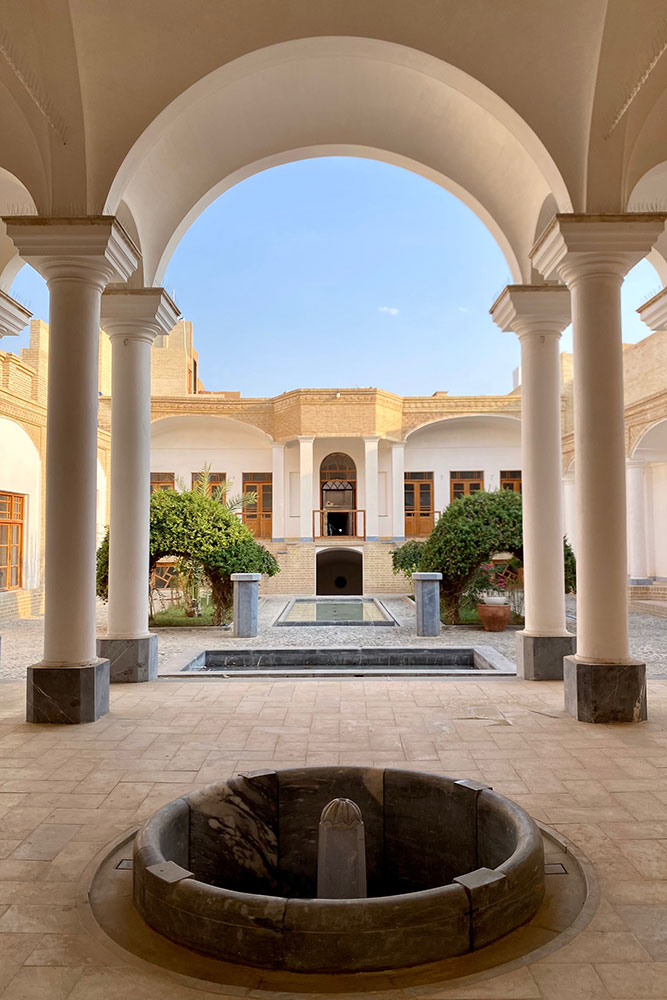
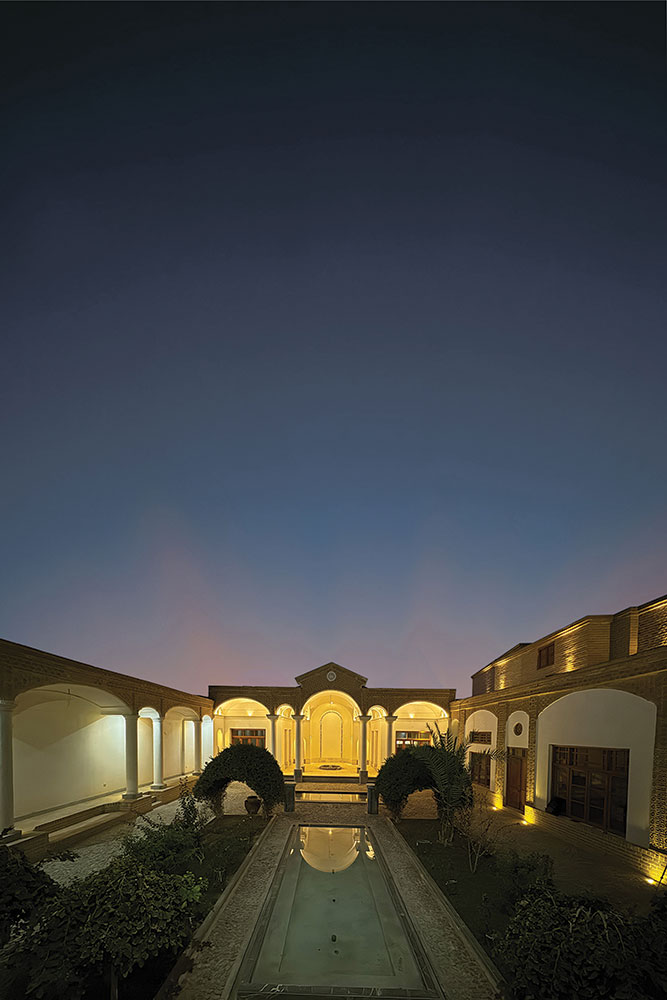
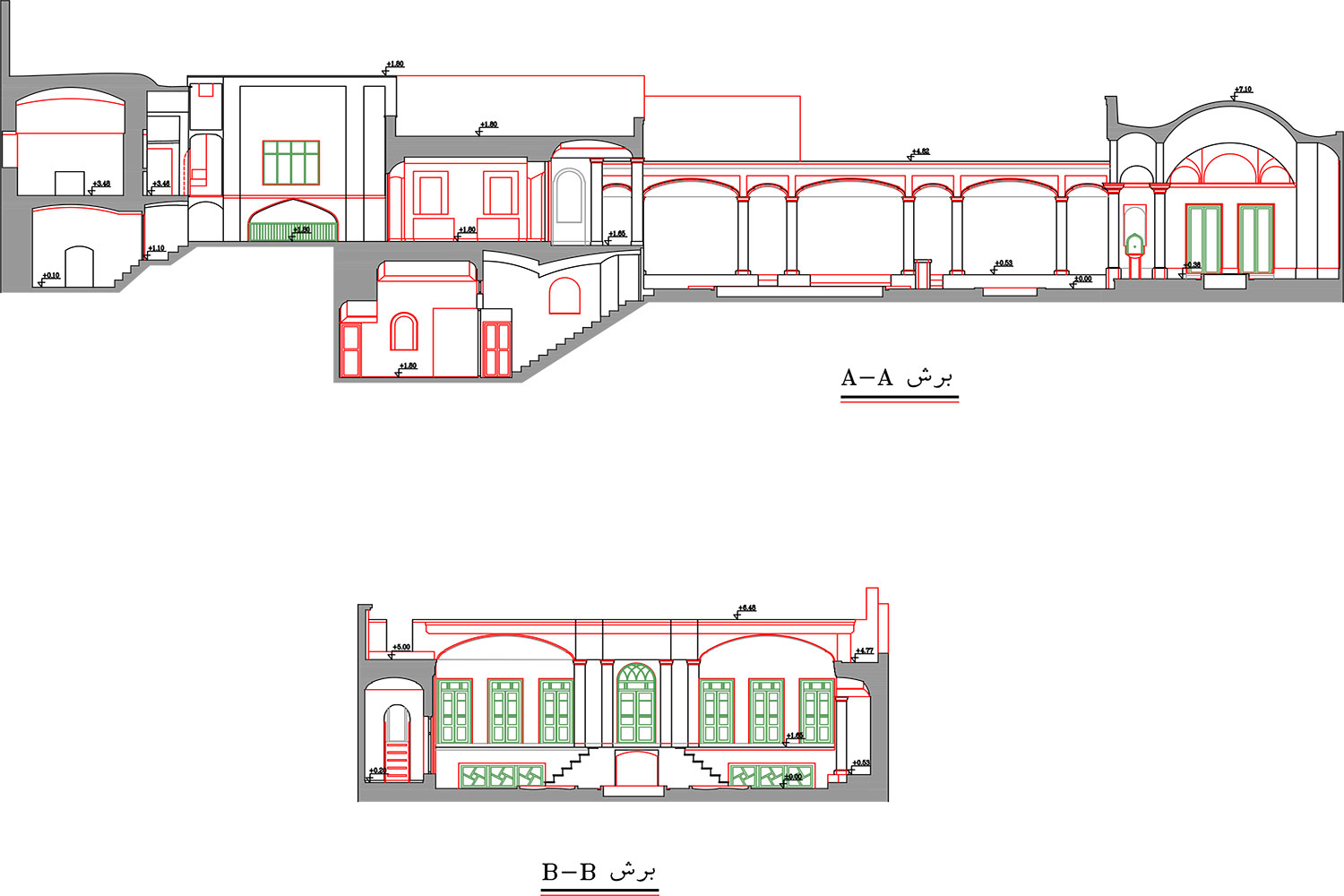
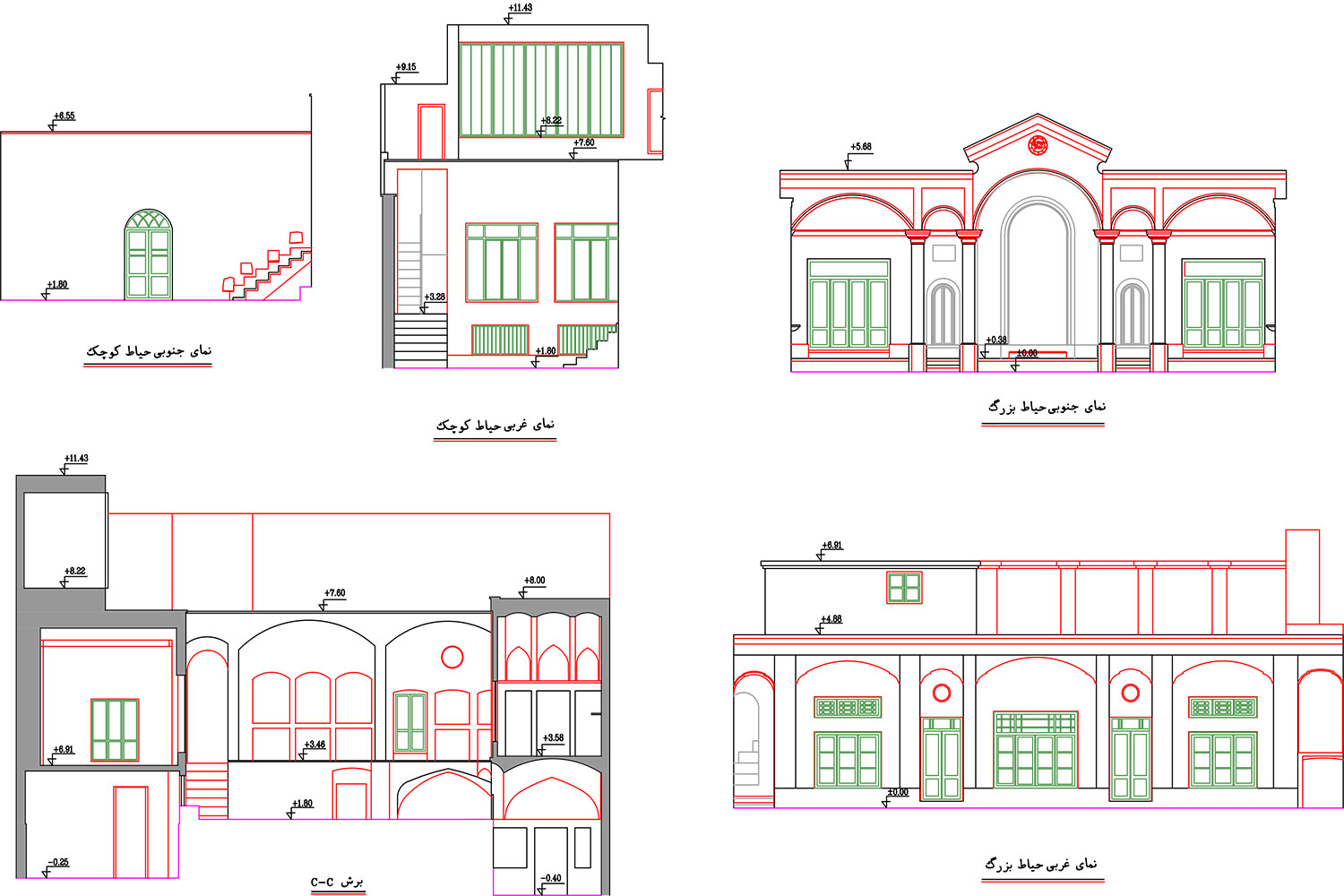
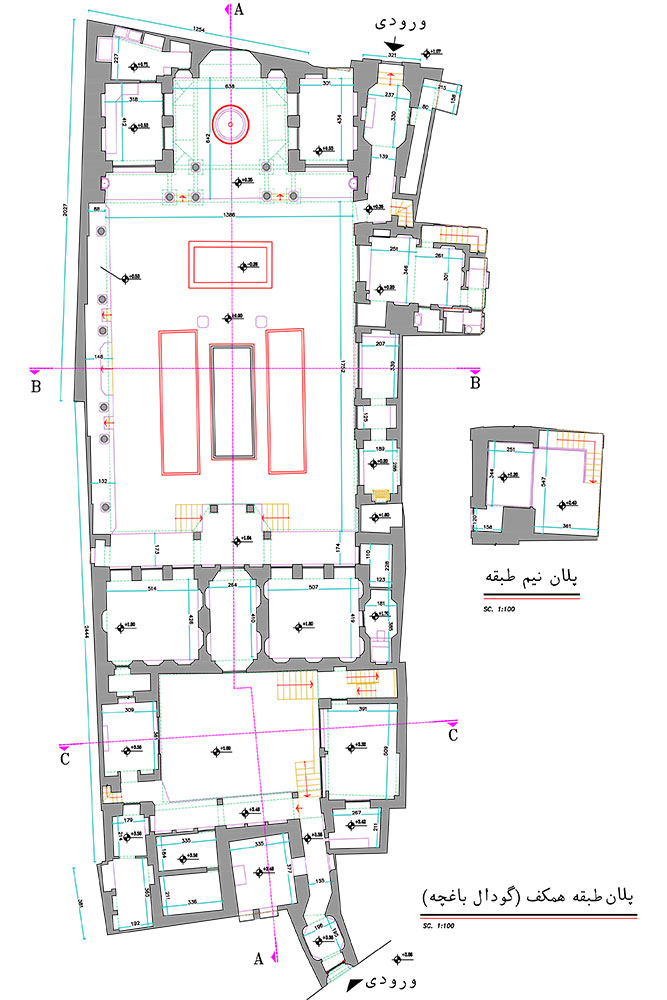
حیاط پهلوی، با شکوهمندیای که پشت لایههایی از رنگ پنهان شده بود، تصویری غمگین از گذشتهای پرافتخار داشت. حوضخانه و اتاقهای گوشواره، که میبایست چون نگینی باشند، خاموش مانده بودند. دیواری بر قامت حوضخانه الحاق شده و گشادگیاش را ربوده بود. صفهای در جبههی غربی، بهسادگی نشسته بود. در جبههی شرقی، اتاقی با آشپزخانه و حمامی کوچک برای زندگی پسر ارشد و خانوادهاش بود. ایوان جنوبی، با سه اتاق خود، که اتاق میانی در گذشته راه ارتباطی دو حیاط بوده. حیاط کوچکتر، در گذر ایام از بنای اصلی گسسته بود و پلان آن دچار تغییراتی شده بود. تزئینات در هر دو حیاط، در حداقلترین حالت بود، تنها حیاط پهلوی، جامهای از آجرهای مهری (مریمی) بر تن داشت که چشم را مینواخت. در بالای حوضخانه، کتیبهای آجری بود که روزگاری شیر و خورشید را بر خود داشت، اما اکنون، تنها جای خالی دایرهای میان آجرها، ردپایش را نشان میداد.
در این پروژه برای رفع آسیبها و پاسخ به نیازهای کاربری جدید، مداخلات پیشنهادی به صورت محدود، کنترل شده و صرفا با هدف خواناسازی ارزشهای فضایی طبق اصول زیر انجام گرفت:
حداقل مداخله به منظور حفظ اصالت در عین پاسخگویی
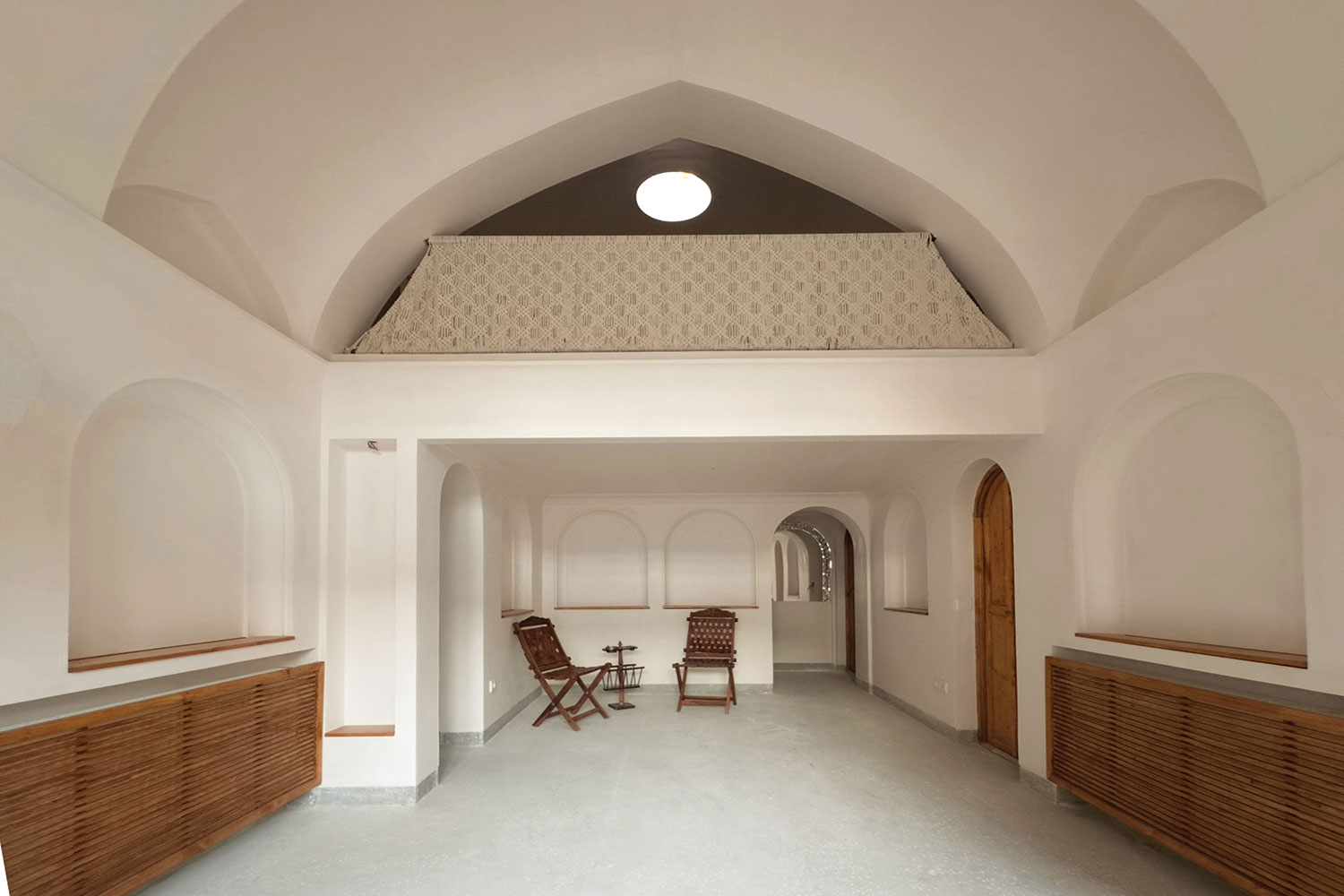
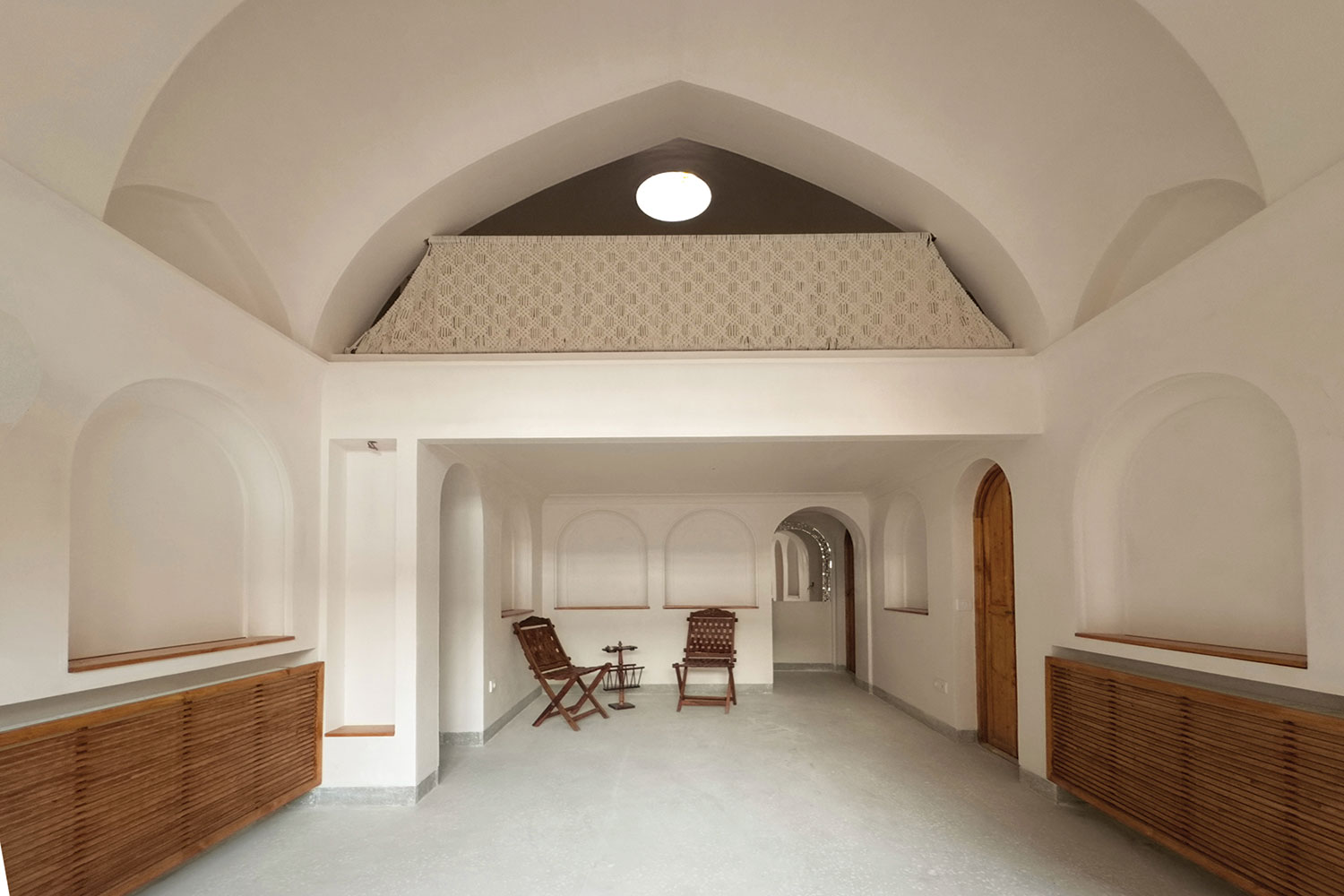
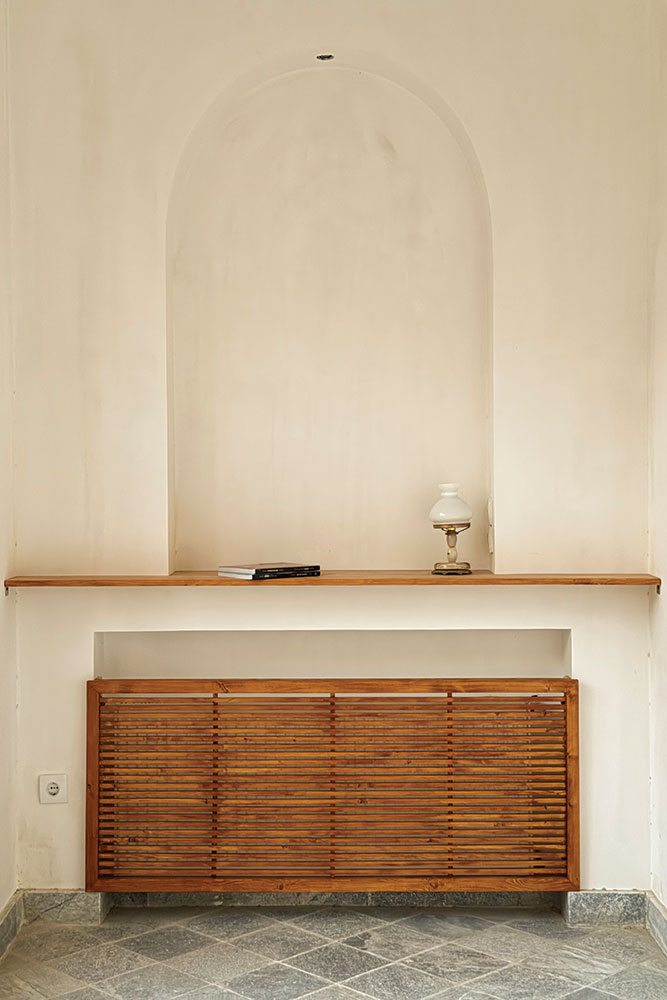
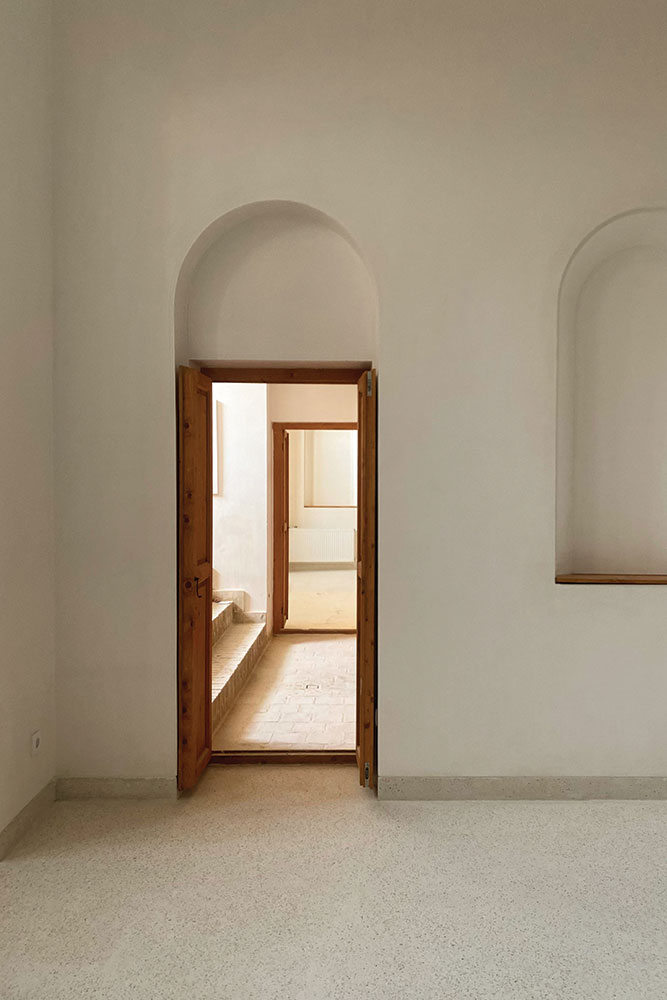
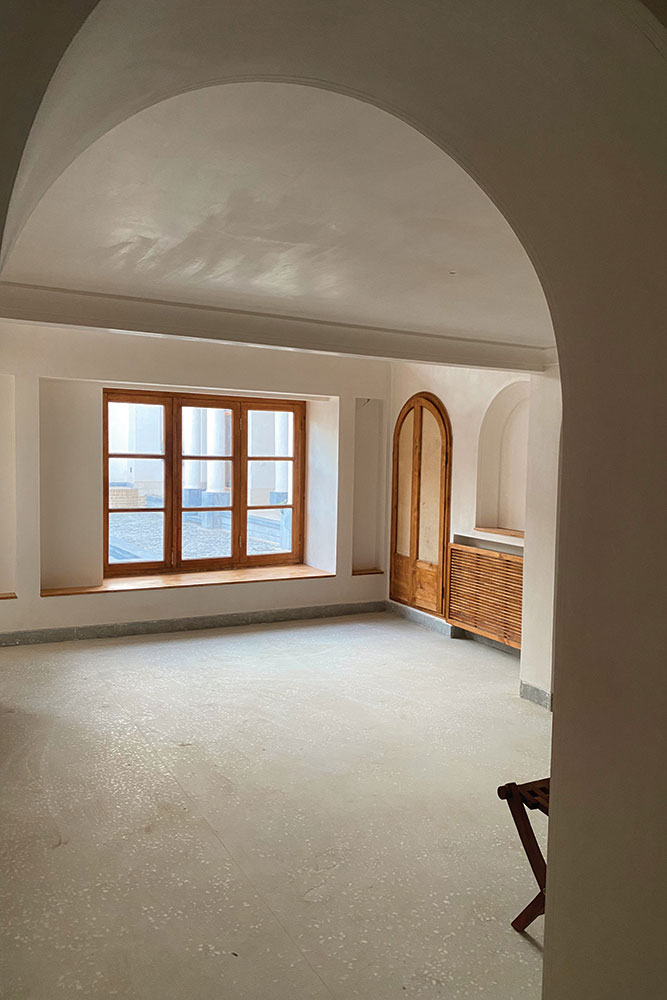
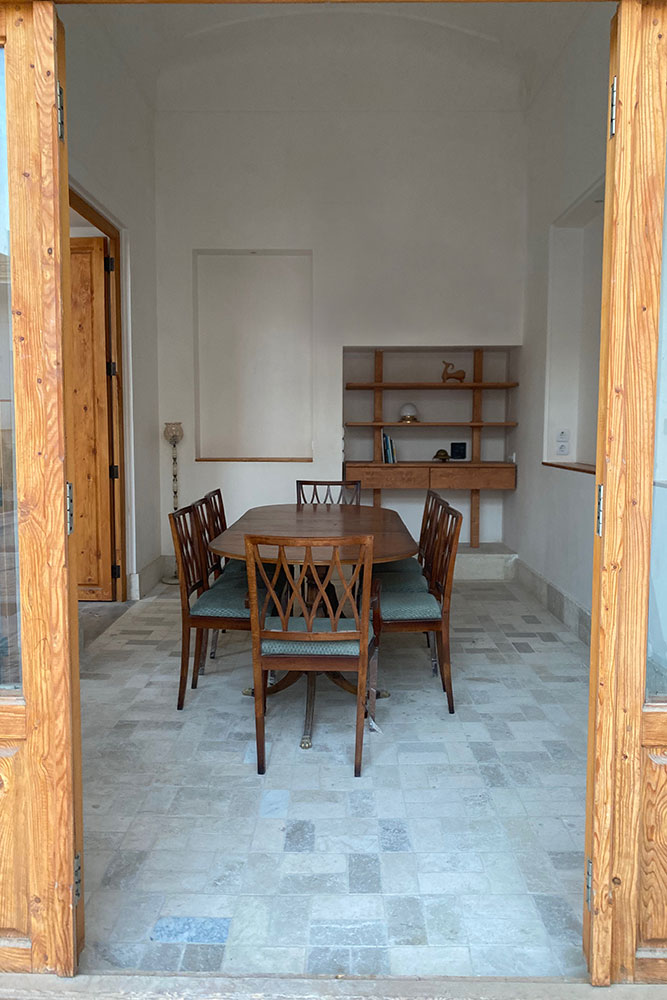
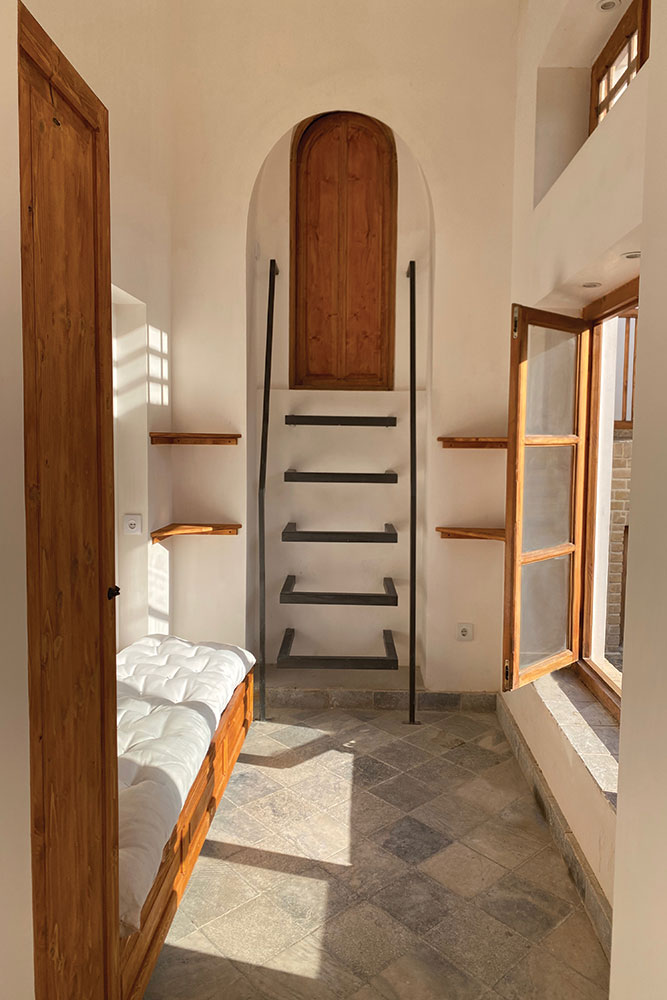
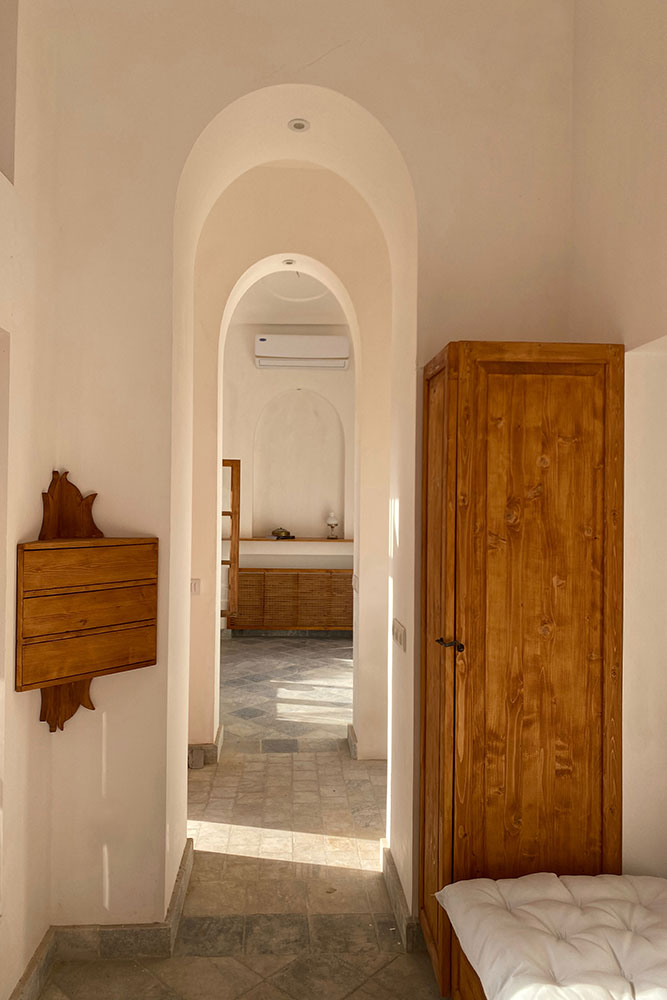
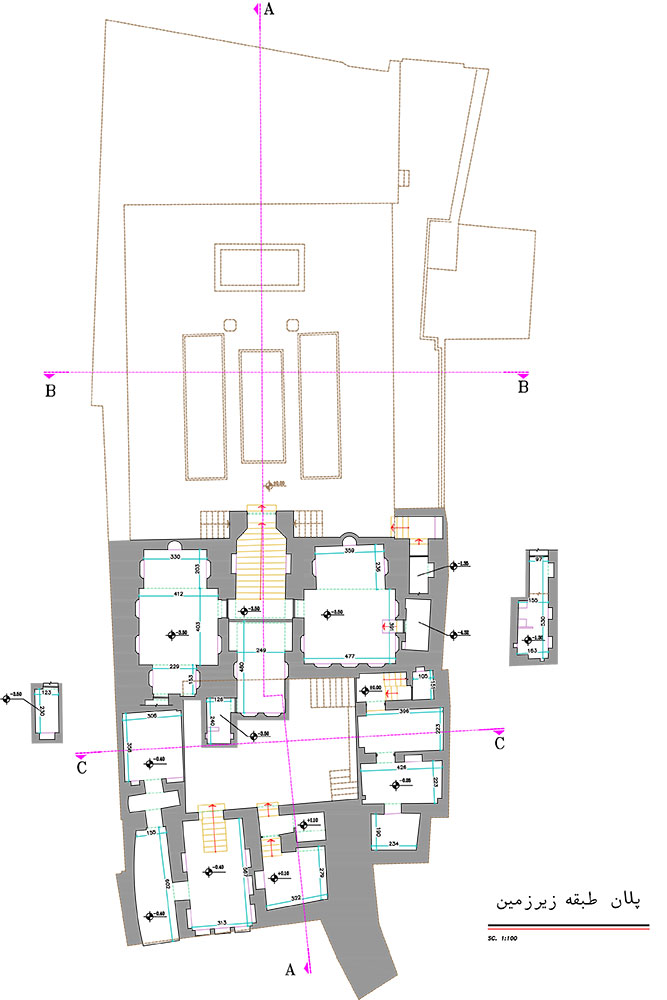
از اهداف طرح احیای رونق اقتصادی بود، اما نباید این امر به جان خانه چنگ میانداخت، با این وصف اتاقها را همانگونه که بودند حفظ کردیم و دخالتی به منظور افزایش تعداد اتاقها و یا ایجاد فضای بهداشتی و… انجام ندادیم و چینش فضایی را به صورتی پیش بردیم که از فضاهای موجود حداکثر استفاده به عمل آمد. تنها اتاق قاجاری مانده در حیاط پهلوی با همان کاربری که در طول سالیان به عمق آن نفوذ کرده بود حفظ شد، این اتاق هویت مستقلی از حیاط پهلوی برای خود ساخته بود که در طرح احیا تنها سوییت موجود در هتل شد.
خواناسازی حداکثری وضعیت اصیل بنا
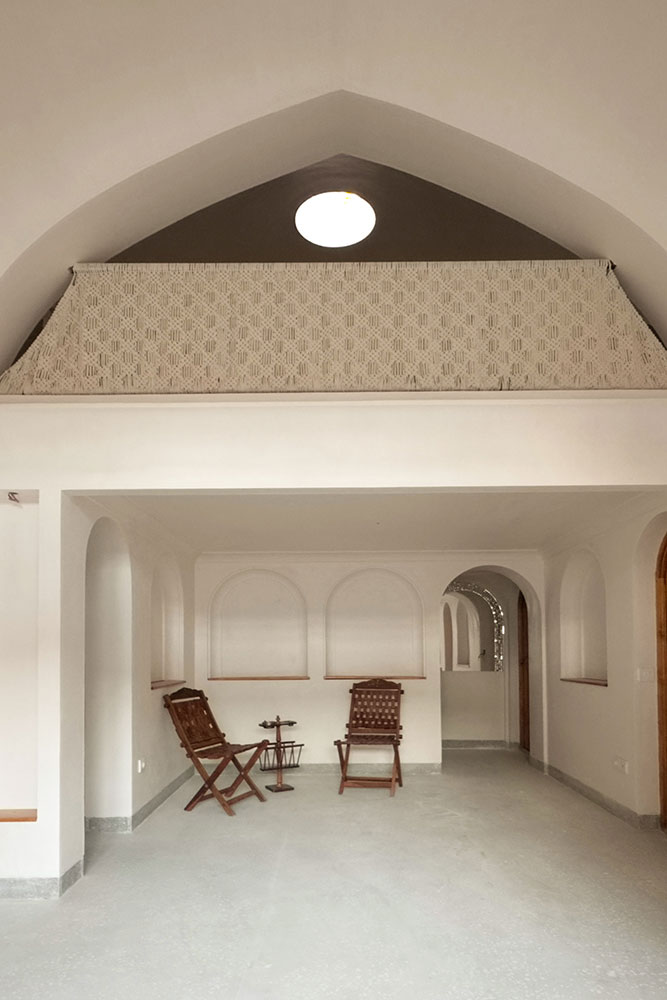
الحاقات بیارزشی که منجر به تغییر هندسهی پلان شده بود حذف شدند. احیای حوضخانه و گشایش فضایی حاصل از آن هم که هیچ جای بحث و تردید نداشت.
بازگرداندن یکپارچگی بنا
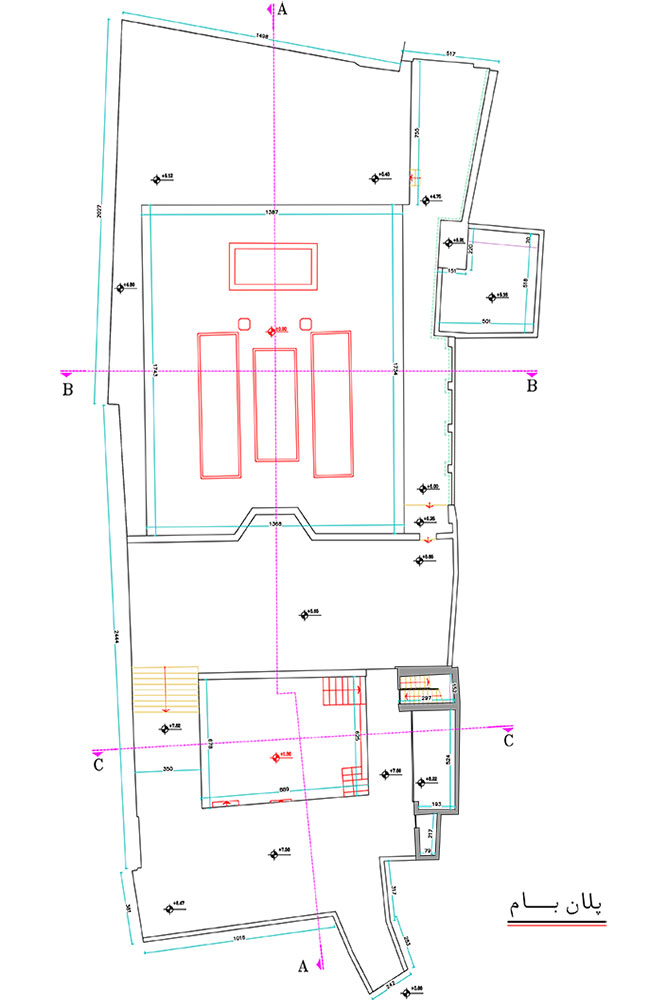
خانهای که ابتدا خریداری شد بخشی از مجموعهای بود که در طول زمان منفک گشته، لذا ورای مباحث کارکردی و ریخت و زیباییشناسی، بازگشت به اصالت خانه برای ما امری مهم مینمود، در نهایت با خرید خانهی مجاور و بازیابی راه ارتباطی دو خانه به این موارد پاسخ داده شد.
تناسب بین کاربری قدیم و جدید
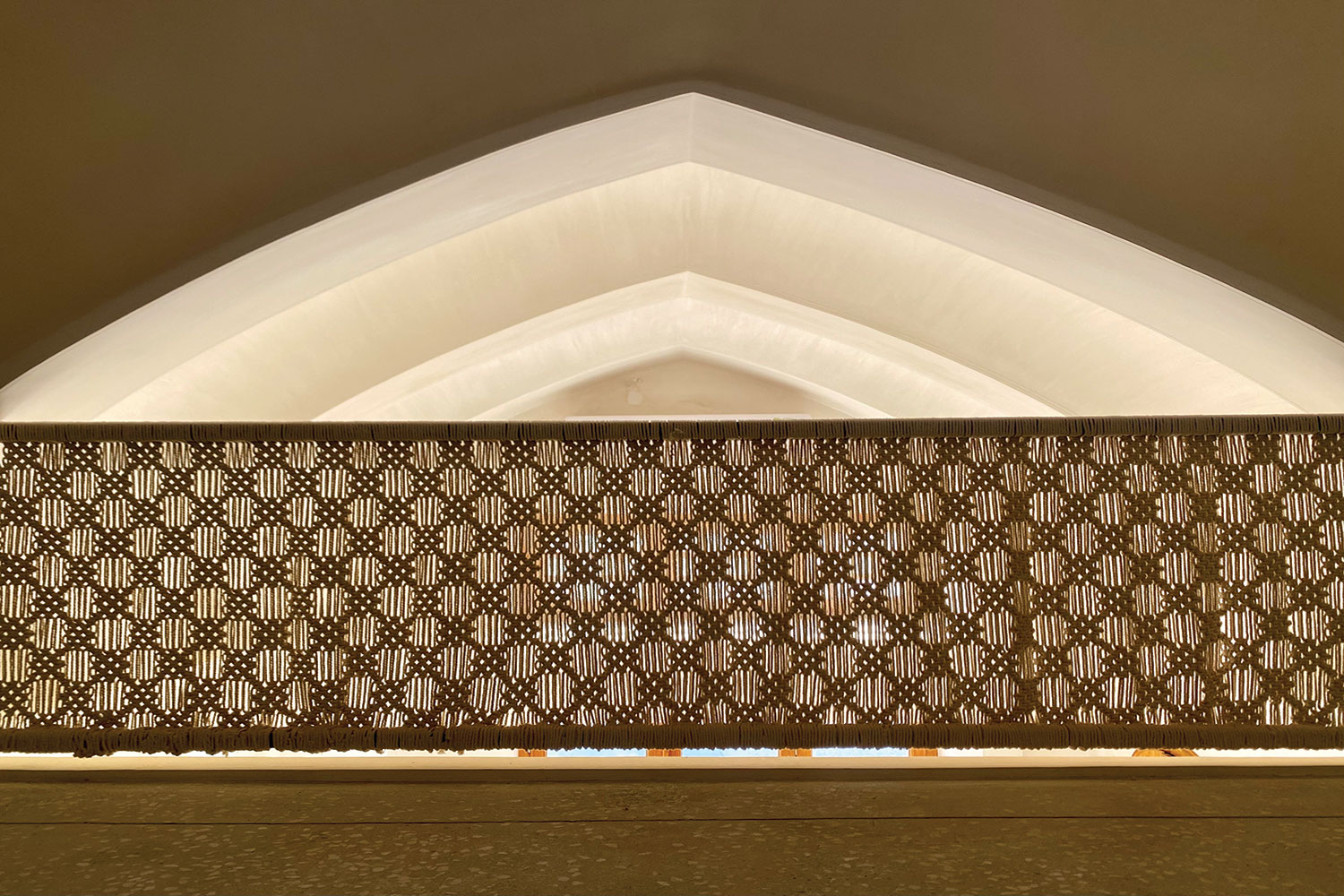
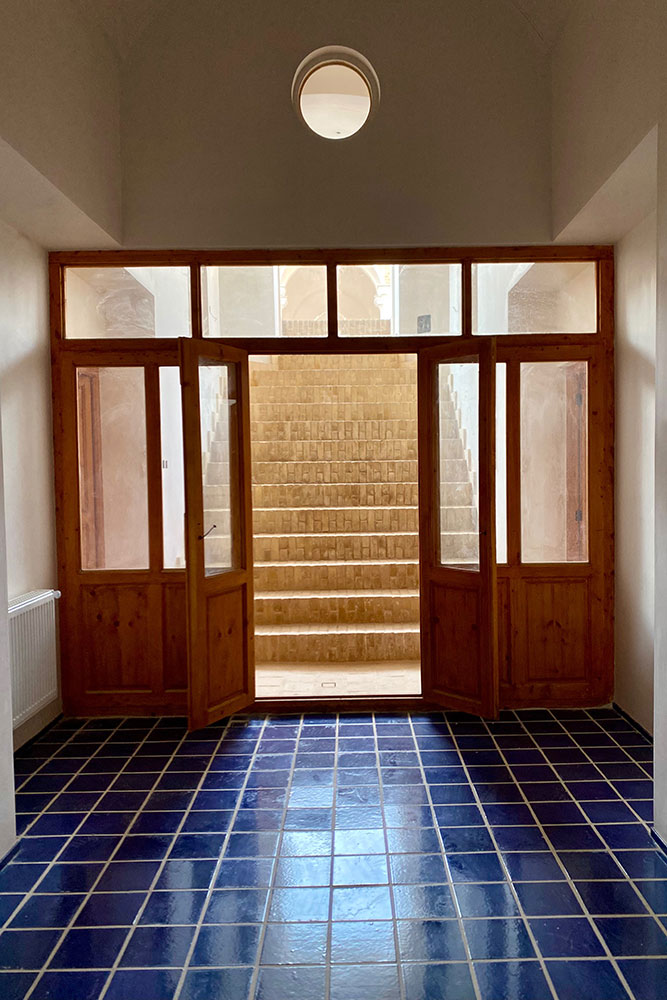
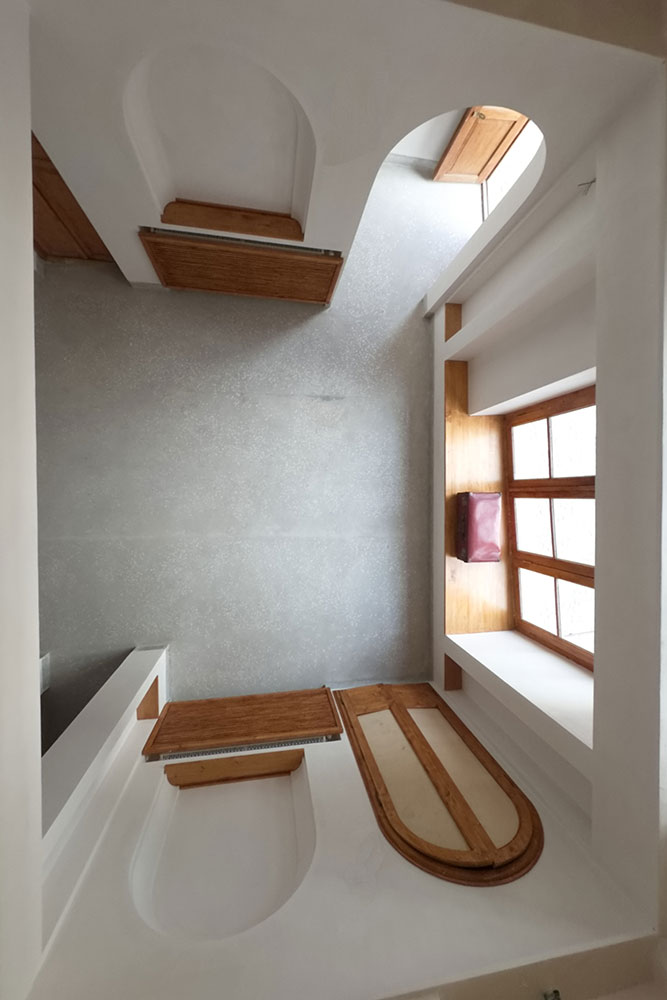
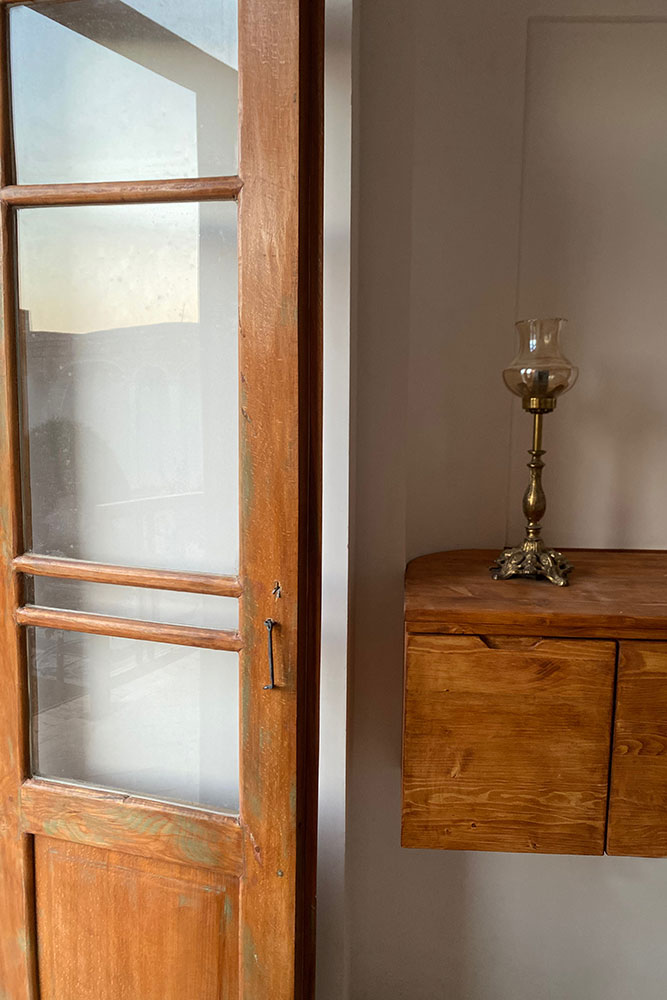
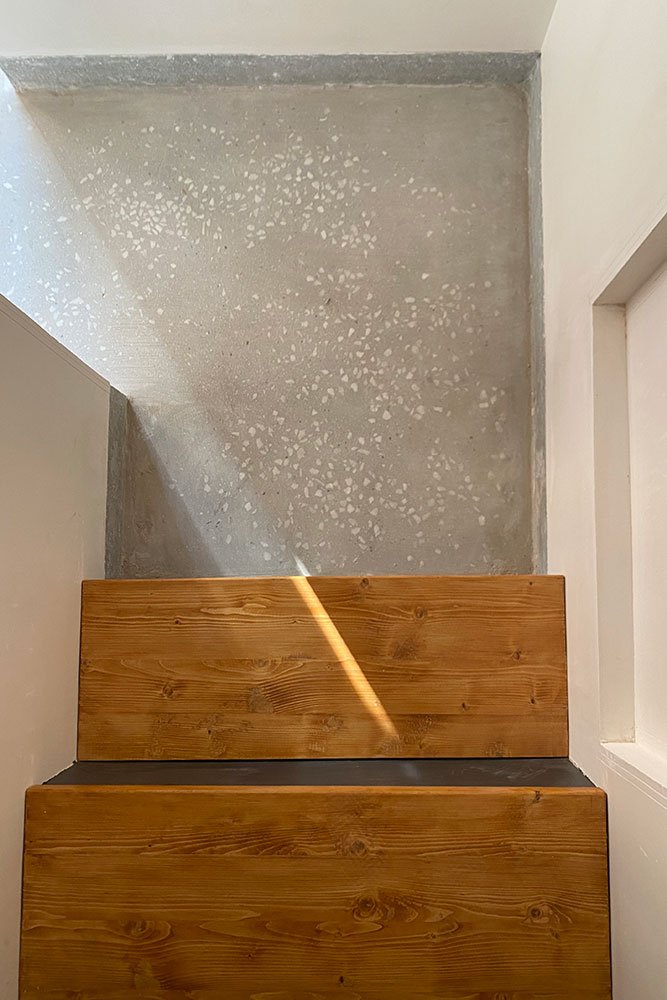
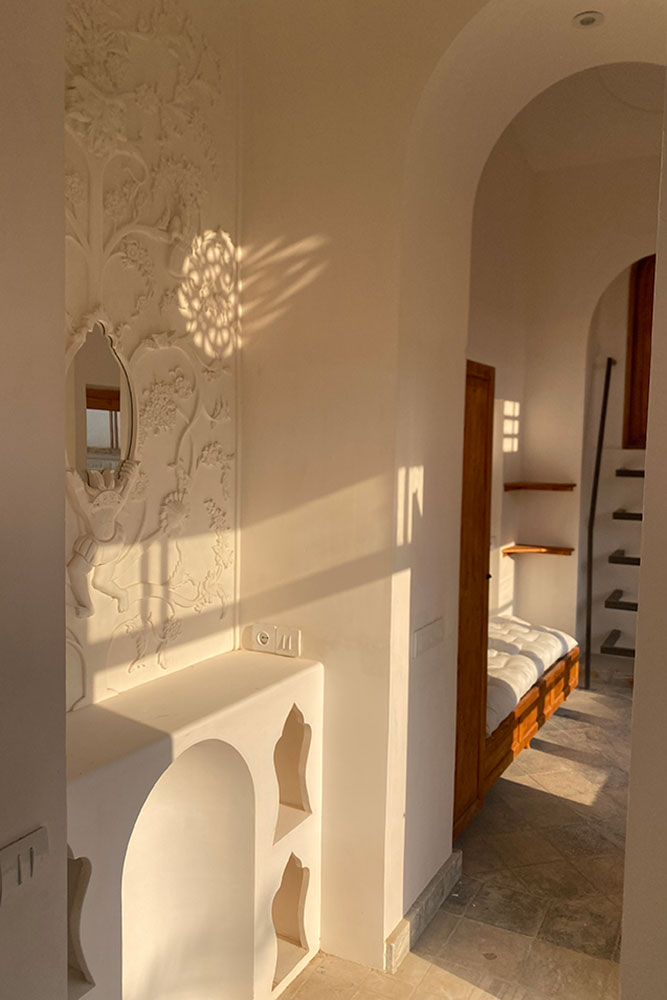
پی بردن به ذات اصلی خانه با تجربهی سکونت دائم در خانه امکانپذیر است. اما نیازمند در نظر گرفتن مقولهی اقتصاد بودیم، بنابراین نزدیکترین کاربری که اقامت موقت مسافران است را در نظر گرفتیم و در نهایت سعی بر آن داشتیم که این فرآیند، با بهرهگیری از مصالح و شیوههای بومی و استادکاران محلی، در احترامی عمیق به روح بنا انجام گیرد.
هفتمین کتاب سال معماری معاصر ایران، 1403
_______________________________________
نام پروژه: خانهی نون و تش
عملکرد: بوتیک هتل
معماران: پگاه کریمپور، ارسلان اسعدی
دفتر طراحی: کوشک هنر
کارفرما: محمدحسین عادلی
سازه: بنایی
قدمت: پهلوی اول، اواخر قاجار
مجری: ارسلان اسعدی، پگاه کریمپور
تاسیسات مکانیکی: حبیبالله کاشانی
تاسیسات الکتریکی: محمد کریمی
آدرس پروژه: کاشان، محلهی پاپک، درب یلان
مساحت زمین: 850 متر مربع
زیربنا: 985متر مربع
تاریخ شروع – پایان ساخت: 1403
عکاس: پگاه کریمپور، ارسلان اسعدی.
اینستاگرام: pegah.karimpoor / arsalan.asadi
ایمیل: pegah.karimpoor.sk@gmail.com / a.asad.tech@gmail.com
Project Name: Noon O Tash House
Function: Boutique hotel
Lead Architects: Pegah Karimpour, Arsalan Asadi
Office: Kooshke Honar
Client: Mohammad Hossein Adeli
Executive Engineer: Arsalan Asadi, Pegah Karimpour
Structure: Masonry
Construction period: first Pahlavi, late Qajar
Mechanical Installations: Habibolah Kashani
Electrical Installations: Mohamad Karimi
Location: Popak district, Kashan, Iran
Total Land Area: 985 m2
Area of Construction: 850 m2
Date: 2024
Photographer: Pegah Karimpour, Arsalan Asadi.
Email: pegah.karimpoor.sk@gmail.com / a.asad.tech@gmail.com
Instagram: pegah.karimpoor / arsalan.asadi_
At the end of a dead-end alley, we stepped into a house that was still breathing, though the scars of time were visible on its face. The evidence suggested it dated back to the late Qajar period, but it had been renovated during the Pahlavi era. Located in the historical fabric of Kashan, between Motasham Street and Isfahan Gate, it consisted of two separate plots that were once interconnected. One entrance led from the Darb-e-Yalan neighborhood, and the other from the Pappak neighborhood. The last inhabitants were a family who had lived there for thirty years. The Pahlavi courtyard, concealed behind layers of paint, bore a melancholy image of a once-glorious past. The pond house and the corner rooms, which should have shone like jewels, were left in silence. A wall had been added to the pond house, robbing it of its openness. A simple porch on the western side sat unobtrusively, while the eastern side featured a room with a small kitchen and bathroom, used by the eldest son and his family. The southern porch, with its three rooms, once connected the two courtyards. The smaller courtyard, over time, had diverged from the original structure, with its layout altered. The ornamentation in both courtyards was minimal, with only the Pahlavi courtyard dressed in bricks of Mahri (Miryami) that caught the eye. Above the pond house, there had once been a brick inscription bearing the emblem of the Lion and Sun, but now, only the empty space of a circle between the bricks revealed its traces. In this project, interventions were proposed with the goal of addressing damage and meeting the new functional needs, yet always in a controlled, minimal way, focused solely on revealing the spatial values of the house according to the following principles:
Minimal Intervention to Preserve Authenticity While Meeting Needs
The goal of the restoration was economic revitalization, but this should not compromise the integrity of the house. Therefore, we preserved the rooms as they were, avoiding any alterations to increase the number of rooms or add new facilities like bathrooms. The spatial arrangement was carefully planned to make the most of the existing spaces. The only surviving Qajar room in the Pahlavi courtyard was retained with its original function, which had deeply rooted itself over the years, and it became the sole suite in the hotel.
Maximal Restoration of the Original Condition of the House
Irrelevant additions that had altered the floor plan geometry were removed. The restoration of the pond house and the opening of the space it had once provided were unquestionable steps.
Restoration of the Unity of the Building
Initially, the house was part of a larger complex that had been separated over time. Therefore, beyond functional and aesthetic concerns, restoring the unity of the house was crucial to us. This was achieved by purchasing the adjacent house and re-establishing the connection between the two buildings.
Balance Between Old and New Uses
Understanding the essence of the house through the experience of permanent residence was essential. However, we also had to consider economic factors, and so the closest use, temporary accommodation for travelers, was adopted.
Throughout the process, local materials and techniques, as well as skilled local craftsmen, were employed, maintaining a deep respect for the spirit of the building.
مدارک فنی
مطالب مرتبط