 ساختمان مرکزی سازمان بینالمللی هیفر: معمارانهای از همدلی، پایداری و آموزش
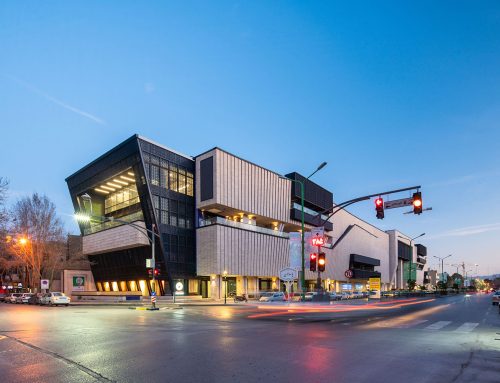
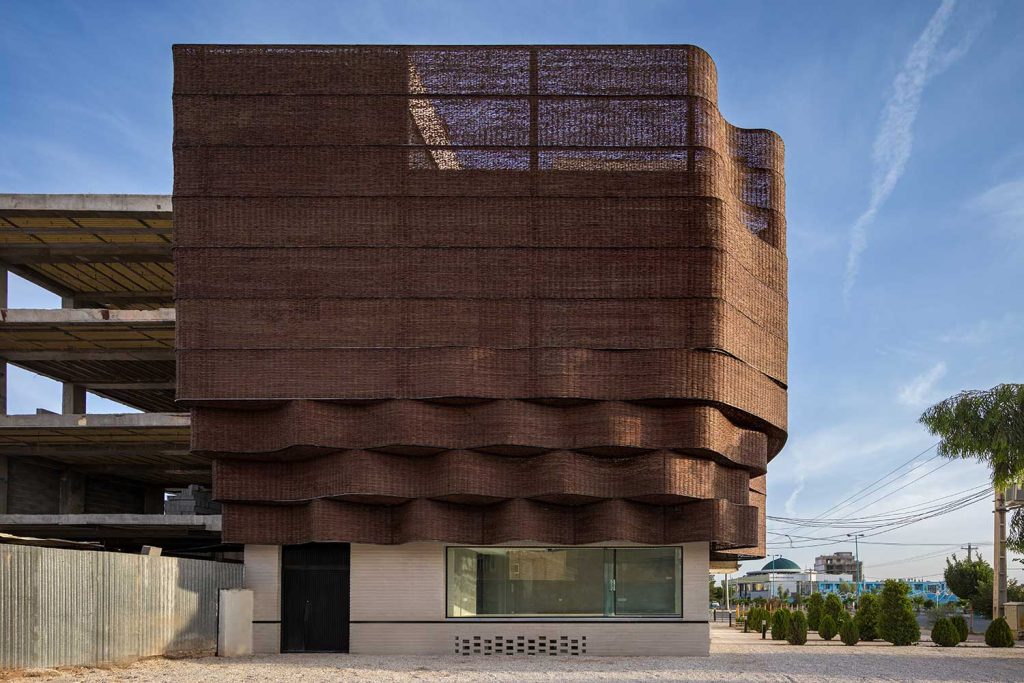 پروژهی تجاری ارغوان اثر محمدرضا عالمرجبی، سجاد جعفریگلویک، سیما عظیمیپور، فینالیست هشتمین ساختمان سال ایران بخش عمومی، 1403
خانهی شماره 7 اثر امین نیشابوری
چهارمین شب معماران، فینالیست هشتمین ساختمان سال ایران بخش ویلایی
و ششمین دوسالانهی معماری ایران بخش ویلایی، 1403
House Number 7 / Amin Neyshaburi
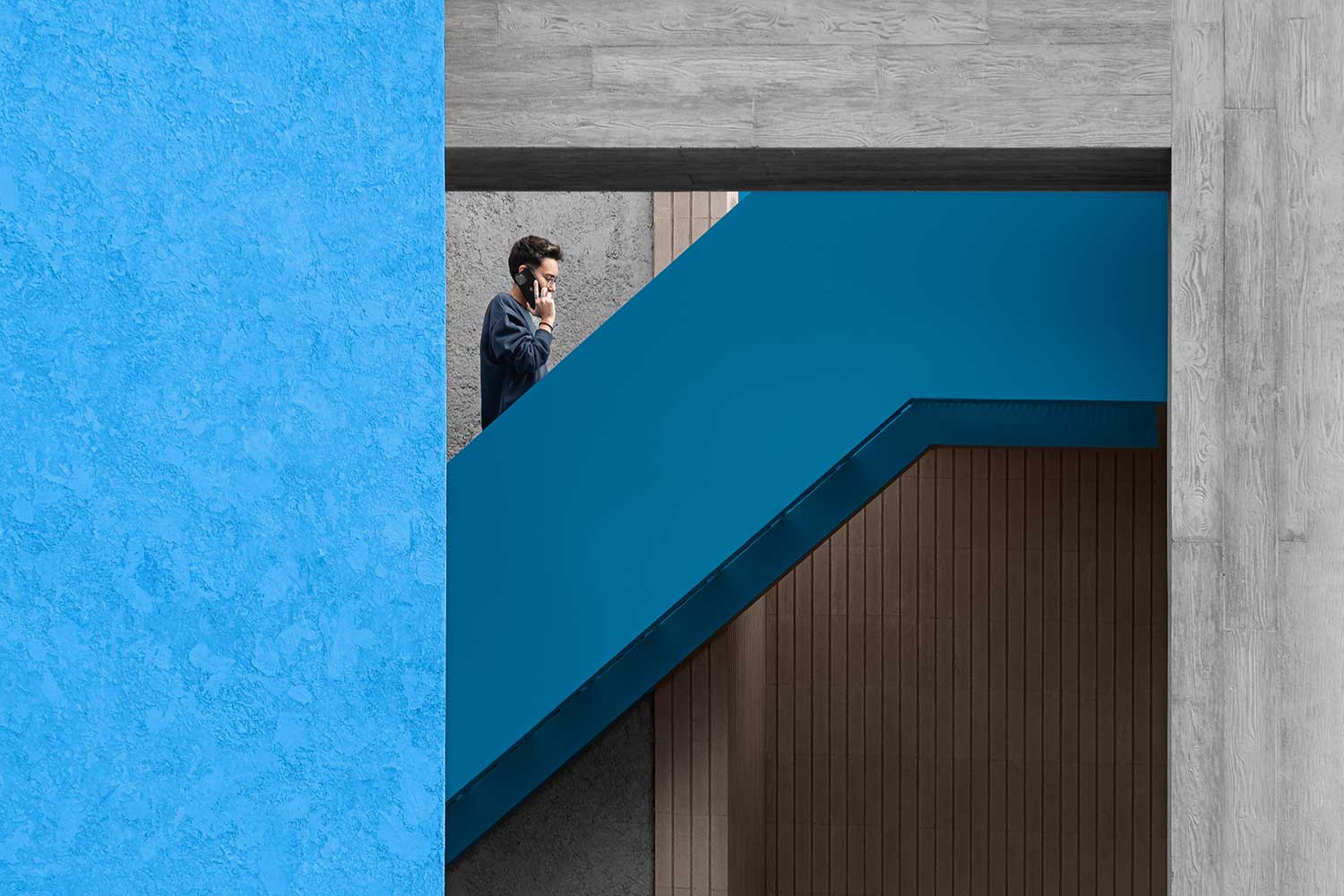
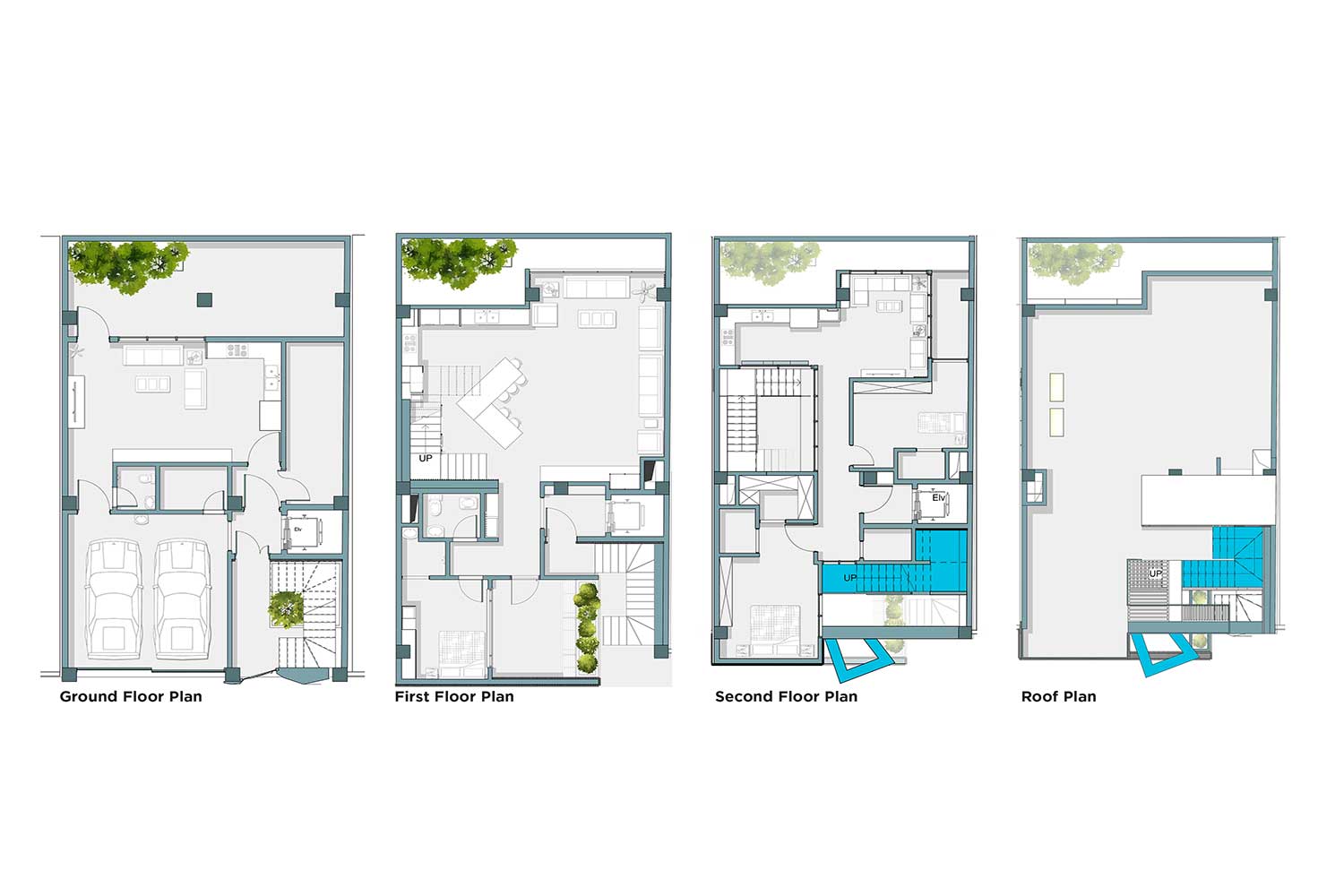
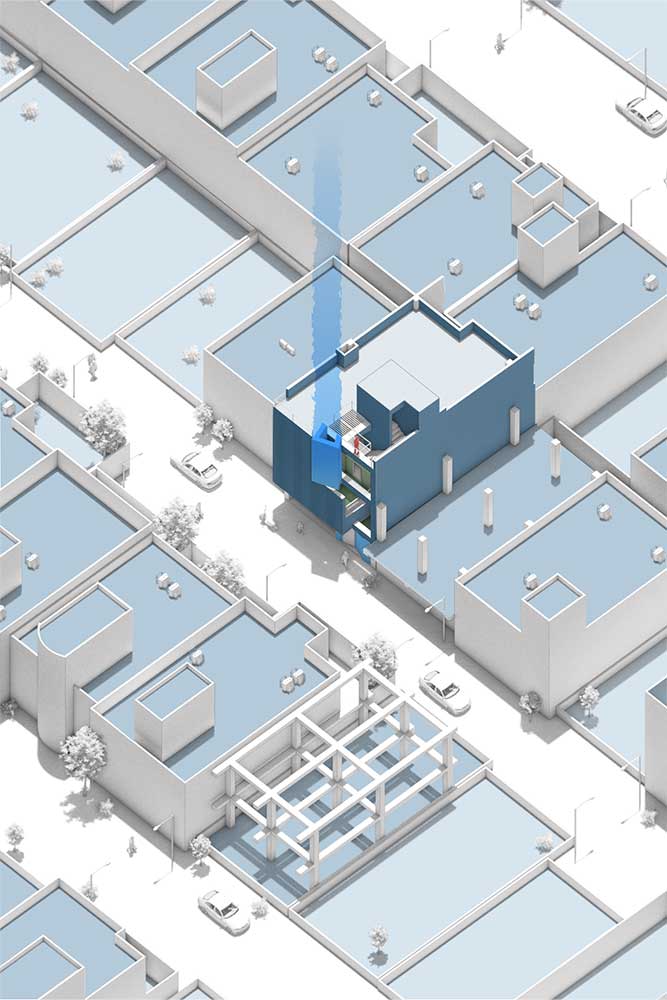
خانهی شماره 7، هفتمین خانه در راستای تمرین برای ایجاد تجربهی فضای جدید بود. ساختمان در زمینی به مساحت 155 مترمربع در یک بافت جدید در شهر یزد، برای خانم و آقای حسنی و کودکی نزدیک به تولد، در بخشی که غالب بافت، زمین ساخته نشده و یا خانههای در حال ساخت بود.
زندگی با نسل قبل و توام شدن کار و زندگی در جوامع مدرن:
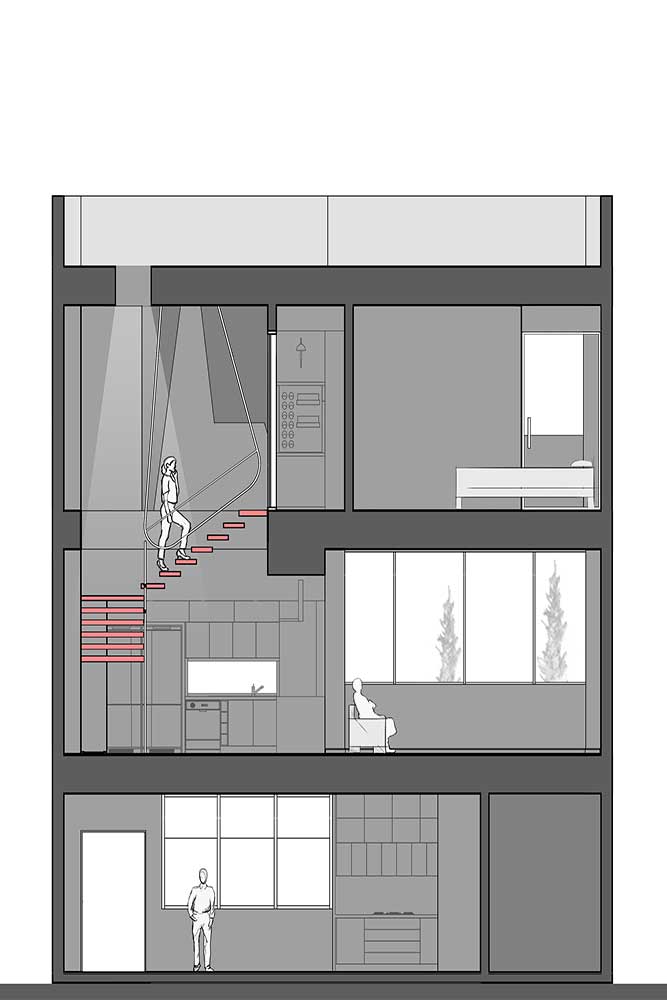
خواستههای کارفرما شامل چندین فضا از جمله فضای کار، اتاق خواب برای والدین، اتاق خواب برای فرزندان و اتاقی برای خانواده همسر کارفرما که غالبا به خاطر غیریزدی بودن خانواده همسر دائما در حال رفت و آمد بین یزد و تهران بودن و مقداری از فضای خانه با آنها تقسیم میشد؛ ما را بر آن واداشت که خانه را به صورت دوبلکس طراحی کنیم.
میل به ایجاد شفافیت به بیرون و همزمانی با حفظ محرمیت و اهمیت همسایه:
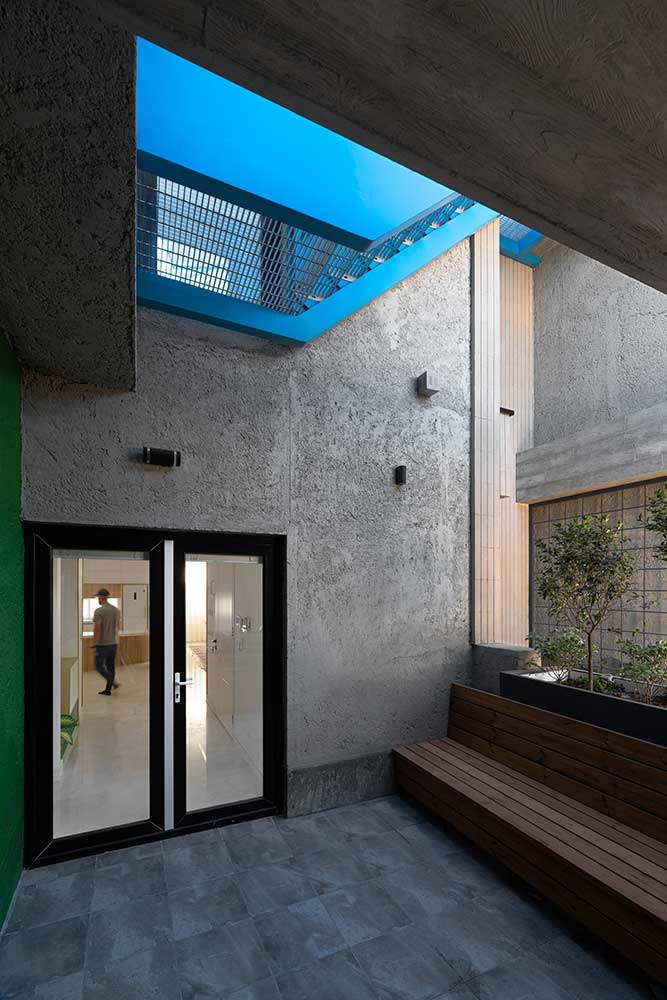
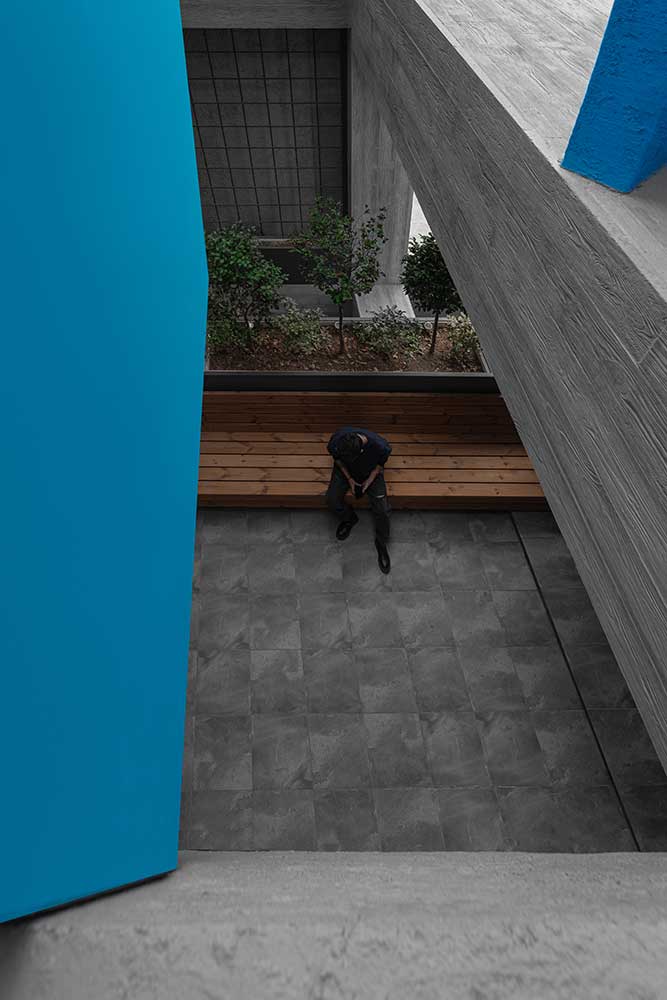
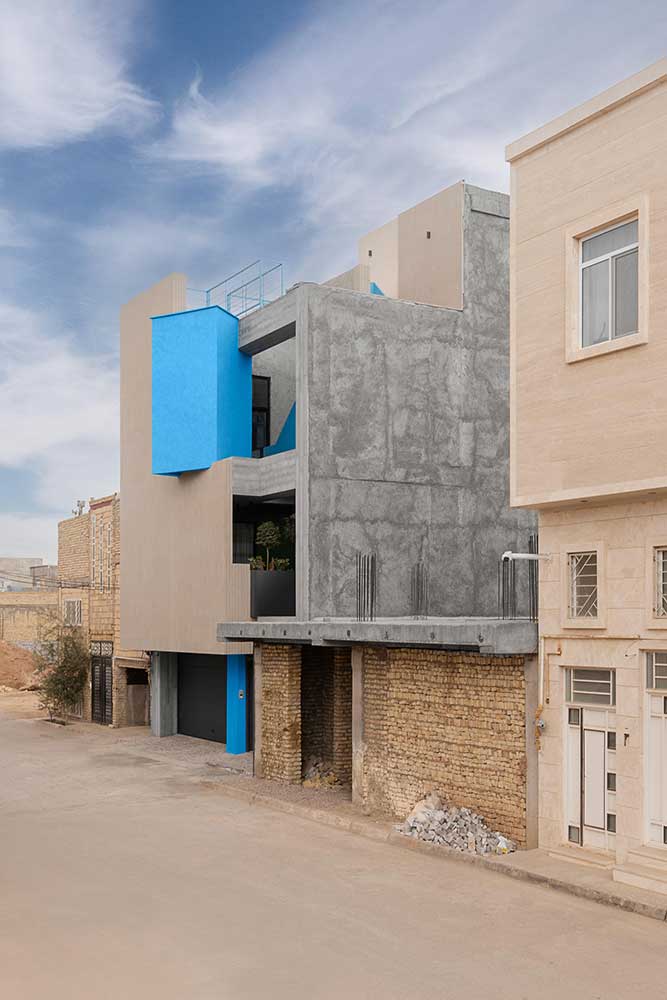
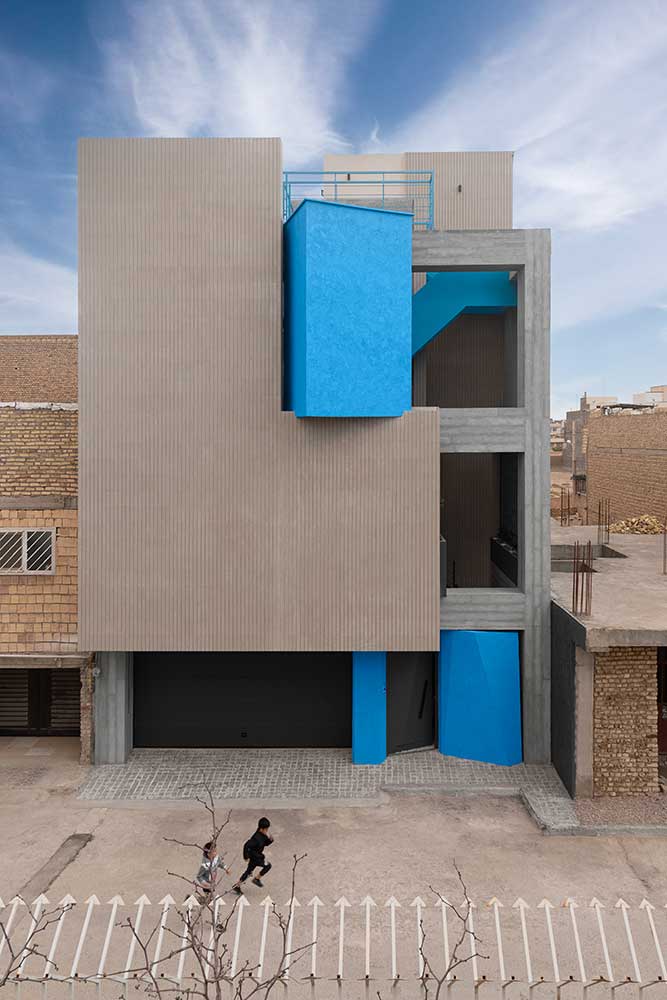
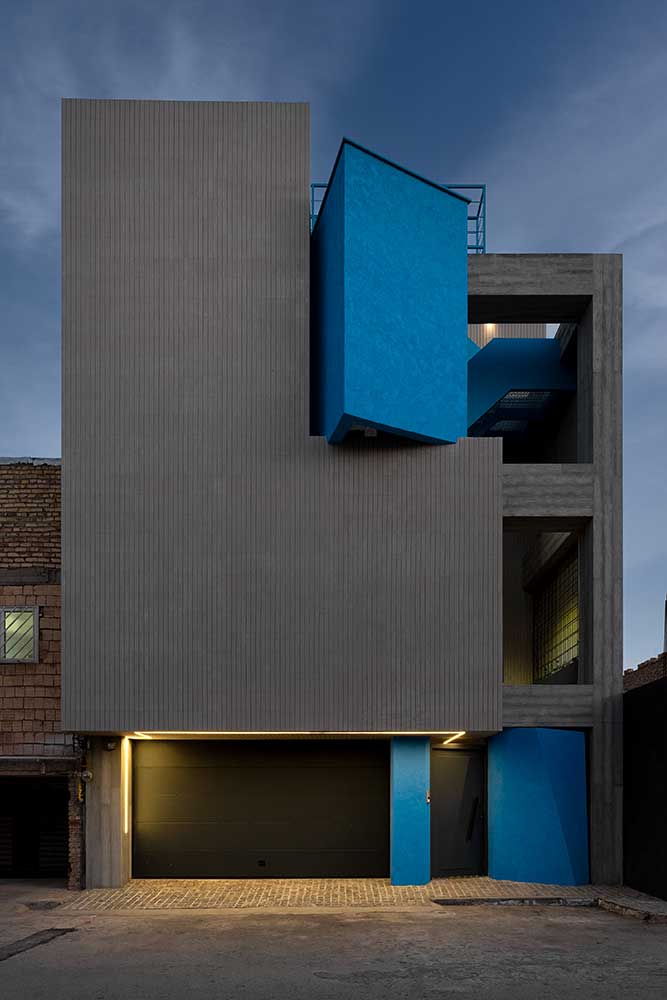
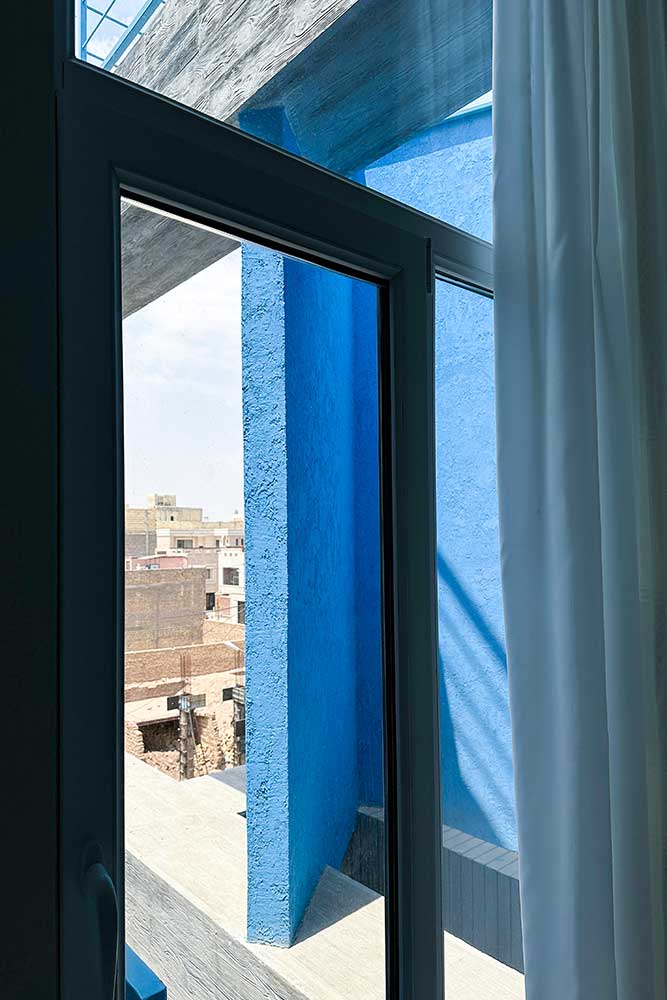
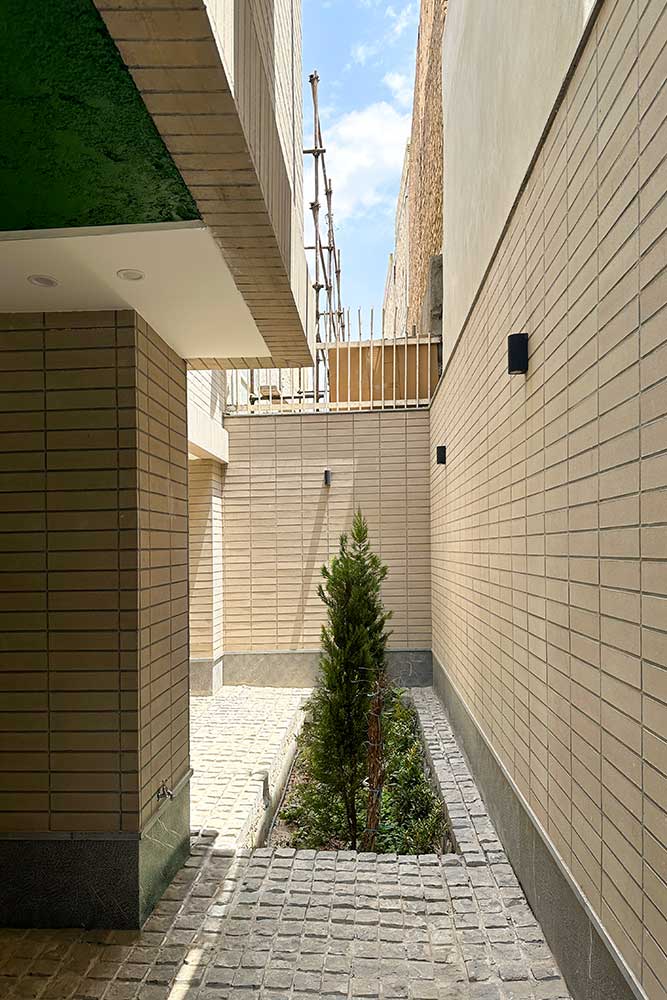
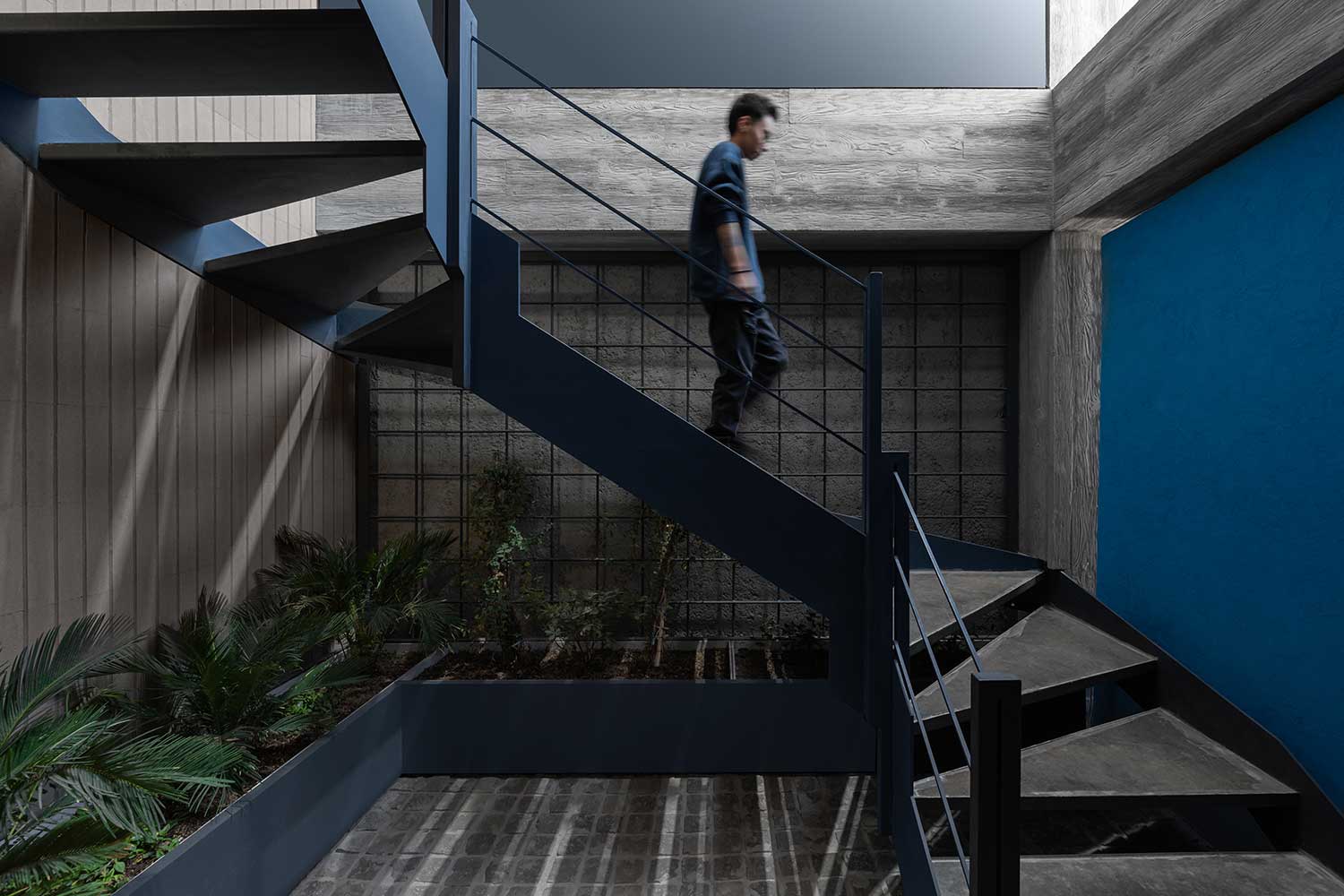
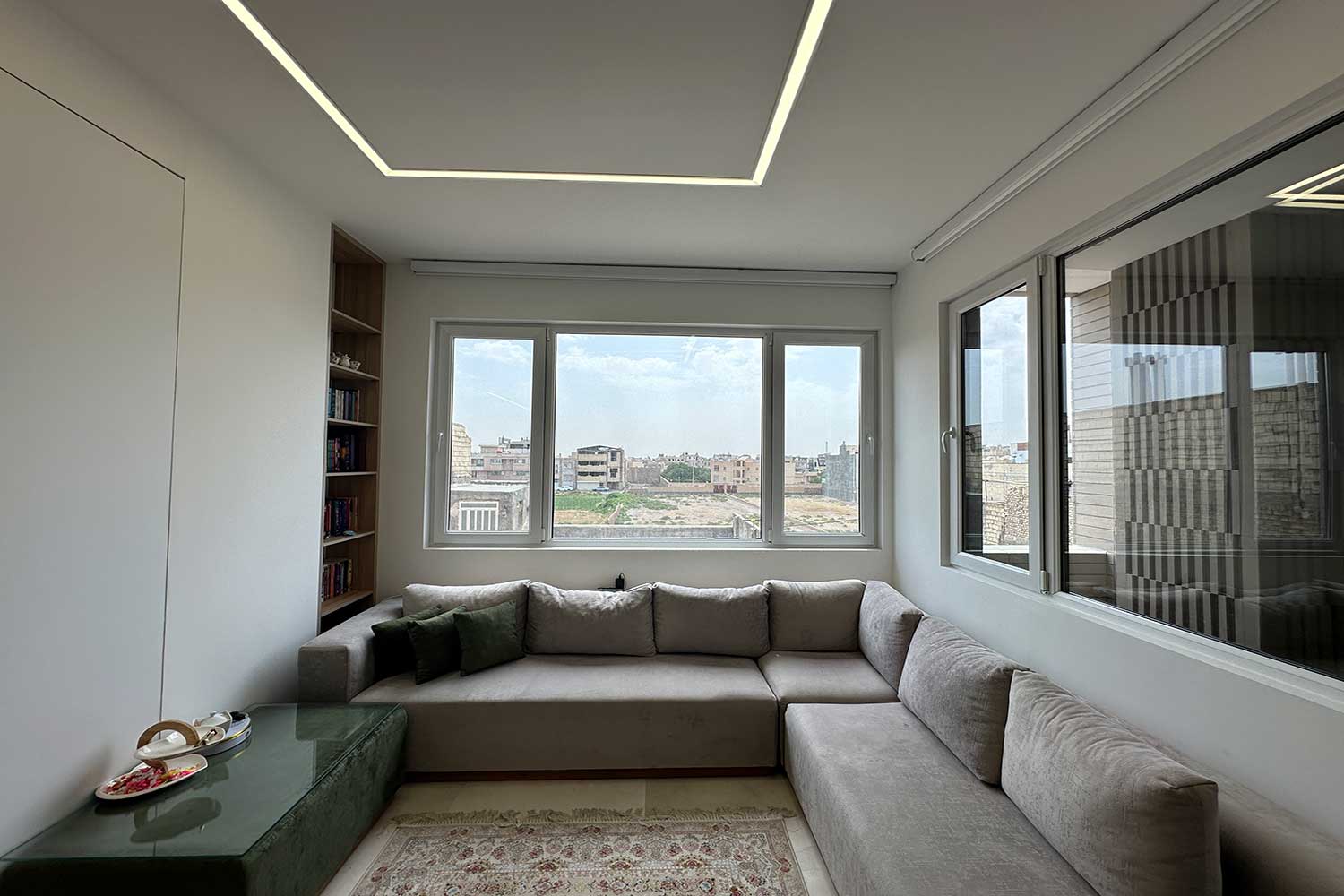
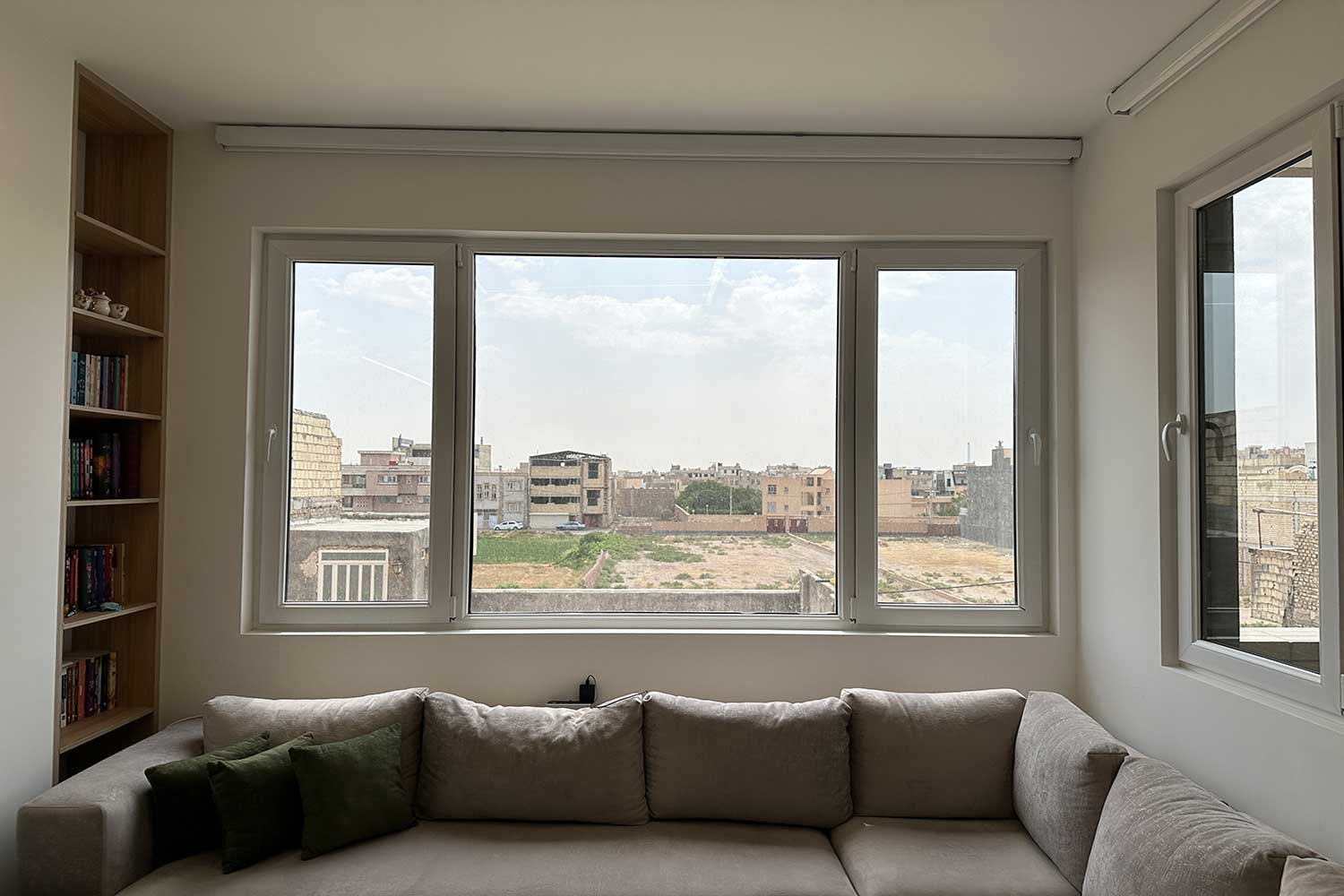
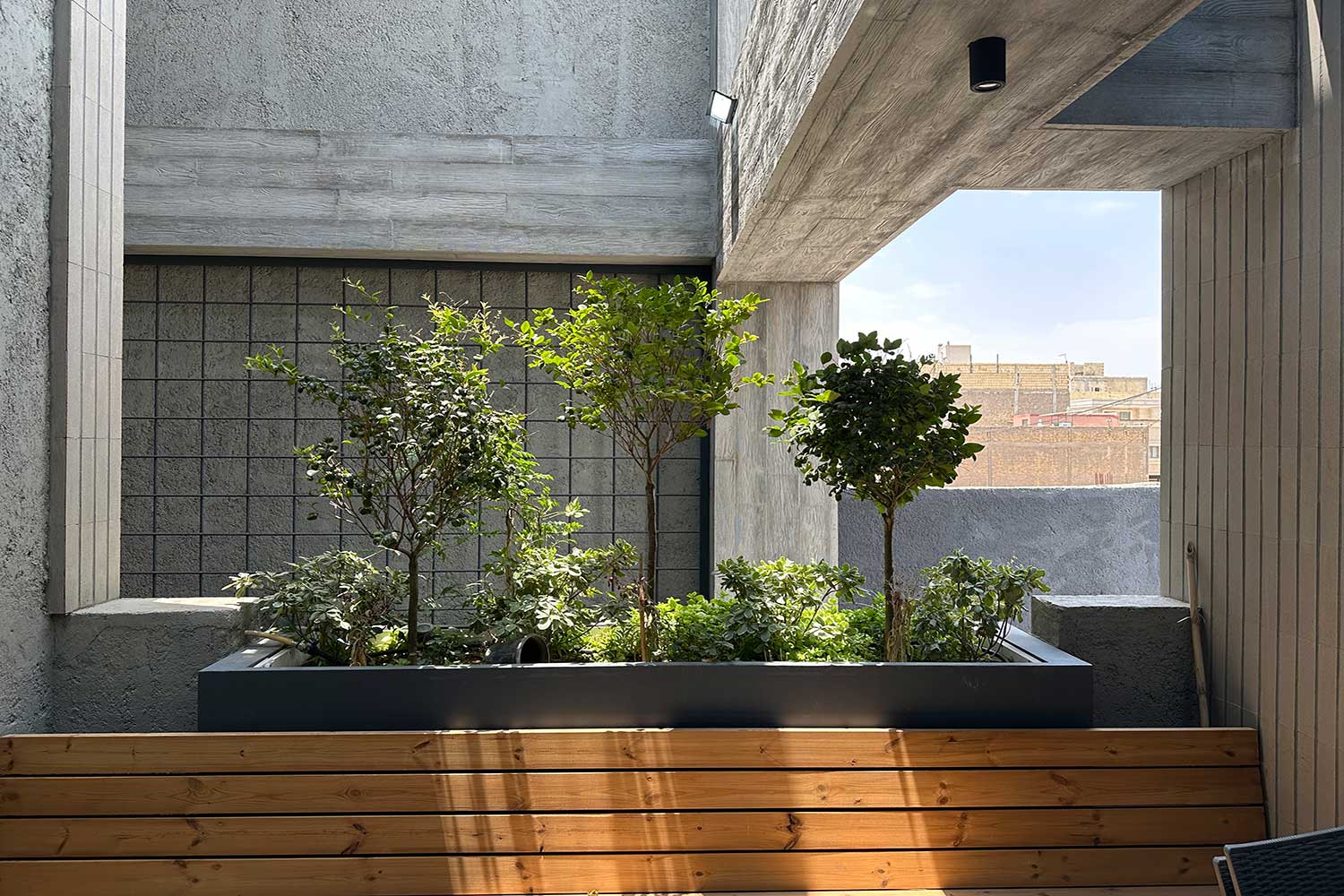
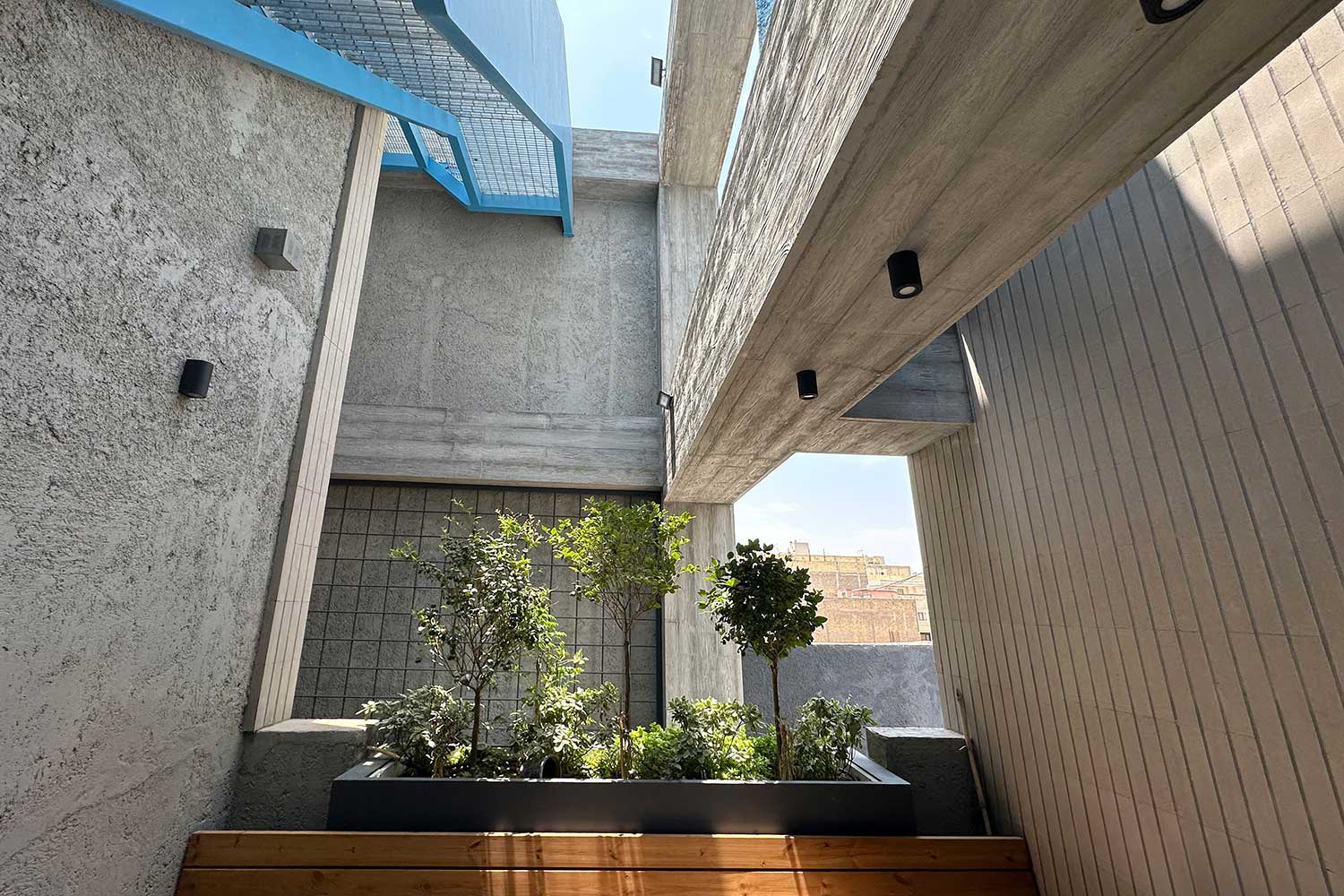
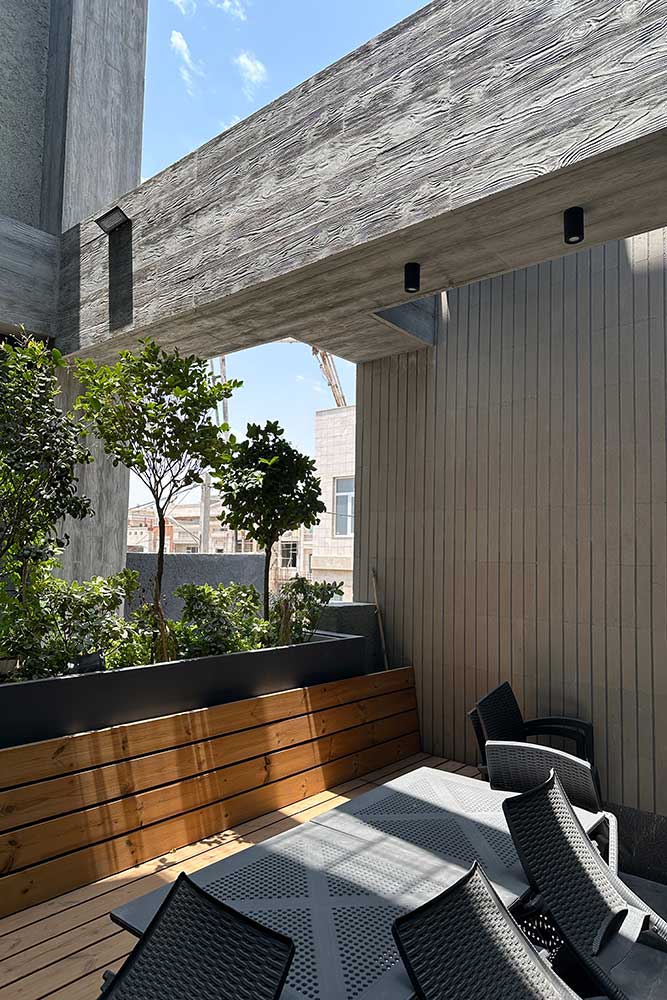
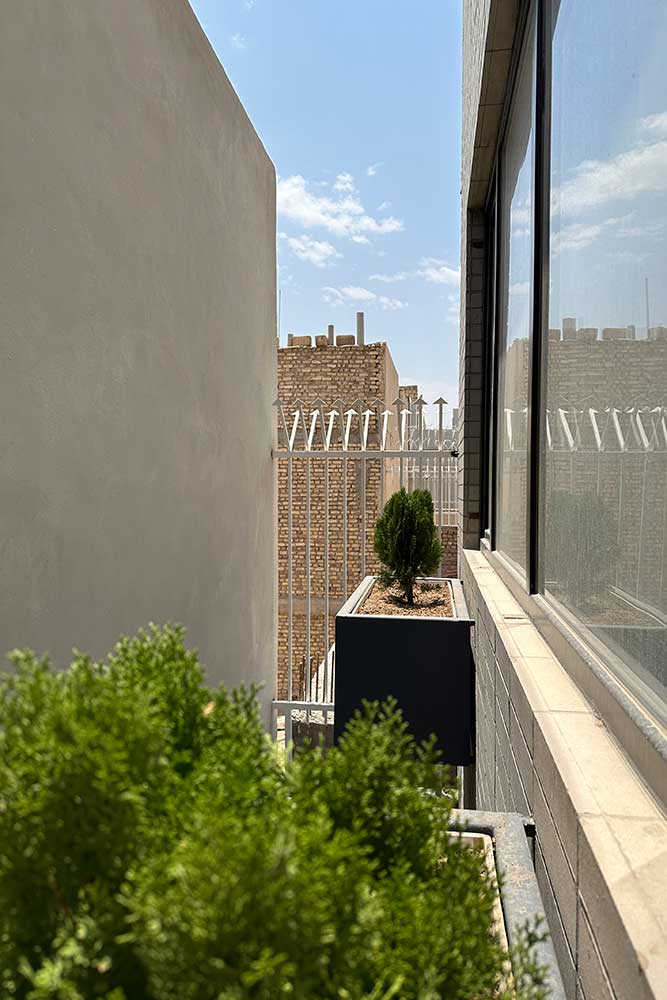
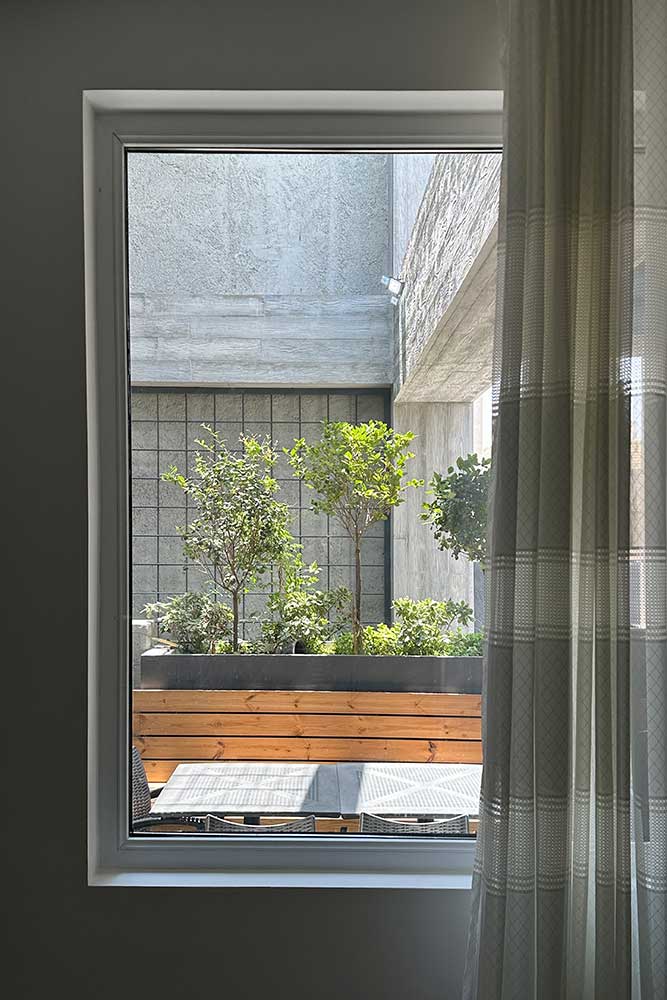
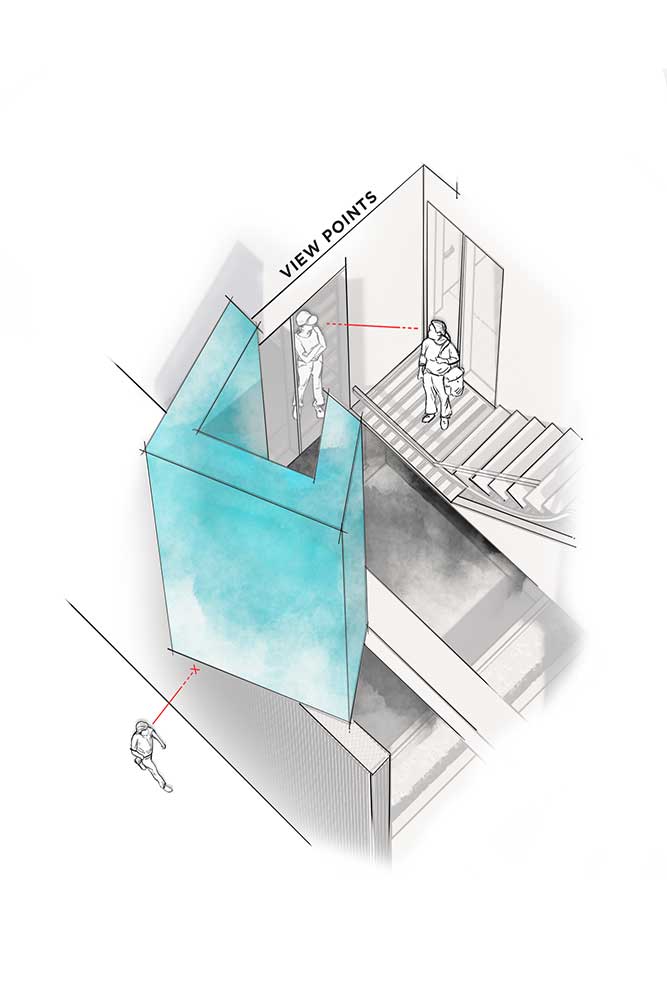
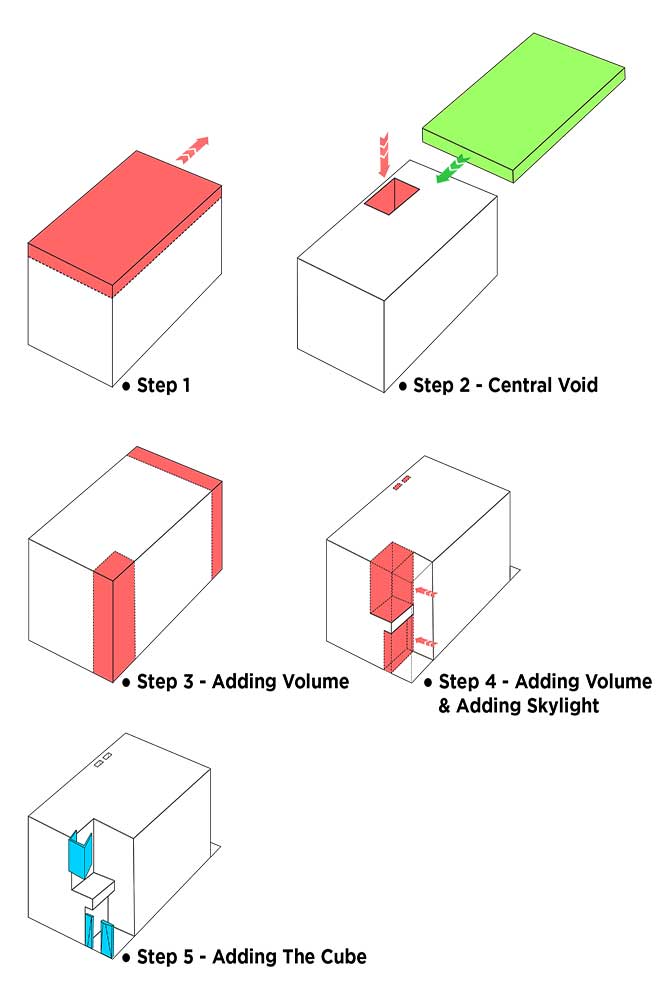
آقا و خانم حسنی میل به پنجره بزرگ به سمت بیرون داشتند و از طرفی دیگر جریان اشرافیت و دید که از مسائل مهم در شهرهایی مذهبی مثل یزد است و برای همسایهها عدم دید مستقیم دارای اهمیت بود، روابط را به سمتی پیش برد که پوسته صلبی جلوی نما را بگیرد و در پشت پوسته حیاطی در دو طبقه تشکیل شود و تمام گشودگیها به حیاط منتهی میشد که خود ایجاد تجربه فضایی کرد و این نقطه عطف این ماجرا شد.
تجربه فضایی جدید:
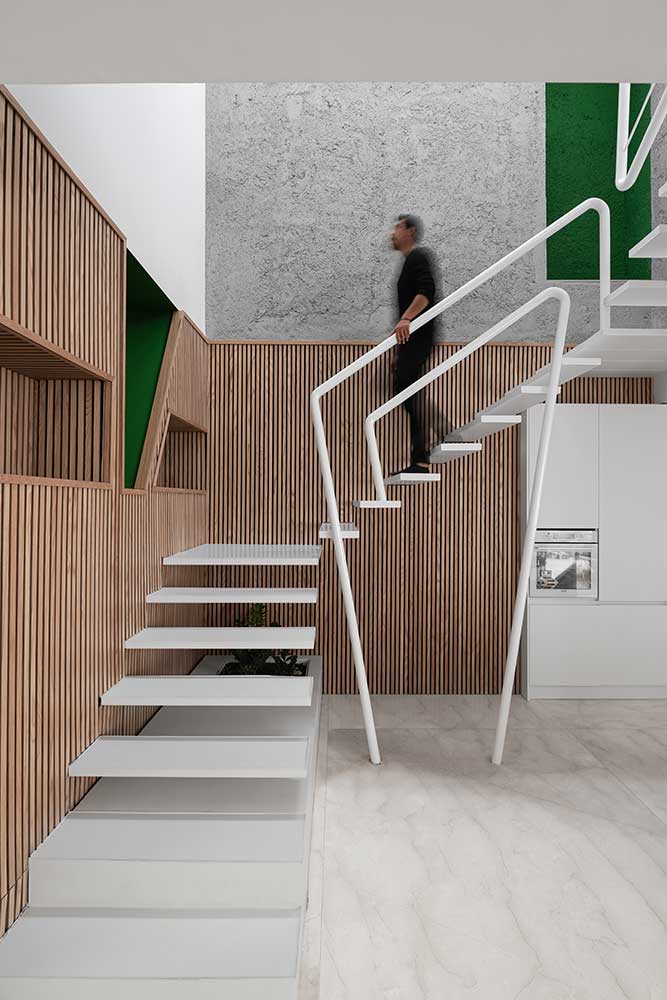
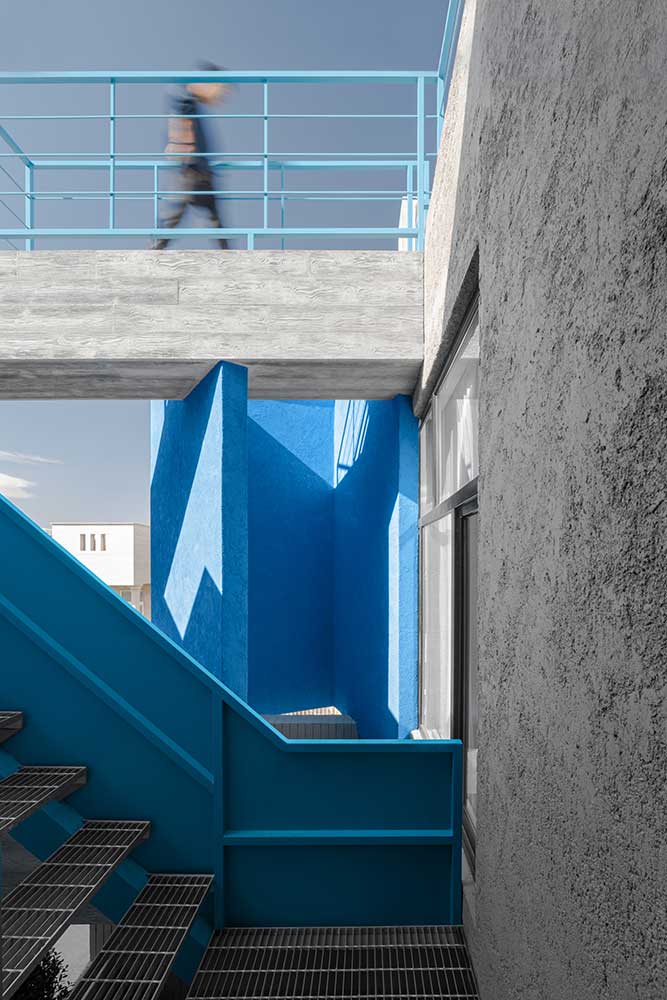
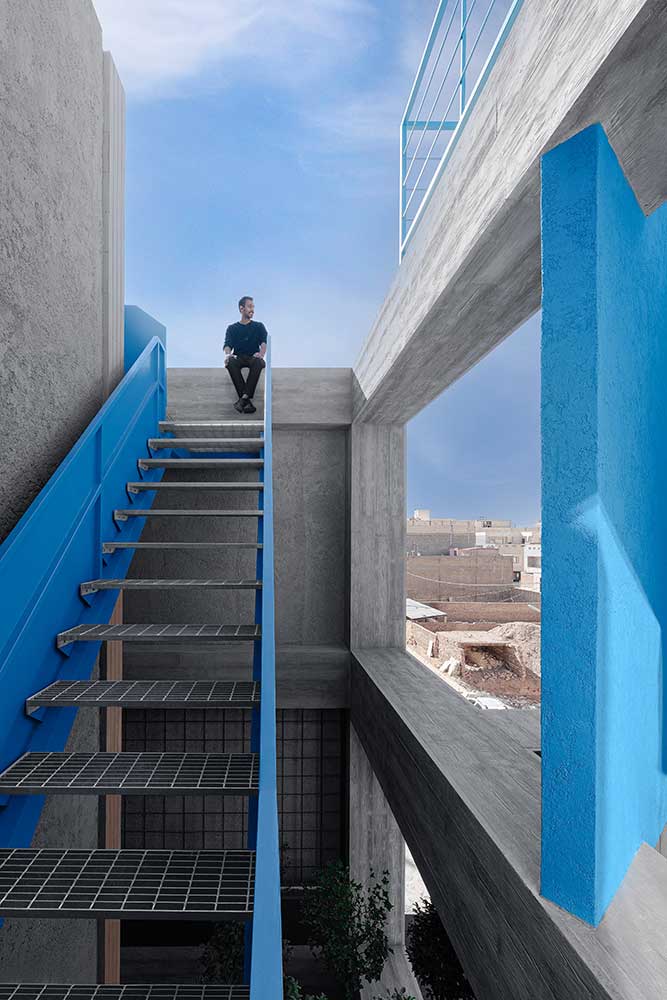
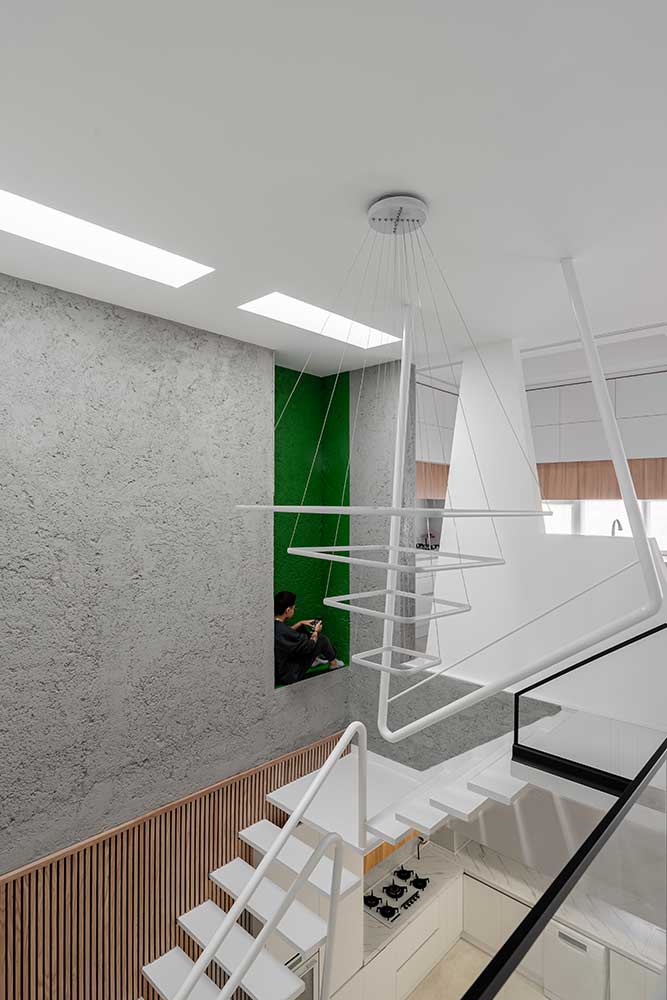
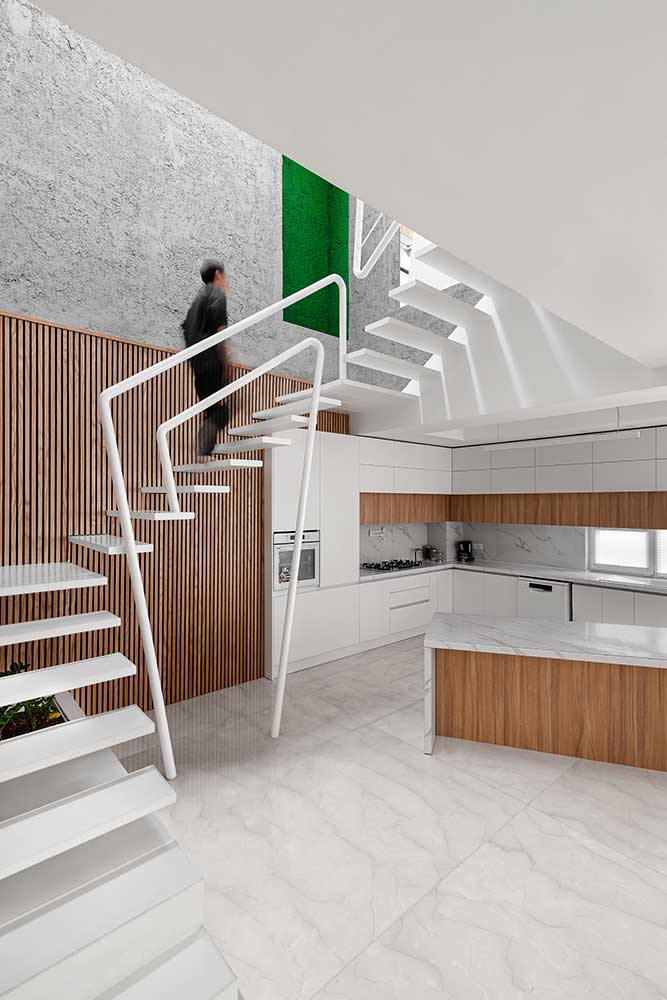
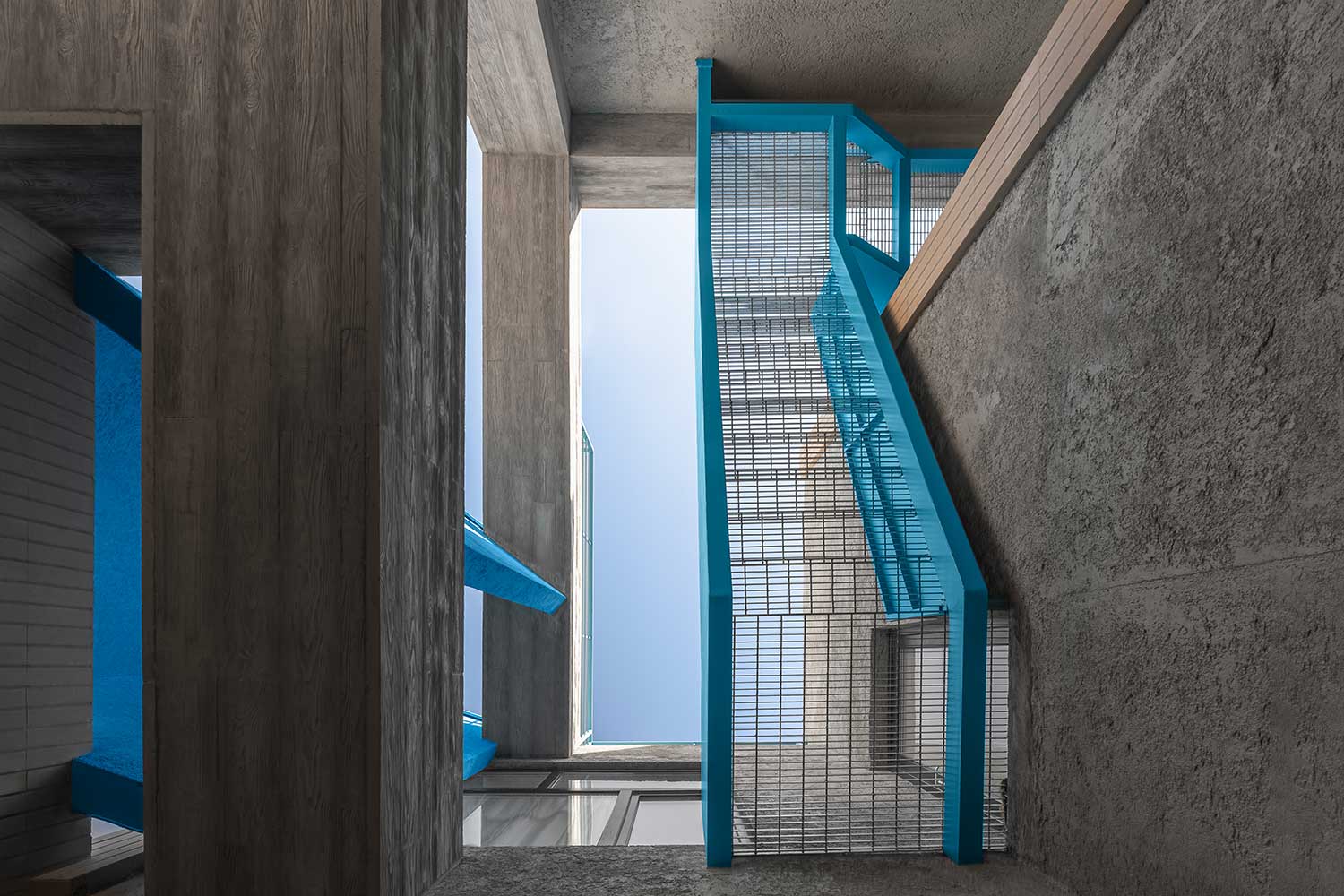
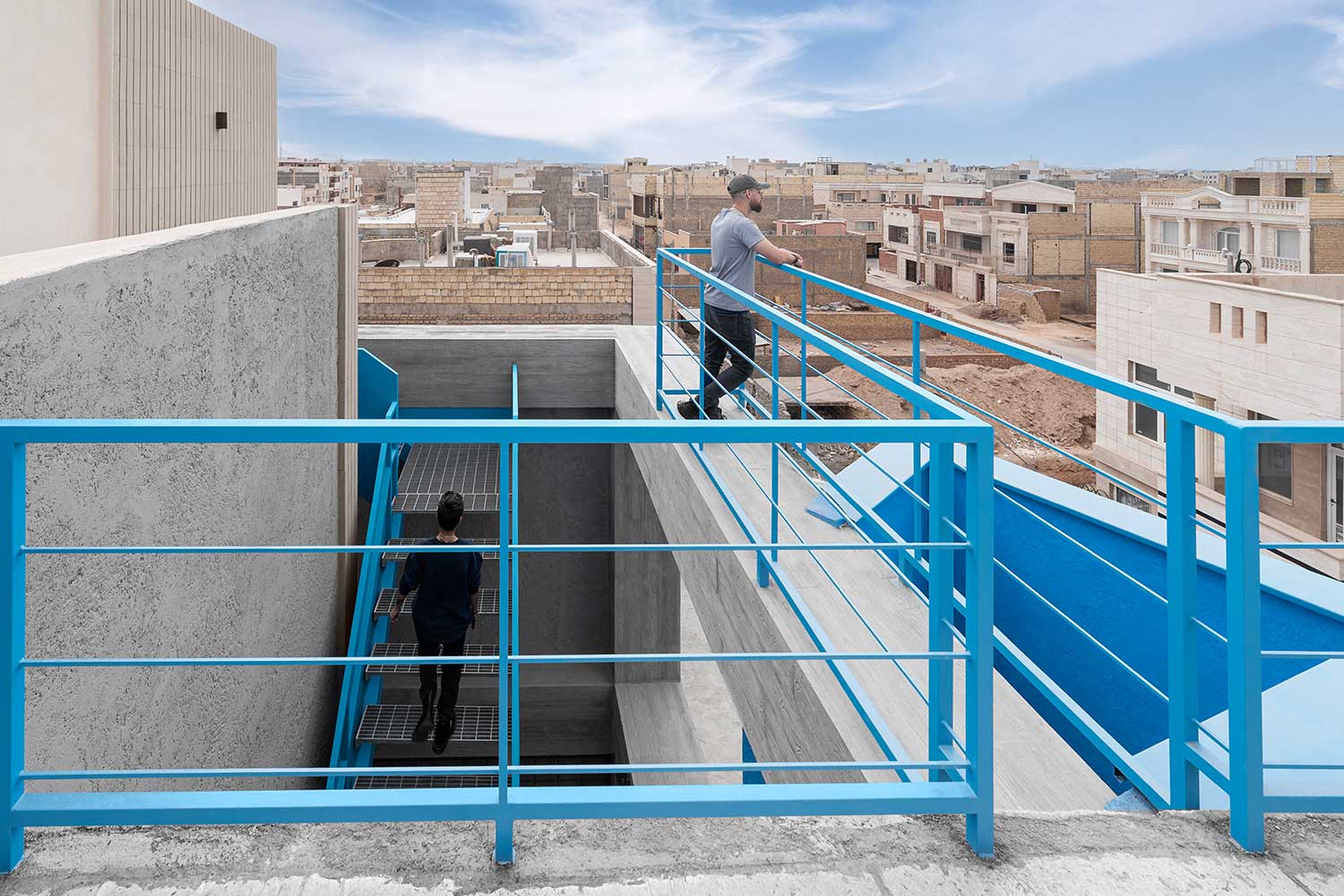
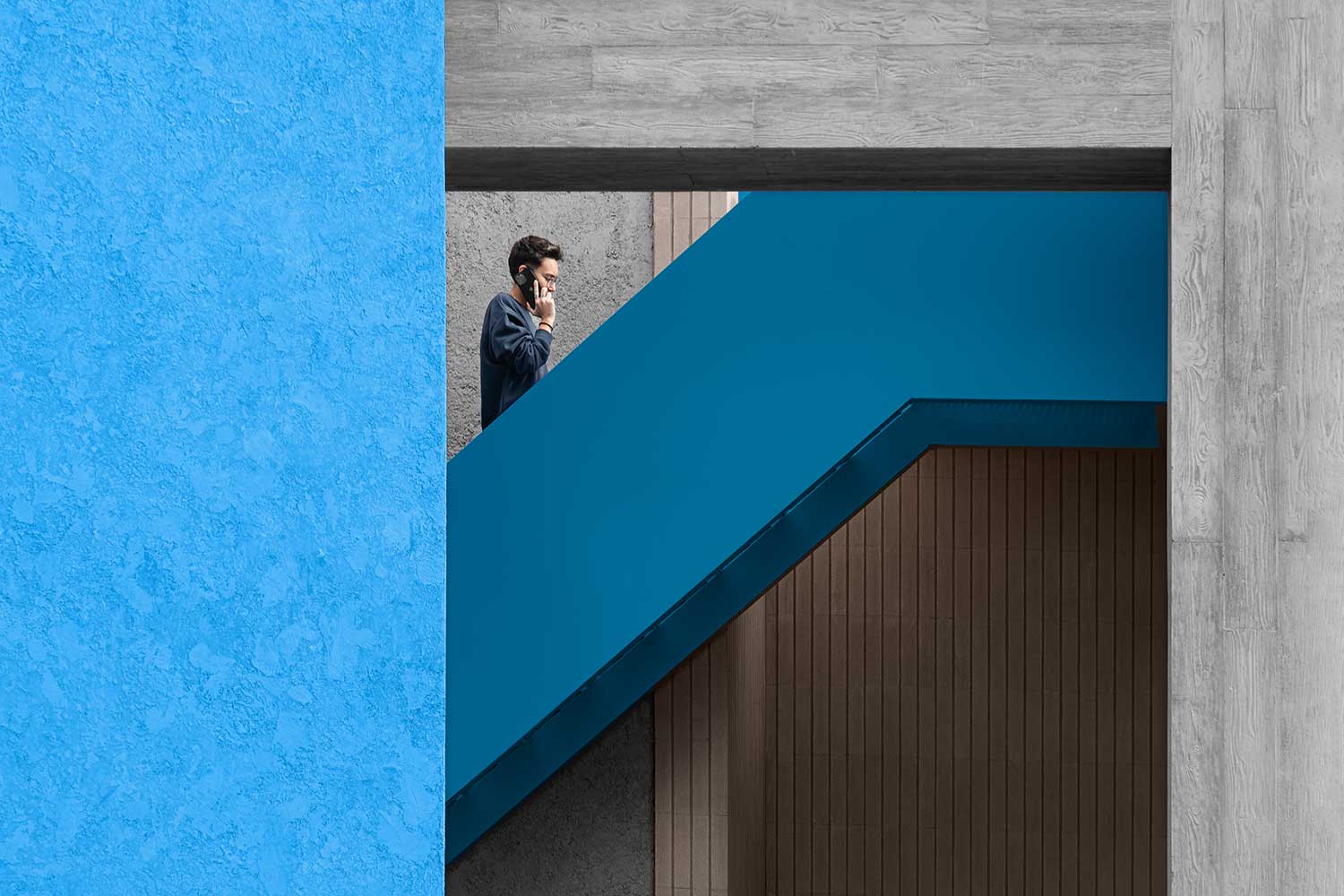
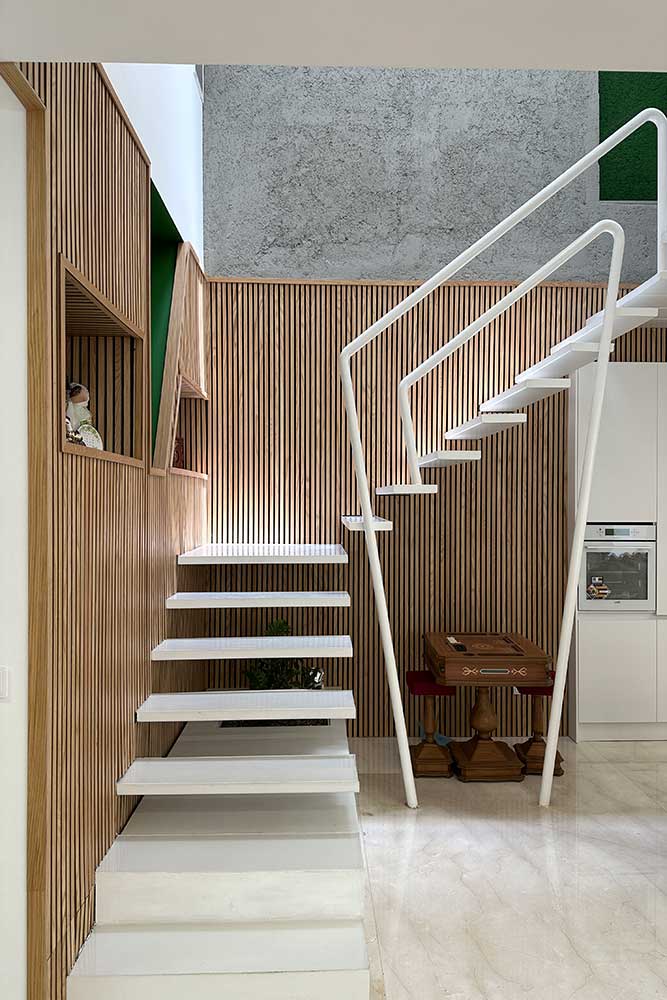
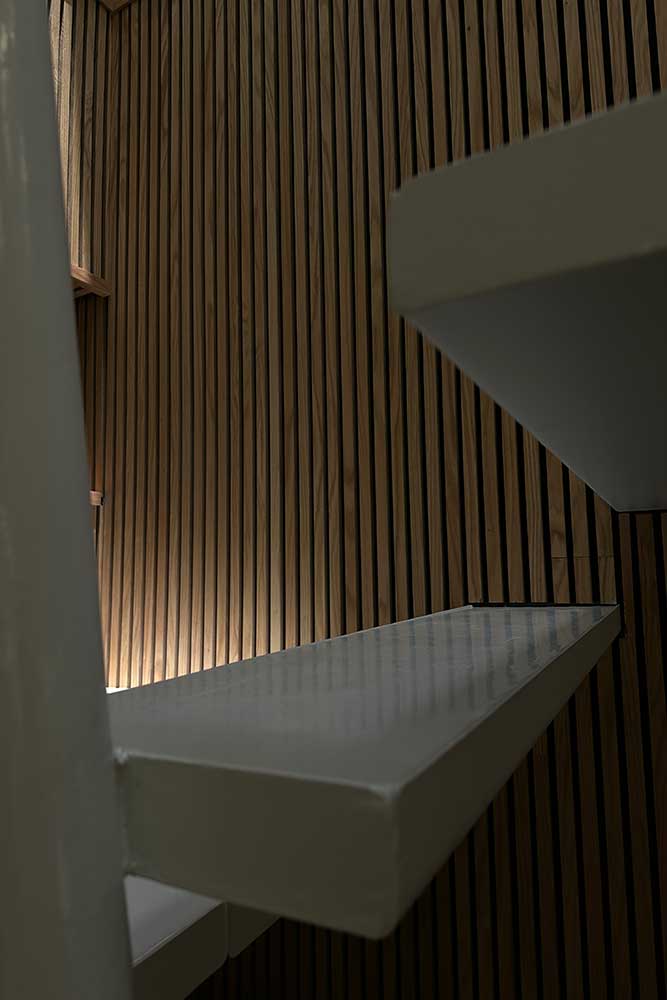
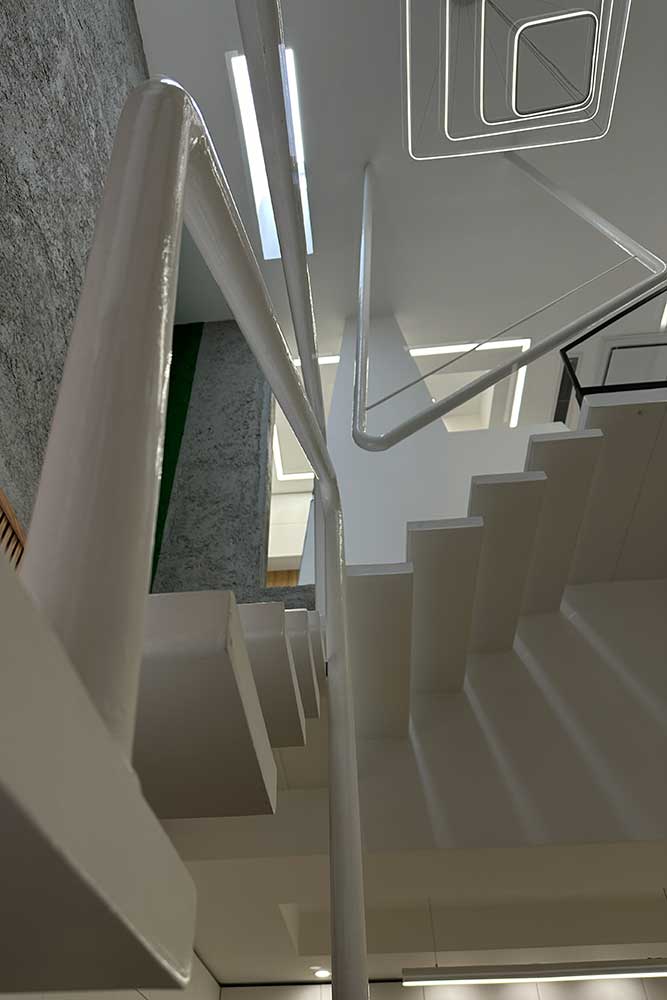
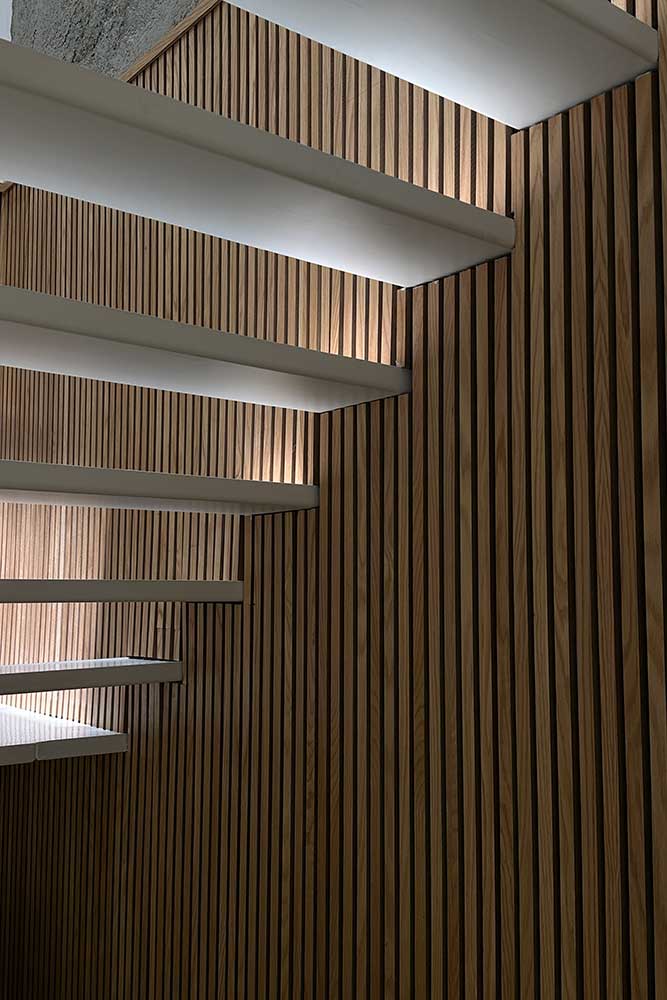
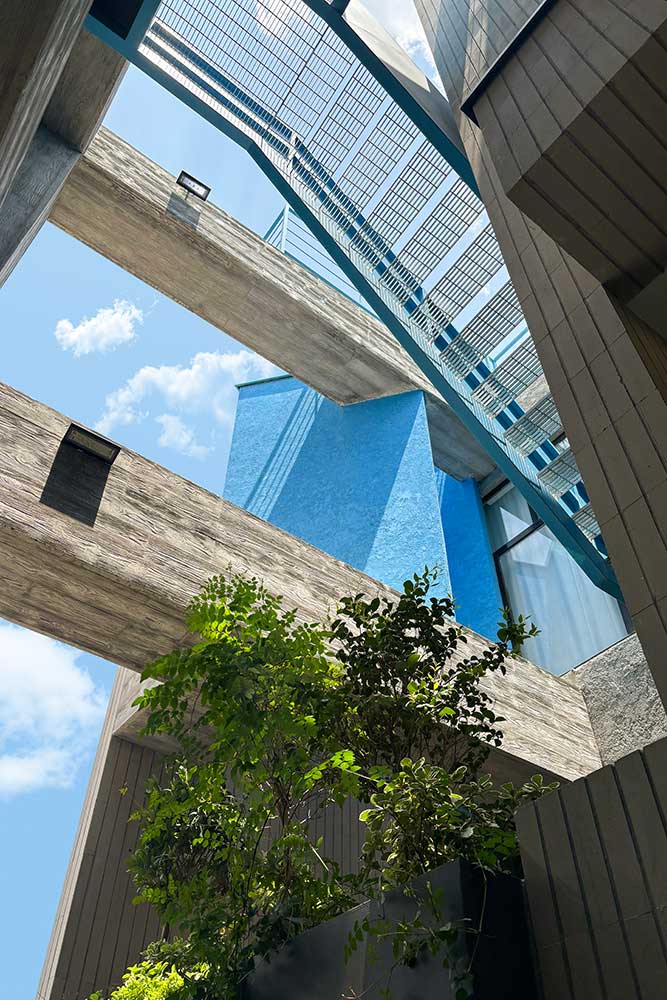
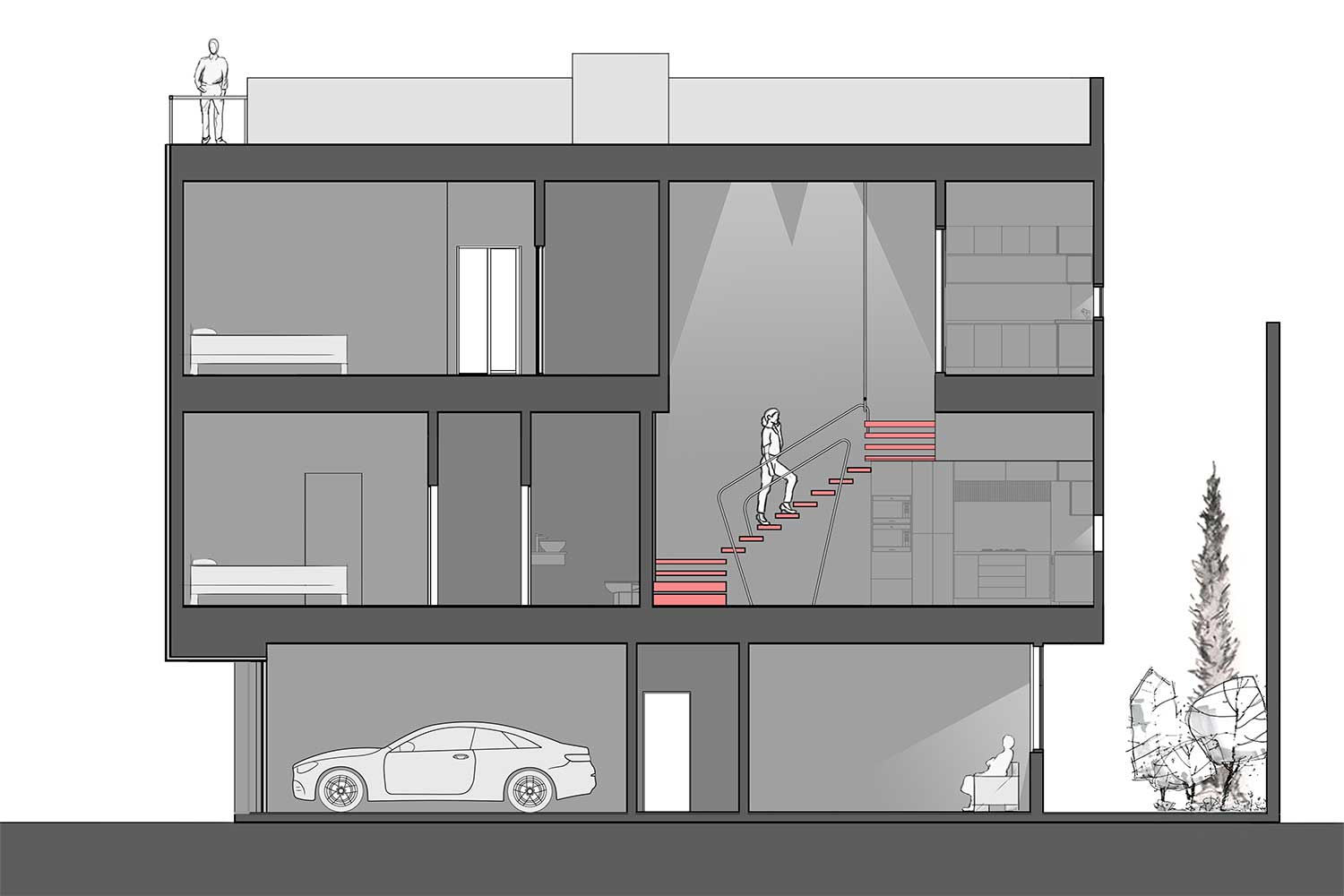
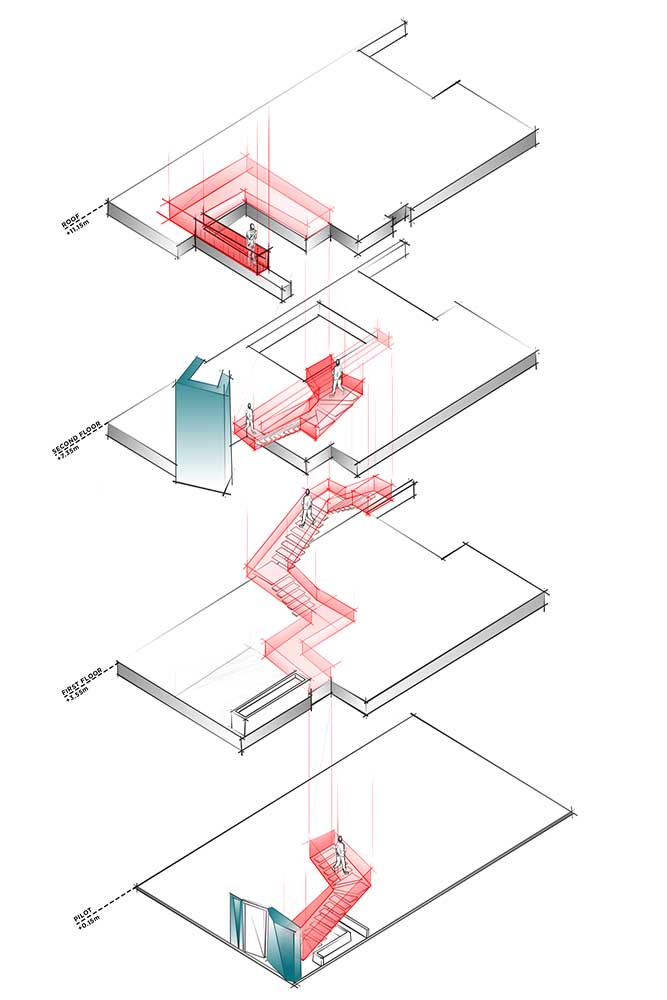
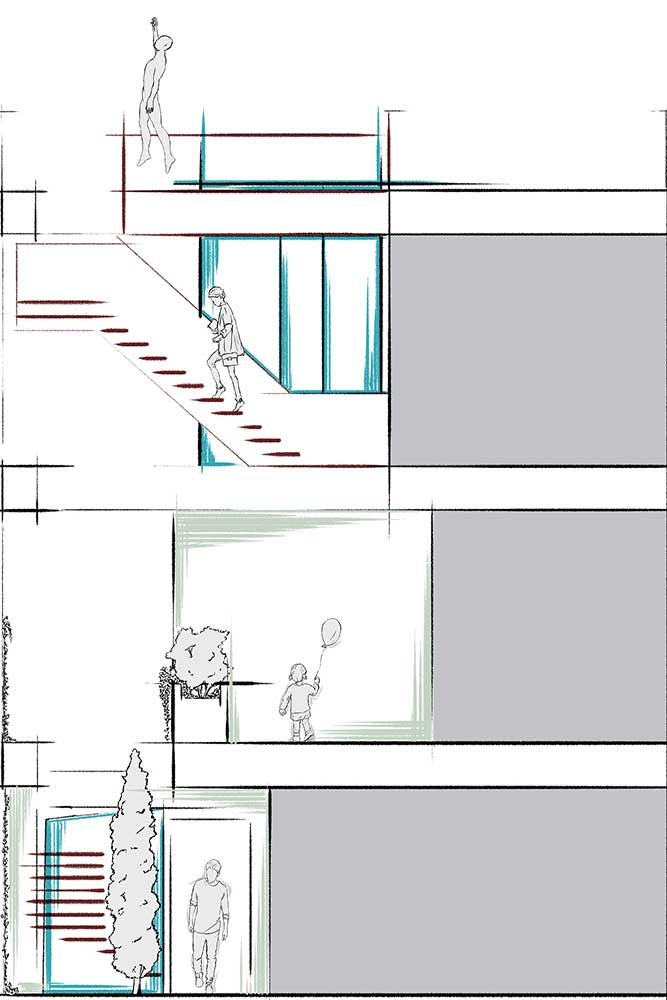
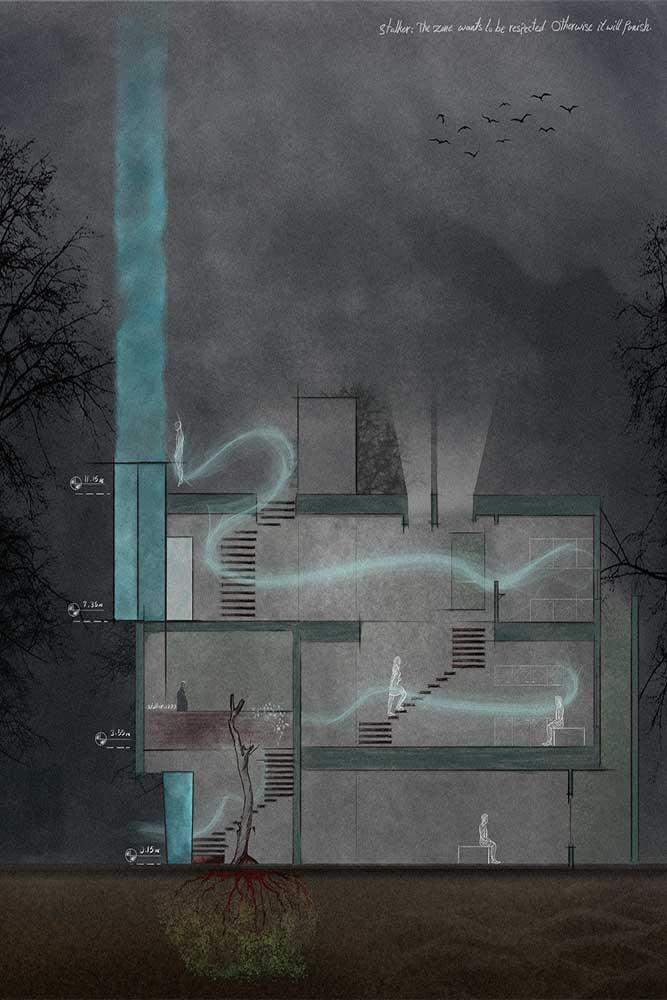
حرکتها، پلههای فضامند، پل روی تیر و حرکت نور بین فضاها و حیاطهایی که شاید به نظر میرسد در جایی قرار گرفته است که به آن عادت نداشتهایم و پرسه زدن در فضای مختلف و عبور از مرزهای ایجاد شده، تجربه فضایی و تعدد فضاهای جدیدی را پدید آورده. حرکت پله از روی نما و برفراز حیاطها و پلههای طبقه پایینتر و حرکت به سمت پشت بام و در امتداد آن روی پل و حرکت بر بالای سر شهر و ایجاد سکانسهای مختلف، تجربهای نو به ما هدیه داد و این حرکت تا ابد ادامه یافت.
درونگرایی ساختمان حاصل تقلید عامدانه از گذشته ساختمان نیست بلکه شکل و گذشتهی زندگی و زیست بومی معمار، کارفرما، همسایه و شهر در راستای ایجاد خانه و آرامش آن، این پدیده را به وجود آورده است.
کنترل جریان نور:
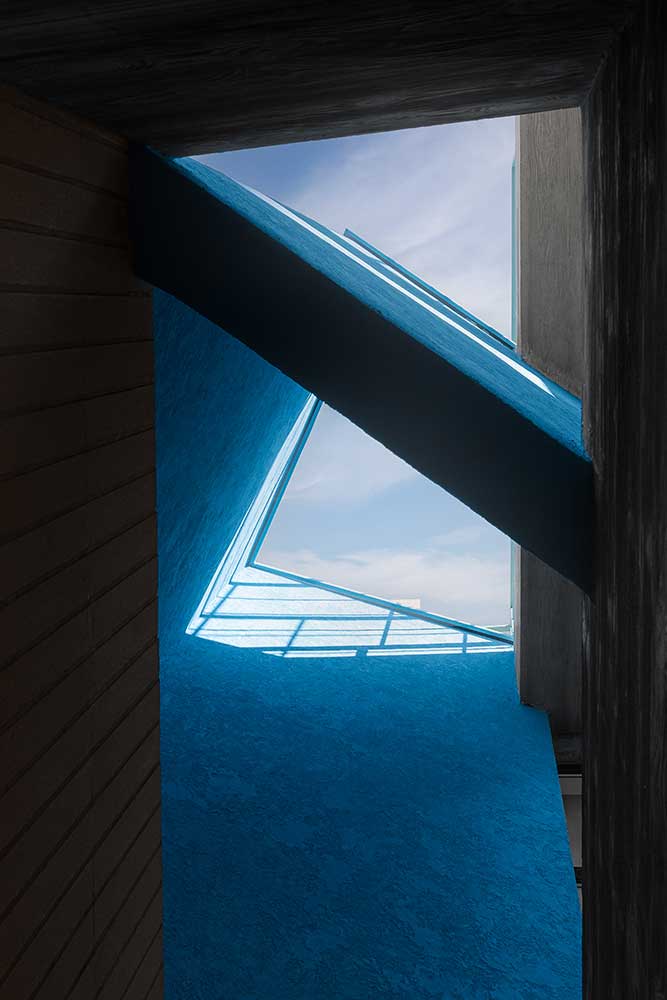
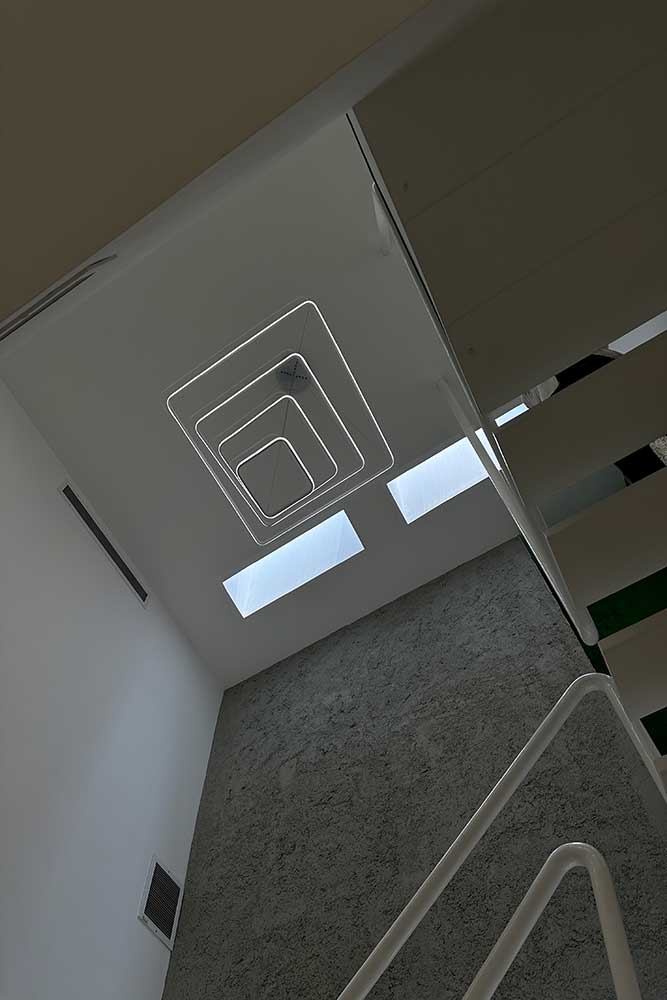
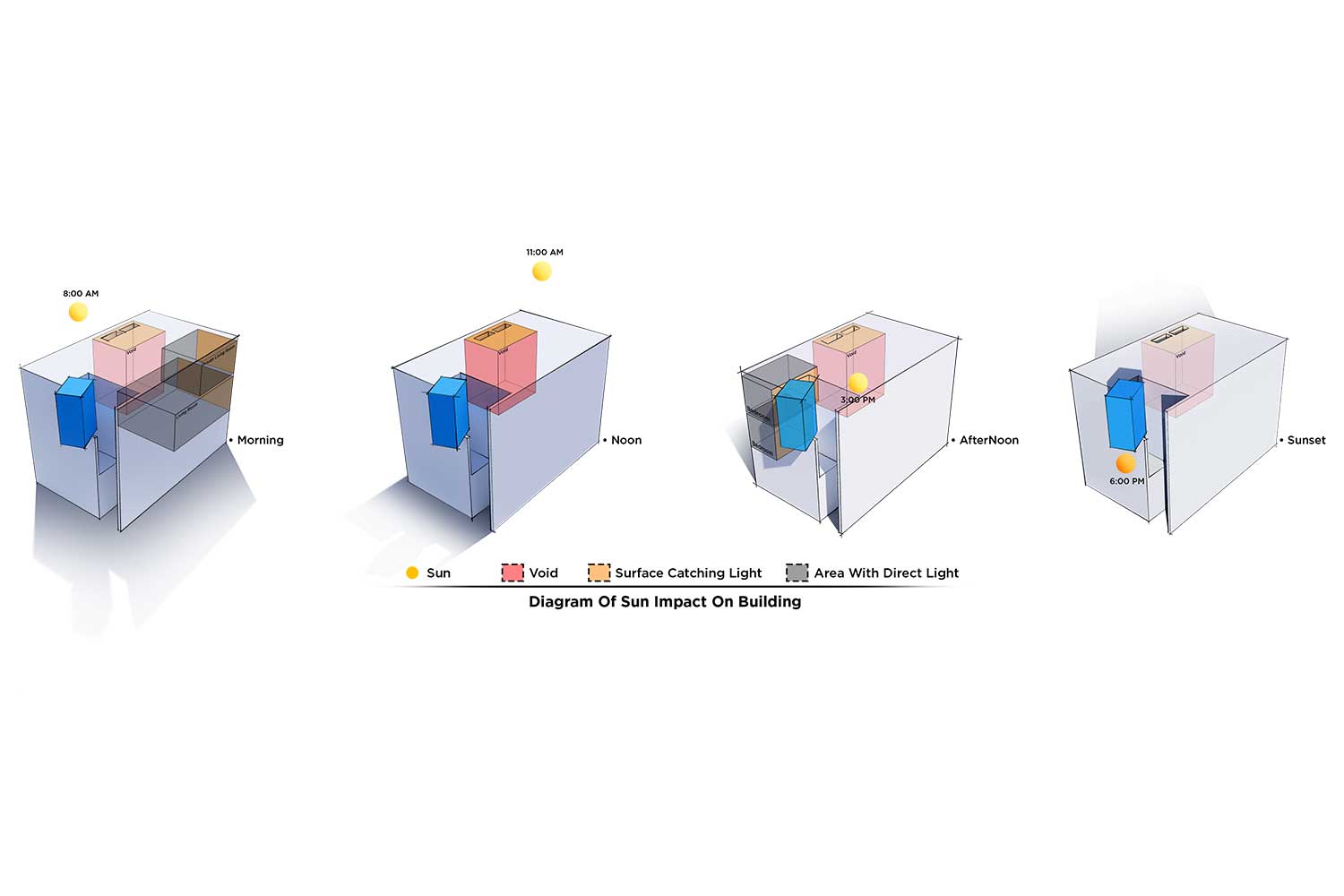
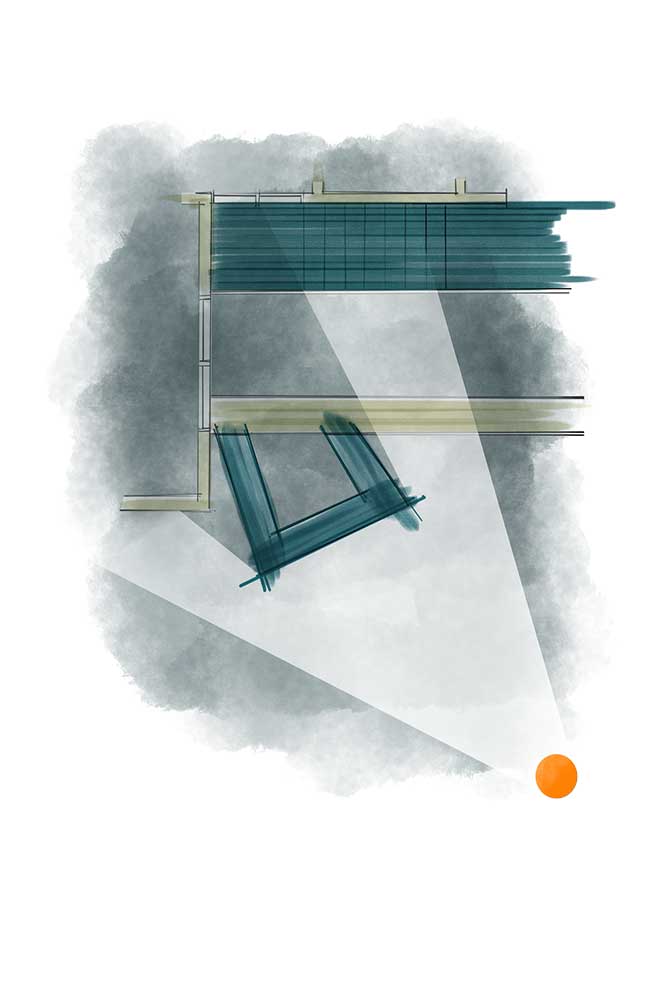
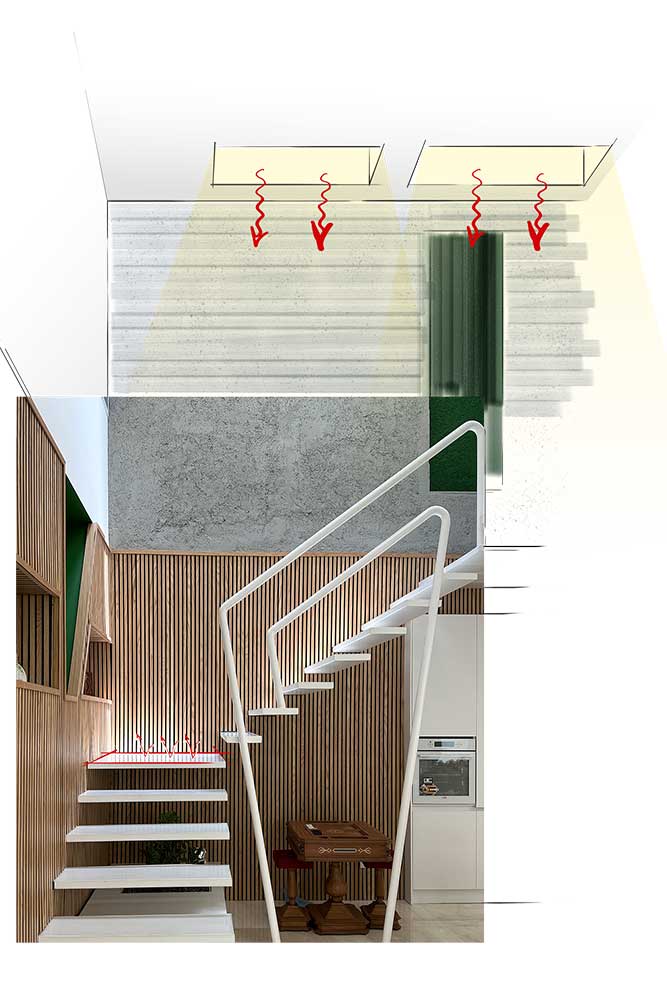
جریان آب و هوایی و دریافت قسمتی از آفتاب غرب یزد، ما را بر آن داشت تا مقداری از نور خورشید را کنترل کنیم و این جریان با وید مرکزی تا حد خیلی زیادی شدنی بود و تعدیل نور غرب و ایجاد کیفیت نوری با این ایده انجام گرفت.
خانهی شماره 7، خانهی هفتم از 13 پروژه طراحی شده استودیو در جهت حل مسئله پروژه درون خود پروژه و جوابگویی به خواستههای آنی کارفرما بود که نقاط مشترکی از یک پروژه دیگر انتقال پیدا کرد و رنگها در تمام پروژهها بود.
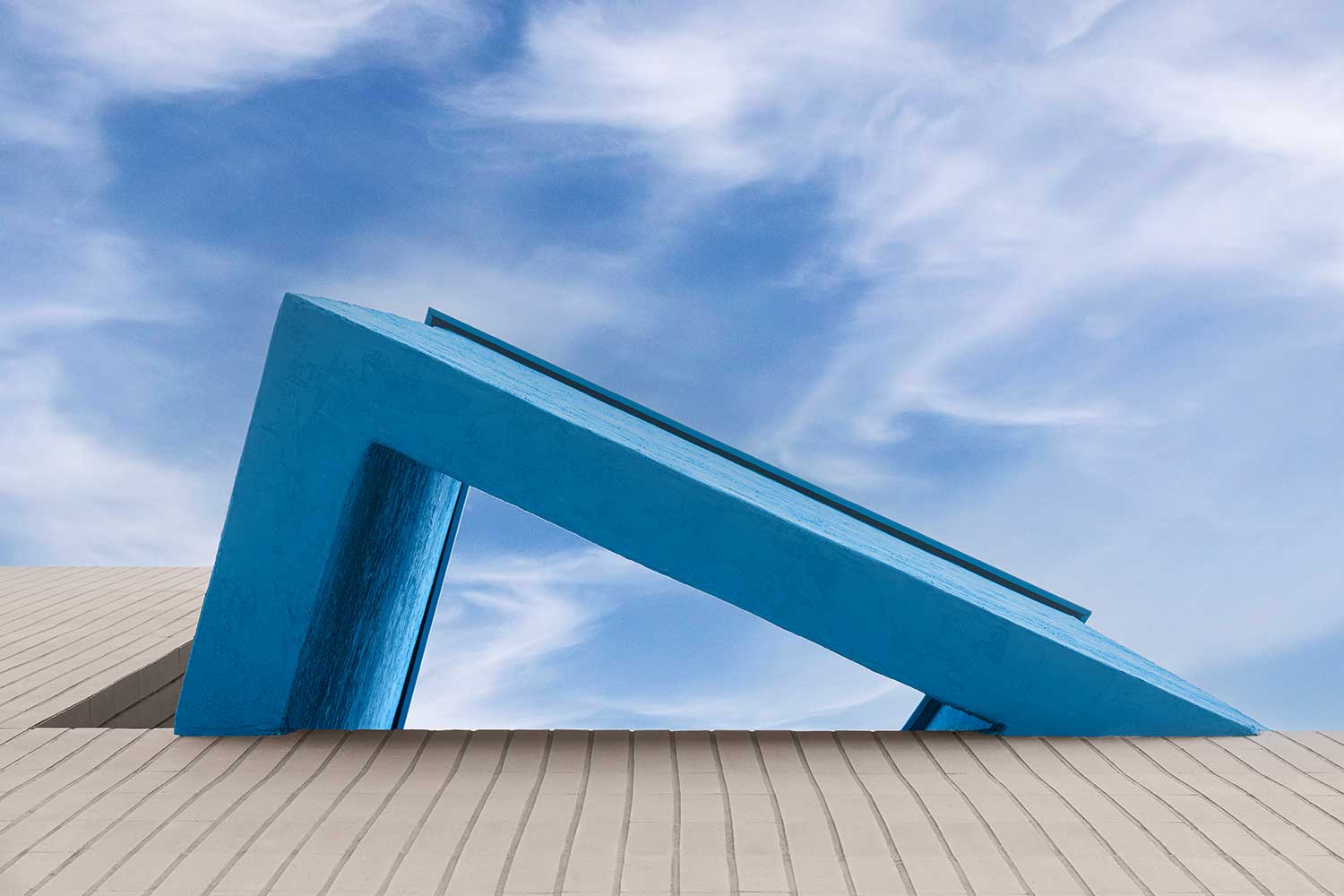
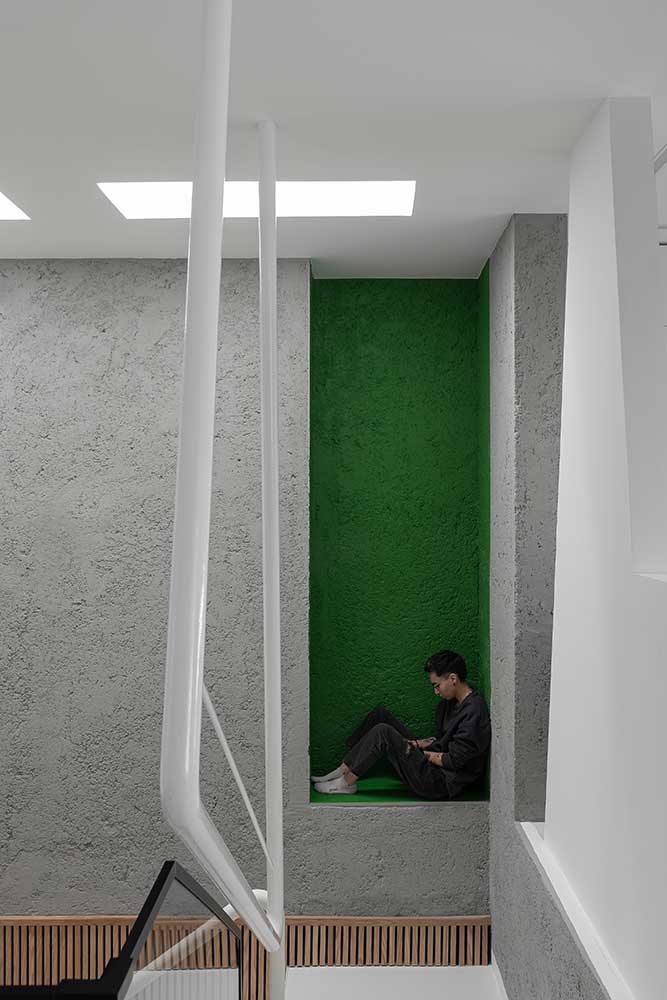
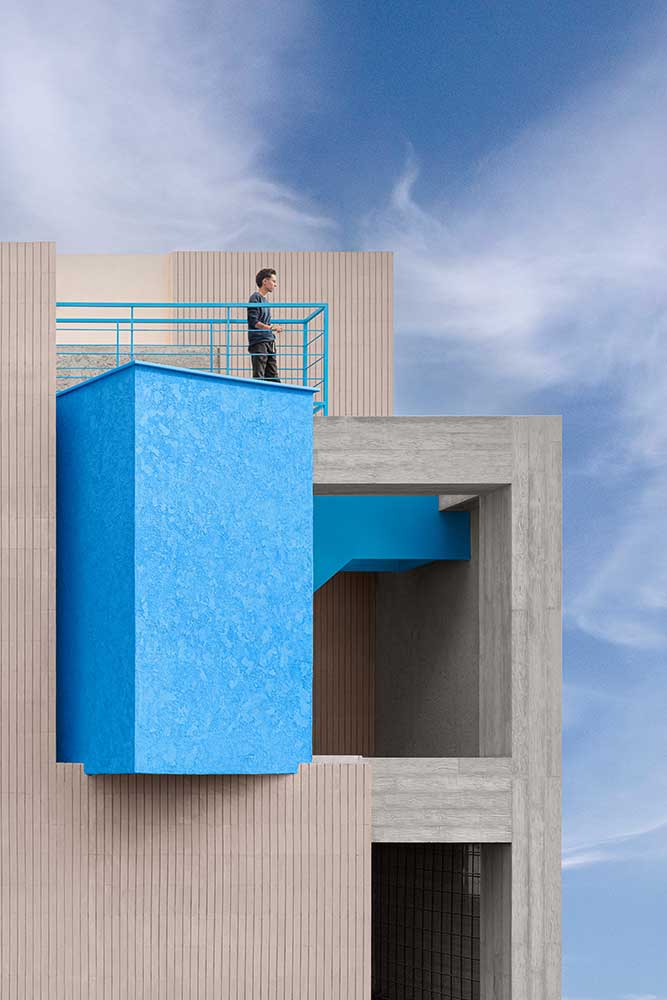
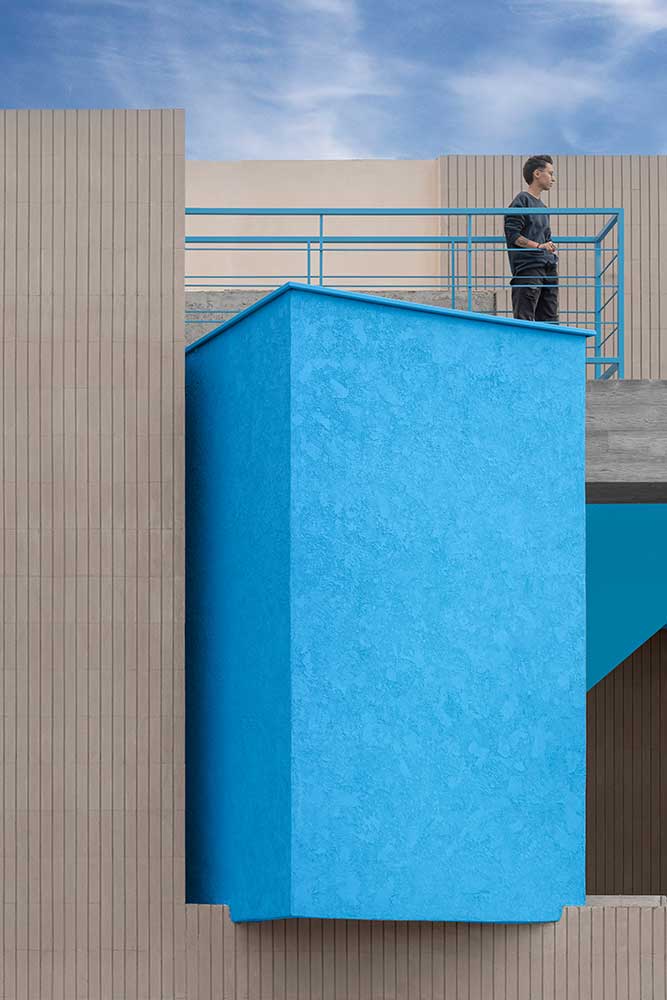
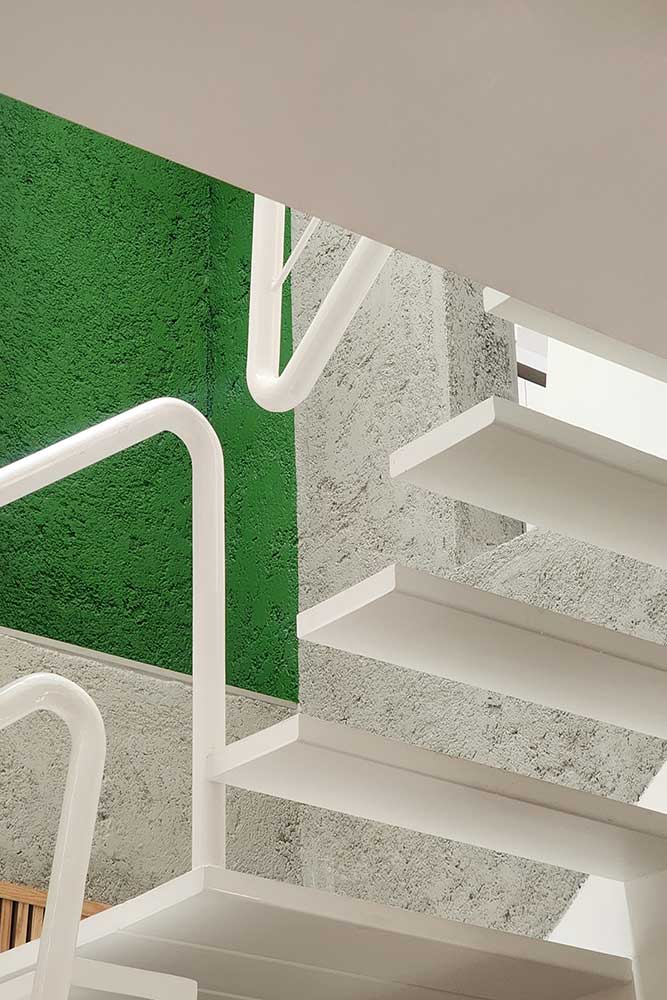
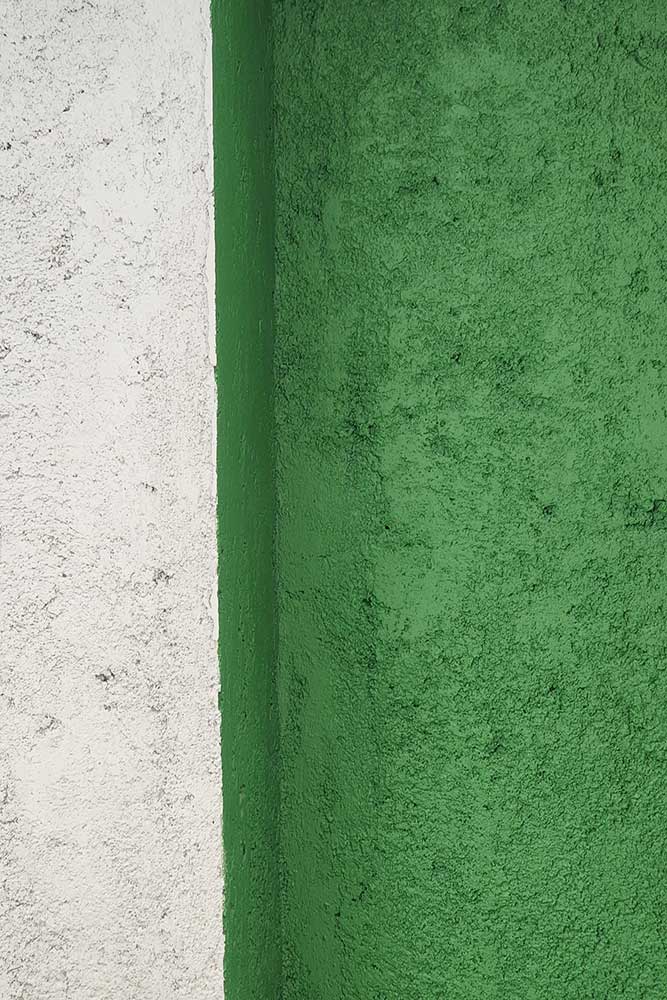
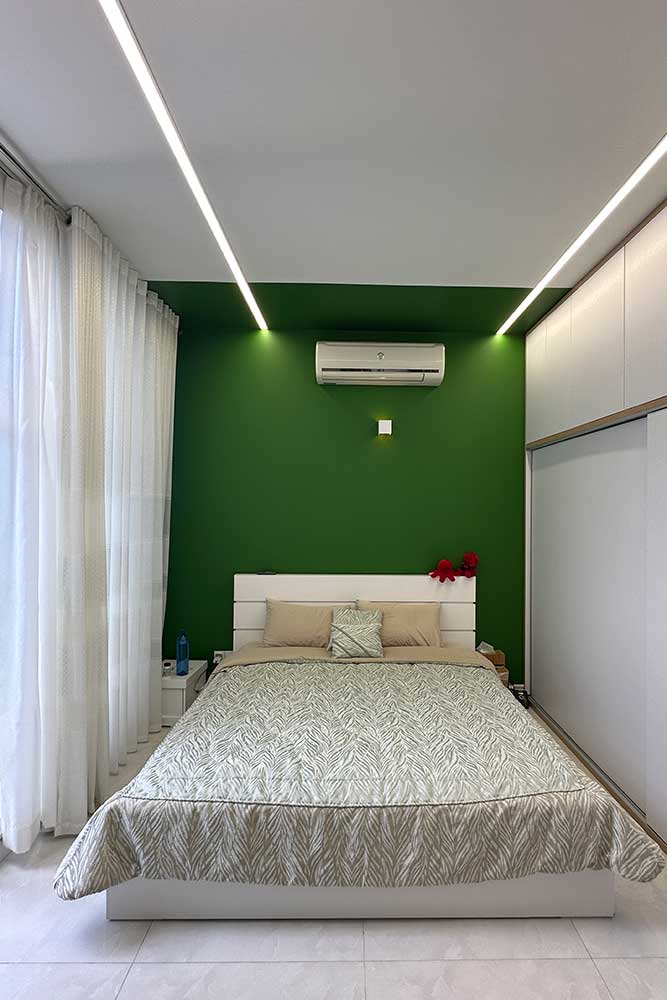
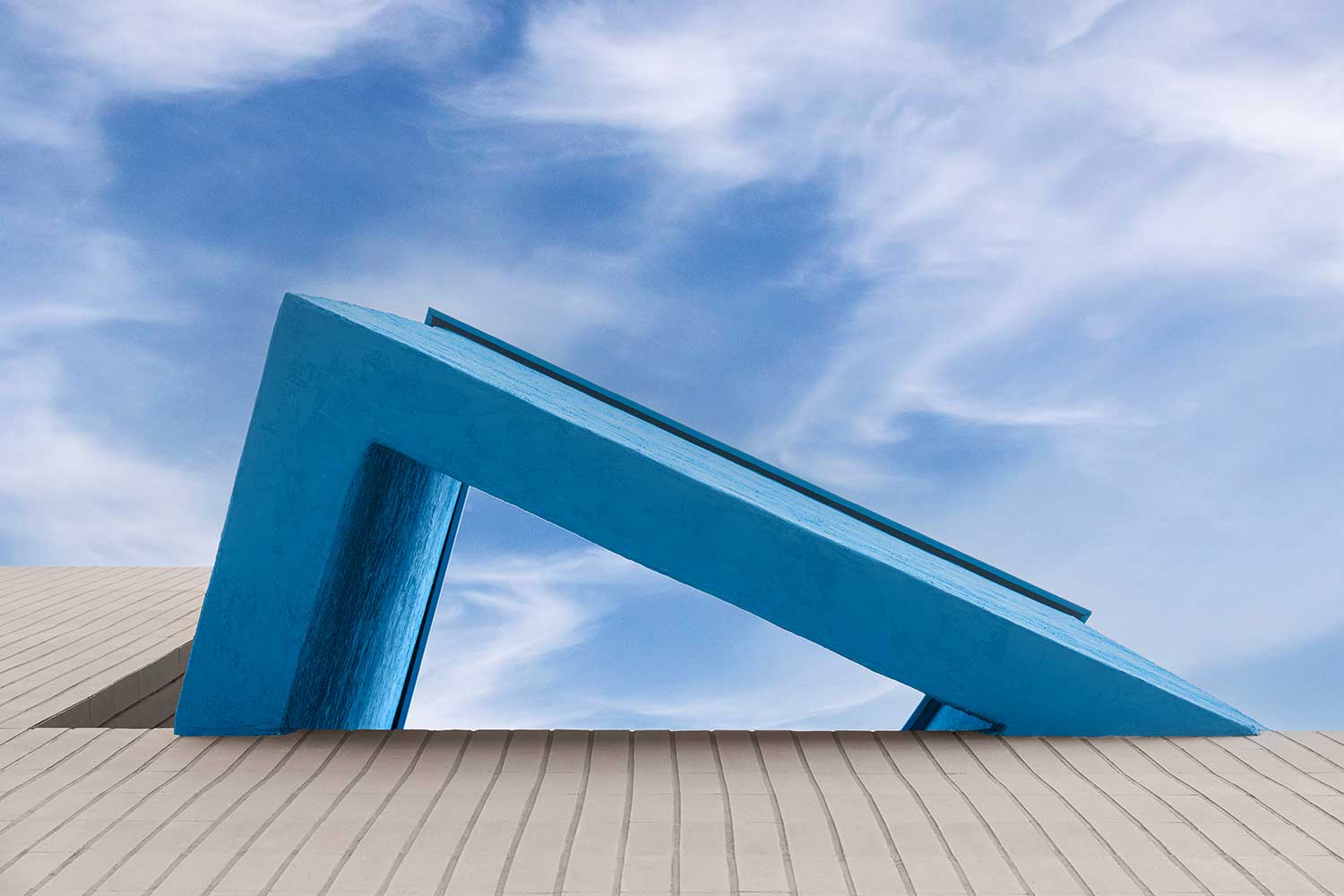
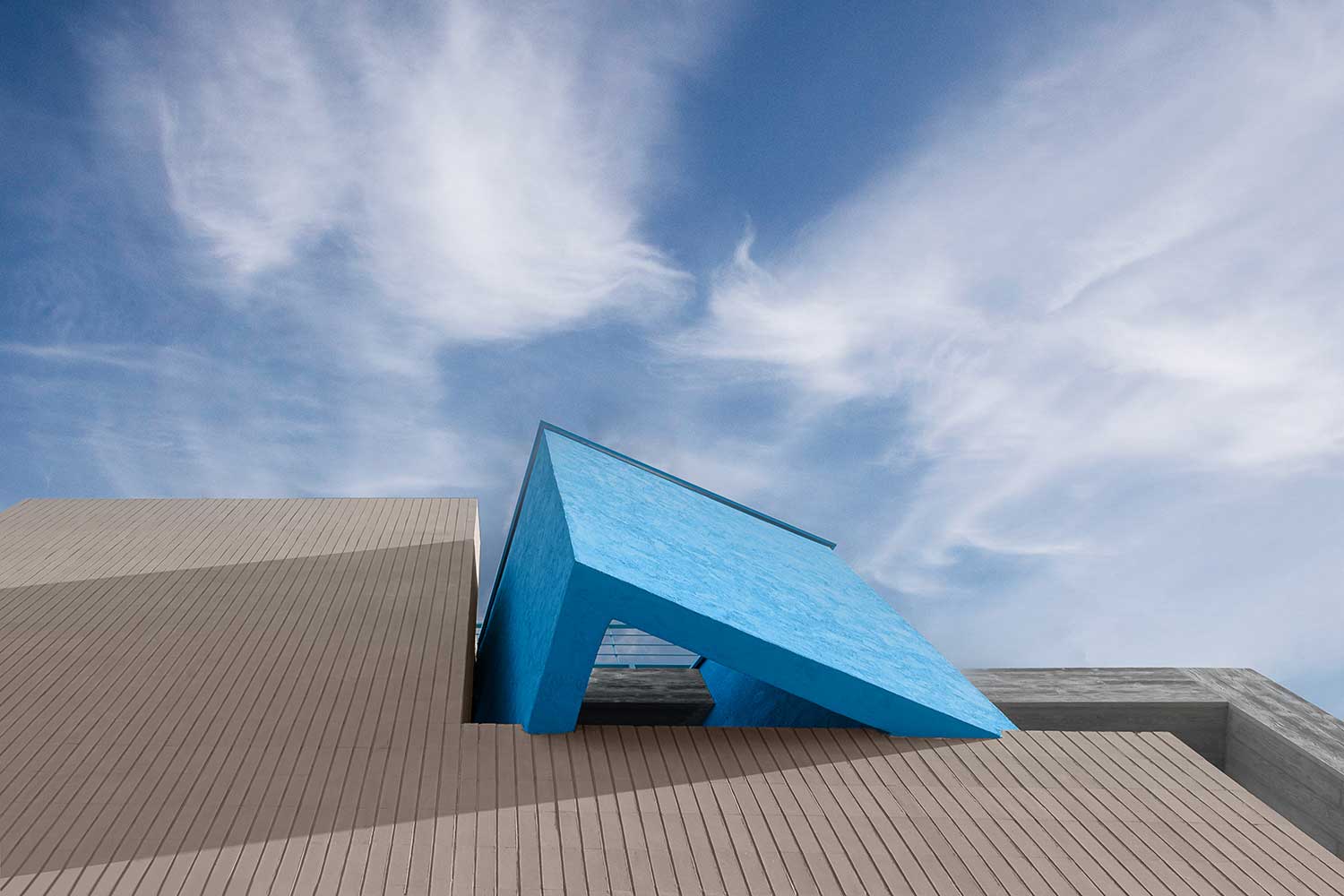
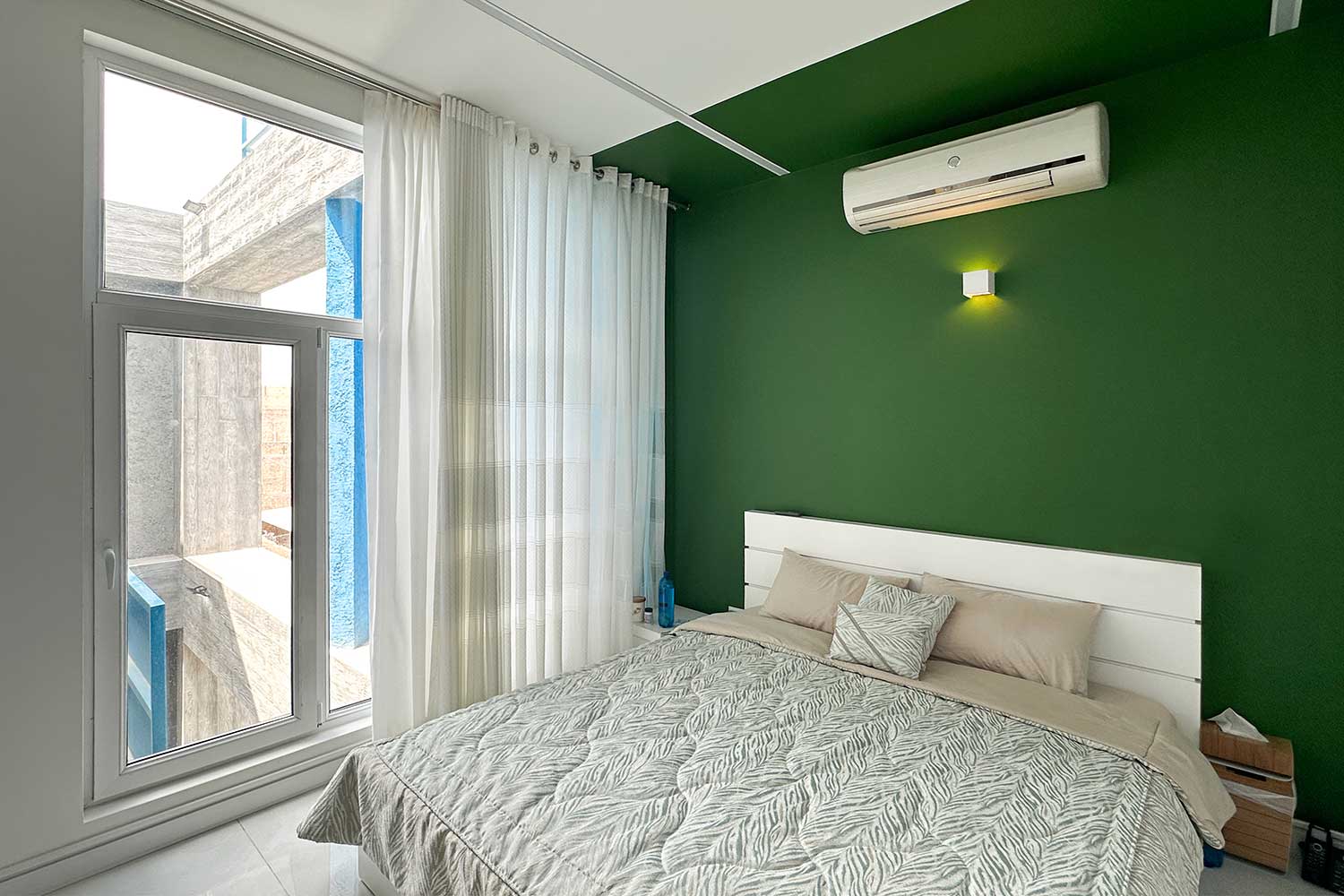
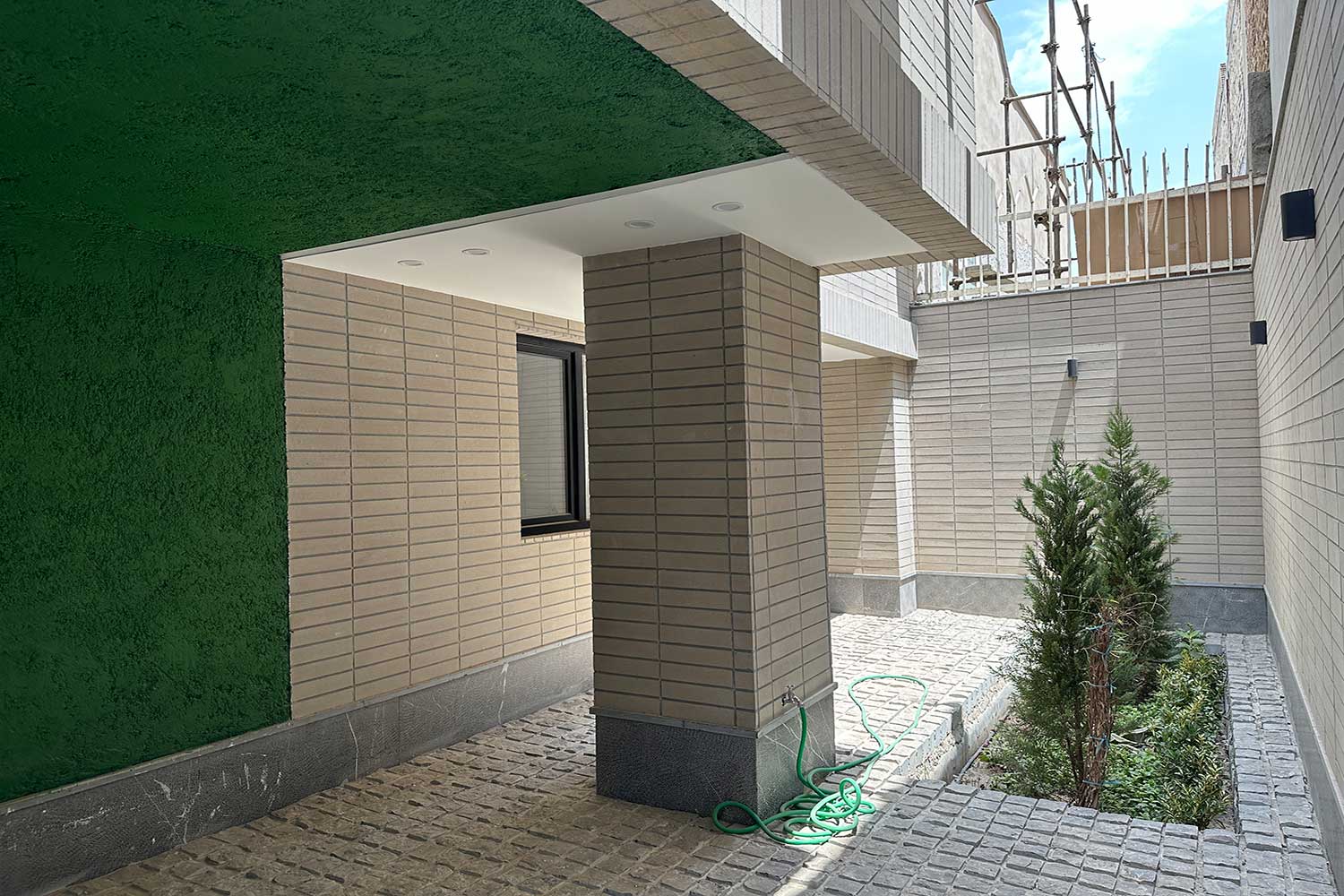
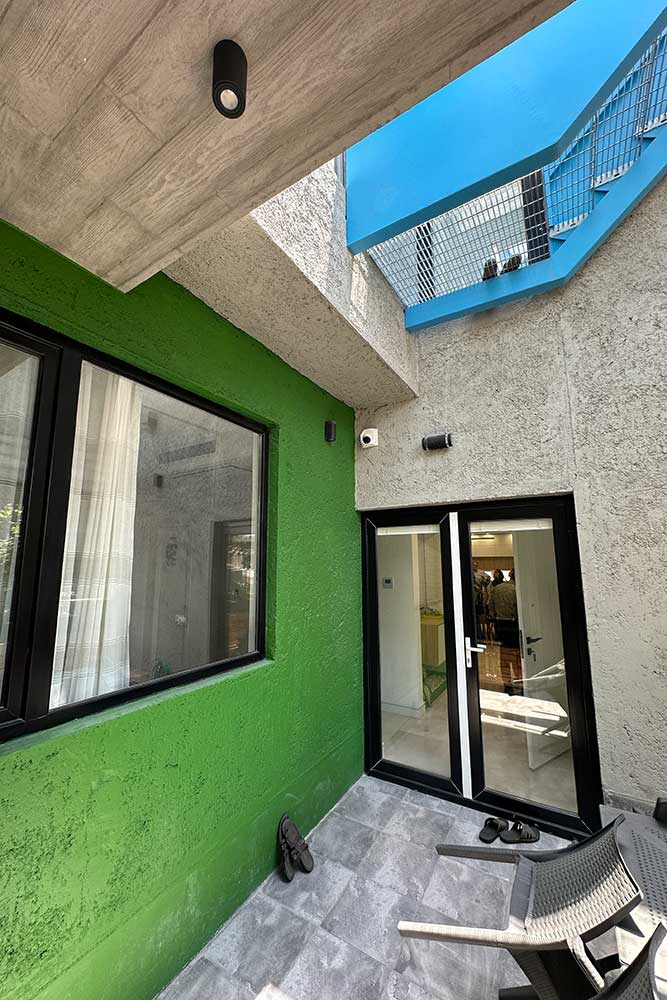
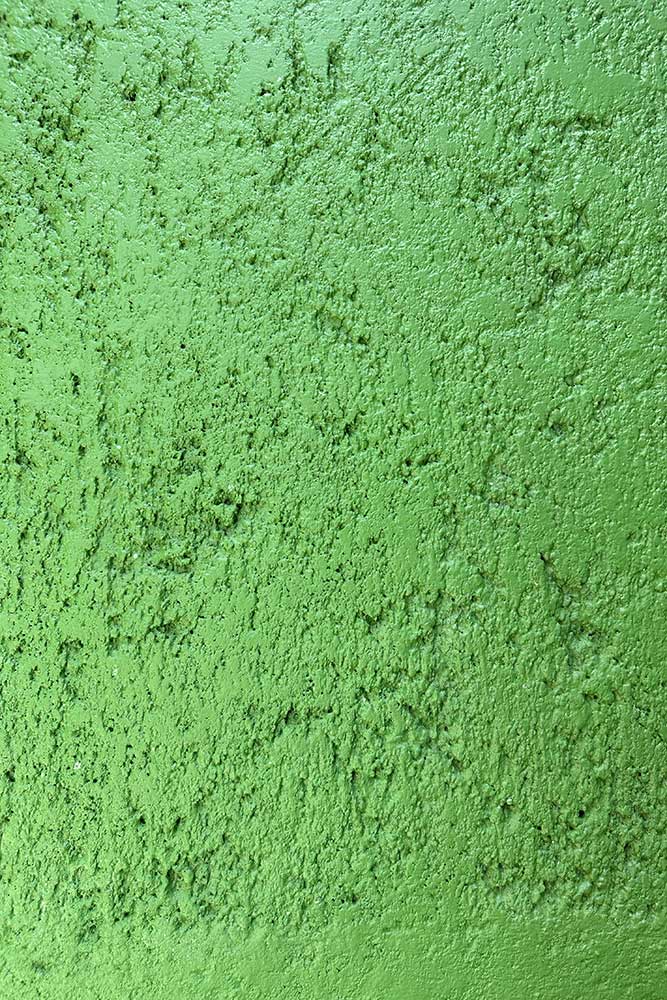
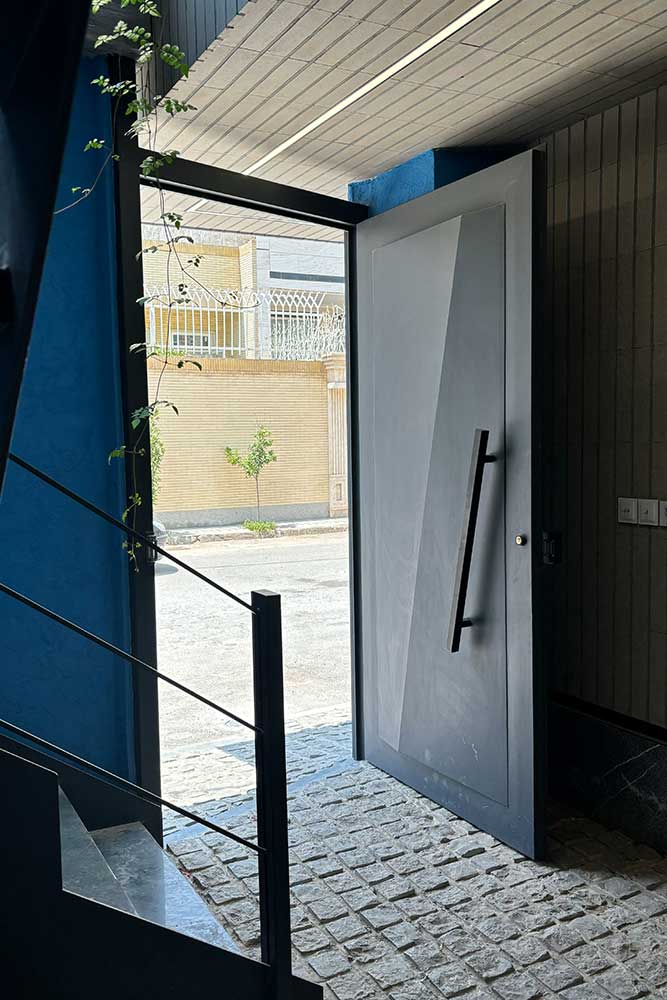
رنگ آبی در جهت یک انزوای درونی برای پروژه و رنگ سبز در جهت فضای آرامش بود. در طول سیر حرکتی، رنگها مانند تابلو اعلانات عمل می کنند و رنگهای سبز یعنی نزدیک شدن به درون فضایی آرامتر و رنگهای آبی یعنی وجود فضای انزوا…
خانهی شماره 7 اکنون زیست میکند و خود را به عنوان عضوی از شهر در گوشهای جا داده، اینک جوابگوی فقط قسمتی از نیازهای اکنون کارفرما شده است.
ساختمان سال ایران، 1403
_______________________________________
نام پروژه: خانه شماره 7
دفتر طراحی: استودیو معماری چارنگ
معمار اصلی: امین نیشابوری
تیم معماری: سجاد احرامپوش، غزال عطارها، کیمیا مالکی
طراح گرافیک: علی فاطمی
دفتر طراحی: استودیو معماری چارنگ
مهندس سازه: احسان افشاری
مهندس تاسیسات: مصطفی خوبیاری
پیمانکار: محمود ابریشمی
کارفرما: حمید حسنی
عکاس پروژه: خاطره عشقی
آدرس پروژه: ایران، یزد، بلوار جمهوری، خیابان شرق، کوچه شرق 18، فرعی 4
مساحت ساخته شده: 330 مترمربع
سازه: بتنی با سقف تیرچه فوم
تاسیسات: چیلر، فن کویل، موتورخانه
شروع پروژه: پاییز 1401
اتمام پروژه: تابستان 1403
ایمیل: charrangstudio@gmail.com
Project name: House Number 7
Design Office: Charang Architecture Studio
Principal Architect: Amin Neyshaburi
Architecture Team: Sajad Ehrampoosh, Ghazal Attarha, Kimia Maleki
Graphic Designer: Ali Fatemi
Structure Engineer: Ehsan Afshari
Facilities Engineer: Mostafa Khoubyari
Contractor: Mahmoud Abrishami
Employer: Hamid Hasani
Project Photographer: Khatere Eshghi
Address: 4th side alley, 18th Shargh alley, Shargh street, Jomhouri Blvd, Yazd, Iran
Built in 155 square meter of land
Total Built Area: 330 square meter
Concrete structure with beam & block ceiling
Chiller system, fan coil, HVAC zone
Start: Autumn 2022
Finished: Summer 2024
Email: charranstudio@gmail.com
The House number 7, is the seventh house in the series of exercises aimed to creating a new spatial experience. It was built on a 155 square meter plot in a new development area of Yazd. The house was designed for Mr. and Mrs. Hasani and their soon-to-be-born child, in a neighborhood where most plots were either undeveloped land or under construction.
Living with the previous generation and the intertwining of work and life in modern societies:
The client’s requirements, which included several spaces such as a workspace, a bedroom for the parents, a bedroom for the children and a room for the spouse’s family -who frequently traveled between Yazd and Tehran due to not being originally from Yazd and a part of the house was shared with them- prompted us to design the house as a duplex.
The desire to create transparency to the outside while maintaining privacy and the importance of neighbors:
Mr. and Mrs. Hasani desired large windows facing outside. However, considering the issues of privacy and visibility, which are significant in religious cities like Yazd, and the importance for neighbors not to have direct views, the design evolved to include a solid facade in front of the main exterior. Behind this facade, a two-story courtyard was created, with all openings facing this courtyard. This design not only ensured privacy but also created a unique spatial experience, becoming the focal point of the project.
New spatial experience:
The movements, spacious staircases, the bridge over the beam, and the play of light between spaces and courtyards, which might seem unusually placed, invite exploration through various spaces and crossing created boundaries. This has built a new spatial experience and a multitude of new spaces. The staircase moving from the facade over the courtyards, the lower floor stairs, and the path towards the rooftop, continuing along the bridge above the city, creating different sequences, provided us with a novel experience. This journey extends infinitely.
The introversion of the building is not the result of a deliberate imitation of past architecture, but rather a reflection of the lifestyle, background, and environment of the architect, the client, the neighbors, and the city, all aimed at creating a home and a sense of tranquility.
Controlling the flow of light:
The flow of air and the reception of some of the western sunlight in Yazd led us to control a portion of the sunlight. This was largely achievable through the central void, which allowed for the regulation of western light and the creation of a quality of illumination based on this concept.
House number 7 is the seventh of 13 projects designed by the studio to address specific issues within each project and meet the client’s immediate needs. This project incorporated elements from other projects, including the use of color. The color blue was used to signify an internal seclusion, while green was used to create a sense of tranquility. Throughout the spatial journey, colors function like signposts: green indicates proximity to a calmer space, while blue signifies the presence of an isolated area…
House number 7 now lives on, nested in a corner of the city as a member of the urban fabric. It currently addresses only a portion of the client’s needs.
مدارک فنی
مطالب مرتبط