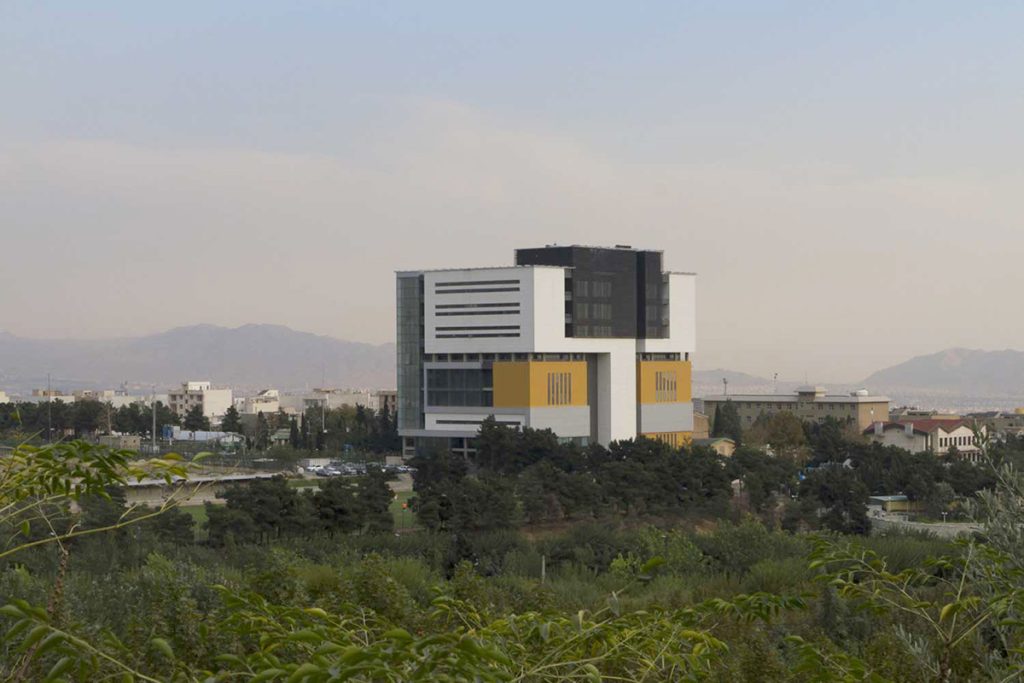
 ساختمان مرکز تحقیقات مخابرات ایران (پژوهشگاه ملی مجازی) اثر علی حمیدی مقدم
 حفر برای نور (ویلای قنات) اثر محمد رحیمیزاده
خانهی سفید اثر مازیار صارمی
چهارمین شب معماران، فینالیست و راه یافته به مرحلهی دفاع از آثار ششمین دوسالانهی معماری ایران بخش ویلایی، 1403
The “White House” / Maziar Saremi
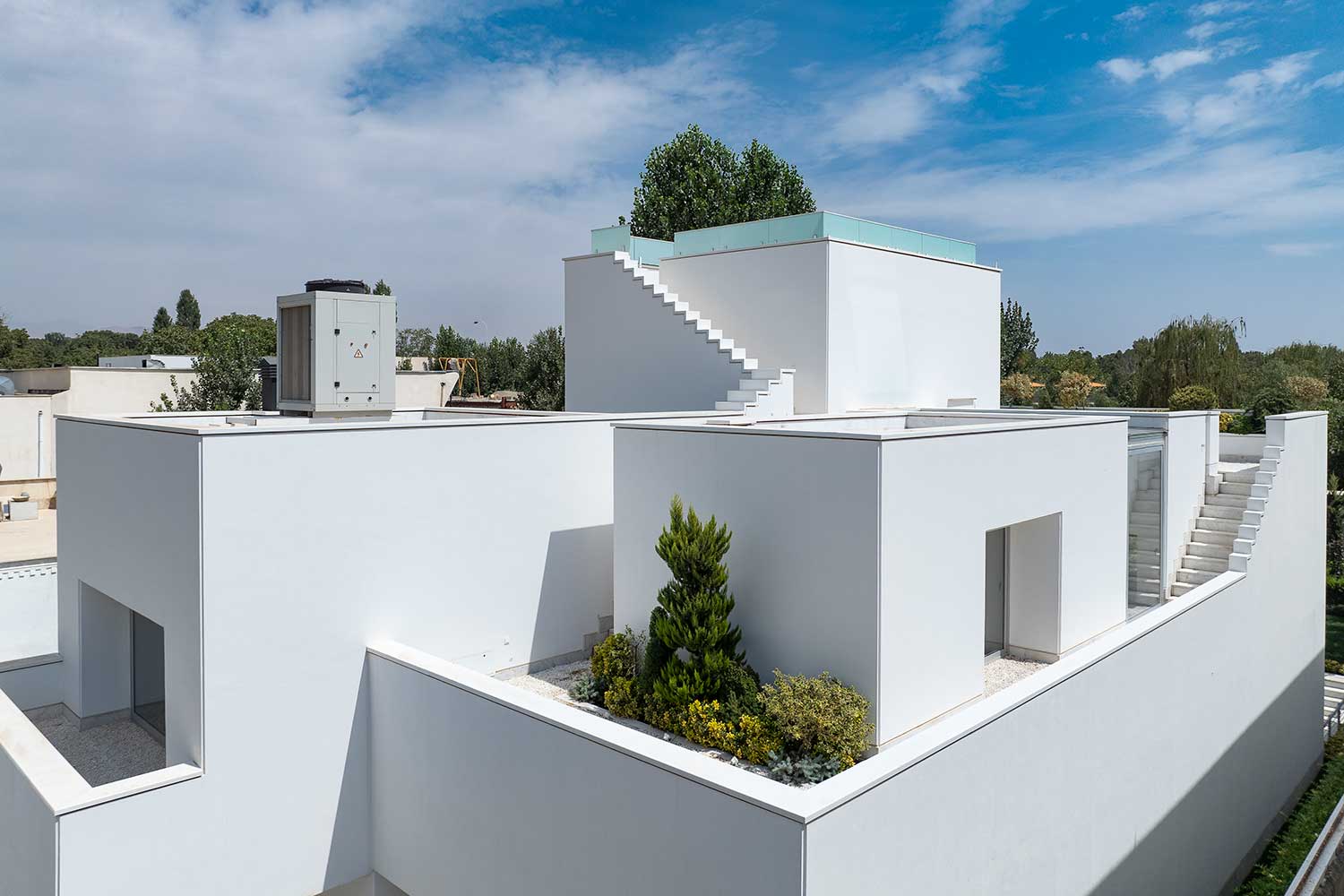
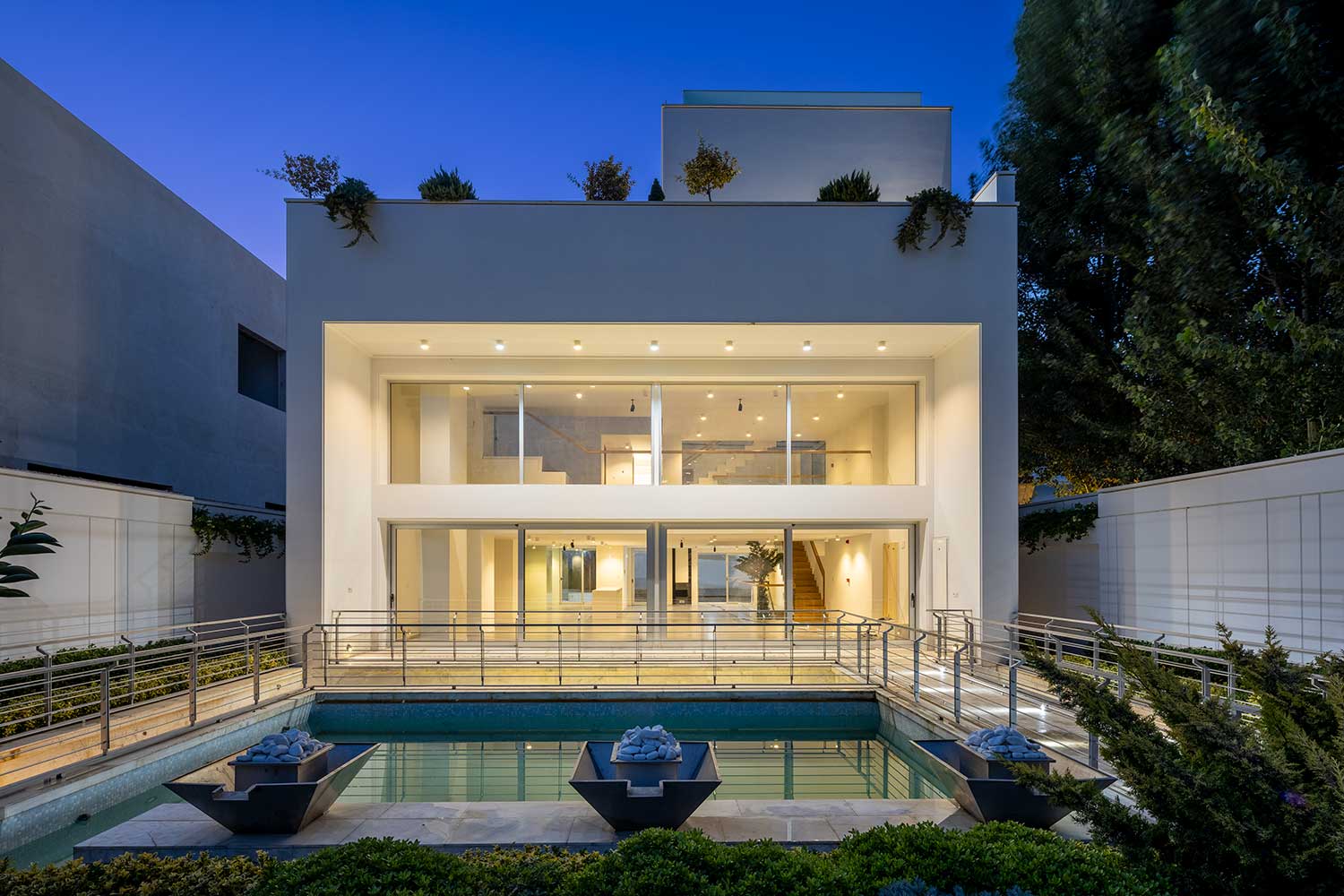
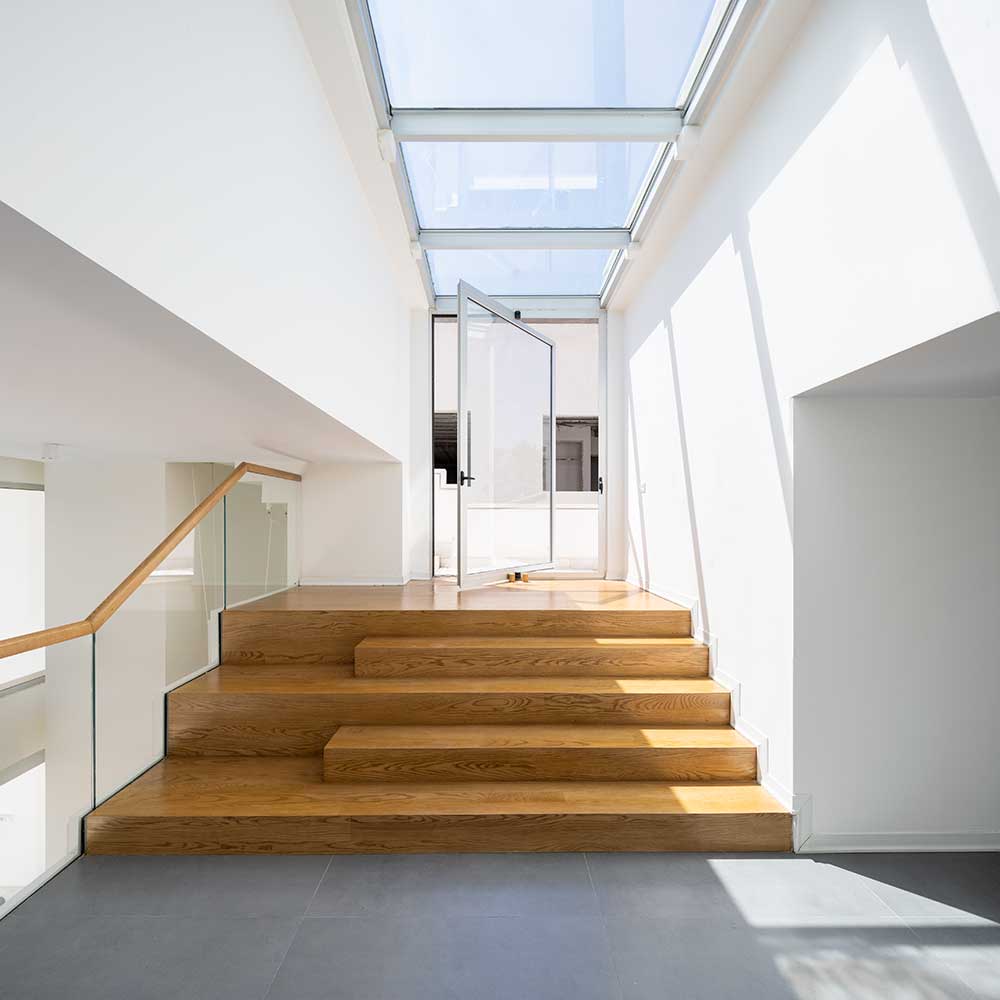
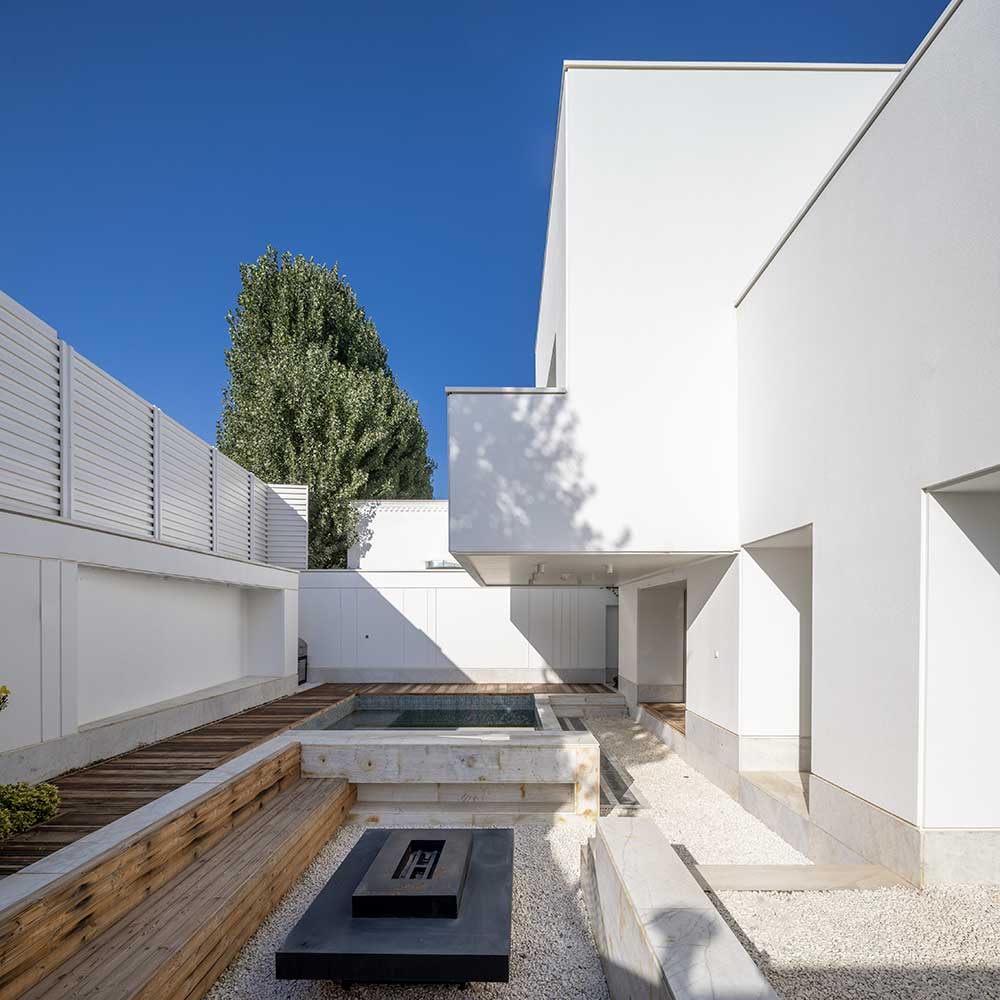
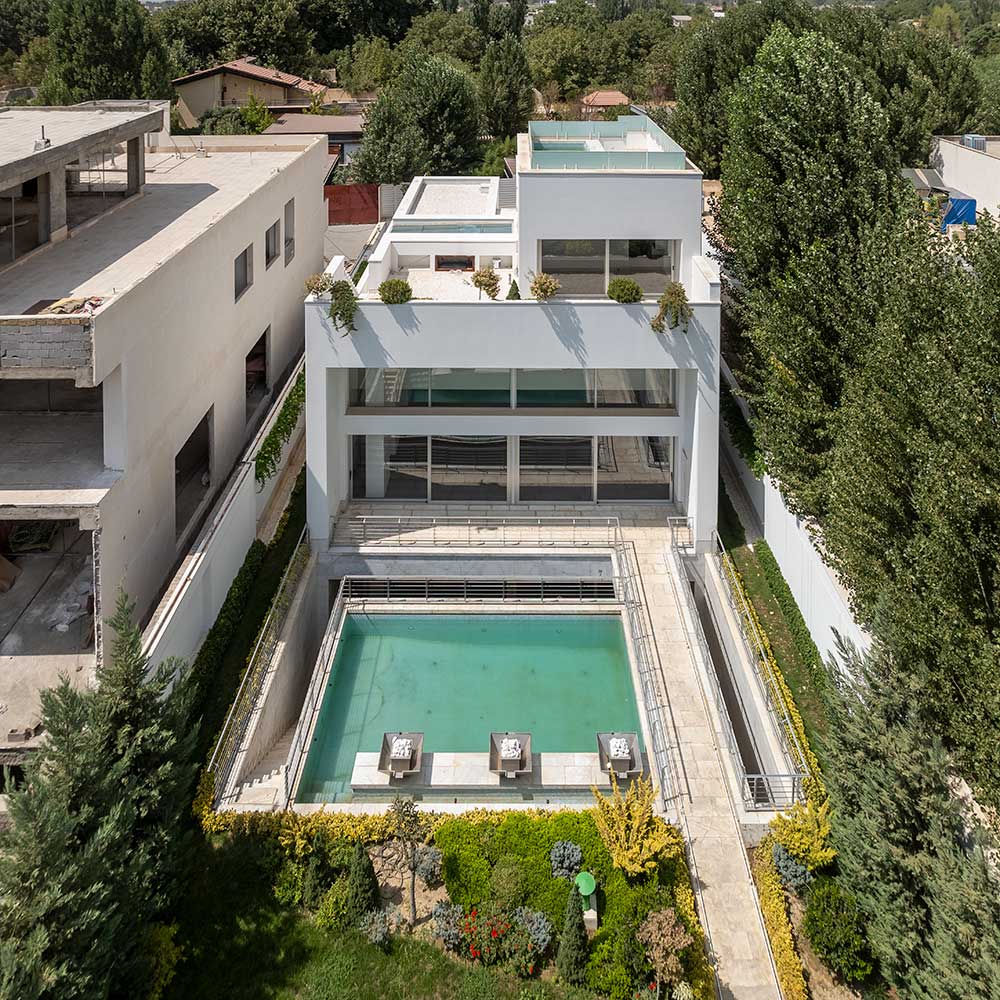
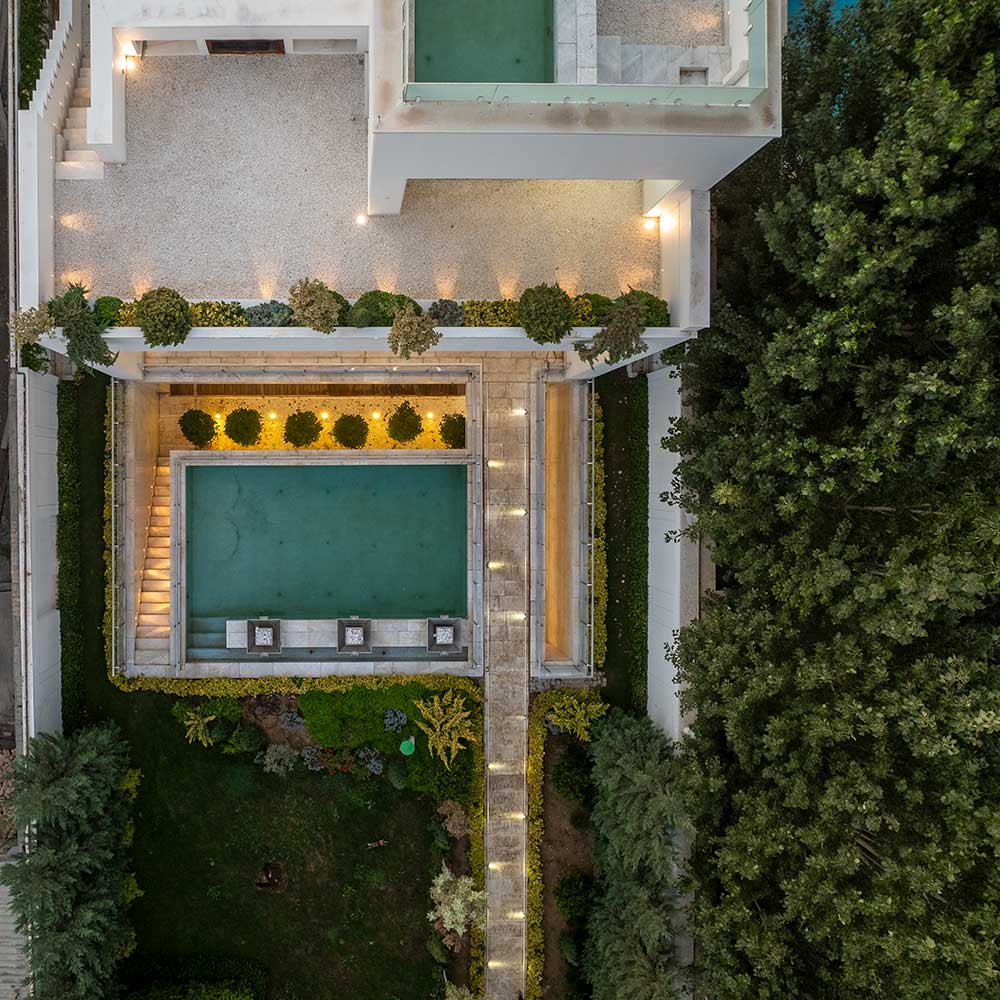
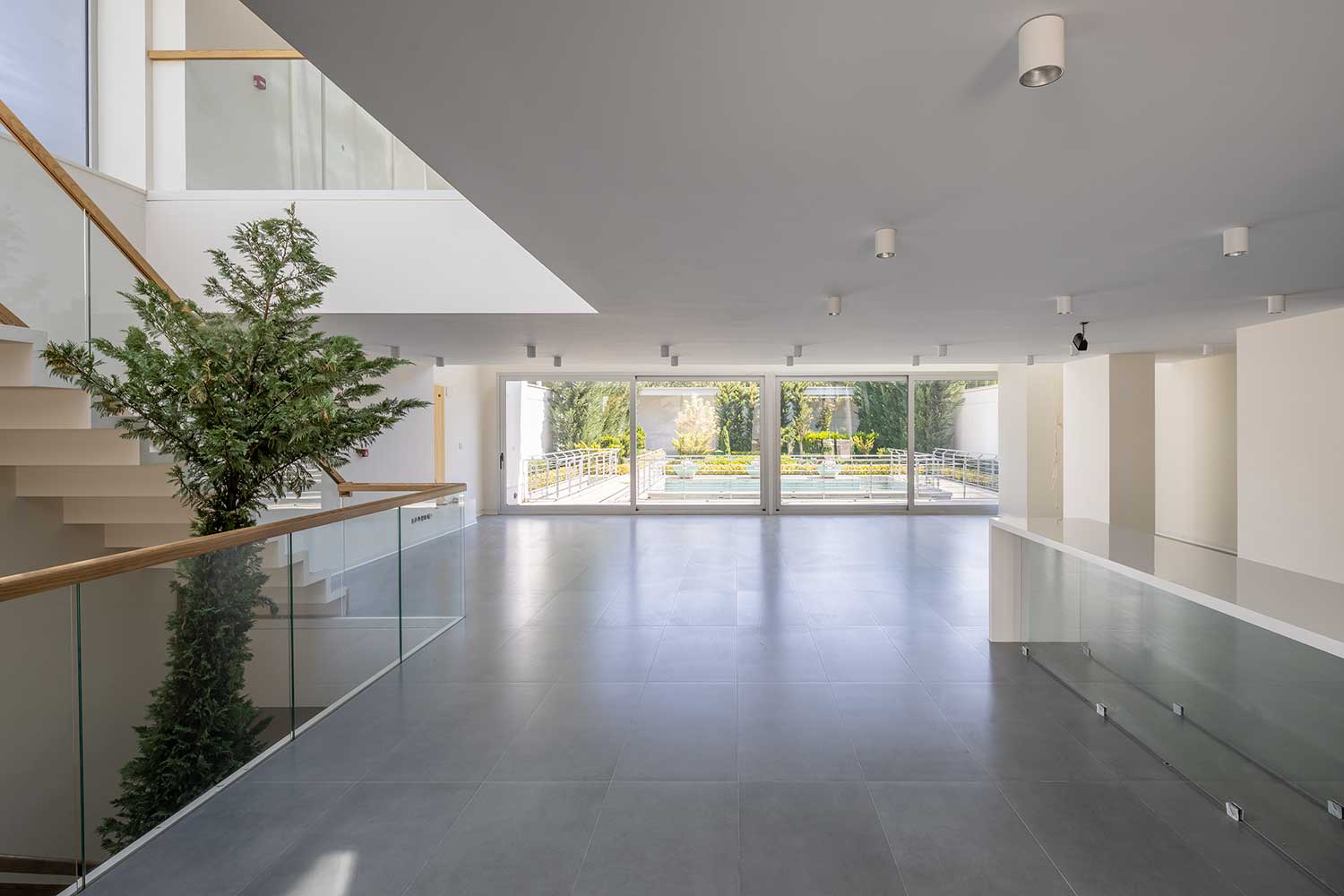
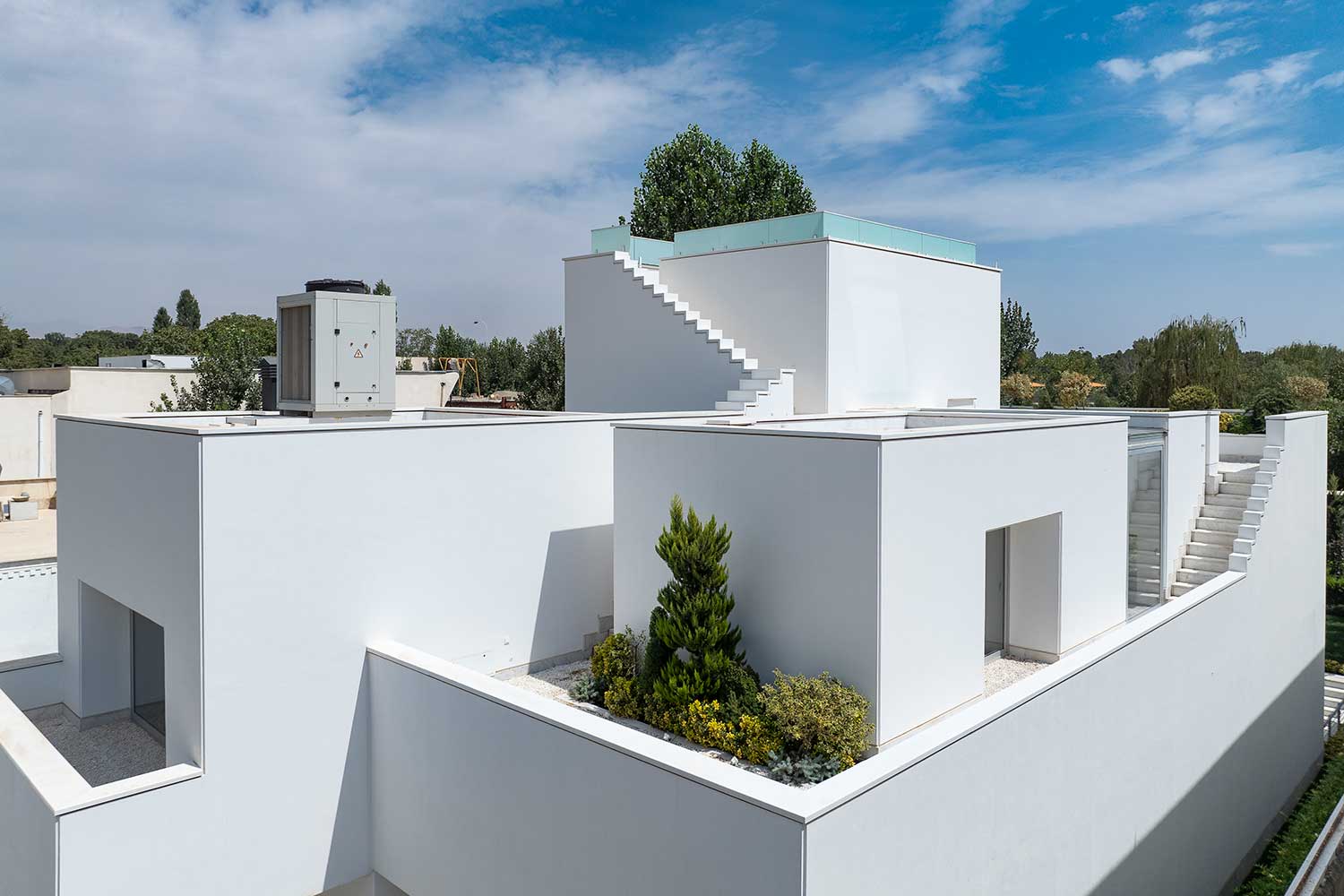
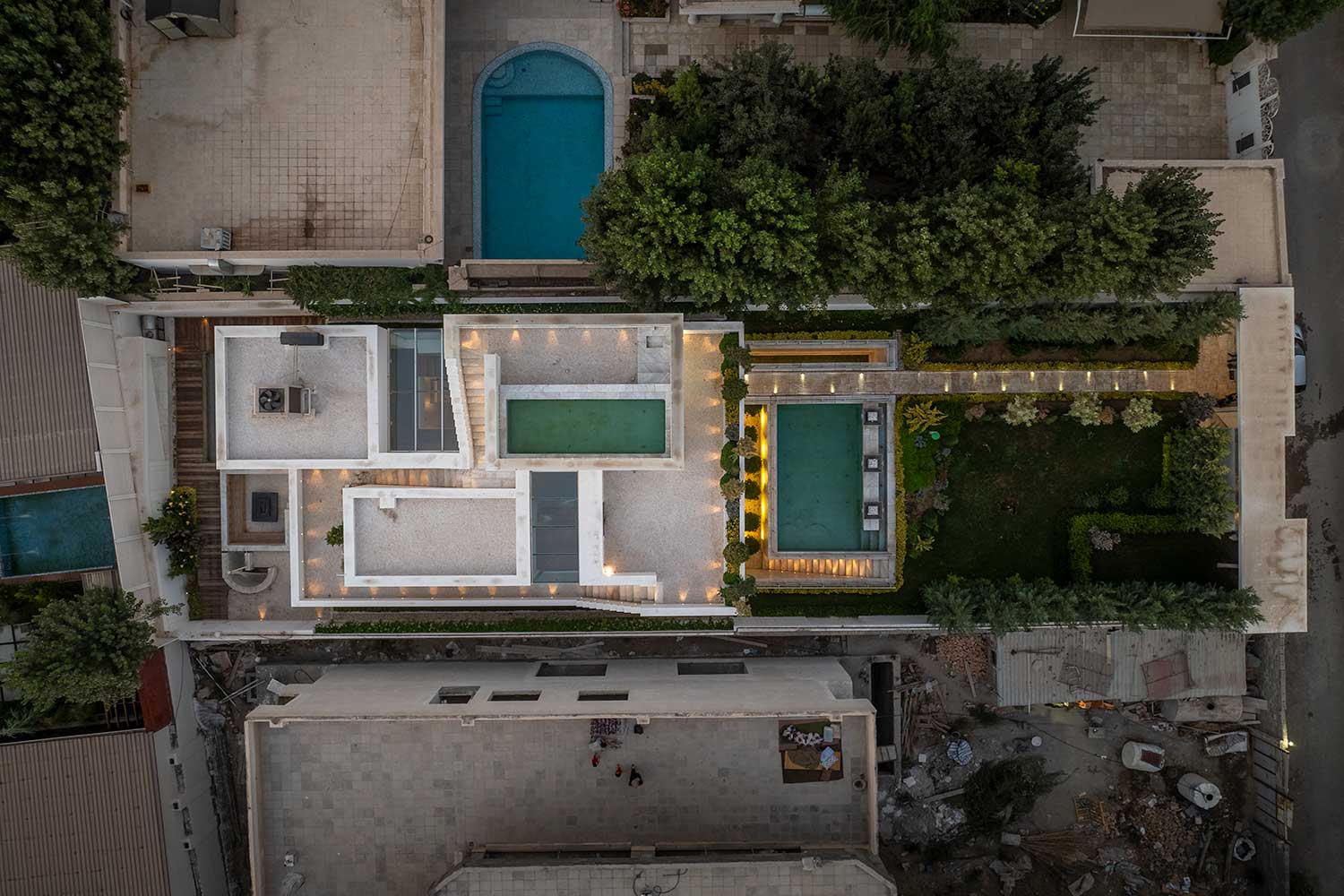
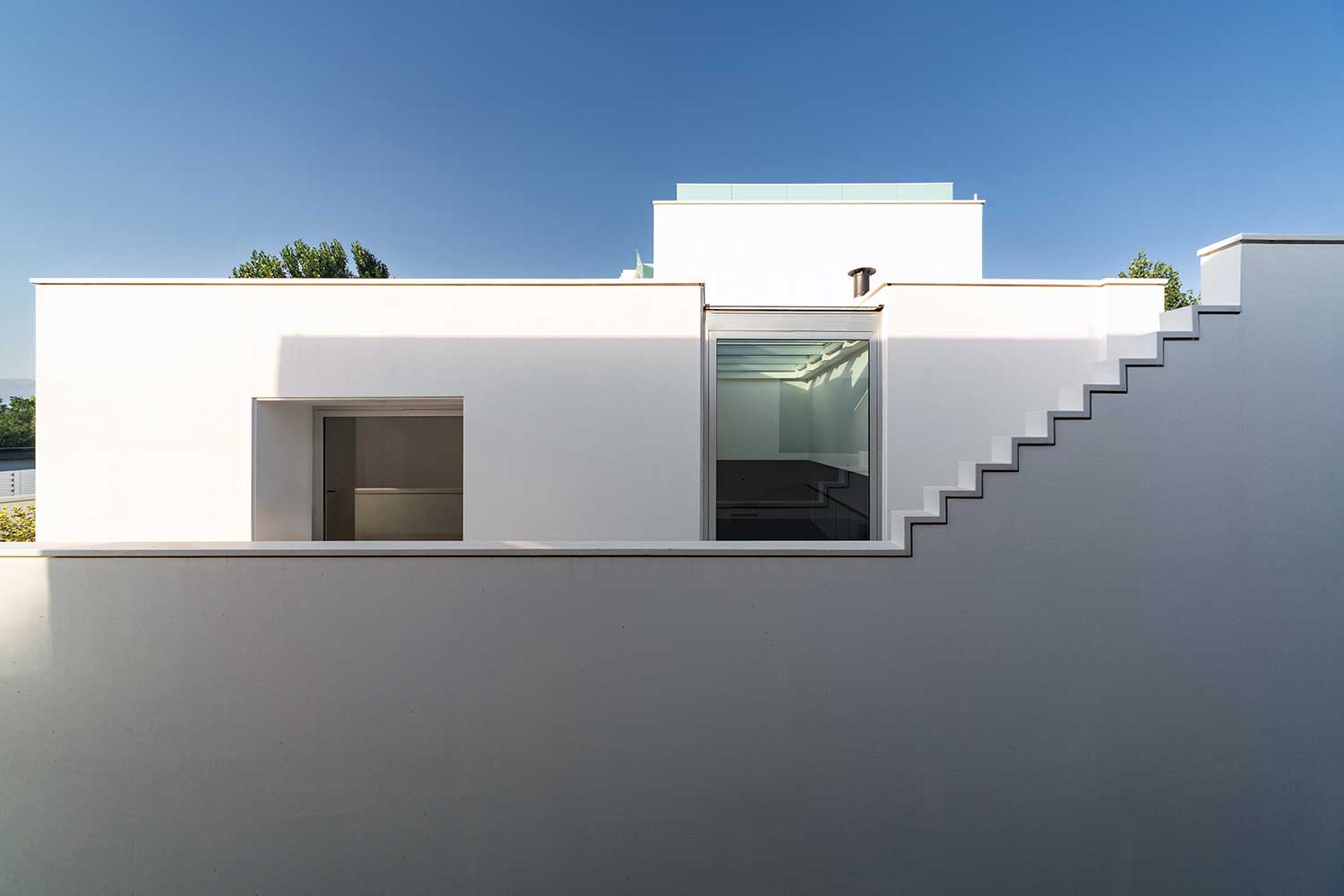
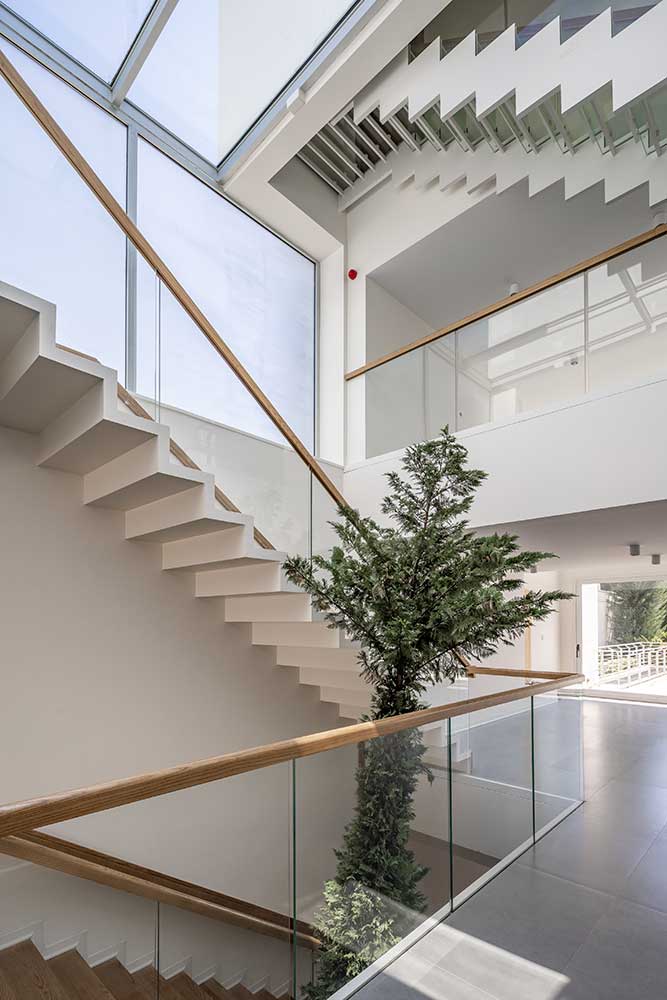
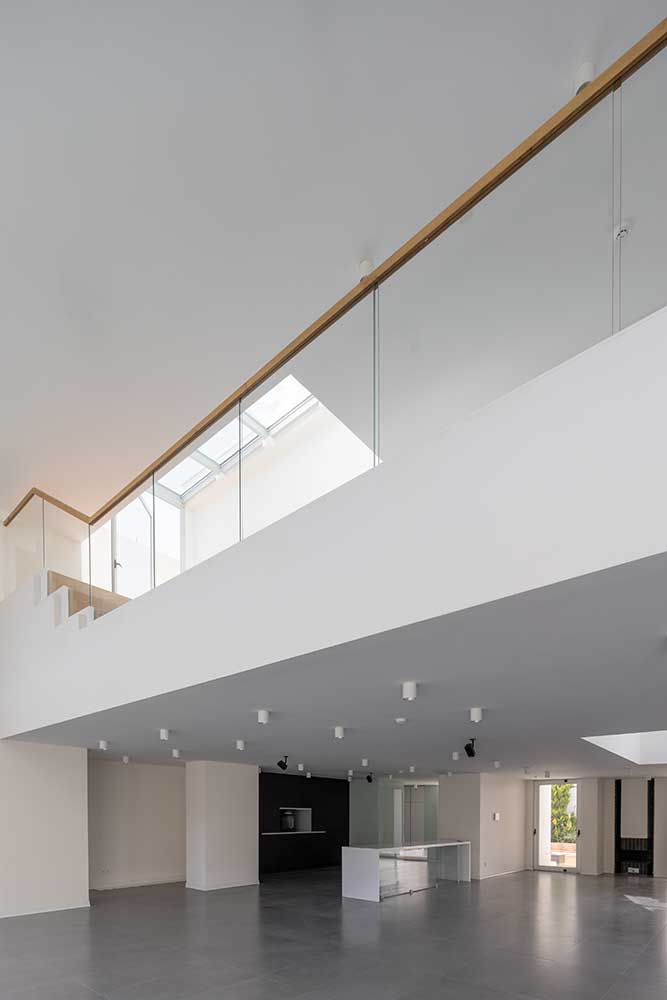
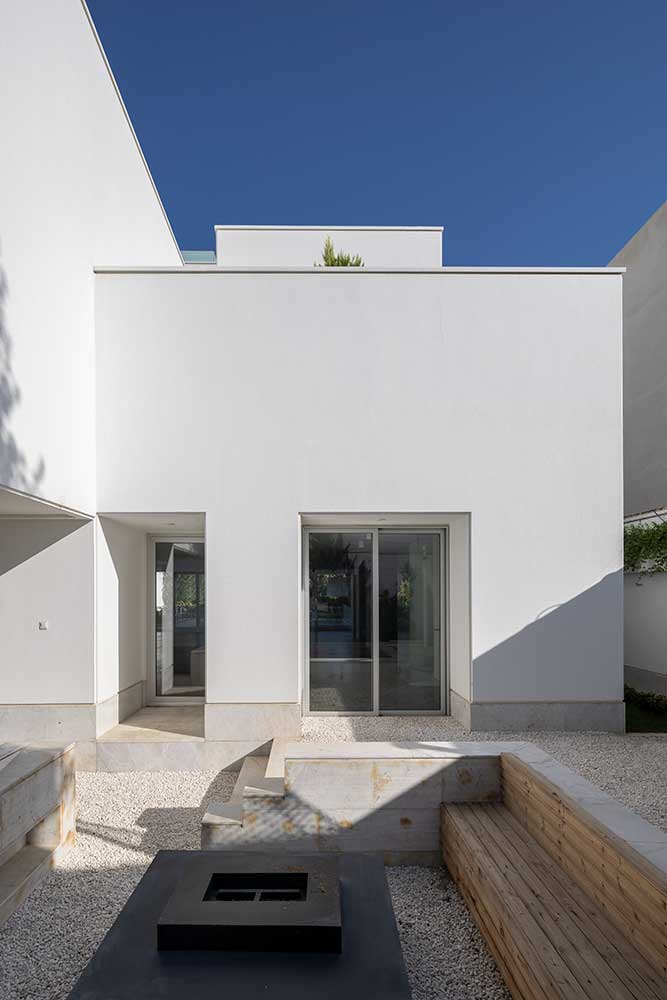
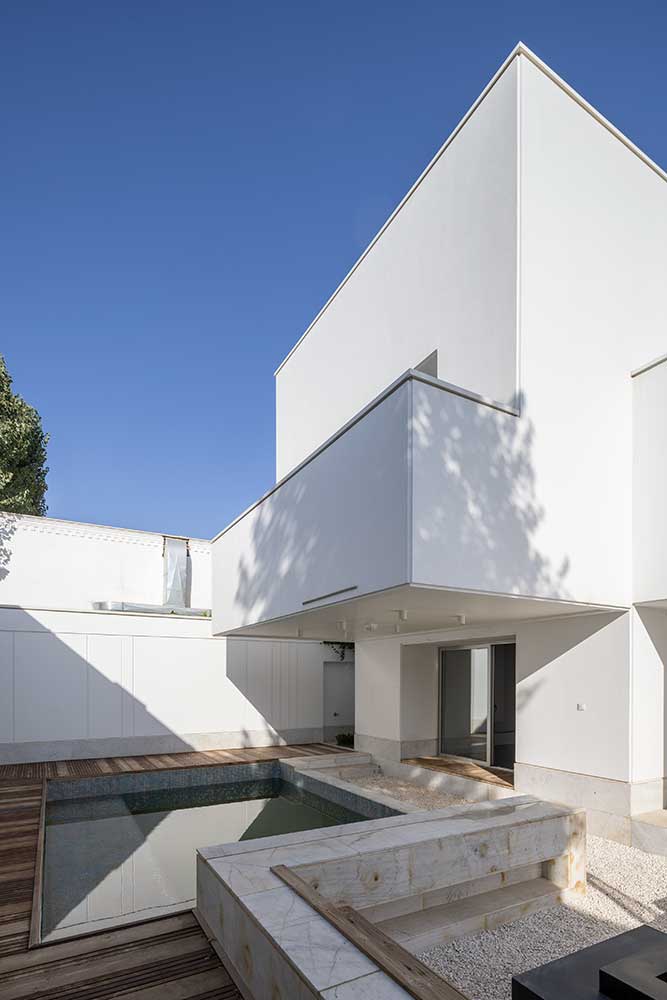
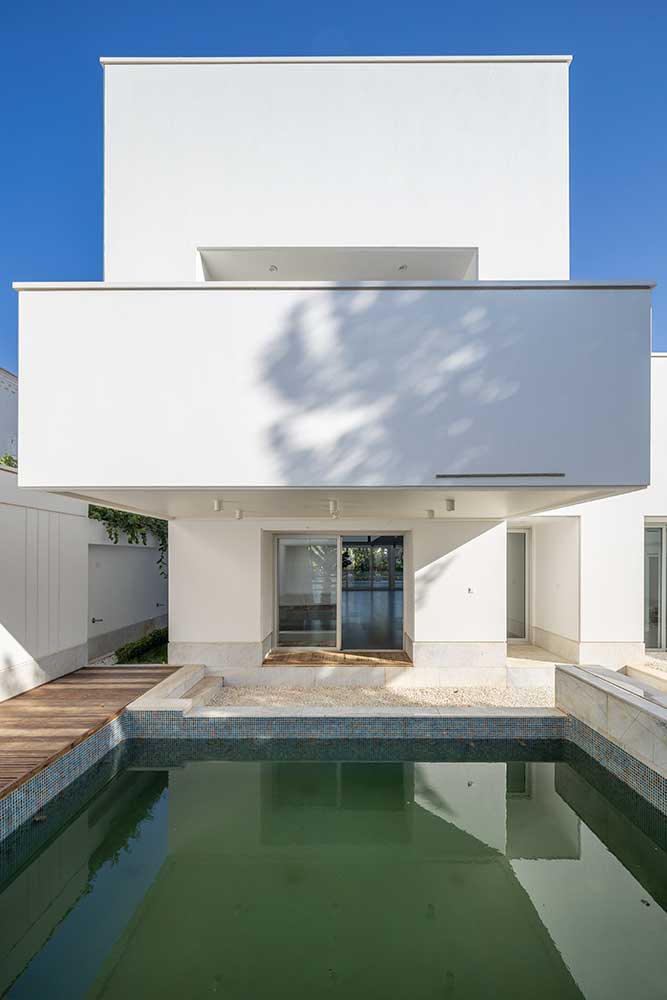
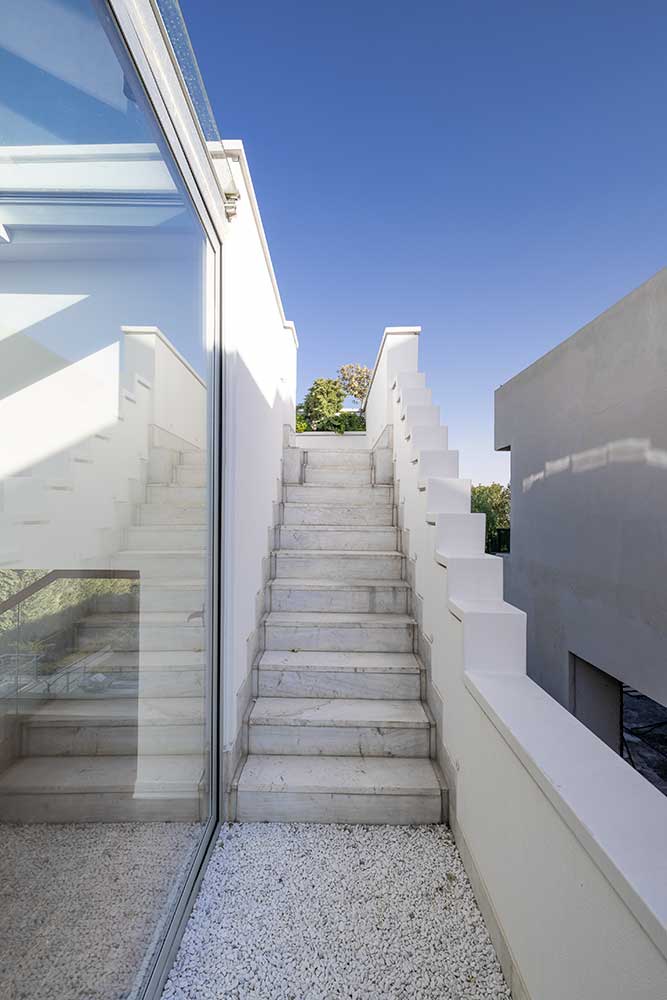
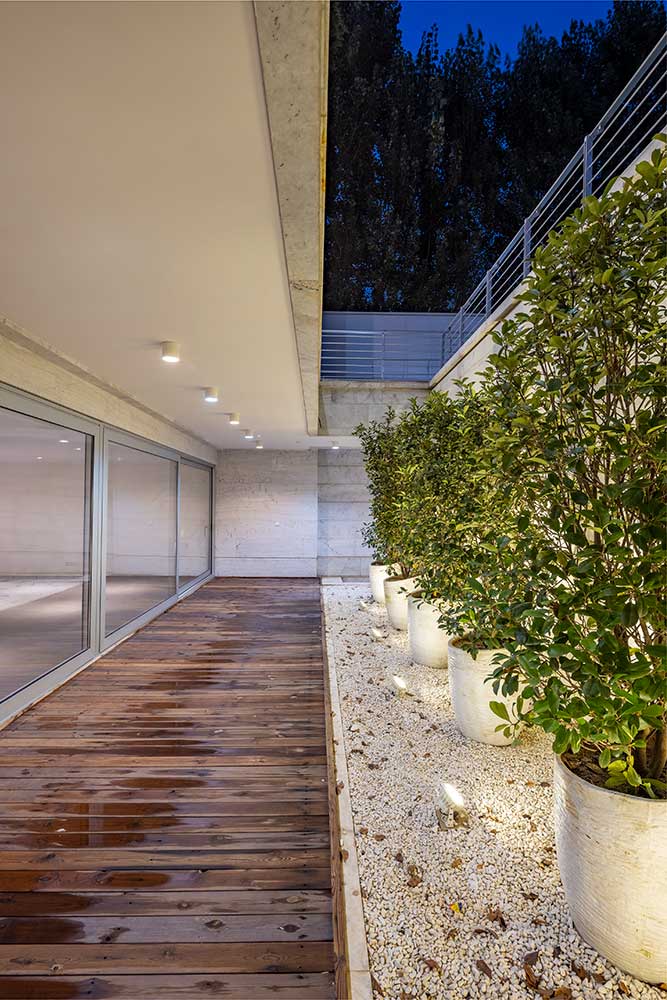
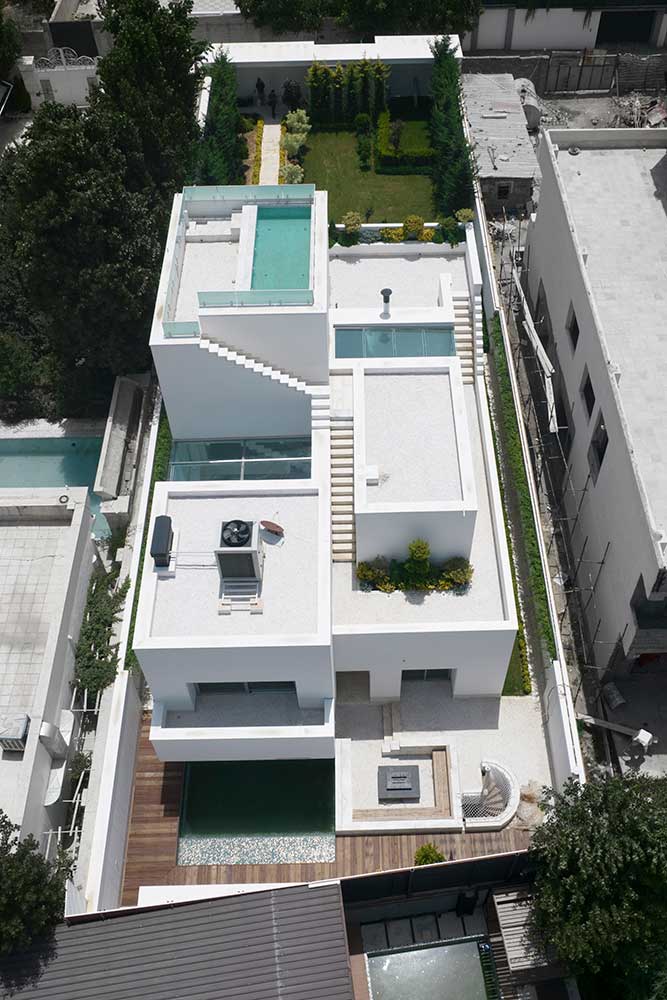
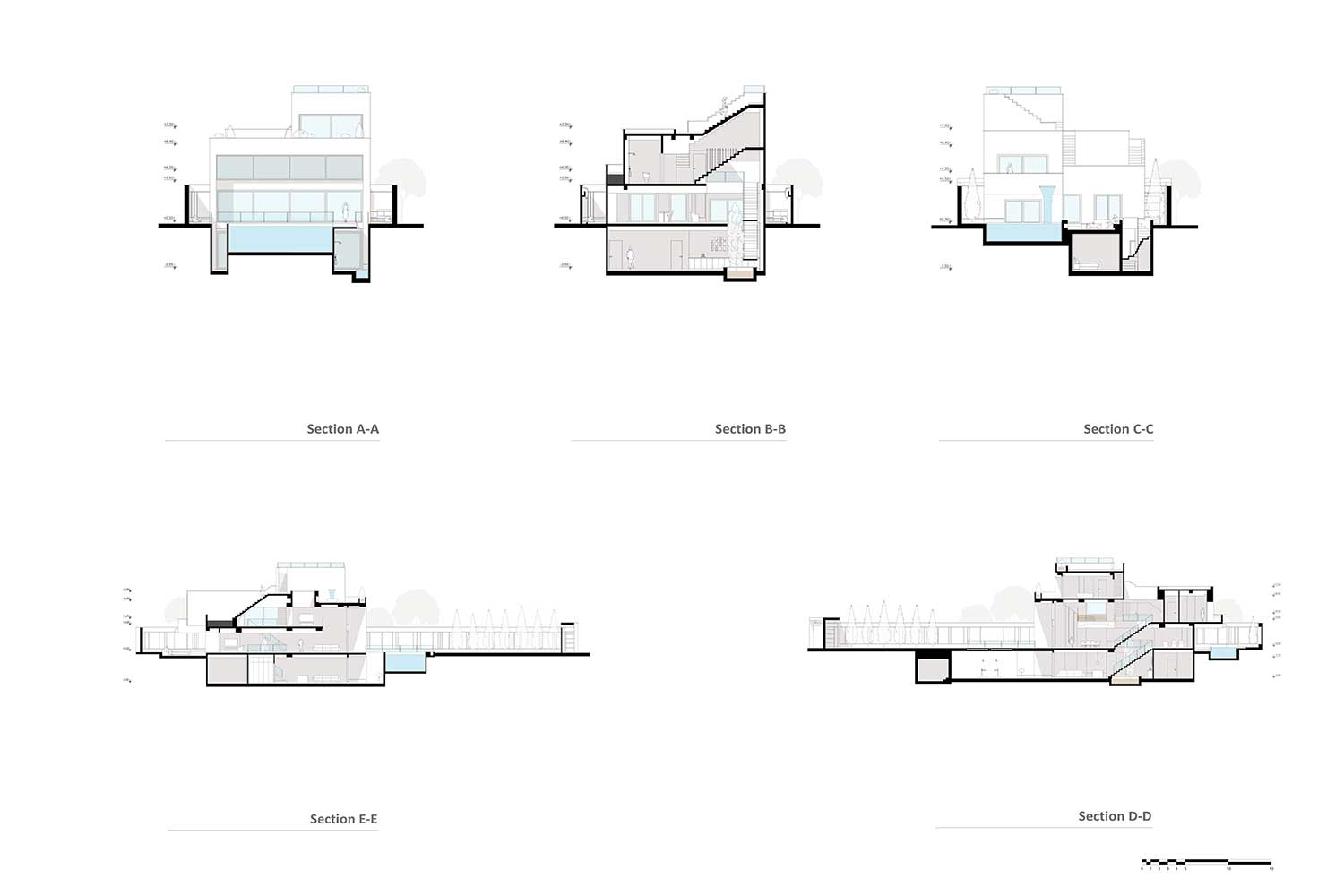
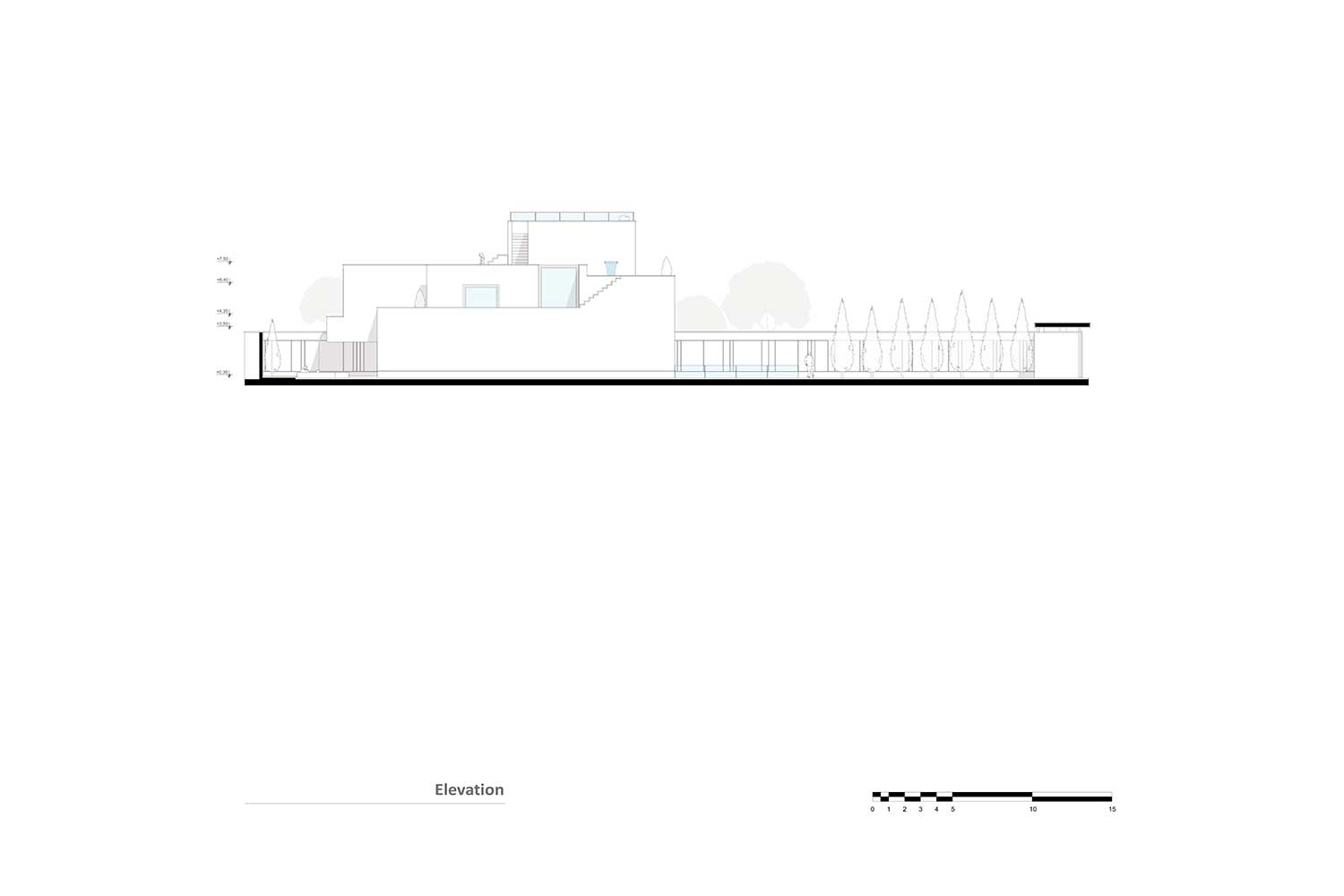
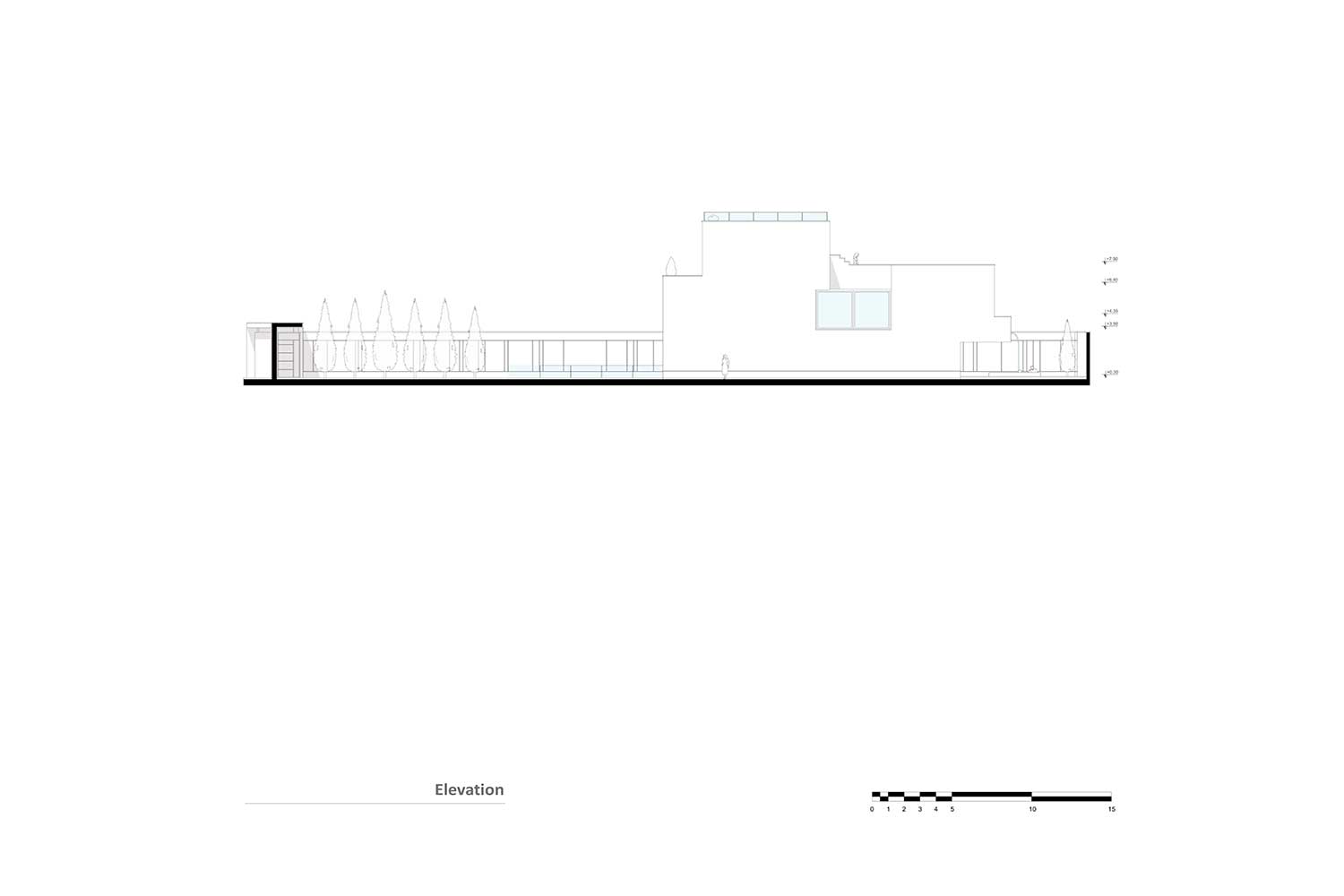
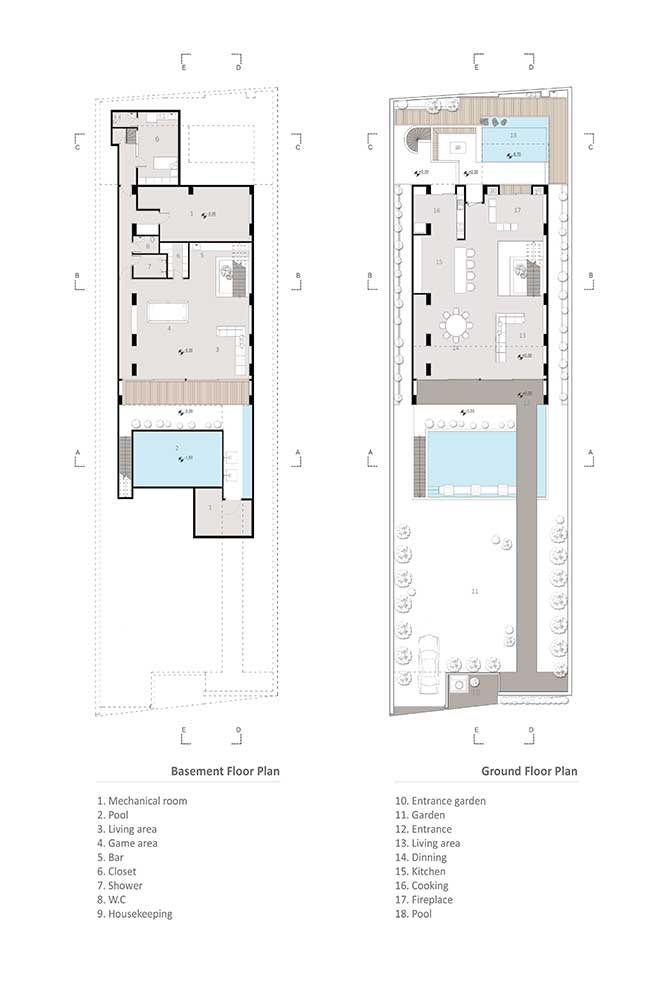
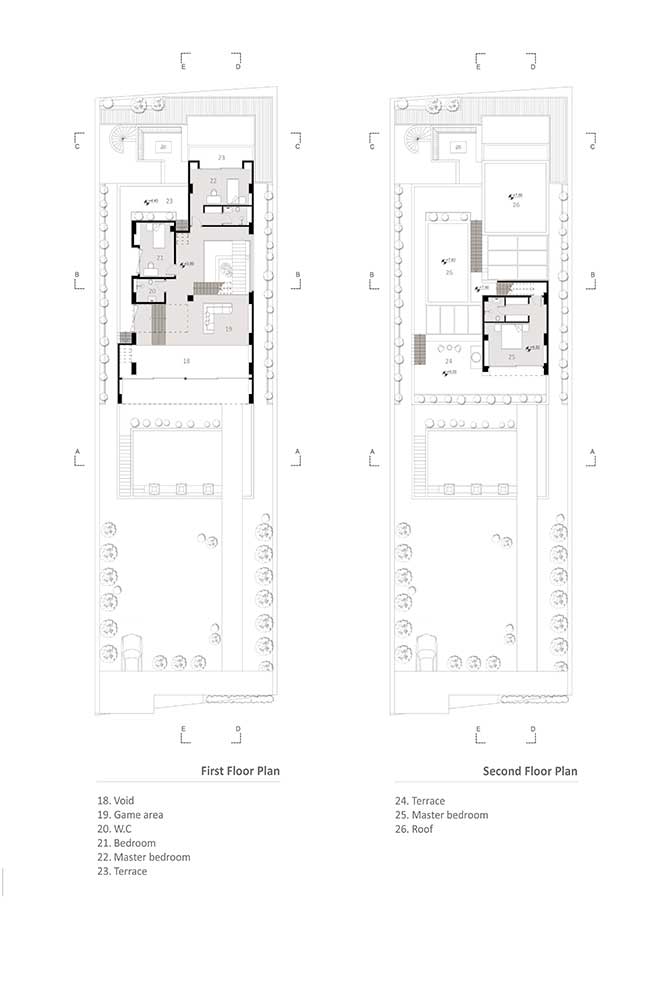
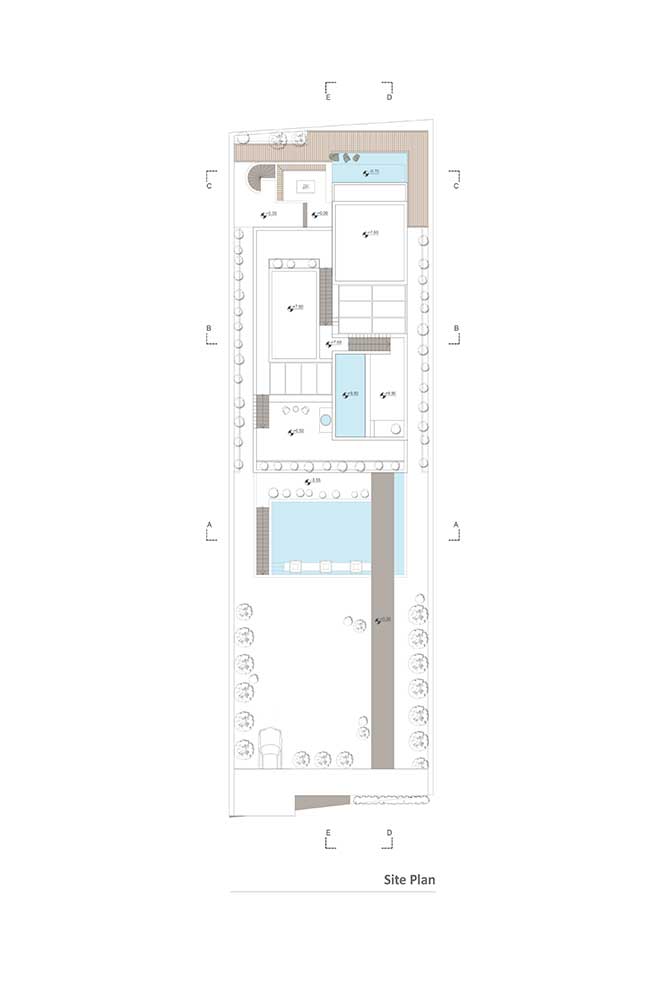
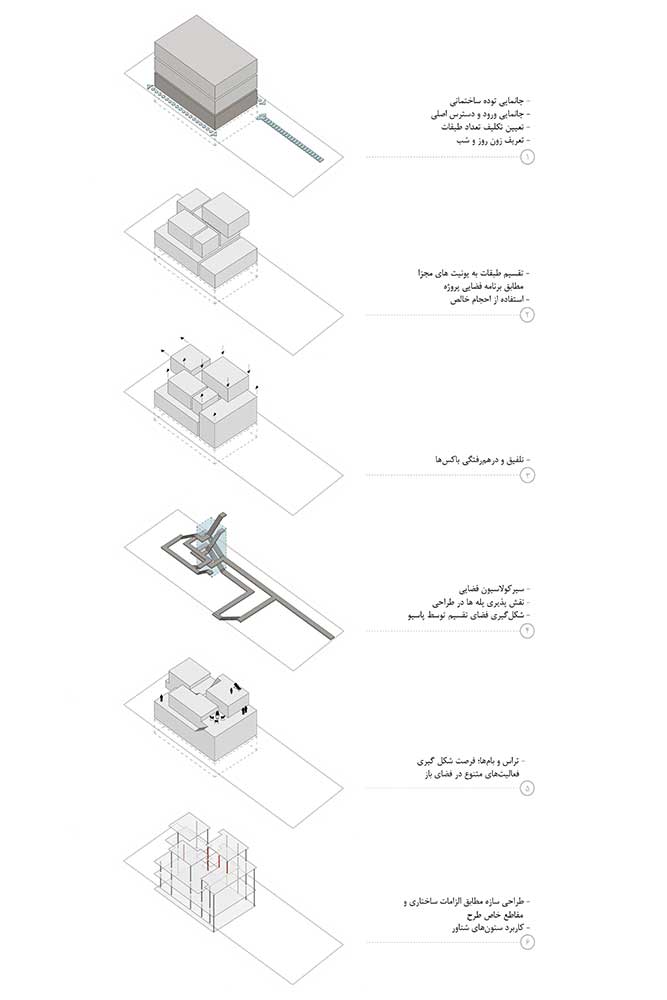
پروژه “خانه سفید” واقع در منطقه هشتگرد، تجربهای ست برای رسیدن به خواسته خانواده ای جوان که در پی معماریای شگفتآور و پویا بودند؛ معماری ای با شخصیت معاصر و مینیمال که خلوتگاهی ایدهآل باشد در نزدیکی هیاهو و چالشهای زندگی در پایتخت. با این توصیف سوال اصلی تیم طراحی آن بود که چگونه میتوان از معماری متداول منطقه فاصله گرفت و پاسخگوی خواسته کارفرما بود؟ در پاسخ به این سوال، طراحی این پروژه، به جای شروع از سایت، از مقطع و دیاگرام آغاز گردید. به طور معمول بدیهیترین دادههایی که در فرآیند طراحی میبایست در نظر گرفته شود، دادههایی است که توسط سایت ارائه میشود؛ جهتگیری، دیدها، دسترسیها و زمینه. اما در این مورد، کاوش فرمی و جستجوی اشکال جدید محوریت طراحی را تعیین میکند و در جستجوی زبان خاص پروژه به سراغ استفاده از حجمهای صریح و خالص، پالت رنگی خنثی ، جزئیات سازهای و پرهیز از تعدد متریال رفتیم. بدین ترتیب ماهیت اصلی فرم ویلا از تلفیق کوبیستی احجام سفید ساده شکل گرفت. ترکیبی از صراحت سفیدی با آبی آسمان! در این روند محدودیتی برای شکل و ابعاد یونیتها (احجام کیوبیک) وجود نداشت و تمایز برنامهای فضاها مبنای تعیین ابعاد یونیتها بود. مکعبهایی که هر یک عملکرد واحدی را ترتیب میدهند. به این ترتیب پروژه از درهم رفتگی باکسها به نحوی شکل یافت که حضور در هر فضا و همچنین مسیر عبور از هر فضا به فضای دیگر با توجه به نقشپذیری پلهها در طراحی ، تجربههای فضایی گوناگونی را برای کاربر به وجود میآورد. این طراحی فضاهایی را ایجاد میکند که رابطه درونی_ بیرونی را تغییر میدهد و فرمی پدید میآورد که ماهیت برونگرا و درونگرای یک خانه را زیر سوال میبرد. چنانچه در هسته ساختمان فضاها و احجام رو به سوی یک راه پله و پاسیوی داخلی متشکل از گونههای گیاهی سازگار با منطقه دارند، عنصری که به عنوان تقسیم کننده خانه نیز عمل میکند، و در عین حال همه این فضاها به نوعی به باغ باز میشوند. این پاسیو و بازشوهای مختلف نورهای متنوعی را به فضاهای داخلی میبخشند. هر اتاق خواب دسترسی آسانی به تراس دارد و به راحتی فضای بیرونی را با فضای داخلی ترکیب میکند. تراسها و بامهایی که اجازه میدهند فعالیتهای مختلف در شرایط آب و هوایی مناسب در فضای باز انجام شود. طبقه اول و دوم (اتاق های خواب و نشیمن خصوصی) منطقه شب، و همکف و زیرزمین، منطقه روز پروژه را شامل میشوند. آشپزخانه، نشیمن، غذاخوری و فضای بازی در این بخش قرار گرفته و یکپارچگی بصری بین آنها یک محیط زندگی فراگیر و انعطافپذیر را به وجود میآورد. در همین راستا به لطف وسعت بازشوی شیشه ای بین نشیمن و حیاط اصلی، فضای نشیمن داخلی گسترش مییابد و به آرامی به فضای بیرون منتقل میشود. حیاط اصلی و حیاط پشتی نیز از طریق بازشوها و دسترسیهای داخلی و معبرهای کناری حجم ساختمان به یکدیگر راه مییابند. معابر طرفین حجم با جداره هایی که حداقل بازشو را دارند، علاوه بر اتصال حیاطها تماس مستقیم با همسایگان را کاهش داده و مرزهای واضحی را تعریف میکنند. این در حالی است که نماهای شمالی و جنوبی در بازی تضاد بین باز و بسته، بنا به محیط اطراف و اهمیت چشماندازها شکل گرفته است. سازه پروژه نیز مساله ای ست که از ابتدای روند طراحی چالش برانگیز و مورد توجه بود، ساختاری که علاوه بر تامین الزامات سازه ای میبایست مناسب ترین پاسخ به مقاطع معماری و دیاگرام خاص پروژه نیز باشد. کاربرد ماهرانه سازه بتنی پیشتنیده و ستونهای شناور، تداعی لغزیدن طبقات بالایی بر روی هم را ممکن و هدف ما را برای ساخت یک ساختمان مدرن از نظر فنآوری برآورده نمود.
چهارمین شب معماران ایران، 1403
نام: خانهی سفید
آدرس پروژه : استان البرز، هشتگرد، سعیدآباد، خیابان معلم، خیابان فردوسی.
کارفرما: حمید دوستی
معمار مسئول: مازیار صارمی
تیم طراحی : گلرخ سجادی، مهسا بهرامی نیکو، شادی فرهادی
تاریخ: 1402-1400
نوع کاربری: مسکونی-ویلایی
مساحت زمین: 830 مترمربع
مساحت زیربنا: 630 متر مربع
مدیر کارگاه: امیر پیرهادی
سازه: میلاد شهبازی، حسین عظیمی
تاسیسات مکانیکی: علی طالبیانی
تاسیسات الکتریکی: حامد عسگریان
اجرای تاسیسات: سعید هاشمی، داریوش نوروزی
اجرای فضای سبز: شهریار صارمی
عکس: پرهام تقیاف – حامد بادامی
گرافیک: مهسا بهرامی نیکو
Name: The “White House”
location: Alborz province, Hashtgerd, Saeedabad, Moalem St., Ferdowsi St.
Employer: Hamid Doosti
lead architect: Maziar Saremi
Design team: Golrokh Sajadi ,Mahsa BahramiNikoo, Shadi Farhadi
Date: 1402-1400
Type of use: residential-villa
Land area: 830 m2
built-up area: 630 m2
Workshop supervisor: Amir Pirhadi
Structure: Milad Shahbazi, Hossein Azimi
Mechanical installations: Ali Talebiani
Electrical installations: Hamed Asgarian
Implementation of facilities: Saeed Hashemi, Dariush Norouzi
Implementation of green space: Shahriar Saremi
Photography: Parham Taghioff, Hamed Badami
Graphics: Mahsa BahramiNikoo
The “White House” project, located in the Hashtgerd area, is an experience to achieve the desire of a young family who were looking for an amazing and dynamic architecture. An architecture with a contemporary and minimal personality that is an ideal retreat near the bustle and challenges of life in the capital. With this description, the main question of the design team was how to get away from the common architecture of the region and respond to the client’s request? In response to this question, the design of this project, instead of starting from the site, started from the section and diagram. Normally, the most obvious data that should be considered in the design process is the data provided by the site; Orientation, views, accesses and context. But in this case, formal exploration and search for new forms determines the centrality of the design, and in search of the specific language of the project, we went to the use of clear and pure volumes, neutral color palette, structural details and avoiding multiplicity of materials. In this way, the main essence of the villa form was formed from the Cubist combination of simple white volumes. A combination of white clarity with sky blue! In this process, there was no limit for the shape and dimensions of the units (cubic volumes) and the planned differentiation of spaces was the basis for determining the dimensions of the units. Cubes that each organize a single function. In this way, the project was formed from the confusion of boxes in such a way that the presence in each space as well as the path of passage from each space to another, due to the role of stairs in the design, creates various spatial experiences for the user. This design creates spaces that change the interior-exterior relationship and creates a form that questions the extroverted and introverted nature of a home. If in the core of the building there are spaces and volumes facing a staircase and an internal patio composed of plant species adapted to the region, an element that also acts as a divider of the house, and at the same time all these spaces are somehow opened to the garden. These patios and various openings give various lights to the interior spaces. Each bedroom has easy access to the terrace and easily combines the outdoors with the indoors. Terraces and roofs that allow various activities to be done outdoors in suitable weather conditions. The first and second floors (private bedrooms and living rooms) include the night area, and the ground floor and basement include the day area of the project. The kitchen, living room, dining room, and play area are located in this section, and the visual integration between them creates a comprehensive and flexible living environment. In this regard, thanks to the large glass opening between the living room and the main courtyard, the interior living space expands and is slowly transferred to the outside space. The main yard and the back yard are connected to each other through openings and internal accesses and side passages of the building volume. The passageways on the sides of the volume with walls that have minimal opening, in addition to connecting the yards, reduce direct contact with neighbors and define clear boundaries. Meanwhile, the north and south views are formed in the game of contrast between open and closed, according to the surrounding environment and the importance of the views.
The structure of the project is also an issue that was challenging and interesting from the beginning of the design process, a structure that, in addition to meeting the structural requirements, should also be the most appropriate response to the specific architectural sections and diagrams of the project. The skillful use of prestressed concrete structure and floating columns made possible the association of upper floors sliding on top of each other and fulfilled our goal of building a technologically modern building.
مدارک فنی
مطالب مرتبط