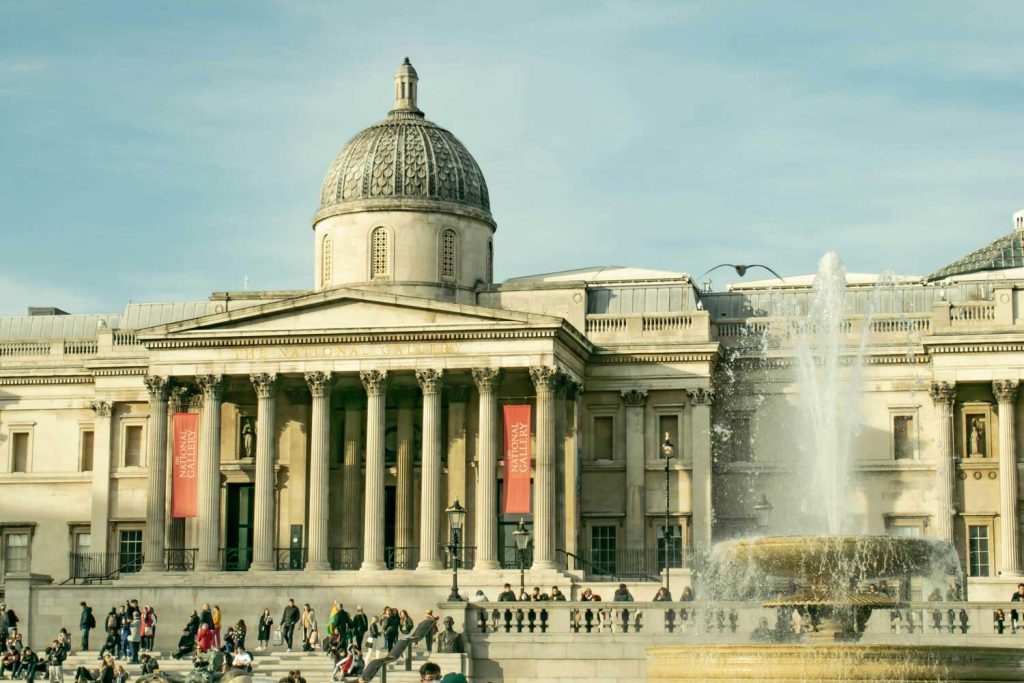
 فهرست نهایی طرح توسعهی گالری ملی لندن با حضور فرشید موسوی، فاستر + همکاران، RPBW و کِنگو کوما
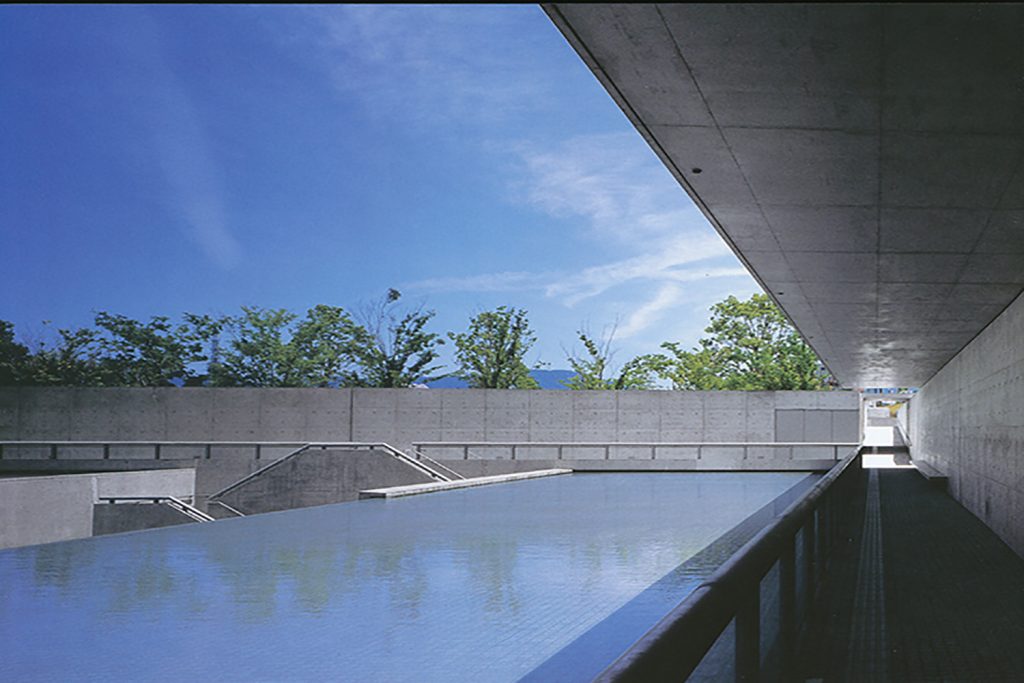 موزهی تاریخچهی سایامایکه
ثبت جهانی هنر آیینه کاری ایرانی در اجلاس یونسکو
Global Registration of Iranian Mirror Work Art at the UNESCO Conference
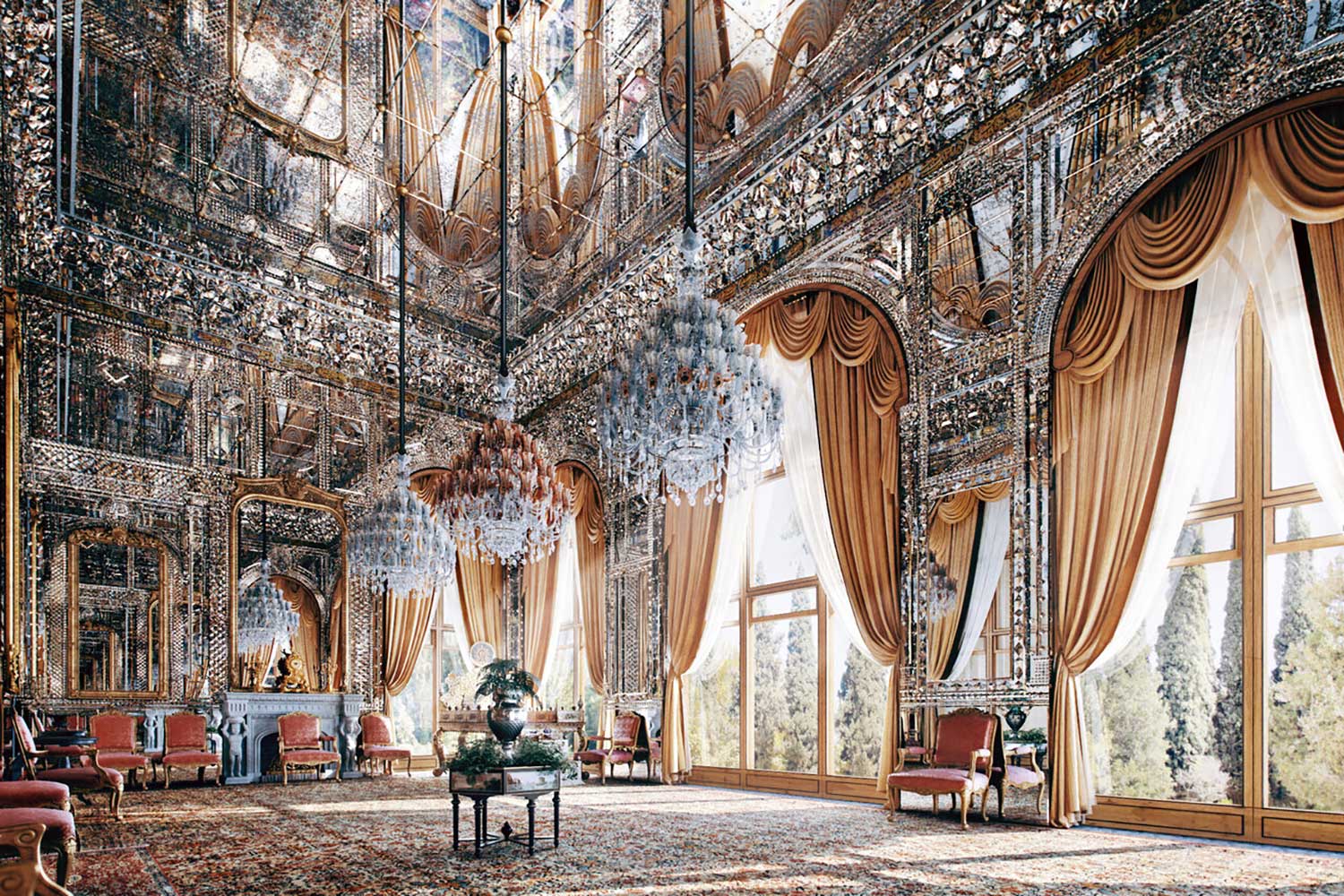
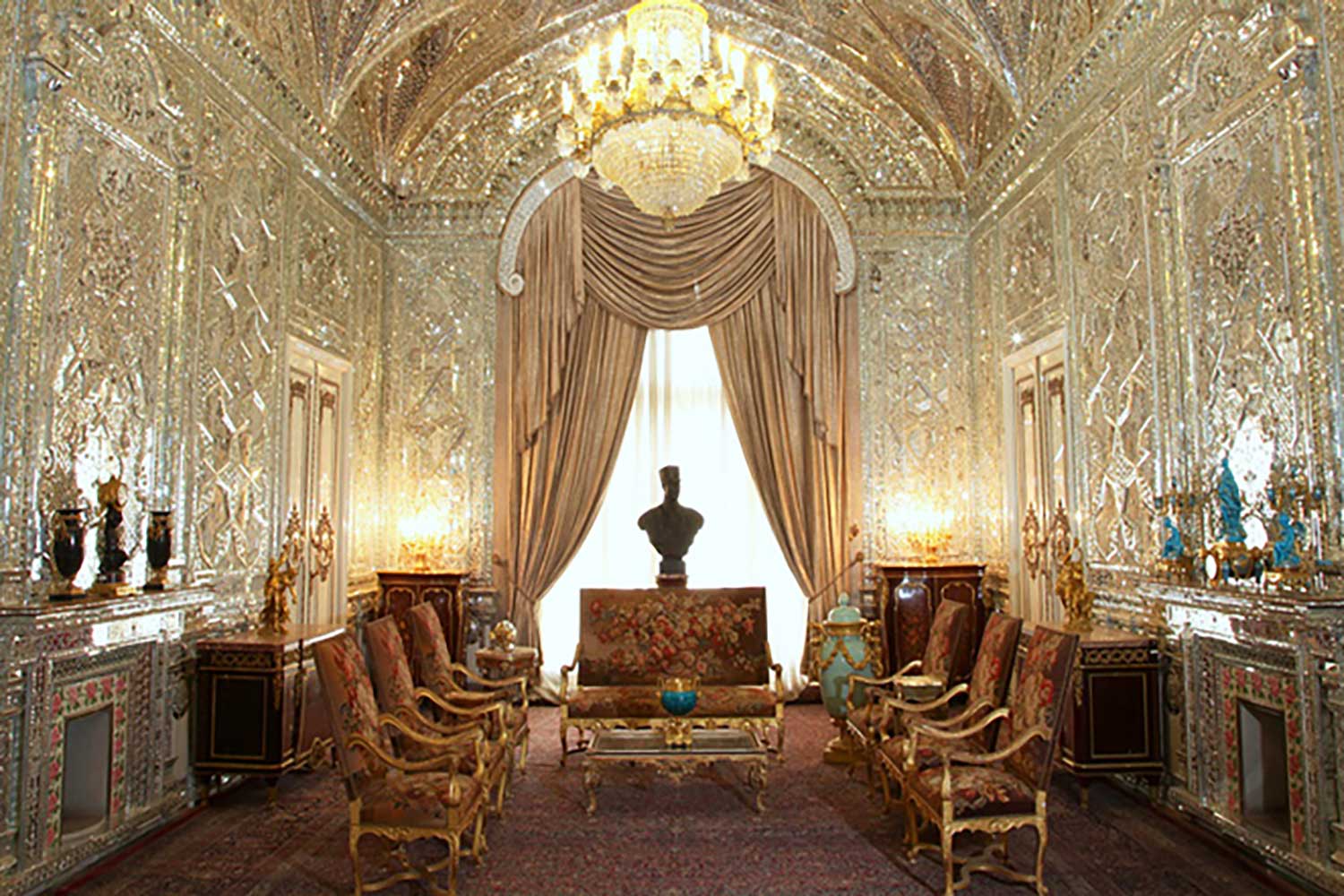
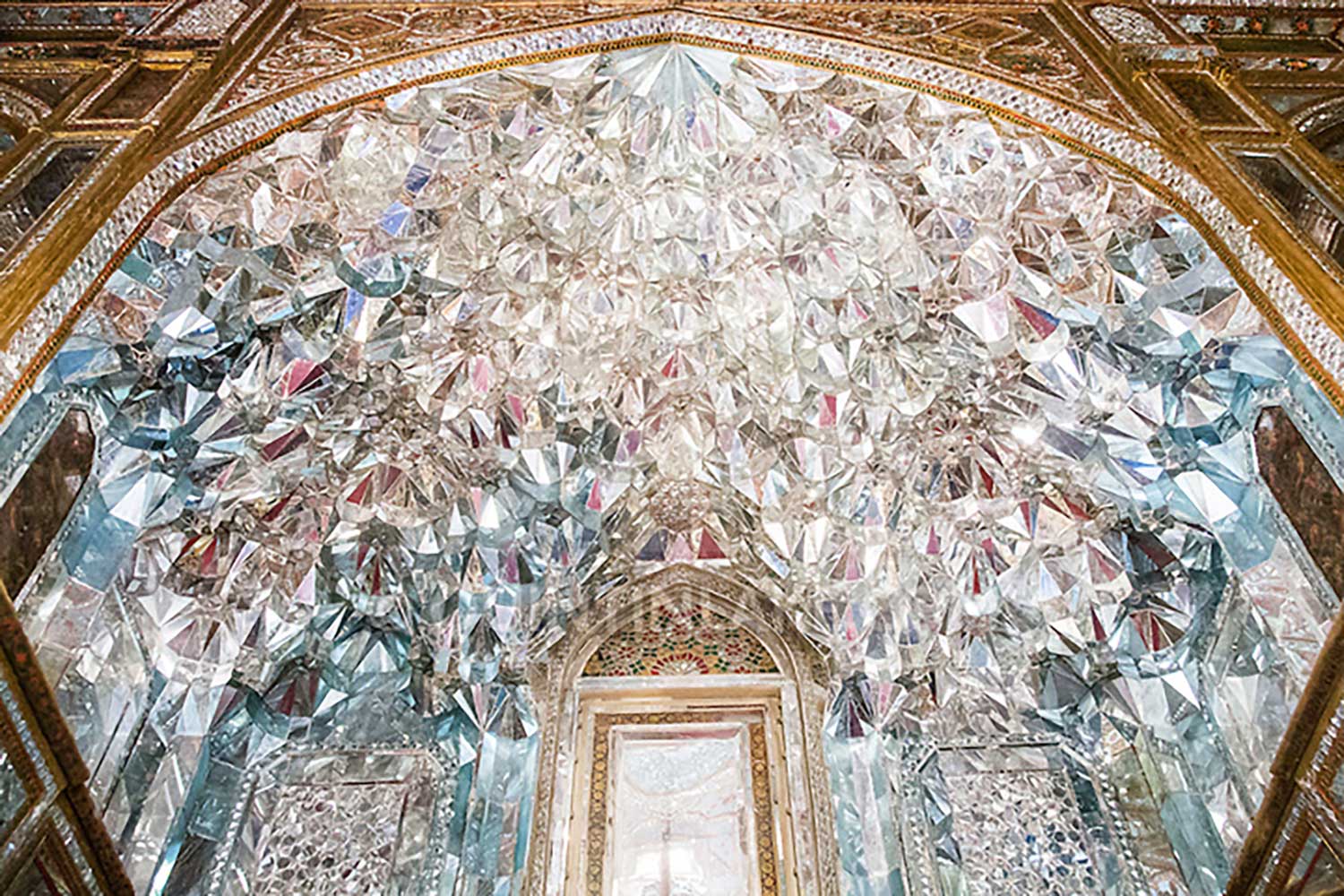
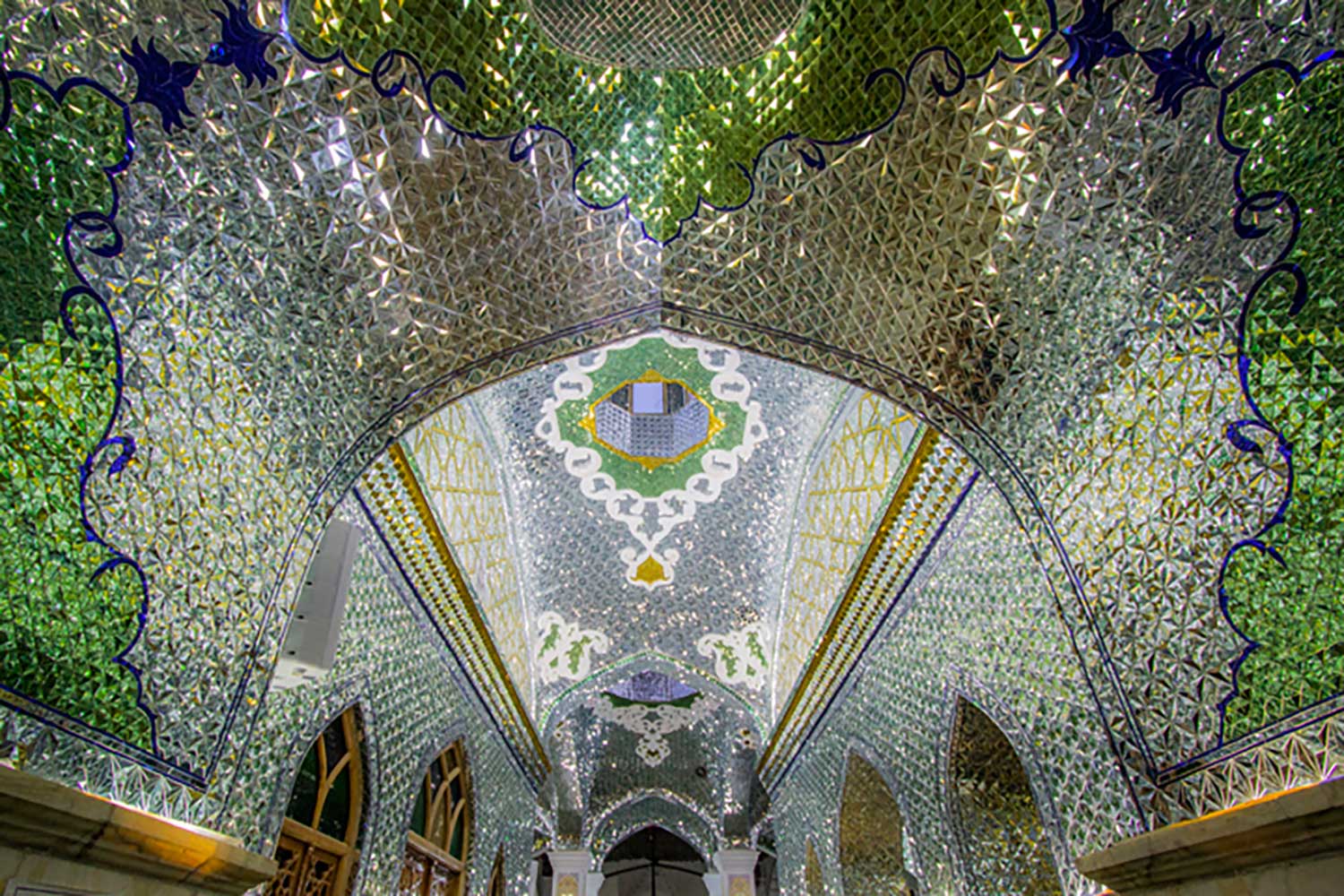
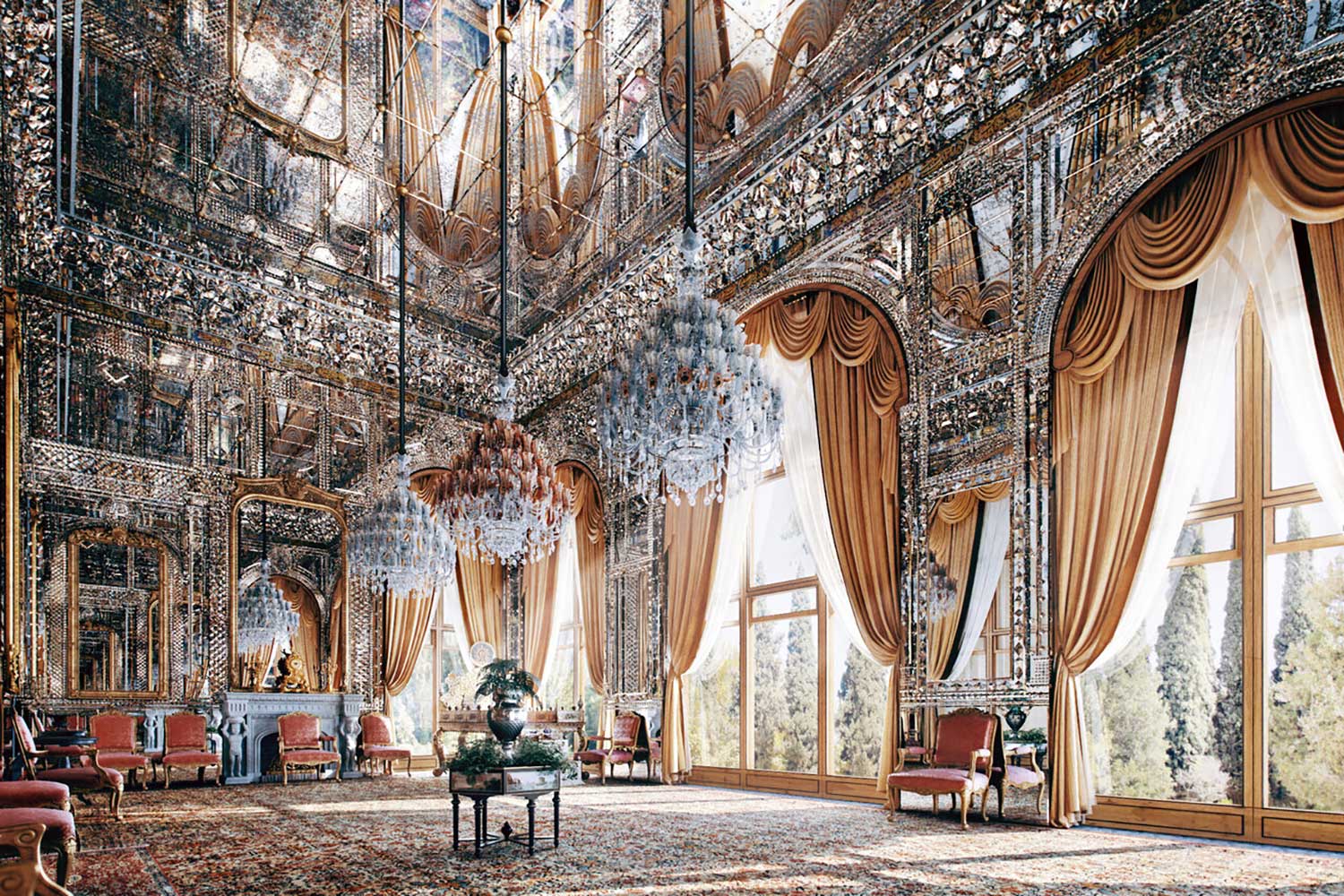
هنر آیینهکاری ایرانی بهعنوان یکی از شاخصترین جلوههای هنر و معماری ایران، در اجلاس یونسکو بهطور رسمی ثبت جهانی شد.
این ثبت، بهمعنای شناسایی بینالمللی دانشی است که طی قرنها در پیوند با معماری، نور، هندسه و تزیین شکل گرفته و بخشی جداییناپذیر از هویت فضایی بناهای ایرانی، بهویژه در معماری مذهبی، آیینی و درباری بوده است.
آیینهکاری تنها یک تزیین نیست؛
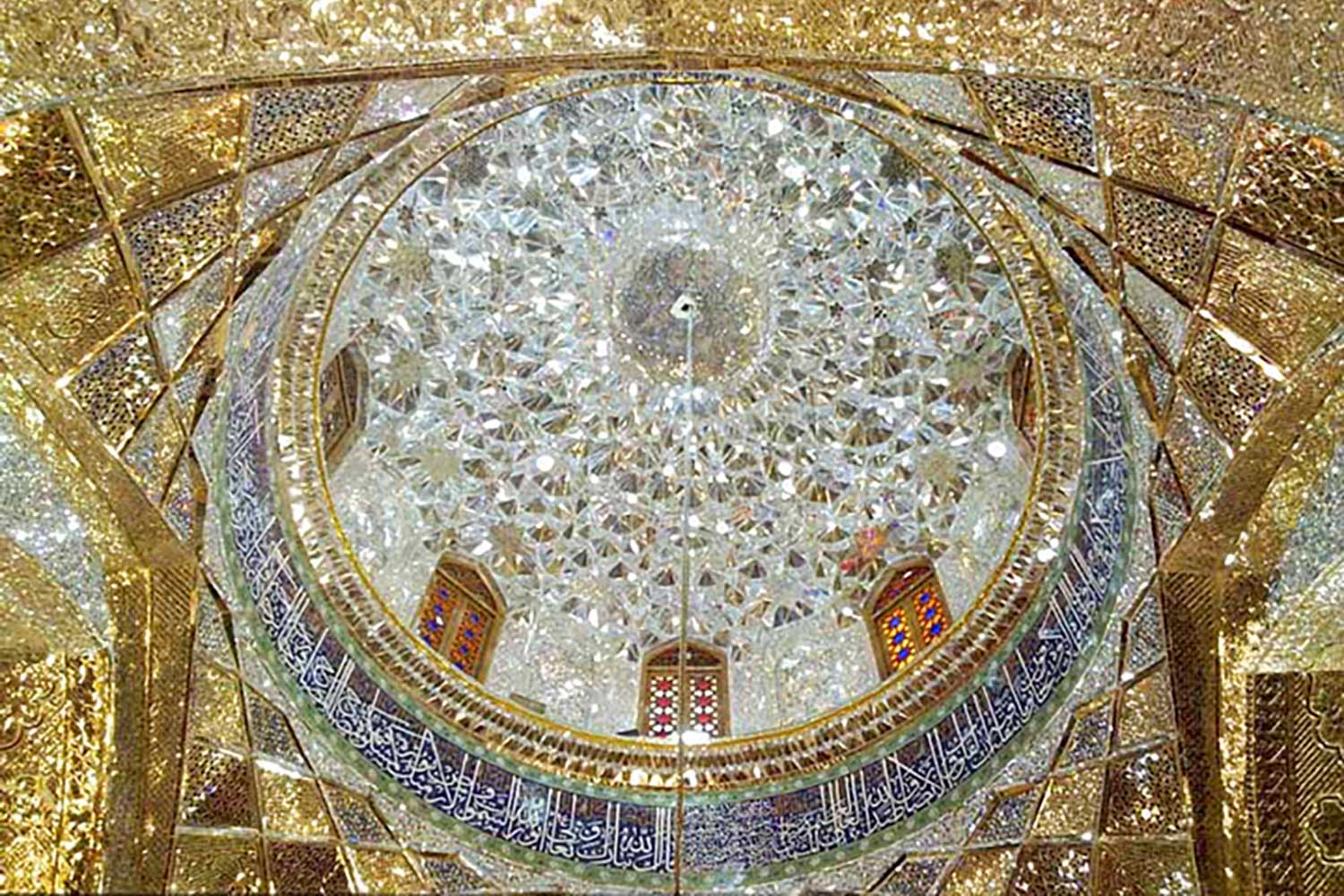
ترکیبی است از مهارت فنی، درک عمیق از نور و فضا، و نظامهای دقیق هندسی که از دورهی صفویه به بعد به اوج خود رسید و در قاجار به زبان بصری پیچیدهتری دست یافت. این هنر، فضا را متکثر، نور را شکسته و معنا را تقویت میکند.
در شکلگیری و تداوم این هنر، استادکاران و هنرمندان بسیاری نقش داشتهاند؛
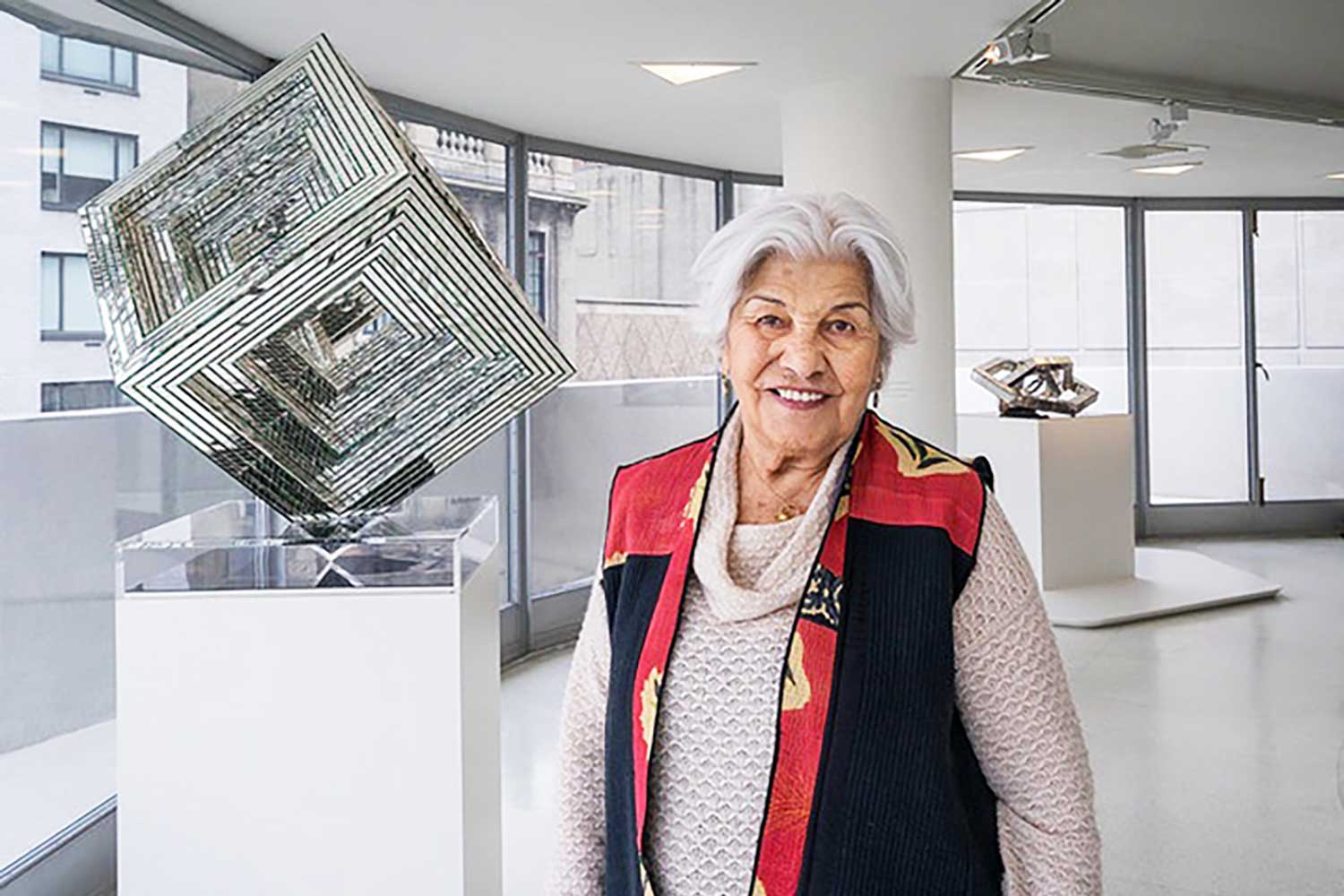
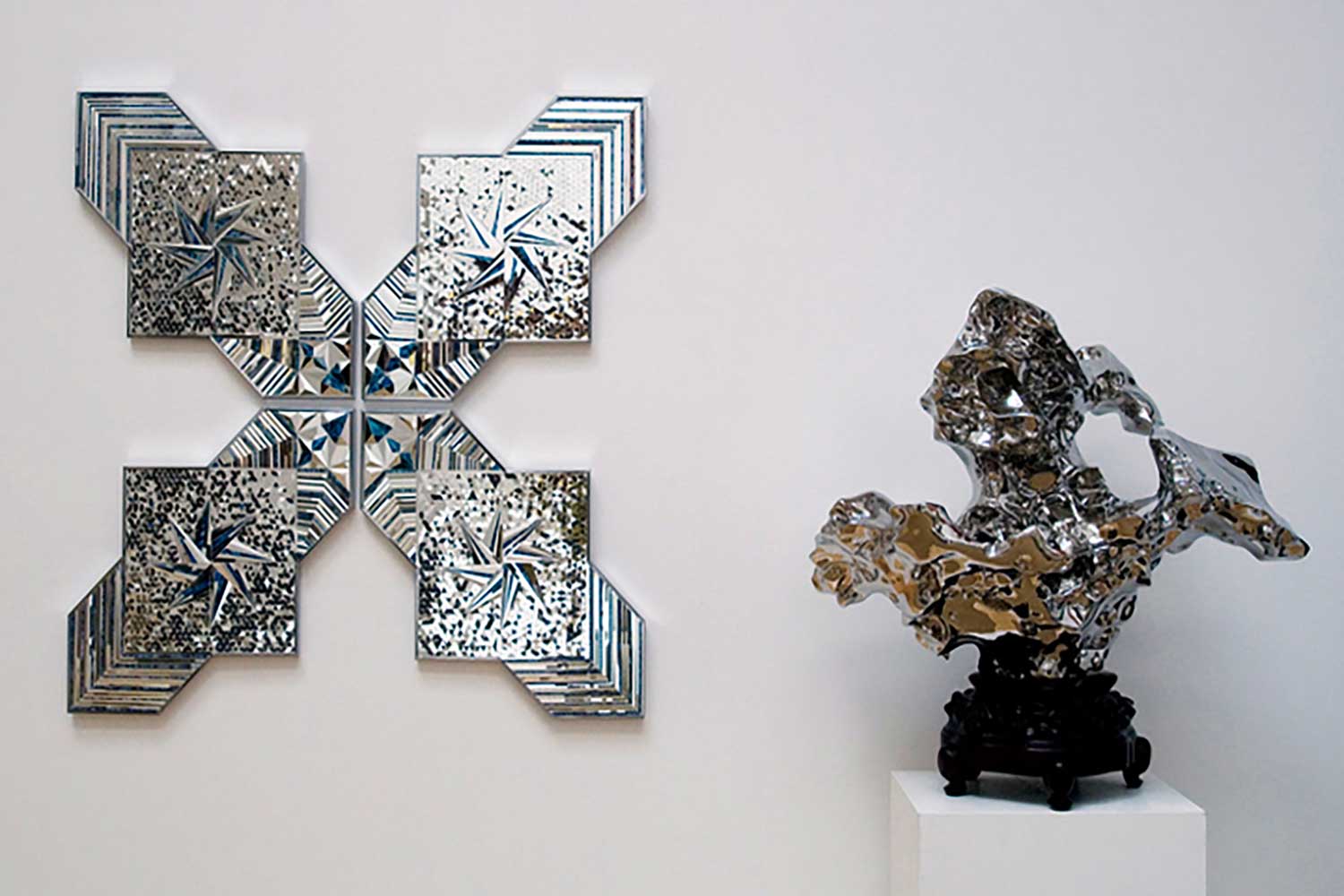
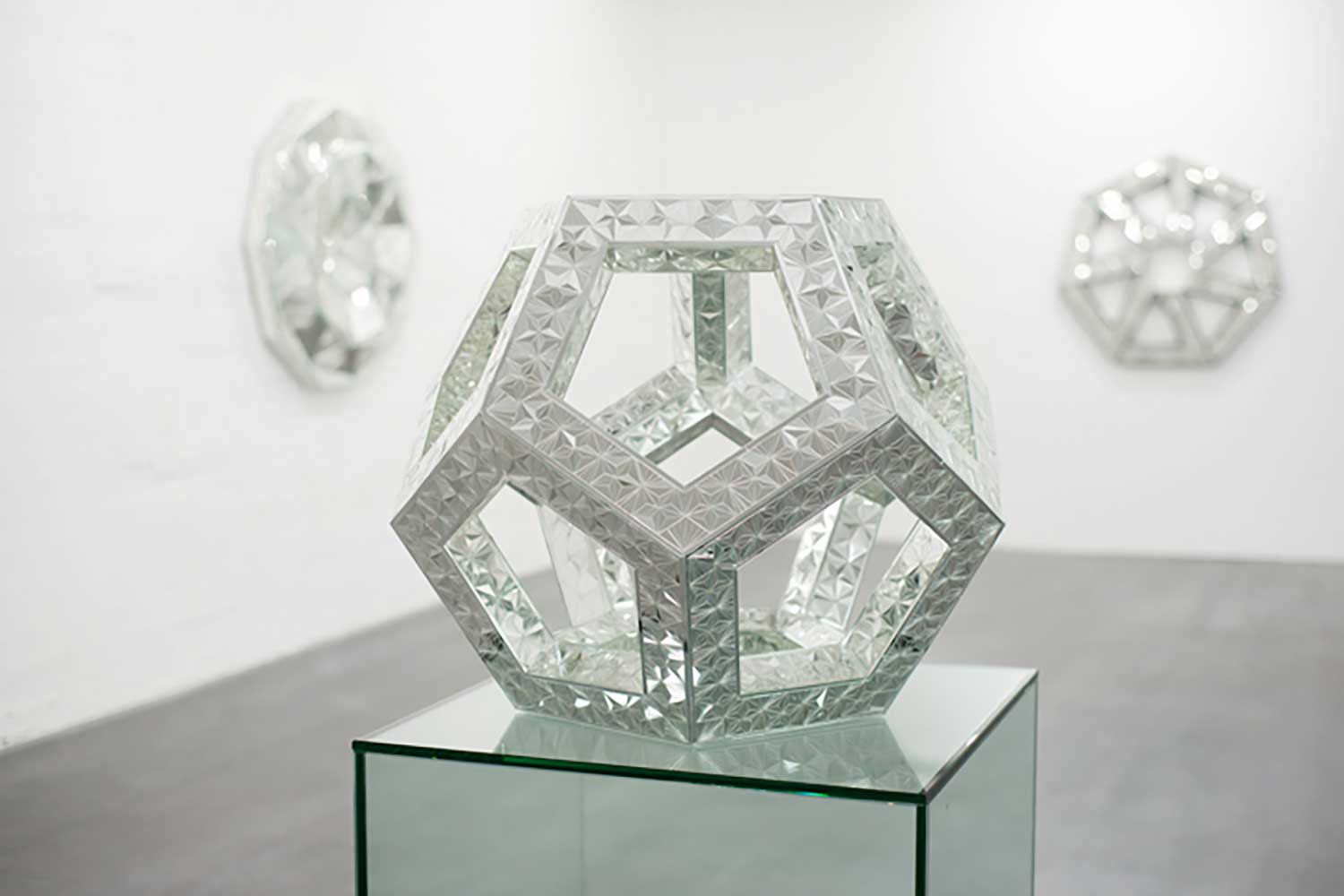
از استادکاران گمنامِ کارگاههای سنتی تا هنرمندان معاصر که این میراث را با دقت، پژوهش و اجرا زنده نگه داشتهاند و آن را به نسلهای بعد منتقل کردهاند.
ثبت جهانی آیینهکاری، فرصتی است برای توجه دوباره به این هنر،
حمایت از استادکاران آن
و بازاندیشی جایگاه هنرهای وابسته به معماری در فرهنگ معاصر ایران.
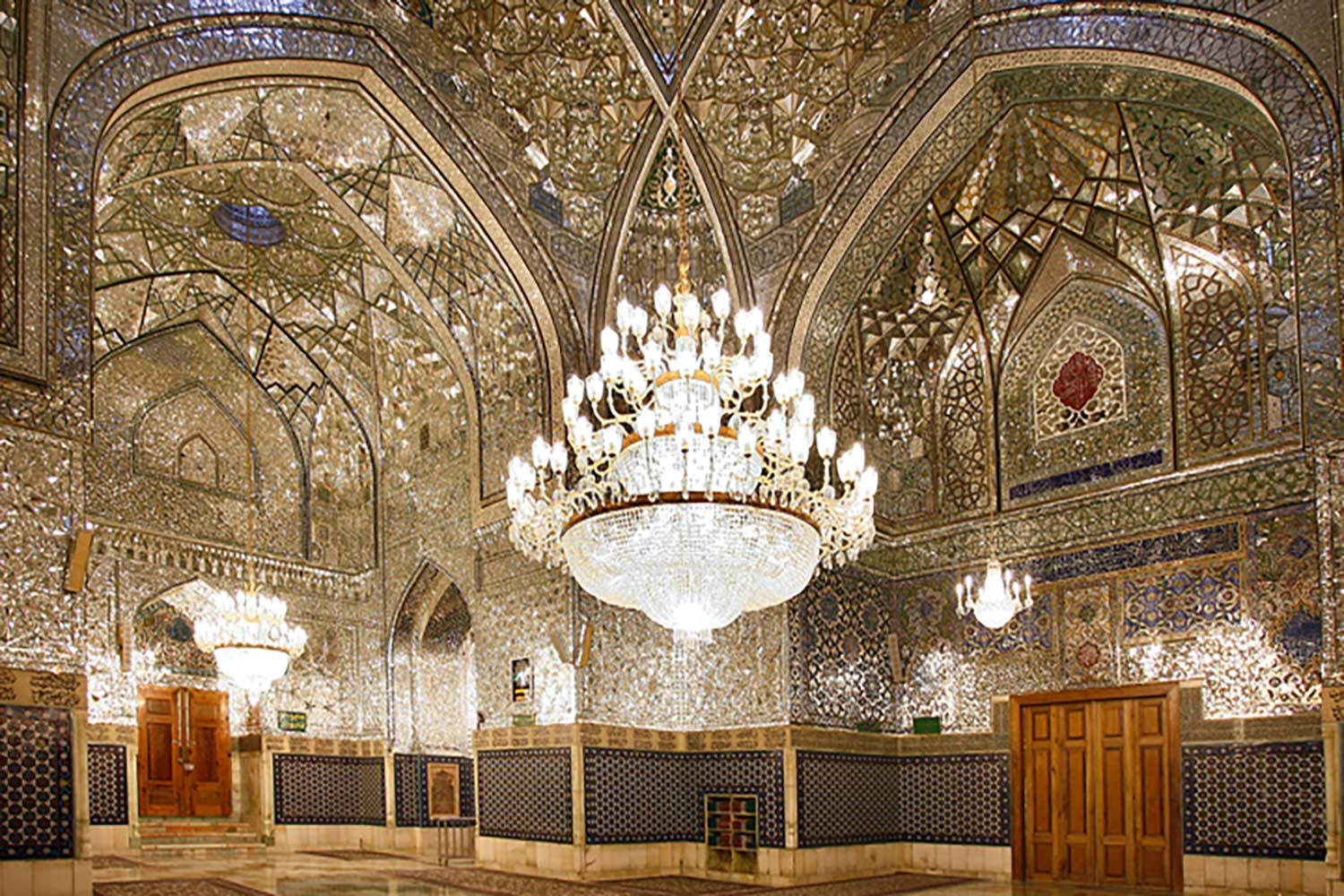
The Iranian art of mirror work (Āyeneh-kāri), recognized as one of the most distinguished expressions of Iranian art and architecture, has been officially inscribed on the UNESCO World Heritage list. This inscription represents international recognition of a body of knowledge that has evolved over centuries in close relationship with architecture, light, geometry, and ornamentation, forming an inseparable part of the spatial identity of Iranian buildings—particularly in religious, ceremonial, and courtly architecture. Mirror work is not merely decorative. It is a synthesis of technical skill, a profound understanding of light and space, and precise geometric systems that reached their height during the Safavid period and developed a more complex visual language in the Qajar era. Through this art, space is fragmented, light is refracted, and meaning is intensified. Numerous master craftsmen and artists have played a vital role in the formation and continuity of this tradition—from anonymous artisans working in traditional workshops to contemporary practitioners who have sustained this heritage through careful practice, research, and execution, passing it on to future generations. The UNESCO inscription of Iranian mirror work provides an opportunity to renew attention to this art, to support its master craftsmen, and to reconsider the position of architecture-related arts within contemporary Iranian culture.
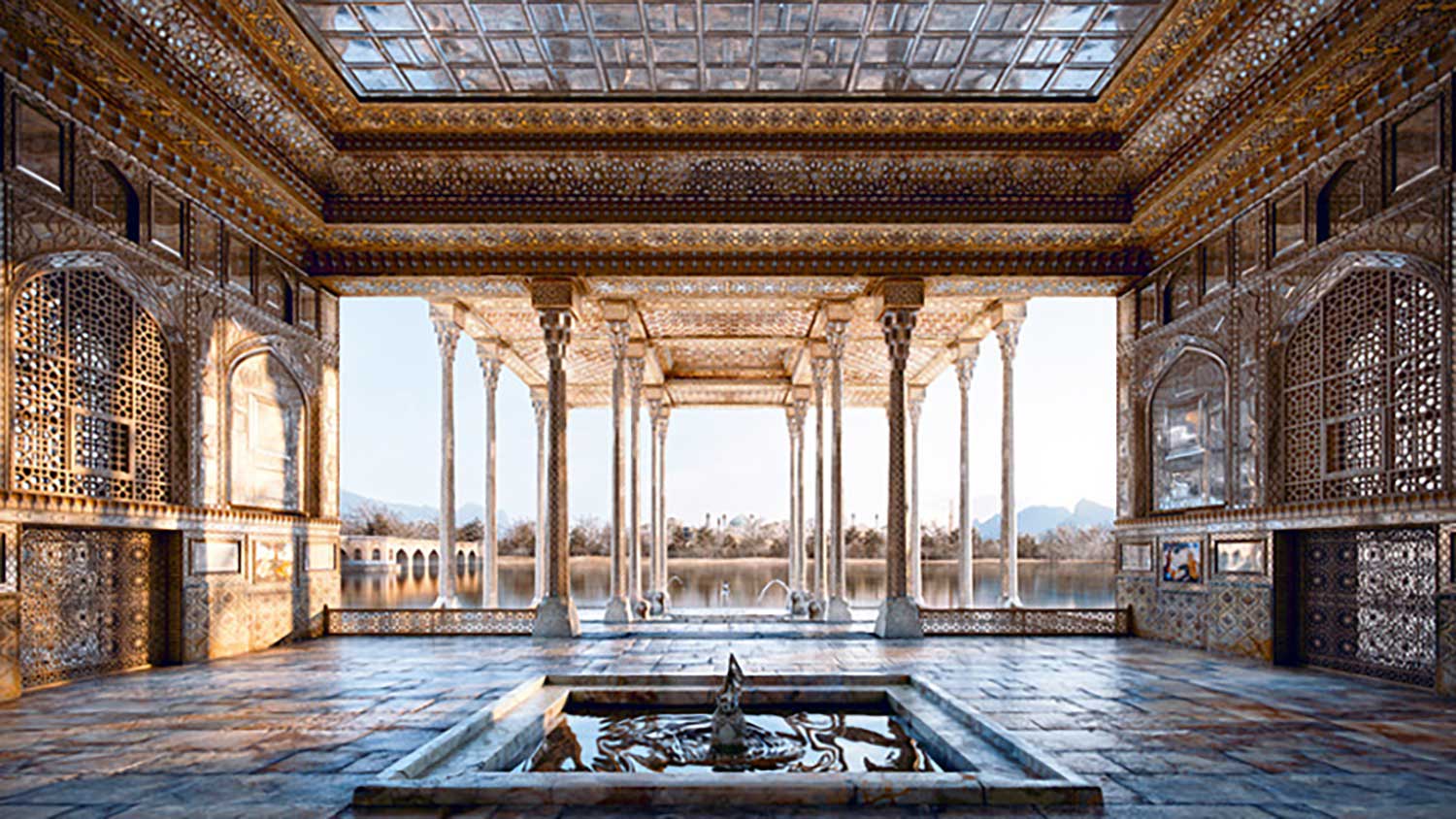
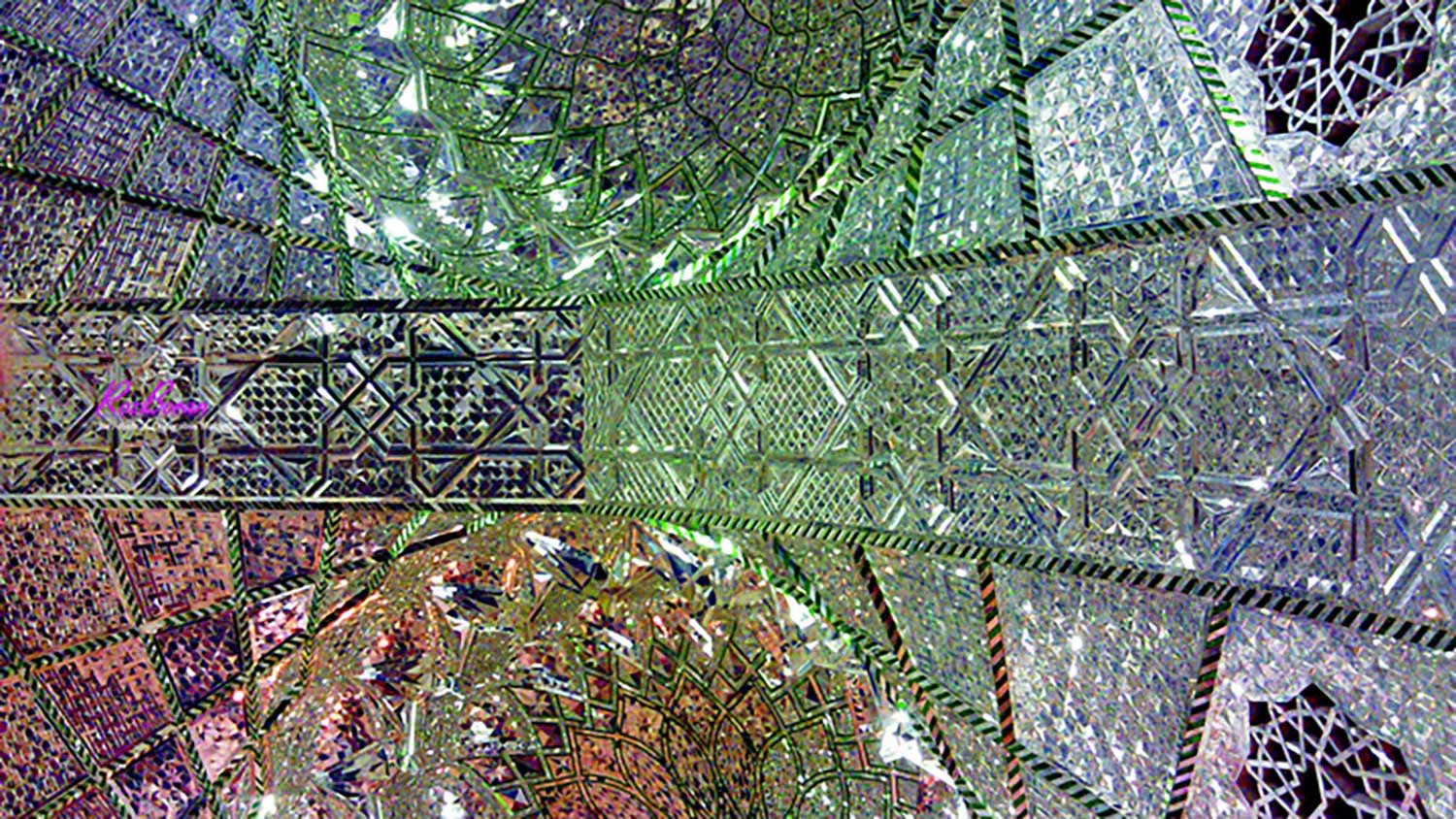
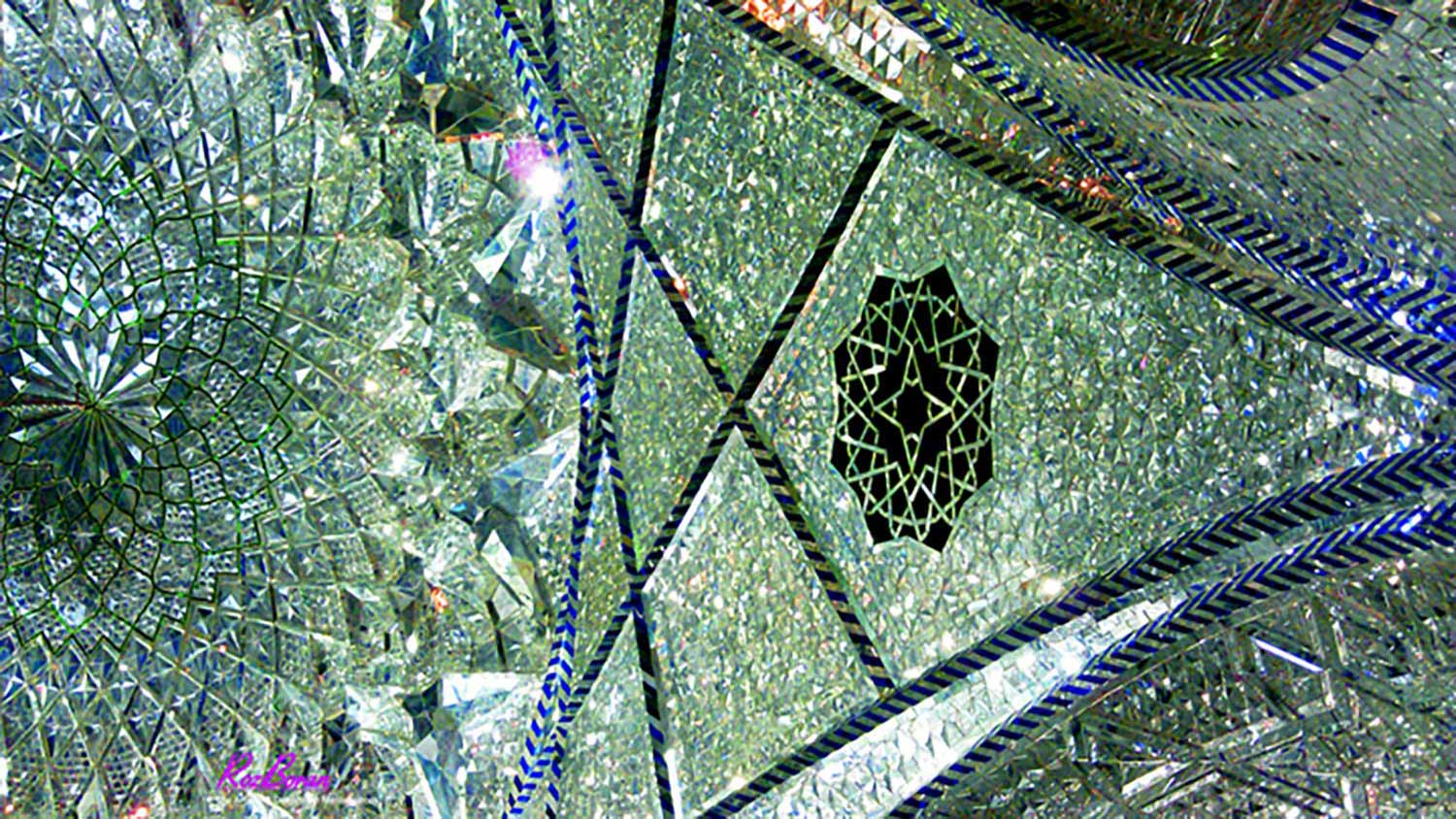
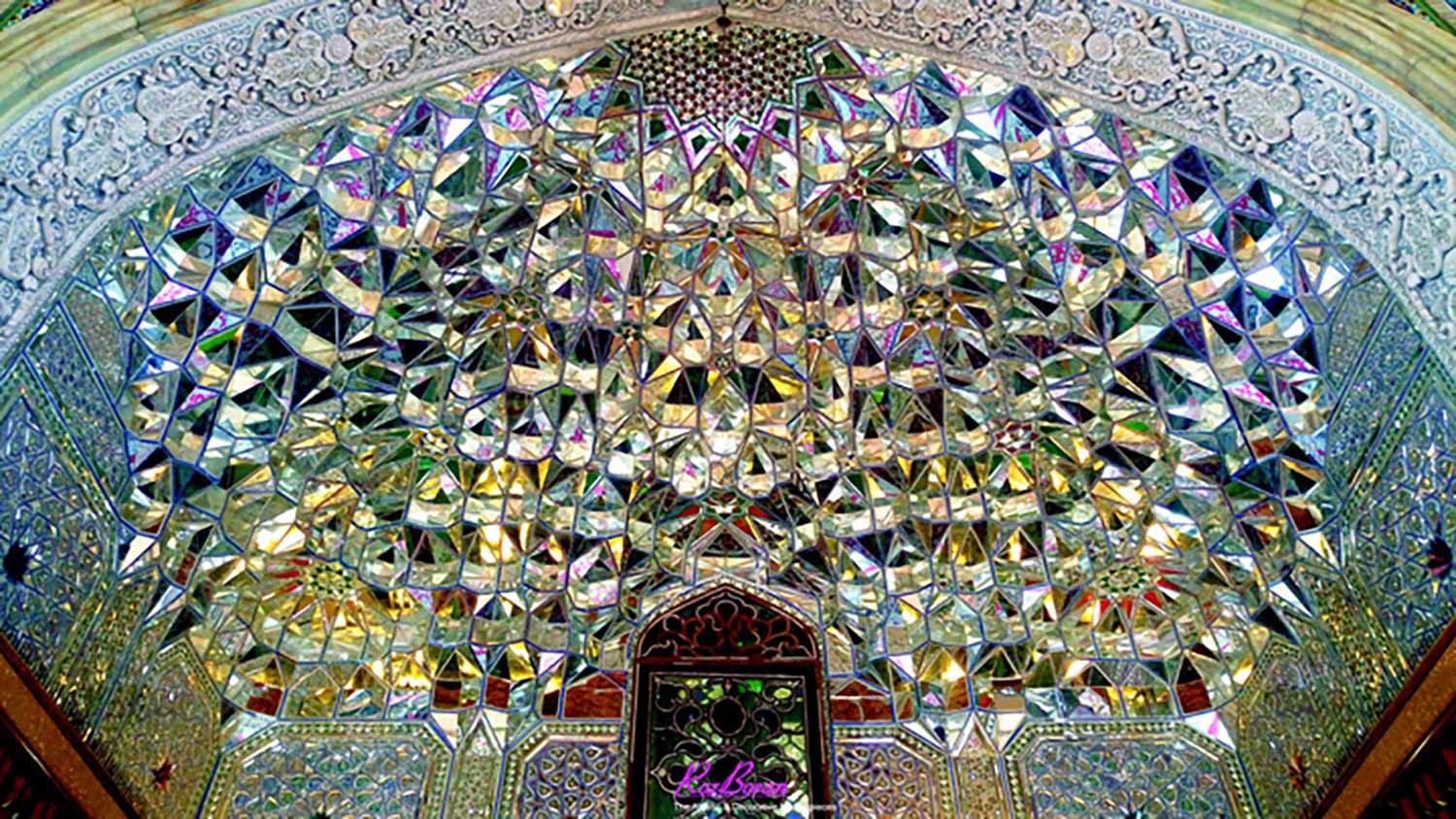
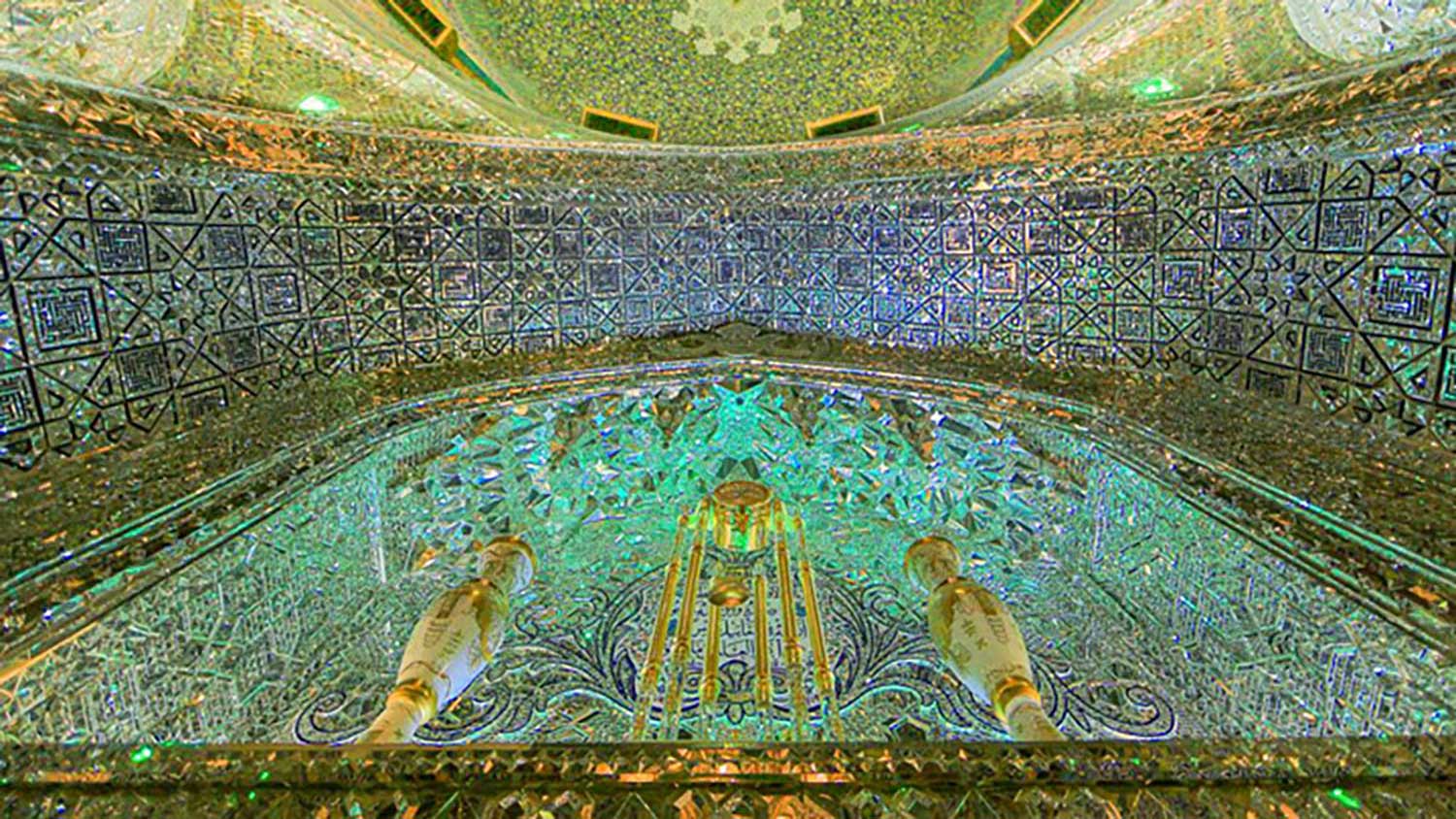
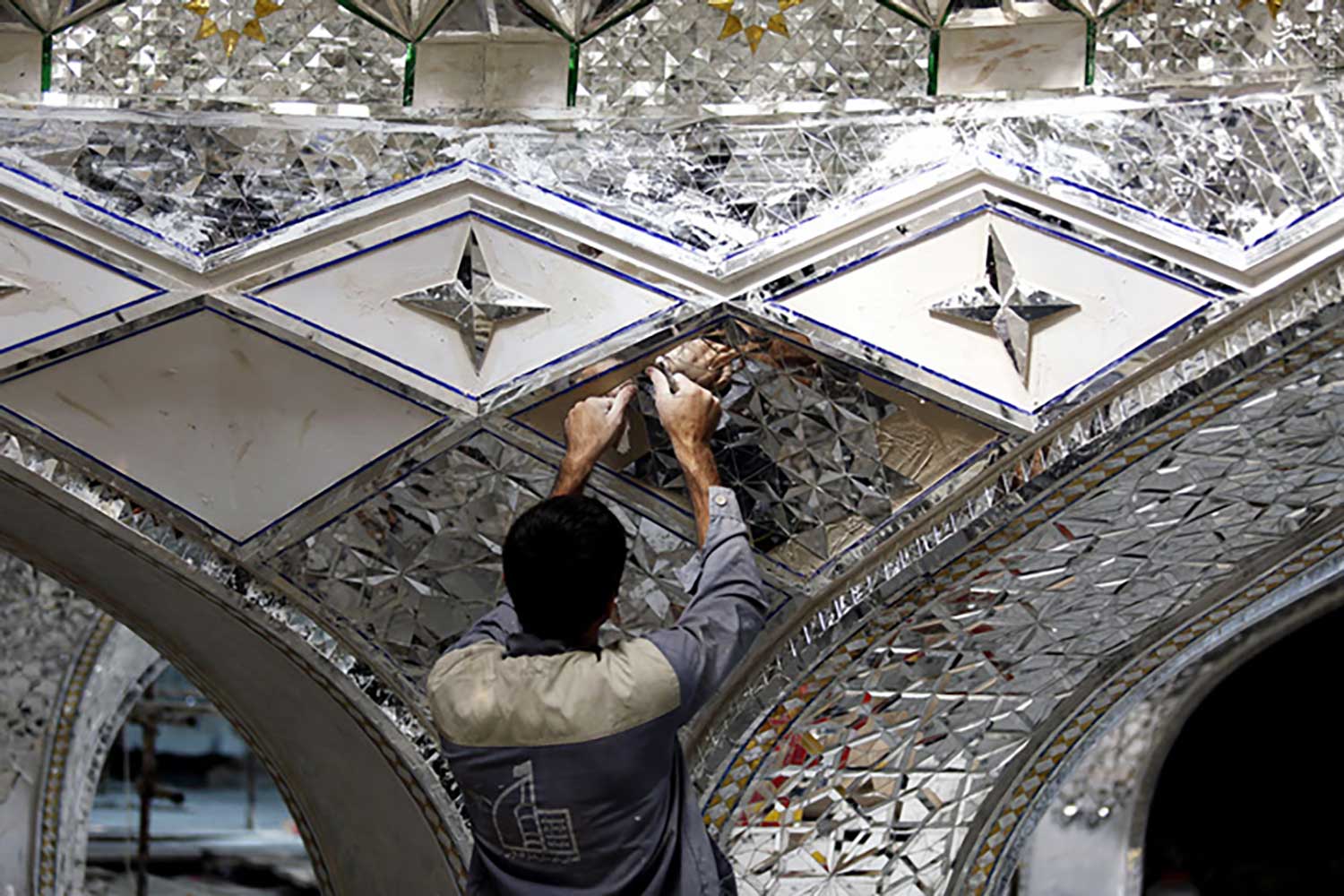
هنر آیینهکاری ایرانی بهعنوان یکی از مهمترین و شاخصترین هنرهای وابسته به معماری ایران، در اجلاس یونسکو بهطور رسمی ثبت جهانی شد. این رویداد، گامی مهم در شناسایی و حفاظت از میراث ناملموسی است که طی قرنها در بستر معماری ایران شکل گرفته و به یکی از عناصر هویتساز فضاهای مذهبی، آیینی، حکومتی و حتی مسکونی بدل شده است. ثبت جهانی آیینهکاری، نهتنها به معنای ارزشگذاری زیباییشناسانه، بلکه تأکیدی بر دانش فنی، مهارت اجرایی و نظام فکری نهفته در این هنر است. آیینهکاری در معماری ایرانی صرفاً یک عنصر تزیینی نیست، بلکه زبانی فضاساز است که با نور، هندسه و ادراک بصری انسان کار میکند. خرد کردن آیینهها، برشهای دقیق، چیدمان مبتنی بر الگوهای هندسی و ترکیب آن با گچبری، مقرنس و کاشیکاری، فضایی پدید میآورد که نور را تکثیر کرده و مرز میان ماده و معنا را کمرنگ میسازد. این هنر از دورهی صفویه بهصورت نظاممند در معماری مذهبی و درباری شکل گرفت، در دورهی زندیه و قاجار گسترش یافت و به اوج تنوع و پیچیدگی بصری رسید. در بناهایی چون حرمها، امامزادهها، کاخها و تالارهای آیینی، آیینهکاری نقشی فراتر از زیبایی دارد؛ این هنر به تقویت حس قدسی فضا، هدایت نگاه، و تعریف سلسلهمراتب فضایی کمک میکند. آیینهکاری ایرانی همواره در پیوند مستقیم با معماری بوده و بدون درک ساختار فضا، نور طبیعی و تناسبات هندسی، قابل اجرا و فهم نیست. در تداوم این هنر، نسلهای متعددی از استادکاران و هنرمندان آیینهکار نقش داشتهاند؛ بسیاری از آنها بدون ثبت نام و نشان، دانش خود را سینهبهسینه منتقل کردهاند و بخش بزرگی از میراث معماری ایران مرهون مهارت و دقت آنهاست. در کنار این استادکاران سنتی، هنرمندان و پژوهشگران معاصر نیز با مستندسازی، مرمت و اجرای پروژههای جدید، به زنده ماندن این هنر در شرایط معاصر کمک کردهاند و آن را از خطر فراموشی دور نگه داشتهاند. ثبت جهانی آیینهکاری ایرانی فرصتی است برای بازنگری در جایگاه هنرهای وابسته به معماری، حمایت از استادکاران فعال در این حوزه، تقویت آموزشهای تخصصی، و توجه جدیتر به حفاظت، مرمت و انتقال این دانش به نسلهای آینده. این رویداد یادآور آن است که معماری ایران تنها در فرم و سازه خلاصه نمیشود، بلکه در لایههای عمیقتری از هنر، مهارت و فرهنگ ریشه دارد.
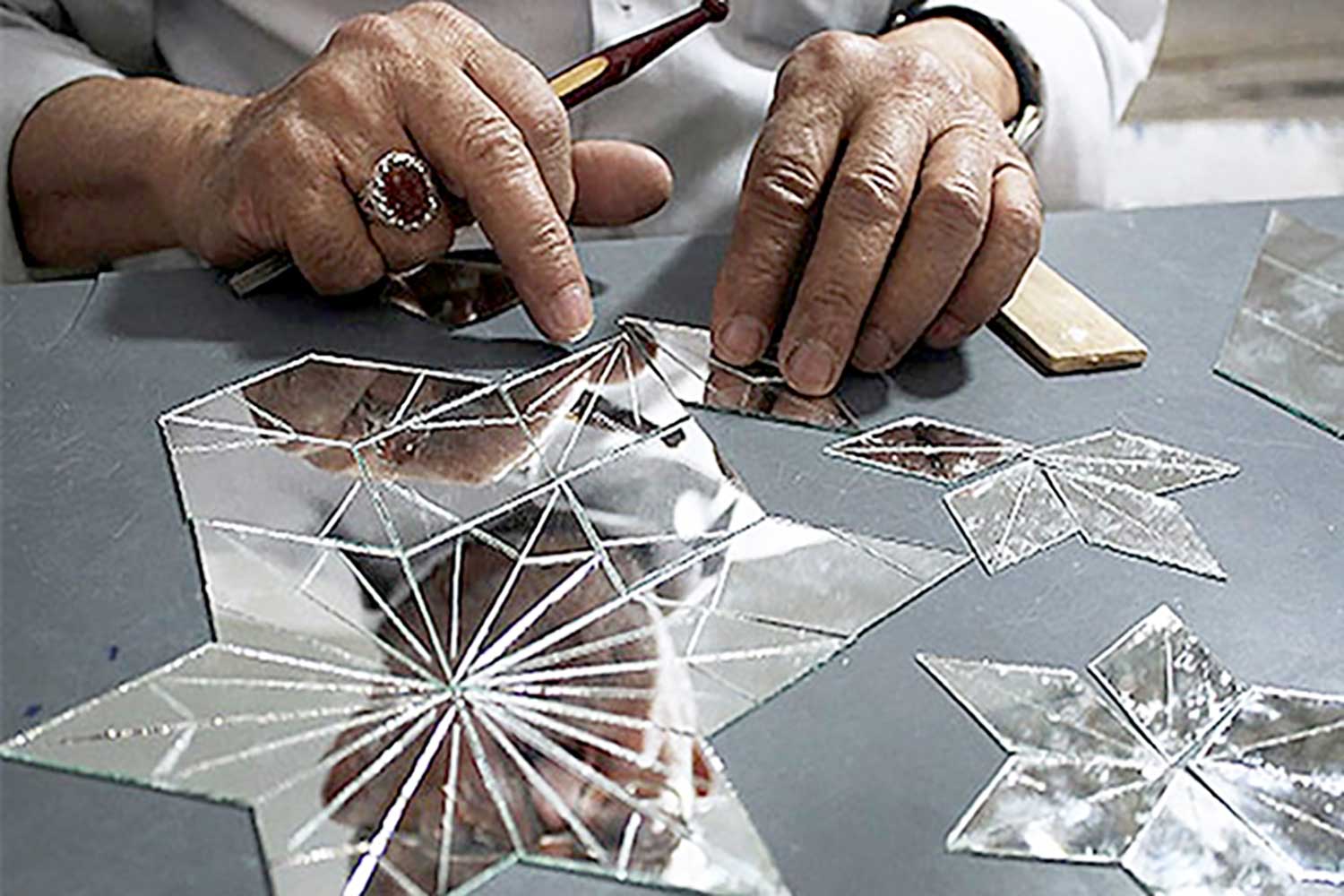
The Iranian art of mirror work (Āyeneh-kāri), one of the most distinctive and refined arts associated with Iranian architecture, has been officially inscribed on UNESCO’s World Heritage list. This inscription marks an important step in the international recognition and safeguarding of an intangible heritage that has evolved over centuries within the architectural culture of Iran, becoming an essential element of religious, ceremonial, royal, and even residential spaces. The global registration of mirror work is not merely an acknowledgment of its visual beauty, but a recognition of the technical knowledge, craftsmanship, and intellectual system embedded within this art. Mirror work in Iranian architecture is far more than decorative ornamentation; it is a spatial language that operates through light, geometry, and human perception. The meticulous cutting of mirrors, precise fragmentation, geometric ordering, and their integration with plasterwork, muqarnas, and tilework generate spaces in which light is multiplied and material boundaries are visually dissolved. From its systematic development during the Safavid period to its expansion and increasing complexity in the Zand and Qajar eras, mirror work reached a high level of formal and technical sophistication. In shrines, mausoleums, palaces, and ceremonial halls, mirror work plays a role that extends beyond aesthetics. It contributes to the creation of sacred atmospheres, directs visual movement, and reinforces spatial hierarchies. Closely tied to architectural structure, proportions, and natural light, Iranian mirror work cannot be fully understood or executed without a deep comprehension of space itself. The continuity of this art has depended on generations of master craftsmen and mirror artists, many of whom remained anonymous, transmitting their knowledge through practice and apprenticeship rather than written records. Alongside these traditional masters, contemporary artists, conservators, and researchers have played a crucial role in documenting, restoring, and reinterpreting mirror work in modern contexts, ensuring its survival and relevance today. The UNESCO inscription of Iranian mirror work offers an opportunity to reassess the value of architectural arts, to support active craftsmen, to strengthen specialized education, and to promote the preservation and transmission of this knowledge to future generations. It serves as a reminder that Iranian architecture is not defined solely by form and structure, but is deeply rooted in layers of craftsmanship, cultural memory, and artistic intelligence.
مطالب مرتبط