 گزارش برگزاری و پایان «هفتهی دیزاین تهران ۱۴۰۴»
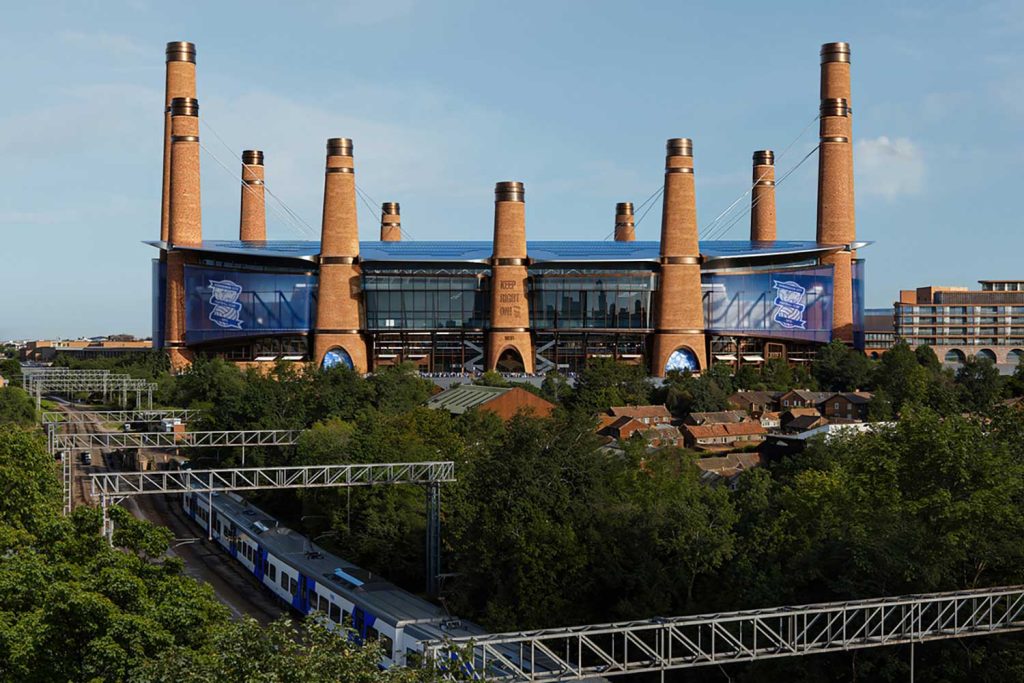 استادیومی با دوازده دودکش آجری اثر استودیو هیترویک و مانیکا
برندگان جایزهی بزرگ «جوایز بنیاد هولسیم ۲۰۲۵»
Grand Prize Winners Announced for the 2025 Holcim Foundation Awards
بنیاد هولسیم برای ساختوساز پایدار، برندگان جایزهی بزرگ دورهی ۲۰۲۵ را اعلام کرد؛ در این دوره از هر منطقهی جهان یک پروژه برگزیده شده تا نمایندهی رویکردهای اثرگذار و الهامبخش در طراحی پایدار باشد. این دوره نخستین بار است که قالب «جایزهی بزرگ» جایگزین نظام رتبهبندی پیشین شده تا تفاوتهای بسترهای منطقهای بهتر دیده شود و از سلسلهمراتب غیرضروری جلوگیری گردد. پروژههای برنده، که توسط هیئتهای داوری به ریاست سو فوجیموتو (آسیا–اقیانوسیه)، کِتيل تريدال تورسن (اروپا), ساندرا بارکلی (آمریکای لاتین), لينا غطمه (خاورمیانه و آفریقا) و جین گنگ (امریکای شمالی) ارزیابی شدهاند، بازتابی از اصول بنیاد هولسیم یعنی طراحی کلنگر، دگرگونکننده و قابل انتقالاند. در پنج منطقهی جهانی، برگزیدگان ۲۰۲۵ طیفی از رویکردهای متنوع در طراحی پایدار را نمایش میدهند؛ از بازاستفادهی سازگار و احیای فرهنگی گرفته تا زیرساختهای عمومی تابآور در برابر اقلیم و حفاظت میراث. در آسیا–اقیانوسیه، پروژهی «زندان مرکزی داکای قدیم» از Form.3 Architects ساختارهای تاریخی را با بافت فشردهی شهری ادغام میکند. «آرتتک تولتوریا» در اروپا، سایت صنعتی سابقی را به قطب فرهنگی–فناوری فراگیر تبدیل میکند. در آمریکای لاتین، یک الگوی مدرسهی مرتفع، پاسخی کاربردی به مناطق سیلابخیز ارائه میدهد. طرح «قَلَندیّا» در خاورمیانه و آفریقا، بر بازآفرینی تدریجی و جامعهمحور تکیه دارد و «پارک موکلی» در آمریکای شمالی، تابآوری ساحلی را از طریق مداخلات منظرمحور پیش میبرد. این پروژهها در کنار یکدیگر، شیوههای گوناگون درک و تفسیر پایداری در جغرافیاهای متفاوت را آشکار میکنند.
The Holcim Foundation for Sustainable Construction has announced the Grand Prize Winners of the 2025 Holcim Awards, selecting one project from each global region to represent the most impactful approaches to sustainable design in this cycle. This edition marks the introduction of the Grand Prize format, replacing the previous tiered distinctions to better acknowledge diverse regional contexts and avoid hierarchical rankings. Evaluated by juries chaired by Sou Fujimoto (Asia Pacific), Kjetil Trædal Thorsen (Europe), Sandra Barclay (Latin America), Lina Ghotmeh (Middle East and Africa), and Jeanne Gang (North America), the winning projects reflect the Foundation’s principles of holistic, transformational, and transferable design. Across the five regions, the 2025 laureates demonstrate diverse approaches to sustainable design, ranging from adaptive reuse and cultural regeneration to climate-resilient public infrastructure and heritage conservation. In Asia Pacific, Form.3 Architects’ Old Dhaka Central Jail project integrates historic structures into a dense urban context. Europe’s Art-Tek Tulltorja redevelops a former industrial site as an inclusive cultural and technological hub. In Latin America, an elevated school model proposes a pragmatic response to flood-prone conditions. Qalandiya’s rehabilitation in the Middle East and Africa applies incremental, community-led restoration strategies, while North America’s Moakley Park advances coastal resilience through landscape-based interventions. Together, the winners illustrate the varied ways sustainability is being interpreted across different geographies.
آسیا–اقیانوسیه
پروژهی حفاظت از زندان مرکزی داکای قدیم اثر Form.3 Architects، داکا، بنگلادش
Asia Pacific
Old Dhaka Central Jail Conservation by Form.3 Architects, in Dhaka, Bangladesh
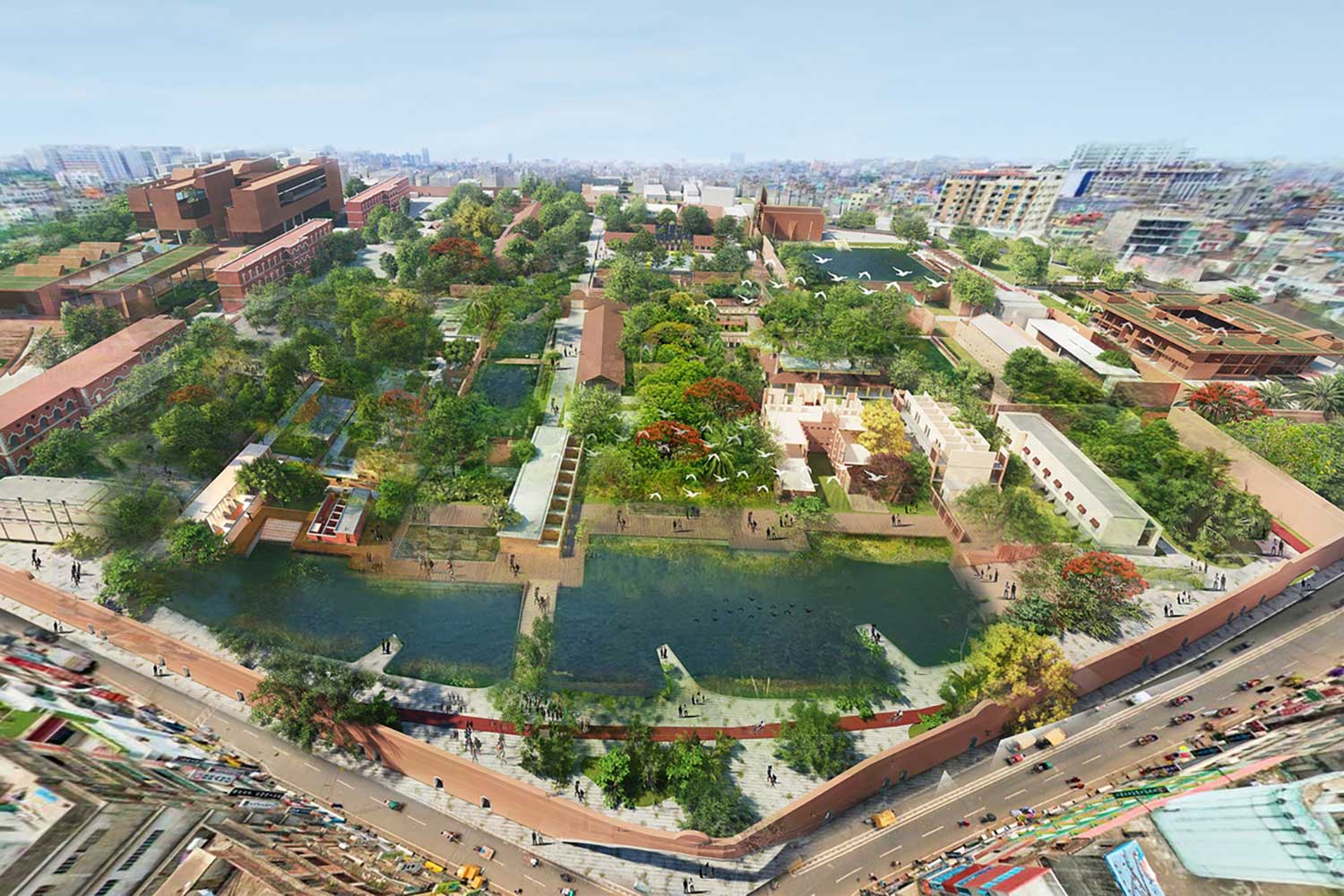
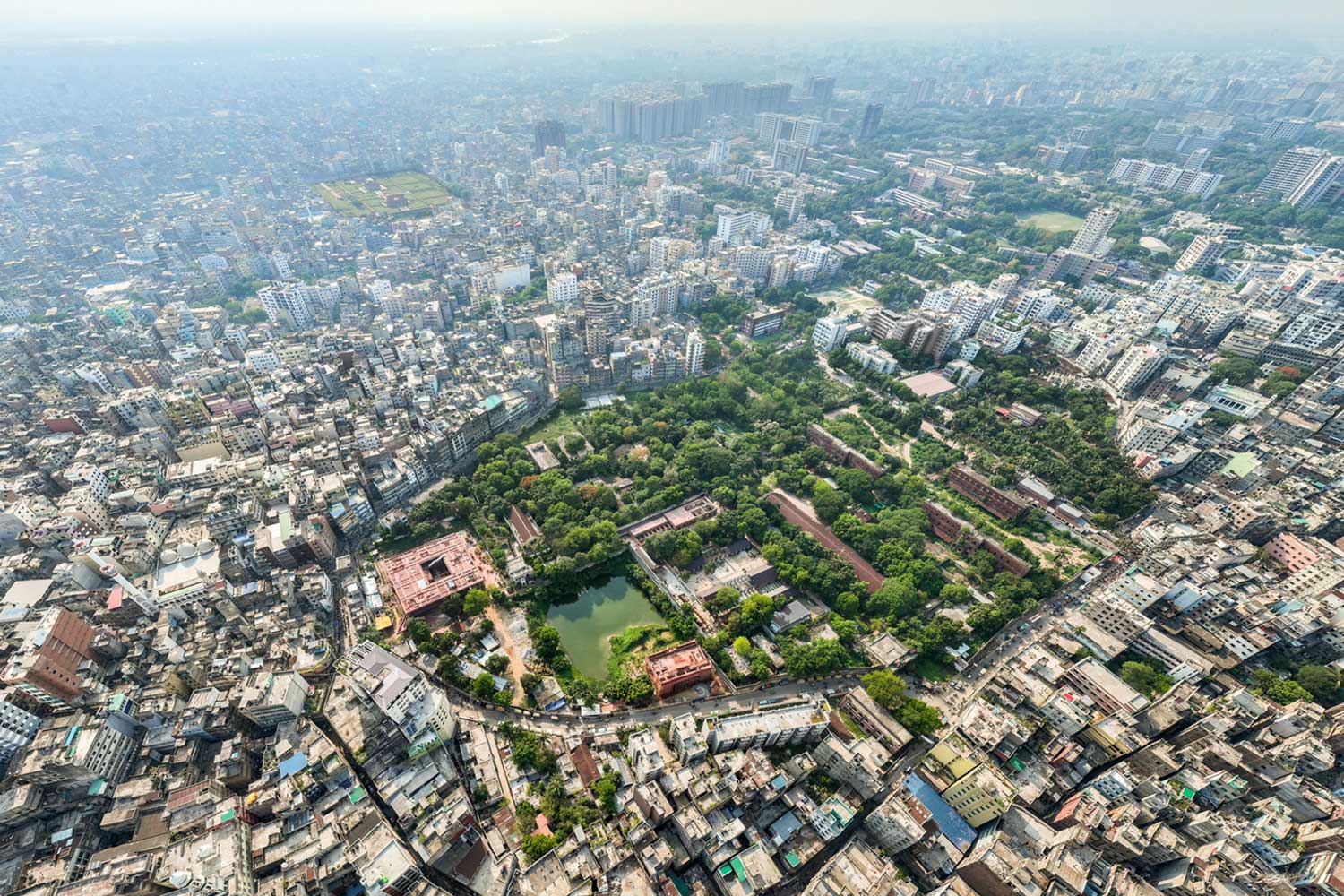
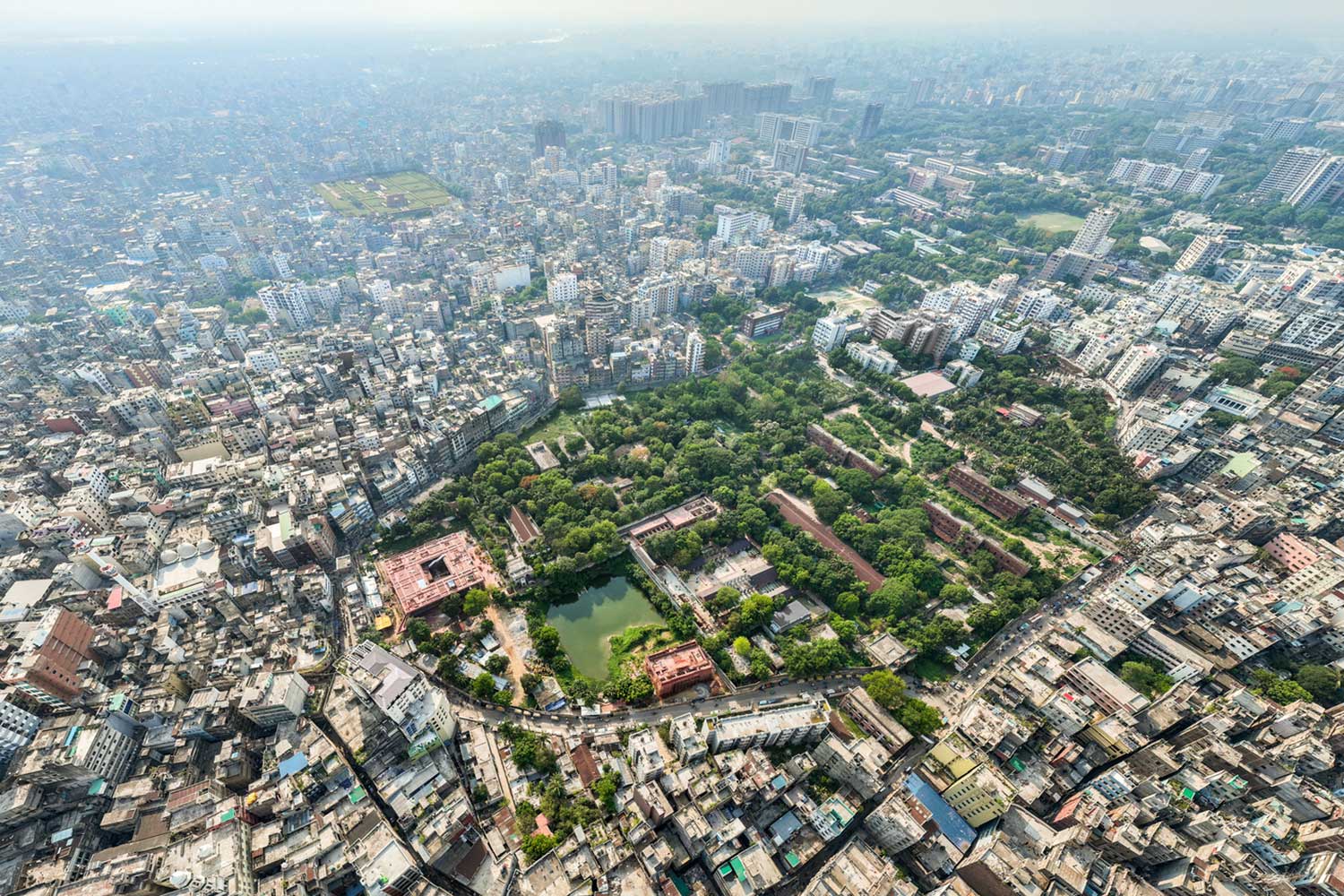
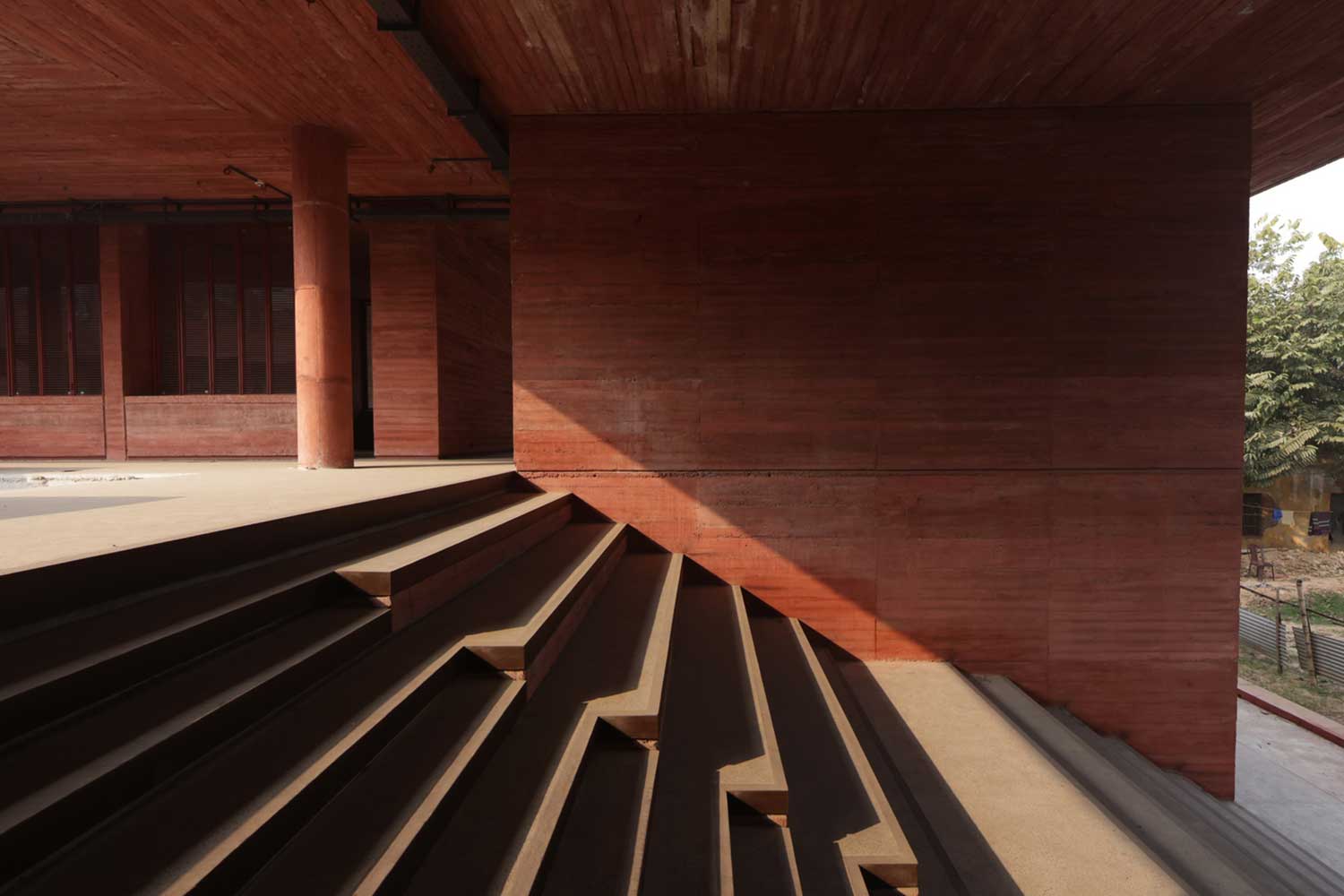
این پروژه، سایت تاریخی و متروکهی زندان مرکزی داکا را به فضایی عمومی و در دسترس بدل میکند که در بافت فشردهی شهر تنیده شده است. با بهرهگیری از راهکارهای سرمایش غیرفعال، بازاستفادهی سازگار سازههای موجود و مداخلات پایدار در منظر، پروژه قصد دارد مصرف انرژی را کاهش دهد و تنوع زیستی را تقویت کند. روند برنامهریزی مشارکتی با حضور صنعتگران محلی، تکنیکهای سنتی همچون گچ آهکی و پنجرههای مشبک چدنی را حفظ کرده و پیوستگی فرهنگی را تقویت میکند. مجموعهی احیاشده شامل موزهها، فضاهای خردهفروشی و فضاهای تفریحی است که پایداری اقتصادی را تضمین میکند. ساختمانهای جدید با الهام از معماری بومی، گفتوگویی سازنده میان میراث تاریخی و کارکردهای معاصر ایجاد مینمایند. “هیئت داوران APAC اثر را بهخاطر تأثیر مثبت گستردهاش در بافت فوقالعاده متراکم شهری ستود؛ پروژه مکانی را از «مجازات» به فضایی برای «لذت و تجربهی زندگی شهری» بدل میکند. داوران جامعبودن طرح را تحسین کردند: حفظ و مرمت سازههای تاریخی، افزودن بناهای جدید با مقیاس مناسب، و حتی ادغام یک خیابان عمومی برای کاهش ترافیک—همه بدون چشمپوشی از نیازهای جامعه.”
The conservation of Old Dhaka Central Jail reimagines a historically significant, disused site as a publicly accessible space integrated within the city’s dense urban fabric. Employing passive cooling strategies, adaptive reuse of existing structures, and sustainable landscape interventions, the project aims to reduce energy demand while enhancing local biodiversity. A participatory planning process involved local craftspeople, preserving traditional techniques such as lime-mortar plaster and cast-iron jali screens, reinforcing cultural continuity. The revitalized complex incorporates museums, retail spaces, and recreational facilities, supporting economic viability. New buildings reference the local vernacular, establishing a coherent dialogue between the site’s heritage and its contemporary functions. “The Holcim Foundation Awards APAC jury recognized the project’s huge positive impact in an extremely dense urban context, transforming a place of punishment into one where residents can truly enjoy city life. Jurors were impressed by how thoroughly resolved the proposal is: it retains and rehabilitates historic structures, adds appropriately scaled new buildings, and even integrates a needed public road through the site to ease trafficc, all without losing sight of the community’s needs.”
اروپا
آرتتک تولتوریا اثر Rafi Segal A+U، Office of Urban Drafters، Org Permanent Modernity و Studio RevArt، پریشتینا، کوزوو
Europe
Art Tek Tulltorja by Rafi Segal A+U, Office of Urban Drafters, Org Permanent Modernity, and Studio RevArt, in Pristina, Kosovo
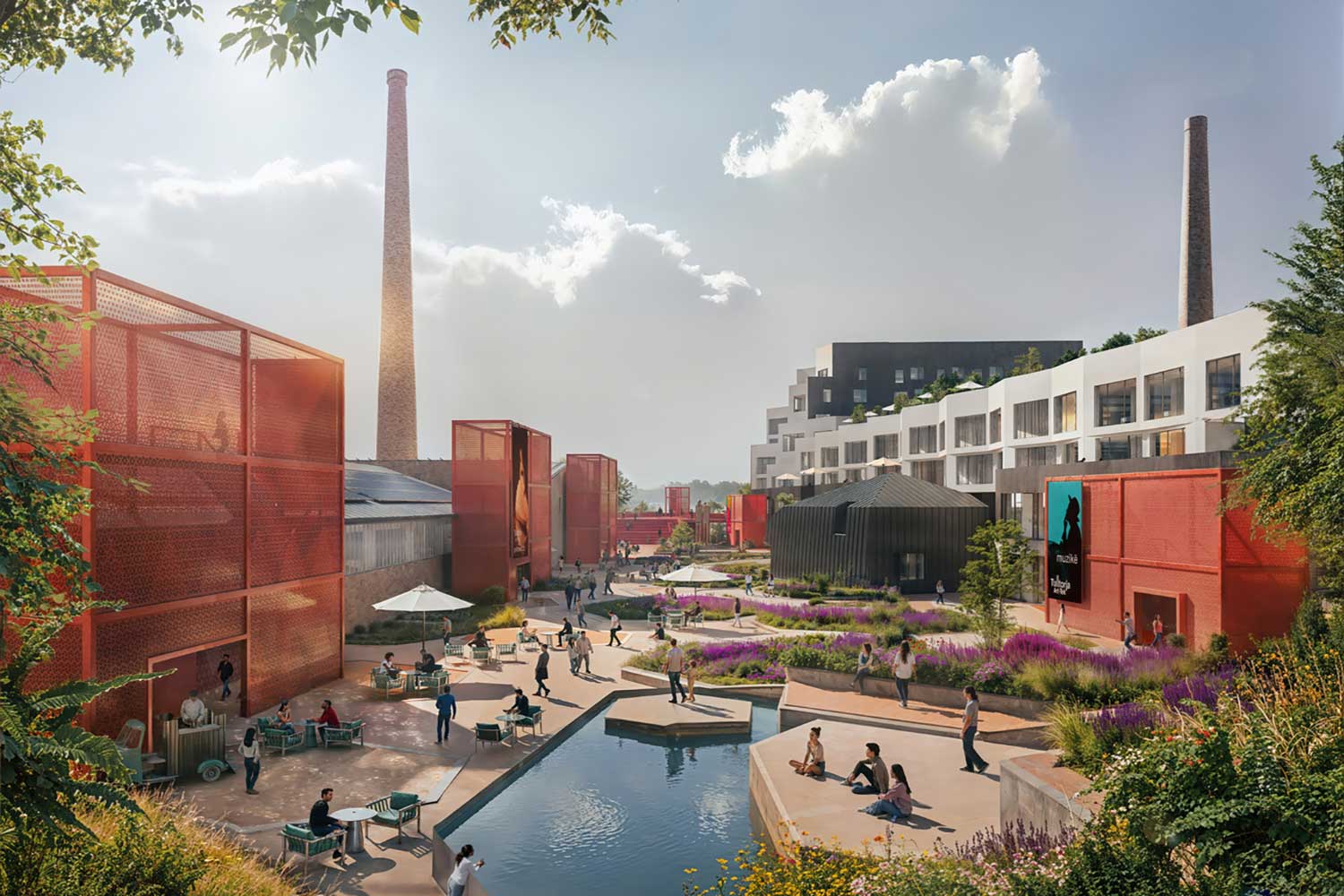
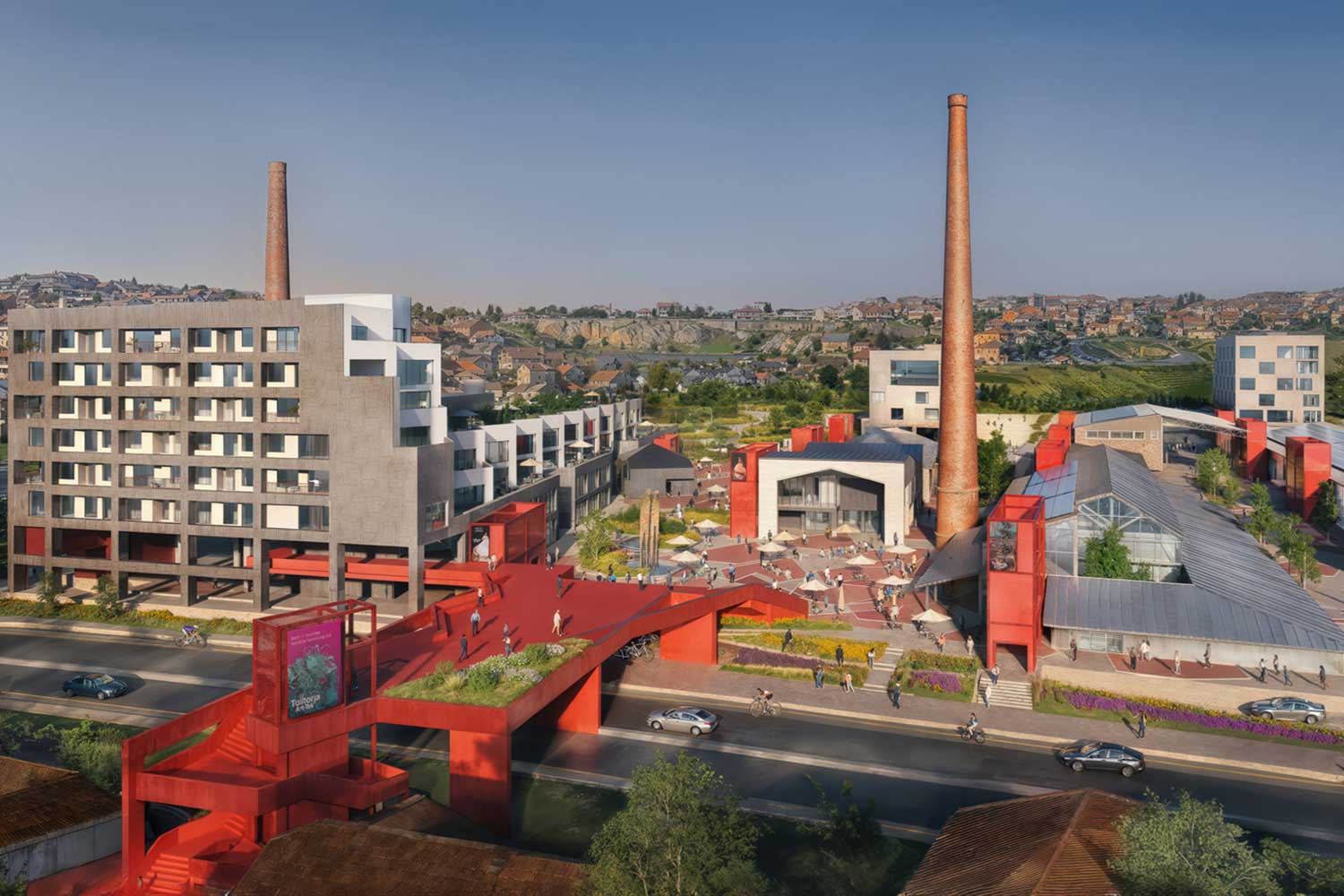
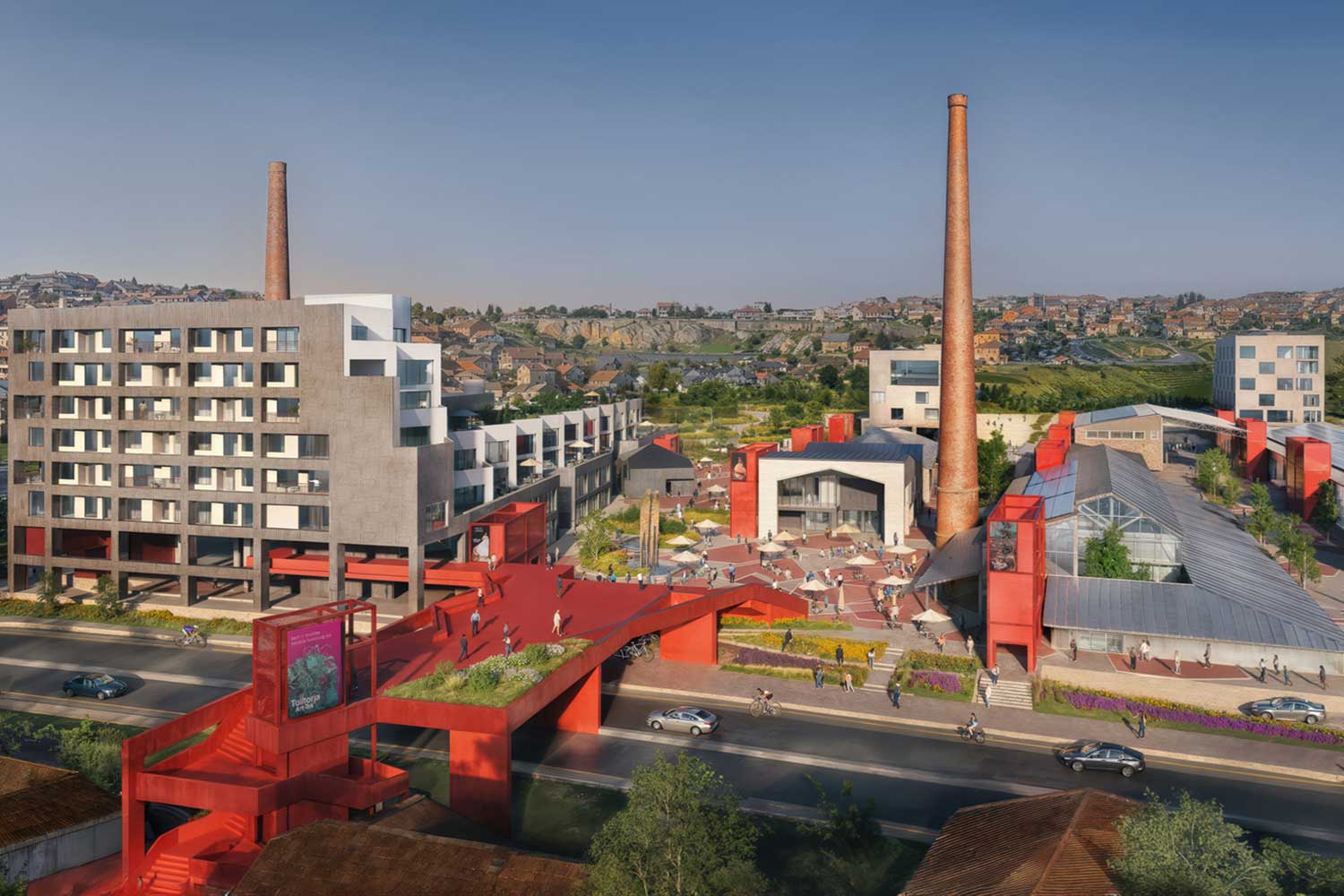
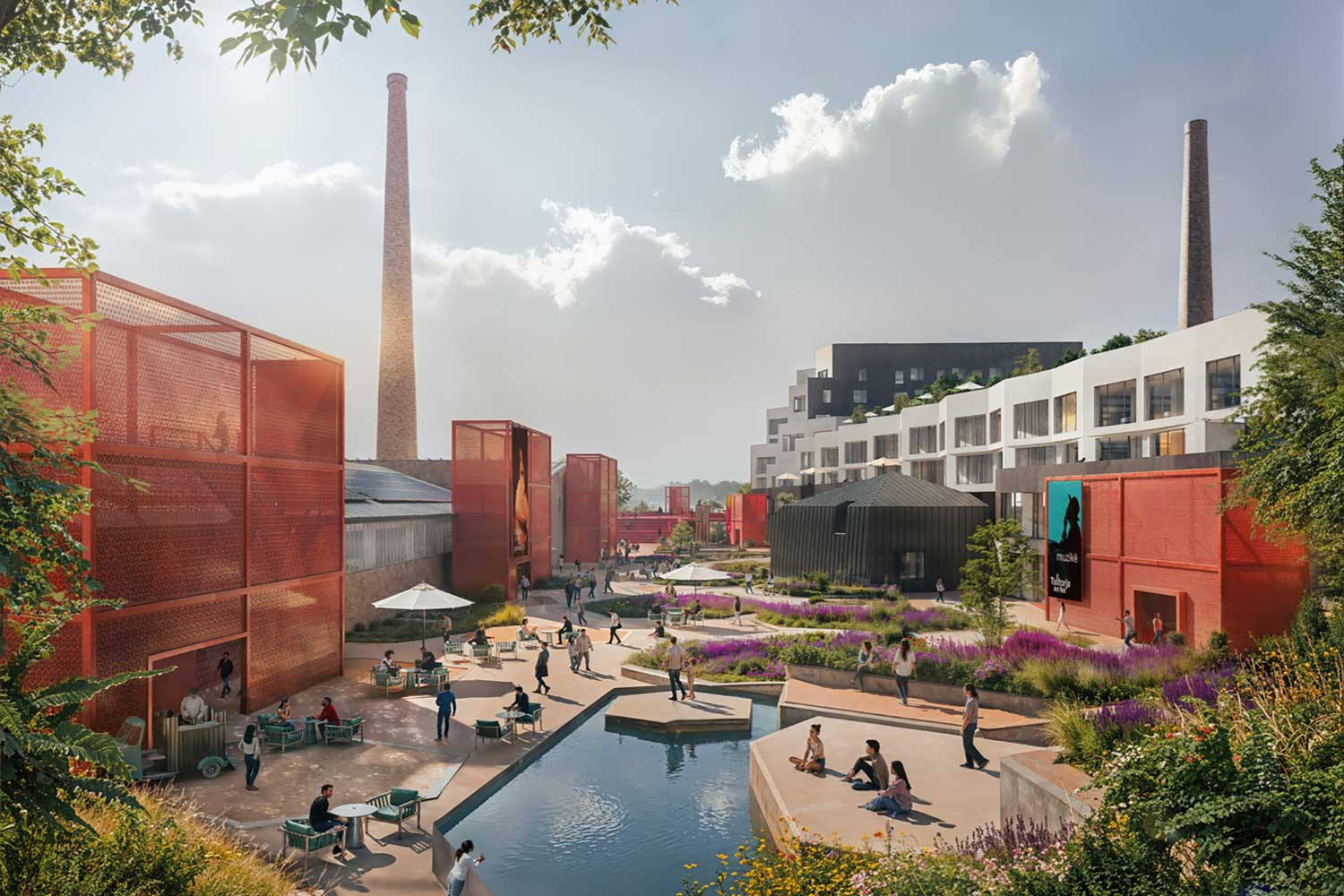
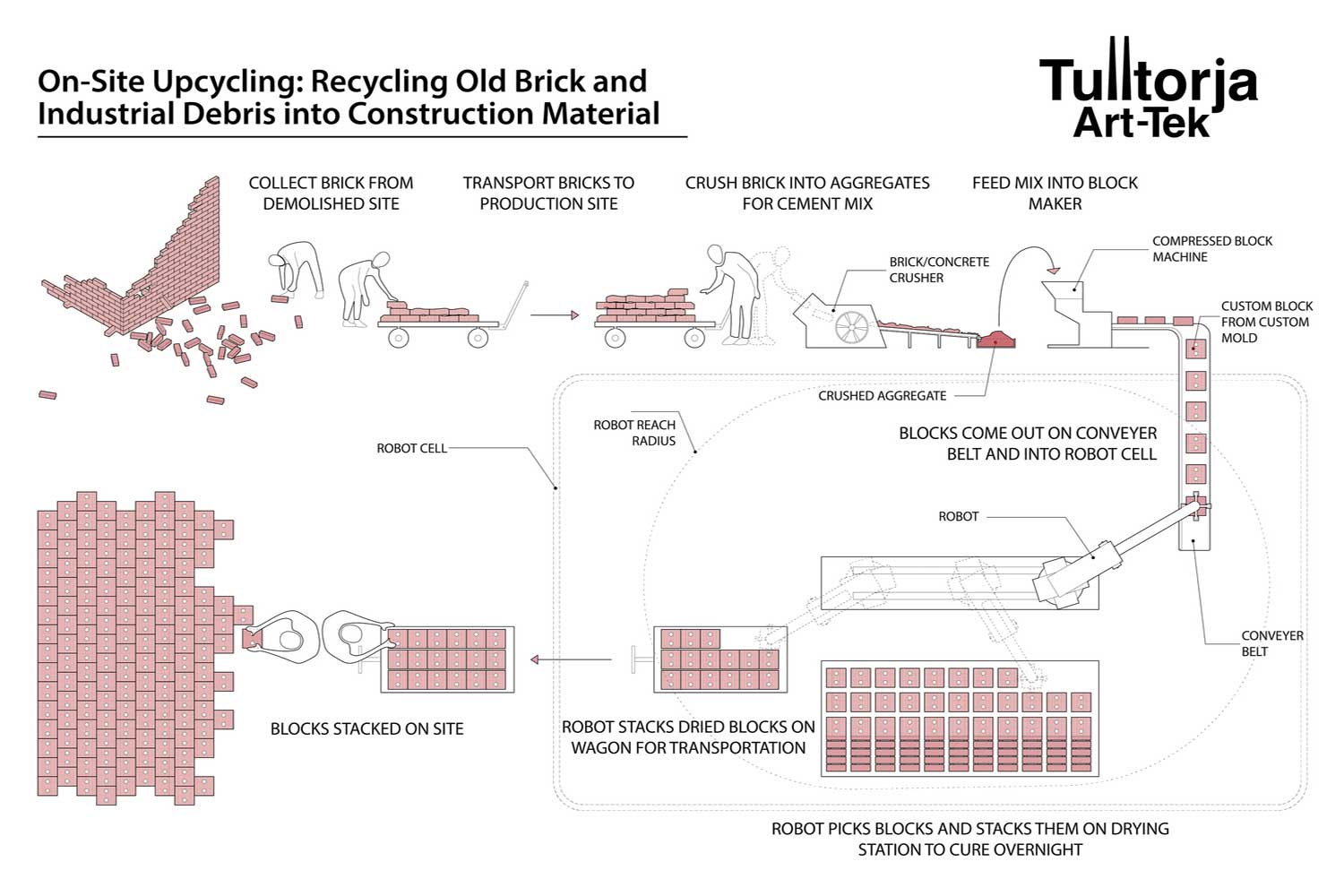
«آرتتک تولتوریا» کارخانهی قدیمی آجرپزی را به قطب هنر و فناوری تبدیل میکند؛ پروژهای که بازاستفادهی سازگار و احیای فرهنگی را در بستری پسابحران دنبال میکند. با اولویتدادن به پایداری، طرح شامل سیستمهای انرژی خورشیدی، مصالح صنعتی بازیافتی، سازهی چوبی ذخیرهکنندهی کربن و پوشش گیاهی گسترده برای بهبود کیفیت هوا و افزایش تنوع زیستی است. این مجموعه بهعنوان مقصدی اجتماعی طراحی شده و کارگاهها، فضاهای آموزشی و پارکهای عمومی را برای تقویت اشتغال جوانان و انسجام اجتماعی معرفی میکند. پروژه با پیوند مرکز شهر به محلههای کمبرخوردار، یک سایت ۱۶ هکتاری صنعتی را به منظری شهری از «آجر تا بایت» بدل میسازد. این طرح بهعنوان دارایی زیستمحیطی، اقتصادی و اجتماعی فراگیر برای کوزوو معرفی میشود و الگویی قابل انتقال برای مناطق مشابه در اروپا به شمار میرود. “داوران اروپا این پروژه را «نیروی محرک احیای پایدار شهری» توصیف کردند. بهگفتهی آنها، در کوزووی پسابحران، چشمانداز کلنگر پروژه—از پاکسازی زیستمحیطی تا برنامهریزی فرهنگی و توسعهی اقتصادی—میتواند تأثیری فراتر از مقیاس خود داشته باشد. رویکرد چندلایهی پروژه در بازاستفادهی سازگار، انرژی پاک و مشارکت اجتماعی، نمونهای شاخص از اهداف پایداری بنیاد هولسیم معرفی شد. طراحی پروژه به جای اتکا بر جلوههای بصری، بر دگرگونسازی هوشمندانهی سایت برای توانمندسازی مردم پریشتینا تمرکز دارد.”
Art-Tek Tulltorja repurposes a former brick factory in Pristina as an art and technology hub, advancing adaptive reuse and cultural regeneration in a post-conflict urban context. Prioritizing sustainability, the project incorporates solar energy systems, recycled industrial materials, carbon-storing timber construction, and extensive planting to improve air quality and biodiversity. Designed as a community-oriented destination, it introduces maker studios, educational spaces, and public parks that support youth employment and social cohesion. By connecting the city center with historically underserved neighborhoods, the 16-hectare redevelopment transforms the industrial site into a “bricks to bytes” urban landscape. Positioned as an ecological, economic, and socially inclusive asset for Kosovo, the project offers a transferable model for sustainable revitalization across comparable European contexts. “The jury for Europe praised Art-Tek Tulltorja as a catalyst for sustainable urban revival. Jurors noted that in post-conflict Kosovo, this project’s holistic vision – spanning environmental remediation, cultural programming, and economic development – could have an outsized impact. They deemed its multi-layered approach to adaptive reuse, clean energy, and community inclusion exemplary of the Foundation’s sustainability goals. Rather than relying on architectural ‘wow factor’ alone, the design emphasizes smartly transforming the site to empower Pristina’s people.”
آمریکای لاتین
مدارس مناطق سیلابخیز اثر Andrade Morettin Arquitetos Associados و Sauermartins، پورتوآلگره، برزیل
Latin America
Schools for Flood-Prone Areas by Andrade Morettin Arquitetos Associados and Sauermartins, in Porto Alegre, Brazil
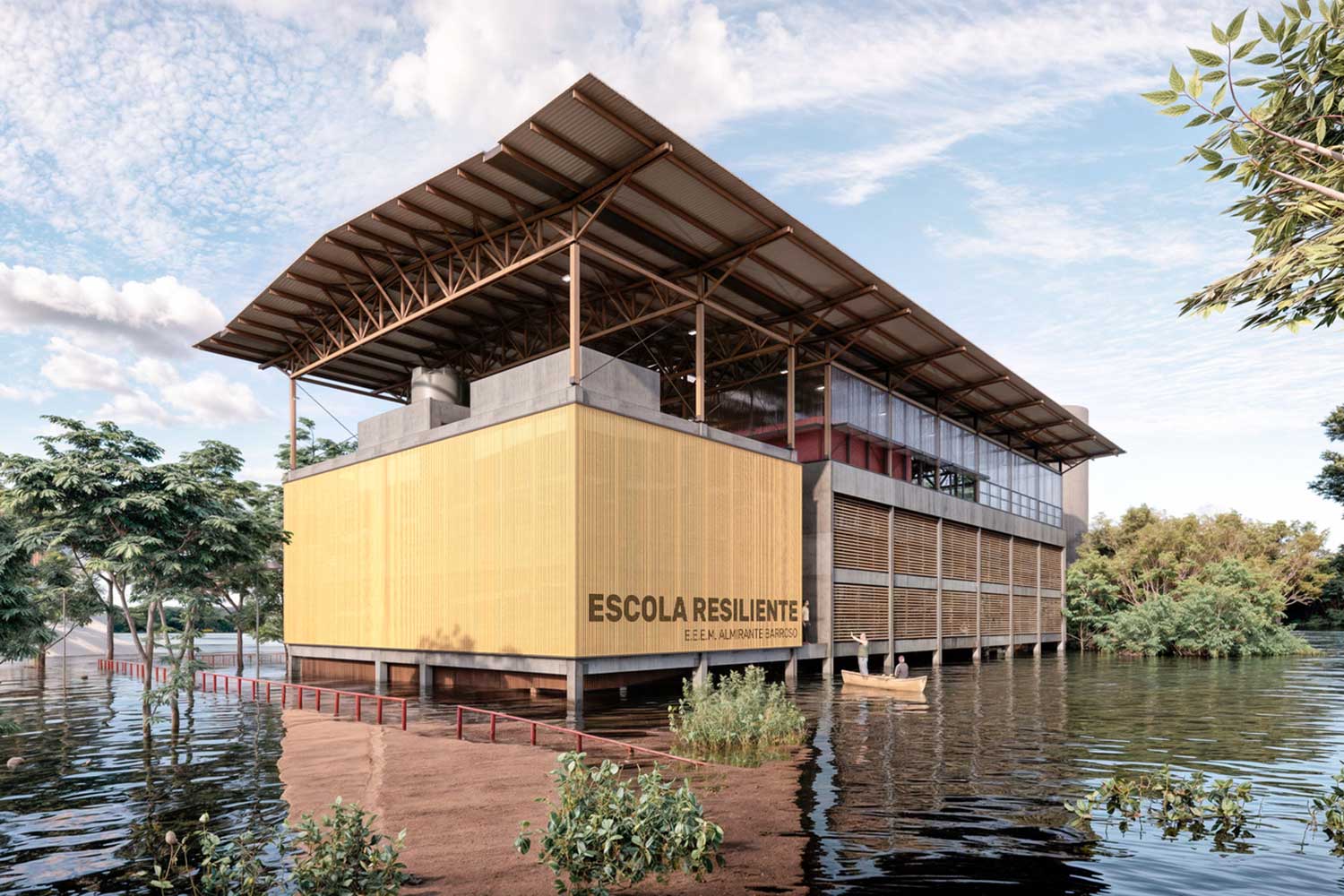
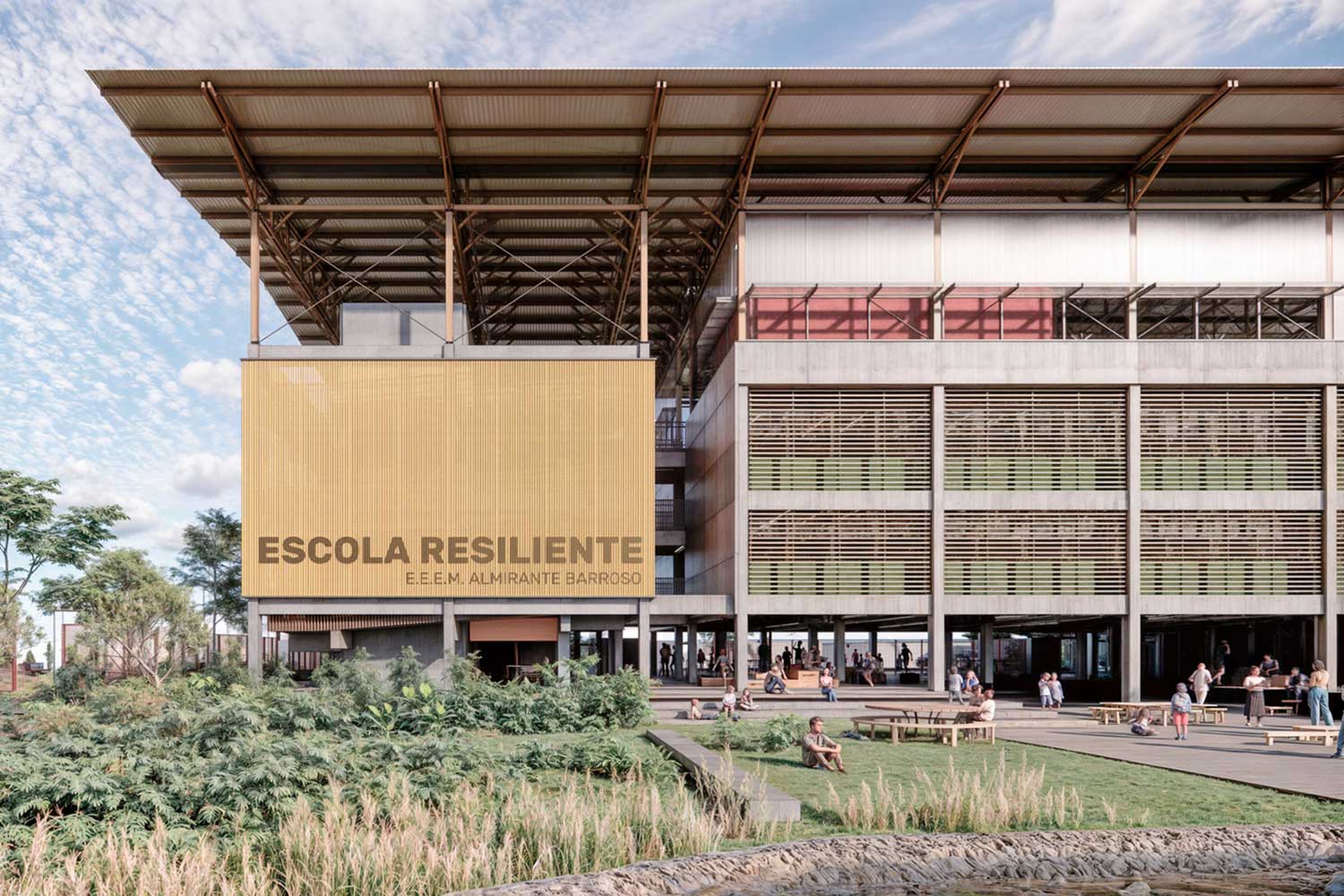
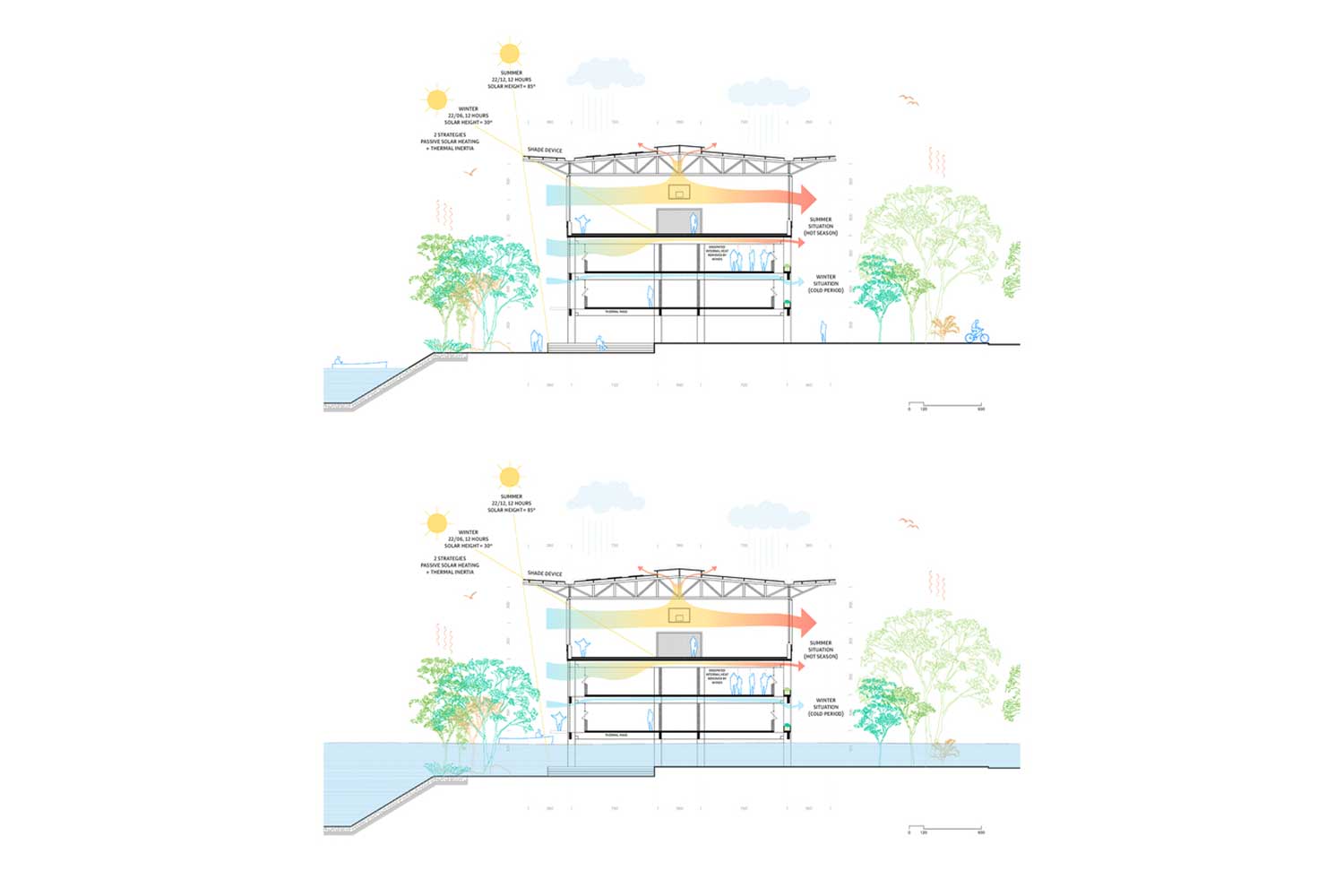
این پروژه الگویی نو برای زیرساخت آموزشی عمومی در مناطق سیلابخیز آمریکای لاتین ارائه میدهد؛ الگویی که «همراه با طبیعت» طراحی میشود، نه در برابر آن. کلاسها، آزمایشگاهها و کتابخانهها در تراز بالاتر ساخته میشوند و طبقهی همکف سیلگیر به زمینبازی و فضای ورزشی روباز تبدیل میشود. تراس سایهدار بام، فضای آموزشی بیرونی فراهم میکند و در مواقع بحرانی، نقش پناهگاه اضطراری برای جامعهی پیرامون را ایفا میکند. بهرهگیری از مصالح محلی و راهکارهای غیرفعال، این طرح را به الگویی مقیاسپذیر و سازگار برای مدارس تابآور در برابر تغییرات اقلیمی تبدیل کرده است. “داوران اشاره کردند که چگونه مداخلات سادهی طراحی میتواند با ظرافت مشکلات پیچیده را حل کند—رویکردی که احتمالاً الهامبخش بسیاری از شهرهای آسیبپذیر خواهد بود. اثبات اینکه یک مدرسهی ساده میتواند هوشمندانه با واقعیتهای اقلیمی تطبیق یابد، این پروژه را به نقشهای قابل انتقال برای ساختوساز پایدار در سراسر منطقه بدل کرده است. هیئت داوری همچنین تمرکز پروژه بر آموزش عمومی و نقش الهامبخش آن برای دانشآموزان را برجسته کرد.”
This project proposes a new approach to public education infrastructure in Latin America’s flood-prone regions by designing with, rather than against, natural conditions. New classrooms, laboratories, and libraries are elevated above the existing school, while the flood-prone ground level is reconfigured as an open-air playground and sports area. A shaded rooftop terrace provides additional outdoor learning space and also functions as an emergency shelter for the surrounding community, expanding the school’s role during crises. Using local materials and passive strategies, the project offers an adaptable and scalable model for resilient educational facilities in vulnerable contexts. “Jurors noted how the project’s simple design interventions elegantly solve complex problems – a concept likely to influence many other towns facing similar challenges. By proving that a modest school can be innovatively adapted to climate realities, this project provides a transferable blueprint for sustainable construction in vulnerable regions across Latin America and beyond. The jury was also impressed by the project’s commitment to public education, highlighting its role in inspiring students to face future challenges.”
خاورمیانه و آفریقا
قَلَندیّا: هزارتوی تاریخی سبز اثر Riwaq – مرکز حفاظت معماری، قلندیا، فلسطین
Middle East & Africa
Qalandiya: the Green Historic Maze by Riwaq – Centre for Architectural Conservation, in Qalandiya, Palestine
این پروژه الگویی نو برای زیرساخت آموزشی عمومی در مناطق سیلابخیز آمریکای لاتین ارائه میدهد؛ الگویی که «همراه با طبیعت» طراحی میشود، نه در برابر آن. کلاسها، آزمایشگاهها و کتابخانهها در تراز بالاتر ساخته میشوند و طبقهی همکف سیلگیر به زمینبازی و فضای ورزشی روباز تبدیل میشود. تراس سایهدار بام، فضای آموزشی بیرونی فراهم میکند و در مواقع بحرانی، نقش پناهگاه اضطراری برای جامعهی پیرامون را ایفا میکند. بهرهگیری از مصالح محلی و راهکارهای غیرفعال، این طرح را به الگویی مقیاسپذیر و سازگار برای مدارس تابآور در برابر تغییرات اقلیمی تبدیل کرده است. “داوران اشاره کردند که چگونه مداخلات سادهی طراحی میتواند با ظرافت مشکلات پیچیده را حل کند—رویکردی که احتمالاً الهامبخش بسیاری از شهرهای آسیبپذیر خواهد بود. اثبات اینکه یک مدرسهی ساده میتواند هوشمندانه با واقعیتهای اقلیمی تطبیق یابد، این پروژه را به نقشهای قابل انتقال برای ساختوساز پایدار در سراسر منطقه بدل کرده است. هیئت داوری همچنین تمرکز پروژه بر آموزش عمومی و نقش الهامبخش آن برای دانشآموزان را برجسته کرد.”
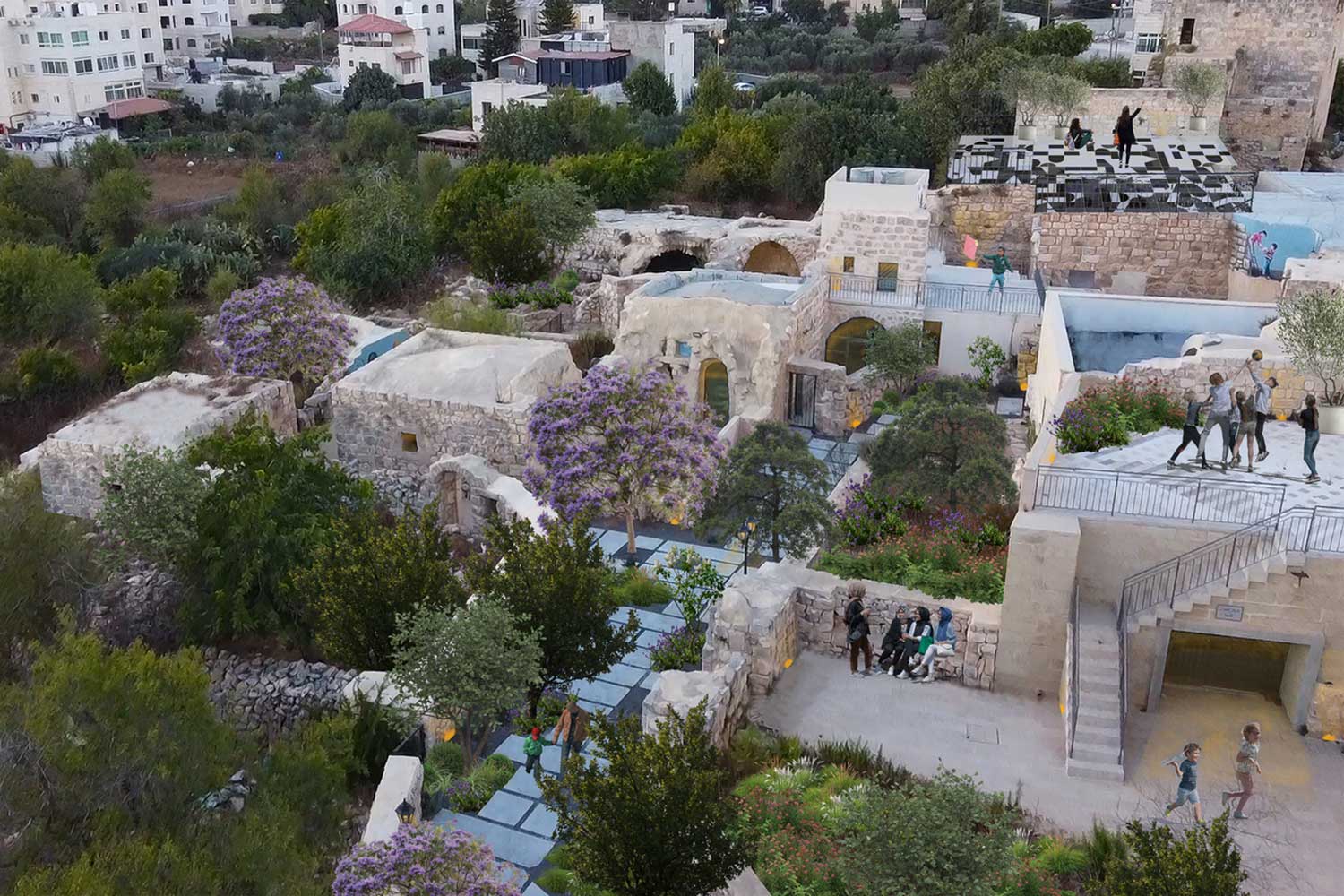
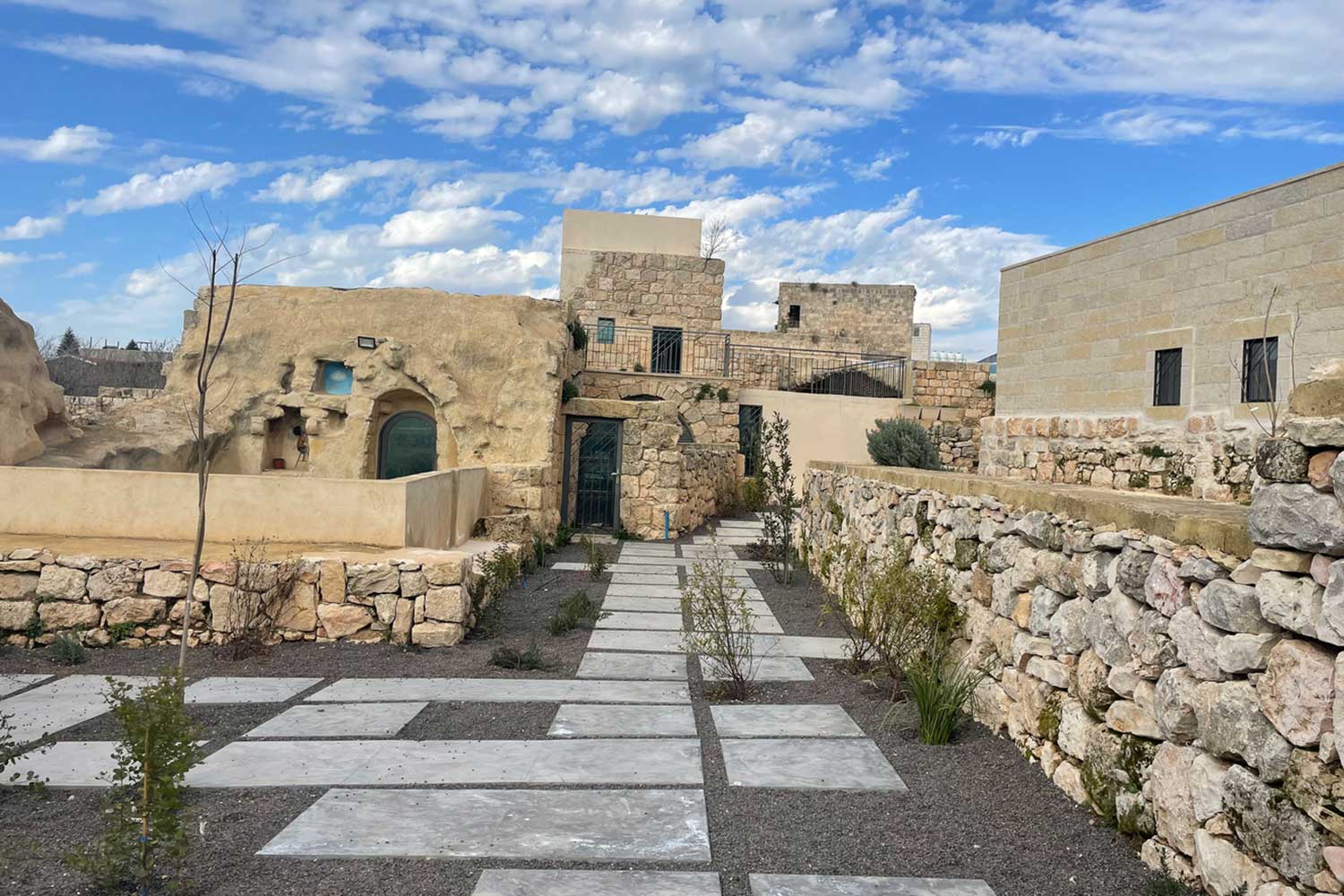
The rehabilitation of Qalandiya’s historic village center adopts an incremental, sustainable approach to reviving an area long affected by neglect tied to the region’s political circumstances. Using traditional knowledge, local stone masonry, and native materials, deteriorated structures are restored for public use. Climate-responsive strategies such as passive insulation, graywater separation, rainwater harvesting, permeable paving, and native planting strengthen environmental resilience. Community participation ensures cultural sensitivity and local ownership, generating more than 13,800 artisan workdays. Supported by an economic model that leases restored spaces at affordable rates, the project reinvests revenue into maintenance, creating safer public areas and reinforcing the village’s collective identity. “The jury commended the project for its thoughtful approach to heritage conservation, acknowledging its high level of sensitivity to complex social and political contexts, as well as its emphasis on knowledge generation and sharing. Jurors emphasized the project’s careful participatory approach, which involved residents deeply in the design and restoration processes, thereby fostering local ownership and stewardship. They were also impressed by how the resulting architecture created comfortable spaces for people of different ages while subtly restoring historic elements.”
آمریکای شمالی
پارک موکلی اثر Stoss Landscape Urbanism، بوستون، ایالات متحده
North America
Moakley Park by Stoss Landscape Urbanism, in Boston, USA
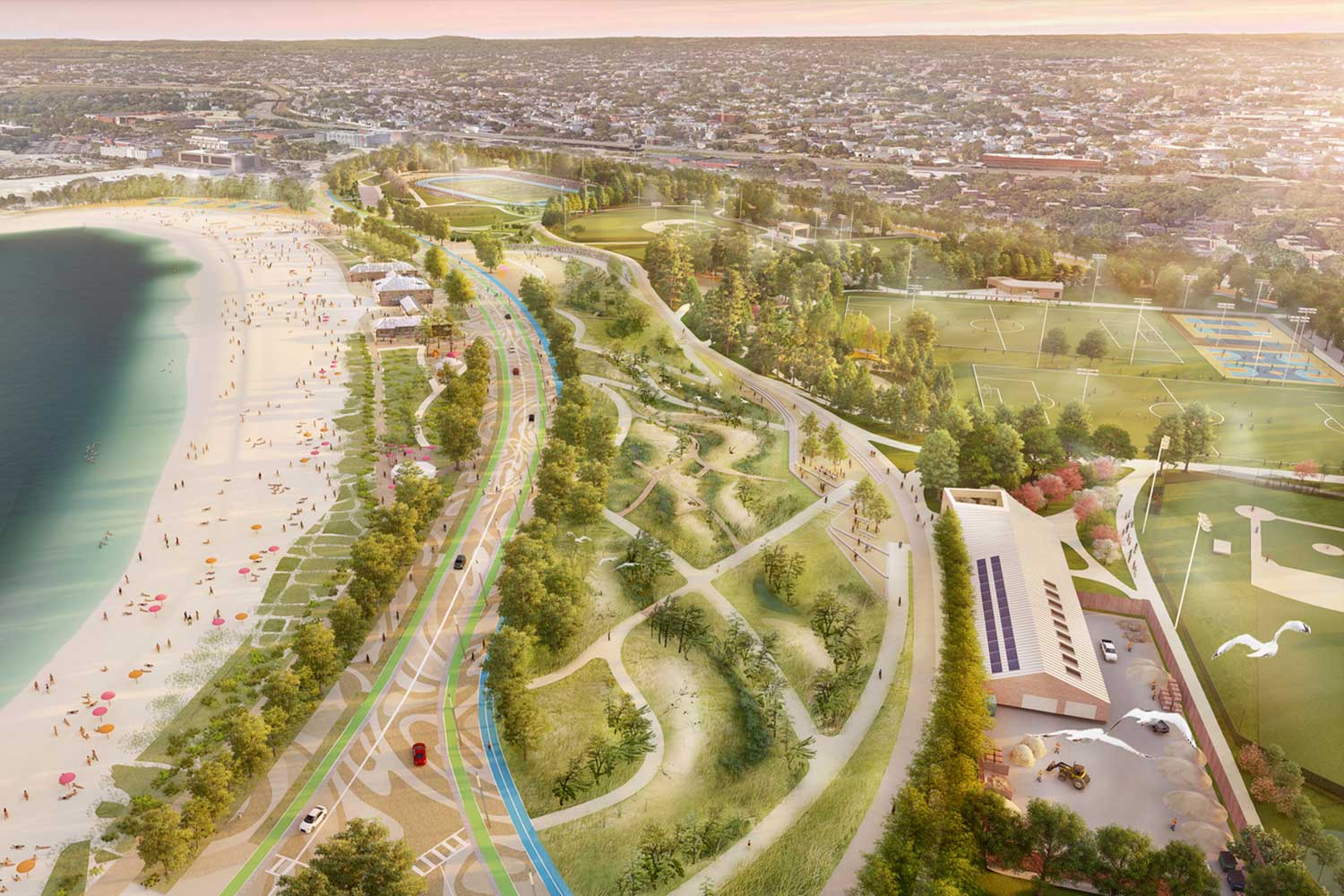
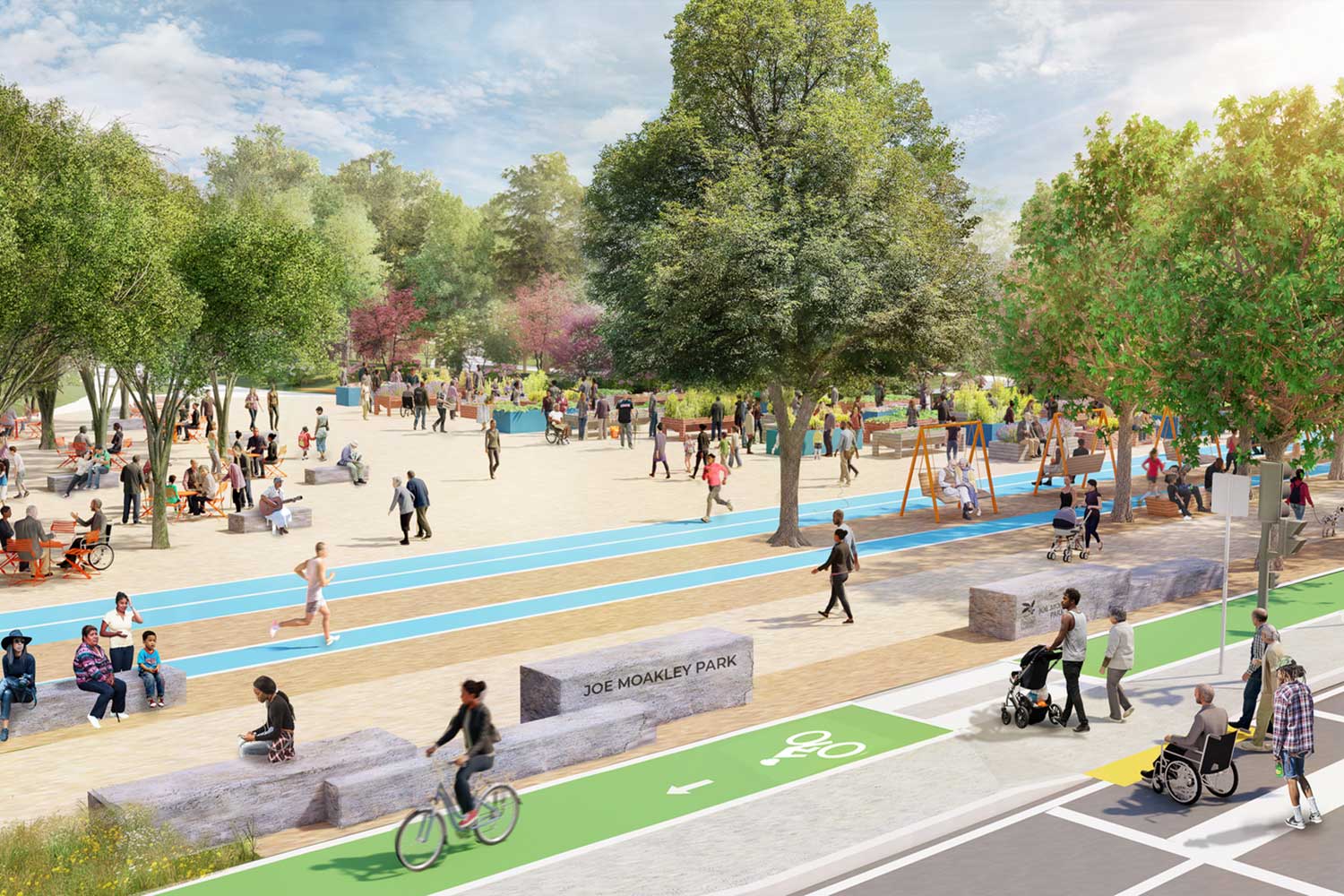
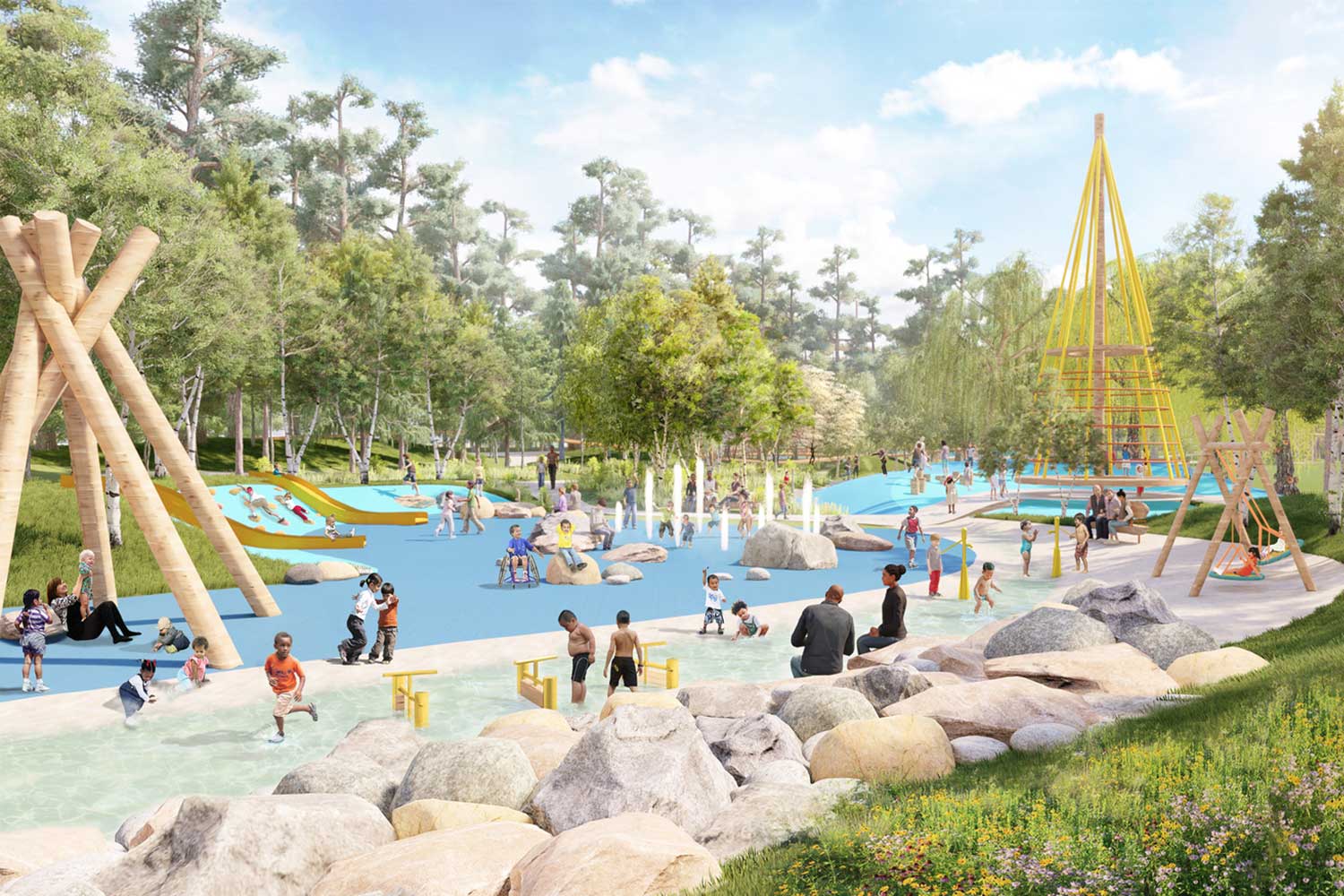
پارک موکلی یکی از بزرگترین پهنههای ساحلی بوستون را به منظری تابآور و در دسترس تبدیل میکند. این پروژه با بهرهگیری از خاکریزهای حفاظتی، احیای تالابهای ساحلی و سیستمهای مدیریت آبهای سطحی، خطر سیلاب را کاهش میدهد و تنوع زیستی را تقویت میکند. بیش از ۵۰۰ درخت و پوشش گستردهی گیاهان بومی، گرمای شهری را مهار و زیستگاههای اکولوژیک را تقویت میکنند. طرح با مشارکت گستردهی جامعه تدوین شده و اولویتهای محلی را بازتاب میدهد و دسترسی برابر به فضاهای تفریحی را گسترش میدهد. حمایت مالی عمومی–خصوصی نیز ثبات اقتصادی و اجتماعی پروژه را تقویت کرده است. پارک موکلی الگویی مقیاسپذیر برای سازگاری اقلیمی، تابآوری شهری و رفاه اجتماعی ارائه میکند. “داوران این طراحی جاهطلبانه و در عین حال واقعگرایانه را الگویی دگرگونکننده برای تابآوری شهری دانستند. با رویکرد مشارکتی فراگیر، شامل هزاران گفتوگو با جامعه، پروژه آسیبپذیری ساحلی بوستون را هوشمندانه پاسخ میدهد و دسترسی برابر به فضاهای عمومی را فراهم میکند. یکپارچهسازی هوشمندانهی معماری منظر و مدیریت روانآب، همراه با راهبردهای «ساحل زنده» و خاکریزهای تطبیقی، نمونهای برجسته از دفاع سیلاب شهری است.”
Moakley Park reimagines one of Boston’s largest waterfront areas as a resilient and accessible public landscape. The project incorporates protective berms, restored coastal marshes, and stormwater management systems to reduce flood risk and support biodiversity. More than 500 new trees and extensive native plantings help mitigate urban heat while strengthening local ecological habitats. Developed through comprehensive community engagement, the plan reflects neighborhood priorities and expands equitable access to recreational spaces. Supported by public-private partnerships and income-generating programs, it contributes to economic and social stability. The project offers a scalable model for climate adaptation, urban resilience, and community wellbeing. “The jury recognized this ambitious yet pragmatic design as a transformative model for urban resilience. Embracing a participatory approach, including thousands of community interactions, the project adeptly addresses Boston’s coastal vulnerability, providing equitable access to inclusive public spaces. The project demonstrates intelligent integration of landscape architecture and stormwater management, with the living shoreline and adaptive berm strategies standing out as exemplary approaches to urban flood defense.”
مطالب مرتبط