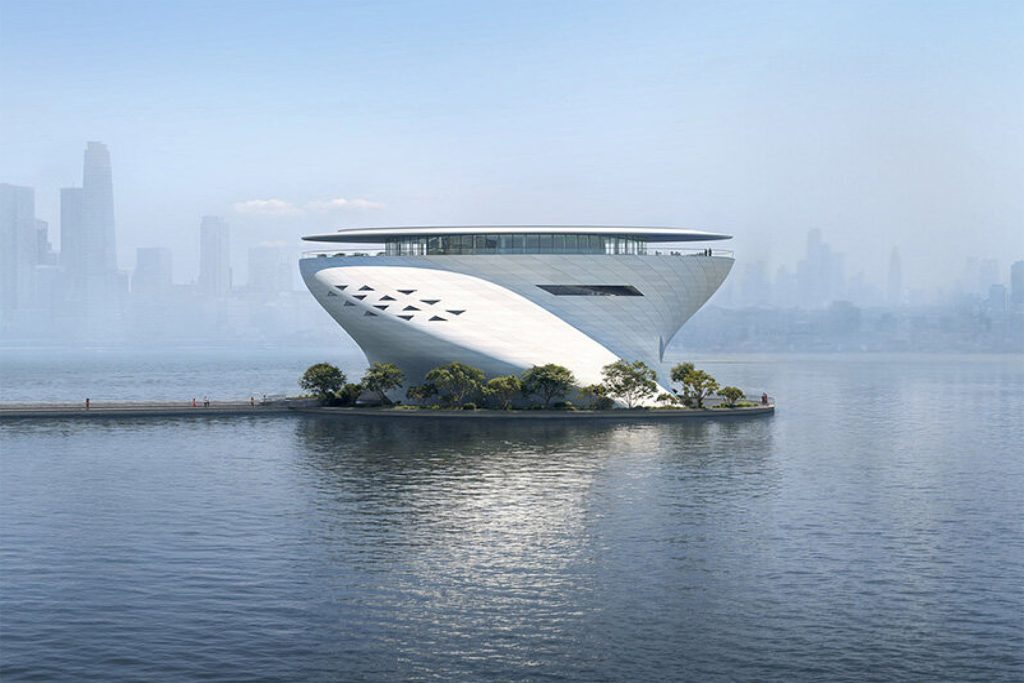
 تاداو آندو طرح موزه هنر دبی را با سیلوئت پیچیده بتنی و شناور
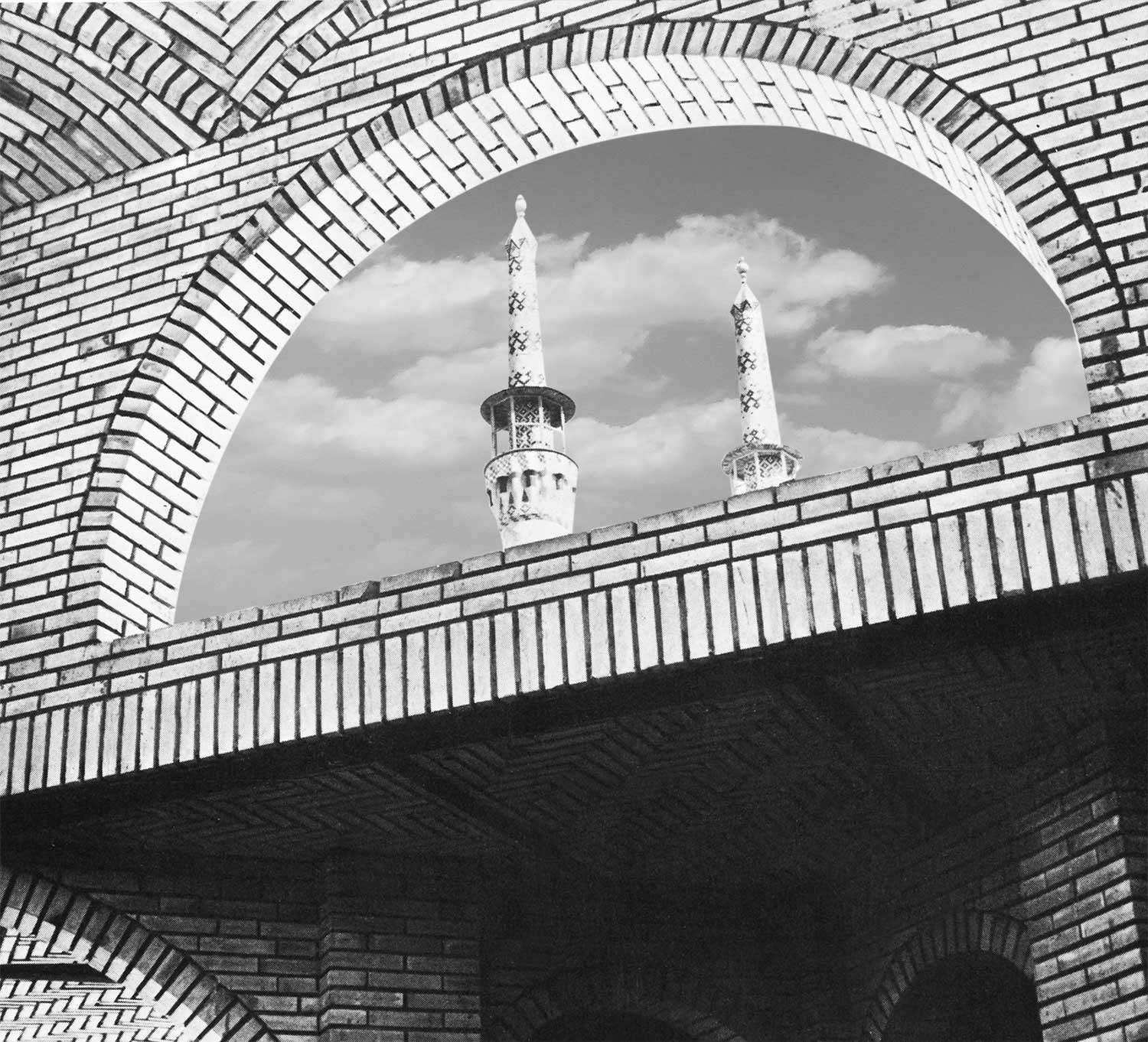
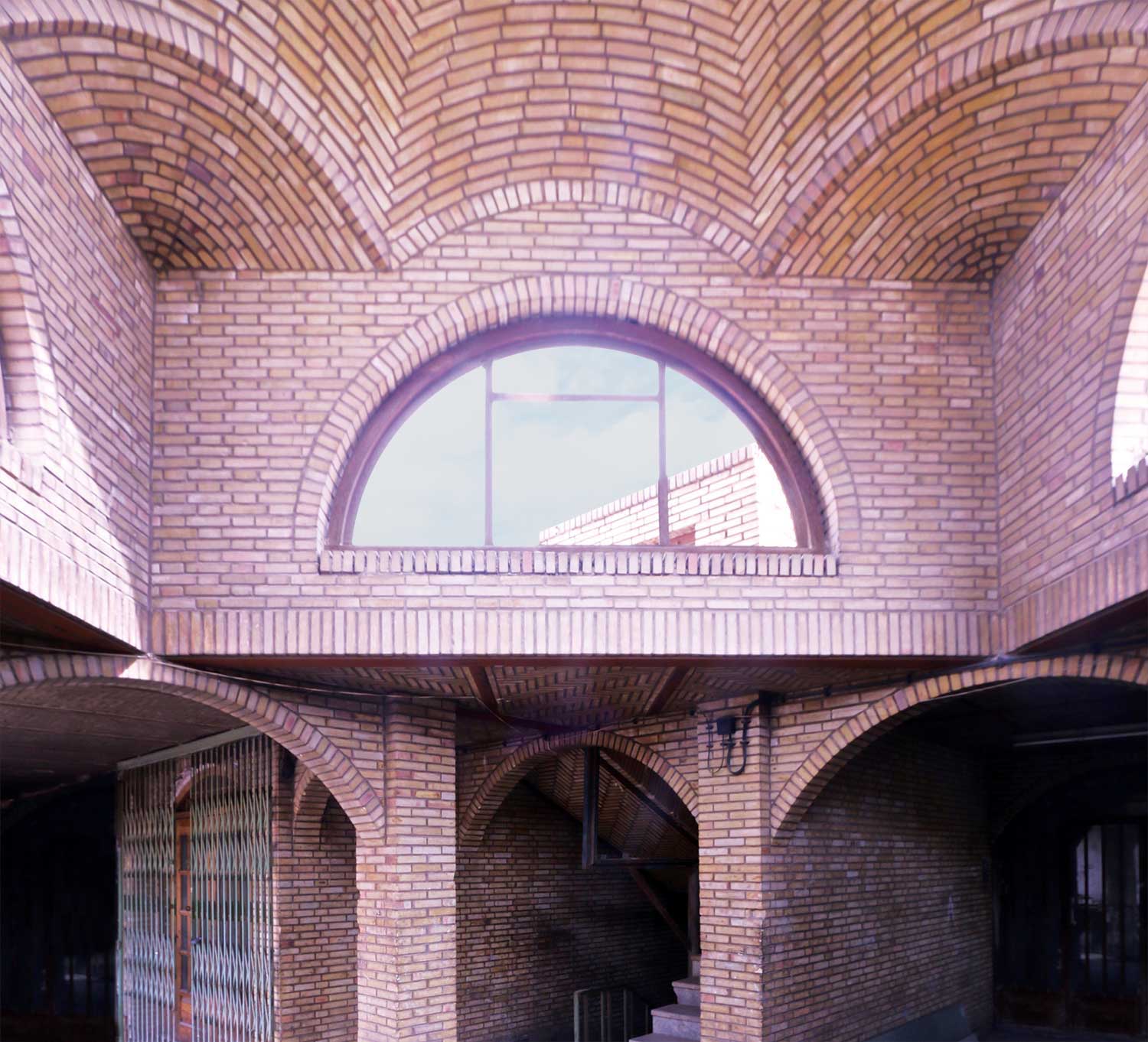
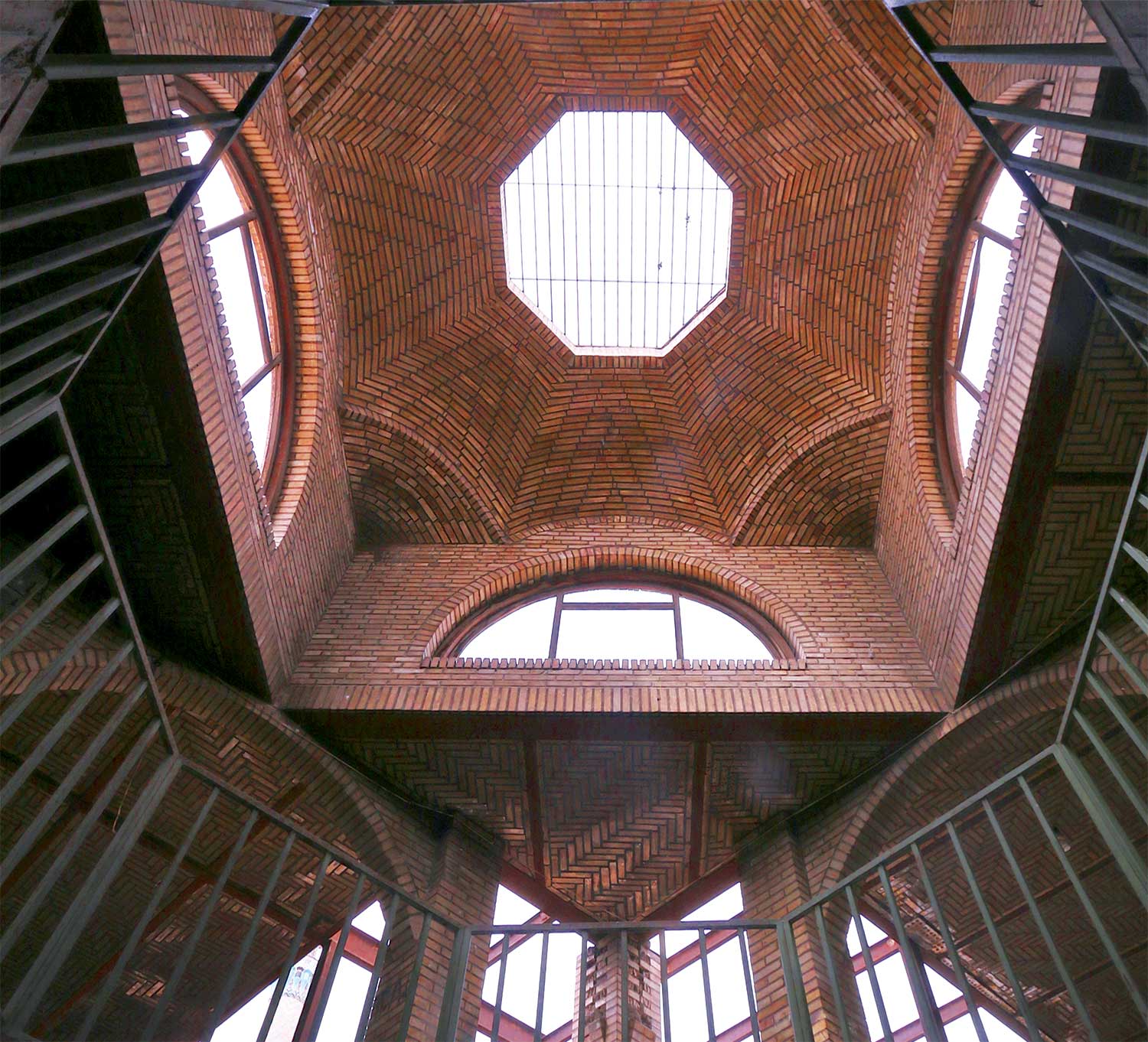
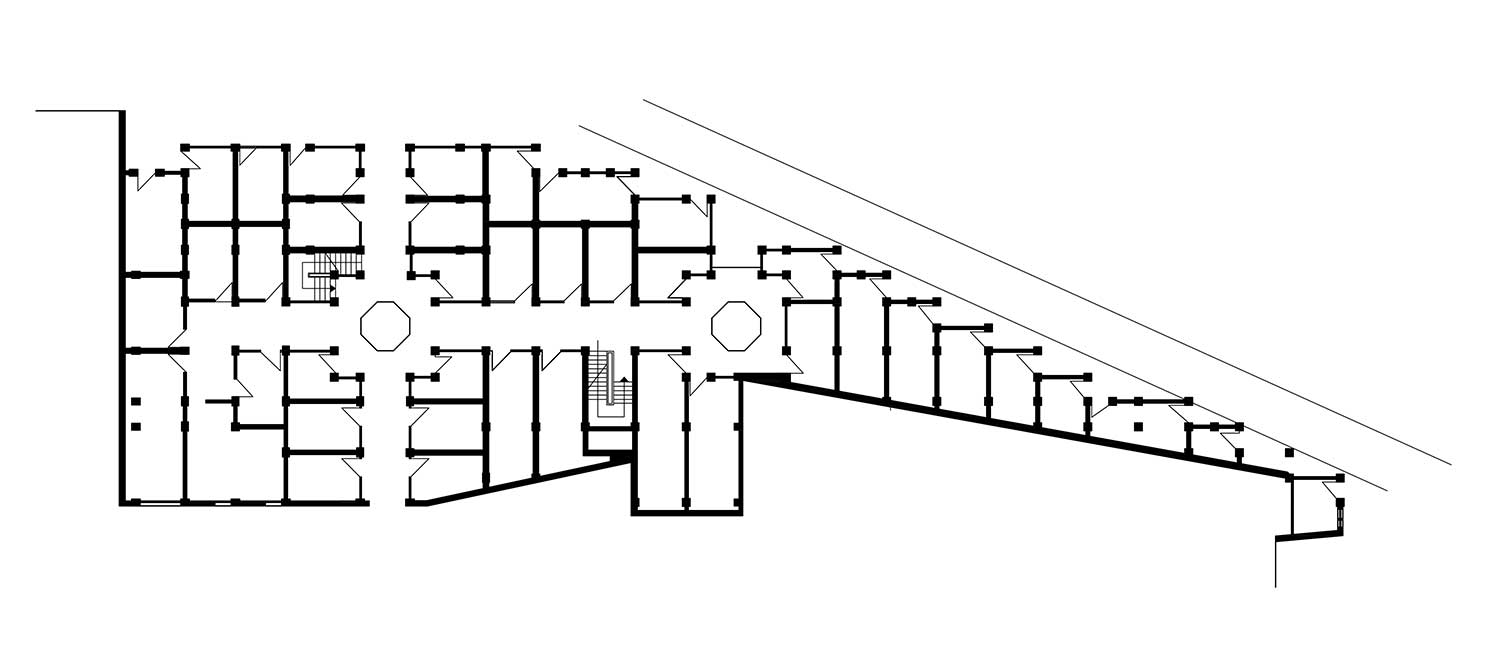
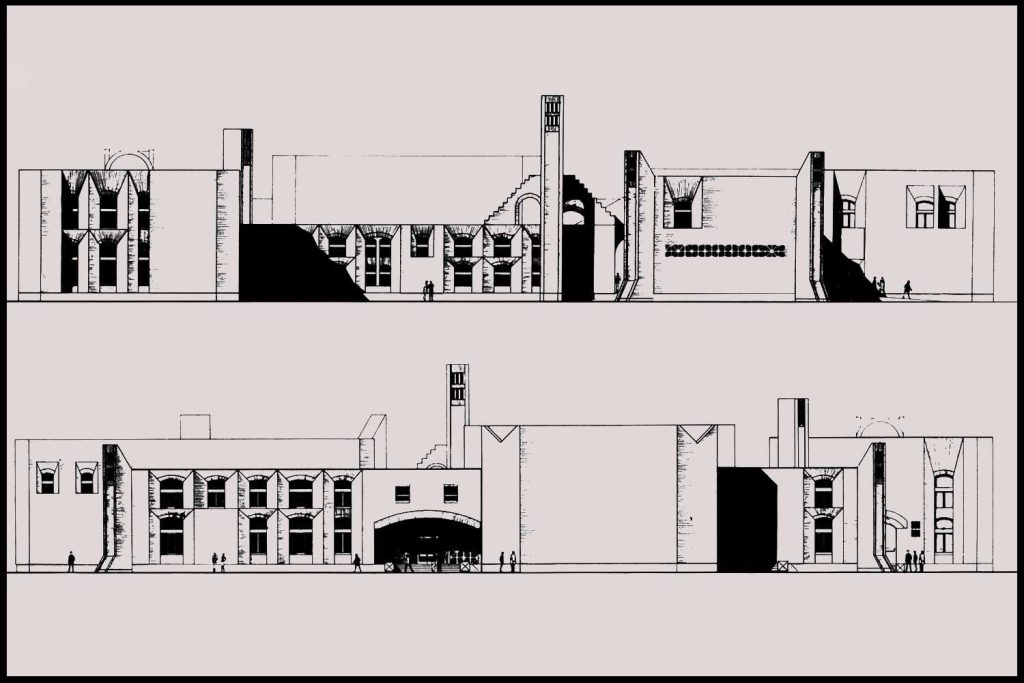 طرح مرکز فرهنگی یزد اثر هوشنگ سیحون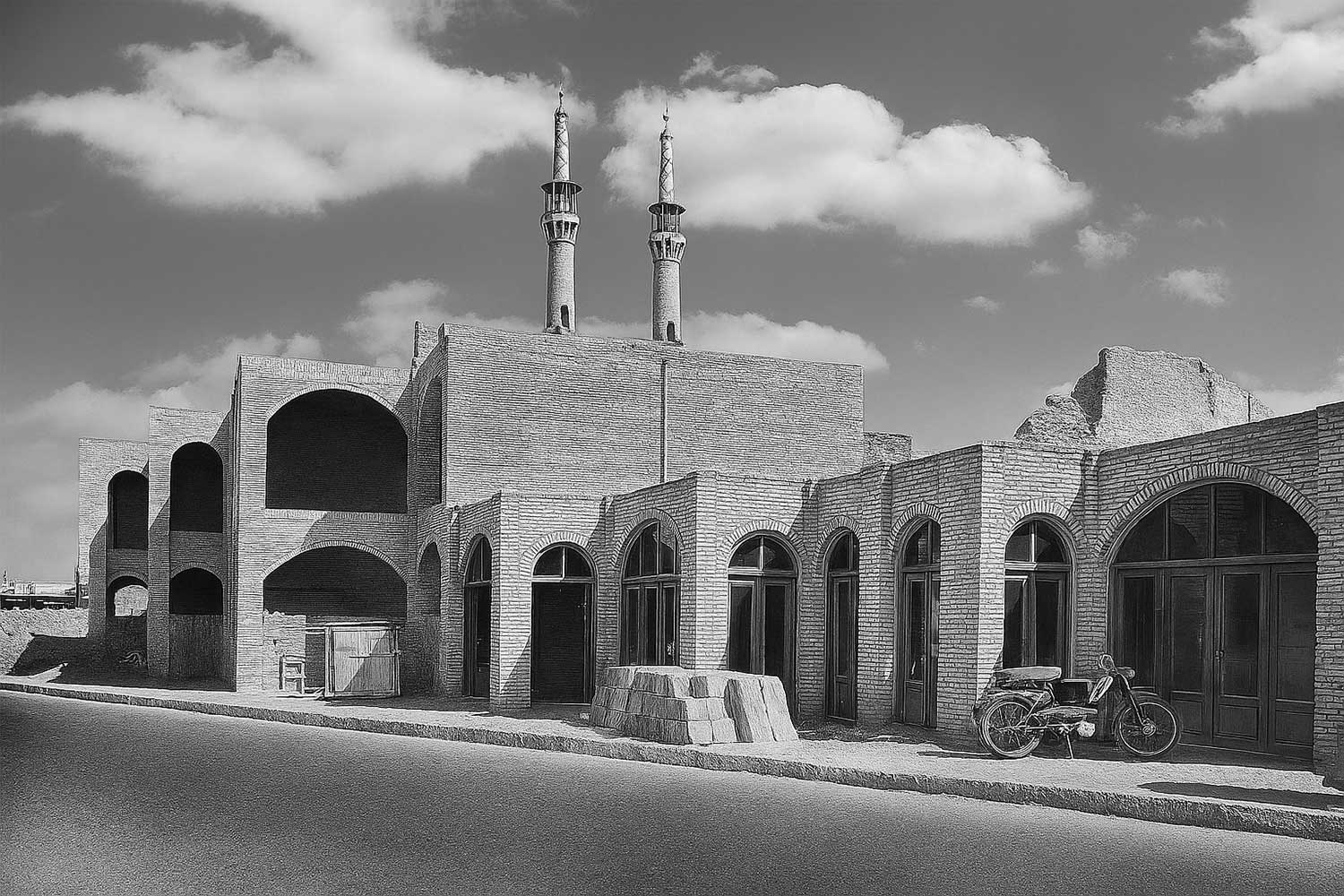
بازارچهی امیرچخماق یزد
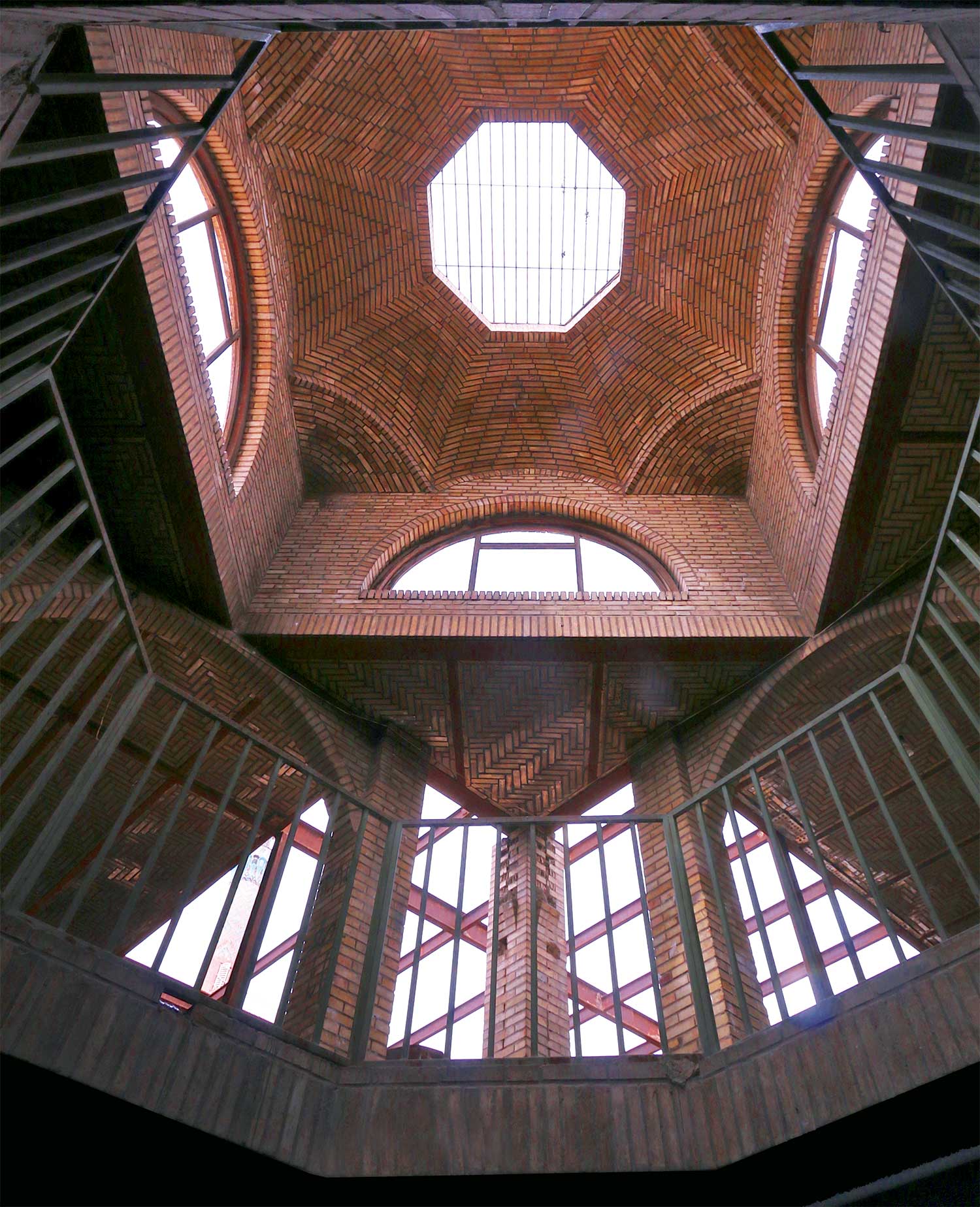
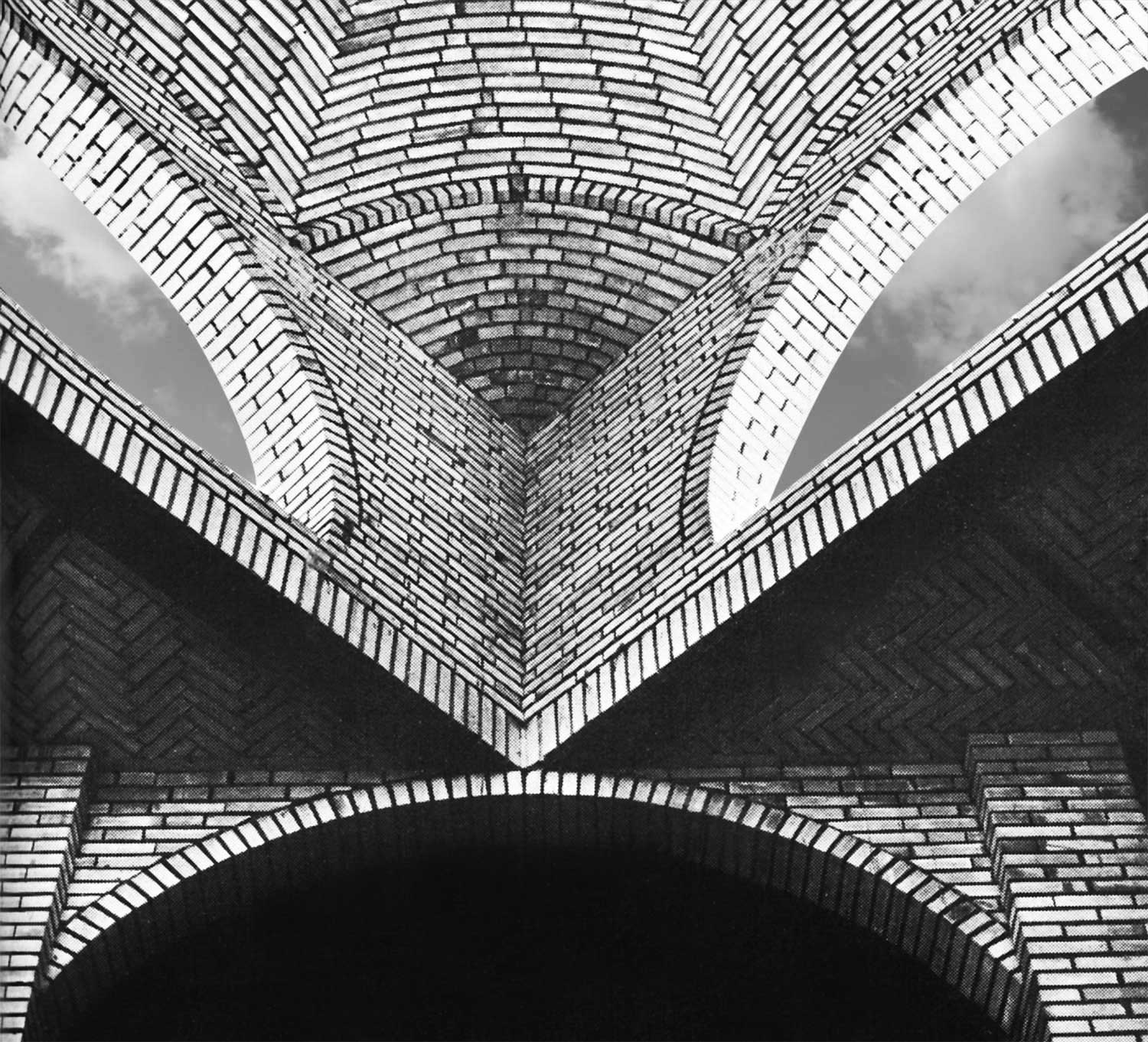
معماری دورهی تجدد در زمان پهلوی اول با احداث خیابانها و تخریب بافتهای درهم تنیدهی شهری شروع شد. این اتفاق در یزد نیز به واسطهی احداث خیابانهای ثریا (سلمان فارسی فعلی) در سال 1325 و خیابان پهلوی (امام خمینی فعلی) در سال 1314، سبب تخریب ارتباط مجموعهی امیر چخماق با بافت منسجم اطراف شد. خیابانها به مسیرهایی برای عبور ماشینها تبدیل شد و دیگر خبری از لایههای تجاری و متصل به بازار اصلی نبود. طراحی سیحون در پشت دهانهی فوقالعاده زیبای بازارچه امیر چخماق در حدود سالهای 1351 و 1352، سعی در بازآفرینی این مجموعه، بستن مجموعهی بازارچه و بازگرداندن دکانهایی داشت که در نتیجهی این خیابانکشی تخریب شده بودند.
Amir Chakhmaq Bazaar
The architecture of the modern era during the reign of Reza Shah Pahlavi began with the construction of new streets and the destruction of the intertwined urban fabric. In Yazd, this transformation took shape through the creation of Sorayya Street (now Salman Farsi Street) in 1946 and Pahlavi Street (now Imam Khomeini Street) in 1935, which disrupted the spatial and functional connection of the Amir Chakhmaq complex with its cohesive surrounding fabric. The streets became thoroughfares for automobiles, and the commercial layers once connected to the main bazaar vanished. Houshang Seyhoun’s design, dating from around 1972–1973, situated behind the remarkably beautiful entrance of the Amir Chakhmaq bazaar, sought to revive this ensemble—closing off the bazaar courtyard and restoring the sequence of shops that had been destroyed as a result of the earlier street construction.
مدارک فنی
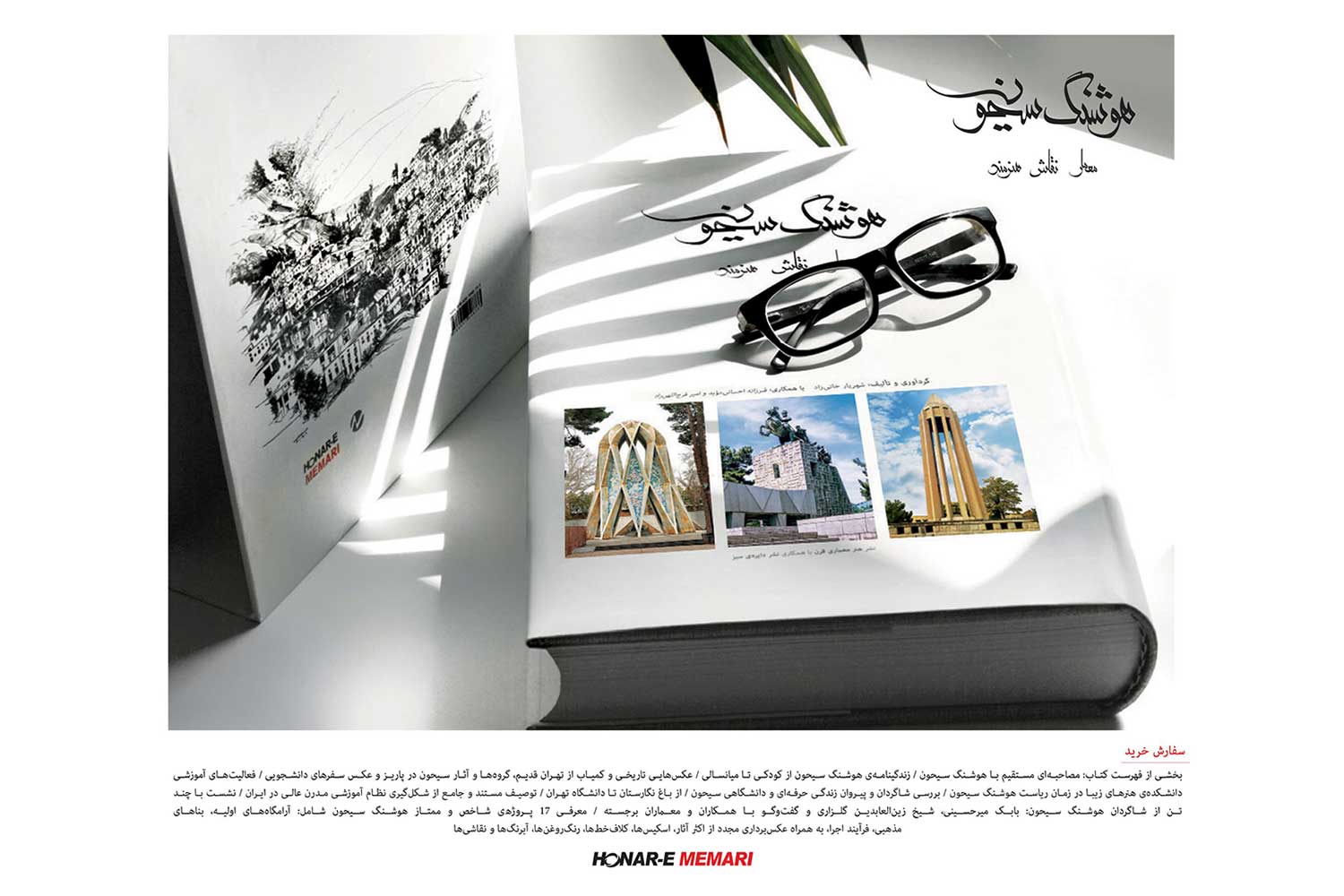
مرجع عکسها: کتاب هوشنگ سیحون (معمار، هنرمند، نقاش)
تالیف: شهریار خانیزاد
مطالب مرتبط