انتخاب دفتر اسنوهتا برای طراحی موزه هنر خلیج چیانتانگ در هانگژو، چین
Snøhetta Selected to Design the New Qiantang Bay Art Museum in Hangzhou, China
انتخاب دفتر اسنوهتا برای طراحی موزه هنر خلیج چیانتانگ
دفتر معماری اسنوهتا (Snøhetta) در سال ۱۹۸۹ در اسلو، نروژ، توسط گروهی از معماران و طراحان منظر تأسیس شد و امروزه با دفاتری در نیویورک، پاریس، هنگکنگ و چند شهر دیگر، بهعنوان یکی از پیشروترین مجموعههای میانرشتهای جهان شناخته میشود. نام دفتر از کوهی در نروژ گرفته شده و نمادی از پیوند طبیعت و معماری است. فلسفهی طراحی اسنوهتا بر پایهی گفتوگوی میان معماری، منظر و انسان استوار است؛ رویکردی که به جای تمرکز صرف بر فرم، بر تجربهی حسی، اجتماعی و محیطی فضا تأکید دارد. ساختار کاری این دفتر باز و مشارکتی است و در آن تصمیمگیریها بهصورت گروهی انجام میشود تا خلاقیت جمعی و نگاه چندرشتهای در هر پروژه شکل گیرد. احترام به زمینهی فرهنگی و طبیعی، پایداری زیستمحیطی، و خلق فضاهای عمومی دعوتکننده، از ارکان ثابت در تمامی آثار این مجموعهاند. از مهمترین پروژههای اسنوهتا میتوان به کتابخانه اسکندریه (Bibliotheca Alexandrina) در مصر، اپرای اسلو (Oslo Opera House)، پاویون یادبود یازدهم سپتامبر (9/11 Memorial Pavilion) در نیویورک، و رستوران زیرآبی Under در جنوب نروژ اشاره کرد. این آثار، مفهوم فضا را از «شی معمارانه» به «تجربهی اجتماعی و محیطی» ارتقا دادهاند. پروژههای اخیر اسنوهتا همچون موزه هنر خلیج چیانتانگ در چین یا دفتر مرکزی Le Monde در پاریس نیز ادامهی همین تفکرند؛ تلفیق معماری با بستر طبیعی و شهری بهگونهای که مرز میان درون و بیرون، مصنوع و طبیعی، محو میشود. بدینترتیب، اسنوهتا نهتنها در مقام یک دفتر معماری، بلکه بهعنوان یک اندیشهی فرهنگی و محیطی در معماری معاصر شناخته میشود.
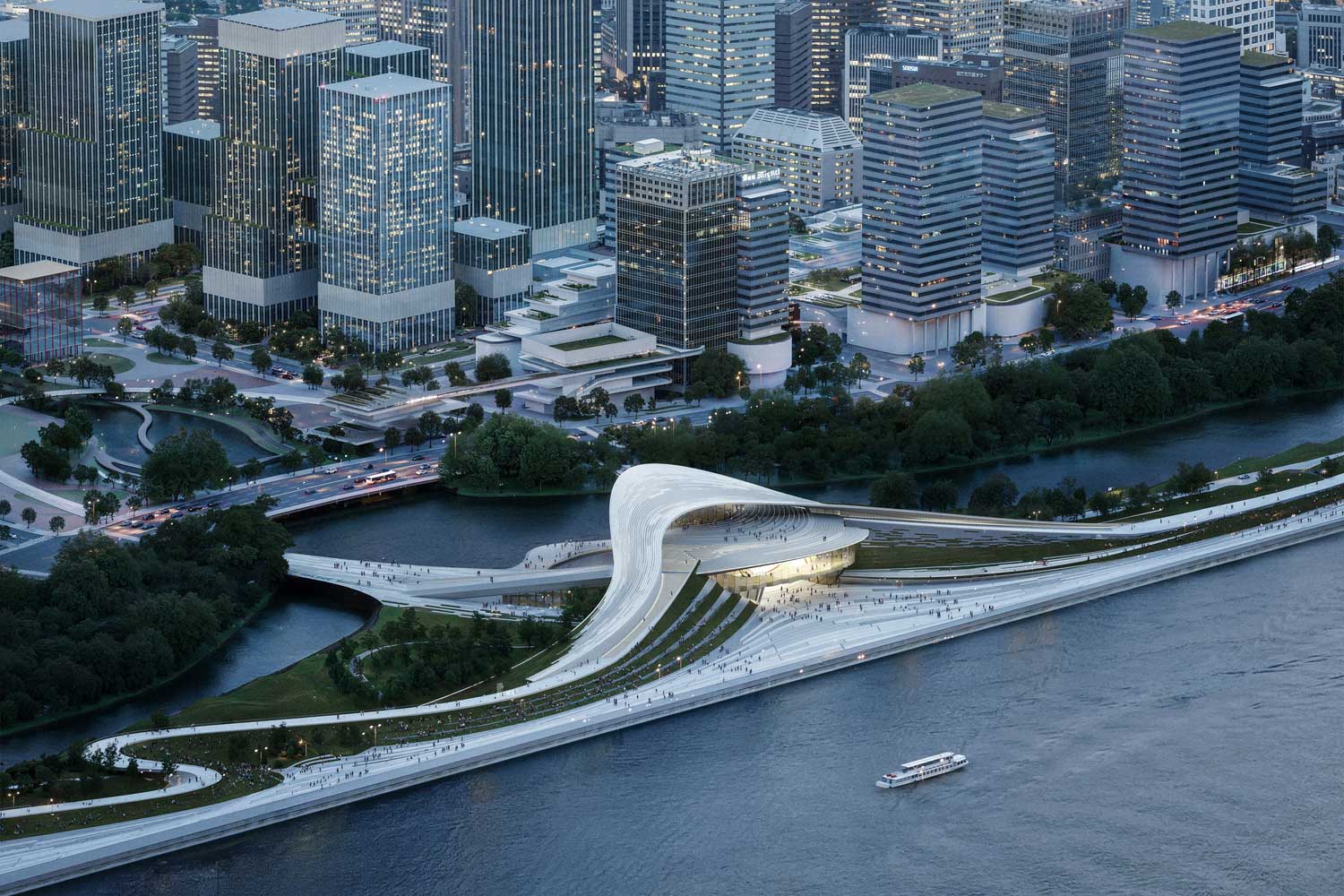
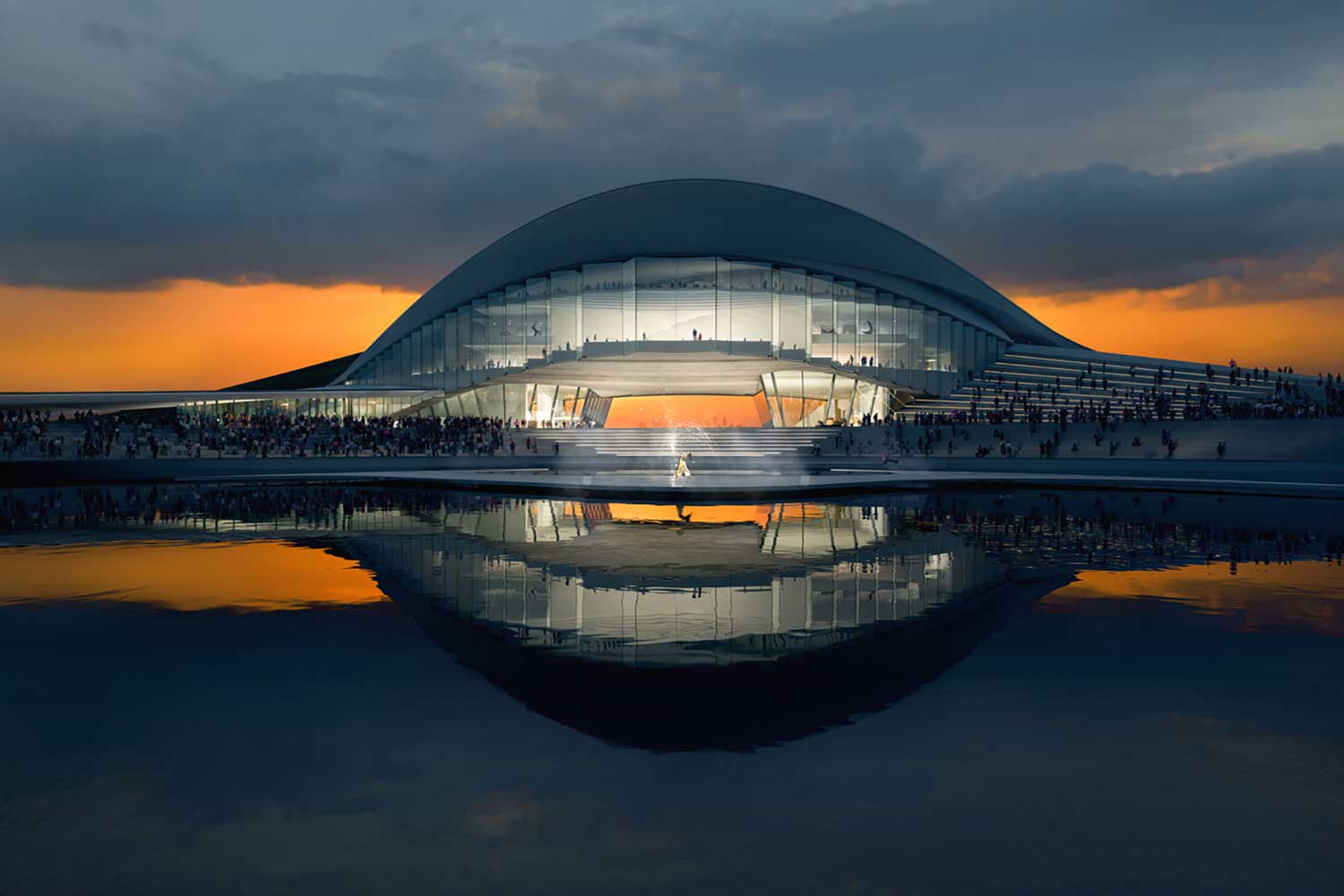
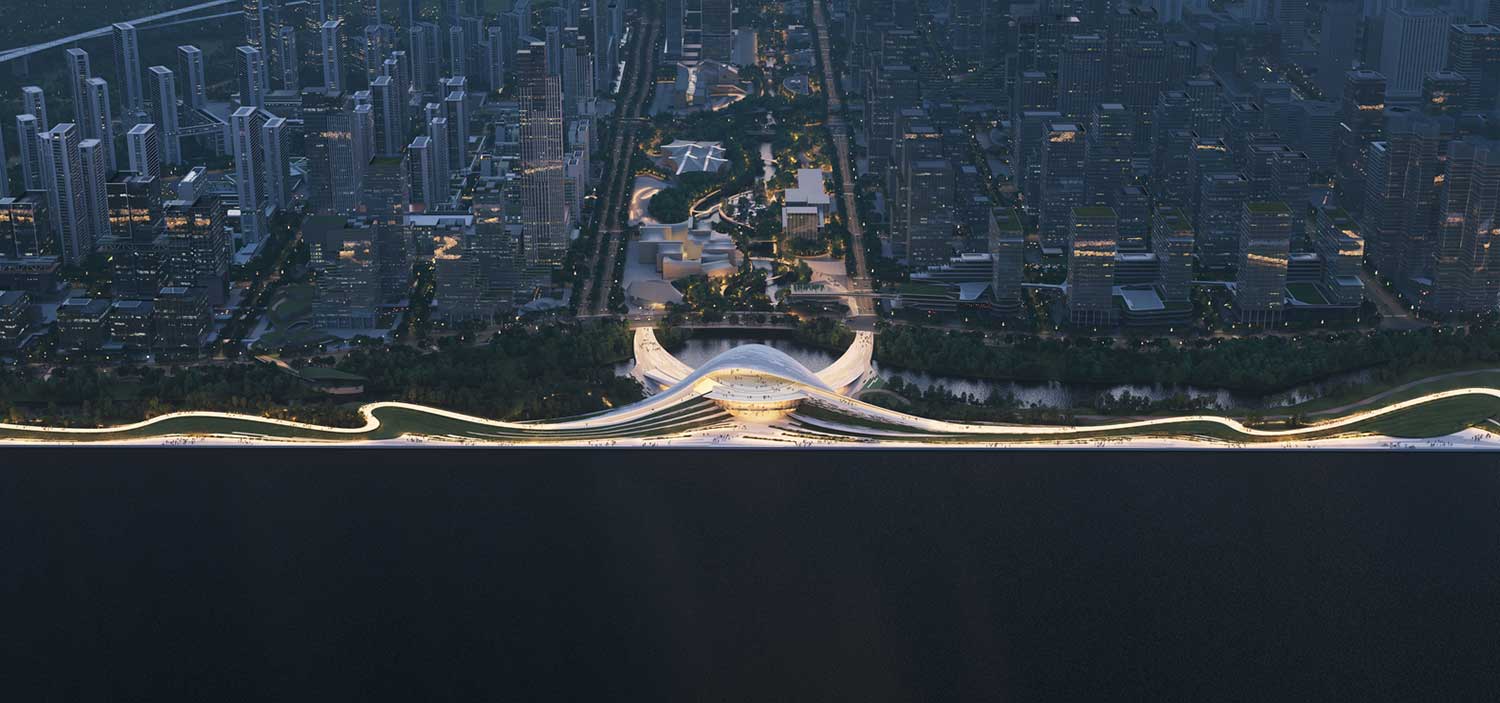
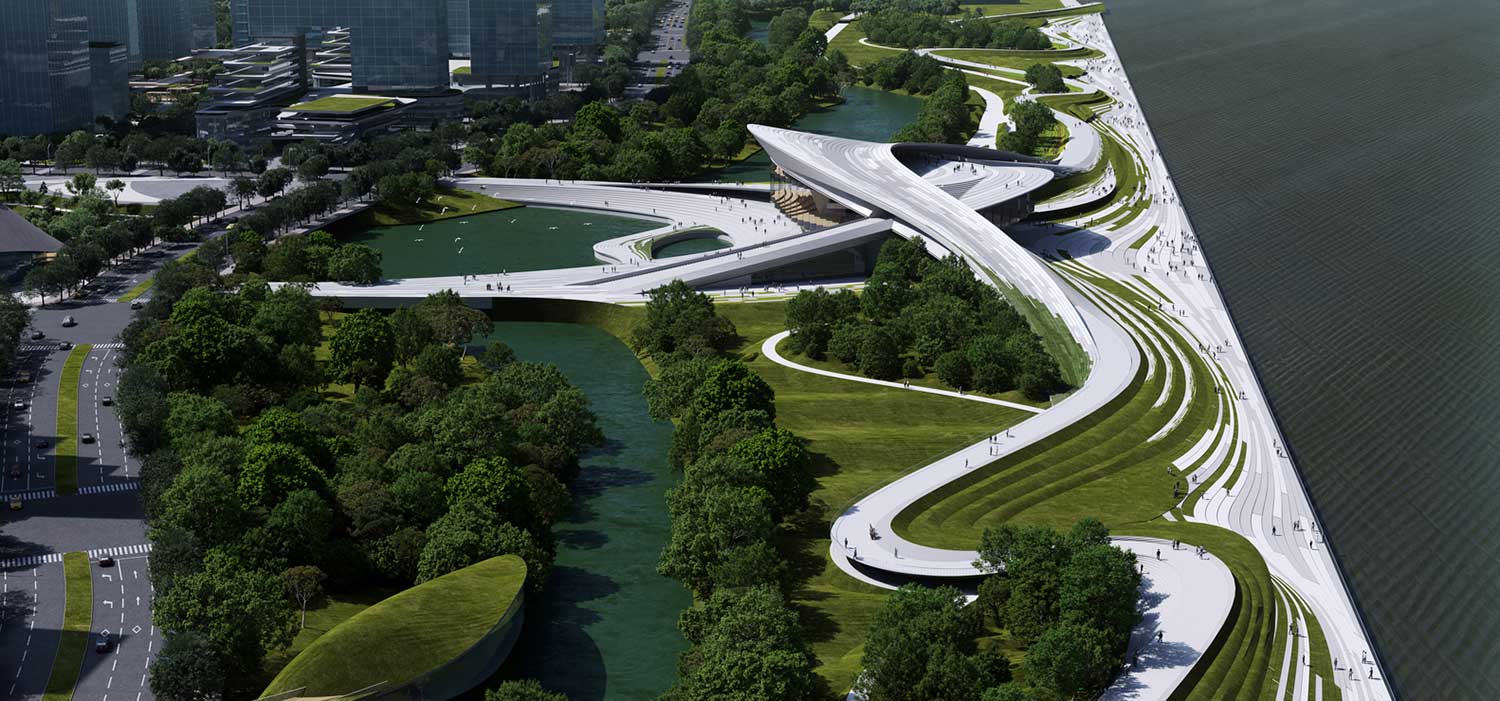
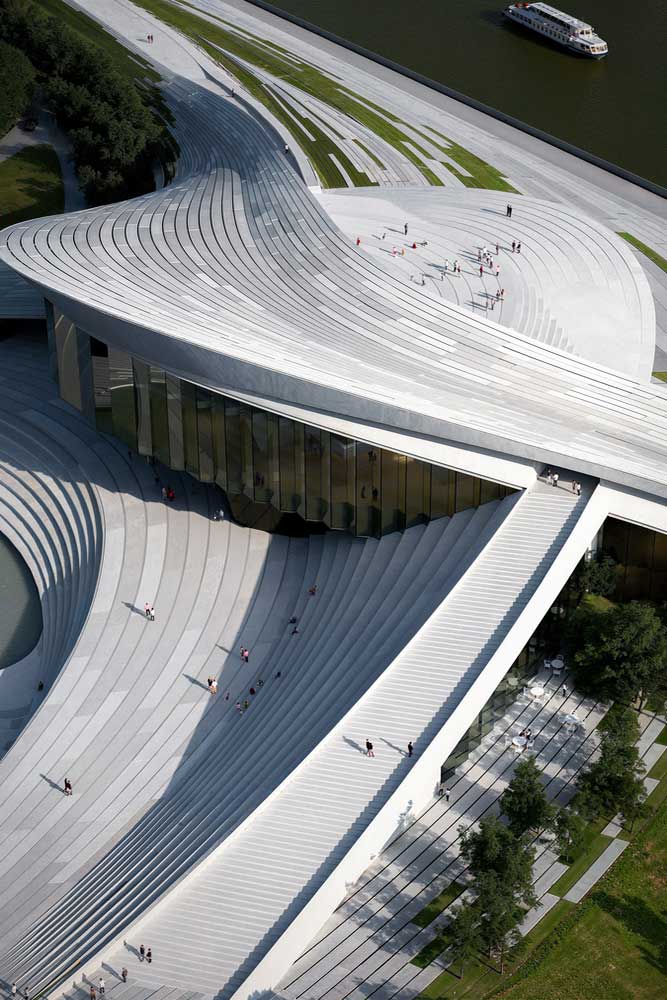
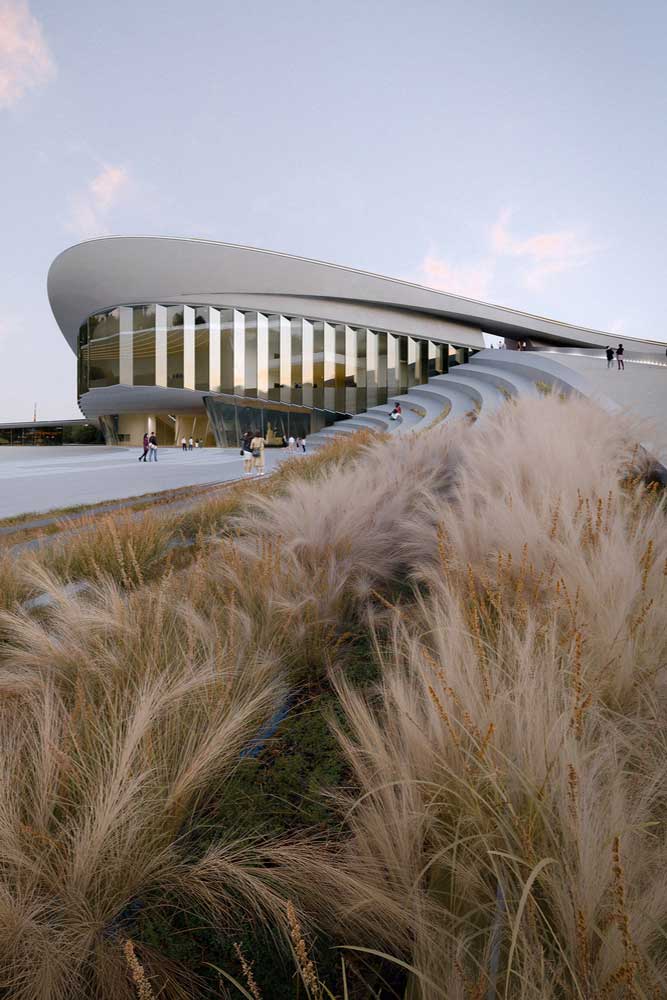
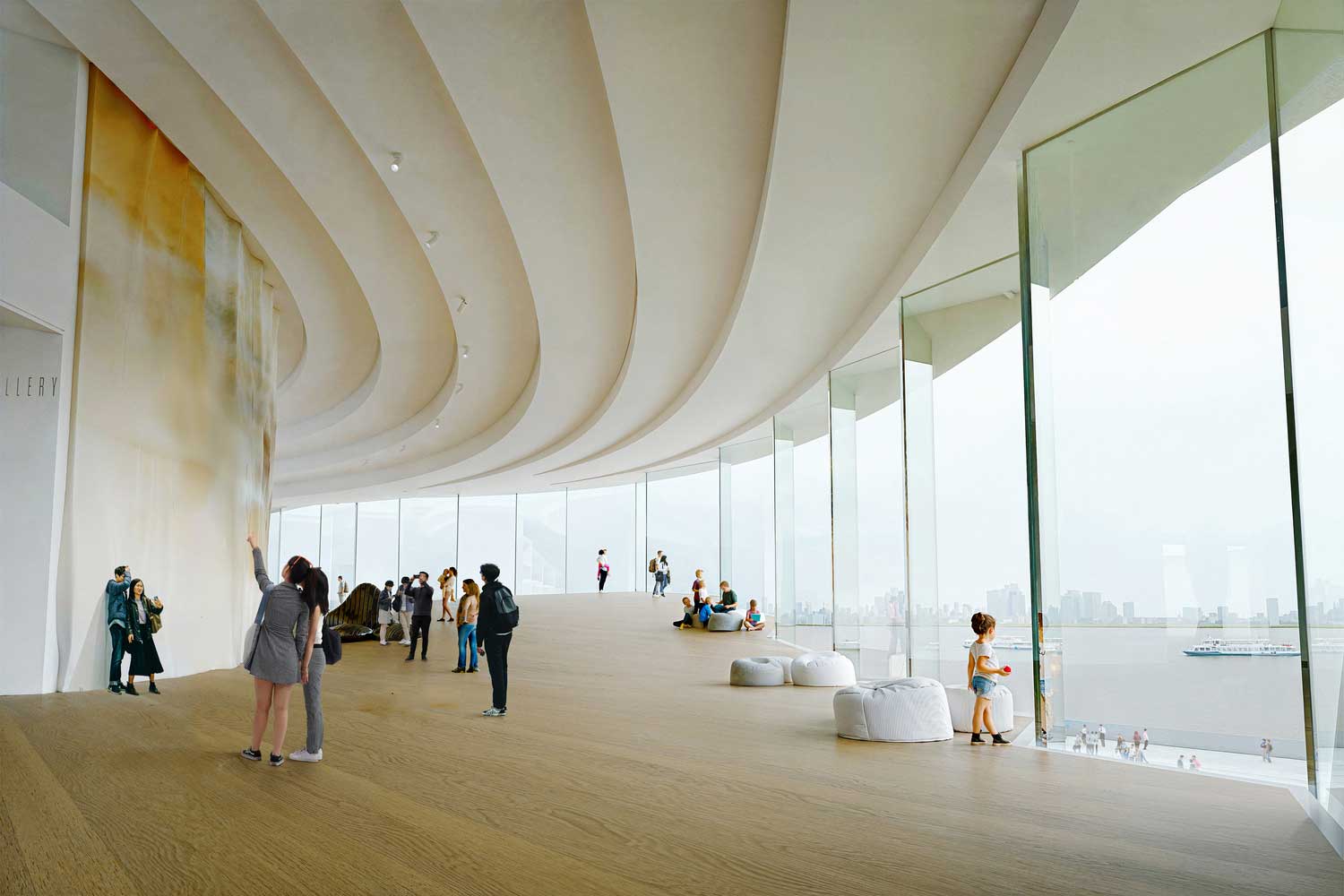
دفتر معماری اسنوهتا (Snøhetta) برای طراحی موزه هنر خلیج چیانتانگ (Qiantang Bay Art Museum) برگزیده شده است؛ بنایی فرهنگی تازه که در چارچوب طرح توسعهی ستاد آیندهی خلیج چیانتانگ (Qiantang Bay Future Headquarters) در منطقهی شیائوشان (Xiaoshan District) شهر هانگژو (Hangzhou) چین شکل میگیرد. این پروژه با همکاری مؤسسه طراحی و پژوهش معماری دانشگاه ژجیانگ (Architectural Design & Research Institute of Zhejiang University Co., Ltd.) و دفتر مهندسی بیورو هاپولد (Buro Happold) شکل گرفته و حوزههای معماری، طراحی منظر و طراحی داخلی را در مساحتی حدود ۱۸٬۰۰۰ مترمربع دربر میگیرد. موزه بخشی از محدودهی در حال گسترش مرکز شهر هانگژو در امتداد رودخانهی چیانتانگ (Qiantang River) خواهد بود و بهعنوان مقصدی مهم برای هنر، فرهنگ و زندگی عمومی ایفای نقش میکند. این موزه در محل تلاقی رودخانهی چیانتانگ و محور مرکزی آب (Central Water Axis) قرار گرفته و از موقعیتی راهبردی با دسترسی مستقیم به مترو و چشماندازهای باز به دو پهنهی آبی برخوردار است. طرح مفهومی اسنوهتا بر آن است تا دوگانگی میان طبیعت و شهر را در آغوش گیرد و جریان آب را بهمنزلهی استعارهای از حرکتهای هنری و فرهنگی در گذر زمان تعبیر کند. این بنا که بهعنوان «دروازهای بهسوی خیال» تعریف شده، میکوشد میان خوشهی فرهنگی منطقه و کرانهی رودخانه پیوندی زنده برقرار سازد و بدینسان، خلاقیت را از قلب شهری هانگژو به سوی چشمانداز طبیعی شاخص آن جاری کند. فرم ساختمان از دو حجم موجگونه و درهمتنیده تشکیل شده است که الهام خود را از حرکت سیال آب و ساختار پیونددهندهی پل میگیرد. این ترکیب فضایی، تمامی مسیرهای حرکتی را پیرامون یک گره مرکزی سازماندهی میکند و قلمرویی عمومی و پویا پدید میآورد که بازدیدکنندگان را به کاوش و تعامل دعوت میکند. توپوگرافی نرم و مواج سایت نیز مسیر حرکت بازدیدکنندگان را هدایت کرده، آنان را از میان توالی ریتمدار فضاهای باز و بسته عبور میدهد و در نهایت به تراس بامی با چشمانداز پانورامیک از رودخانه و خط افق شهر میرساند. در حوزهی طراحی منظر، مسیرهای مارپیچ زمین را به درون بنا امتداد میدهند و میان فرم معماری و بستر طبیعی پیوندی ارگانیک برقرار میسازند. در بخش شمالی، پیادهراههایی در امتداد چشمانداز رودخانه به نقاط دید مرتفع ختم میشوند، در حالیکه در شرق، راهروهایی پلمانند از بستر شهری به درون موزه گذر میکنند. در تراز همکف، دروازهی مرکزی (Gateway) نقشی فضایی و نمادین ایفا میکند؛ بازدیدکنندگان را بهسوی لبهی آب هدایت کرده و مناظری قابشده از رودخانهی چیانتانگ پیش روی آنان میگشاید. درون بنا، هستهی مرکزی موزه دربرگیرندهی سالنهای اصلی نمایشگاهها است که با فضاهای باز برای تعامل اجتماعی، آموزش و تبادل فرهنگی احاطه شدهاند. از دیگر پروژههای اخیر که بیشترین بهره را از موقعیتهای ساحلی خود بردهاند میتوان به «ایزولا دلا موزیکا» (Isola della Musica) اثر دفتر رنزو پیانو (Renzo Piano Building Workshop) اشاره کرد؛ اپراهاوس و مرکز همایش تازهای در شهر هانوی (Hanoi) ویتنام که بهتازگی عملیات ساخت آن آغاز شده است. در استرالیا، دفتر RSHP از تکمیل طرح جامع «بارانگارو ساوت» (Barangaroo South Masterplan) در سیدنی خبر داده است؛ پروژهای که پس از پانزده سال، لبهی بندر شمالغربی شهر را بار دیگر به هستهی شهری آن پیوند میدهد. در فرانسه نیز، دفتر بیارکه اینگلس (Bjarke Ingels Group – BIG) طرح مرکز همایش جدید شهر روآن (Rouen) را معرفی کرده است؛ بنایی با سقفی چوبی و گسترده که یادآور رابطهی تاریخی شهر با آب است. همچنین در اوایل امسال، دفتر MVRDV از طرح خود برای تأسیسات گردشگری و زیرساختهای صخرهمانند در ناحیهی ساحلی جیالشویی (Jialeshui) در جنوب تایوان رونمایی کرد؛ منطقهای طبیعی و دیدنی در انتهای جنوبی جزیره که الهامبخش شکلگیری این پروژه بوده است.
Snøhetta Selected to Design the New Qiantang Bay Art Museum
The architectural firm Snøhetta was founded in 1989 in Oslo, Norway, by a group of architects and landscape designers, and today—with offices in New York, Paris, Hong Kong, and several other cities—it is recognized as one of the world’s leading interdisciplinary practices. The firm takes its name from a mountain in Norway, symbolizing the connection between nature and architecture. Snøhetta’s design philosophy is grounded in the dialogue between architecture, landscape, and people—a human-centered approach that prioritizes sensory, social, and environmental experience over pure form. Its organizational structure is open and collaborative, encouraging collective creativity and interdisciplinary thinking in every project. Respect for cultural and natural context, environmental sustainability, and the creation of inviting public spaces are the constant pillars of Snøhetta’s work. Among its most notable projects are the Bibliotheca Alexandrina in Egypt, the Oslo Opera House in Norway, the National September 11 Memorial Pavilion in New York, and the underwater restaurant Under in southern Norway. These works redefine architectural space as a social and environmental experience rather than a static object. Recent projects such as the Qiantang Bay Art Museum in China and the Le Monde Headquarters in Paris continue this vision, merging architecture seamlessly with both natural and urban landscapes. In this way, Snøhetta stands not only as an architectural office but as a cultural and environmental philosophy shaping contemporary architecture.
Snøhetta has been selected to design the Qiantang Bay Art Museum, a new cultural landmark within the Qiantang Bay Future Headquarters development in Xiaoshan District, Hangzhou, China. Conceived in collaboration with the Architectural Design & Research Institute of Zhejiang University Co., Ltd. and Buro Happold, the project encompasses architecture, landscape architecture, and interior design over 18,000 square meters. The museum will form part of Hangzhou’s expanding downtown area along the Qiantang River, serving as an important destination for art, culture, and public life. Located at the confluence of the Qiantang River and the Central Water Axis, the museum occupies a strategic site with direct metro access and broad visual connections to both waterways. Snøhetta’s concept is meant to embrace the duality of this context, between nature and the city, interpreting the flow of water as a metaphor for artistic and cultural movements through time. Positioned as a “gateway for imagination,” the museum seeks to link the district’s cultural cluster with the riverfront, symbolically channeling creativity from Hangzhou’s urban core toward its defining natural landscape. The building takes the form of two interwoven, wave-like volumes inspired by the fluid motion of water and the connective structure of a bridge. This configuration organizes all circulation routes around a central node, establishing a dynamic public realm that encourages exploration and interaction. The undulating topography guides visitors across the site, leading them through a rhythmic sequence of outdoor and indoor experiences and culminating in a rooftop terrace offering panoramic views of the river and city skyline. In terms of landscape architecture, meandering pathways extend the terrain into the interior, connecting the built form with the natural setting. On the north side, promenades follow the riverscape toward elevated viewpoints, while on the east, bridge-like walkways transition from the urban context into the museum. At ground level, a central Gateway serves as both a spatial and symbolic connector, drawing visitors toward the water’s edge and framing views of the Qiantang River. Inside, the museum’s core hosts its main exhibition halls, surrounded by open areas for social interaction, education, and cultural exchange. Other recent projects that make the most of their waterfront settings include Renzo Piano Building Workshop’s (RPBW) Isola della Musica, a new opera house and convention center in Hanoi, Vietnam, which recently broke ground. In Australia, RSHP announced the completion of the Barangaroo South Masterplan in Sydney, marking the culmination of a 15-year redevelopment that reconnects the city’s northwestern harbor edge with its urban core. In France, Bjarke Ingels Group (BIG) has unveiled the design for a new congress center in Rouen, distinguished by a sweeping timber roof that echoes the city’s historic relationship with the water. Earlier this year, MVRDV revealed its design for rock-like tourist facilities and infrastructure along the coastal area of Jialeshui, a scenic destination at the southern tip of Taiwan.
مطالب مرتبط