 برندگان جایزهی بزرگ «جوایز بنیاد هولسیم ۲۰۲۵»
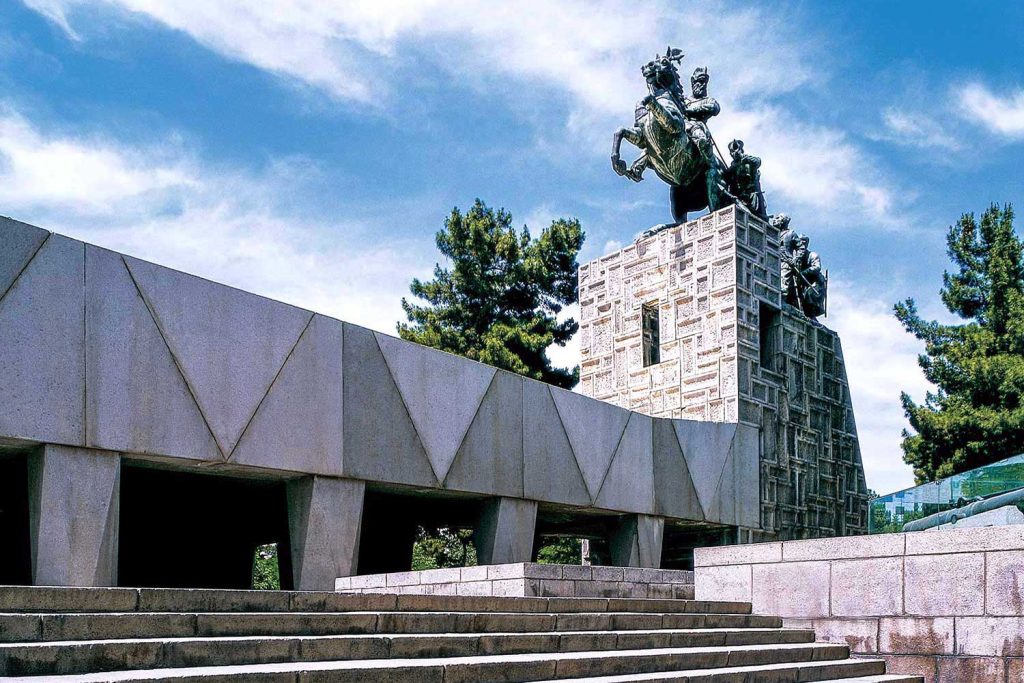 آرامگاه نادرشاه افشار و مجموعهی فرهنگی نادری اثر هوشنگ سیحون
استودیو هیترویک و مانیکا از طراحی استادیومی با دوازده دودکش آجری در بیرمنگام رونمایی کردند
Heatherwick Studio and MANICA Reveal Stadium Design Defined by Twelve Brick Chimneys in Birmingham
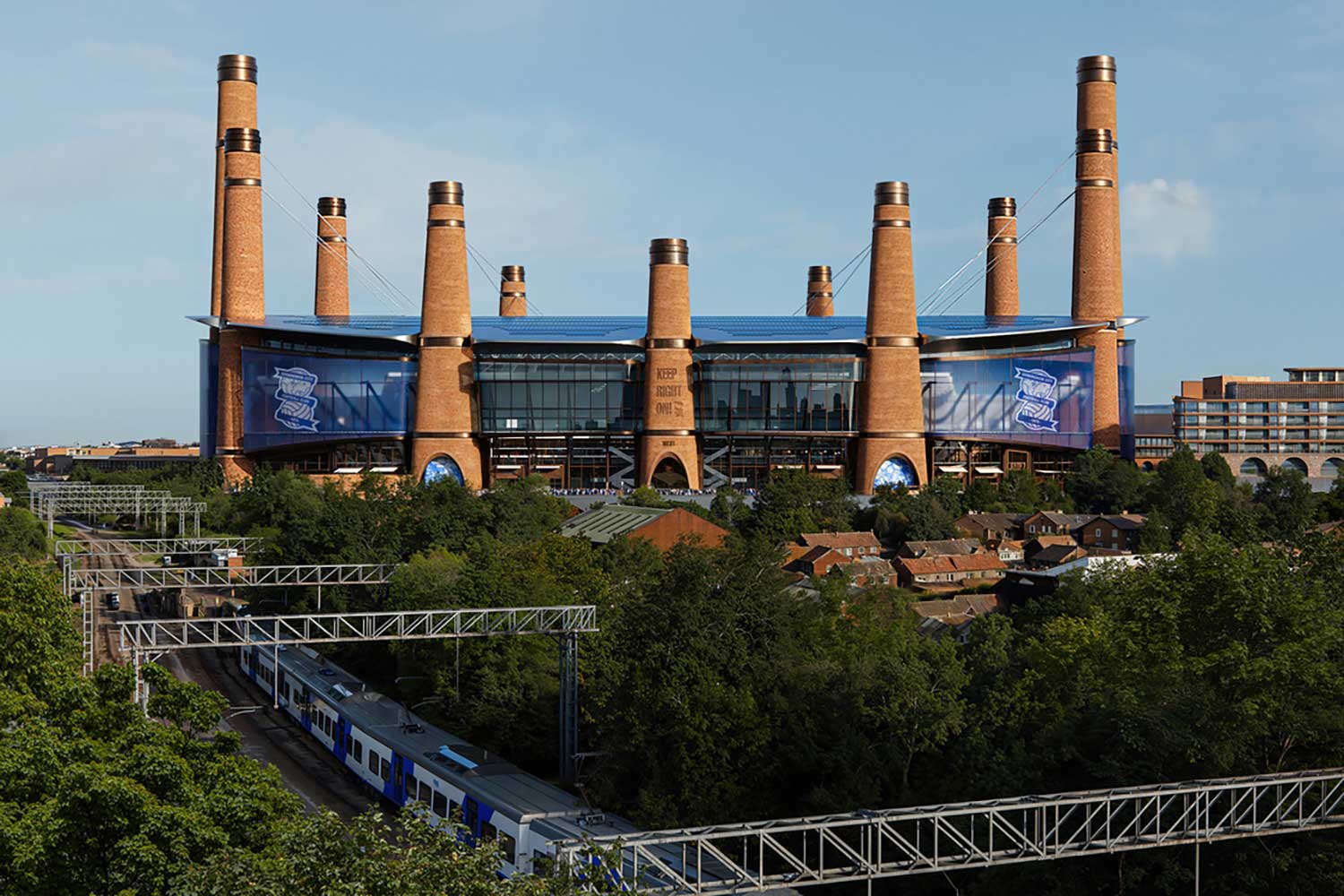
استادیومی با دوازده دودکش آجری اثر استودیو هیترویک و مانیکا
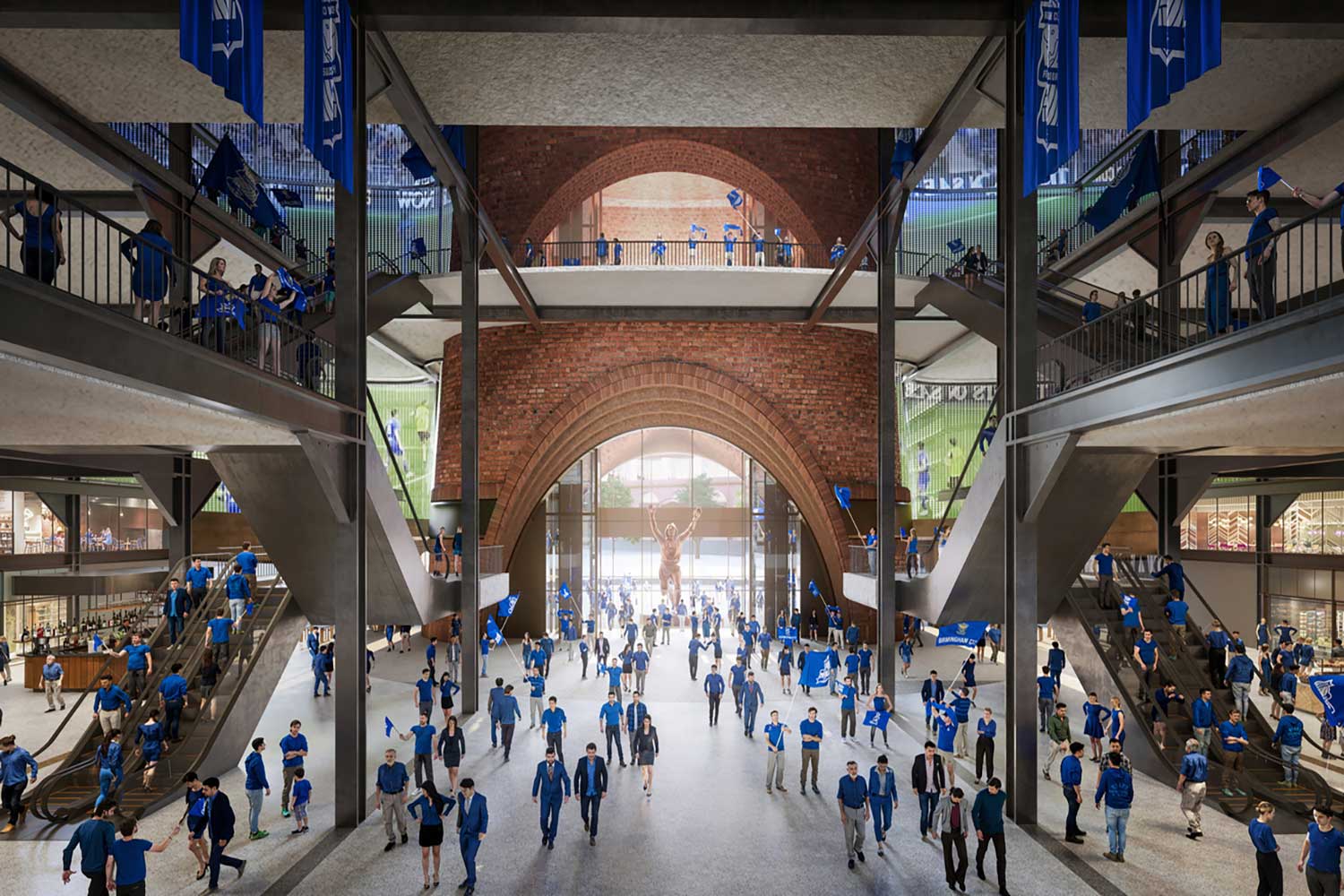
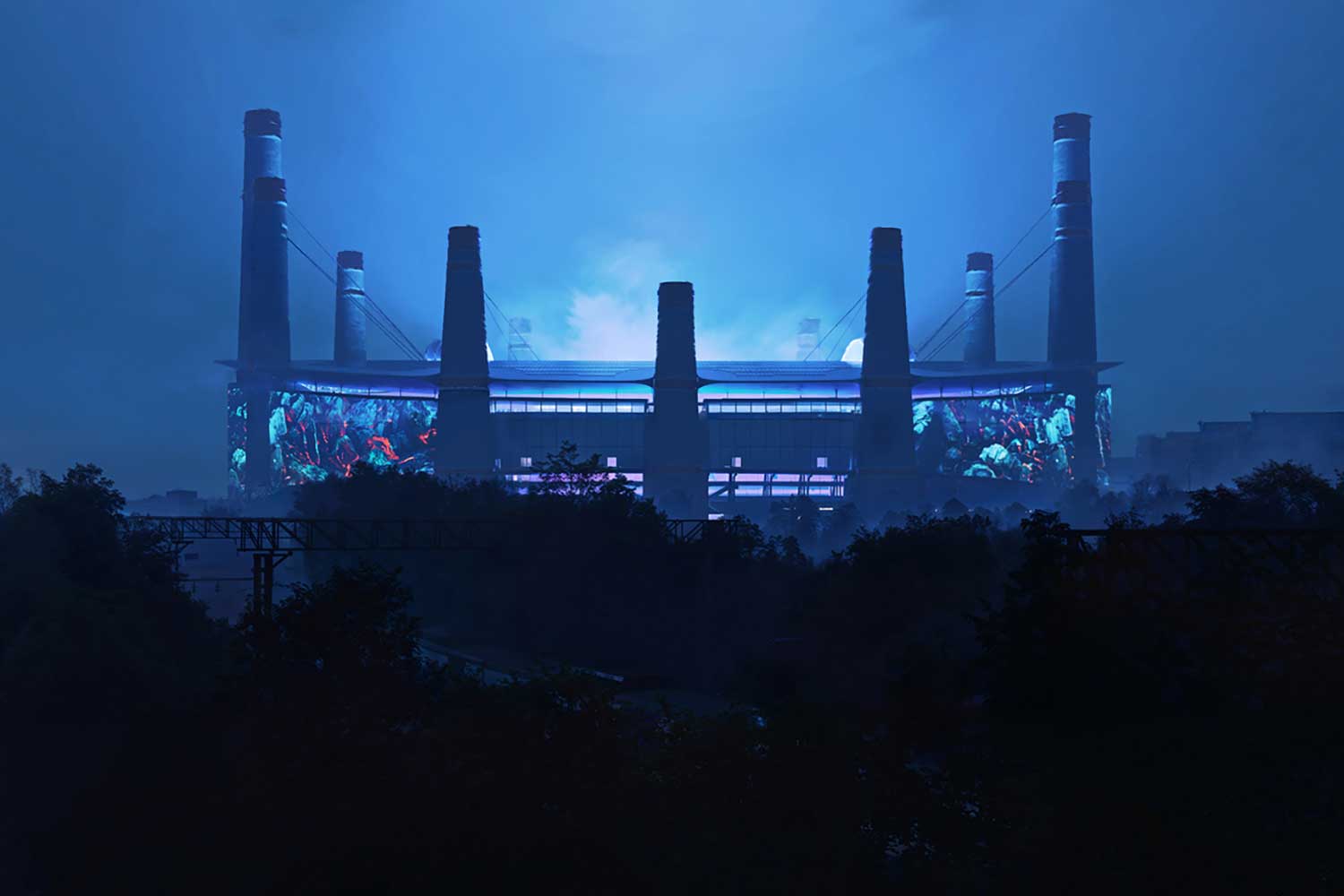
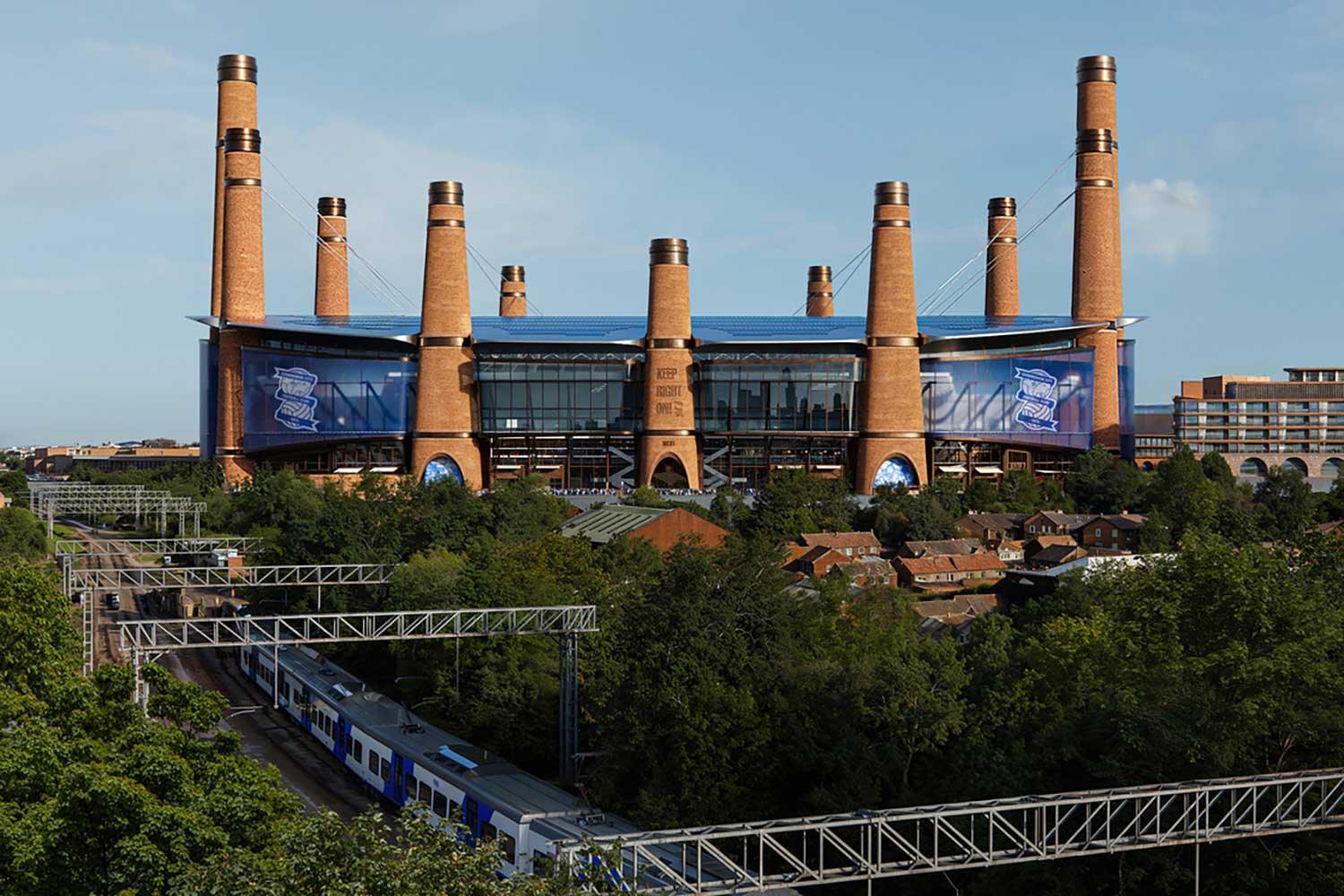
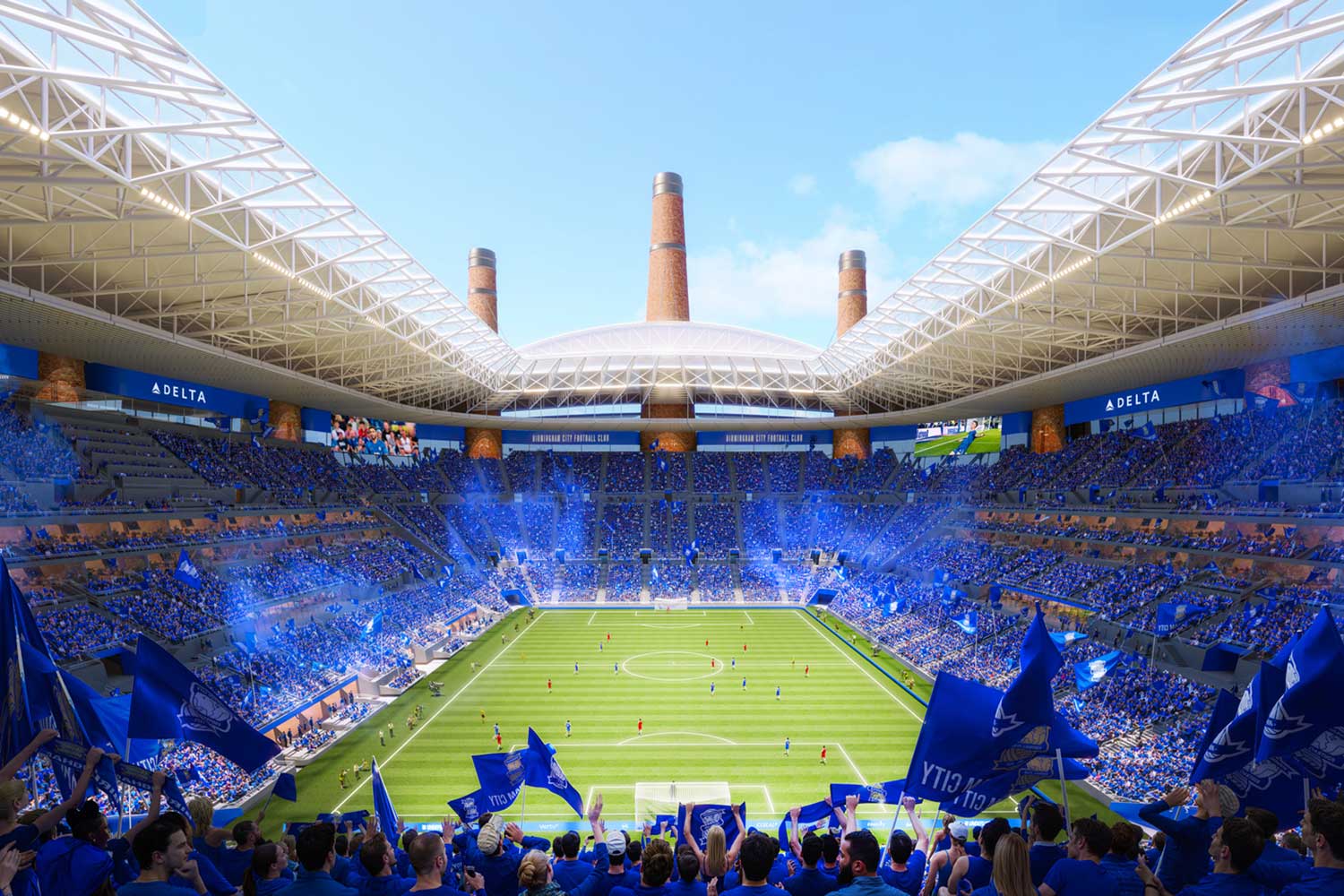
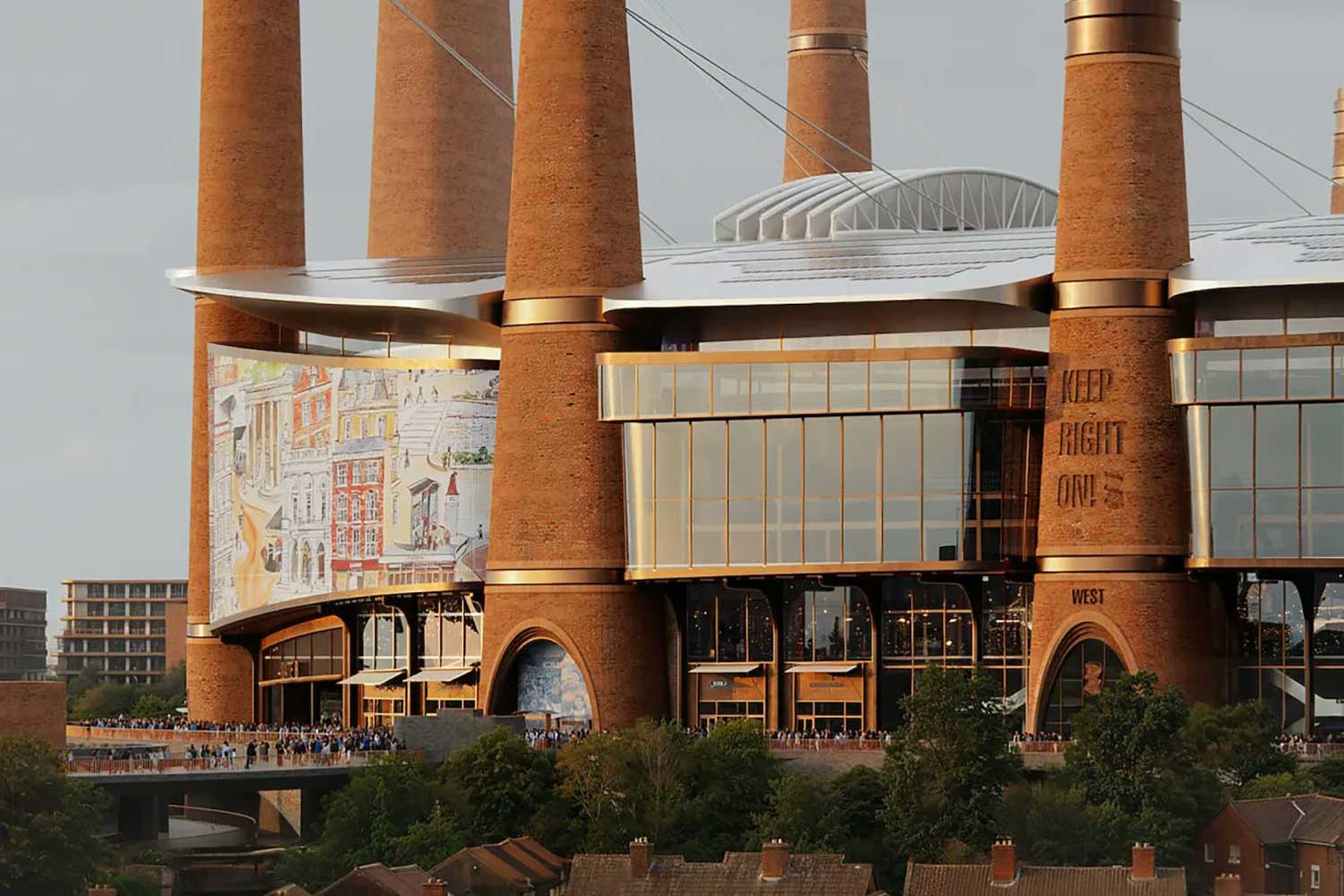
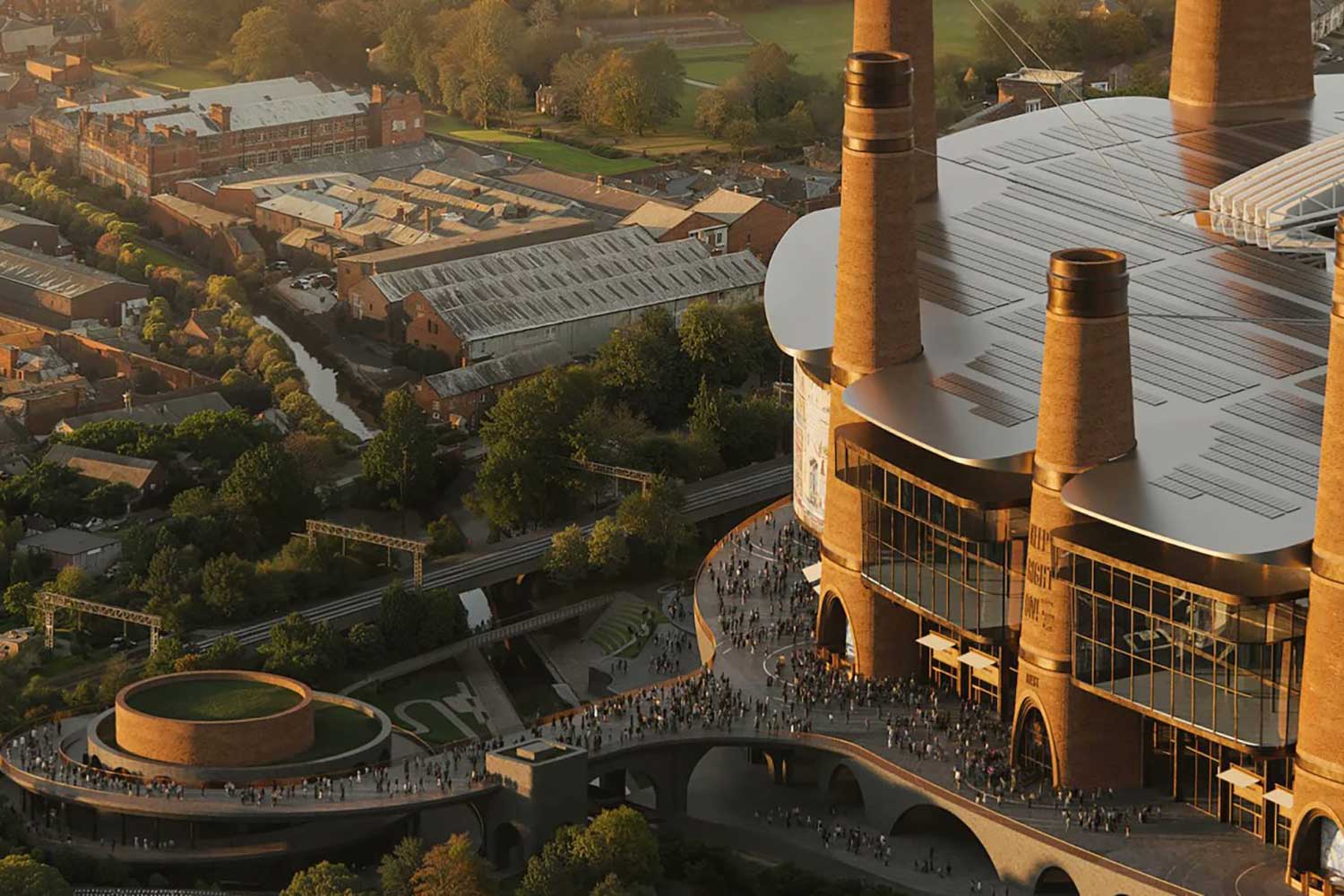
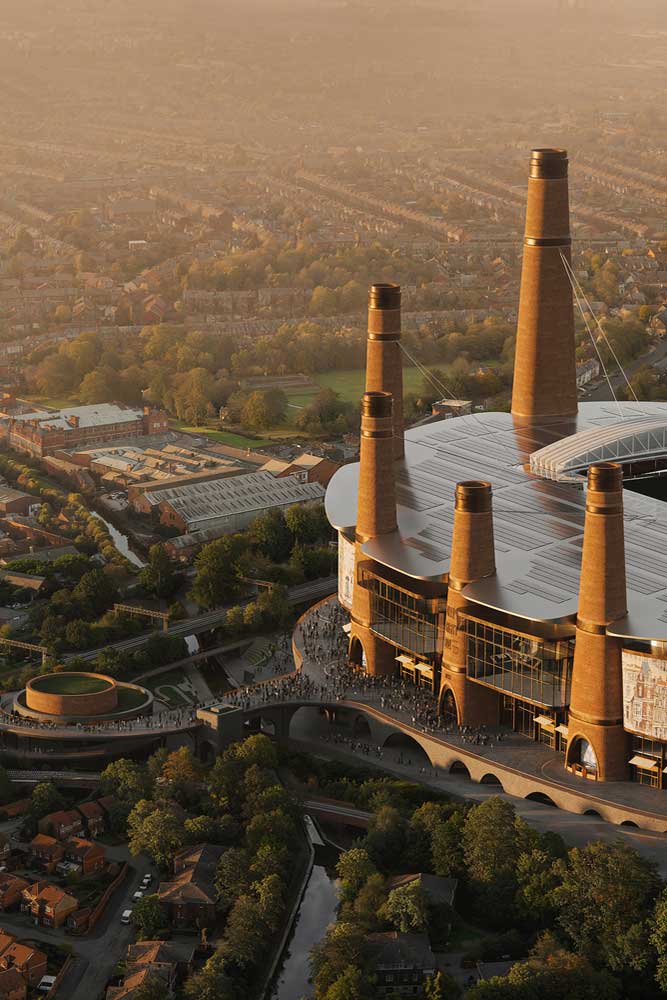
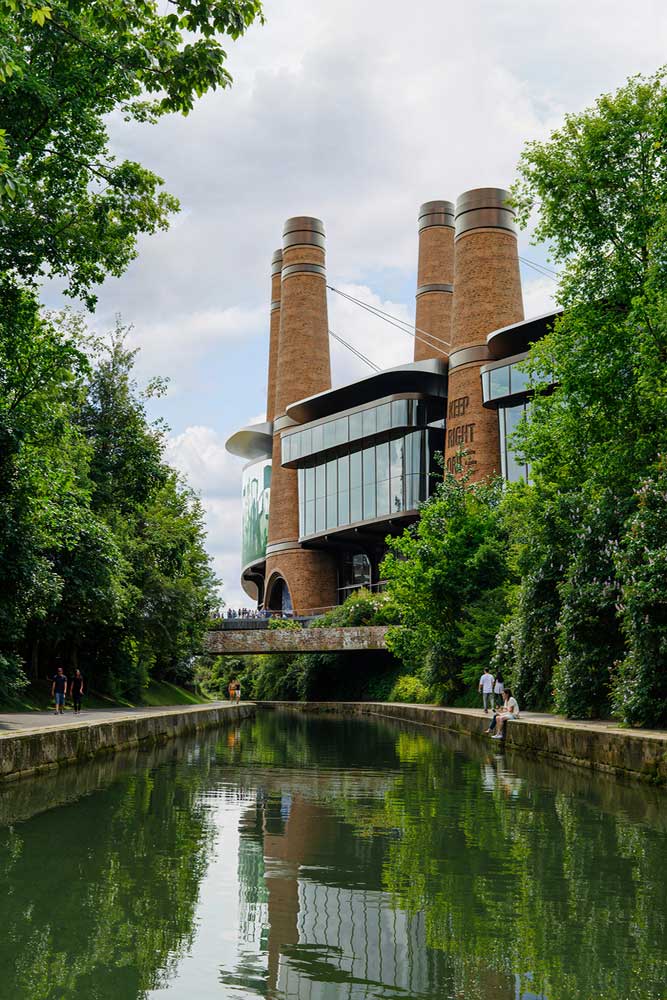
استودیو Heatherwick و MANICA Architecture طراحی استادیوم جدید باشگاه فوتبال بیرمنگامسیتی را منتشر کردهاند؛ استادیومی که قرار است نقطهی کانونی «منطقه ورزشی بیرمنگام» در شرق بیرمنگام، انگلستان باشد. این استادیوم ۶۲هزارنفری که برای Bordesley Green برنامهریزی شده، بخشی از یک راهبرد توسعهی گستردهتر است و با صدوپنجاهمین سالگرد تأسیس باشگاه همزمان شده است. این پروژه از طریق رقابتی به رهبری فیلمساز استیون نایت توسعه یافت و هدف آن ایجاد یک فضای ورزشی و فرهنگی چندمنظوره است که در بافت شهری ادغام شود. این طرح دارای سقف متحرک و زمین قابل جابهجایی است تا بتواند رویدادهای ورزشی و غیرورزشی را در خود جای دهد. کاسهی استادیوم بهگونهای شکل گرفته که جایگاهها تا حد مجاز به میدان نزدیک باشند و شیب تند آنها برای تشدید تجربه فضایی طراحی شده است. عملکرد صوتی از ملاحظات اصلی طراحی بود؛ طرح میکوشد صدا را درون استادیوم متمرکز کند و همزمان اثرات صوتی بر محله پیرامون را کاهش دهد. عنصر شاخص طرح، دوازده برج دودکشمانند است که سقف را نگه میدارند و به میراث صنعتی منطقه اشاره دارند. این سازهها، که در صورت امکان با آجر بازیافتی ساخته میشوند، مجموعهای از کارکردها از جمله گردش عمودی و تهویه طبیعی را در بر میگیرند. یکی از برجها دارای آسانسوری است که به یک بار مرتفع با چشمانداز پانورامای شهر دسترسی دارد. توماس هیترویک با تأکید بر ریشههای مادی و تاریخی طرح میگوید: «طرح ما از خود بیرمنگام میروید؛ از کارخانههای آجرپزیاش، از تاریخ هزارپیشهاش، و از مهارتی که همیشه در قلب فرهنگش بوده است.»
تجربه سطح همکف همچون امتداد فضای عمومی تصور شده است. محوطه اطراف شامل فضاهایی برای بازار، غذا، بازی و گردهمایی در تمام طول سال است و استادیوم را به مقصدی شهری فراتر از روزهای مسابقه بدل میکند. دیوید مانیکا توضیح میدهد که تیم طراحی میخواست «فضایی خلق کند که تابآوری و غرور جامعه بیرمنگام را متجلی سازد و در عین حال میراث پایدار باشگاه را گرامی بدارد.» استودیو Heatherwick مسئول طراحی معماری، سازه، فضاهای داخلی و قلمرو عمومی است و MANICA برنامهریزی عملکردی شامل هندسه کاسه استادیوم و نحوه عملکرد آن را بر عهده دارد. این استادیوم هستهی «منطقه ورزشی بیرمنگام» خواهد بود که امکانات تمرینی و توسعههای مختلط را نیز شامل میشود. پیشبینی میشود این منطقه تا سال ۲۰۳۵ سالانه حدود ۷۶۰ میلیون پوند به اقتصاد شهر کمک کند. مشارکت عمومی از سال ۲۰۲۶ آغاز میشود و تکمیل پروژه پیش از فصل ۳۱–۲۰۳۰ هدفگذاری شده است. در دیگر تحولات اخیر مربوط به استادیومها، شورای شهر میلان با فروش اولیه سنسیرو موافقت کرده و مسیر را برای ساخت استادیوم جدید با استانداردهای بینالمللی و طرح بازآفرینی شهری – reportedly با هدایت Foster + Partners و MANICA – هموار کرده است. در همین حال، استادیوم ۶۸٬۷۰۰نفری Prince Moulay Abdellah طراحیشده توسط Populous در رباط افتتاح شده و به عنوان استادیوم ملی جدید مراکش پیش از جام جهانی ۲۰۳۰ عمل میکند. در ژاپن نیز گروه VUILD طرح یک استادیوم چوبی برای Fukushima United FC را معرفی کرده که با الهام از سنت Shikinen Sengu، میان مصالح تجدیدپذیر، مشارکت اجتماعی و زیرساخت ورزشی معاصر پیوند برقرار میکند.
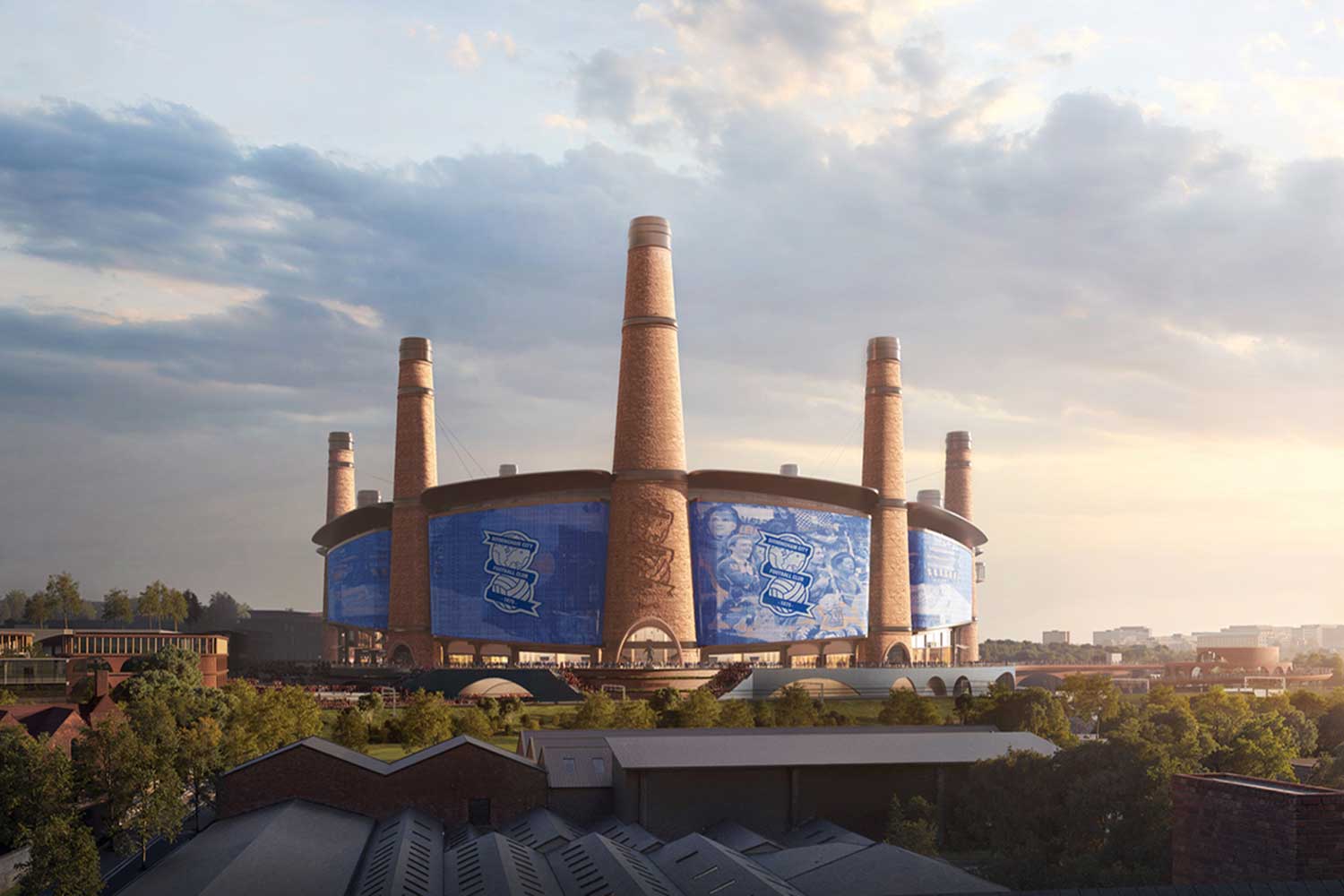
Heatherwick Studio and MANICA Architecture have released the design for Birmingham City Football Club’s new stadium, set to anchor the forthcoming Birmingham Sports Quarter in East Birmingham, England. The 62,000-seat venue, planned for Bordesley Green, forms part of a wider redevelopment strategy and coincides with the club’s 150th anniversary. Developed through a competition led by filmmaker Steven Knight, the project aims to introduce a multifunctional sports and cultural venue integrated into its urban context. The scheme features a retractable roof and a movable pitch, allowing it to accommodate both sporting and non-sporting events. The bowl is configured to bring seating as close to the field as regulations allow, with a steep profile intended to enhance spatial intensity. Acoustic performance was a central consideration, with the design aiming to concentrate sound within the stadium while minimizing noise impacts on the surrounding neighborhood. A prominent feature of the proposal is a set of twelve chimney-like towers that support the roof and reference the area’s industrial heritage. Built using reclaimed brick where possible, these structures combine multiple functions, including vertical circulation and passive ventilation. One tower features a lift that provides access to an elevated bar offering panoramic city views. “Ours grows from Birmingham itself, from its brickworks, its history of a thousand trades, and the craft at the core of its culture,” noted Thomas Heatherwick, emphasizing the project’s material and historical references. The ground-level experience is conceived as an extension of the public realm. The surrounding landscape includes spaces for markets, dining, play, and year-round gathering, positioning the stadium as a civic destination beyond matchdays. David Manica highlighted the project’s engagement with local context, stating that the team aimed to create “a venue that embodies the resilience and pride of the Birmingham community while honoring the club’s lasting legacy.”
Heatherwick Studio is leading the architectural, structural, interior, and public-realm design, while MANICA is responsible for functional planning, including the bowl geometry and operational layouts. The stadium forms the core of the larger Birmingham Sports Quarter, which will also introduce training facilities and mixed-use development. The wider district is projected to contribute approximately £760 million annually to the city’s economy by 2035. Public engagement is set to begin in 2026, with completion anticipated ahead of the 2030/2031 football season. In other recent stadium developments, the Milan City Council has given preliminary approval for the sale of San Siro, paving the way for a new international-standard stadium and an accompanying urban regeneration plan reportedly led by Foster + Partners and MANICA. Meanwhile, Populous’ 68,700-seat Prince Moulay Abdellah Stadium has opened in Rabat as Morocco’s new national venue ahead of the 2030 FIFA World Cup. In Japan, VUILD has unveiled a timber stadium proposal for Fukushima United FC, drawing from the Shikinen Sengu tradition to link renewable materials, community participation, and contemporary sports infrastructure.
مطالب مرتبط