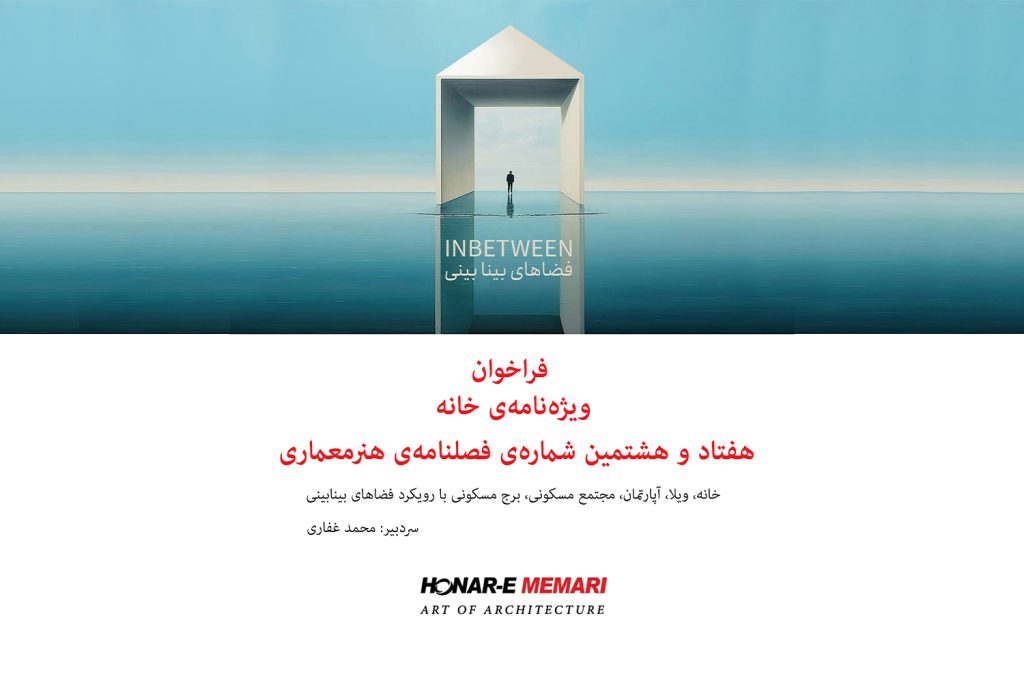
 فراخوان ارسال آثار معماران معاصر ایران، ویژهنامهی خانه، هفتاد و هشتمین شمارهی فلصنامهی هنر معماری
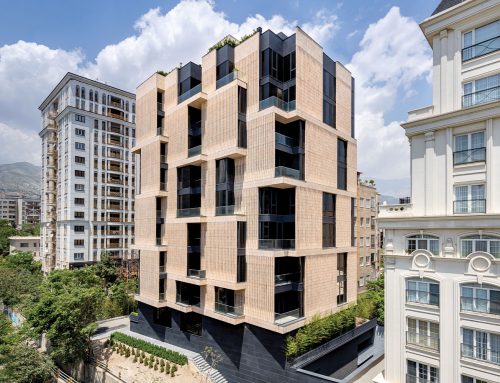
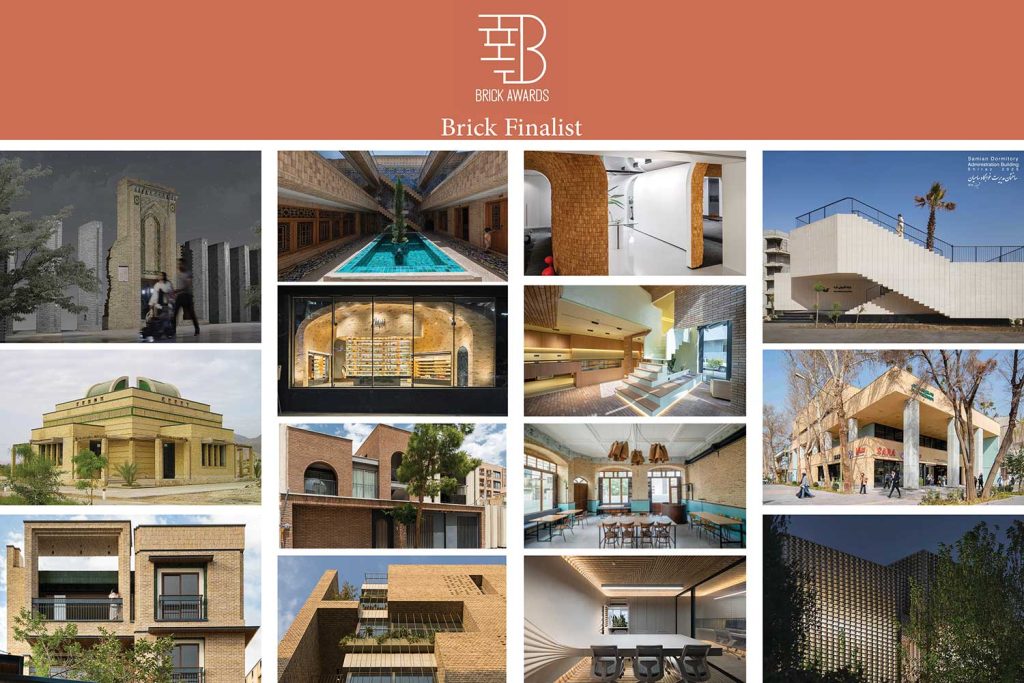 ششمین جایزهی ملی آجر، فینالیستها و راهیافتگان به مرحلهی دفاع از آثار، 1404
آنیش کاپور، گفتگویی قرمز میان سنت و مدرنیته در پکن
Anish Kapoor: A Red Dialogue Between Tradition and Modernity in Beijing
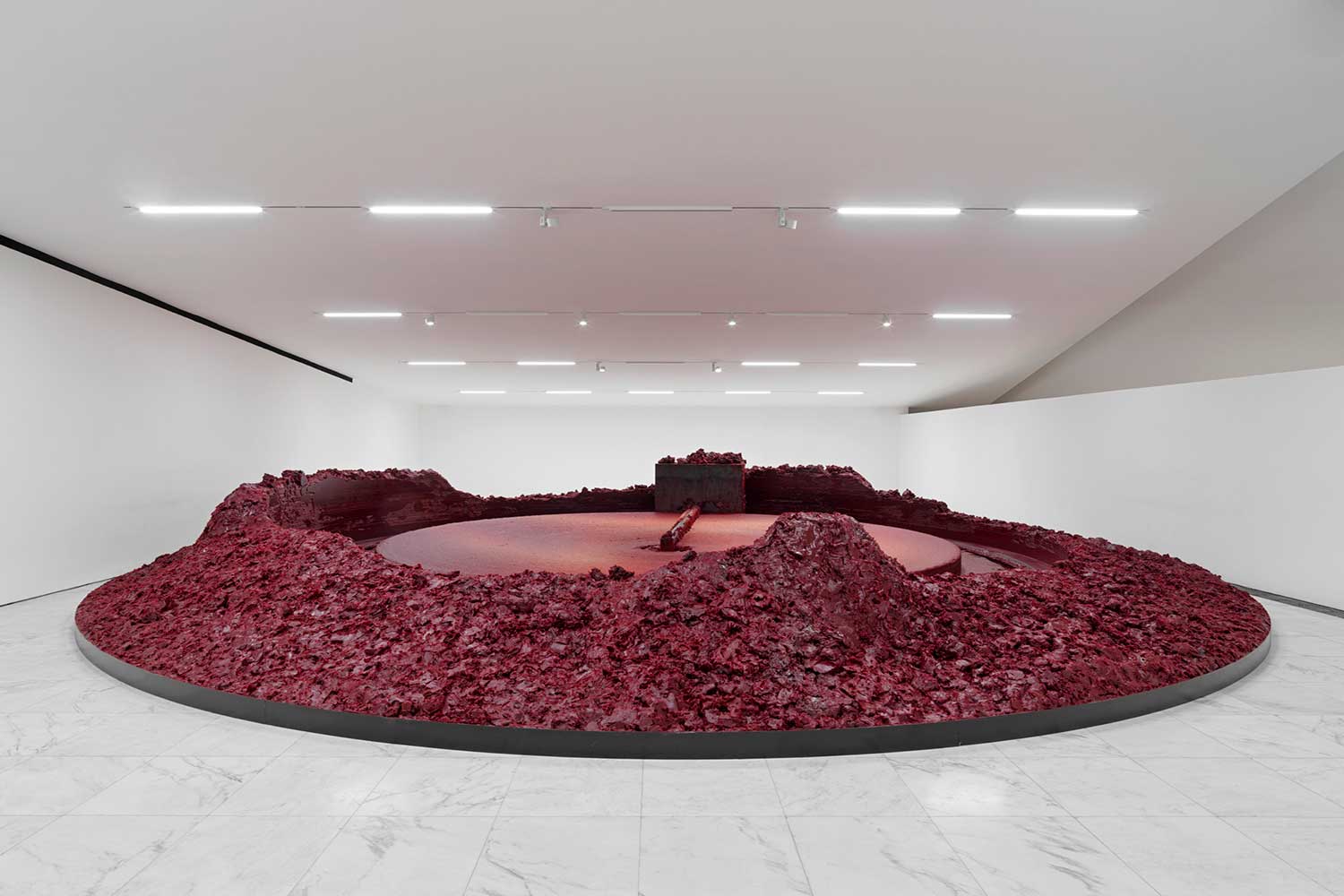
آنیش کاپور، گفتگویی قرمز میان سنت و مدرنیته در پکن
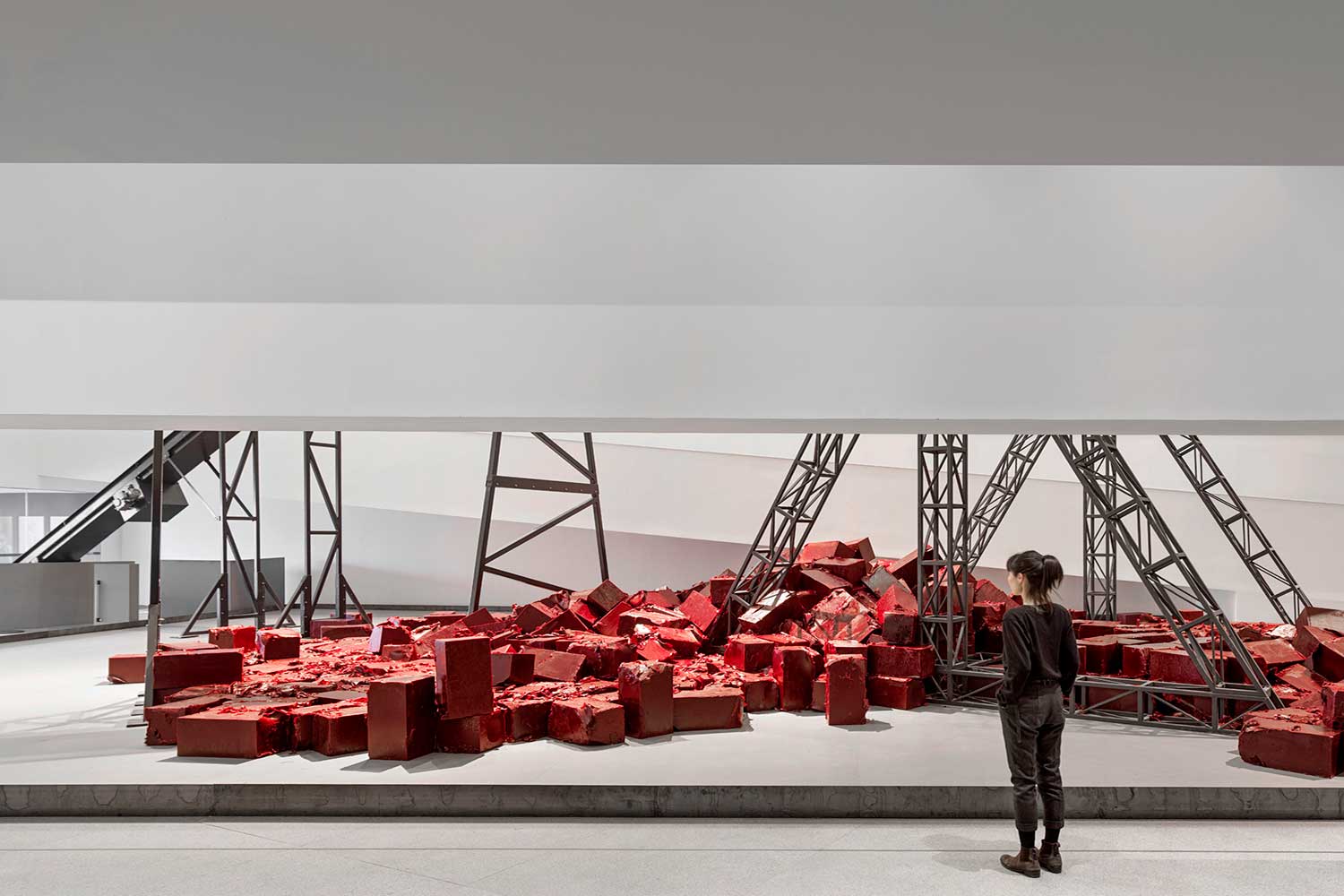
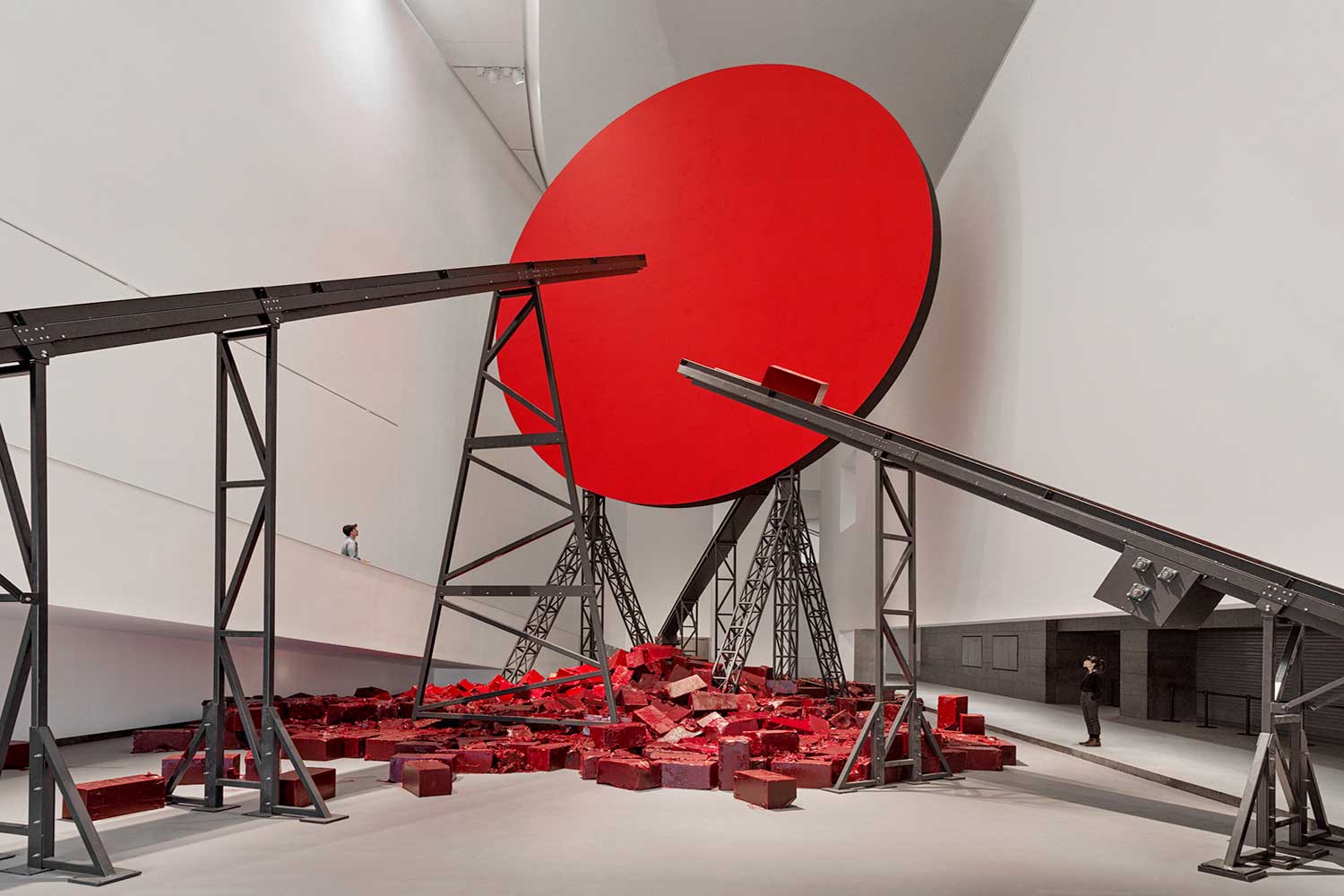
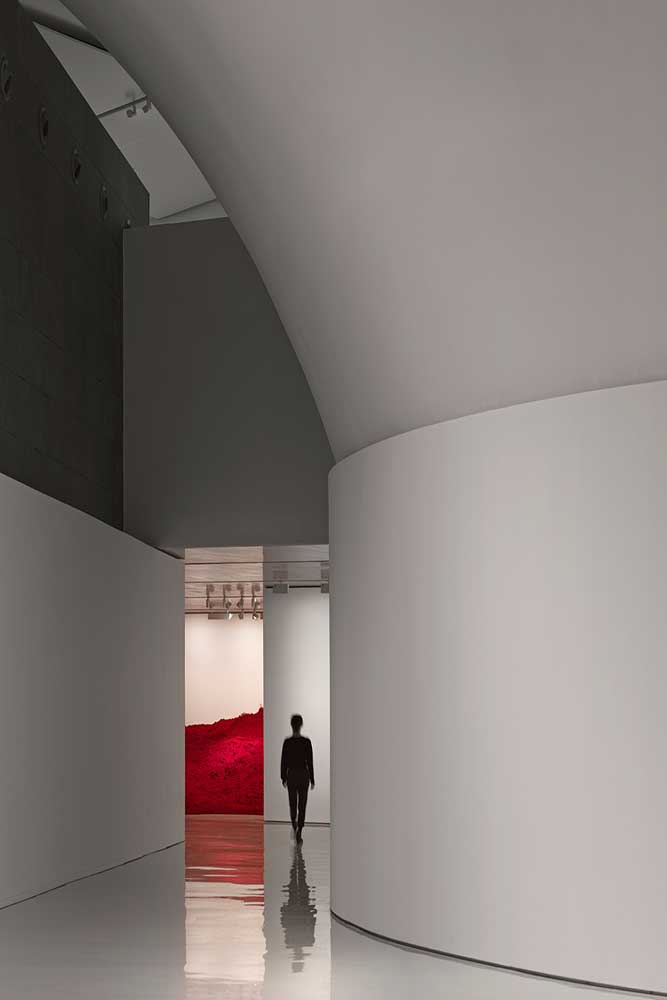
نمایشگاه انفرادی اول آنیش کاپور در چین، که در دو مکان مختلف برگزار شد، برخی از برجستهترین و شناختهشدهترین آثار این هنرمند را که در طی سی و پنج سال گذشته خلق کرده، به نمایش گذاشت. در موزه آکادمی هنرهای زیبا (CAFAM)، کاپور آثار نصبشده عظیم خود را از میان فضاهای منحنی و معاصر نمایشگاهی بافته است و چهار اثر اجرایی که محور تمرینات اخیر او بودند را ارائه داده است.
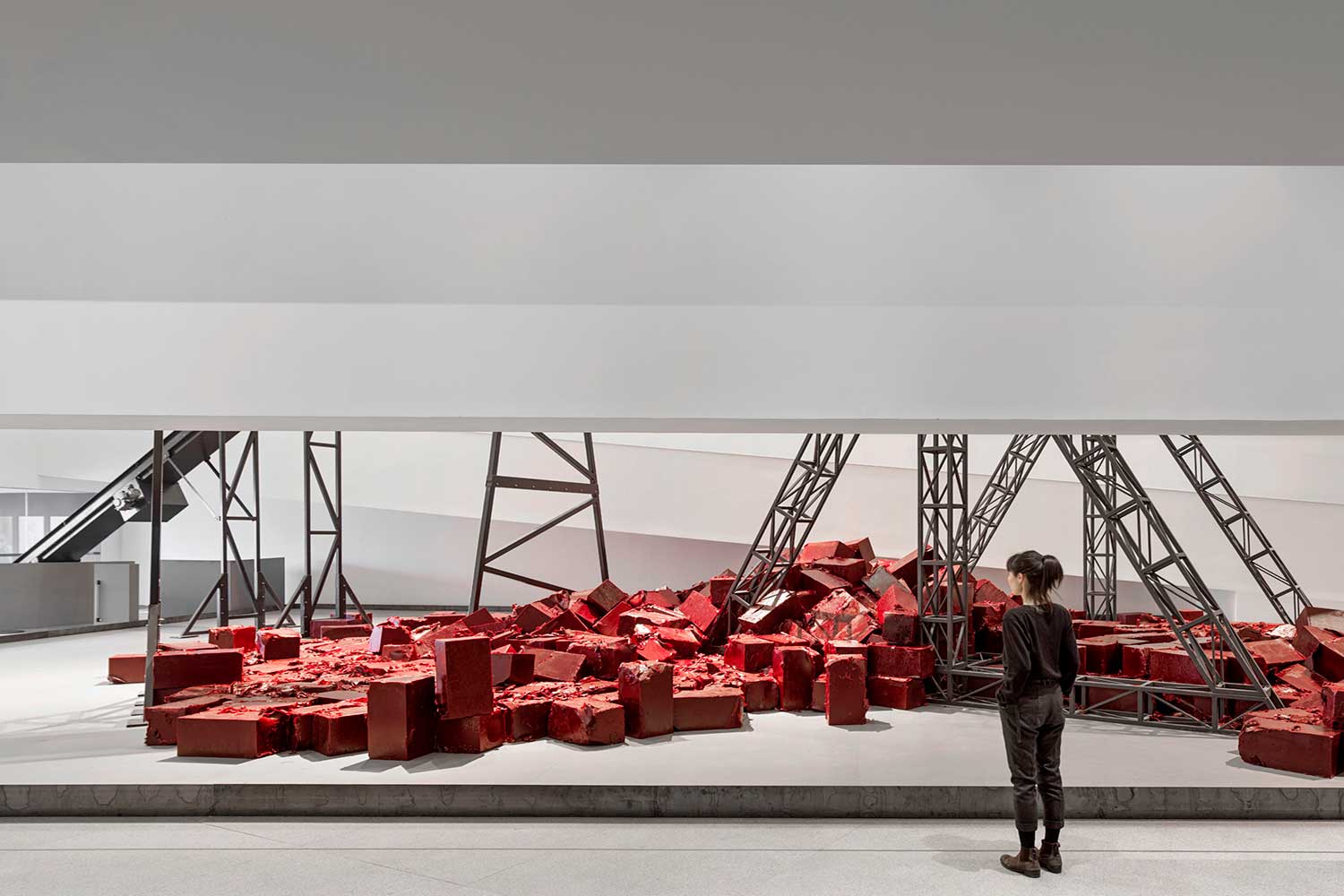
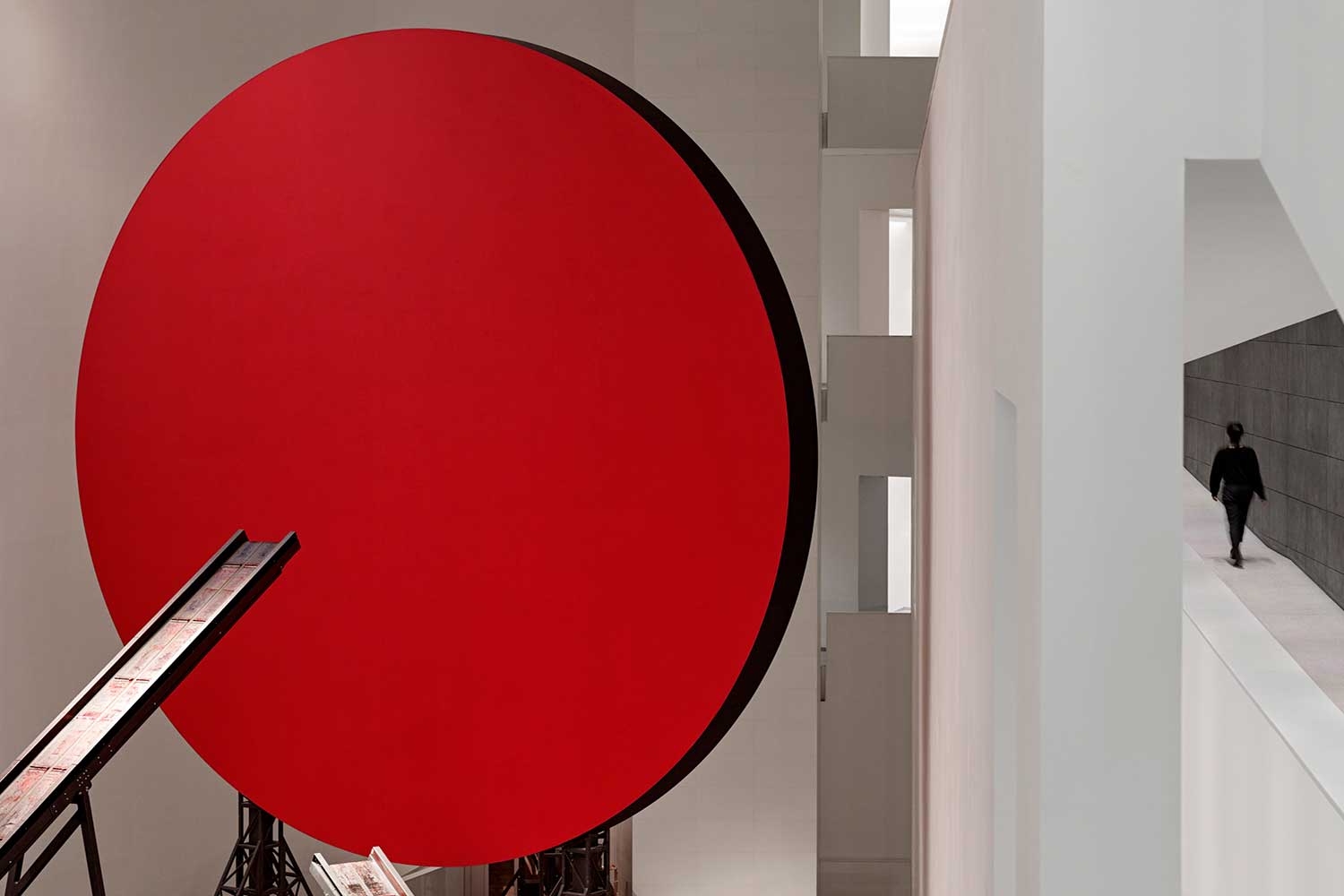
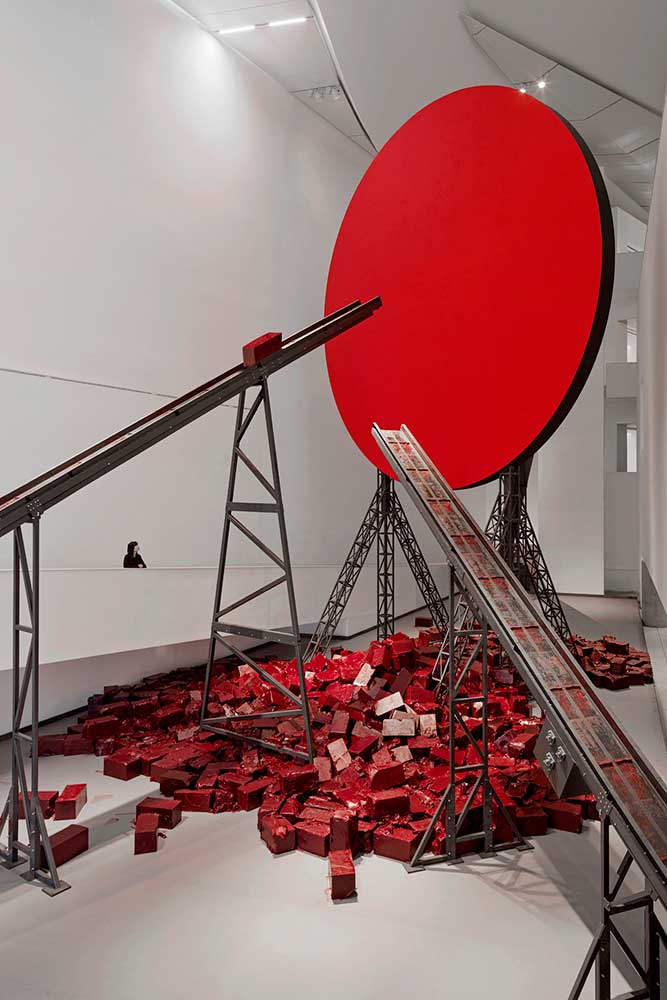
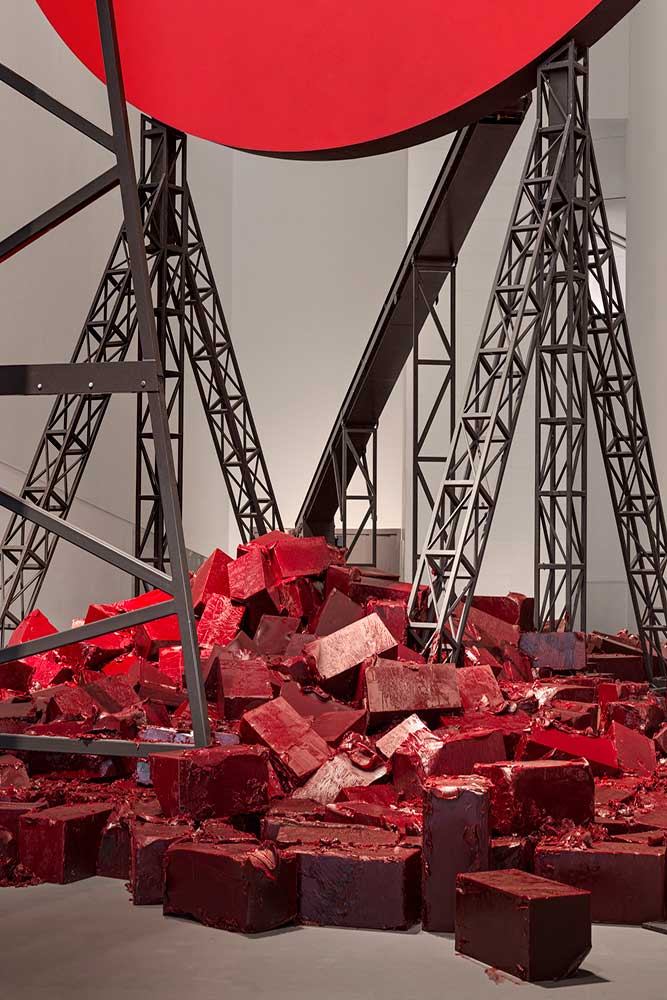
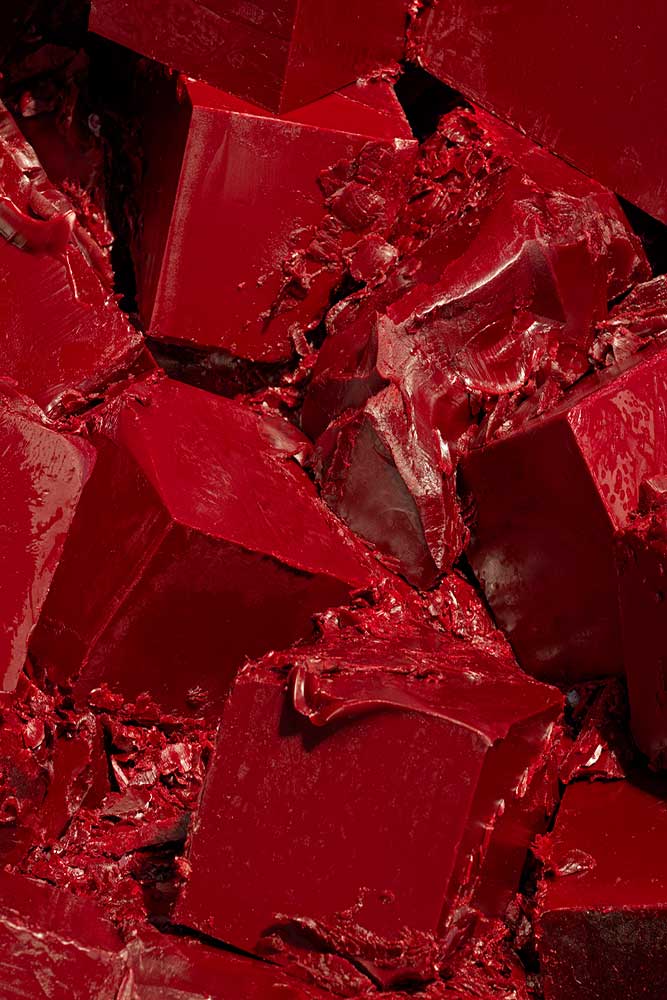
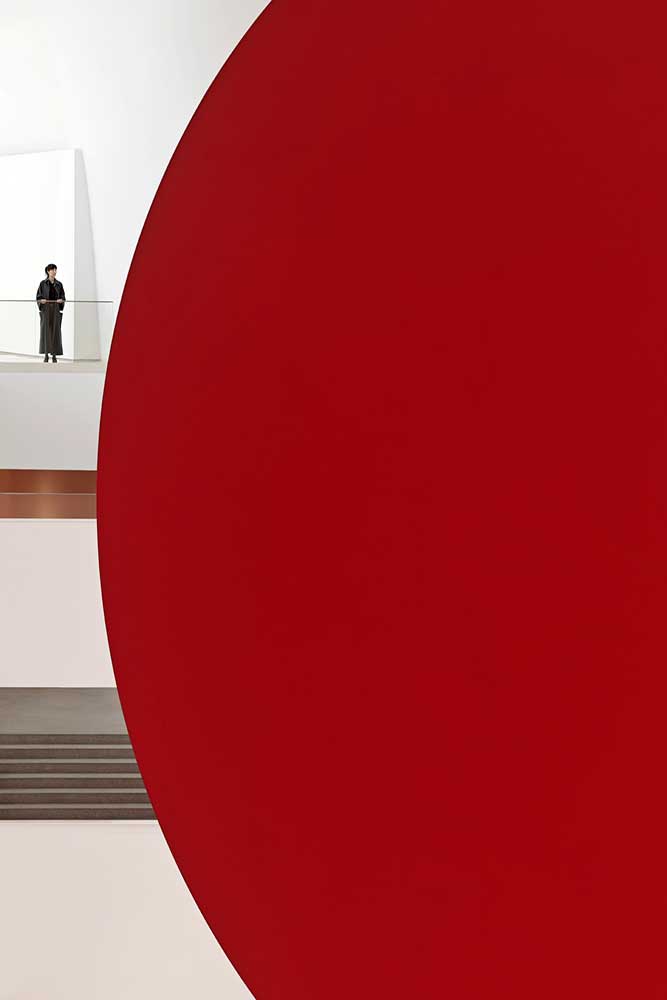
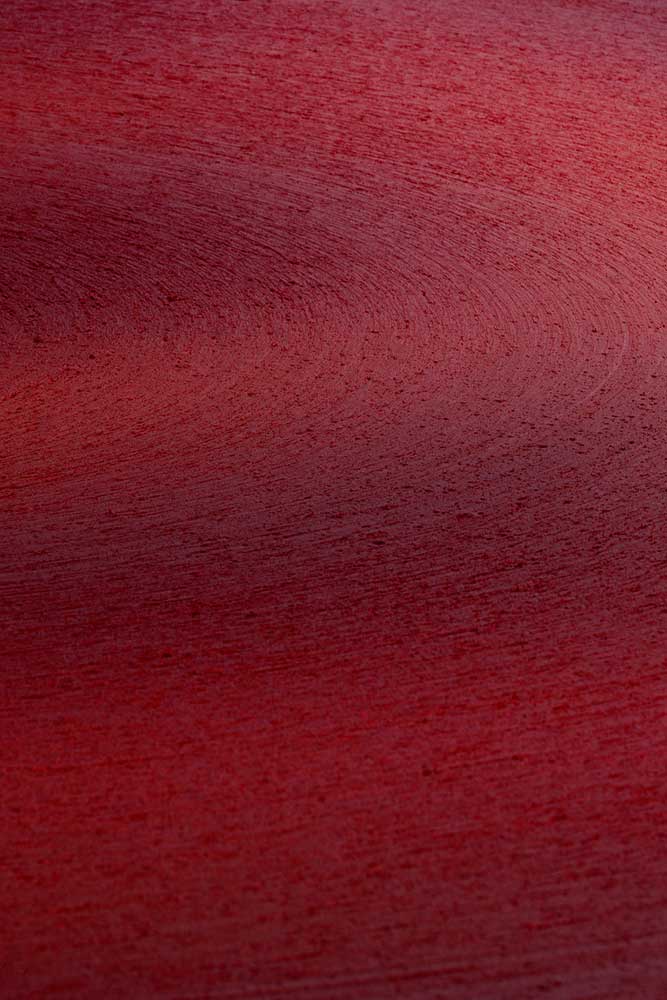
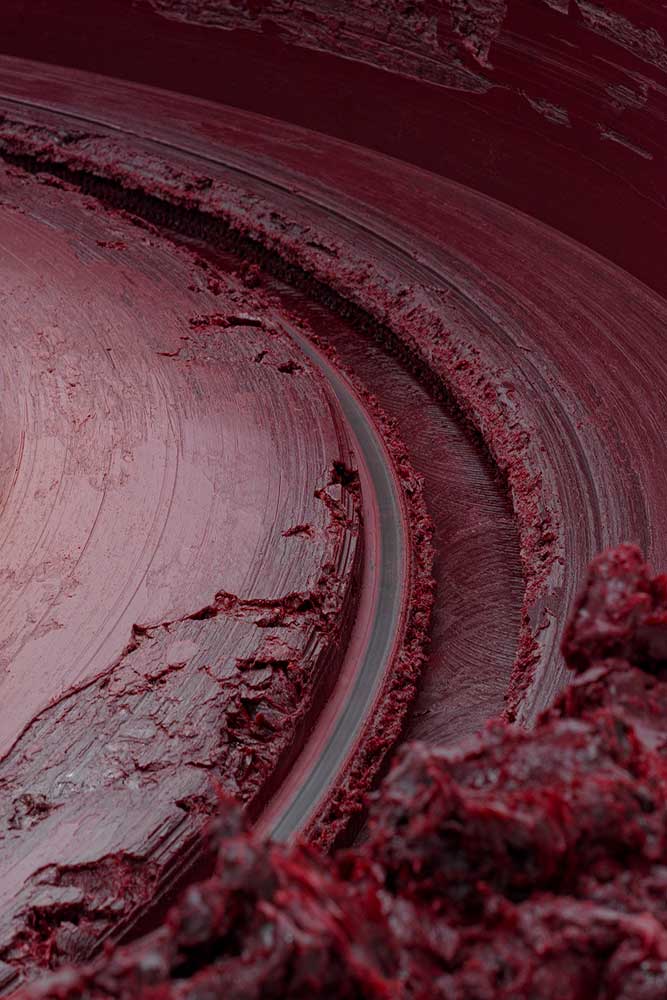
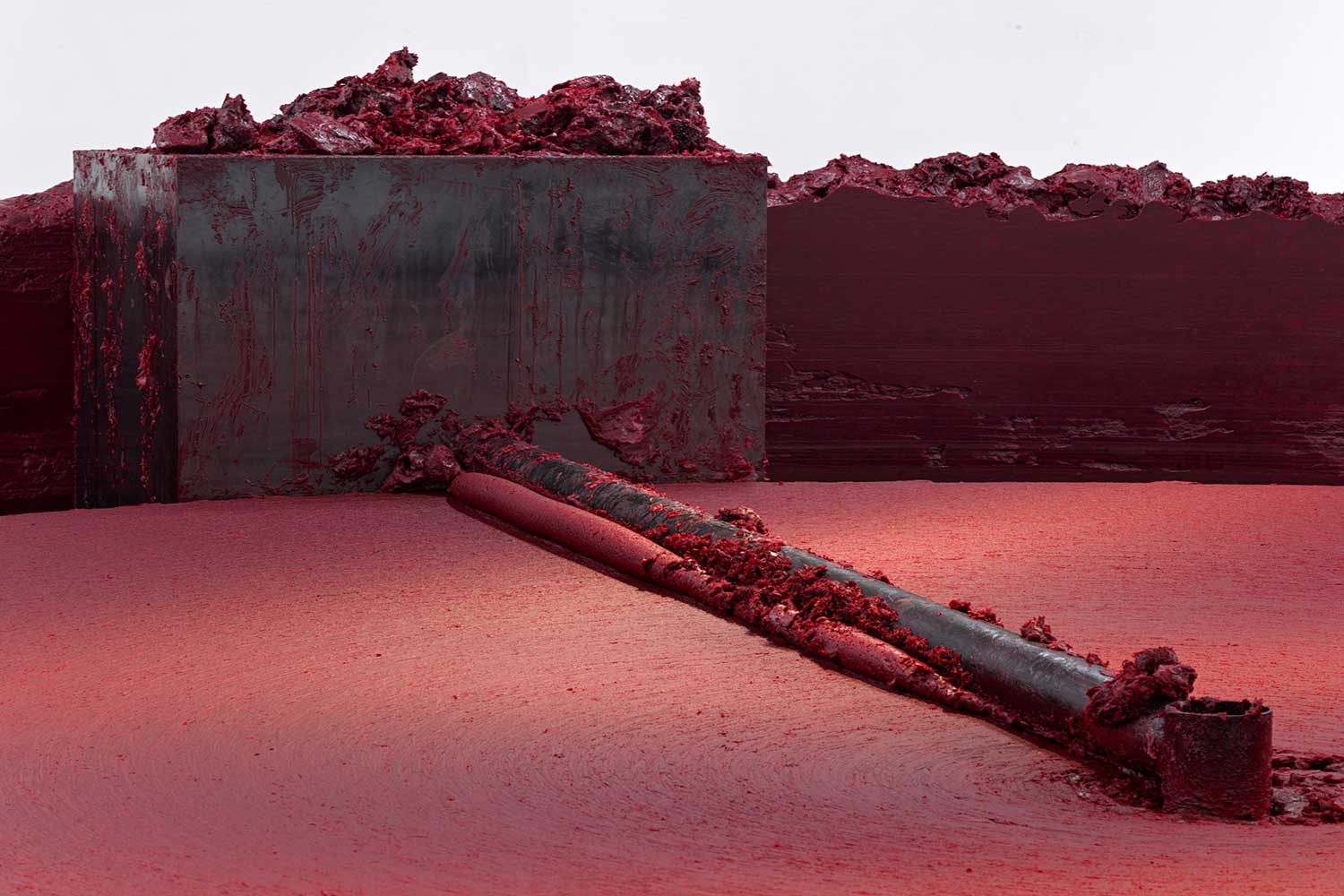
بازدیدکنندگان ابتدا با اثر “سمفونی برای خورشید محبوب” (2013) روبهرو شدند که حیاط مرکزی موزه را به یک منظر فعال تبدیل کرد که توسط ماشینی آرام، مواد تجمعی را پردازش میکند. این اثر آجرهایی از موم قرمز را بر روی چند نوار نقاله که به سمت بالا حرکت میکنند، قرار میدهد و سپس به داخل تودهای ذوبشده از مواد خود سقوط میکند. این سیستم – که توسط خورشید قرمز بزرگی که بالای صحنه شناور است نظارت میشود – بدون هیچگونه تعامل انسانی رخ میدهد؛ دست هنرمند جای خود را به یک ماشین خودکار و نامرئی داده است که فرصتی برای بیننده فراهم میکند تا بخش از مکالمه باشد.
“گفتگوی بخشی”: هنرمند صریحالقول آنیش کاپور نمایشگاه بازنگری در پکن افتتاح میکند
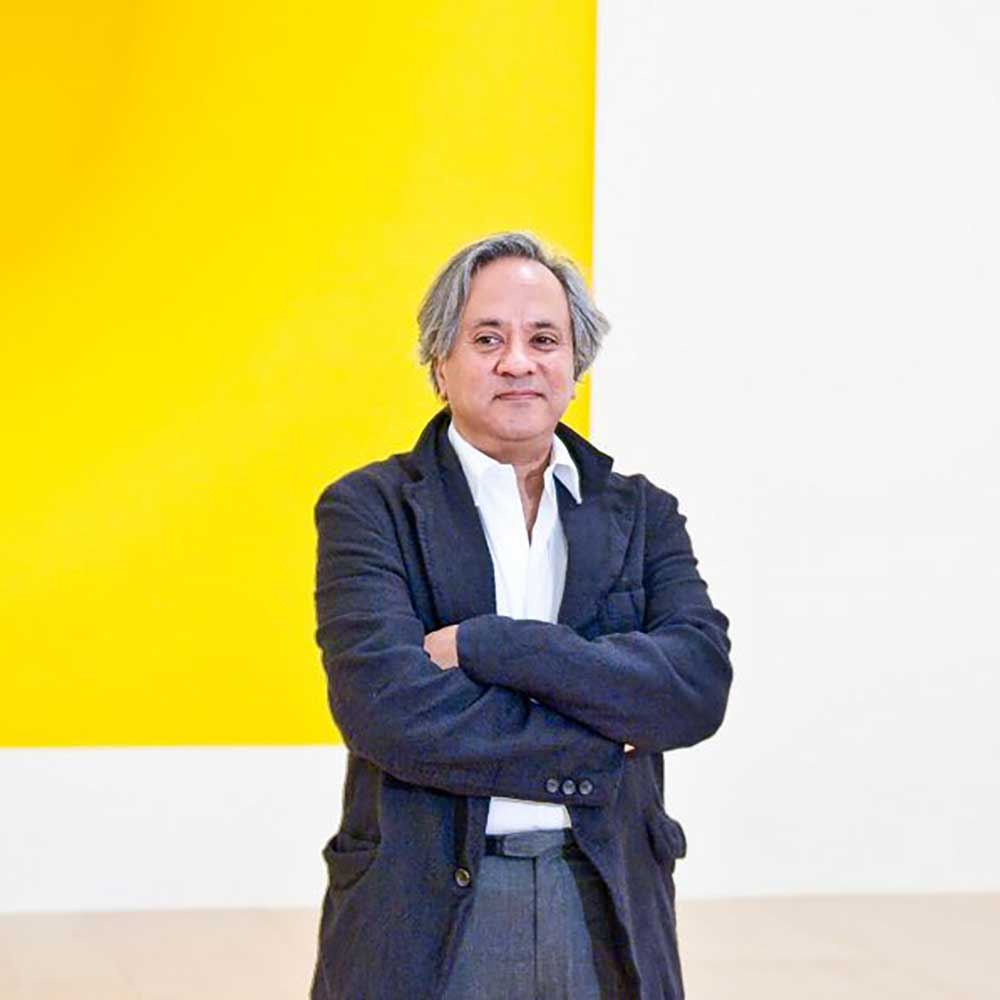
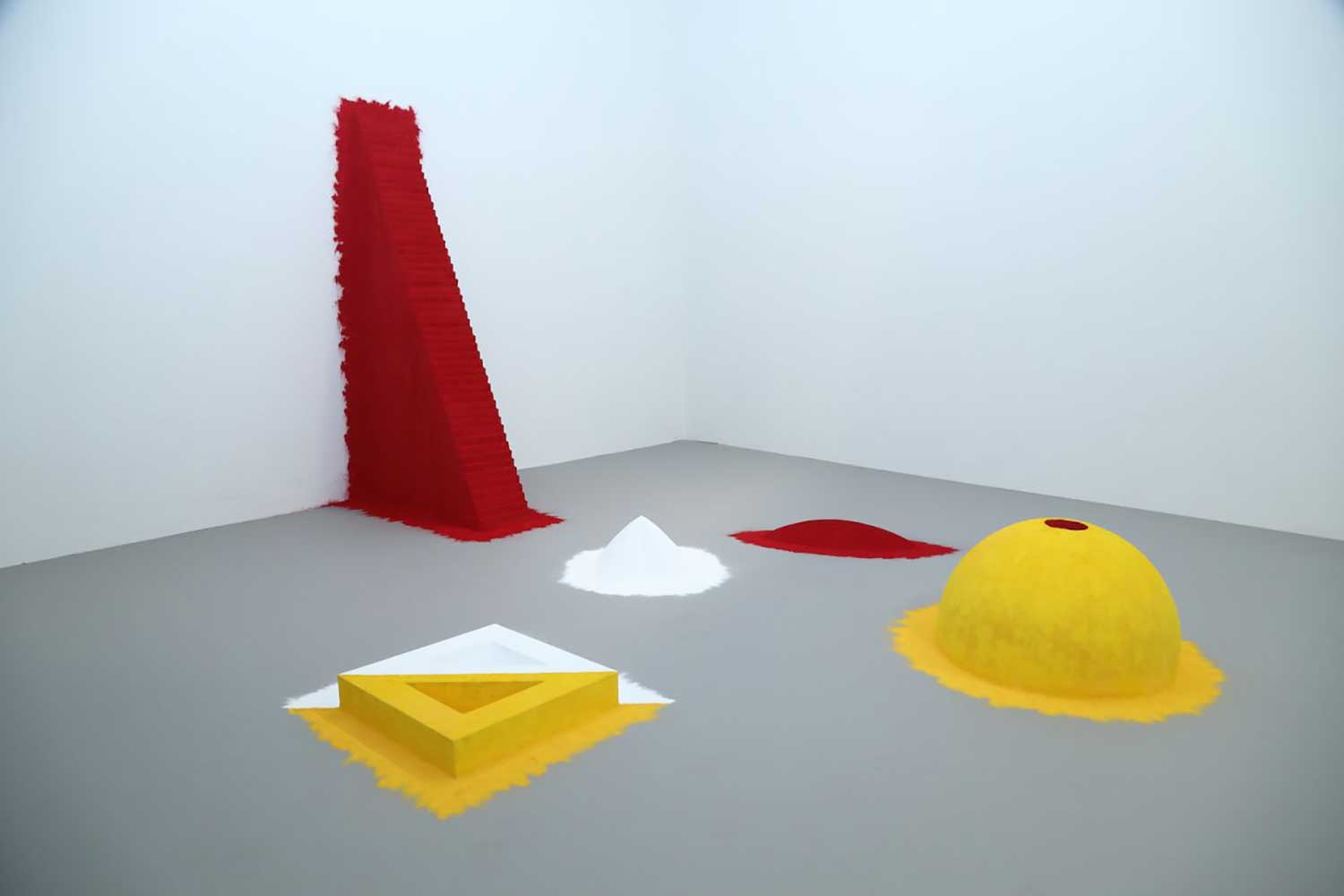
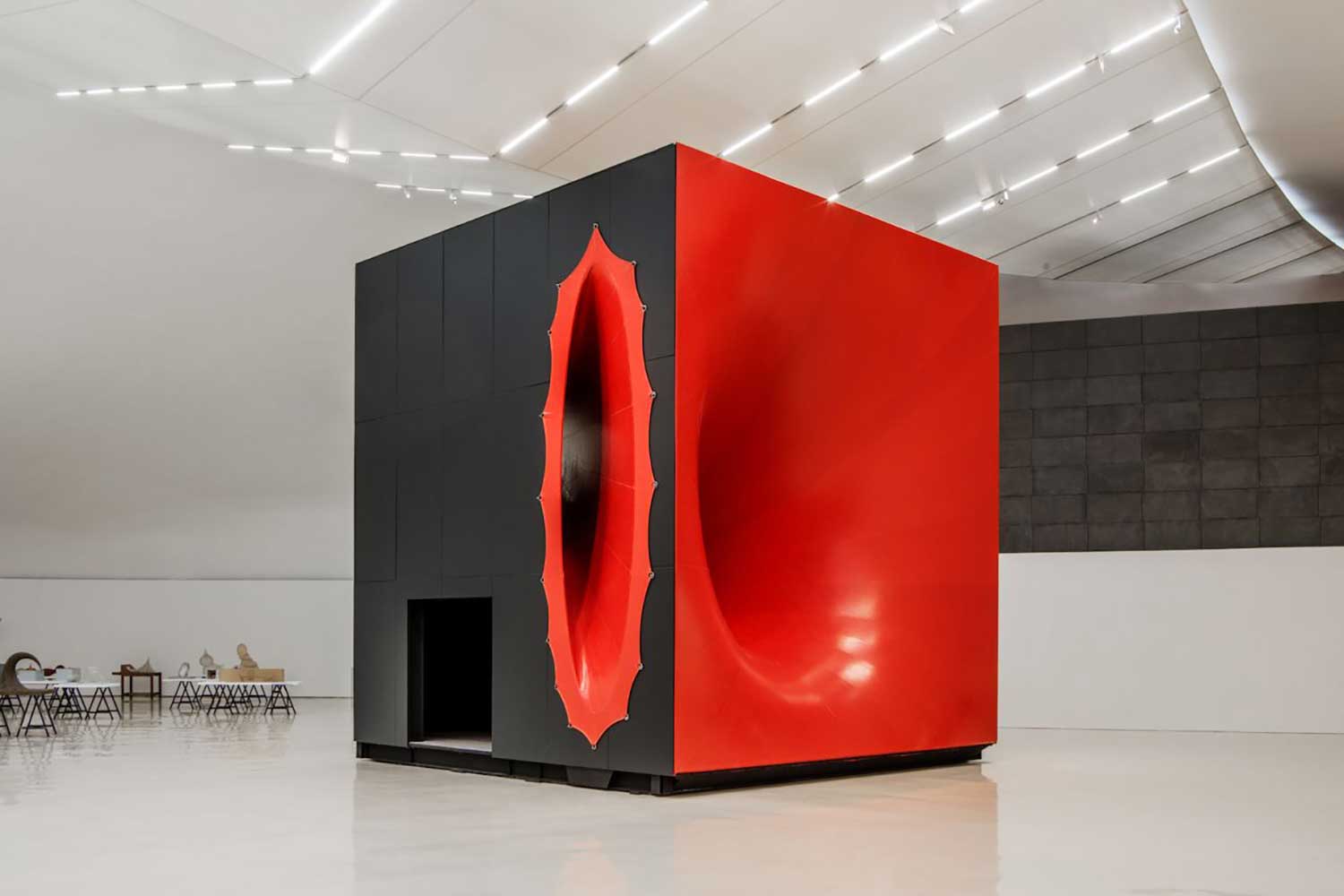
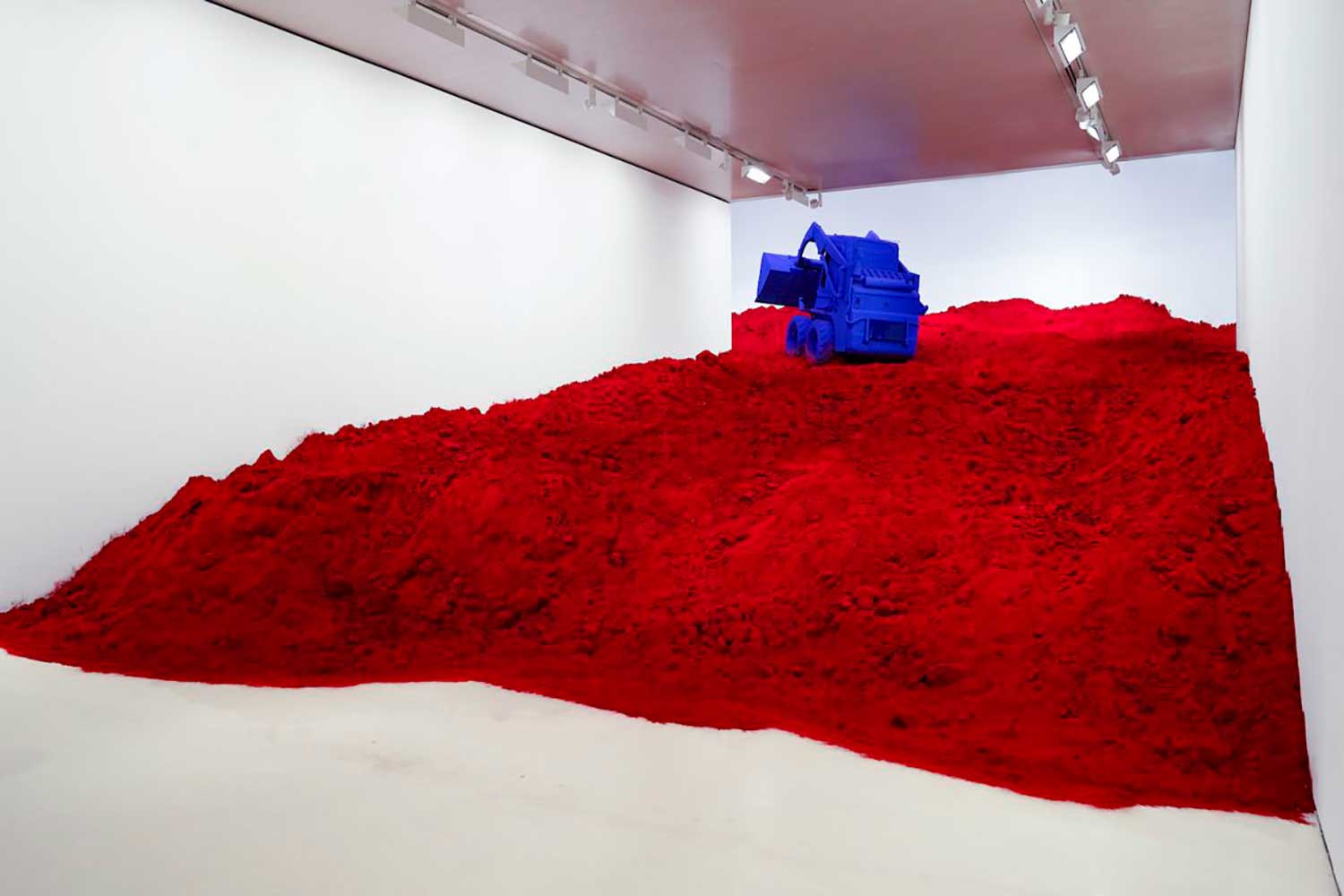
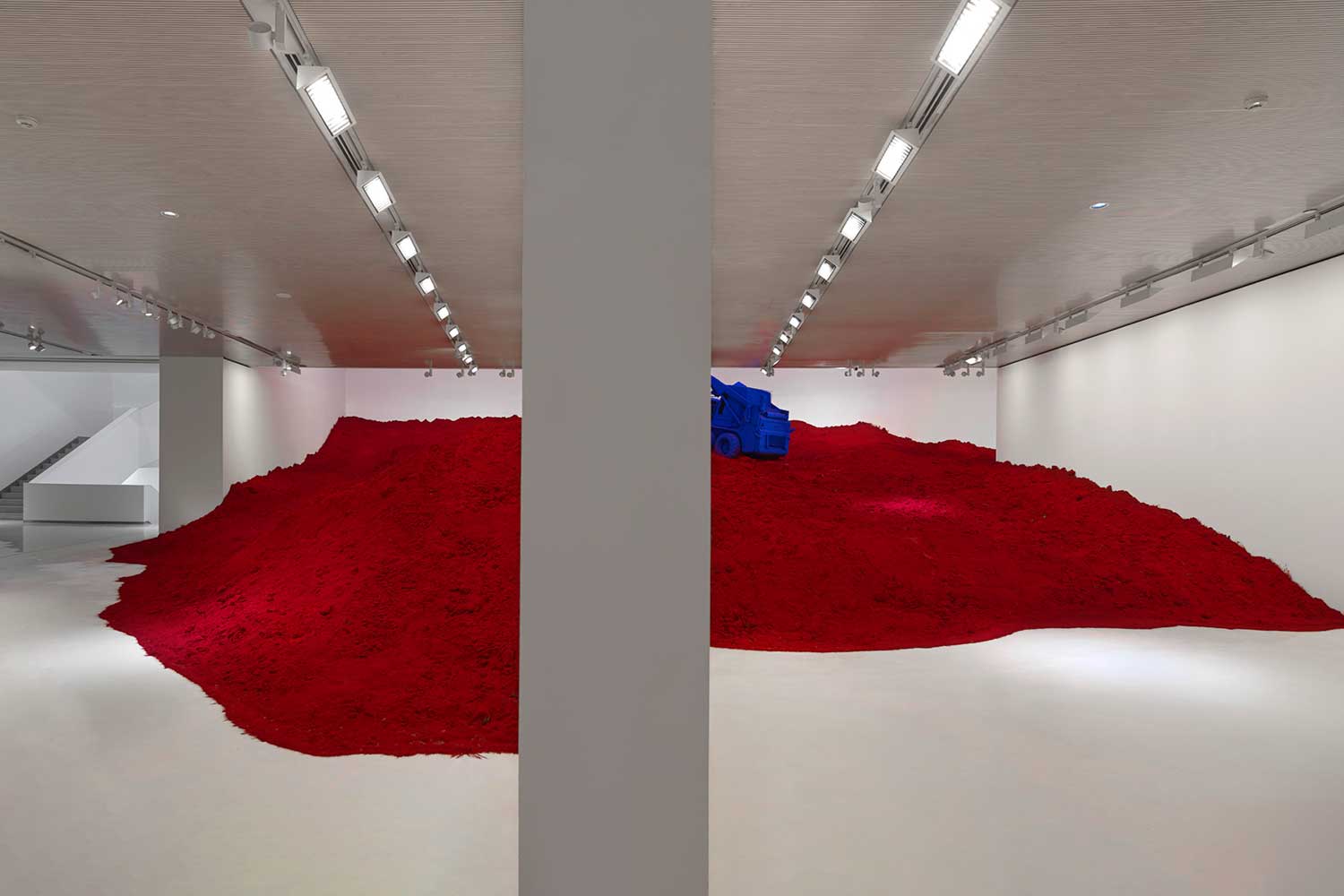
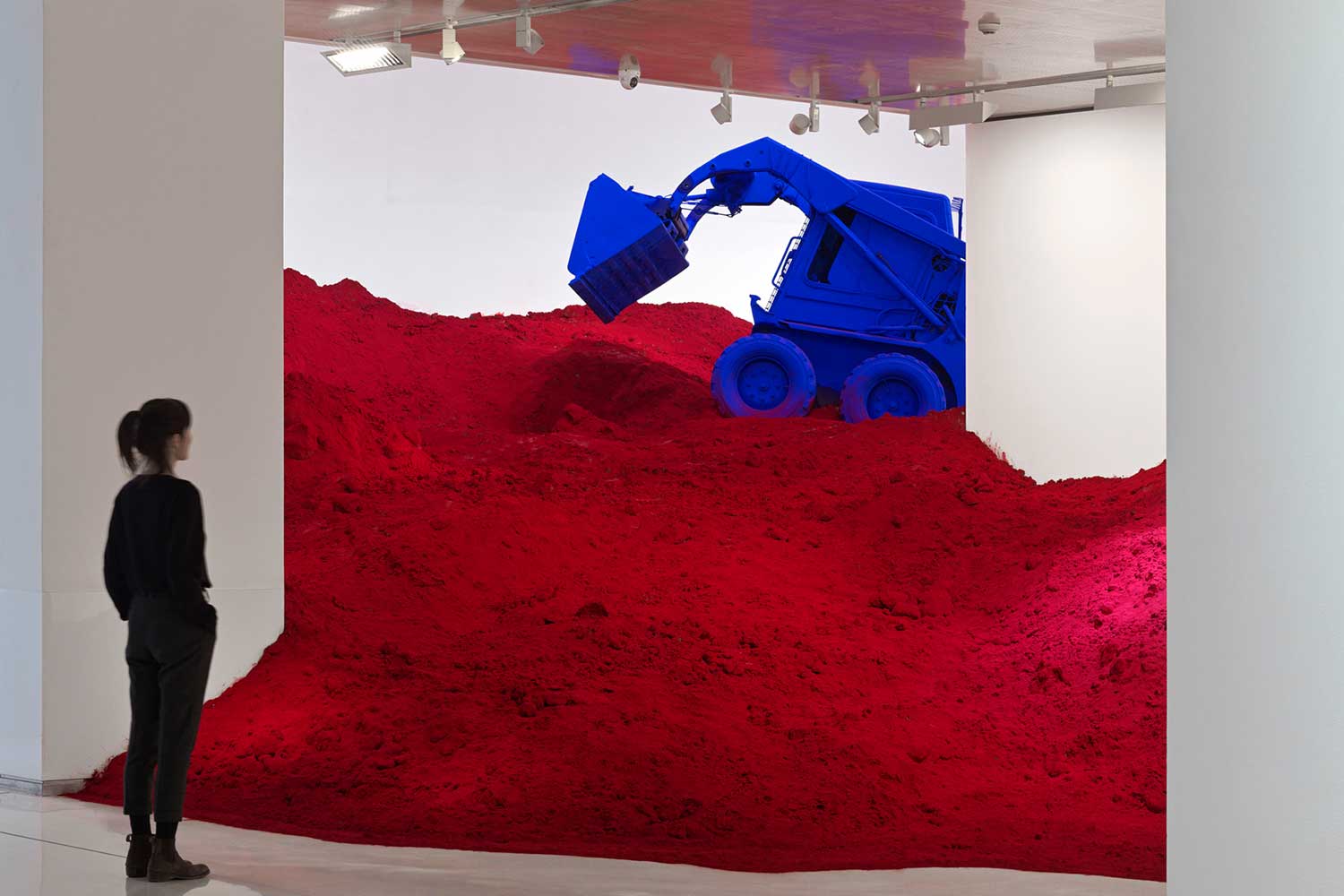
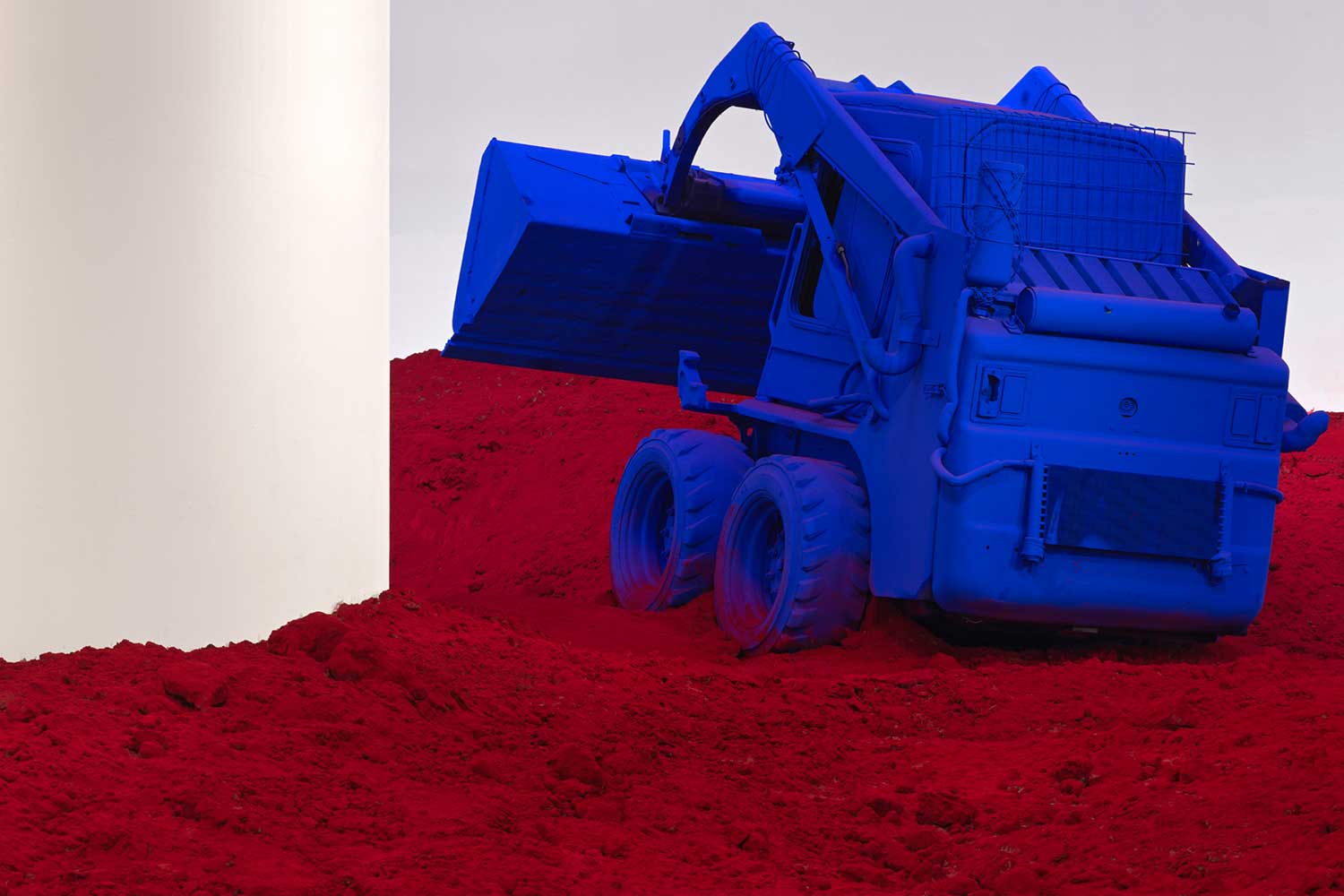
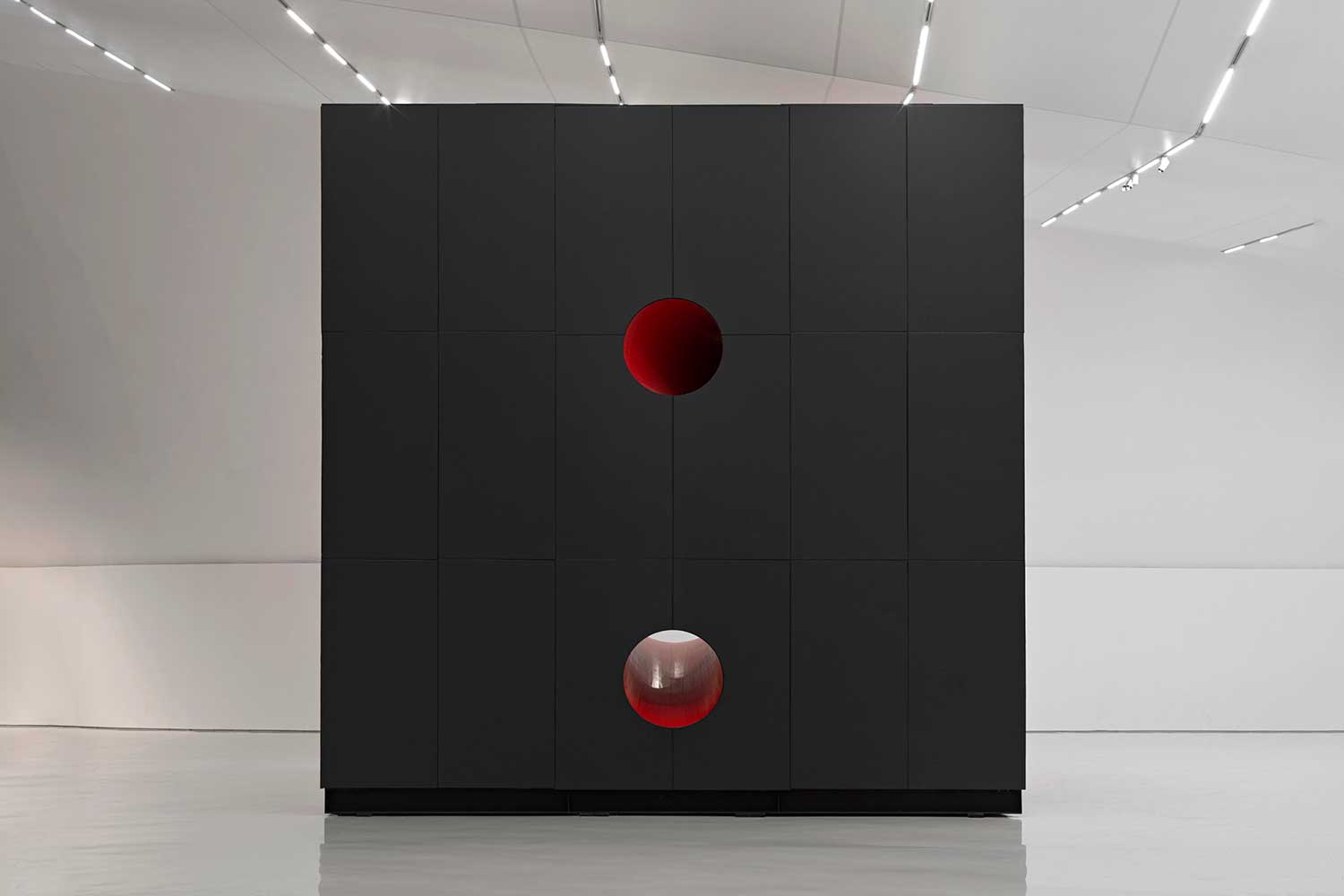
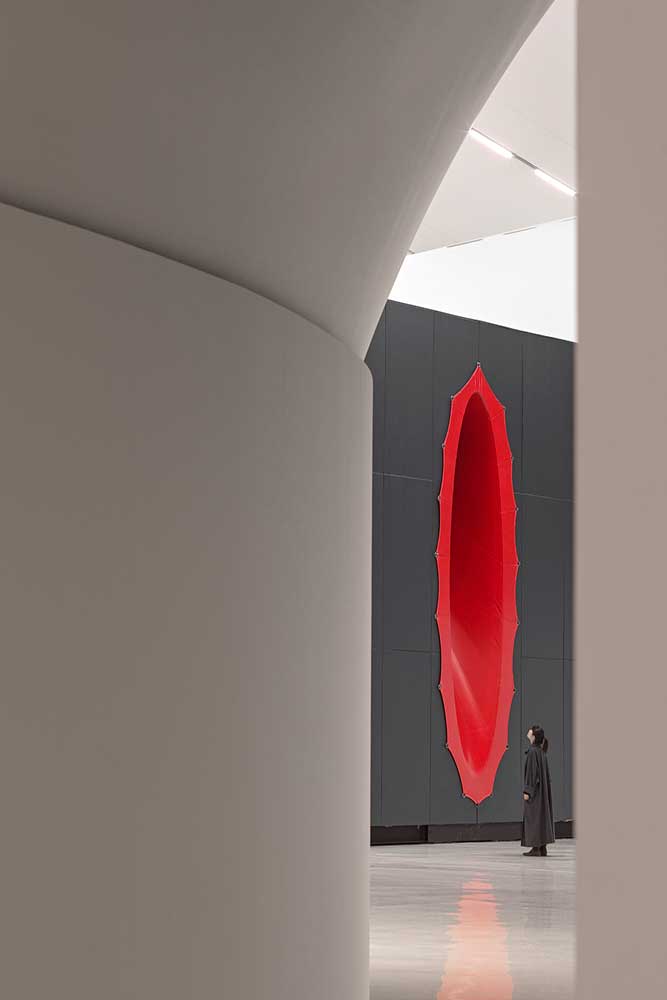
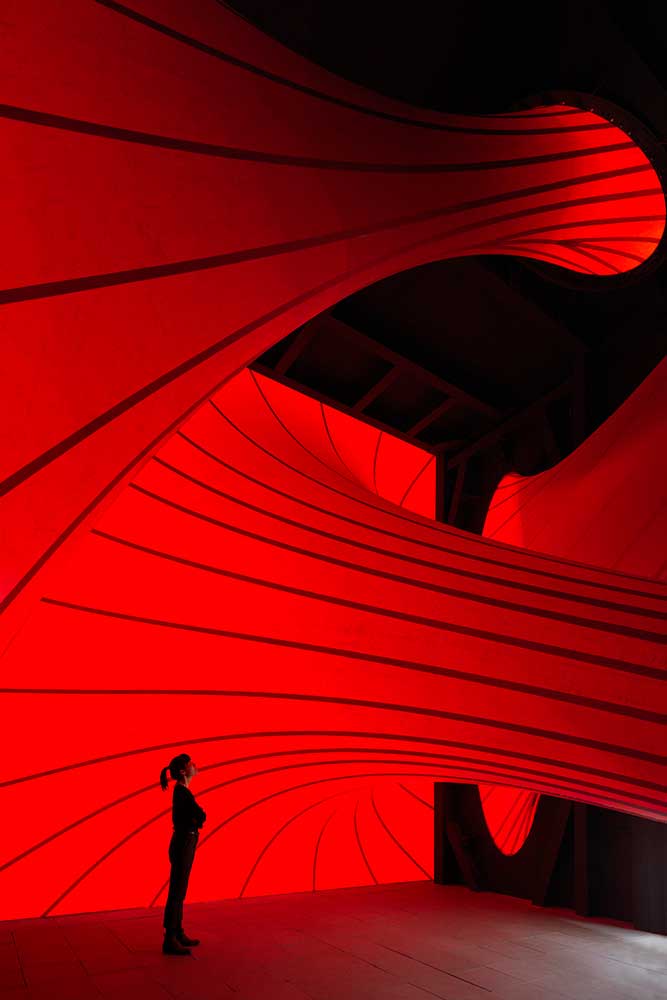
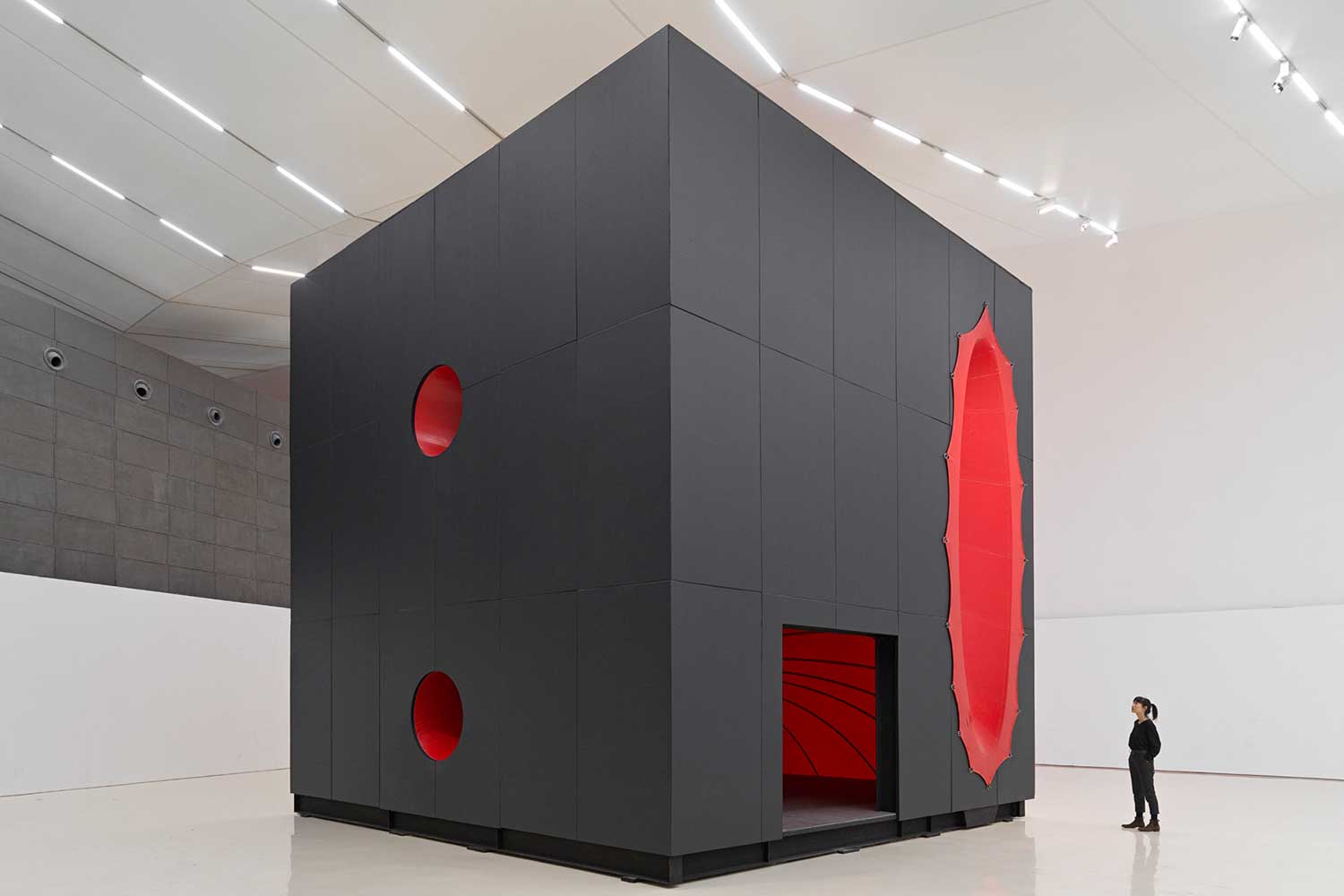
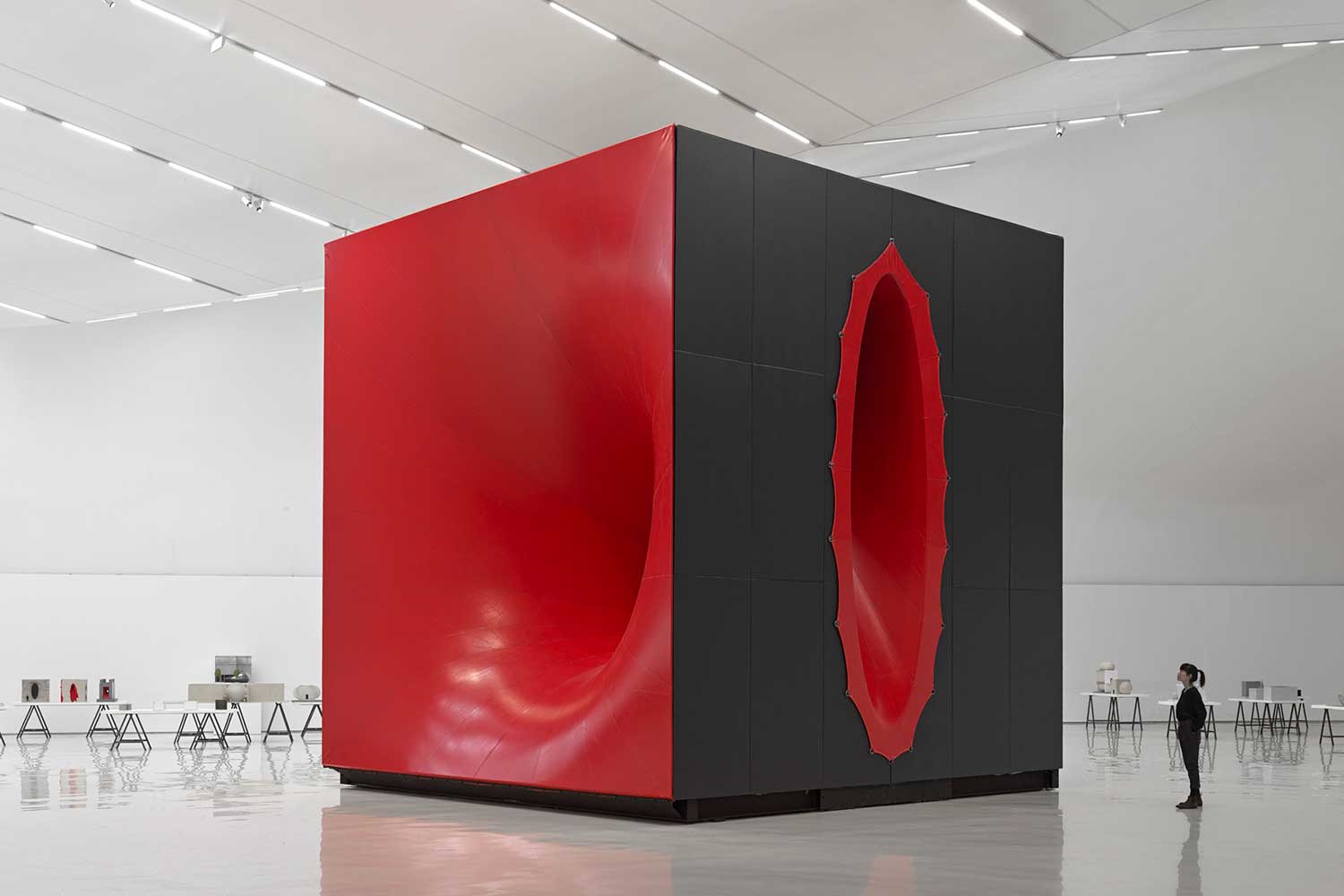
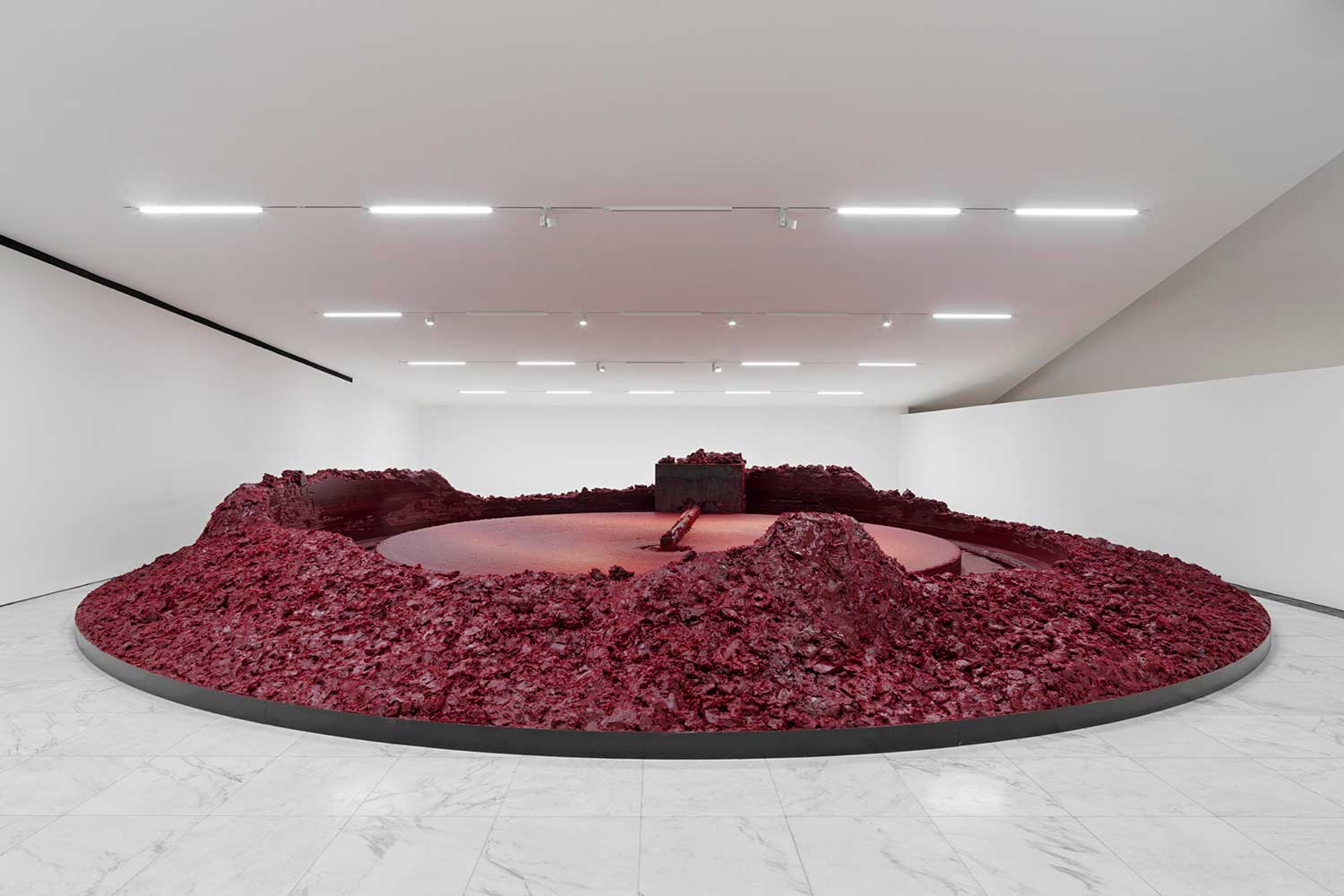
آنیش کاپور، هنرمند صریحالقول و مخالف سیاسی و دوست دیرینه آی ویوی، ممکن است انتظار نداشته باشد که نامش در فهرست دعوتشدگان پکن باشد. با این حال، اولین نمایشگاه انفرادی او در چین به سختی از قلب حکومت کشور دور است: نمایشگاه بازنگری حرفهای در معبدی میان میدان ممنوعه و میدان تیانآنمن. برای شروع، تنها بخشی از نمایشگاه مهم کاپور در معبد اجدادی امپراتوری از قرن 15 به نمایش درآمده است. بقیه آثار 10 کیلومتر دورتر در موزه آکادمی هنرهای زیبا (CAFA) پکن نمایش داده شده است، مدرسهای معتبر که از زمان تأسیس خود یک قرن پیش، نسلهای متعدد هنرمندان برجسته چینی را تربیت کرده است. هنرمند بریتانیایی-هندی در مورد همکاری با موسسات هنری معتبر چینی که به نظر نمیرسد با فعال بودن سیاسیاش مغایرتی داشته باشد، اظهار داشت: “درک میکنم که سوال شما در مورد سخنگویی سیاسی است – ایستادگی در برابر سرکوب، همانطور که من انجام دادهام.” او افزود: “من این موضوع را در رابطه با نمایش در چین باید متعادل کنم و نظر دارم که فرهنگ باید صدای خود را داشته باشد، و گفتوگوی فرهنگی گفتوگویی است برای پیوستن به هم، نه جدا کردن.” اگرچه کاپور به وضوح نظریات خاص خود را دارد، اما هیچگاه اجازه نداده که سیاست بر هنر او سایه بیفکند. در عوض، او همیشه بیشتر نگران مقابله با دوتاییها از طریق آثار خود بوده است – خلق آثار جسورانه و چالشبرانگیز که همزمان صاف و بافتدار، محدب و مقعر، منعطف و جذبکننده هستند. این تضادها به طور گستردهای در نمایشگاه بازنگری پکن او مورد بررسی قرار گرفته است. این مجموعه آثار که برخی از معروفترین مجسمهها و نصبهای کاپور را شامل میشود، طی 35 سال گذشته که در آن کاپور عنوان شوالیه را دریافت کرده، جایزه تورنر را برده و نماینده بریتانیا در بیینال ونیز بوده است، گرد هم آمدهاند. بزرگترین آثار هنری در سه طبقه موزه داخلی دانشگاه CAFA قرار دارند. مهمترین آنها “دستیرو” است که یک اتاق کامل به چشمانداز قرمز سورئالی تبدیل شده است و “وطن قرمز من” که تودهای دایرهای از موم است که تقریبا 40 فوت قطر دارد و یک بلوک فولادی که توسط بازوی موتوری به آرامی میچرخد، آن را احاطه کرده است. در معبد، در همین حال، مجموعهای از مجسمههای کمتر برجسته در سه ساختمان مختلف این مجموعه به نمایش گذاشته شدهاند. اینجا است که بازدیدکنندگان آزمایشهای منحنی کاپور با فولاد ضدزنگ را میبینند، همراه با اشیاء انتزاعی که به نظر میرسد از کف زیرشان پدیدار میشوند یا به درون آن ناپدید میشوند. بالاخره، این رنگ قرمز است که هرچیزی را به هم متصل میکند. در اثر “سمفونی برای خورشید محبوب” (2013)، این رنگ به صورت یک دیسک بزرگ آویزان بر روی تودههای بینظم موم قرمز است. در “بدن مقطعی آماده برای همگرایی مونادیک” (2015)، یک مکعب از PVC و فولاد که بیننده را به داخل یک دهانه مرکزی جذب میکند، این رنگ دیده میشود. کپور همچنین به نقش تاریخی رنگ قرمز در چین اشاره کرد و گفت که این رنگ در فرهنگ چین معانی مختلفی از جمله شانس، میهنپرستی و حتی انقلاب دارد و امیدوار است که آثارش در این زمینه بتواند با ذهنیت چینیها ارتباط برقرار کند.
Anish Kapoor: A Red Dialogue Between Tradition and Modernity in Beijing
Anish Kapoor’s first solo museum exhibition in China, spread across two locations, showcased some of the artist’s most significant and celebrated works of the last thirty-five years. At the Central Academy of Fine Arts Museum (CAFAM), Kapoor integrated his monumental installations into the contemporary curvilinear exhibition spaces, presenting four performative artworks central to his recent practice. Visitors were first greeted by Symphony for a Beloved Sun (2013), which transformed the central atrium of the museum into a landscape activated by a machine calmly processing masses of aggregating material. The piece deposits bricks of red wax along several ascending conveyor belts, which then plunge into a molten heap of their own making. This process unfolds under the watchful eye of a vast, red sun hovering above the scene, all taking place without any evident human interaction. Here, the artist’s hand is replaced by an invisible, seemingly autonomous machine that gives the viewer the chance to observe this mesmerizing system. Outspoken, politically engaged, and a longtime friend of Ai Weiwei, Anish Kapoor might not have expected to be high on Beijing’s invite list. Yet, his first solo show in China is deeply embedded in the heart of the country’s establishment: a career retrospective held at a temple located between the Forbidden City and Tiananmen Square. While part of Kapoor’s landmark exhibition is displayed at the 15th-century Imperial Ancestral Temple, the rest is exhibited 10 kilometers away at Beijing’s Central Academy of Fine Arts (CAFA), a prestigious school that has produced multiple generations of leading Chinese artists since its founding over a century ago. Kapoor, born in Mumbai and a British sculptor, doesn’t consider his collaboration with a respected Chinese institution to be incompatible with his activism. After initially threatening to withdraw from the 2016 Yinchuan Biennale over Ai Weiwei’s exclusion, and declining exhibition opportunities in China due to the treatment of the dissident artist, Kapoor now feels it is time to be “part of the conversation.” In an interview at CAFA, he explained: “I understand your question about being politically outspoken — about standing up, as I have done, against oppression. I have to mediate this in relation to showing in China. I take the view that culture has a voice, and a cultural conversation is about joining up, not separating.” Though clearly opinionated, Kapoor, now 65, has never allowed politics to overshadow his art. Instead, he focuses on confronting dualities through his work — bold, challenging pieces that are simultaneously smooth and textured, convex and concave, reflective and absorbent. These contrasts are thoroughly explored in his Beijing retrospective, a collection of works spanning 35 years. During this time, Kapoor has been knighted, won the prestigious Turner Prize, and represented the UK at the Venice Biennale. The most ambitious works in the retrospective are spread across three floors of the CAFA museum. Notable among them is Destierro, an entire room transformed into a surreal red landscape, and My Red Homeland, a nearly 40-foot-wide circular mass of wax around which a steel block, propelled by a motorized arm, slowly rotates. At the Imperial Ancestral Temple, a selection of more understated sculptures are displayed across three buildings, where visitors can experience Kapoor’s curvilinear experiments with stainless steel, as well as abstract objects that seem to emerge from or disappear into the floor beneath them. Kapoor explained that, although his work is true to its original form, it has a connection with the site. He added, “I like the idea of this non-art space.” In one building, pigment works from the late ‘70s and early ‘80s are displayed, while another features Angel, a large series of floating pigment stones suspended in space. The color red, a constant in Kapoor’s work, unites the exhibition. In Symphony for a Beloved Sun, the red hue takes the form of a massive disc suspended above chaotic piles of claret-colored wax. In Sectional Body Preparing for Monadic Singularity (2015), a PVC and steel cube appears to draw viewers into a vortex-like crater. Elsewhere, flashes of red appear in the reflection of temple architecture on Kapoor’s silver metallic surfaces, and in miniature models of projects that have defined his career, such as Orbit, the sculptural observation tower created for London’s 2012 Olympic Park. In China, red carries meanings of good fortune, patriotism, and even revolution. While Kapoor emphasizes that his latest exhibition is not specifically designed for Chinese audiences, he is fully aware that his work may be interpreted differently. Kapoor sees the color red as a “strange bridge” connecting his work with Chinese culture and psyche, stating, “Red is the color that you walk into the space, and it grabs you.” Whether Chinese or not, Kapoor suggests, we all have red inside our bodies. The exhibition Anish Kapoor will be on display at the Taimiao Art Museum at the Imperial Ancestral Temple until December 28, 2019, and at the Central Academy of Fine Arts (CAFA) Art Museum until January 1, 2020.
مطالب مرتبط