آثار فرانک گهری
ردگیری میراث معماری فرانک گهری از خلال تأثیرگذارترین آثار او
Frank Gehry’s Projects
Tracing Frank Gehry’s Architectural Legacy Through His Most Influential Works
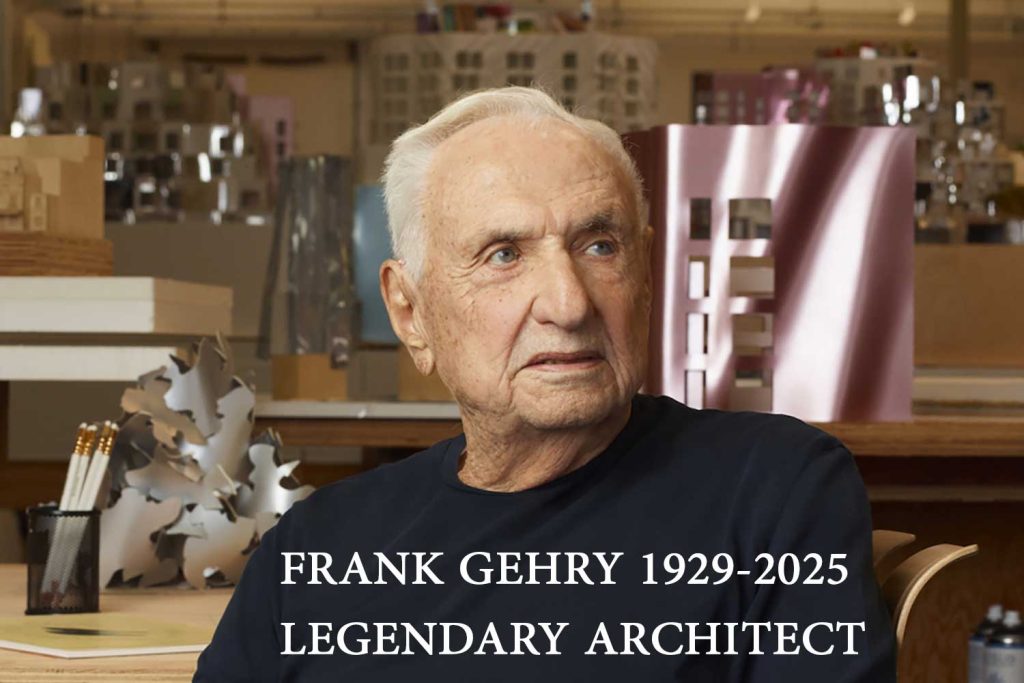
با انتشار خبر درگذشت فرانک گهری در سن ۹۶ سالگی، توجه تازهای به حرفهای معطوف شده است که از اواخر قرن بیستم به بعد، بهطور قابلتوجهی گفتمان معماری را شکل داده بود. در طی بیش از هفت دهه، گهری زبانی طراحی را توسعه داد که با آزمایشهای مصالح، ساخت ماکتهای تکرارشونده، و علاقه به فرمهای سیال و بیانی تعریف میشد. آثار او از مداخلات اولیهی مسکونی در جنوب کالیفرنیا تا مؤسسات فرهنگی عمدهای گسترده است که به هویت شهرهایی در سراسر جهان کمک کردهاند. در کنار هم، این پروژهها مسیری را ترسیم میکنند که با تغییرات در فناوریهای ساخت، گونهشناسی موزهها، و راهبردهای بازتوسعهی شهری تلاقی داشته است. با گسترش پورتفولیوی گهری، روند کار او همگام با پیشرفت در مدلسازی دیجیتال و هماهنگی ساختوساز تکامل یافت و رویکردهای جدیدی به پیچیدگی در طراحی معماری را شکل داد. استفادهی او از نرمافزاری که در ابتدا برای مهندسی هوافضا توسعه یافته بود، نهتنها امکان تحقق هندسههای غیرمتعارف را فراهم کرد، بلکه استانداردهای گستردهتری در صنعت را نیز تحت تأثیر قرار داد. چه این روشها در موزهها، سالنهای اجرا، فضاهای آموزشی، یا مناظر شهری به کار میرفتند، تأکید گهری بر رابطهی میان هندسه، سازه و تجربهی فضایی ثابت باقی ماند. این آثار، رکوردی از تجربهگرایی مداوم را شکل میدهند که نشان میدهد چگونه ساختمانهای فرهنگی میتوانند بهعنوان محرکهای دگرگونی شهری عمل کنند و به روایتهای معماری بلندمدت کمک کنند.
برای آشنایی با ۱۱ پروژهی شناختهشدهی فرانک گهری، که تکامل رویکرد طراحی او و تأثیر ماندگارش را ترسیم میکنند، ادامهی متن را بخوانید.
Following the news of Frank Gehry’s passing at age 96, renewed attention has been directed toward a career that significantly shaped architectural discourse from the late 20th century onward. Over more than seven decades, Gehry developed a design language defined by material experimentation, iterative model-making, and an interest in fluid, expressive forms. His work ranges from early residential interventions in Southern California to major cultural institutions that have contributed to the identity of cities around the world. Together, these projects outline a trajectory that intersected with shifts in fabrication technologies, museum typologies, and urban redevelopment strategies. As Gehry’s portfolio expanded, his practice evolved in parallel with advances in digital modeling and construction coordination, shaping new approaches to complexity in architectural design. His adoption of software originally developed for aerospace engineering not only enabled the realization of unconventional geometries but also influenced broader industry standards. Whether applied to museums, performance halls, educational facilities, or civic landscapes, Gehry’s methods emphasized the relationship between geometry, structure, and spatial experience. These works form a record of sustained experimentation that illustrates how cultural buildings can serve as catalysts for urban transformation and contribute to long-term architectural narratives.
Read on to explore Frank Gehry’s 11 renowned projects, tracing the evolution of his design approach and lasting influence.
خانهی گهری، سانتا مونیکا، ۱۹۷۸
Gehry House, Santa Monica, 1978
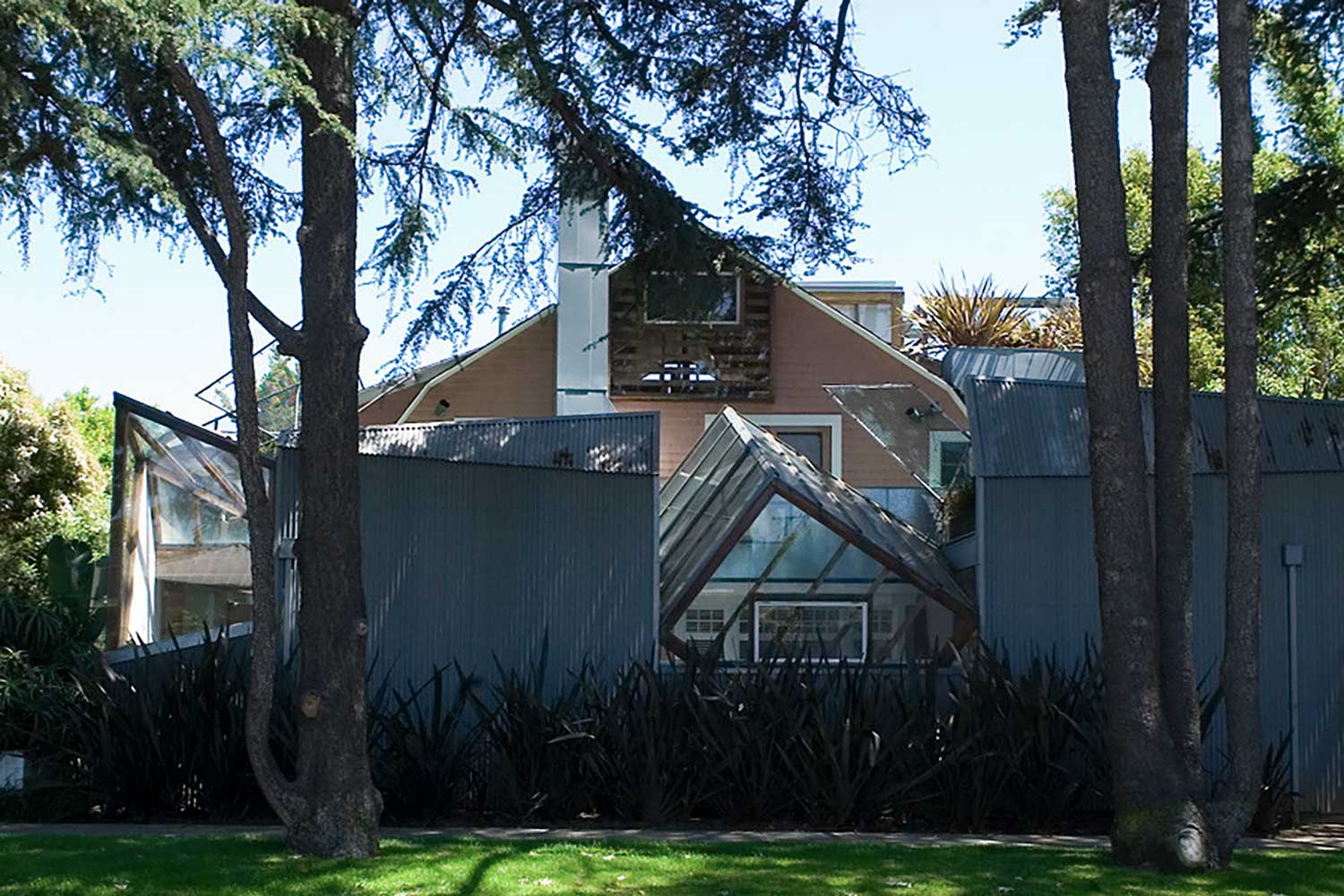
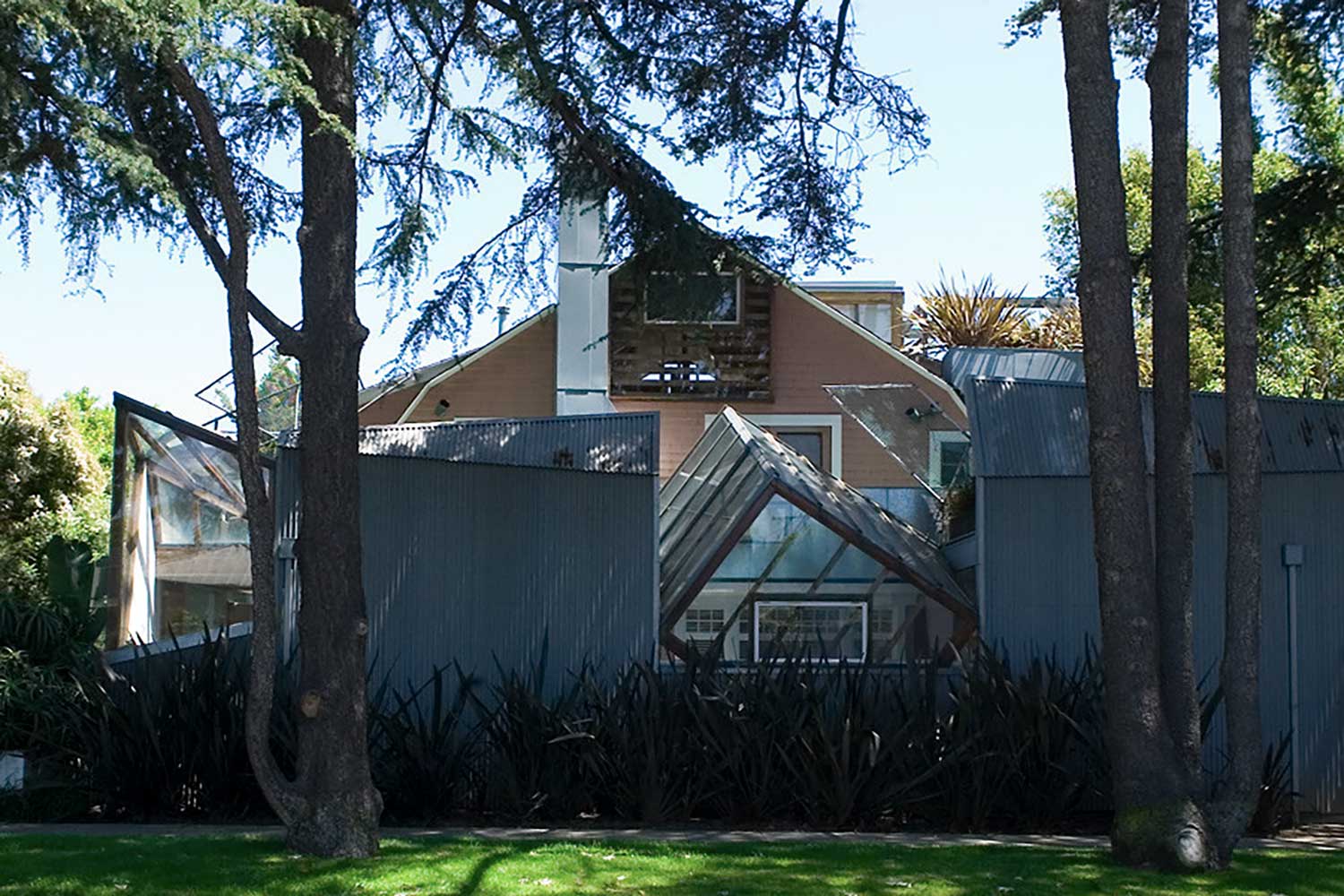
این خانه که اغلب بهعنوان یک اثر اولیهی تعیینکننده در حرفهی گهری ذکر میشود، بسیاری از راهبردهای مصالحی و فضایی را معرفی کرد که بعدها پروژههای بزرگتر او را شکل دادند. بهجای تخریب خانهی استعماری هلندی موجود، گهری آن را حفظ کرد و حجمهای جدیدی را در سه طرف آن قرار داد؛ سازه را آشکار گذاشت و هندسههای زاویهدار را وارد کرد که در تضاد شدید با ساختار اصلی بودند. مصالحی مانند تختهچندلا، فلز موجدار، شیشه، و حصار زنجیری به ظاهر عمداً ناتمام پروژه کمک کردند؛ ظاهری که زیباییشناسی مسکونی متعارف را به چالش کشید و بحثهای محلی ایجاد کرد. گسترش بعدی در سال ۱۹۹۱ برای پاسخ به نیازهای خانواده انجام شد و همزمان شخصیت تجربی پروژه را حفظ کرد و اهمیت آن را در چشمانداز معماری کالیفرنیا تثبیت نمود.
Often cited as a defining early work in Gehry’s career, the Gehry House introduced many of the material and spatial strategies that later shaped his larger commissions. Rather than demolishing the existing Dutch Colonial house, Gehry preserved it and wrapped new volumes around three sides, exposing framing and inserting angular geometries that contrasted sharply with the original structure. Materials such as plywood, corrugated metal, glass, and chain-link fencing contributed to a deliberately unfinished appearance that challenged conventional residential aesthetics and stirred local controversy. A later expansion in 1991 responded to the family’s needs while maintaining the project’s experimental character, reinforcing its significance within California’s architectural landscape.
موزهی طراحی ویترا، ویل آم راین، ۱۹۸۹
Vitra Design Museum, Weil am Rhein, 1989
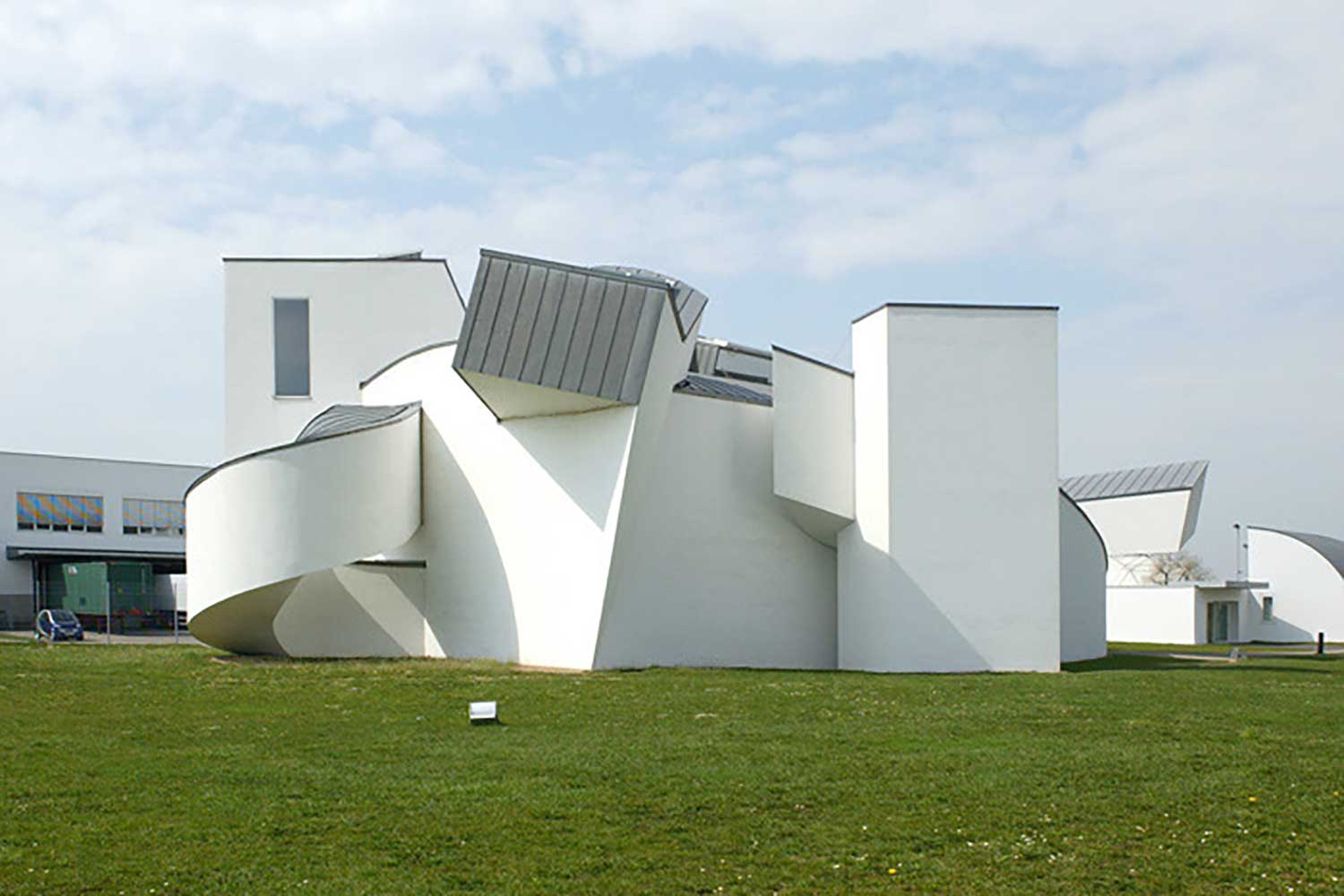
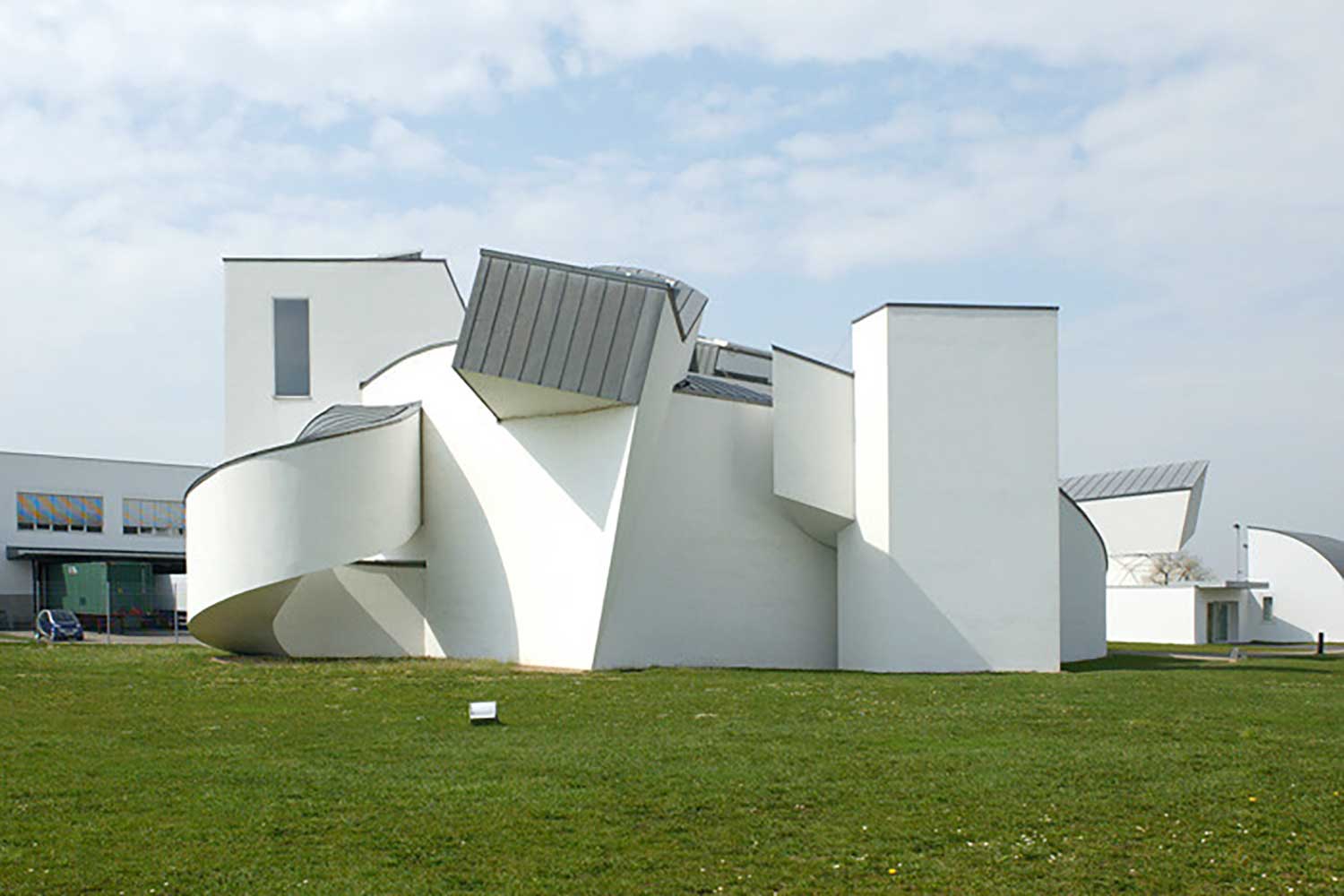
موزهی طراحی ویترا که در سال ۱۹۸۹ تکمیل شد و اولین ساختمان گهری در اروپا است، نشانهای از تغییر محوری بهسوی فرمهای پیکرهوار است که آثار بعدی او را تعریف کردند. این موزه که در کمپوس ویترا و در جریان بازسازی پس از آتشسوزی ساخته شد، یک برنامهی اولیه برای یک انبار ساده را به مؤسسهای مستقل اختصاصیافته به طراحی تبدیل کرد. ترکیب حجمهای منحنی و زاویهدار، بازی پویایی میان سطوح سفید گچکاریشده و بامهای زینک ایجاد میکند و گذار گهری از زبان زاویهدار دیکانستراکشن به هندسههای سیالتر را نشان میدهد.
Completed in 1989 as Frank Gehry’s first European building, the Vitra Design Museum marks a pivotal shift toward the sculptural forms that would define his later work. Situated on the Vitra Campus in Weil am Rhein, the museum emerged during the company’s post-fire reconstruction and transformed an initial brief for a simple storage facility into an independent institution dedicated to design. The building’s composition of intersecting curved and angular volumes introduces a dynamic interplay of white plaster surfaces and zinc roofing, signaling Gehry’s transition from the angular deconstructivist language of his earlier projects toward more fluid geometries.
خانهی رقصان، پراگ، ۱۹۹۶
Dancing House, Prague, 1996
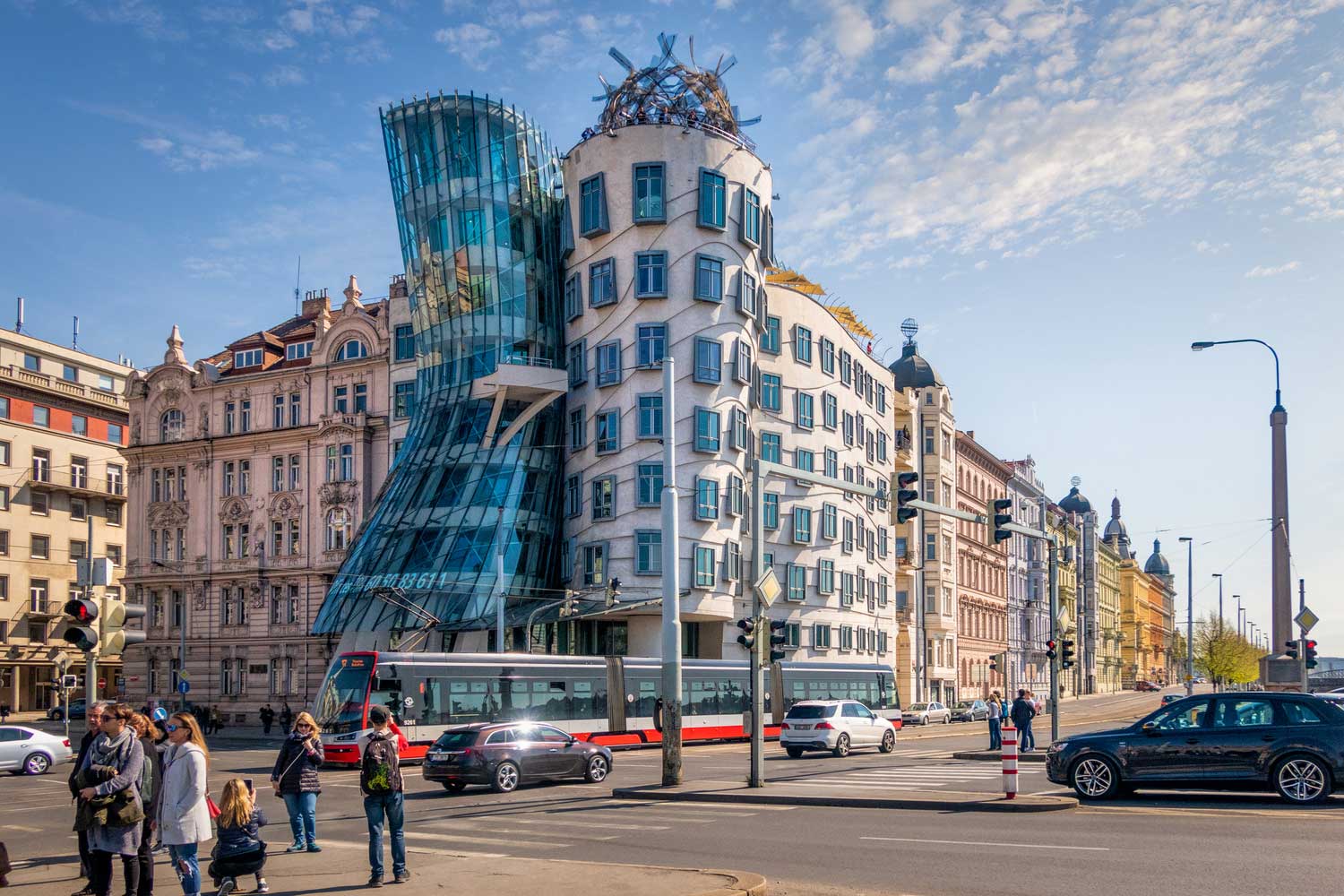
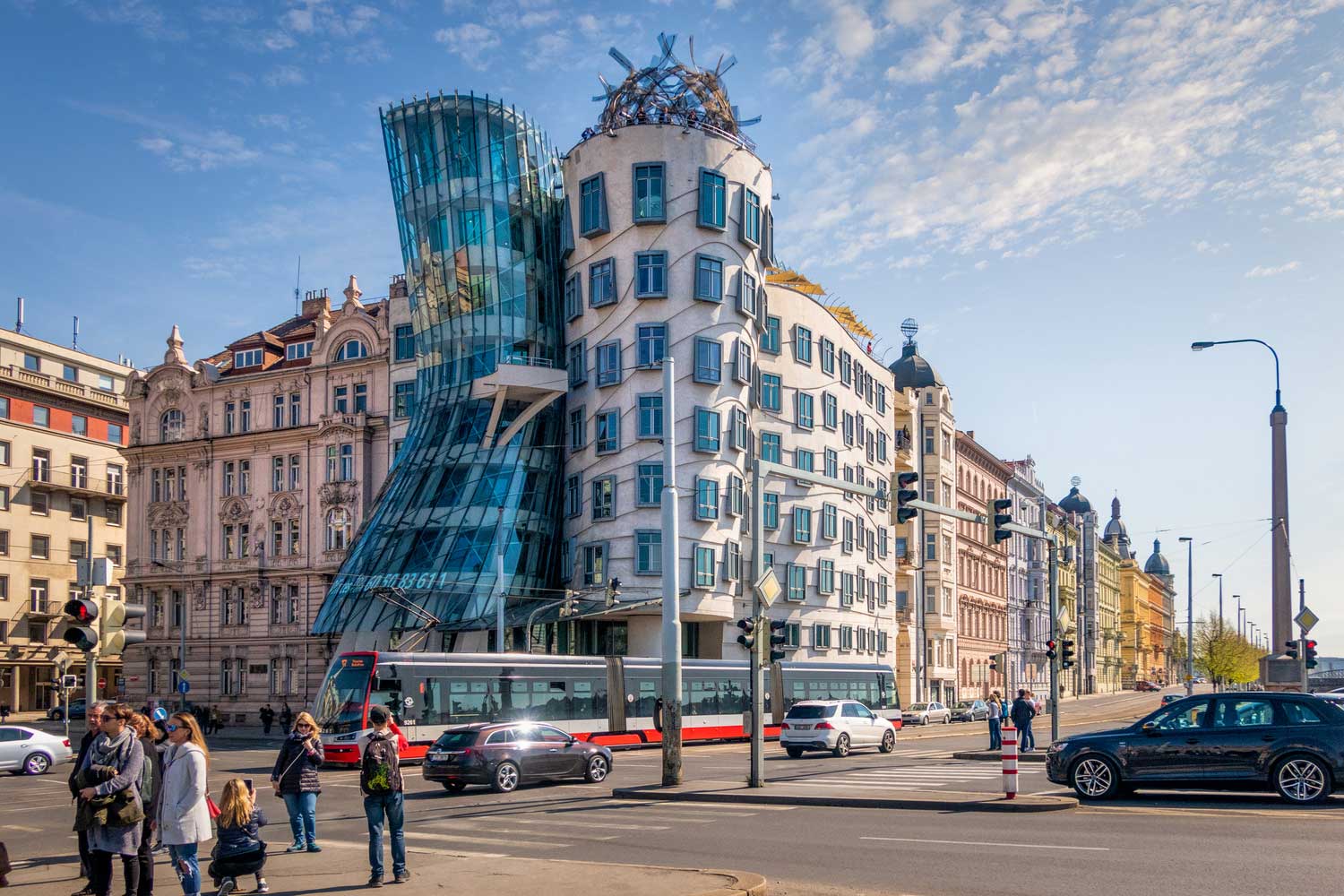
خانهی رقصان که در سال ۱۹۹۶ تکمیل شد و با همکاری ولادو میلونیچ طراحی شده بود، واژگان فرمی نوظهور گهری را به یک مکان برجسته در کرانهی رودخانهی پراگ معرفی کرد. طراحی، یک برج شیشهای منحنی را با حجم آجریِ خطیتر ترکیب میکند و گفتوگویی روشن میان فرمهای پویا و ایستا ایجاد میکند. این پروژه با پانلهای بتنی شکلدادهشده و عناصر نمایی مفصل اجرا شد و علاقهی گهری به ترکیب پیکرهوار و تعامل هندسه را نشان داد. راهبردهای فضایی و مصالحی پروژه، توانایی او را در ترجمهی فرم بیانی به یک زمینهی شهری نشان داد و لحظهی مهمی در مسیر حرکت او بهسوی پروژههای فرهنگی بزرگ مقیاس در اواخر دههی ۱۹۹۰ محسوب میشود.
Completed in 1996 and designed with Vlado Milunić, the Dancing House introduced Gehry’s emerging formal vocabulary to a prominent site along Prague’s riverfront. The design brings together a curved glass tower and a more rectilinear masonry volume, establishing a clear dialogue between dynamic and static forms. Constructed using individually shaped concrete panels and articulated façade elements, the project reflects Gehry’s interest in sculptural composition and the interplay of geometry. The building’s spatial and material strategies demonstrate his ability to translate expressive form into a civic context, marking an important moment in the progression toward his large-scale cultural projects of the late 1990s.
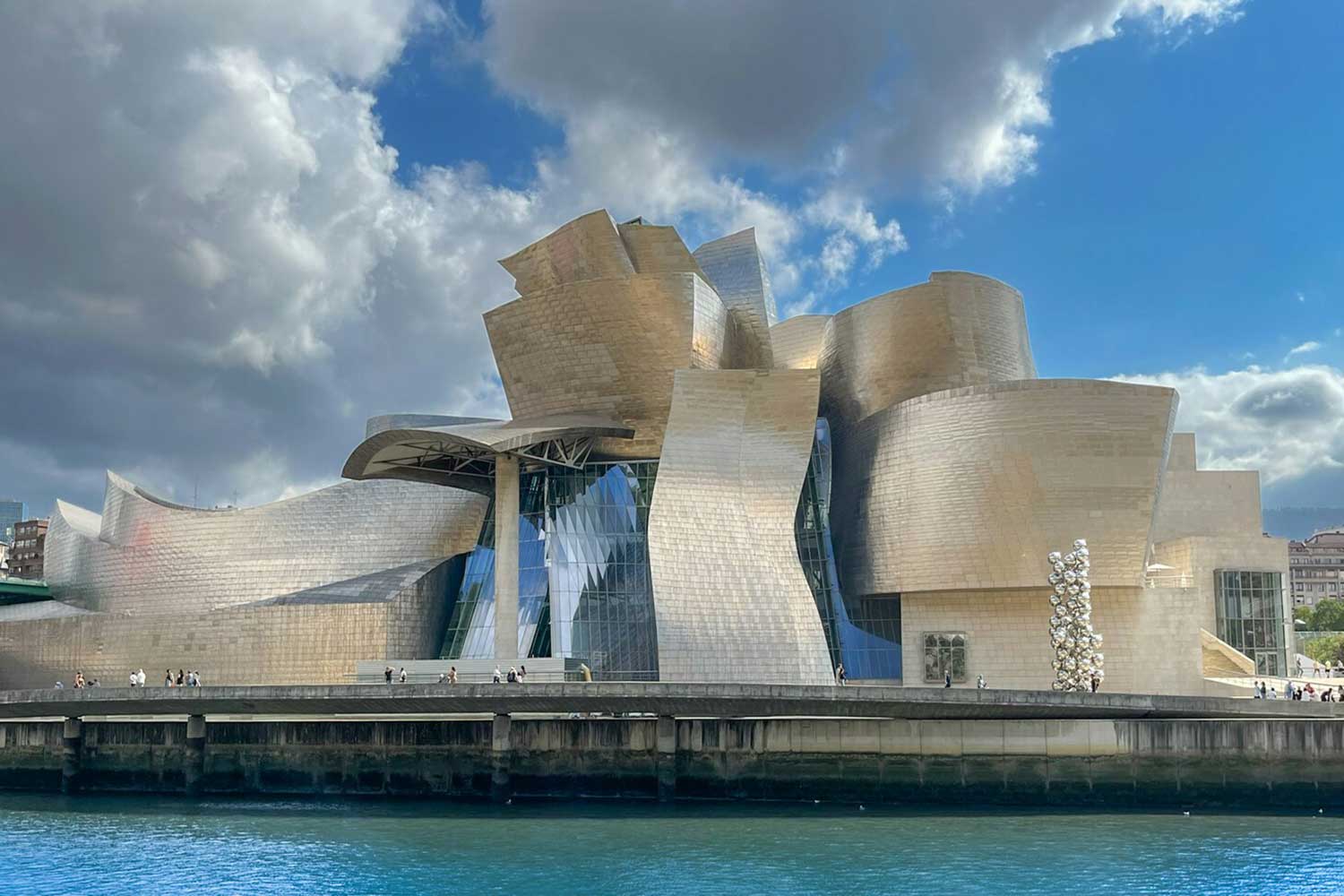
موزهی گوگنهایم بیلبائو، ۱۹۹۷
Guggenheim Museum Bilbao, 1997
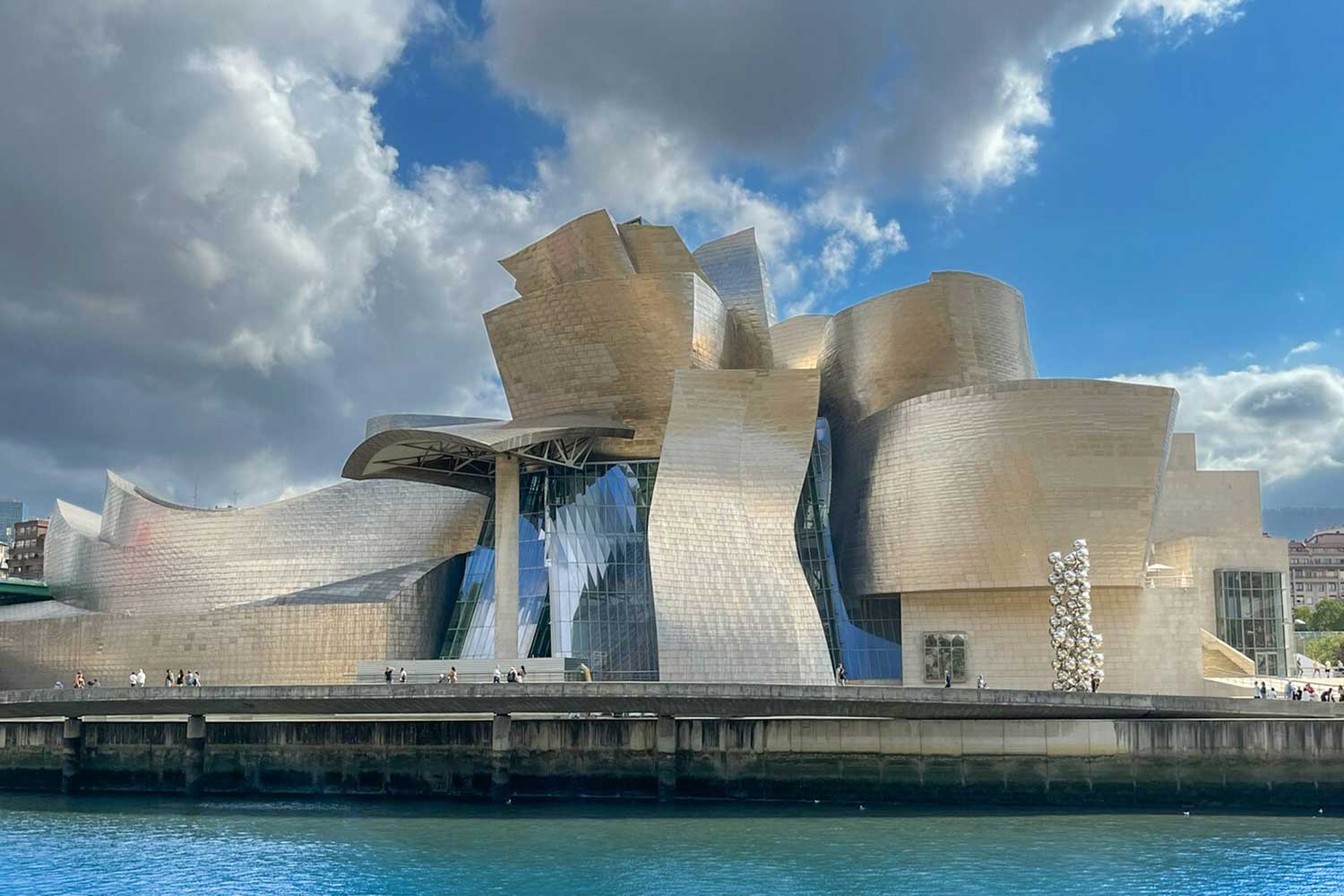
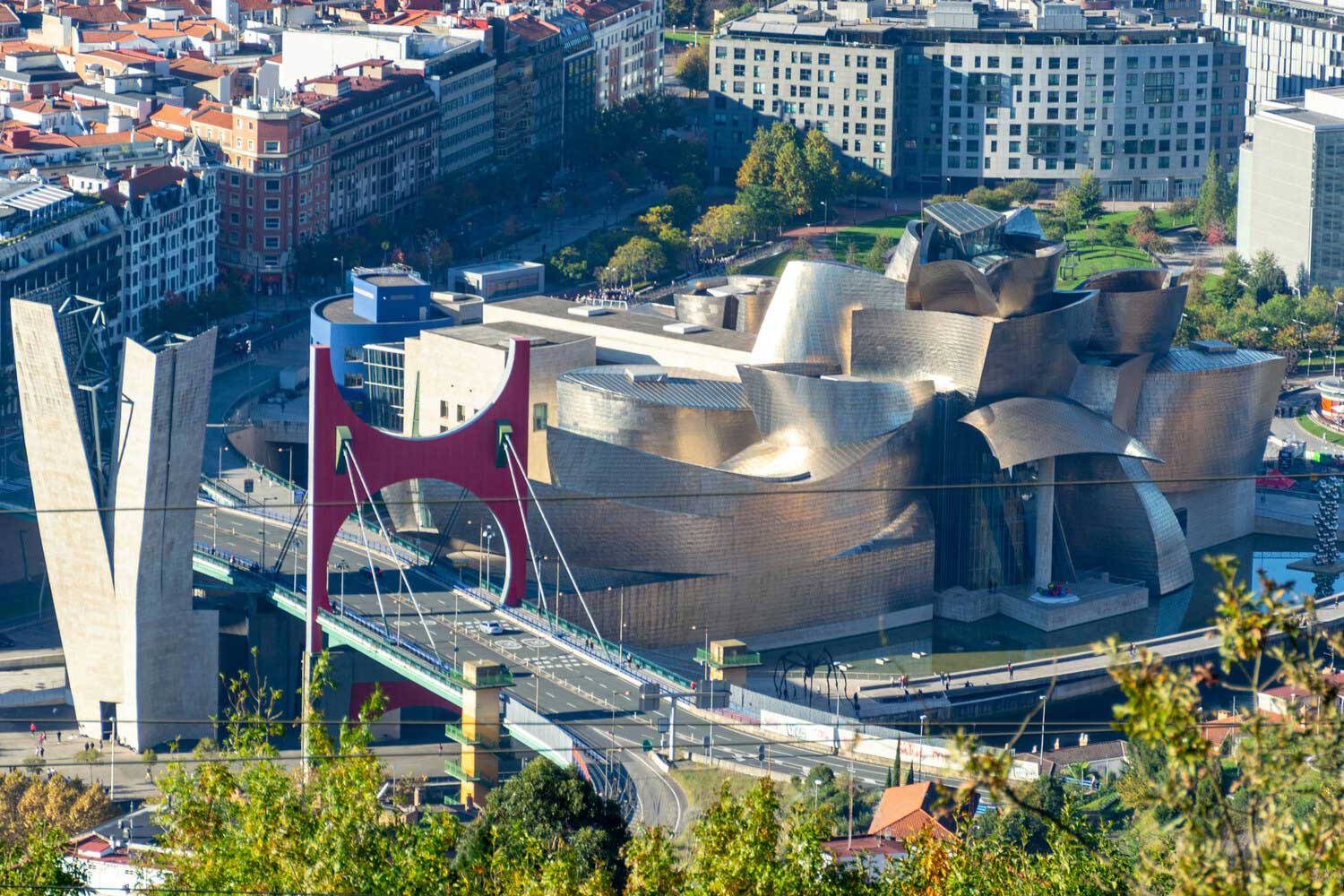
این موزه که در کنار رودخانهی نِرویون در بیلبائو قرار دارد، فرمهای پیچیده و چرخان و یک پالت مصالح لایهلایه را ترکیب میکند تا به محیط صنعتی و برنامهی چندگانهی خود پاسخ دهد. پروژه که در سال ۱۹۹۱ آغاز شد، بخشی از تلاش بزرگتر برای مدرنسازی منطقهی بندری پیشین شهر بود. موزه در سال ۱۹۹۷ افتتاح شد و بهسرعت به مقصدی فرهنگی تبدیل شد که میلیونها بازدیدکننده را جذب میکرد. سطوح تیتانیوم، سنگآهک و شیشه، با منحنیهایی شکل یافتهاند که با نرمافزار CATIA طراحی شدند و امکان ترجمهی ماکتهای دستساز به هندسههای قابلساخت را فراهم کردند. یک آتریوم پرنور، نوزده گالری را سازماندهی میکند که در بیرون با حجمهای ارگانیک و ارتوگونال تعریف میشوند. حضور معماری و اثر اقتصادی موزه، چیزی را تعریف کرد که بعدها «اثر بیلبائو» نامیده شد و بر رابطهی میان مؤسسات فرهنگی و دگرگونی شهری تأکید دارد.
Set along the Nervión River in Bilbao, the Guggenheim Museum integrates complex, swirling forms and a layered material palette to address its industrial setting and multifaceted program. Initiated in 1991 as part of a broader effort to modernize the city’s former port district, the museum opened in 1997 and quickly became a major cultural destination, welcoming millions of visitors. Its titanium, limestone, and glass surfaces are shaped through curves designed with CATIA software, allowing Gehry to translate hand-built models into buildable geometries. A light-filled atrium organizes nineteen galleries, articulated on the exterior through orthogonal and organic volumes. The museum’s architectural presence and economic impact helped define what later became known as the “Bilbao Effect,” highlighting its ongoing influence on the relationship between cultural institutions and urban transformation.
ساختمان بانک DZ، برلین، ۲۰۰۱
DZ Bank Building, Berlin, 2001
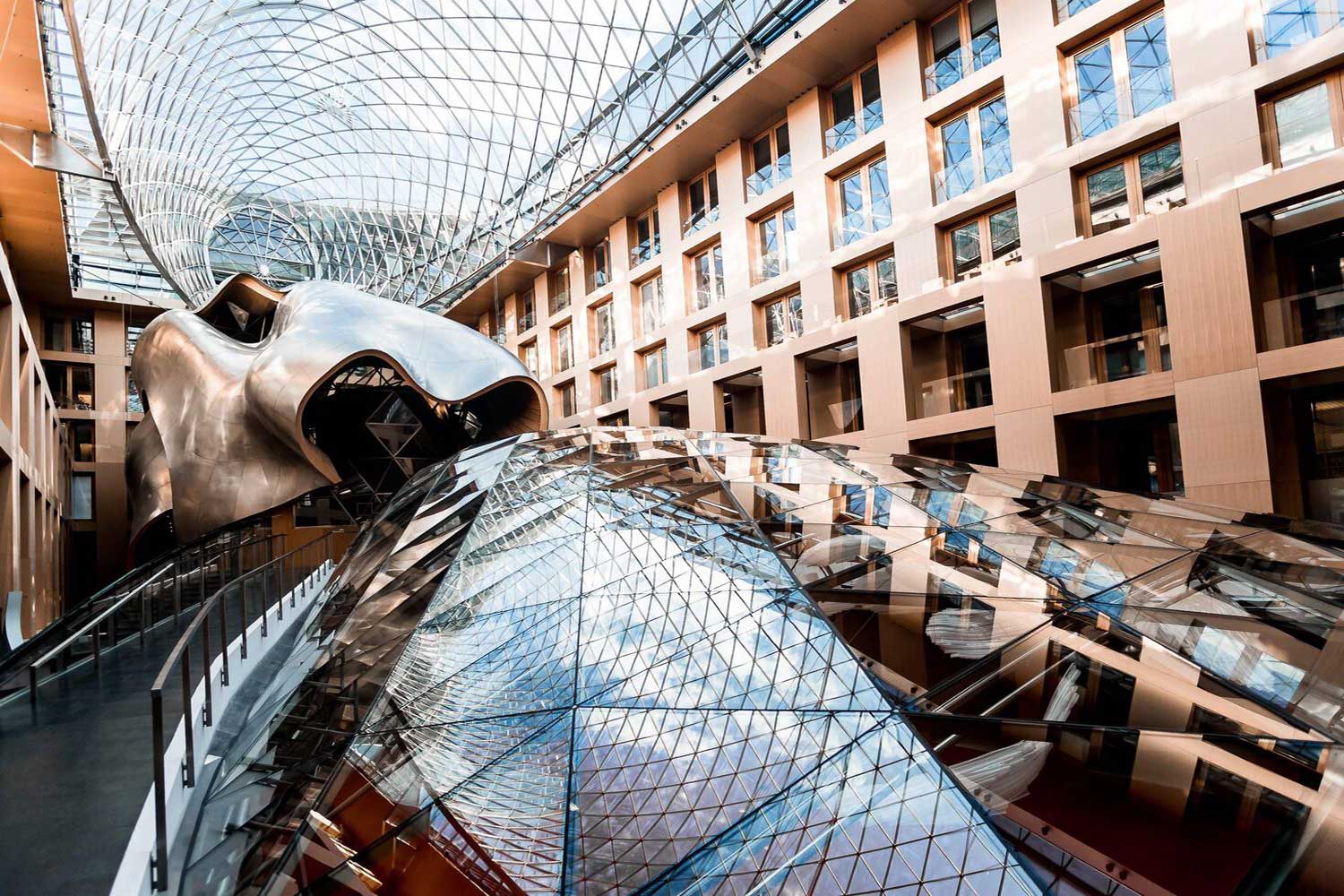
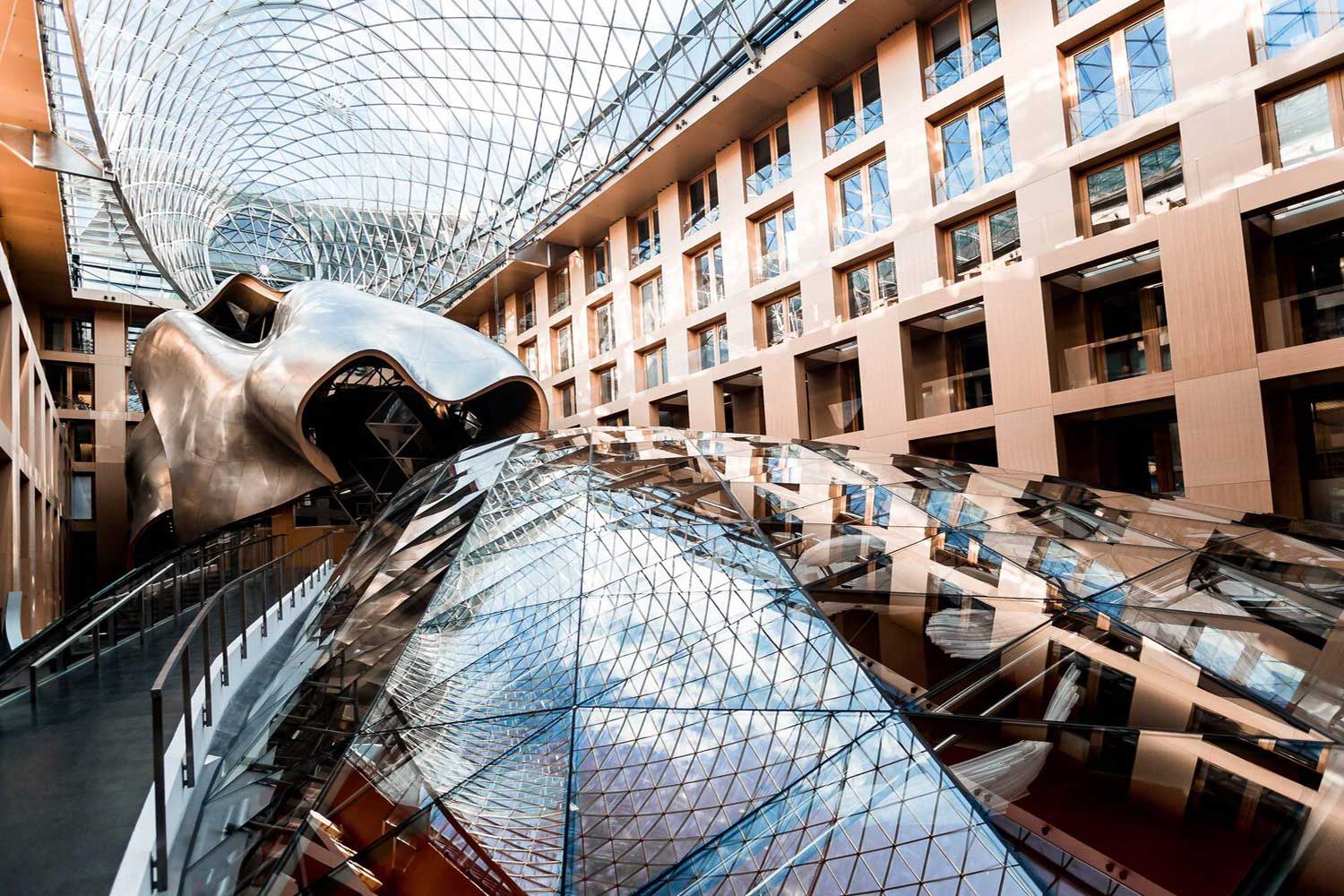
ساختمان بانک DZ که در سال ۲۰۰۱ تکمیل شد، دفاتر تجاری و ۳۹ واحد مسکونی را در یک مجموعهی مختلط ترکیب میکند. پروژه دو نمای متمایز ارائه میدهد: هر دو با سنگآهک به رنگ بژ پوشانده شدهاند که با دروازهی براندنبورگ هماهنگ است، اما مقیاس هرکدام بهطور مستقل برای پاسخ به پاریزر پلاتس و بهرناشتراسه تنظیم شده است. یک سایبان شیشهای ورودی اصلی را مشخص میکند که به لابی با ارتفاع بلند و یک آتریوم مرکزی با سقف و کف شیشهای منحنی منتهی میشود. فضاهای اداری پیرامون این فضای نورگیر سازماندهی شدهاند، در حالی که سالن کنفرانس پیکرهوارِ پوشیدهشده با فولاد ضدزنگ، در مرکز آن قرار دارد. بخش مسکونی پیرامون یک آتریوم جداگانه سازماندهی شده است که نور طبیعی و دید را از طریق یک حوض بازتابی و سیستم آسانسور شیشهای فراهم میکند.
Completed in 2001, the DZ Bank Building in Berlin combines commercial offices and 39 residential units within a single mixed-use complex. The project presents two distinct façades: both clad in buff-colored limestone matching the Brandenburg Gate, yet scaled independently to respond to Pariser Platz and Behrenstrasse. A glass canopy marks the main entrance, leading to a high-volume foyer and a central atrium defined by curving glass ceiling and floor elements. Office spaces are organized around this naturally lit void, while a sculptural stainless-steel-clad conference hall anchors its center. The residential component is arranged around a separate atrium, introducing daylight and views through a reflecting pool and glass elevator system.
تالار کنسرت والت دیزنی، لسآنجلس، ۲۰۰۳
Walt Disney Concert Hall, Los Angeles, 2003
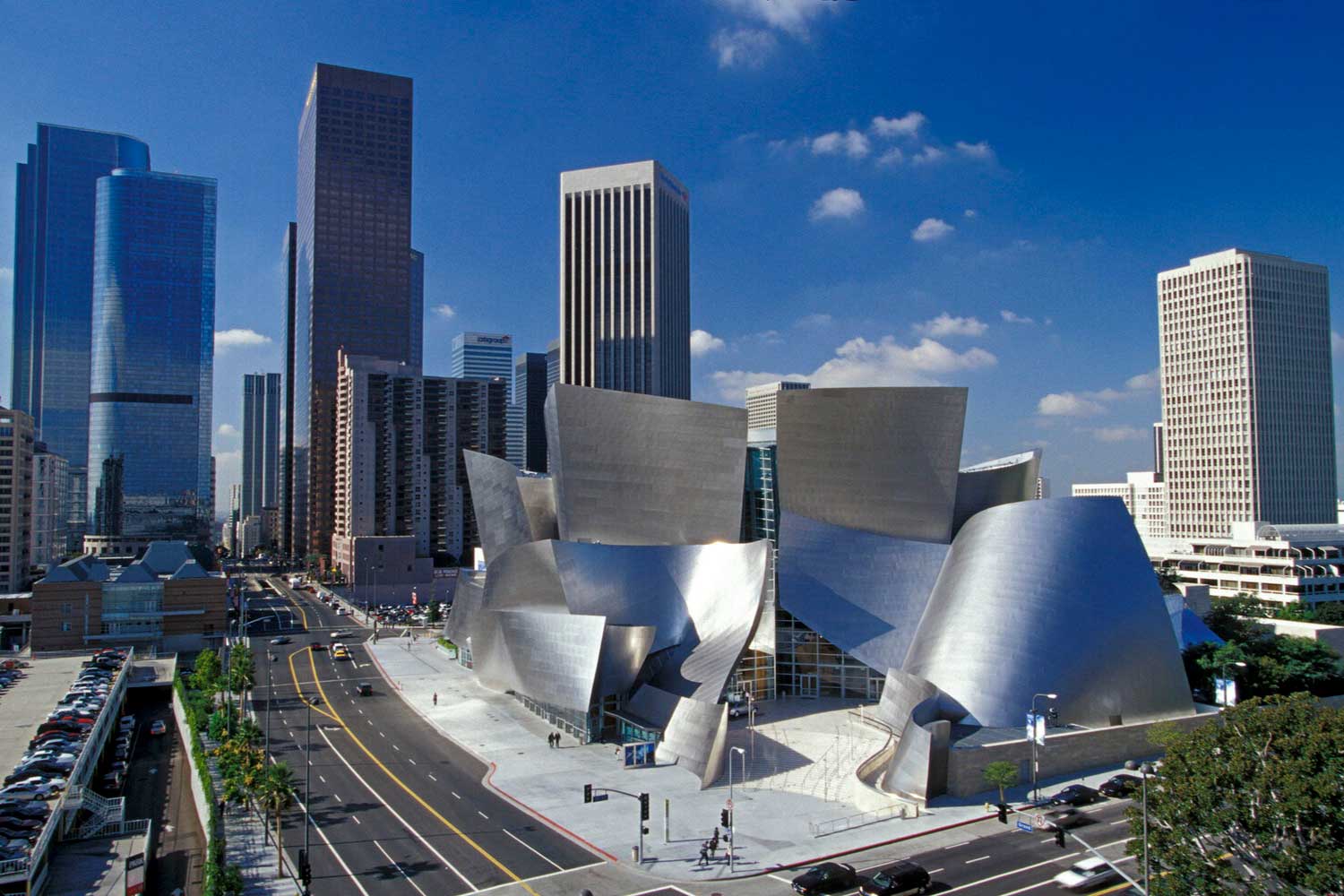
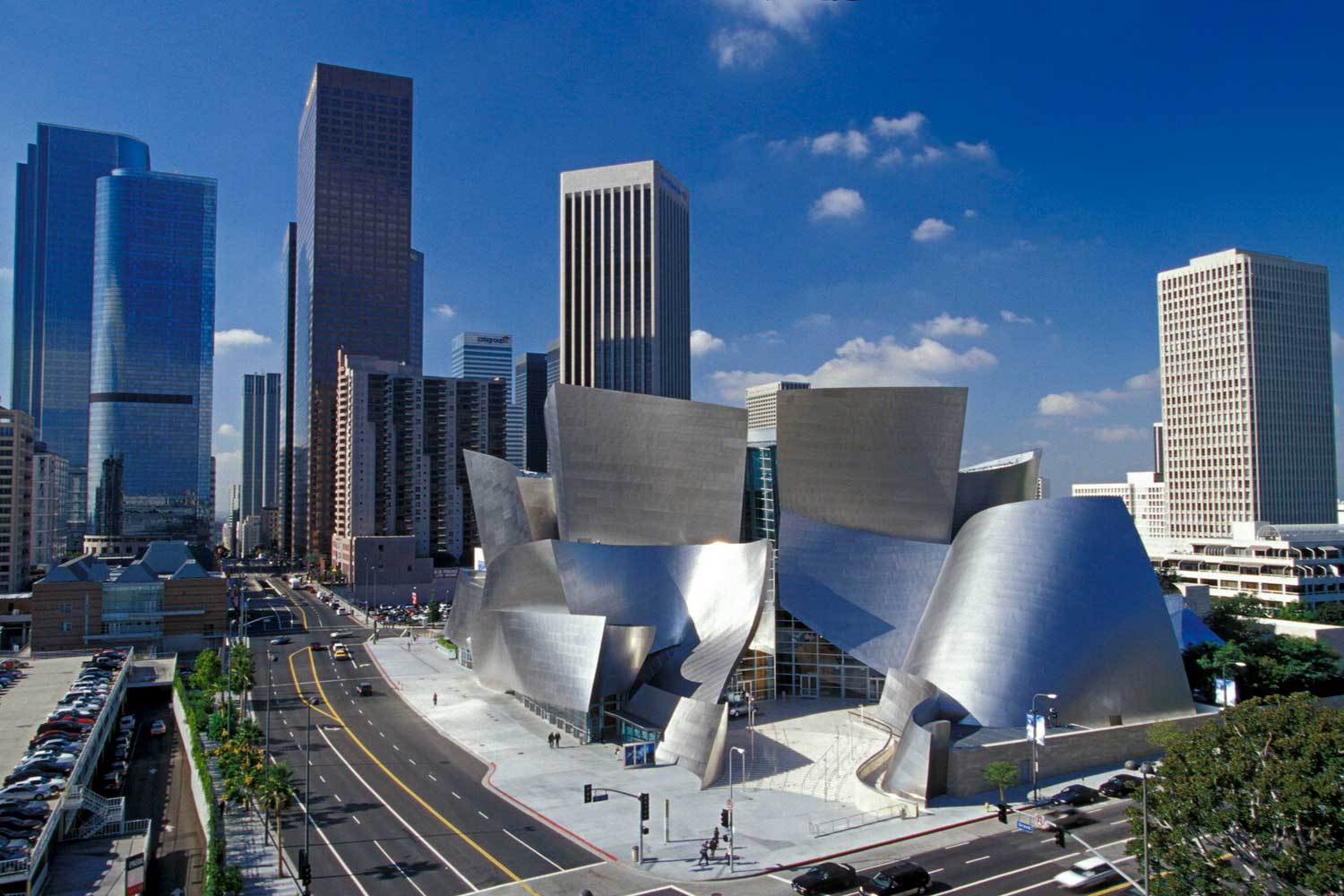
این تالار که در سال ۲۰۰۳ بهعنوان خانهی ارکستر فیلارمونیک لسآنجلس تکمیل شد، سطوح فولادی پیکرهوار را با فضایی اجرای طراحیشده در همکاری نزدیک با آکوستیسین یاسوهیسا تویوتا ترکیب میکند. پروژه با یک اهدا از لیلیان دیزنی در سال ۱۹۸۷ آغاز شد و از طریق یک مسابقهی طراحی انتخاب شد. توسعهی پروژه شامل آزمایشهای گستردهی ماکتی، از جمله یک ماکت آکوستیکی در مقیاس ۱:۱۰ بود. فضای اجرای تکحجمی، مخاطبان و ارکستر را در یک فضا گرد میآورد که با سطوح چوب نراد داگلاس و سازهی فولادی بدون ستون تعریف میشود. در بیرون، فرمهای فلزی گسترده از مدلهای کاغذی گهری تکامل یافتهاند و نور و حرکت را جذب میکنند، در حالی که باغها و عرصههای عمومی اطراف را قاب میگیرند.
Completed in 2003 as the home of the Los Angeles Philharmonic, the Walt Disney Concert Hall combines sculptural stainless-steel surfaces with a performance space shaped through close collaboration between Gehry and acoustician Yasuhisa Toyota. Initiated by a 1987 donation from Lillian Disney and selected through a design competition, the project developed through extensive model testing, including a 1:10 acoustic mock-up. The hall’s single-volume interior brings audience and orchestra into the same space, defined by curving Douglas fir surfaces and a column-free steel structure. Externally, sweeping metal forms evolved from Gehry’s paper models, engaging light and movement while framing gardens and public areas intended to enhance the site’s civic presence.
آمفیتئاتر جای پریتزکر، شیکاگو، ۲۰۰۴
Jay Pritzker Pavilion, Chicago, 2004
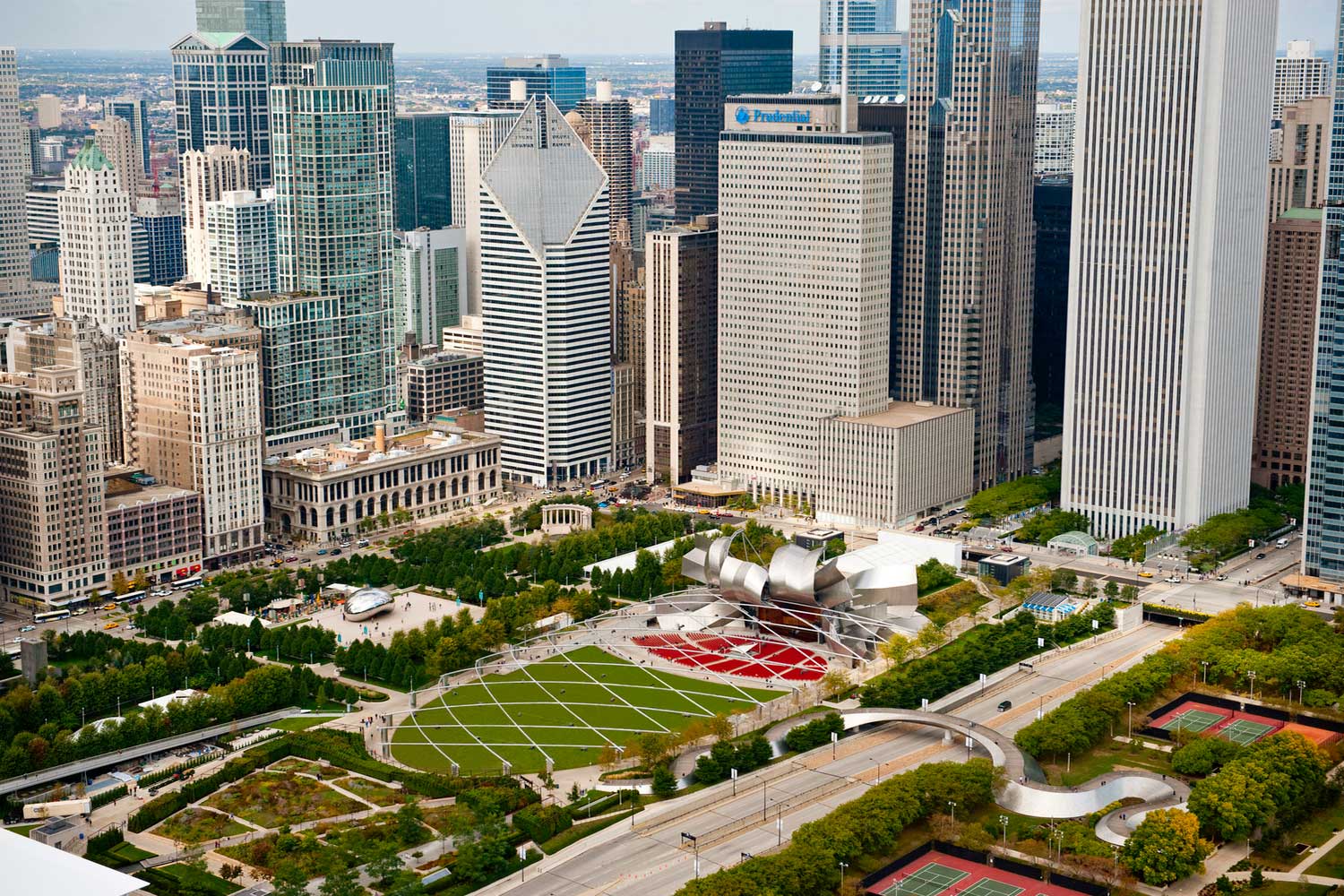
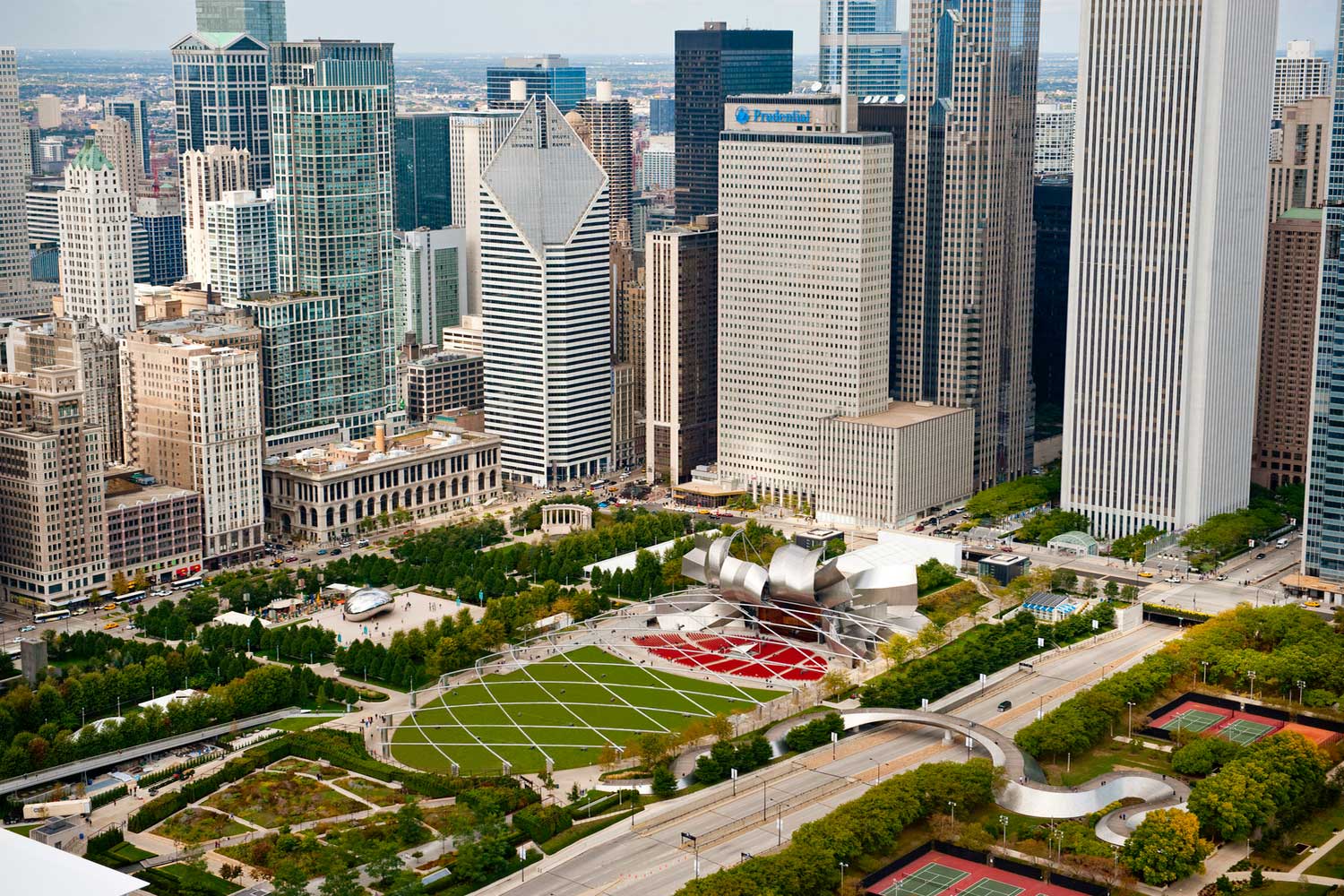
این آمفیتئاتر روباز در پارک ملینیوم شیکاگو، محل اجرای ارکستر سمفونی گرنت پارک و مجموعهای از برنامههای موسیقی است. این سازه با پانلهای فولادی ضدزنگ شکل گرفته است که صحنه را قاب میگیرند؛ صحنهای که با چوب نراد داگلاس پوشانده شده است. ظرفیت مجموعه شامل ۴۰۰۰ صندلی ثابت و ۷۰۰۰ نفر در فضای چمنزار است. یک شبکهی فولادی منحنی، کل طول و عرض چمنزار را میپوشاند و یک سیستم صوتی توزیعشده را پشتیبانی میکند که کیفیت صوتی را در محیط باز افزایش میدهد.
Located in Chicago’s Millennium Park, the Jay Pritzker Pavilion is an open-air performance venue designed by Gehry Partners to host the Grant Park Symphony Orchestra and a range of musical programs. The pavilion forms a sculptural focal point within the park, defined by stainless-steel panels that frame the stage, which is clad in Douglas fir. Seating accommodates 4,000 people in fixed seats, with an additional 7,000 on the adjacent lawn. A curving steel trellis spans the length and width of the lawn, supporting a distributed sound system that enhances acoustic quality across the large outdoor space. Back-of-house functions connect to the neighboring Harris Theater, and large glass doors allow the venue to serve community events throughout the year.
بنیاد لویی ویتون، پاریس، ۲۰۱۴
Fondation Louis Vuitton, Paris, 2014
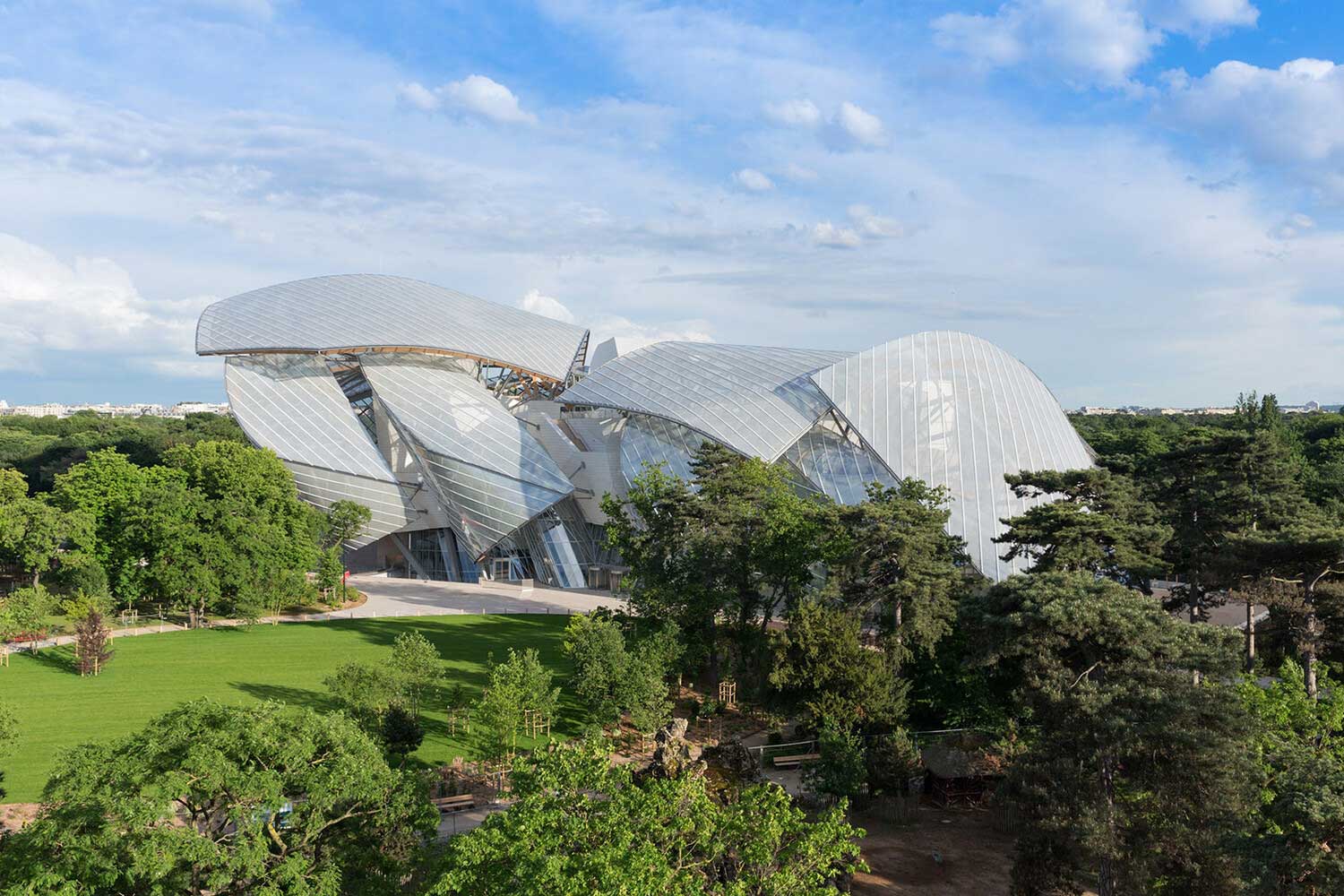
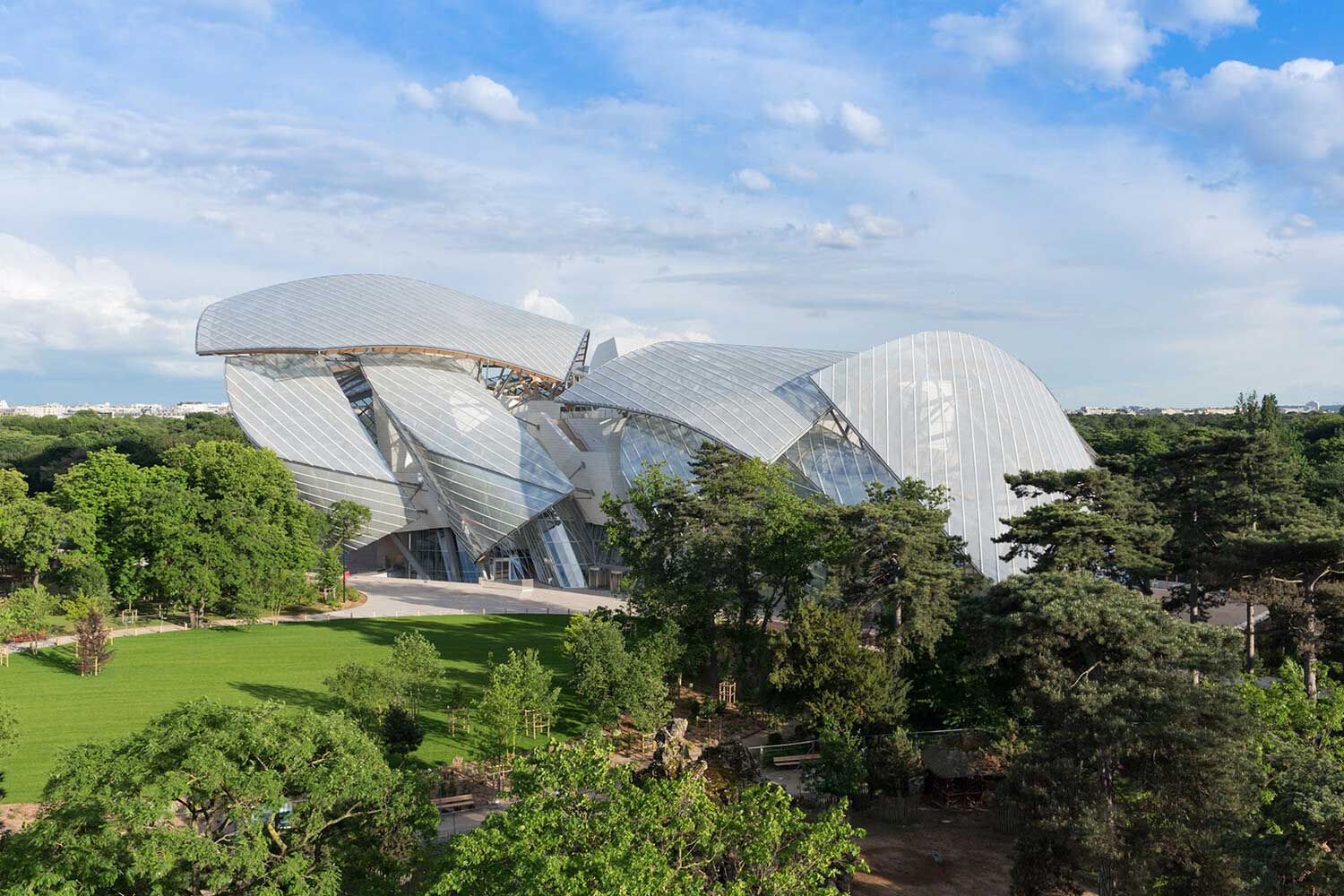
این بنیاد در باغ ژاردن دکلماتاسیون واقع شده و از پاویونهای شیشهای تاریخی باغ الهام گرفته است. بنا با مجموعهای از کوههای یخی سفید پوشاندهشده با بتن تقویتشده و دوازده بادبان شیشهای که توسط تیرهای چوبی پشتیبانی میشوند شکل گرفته است. بادبانها شفافیت و حرکت را معرفی میکنند و بازتاب نور و درختان اطراف را در سطح خود نشان میدهند.
The Fondation Louis Vuitton sits within Paris’ Jardin d’Acclimatation and draws on the garden’s historic glass pavilions while creating a contemporary museum setting. The building is formed by a series of white “icebergs” clad in fiber-reinforced concrete and wrapped by twelve glass sails supported by timber beams. Positioned along a water garden created for the project, the sails introduce transparency and movement, reflecting the surrounding trees and shifting light. Inside, an active ground-level hall connects the museum to the Jardin, while expansive glazing provides continuous views of the landscape as visitors move through the galleries and circulate toward rooftop terraces.
بیوموزه، پاناما سیتی، ۲۰۱۴
Biomuseo, Panama City, 2014
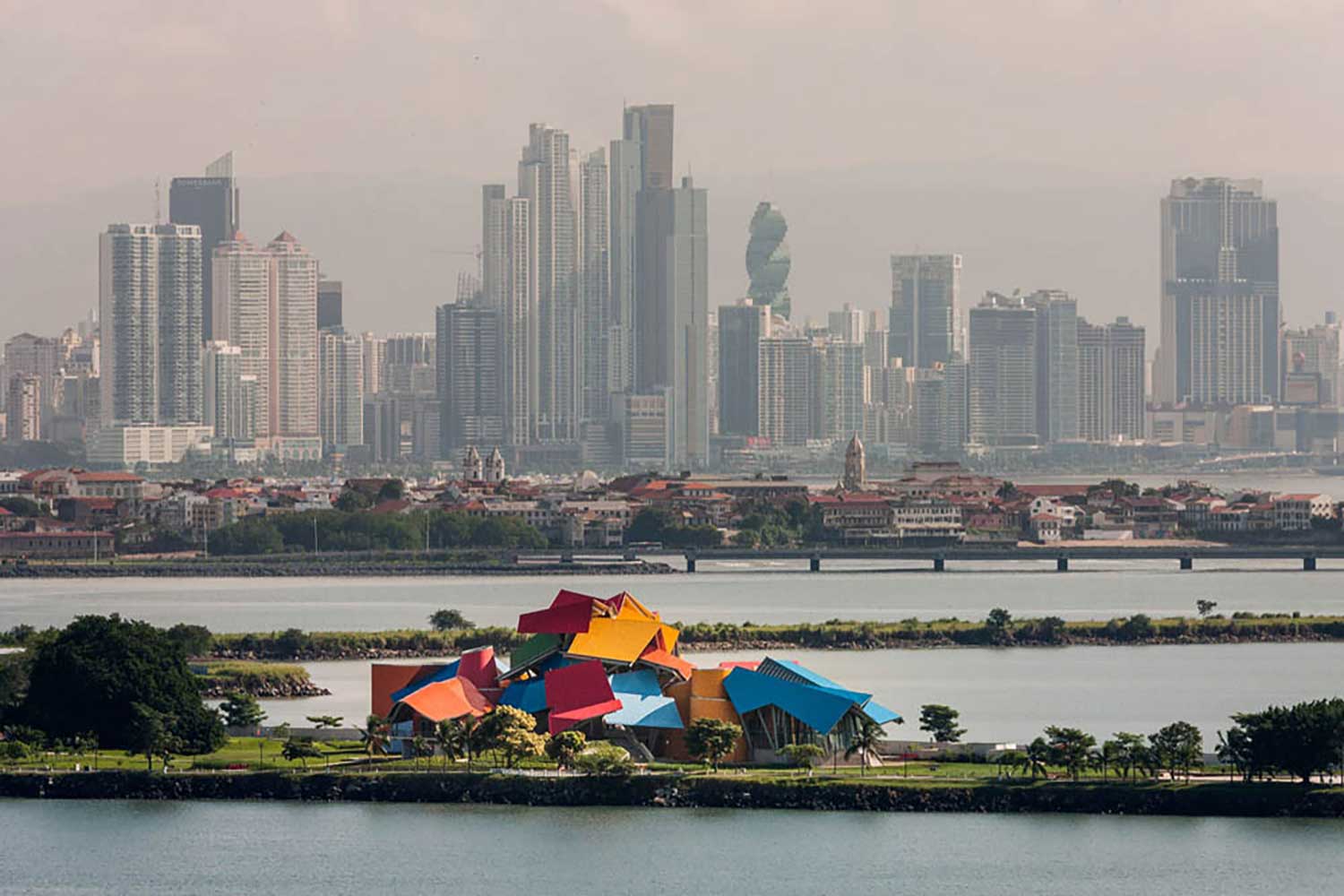
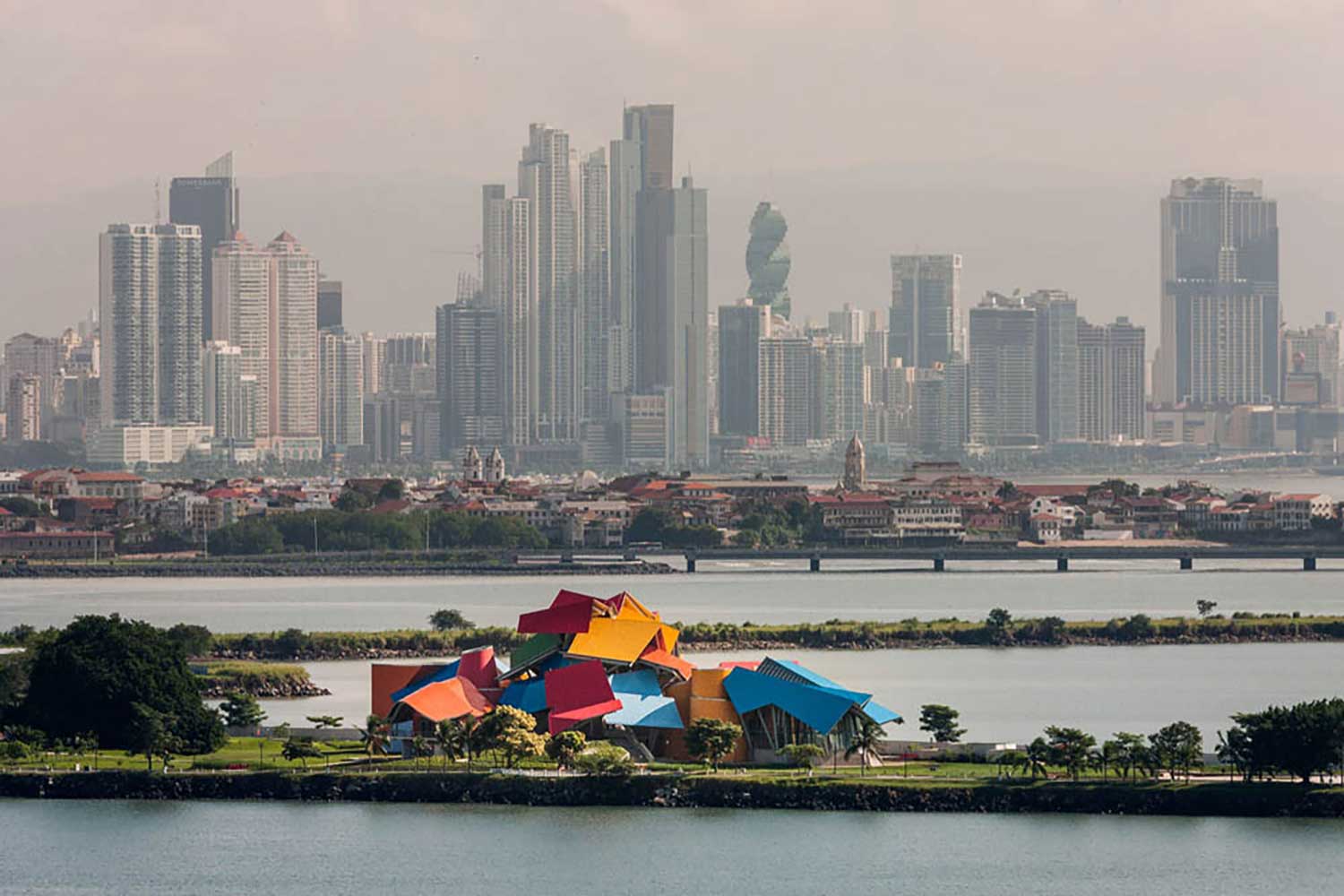
بیوموزه ترکیبی از ساختمان موزه، طراحی نمایشگاه و پارکی پیرامونی است که محیطی آموزشی فراهم میکند. آتریوم مرکزی که با سایهبانهای فلزی رنگی پوشانده شده، از باران بادآورده محافظت میکند و دیدهایی به کانال و شهر فراهم میآورد. دو بال اصلی نمایشگاه و فضاهای عمومی، پیرامون این آتریوم سازماندهی شدهاند. نمایشگاهها بازدیدکنندگان را با شکلگیری تنگهی پاناما، تنوع زیستی آن و اهمیت اکولوژیکی منطقه آشنا میکنند. پارک مجاور با مسیرهای عمومی و ایستگاههای آموزشی، این مضامین را به چشمانداز امتداد میدهد.
The Biomuseo in Panama combines a museum building, exhibition design, and a surrounding park to create an integrated educational environment. At its center is an open-air atrium sheltered by brightly colored metal canopies that offer protection from wind-driven rain while framing views toward the Canal and city. Public amenities and the two main exhibition wings are organized around this elevated atrium, which also shelters an outdoor exhibition space below. Developed in collaboration with Bruce Mau Design, the museum’s eight galleries introduce visitors to the formation of the Isthmus of Panama, its biodiversity, and its ecological significance. The adjacent Park of Biodiversity extends these themes into the landscape through publicly accessible pathways and educational stations.
ساختمان دکتر چو چاک وینگ، سیدنی، ۲۰۱۵
Dr. Chau Chak Wing Building, Sydney, 2015
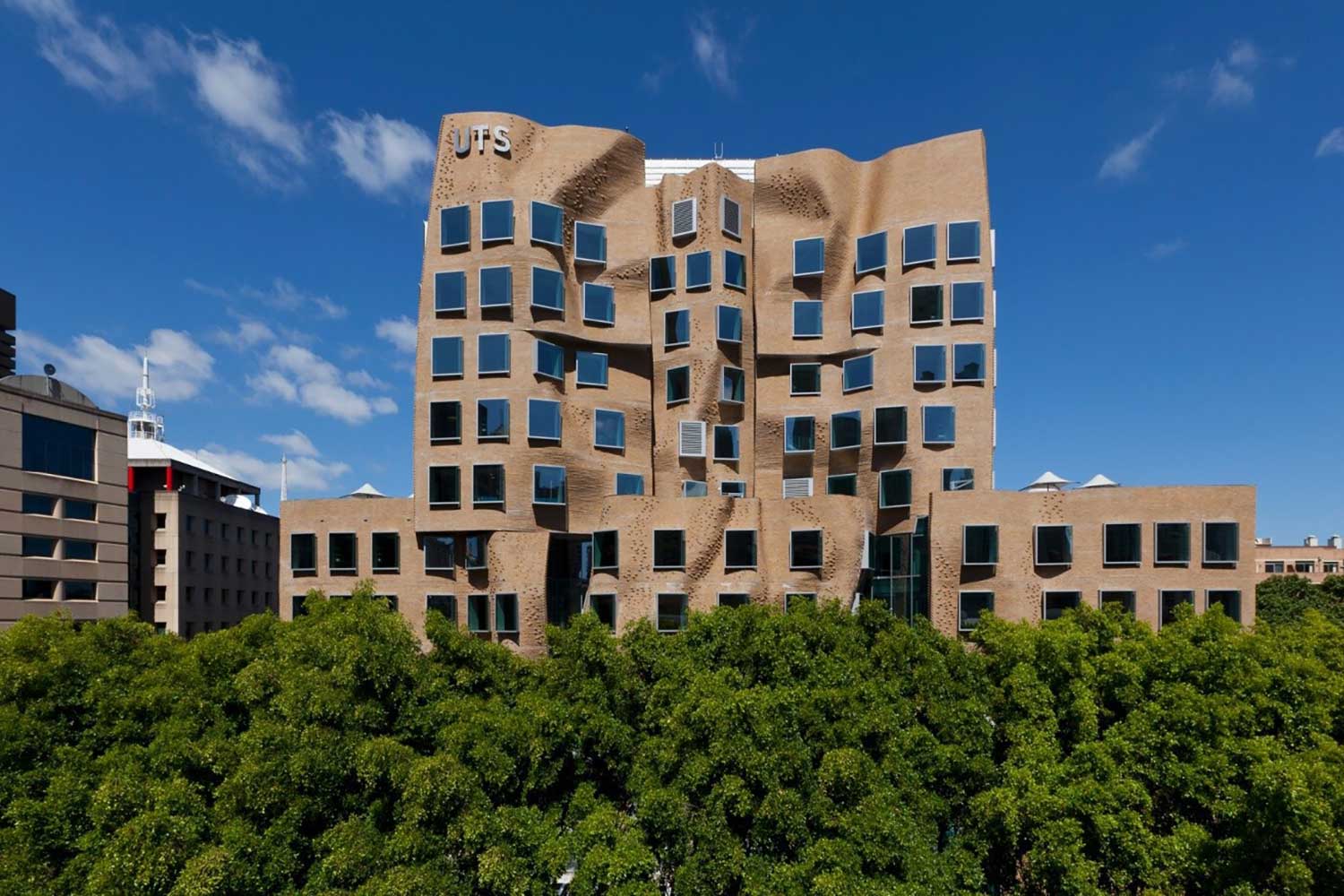
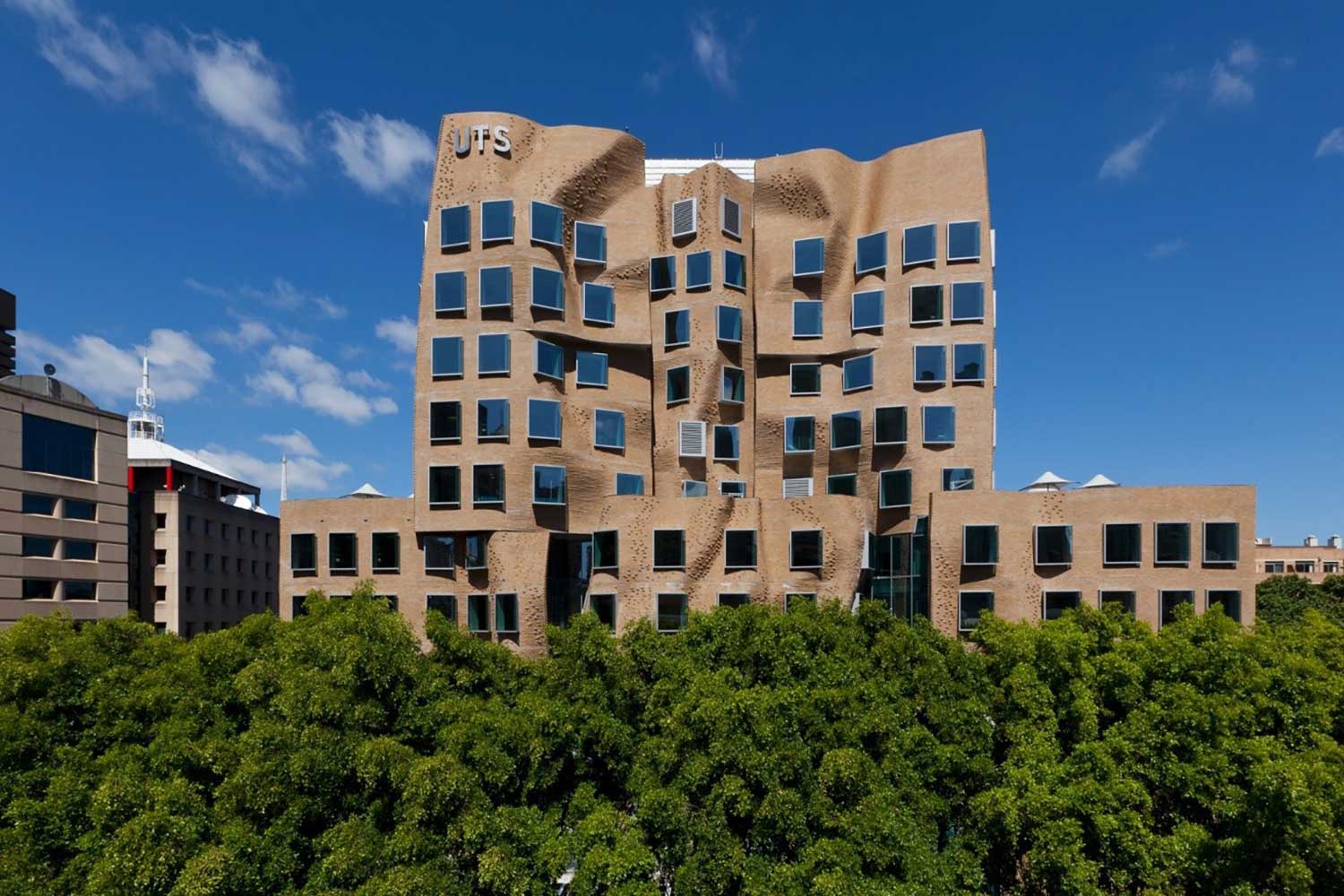
این ساختمان که توسط دفتر گهری بهعنوان بخشی از طرح جامع پردیس دانشگاه فناوری سیدنی طراحی شده، نخستین پروژهی او در استرالیا است و رویکردی متمایز به معماری دانشکدههای کسبوکار ارائه میکند. سازماندهی بنا بر ایدهی یک خانهی درختی استوار است که یک هستهی مرکزی، فضاهای همکاری و کار فردی را پشتیبانی میکند. دو نمای متضاد بنا، یکی از آجر موجدار الهامگرفته از سنت بناهای آجری سیدنی و دیگری از پانلهای شیشهای زاویهدار، شخصیت بیرونی ساختمان را شکل میدهند.
Designed by Gehry Partners as part of the University of Technology Sydney’s City Campus Masterplan, the Dr. Chau Chak Wing Building is Frank Gehry’s first project in Australia and introduces a distinctive approach to business-school architecture. The building is organized around the idea of a “tree-house,” with a central core supporting spaces for collaboration and individual work. Its two contrasting façades, one composed of undulating brick referencing Sydney’s masonry heritage, the other formed by angled glass panels that reflect the surrounding context, define its external character.
برج لوما آرل، ۲۰۲۱
LUMA Arles Tower, 2021
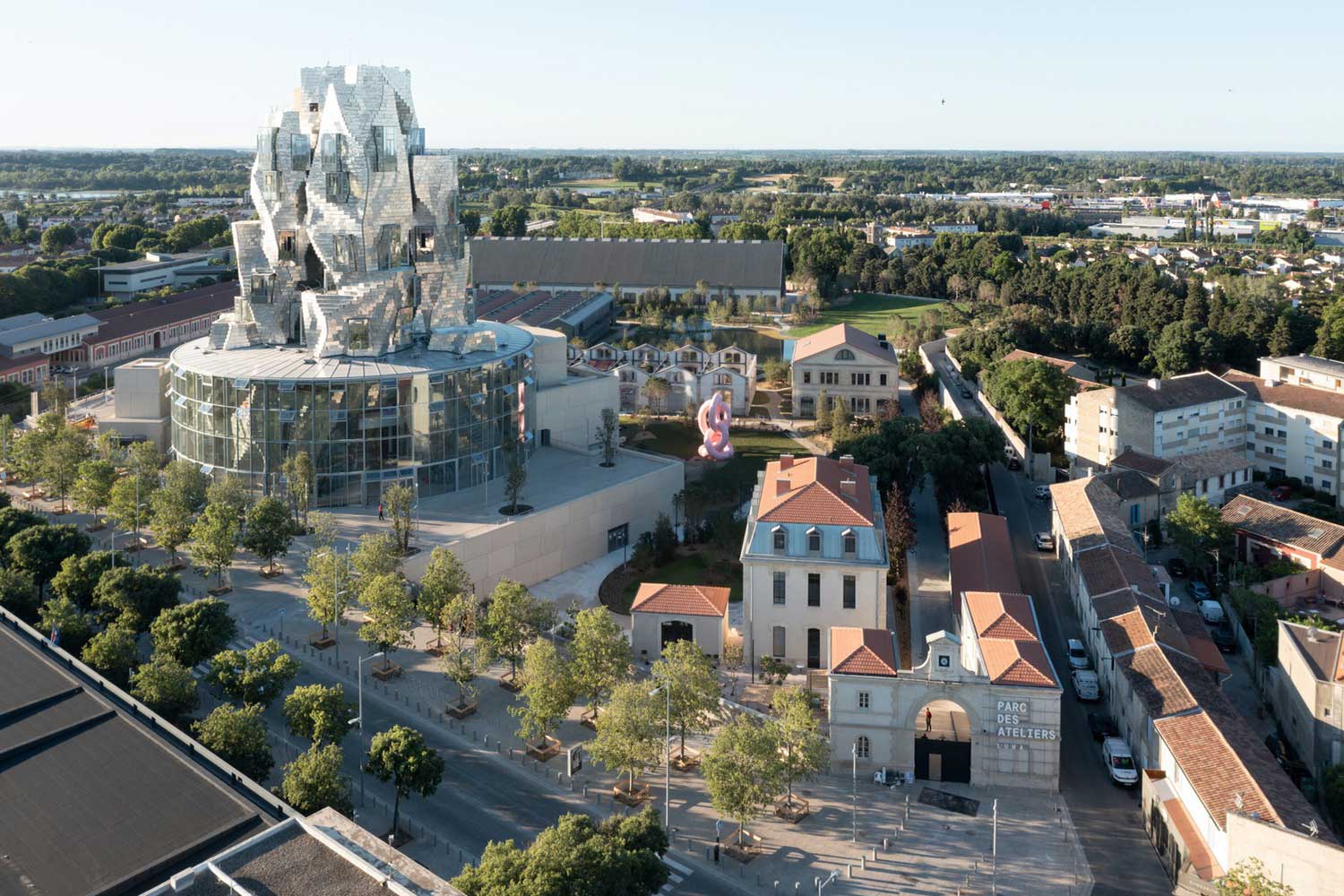
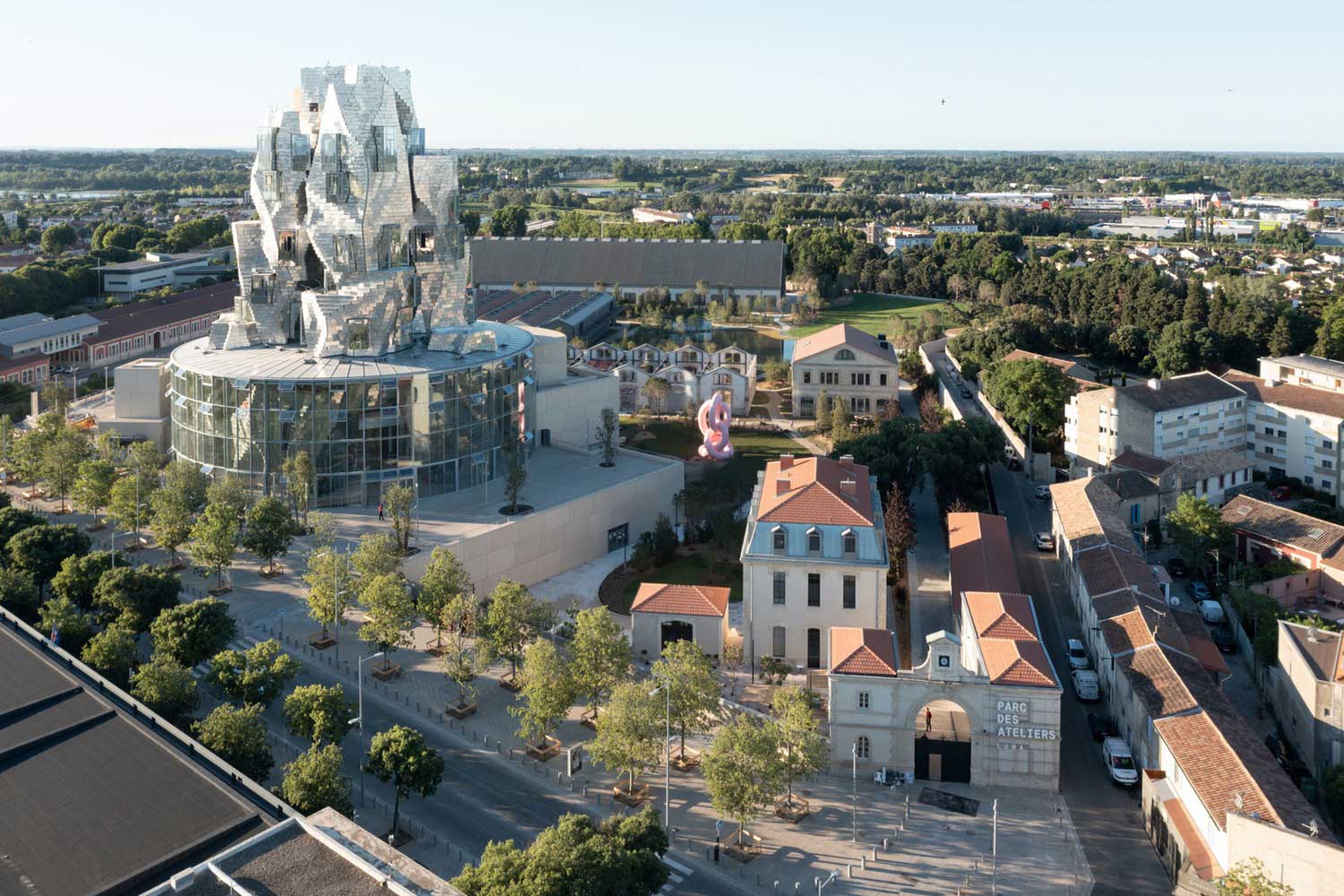
برج لوما آرل که در سال ۲۰۲۱ تکمیل شد، مرکز بازآفرینی محوطهی ۲۷ هکتاری پارک دز آتلیه است؛ سایتی صنعتی که به یک پردیس خلاق برای هنرمندان و پژوهشگران تبدیل شده است. بنا شامل گالریهای نمایشگاهی، فضاهای پروژه، بخشهای پژوهش و آرشیو، کارگاهها، اتاقهای سمینار و یک کافه است. این برج در کنار شش ساختمان صنعتی تاریخی قرار دارد که پنج مورد آنها توسط معمار آنابل زلدورف بازسازی شدهاند. مجموعه در یک پارک عمومی طراحیشده توسط منظرپرداز باس اسمتس جای گرفته است.
Completed in 2021, the LUMA Arles Tower is the centerpiece of the 27-acre Parc des Ateliers redevelopment, a former industrial site transformed into a creative campus for artists and researchers in France. Designed by Gehry Partners, the building accommodates exhibition galleries, project spaces, research and archive facilities, workshops, seminar rooms, and a café, supporting a wide range of cultural and educational programs. The tower stands alongside six historic industrial structures, five of which were revitalized by architect Annabelle Selldorf for exhibitions and residencies. The entire ensemble is integrated within a public park designed by landscape architect Bas Smets, creating a connected environment for production, display, and community engagement.
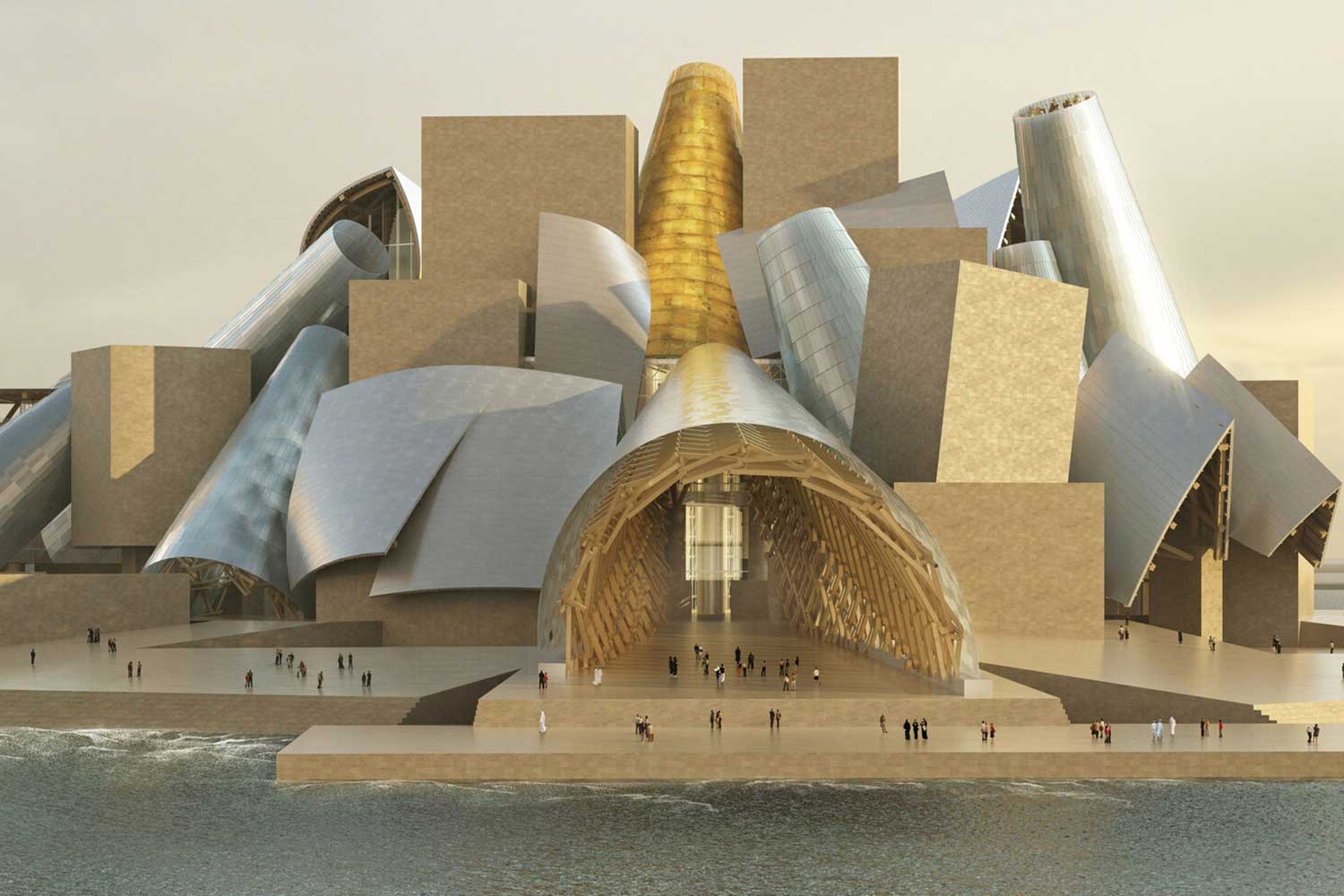
در میان برنامهها و زمینههای متنوع، آثار تکمیلشدهی فرانک گهری مسیر روشنی از تحول در فرم، مصالح و ساخت را ترسیم میکنند. این مسیر به گوگنهایم ابوظبی، موزهای که مدتها برنامهریزی آن صورت گرفته و در منطقهی فرهنگی سعدیات قرار دارد و قرار است در سال ۲۰۲۶ افتتاح شود، امتداد مییابد. این پروژه، یکی از آخرین پروژههای بزرگ گهری است که بسیاری از مضامین معماری تعریفکنندهی کار او را ادامه میدهد و نشاندهندهی سهم او در مؤسسات فرهنگی جهان است. حتی با وجود درگذشت او، تأثیر گهری در روشها، جاهطلبیها و گفتوگوهایی که همچنان رشتهی معماری را شکل میدهند، باقی خواهد ماند.
Across varied programs and contexts, Frank Gehry’s completed works trace a clear evolution in his handling of form, material, and fabrication. This trajectory extends to the Guggenheim Abu Dhabi, his long-planned museum in the Saadiyat Cultural District scheduled to open in 2026, which carries forward many of the architectural themes that defined his practice. As one of the final major projects to be realized from his studio, it stands as both a continuation of his architectural explorations and a testament to his contribution to cultural institutions worldwide. Even with his passing, Gehry’s influence remains embedded in the methods, ambitions, and conversations that continue to define the field.
مطالب مرتبط